Online Worksheets for Kindergarten - Page 28
1172 filtered results
Difficulty Level
Grade
Age
-
From - To
Subject
Activity
Standards
Favorites
With answer key
Interactive
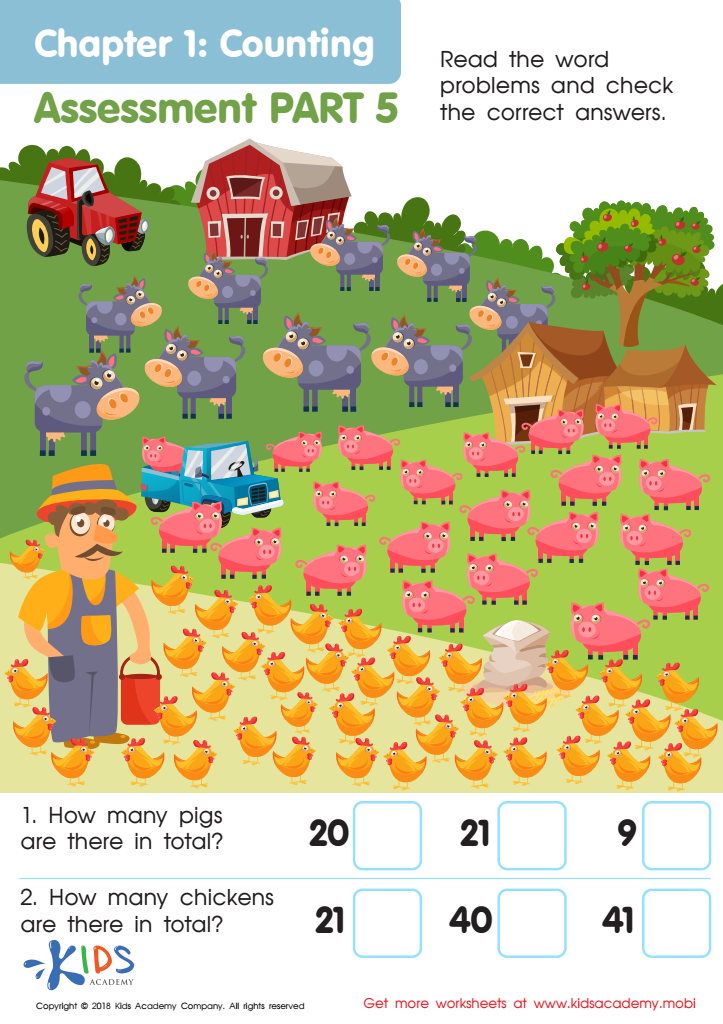
Counting: Assessment 5 Worksheet
Let your kids have fun counting farm animals on this worksheet! Help the farmer count the animals and have your child check the answers to assess their counting skills. Read the word problem at the bottom of the page and count the animals together. It's an entertaining way to practice counting and have a great time!
 Assign to My Students
Counting: Assessment 5 Worksheet
Worksheet
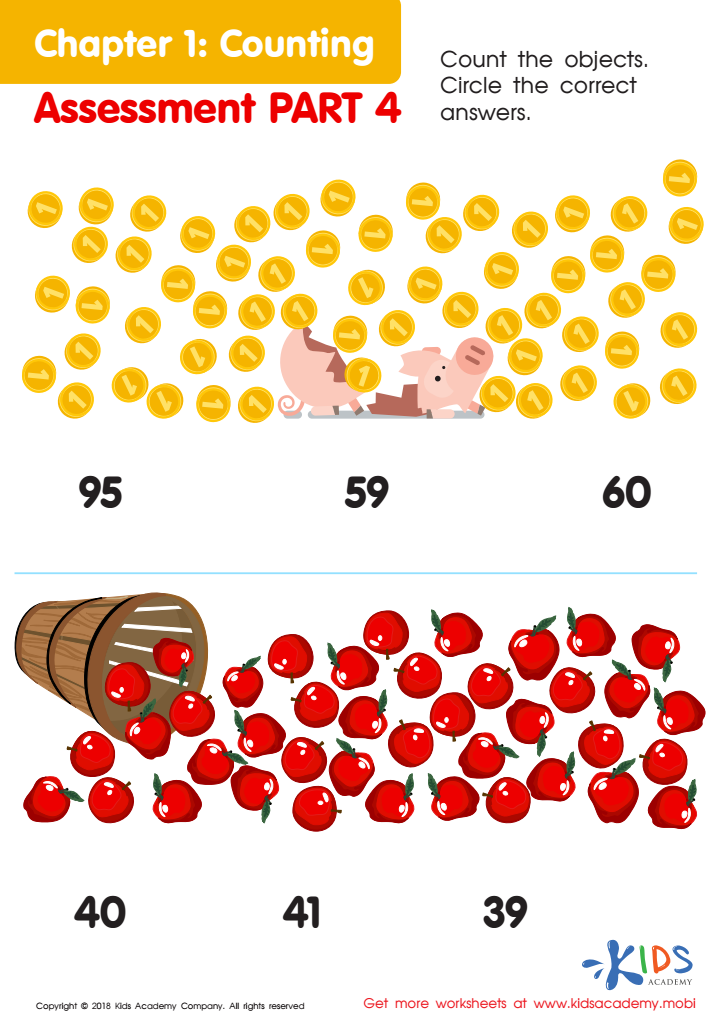
Counting: Assessment 4 Worksheet
Encourage your students to count objects in this colorful worksheet. Ask them to circle the correct answers from the options given. See how much their counting skills have improved with your guidance. Have fun!
Counting: Assessment 4 Worksheet
Worksheet
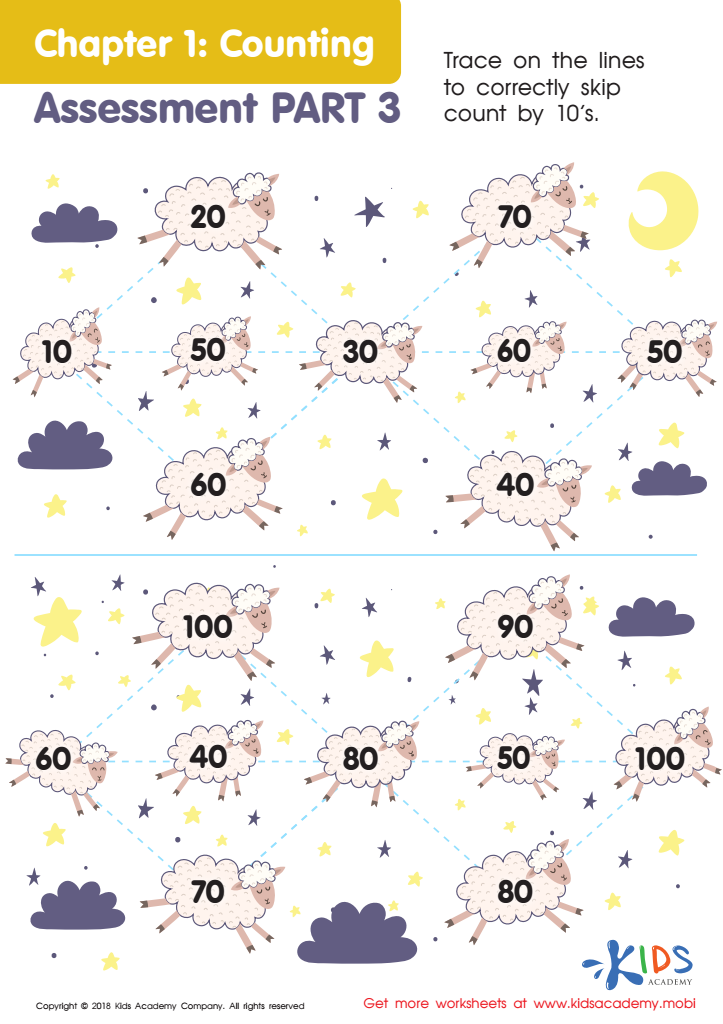
Counting: Assessment 3 Worksheet
This worksheet is great for assessing your child's counting skills. It's a bit more challenging than the usual 'count to fifty' exercises. Have them trace the lines and skip count by 10's to help them learn counting in tens.
Counting: Assessment 3 Worksheet
Worksheet
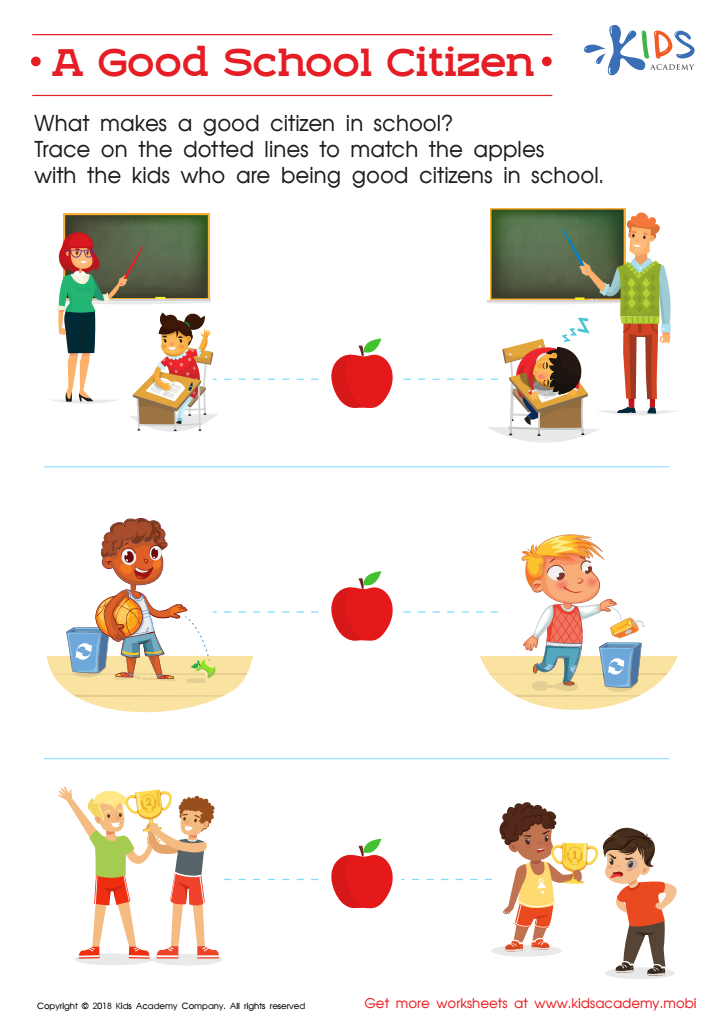
A Good School Citizen Worksheet
Ask your child to list qualities of a good citizen. Show them the pictures of good citizens in school and explain how they can display those behaviors. Help your kid trace the lines on the worksheet to match the pictures. Encouraging good citizenship in school helps children become upstanding members of their community.
A Good School Citizen Worksheet
Worksheet
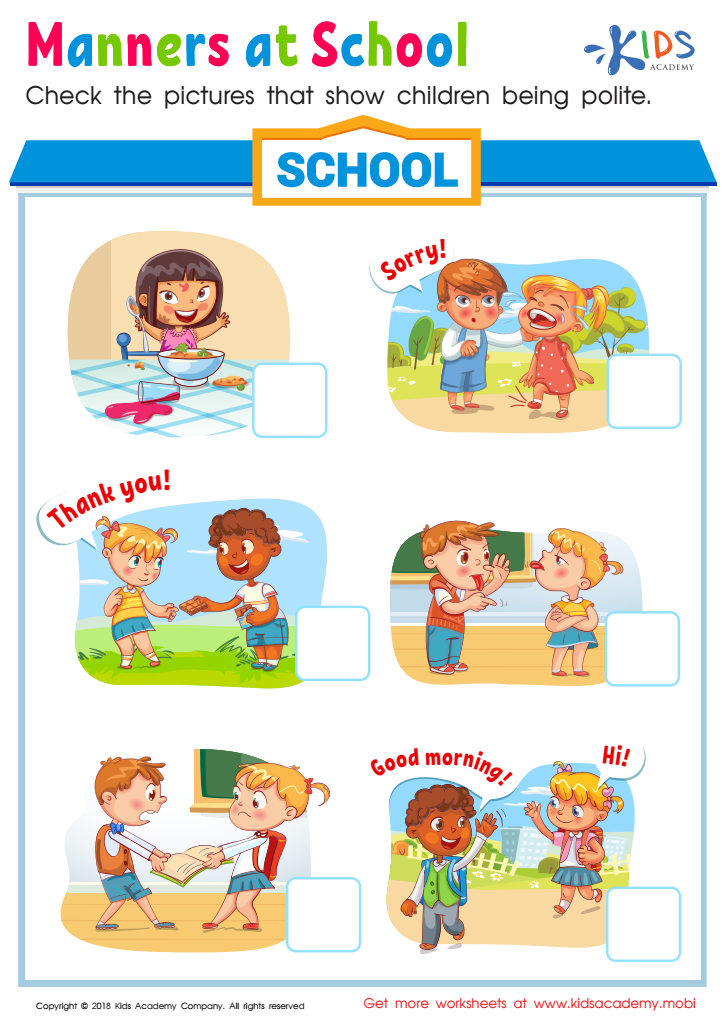
Manners at School Worksheet
Go through the worksheet with your child and ask which children are being rude or polite. Check the boxes for the polite children. Explain how to be well-behaved in school by following the examples of polite children. Help your child better their behaviour in school and the community.
Manners at School Worksheet
Worksheet
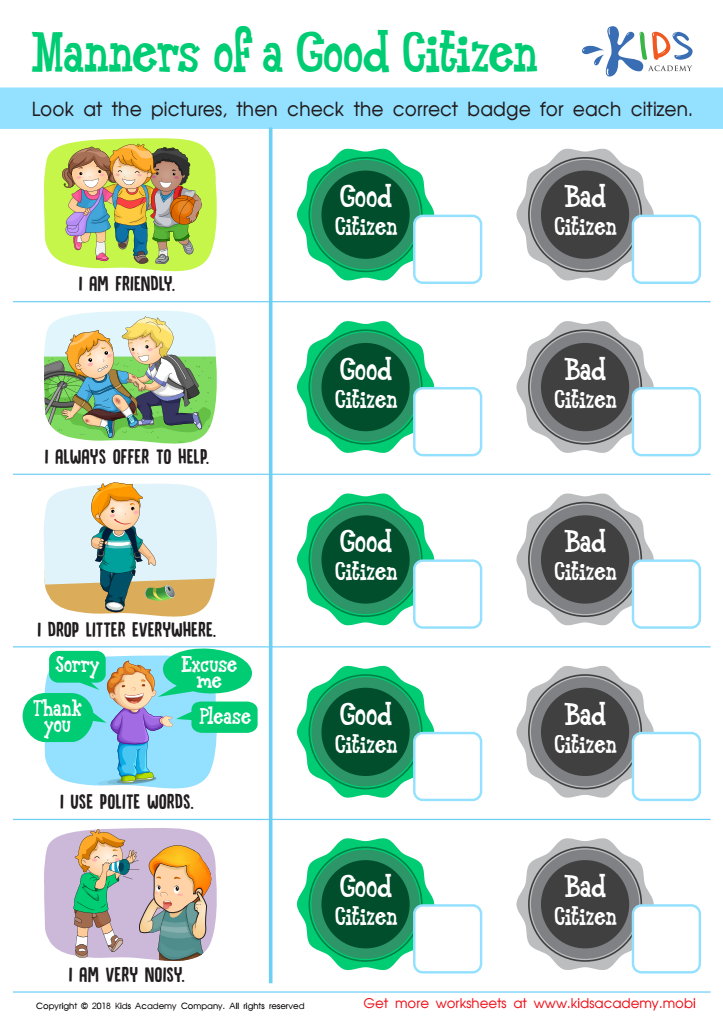
Manners of a Good Citizen Worksheet
Help your child understand the difference between a good and bad citizen. Look at the worksheet pictures and ask your child what the children are doing. Are they being good or bad citizens? Check the correct badge for each one. After this, your child should have a better idea of how to act as a good citizen.
Manners of a Good Citizen Worksheet
Worksheet
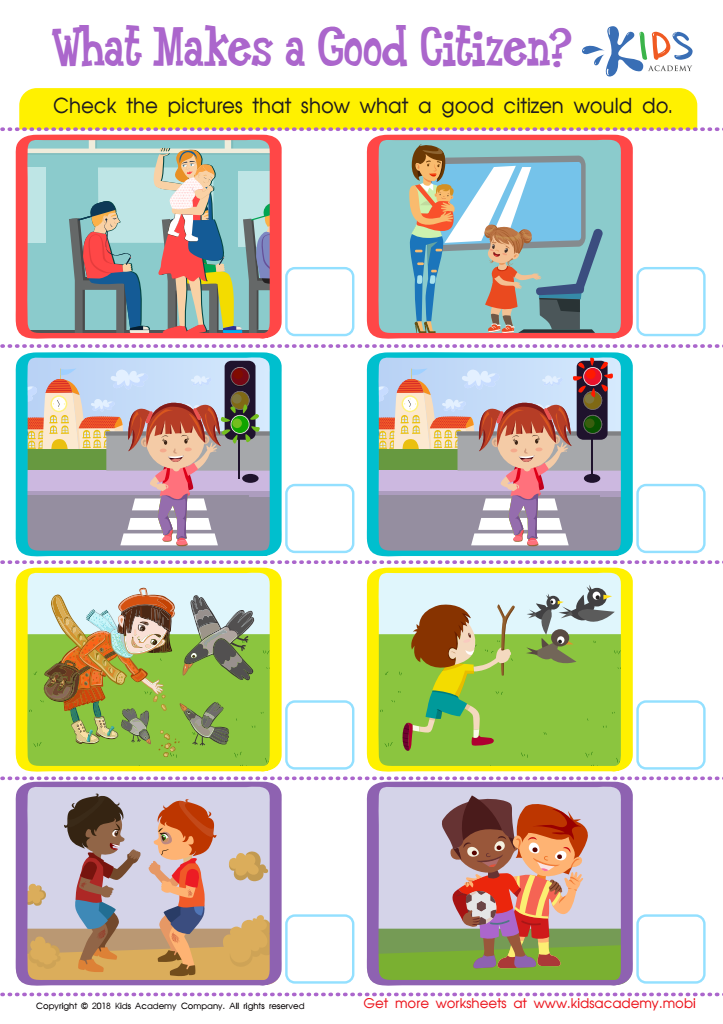
What Makes a Good Citizen? Worksheet
Ask your children to list some habits of a good citizen. Go through the worksheet and ask them if any of the pictures show good habits. Check the boxes of the actions that a good citizen would do to help your students understand what makes a good and bad citizen.
What Makes a Good Citizen? Worksheet
Worksheet
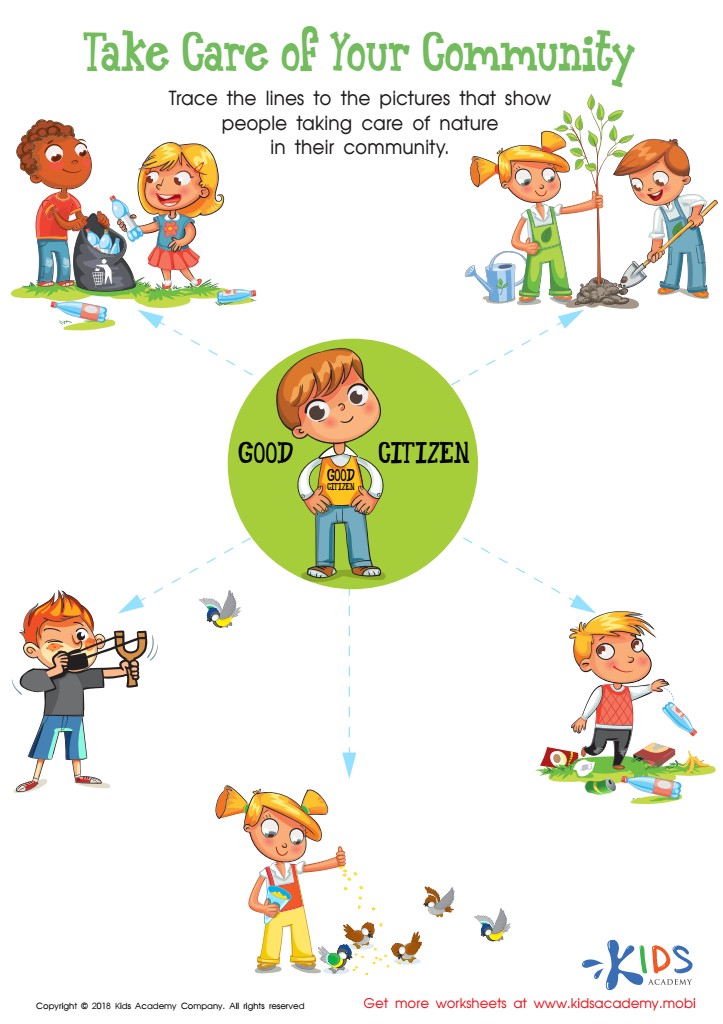
Take Care of your Community Worksheet
Talk to your child about taking better care of the community. Look at the worksheet together - it has pictures of people taking care of their community and the environment. Show them how to trace the lines to the pictures of good citizens.
Take Care of your Community Worksheet
Worksheet
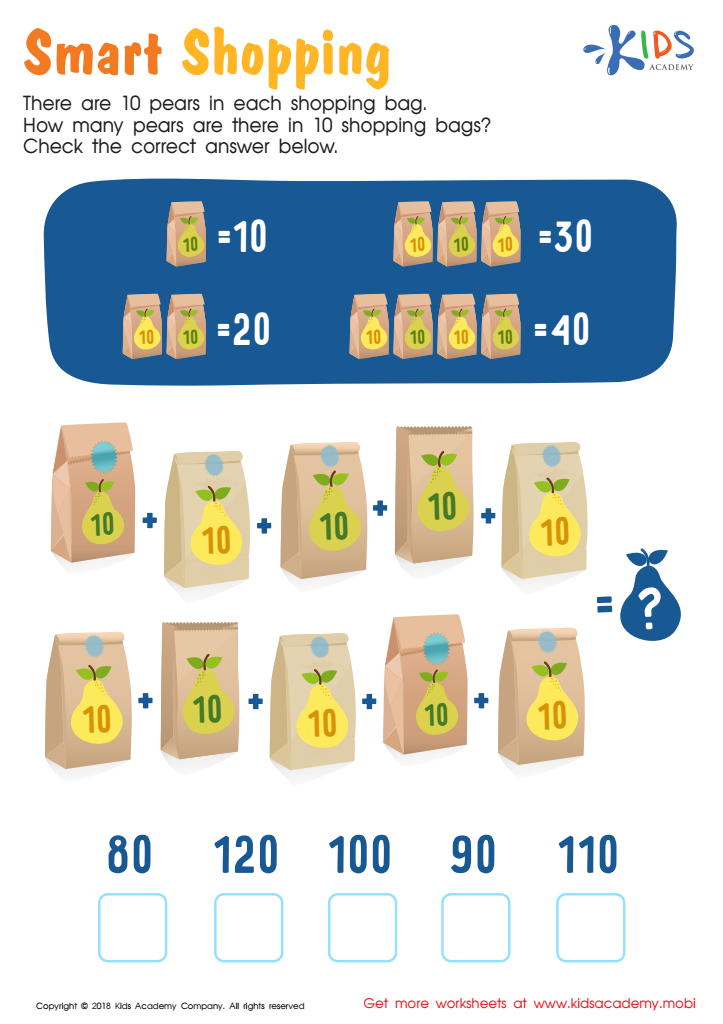
Smart Shopping: Trade Tens for a Hundred Worksheet
Use this worksheet to test counting skills: each bag has 10 pears. Ask your child how many pears are in 10 bags. Guide them as they count through the printout and check the answer below. See if they got it right!
Smart Shopping: Trade Tens for a Hundred Worksheet
Worksheet
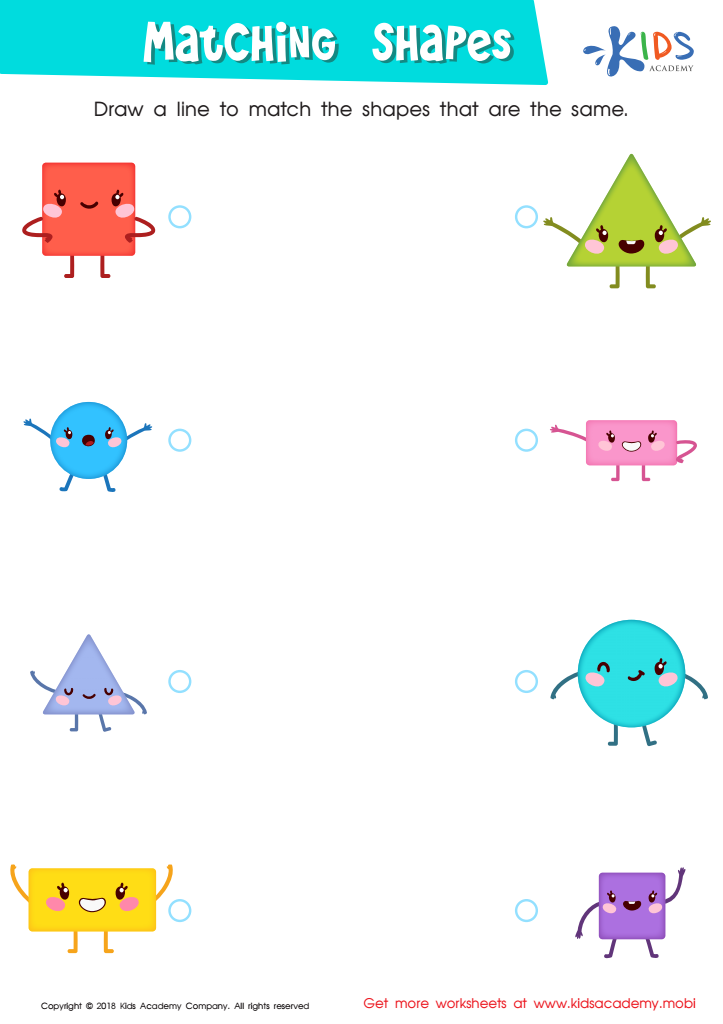
Matching Shapes Worksheet
Introduce your students to the 4 most common shapes: squares, triangles, rectangles and circles. When they progress, show them other shapes like rhombuses and parallelograms. Use this matching shapes worksheet to help them match two identical shapes. Print out the worksheet and instruct them to draw lines connecting them.
Matching Shapes Worksheet
Worksheet
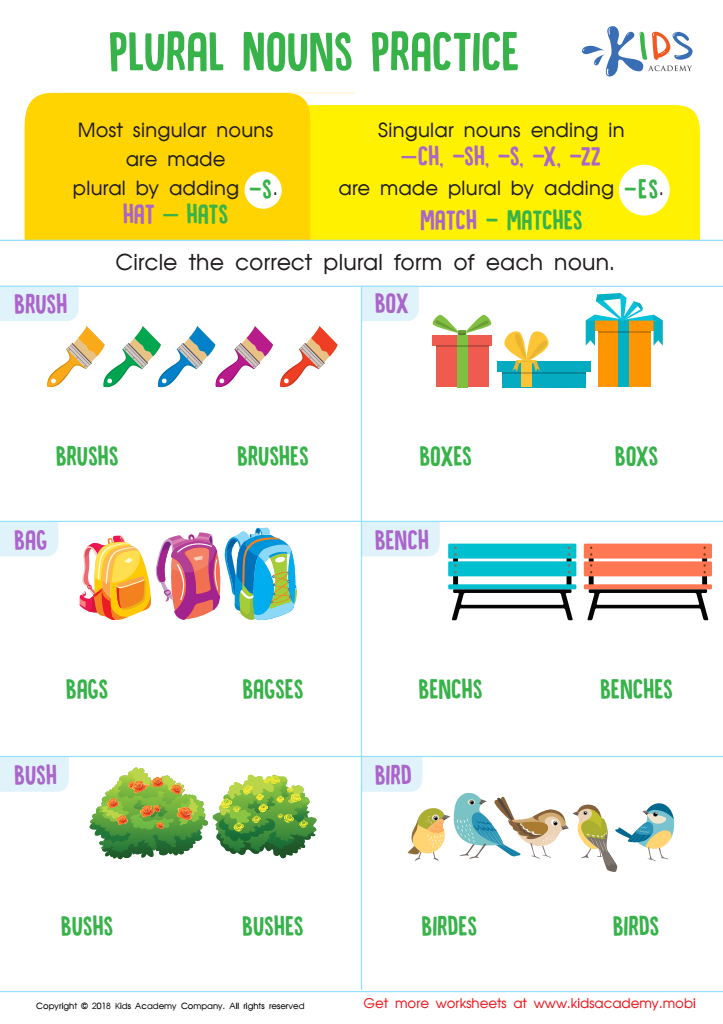
Plural Nouns Practice Worksheet
Explain to your child that most singular nouns become plural by adding "-s". E.g. "cat"->"cats". For words ending in "-ch", "-sh", "-s", "-x", or "-zz", add "-es". E.g. "buzz"->"buzzes". Then, get them to circle the right plural form of each noun on the worksheet.
Plural Nouns Practice Worksheet
Worksheet
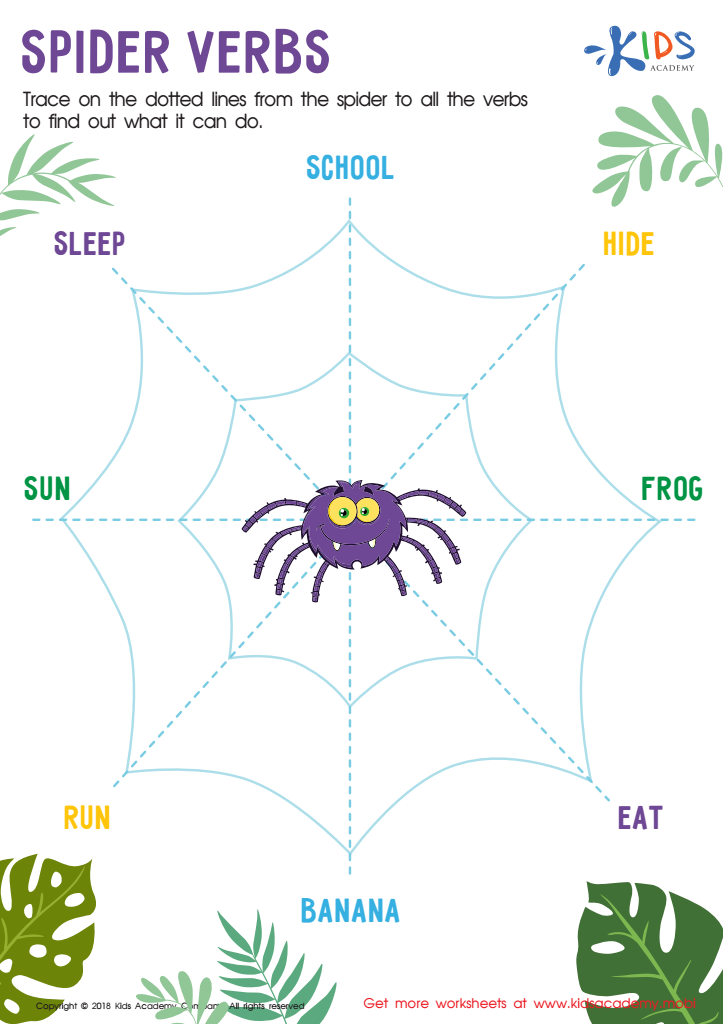
Spider Verbs Worksheet
Verbs are action words. Examples: run, play, talk. Show your child this tracing sheet for them to learn about verbs. Ask them to trace the dotted lines from the spider to the words that are verbs. These words are what the spider can do.
Spider Verbs Worksheet
Worksheet
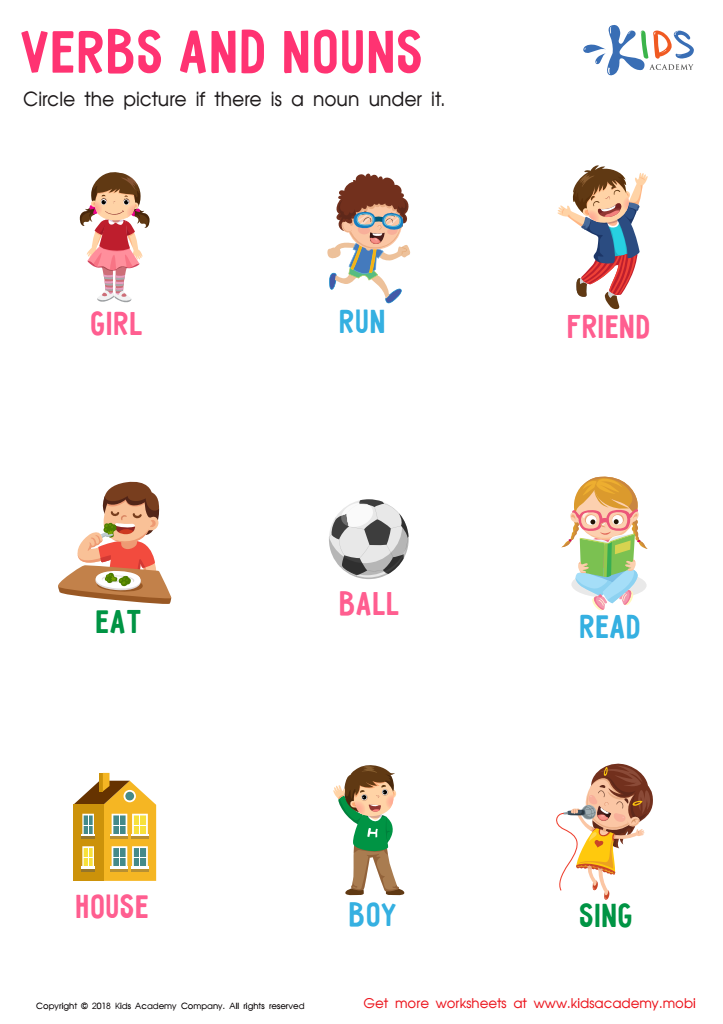
Verbs and Nouns Worksheet
Your child should have basic knowledge of verbs and nouns before starting this worksheet. Go through it with them and ask them to circle the pictures with nouns under them. This way, they'll become more familiar with parts of speech.
Verbs and Nouns Worksheet
Worksheet
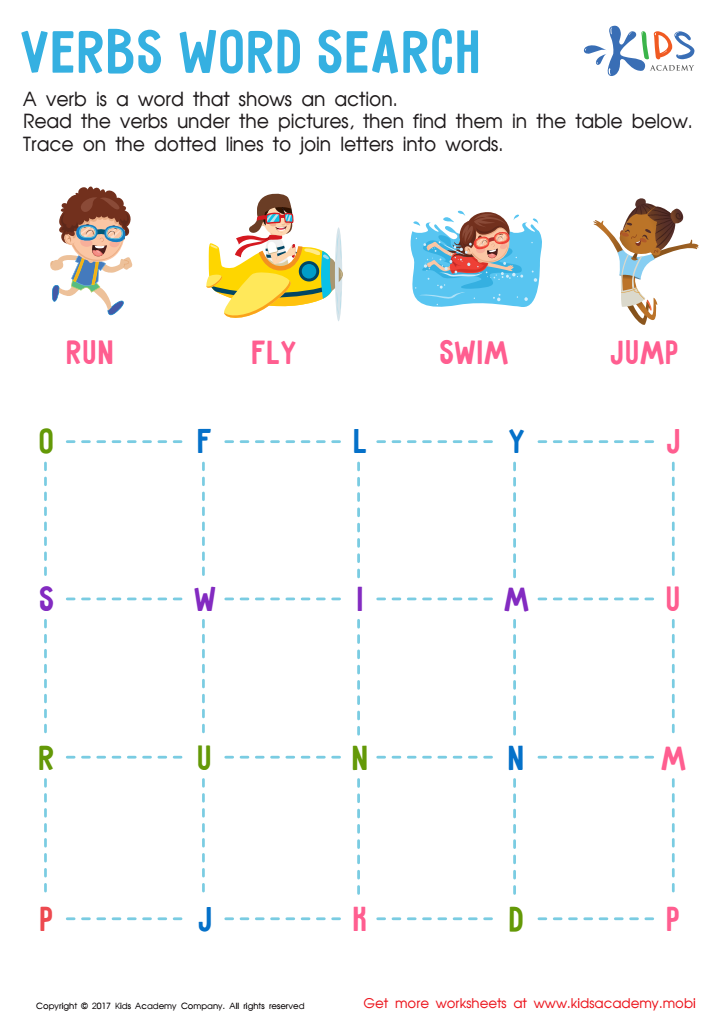
Verbs Word Search Worksheet
Ask your child if they understand the meaning of the word "verb". If not, explain that it's a word that shows an action. Give examples of familiar verbs. Then look at the pictures in the tracing sheet and read the words. Ask your child to follow the dotted lines to find the hidden words. Perfect tool to teach spot and use verbs!
Verbs Word Search Worksheet
Worksheet
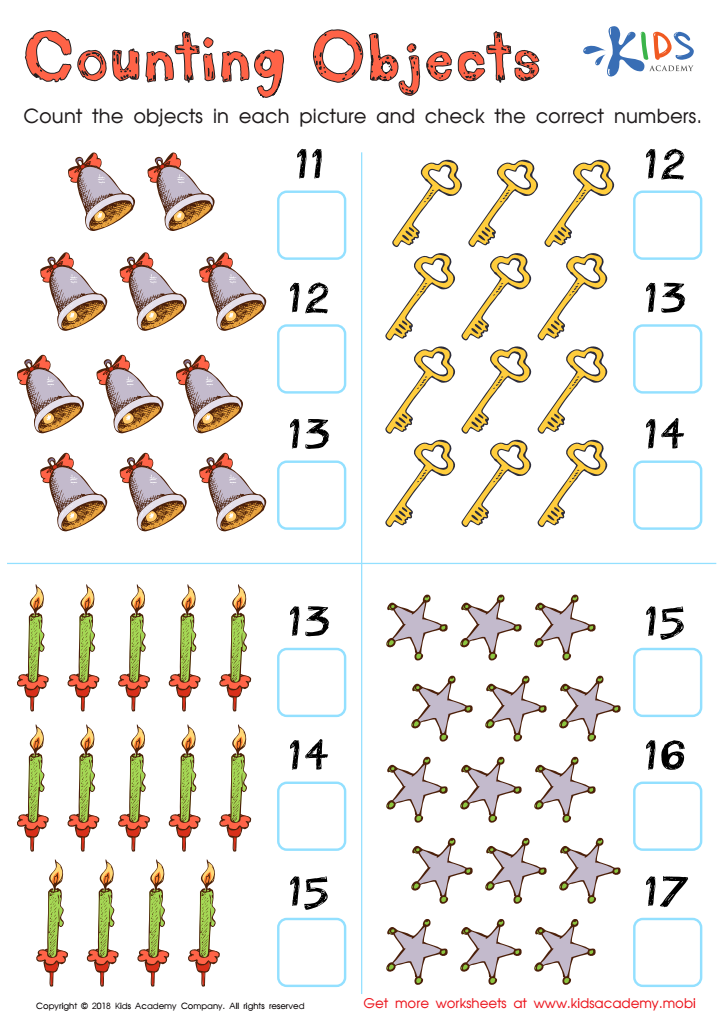
Counting Numbers Worksheet For Kindergarten
This worksheet is a great way to get your child practicing foundational math skills. With bright pictures to count, counting numbers just got a lot more fun! Get them ready for future math success and help them hone their early math skills.
Counting Numbers Worksheet For Kindergarten
Worksheet
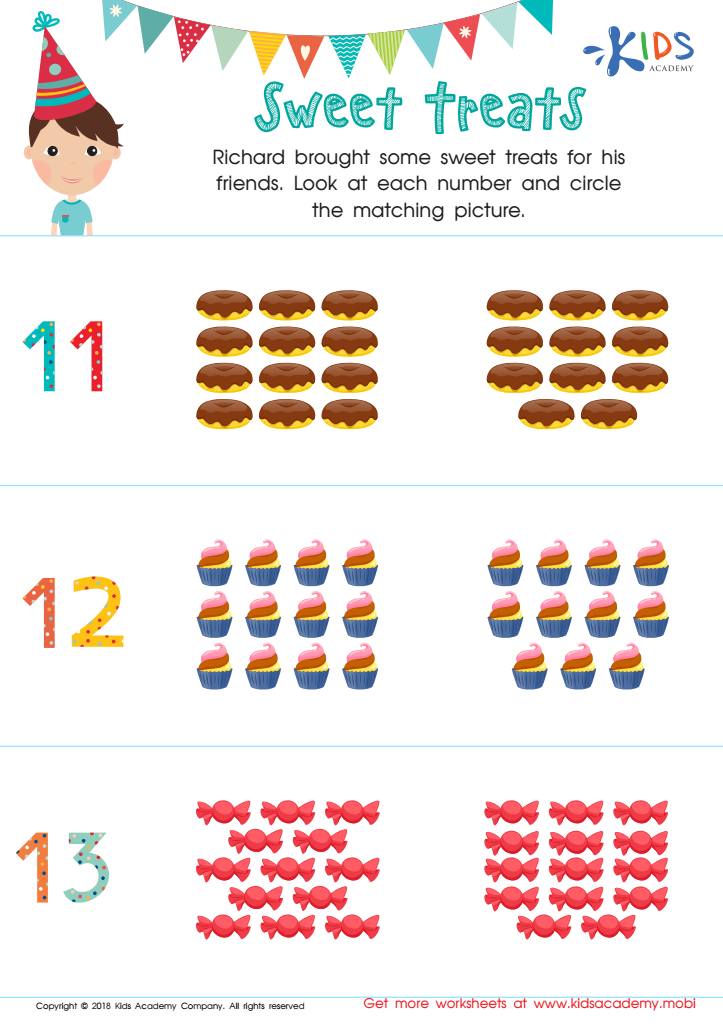
Kindergarten Math Worksheet Matching Numbers
Counting is fun with these kindergarten math worksheets! Richard brought cupcakes and candy - help your child count each treat and circle the picture that matches the number. Let the party begin!
Kindergarten Math Worksheet Matching Numbers
Worksheet
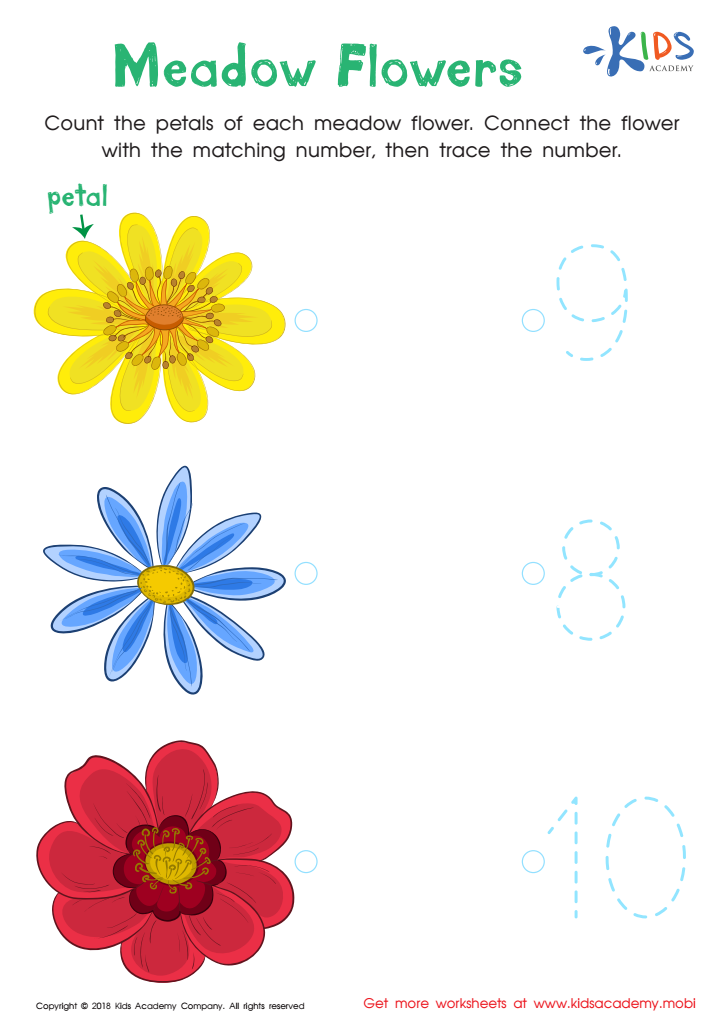
Kindergarten Number Tracing: Medow Flowers Worksheet
Take your child to the garden to count flower petals and trace numbers with this fun kindergarten PDF worksheet. They'll learn to count and write, all while enjoying the sweet scent of the flowers.
Kindergarten Number Tracing: Medow Flowers Worksheet
Worksheet
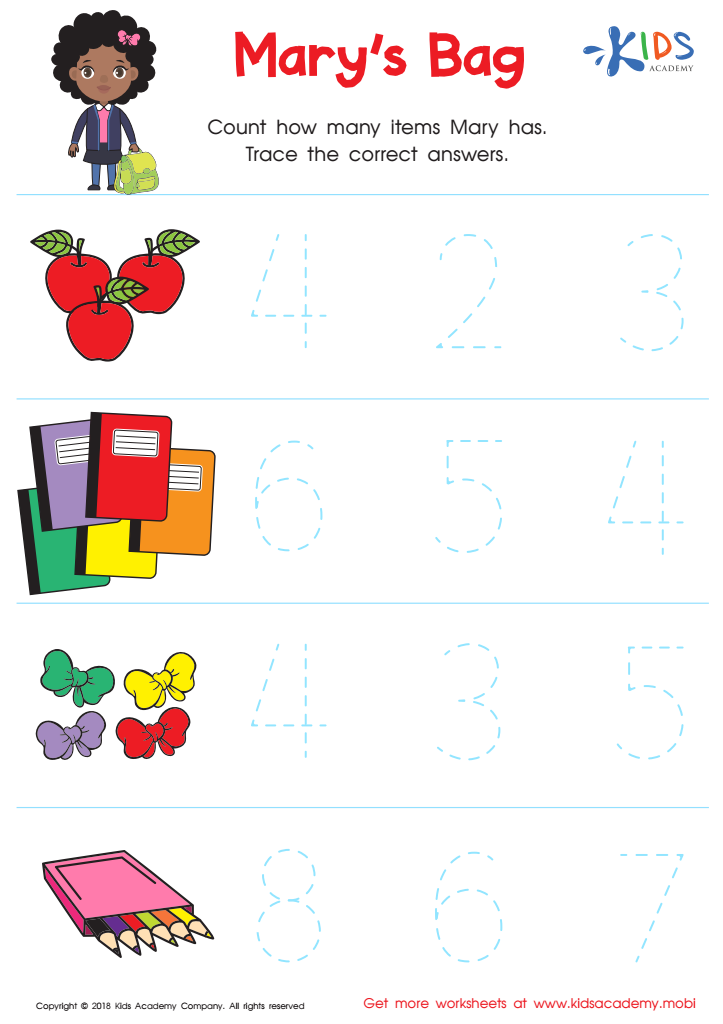
Kindergarten Number Tracing: Mary's Bag Worksheet
Counting and writing skills are honed with this kindergarten tracing worksheet. Guide Mary in counting the items in her bag then trace the correct number for each. Your child will get a great head start on essential kindergarten skills!
Kindergarten Number Tracing: Mary's Bag Worksheet
Worksheet
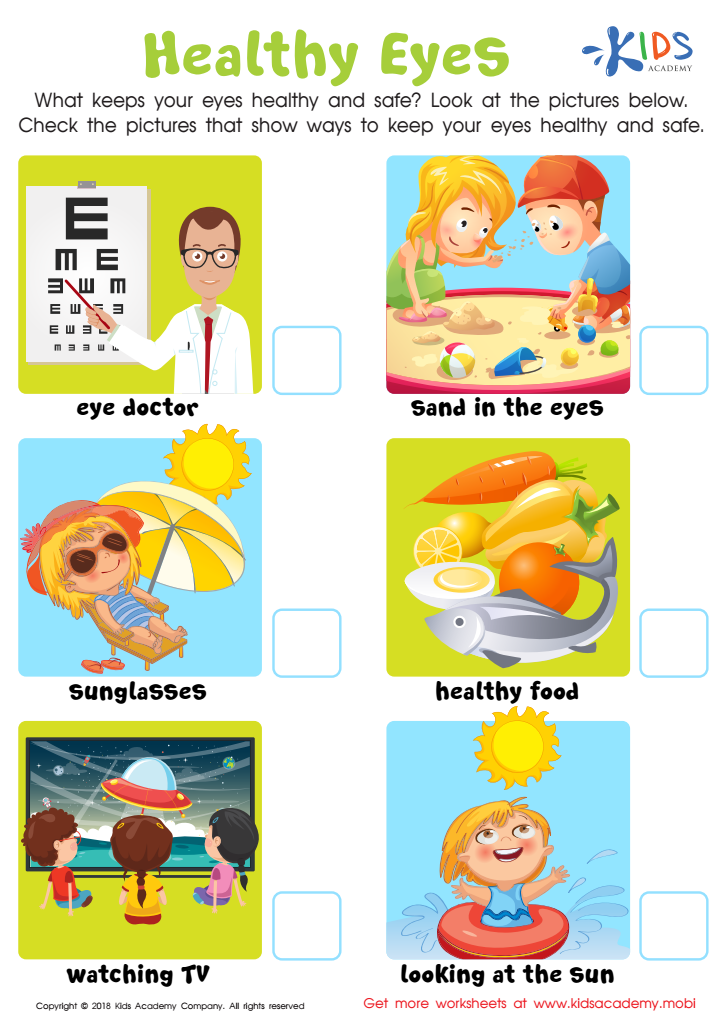
Healthy Eyes Worksheet
Does your child know how to care for their eyes? Help them understand with this worksheet. Look through the pictures together and discuss the different ways to keep the eyes healthy and safe. These include visits to the doctor, wearing sunglasses, and eating healthy food.
Healthy Eyes Worksheet
Worksheet
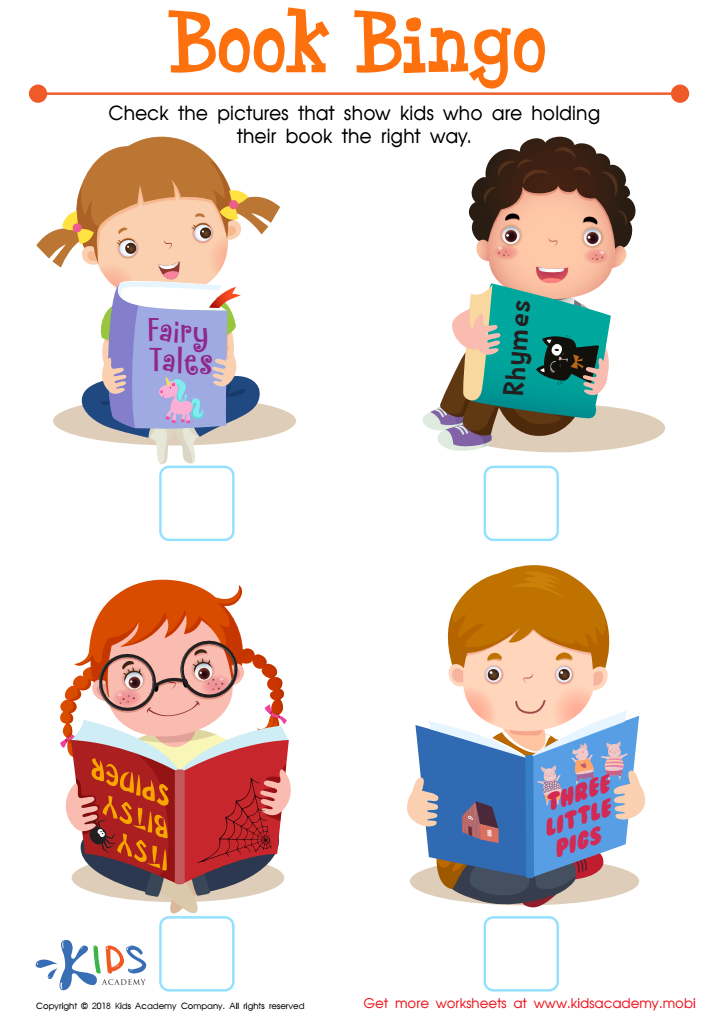
Book Bingo Worksheet
Help your kids spot which of the kids in the worksheet are reading correctly. Early instruction in reading helps ensure kids won't face problems later on, plus any impairments can be identified and corrected quickly. Can your child read? Have them check the pictures of kids holding books the right way.
Book Bingo Worksheet
Worksheet
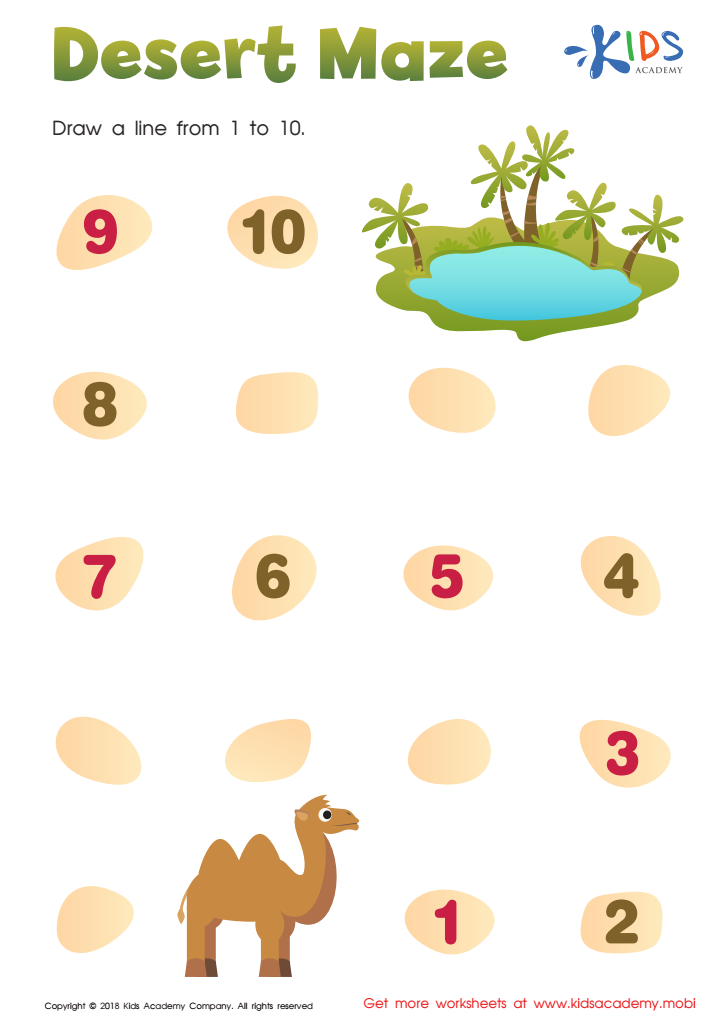
Desert Maze Worksheet
Introduce kids to deserts with videos or photos. Describe how, in deserts, camels are used for transportation due to their ability to go long distances without water. This worksheet gives kids the chance to help a camel cross the desert by drawing a line from 1 to 10.
Desert Maze Worksheet
Worksheet
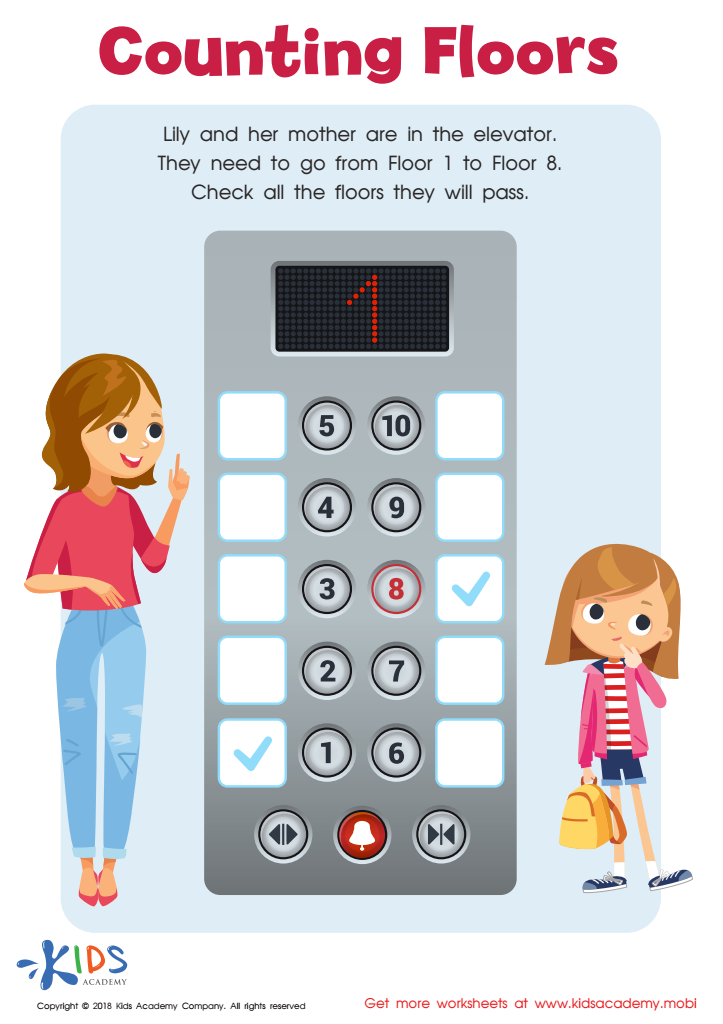
Counting Floors Worksheet
Take your kids on an elevator ride and have them help you. With this worksheet, little ones meet Lily and her mom. They're taking an elevator from Floor 1 to Floor 8. Ask them to check the floors they pass and help the two reach their destination.
Counting Floors Worksheet
Worksheet
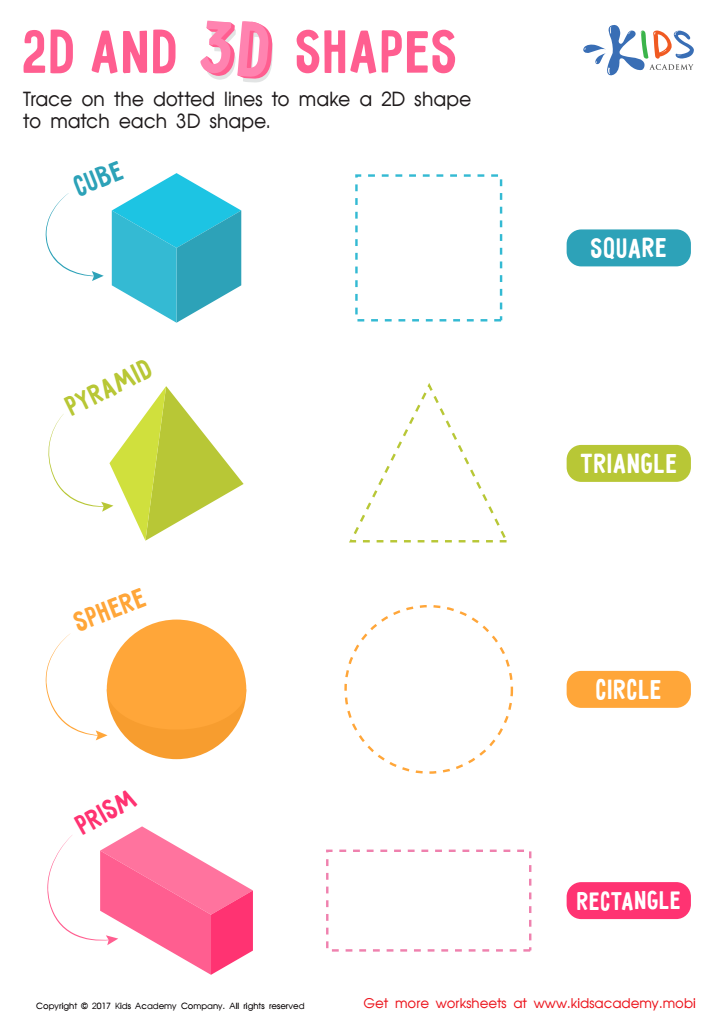
2D and 3D Shapes Worksheet
Introduce your child to 3D and 2D with this traceable worksheet. With dotted lines, help them trace and make a 2D shape for each 3D shape: square, triangle, rectangle, and circle. Show them there's more than one way to draw! You may have taken them to a 3D movie, or they've seen some fantastic 3D art. Now they can wonder no more.
2D and 3D Shapes Worksheet
Worksheet
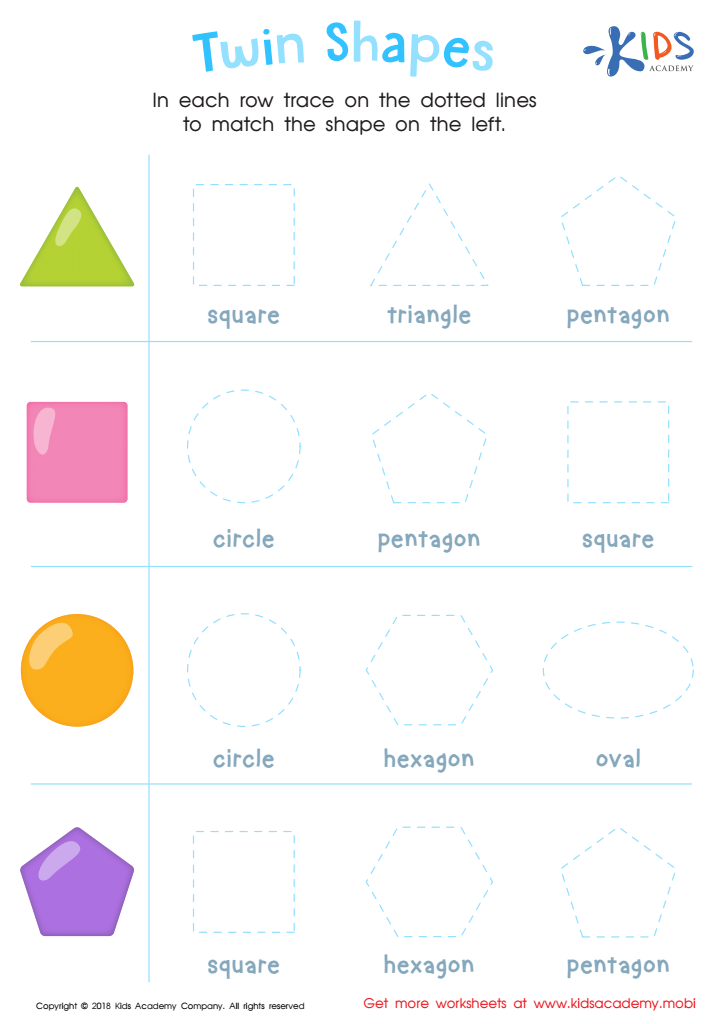
Twin Shapes Dot-to-Dot Worksheet
Test your child's ability to copy with this worksheet. Ask them to find and name the four shapes on the left. Then, they must match each with the dotted lines on the right. Help your child with all four shapes in this fun exercise.
Twin Shapes Dot-to-Dot Worksheet
Worksheet
Join Kids Academy for Free
Who is primarily going to use this learning content?