Normal Addition & Subtraction Worksheets for Ages 3-8 - Page 2
171 filtered results
-
From - To
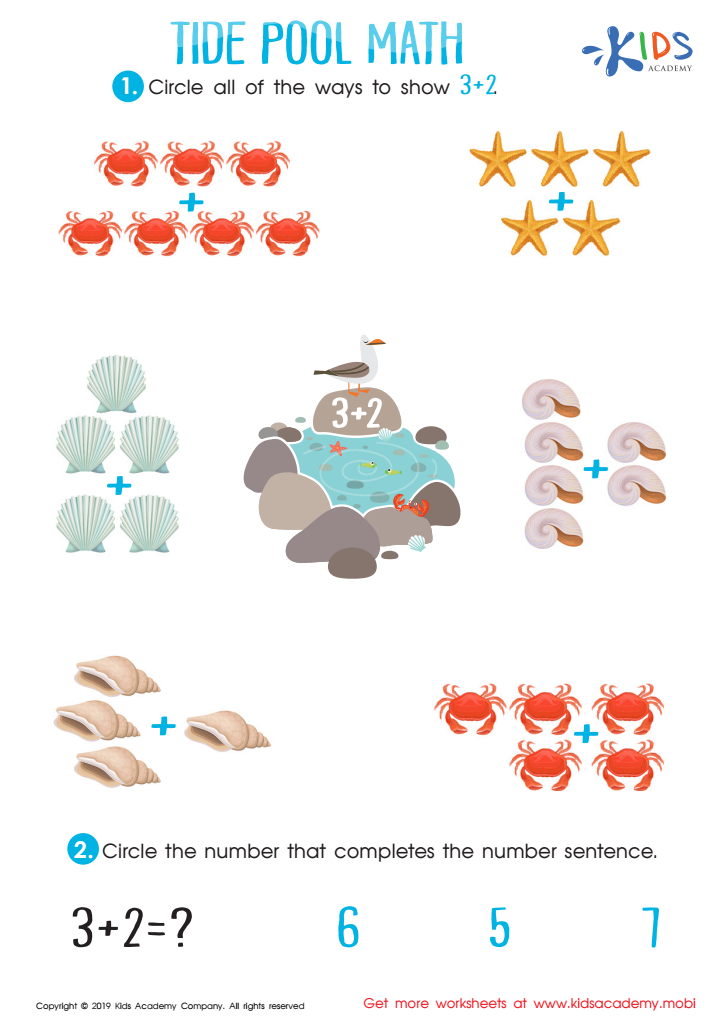
Tide Pool Math Worksheet
 Assign to My Students
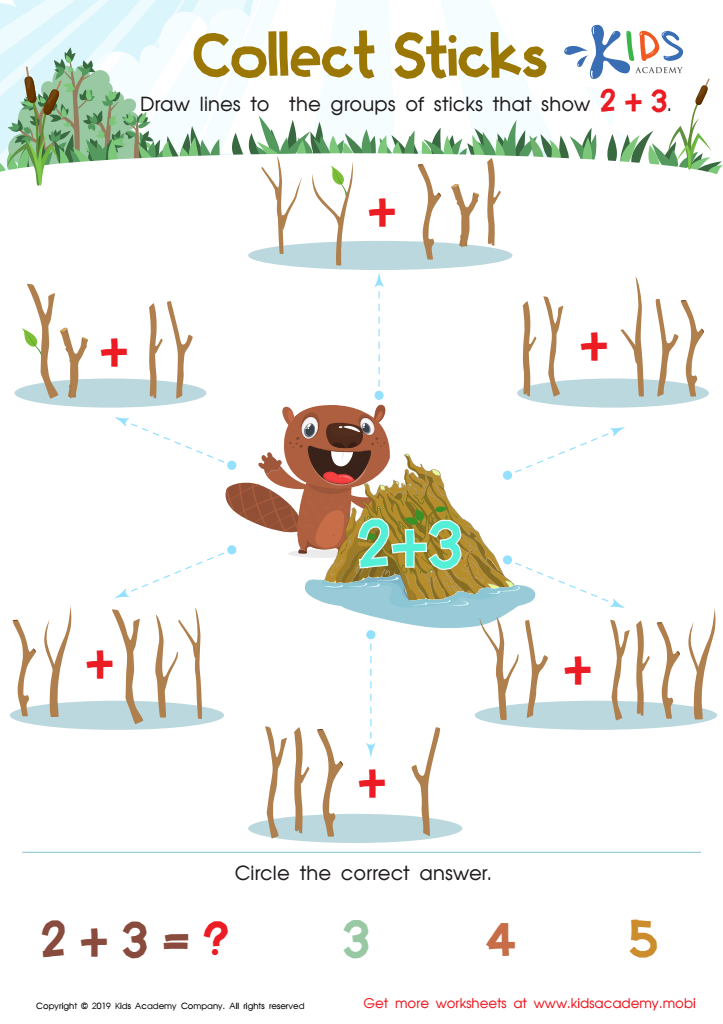
Collect Sticks Worksheet
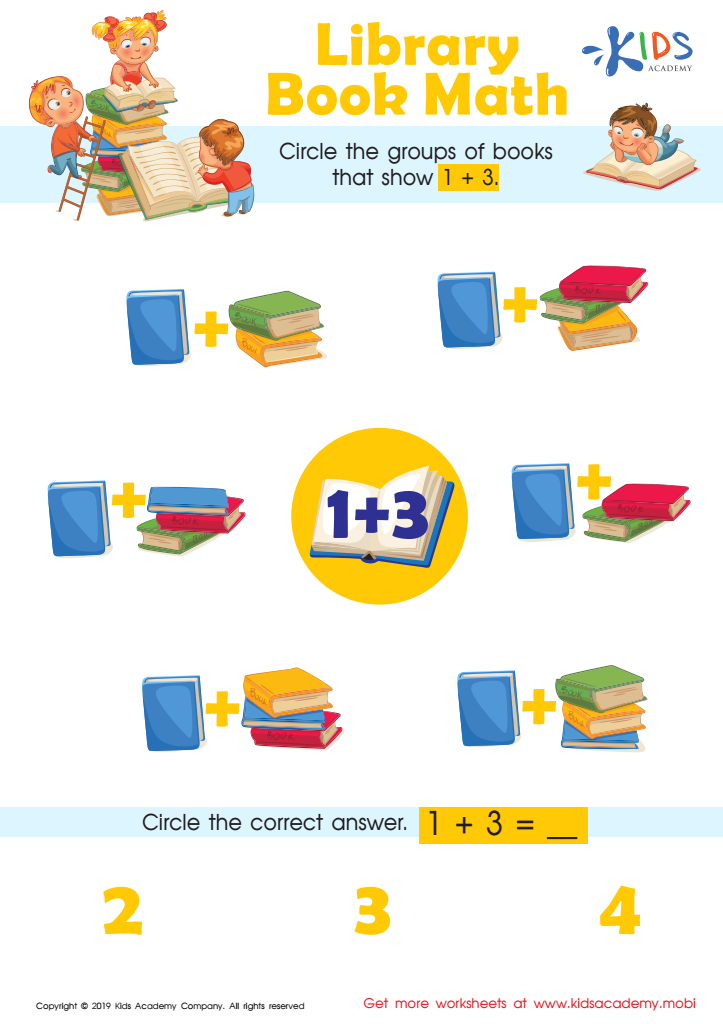
Library Book Math Worksheet
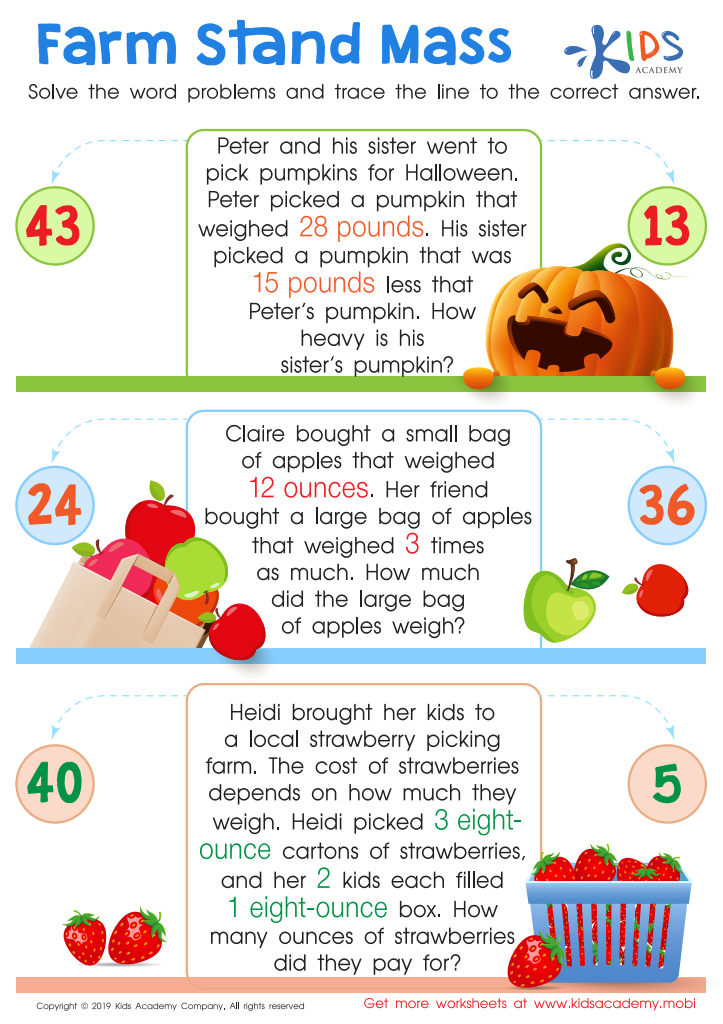
Farm Stand Mass Worksheet
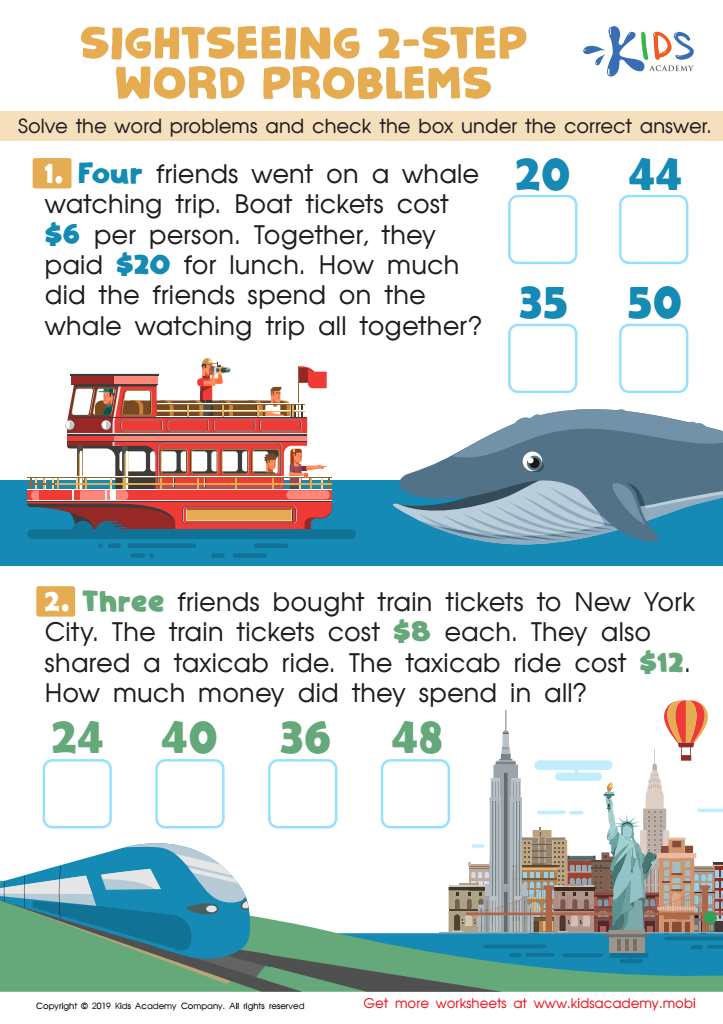
Sightseeing 2-Step Word Problems Worksheet
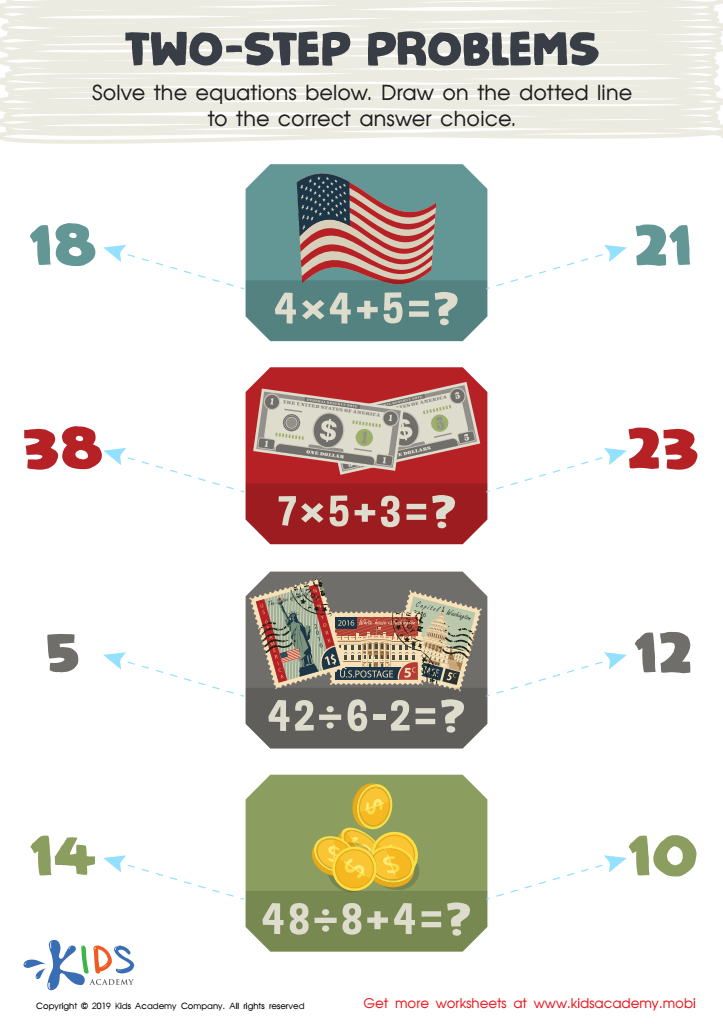
Two-Step Problems Worksheet
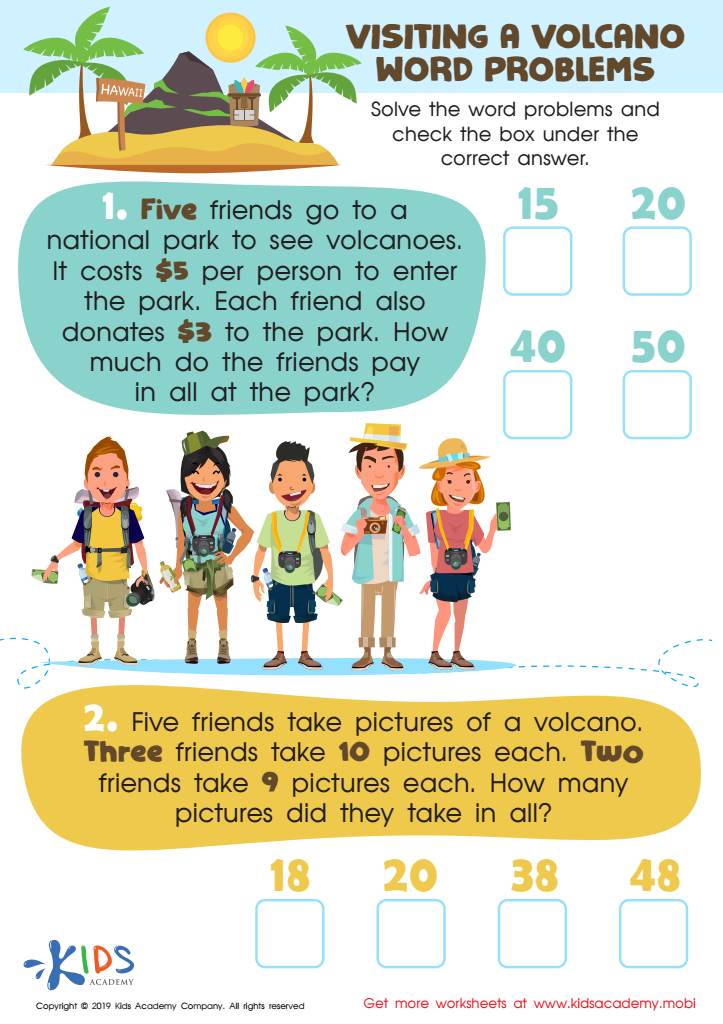
Visiting a Volcano Word Problems Worksheet
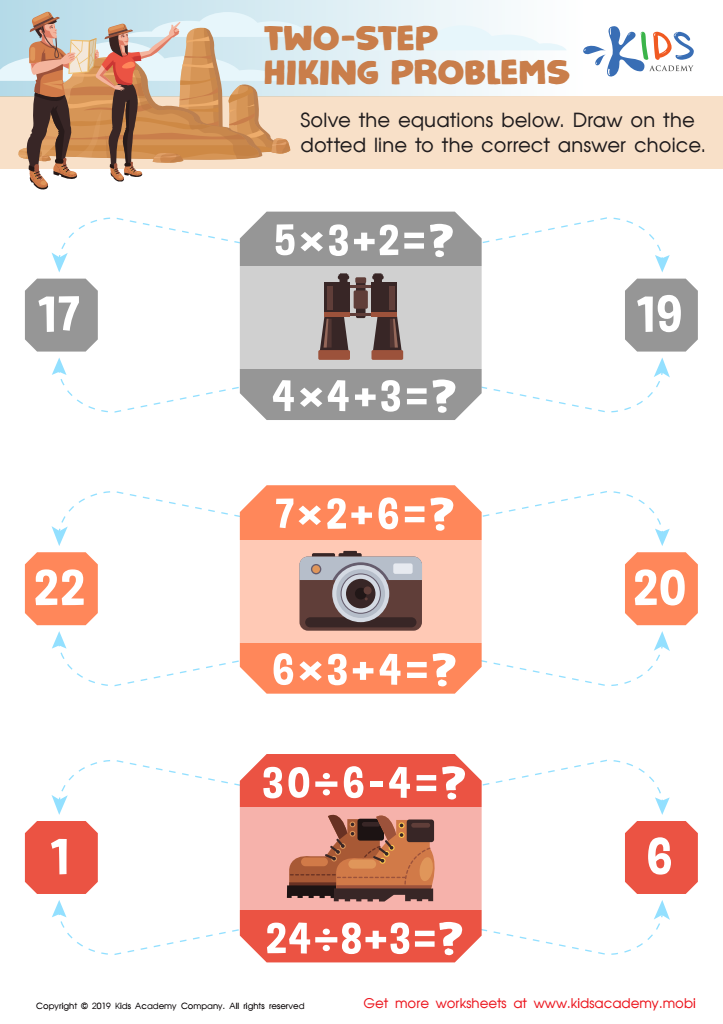
Two-Step Hiking Problems Worksheet
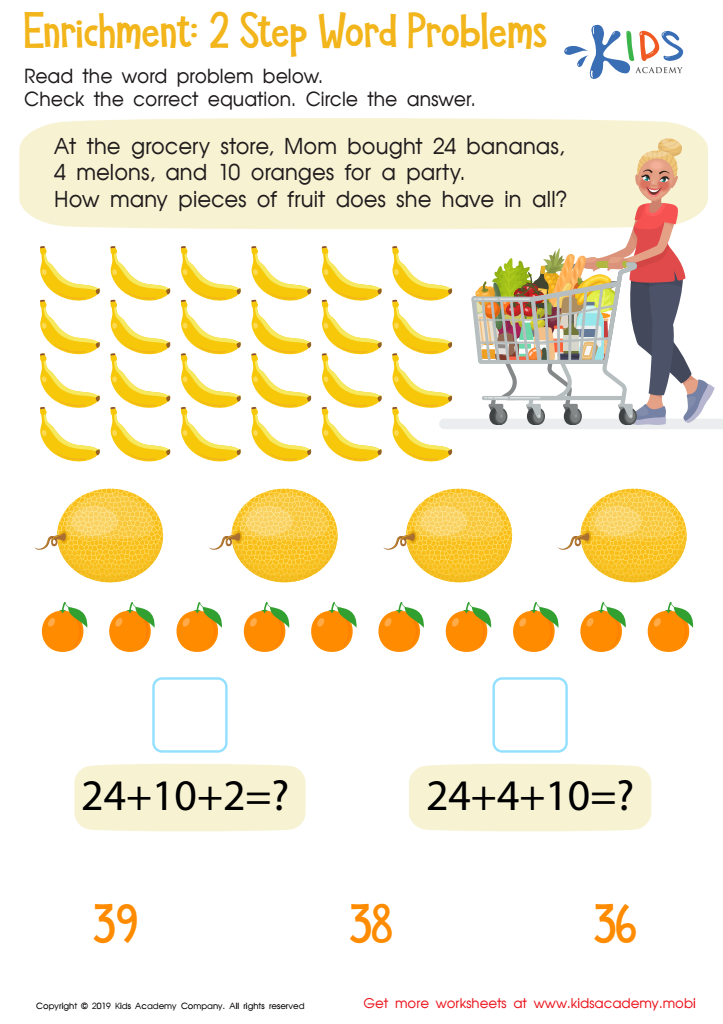
Enrichment -2 Step Word Problems Worksheet
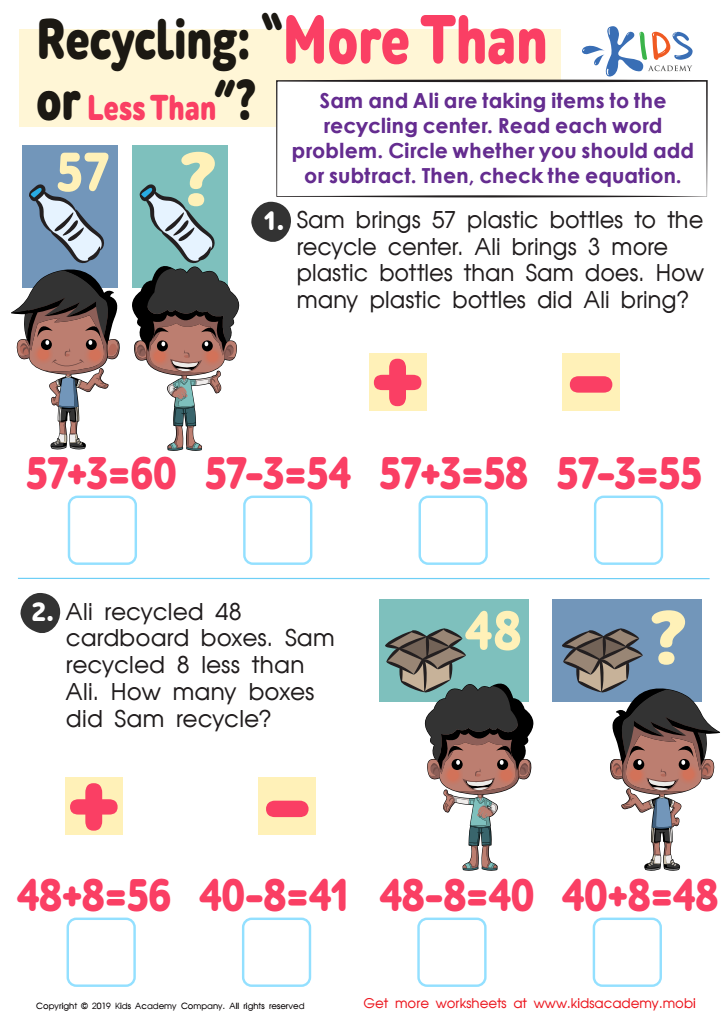
Recycling - More or Less Worksheet
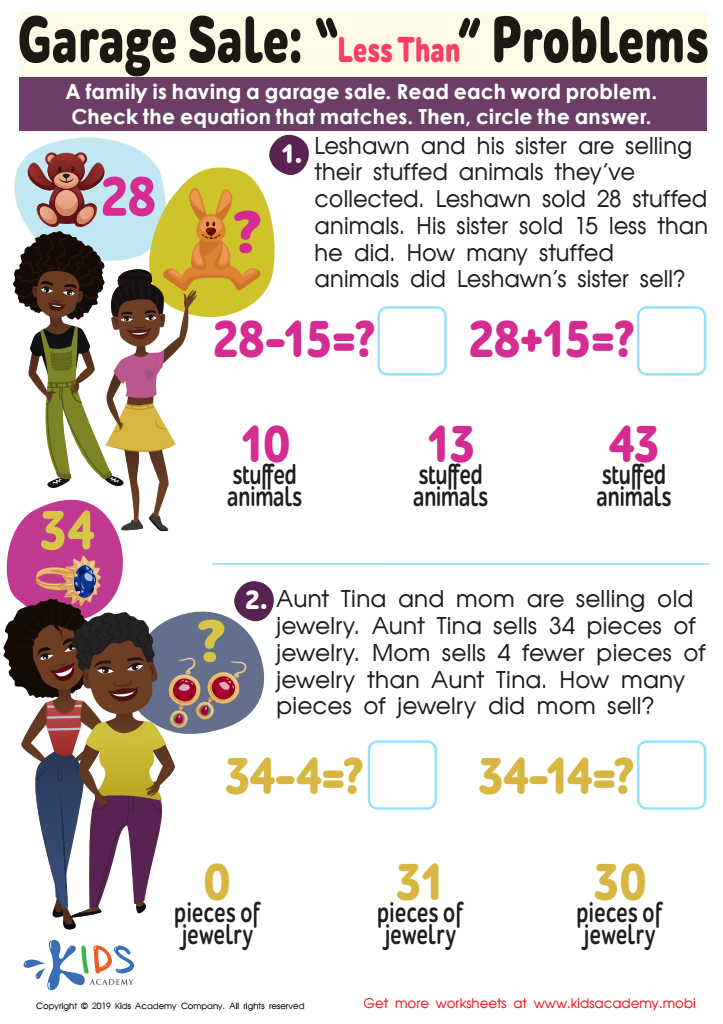
Garage Sale Less Than Worksheet
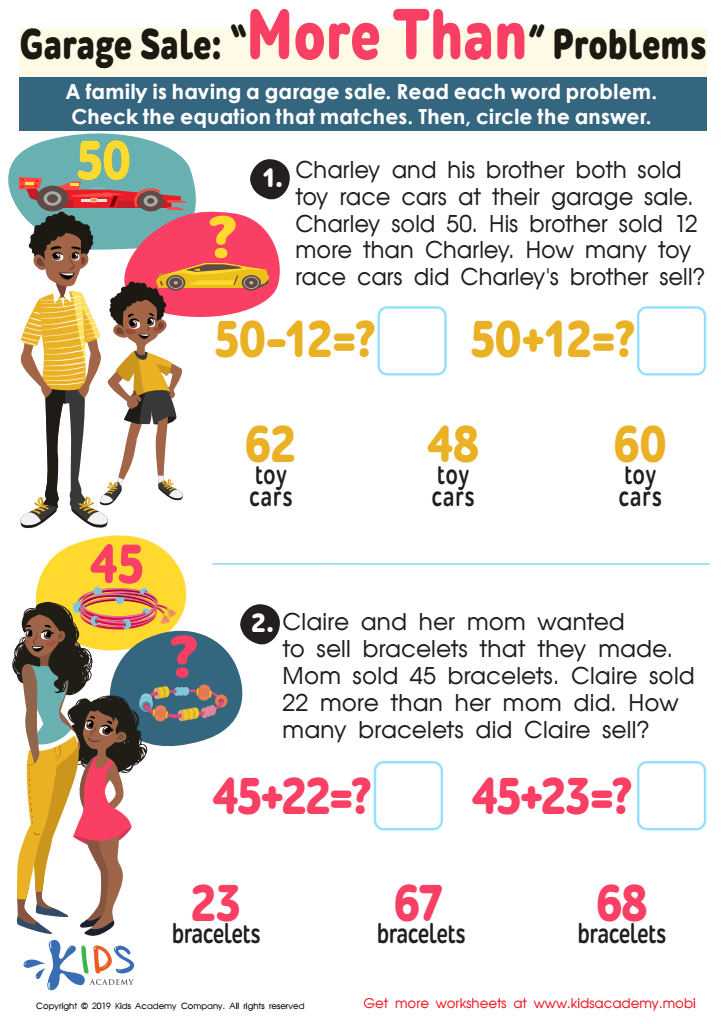
Garage Sale - More yhan Worksheet
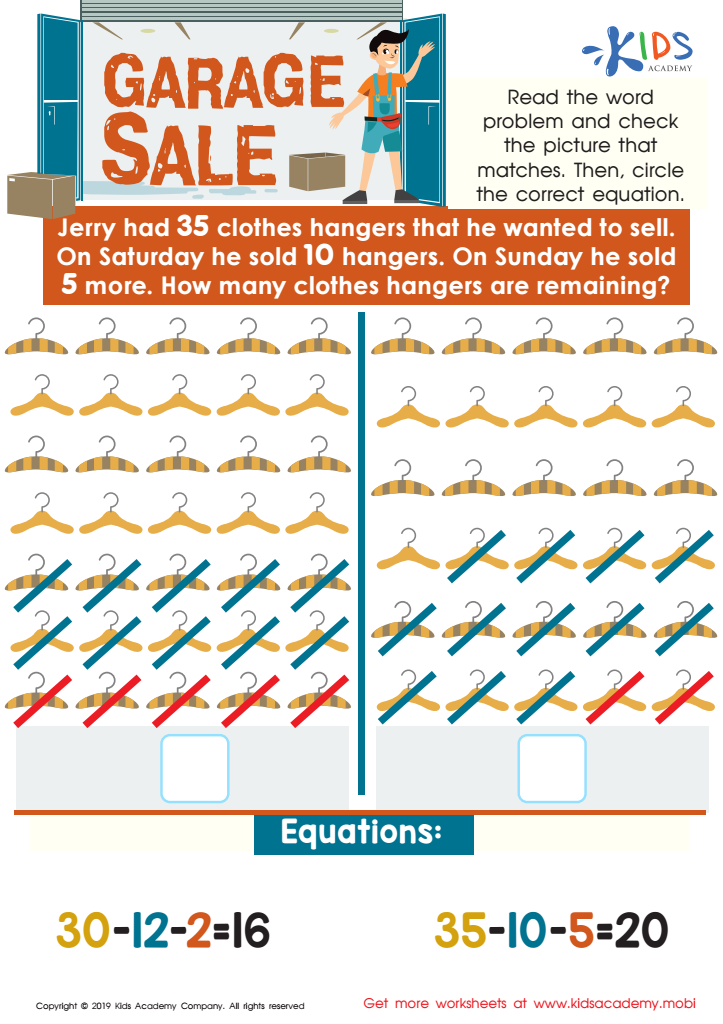
Garage Sale Worksheet
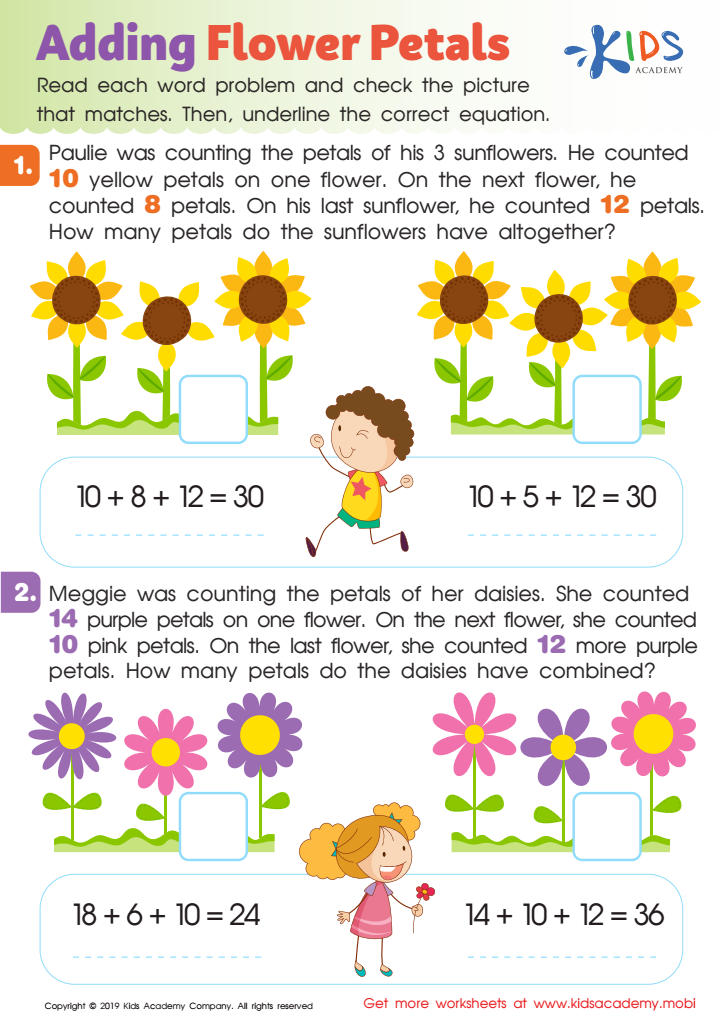
Adding Flower Petals Worksheet
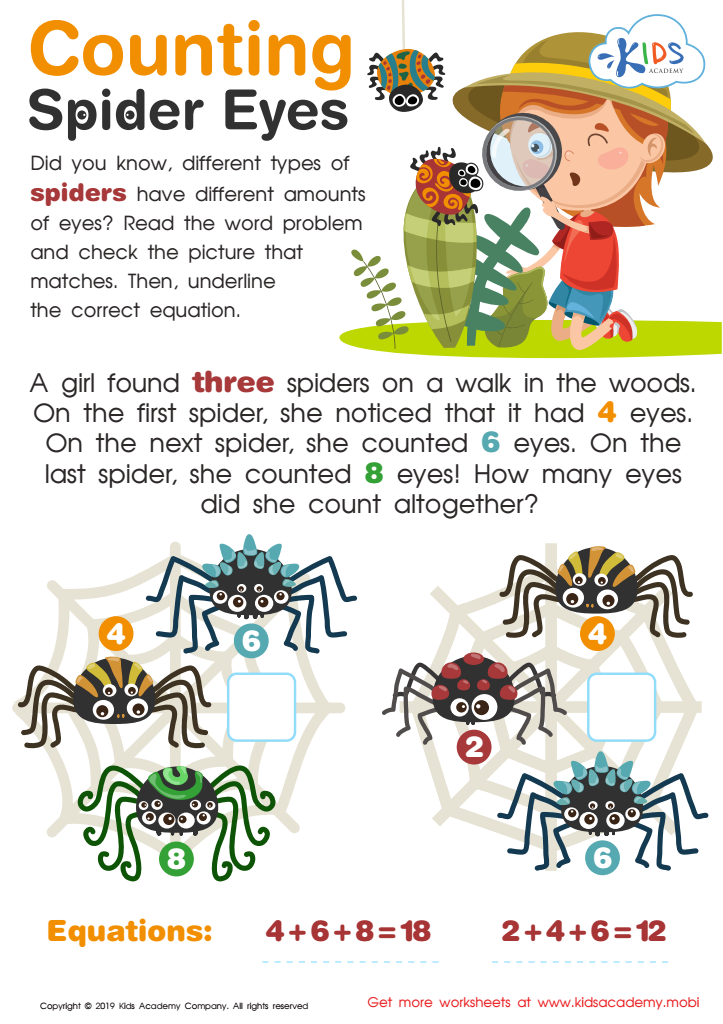
Counting Spider Eyes Worksheet
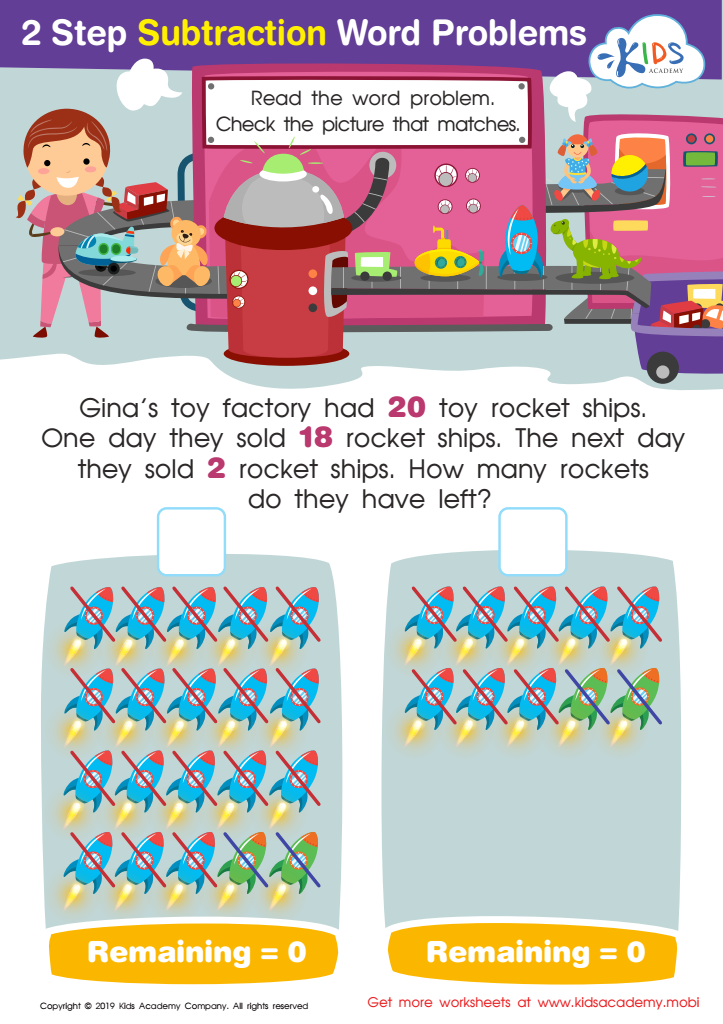
Step Subtraction Word Problems Worksheet
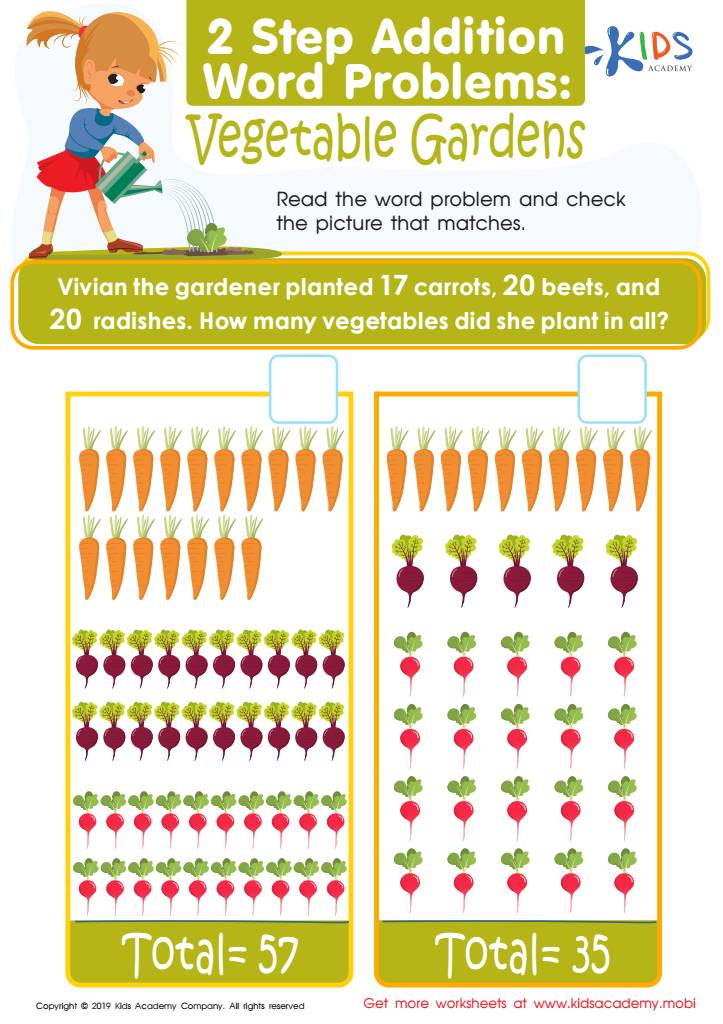
Vegetable Gardens Worksheet
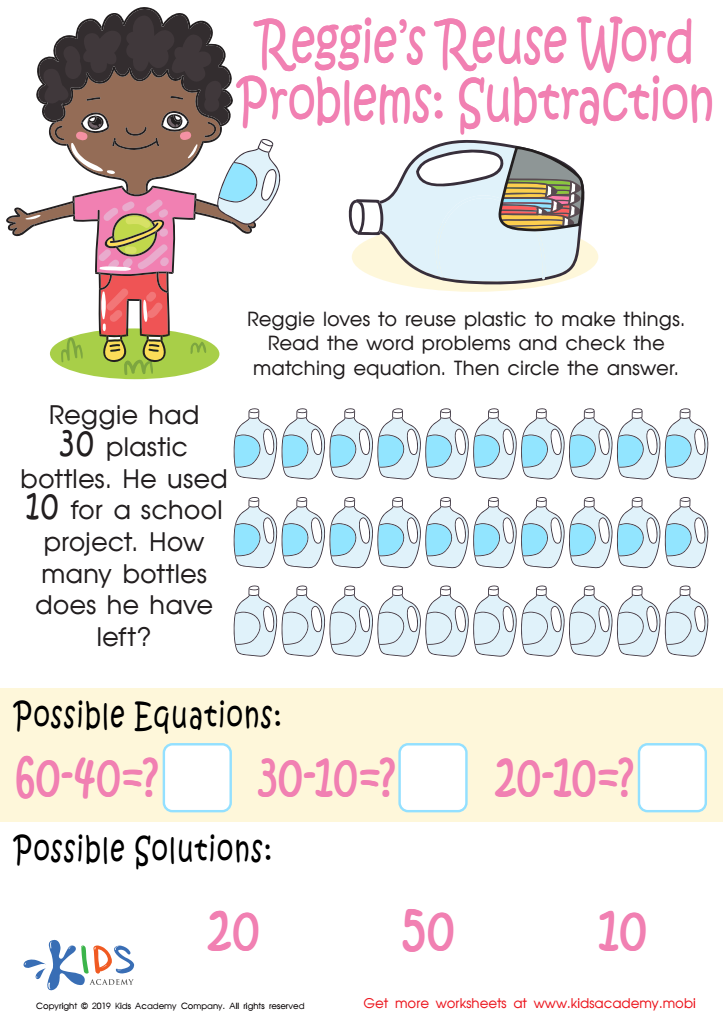
Reggie's Reuse Word Problems: Subtraction Worksheet
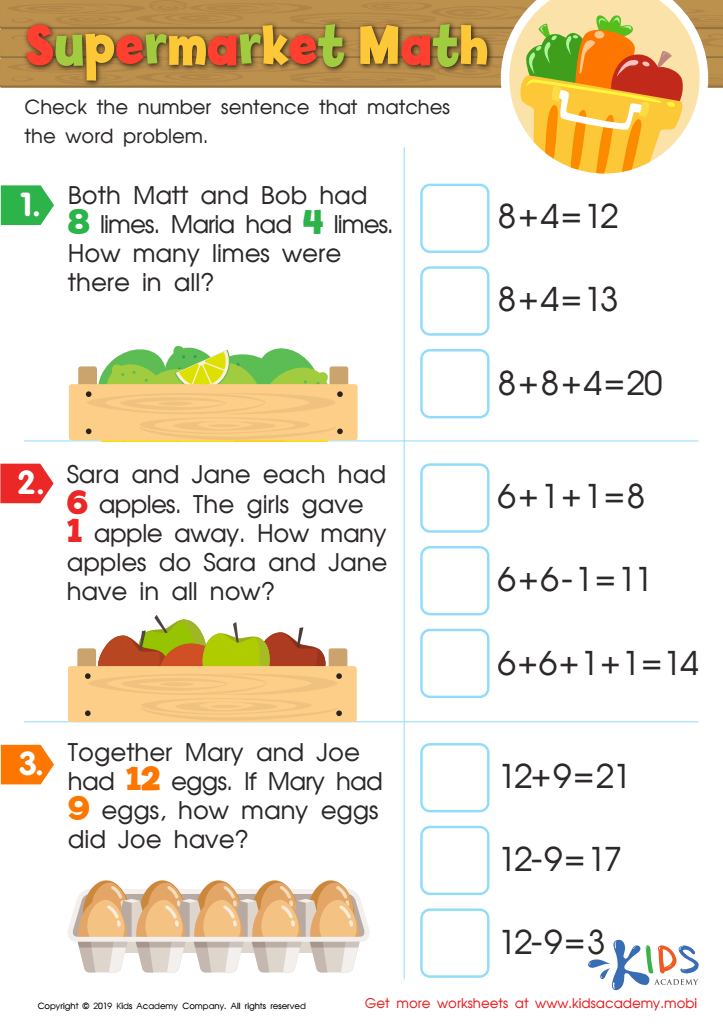
Supermarket Math Worksheet
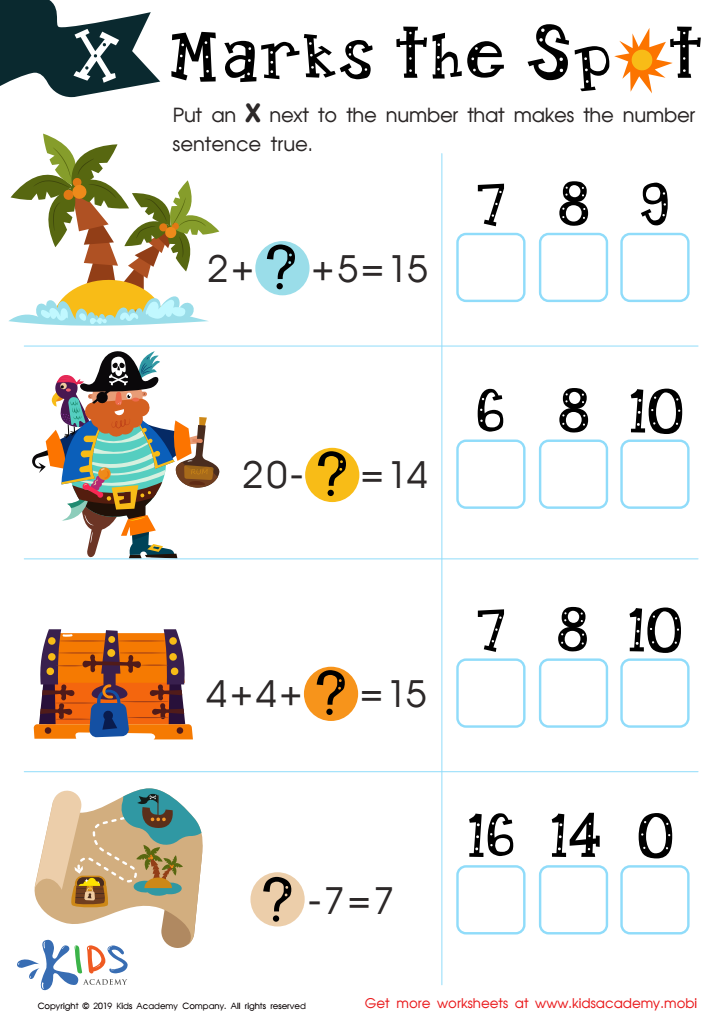
X Marks the Spot Worksheet
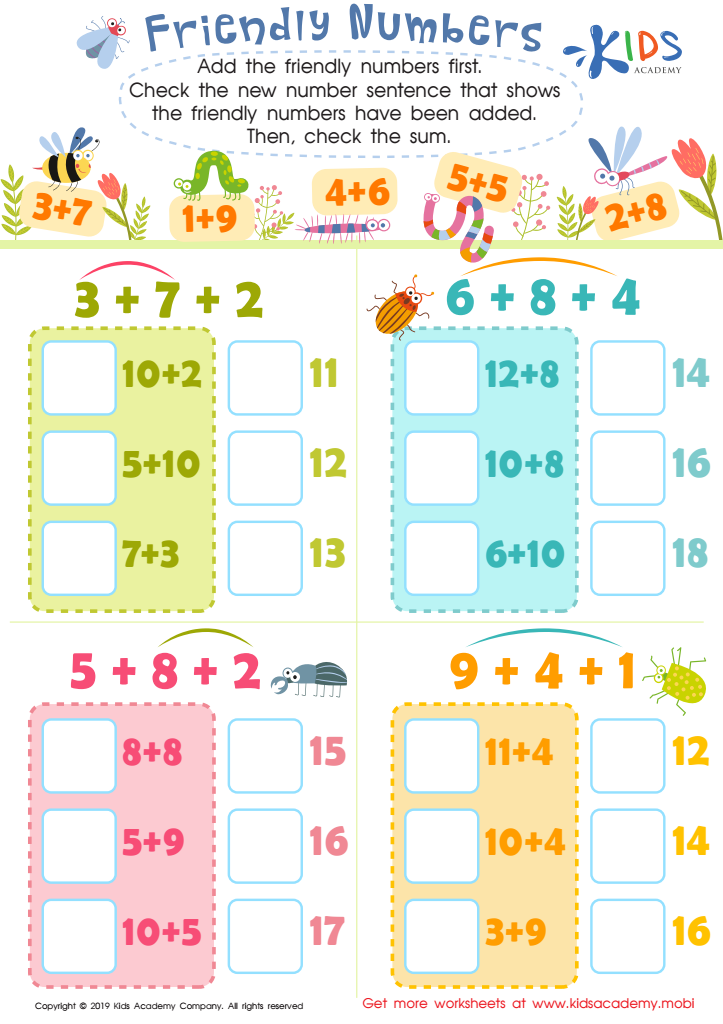
Friendly Numbers Worksheet
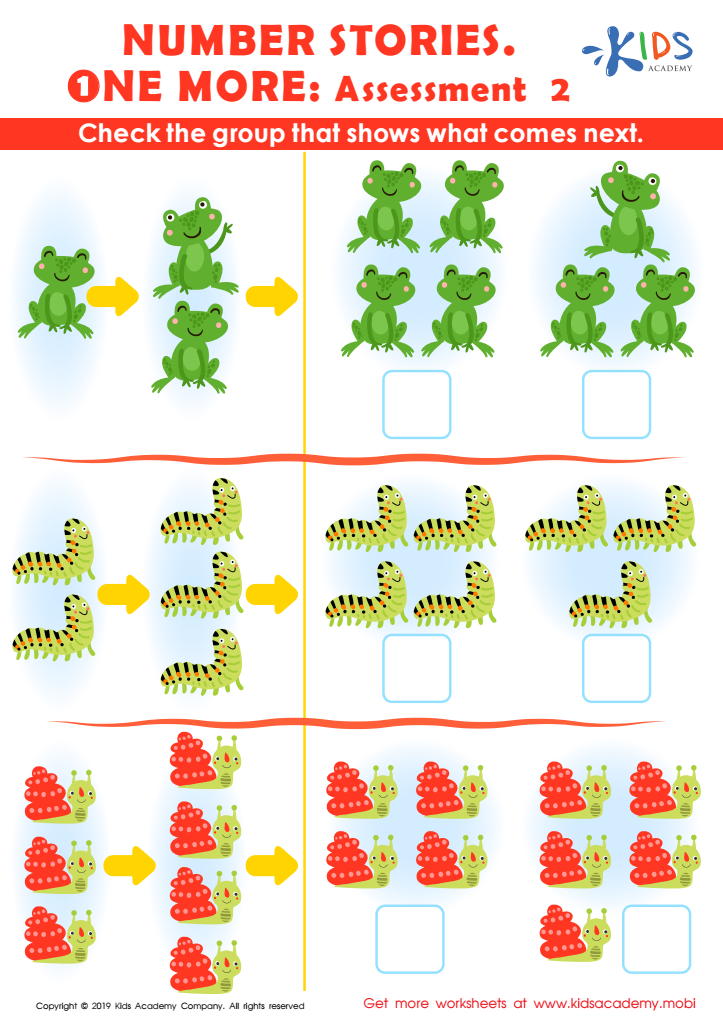
Number Stories One More – Assessment 2 Worksheet
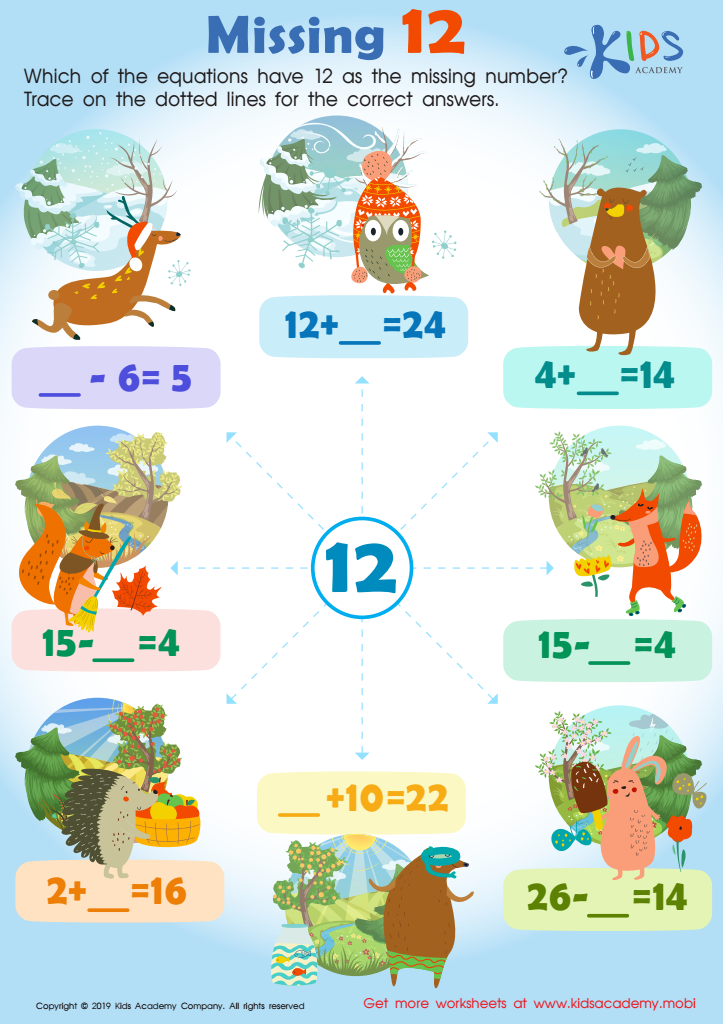
Missing 12 Worksheet
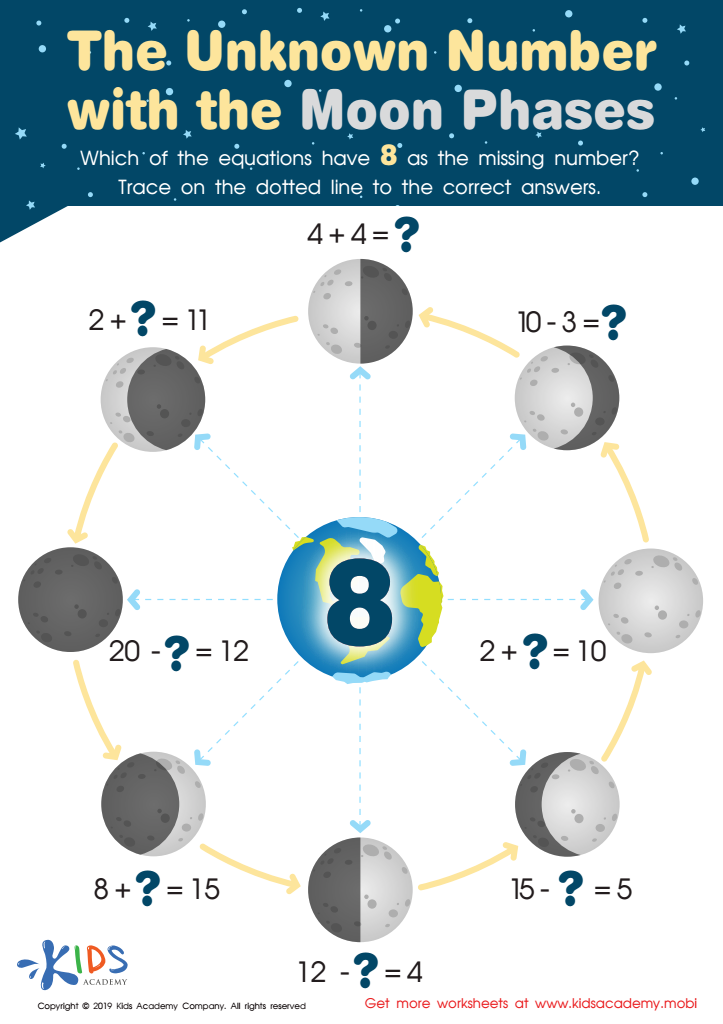
The Unknown Number with the Moon Phases Worksheet








Understanding normal addition and subtraction is crucial for children aged 3-8, as it lays the foundation for their mathematical development. During these formative years, children develop critical thinking and problem-solving skills that will benefit them throughout their lives. Mastering basic addition and subtraction helps not only to enhance numerical literacy but also to improve cognitive abilities such as pattern recognition and logical reasoning.
Parents and teachers should prioritize these skills because early arithmetic helps children gain confidence in their abilities. When kids grasp these concepts, they are more likely to engage positively with math later on, setting the stage for advanced problem-solving and more complex calculations. Additionally, these fundamental skills encourage social interactions, as children often engage in group activities that involve counting, sharing, and basic operations, fostering teamwork and communication.
Moreover, mastering addition and subtraction improves children's ability to tackle real-world situations, from sharing snacks with friends to budgeting their allowances. As educators and caregivers, fostering these skills through games, activities, and everyday experiences helps children understand the significance of math in daily life, turning potential anxiety about math into excitement and curiosity. Thus, nurturing these skills is essential for a well-rounded educational experience.








