Normal Alphabet Worksheets for Ages 3-9 - Page 6
252 filtered results
-
From - To
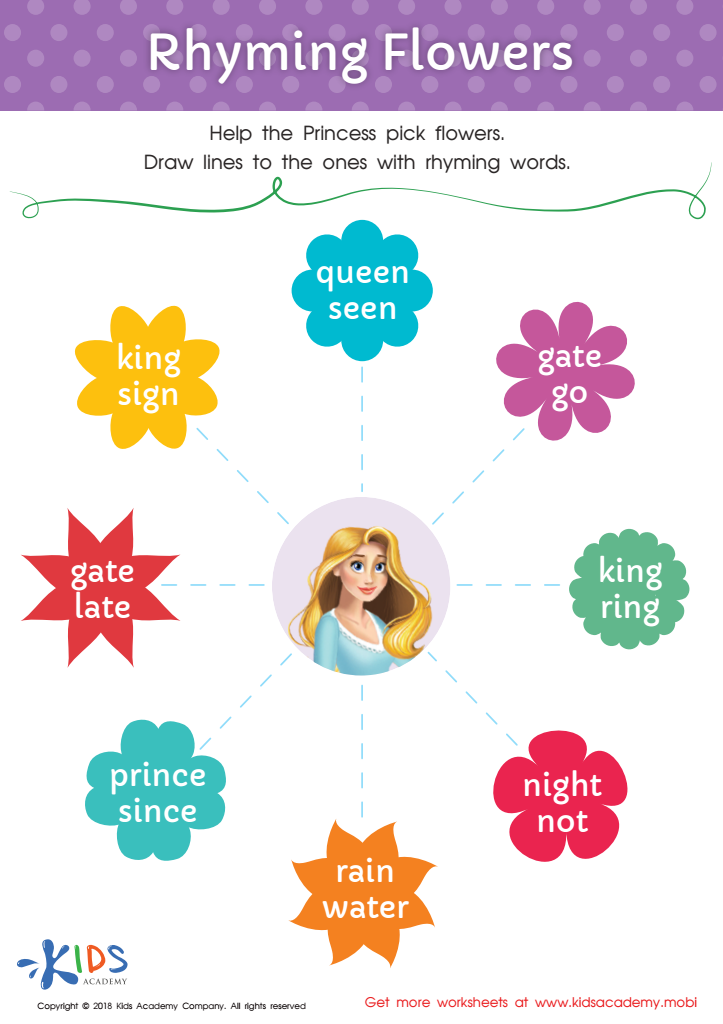
Rhyming Flowers Worksheet
 Assign to My Students
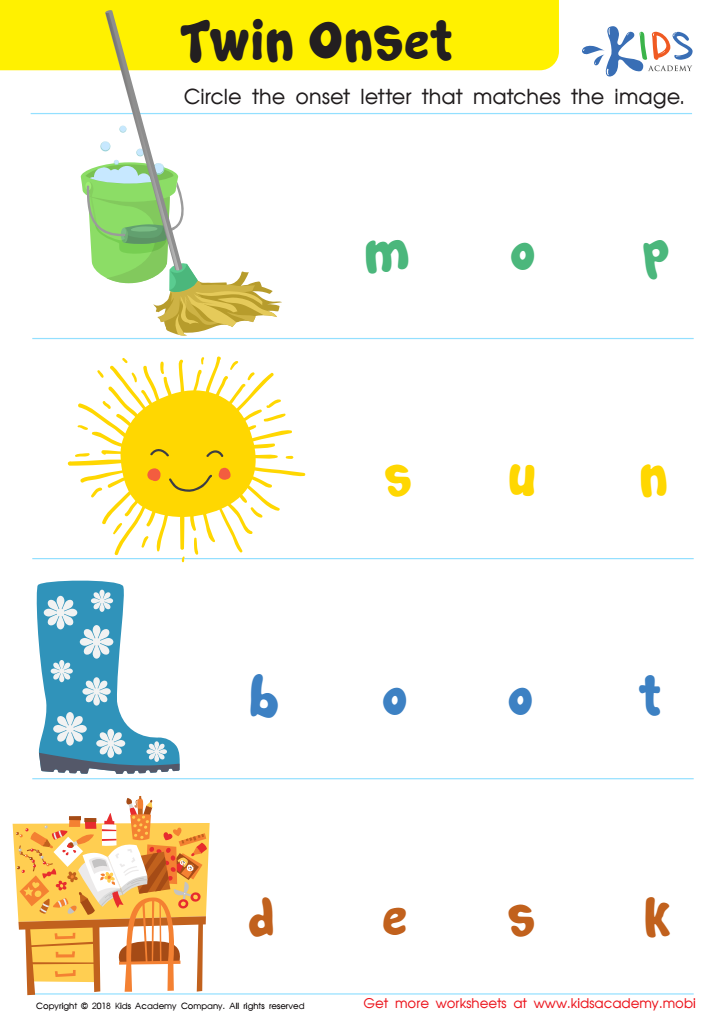
Twin Onset Worksheet
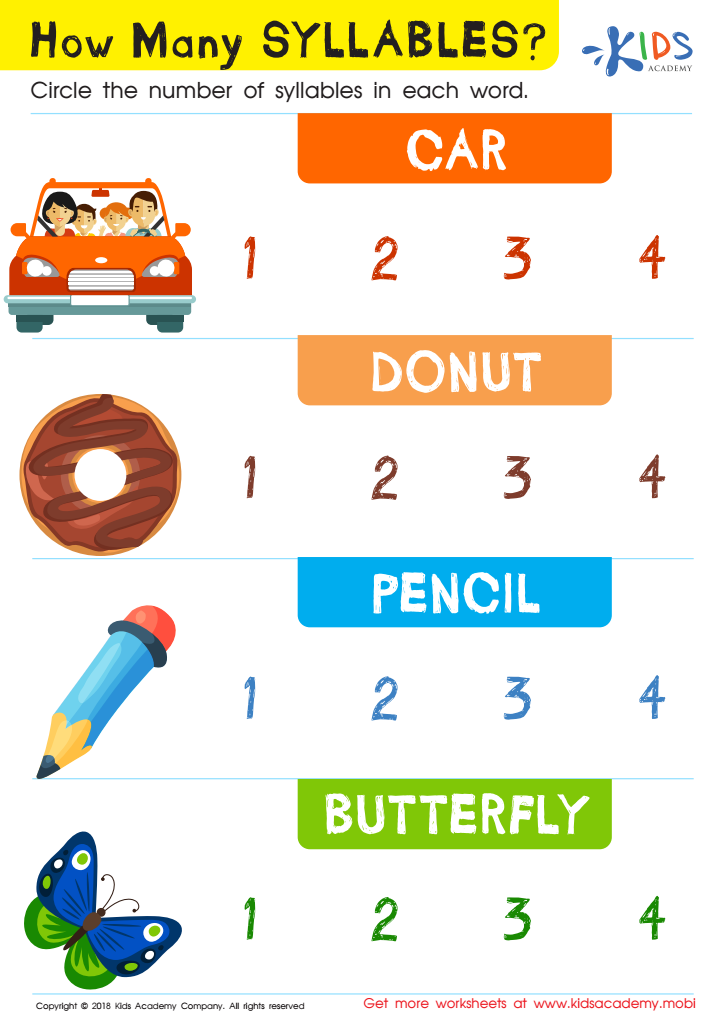
How Many Syllables? Worksheet
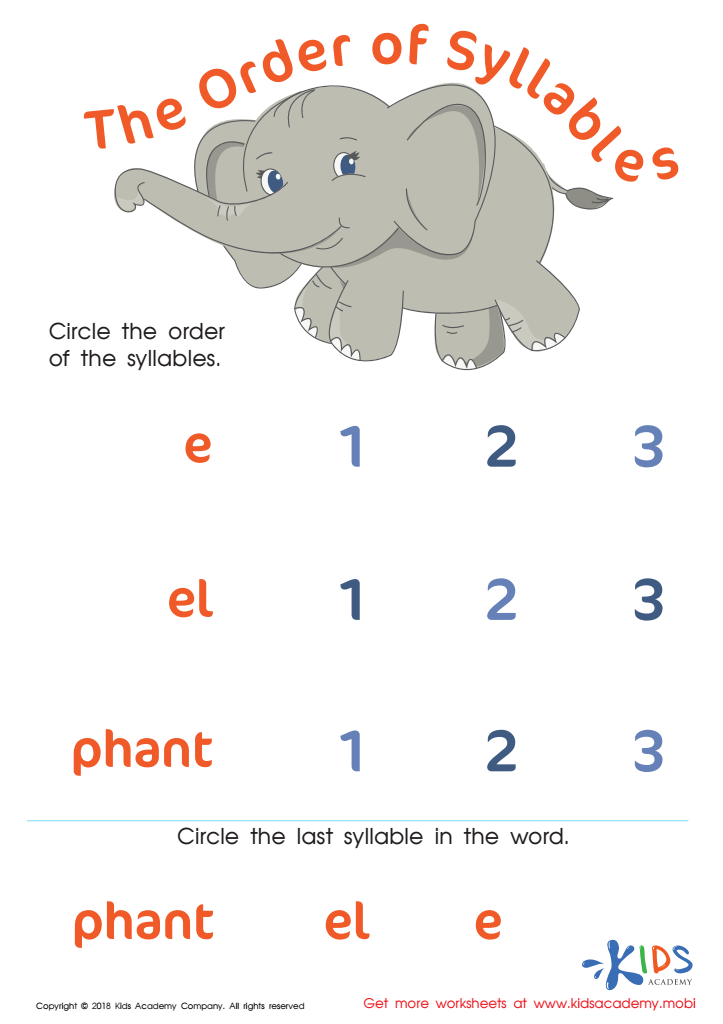
The Order of Syllables Worksheet
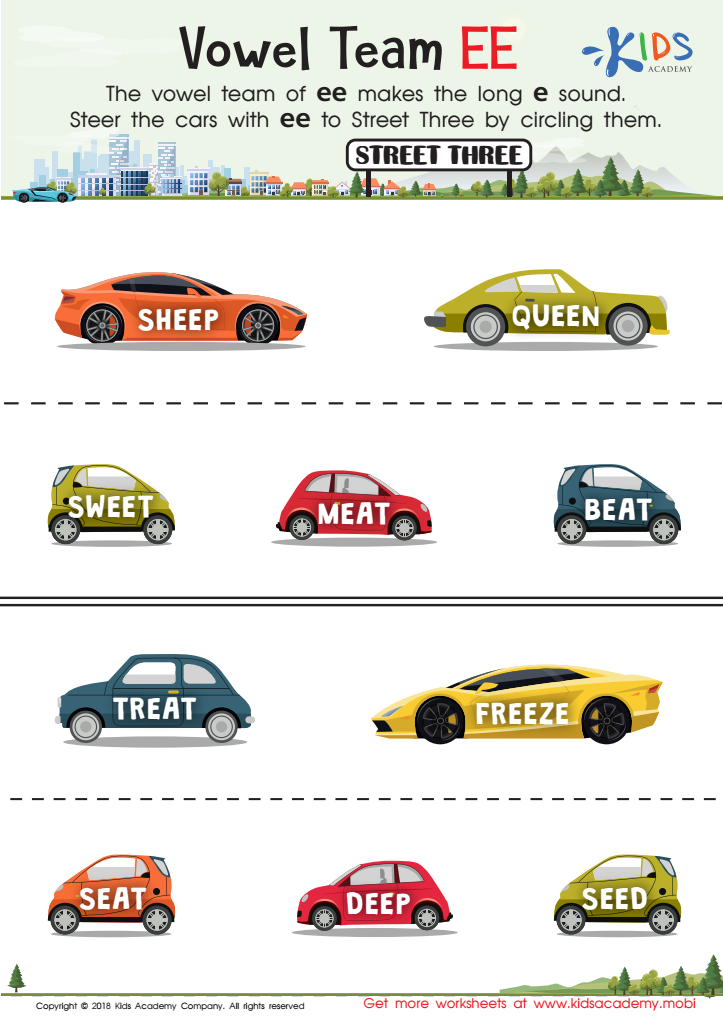
Vowel team ee Worksheet
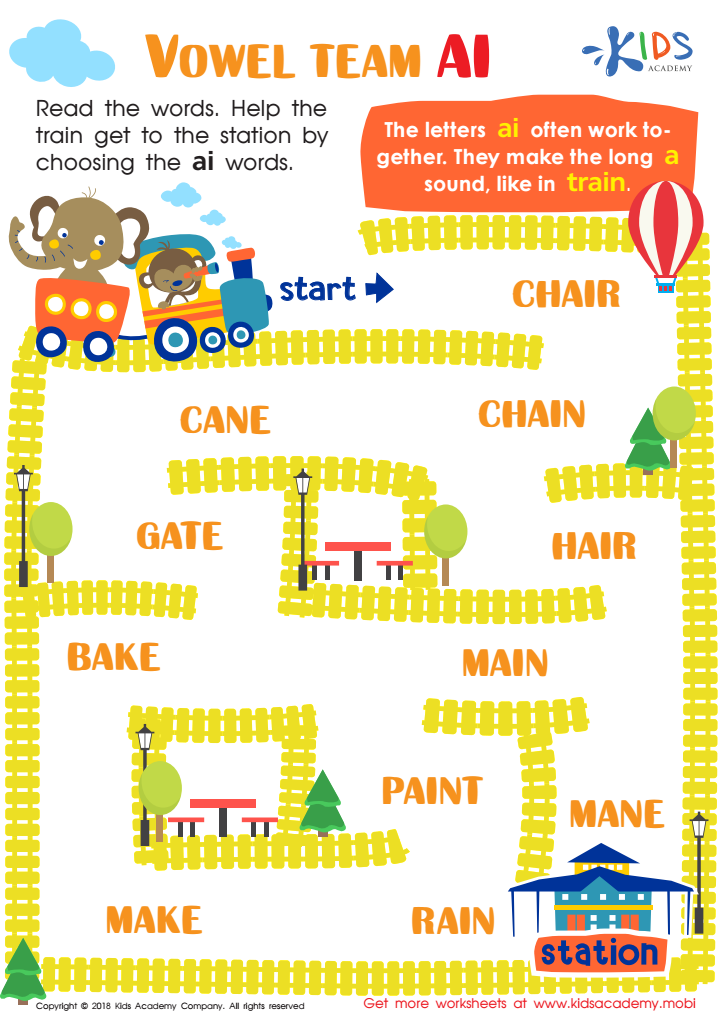
Vowel team ai Worksheet
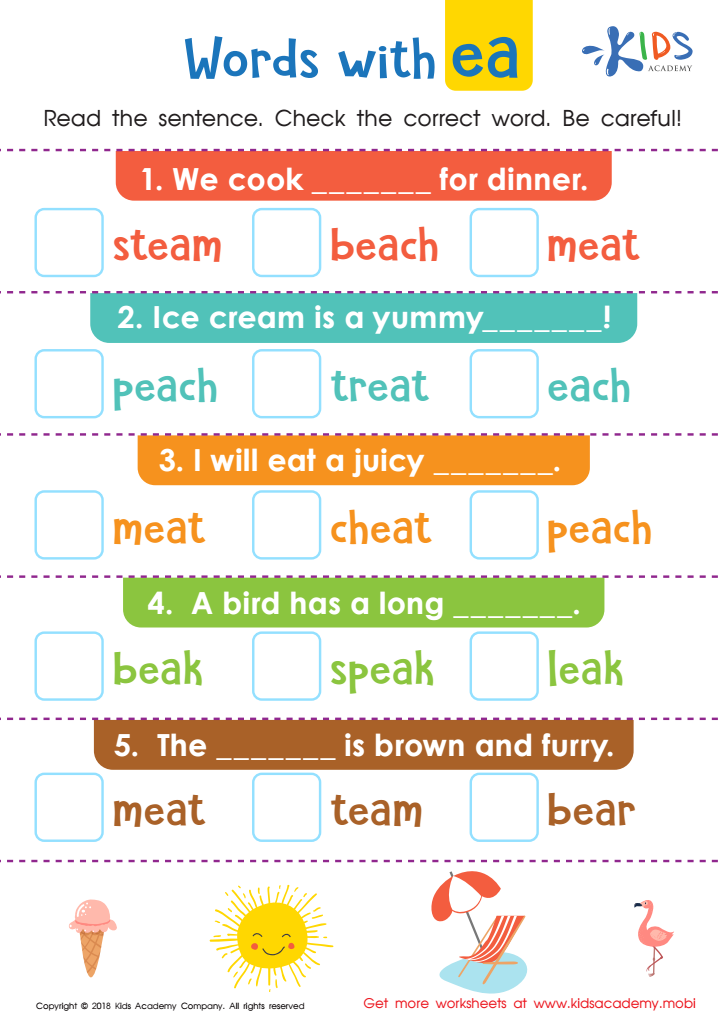
Words with ea Worksheet
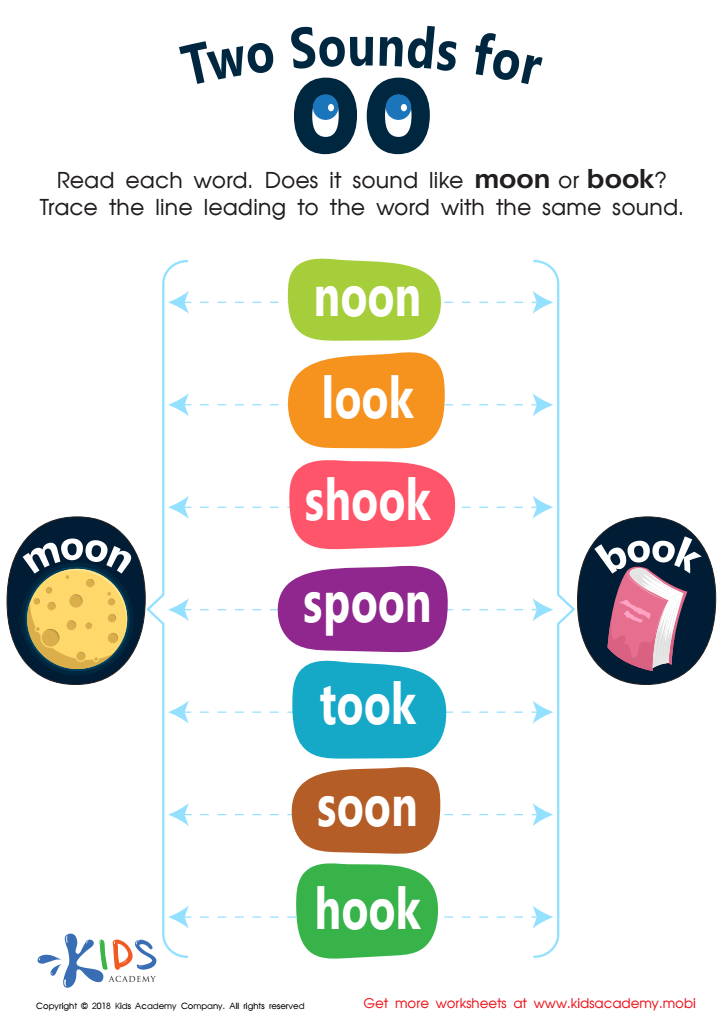
Two Sounds for OO Worksheet
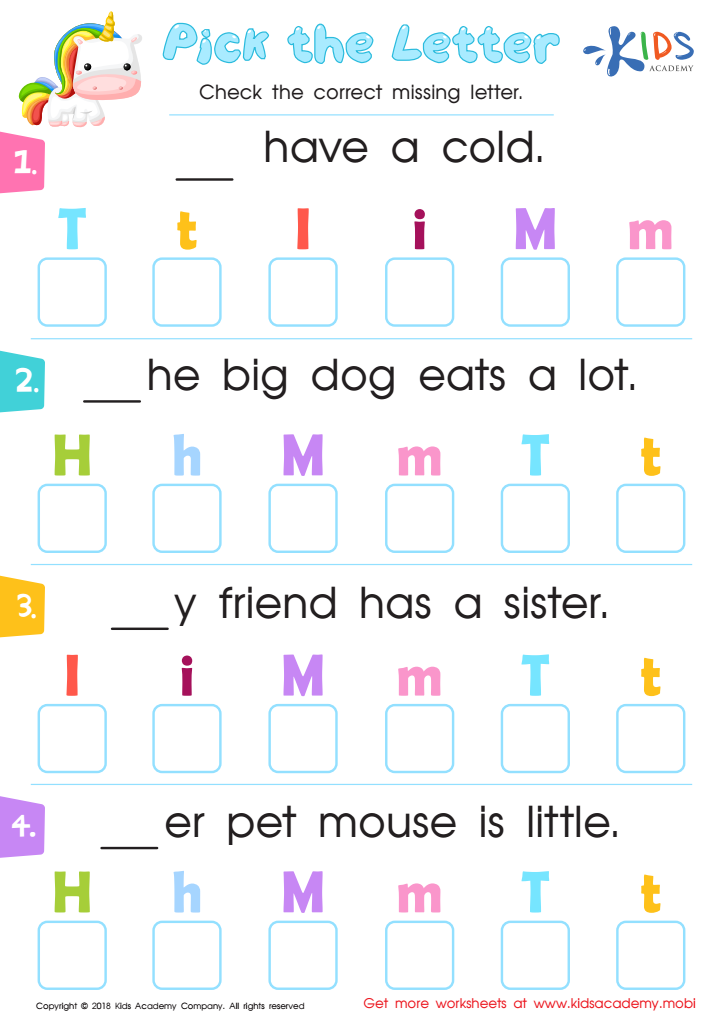
Pick the Letter Worksheet
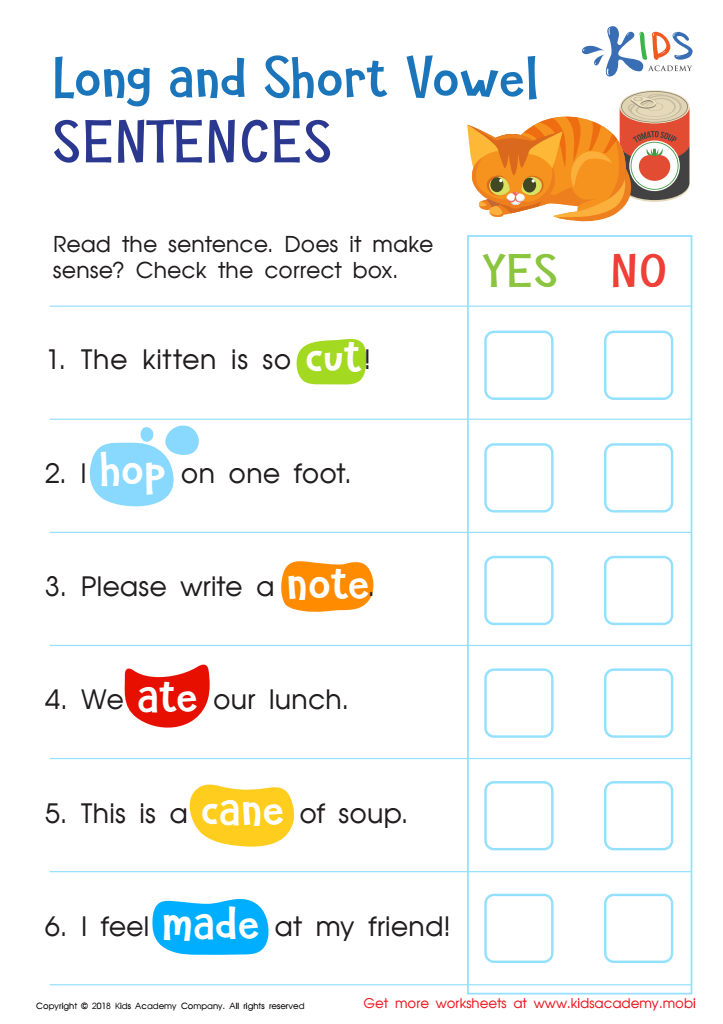
Long and Short Vowel Sentences: Assessment Worksheet
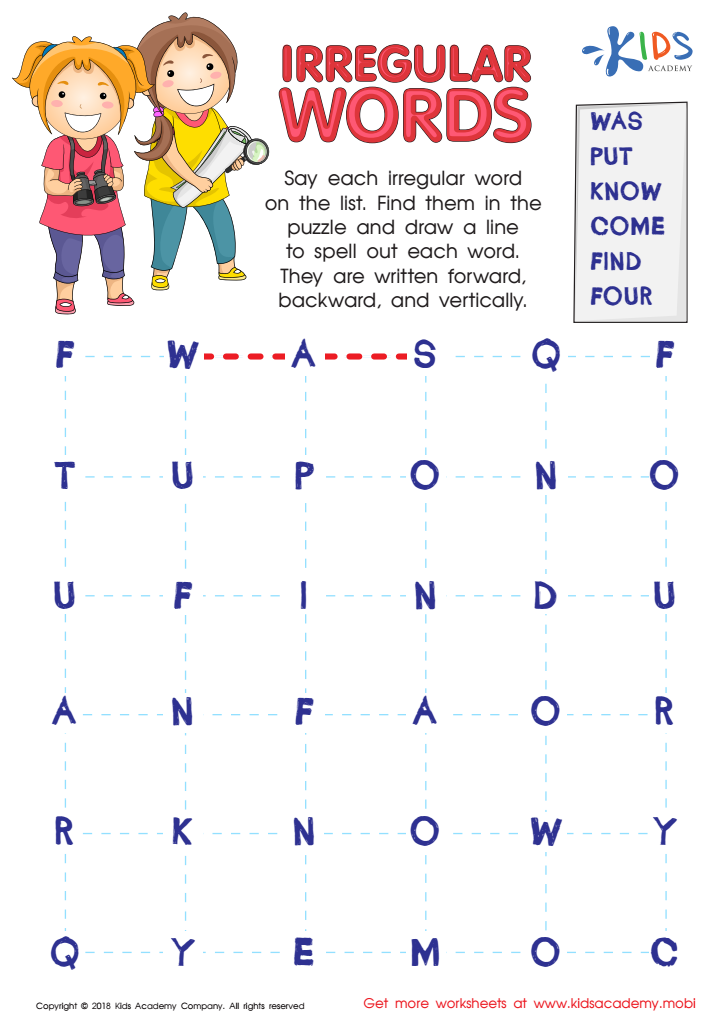
Irregular Words Worksheet
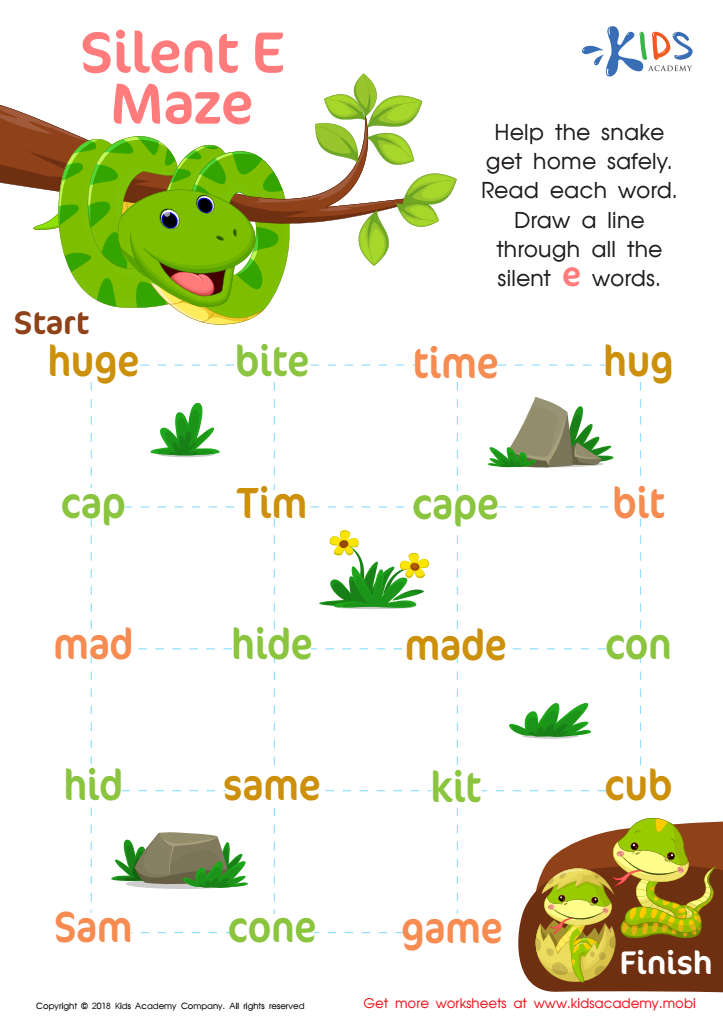
Silent E Maze Worksheet
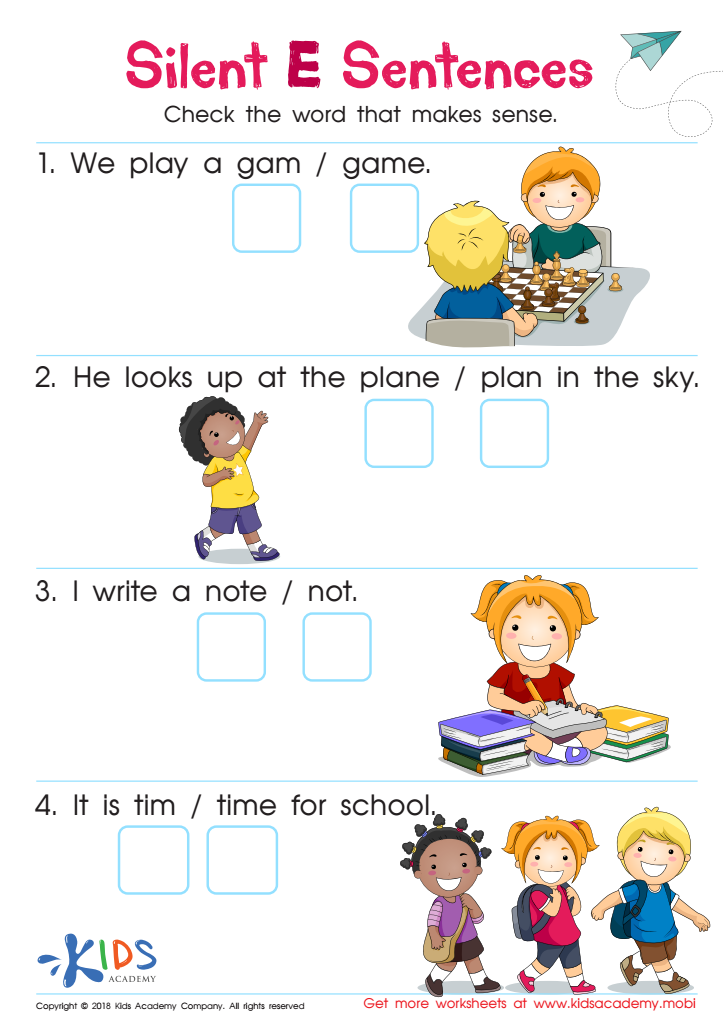
Silent E Sentences Worksheet
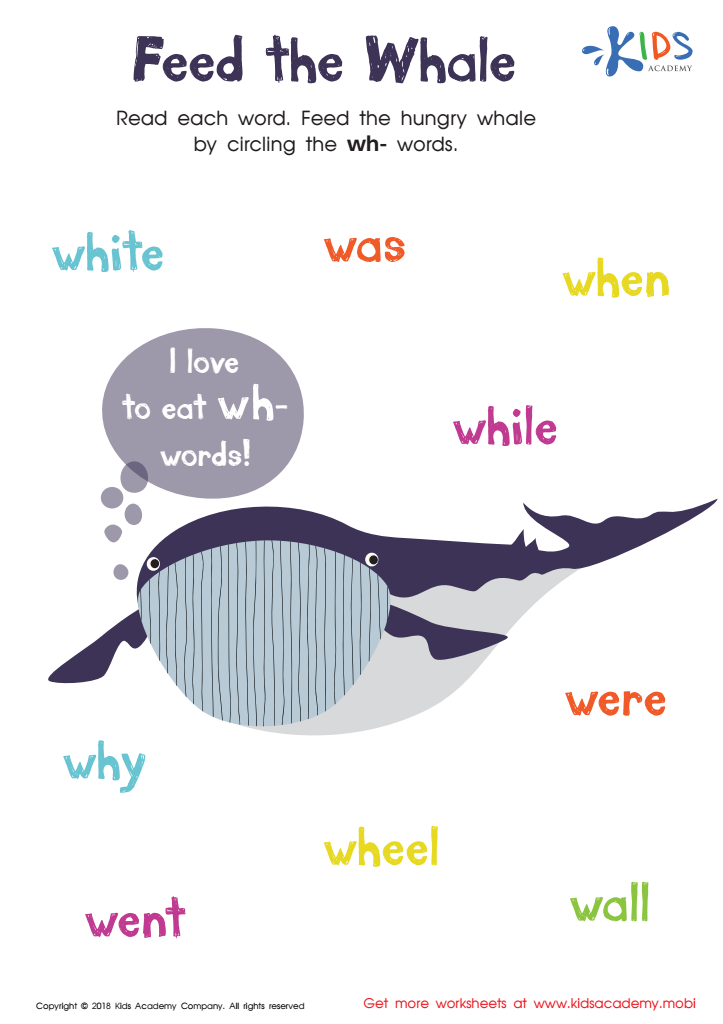
Feed the Whale Worksheet
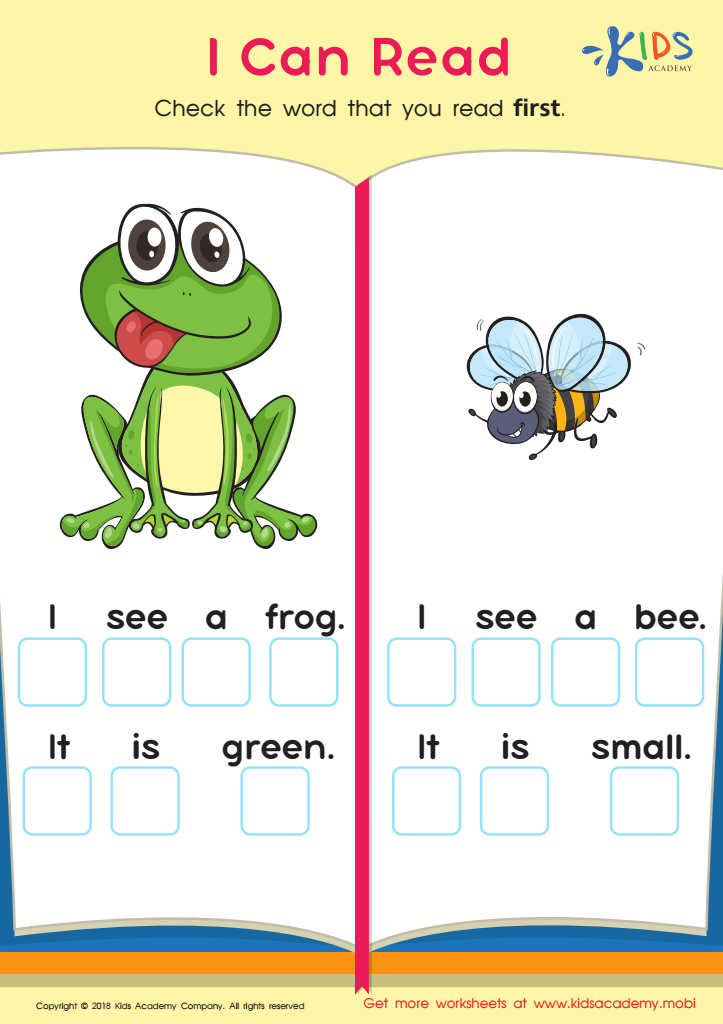
I Can Read Worksheet
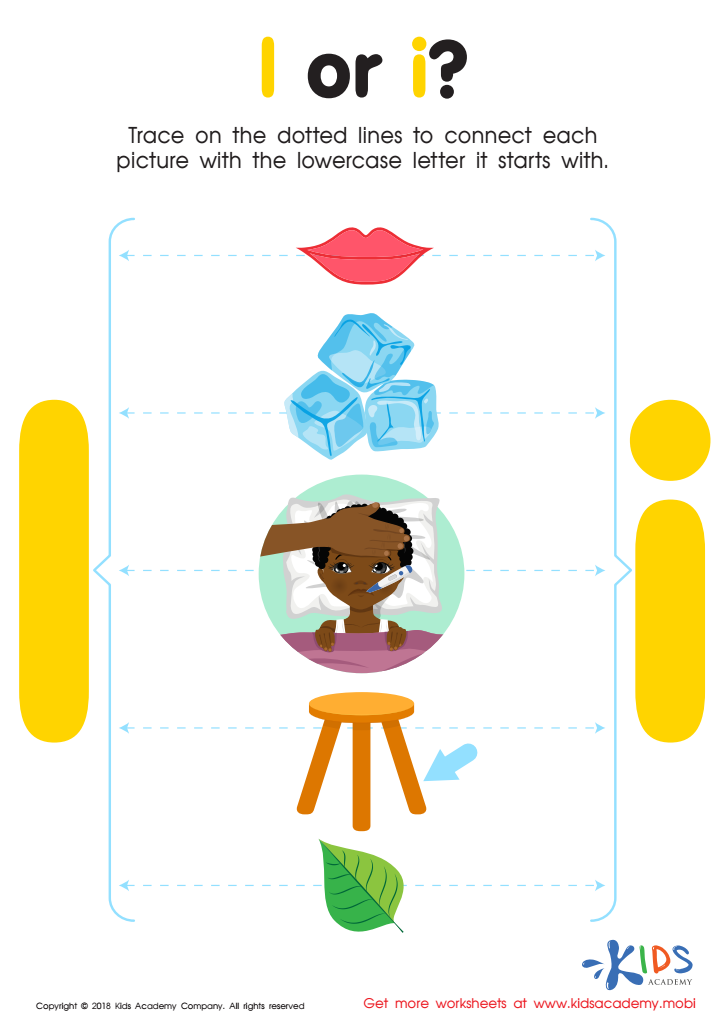
l or i? Worksheet
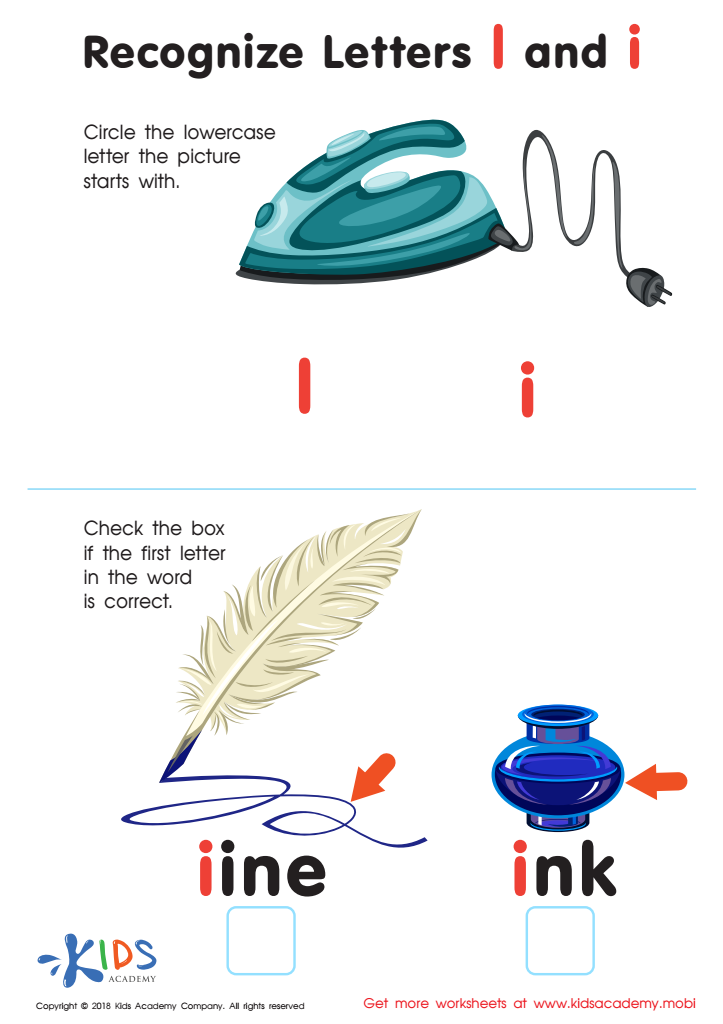
Recognize Letters l and i Worksheet
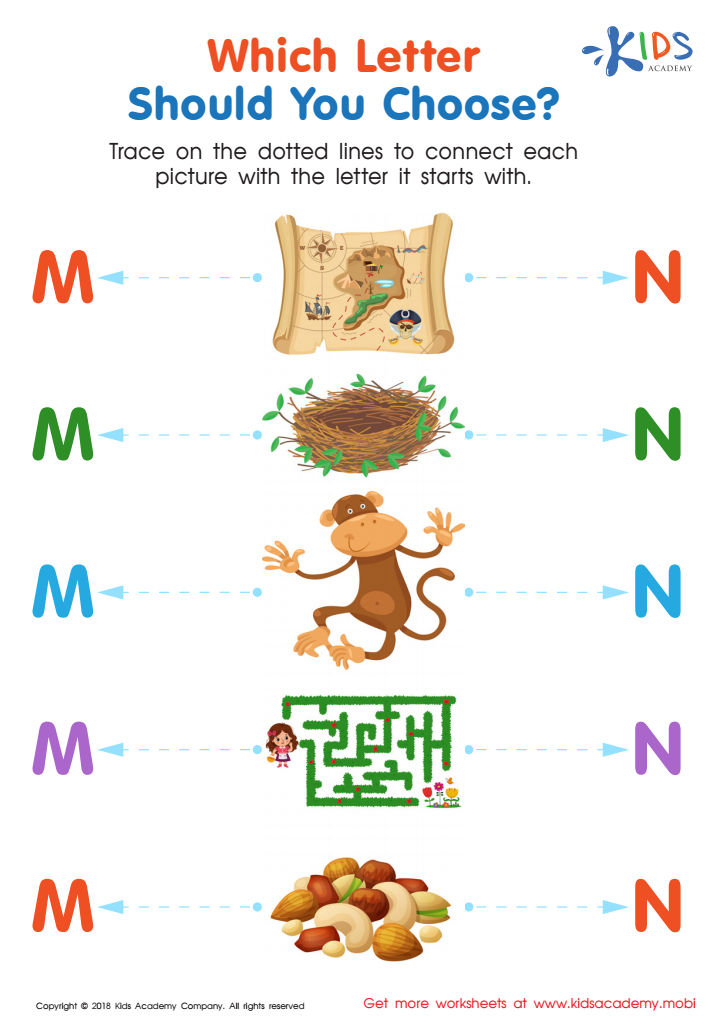
Which Letter Should you Choose? Worksheet
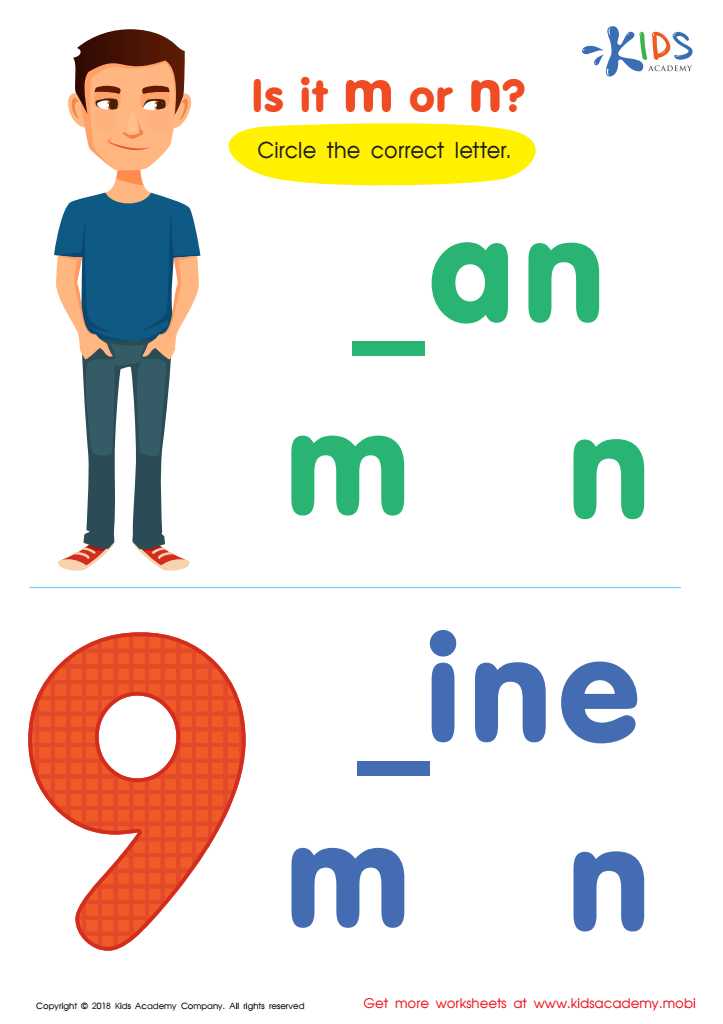
Is It m or n? Worksheet
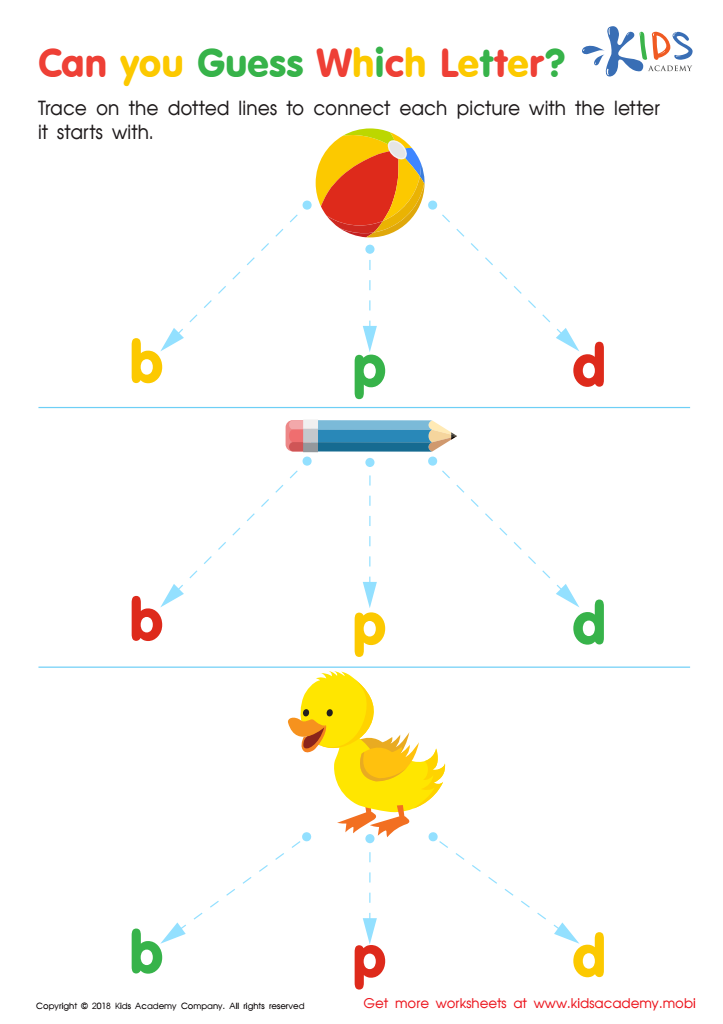
Can you Guess Which Letter? Worksheet
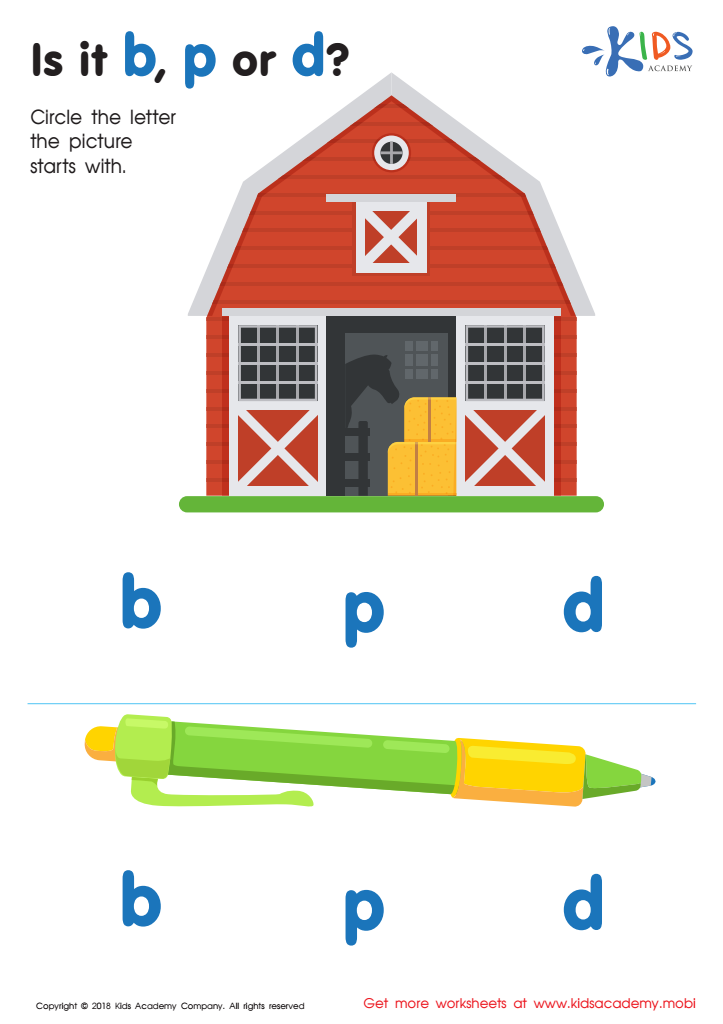
Is it b, p or d? Worksheet
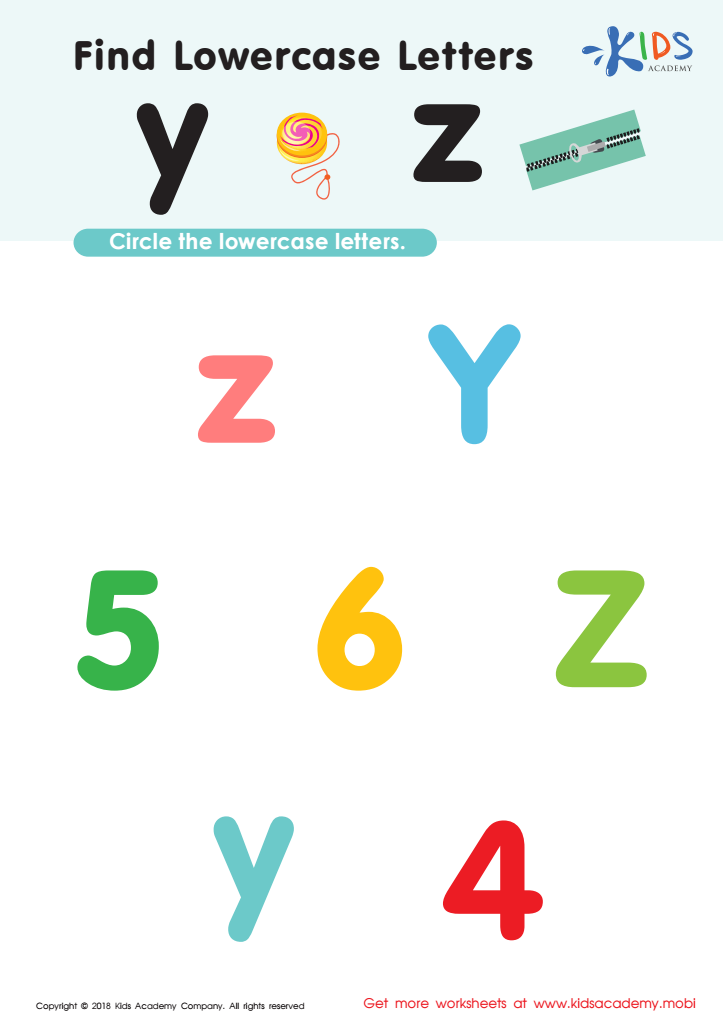
Find Lowercase Letters y z Worksheet
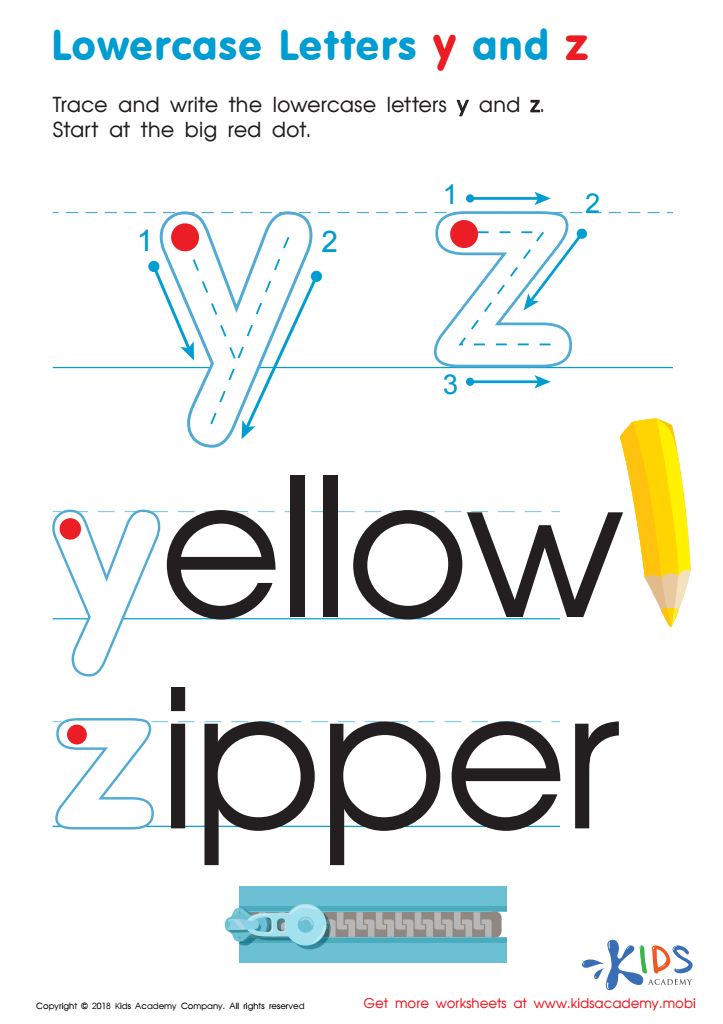
Lowercase Letters y z Worksheet
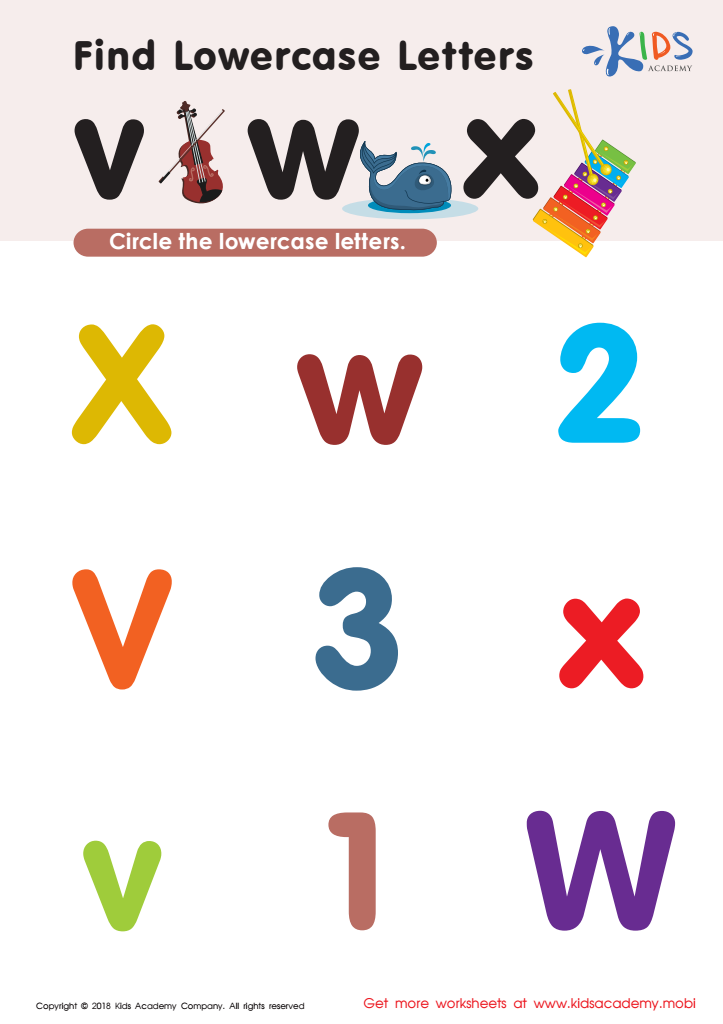
Find Lowercase Letters v w x Worksheet








Parents and teachers should care about the Normal Alphabet for ages 3-9 because foundational literacy is crucial for children's overall academic success and cognitive development. The Normal Alphabet refers to a standard set of letters and sounds that children begin to learn at a young age, forming the basis for reading and writing skills.
At this age, children are highly receptive to learning through play and exploration. Mastery of the alphabet enables them to recognize letters and understand their sounds, which serves as a stepping stone to fluent reading and effective communication. By emphasizing the Normal Alphabet, educators and parents can foster phonemic awareness, which is essential for breaking down words into sounds, a skill necessary for decoding reading materials.
Furthermore, familiarity with the Normal Alphabet supports the development of spelling and writing abilities as children progress in their education. Engaging with the alphabet through games, songs, and storytelling can instill a love of reading and enhance literacy proficiency.
Overall, prioritizing the Normal Alphabet not only aids academic achievement but also builds critical thinking, nurturing a confident, well-rounded learner who is prepared for future challenges. It’s an essential investment in a child’s lifelong learning journey.







