Normal Reading Worksheets for Ages 4-9 - Page 3
345 filtered results
-
From - To
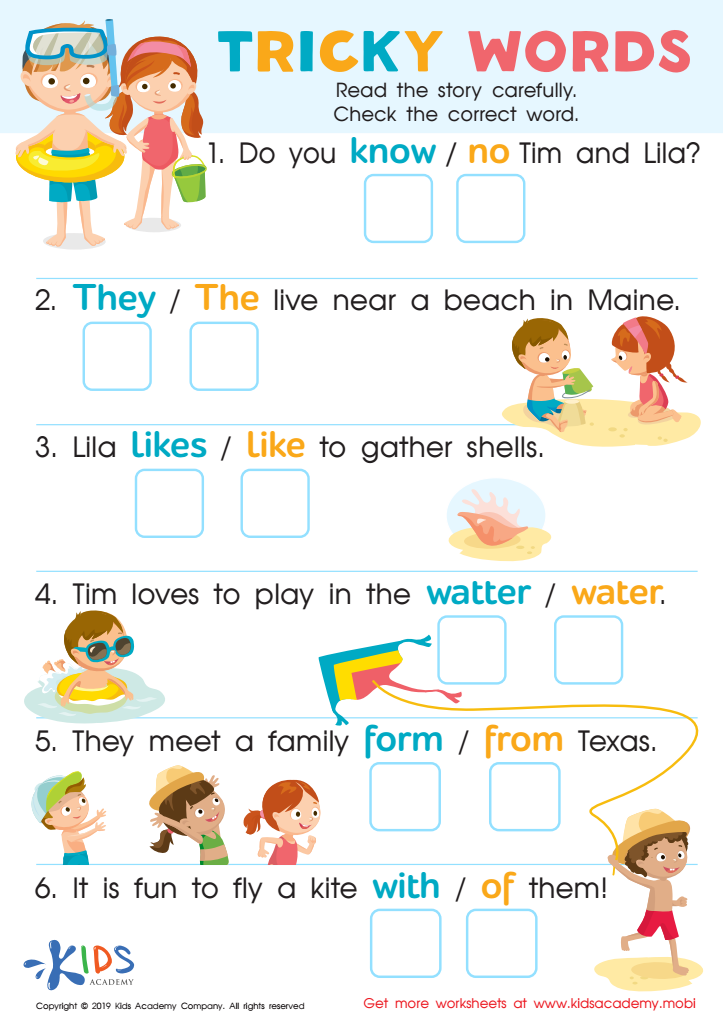
Tricky Words Worksheet
 Assign to My Students
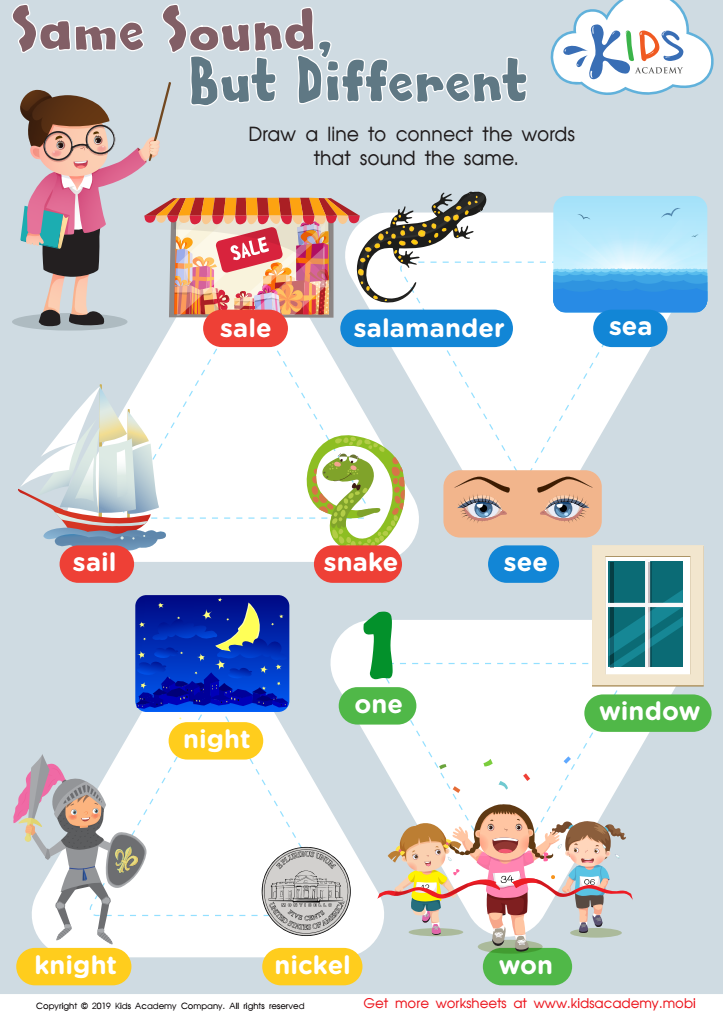
Sound Different Worksheet
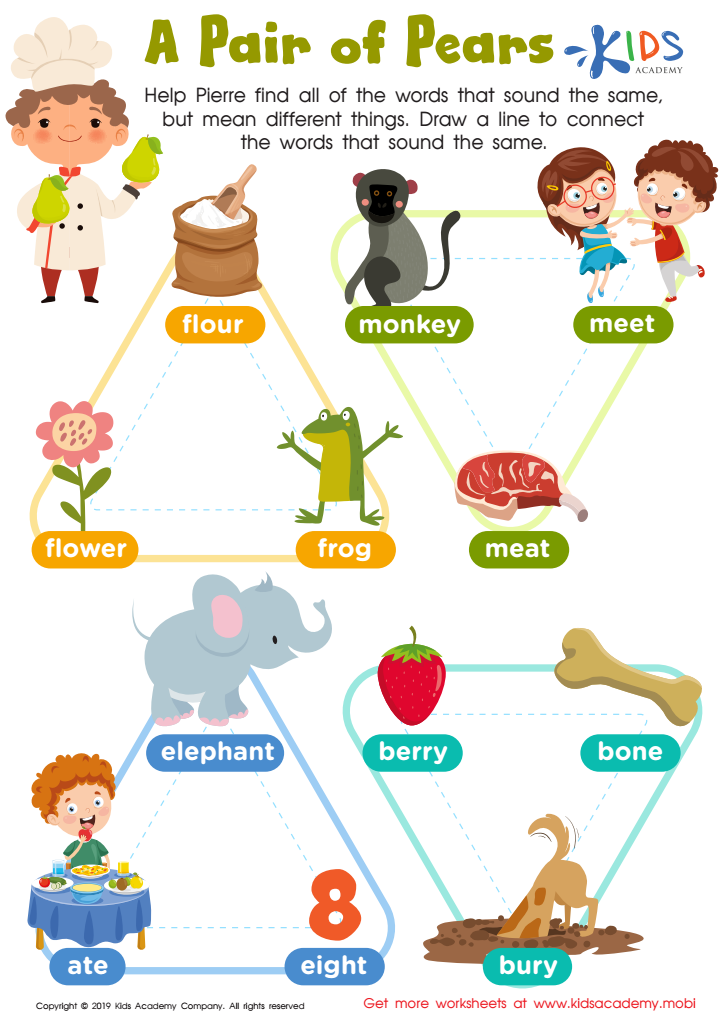
Pair Pears Worksheet
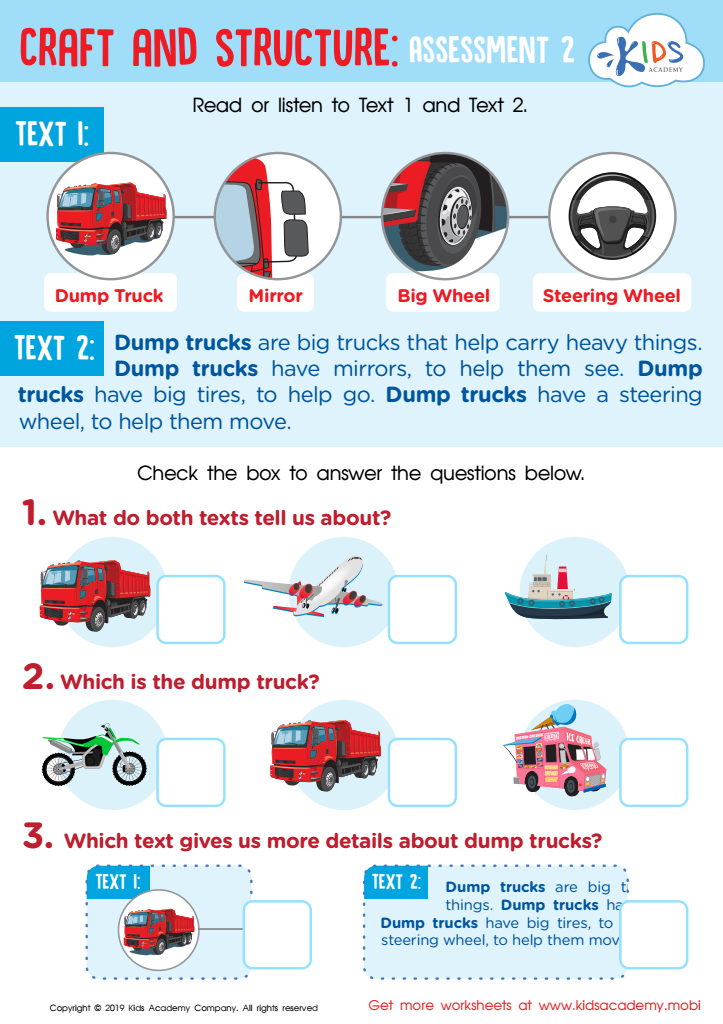
Craft and Structure: Assessment 2 Worksheet
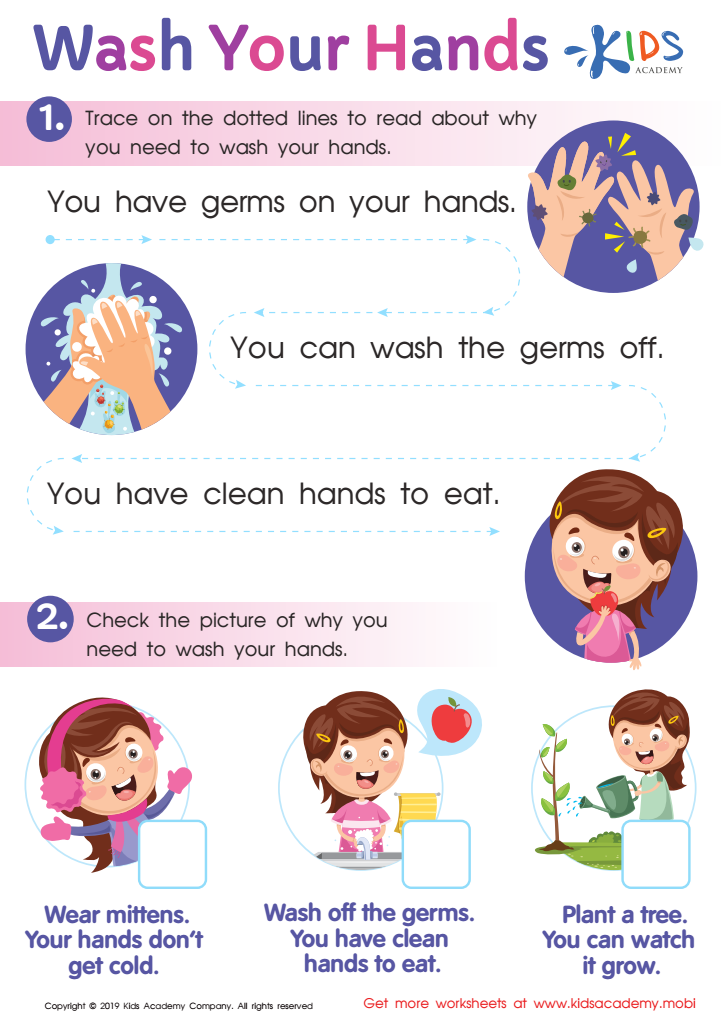
Wash Your Hands Worksheet
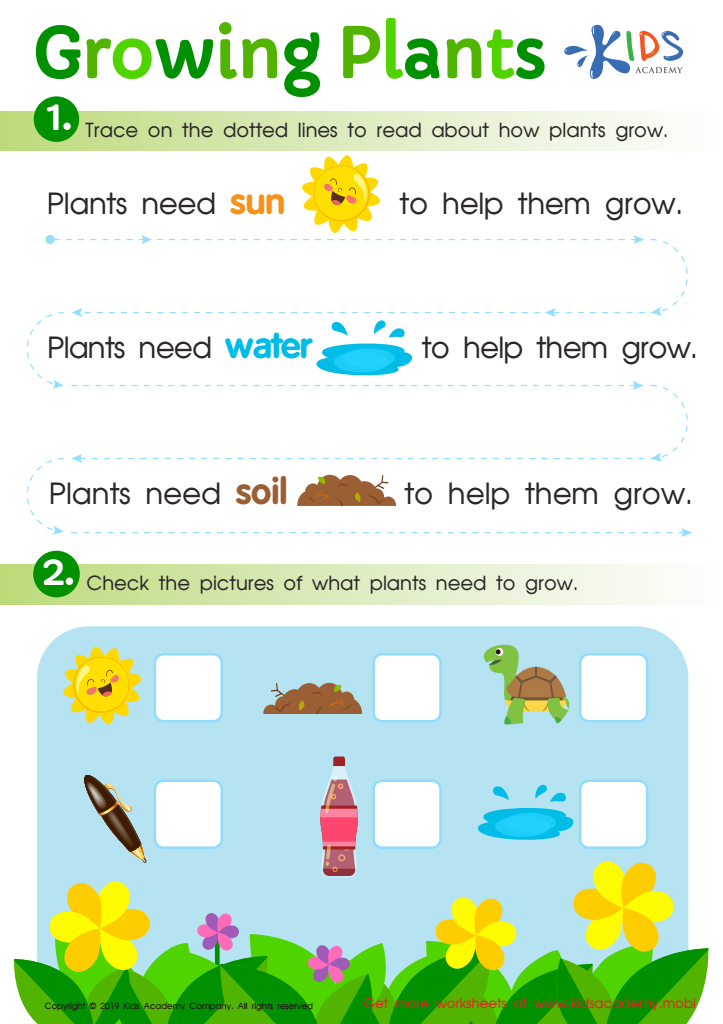
Growing Plants Worksheet
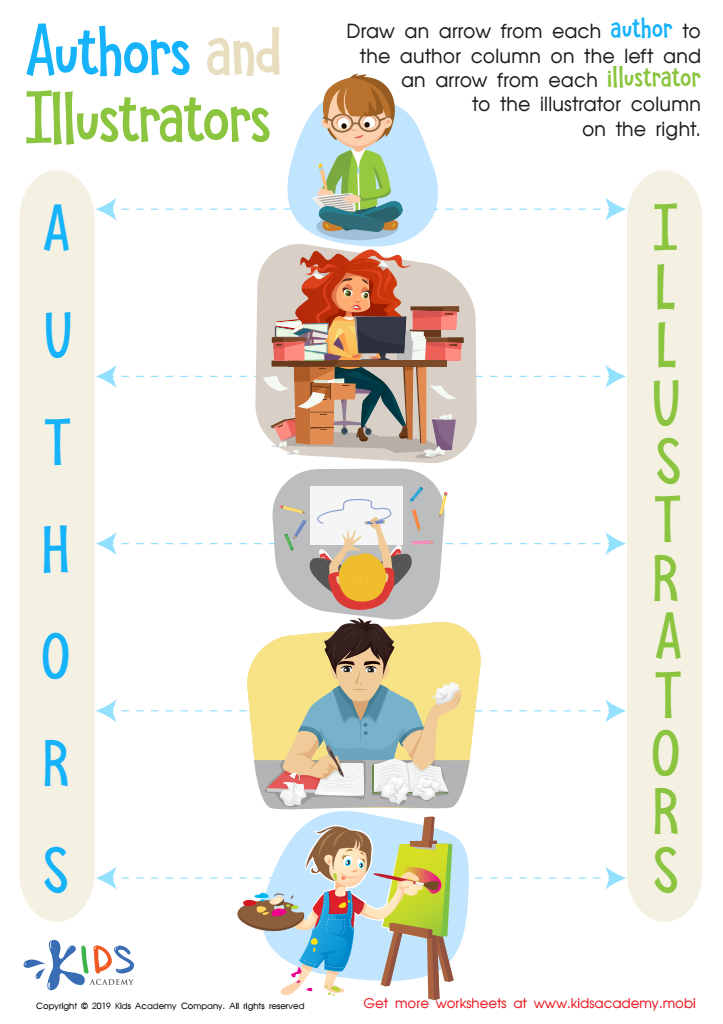
Authors and Illustrators Worksheet
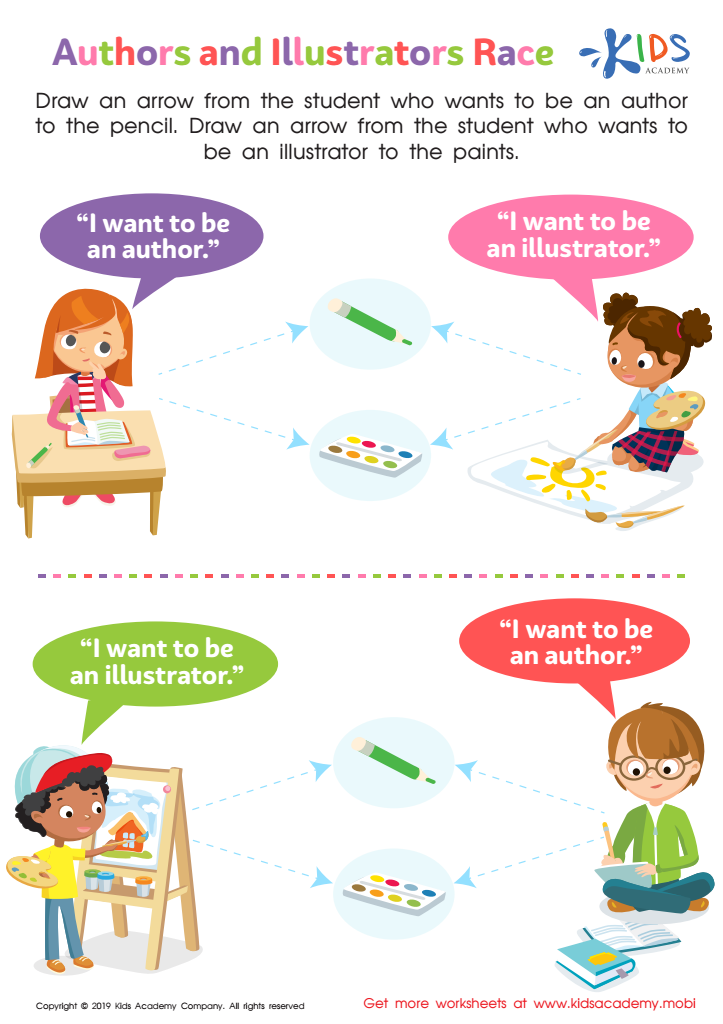
Authors and Illustrators Race Worksheet
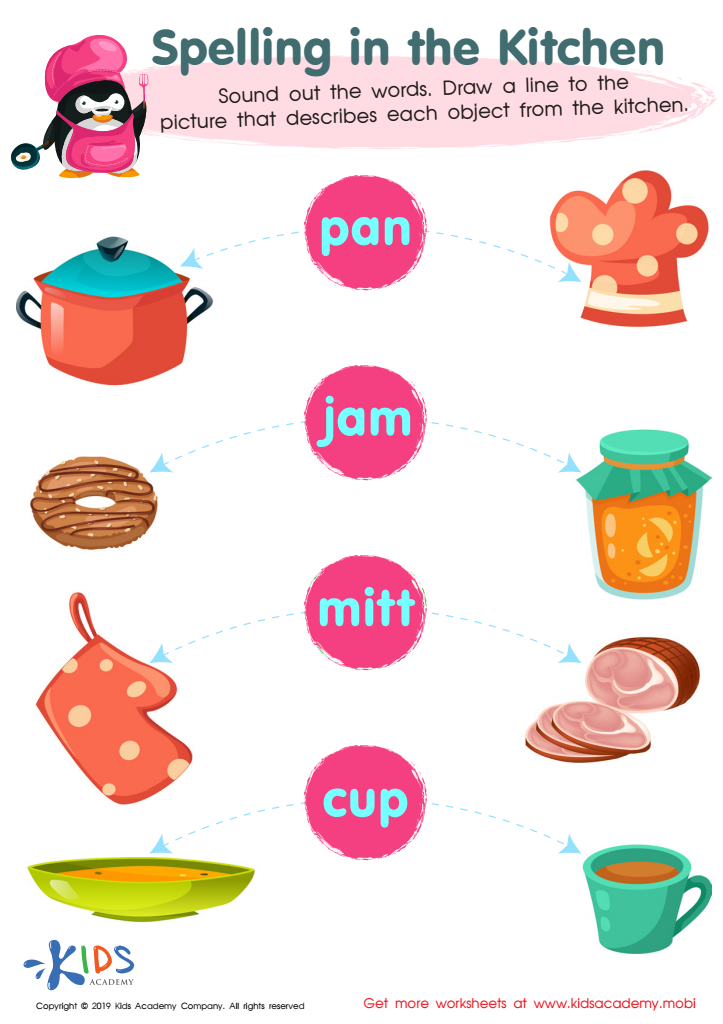
Spelling in the Kitchen Worksheet
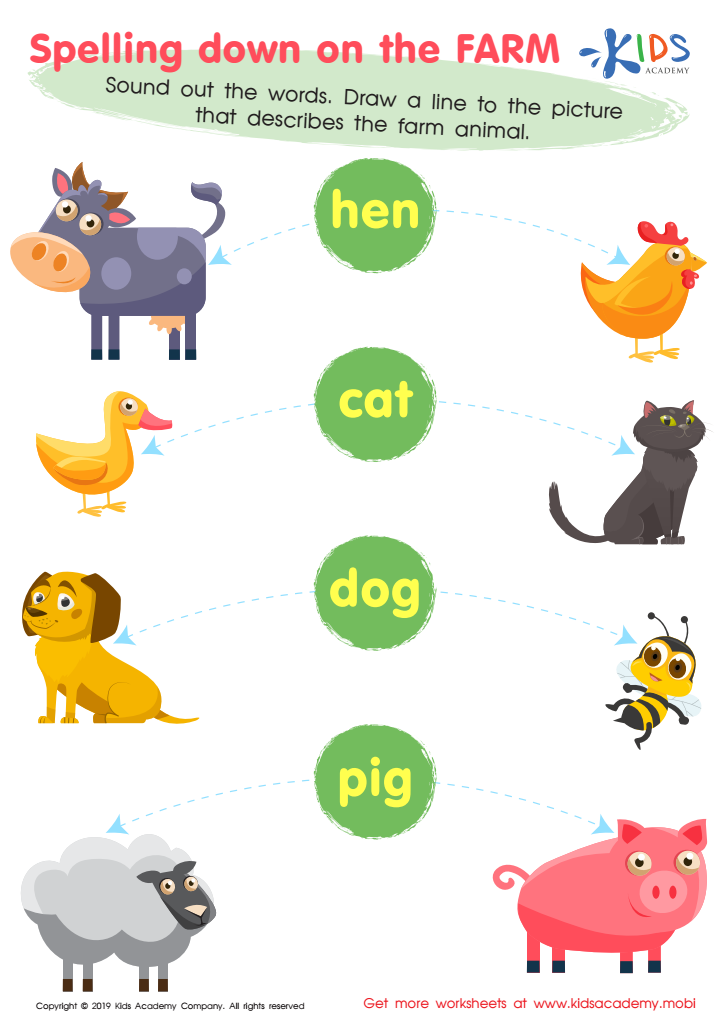
Spelling Down on the Farm Worksheet
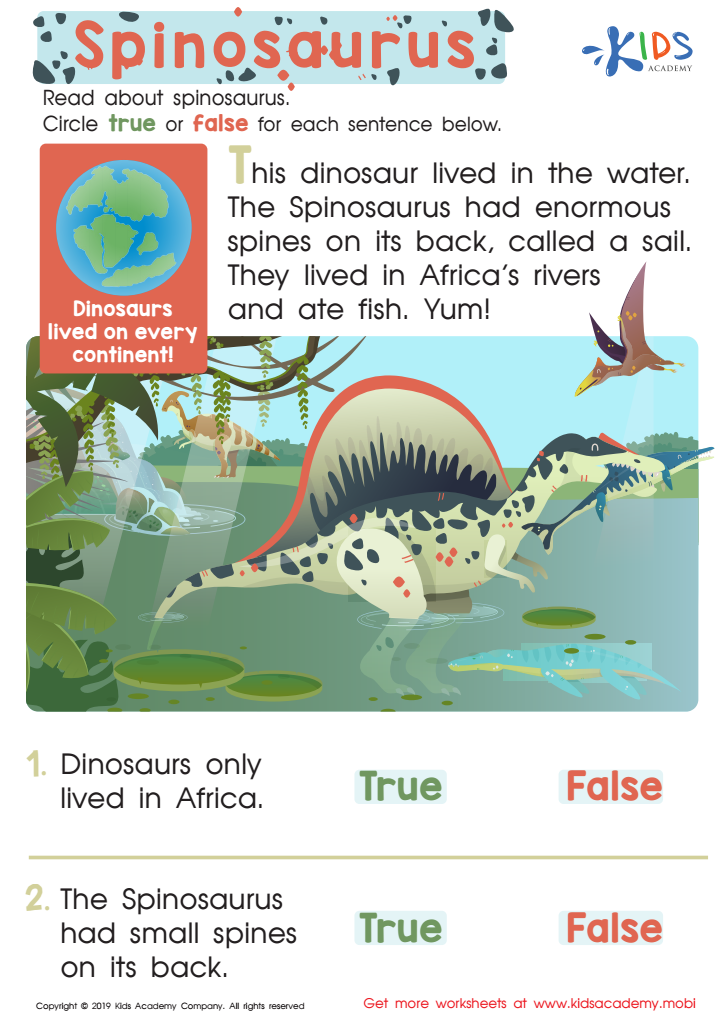
Spinosaurus Assessment Worksheet
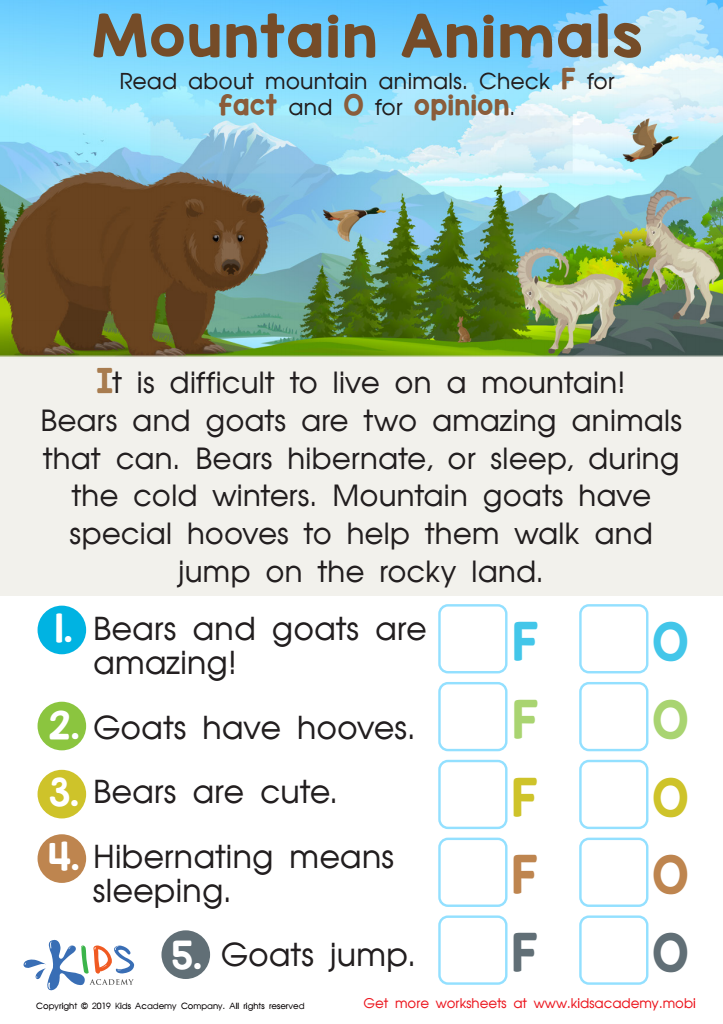
Mountain Animals Worksheet
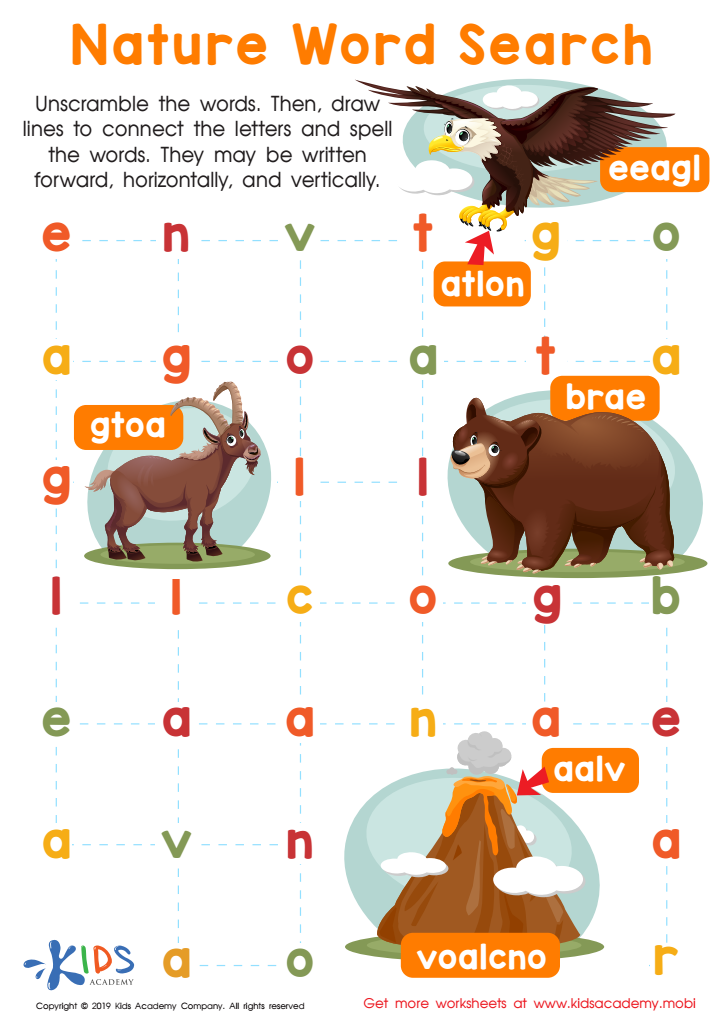
Nature Word Search Worksheet
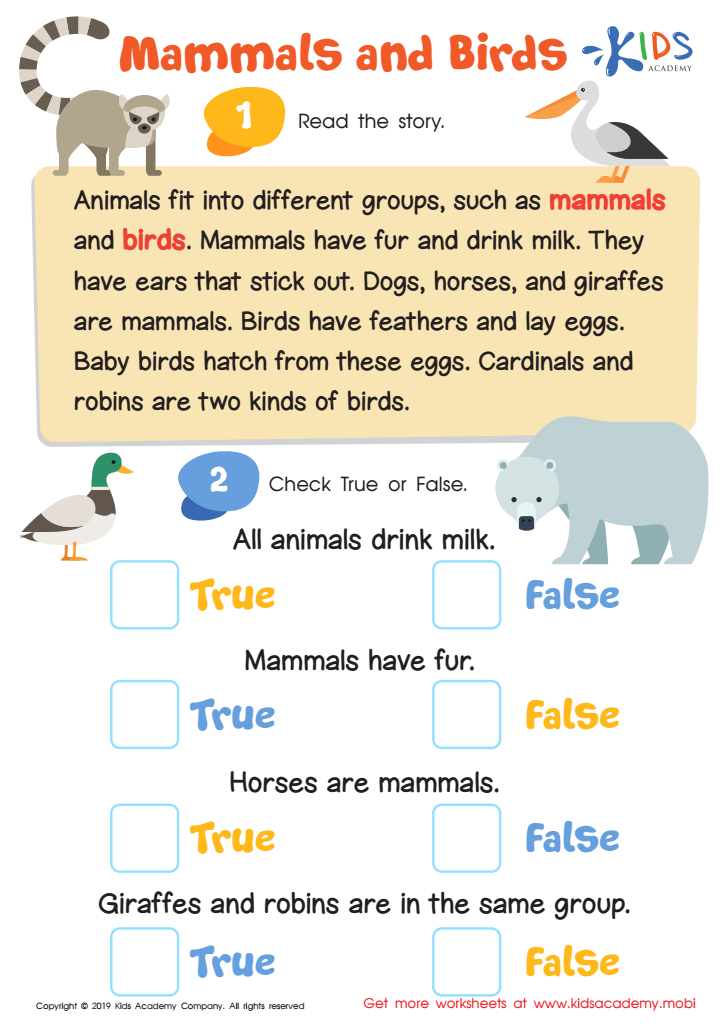
Mammals and Birds Worksheet
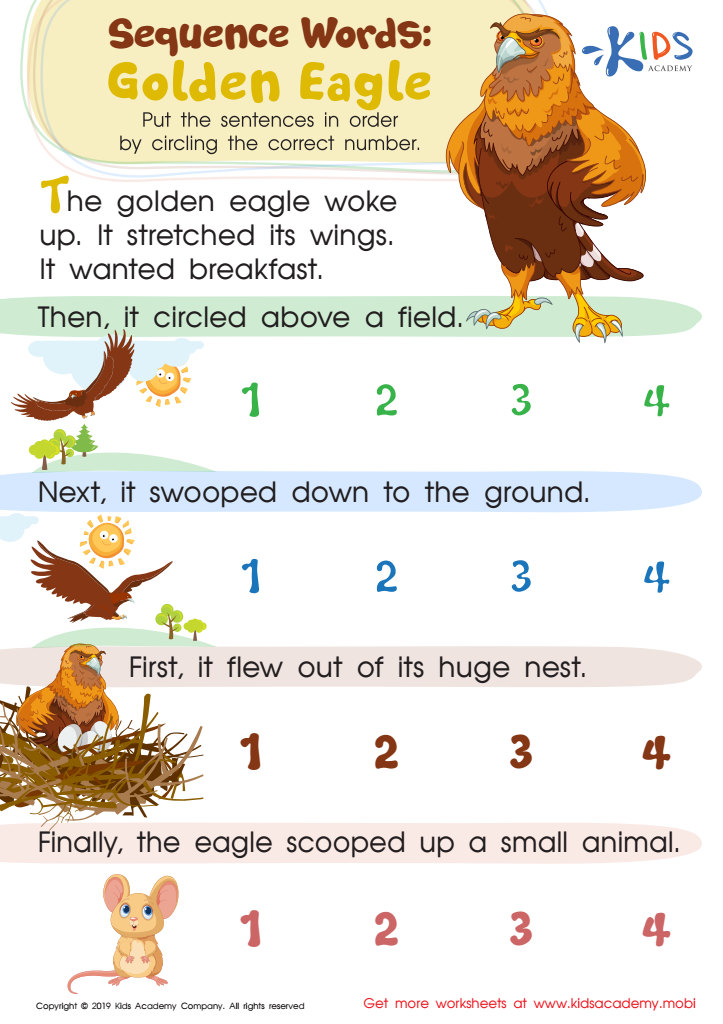
Sequence Word Eagle Worksheet
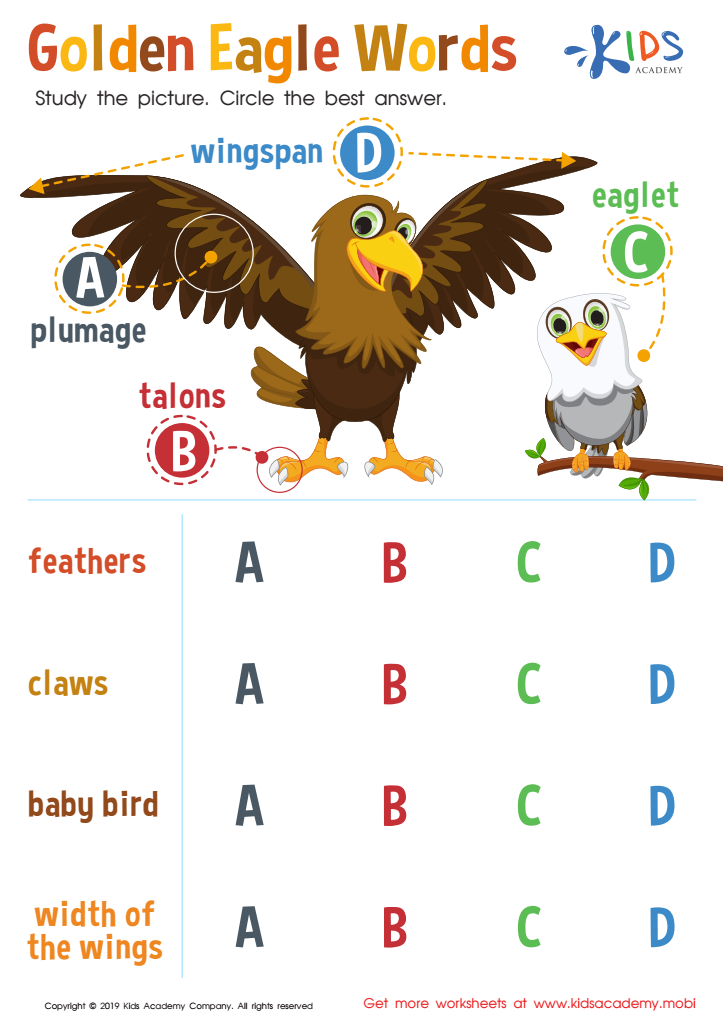
Golden Eagle Words Worksheet
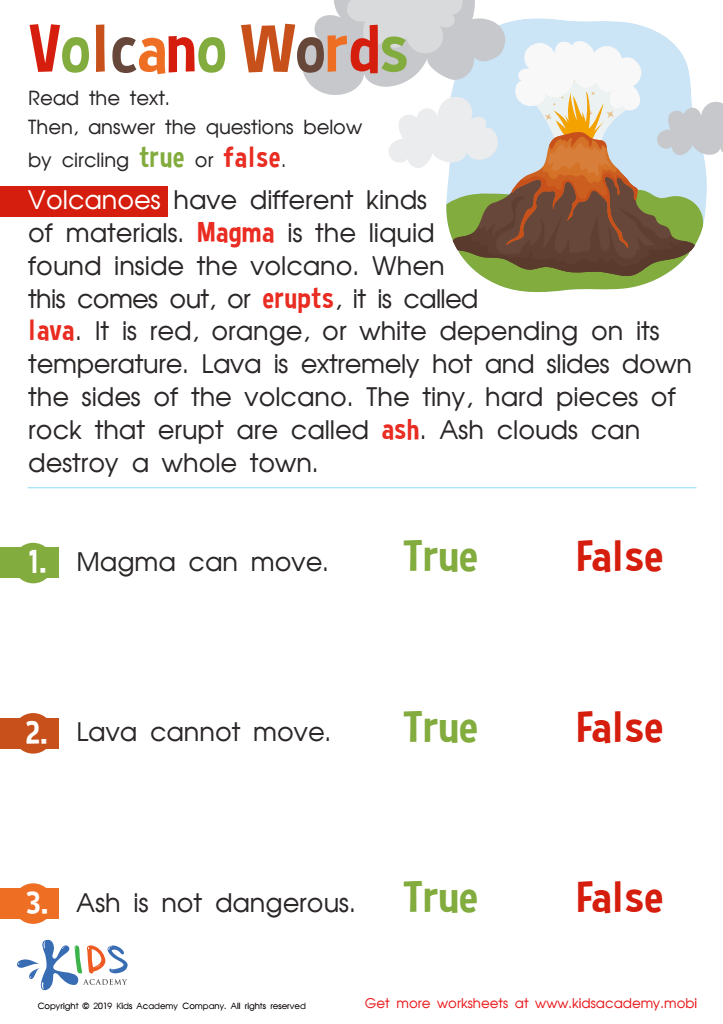
Volcano Words Worksheet
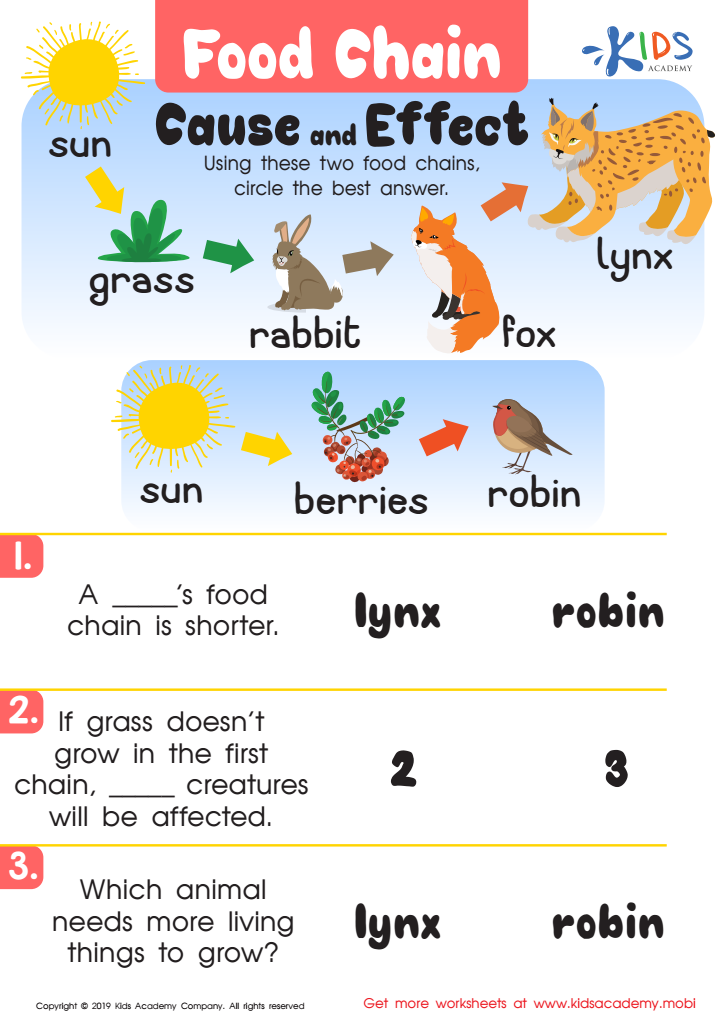
Food Chain Cause Worksheet
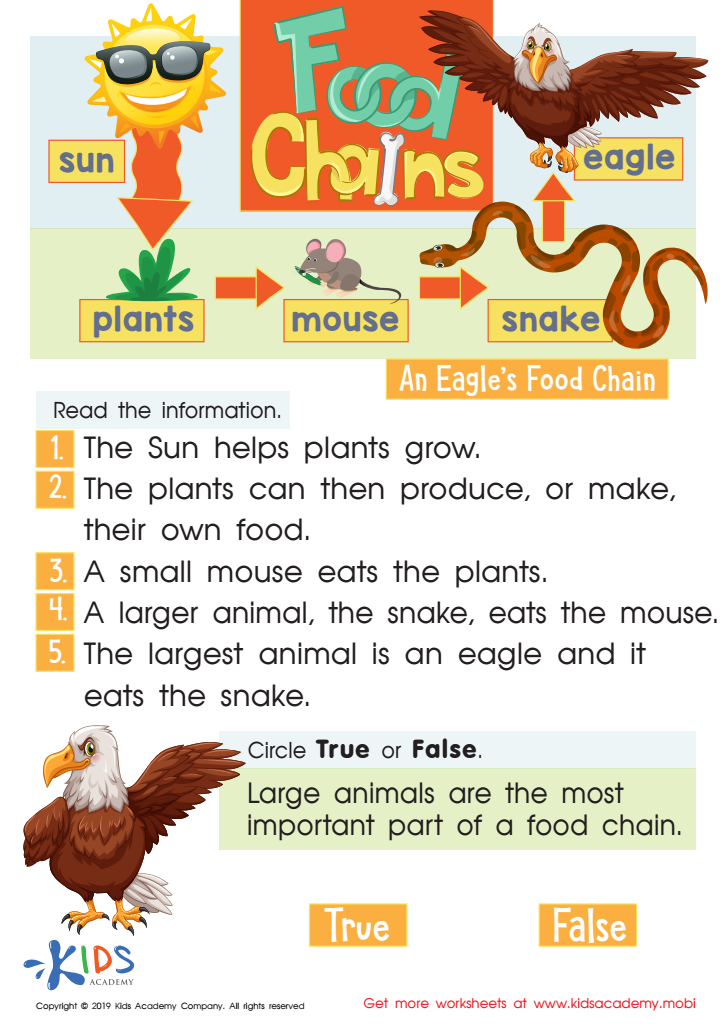
Food Chains Worksheet
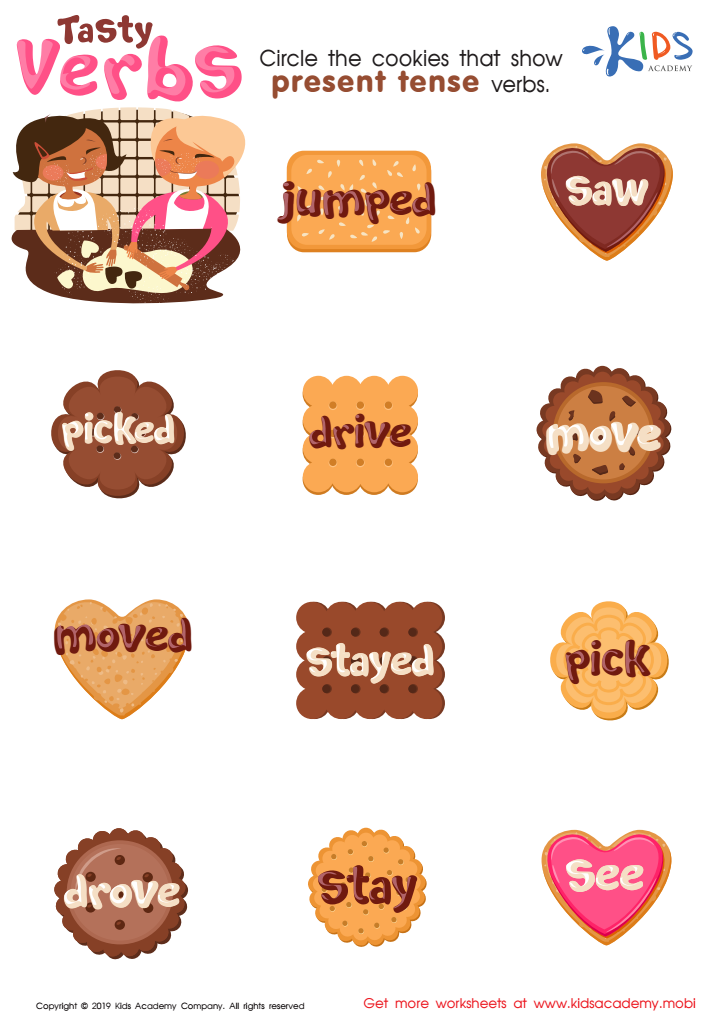
Tasty Verbs Worksheet
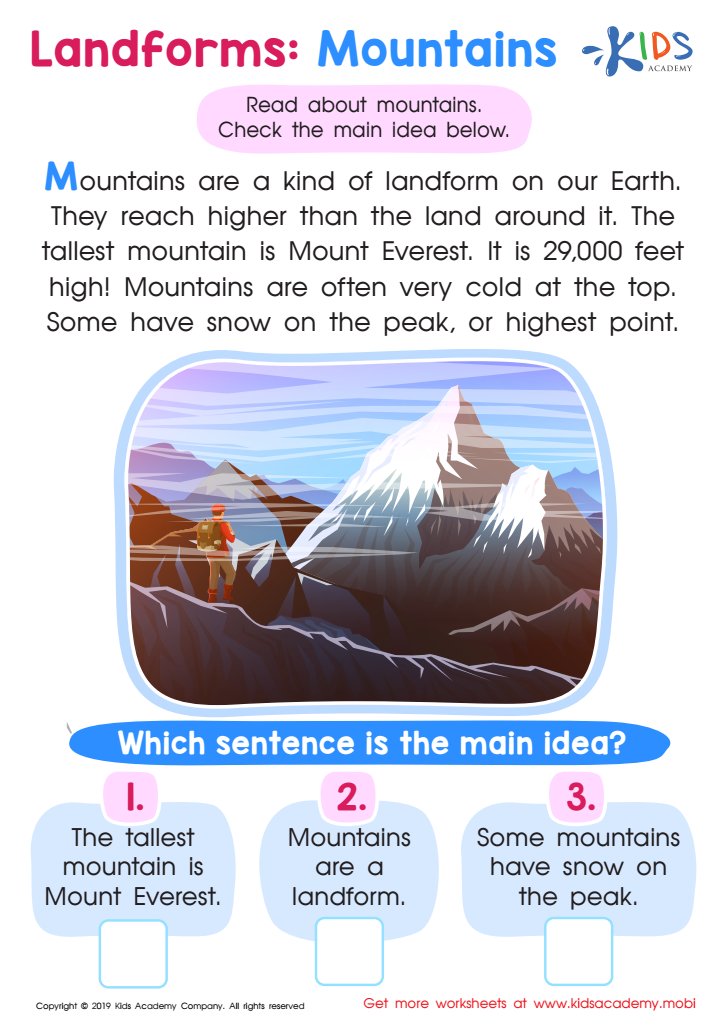
Landforms: Mountains Worksheet
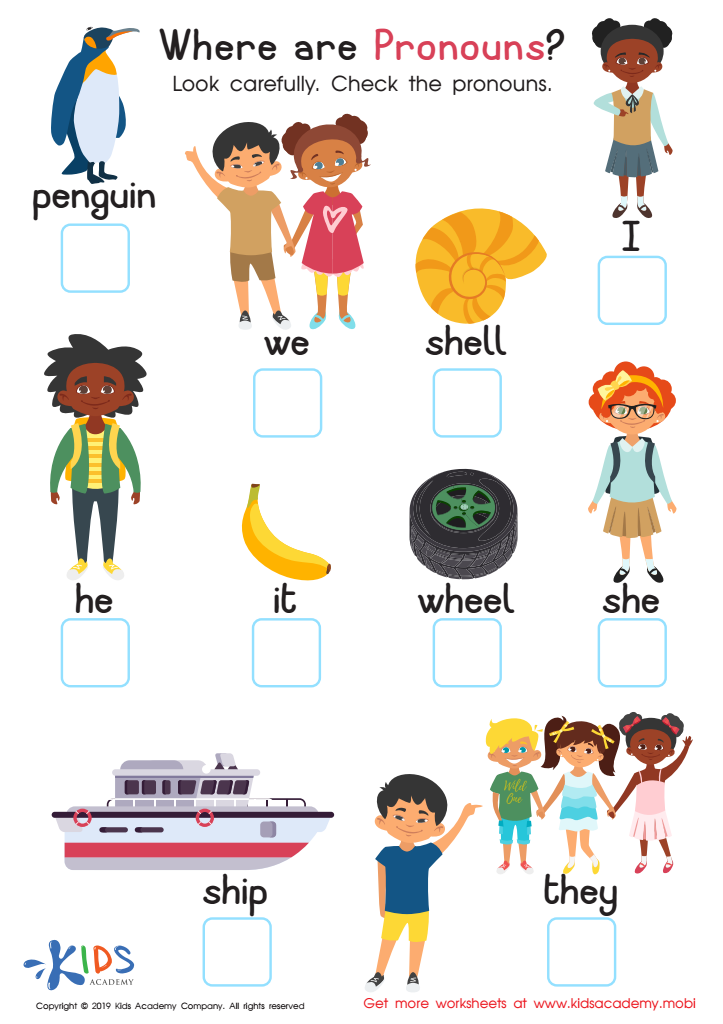
Where Are Pronouns? Worksheet
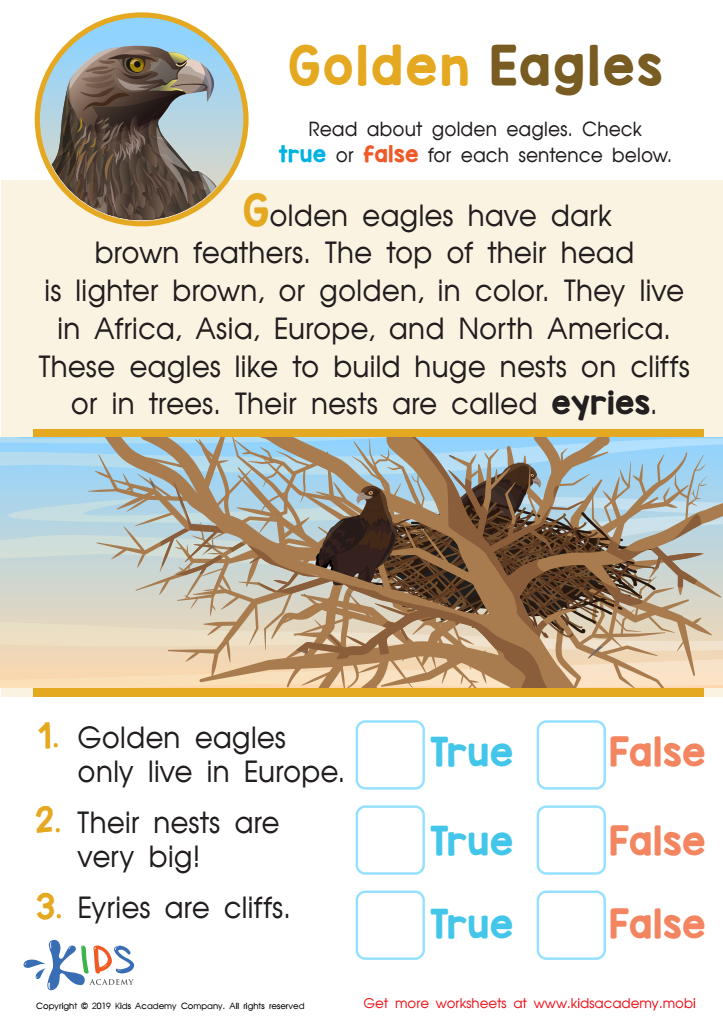
Golden Eagles Worksheet
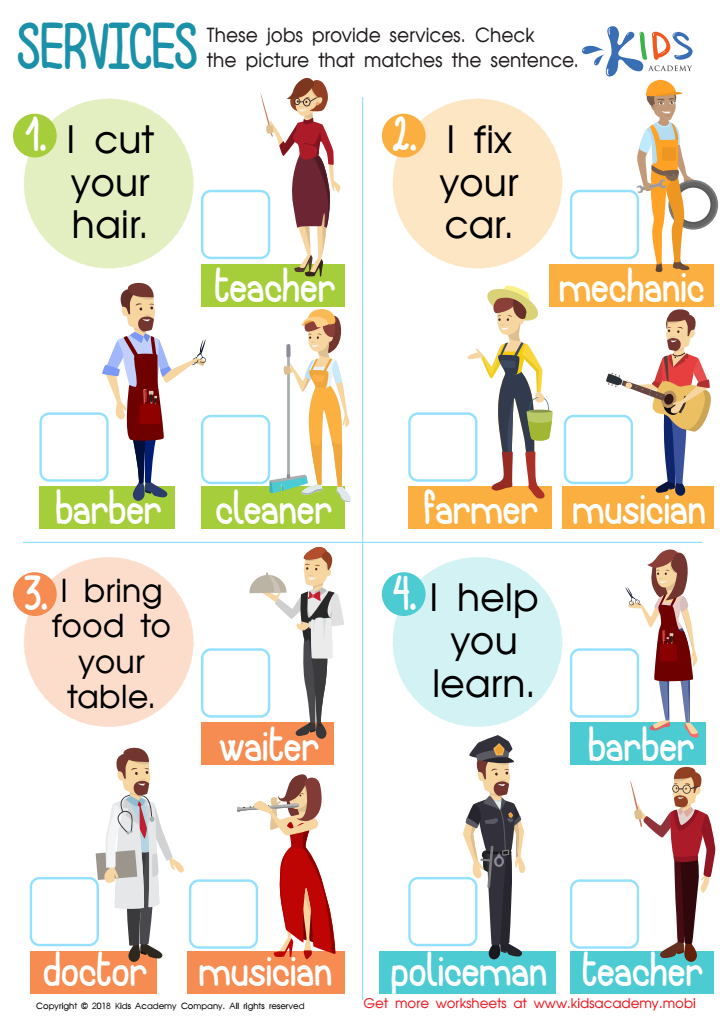
Services Worksheet





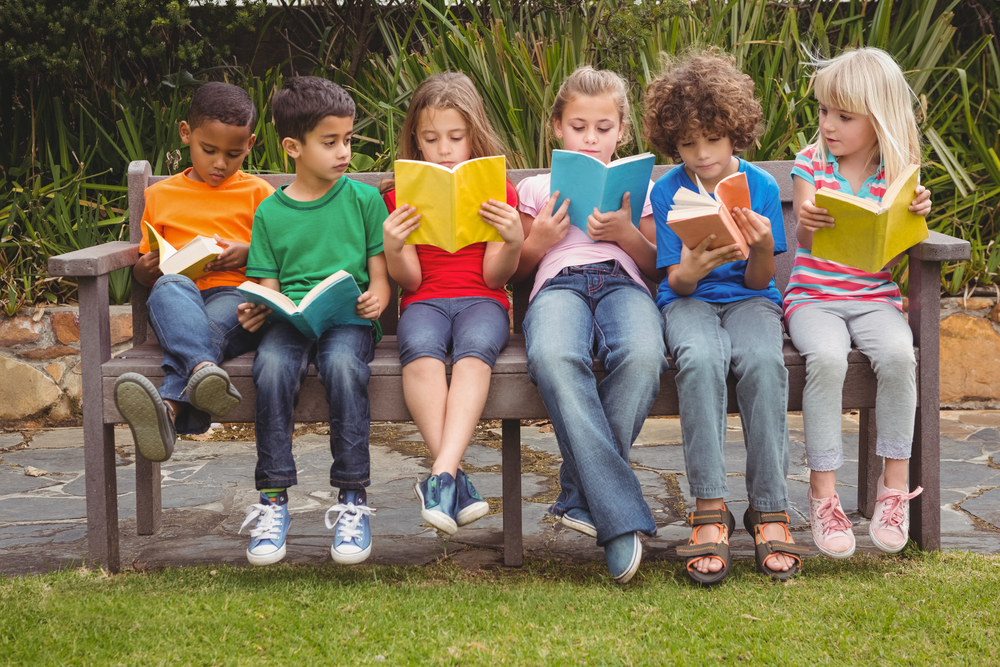

Understanding normal reading development for children ages 4-9 is crucial for both parents and teachers because it lays the foundation for lifelong literacy skills. During these formative years, children progress through distinct stages of reading that influence their comprehension, vocabulary, and overall language development. Recognizing what constitutes typical reading milestones helps adults identify when a child may be struggling, enabling timely intervention and support.
Additionally, being aware of normal reading patterns fosters a nurturing environment that encourages a love for reading. When parents and teachers engage with children at their current reading level, it not only builds confidence but also promotes cognitive skills and empathy as children connect with various characters and stories.
Moreover, exposure to diverse reading materials enhances critical thinking and creativity, which are essential for academic success. Awareness of reading norms can also help alleviate parental anxiety while guiding educators to tailor instruction based on individual needs, thereby ensuring that every child receives the support requisite for their growth. Ultimately, being informed about normal reading development is key to cultivating independent, enthusiastic readers who can navigate the complexities of the world through language and storytelling.








