Normal World Around Us Worksheets for Ages 4-9 - Page 2
70 filtered results
-
From - To
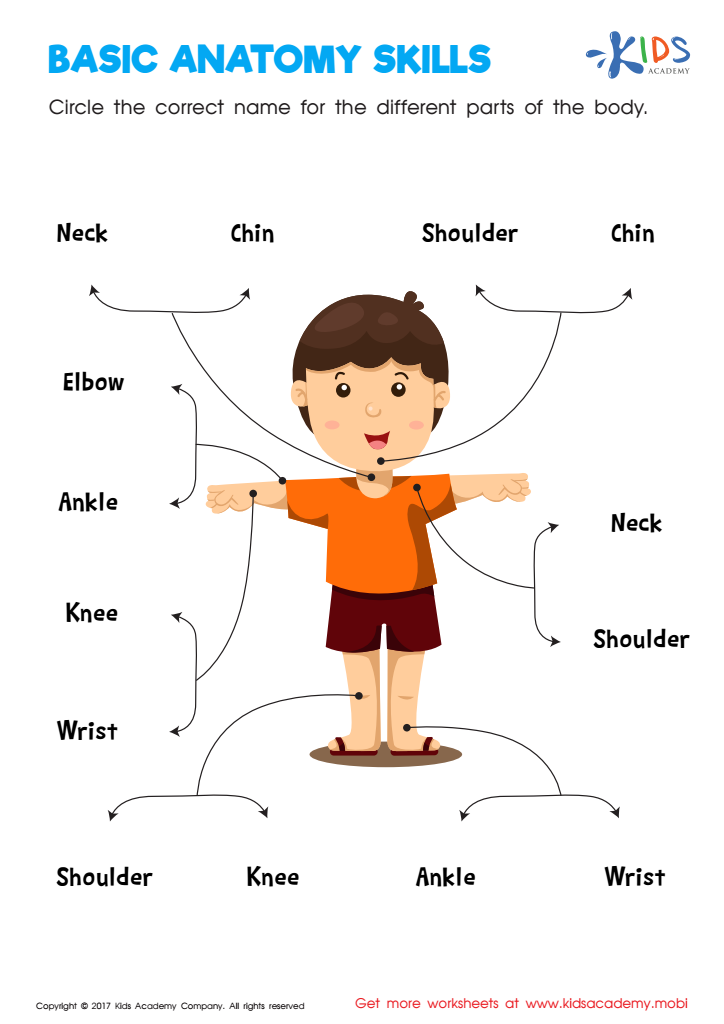
Basic Anatomy Skills Printable
 Assign to My Students
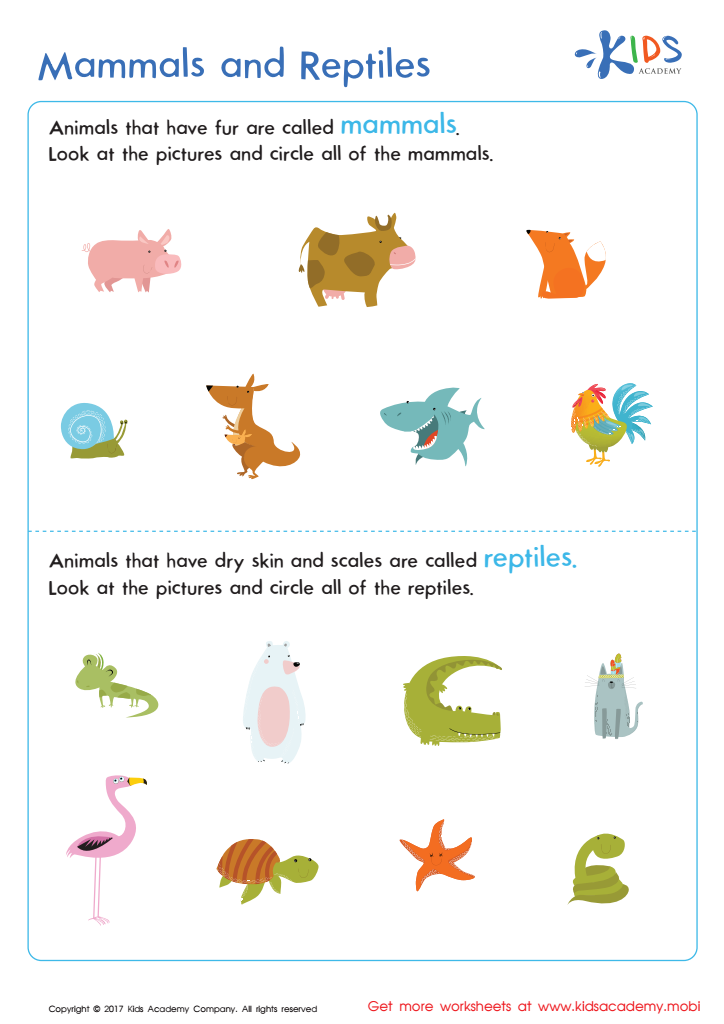
Mammals and Reptiles Worksheet
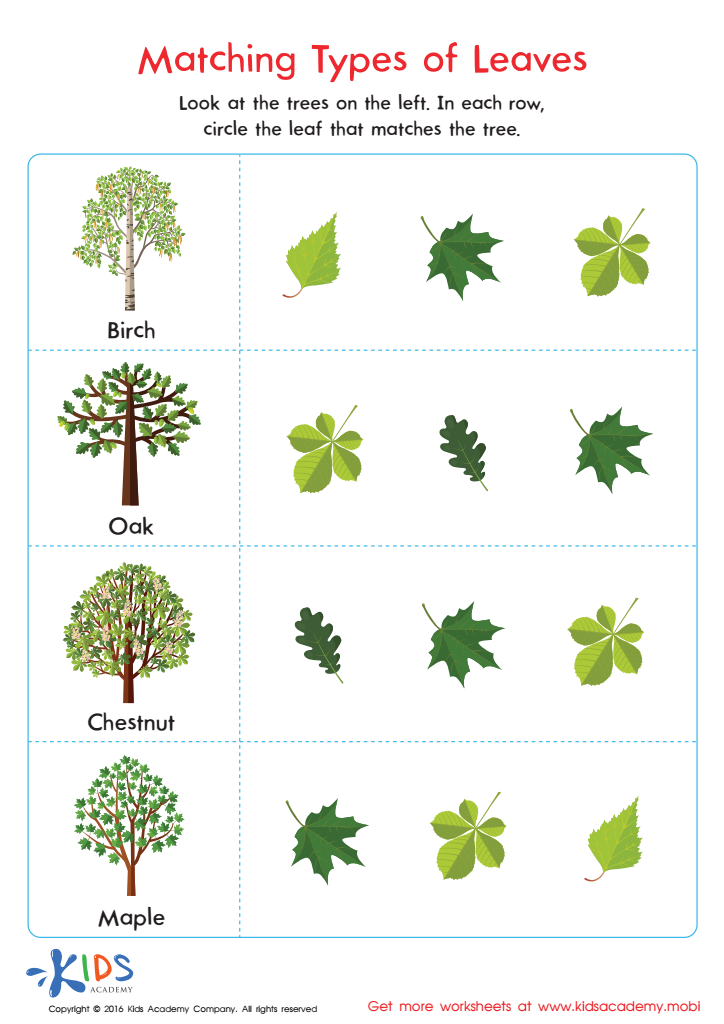
Matching Types of Leaves Printable
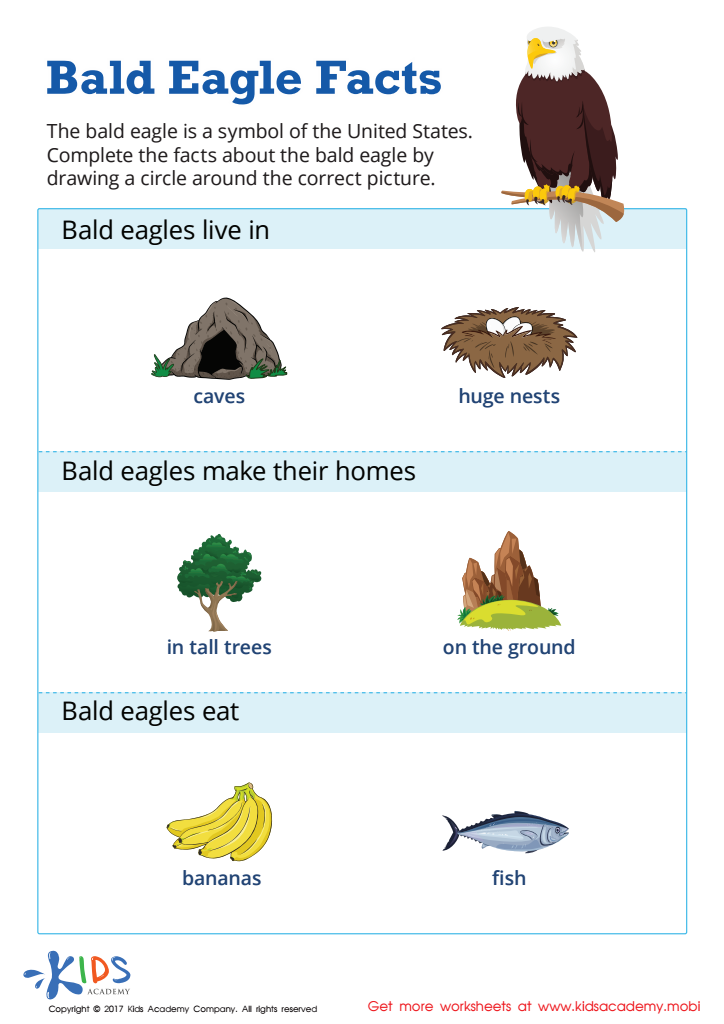
Bald Eagle Facts Worksheet
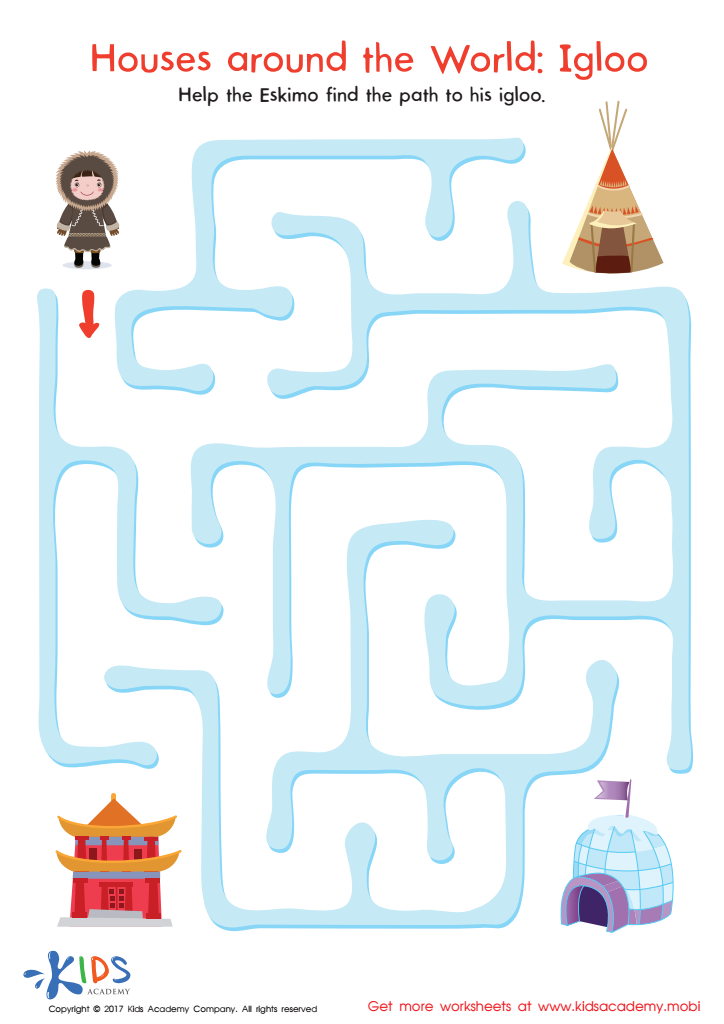
Houses Around the World: Igloo Printable
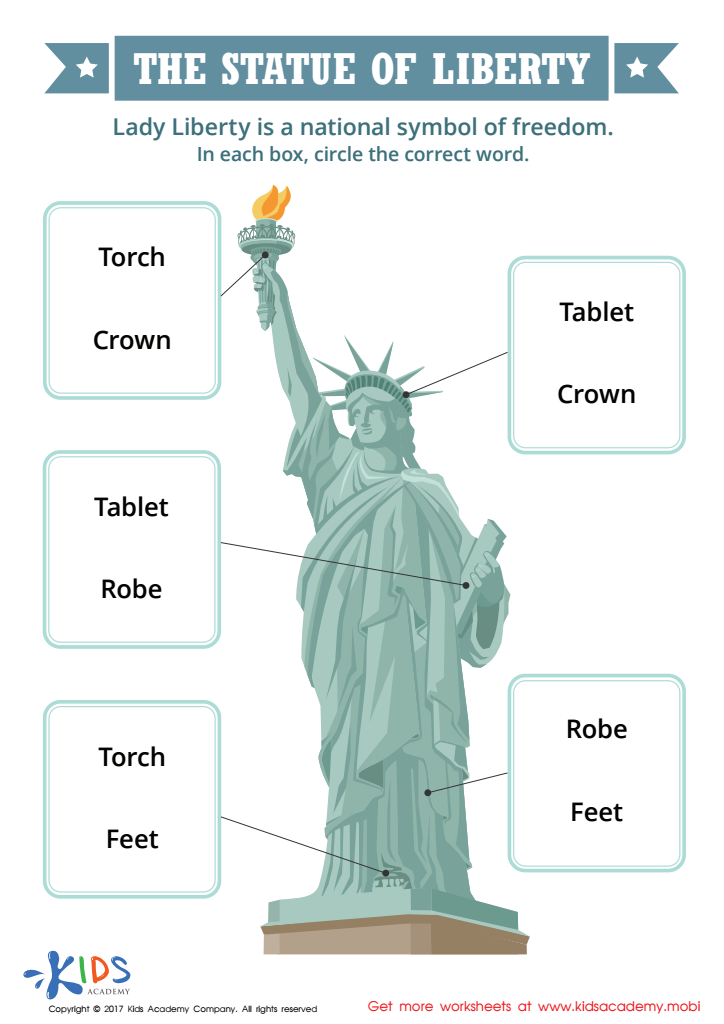
The Statue of Liberty Printable
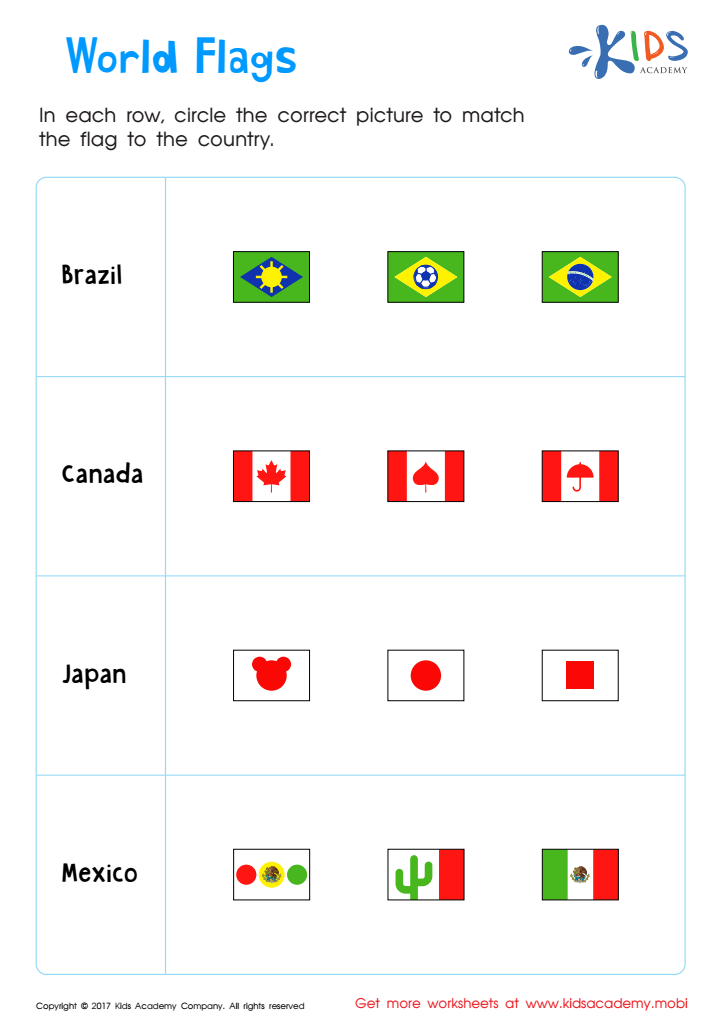
World Flags Printable
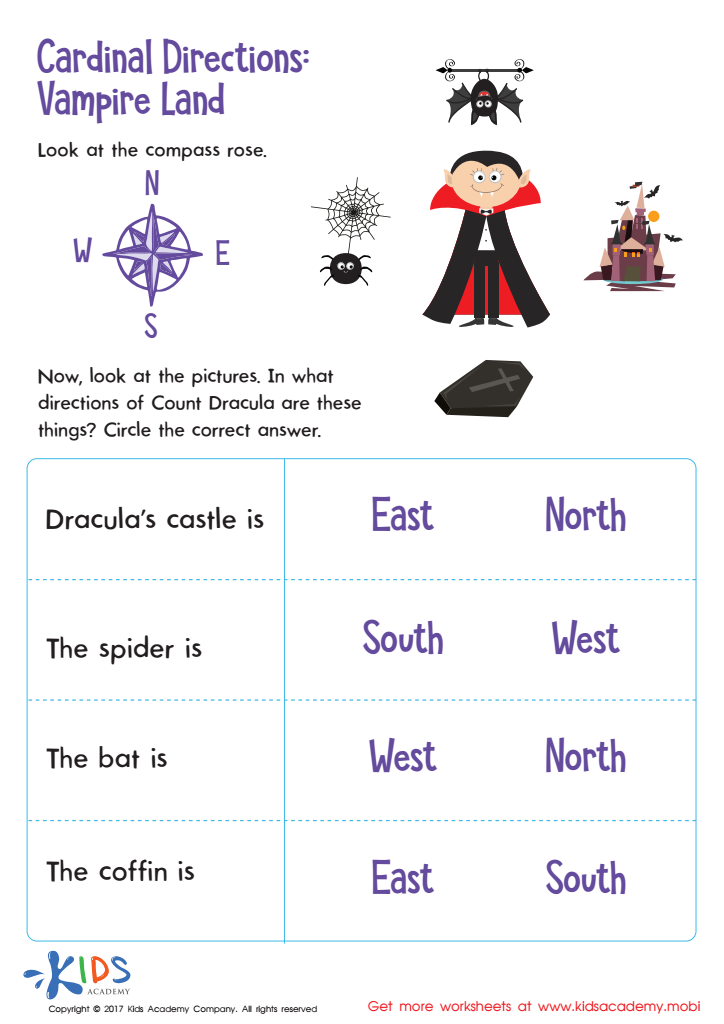
Cardinal Directions Printable
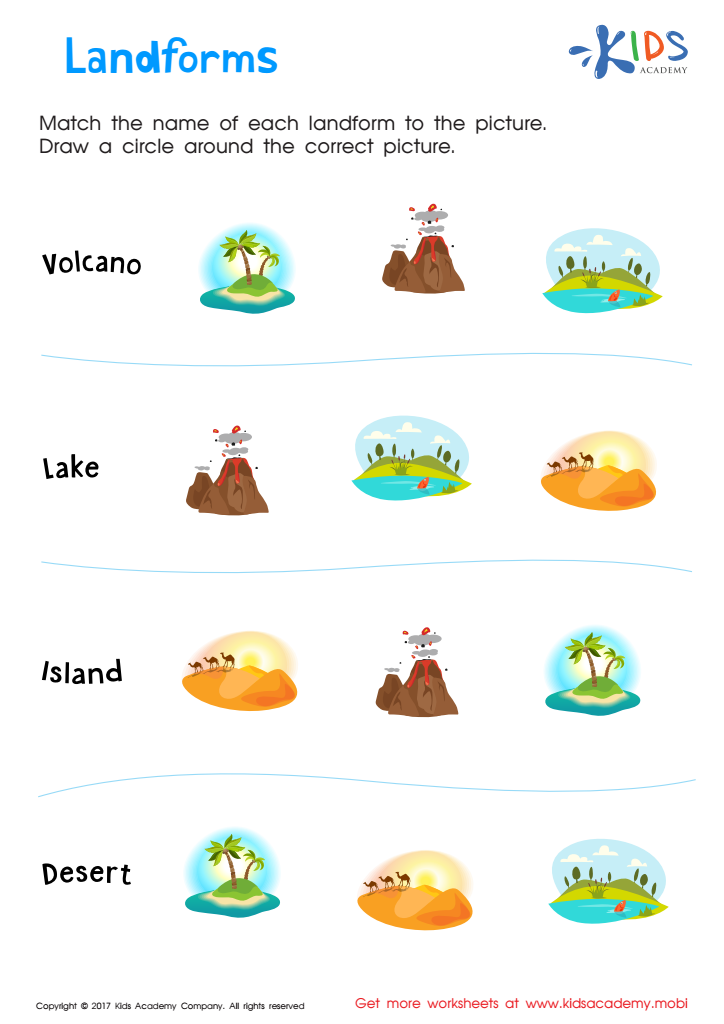
Landforms Printable
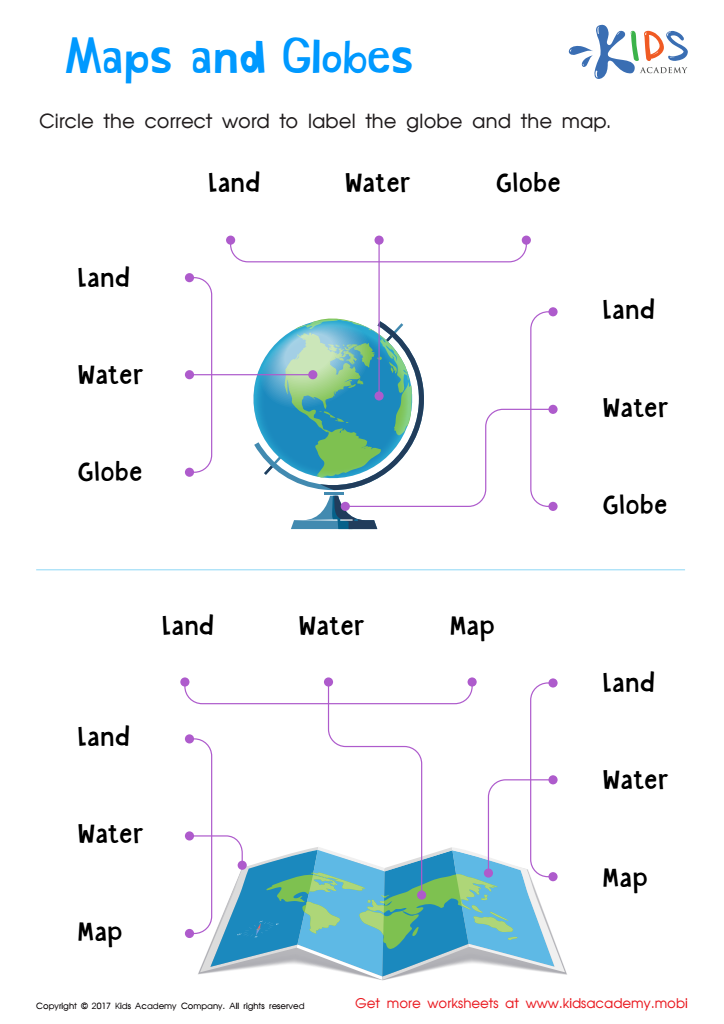
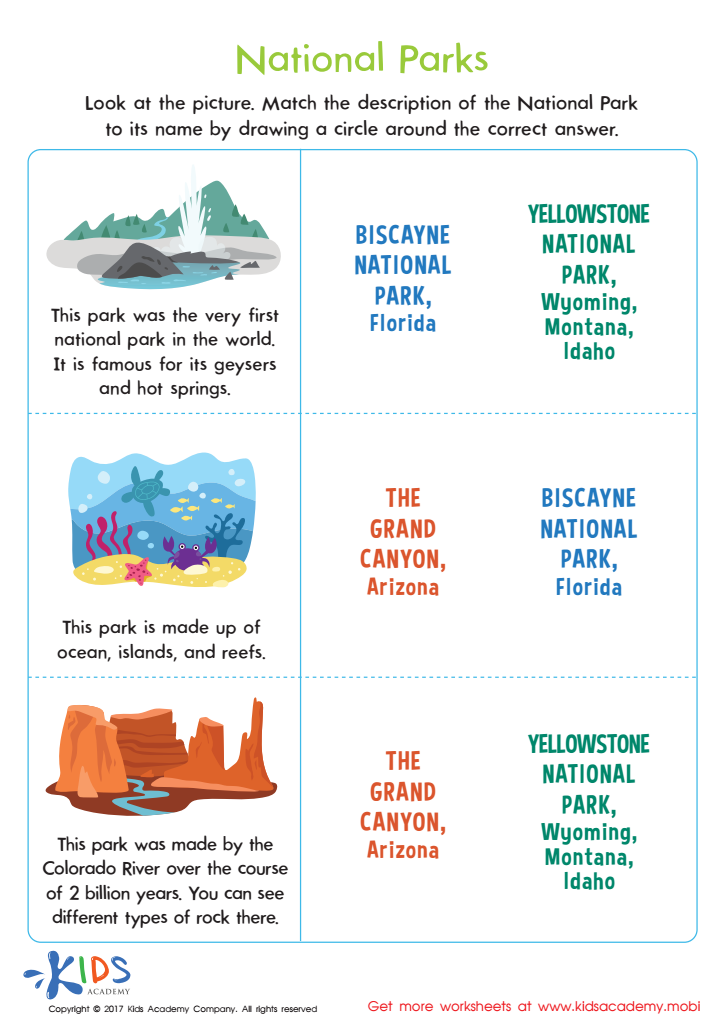
National Parks Printable
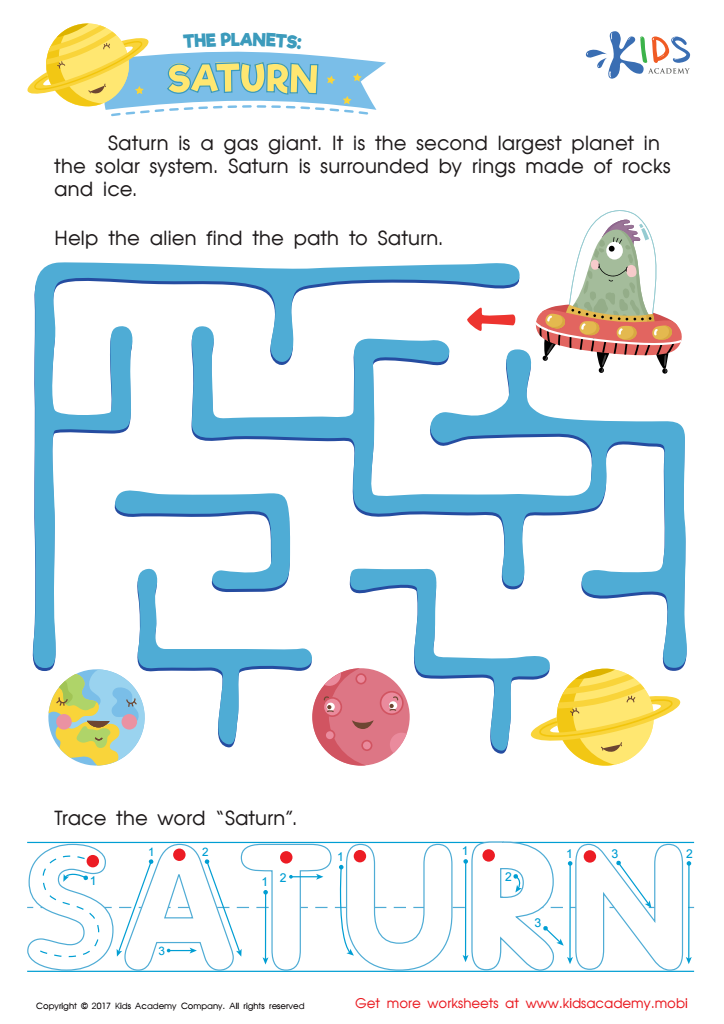
The Planets: Saturn Printable
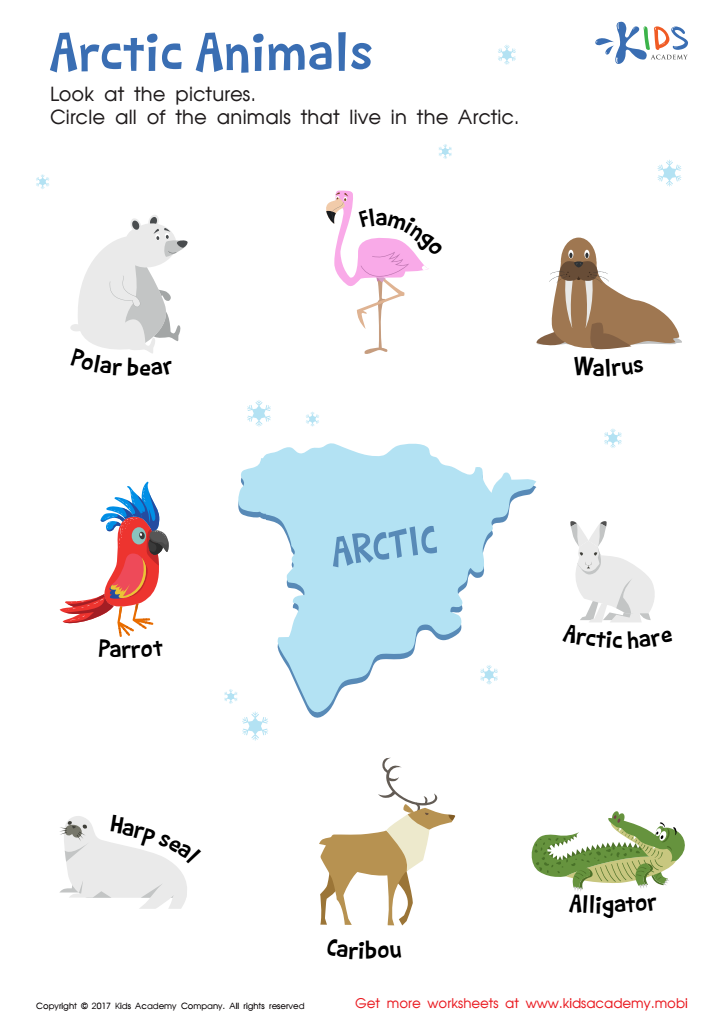
Arctic Animals Worksheet
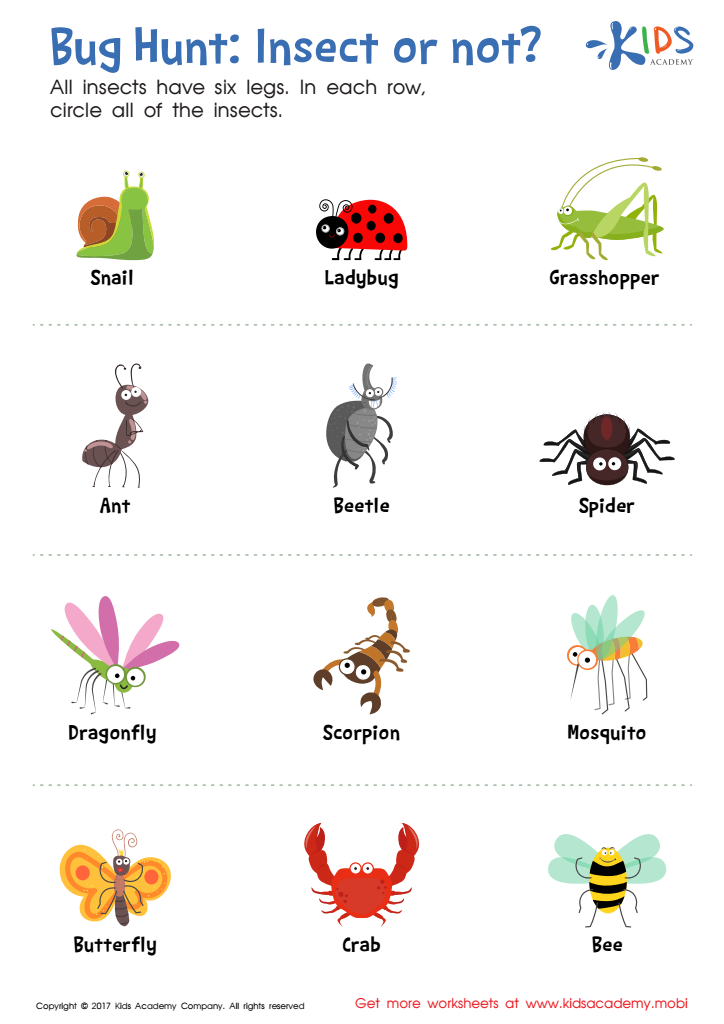
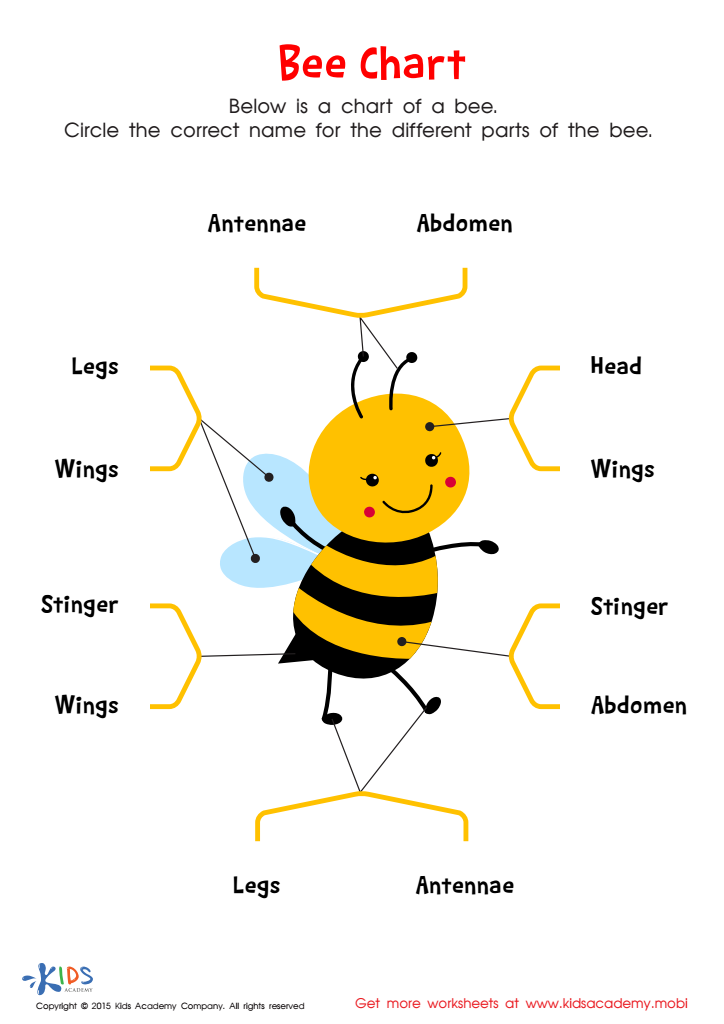
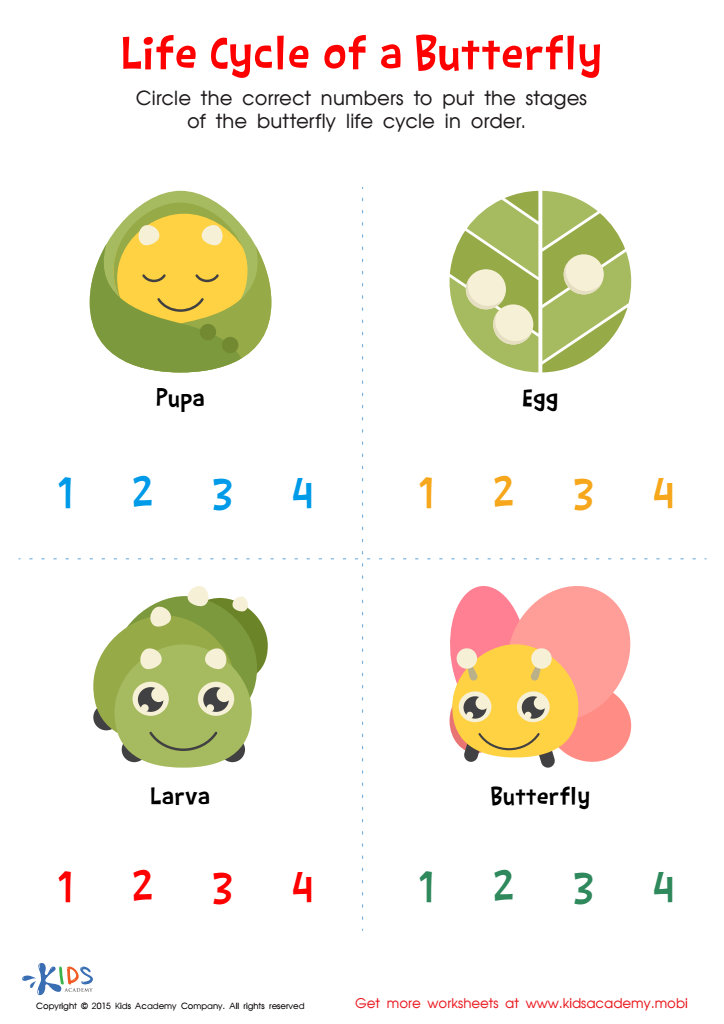
Life Cycle of Butterfly Printable
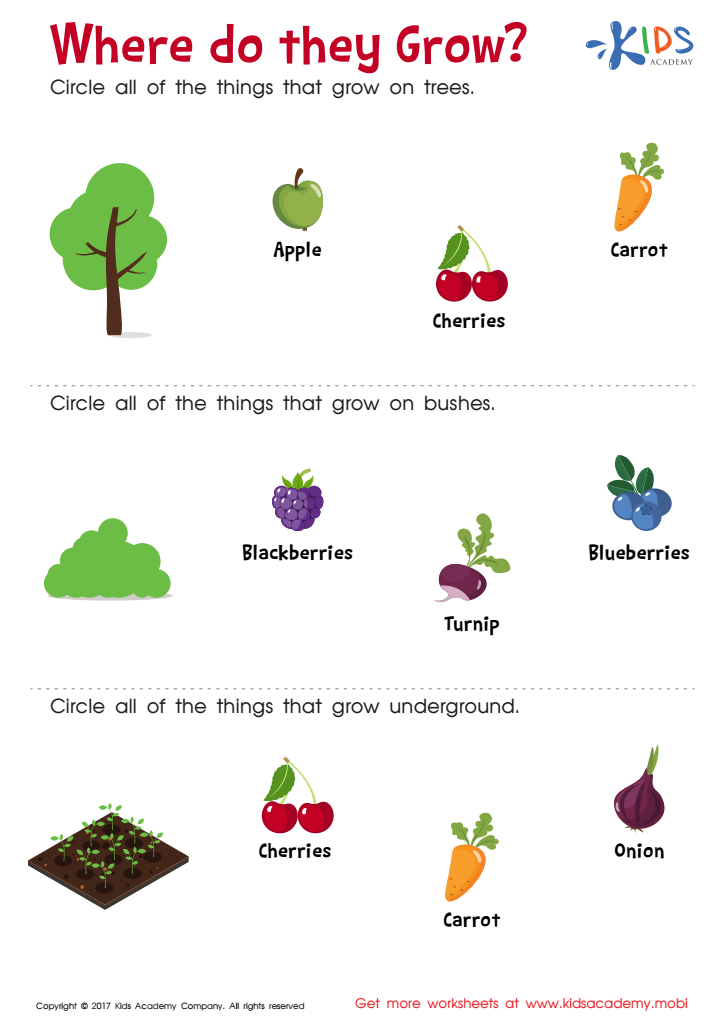
Where Do They Grow Worksheet
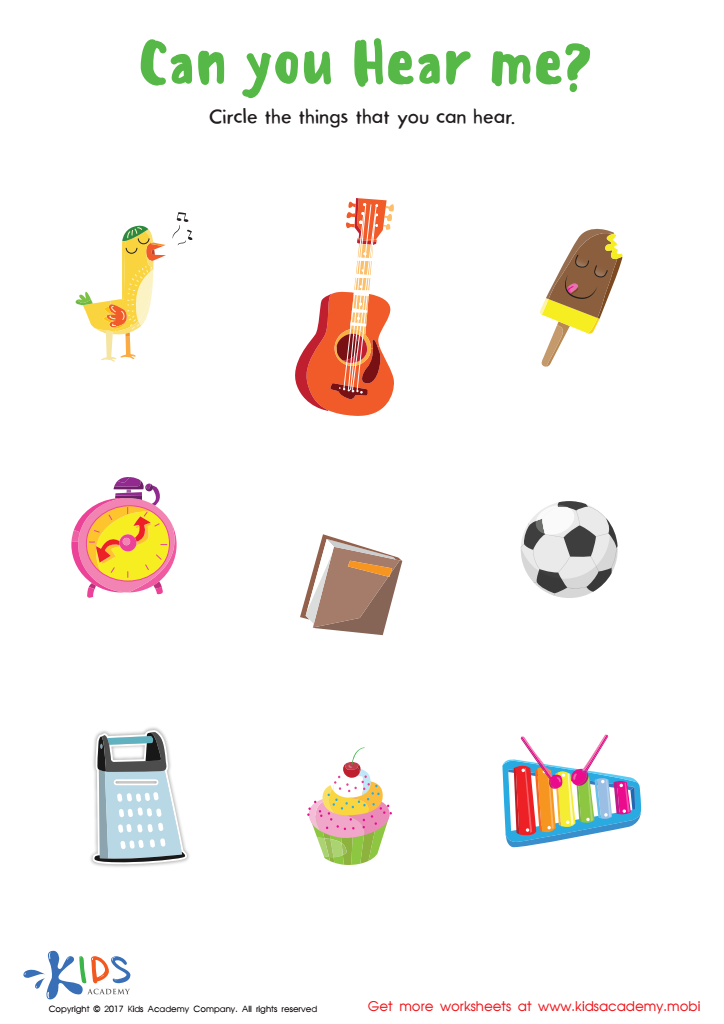
Can You Hear Me Worksheet
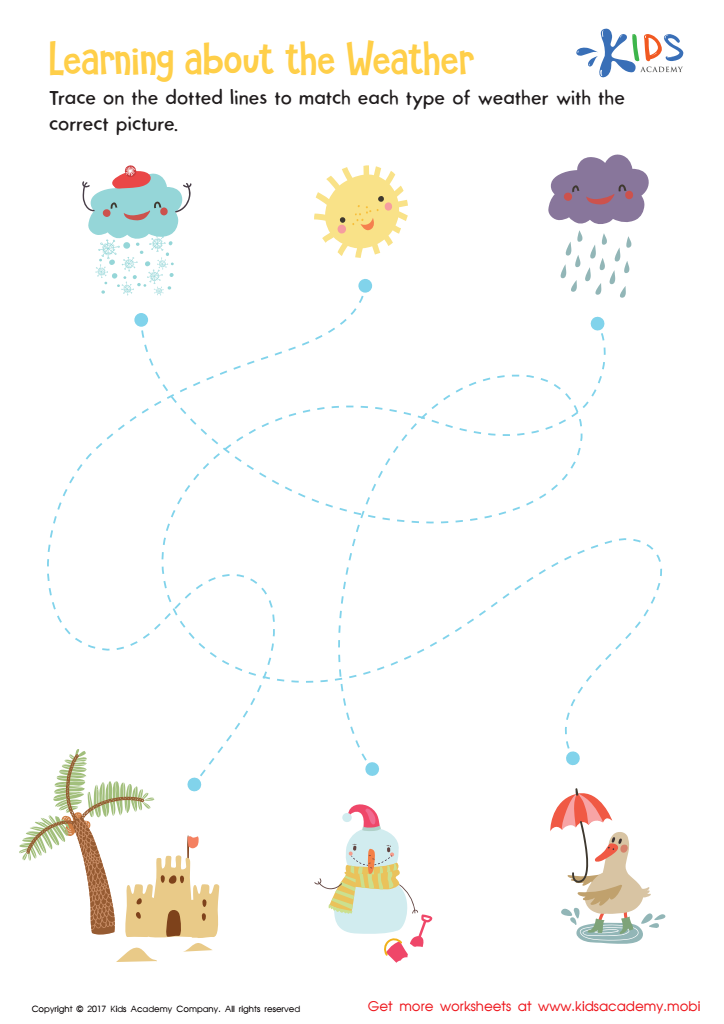
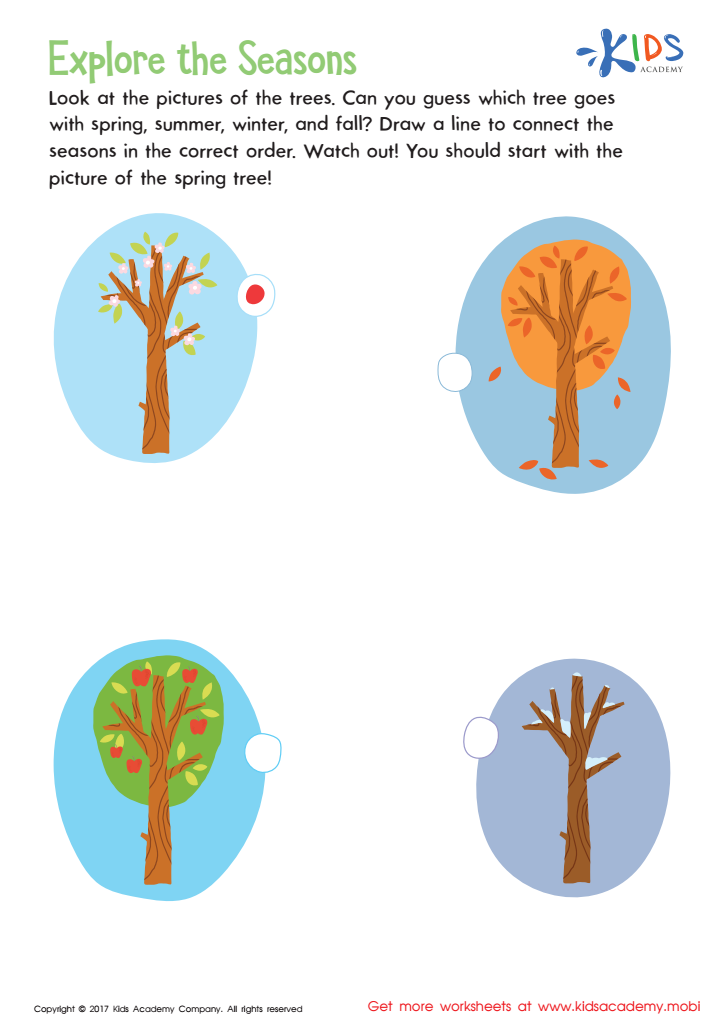
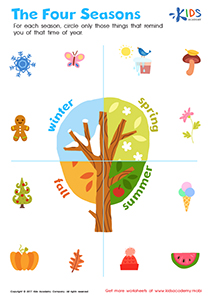
Explore the Seasons Worksheet
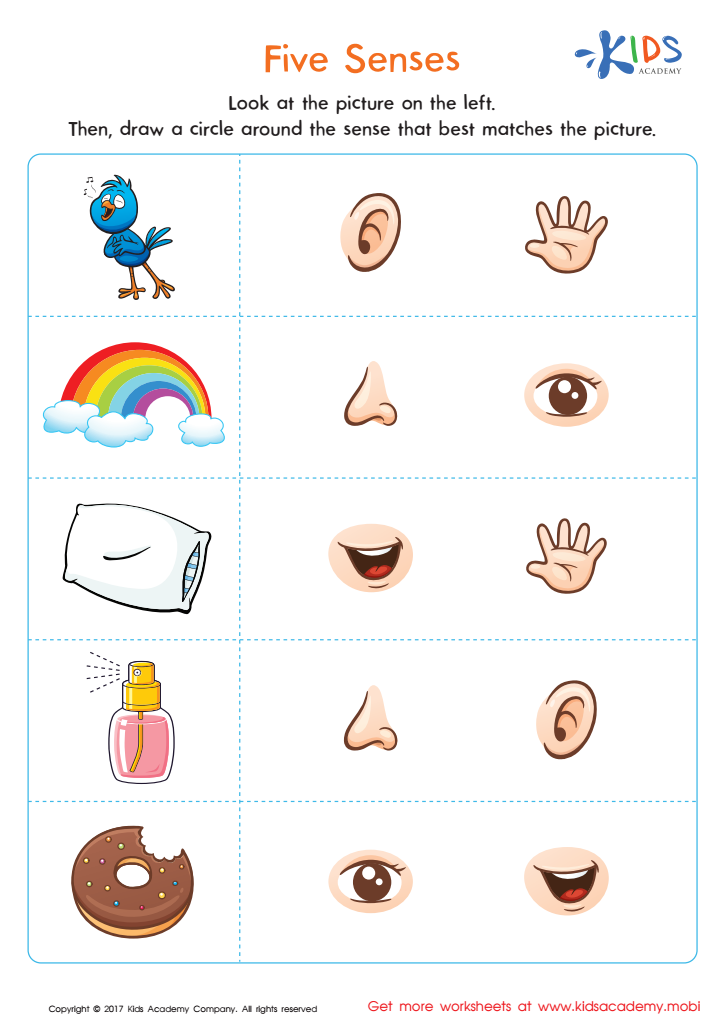
Five Senses Printable
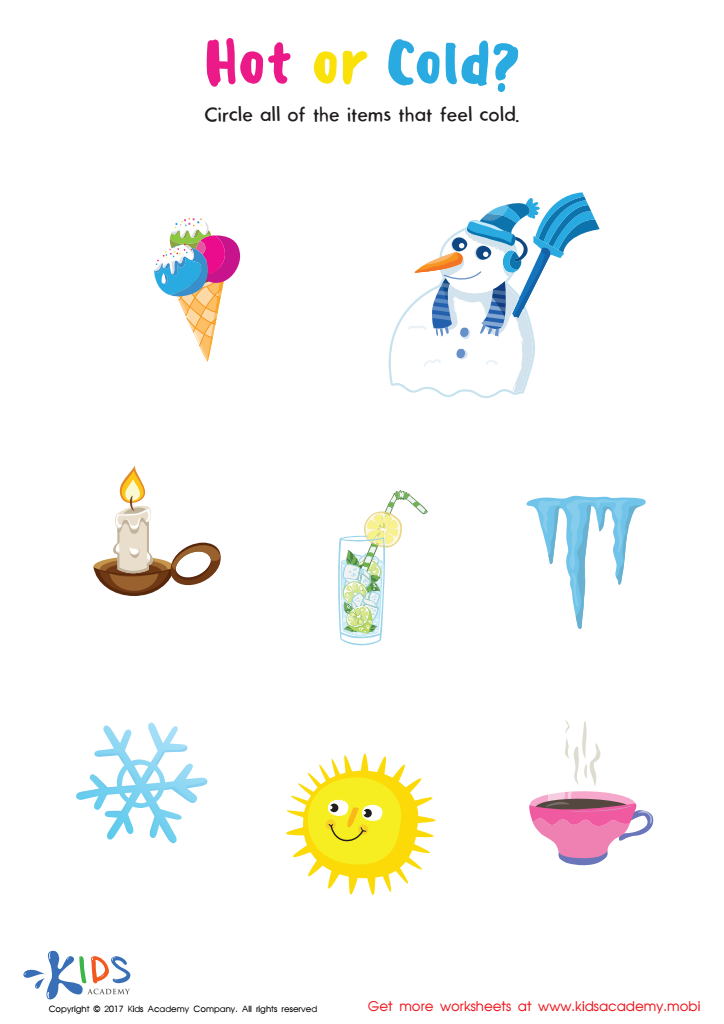
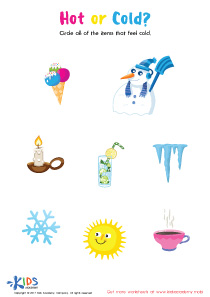
Hot or Cold Printable








Understanding the "Normal World Around Us" is vital for children aged 4-9 because it forms the foundation for their cognitive, social, and emotional development. During these formative years, children are naturally curious and eager to learn about their environment, which shapes their worldview and sense of belonging.
When parents and teachers engage children in exploring their surroundings, they help them acquire essential life skills, such as critical thinking, problem-solving, and effective communication. Real-world experiences encourage children to observe, ask questions, and make connections, facilitating deeper learning.
Additionally, knowledge of the normal world fosters social development. Children learn to interact with their peers, adults, and nature, enhancing their empathy and cooperation skills. Discussing everyday concepts like community helpers, weather, or safety equips children with understanding and respect for the environment and their role within it.
Parents and teachers play a crucial role in this experiential learning process. By fostering curiosity and promoting exploration, they can cultivate a lifelong love of learning and set children on a path toward becoming informed, responsible individuals. Ultimately, caring about a child’s understanding of the normal world around them supports their holistic growth and well-being.