Normal Alphabet Worksheets for Ages 5-7 - Page 6
235 filtered results
-
From - To
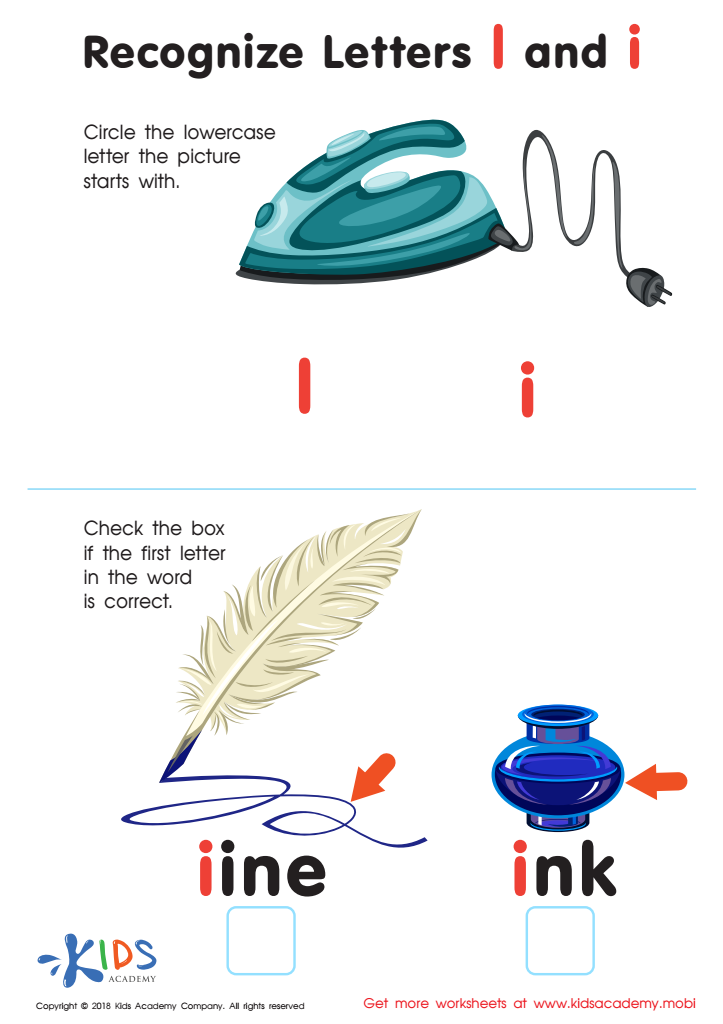
Recognize Letters l and i Worksheet
 Assign to My Students
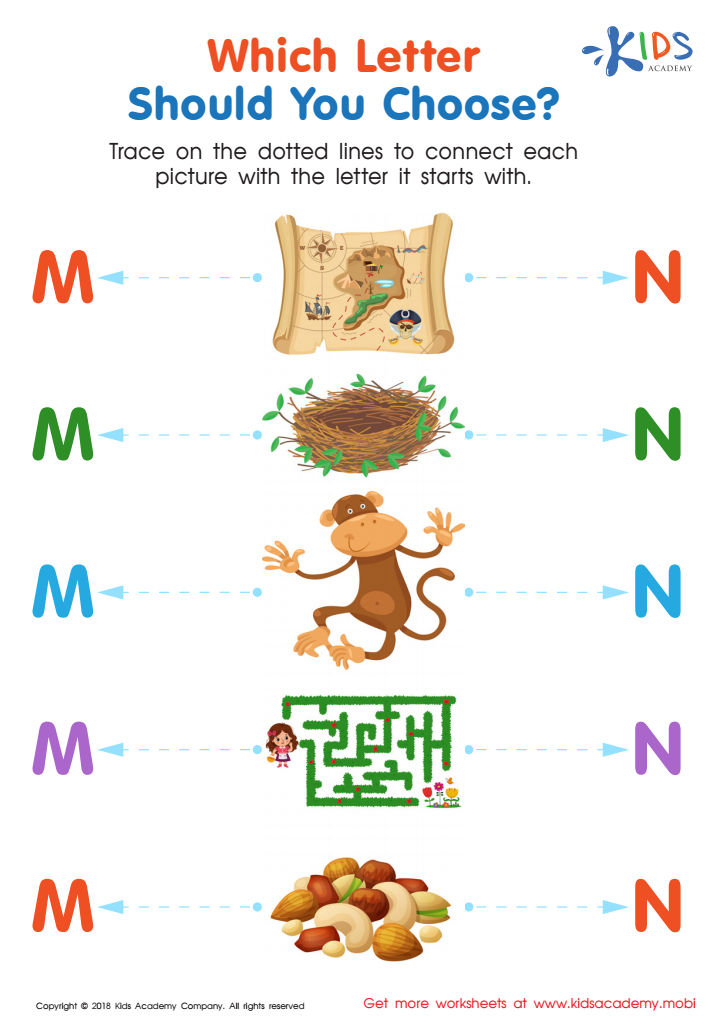
Which Letter Should you Choose? Worksheet
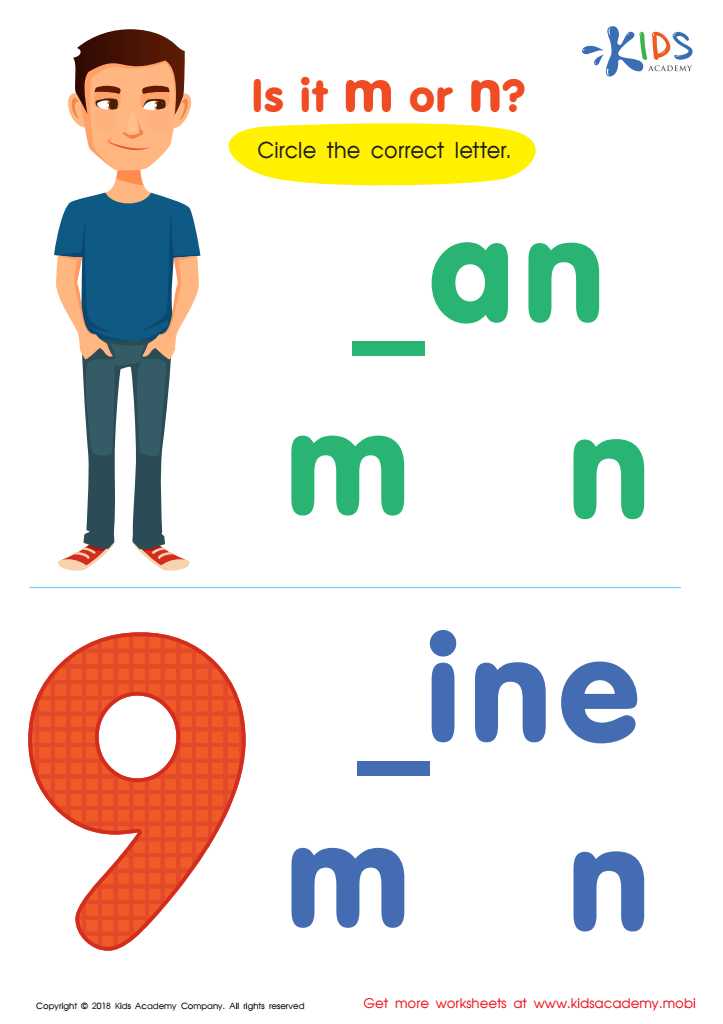
Is It m or n? Worksheet
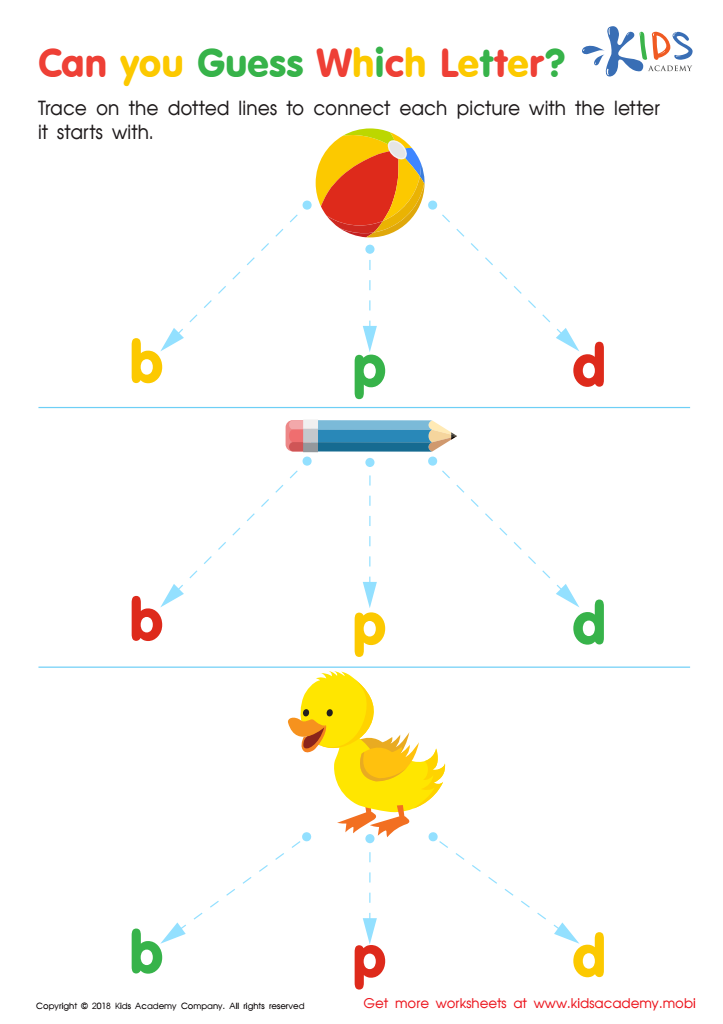
Can you Guess Which Letter? Worksheet
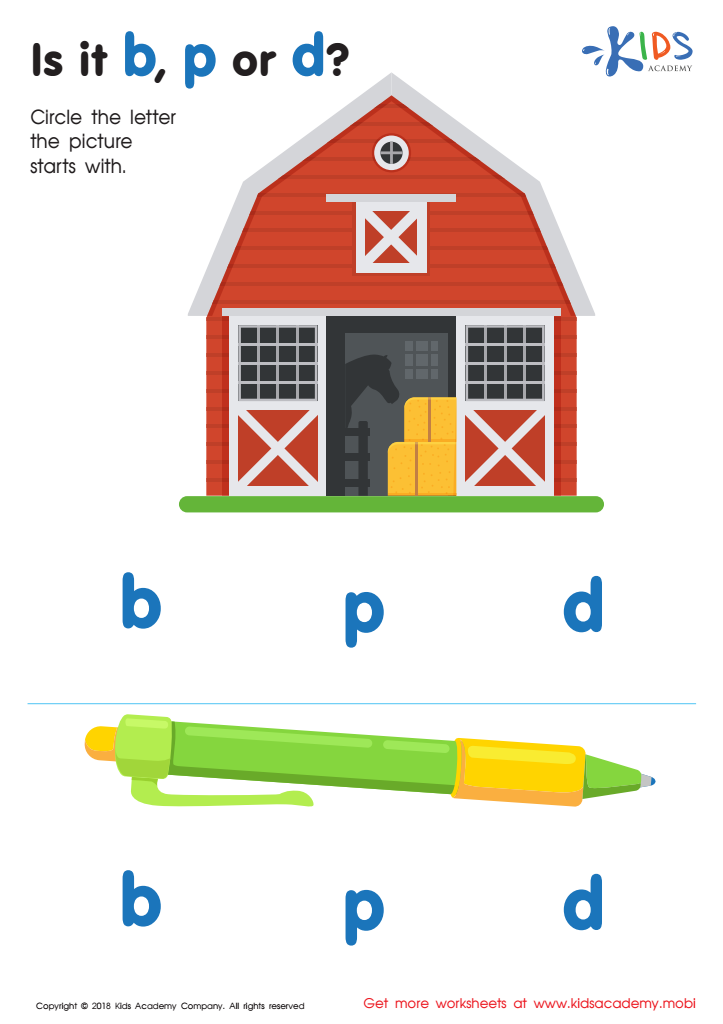
Is it b, p or d? Worksheet
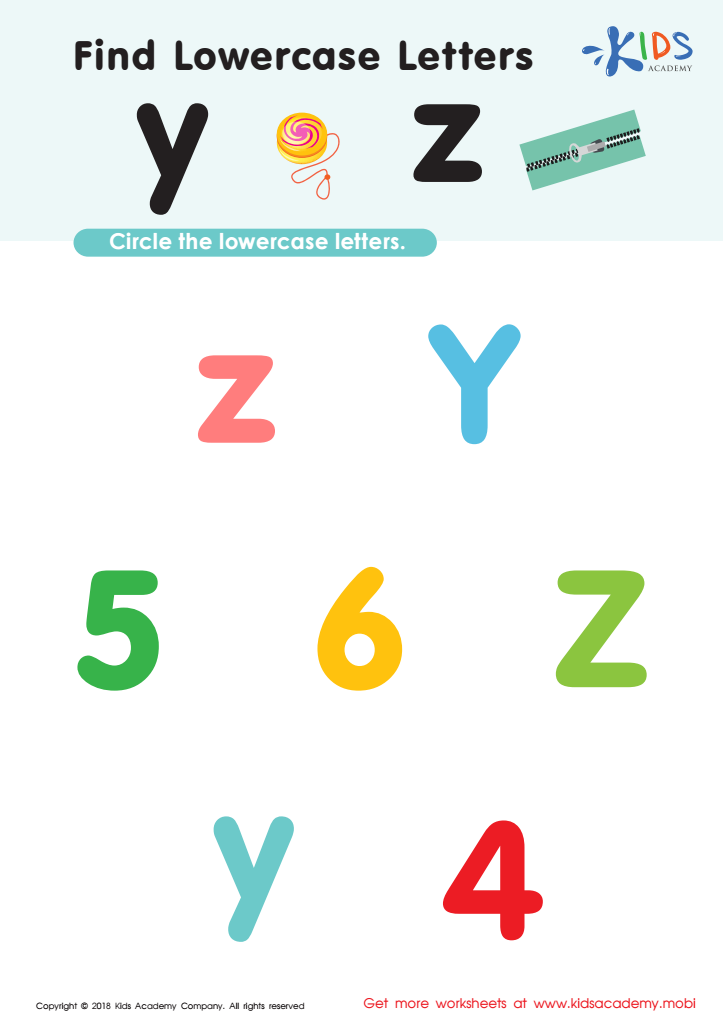
Find Lowercase Letters y z Worksheet
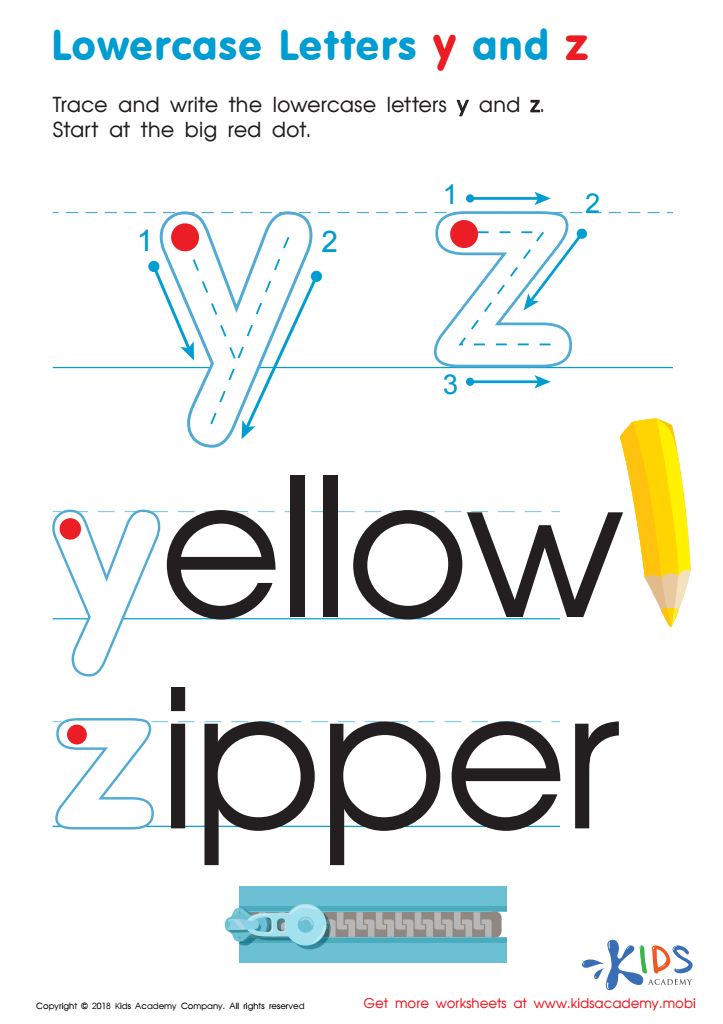
Lowercase Letters y z Worksheet

Find Lowercase Letters v w x Worksheet
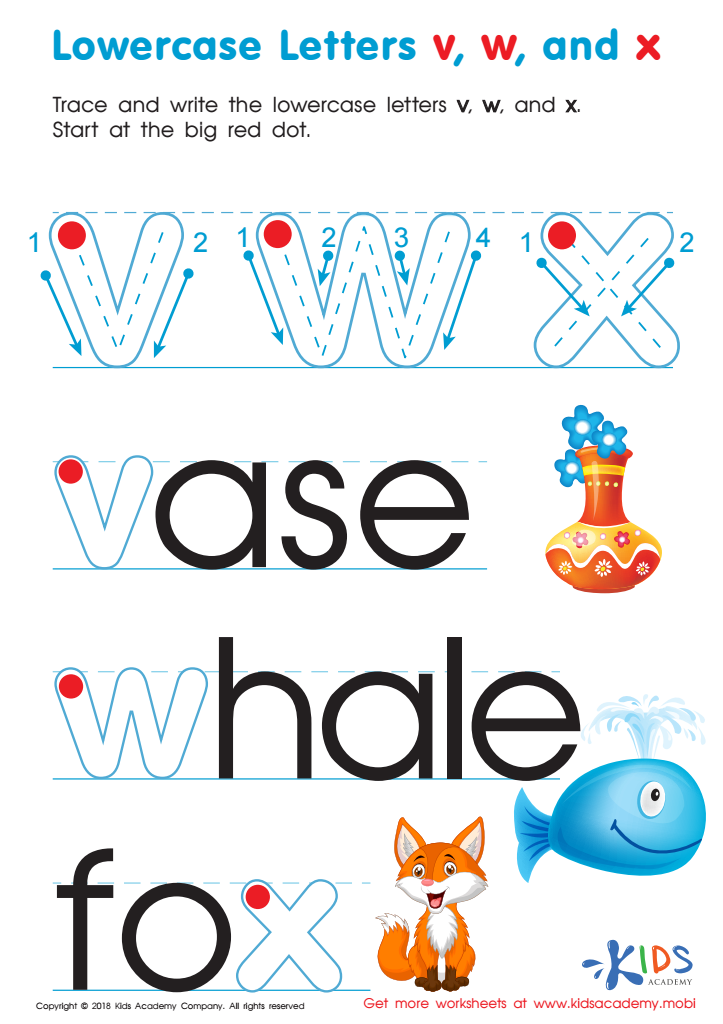
Lowercase Letters v w x Worksheet
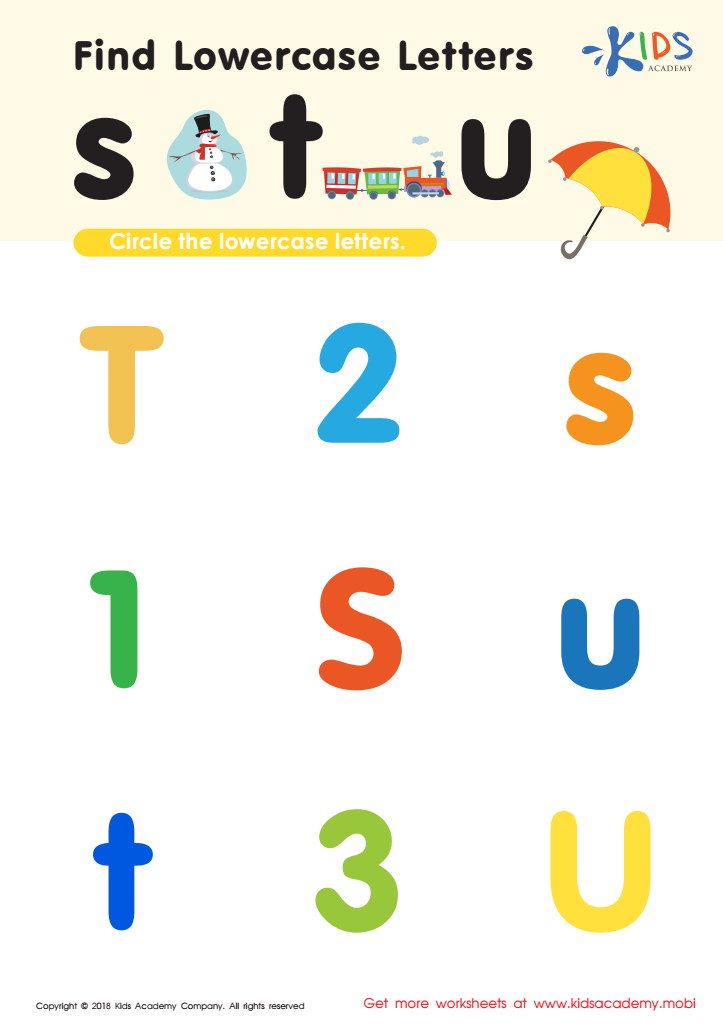
Find lowercase Letters s t u Worksheet
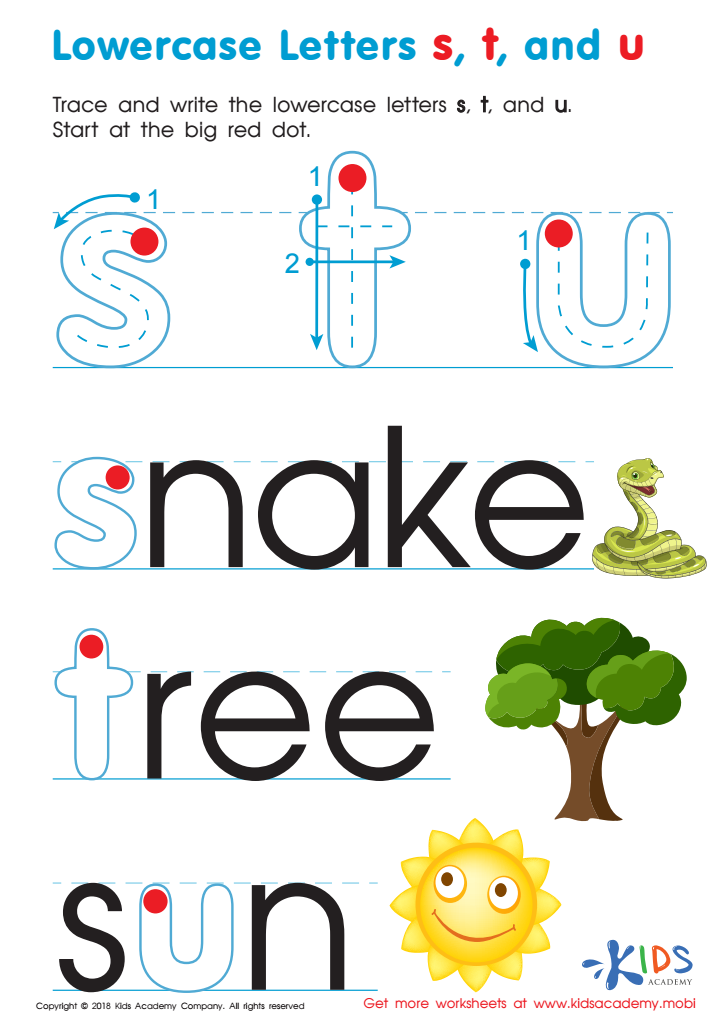
Lowercase Letters s t u Worksheet
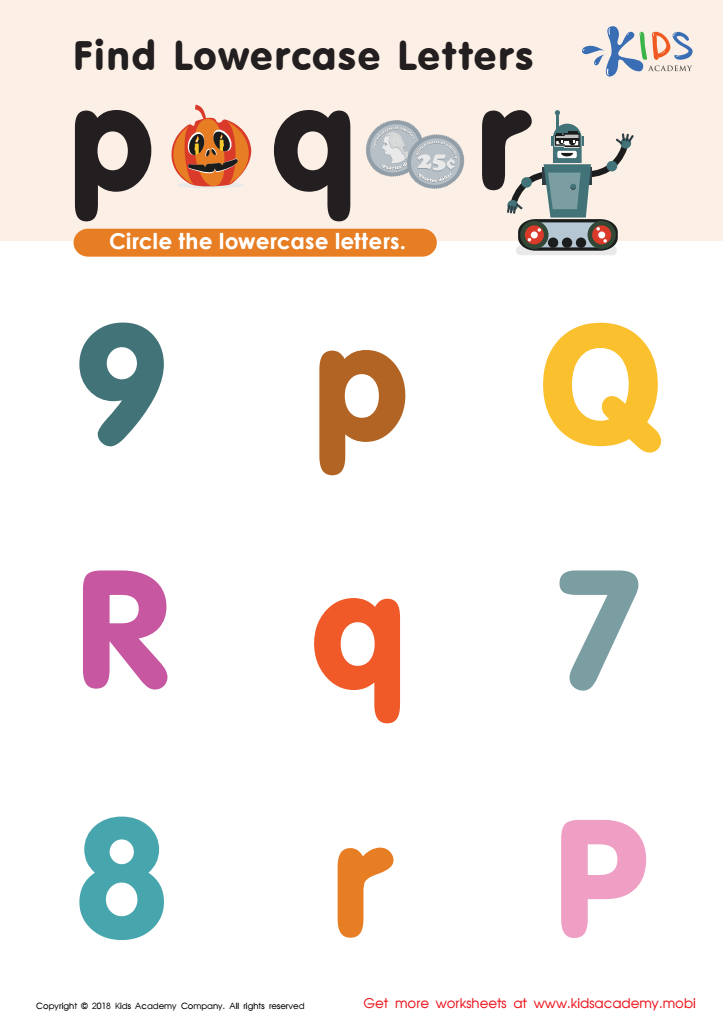
Find lowercase Letters p q r Worksheet
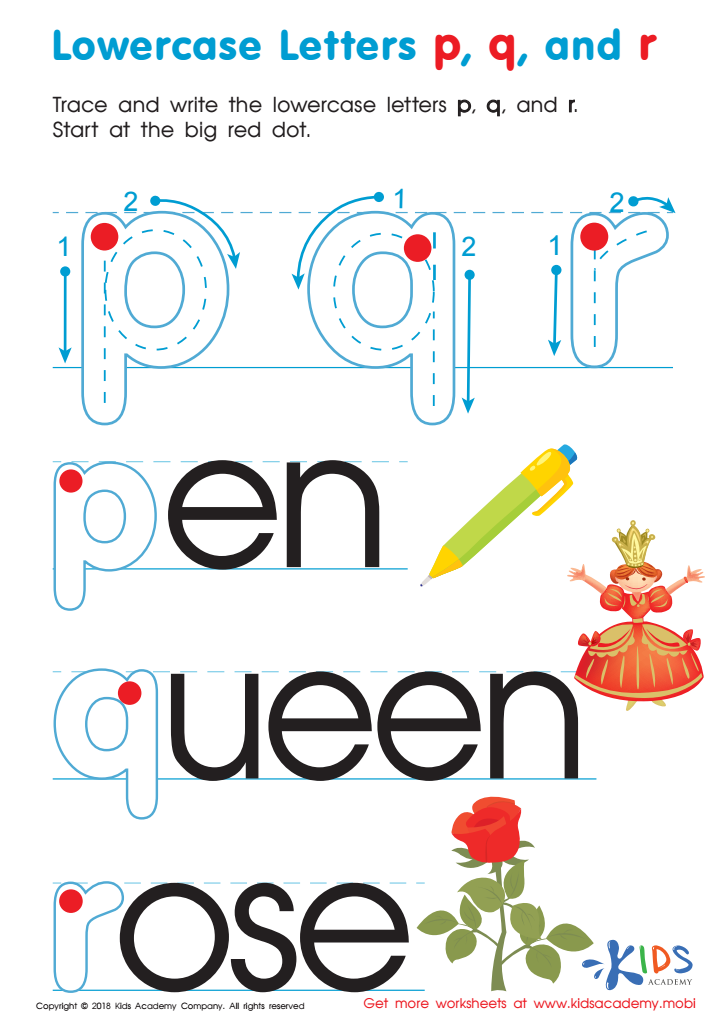
Lowercase Letters p q r Worksheet
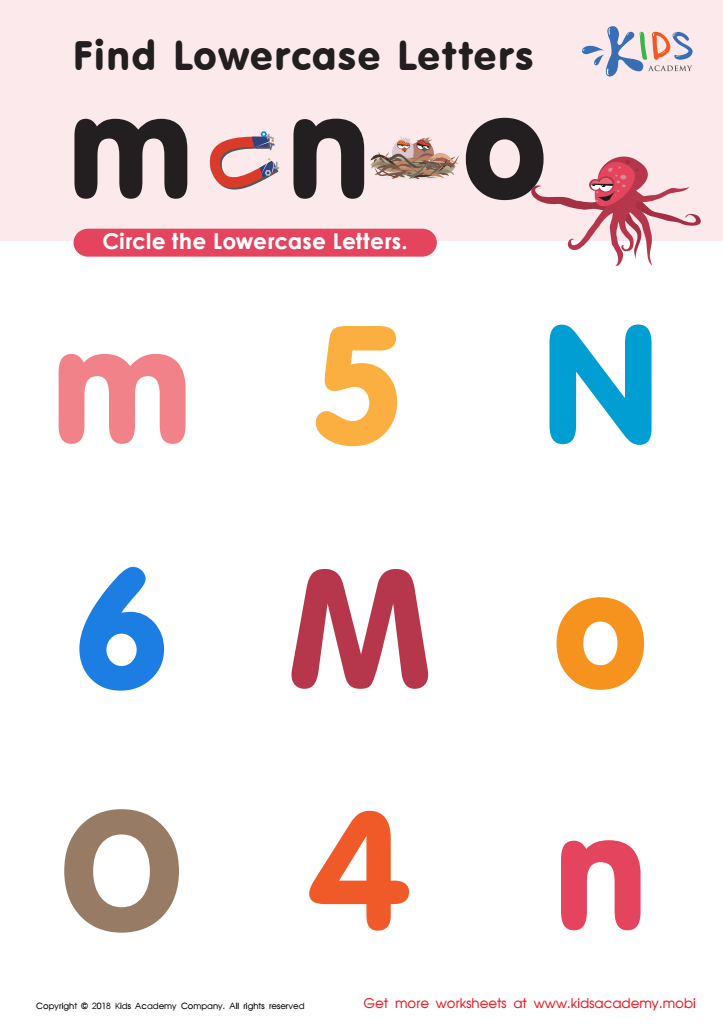
Find Lowercase Letters m n o Worksheet
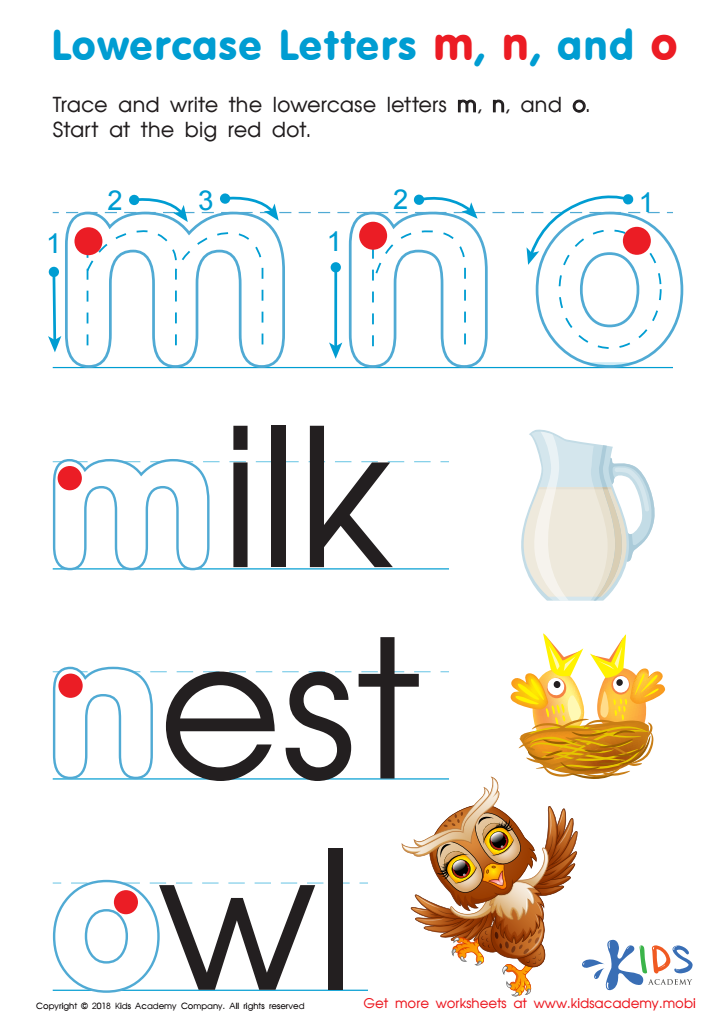
Lowercase Letters m n o Worksheet
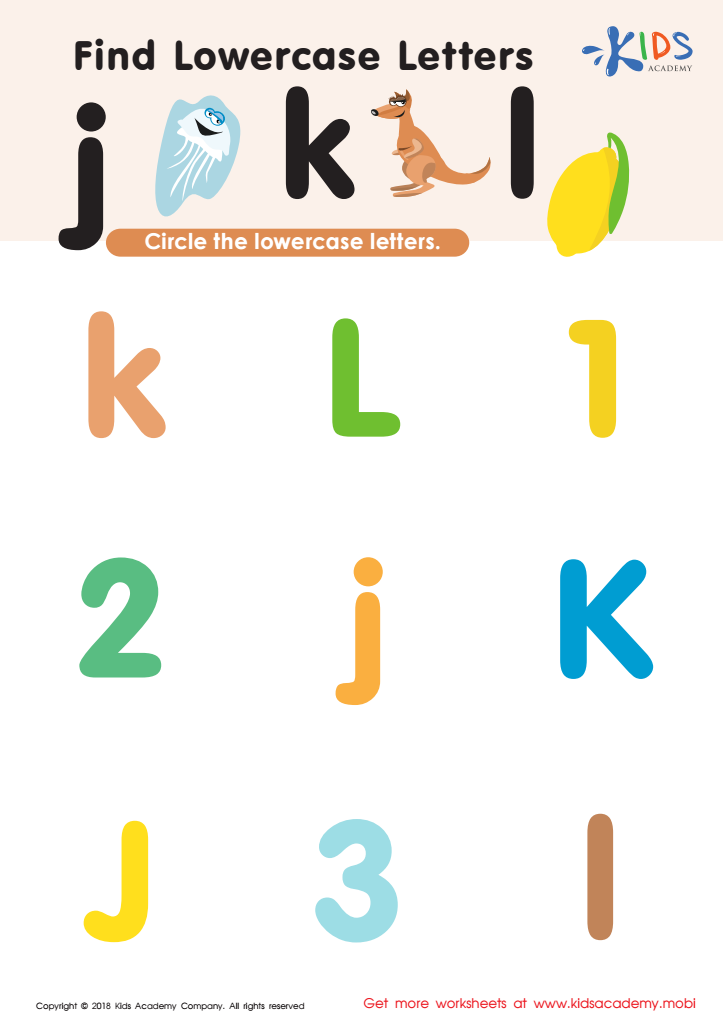
Find Lowercase Letters j k l Worksheet
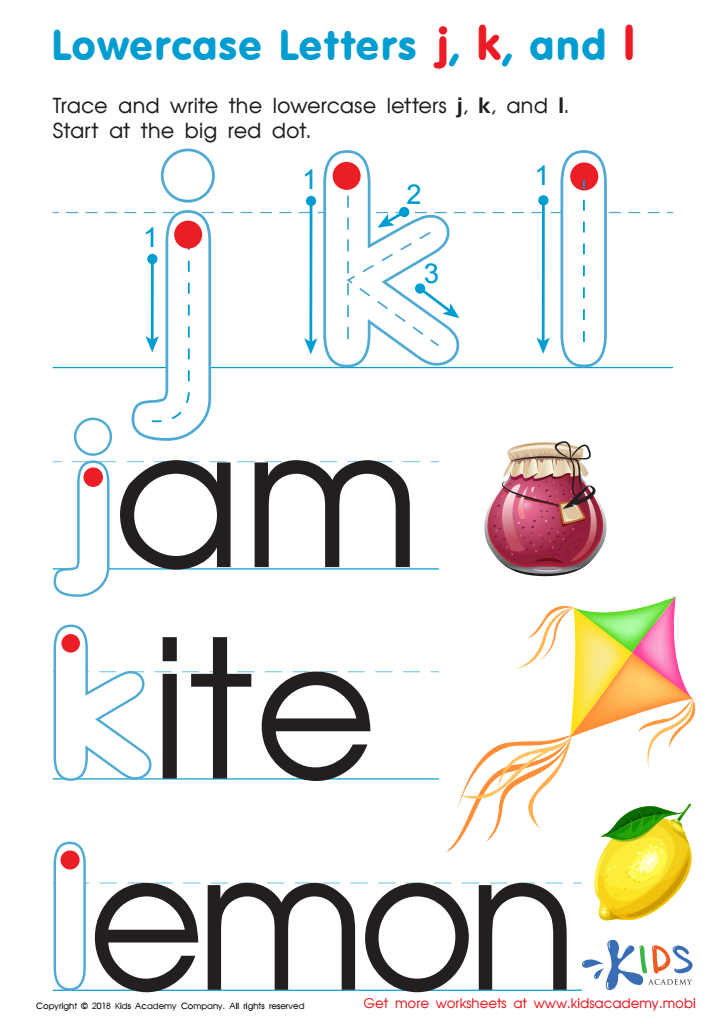
Lowercase Letters j k l Worksheet
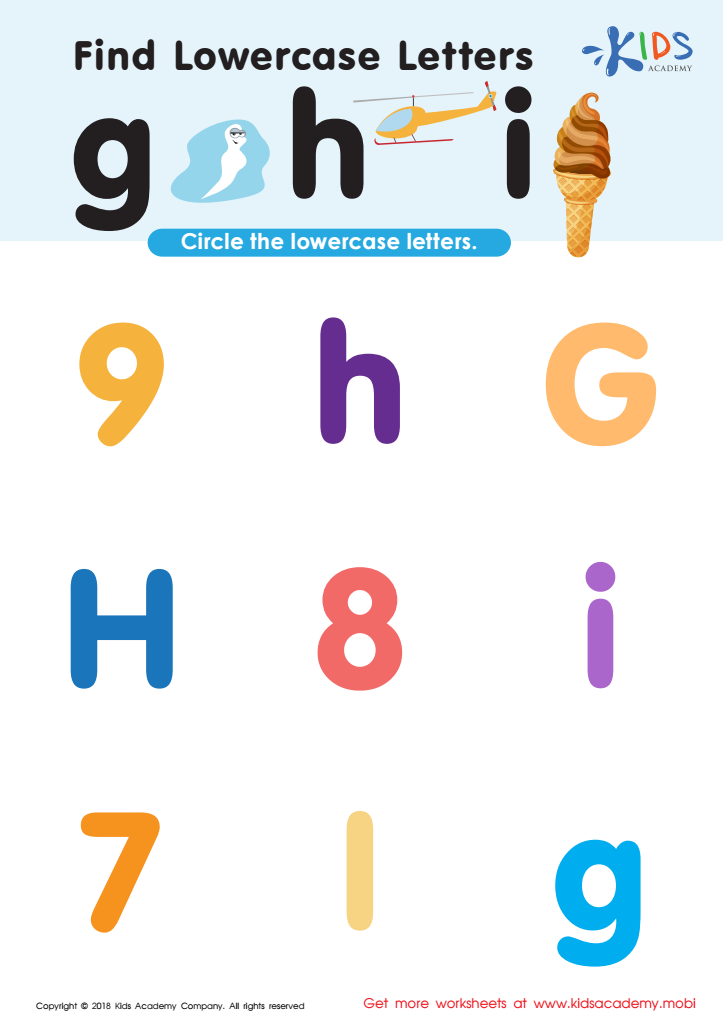
Find Lowercase Letters g h i Worksheet
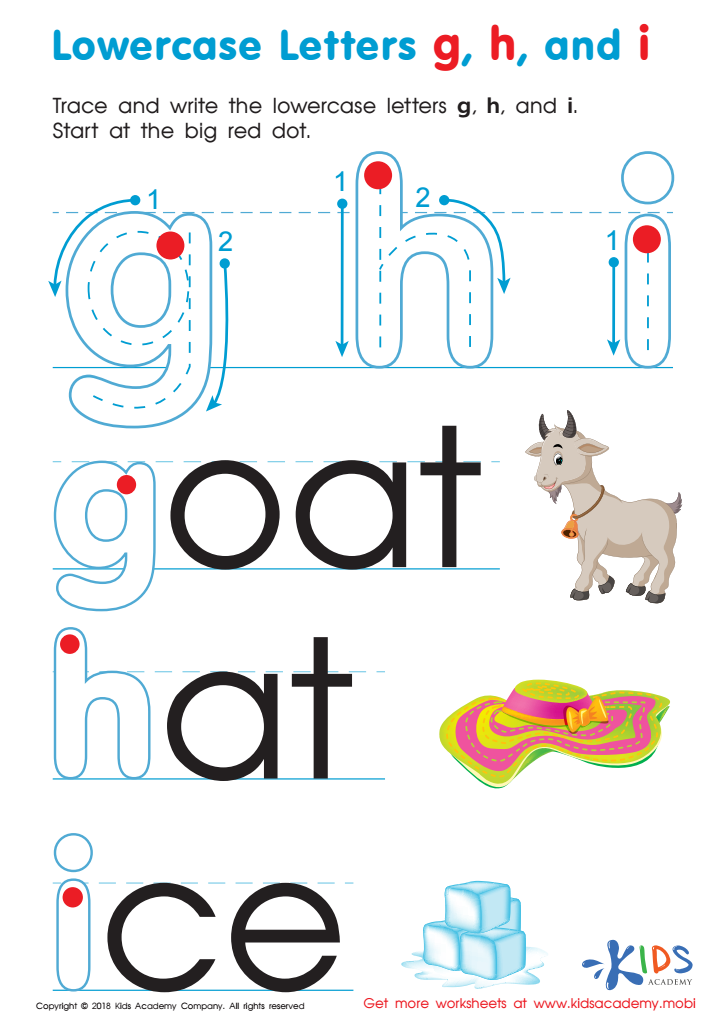
Lowercase Letters g h i Worksheet
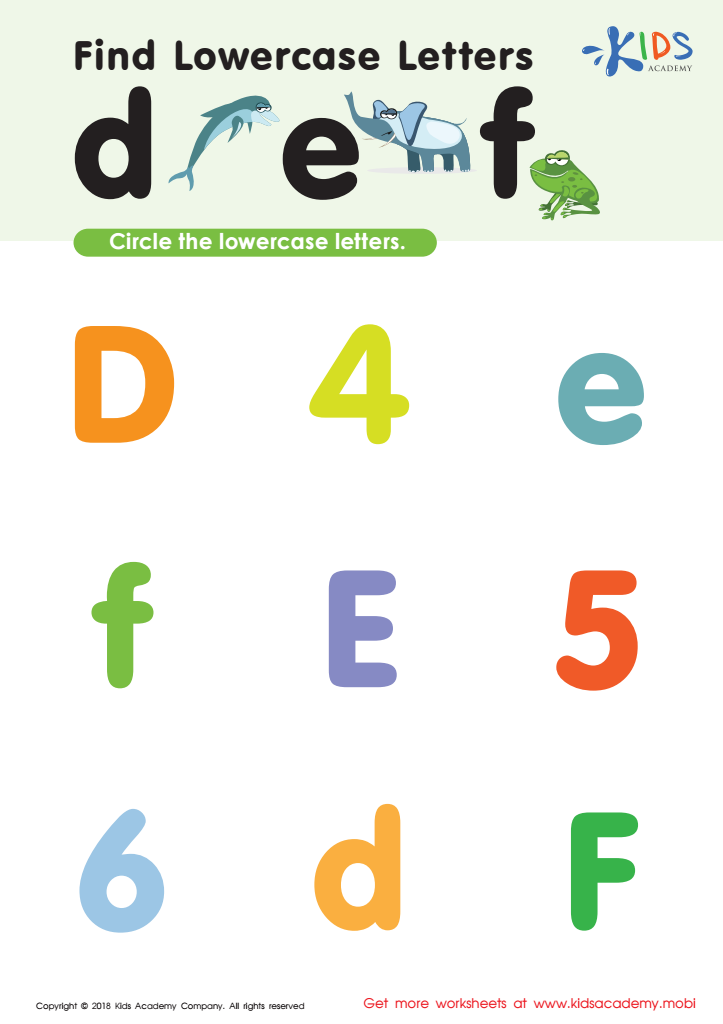
Find Lowercase Letters d e f Worksheet
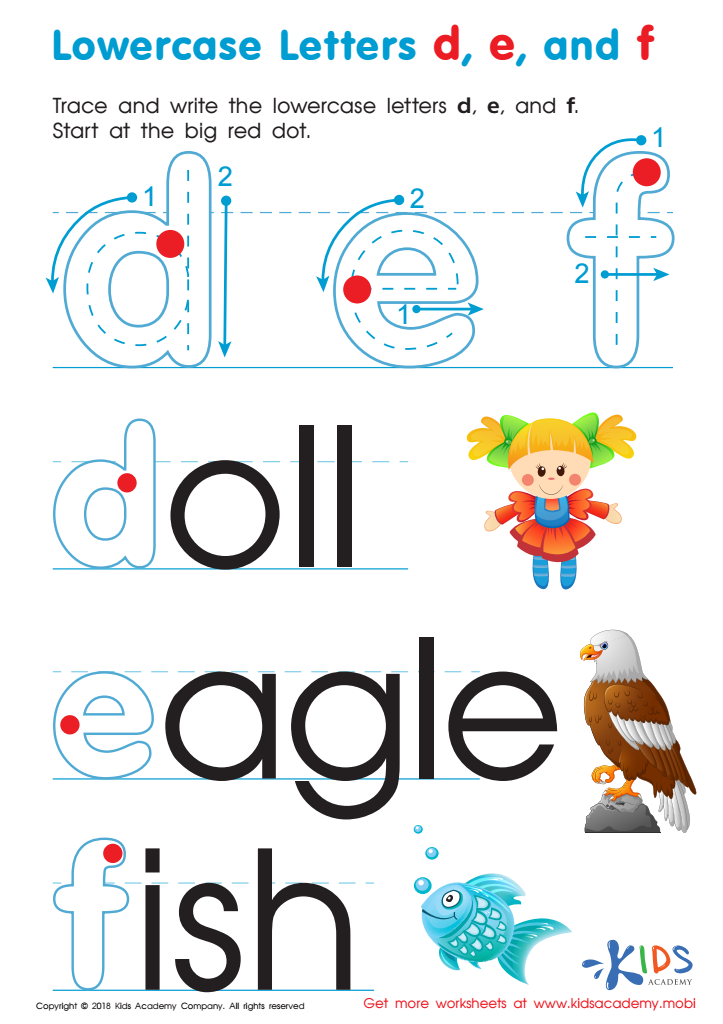
Lowercase Letters d e f Worksheet
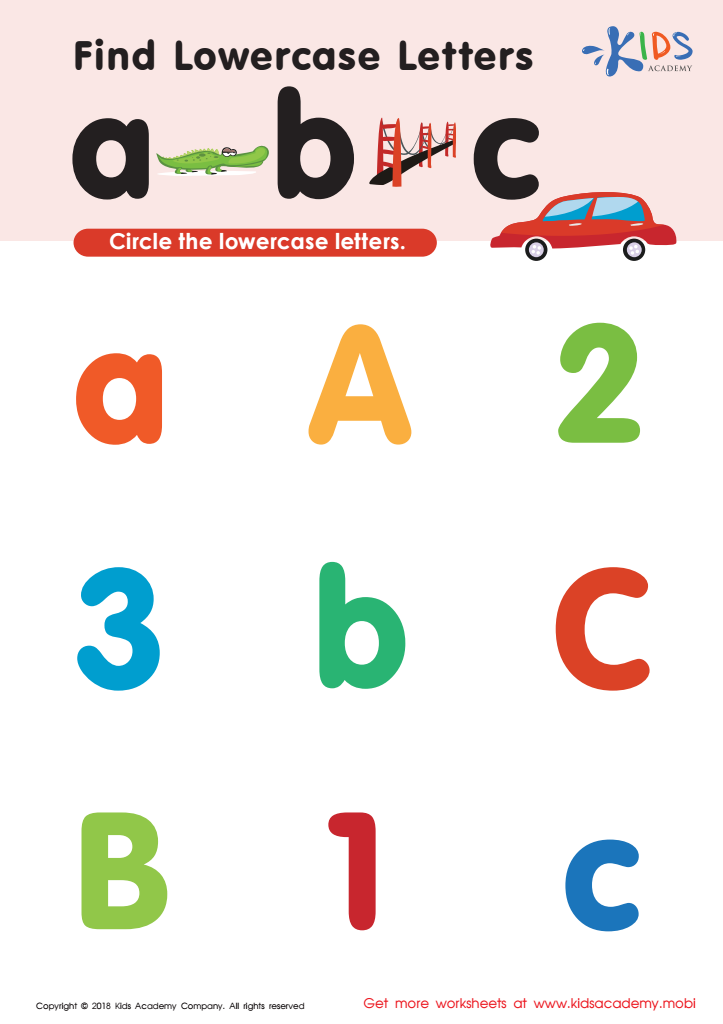
Find lowercase letters a b c Worksheet
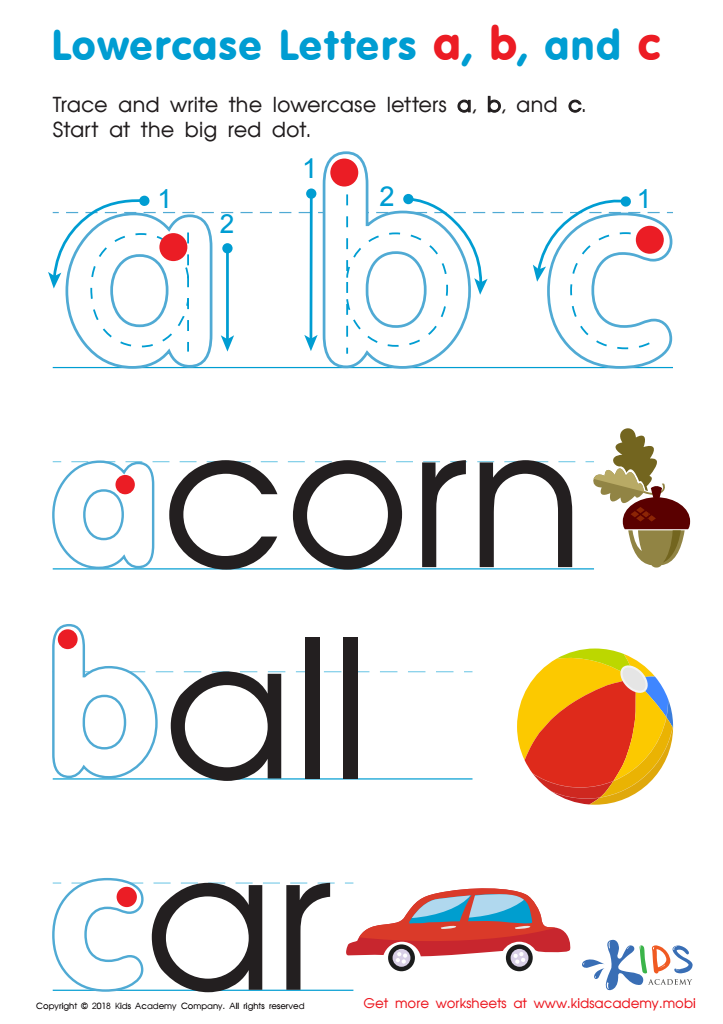
Lowercase Letters a b c Worksheet
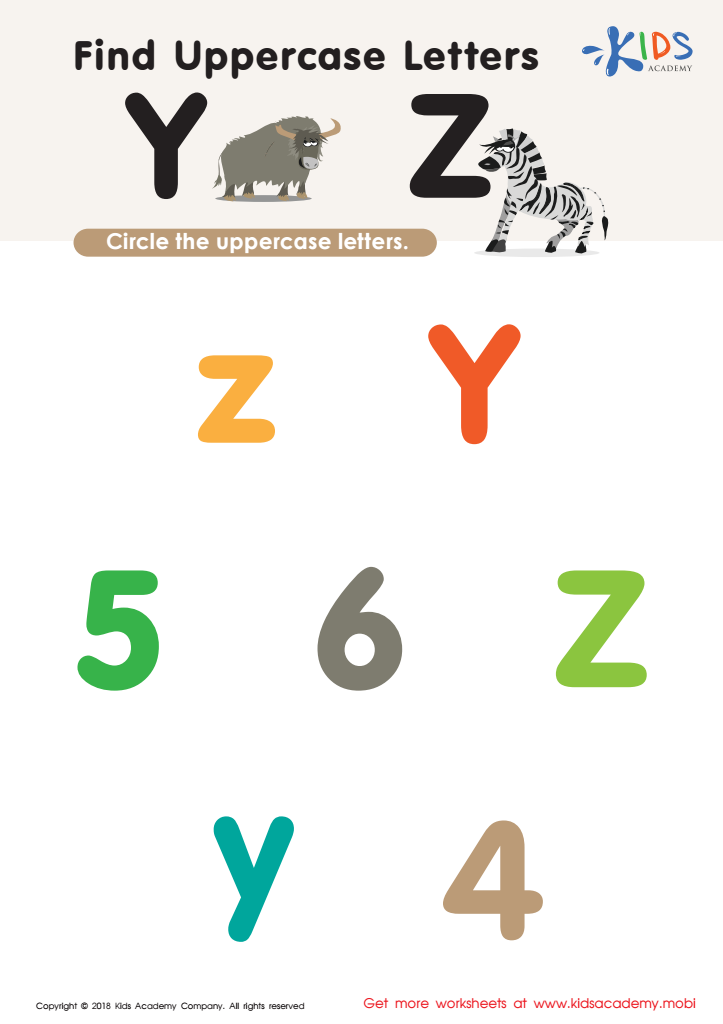
Find Uppercase Letters Y Z Worksheet








Parents and teachers should care about the normal alphabet for children ages 5-7 because it forms the foundation of their reading and writing skills, setting the stage for academic success. Around these ages, children's cognitive abilities are at a critical developmental stage where they are particularly receptive to learning letter recognition, sound association, and the mechanics of reading. Introducing the alphabet properly helps children understand the building blocks of words, which enhances their language development.
Familiarity with the normal alphabet helps children develop phonemic awareness, enabling them to decode words and improve their spelling. It equips them with the skills to read independently, fostering a love for reading at an early age. A strong grasp of the alphabet also enhances vocabulary acquisition and comprehension skills, which are essential for understanding more complex texts as they progress in school.
Beyond academia, knowing the alphabet boosts children's confidence and self-esteem; they feel a sense of achievement in being able to read signs, labels, and simple stories around them. For teachers, a solid grasp of the alphabet allows for more effective instruction, differentiating lessons to meet various learning needs and laying the groundwork for more advanced literacy skills. Overall, focusing on the normal alphabet for ages 5-7 sets children up for a lifetime of learning and curiosity.







