Normal Social Studies Worksheets for Ages 5-7 - Page 7
167 filtered results
-
From - To
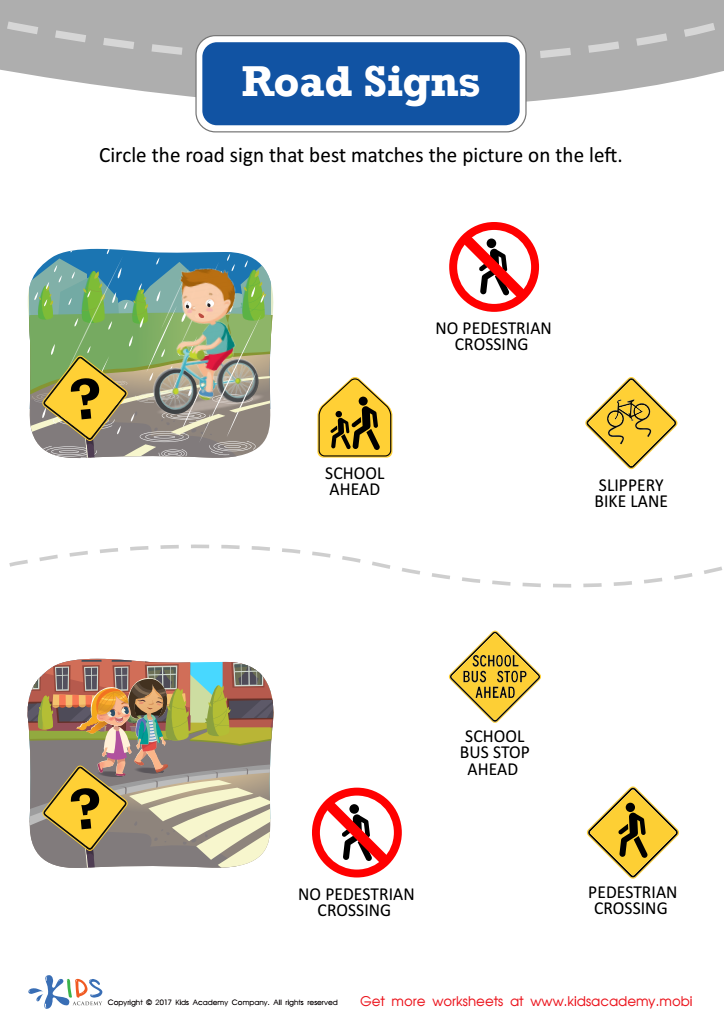
Road Signs (Part 2) Printable
 Assign to My Students
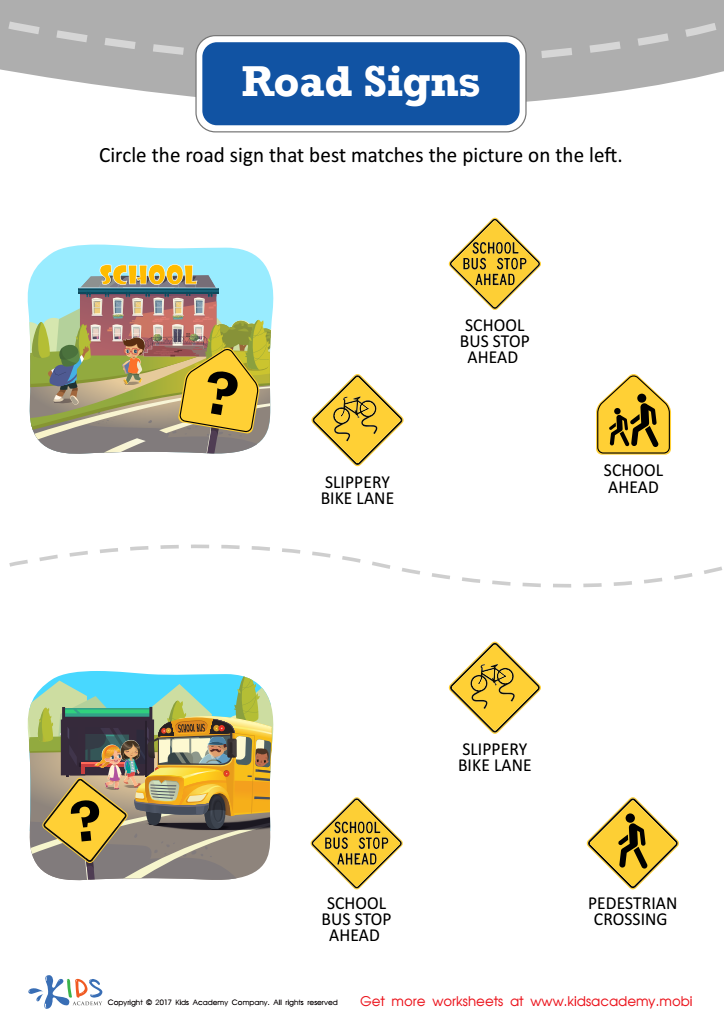
Road Signs (Part 1) Worksheet
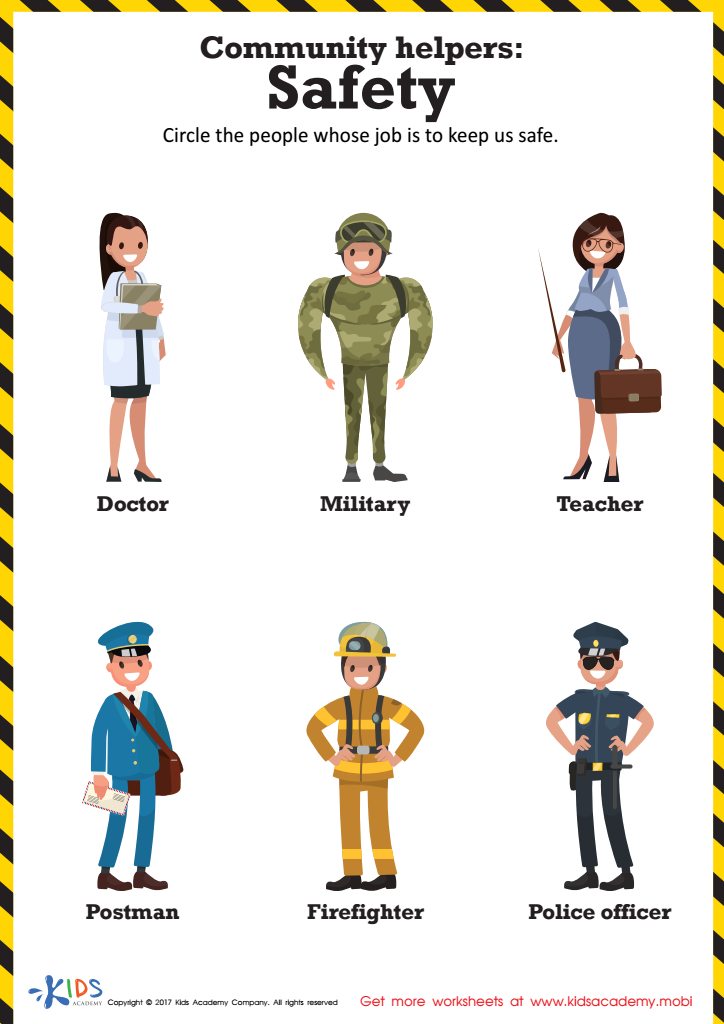
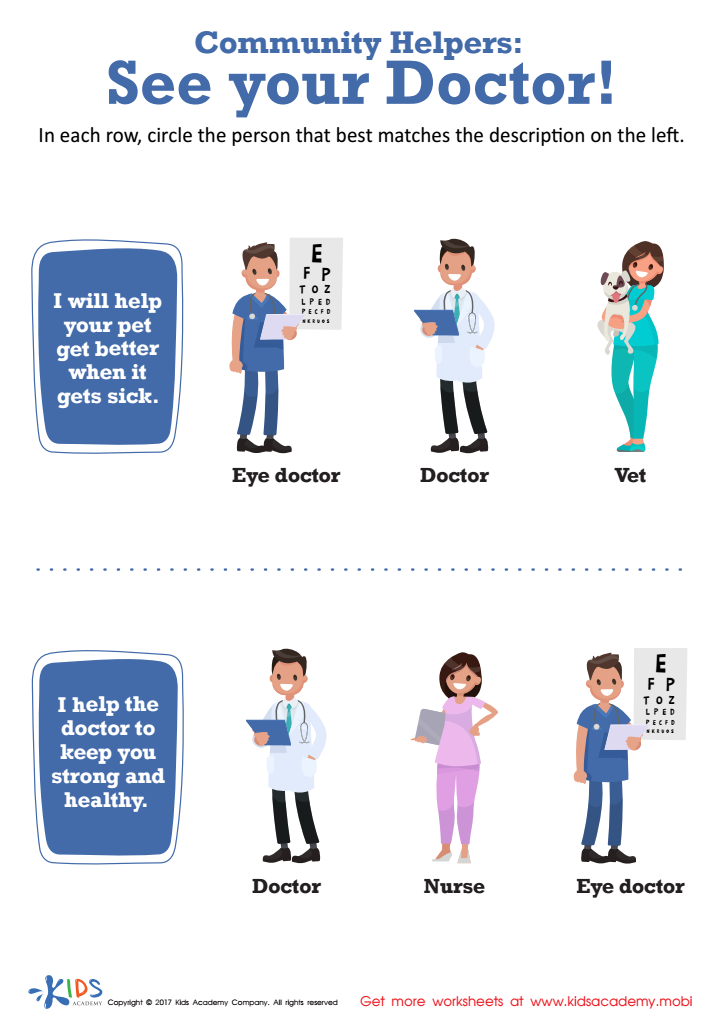
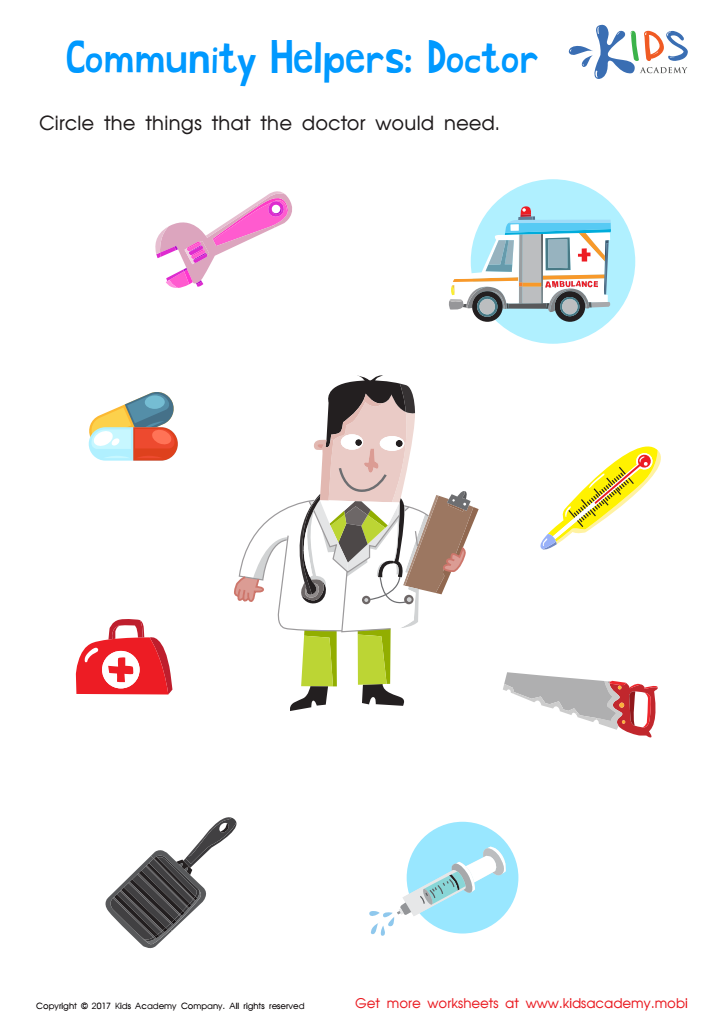
See Your Doctor (Part 2) Printable
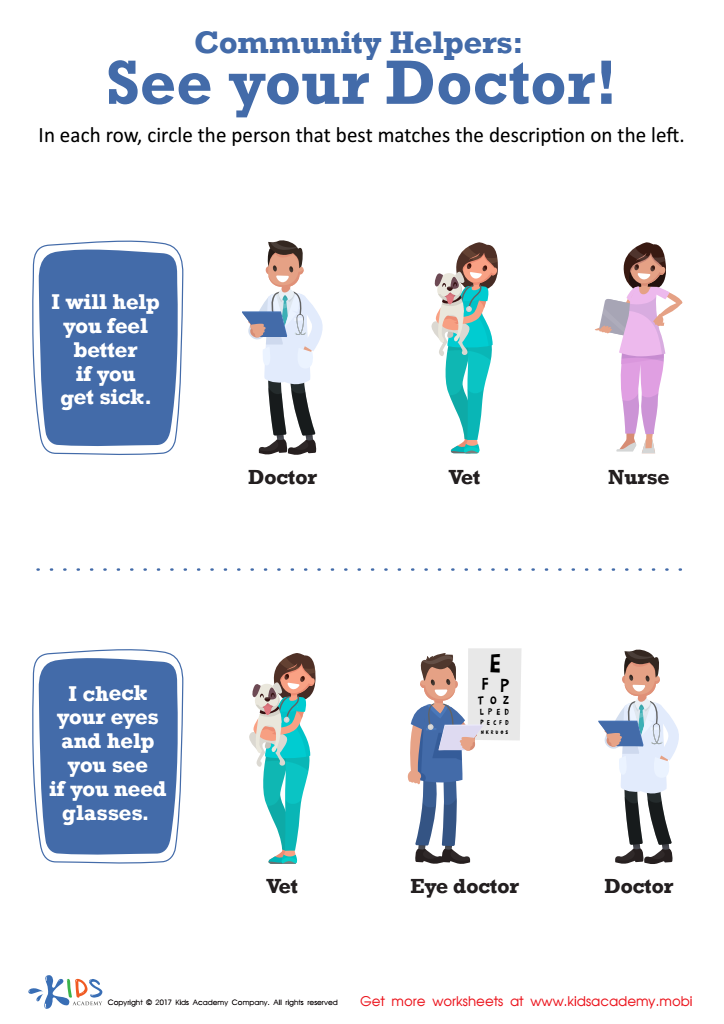
See Your Doctor (Part 1) Printable
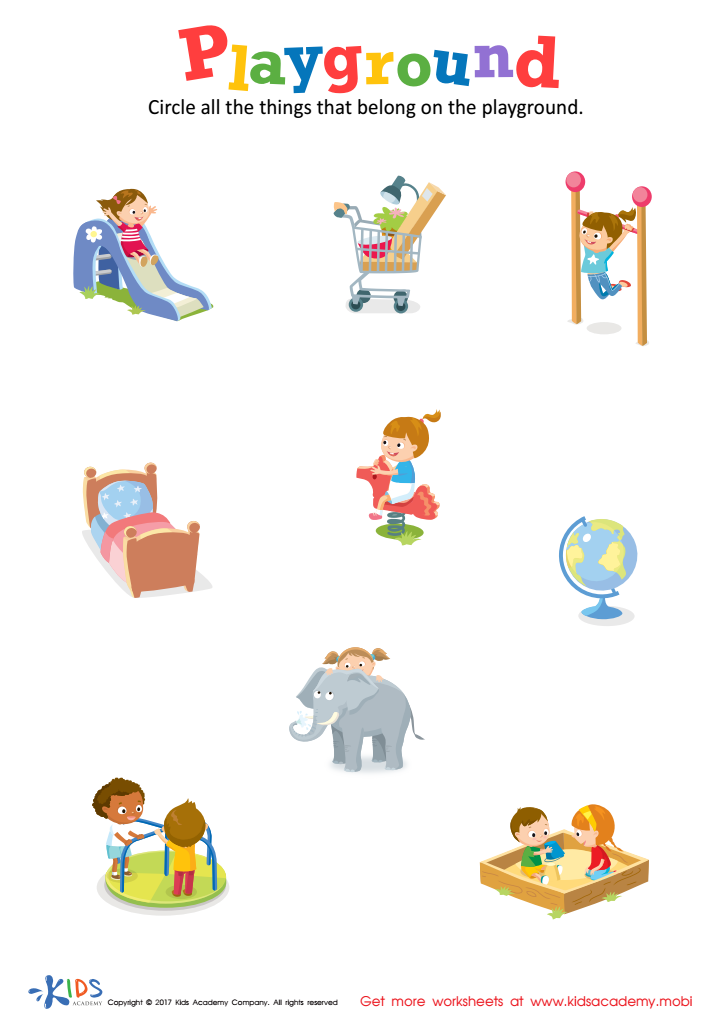
Playground Worksheet
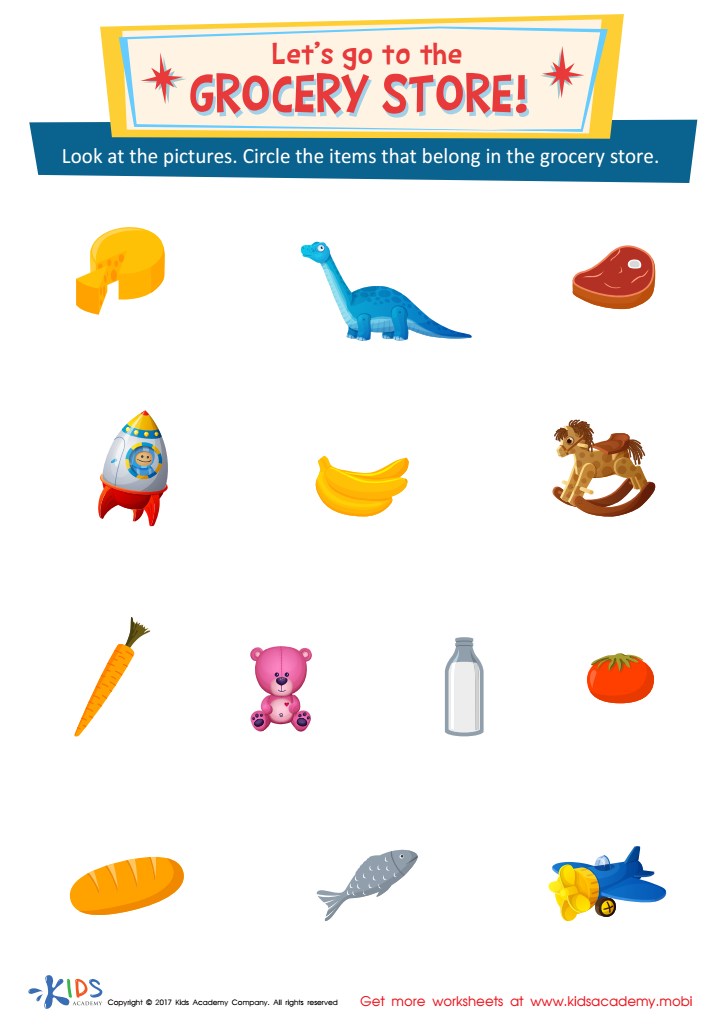
Grocery Store Worksheet
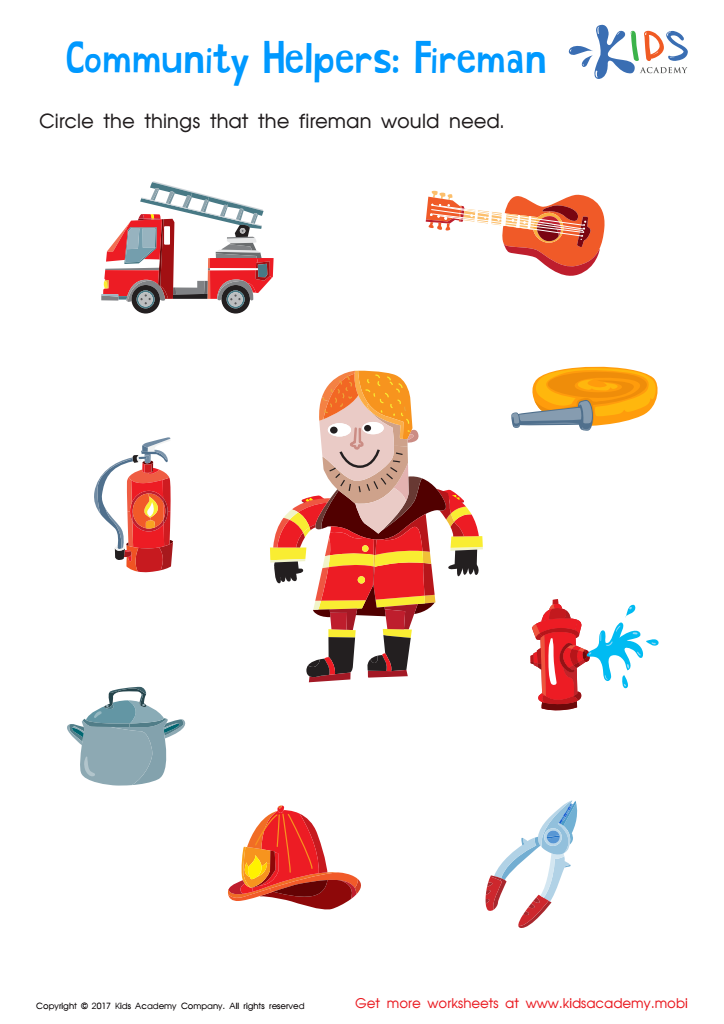
Fireman Worksheet
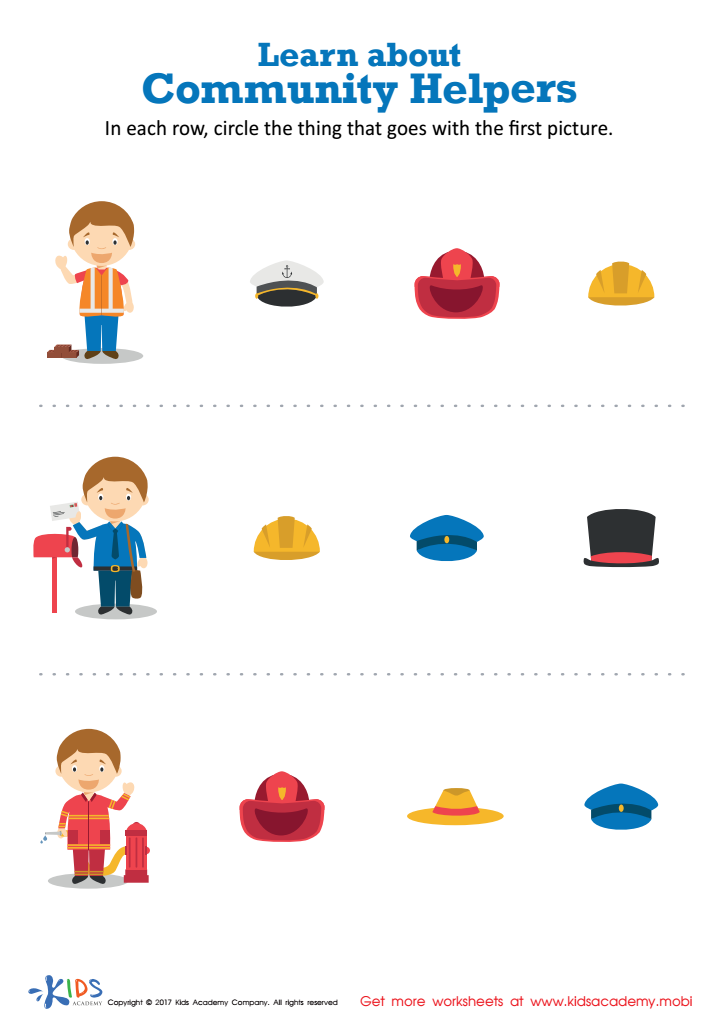
Learn about Community Helpers Printable
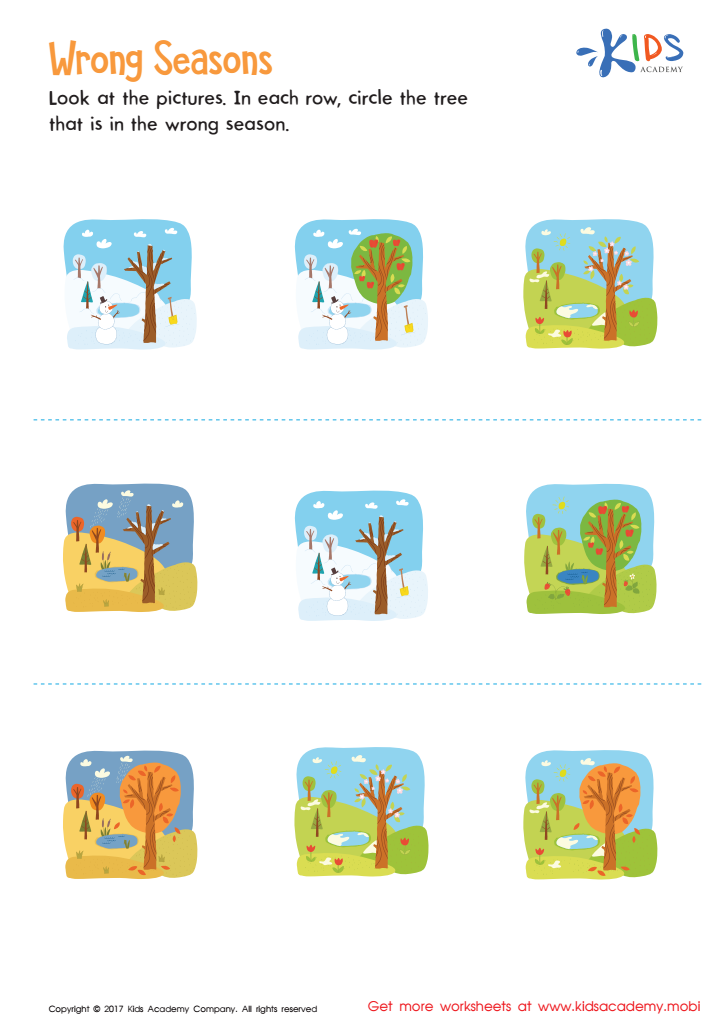
Wrong Seasons Worksheet
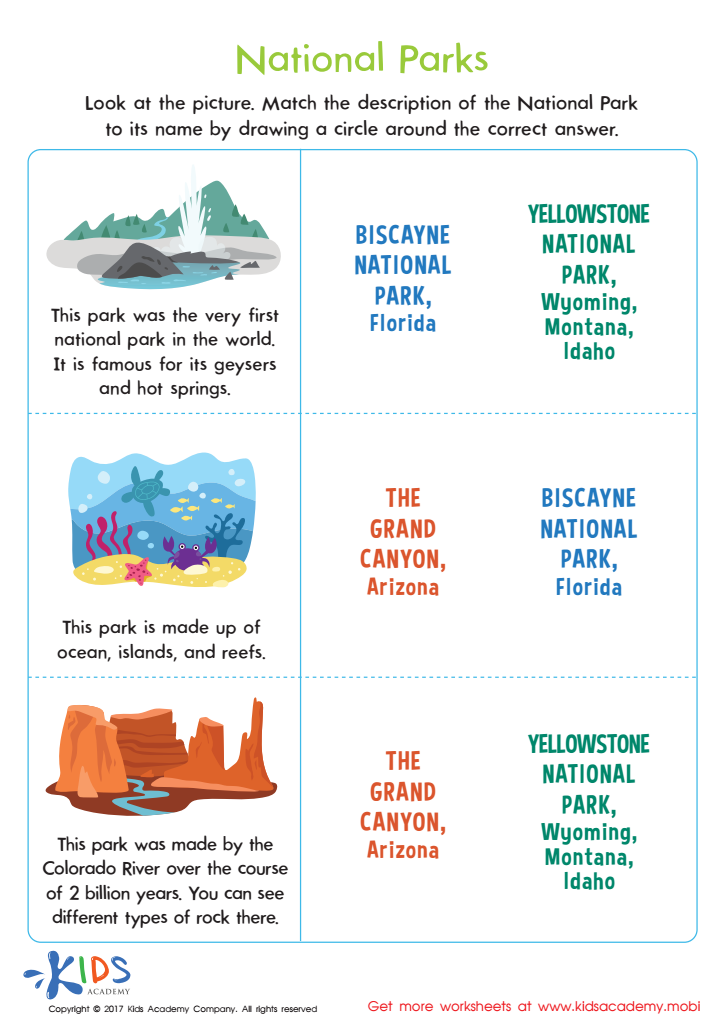
National Parks Printable
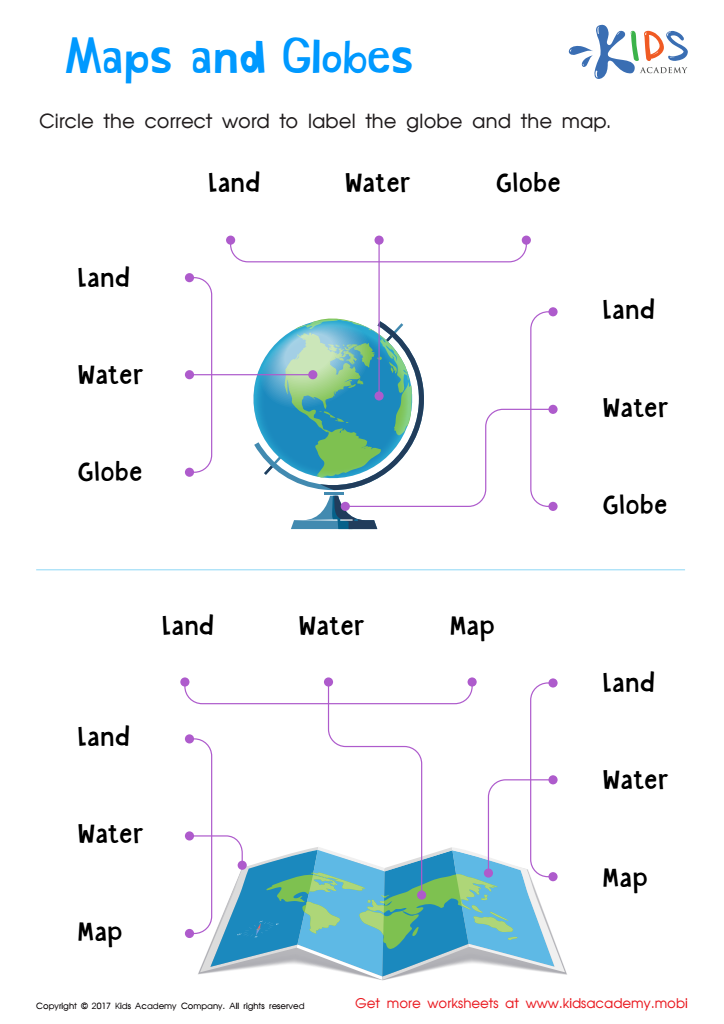
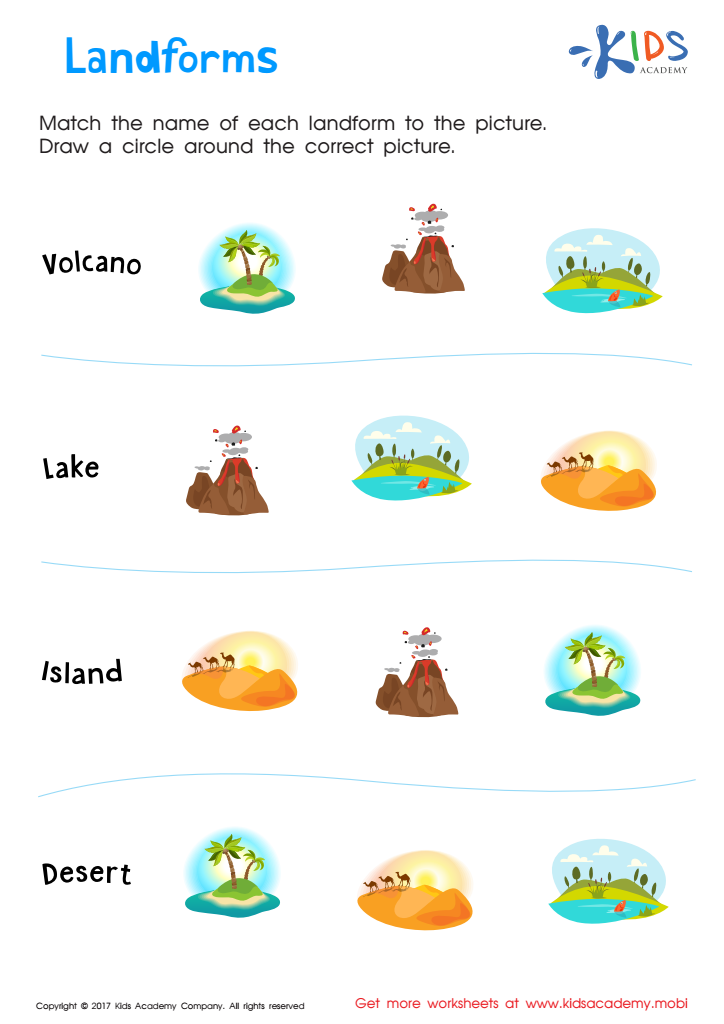
Landforms Printable
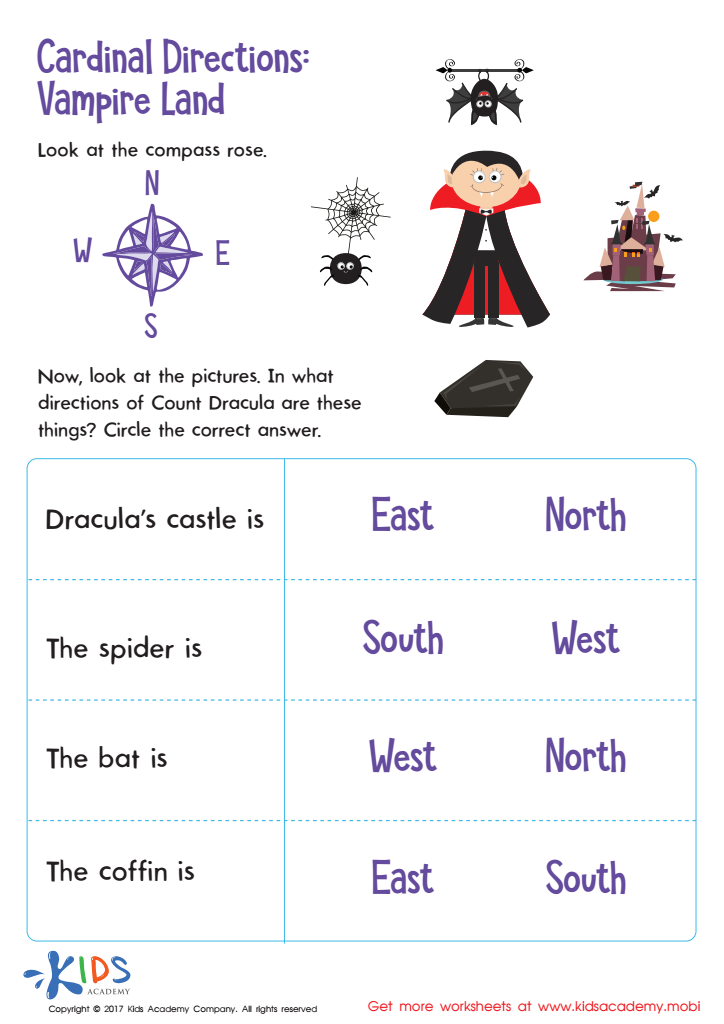
Cardinal Directions Printable
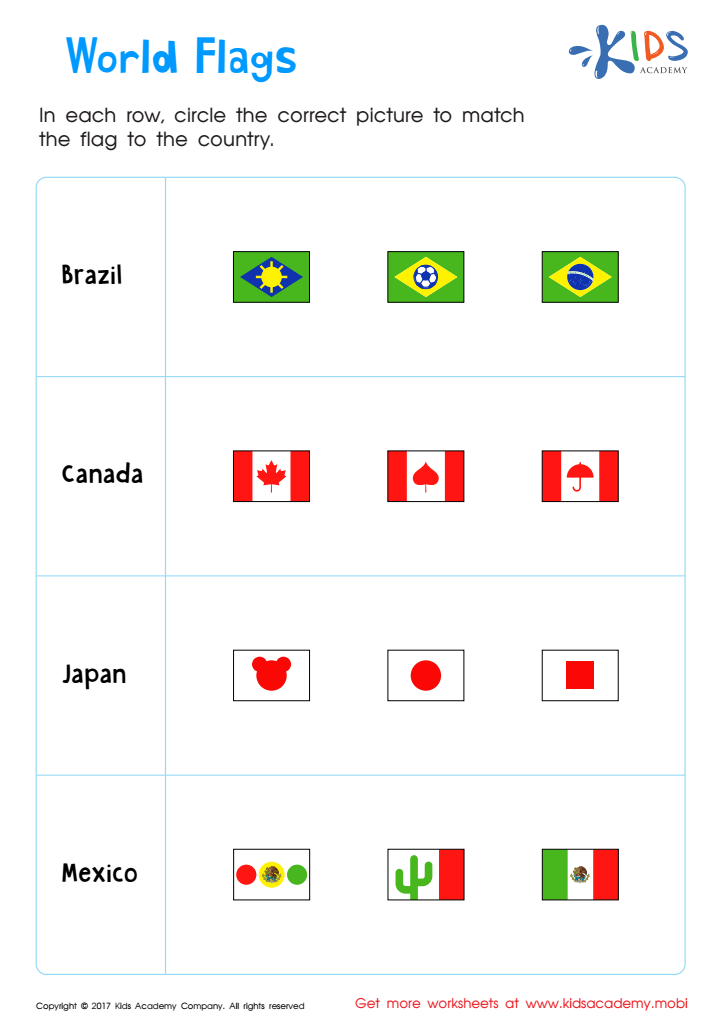
World Flags Printable
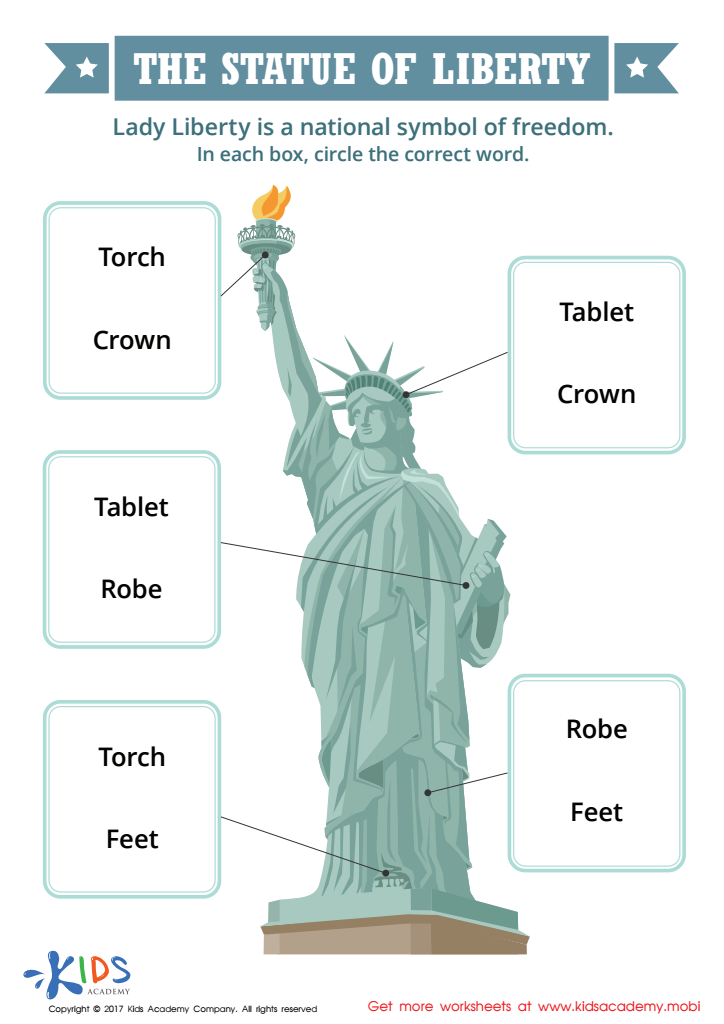
The Statue of Liberty Printable
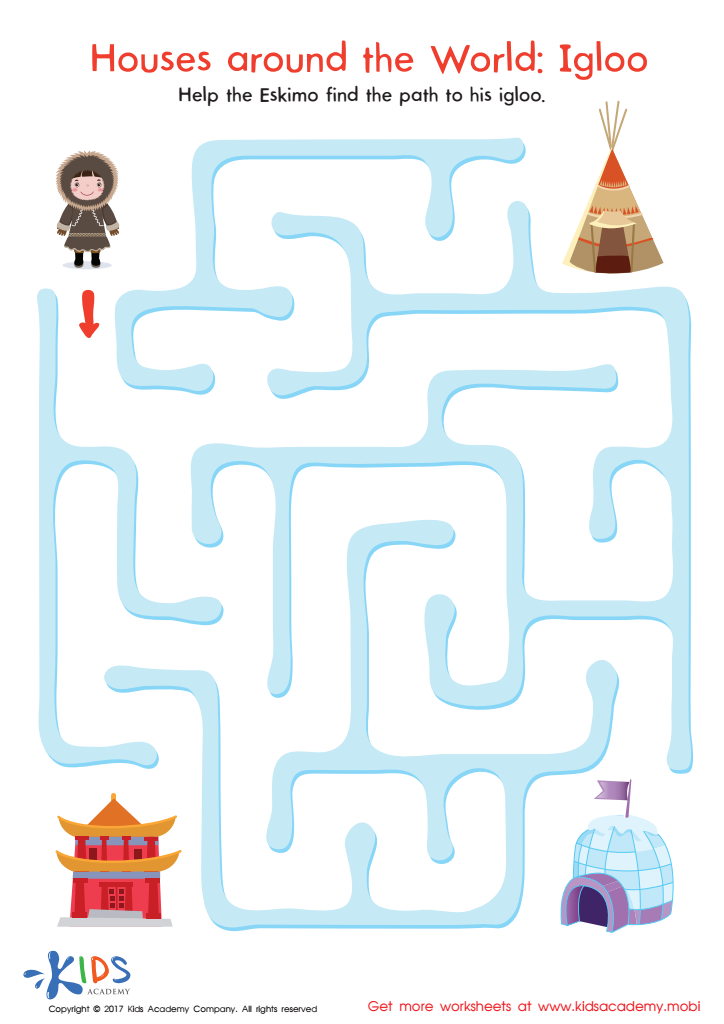
Houses Around the World: Igloo Printable
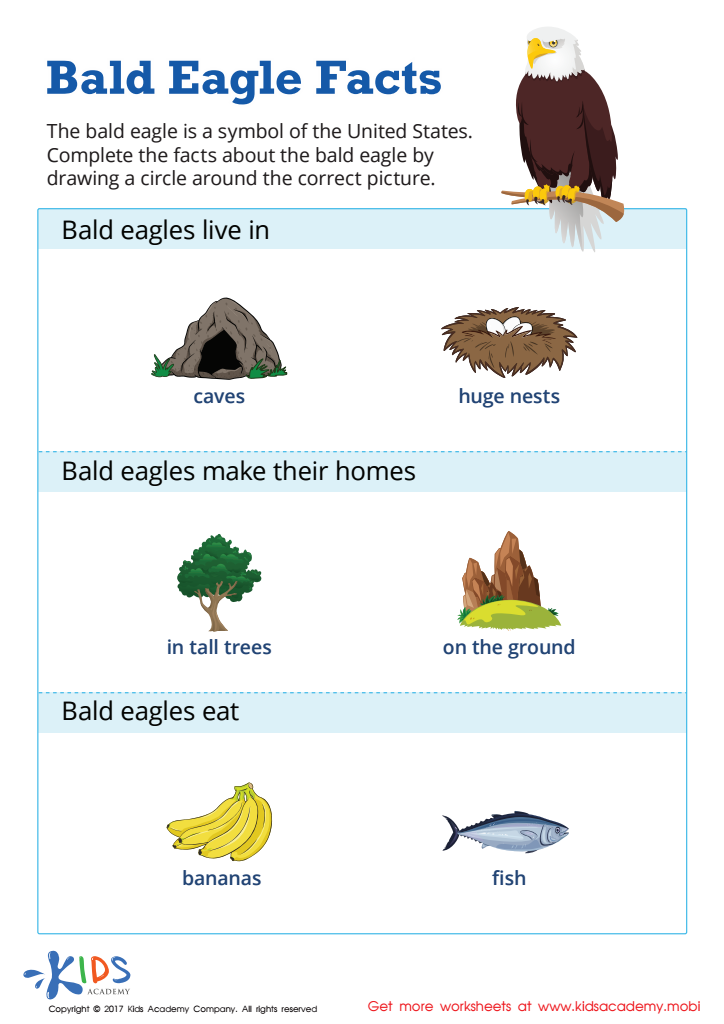
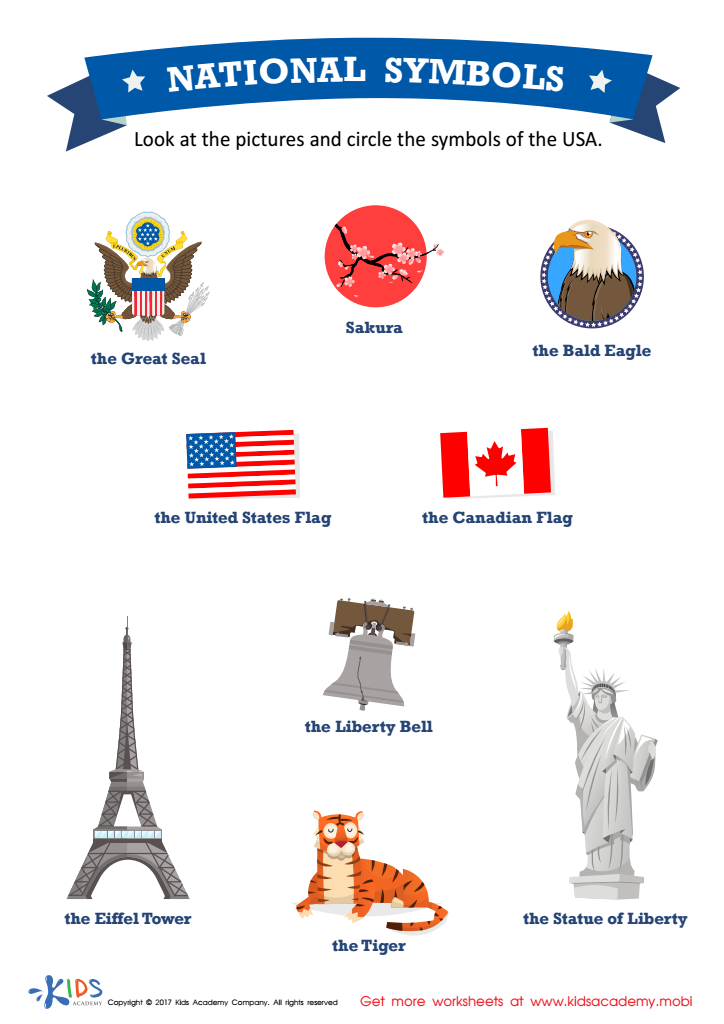
Bald Eagle Facts Worksheet
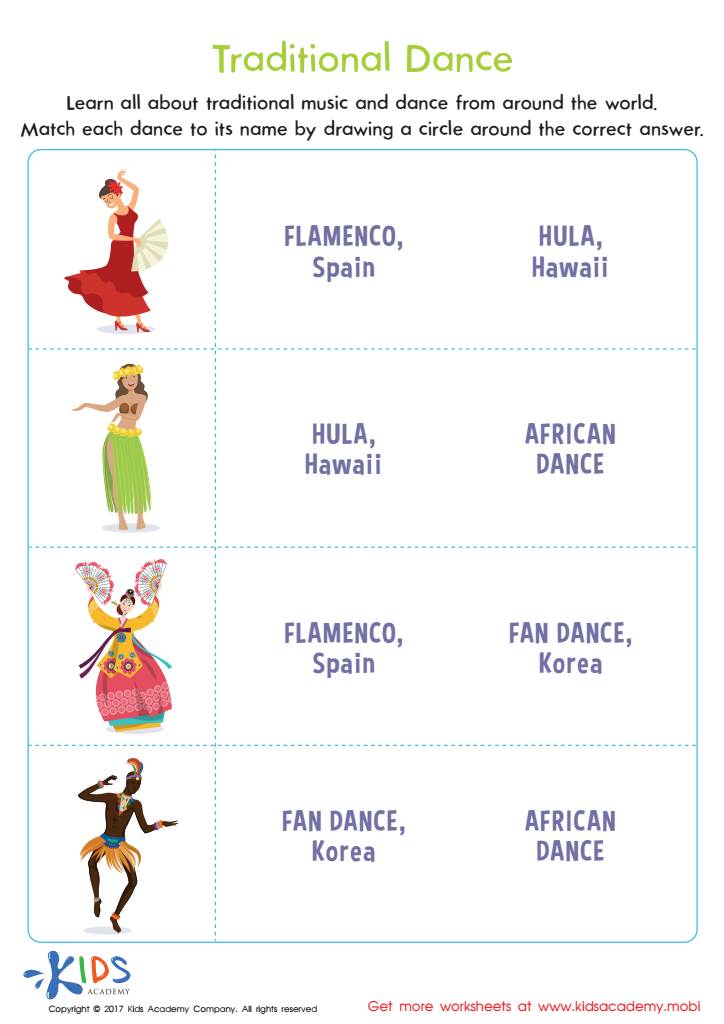
Traditional Dance Printable
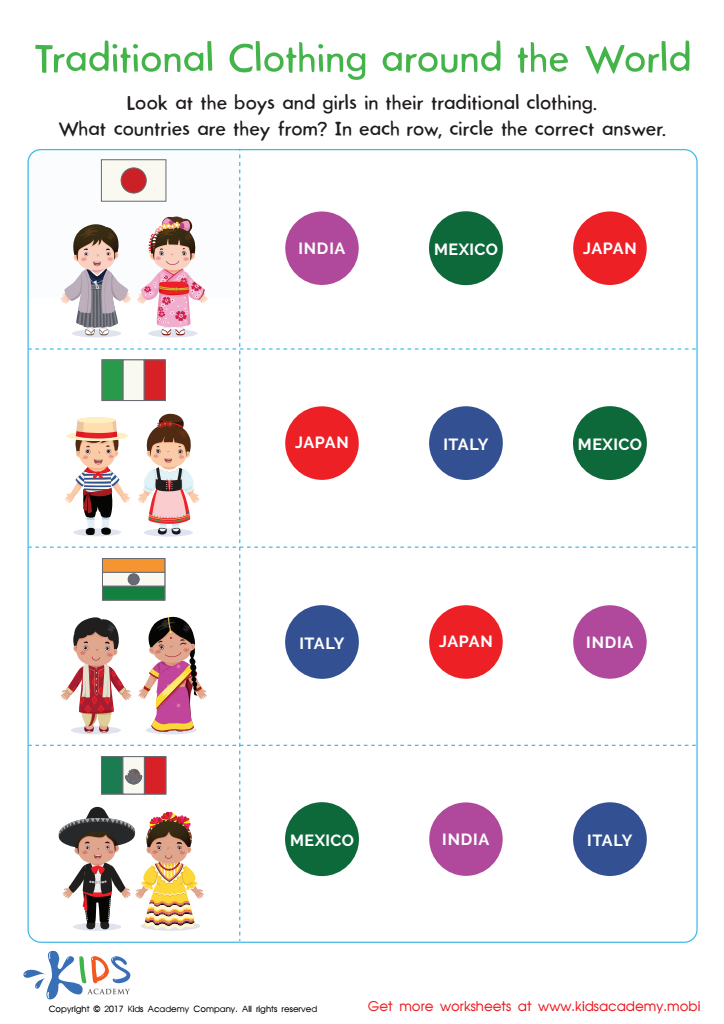
Traditional Clothing Worksheet

Thanksgiving Holiday Printable







Normal Social Studies for Ages 5-7 is crucial for young children's development as it lays the foundation for their understanding of the world around them. At this age, children are naturally curious and eager to learn about their communities, cultures, and societal norms. Early exposure to social studies helps them develop critical thinking skills and an awareness of diversity, allowing them to appreciate and respect differences among people.
Parents and teachers should care about incorporating social studies at this stage because it promotes essential values such as empathy, civic responsibility, and social skills. It teaches children the importance of cooperation and communication while fostering a sense of belonging within their communities. Engaging children in social studies also ignites their imagination and enhances their ability to see connections between past and present, encouraging them to envision a better future.
Additionally, social studies provide a framework for literacy, as children learn to read and analyze information related to history and geography. Through stories, conversations, and activities, young learners build a rich, contextual knowledge base essential for academic success. Prioritizing social studies in early education ultimately cultivates informed, responsible, and compassionate citizens who can contribute positively to society.