Normal Word Problems Worksheets for Ages 6-8 - Page 2
45 filtered results
-
From - To
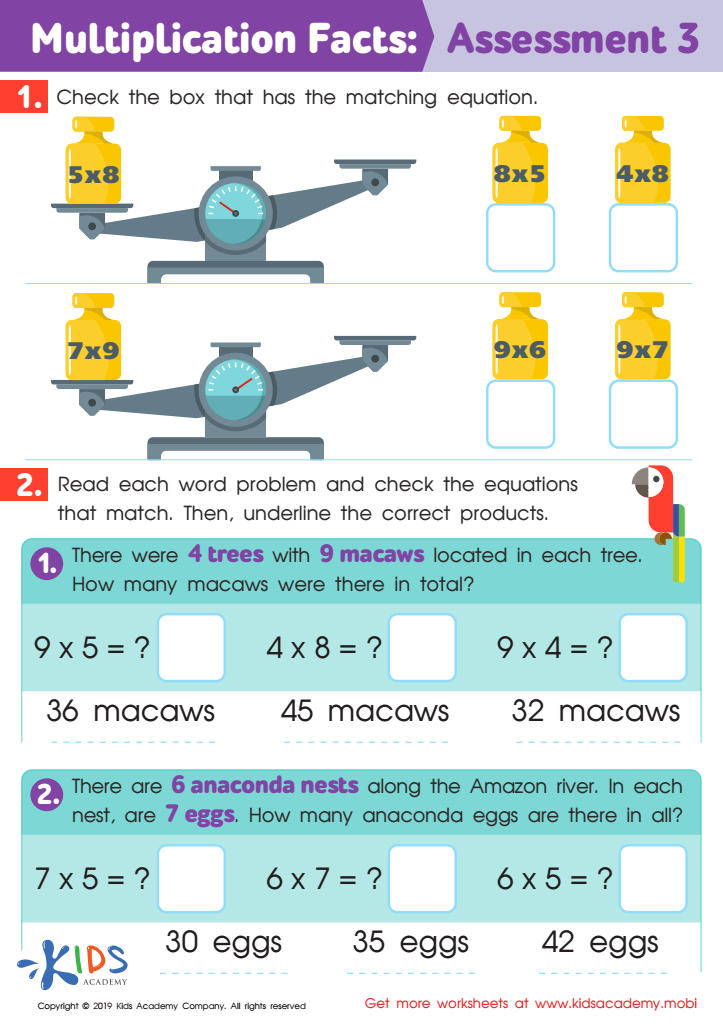
Multiplication Facts: Assessment 3 Worksheet
 Assign to My Students
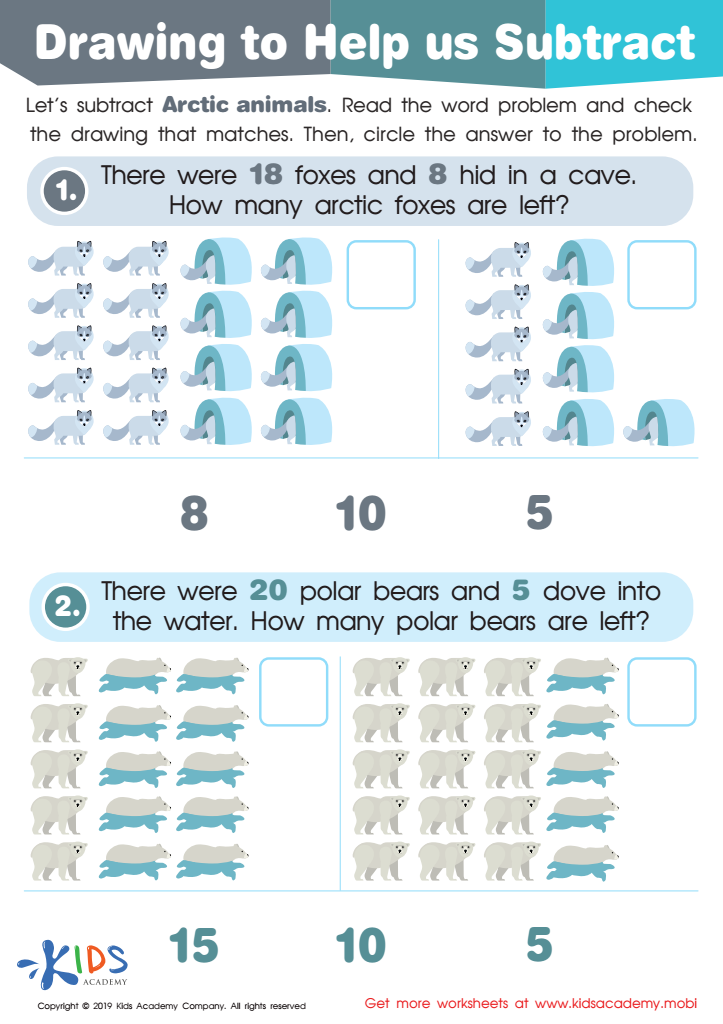
Drawing to Help Us Subtract Worksheet
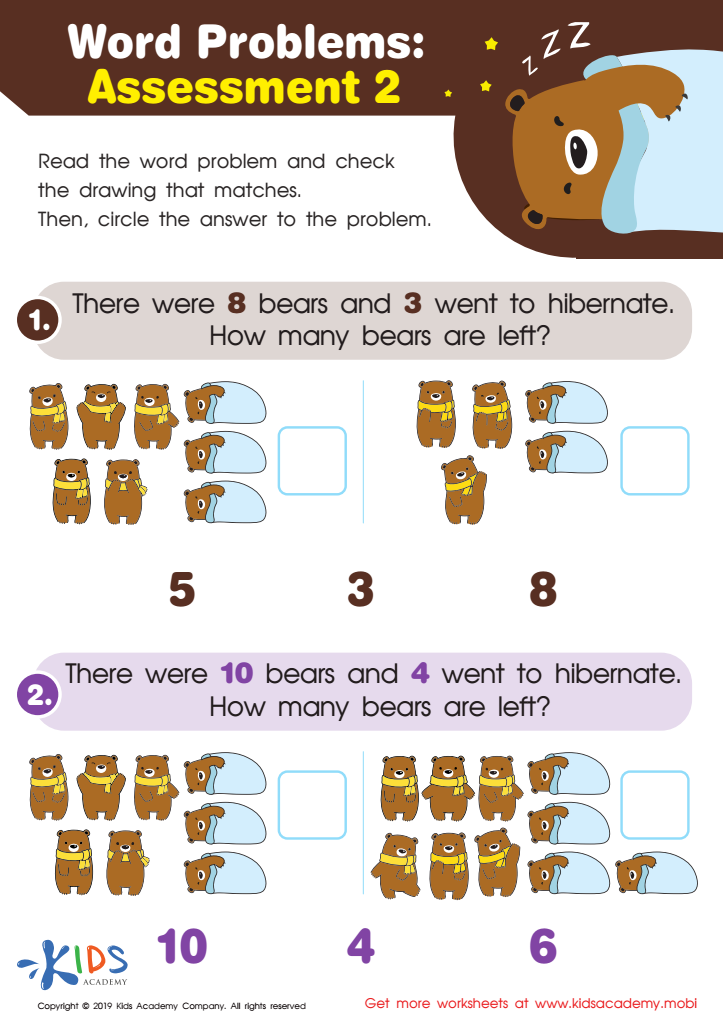
Word Problems: Assessment 2 Worksheet
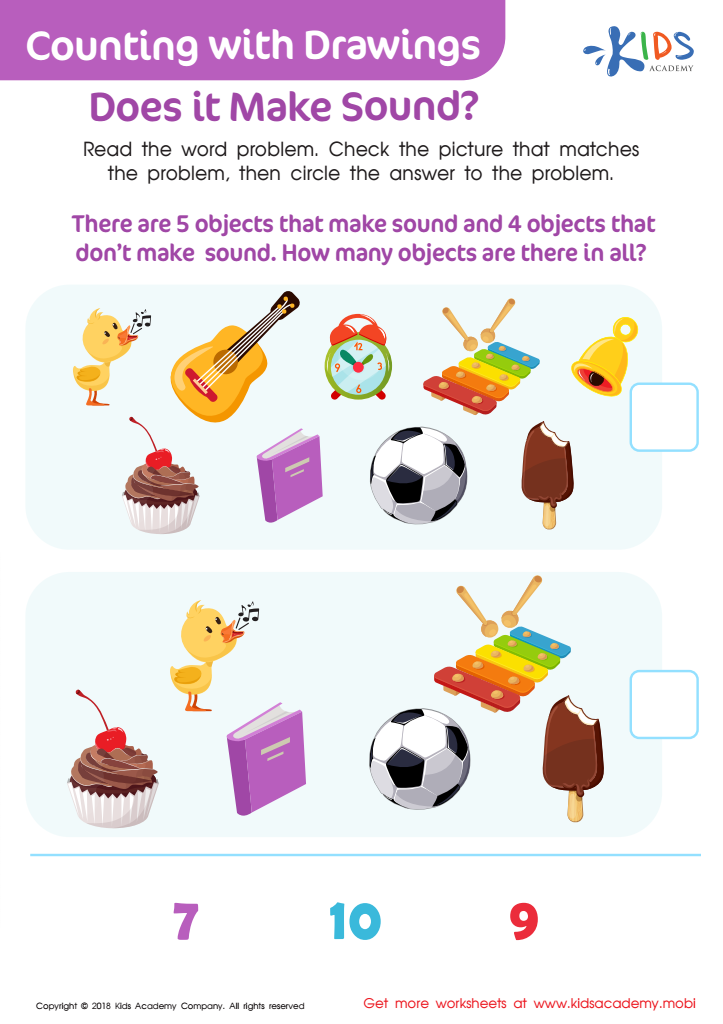
Counting With Drawings. Does It Make Sound? Worksheet
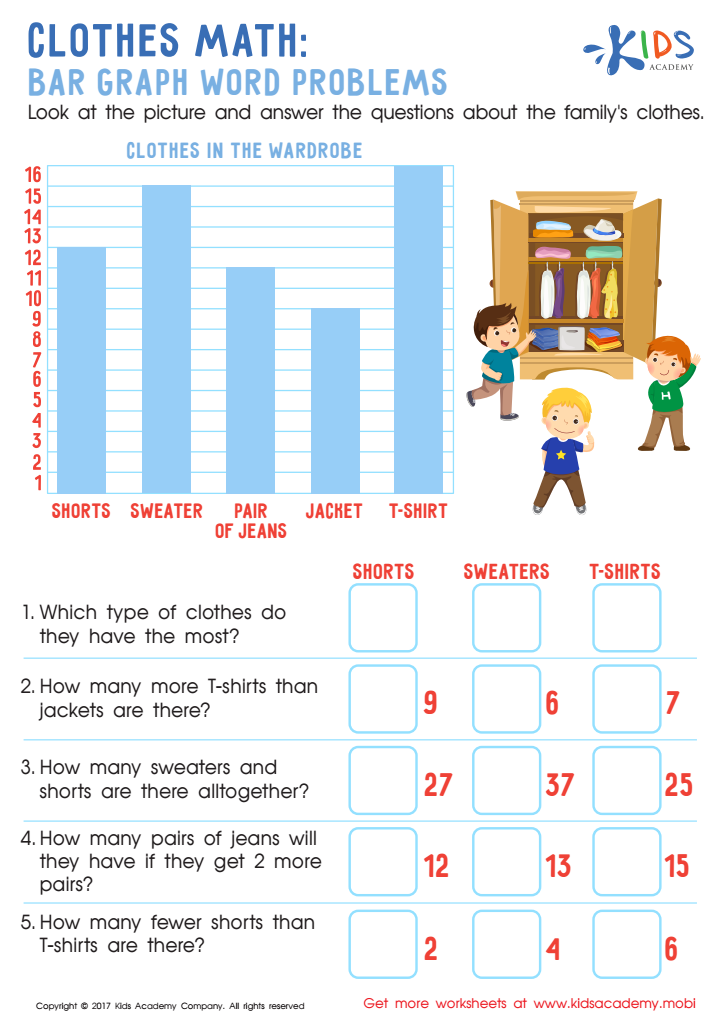
Clothes Math: Bar Graph Word Problems Worksheet
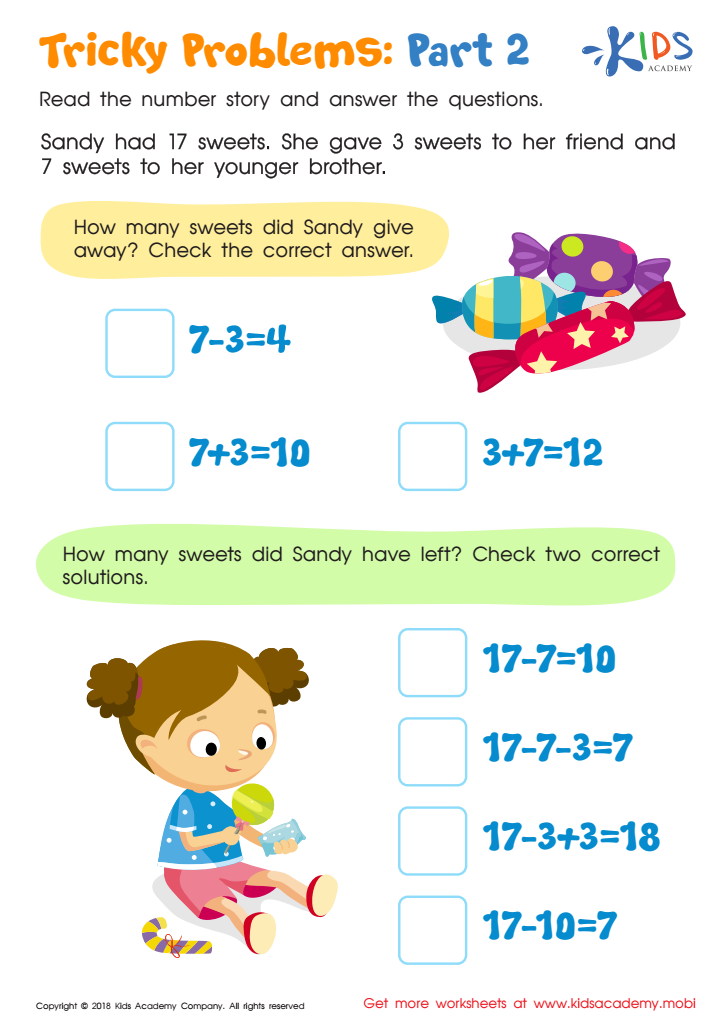
Tricky Problems Worksheet: Part 2
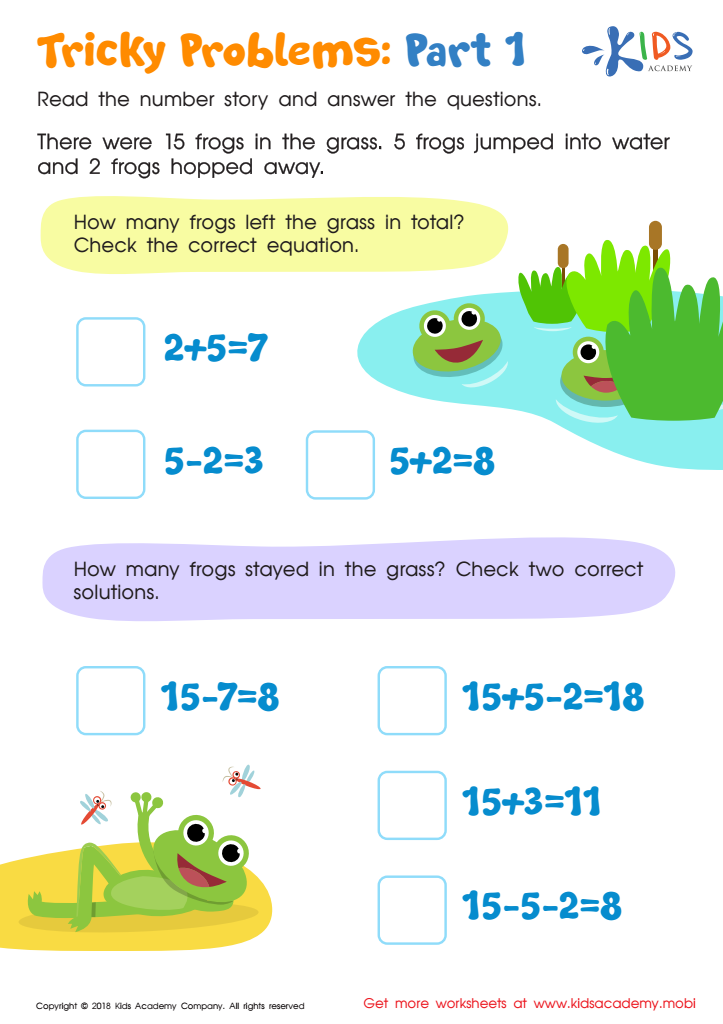
Tricky Problems Worksheet: Part 1
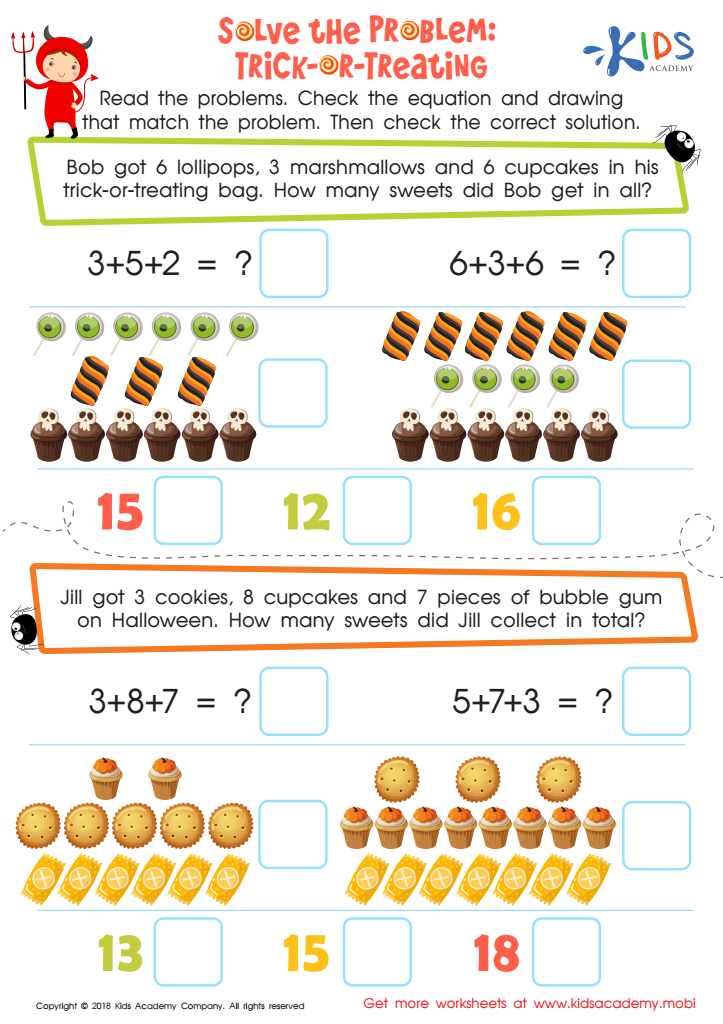
Solve the Problem: Trick–or–treating Worksheet
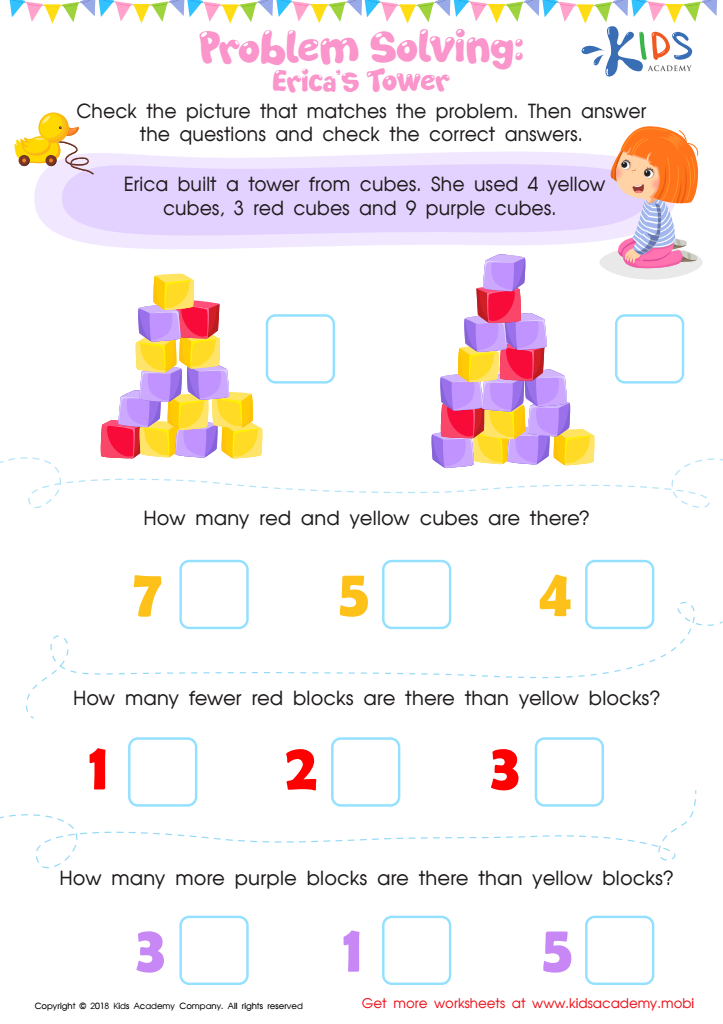
Problem Solving: Erica's Tower Worksheet
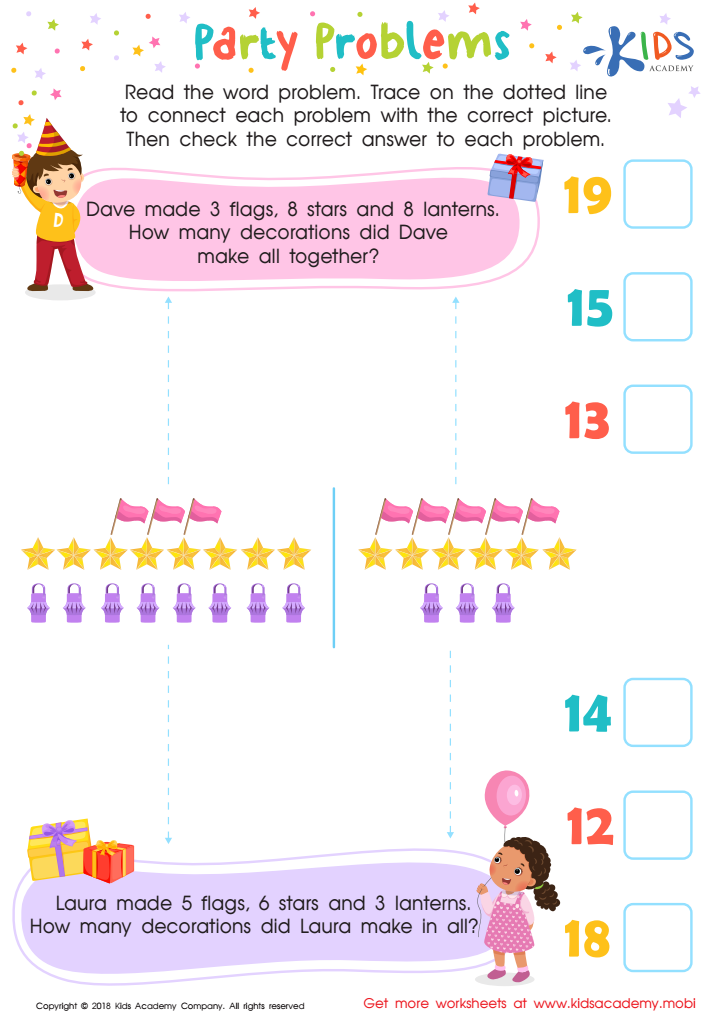
Party Problems Worksheet
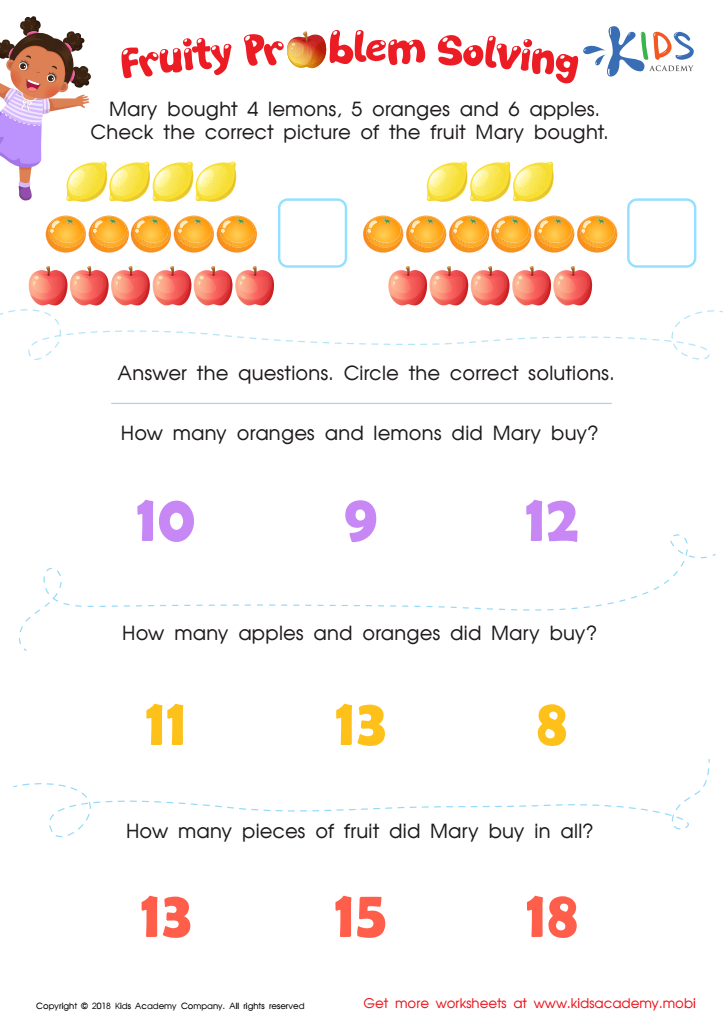
Fruity Problem Solving Worksheet
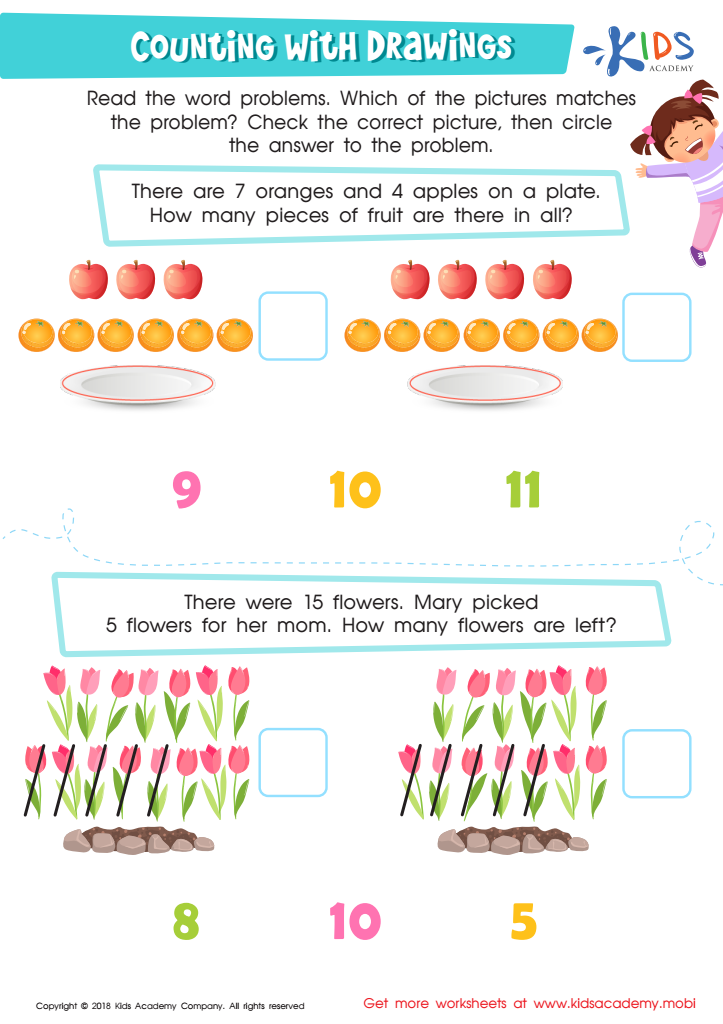
Counting with Drawings: Fruits & Chocolates Worksheet
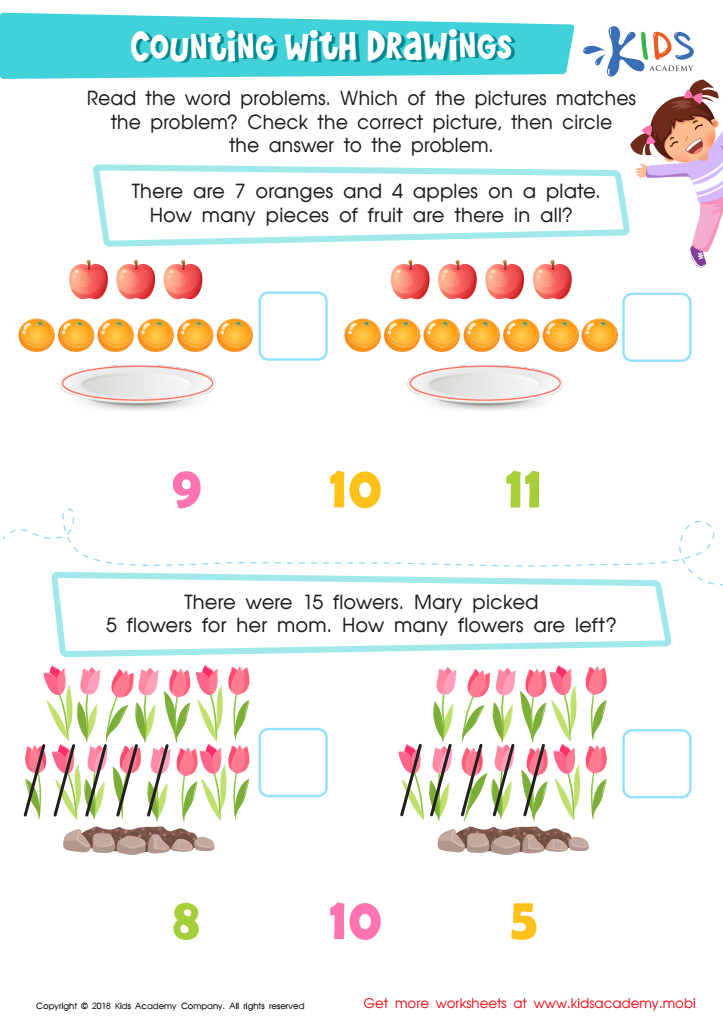
Counting with Drawings:Fruits & Flowers Worksheet
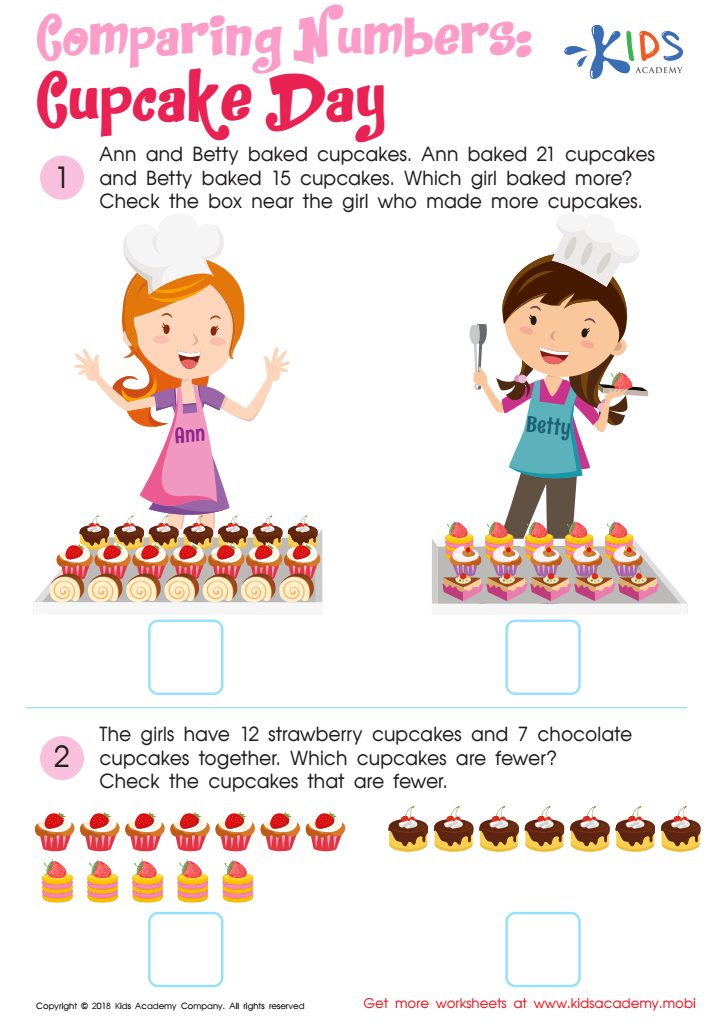
Cupcake Day Worksheet
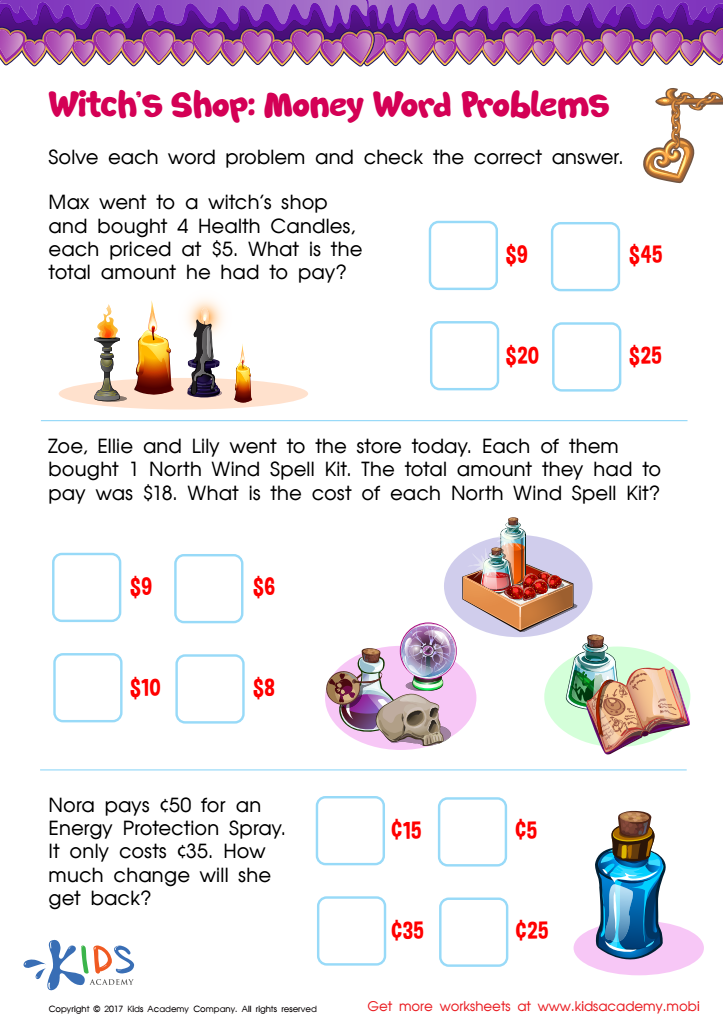
Money Word Problems Printable
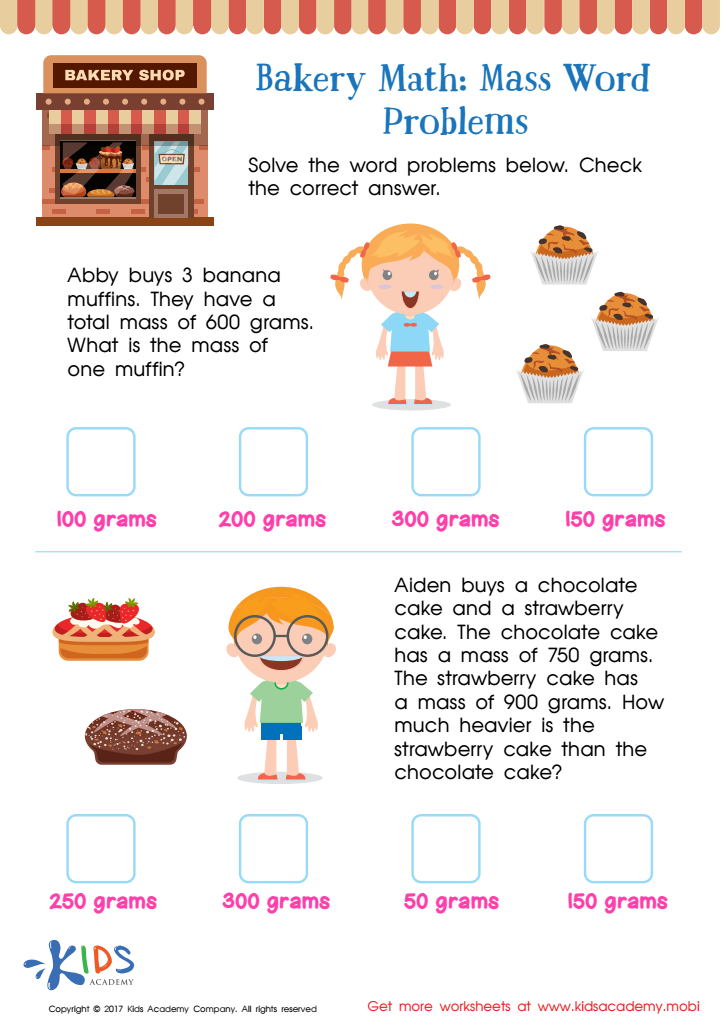
Mass Word Problems Worksheet
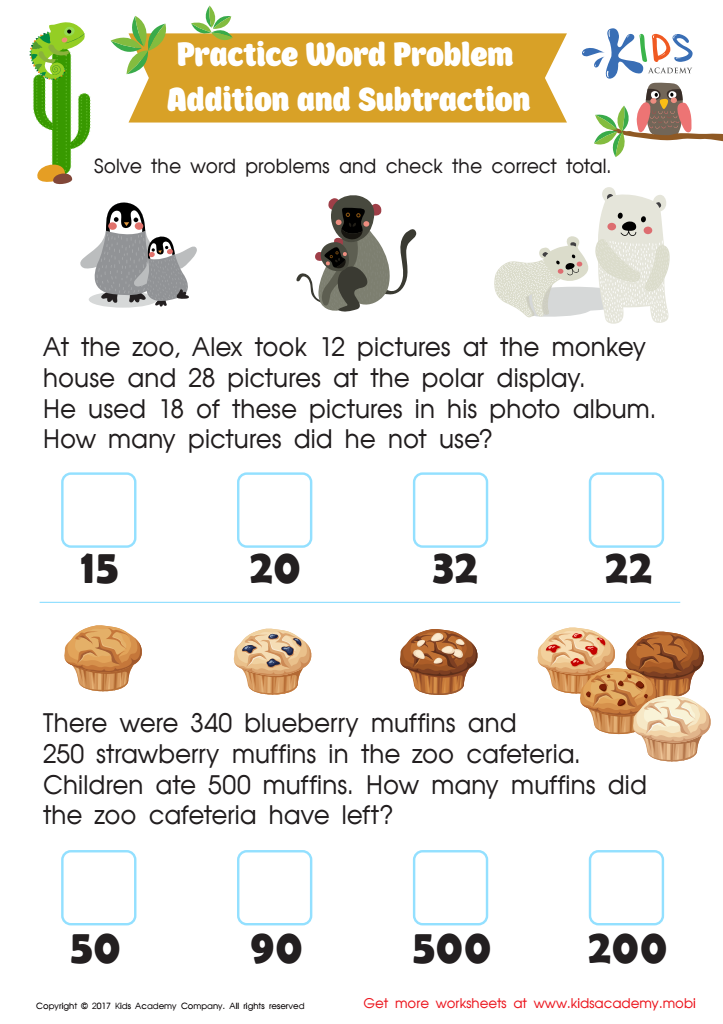
Addition and Subtraction: Word Problems Worksheet
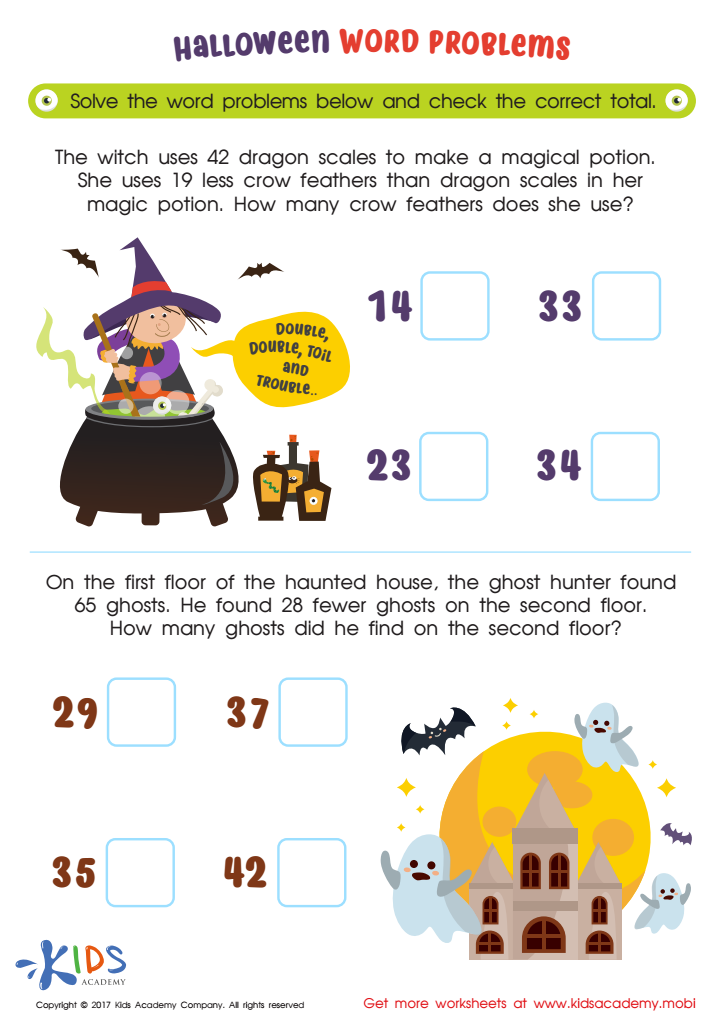
Halloween Word Problems Printable
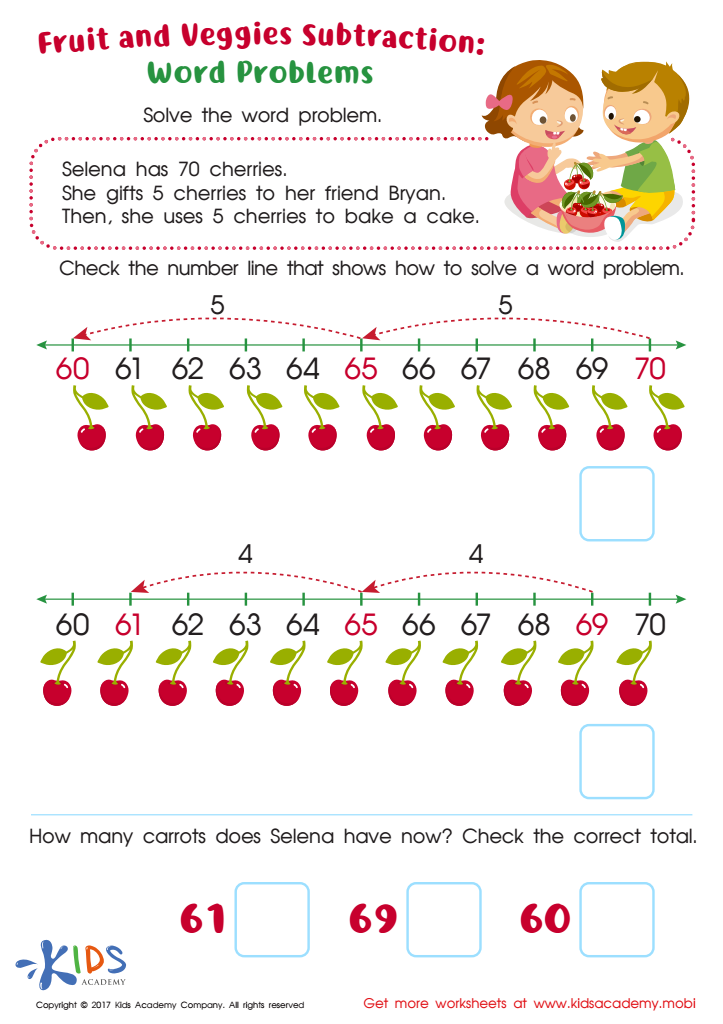
Subtraction Word Problems Free Printable
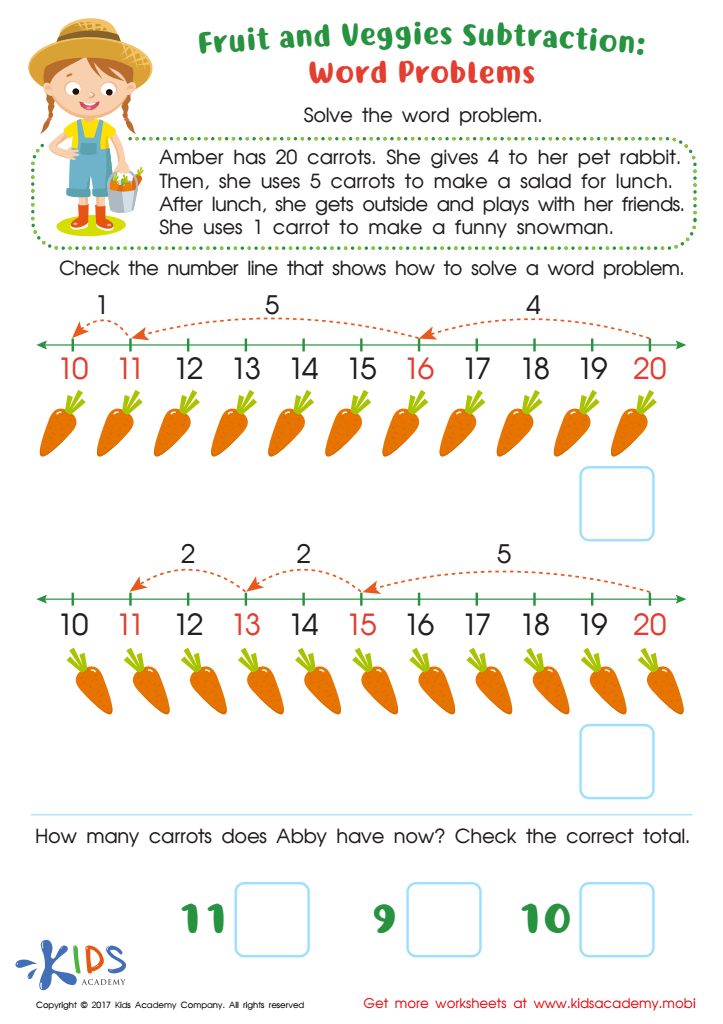
Subtraction Word Problems Printable
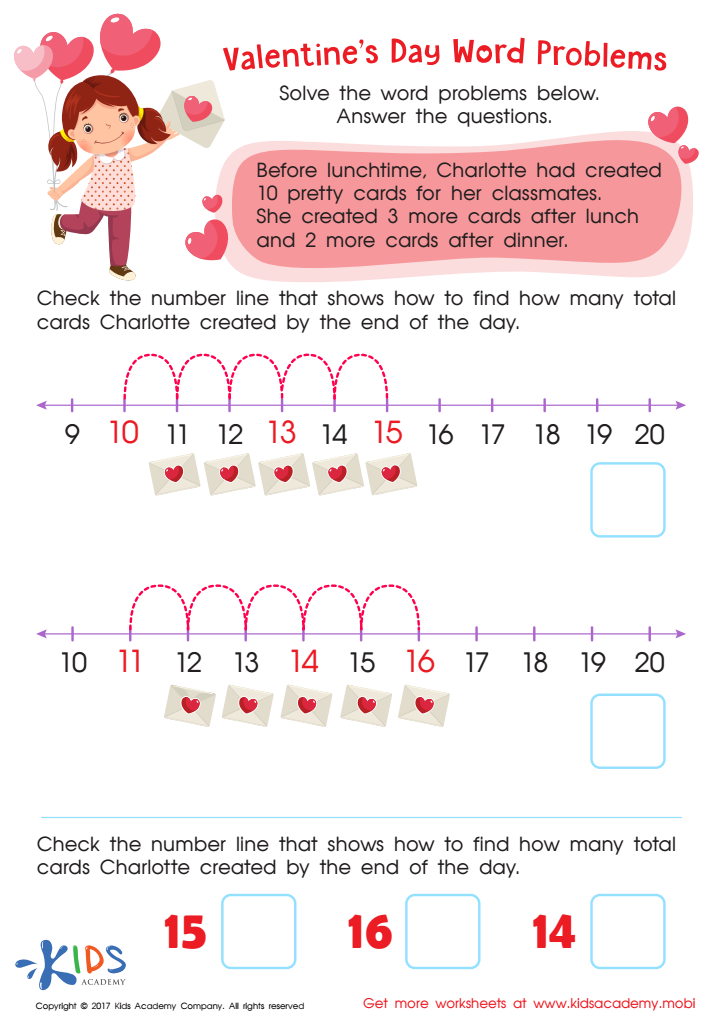
Valentines Day Word Problem Worksheet








Normal word problems are essential for children aged 6-8 because they foster critical thinking, problem-solving, and comprehension skills. At this pivotal stage in their development, children transition from basic arithmetic to applying mathematical concepts in real-world scenarios. By engaging with word problems, they learn to decode words into mathematical operations and understand the relevance of math in everyday life.
For parents and teachers, focusing on word problems helps children improve their reading comprehension and ability to follow multi-step instructions. Word problems also encourage logical reasoning, as children must determine what the problem is asking and decide on a method to solve it. This process nurtures a deeper understanding of mathematical concepts rather than just rote memorization of facts or formulas.
Additionally, solving word problems early on builds perseverance and patience. Kids learn that it's okay to take time to think through a problem and make mistakes along the way, which is integral for their overall learning process. For teachers, assessing how students handle word problems provides insights into their comprehension and suggests areas that may need more support or different instructional strategies.
Investing time in word problems shapes well-rounded learners who are better prepared for more complex math in later grades and daily life challenges. Engaged students who see the value of math beyond the classroom are more likely to develop a lifelong appreciation for the subject.








