Normal Matching Worksheets for Ages 6-9
29 filtered results
-
From - To
Our Normal Matching Worksheets for ages 6-9 provide a fun, engaging way to bolster math skills in young learners. Designed to capture a child’s imagination, each PDF is filled with vibrant, interactive exercises that enhance critical thinking and problem-solving abilities. Through exciting matching activities, kids practice essential math concepts such as counting, addition, subtraction, and number correlation. These sheets are perfect for at-home learning or as a supplement to classroom teachings. Empower your child’s mathematical journey with easy-to-download, high-quality worksheets from Kids Academy for a bright and confident future in arithmetic.
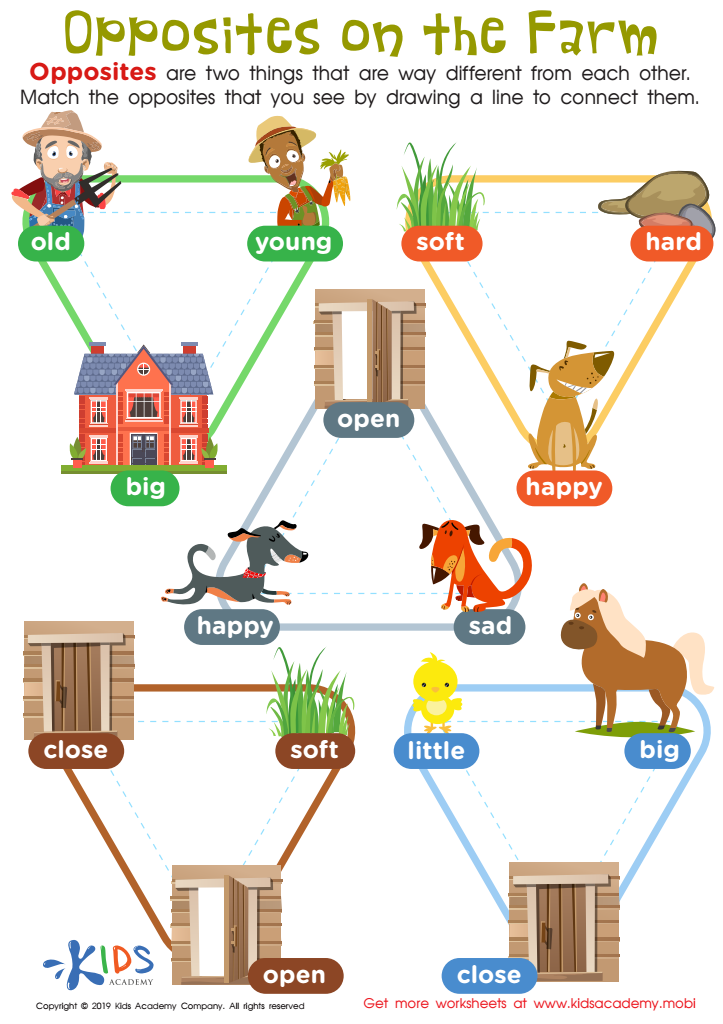
Opposites on the Farm Worksheet
 Assign to My Students
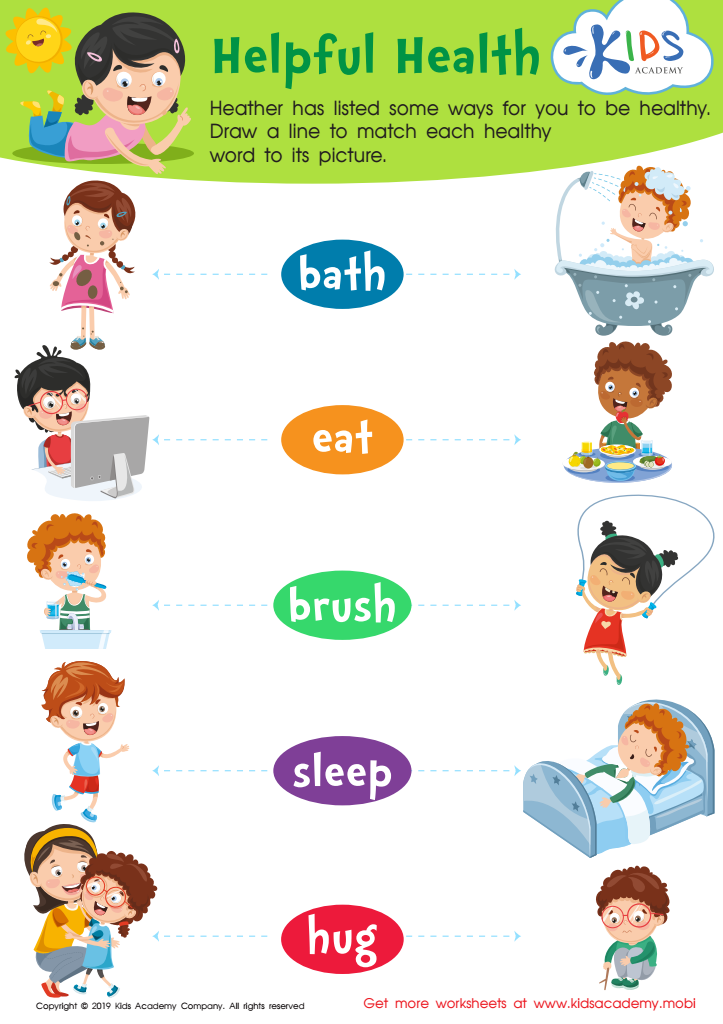
Helpful Health Worksheet
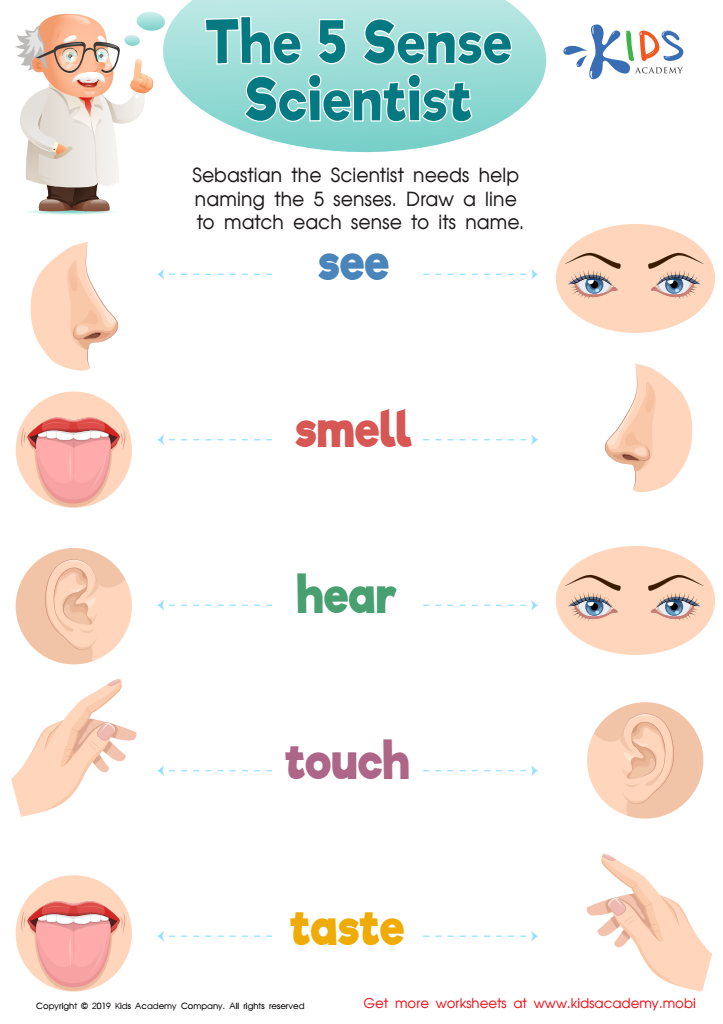
The 5 Sense Scientist Worksheet
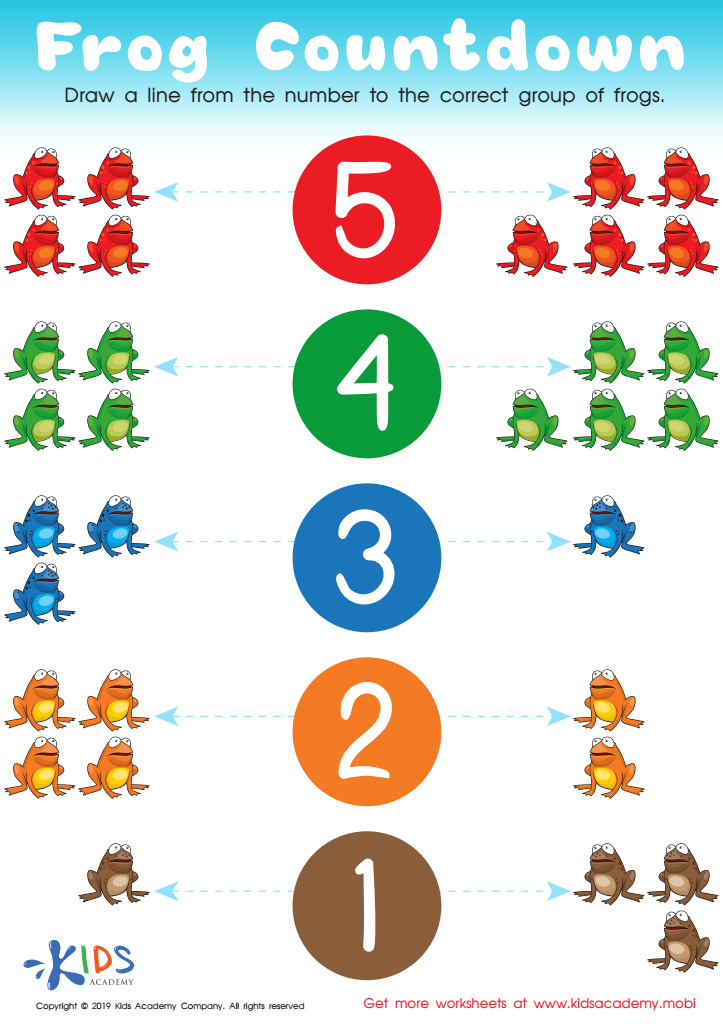
Frog Countdown Worksheet
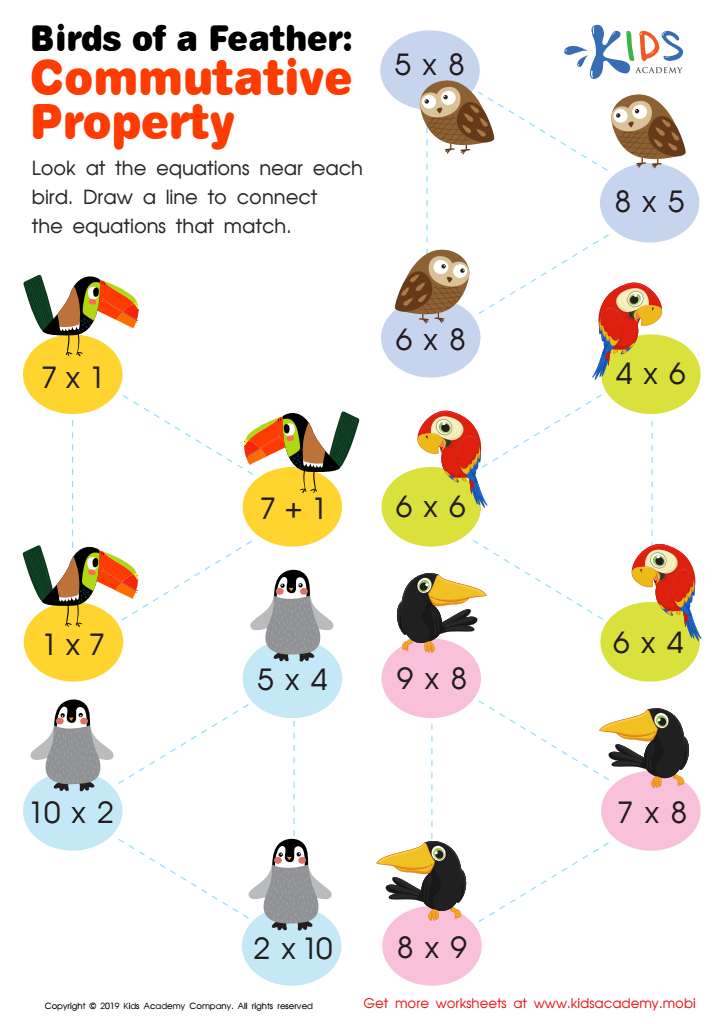
Birds of a Feather: Commutative Property Worksheet
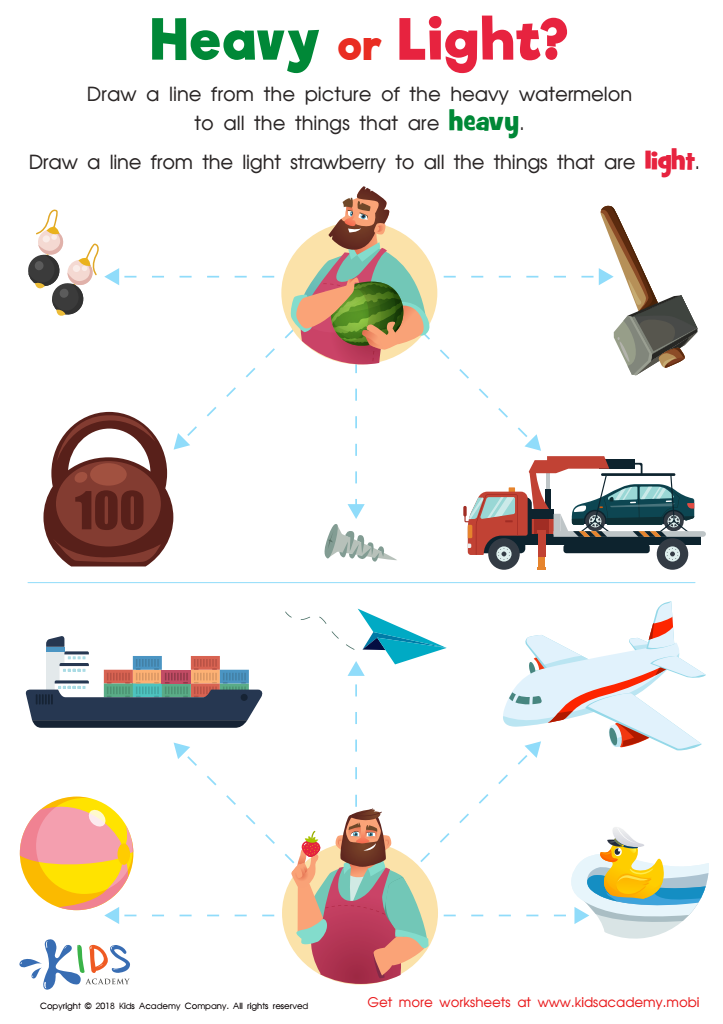
Heavy or Light? Worksheet
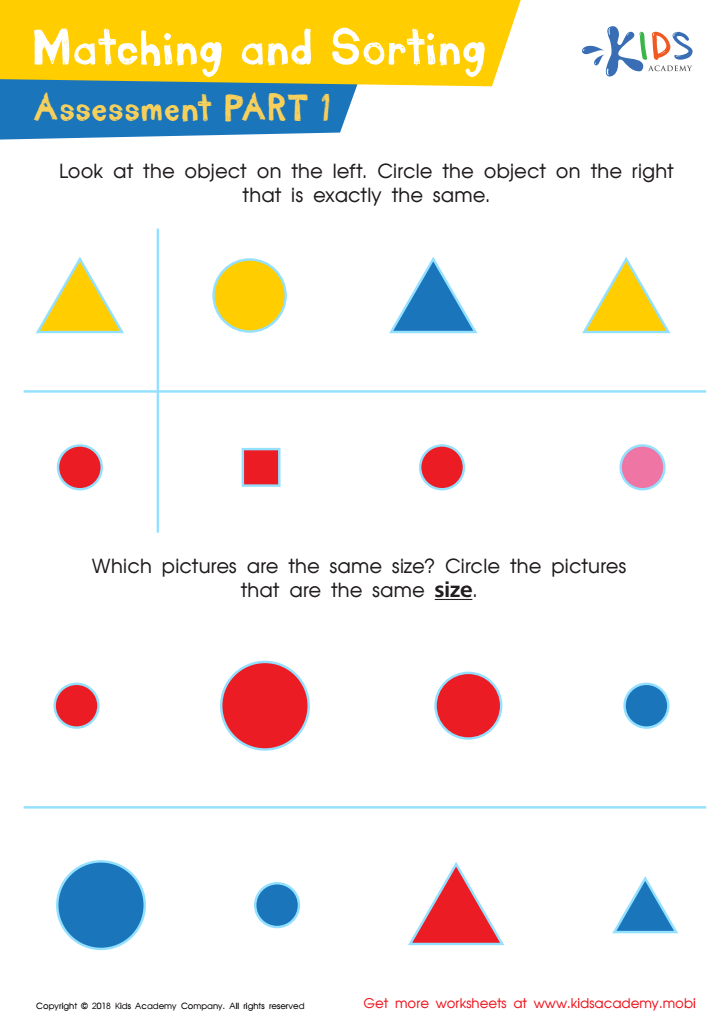
Matching and Sorting for Kindergarten: Assessment 1 Worksheet

Ten in the Bed Worksheet
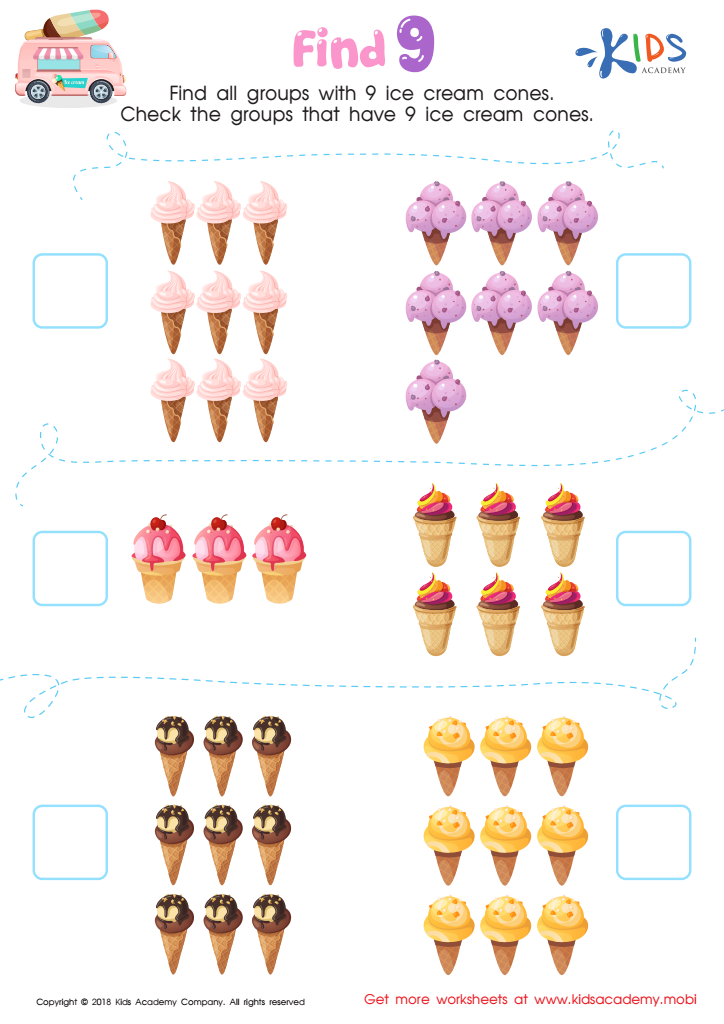
Find 9 Worksheet
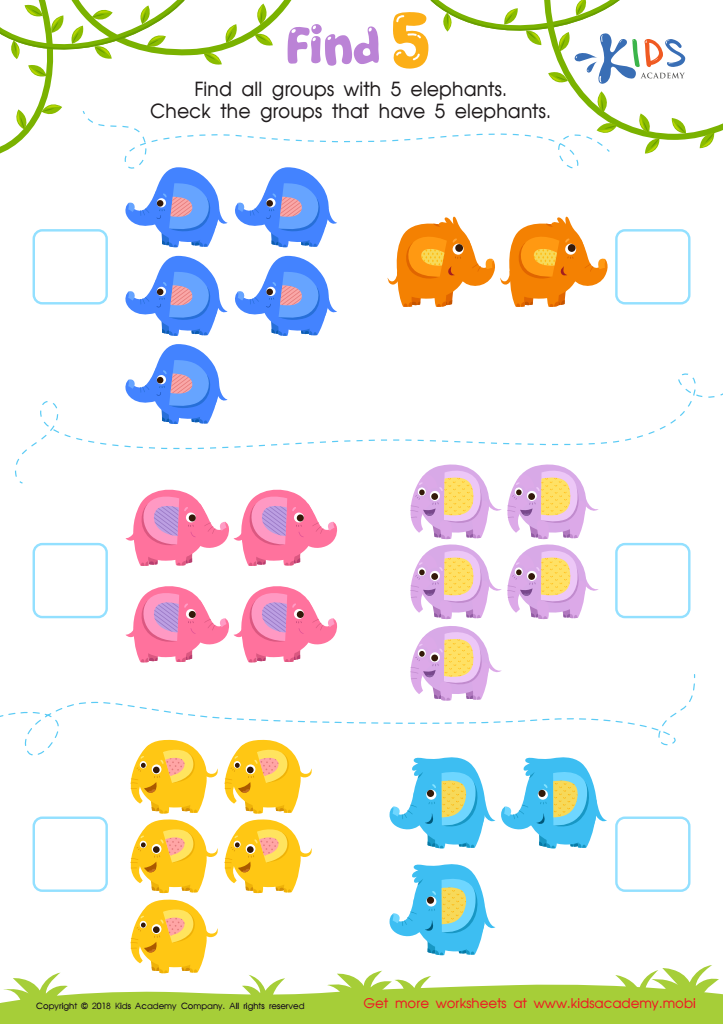
Find 5 Worksheet
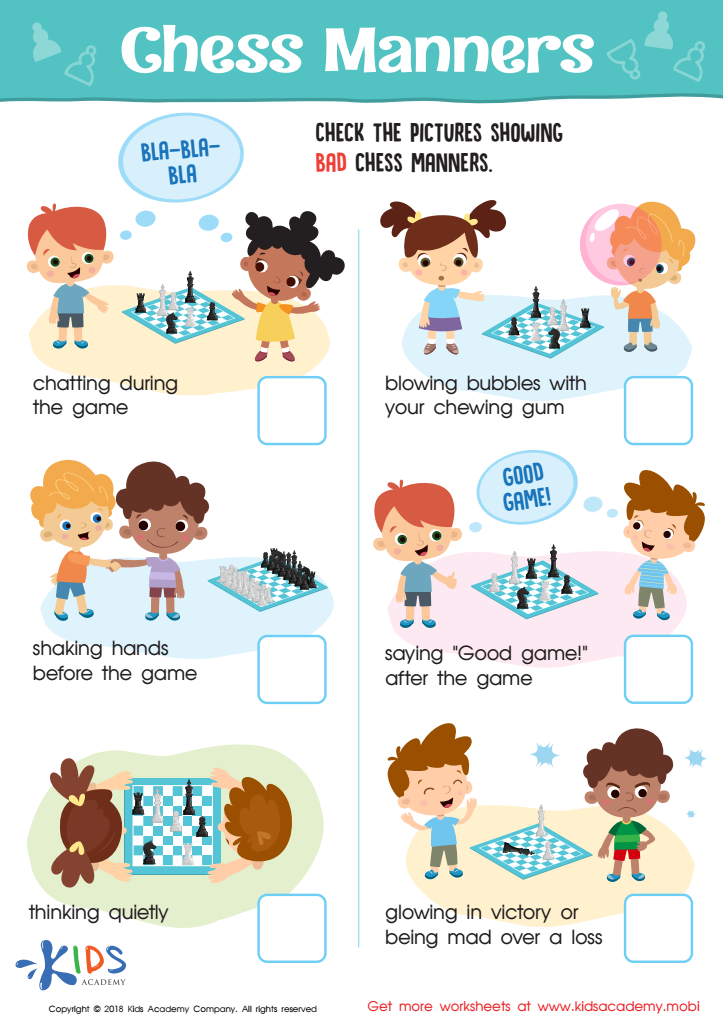
Chess Manners Worksheet
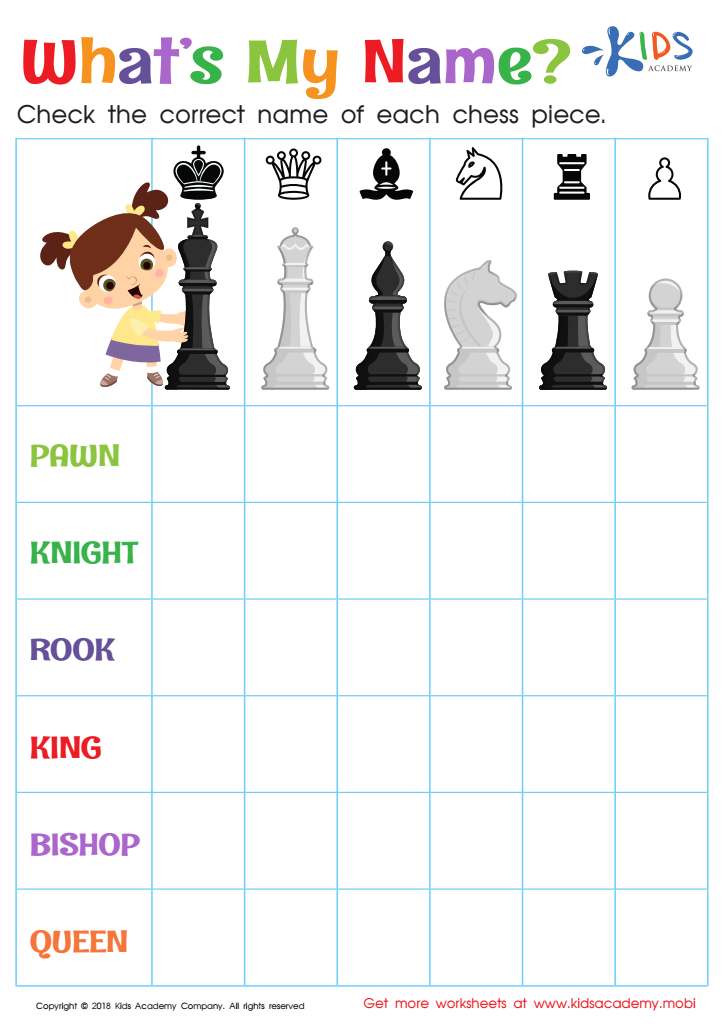
What's My Name? Worksheet
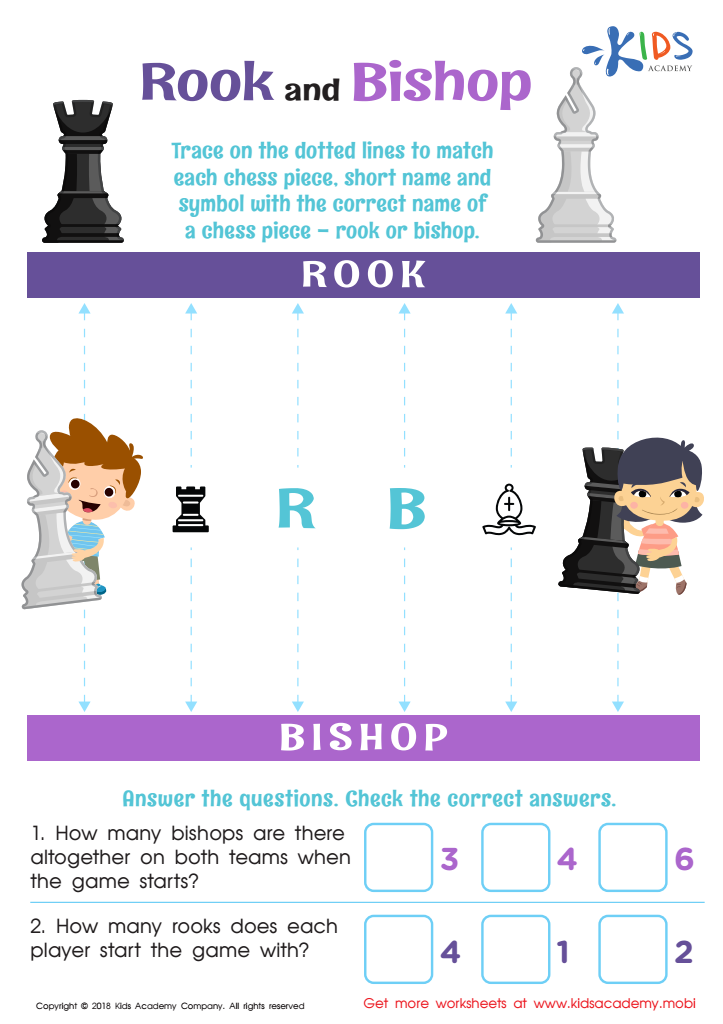
Rook and Bishop Worksheet
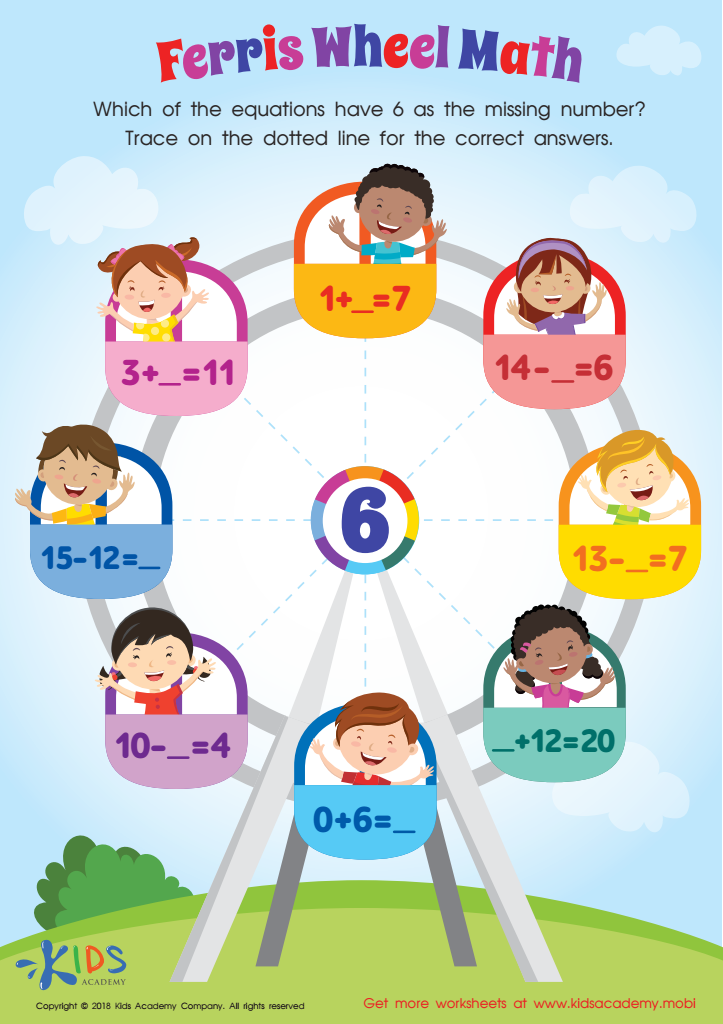
Missing Number: Ferris Wheel Math Worksheet
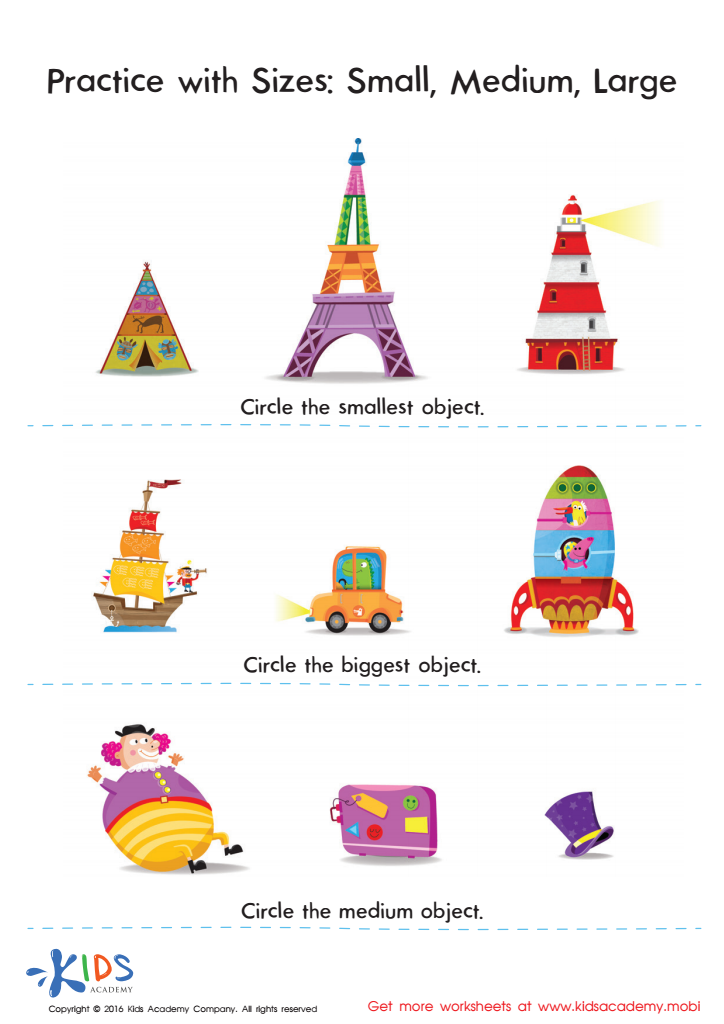
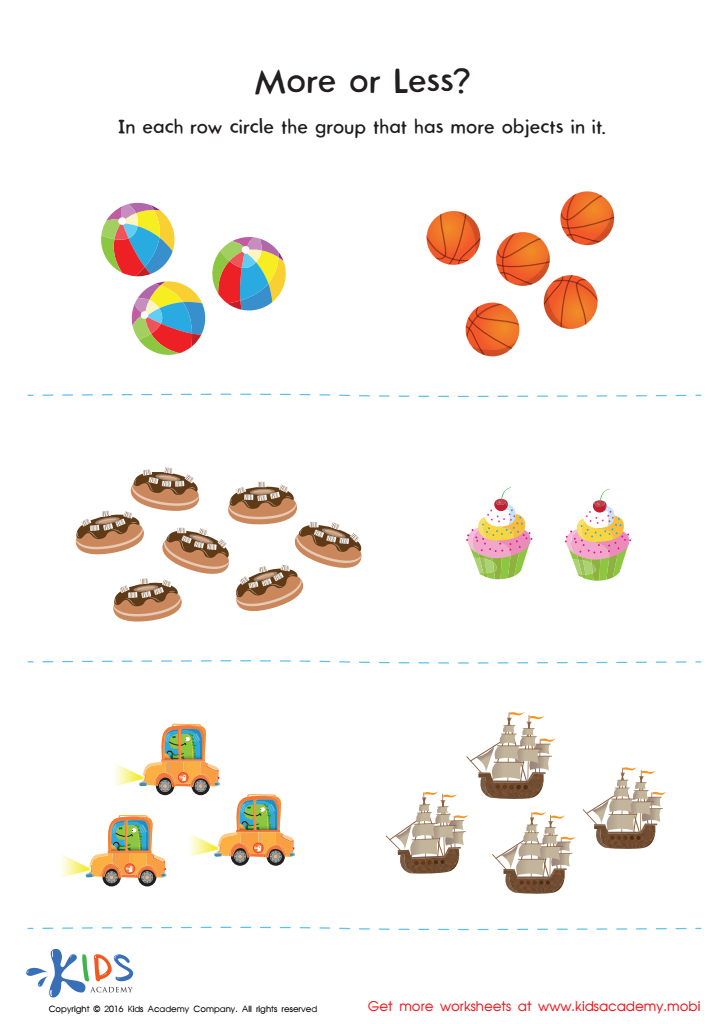
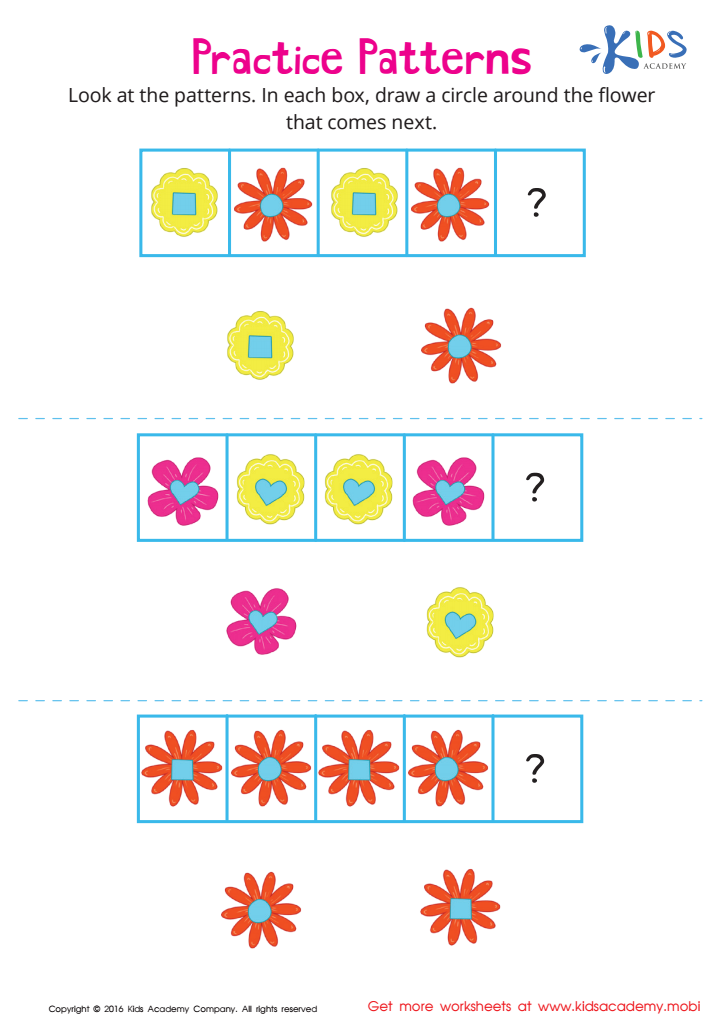
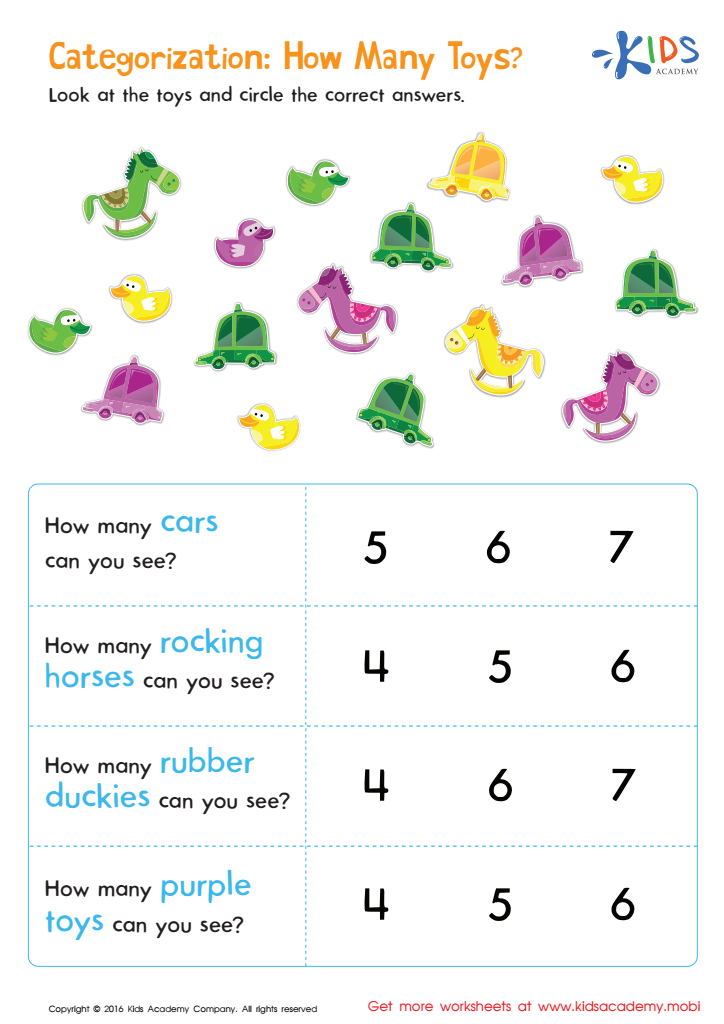
Classifying Toys by Type and Color Sorting Worksheet
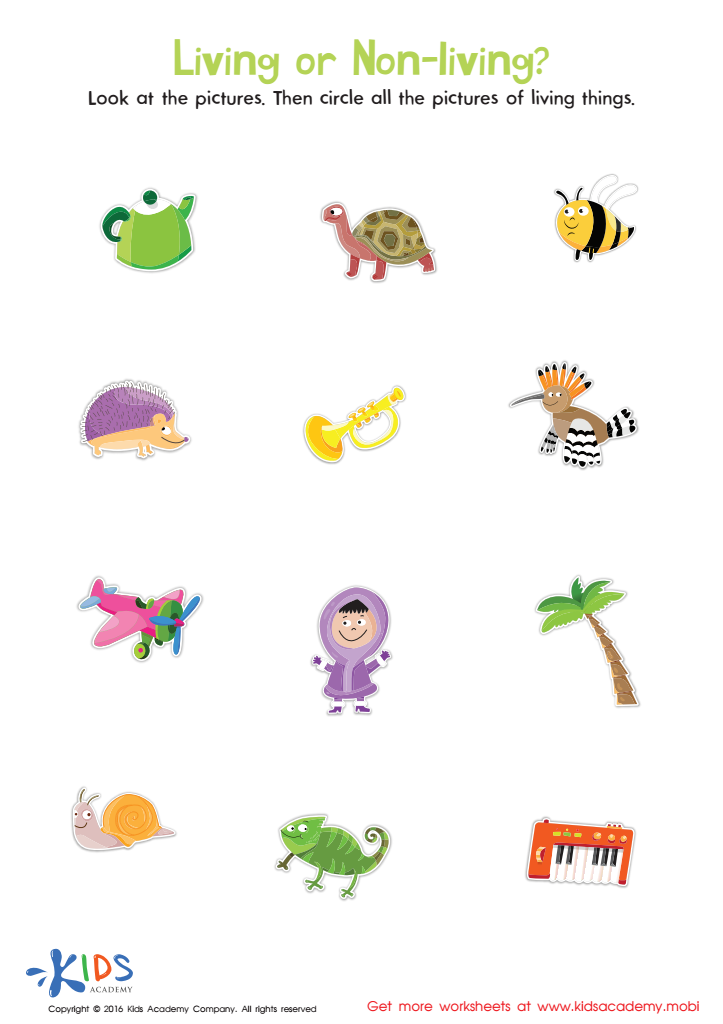
Identifying Living and Non–living Things Sorting Worksheet

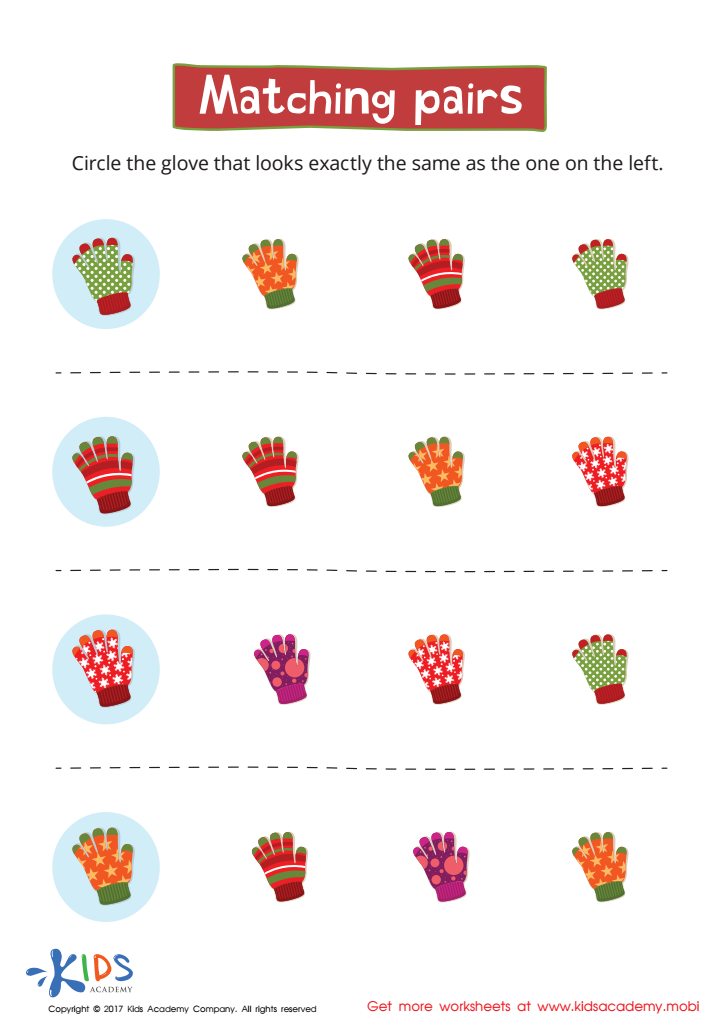
Matching: Matching Pairs Worksheet
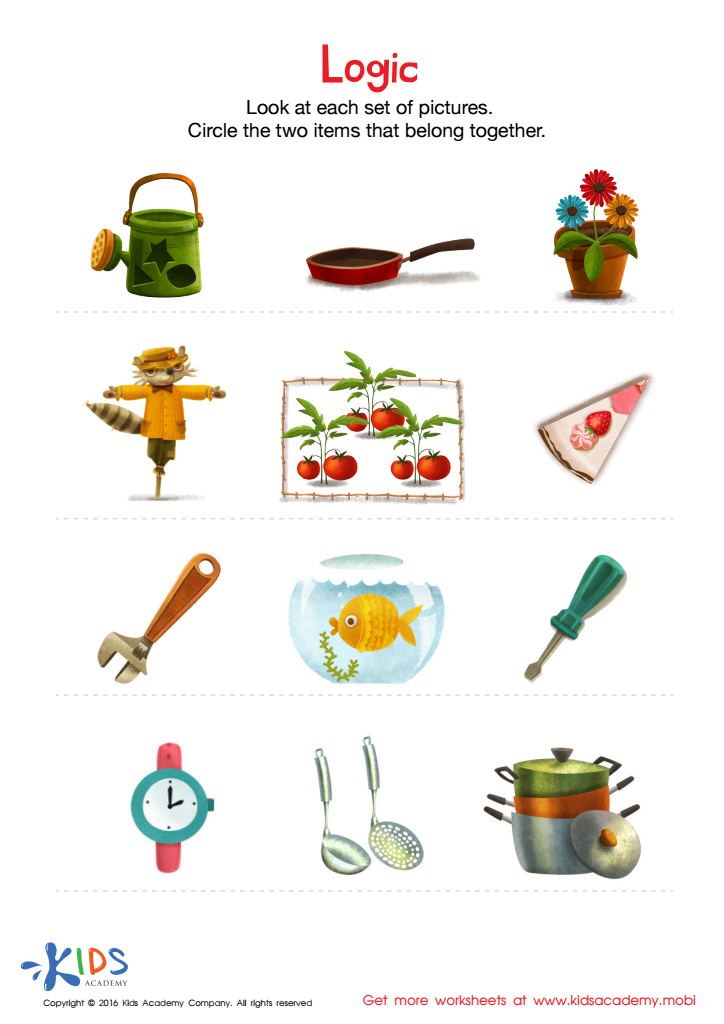
Logic Game Sorting Worksheet

Matching: Plants Worksheet








Normal matching for ages 6-9 is crucial for both parents and teachers because it significantly impacts a child's development and future learning success. Children in this age group are at a critical stage in their cognitive, social, and emotional growth. Normal matching involves aligning educational activities, social interactions, and expectations with the child's developmental level and individual needs.
First, it ensures that educational content is age-appropriate, keeping children engaged and enhancing their ability to understand and retain information. Lessons tailored to their developmental stage foster a love for learning, making education a positive experience.
Second, normal matching helps in identifying any learning difficulties or developmental delays early. When activities and expectations are appropriately matched, educators and parents can more easily spot inconsistencies in a child’s progress, enabling timely interventions that can avert future issues.
Third, it nurtures a child’s self-esteem and confidence. When children successfully engage in activities suited to their abilities, their sense of achievement grows, promoting a healthy self-image. Misalignment, on the other hand, can result in frustration and disengagement.
Lastly, normal matching supports social and emotional development. Activities designed for their age group aid in building essential life skills like cooperation, empathy, and communication. Therefore, ensuring tasks and interactions are developmentally appropriate strengthens a child's overall well-being and sets the foundation for lifelong success.








