Normal Matching Worksheets for Ages 6-9 - Page 2
29 filtered results
-
From - To
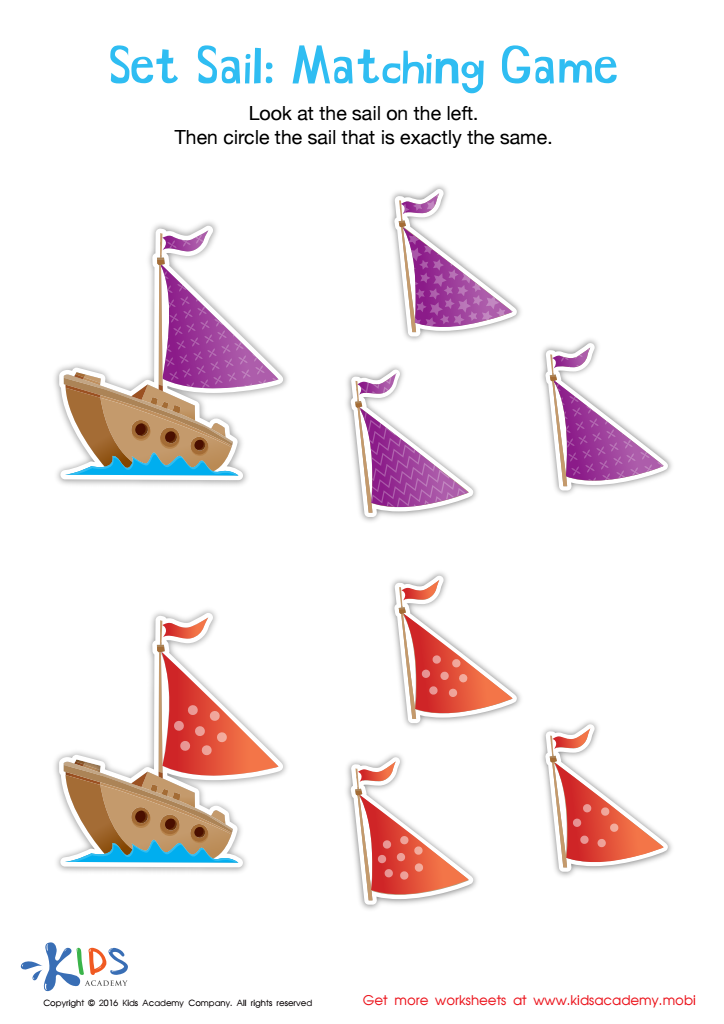
Set Sail Worksheet
 Assign to My Students
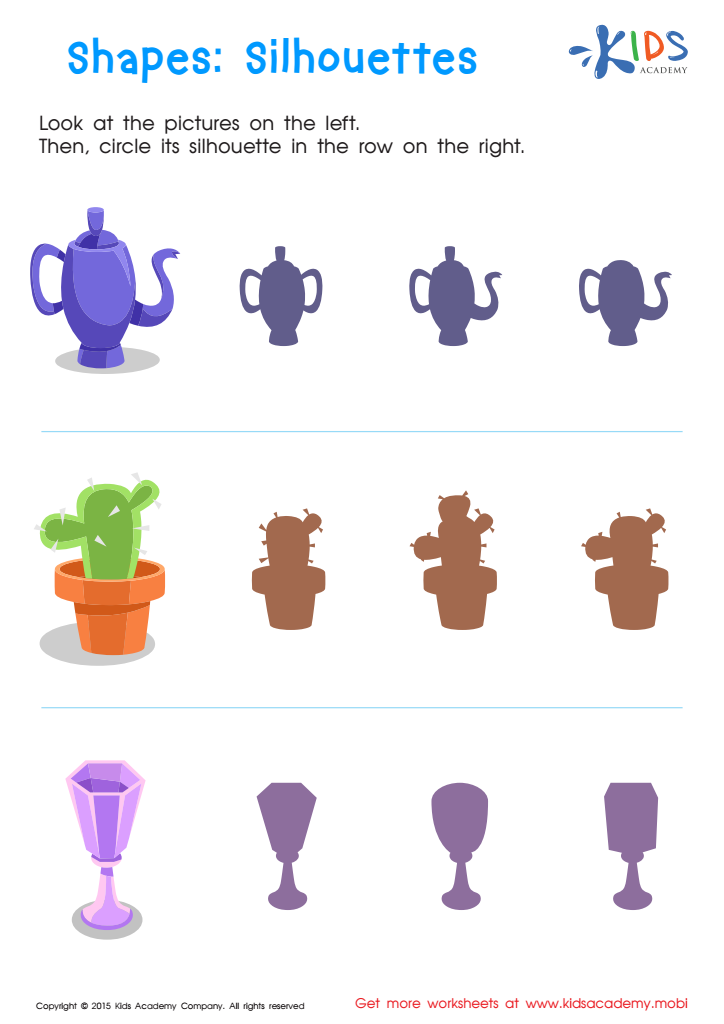
Silhouettes – Shapes Worksheet
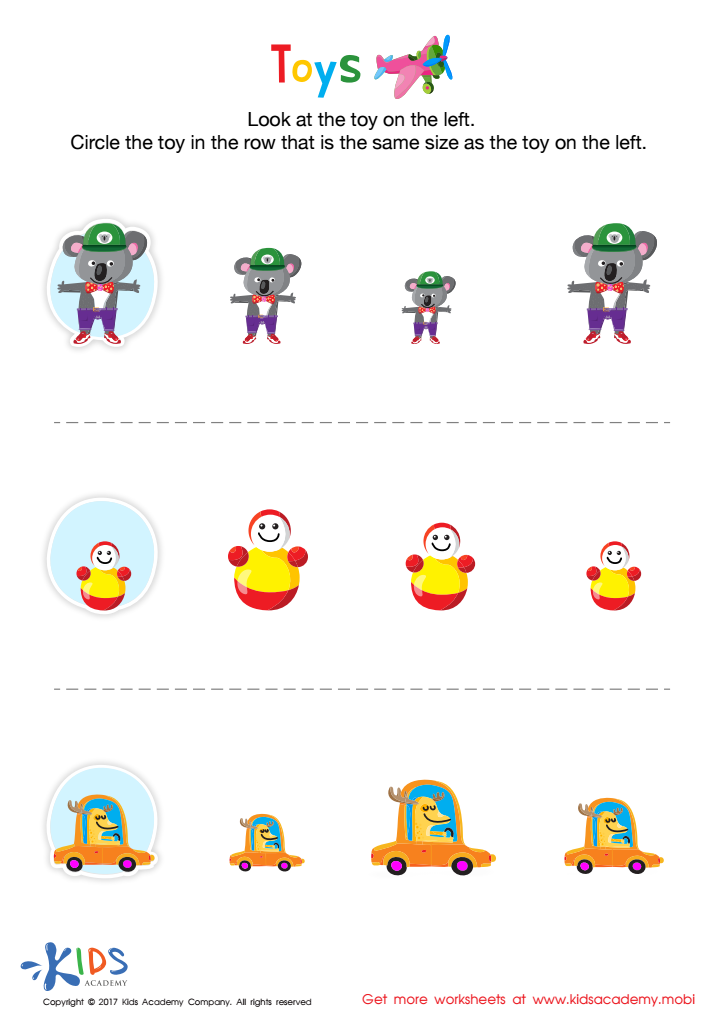
Matching: Classifying Toys by Size Worksheet
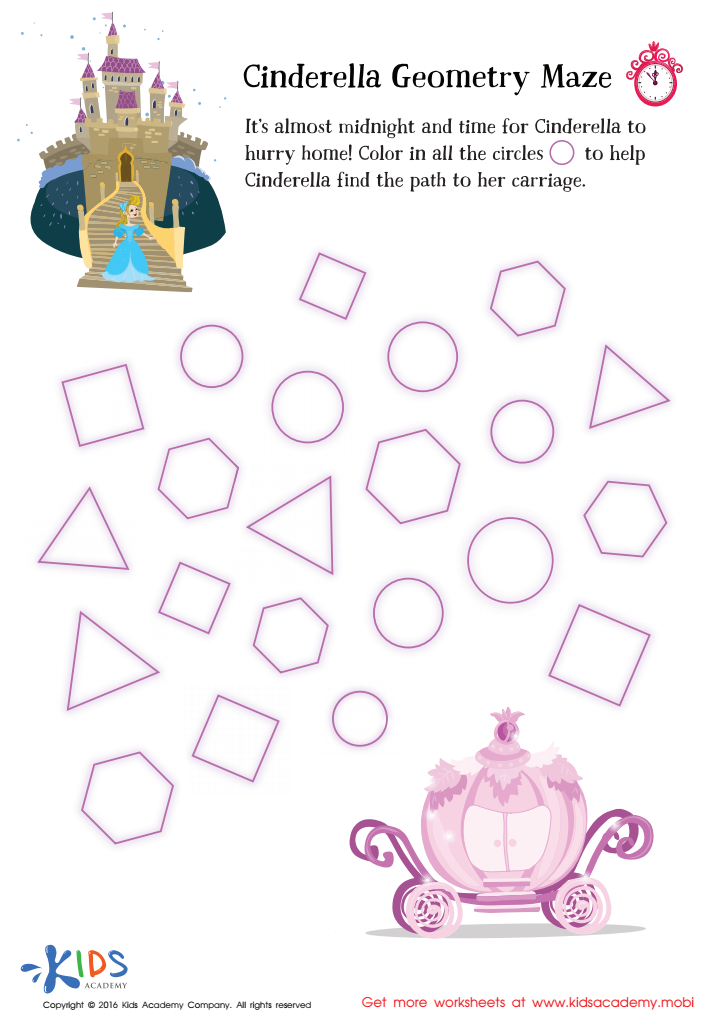
Cinderella Geometry Maze Worksheet








Normal matching for ages 6-9 is crucial for both parents and teachers because it significantly impacts a child's development and future learning success. Children in this age group are at a critical stage in their cognitive, social, and emotional growth. Normal matching involves aligning educational activities, social interactions, and expectations with the child's developmental level and individual needs.
First, it ensures that educational content is age-appropriate, keeping children engaged and enhancing their ability to understand and retain information. Lessons tailored to their developmental stage foster a love for learning, making education a positive experience.
Second, normal matching helps in identifying any learning difficulties or developmental delays early. When activities and expectations are appropriately matched, educators and parents can more easily spot inconsistencies in a child’s progress, enabling timely interventions that can avert future issues.
Third, it nurtures a child’s self-esteem and confidence. When children successfully engage in activities suited to their abilities, their sense of achievement grows, promoting a healthy self-image. Misalignment, on the other hand, can result in frustration and disengagement.
Lastly, normal matching supports social and emotional development. Activities designed for their age group aid in building essential life skills like cooperation, empathy, and communication. Therefore, ensuring tasks and interactions are developmentally appropriate strengthens a child's overall well-being and sets the foundation for lifelong success.








