Problem-Solving Skills Normal Worksheets for 6-Year-Olds - Page 2
67 filtered results
Difficulty Level
Grade
Age
-
From - To
Subject
Activity
Standards
Favorites
With answer key
Interactive
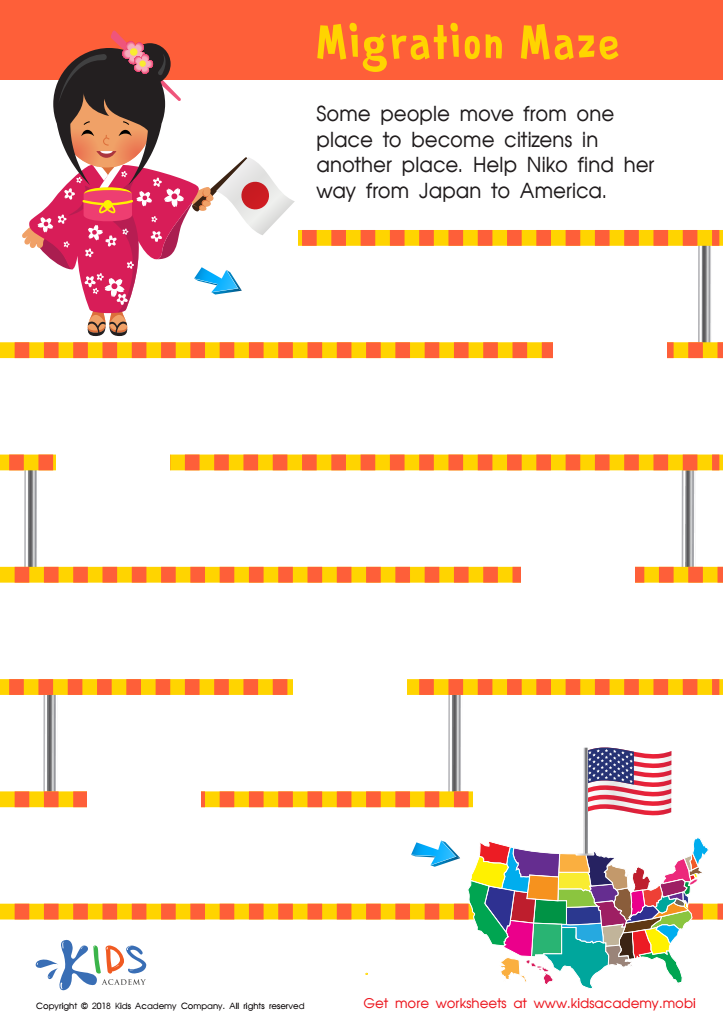
Migration Maze Worksheet
You are a citizen of your school, city and country. Many people migrate to become citizens of another place, like Niko in this worksheet. Ask your students to help her find her way from Japan to America.
 Assign to My Students
Migration Maze Worksheet
Worksheet
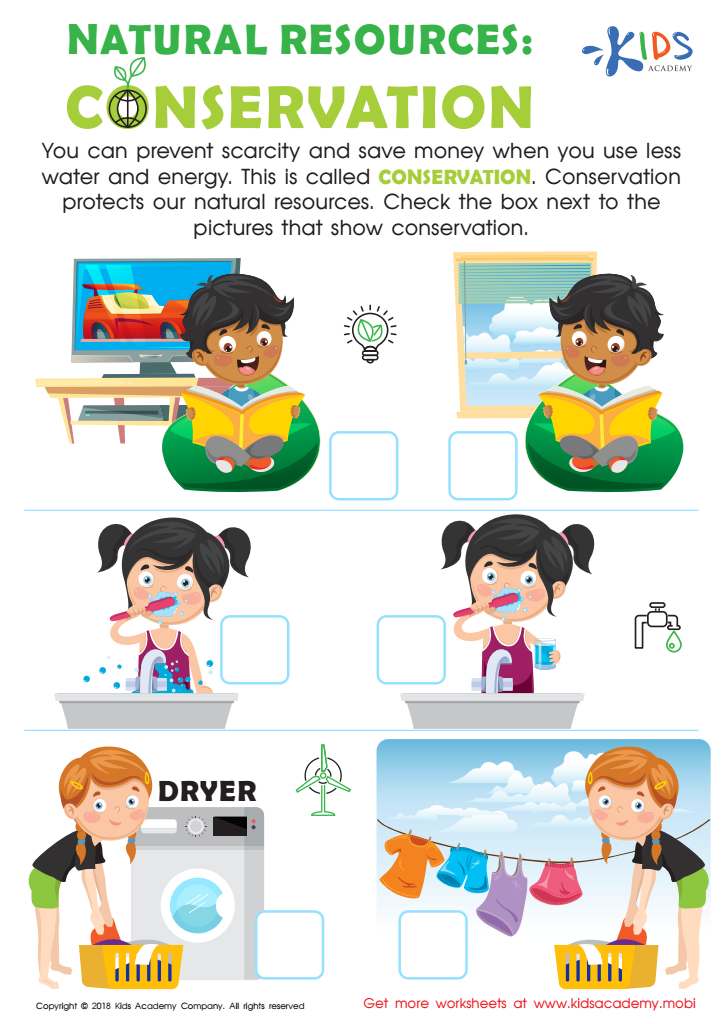
Natural Resources: Conservation Worksheet
Water scarcity is a challenge. When people don't have enough water, they can't do certain things. We can prevent this with conservation: using less energy and water. This helps protect our natural resources and saves money. Talk to your child about conservation and have them check the box next to the pictures that show it.
Natural Resources: Conservation Worksheet
Worksheet
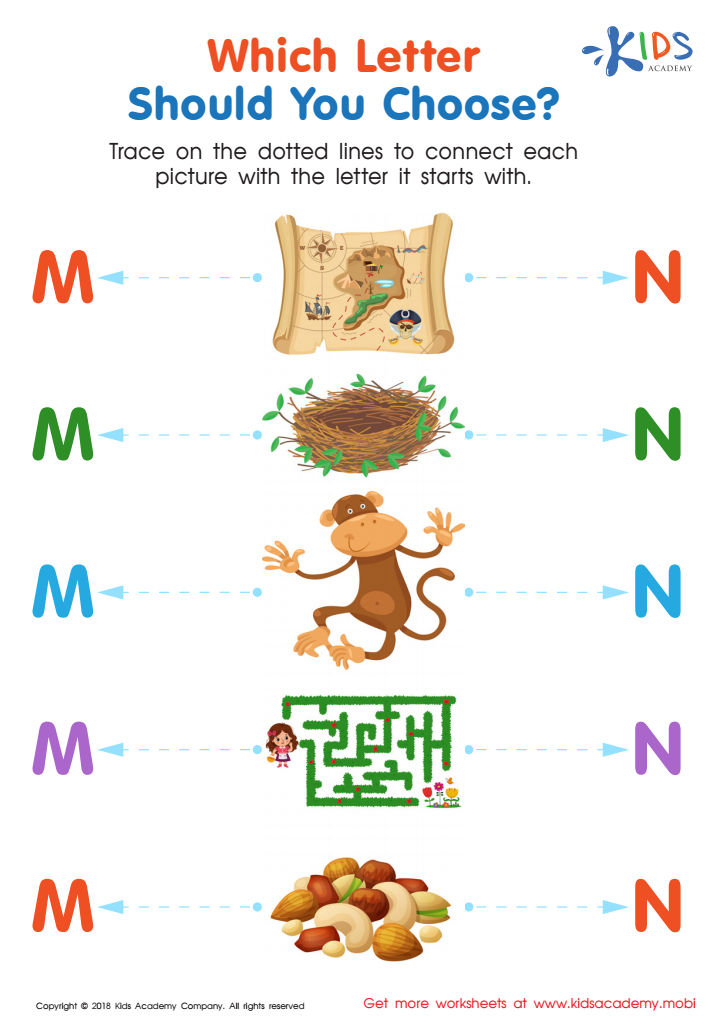
Which Letter Should you Choose? Worksheet
Trace the dotted lines to connect images with their first letter: "n" or "m." Challenge your child to name each picture, then identify the first letter and trace to the right letter! Five images in total.
Which Letter Should you Choose? Worksheet
Worksheet
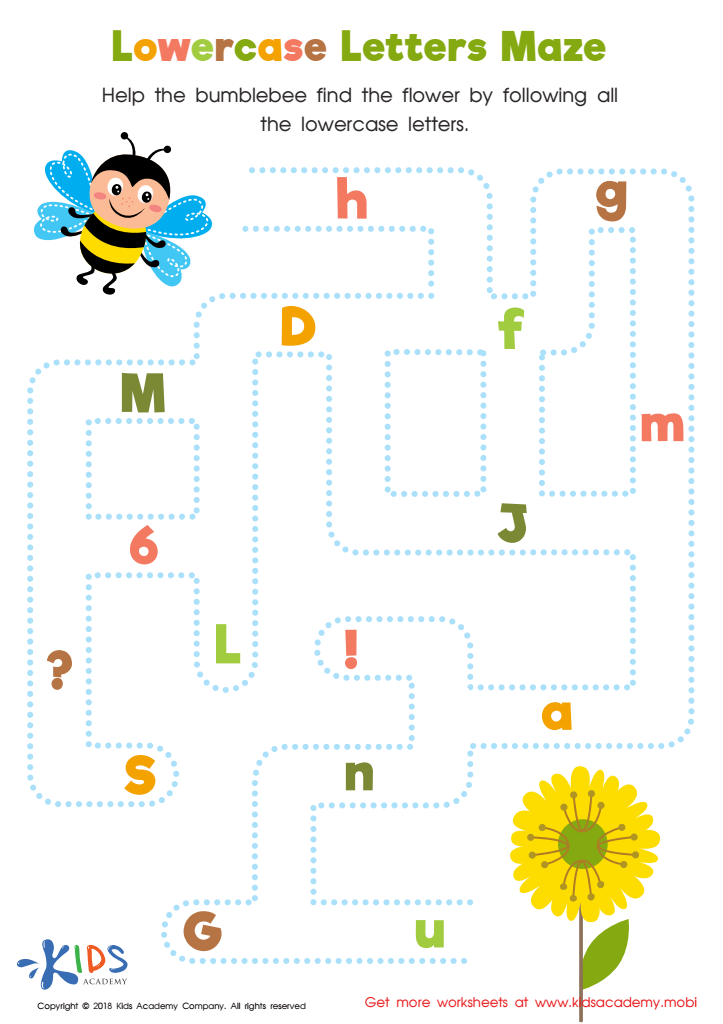
Lowercase Letters Maze Worksheet
Traceable pages can be great learning tools for children. For example, have them trace the path of lowercase letters to help a bumblebee pollinate flowers. Students will quickly learn the difference between uppercase and lowercase letters and numbers, and have fun doing it!
Lowercase Letters Maze Worksheet
Worksheet
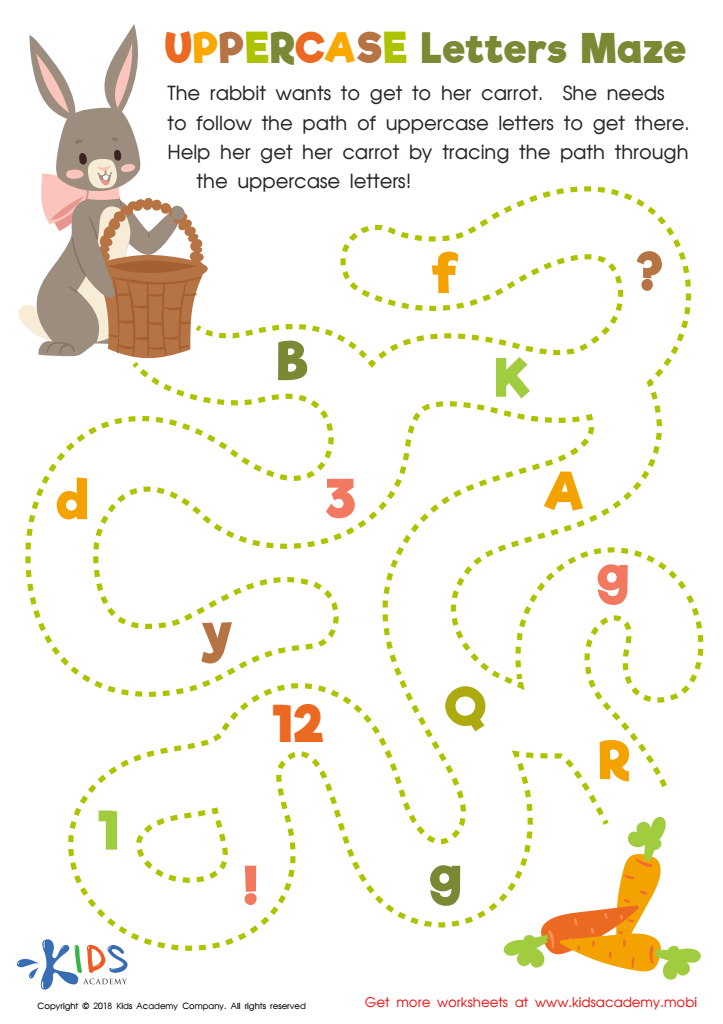
Uppercase Letters Maze Worksheet
Kids can have fun helping a rabbit find her carrot by picking the path with uppercase letters. This worksheet teaches letter differentiation while building confidence. Kids will have a great time while getting an essential skill!
Uppercase Letters Maze Worksheet
Worksheet
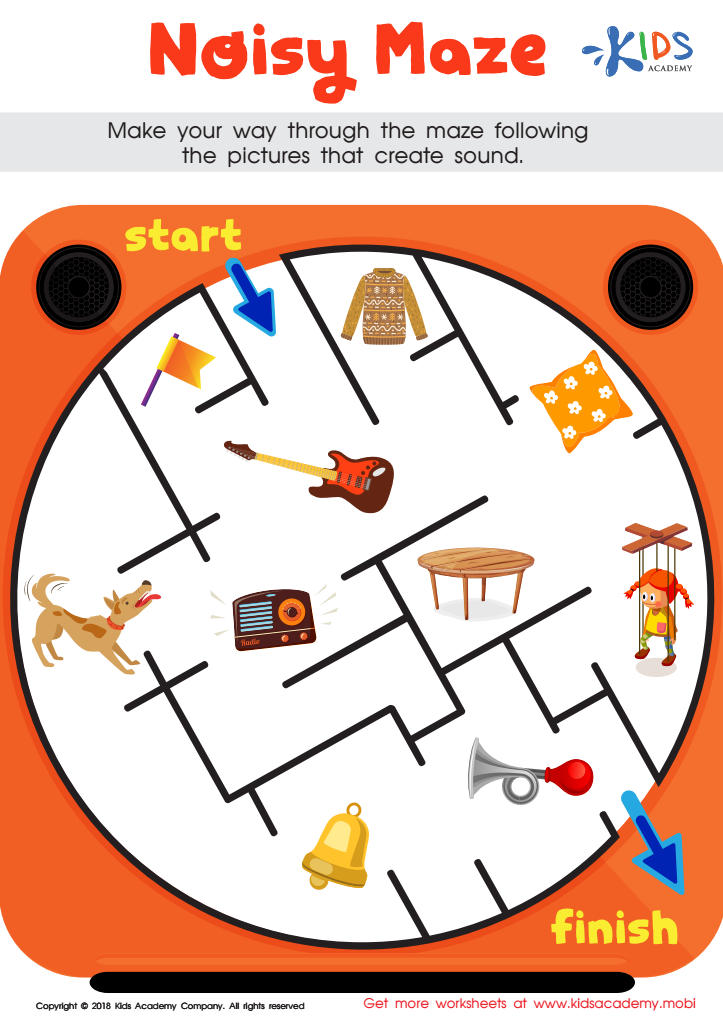
Noisy Maze Worksheet
Have your kids name some objects that make noise? Then, look at the worksheet with them and help them identify each object. Guide them through the maze, following the sound-producing pictures.
Noisy Maze Worksheet
Worksheet
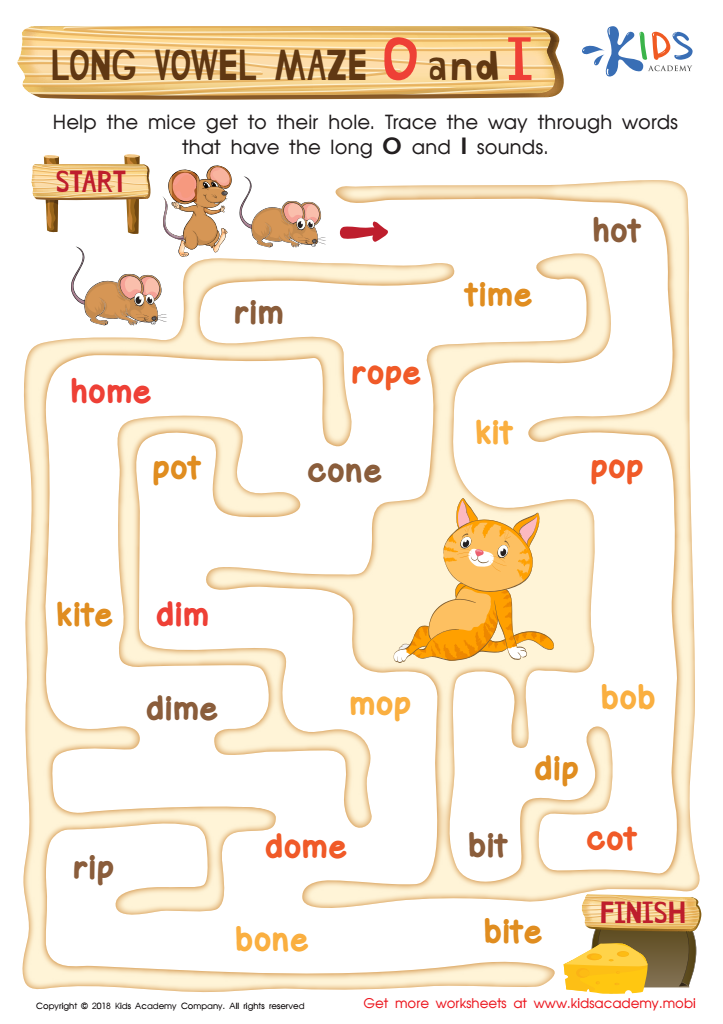
Long Vowel Maze /o/ and /i/ Worksheet
Help your new readers have fun and build their sight word vocabulary! Guide the mice to their prize cheese by having them trace the route on the worksheet, using words with the long o and long i sounds. But watch out for the kitty!
Long Vowel Maze /o/ and /i/ Worksheet
Worksheet
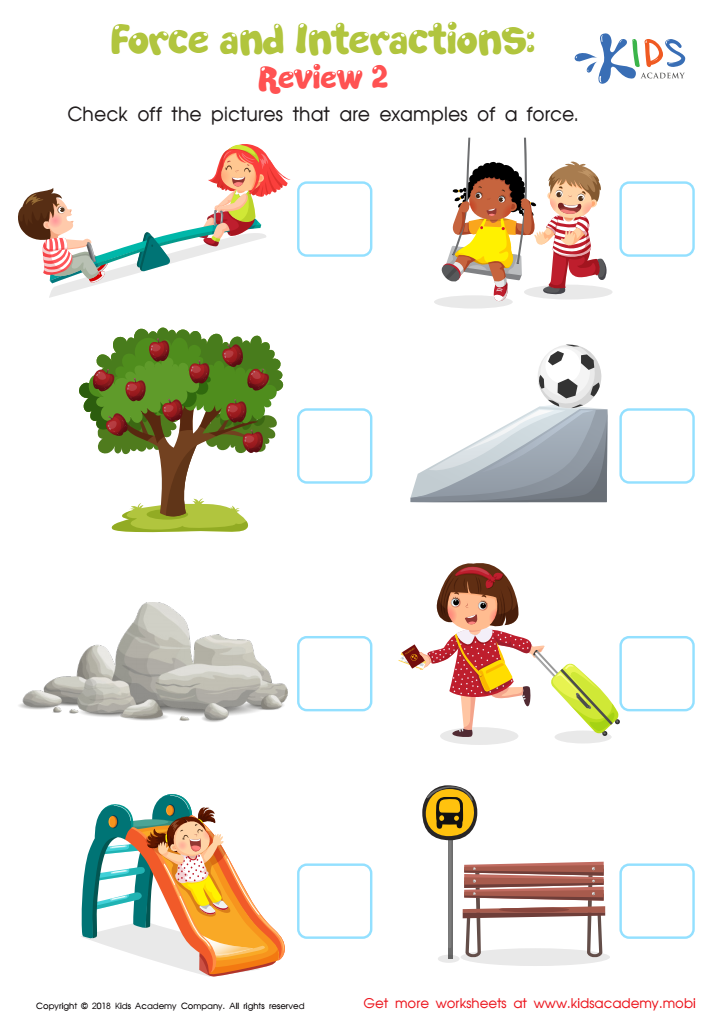
Force and Interactions: Review 2 Worksheet
Your child can identify force examples by checking the pictures. There are 8 images of kids engaging in activities and objects in motion. Get them to name the activities and objects, or if they know, explain force and interaction.
Force and Interactions: Review 2 Worksheet
Worksheet
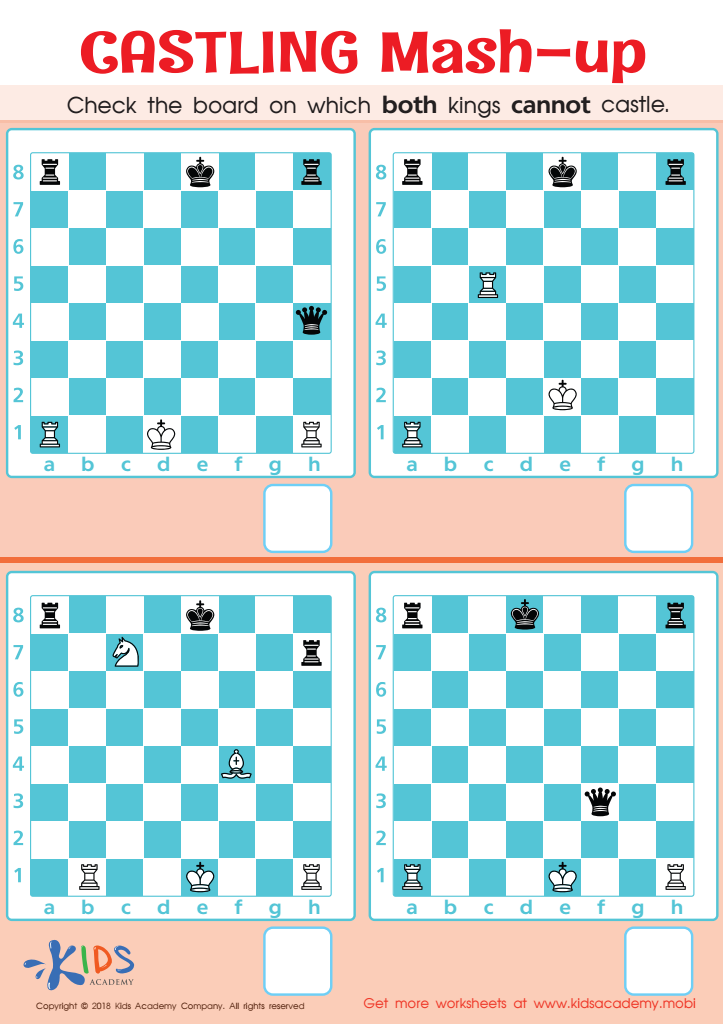
Castling Mash–up Worksheet
Before starting the worksheet, ensure your child understands castling in chess. If not, take time to explain it. Once they have a clear grasp of the rules, help them complete the exercise. Check the board to ensure that neither king can castle.
Castling Mash–up Worksheet
Worksheet
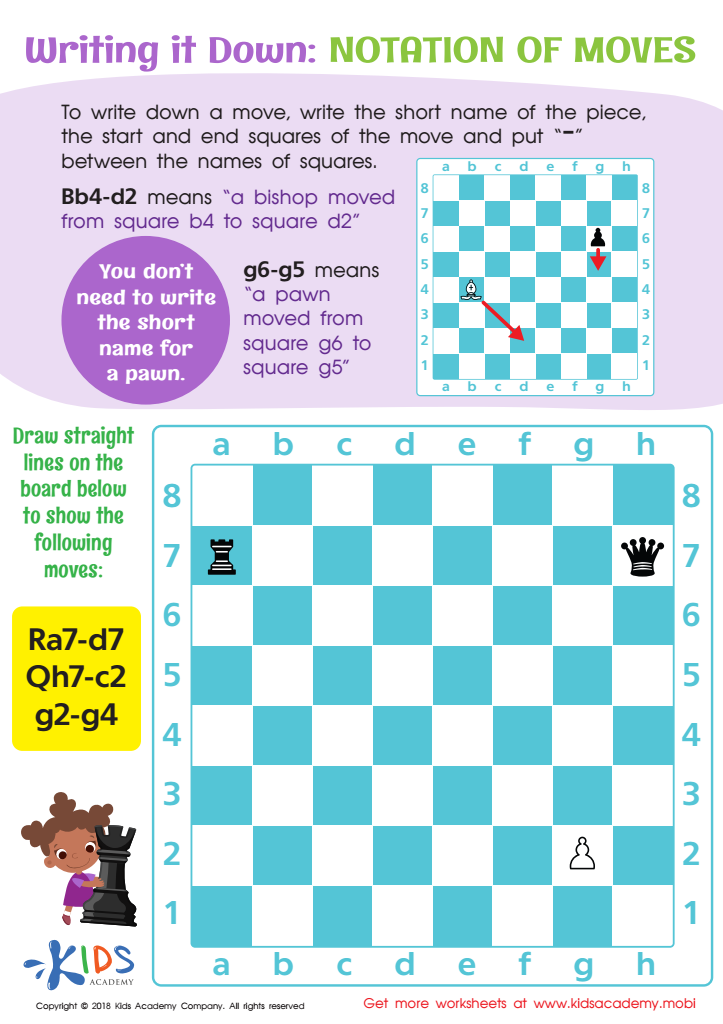
Notation of Moves Writing it Down Worksheet
Notating chess moves can be tricky for kids to learn. This worksheet will help them better understand it. To notate a move, write the piece's short name, start and end squares, and separate them with a "-". For instance, Bd4-d2 means a bishop moved from b4 to d2. No need to write pawns' short names.
Notation of Moves Writing it Down Worksheet
Worksheet
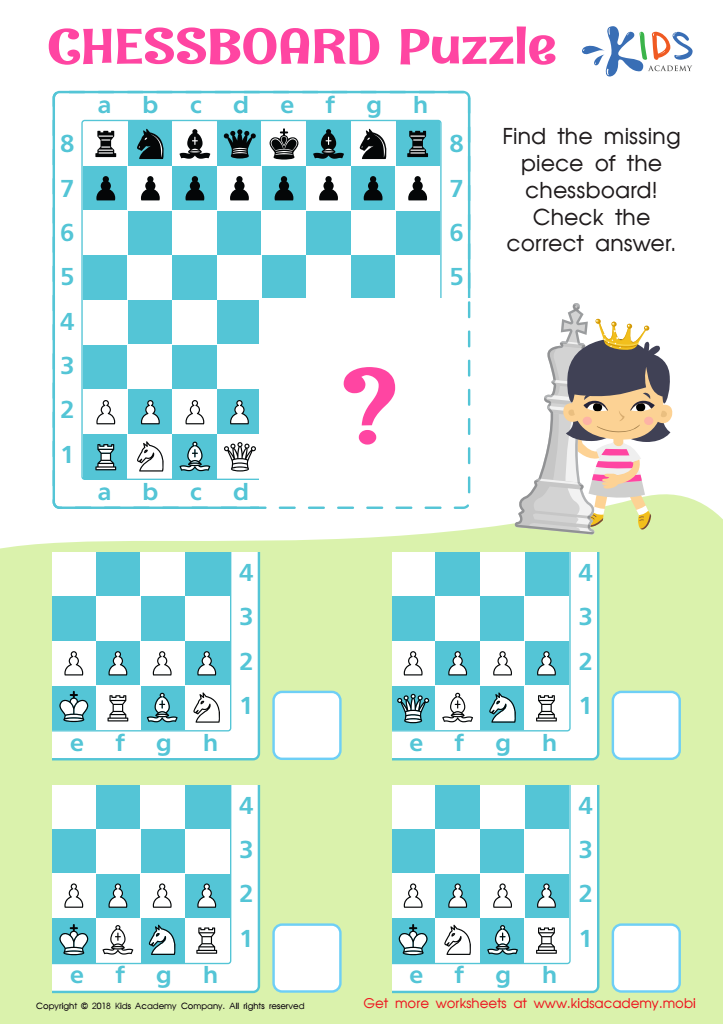
Chessboard Puzzle Worksheet
Test your child's chess prowess with this simple worksheet. They must find the missing pieces to complete the white side of an empty chessboard. The black pieces are already arranged properly on the board. Correct answers are provided so you can see how they did!
Chessboard Puzzle Worksheet
Worksheet
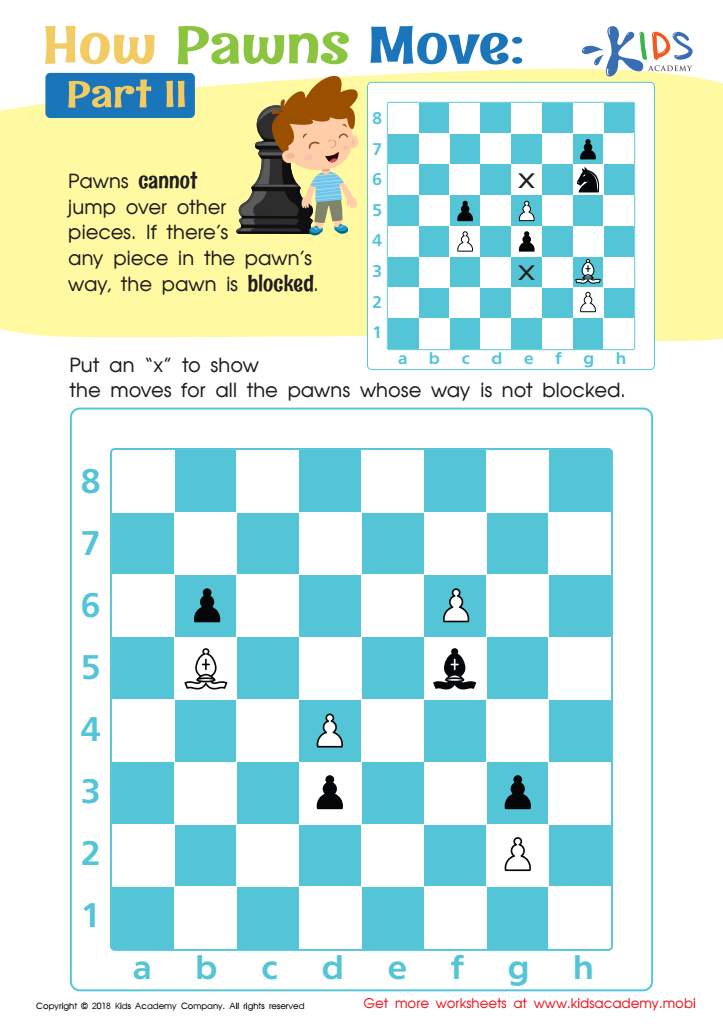
How Pawns Move: Part II Worksheet
Pawns are the first to attack in chess and each player has the most pieces. They can't jump over other pieces, so if there's an obstacle, the pawn can't move. Ask your child to put an X to show all possible moves for the pawns not blocked by other pieces. (80)
How Pawns Move: Part II Worksheet
Worksheet
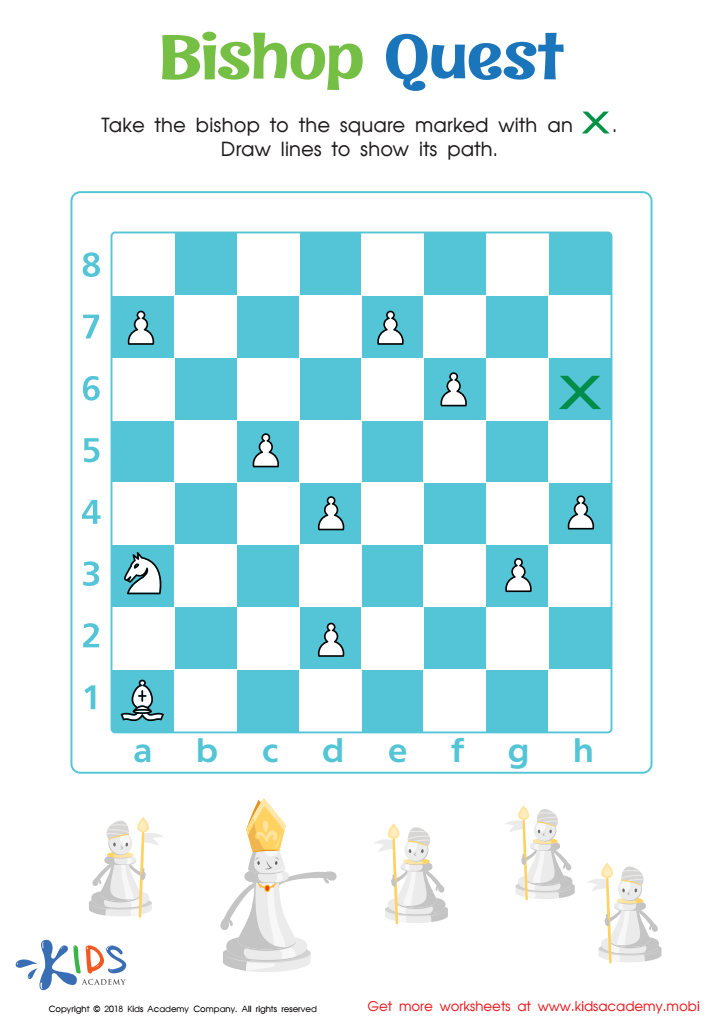
Bishop Quest Worksheet
Show kids the board and ask them to identify the bishop. Then ask them to move it to the square marked 'x', drawing lines to show its path. This worksheet helps teach kids how to move the bishop on a chessboard.
Bishop Quest Worksheet
Worksheet
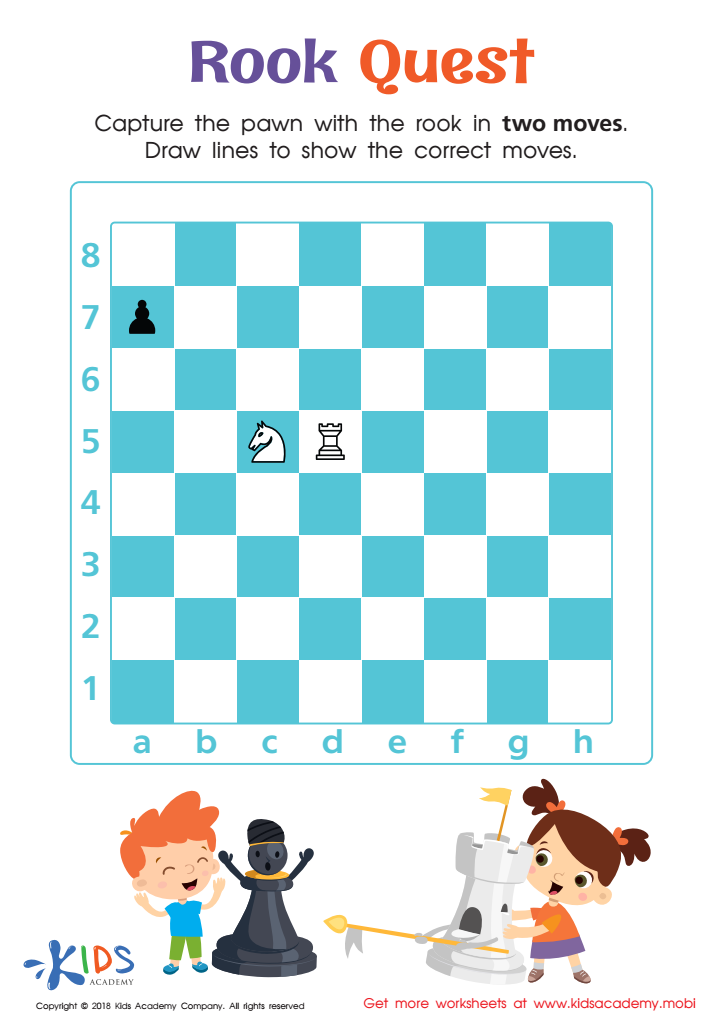
Rook Quest Worksheet
Is your child a chess whiz? Check their progress with this rook quest: get the enemy's pawn piece in just two moves. Have them draw the lines for the moves they'll make. See how quickly they master it!
Rook Quest Worksheet
Worksheet
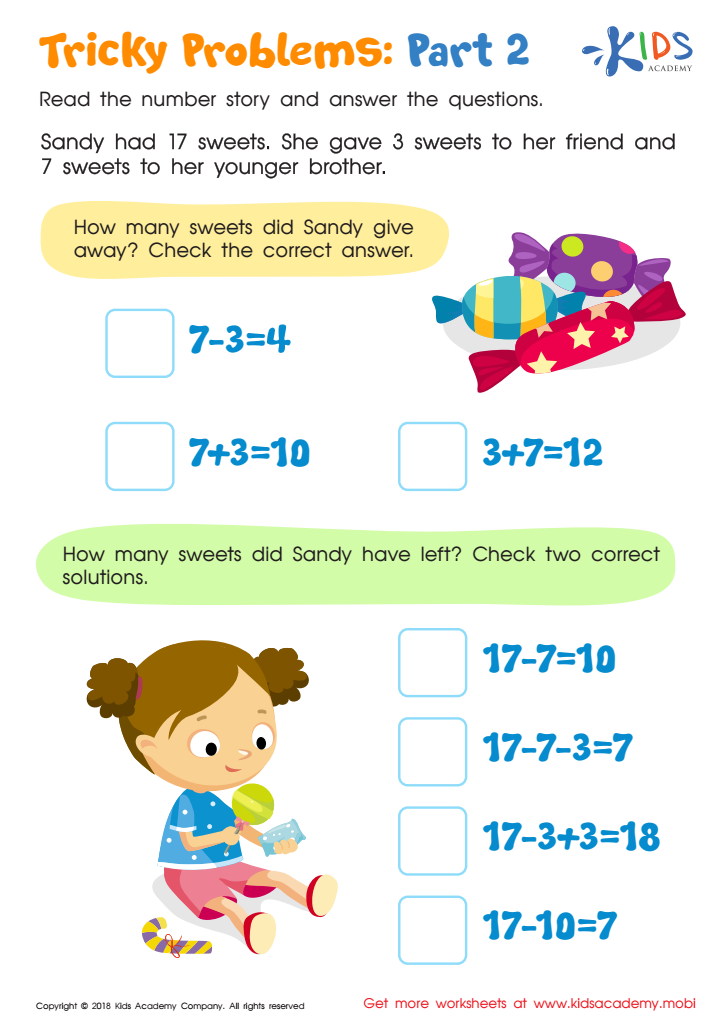
Tricky Problems Worksheet: Part 2
Help your little math learner visualize number stories with this engaging worksheet. They'll connect pictures to the story and use math facts to find the sums. After that, they'll be able to identify the correct number sentences to match. Let them practice and get better at problem solving!
Tricky Problems Worksheet: Part 2
Worksheet
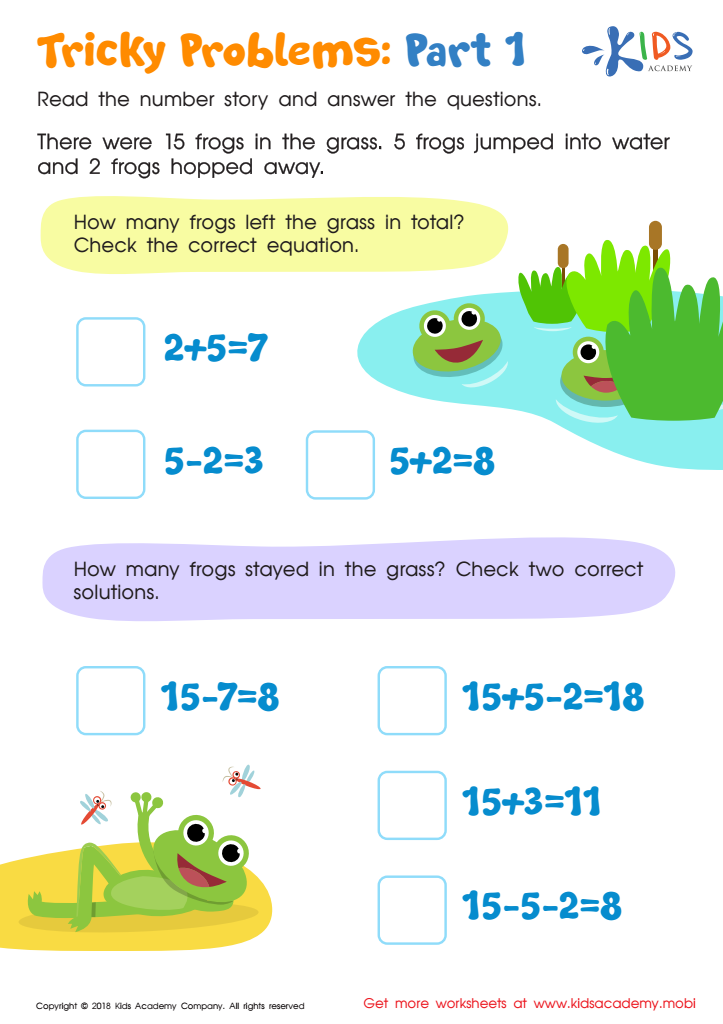
Tricky Problems Worksheet: Part 1
Visualizing word problems can help students solve them. This fun PDF worksheet encourages students to create mental images using math facts, then check boxes to match the equations for basic addition problems. It's a great way to build confidence in solving math.
Tricky Problems Worksheet: Part 1
Worksheet
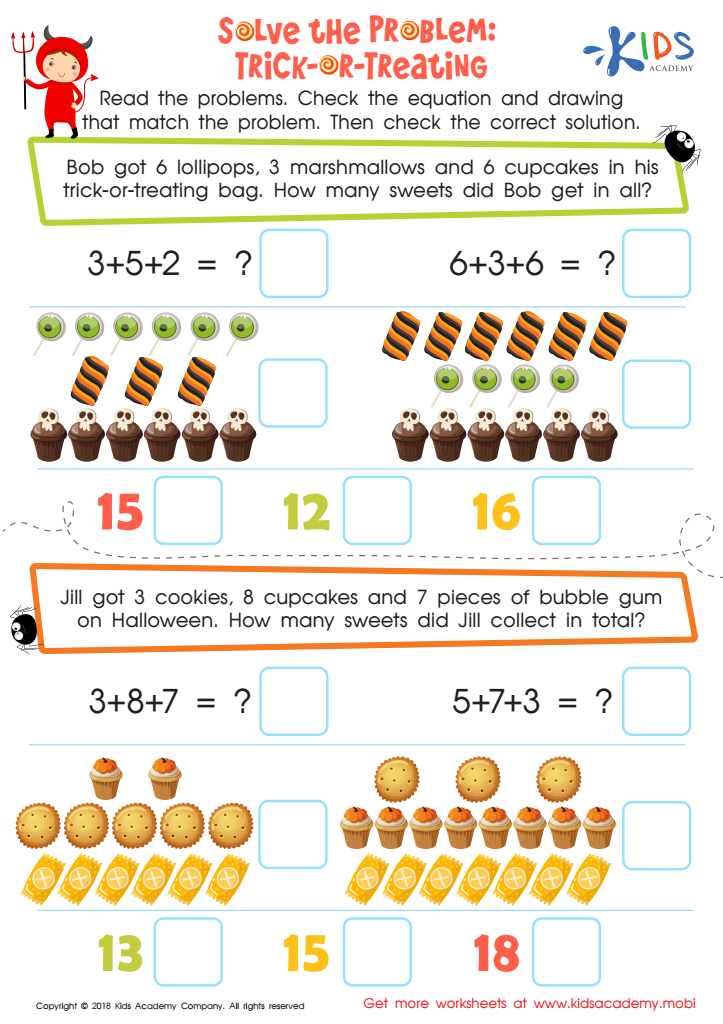
Solve the Problem: Trick–or–treating Worksheet
Kids will love this fun PDF worksheet for trick-or-treating! It's packed with yummy images and math practice. They can read the word problems, count and add numbers, check their answers, and match the addition equations with the pictures. Math made delicious!
Solve the Problem: Trick–or–treating Worksheet
Worksheet
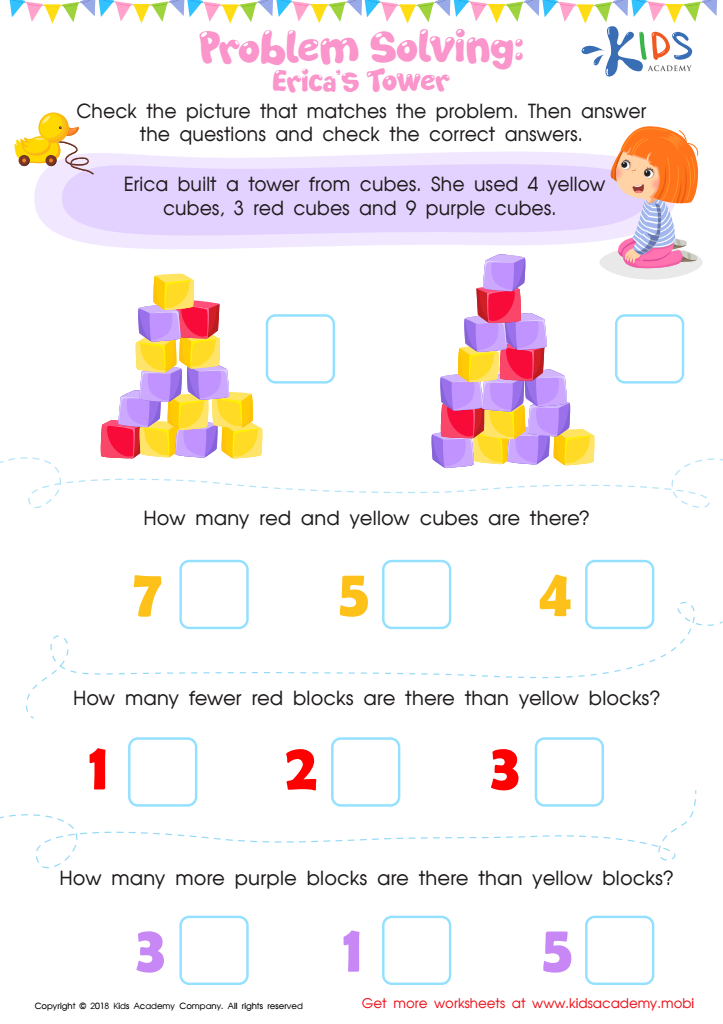
Problem Solving: Erica's Tower Worksheet
Sweet Erica needs your math student's help! Download the PDF worksheet and have your little math whiz read the word problems, match the pictures and solve basic addition/subtraction problems with two/three addends, minuends and subtrahends. They'll be having fun while strengthening their math fact skills!
Problem Solving: Erica's Tower Worksheet
Worksheet
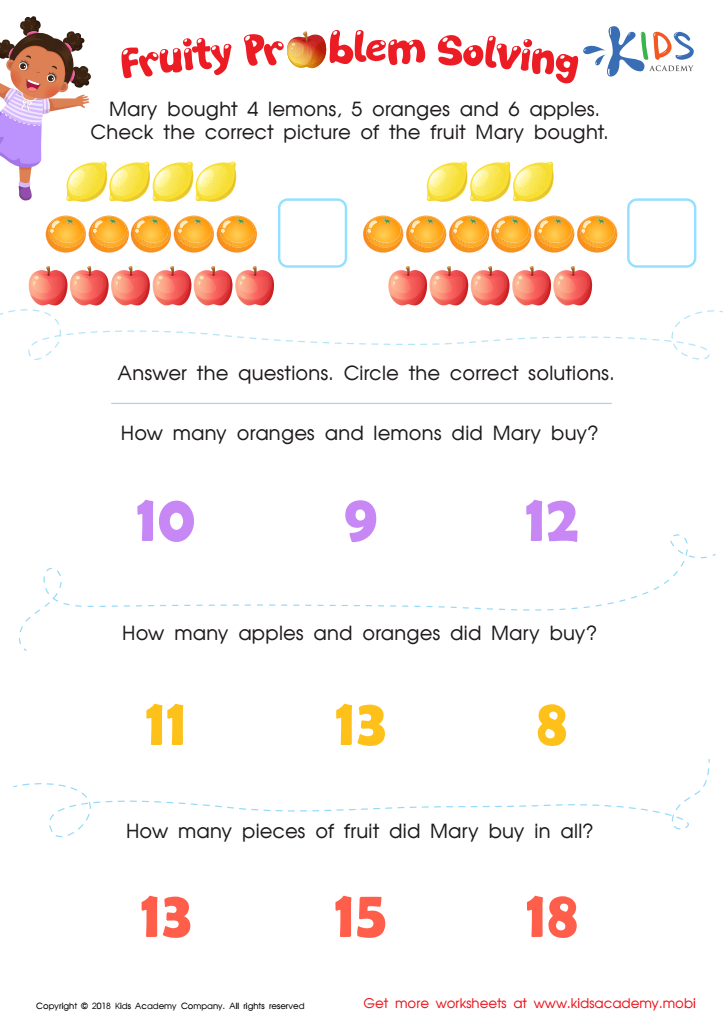
Fruity Problem Solving Worksheet
Practice addition word problems with young mathematicians using this PDF worksheet featuring fruit. As they read each problem carefully and circle the correct sums, they'll reinforce attention to detail and fine motor skills. Tangible representations are key to helping them with basic addition.
Fruity Problem Solving Worksheet
Worksheet
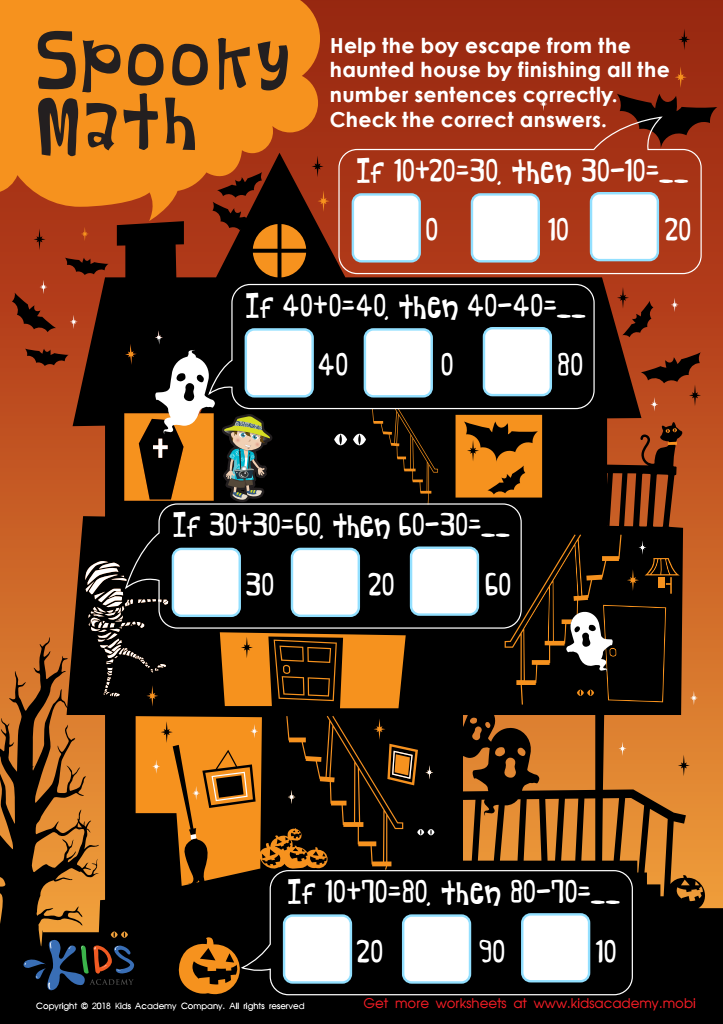
Subtract Tens: Spooky Math Worksheet
No need to fear solving math equations! Your mathematician will be a hero and help the boy escape the haunted house. Number families, if/then statements, fun graphics and increased understanding are all part of the equation. They'll have so much fun, they won't even realize it's math!
Subtract Tens: Spooky Math Worksheet
Worksheet
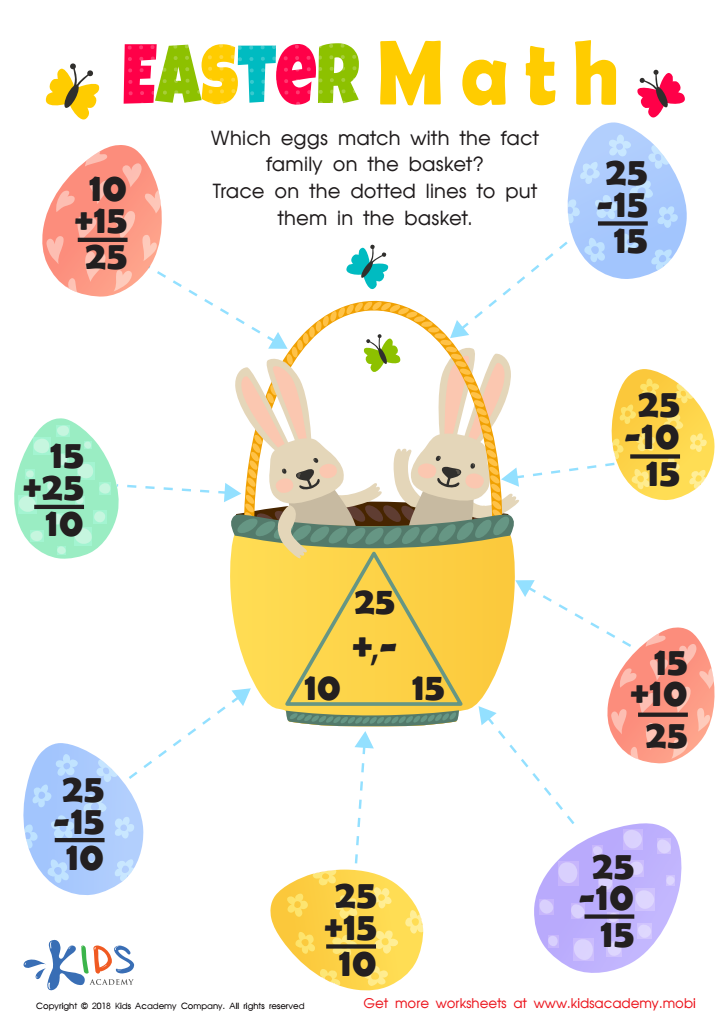
Fact Families: Easter Math Worksheet
Kids will love this vibrant PDF packed with Easter math fun! Match facts with the colorful eggs, add and subtract multiples of five to boost automaticity, and have a blast with the bunny friends!
Fact Families: Easter Math Worksheet
Worksheet
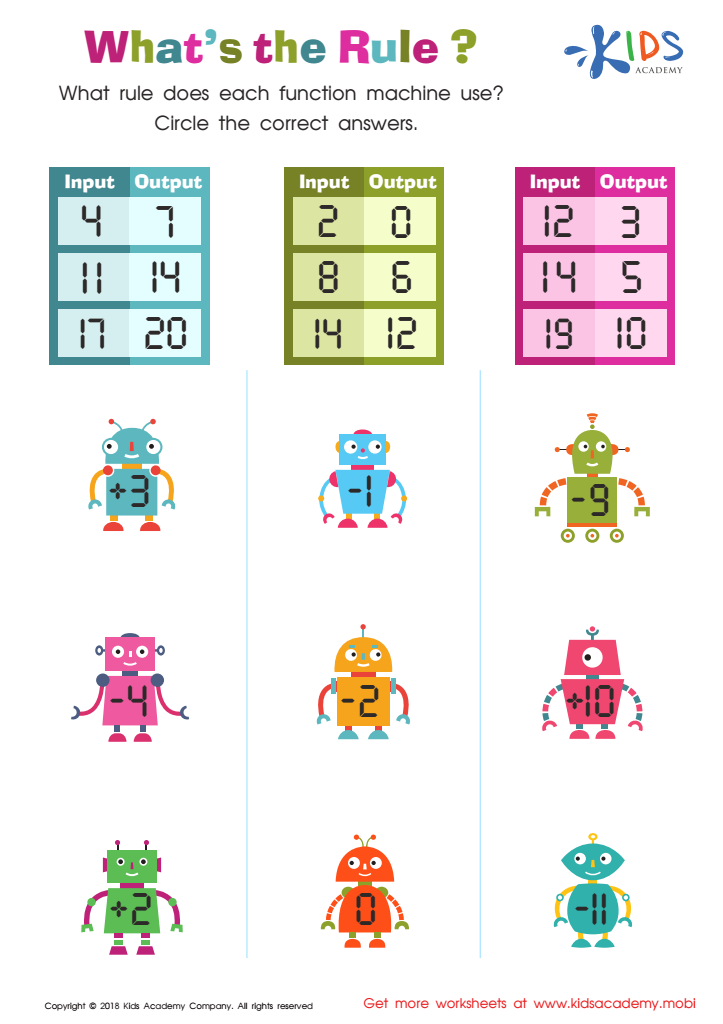
What's the Rule Worksheet
Robots are here to help your child find the relationship between each set of numbers! Adorably illustrated worksheets use vivid pictures that each contain a rule. Look at each function machine and find the pattern or relationship between the input and output. Then, complete the sheet by circling the correct answer!
What's the Rule Worksheet
Worksheet
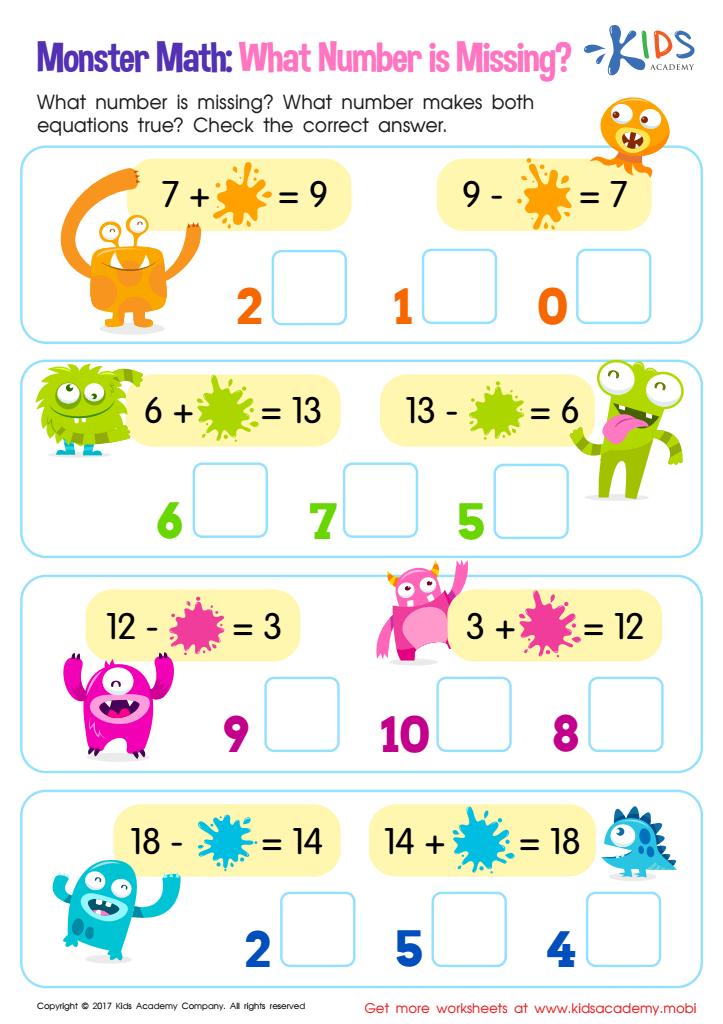
Missing Number: Monster Math Worksheet
Engage your child in monster math fun with a worksheet! They'll need to use their counting, addition and subtraction skills to solve equations on both sides. On the left side, they must complete an addition problem and on the right, the equation is in subtraction form. Assist them in selecting the right number out of the given options to make both equations true.
Missing Number: Monster Math Worksheet
Worksheet
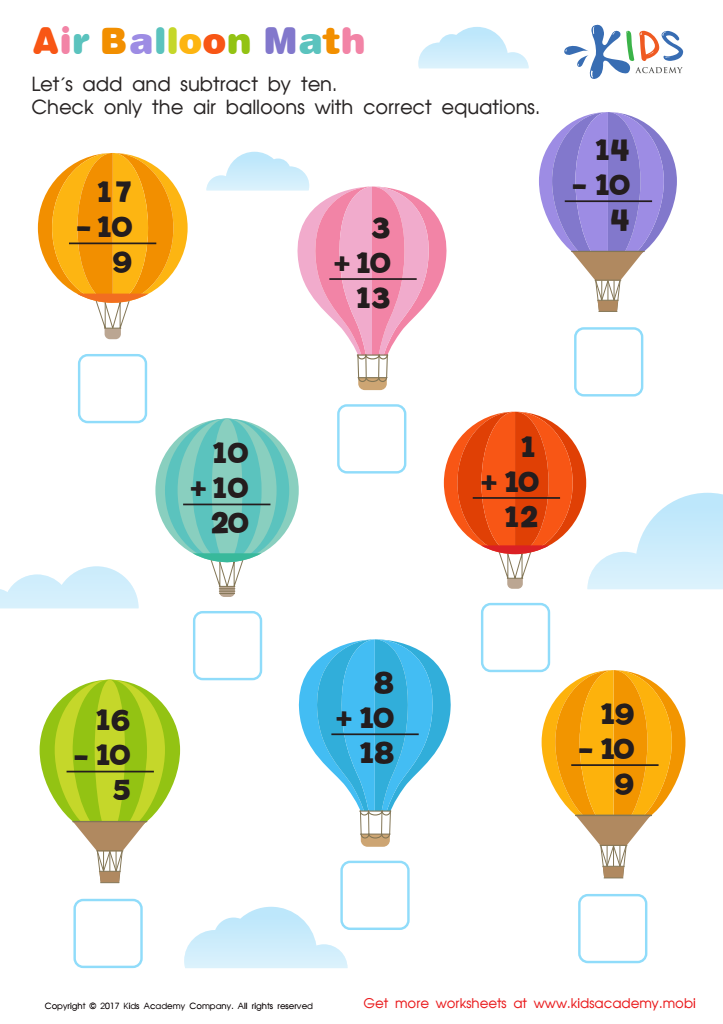
Air Balloon Math Worksheet
Revised:
Review your child's addition and subtraction skills with this fun worksheet. Featuring hot air balloons filled with math equations, help your child add or subtract by ten before ticking the boxes with the right answers. Working through the equations one-by-one is a great way to make math practice enjoyable!
Air Balloon Math Worksheet
Worksheet
Join Kids Academy for Free
Who is primarily going to use this learning content?