Tracing worksheets activities for Ages 5-7 - Page 4
160 filtered results
-
From - To
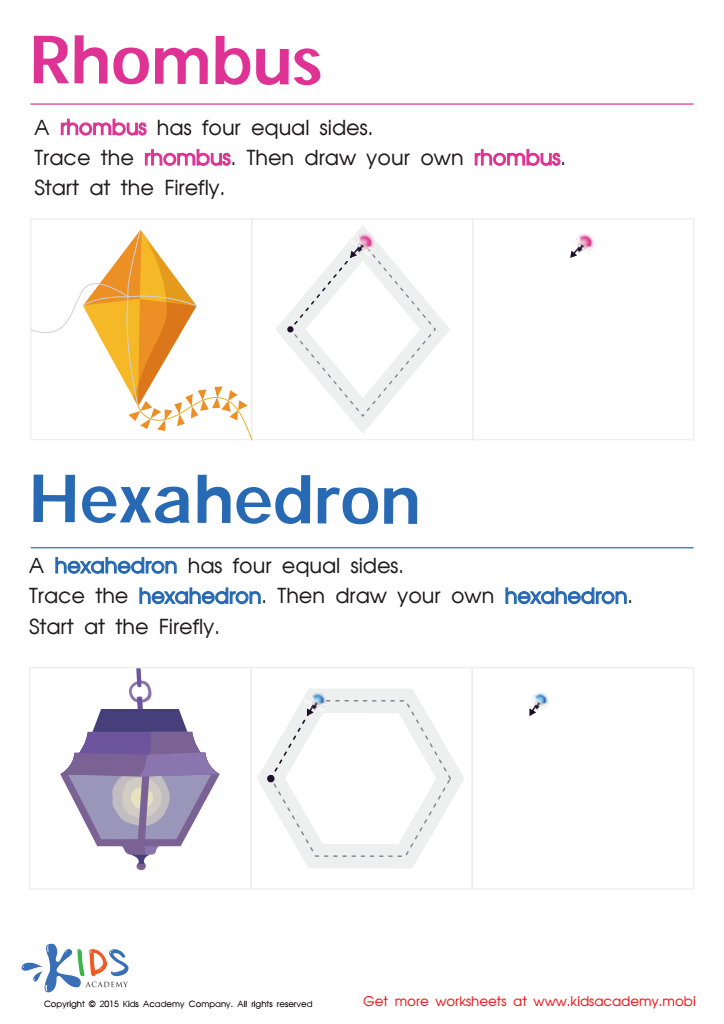
Draw a Rhombus And a Hexahedron Printable
 Assign to My Students
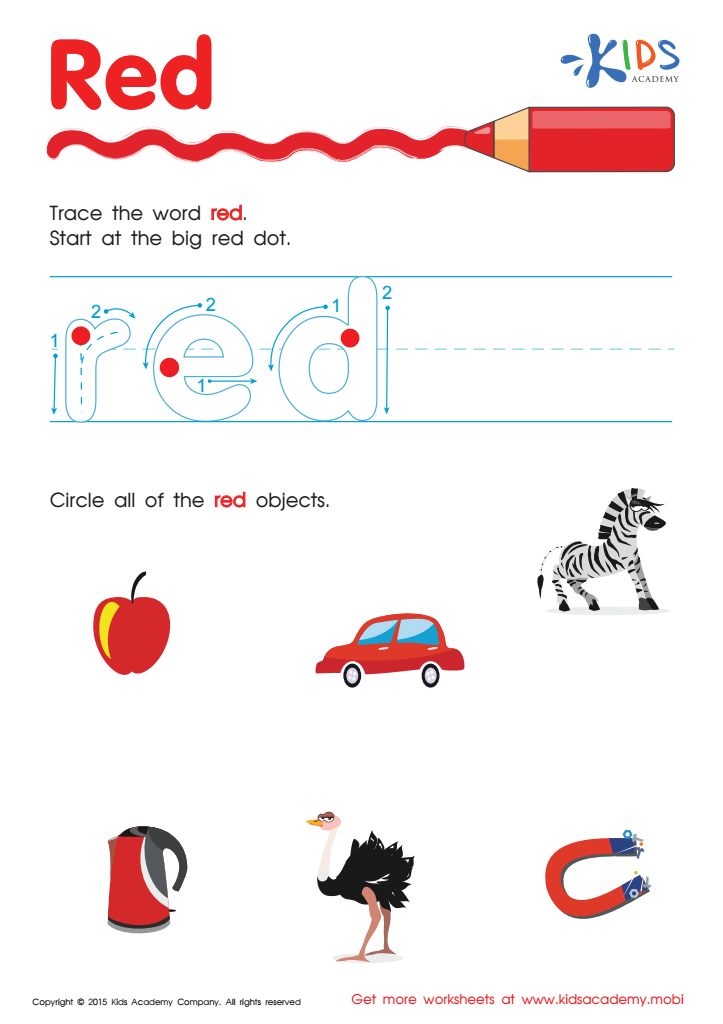
Red Tracing Color Words Printable
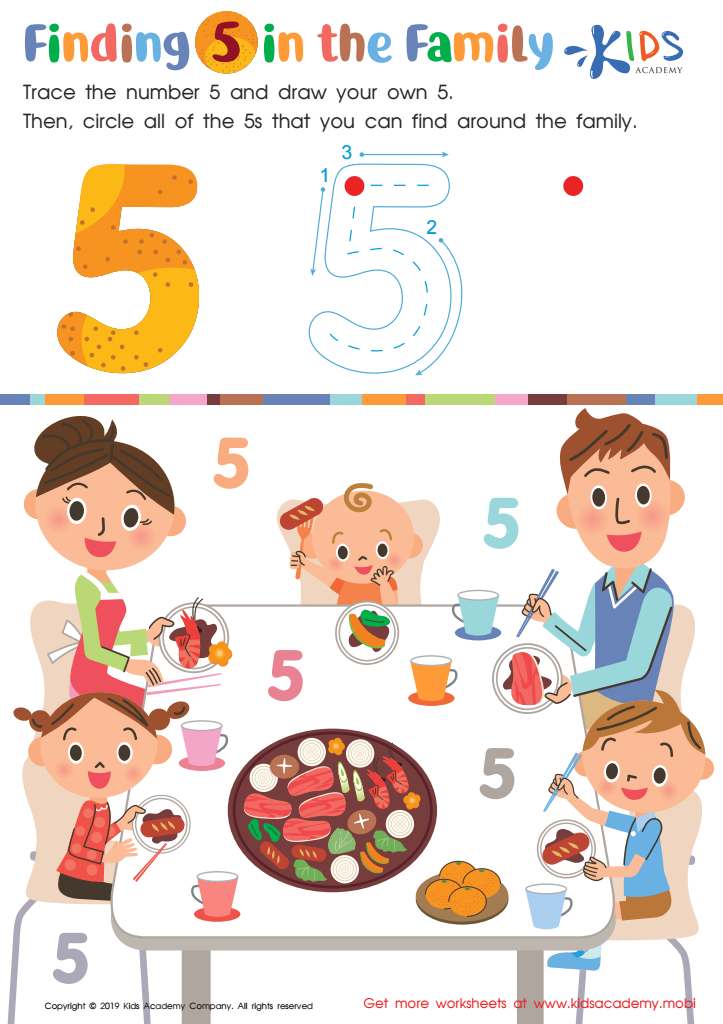
Finding 5 in the Family Worksheet
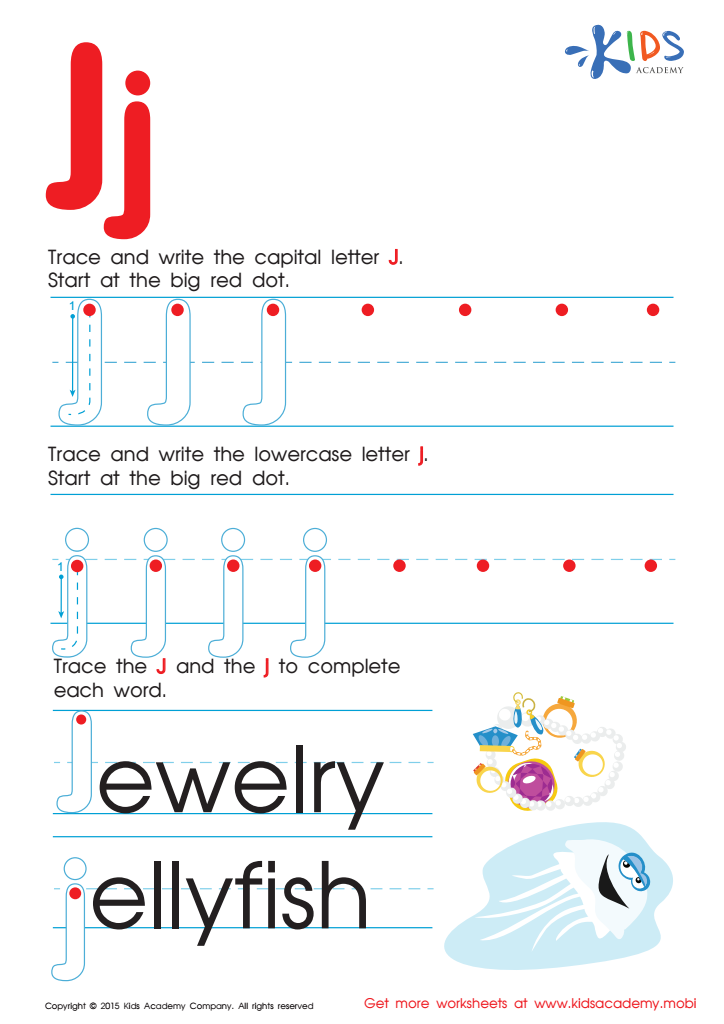
Letter J Tracing Page
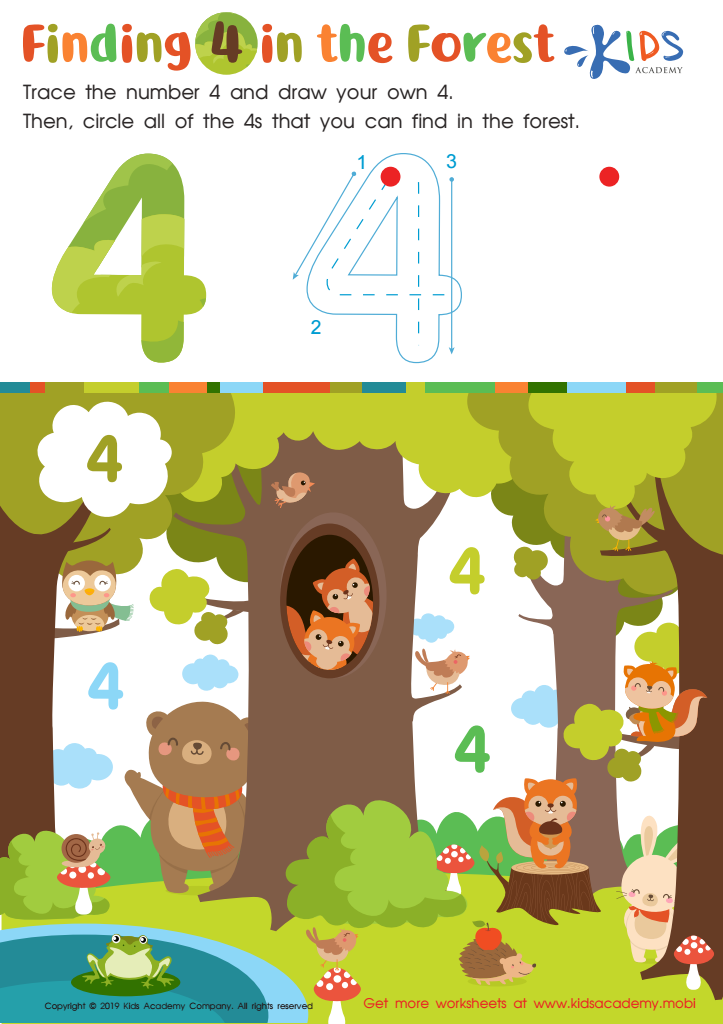
Finding 4 in the Forest Worksheet
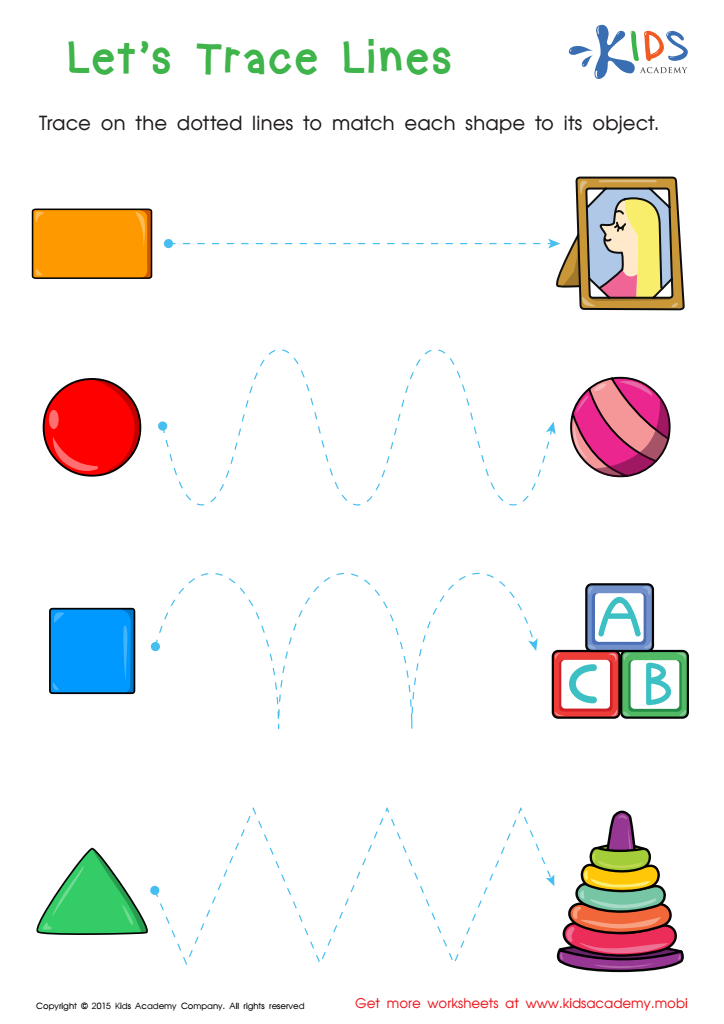
First Words: Let's Trace Lines Worksheet
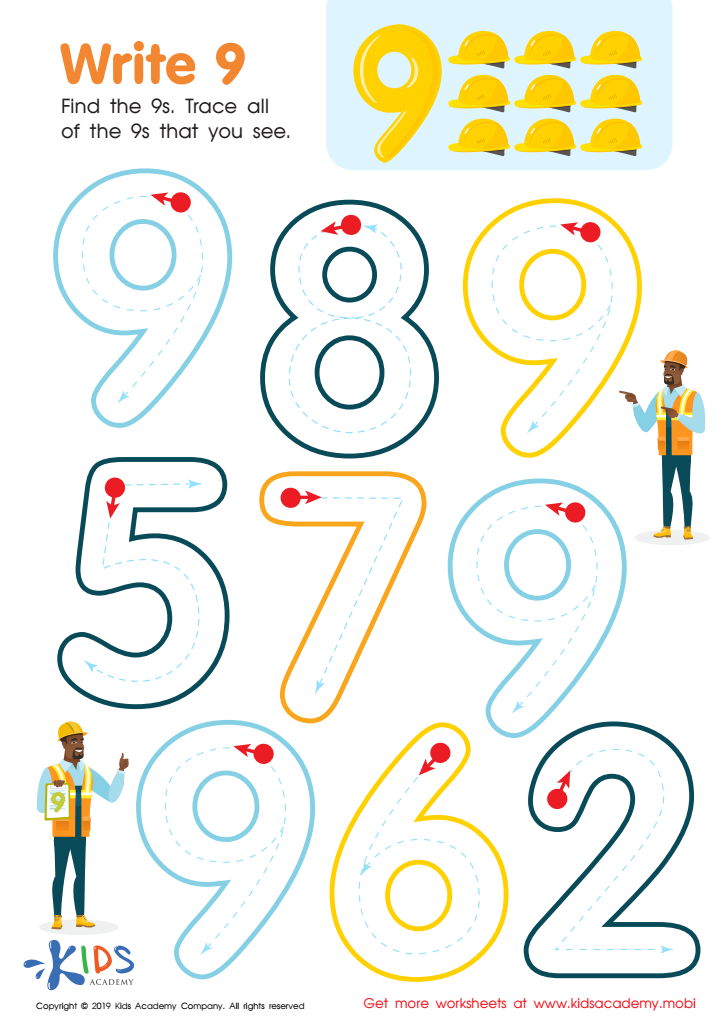
Write 9 Worksheet
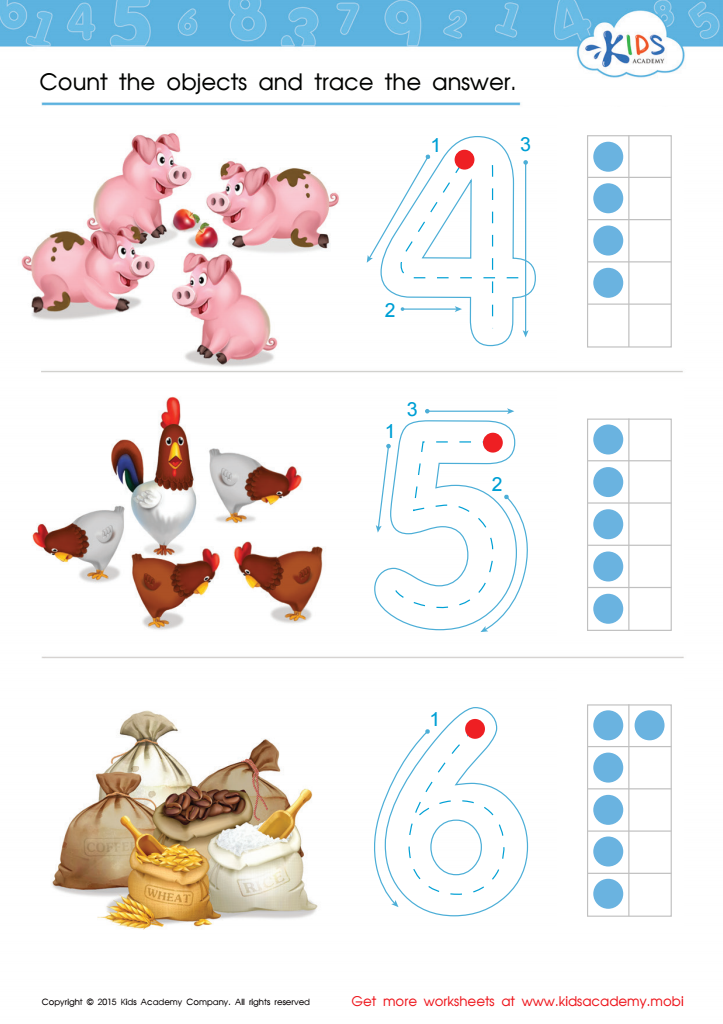
Count and Trace 4 – 6 Worksheet
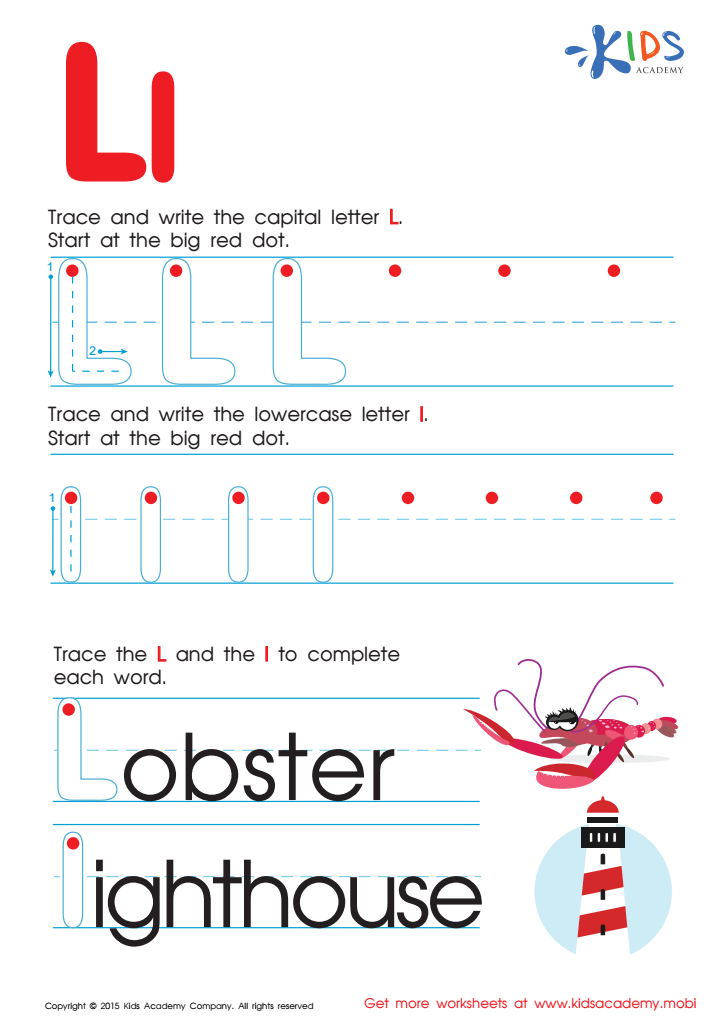
Letter L Tracing Page
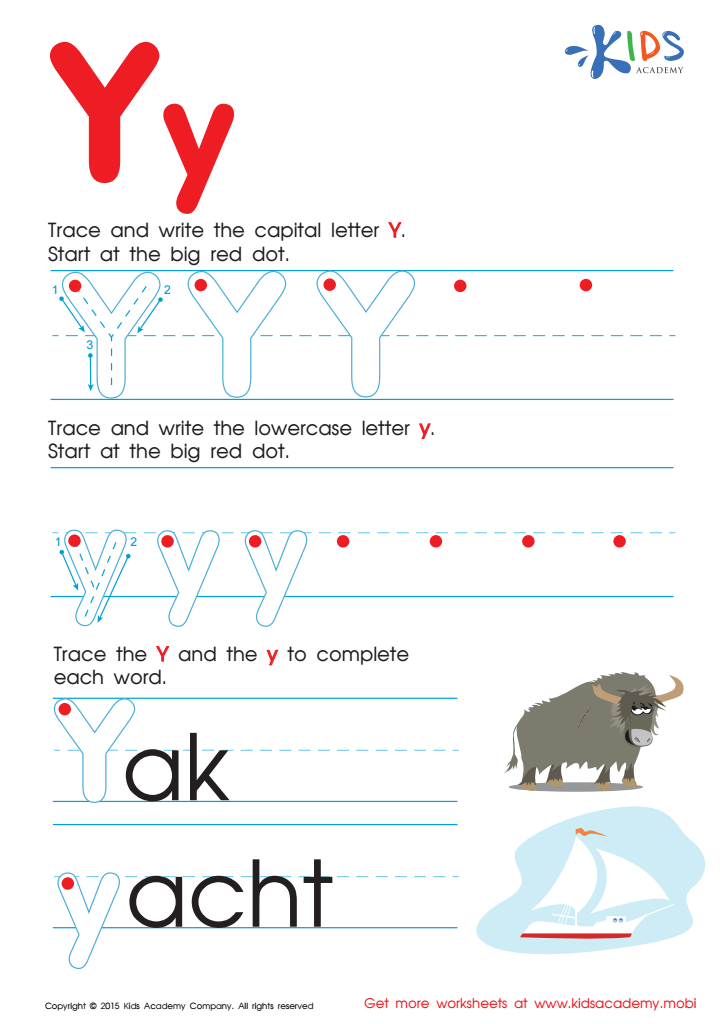
Letter Y Tracing Page
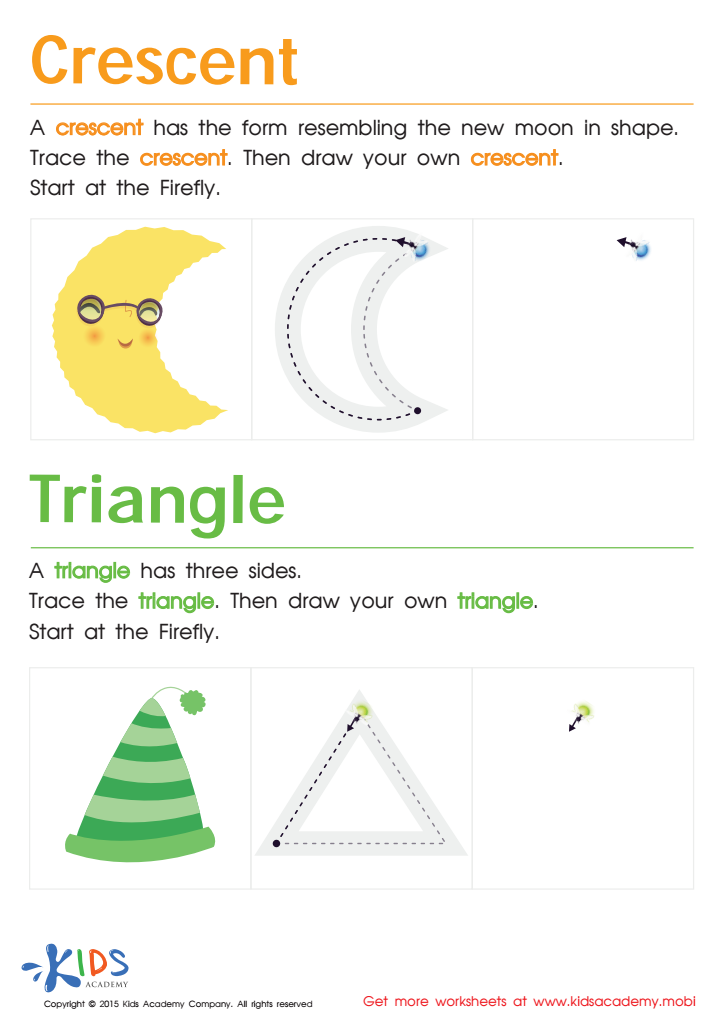
Learning to Draw Crescents And Triangles Worksheet
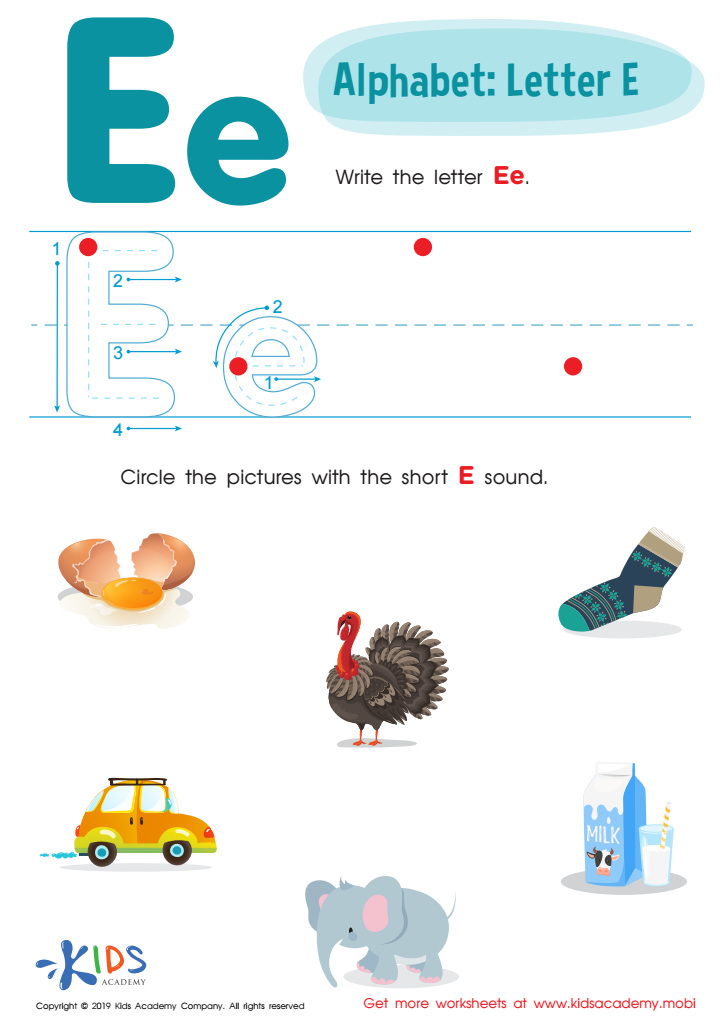
Letter E Tracing Worksheet
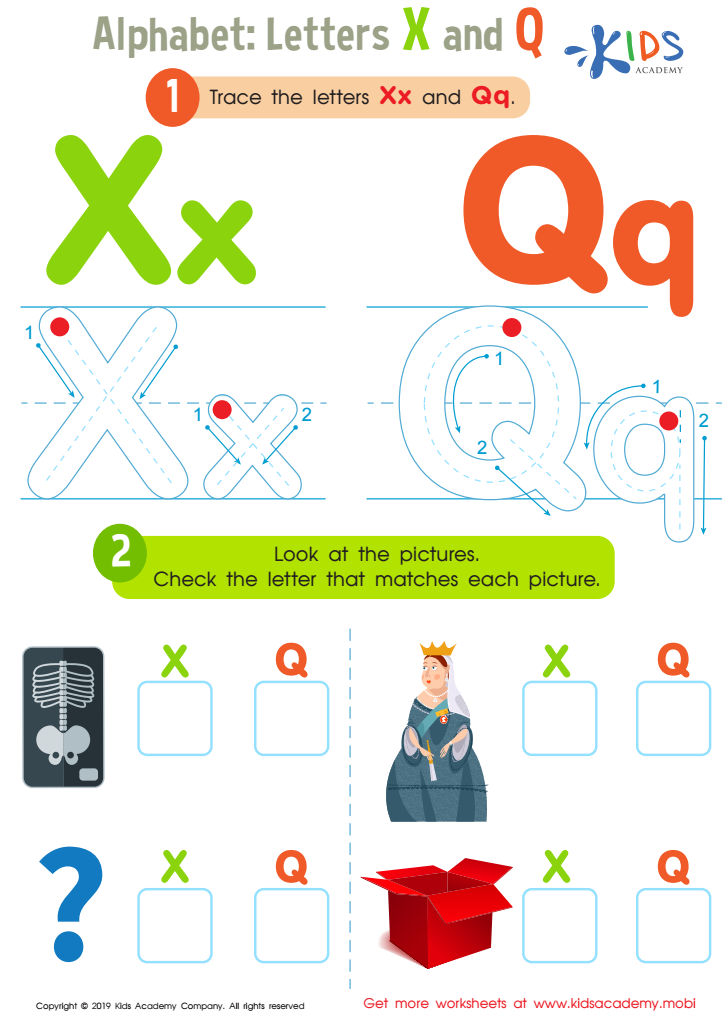
Letters X and Q Tracing Worksheet

Let's Review! Big Letters Worksheet
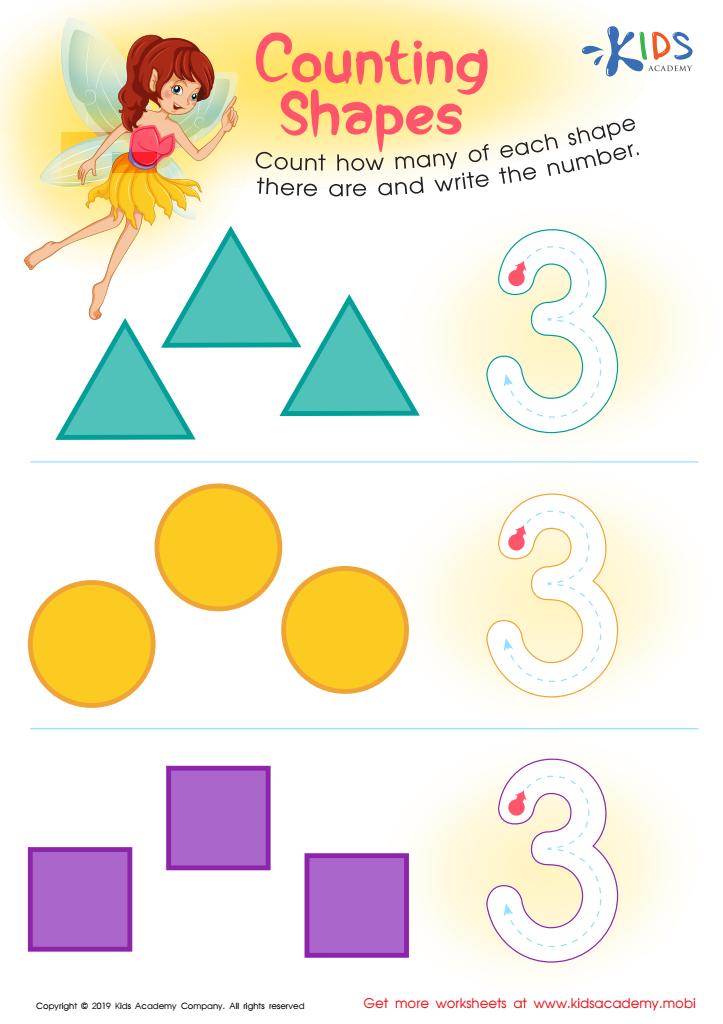
Counting Shapes Worksheet
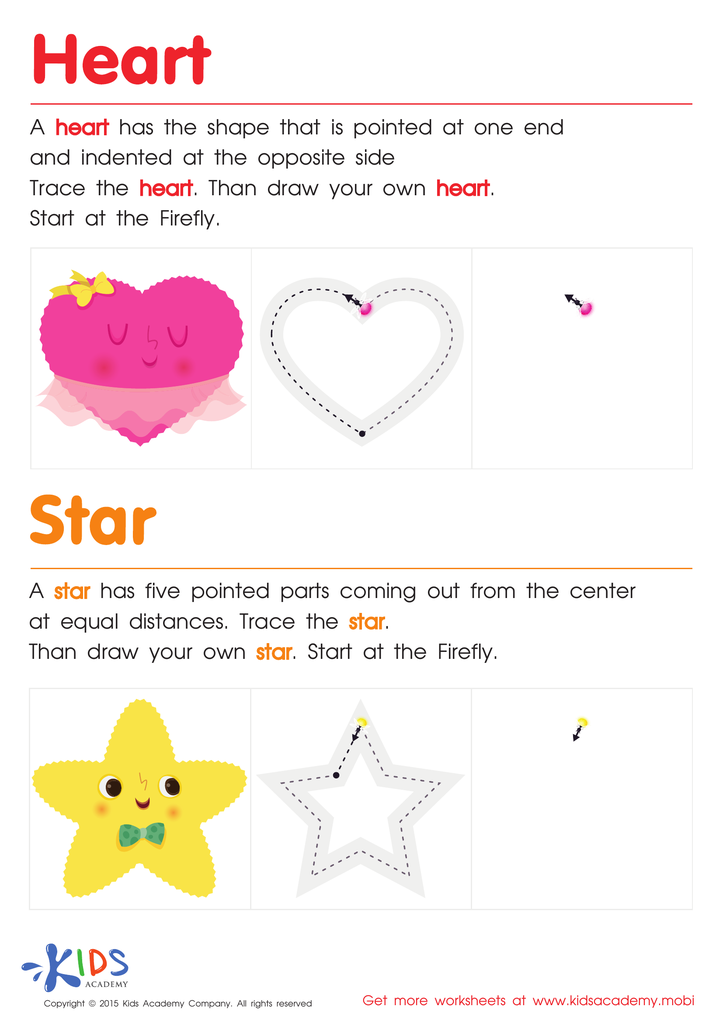
Let's Learn to Draw Hearts And Stars Printable
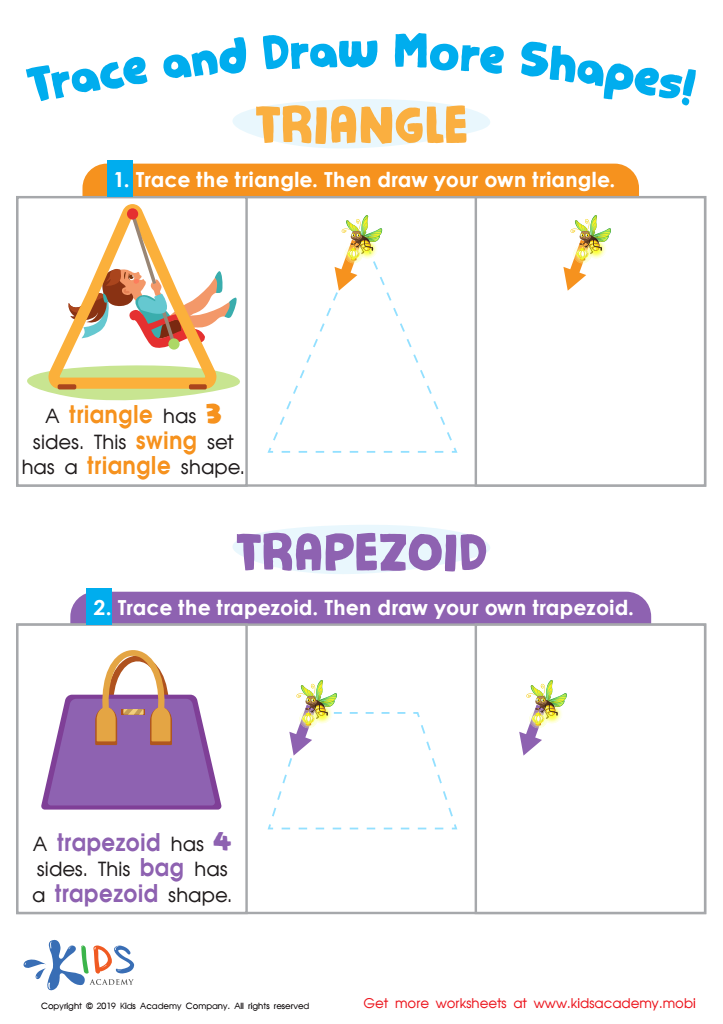
Trace and Draw More Shapes Worksheet
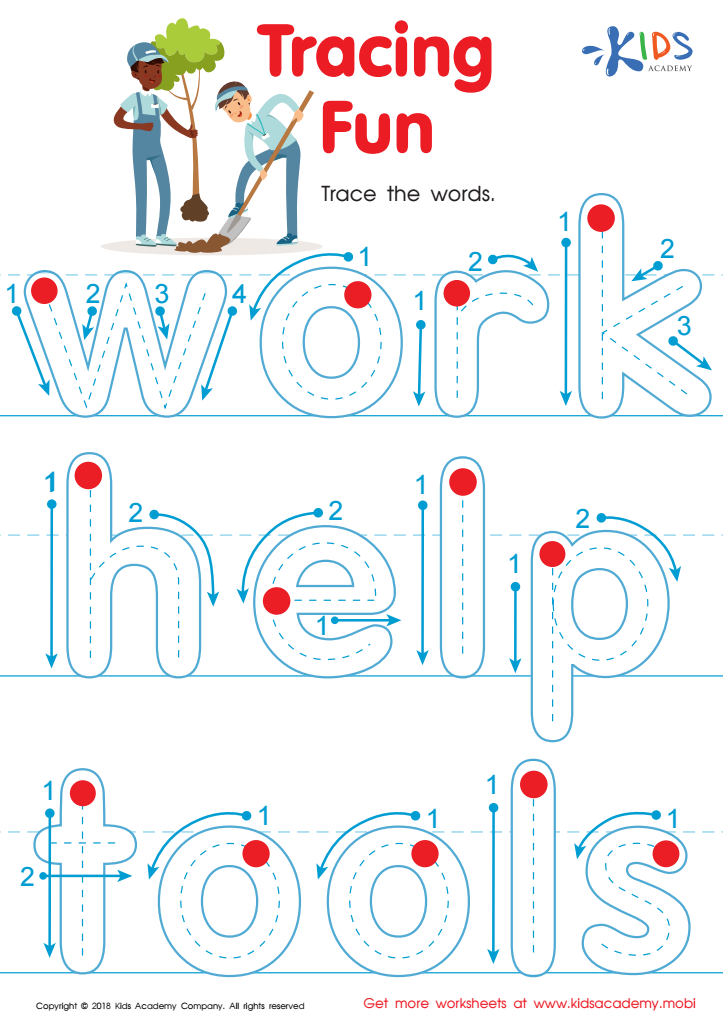
Tracing Fun Worksheet
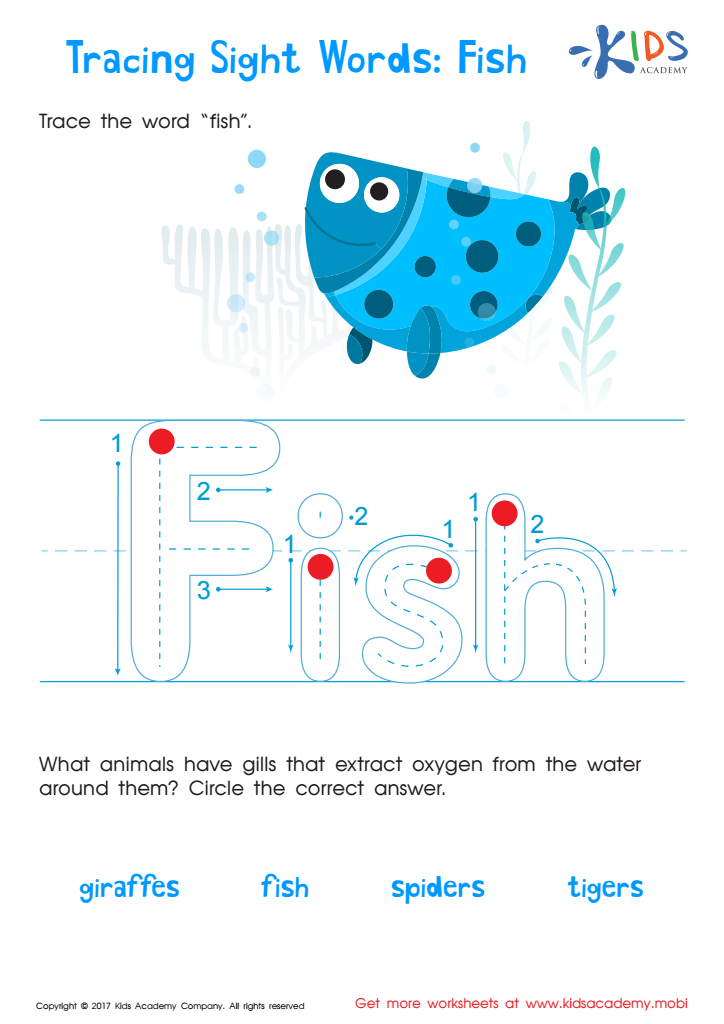
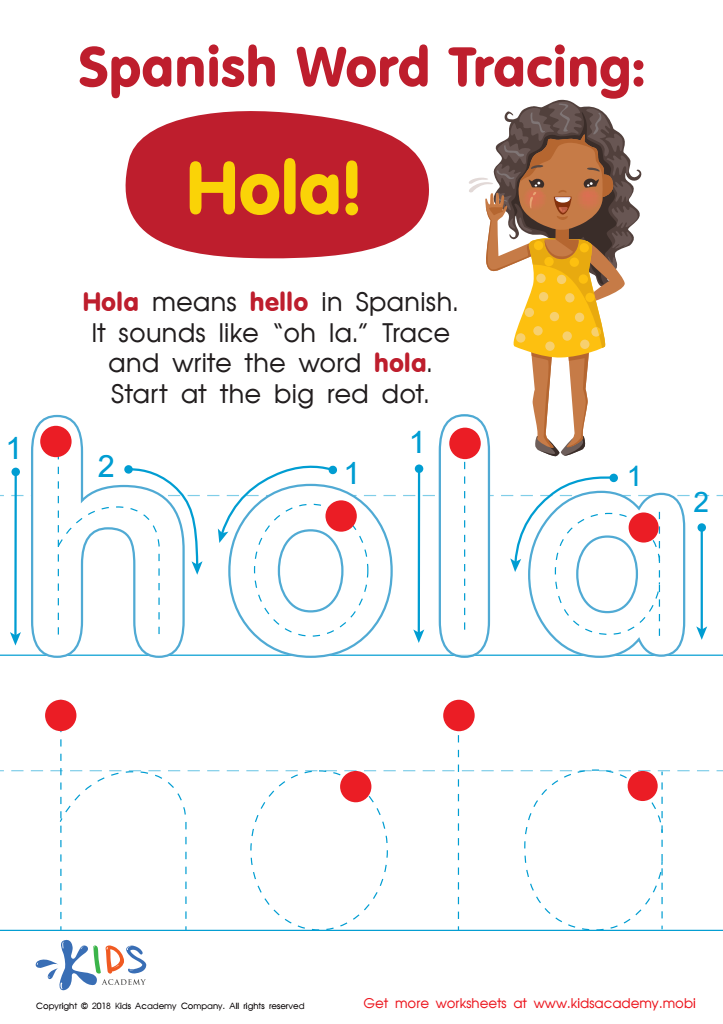
Spanish Word Tracing: Hola Worksheet
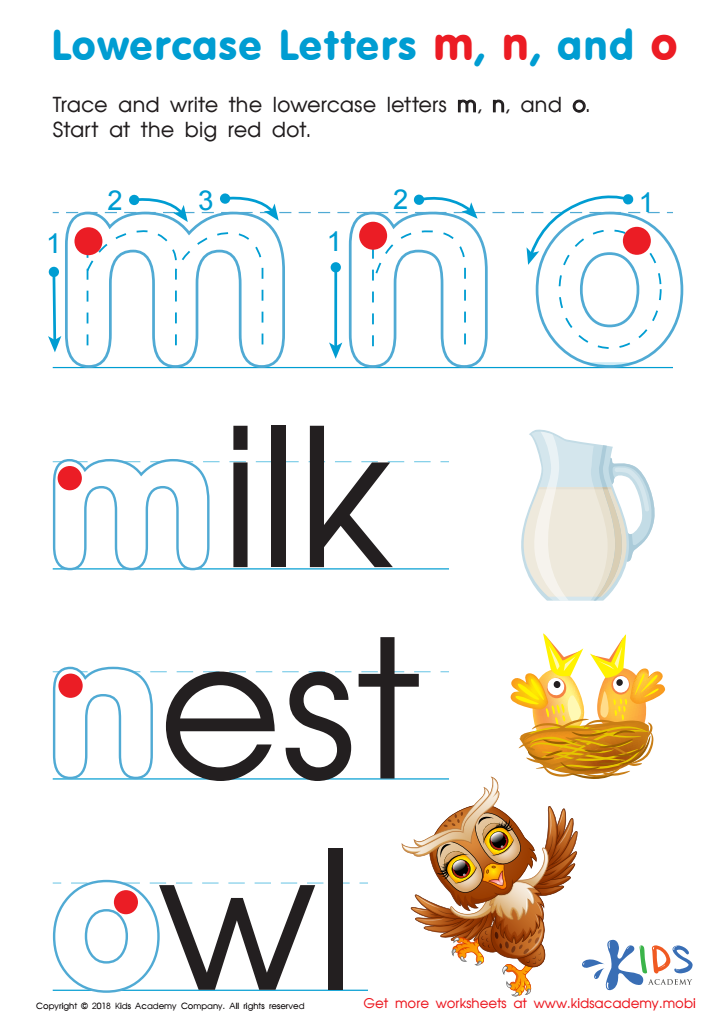
Lowercase Letters m n o Worksheet
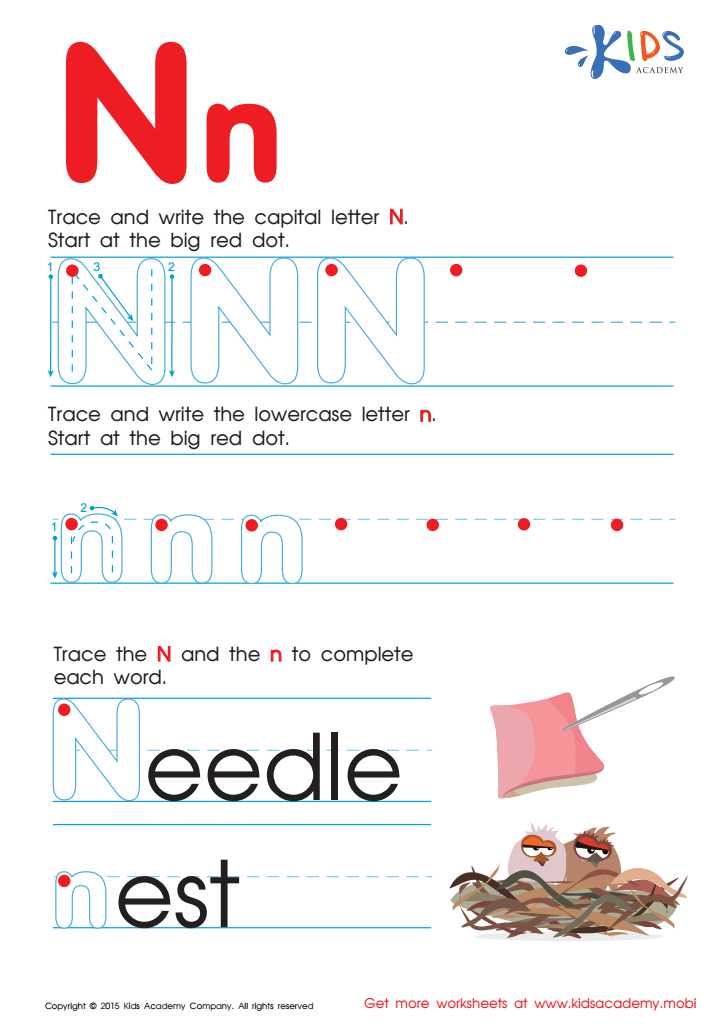
Letter N Tracing Page
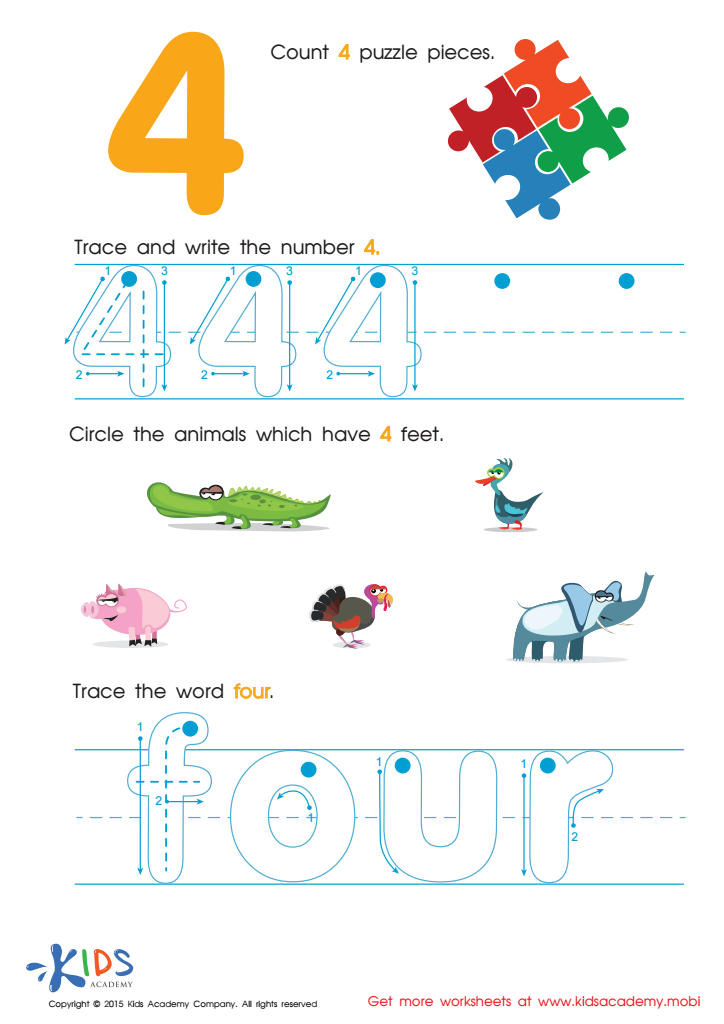
Teaching Children to Write Number 4 Worksheet
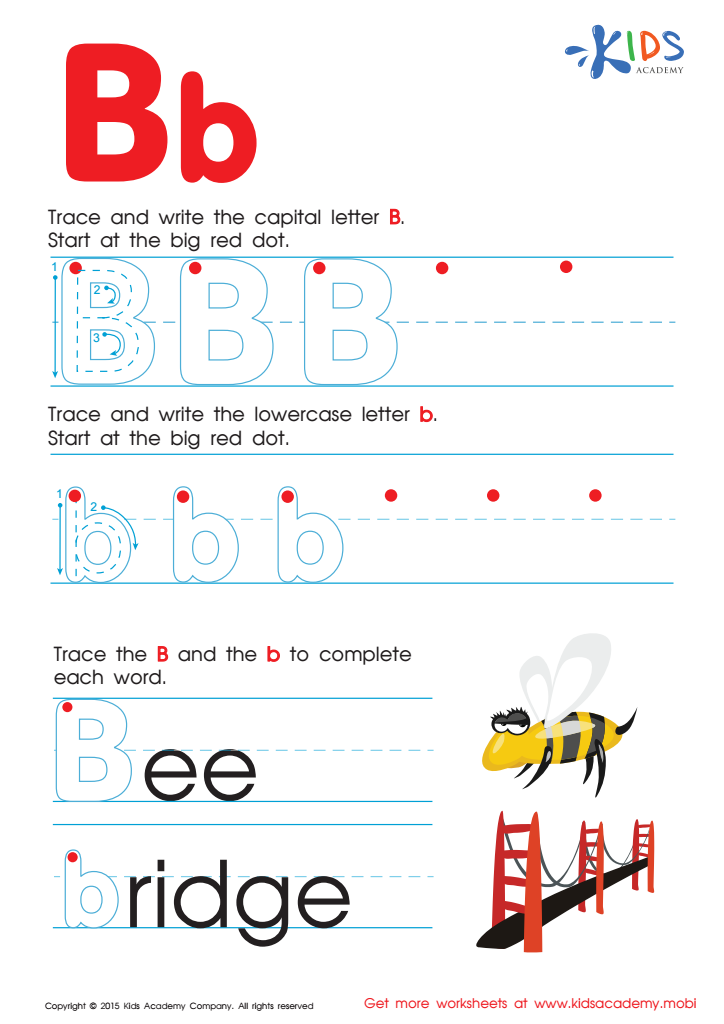
Letter B Tracing Page







Tracing activities for children aged 5-7 are crucial for their developmental growth and skill acquisition. These activities enhance fine motor skills, a foundational element for tasks such as writing, drawing, and buttoning clothing. As children trace letters, shapes, and patterns, they refine their hand-eye coordination and grip, promoting greater dexterity.
Additionally, tracing activities lay the groundwork for literacy. By tracing letters and words, children begin to recognize shapes, which helps in letter formation and spelling mastery. This tactile approach to learning engages different senses, making reading more accessible and enjoyable.
Furthermore, tracing promotes concentration and patience, encouraging children to focus on single tasks and develop perseverance – vital skills for lifelong learning. These activities can also foster creativity, as children create their designs and perform tracing exercises that stimulate imaginations.
From a parental perspective, tracing can be a joyful bonding experience, allowing for shared learning moments. As educational engagement becomes essential in early childhood, incorporating simple tracing activities can significantly support children's cognitive, emotional, and social development. Ultimately, understanding the benefits of tracing empowers parents and teachers to create enriching learning environments that promote growth in young learners.








