Elementary Phonics Worksheets for Ages 3-7 - Page 2
39 filtered results
-
From - To
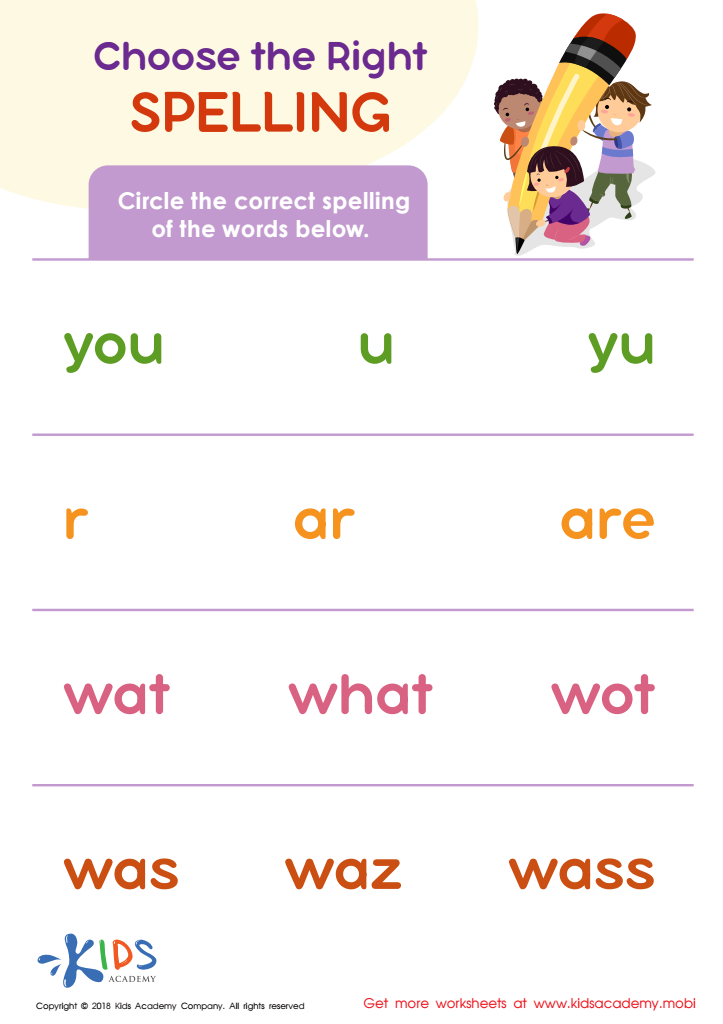
Choose the Right Spelling Worksheet
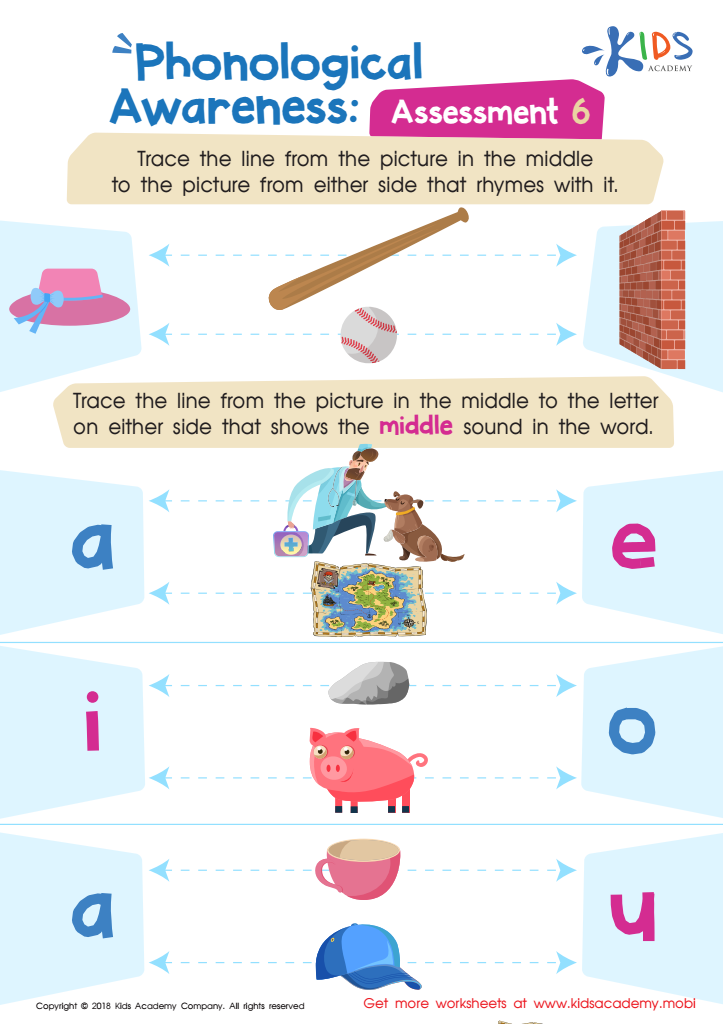
Phonological Awareness: Assessment 6 Worksheet
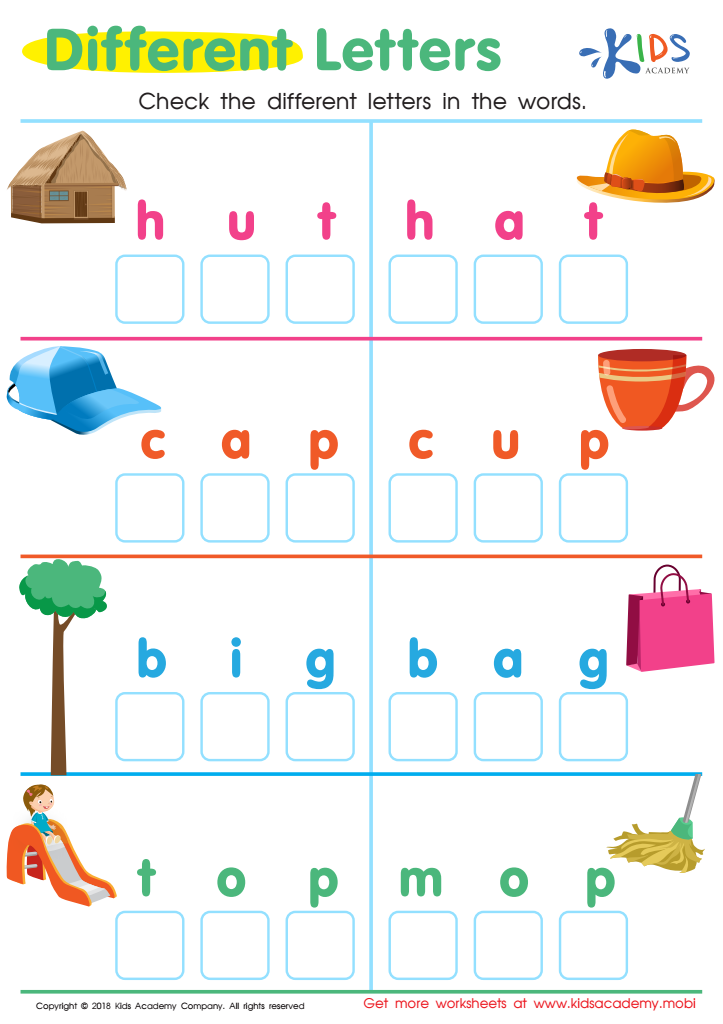
Different Letters Reading Worksheet
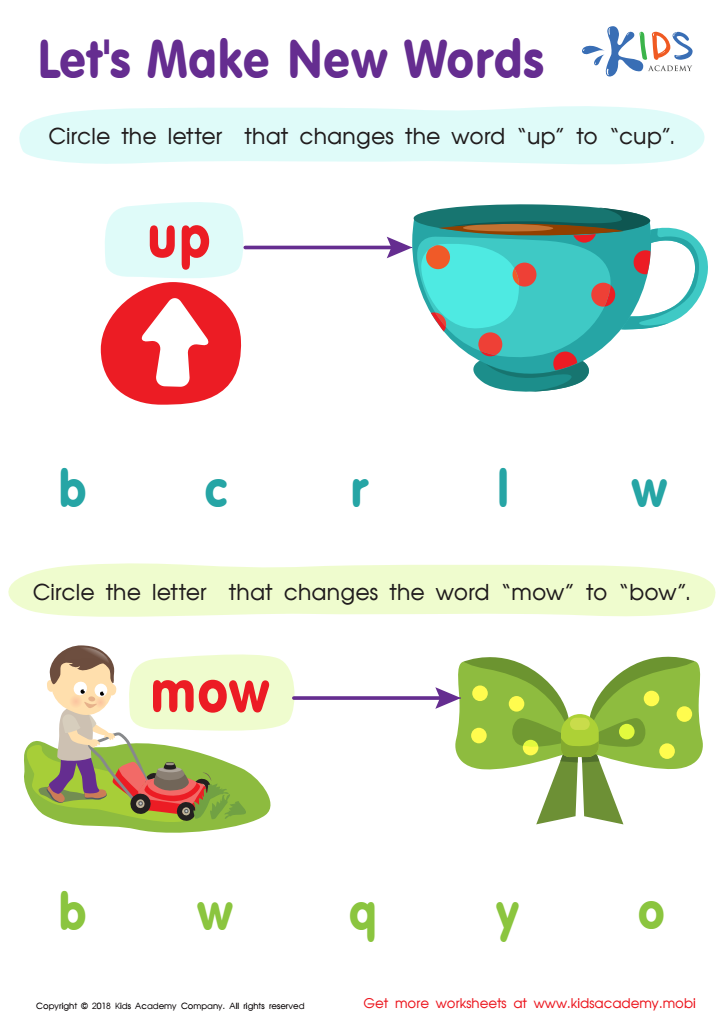
Let's Make New Words Worksheet
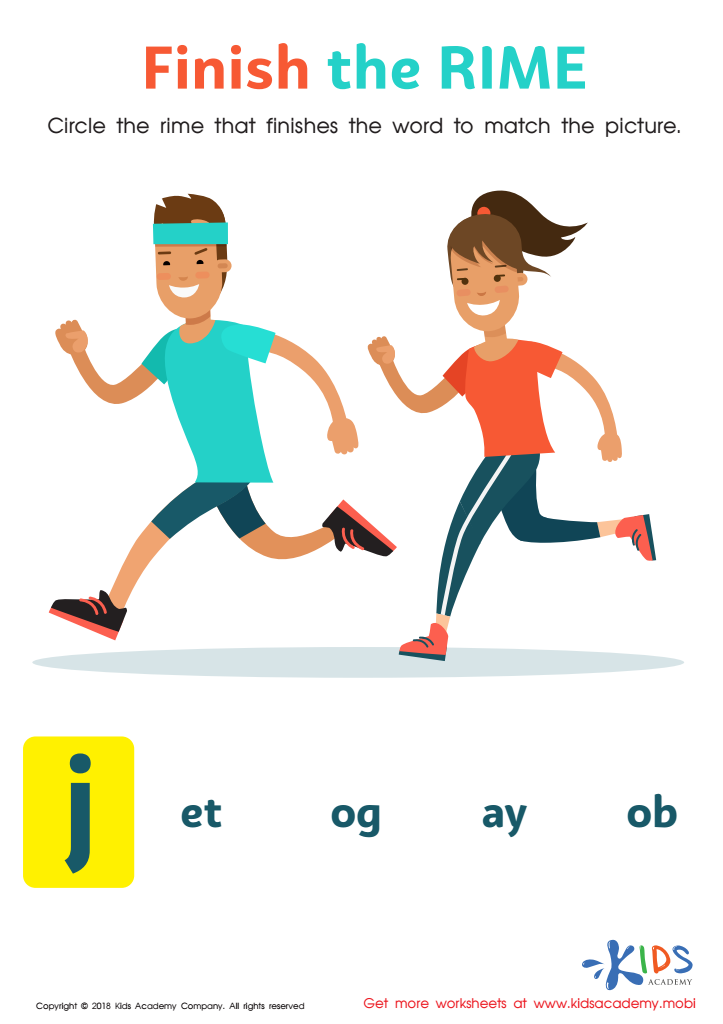
Finish the Rime Worksheet
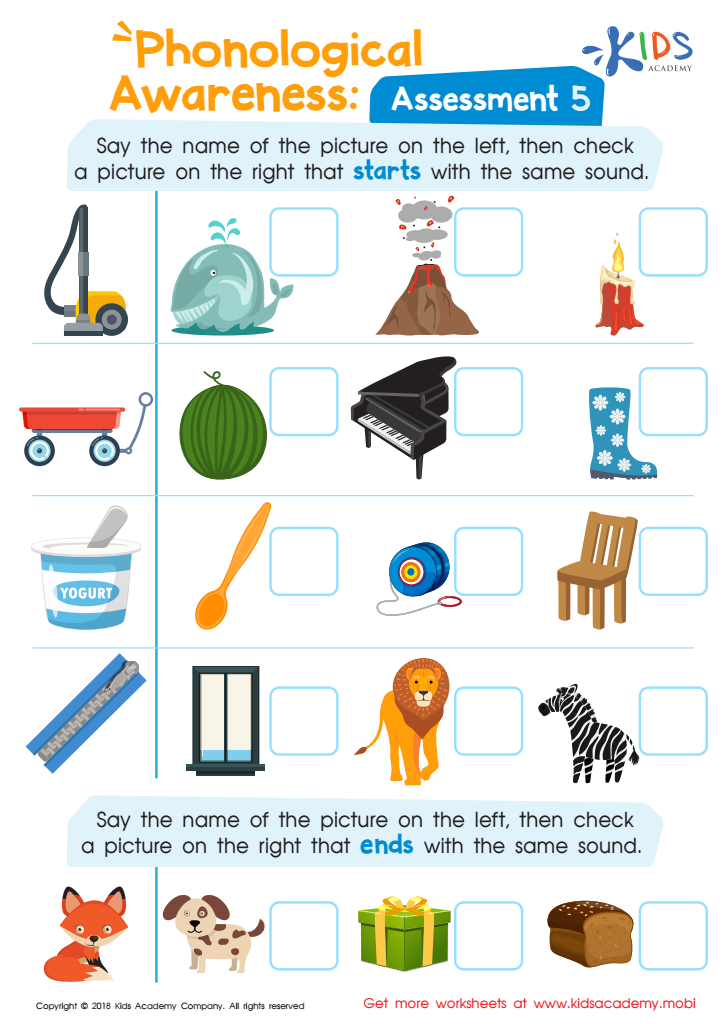
Phonological Awareness: Assessment 5 Worksheet
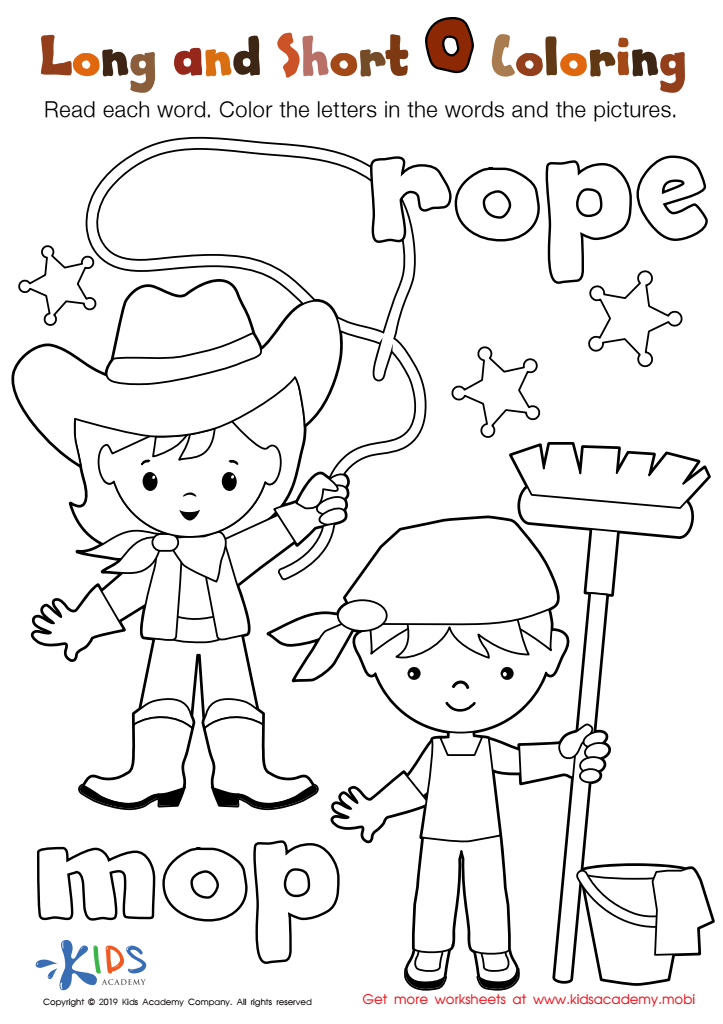
Long and Short O Worksheet
 Assign to My Students
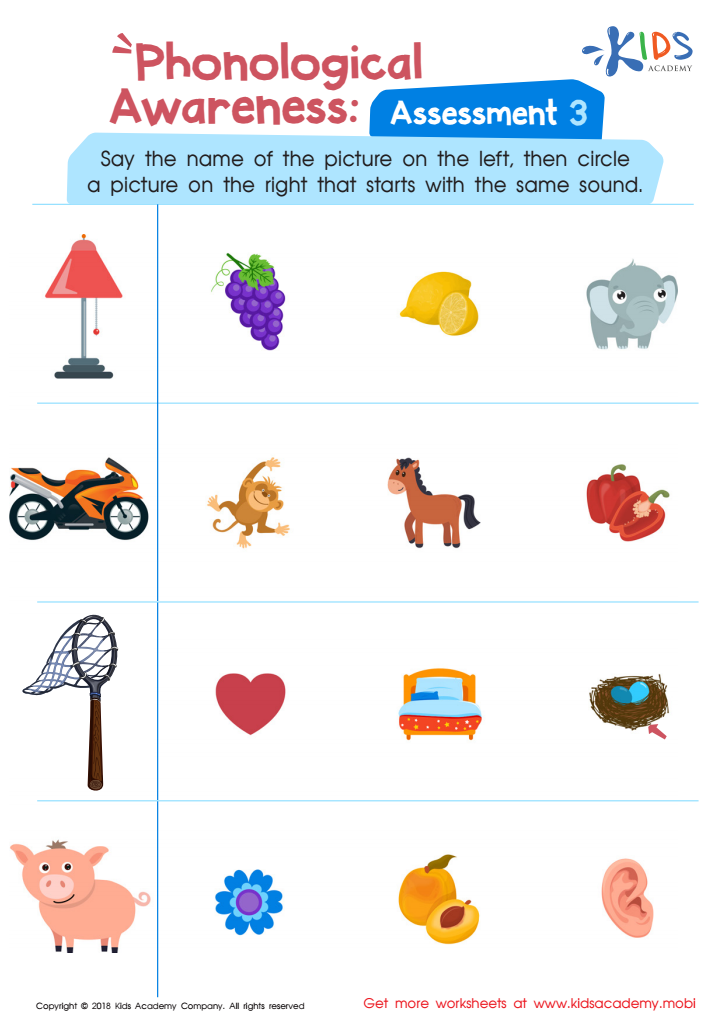
Phonological Awareness: Assessment 3 Worksheet
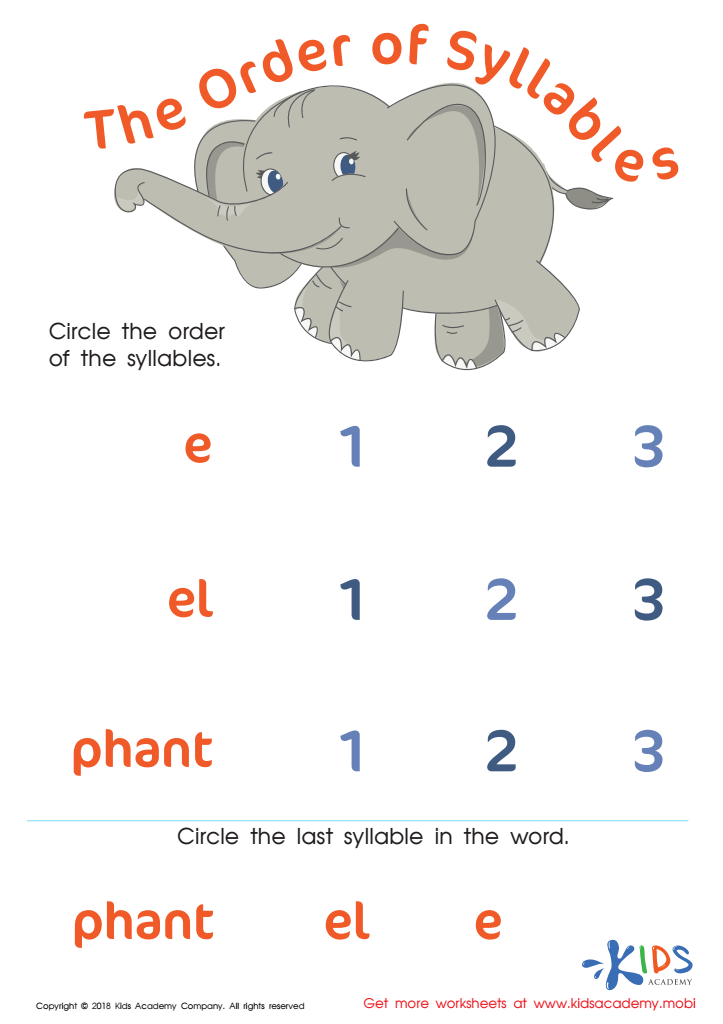
The Order of Syllables Worksheet

Long and Short E Worksheet
Assign to My Students
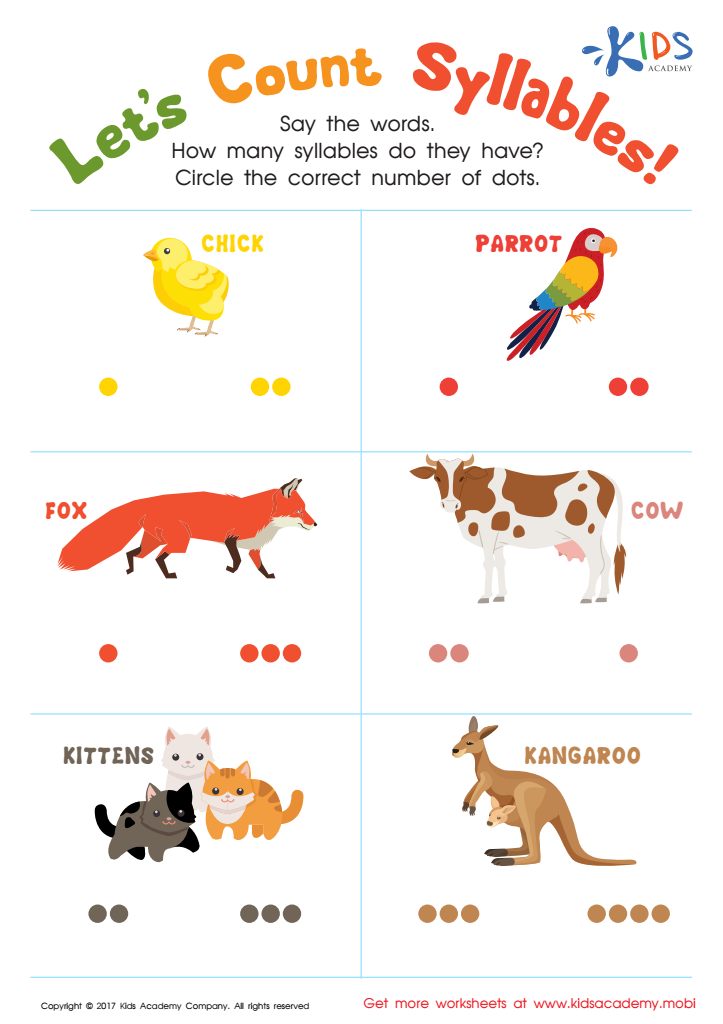
Lets Count Syllables Worksheet
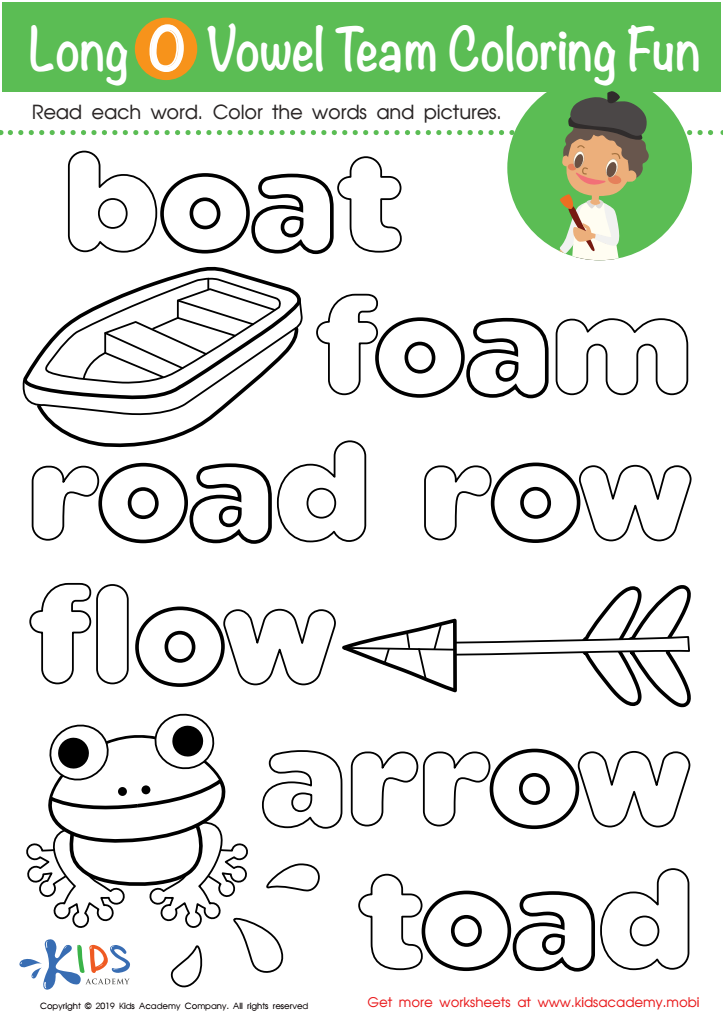
Long O Vowel Team Coloring Worksheet
Assign to My Students
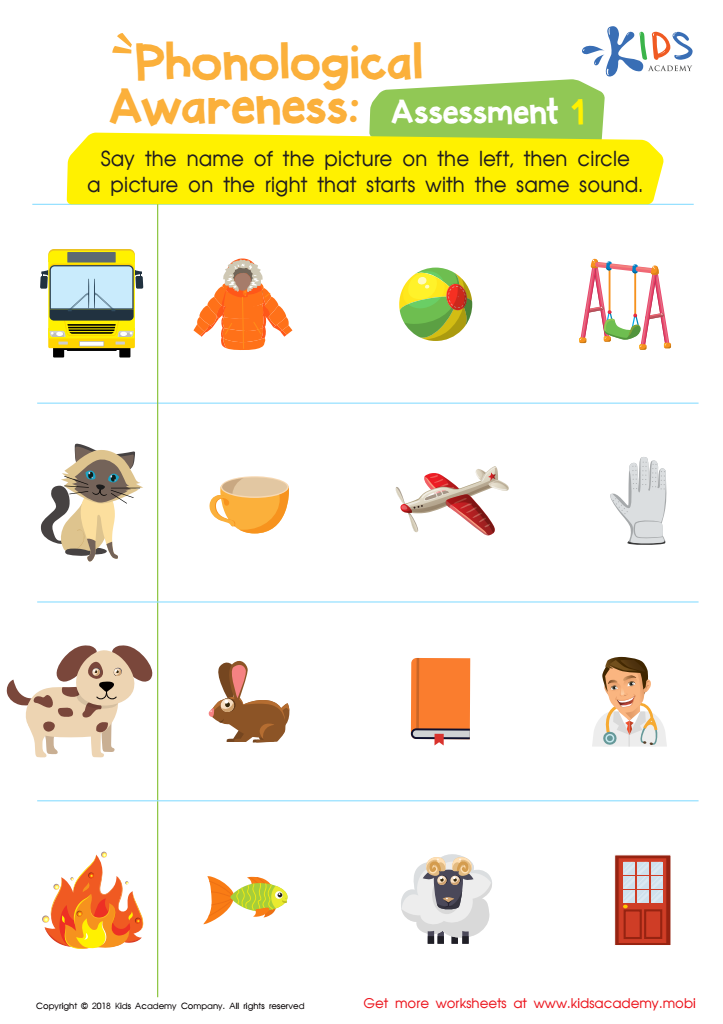
Phonological Awareness: Assessment 1 Worksheet
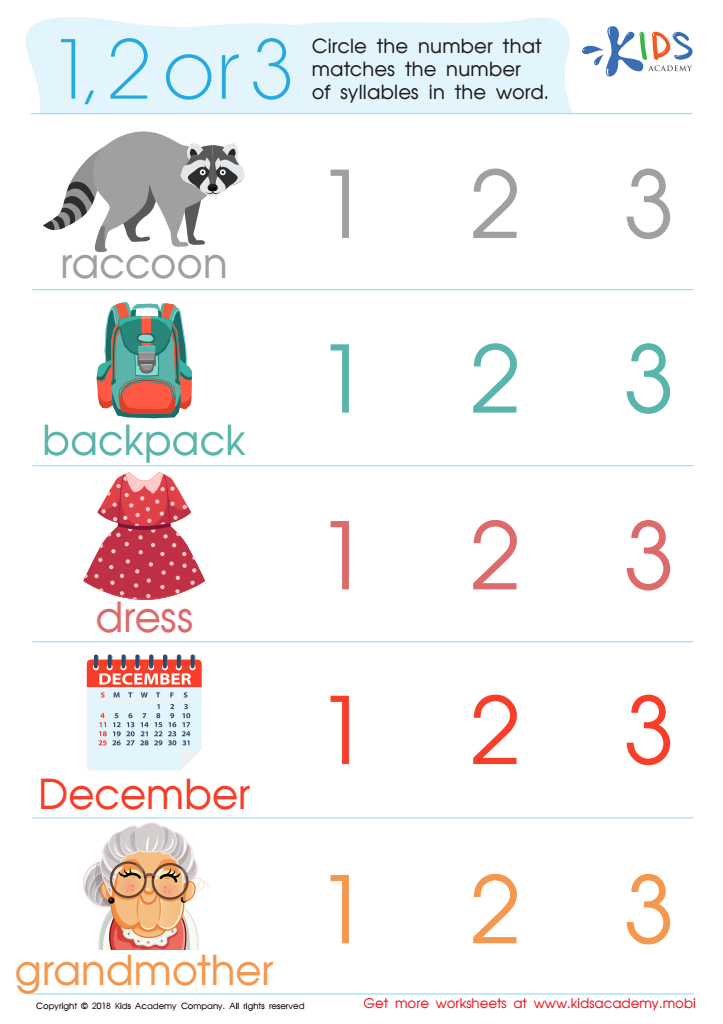
1, 2 or 3? Worksheet
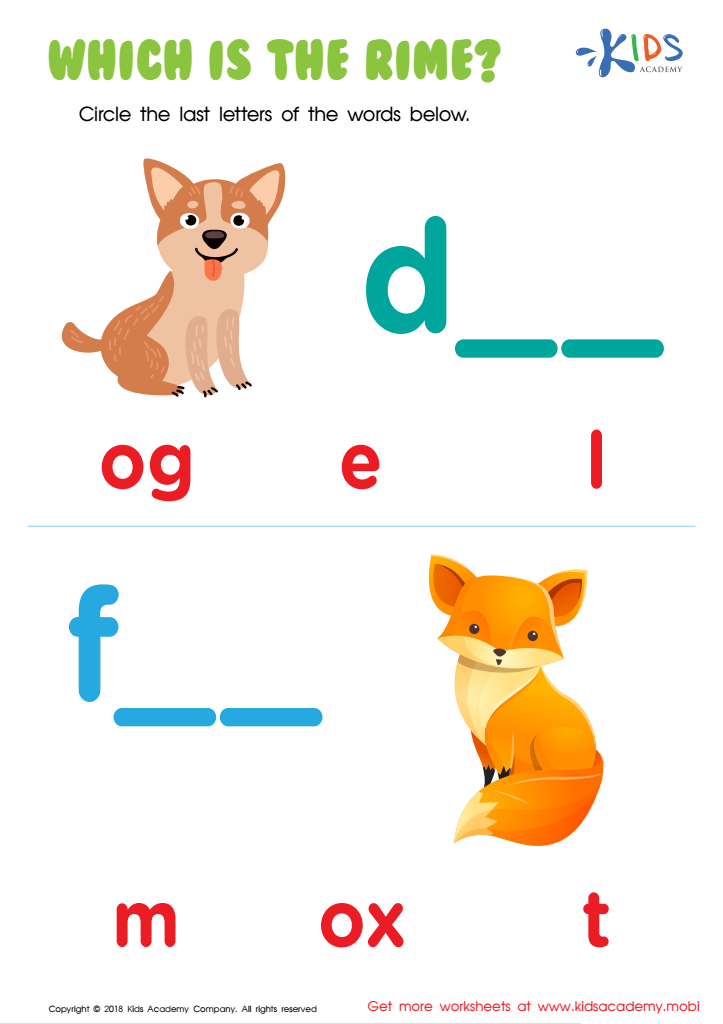
Which Is the Rime? Worksheet




Elementary phonics is a critical component of early literacy for children aged 3-7, laying the foundation for successful reading and writing skills. Phonics teaches children the relationship between letters and sounds, helping them decode words, and fostering confidence in their reading abilities. By understanding phonics, students can easily tackle unfamiliar words, which enhances their overall comprehension.
Parents and teachers should care because the early years are crucial for language development; children who grasp phonics are more likely to achieve reading proficiency by third grade—a key milestone linked to future academic success. Understanding phonics not only supports literacy but also encourages a love for reading as children become independent readers, exploring books that interest them.
Moreover, phonics skills are linked to other areas of learning; a child proficient in phonics thrives in other subjects, especially those that require reading comprehension. Engaging in phonics activities—such as rhyming games and letter-sound matching—can be a fun way for parents and teachers to participate in a child’s educational journey, enhancing their bond while also contributing to their cognitive development. Investing in phonics education is ultimately an investment in a child’s lifelong literacy and learning capabilities.







