Plants and Animals Worksheets for Ages 3-7 - Page 4
106 filtered results
-
From - To
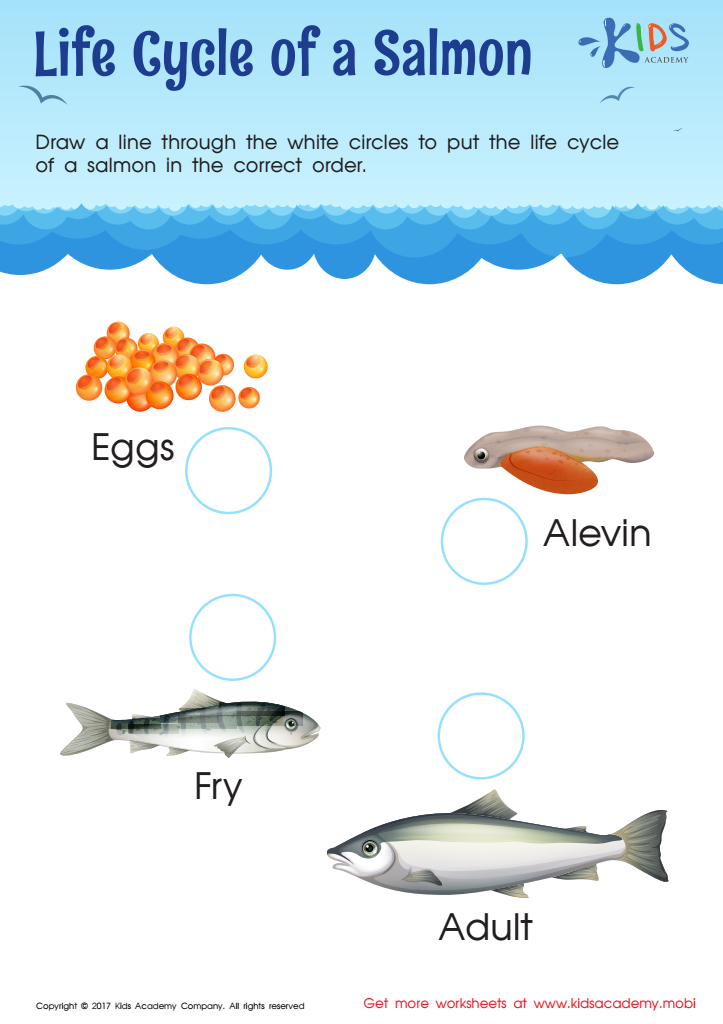
Cycle Of Salmon Worksheet











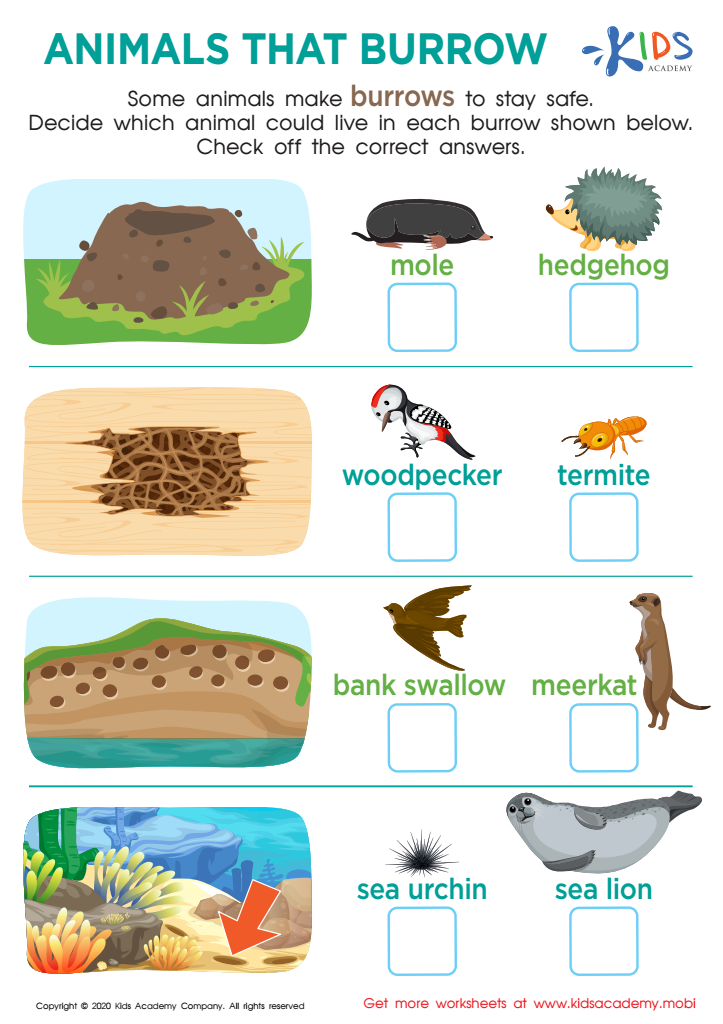
Animals That Burrow Worksheet
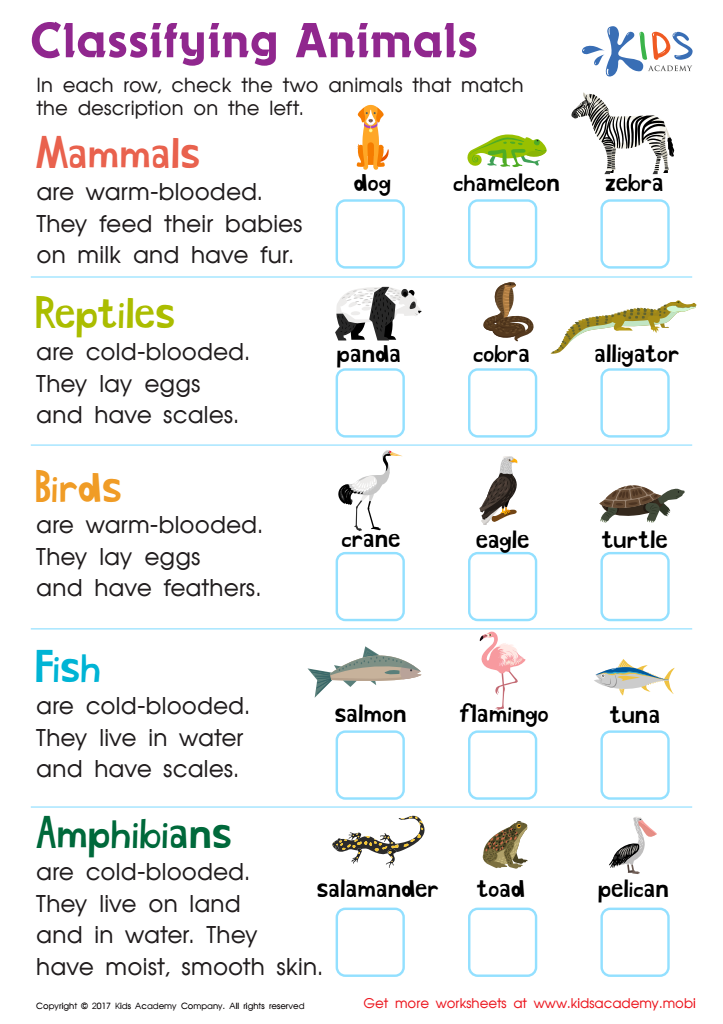
Classifying Animals Worksheet
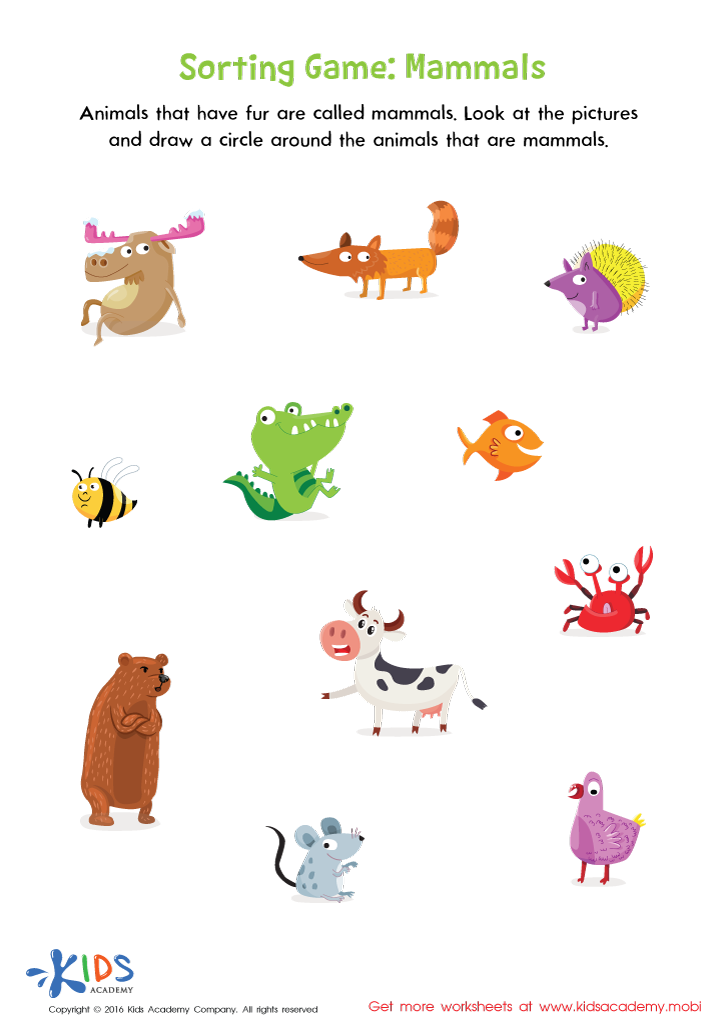
Mammals Sorting Worksheet
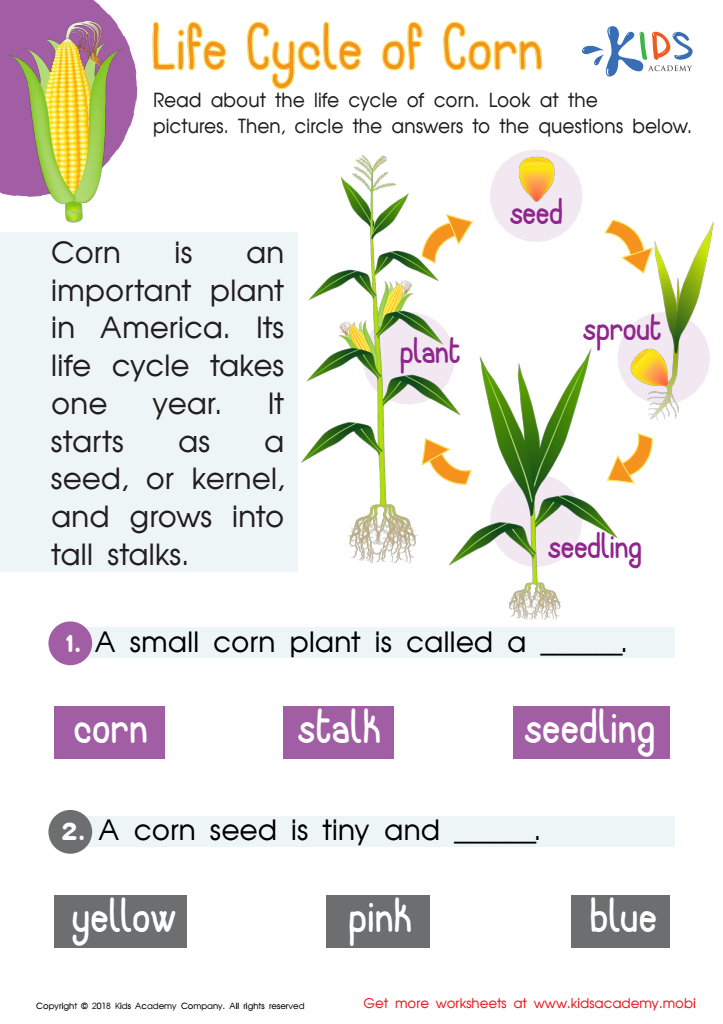
Life Cycle of Corn Worksheet
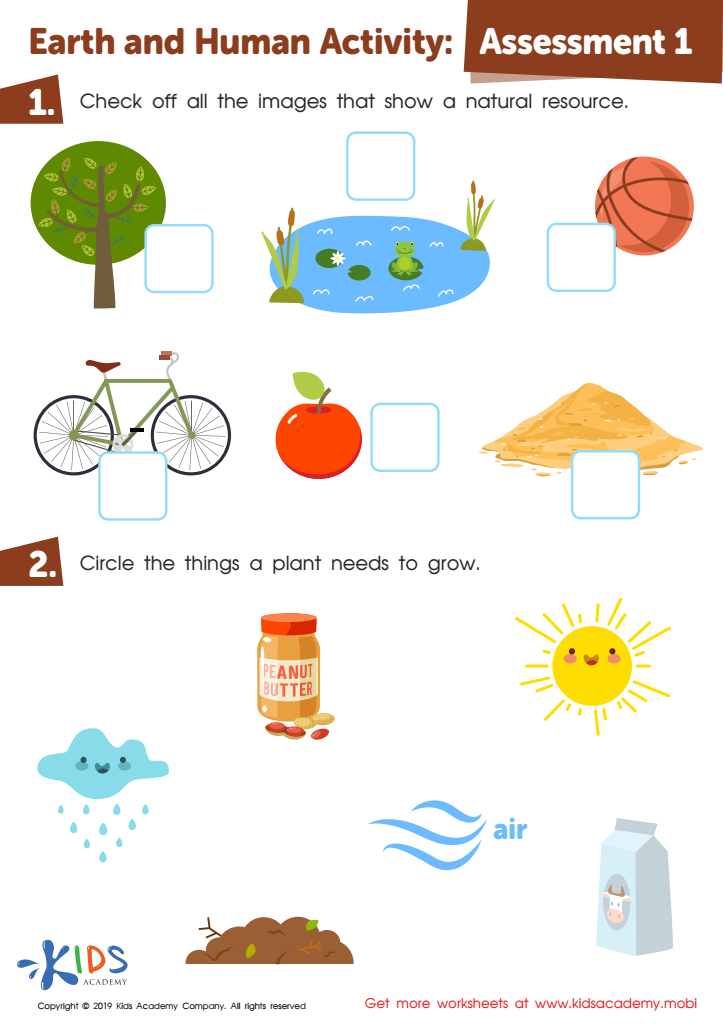
Earth and Human Activity: Assessment 1 Worksheet
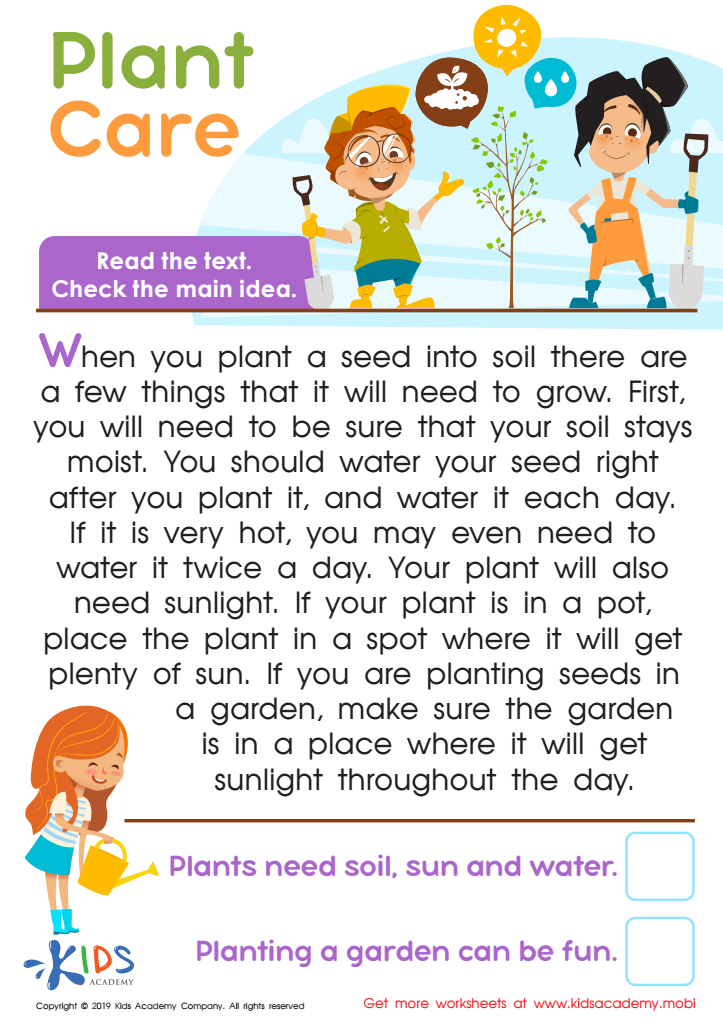
Plant Care Worksheet
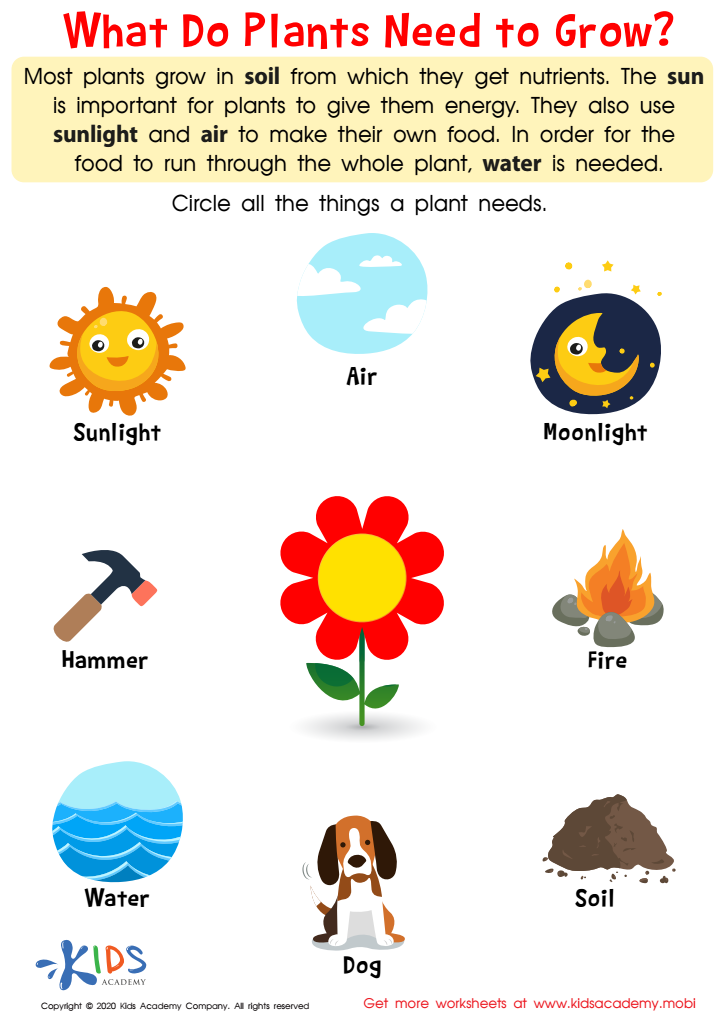
What Do Plants Need to Grow Worksheet
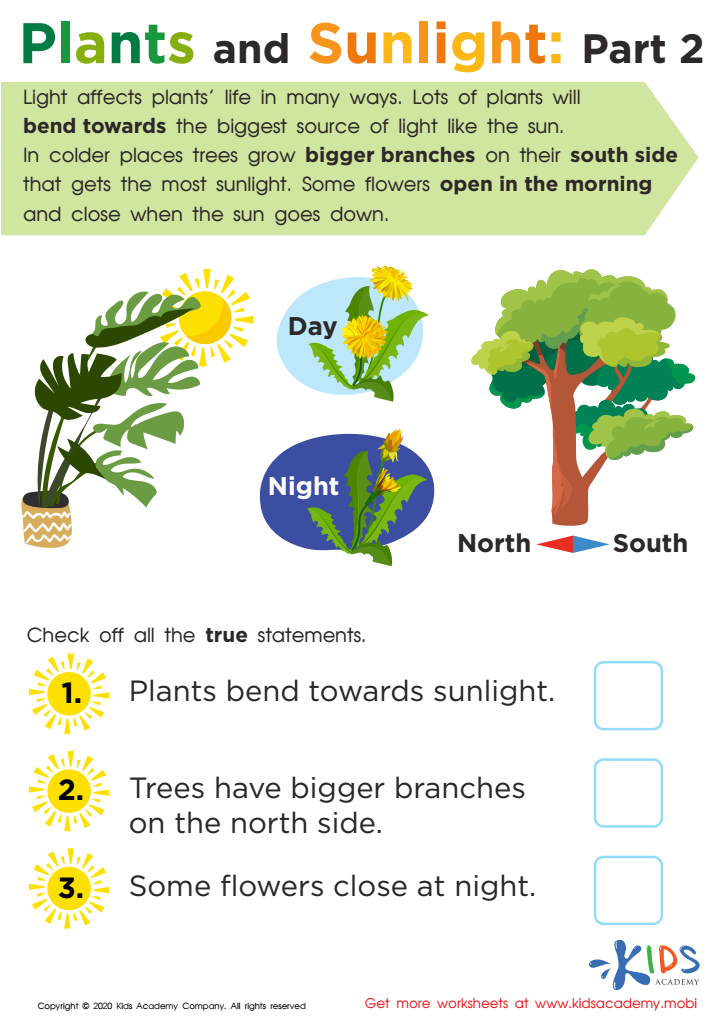
Plants and Sunlight: Part 2 Worksheet
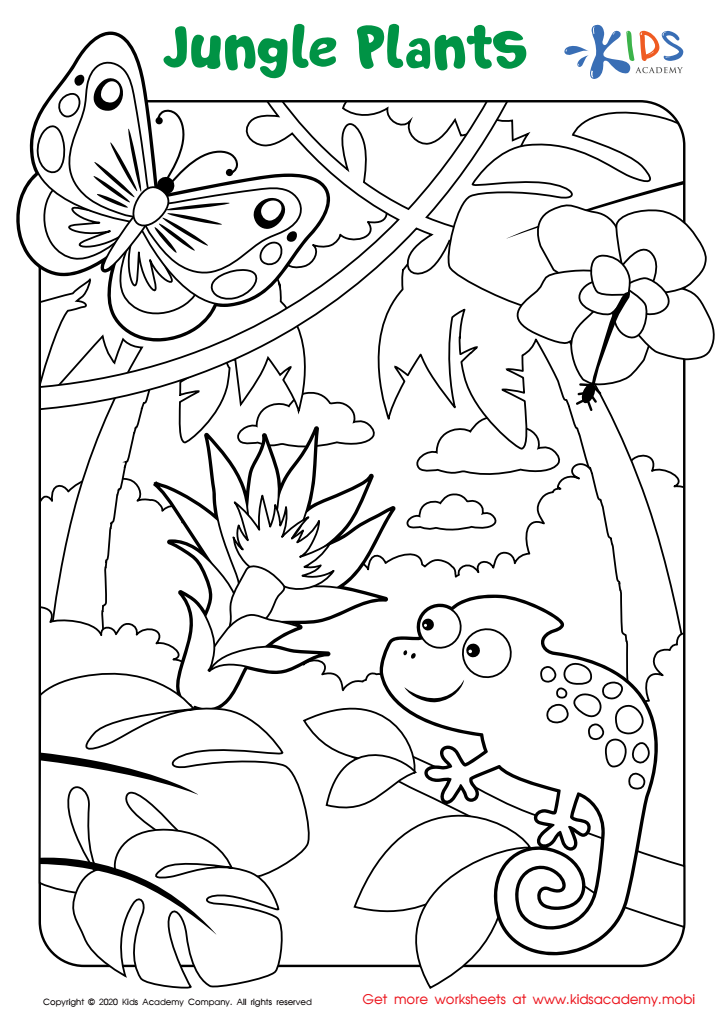
Jungle Plants Worksheet
 Assign to My Students
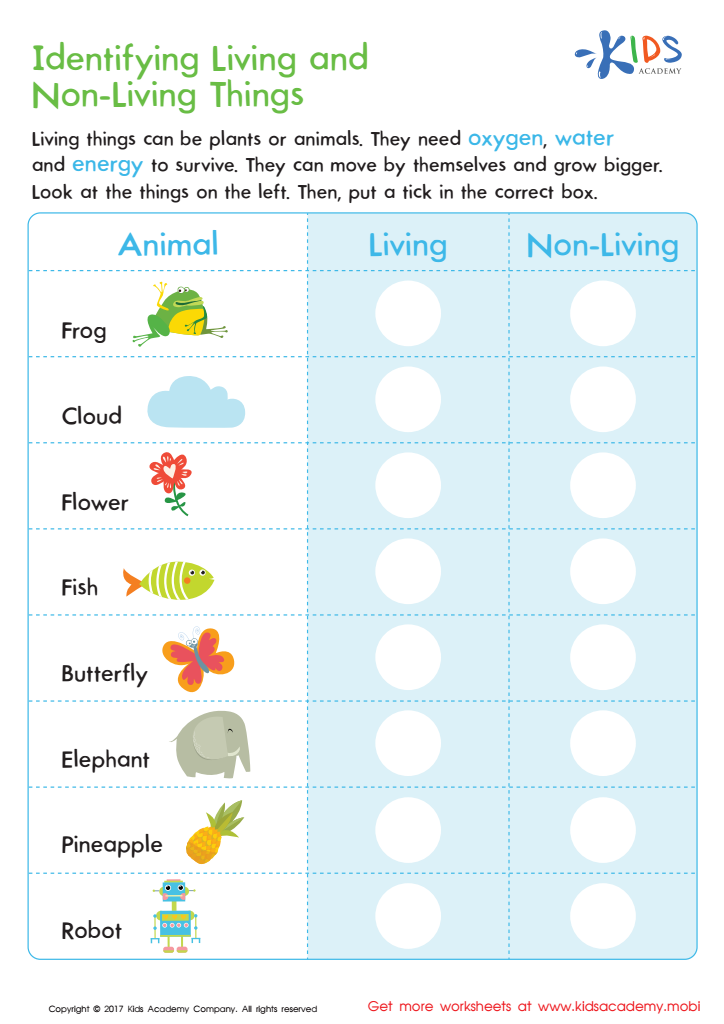
Identifying Living or Non–living Worksheet
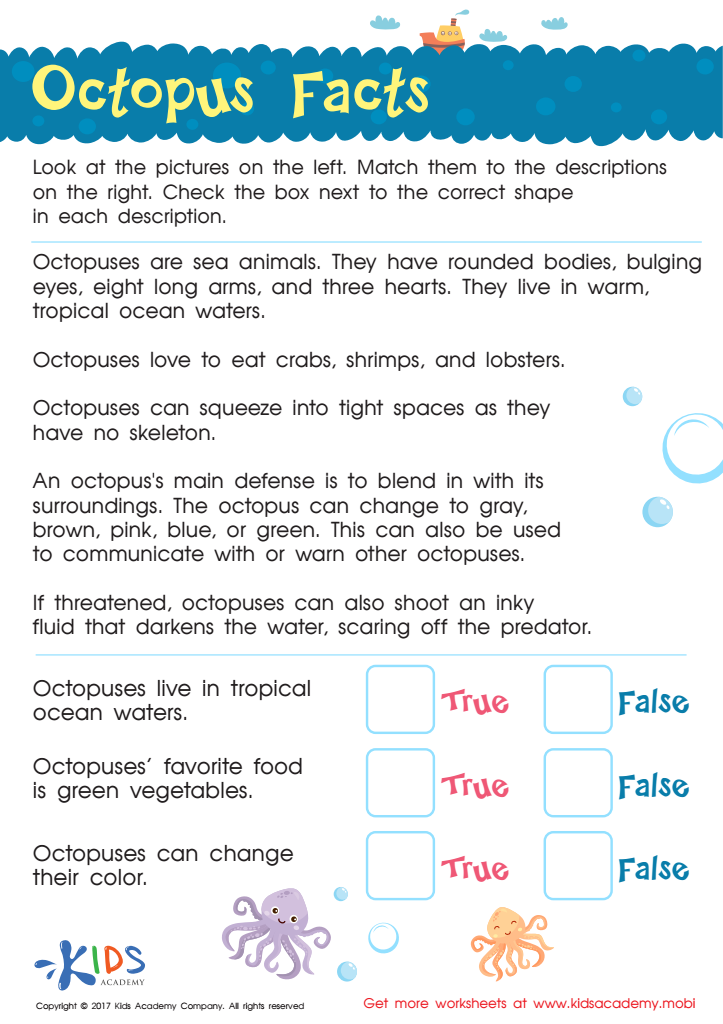
Octopus Facts Worksheet For Kids
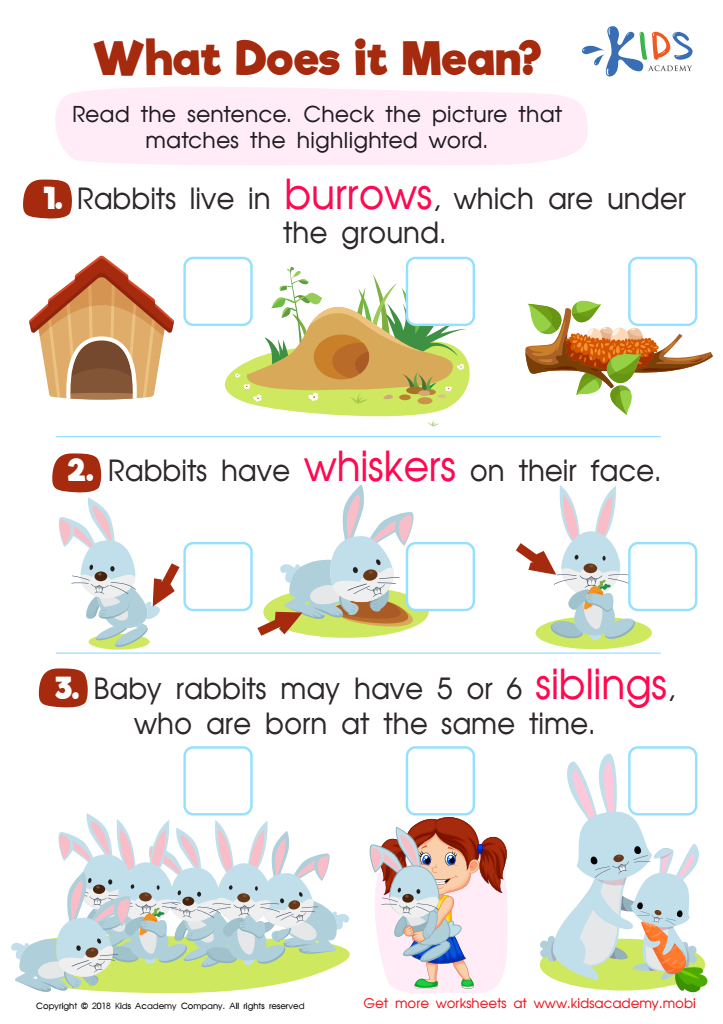
What Does It Mean? Worksheet
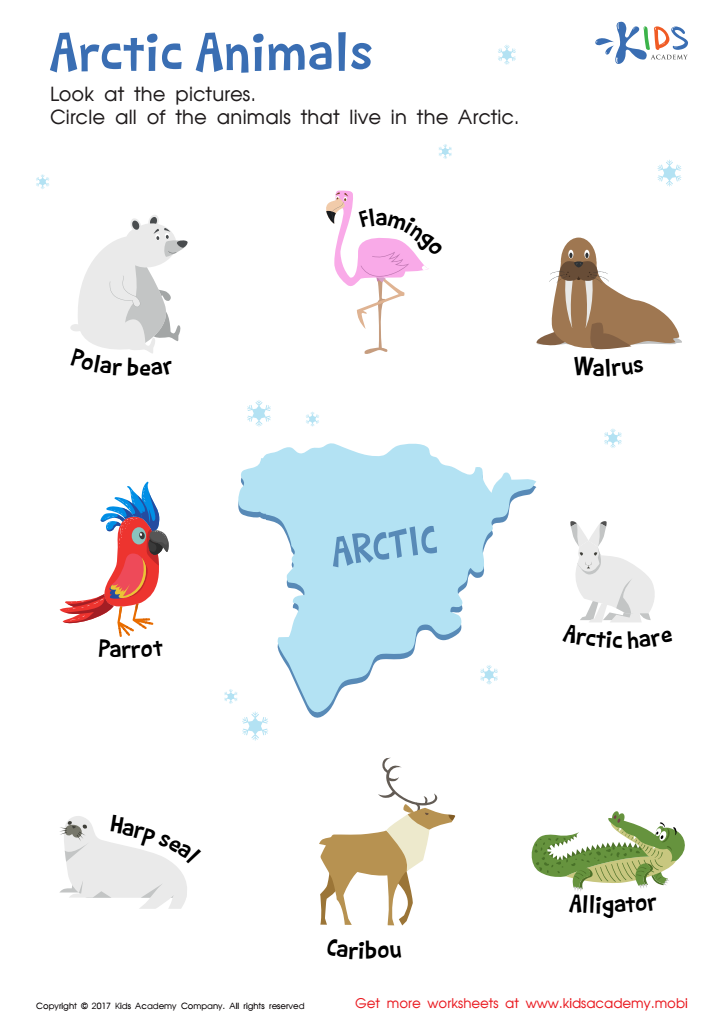
Arctic Animals Worksheet
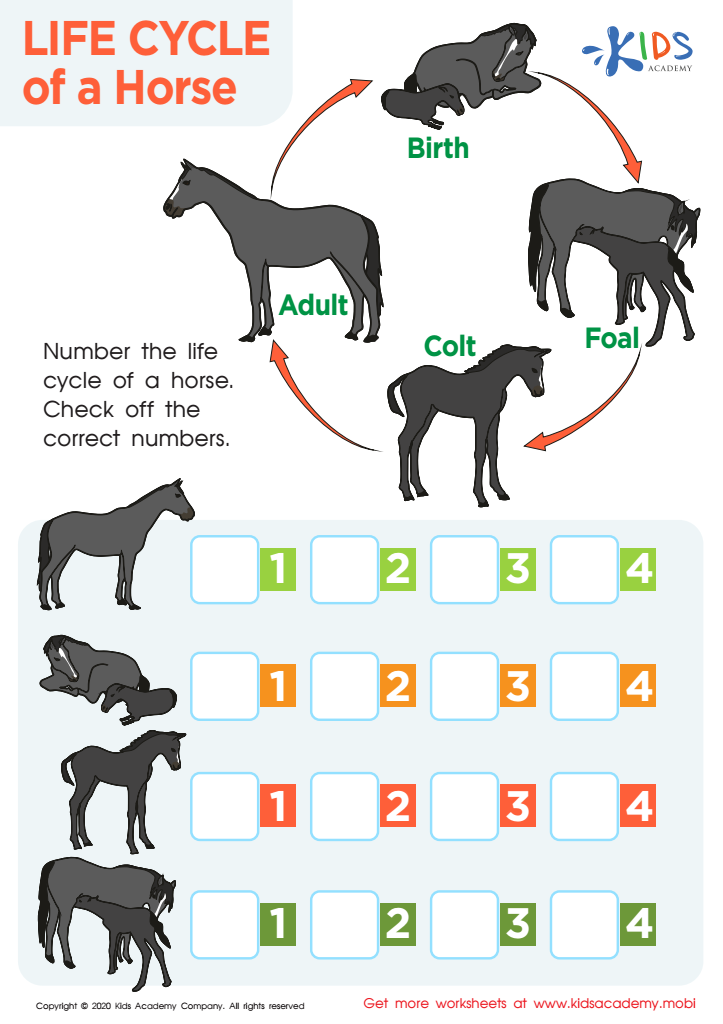
Life Cycle of a Horse Worksheet
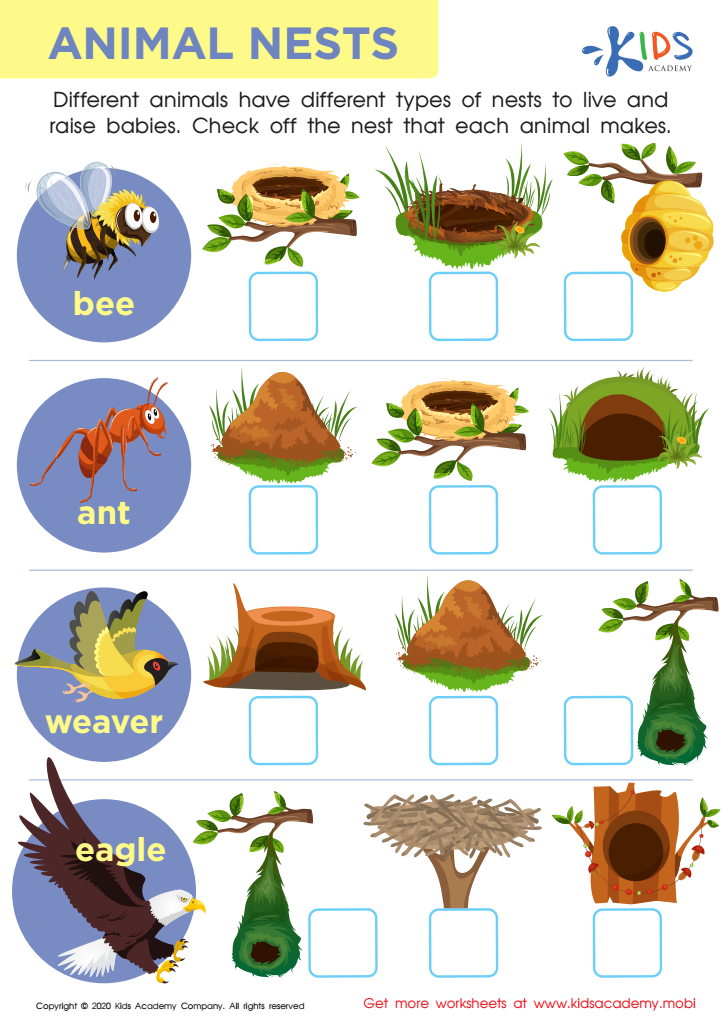
Animal Nests Worksheet
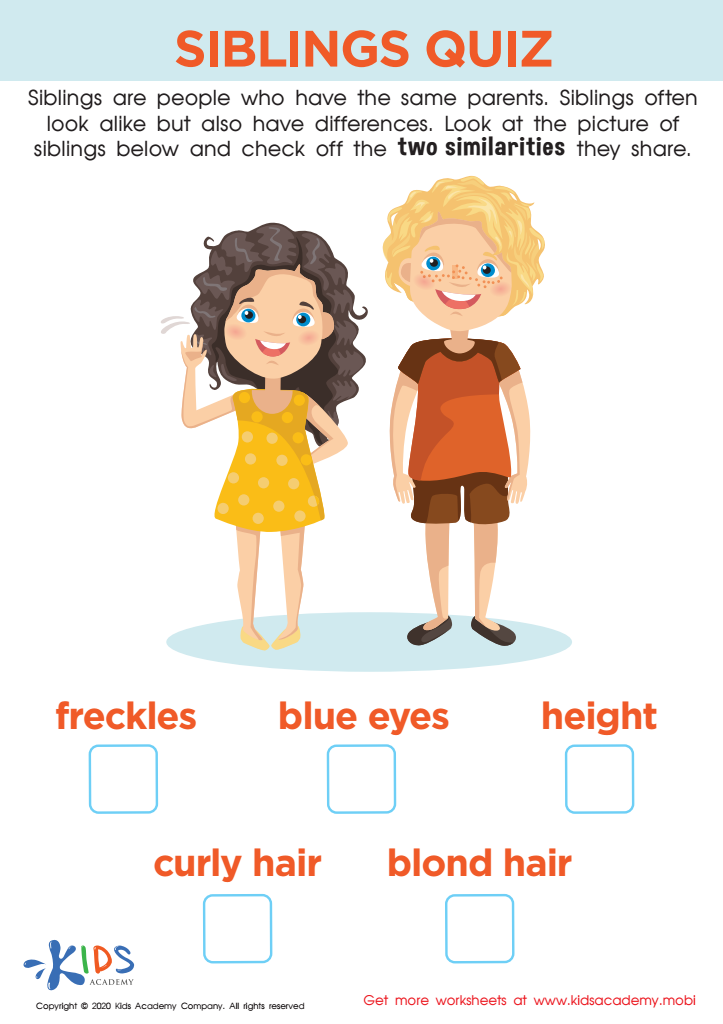
Siblings Quiz Worksheet
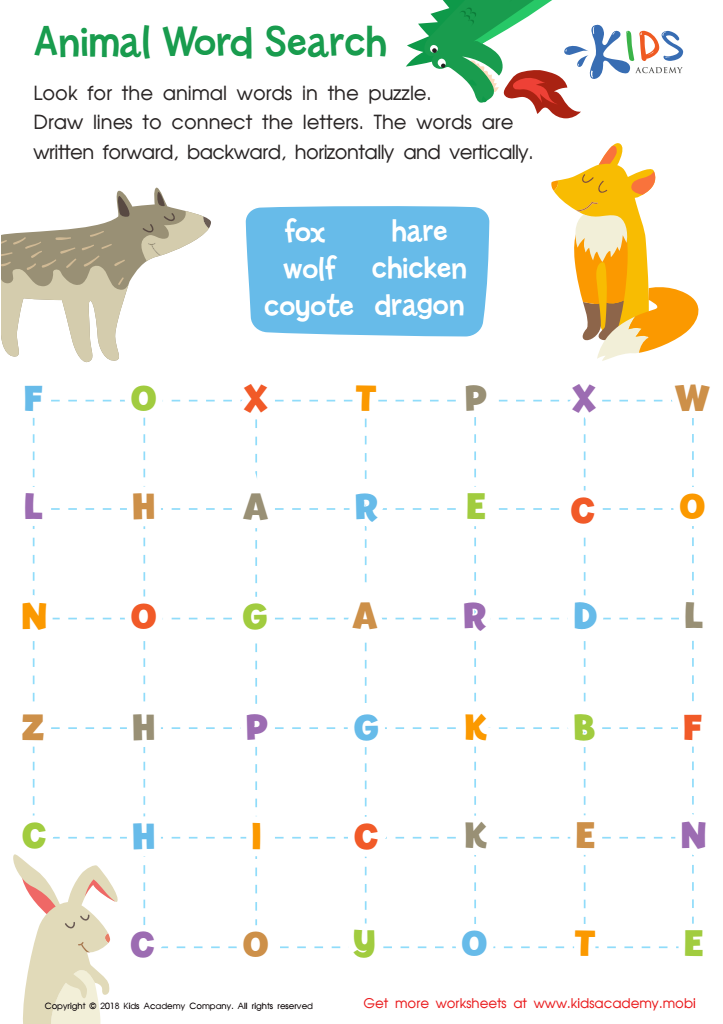
Animal Word Search Worksheet
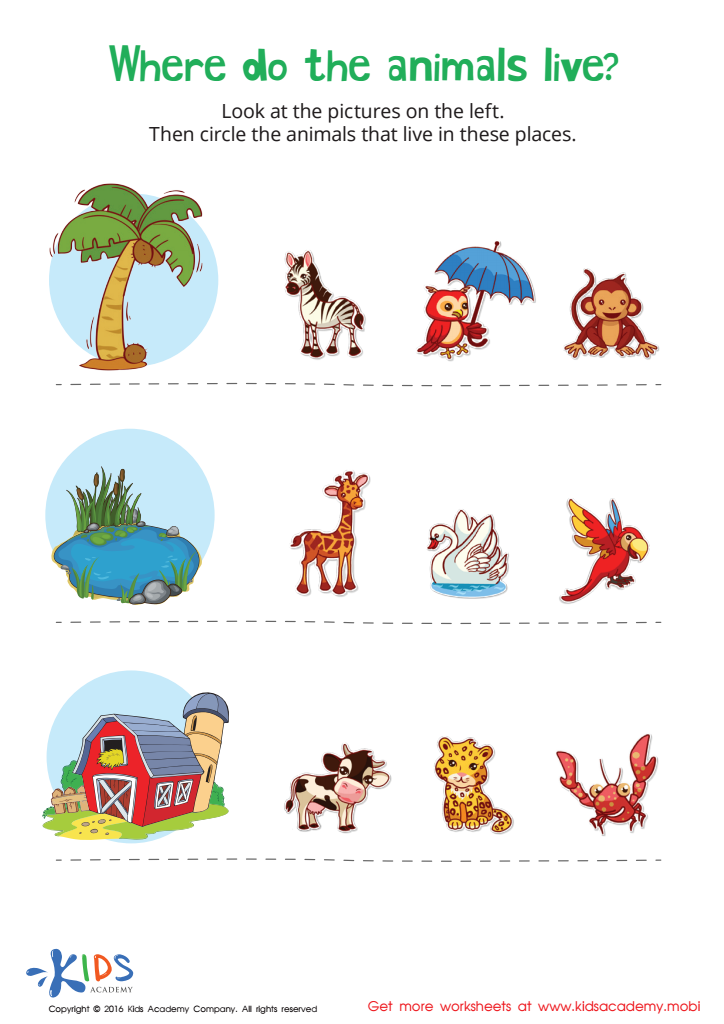
Where Animals Live Worksheet
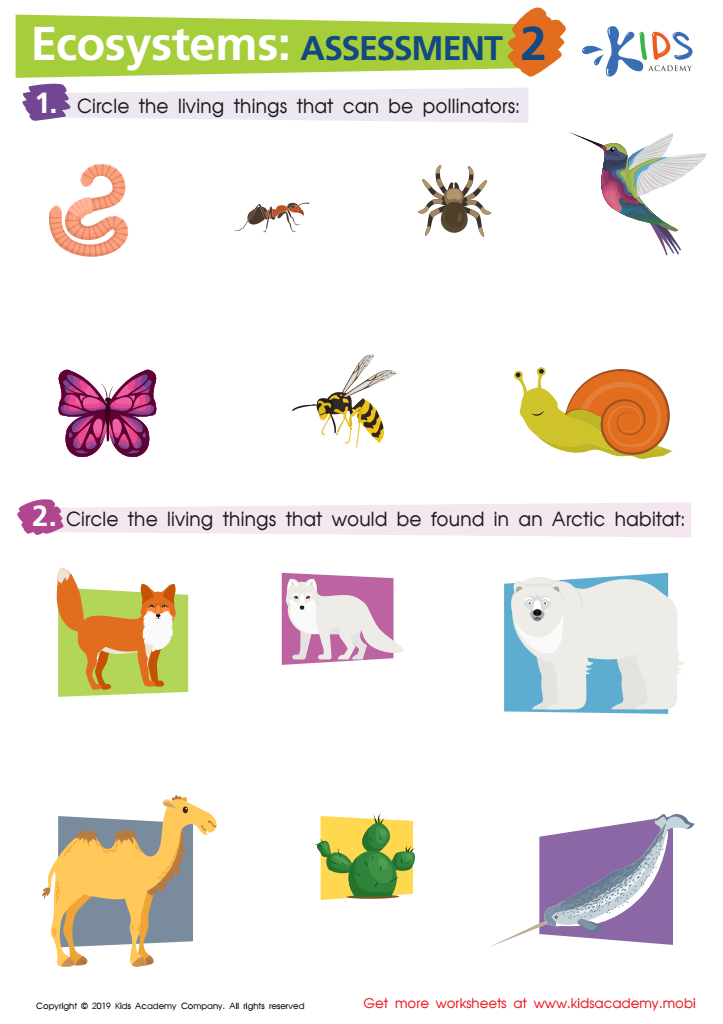
Ecosystems: Assessment 2 Worksheet
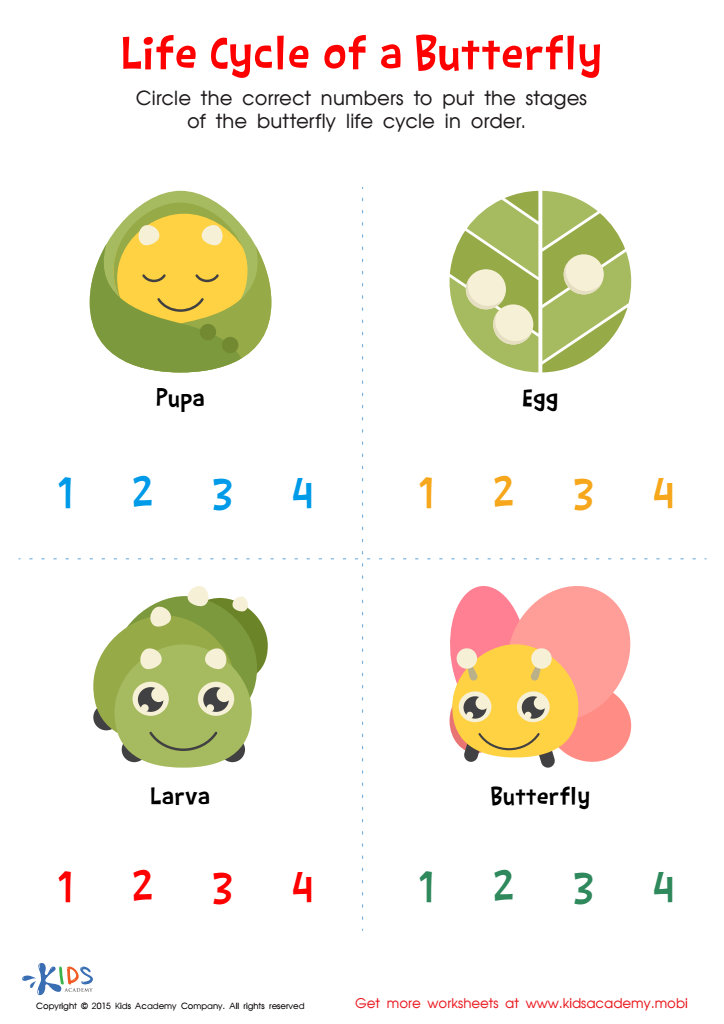
Life Cycle of Butterfly Printable
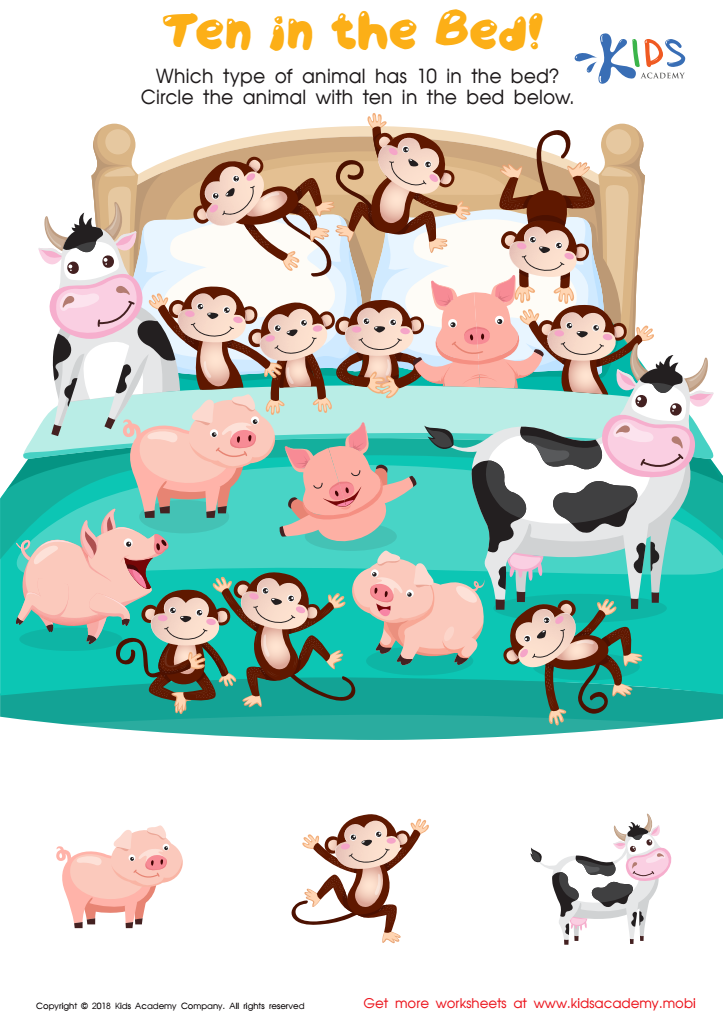
Ten in the Bed Worksheet
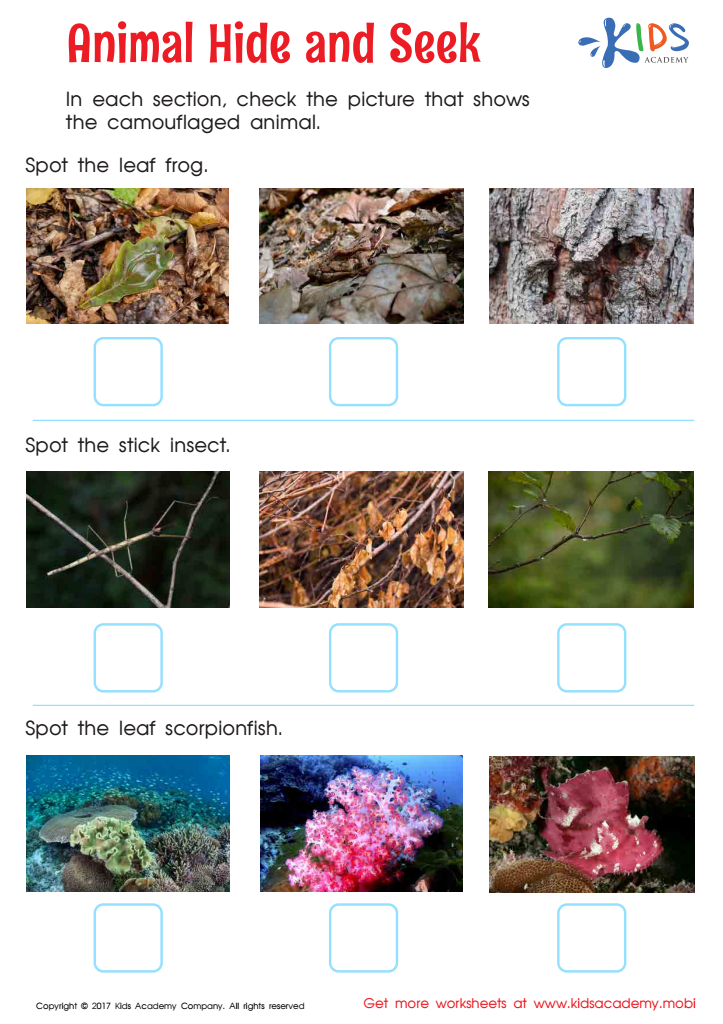
Animal Hide and Seek Worksheet
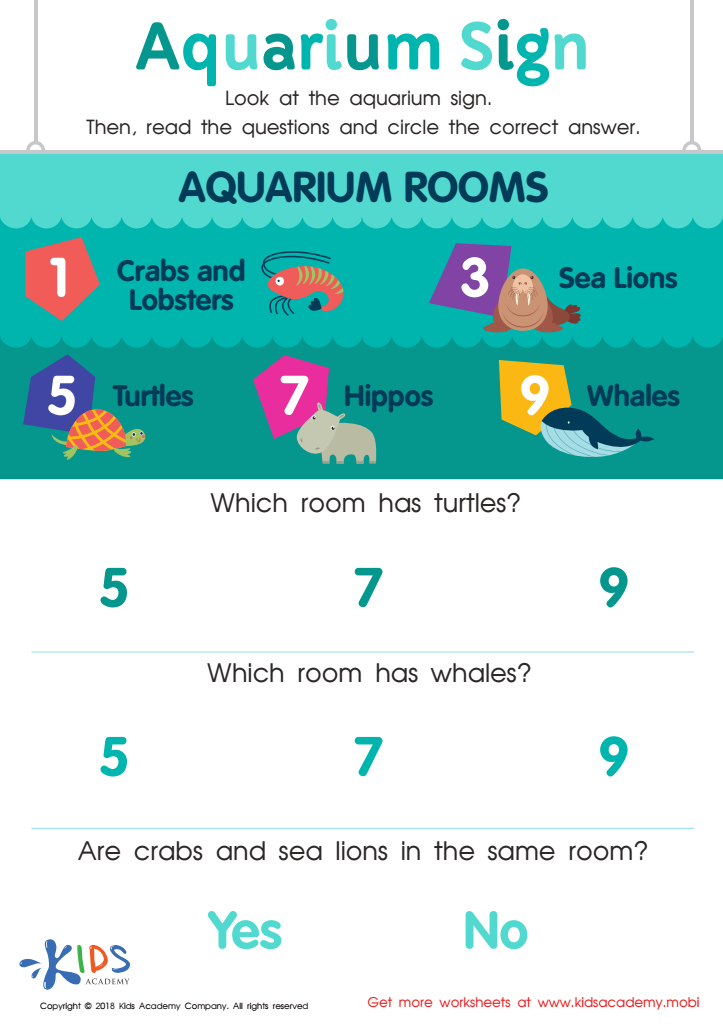
Assessment: Aquarium Sign Worksheet







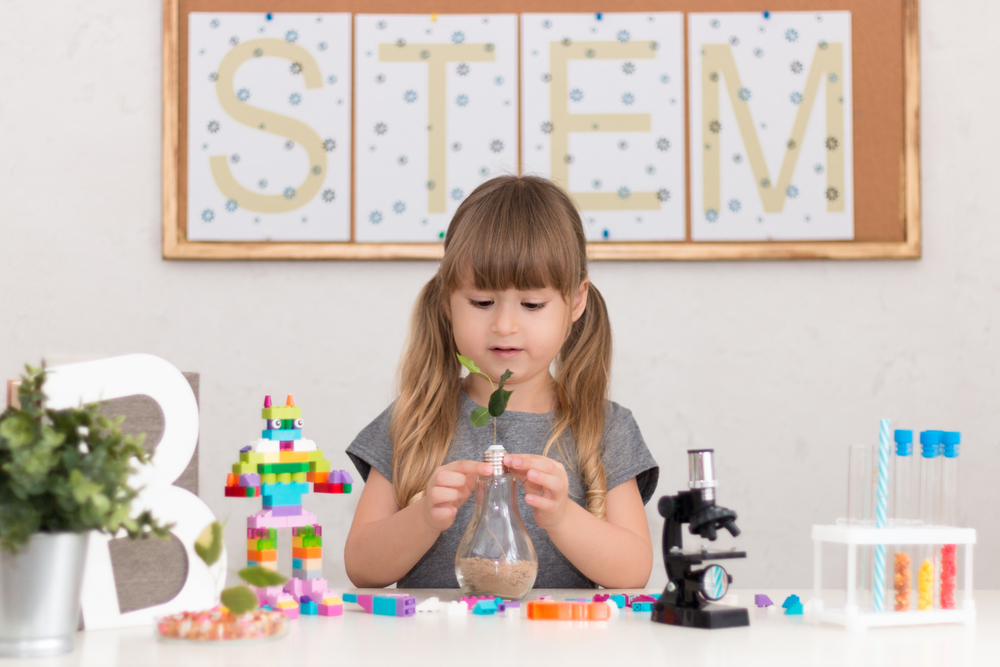
Parents and teachers should care about plants and animals for ages 3-7 because this foundational exposure ignites curiosity and fosters a lasting connection to the natural world. During these formative years, children are incredibly receptive to new experiences and knowledge, and the vibrant and dynamic world of plants and animals can captivate their interest and imagination. Learning about different species builds essential vocabulary and comprehension skills, setting the stage for future scientific understanding.
Moreover, engaging with nature helps develop empathy and responsibility. When children take care of plants or pets, they learn about the needs of living beings and the impact of their actions. This hands-on interaction encourages patience, observation skills, and an appreciation for life cycles and biodiversity.
Outdoor exploration and interactions with nature also contribute positively to physical health and cognitive development. Activities such as gardening and nature walks promote physical activity, coordination, and sensory experiences, aiding in motor skills development.
For educational settings, integrating lessons on plants and animals can create dynamic, interdisciplinary learning experiences that blend science with art, storytelling, and math, making learning holistic and engaging. By nurturing a love for nature early, parents and teachers can instill values of stewardship and conservation, essential for fostering a future generation that prioritizes environmental sustainability.








