Writing Worksheets for Ages 3-7 - Page 3
234 filtered results
-
From - To
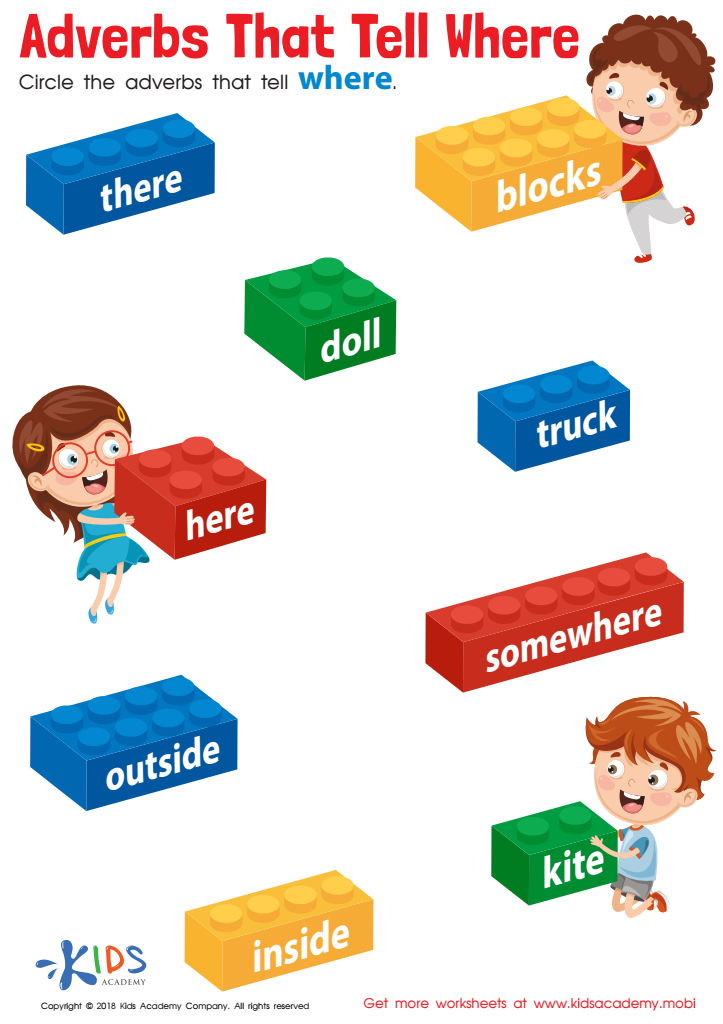
Adverbs That Tell Where Worksheet
 Assign to My Students
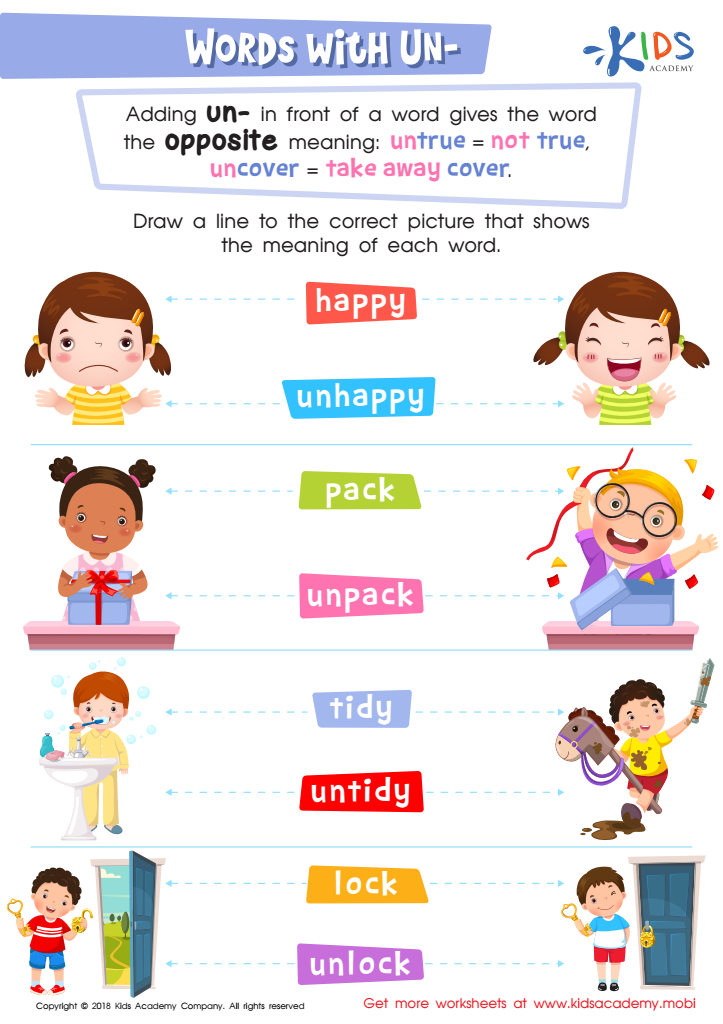
Words with Un– Worksheet
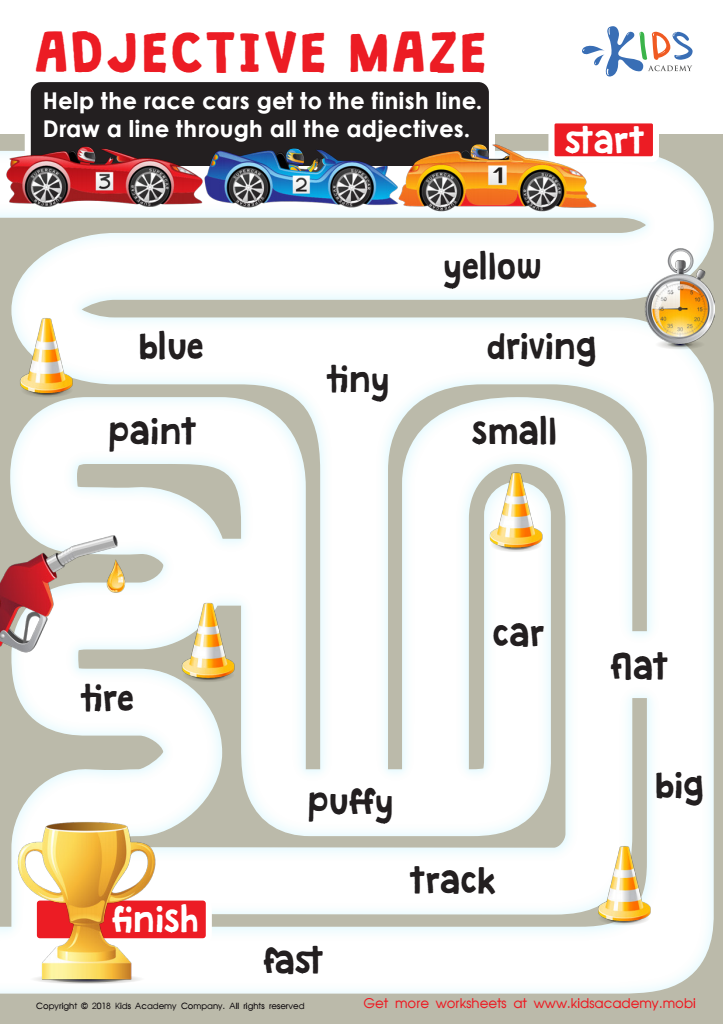
Adjective Maze Worksheet
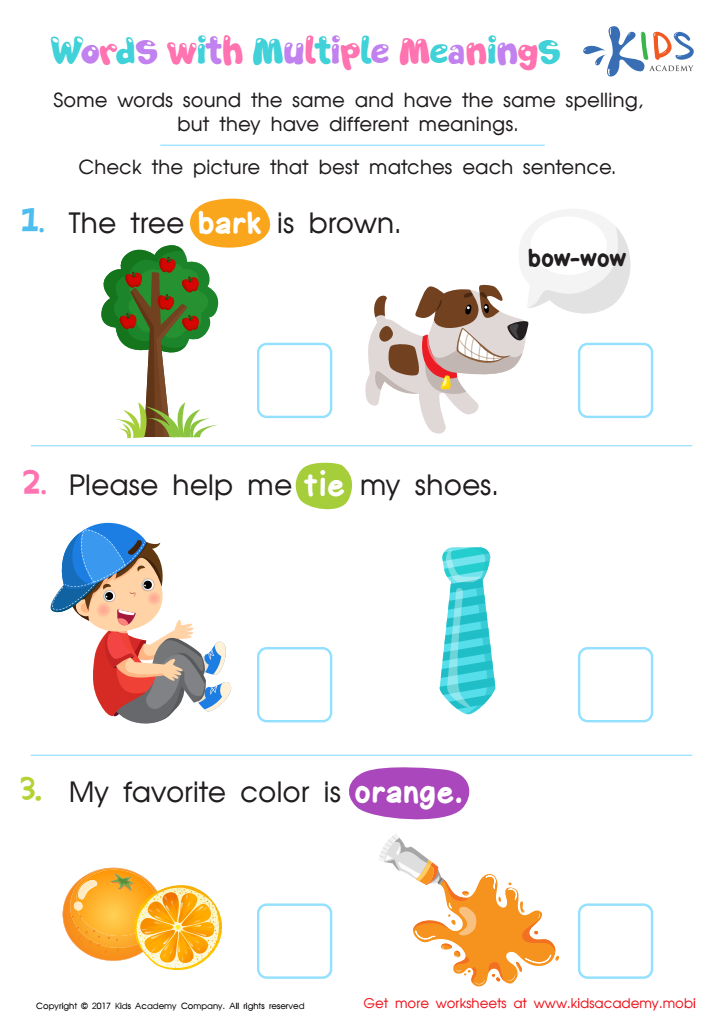
Words with Multiple Meanings Worksheet
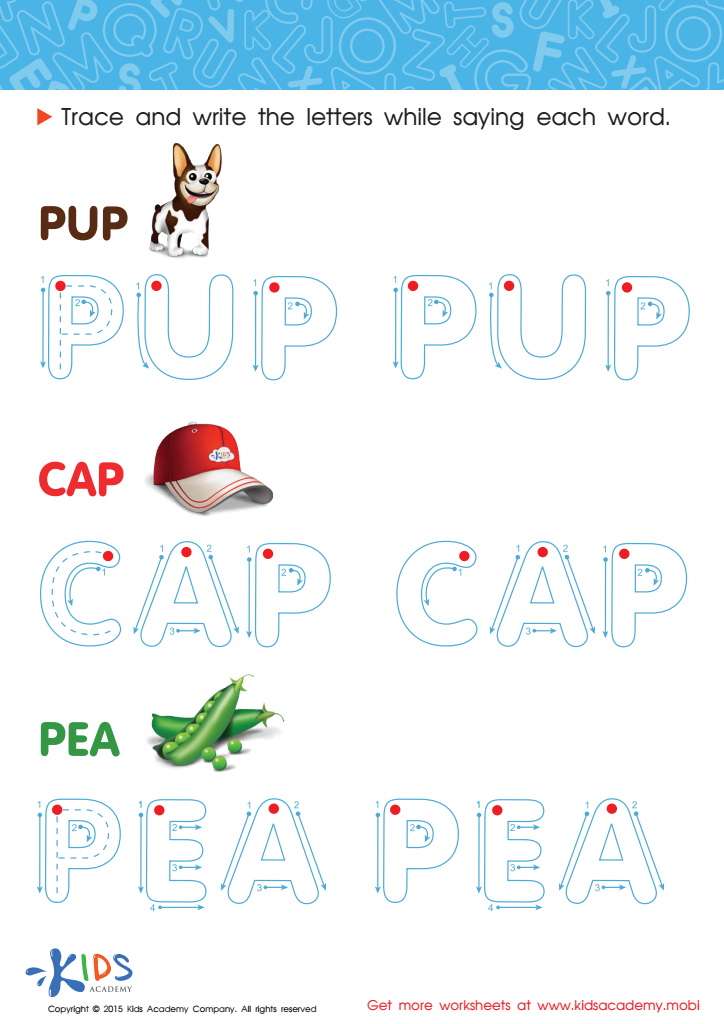
A Pup, a Cap and a Pea Spelling Worksheet
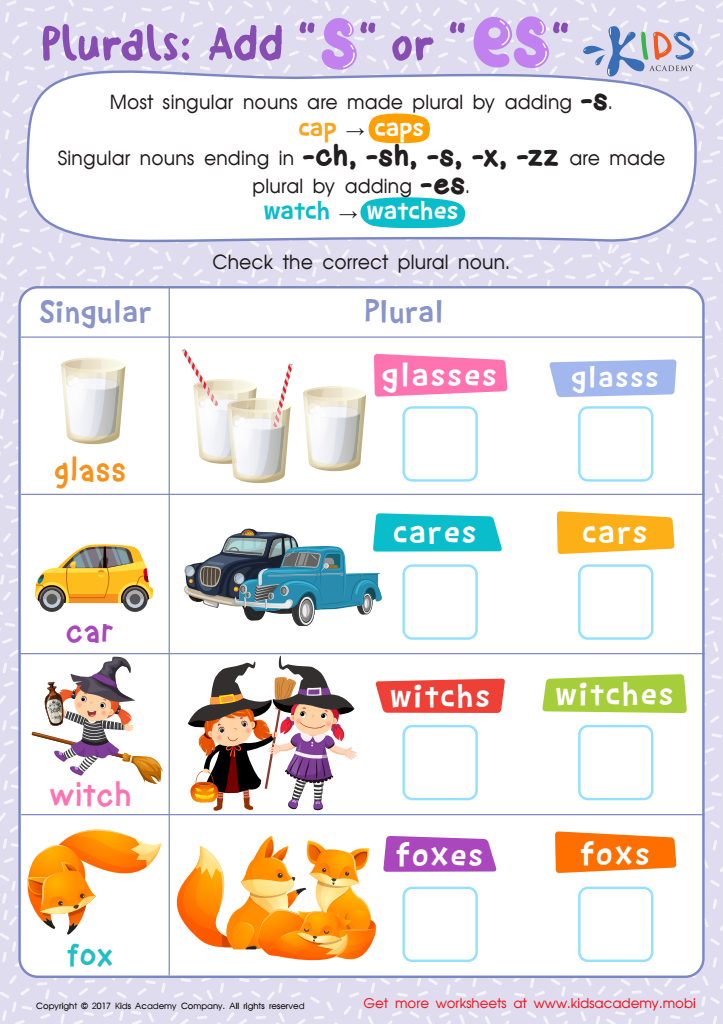
Plurals: "–es" or "–es"? Worksheet
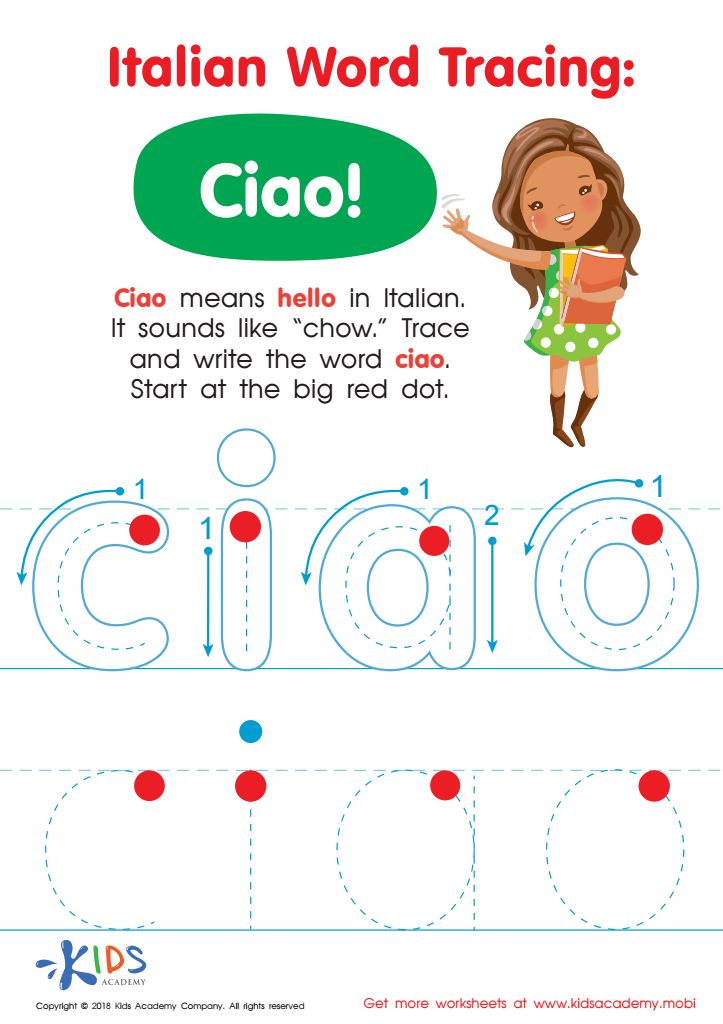
Italian Word Tracing: Ciao Worksheet
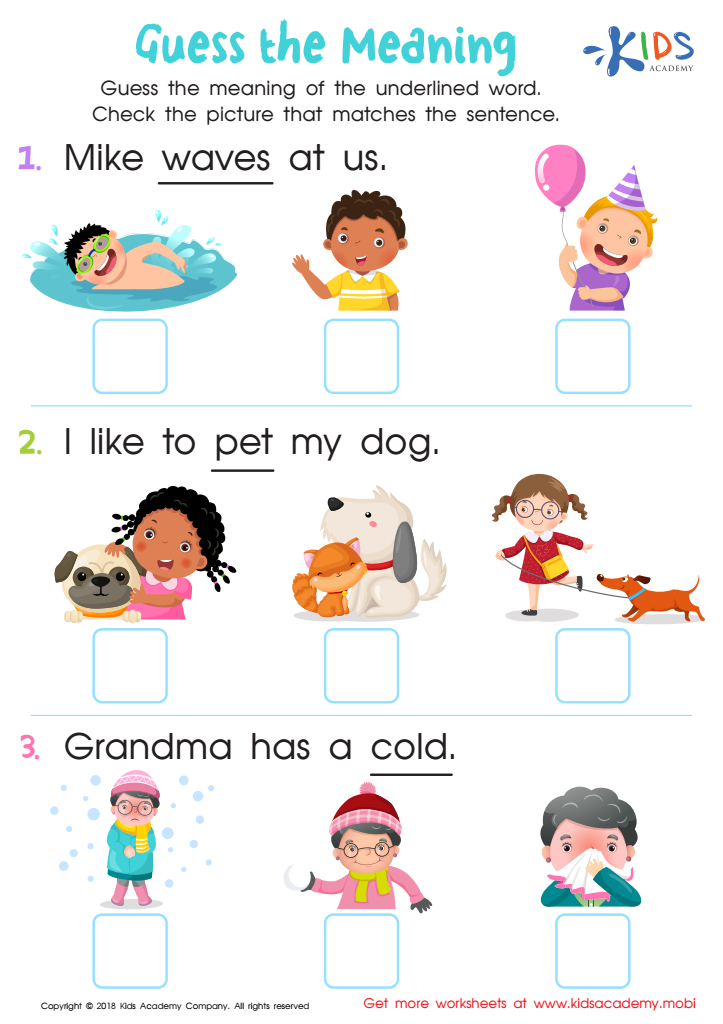
Guess the Meaning Worksheet
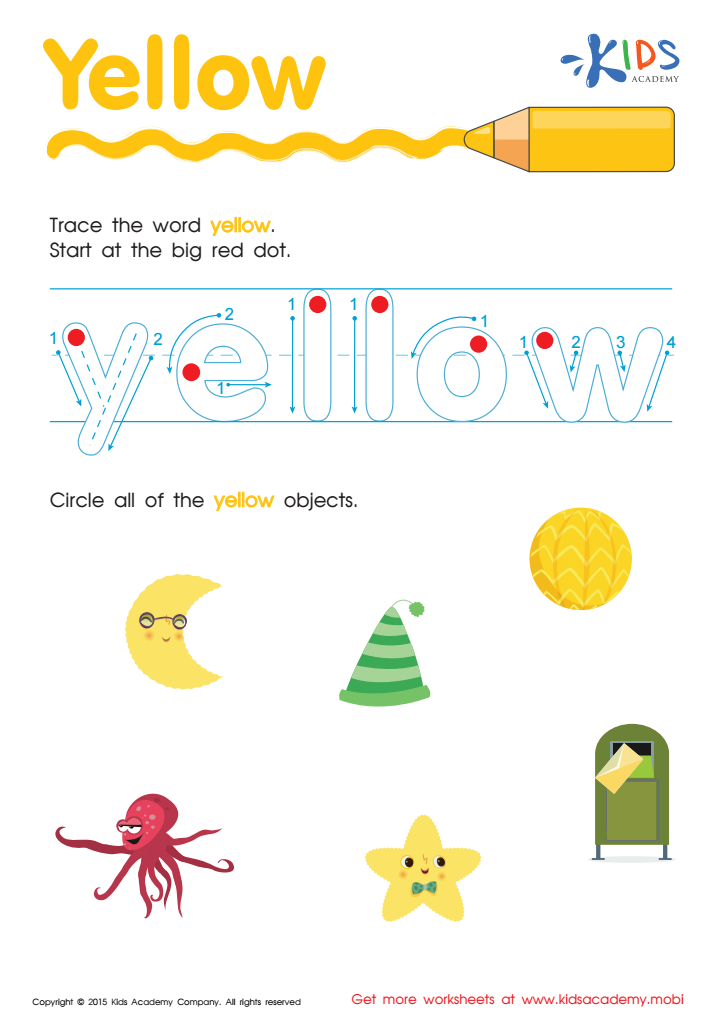
Yellow Tracing Color Words Worksheet
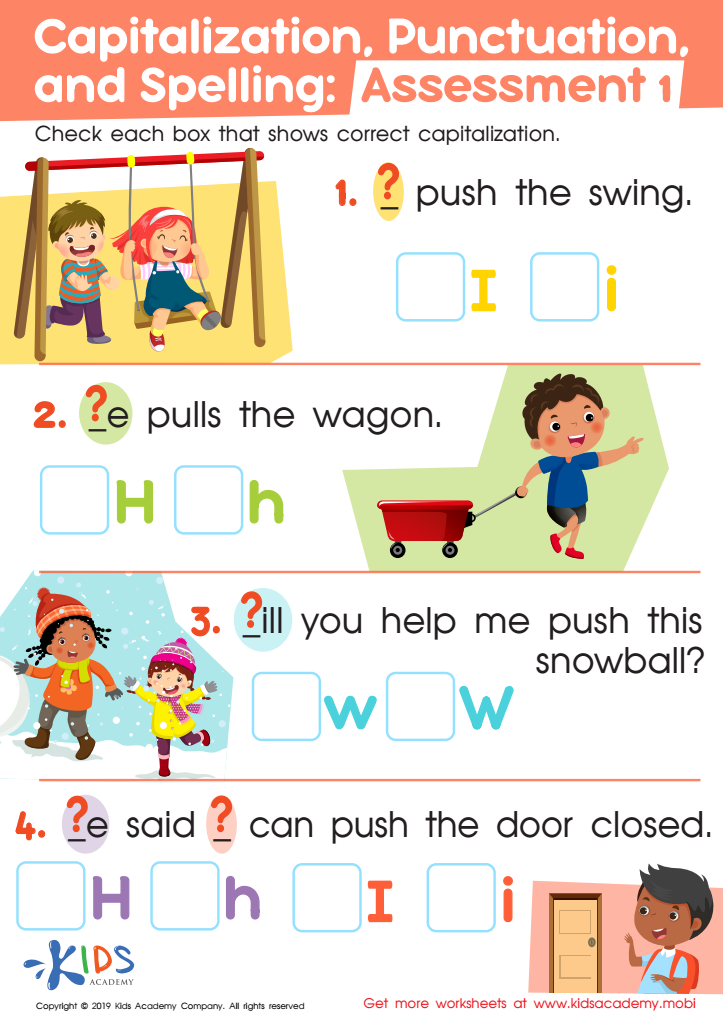
Capitalization. Punctuation. Spelling: Assessment 1 Worksheet
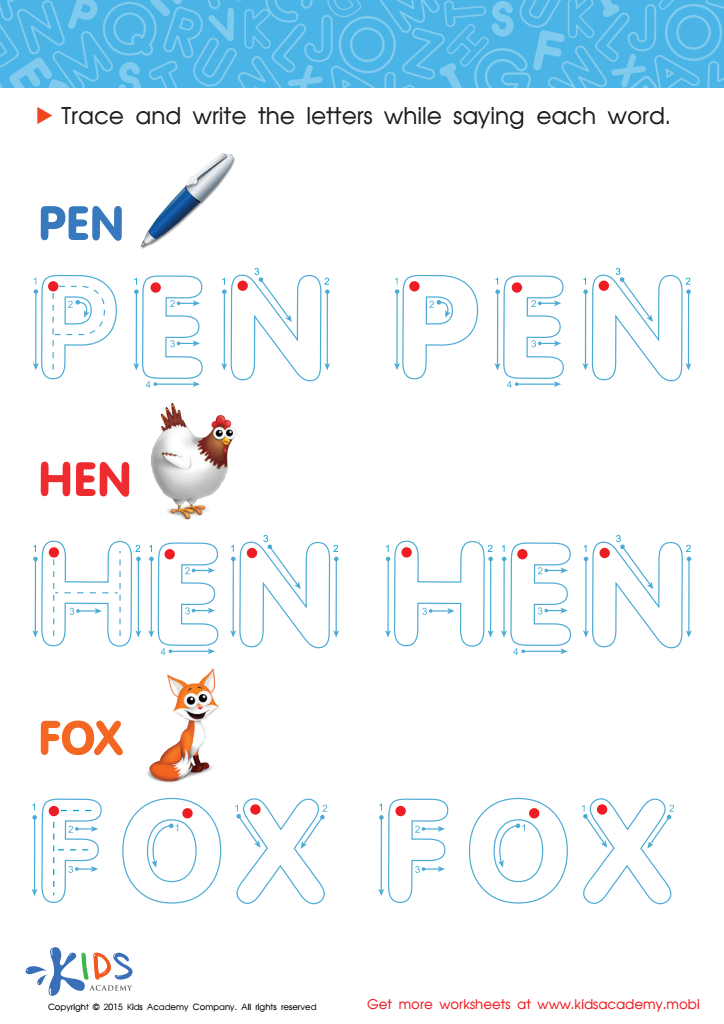
A Pen, a Hen and a Fox Spelling Worksheet
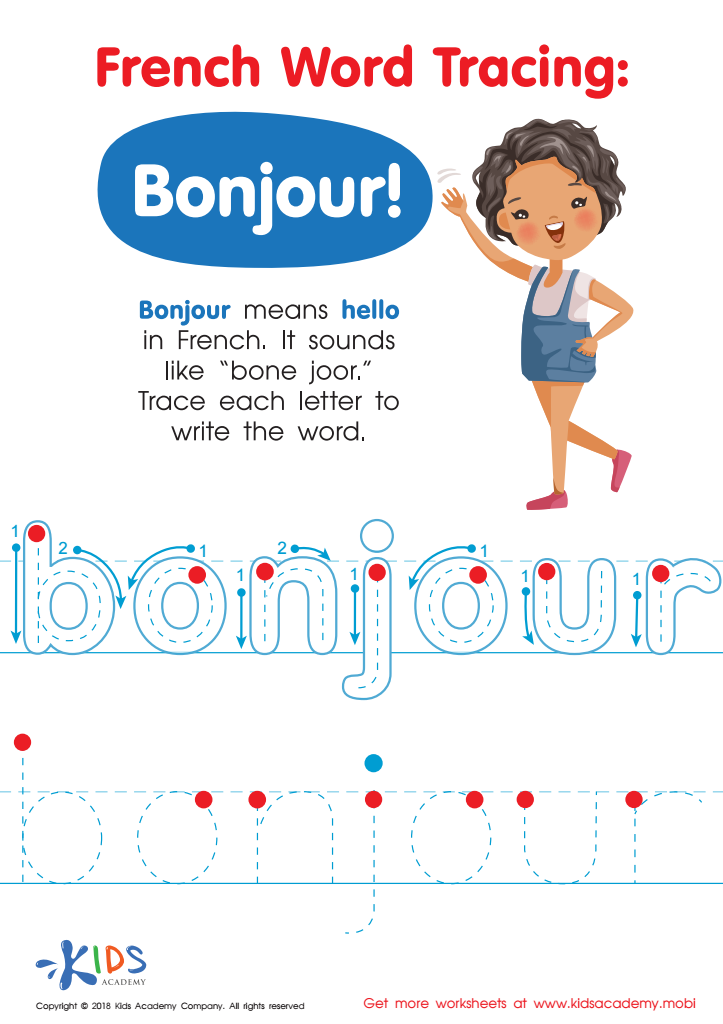
French Word Tracing: Bonjour Worksheet
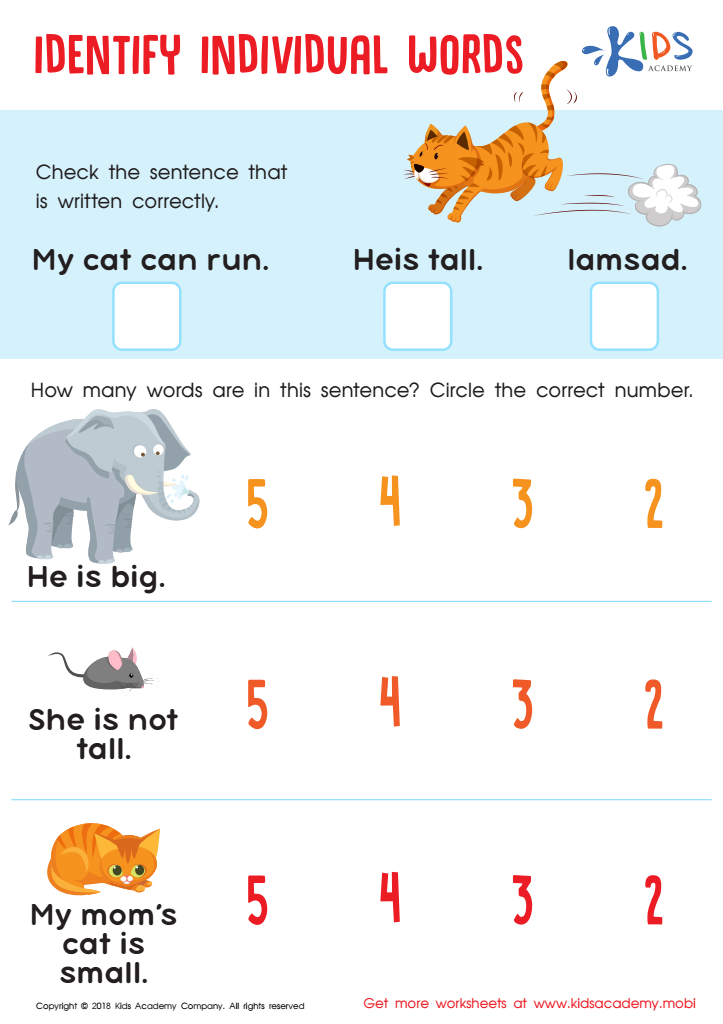
Identify Individual Words Worksheet
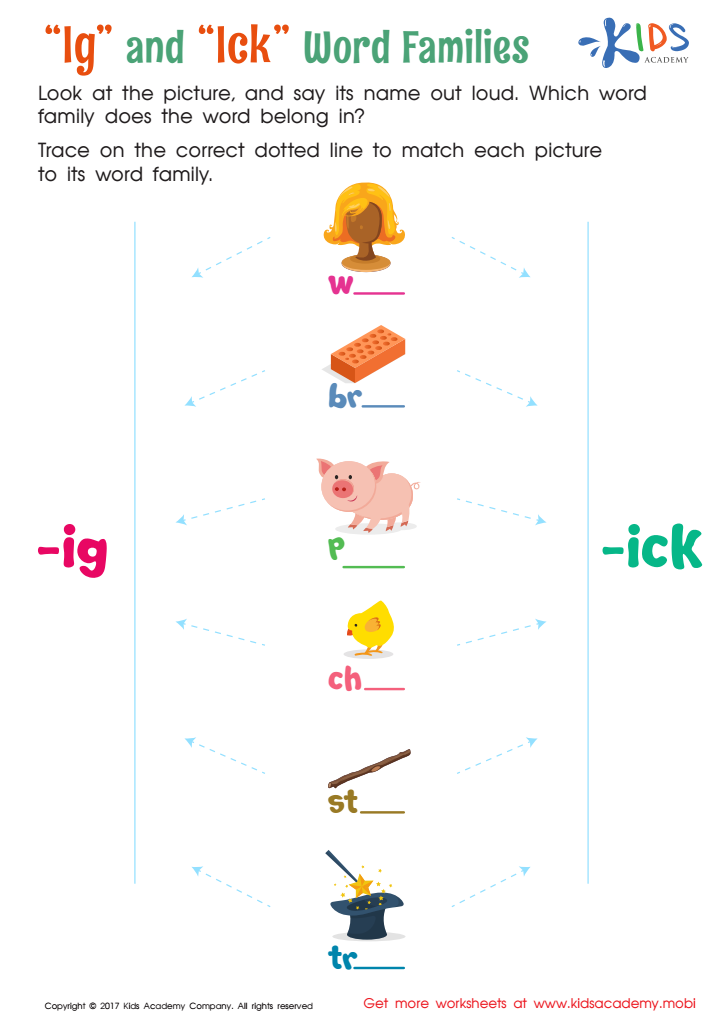
Words Families "ig" and "ick" Spelling Worksheet
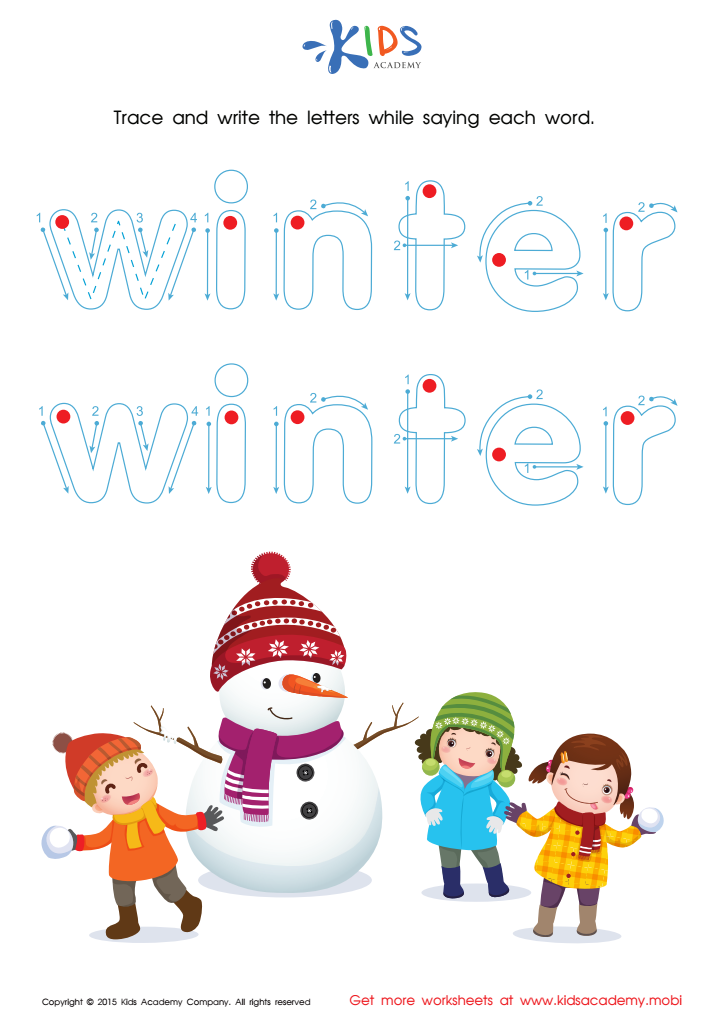
Snowman Tracing Winter Words Worksheet
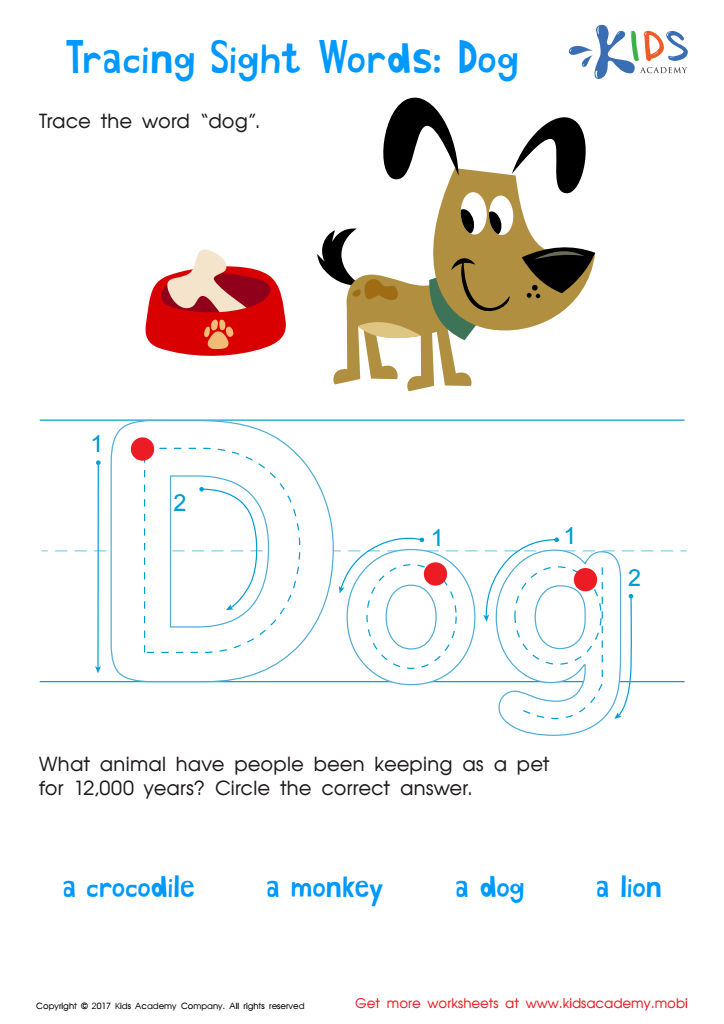
Dog Worksheet Sight Words Worksheet
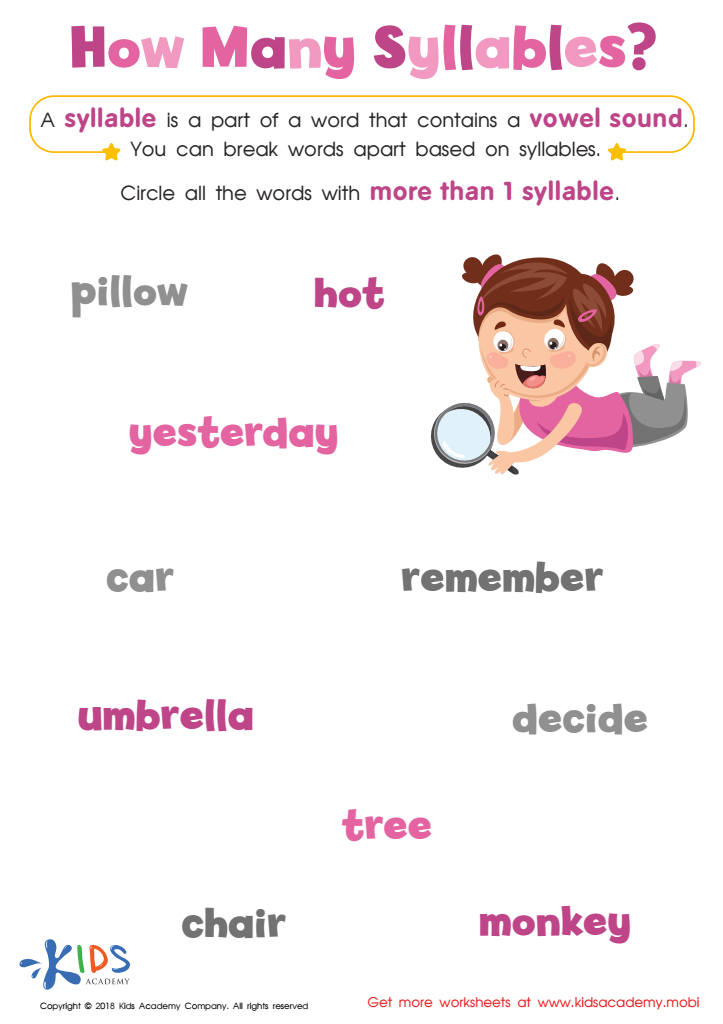
Reading: How Many Syllables Worksheet
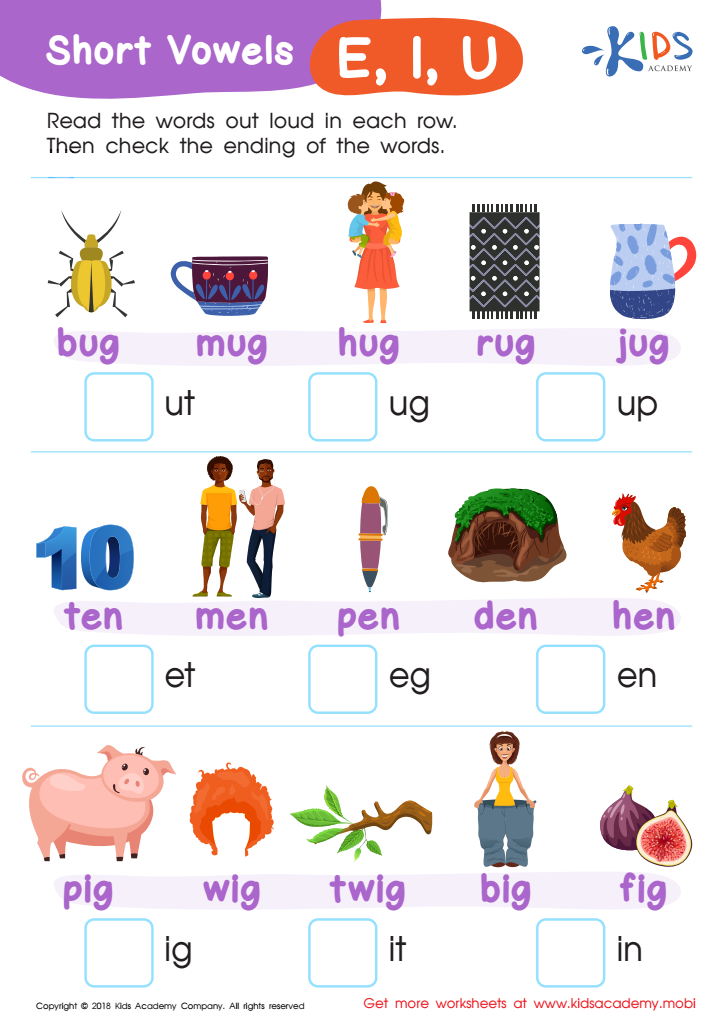
Short Vowels /e/, /i/, and /u/ Worksheet
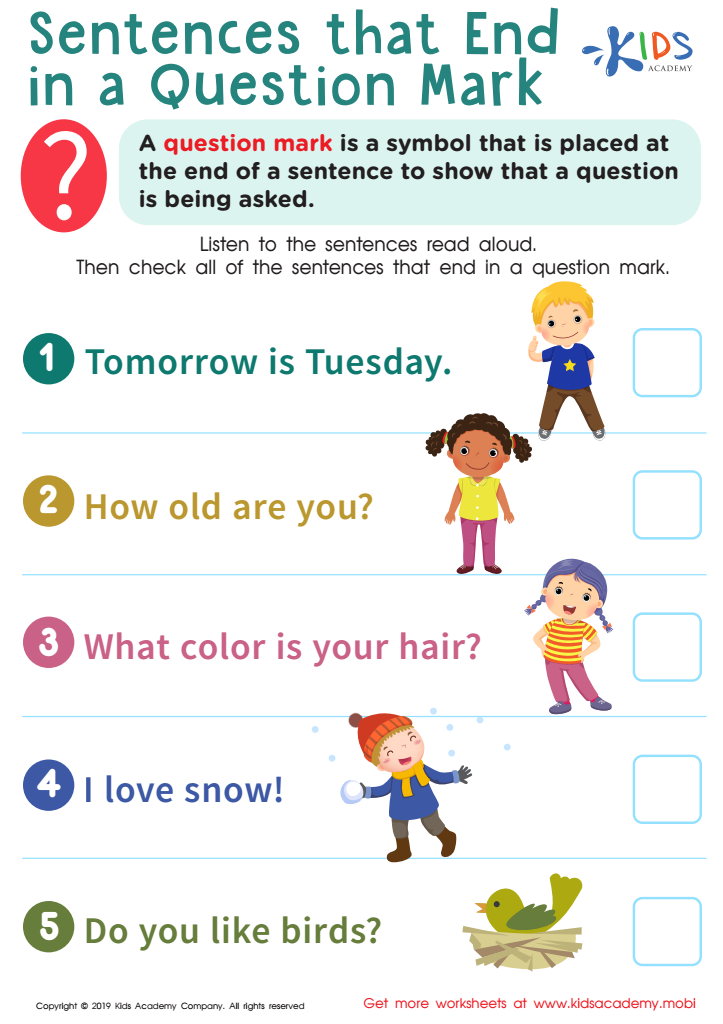
Sentences That End in an Question Mark Worksheet
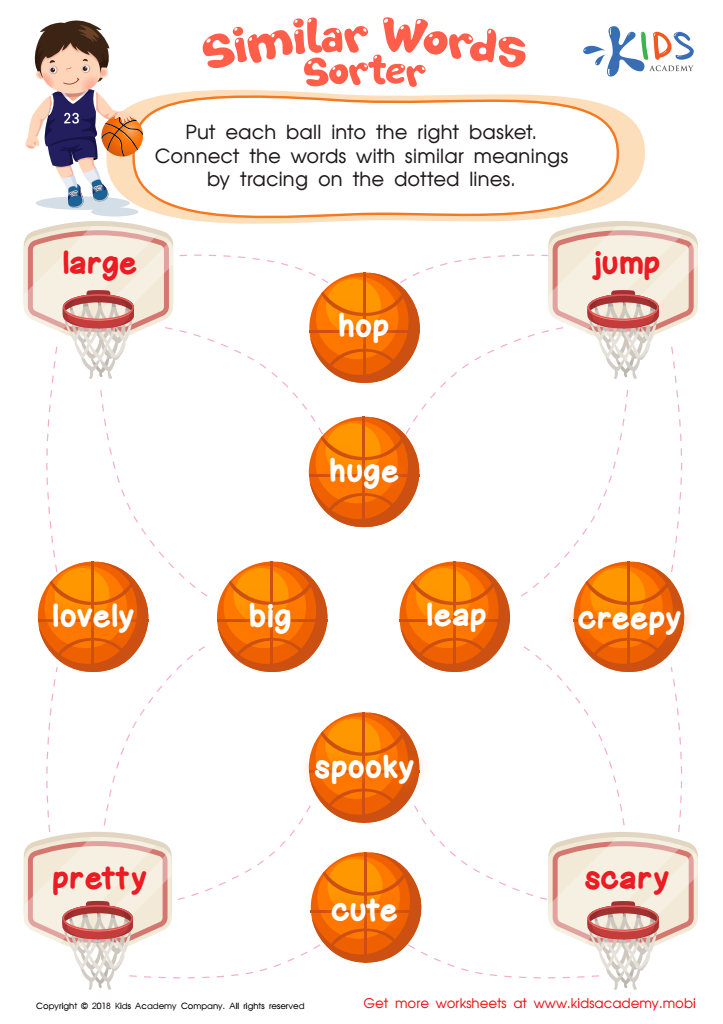
Similar Words Worksheet
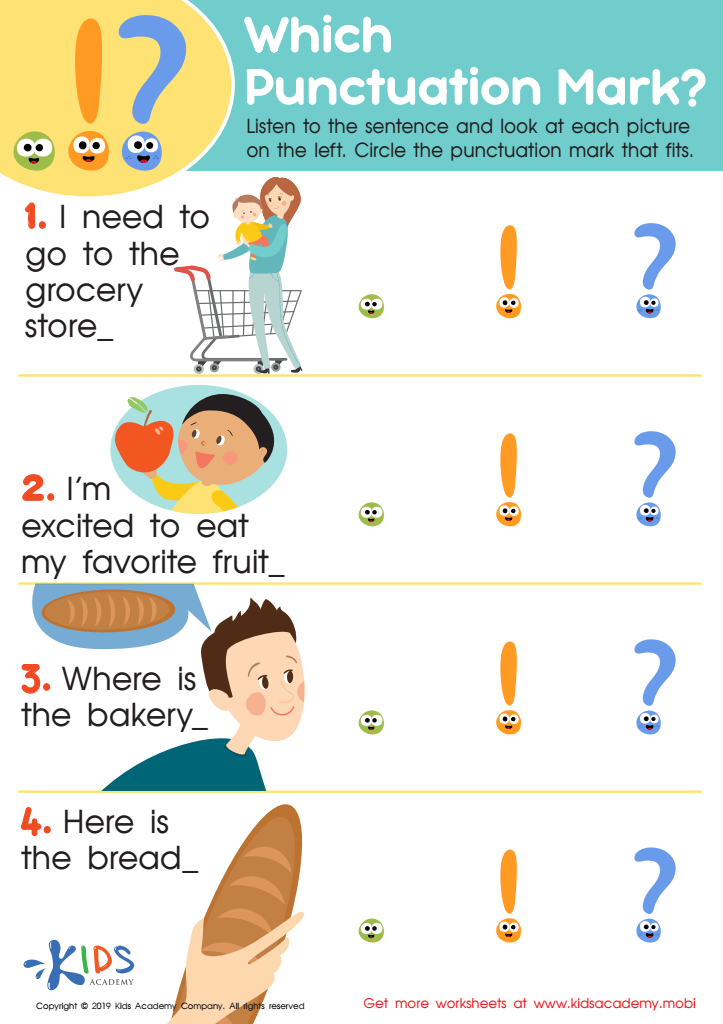
Which Punctuation Mark Worksheet
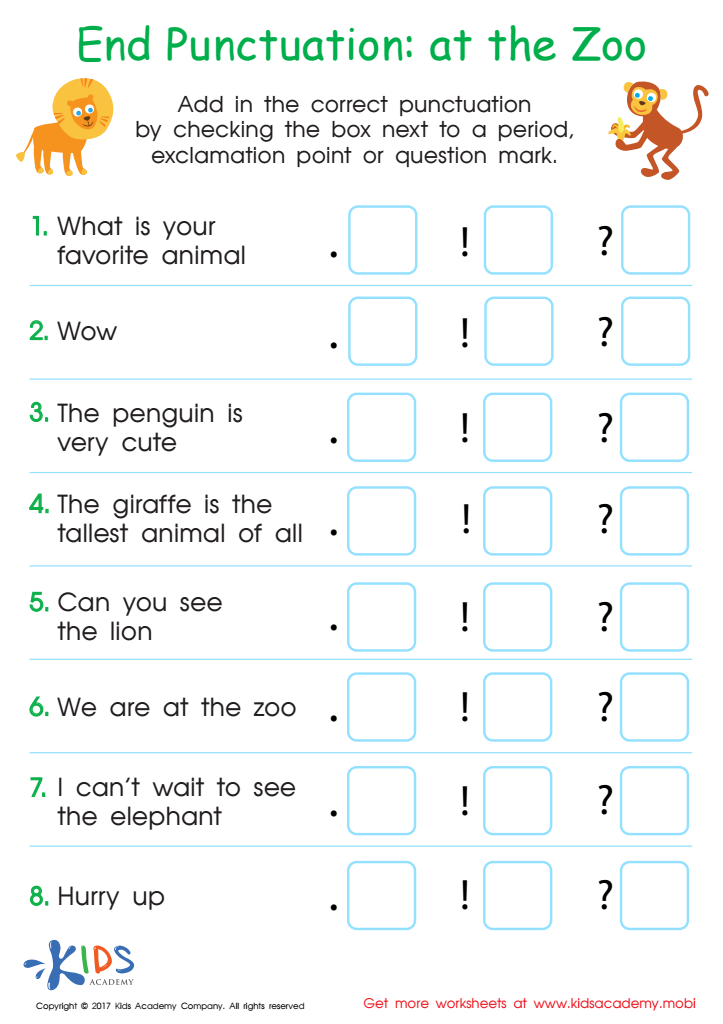
End Punctuation: At the Zoo Worksheet
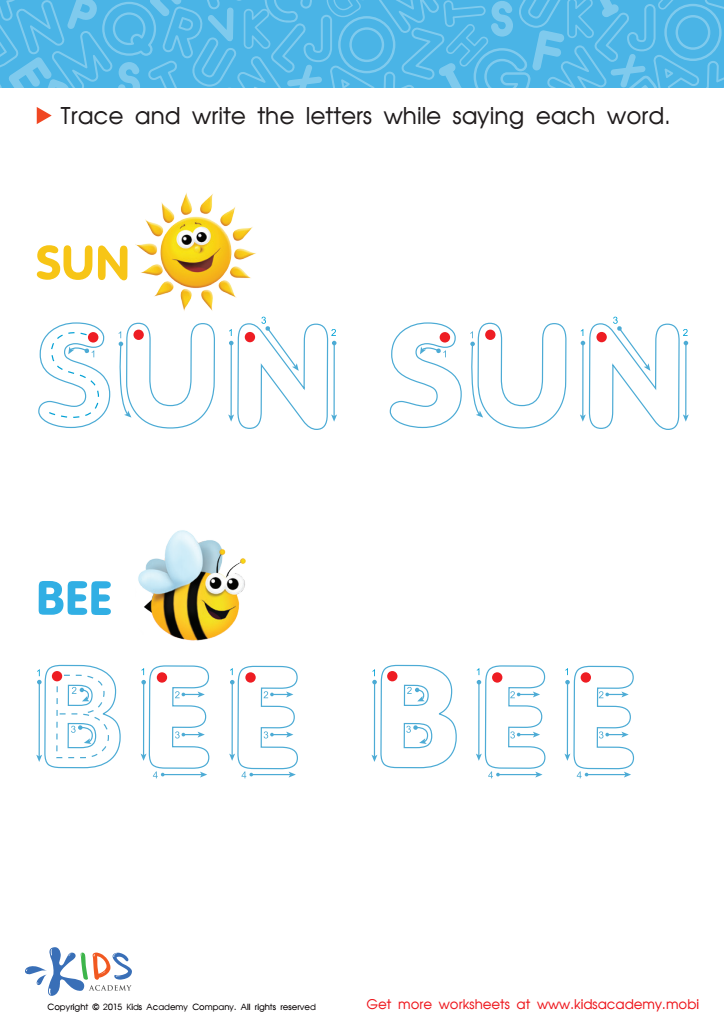
The Sun and a Bee Spelling Worksheet
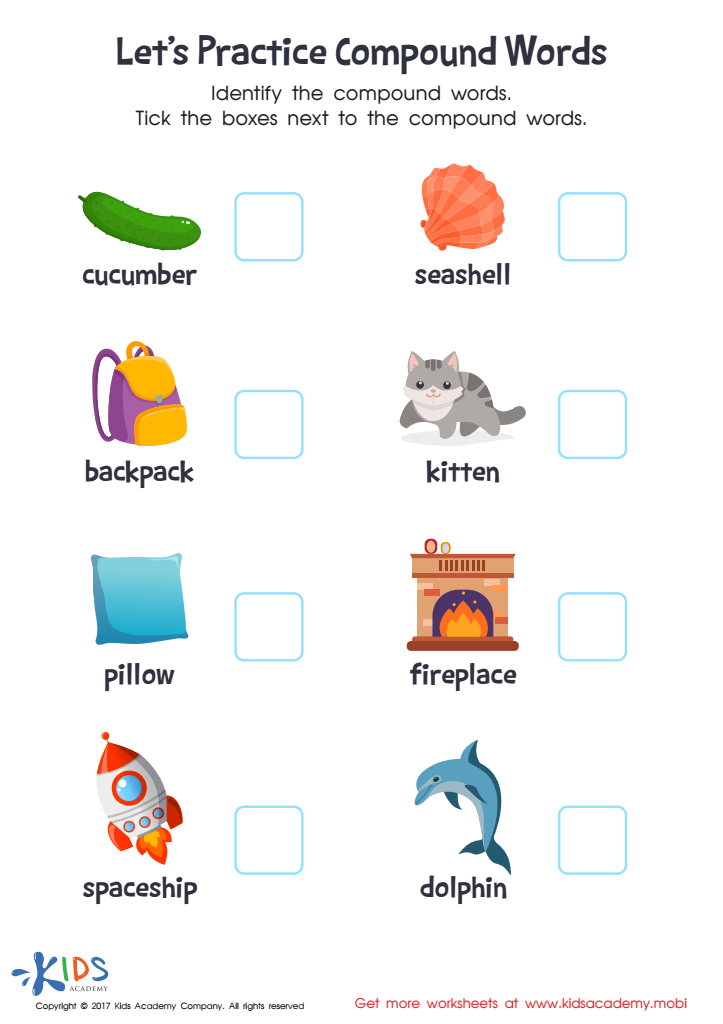
Let's Practice Compound Words Word Structure Worksheet







Encouraging writing in children aged 3-7 is crucial for multiple developmental reasons. At this early stage, children are in rapid cognitive and motor-skill development—fundamental components in learning to write. Writing activities engage fine motor skills, such as finger strength and dexterity, which are necessary for tasks like buttoning clothes and using utensils. Understanding writing also fuels language development by expanding vocabulary, enhancing sentence structure, and fostering storytelling abilities.
Additionally, writing helps young children express themselves and comprehend their thoughts and feelings. This practice builds self-esteem and communication skills, vital for social interactions and emotional intelligence. Early writing activities can range from drawing shapes and lines to forming simple letters and words, making learning enjoyable and effectively strengthening their writing foundation.
From an educational standpoint, early exposure to writing prepares children for more sophisticated literacy skills in school. It aids in recognizing patterns, symbols, and sequencing, all foundational for reading proficiency. When parents and teachers invest time in nurturing writing skills, they contribute significantly to a child's overall academic success and lifelong learning abilities. Thus, fostering writing in early childhood not only supports immediate educational outcomes but also ensures a robust start for future academic and personal endeavors.








