Plants and Animals Worksheets for Ages 3-9 - Page 5
142 filtered results
-
From - To
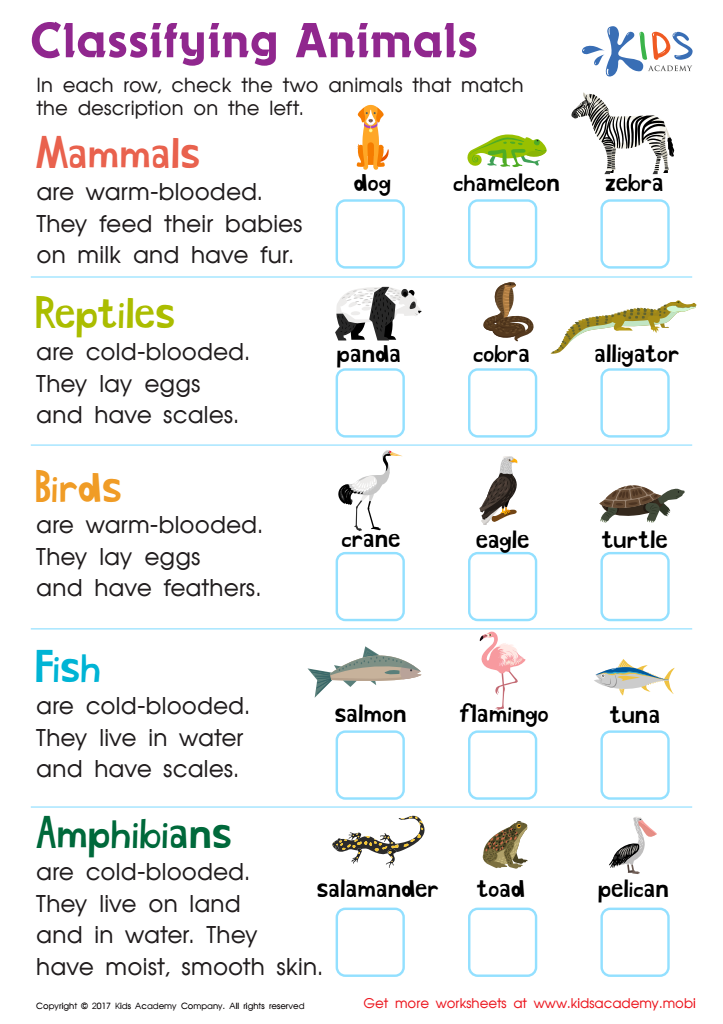
Classifying Animals Worksheet



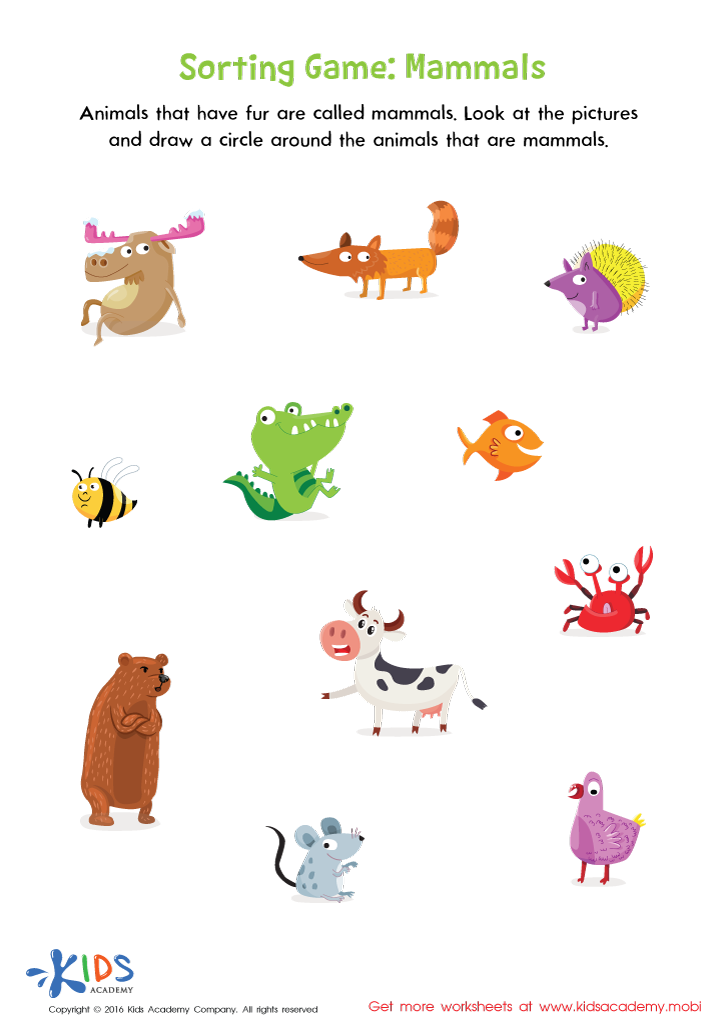
Mammals Sorting Worksheet
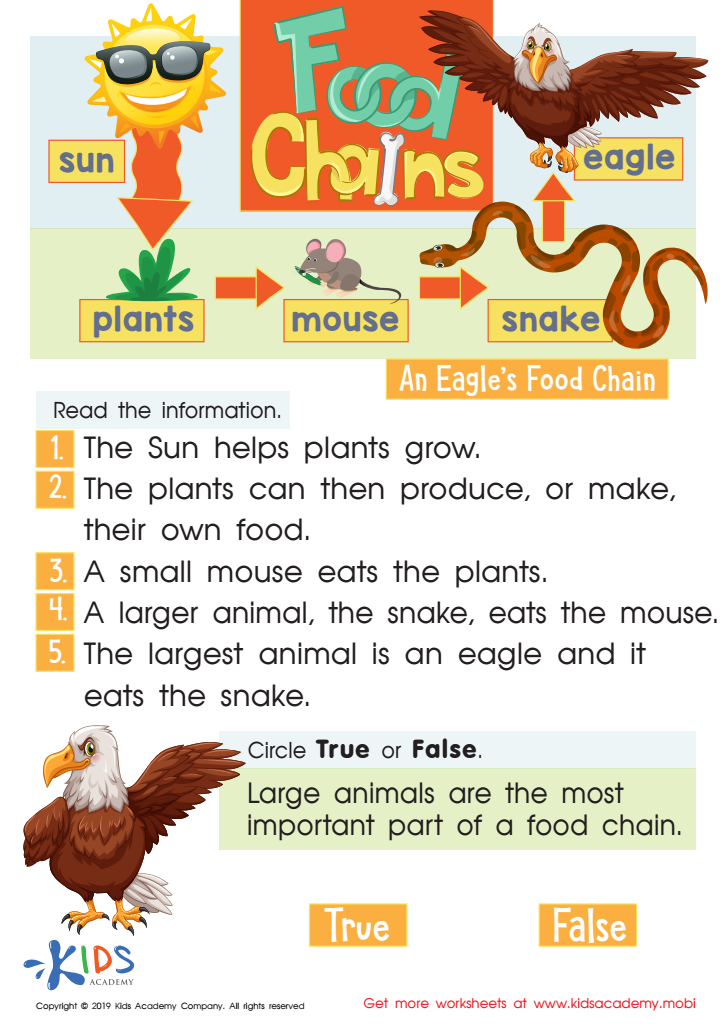
Food Chains Worksheet
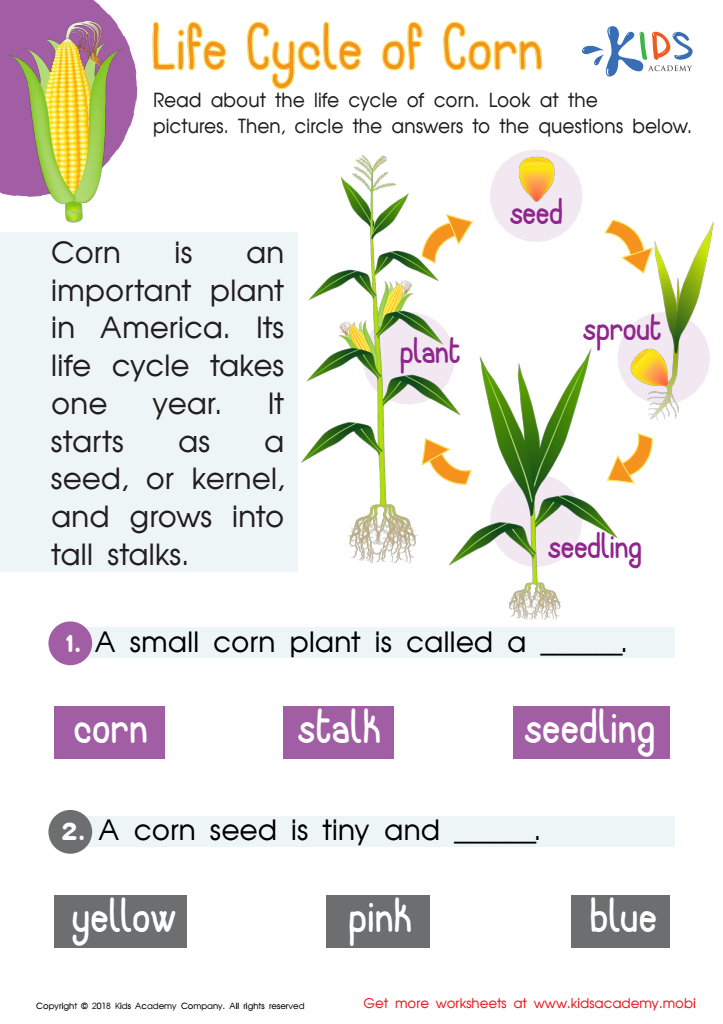
Life Cycle of Corn Worksheet
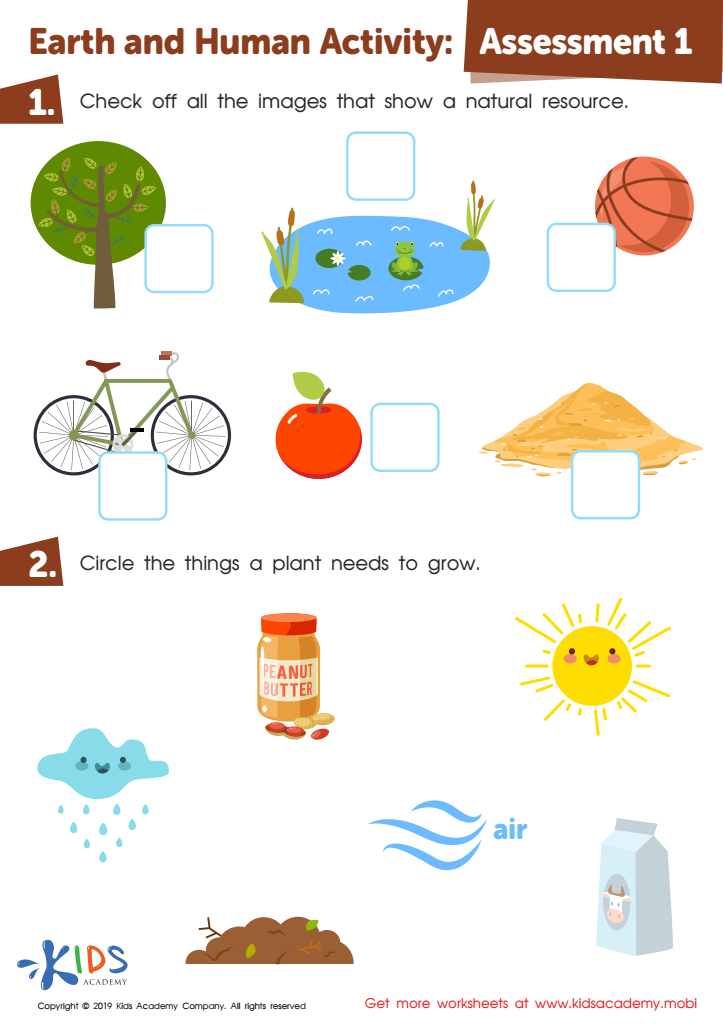
Earth and Human Activity: Assessment 1 Worksheet
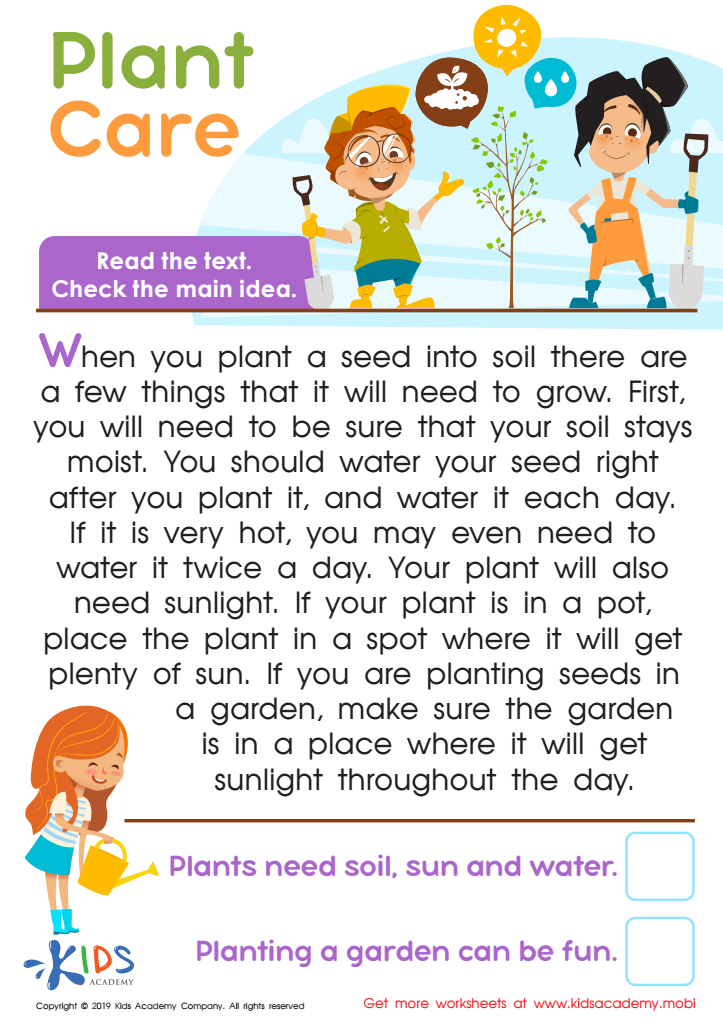
Plant Care Worksheet
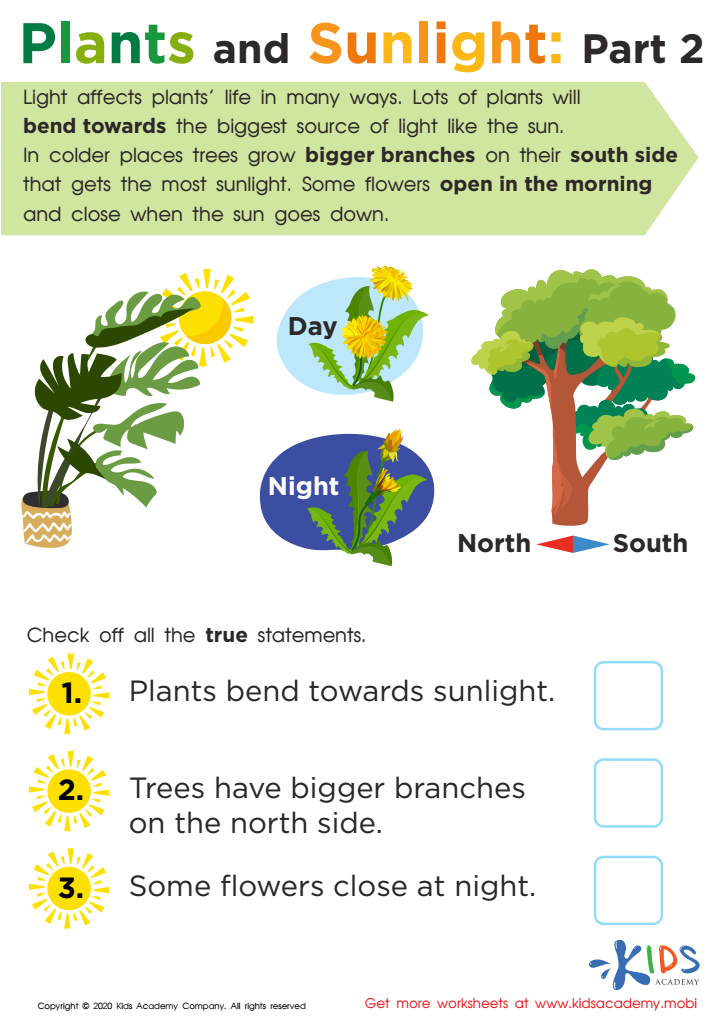
Plants and Sunlight: Part 2 Worksheet
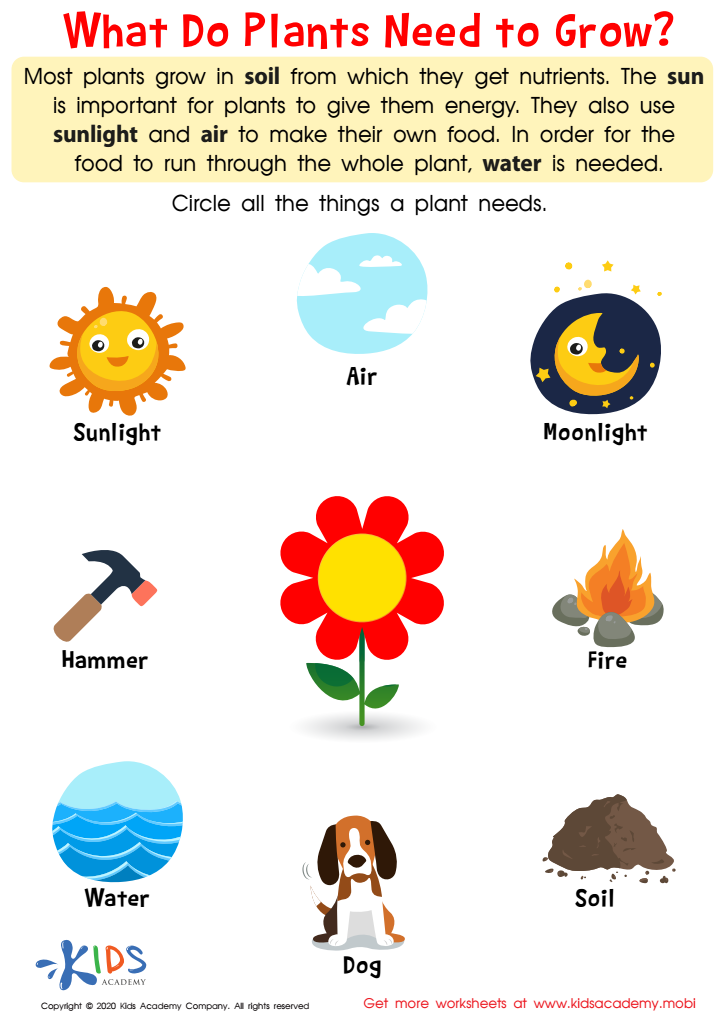
What Do Plants Need to Grow Worksheet
Jungle Plants Worksheet
 Assign to My Students
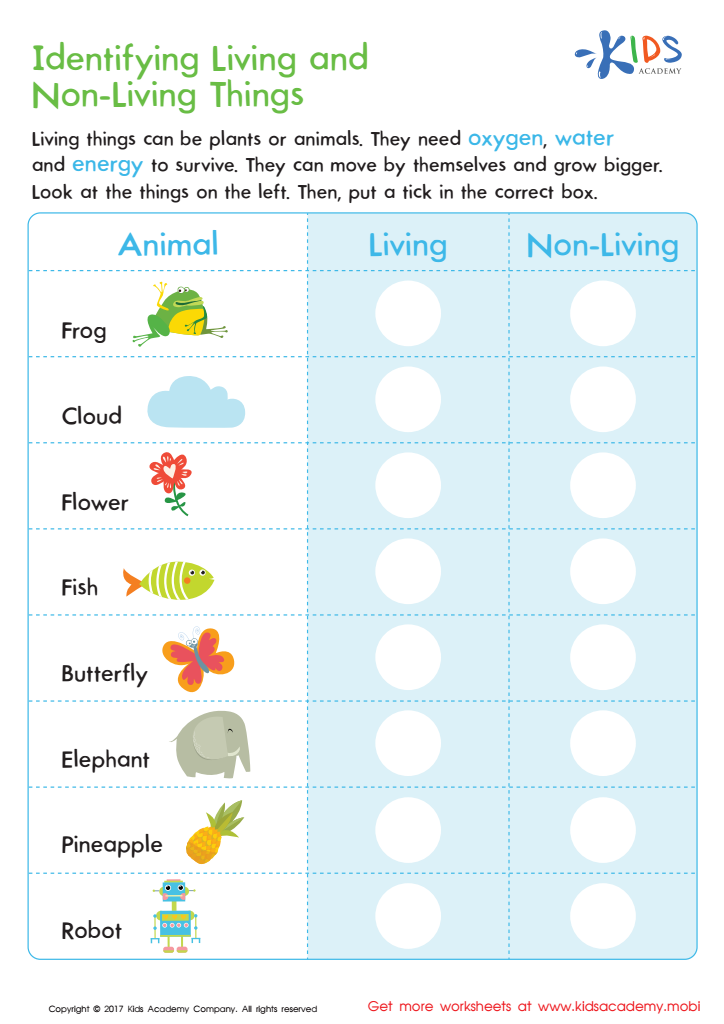
Identifying Living or Non–living Worksheet
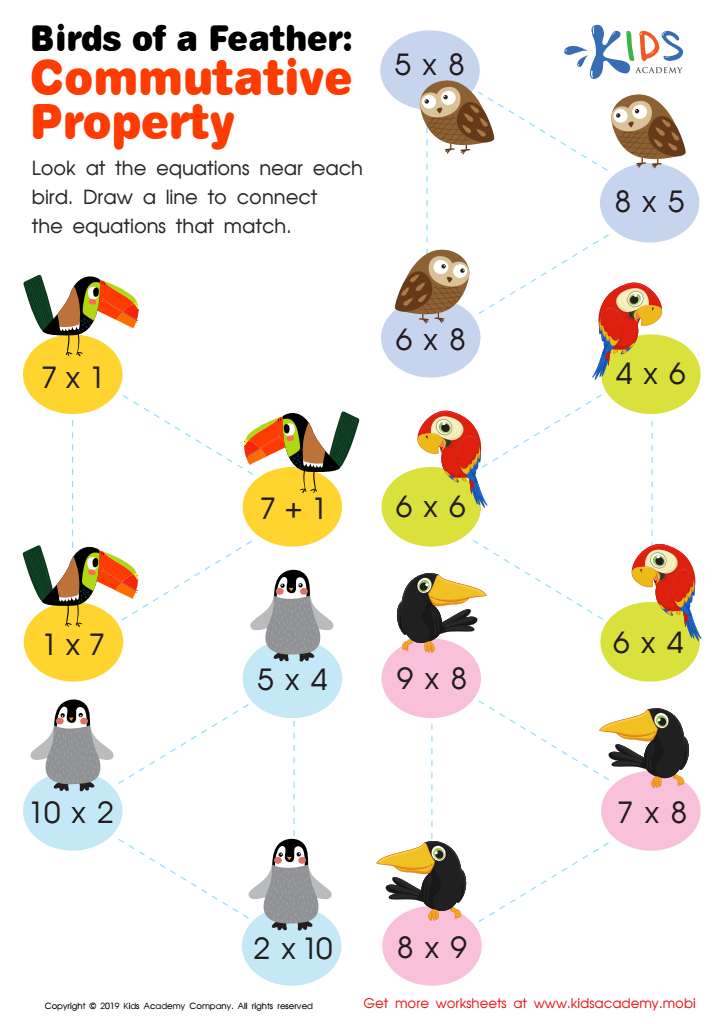
Birds of a Feather: Commutative Property Worksheet
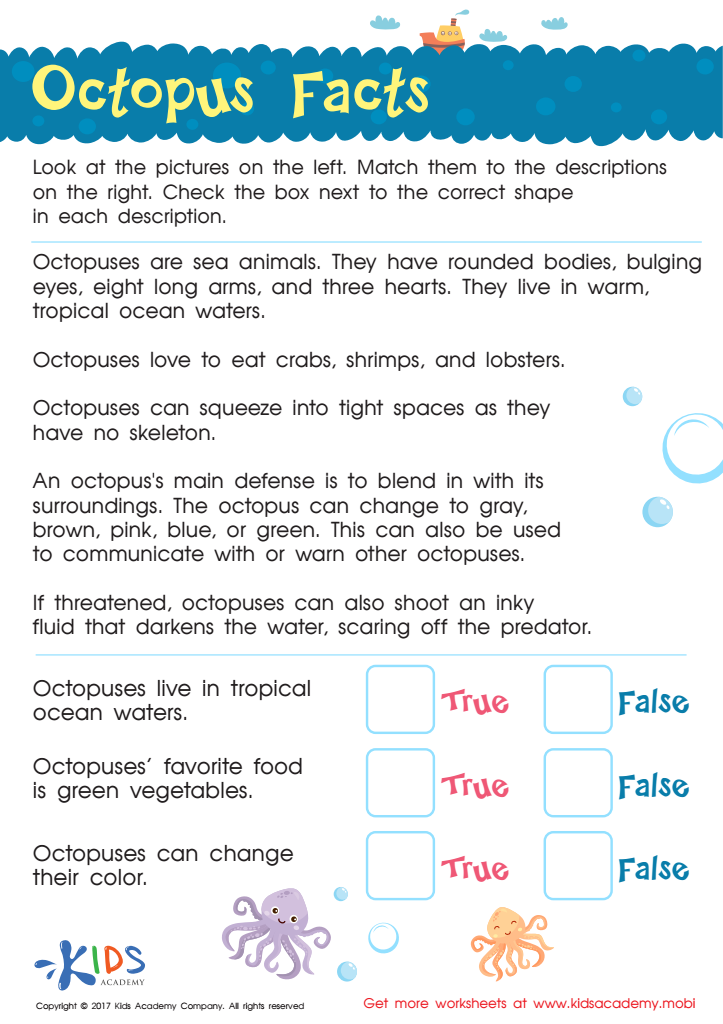
Octopus Facts Worksheet For Kids
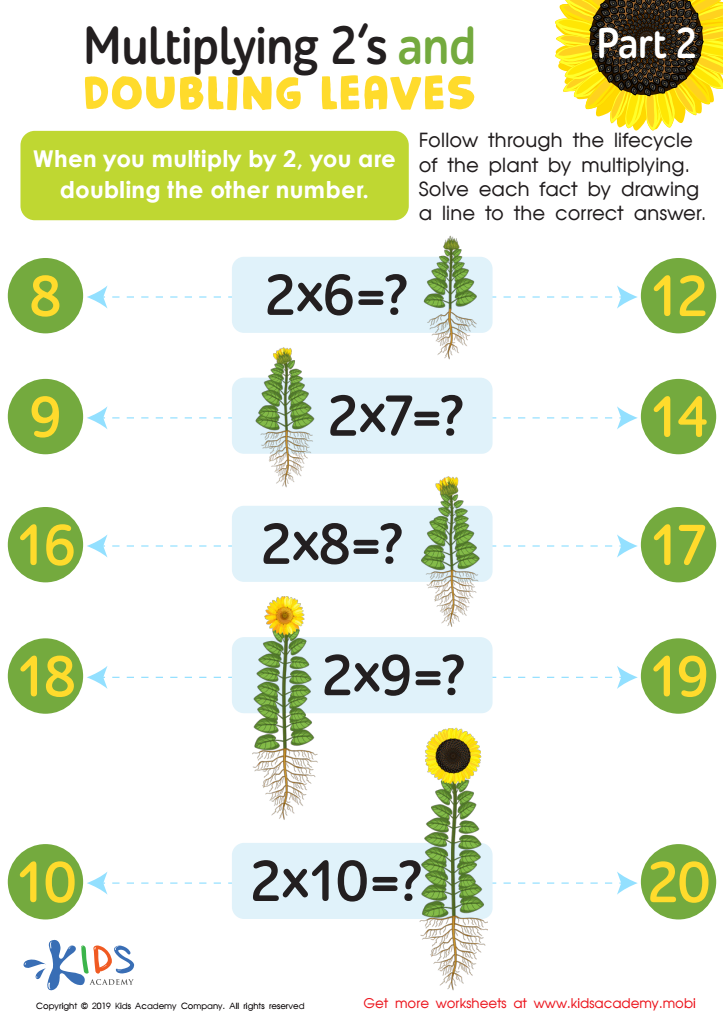
Multiplying 2’s and Doubling Leaves Part 2 Worksheet
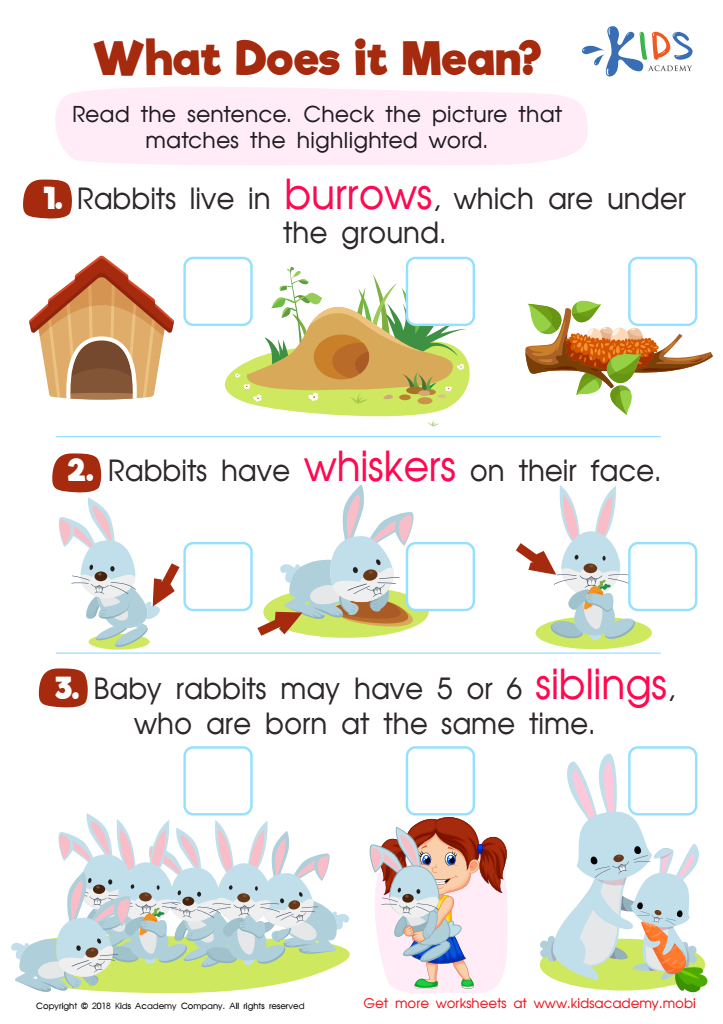
What Does It Mean? Worksheet
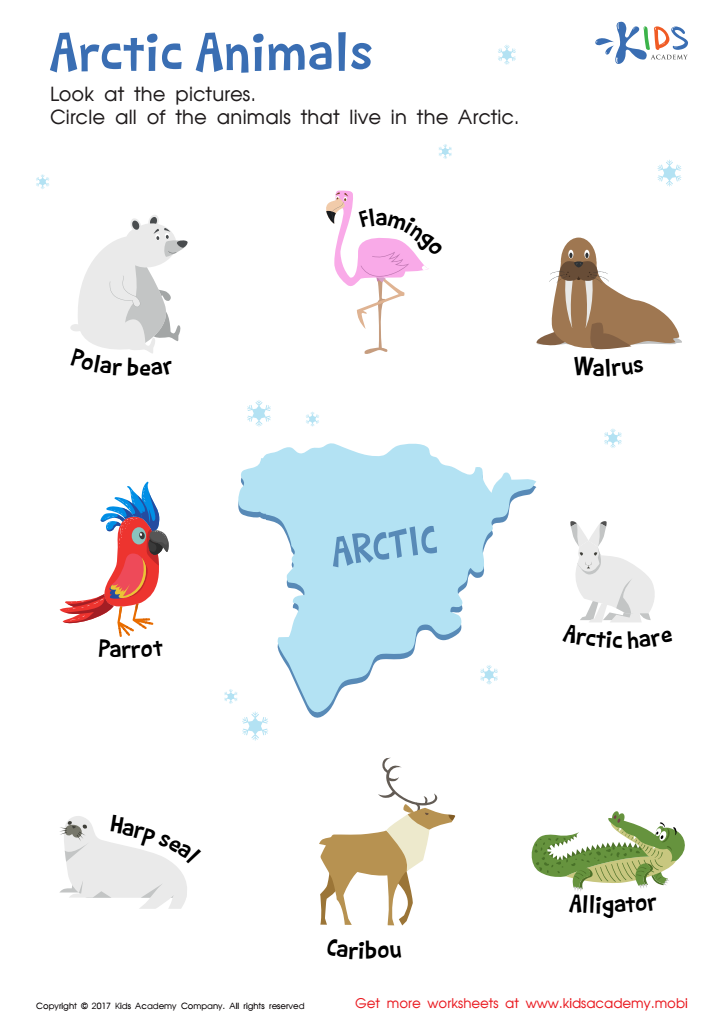
Arctic Animals Worksheet
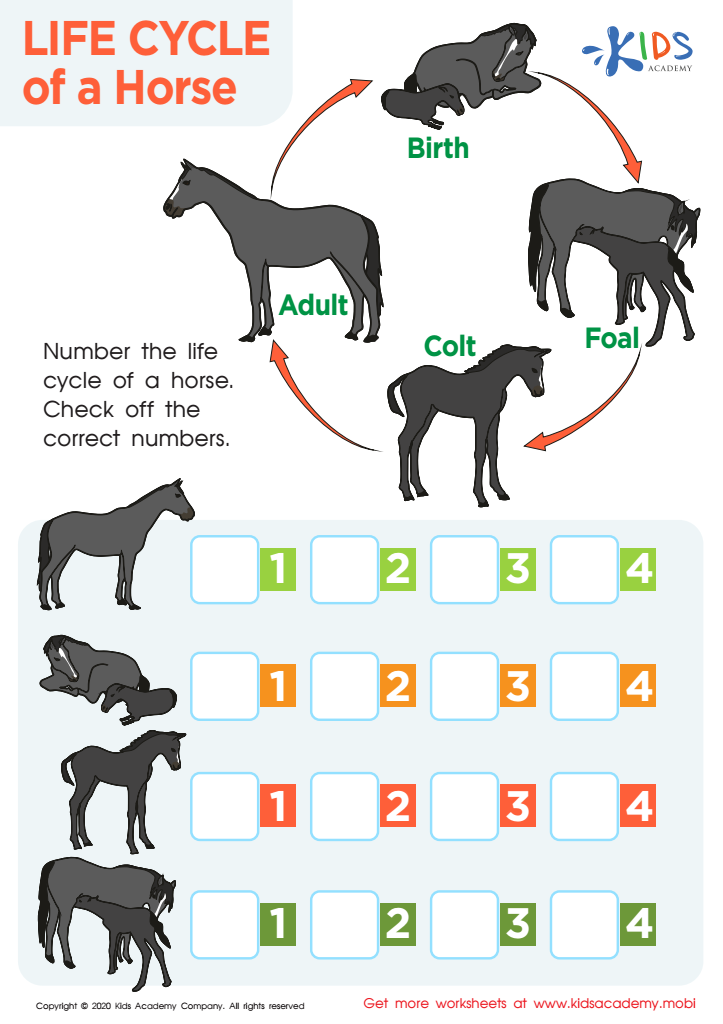
Life Cycle of a Horse Worksheet
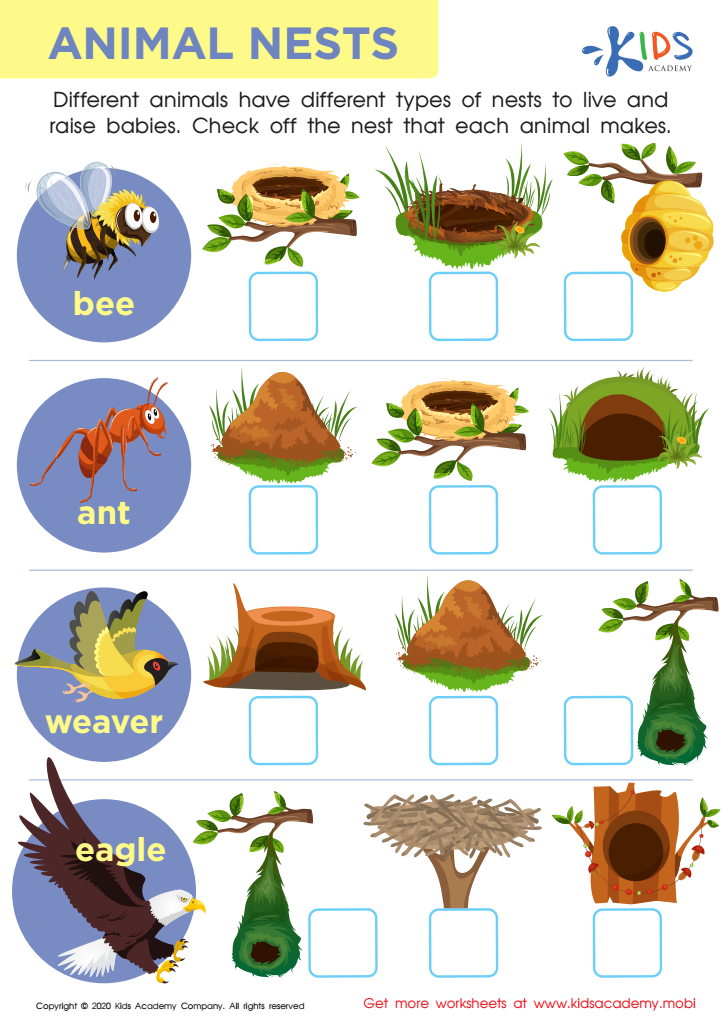
Animal Nests Worksheet
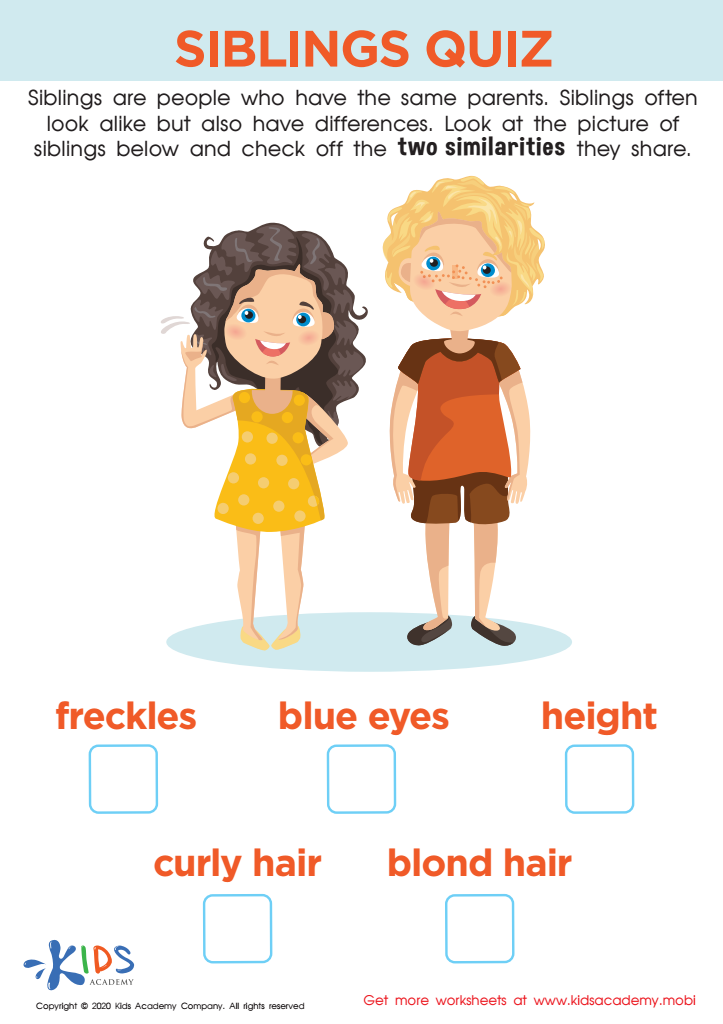
Siblings Quiz Worksheet
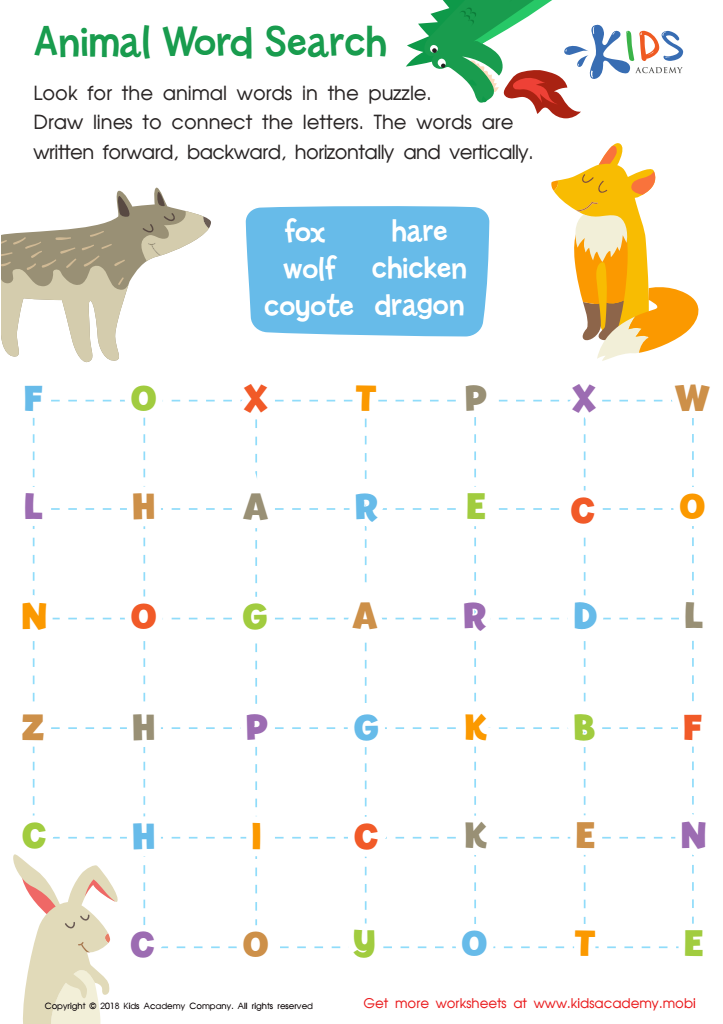
Animal Word Search Worksheet
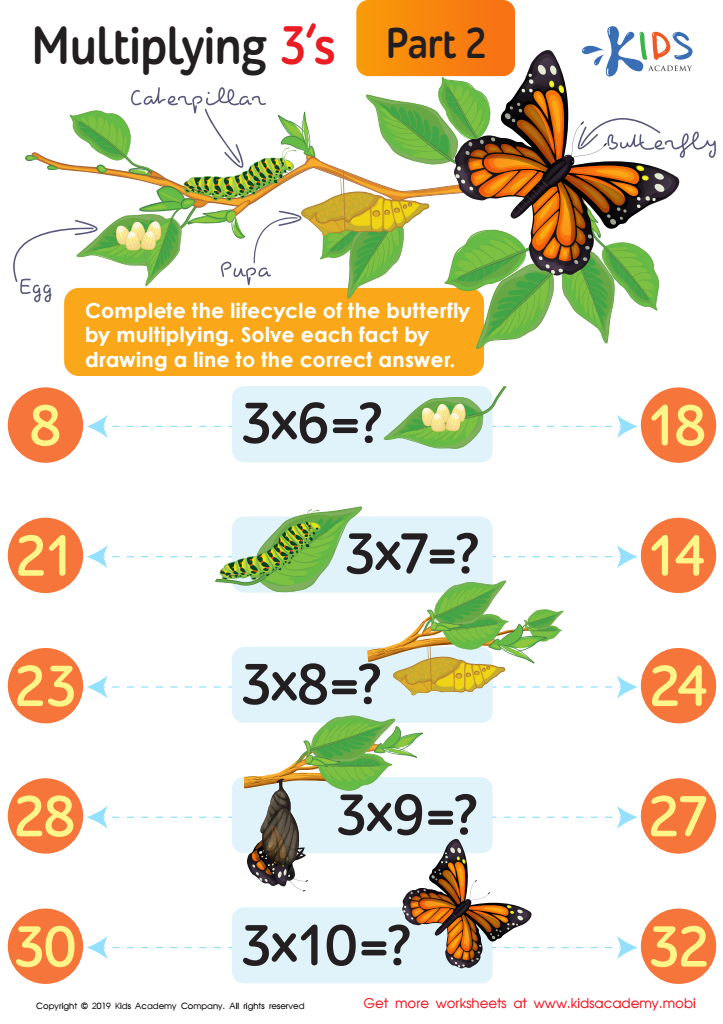
Multiplying 3s Part 2 Worksheet
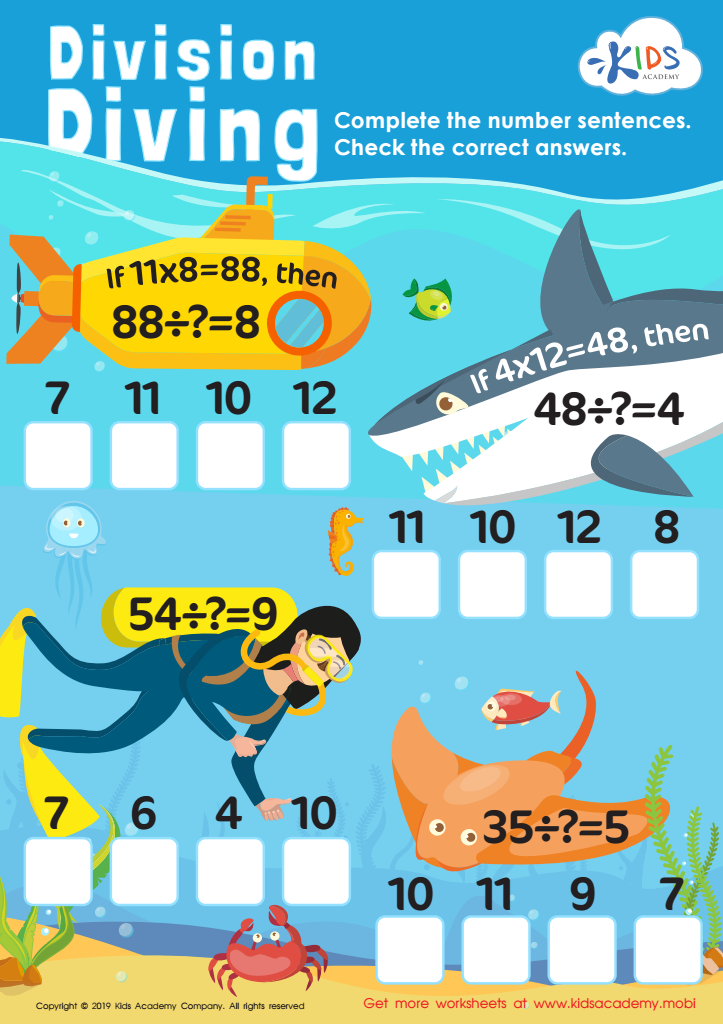
Division Diving Worksheet
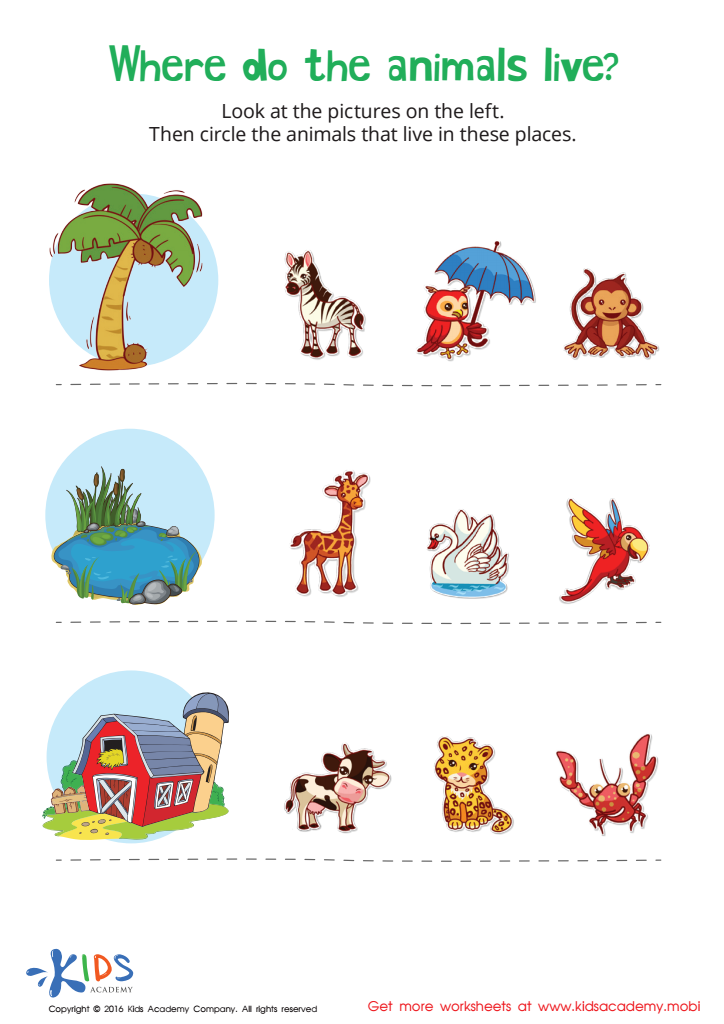
Where Animals Live Worksheet
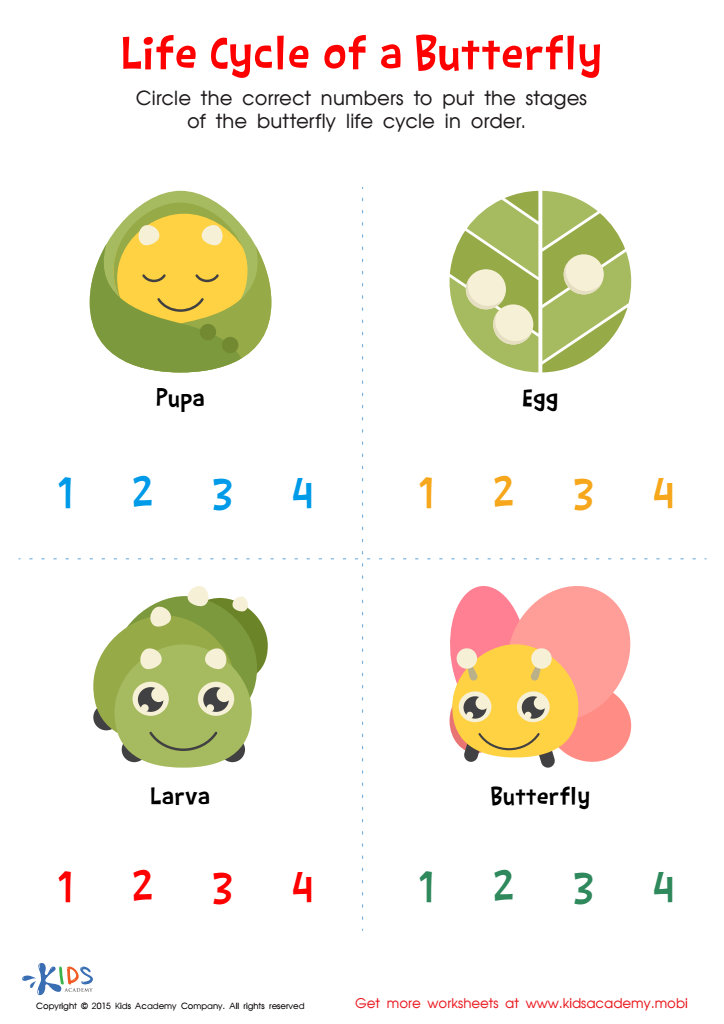
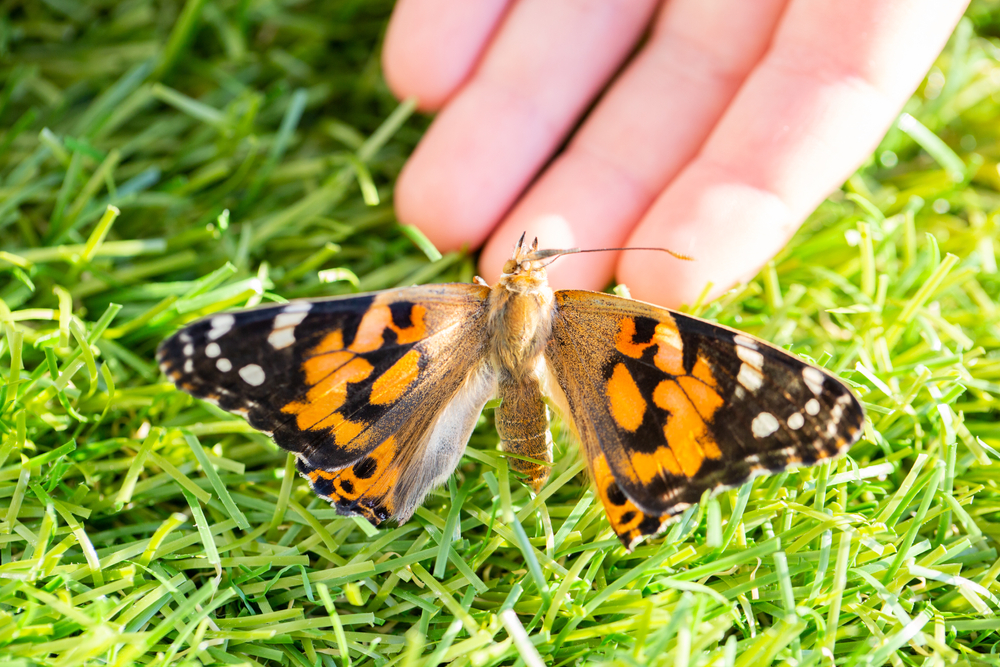
Life Cycle of Butterfly Printable
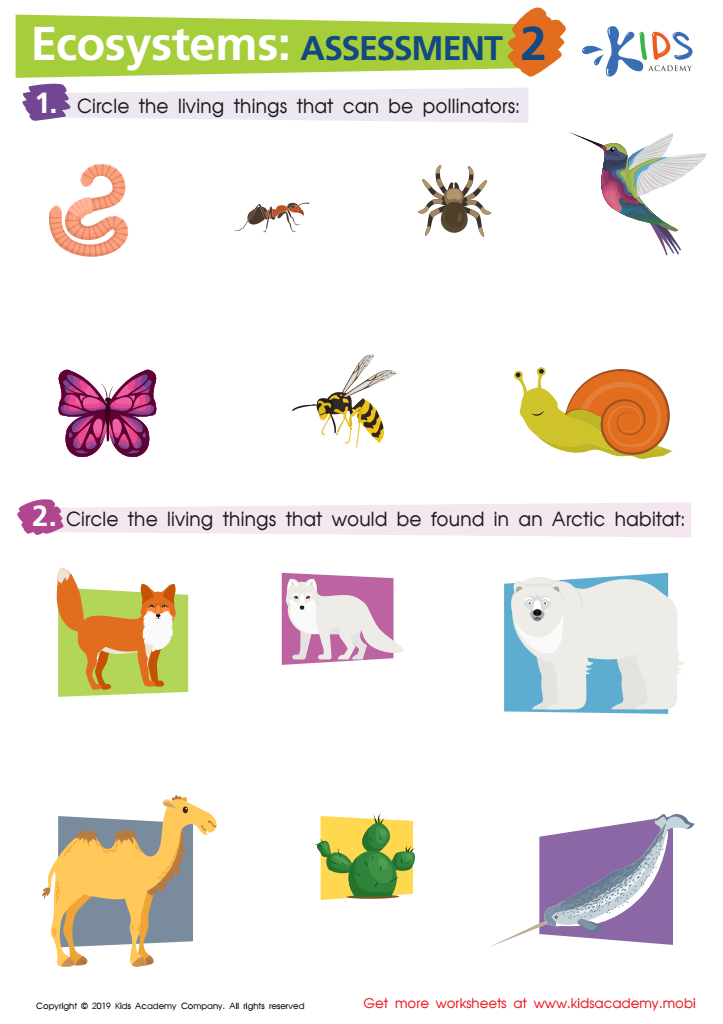
Ecosystems: Assessment 2 Worksheet







Parents and teachers should care about plants and animals for children aged 3-9 because this knowledge fosters a love for nature and instills responsibility early on. Understanding the natural world encourages curiosity and exploration, key components of cognitive development at this age. Engaging with plants and animals enhances children’s observational skills and critical thinking as they learn about ecosystems, life cycles, and interdependency.
Moreover, learning about plants and animals supports emotional growth. Interactions with nature promote empathy as children learn to care for living creatures and understand their needs. This connection can reduce anxiety and improve overall well-being, encouraging a sense of responsibility toward the environment.
Incorporating nature-related activities into early education, such as gardening or visiting local parks, can create memorable experiences that enhance social interaction and teamwork among peers. Additionally, discussions about plants and animals can weave into various subjects, including science, art, and literature, making learning holistic and engaging.
Ultimately, nurturing an appreciation for plants and animals helps cultivate environmentally conscious individuals and develops qualities like respect, awareness, and gratitude towards nature, which benefits both personal growth and the wider community. Taking an active role in this part of education is crucial for developing thoughtful future stewards of the planet.