Science Worksheets for Ages 4-9 - Page 3
400 filtered results
-
From - To
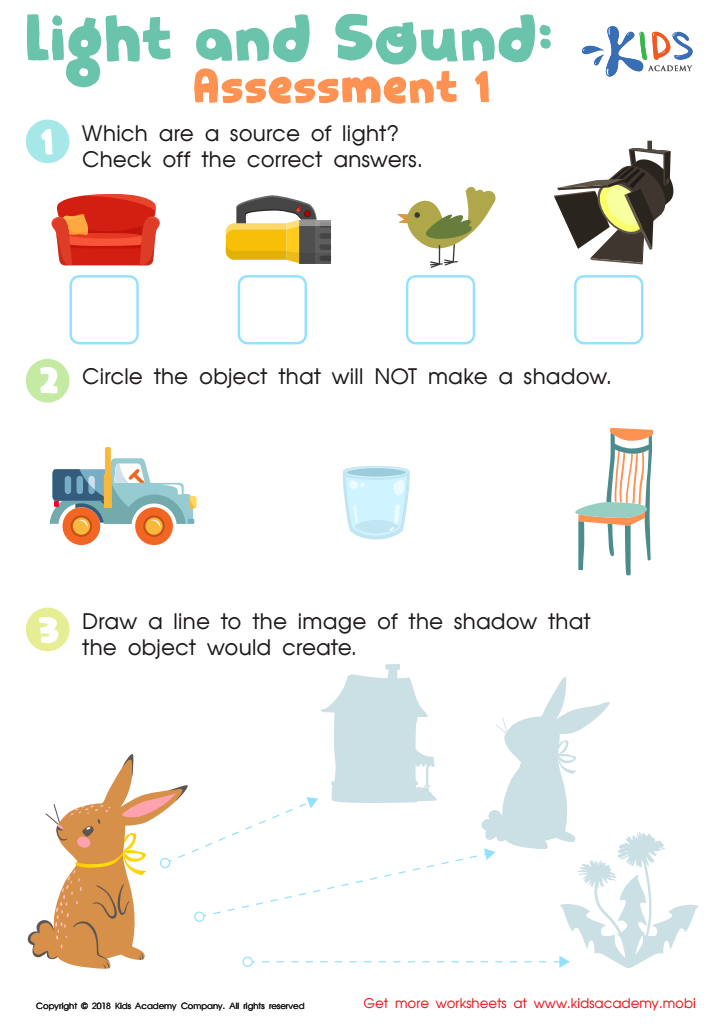
Light and Sound: Assessment 1 Worksheet
 Assign to My Students
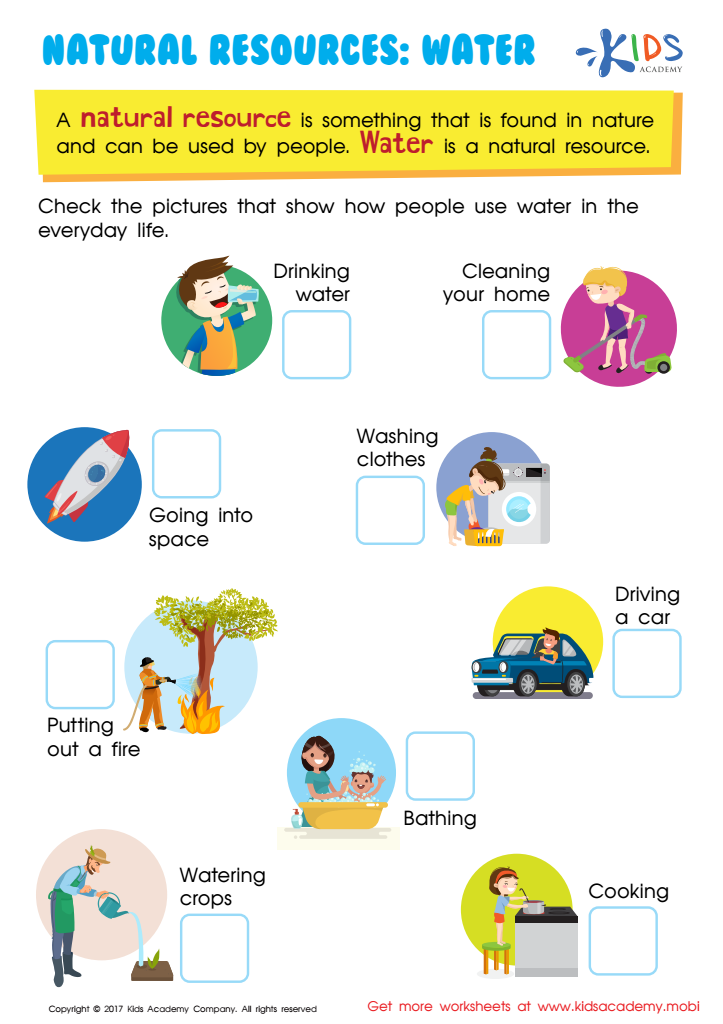
Natural Resources: Water Worksheet
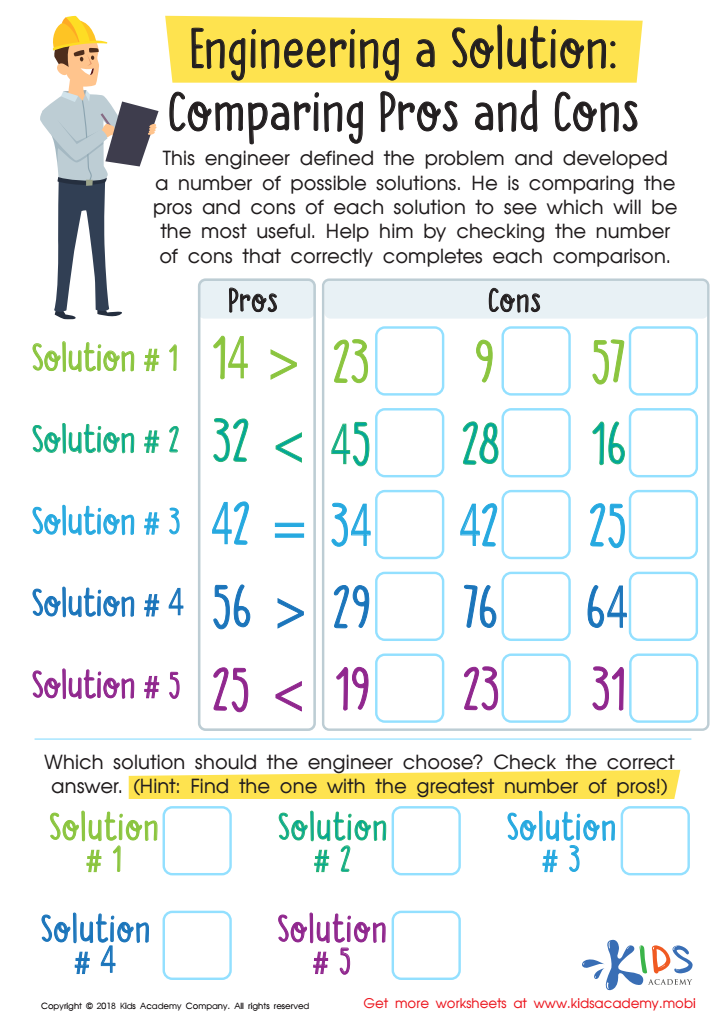
Engineering a Solution: Comparing Pros and Cons Worksheet
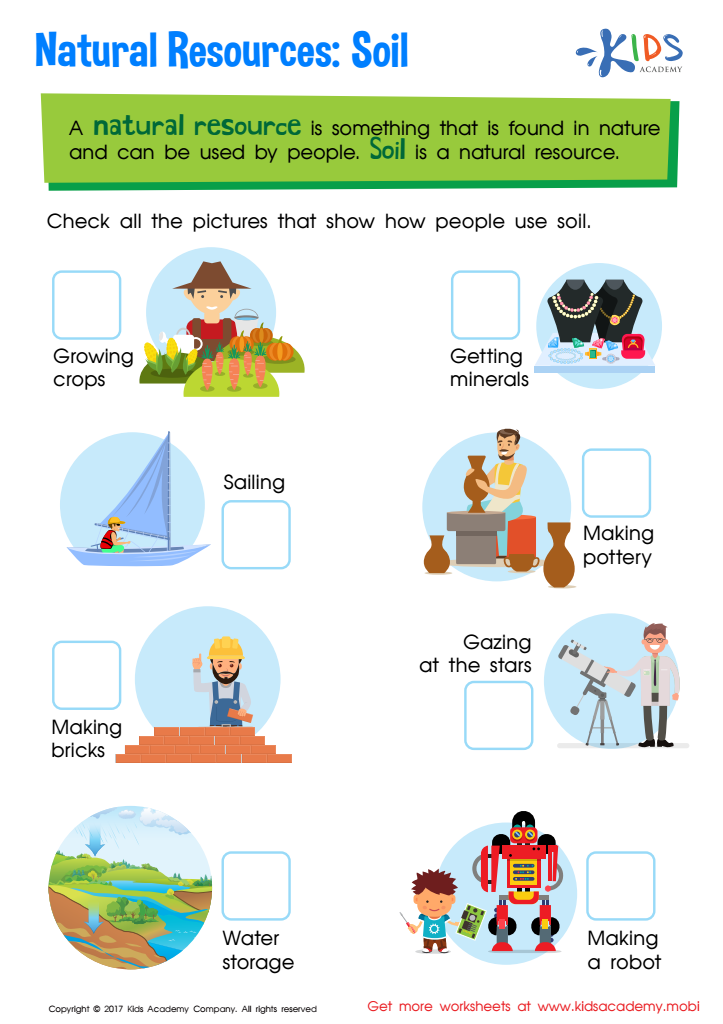
Natural Resources: Soil Worksheet
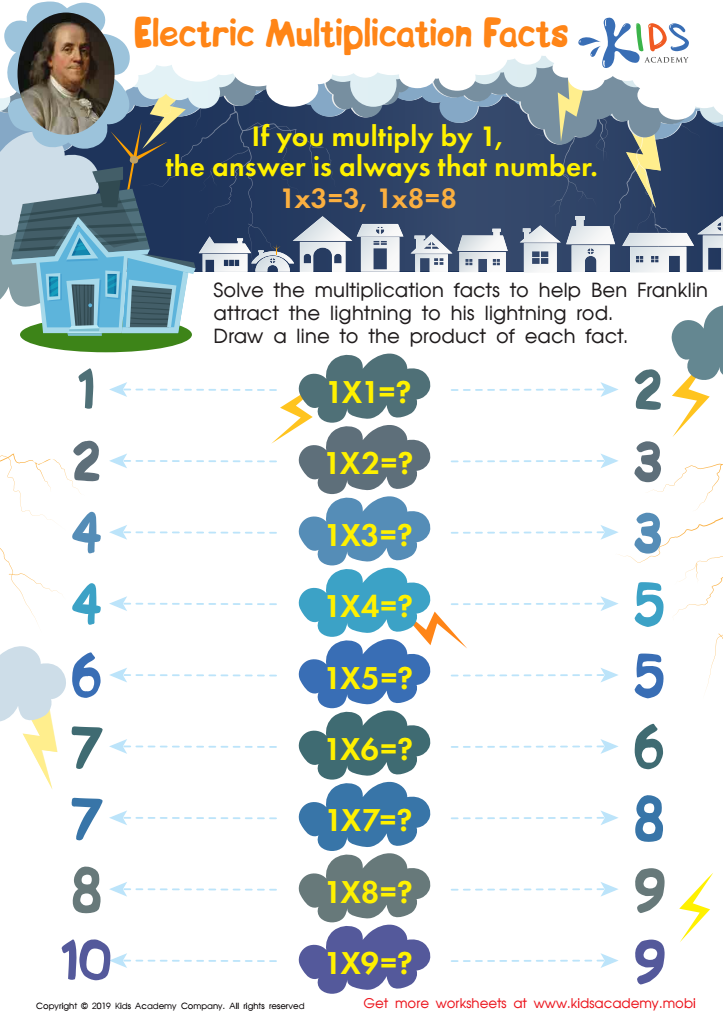
Electric Multiplication Facts Worksheet
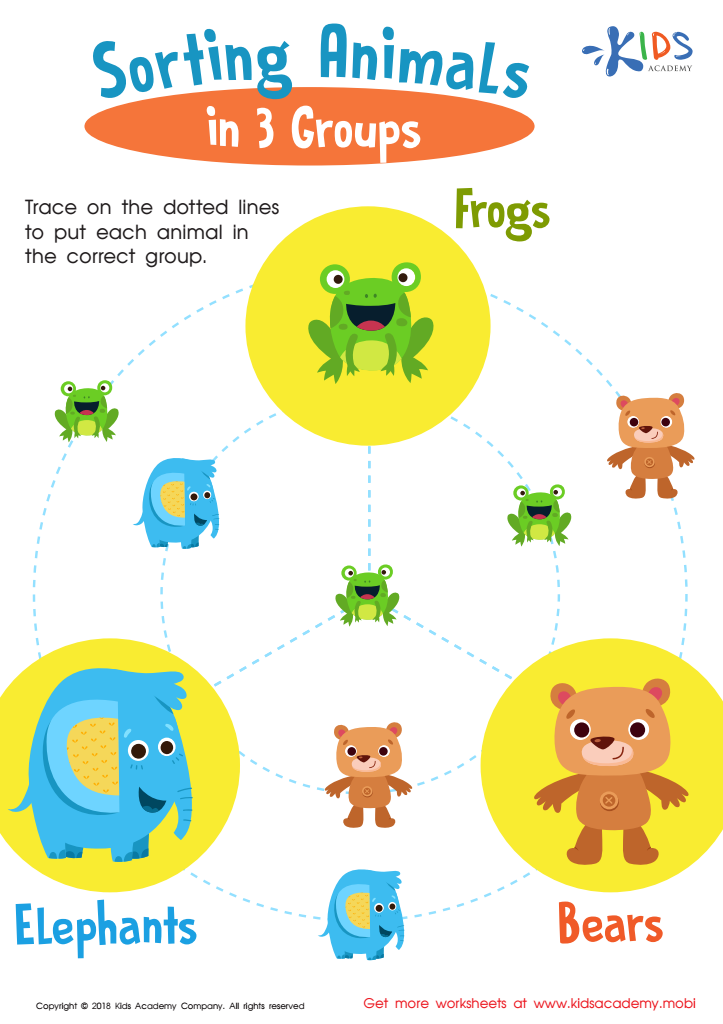
Sorting Animals in 3 Groups Worksheet
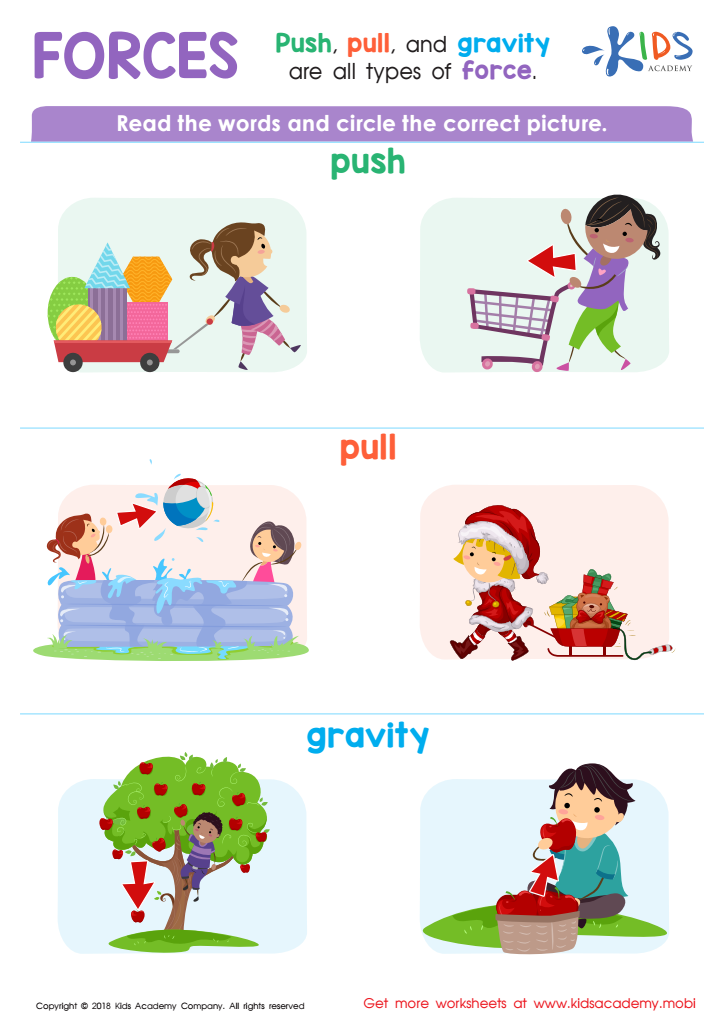
Forces Worksheet
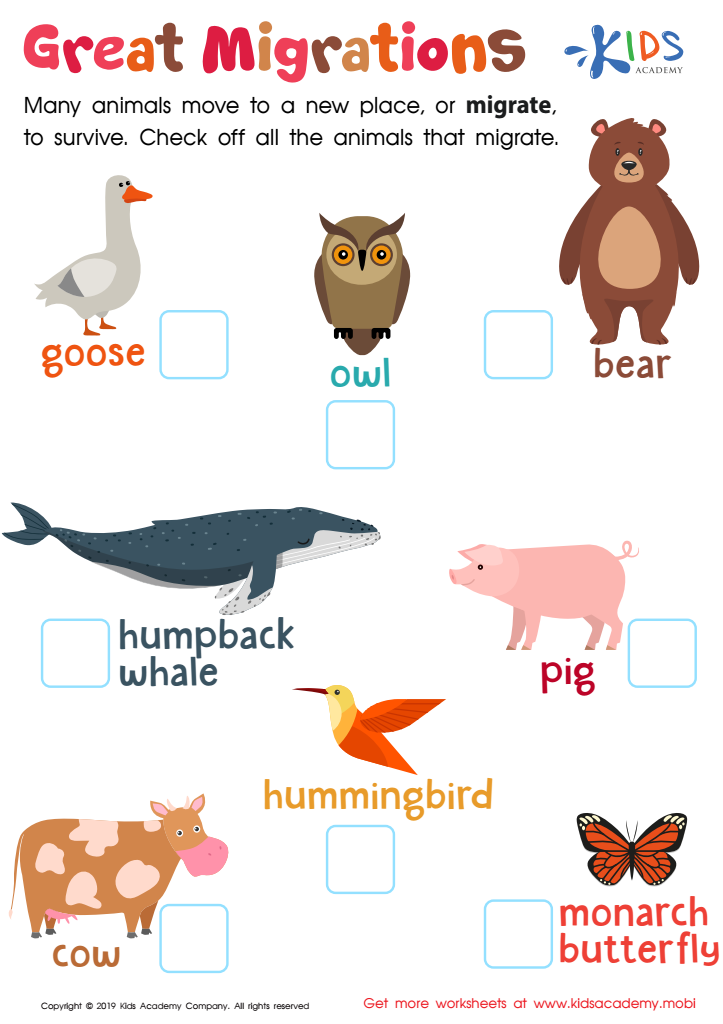
Great Migrations Worksheet
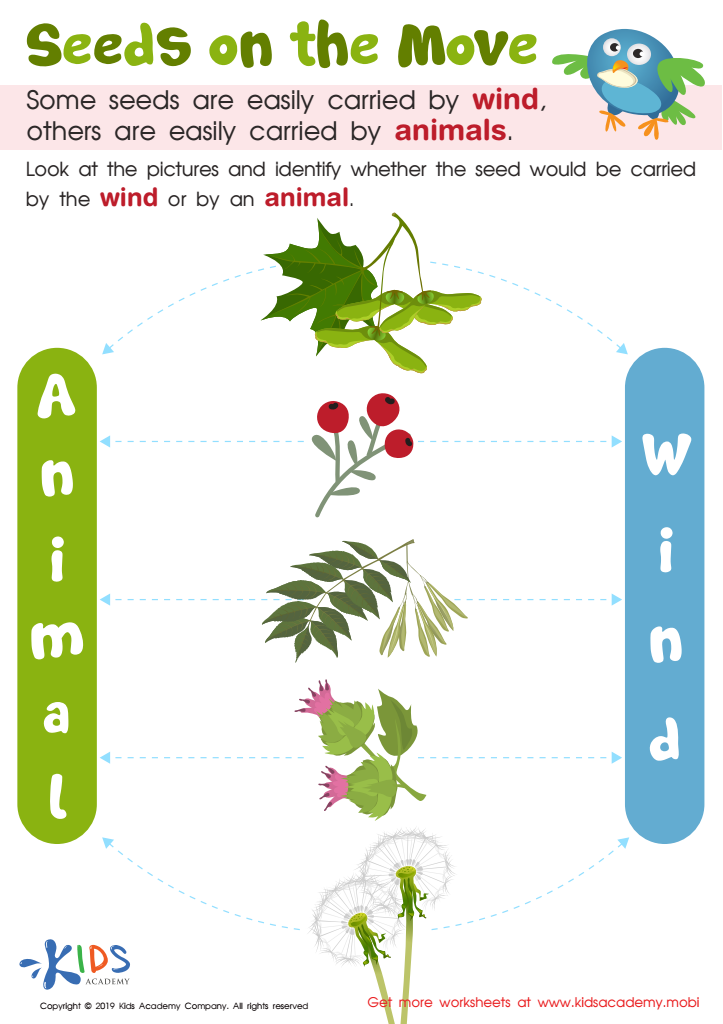
Seeds on the Move Worksheet
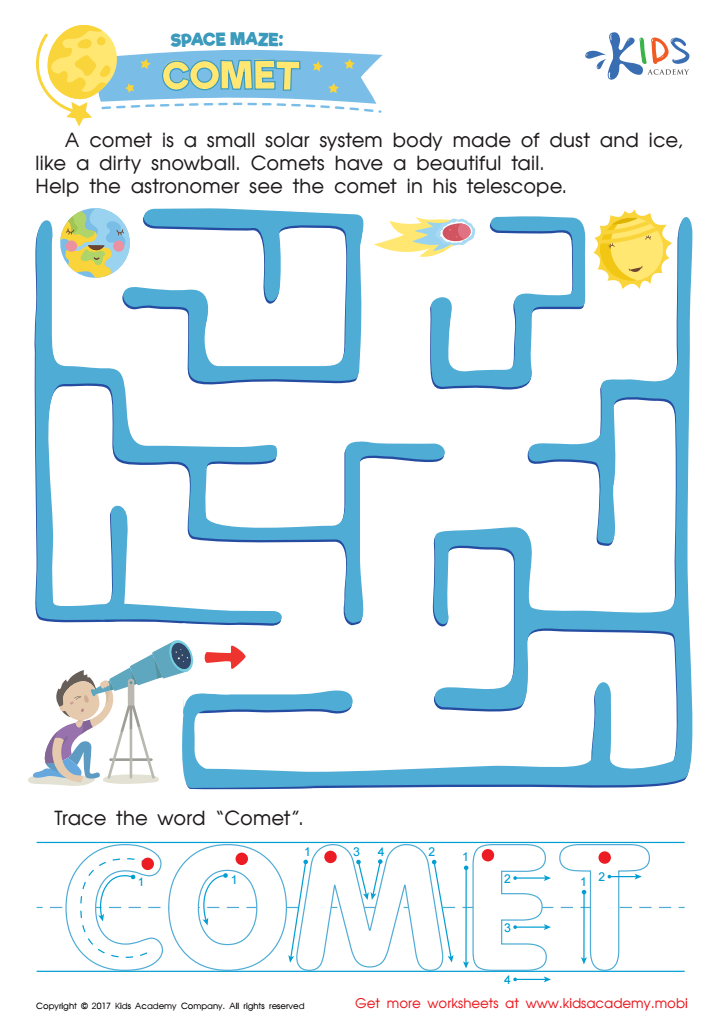
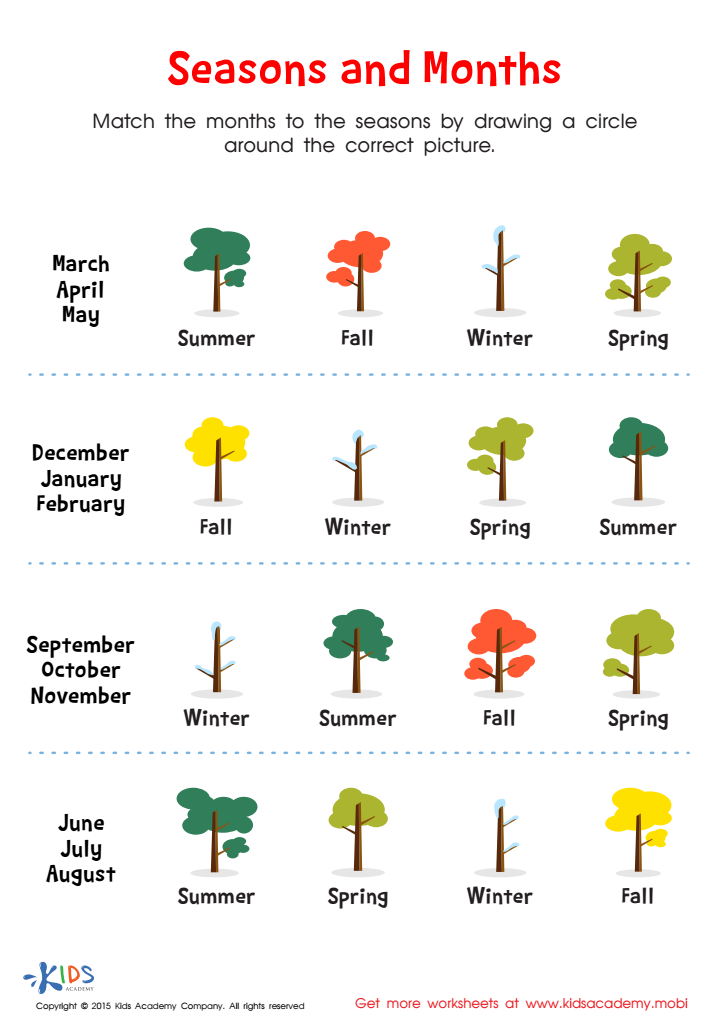
Seasons and Months Worksheet
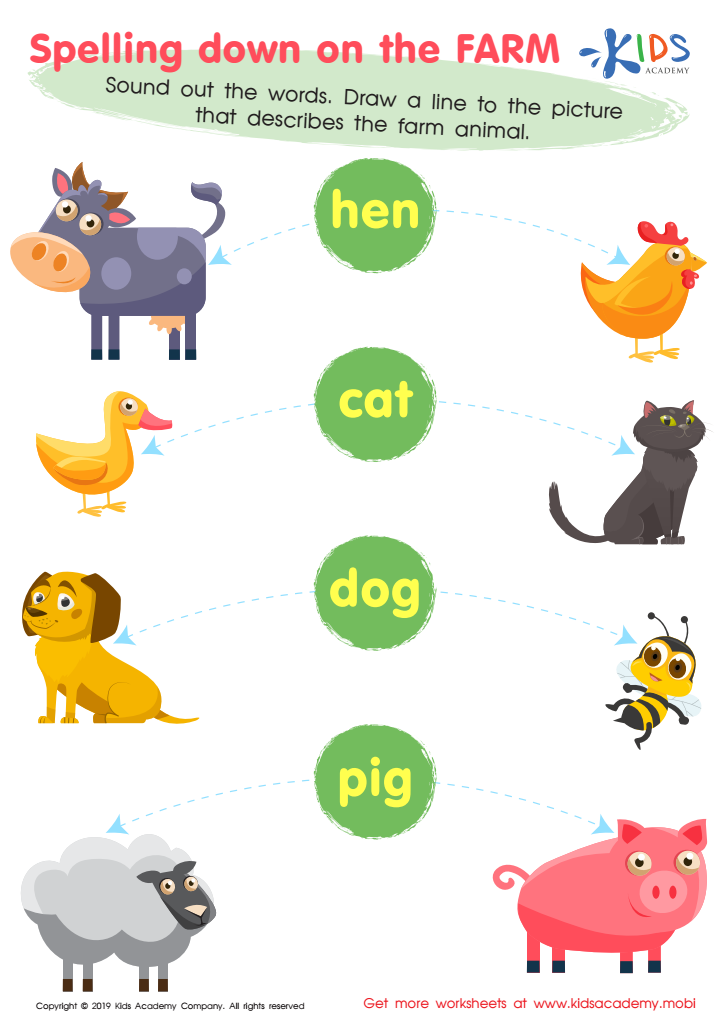
Spelling Down on the Farm Worksheet
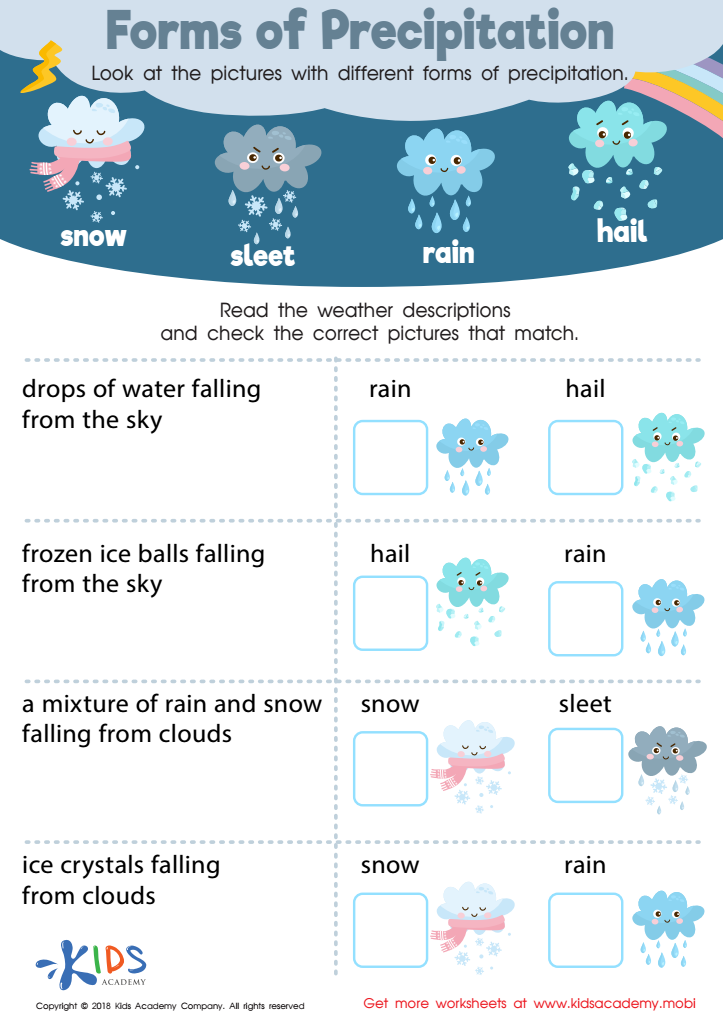
Forms of Precipitation Worksheet
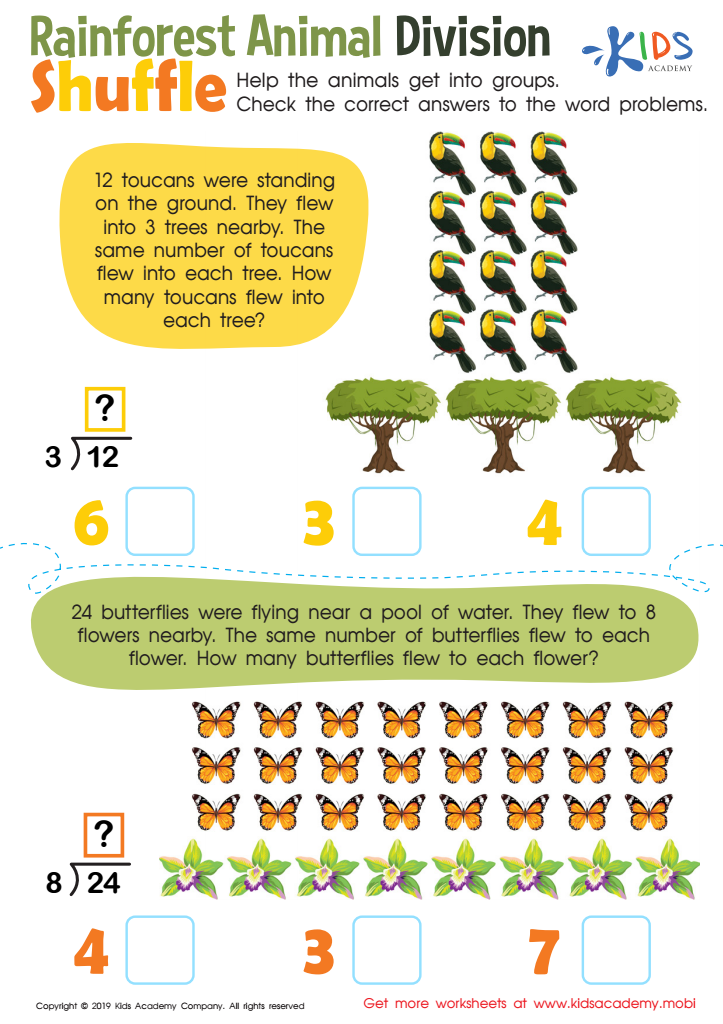
Rainforest Animal Division Worksheet
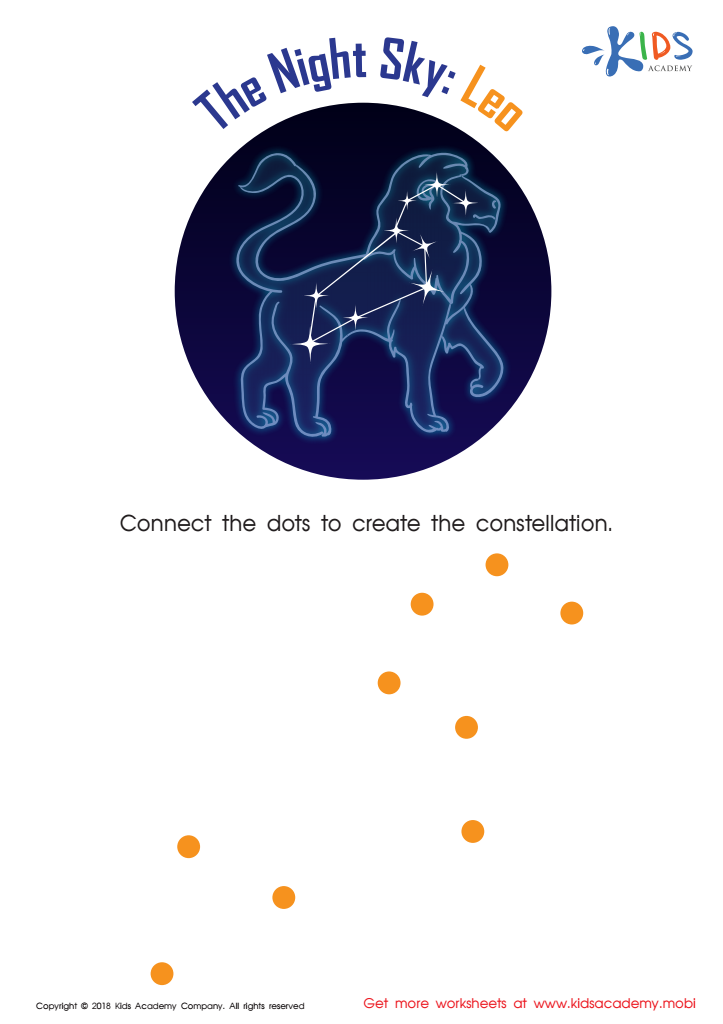
The Night Sky: Leo Worksheet
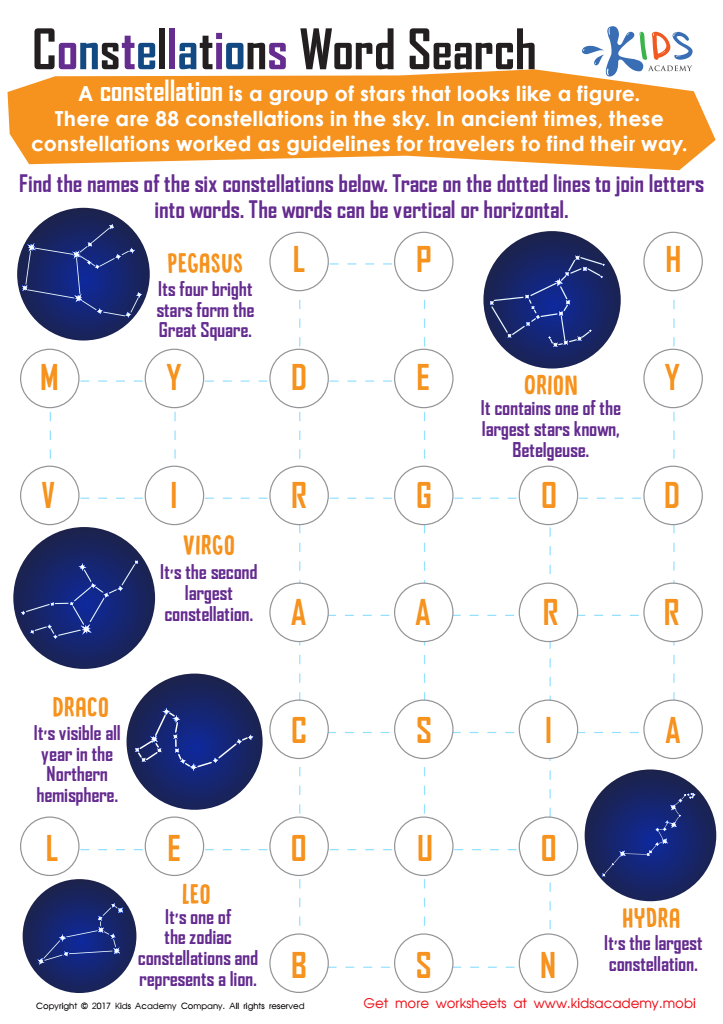
Constellations Word Search Printable
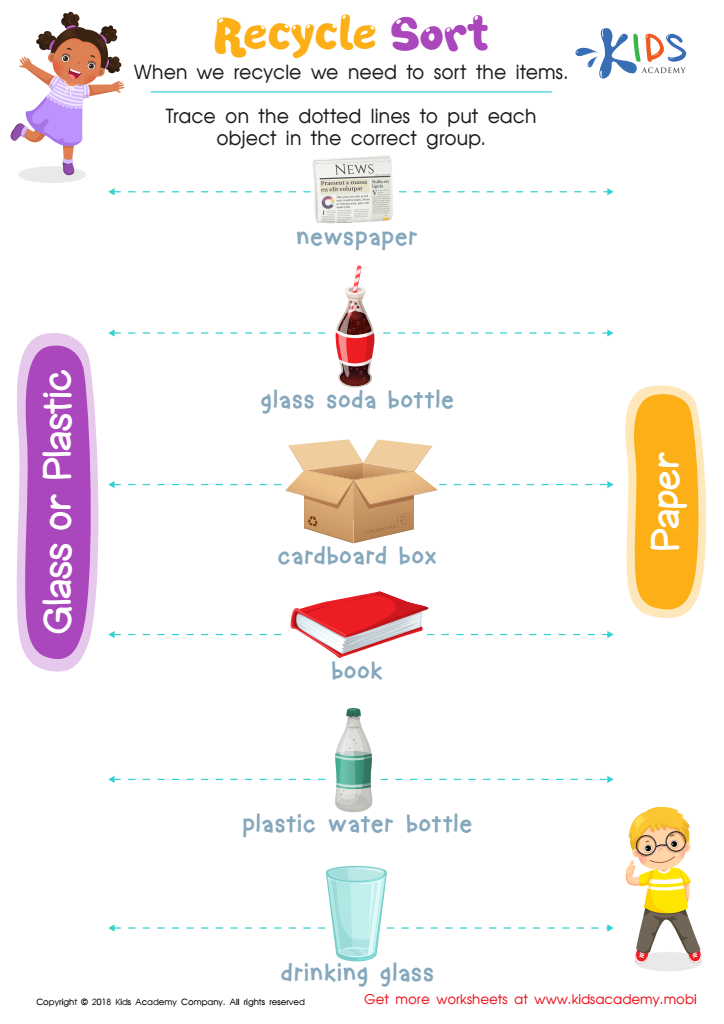
Recycle Sort Worksheet
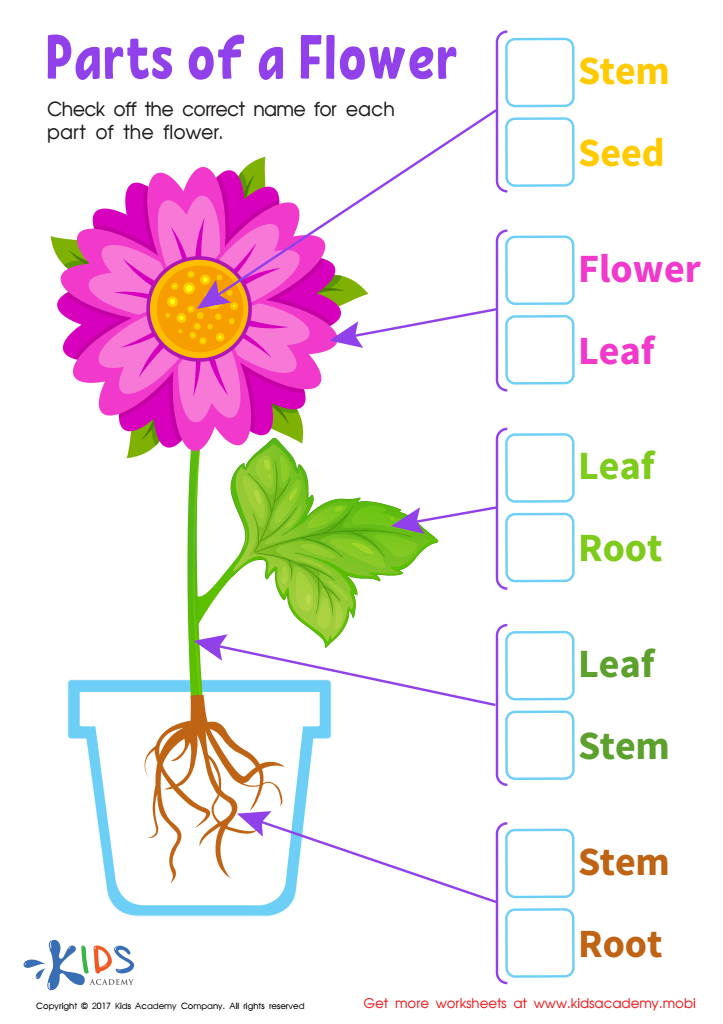
Parts Flower Printable
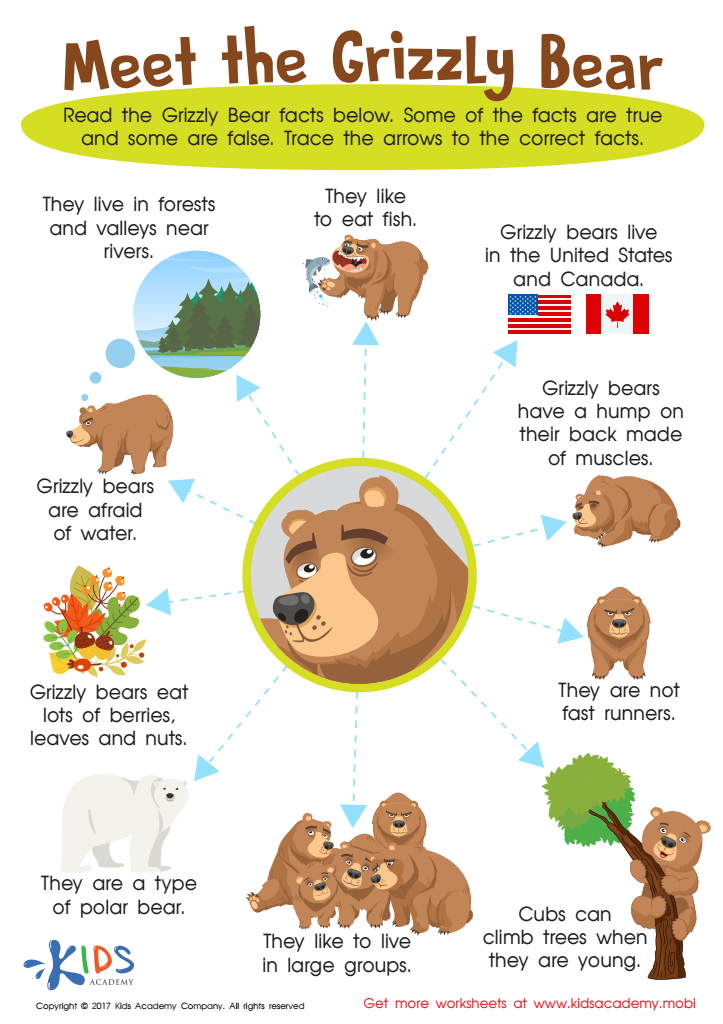
Grizzly Bear Facts Worksheet
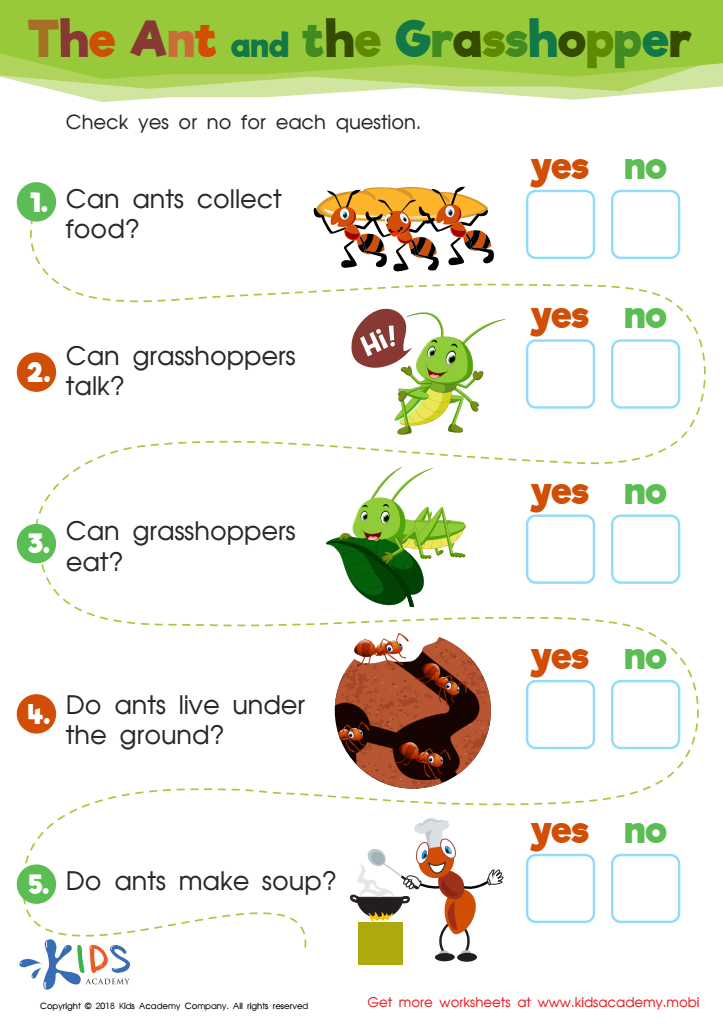
The Ant and The Grasshopper Worksheet
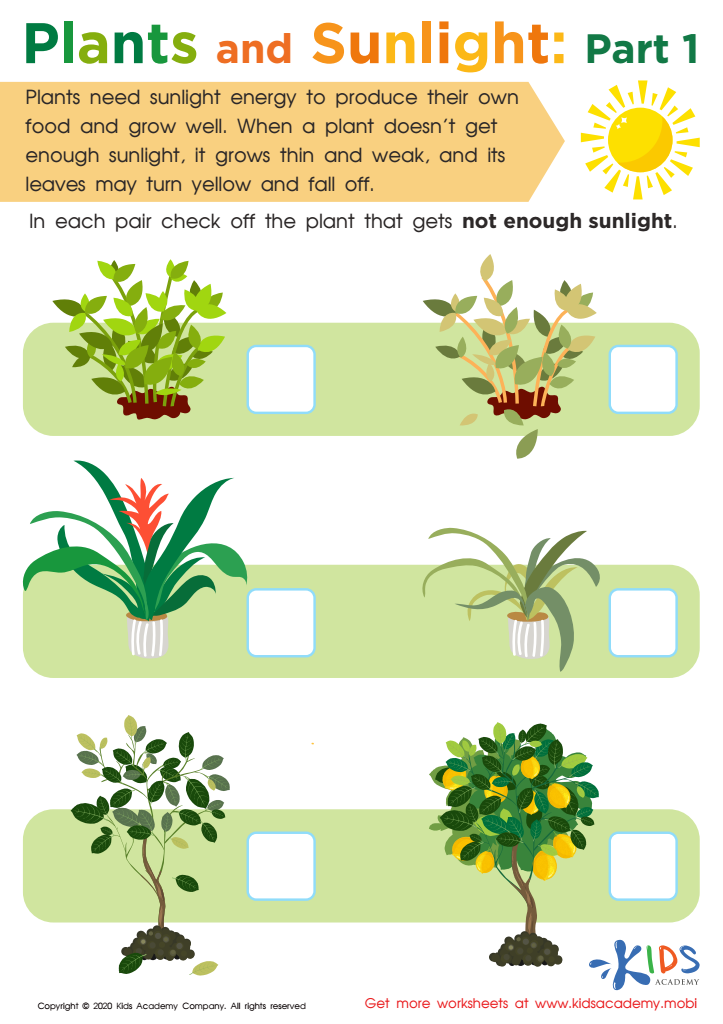
Plants and Sunlight: Part 1 Worksheet
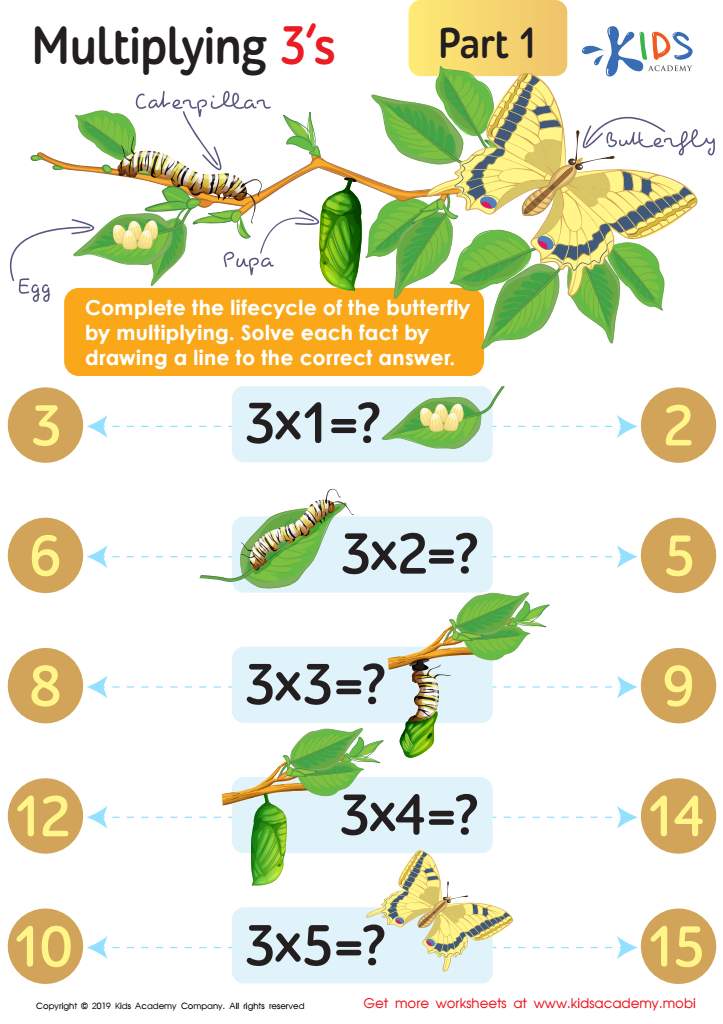
Multiplying 3’s Part 1 Worksheet
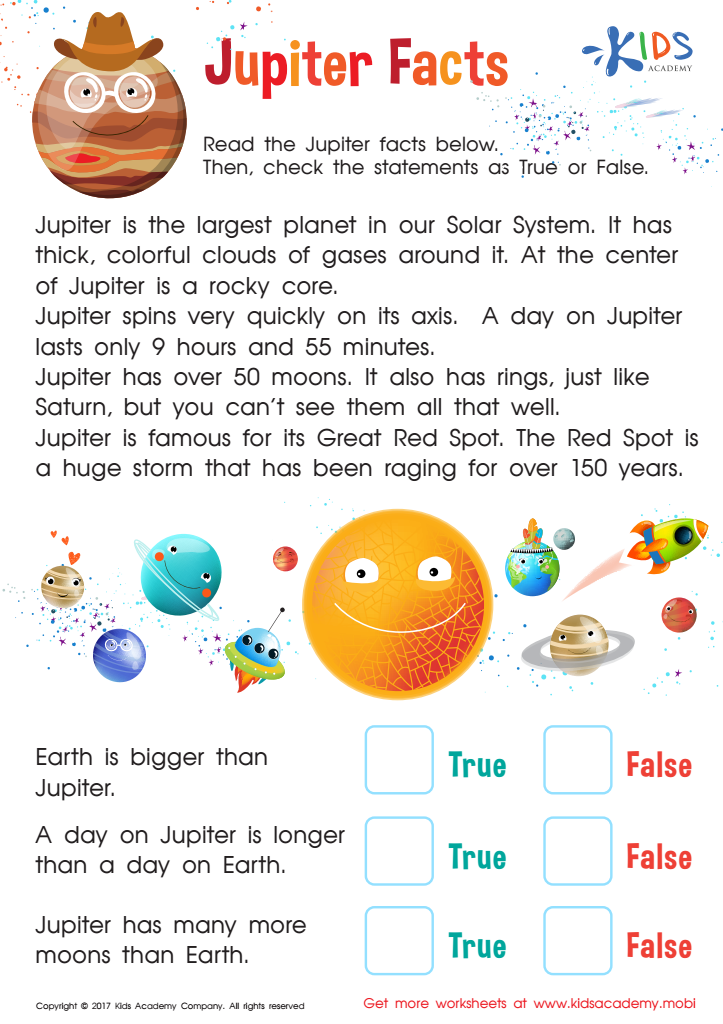
Jupiter Facts Worksheet
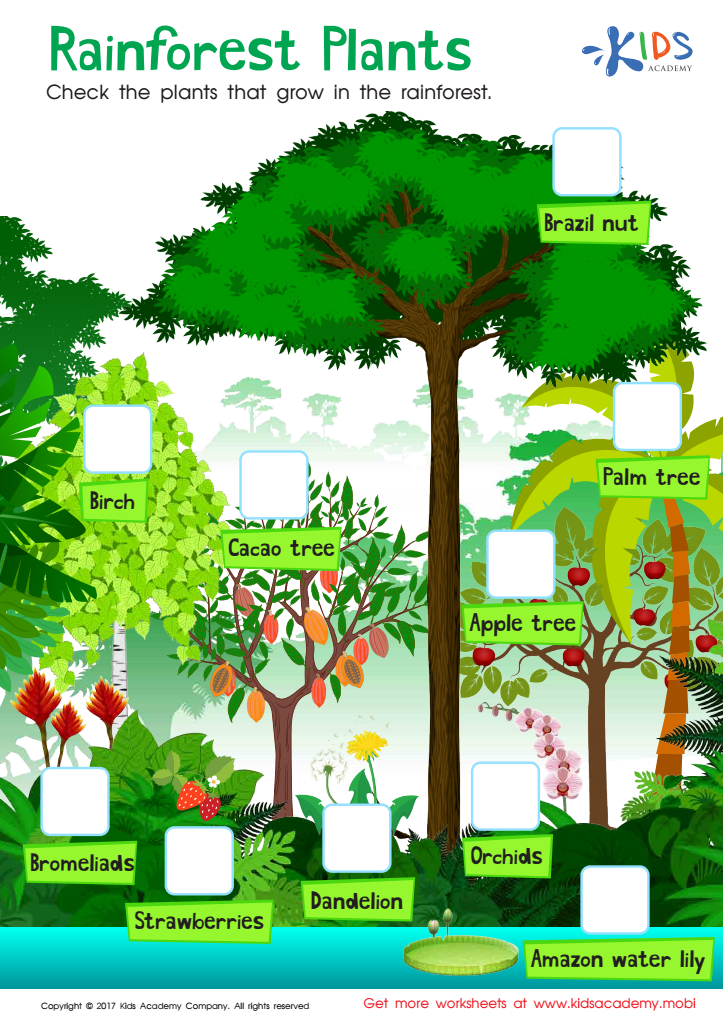
Rainforest Plants Worksheet







Parents and teachers should care about science education for children aged 4-9 because this foundational period is critical for fostering curiosity and promoting critical thinking skills. At this age, children are naturally inquisitive about the world around them, and science can help channel that curiosity into understanding how things work. Engaging children in scientific exploration nurtures their ability to ask questions, make observations, and develop hypotheses, laying the groundwork for a lifelong love of learning.
Science also enhances cognitive development; it promotes analytical reasoning and problem-solving skills that are applicable across all subjects. Incorporating hands-on experiments and interactive activities encourages creativity and innovation while inspiring teamwork and collaboration among peers.
Moreover, early exposure to science builds essential concepts related to health, sustainability, and technology, preparing children for future challenges. In a rapidly changing world, equipping them with scientific knowledge empowers them to make informed decisions about issues such as climate change, health, and technology use.
Finally, as children learn to investigate and understand scientific concepts, they also build their communication skills, expressing their ideas and findings clearly. Encouraging an appreciation for science from a young age profoundly impacts their academic journey and shapes them into informed, curious adults.







