Tracing Numbers Worksheets for Ages 5-8 - Page 2
42 filtered results
-
From - To
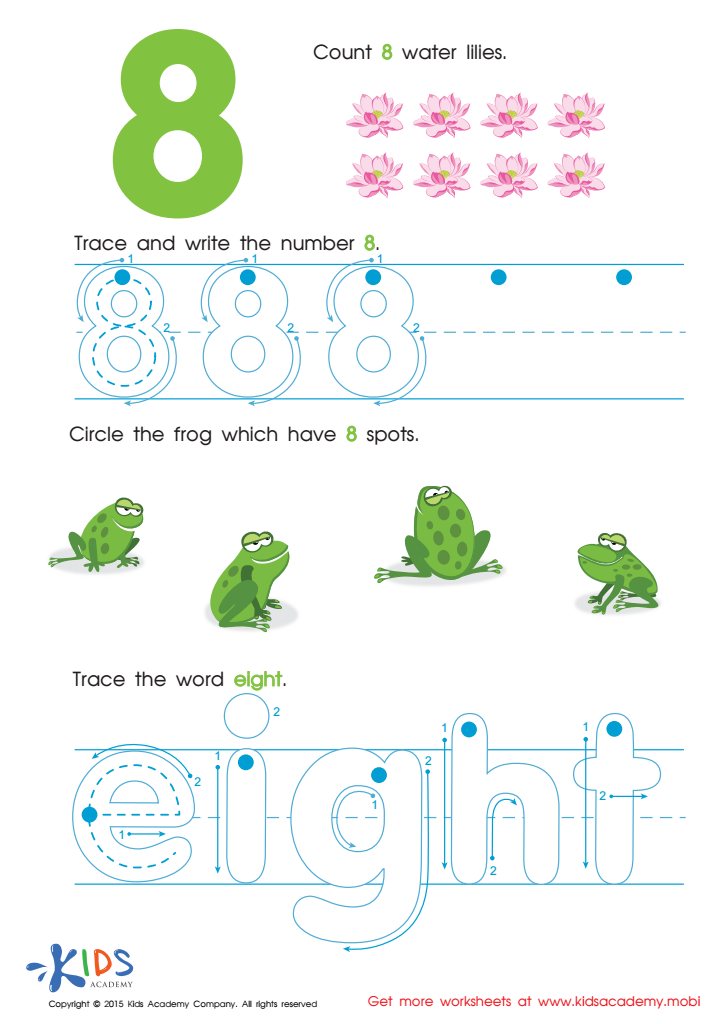
Learn Number 8 Easily Worksheet
 Assign to My Students
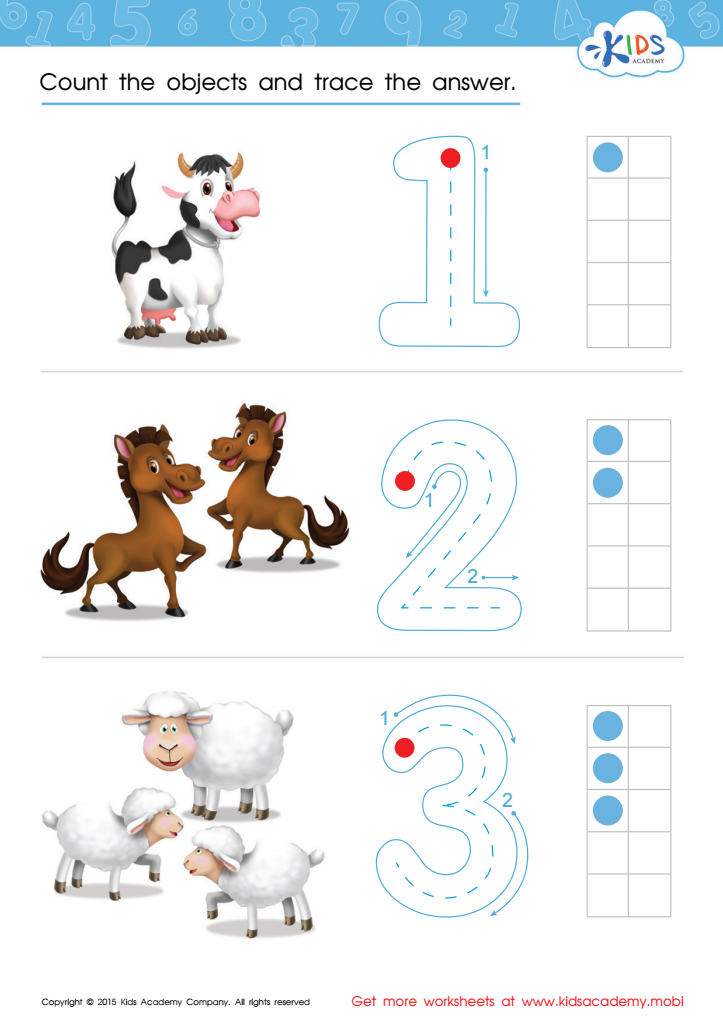
Count and Trace 1 – 3 Worksheet
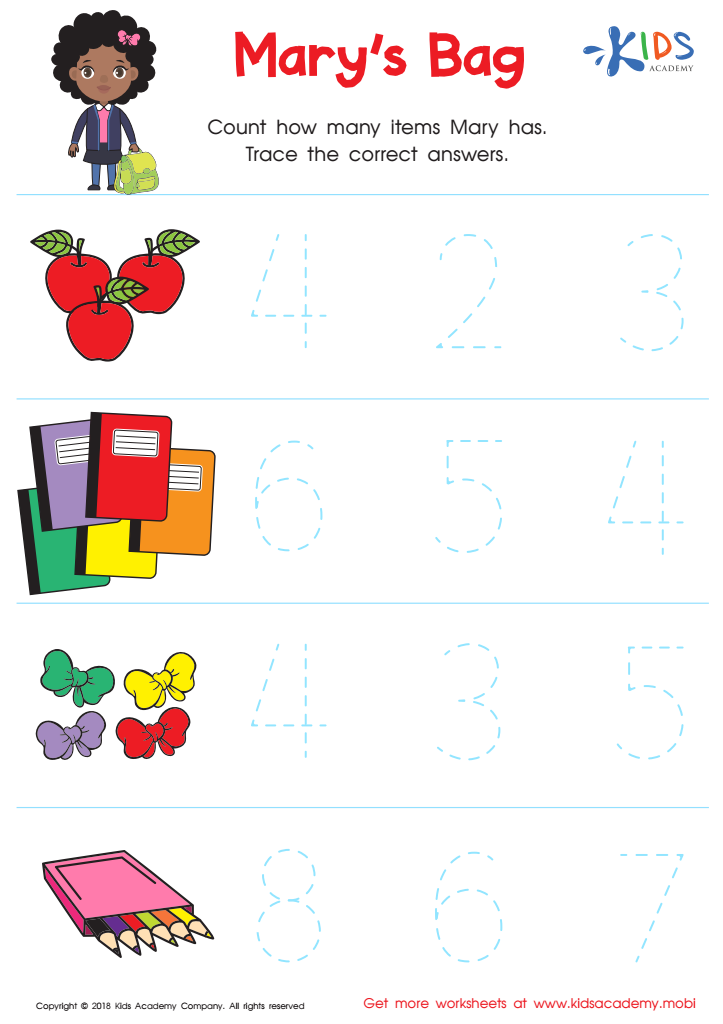
Kindergarten Number Tracing: Mary's Bag Worksheet
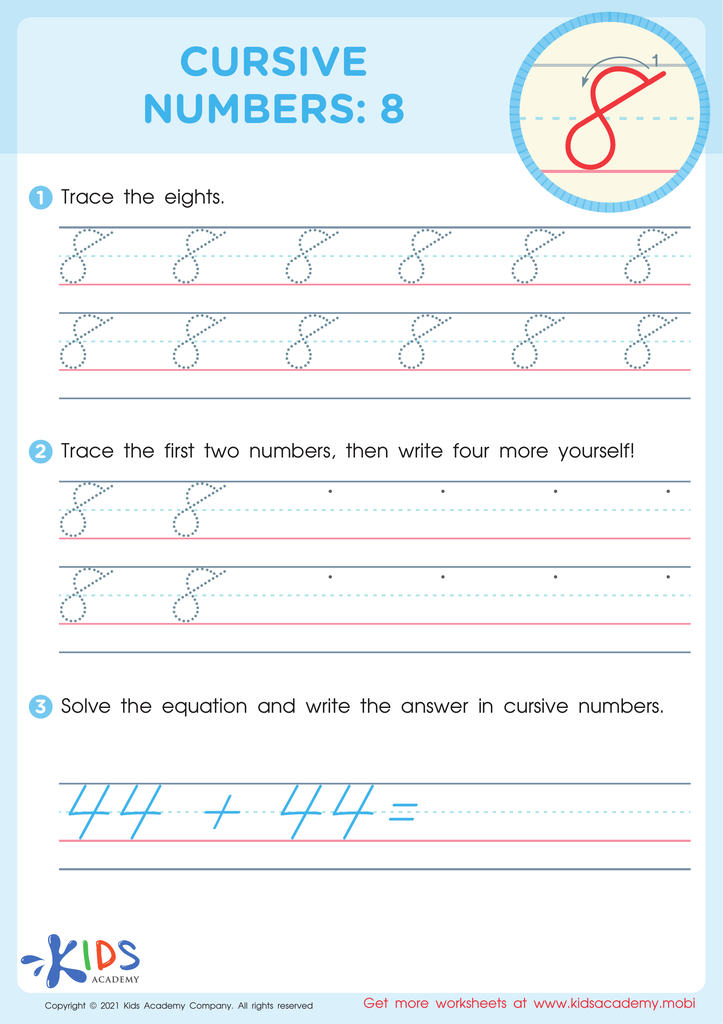
Cursive Numbers: 8 Worksheet
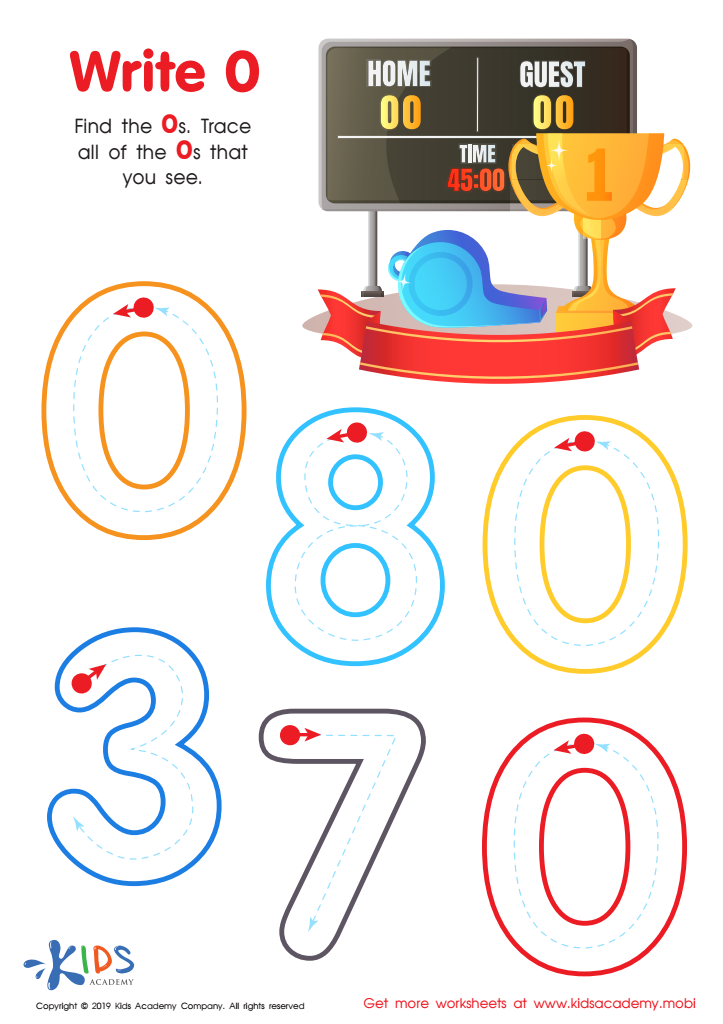
Write 0 Worksheet
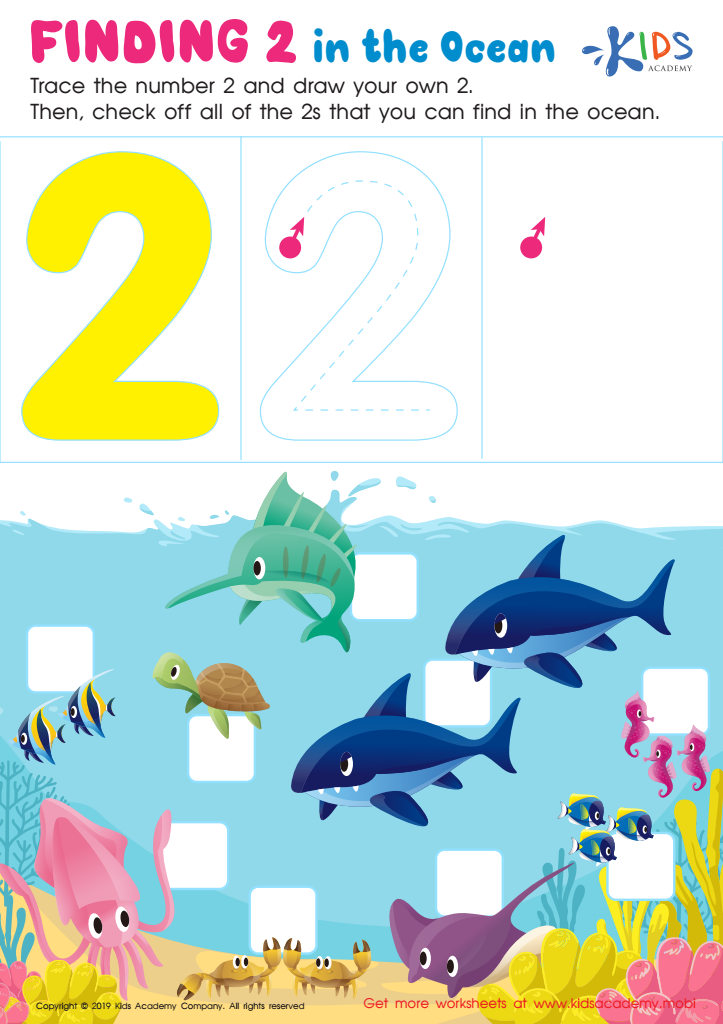
Finding 2: In the Ocean Worksheet
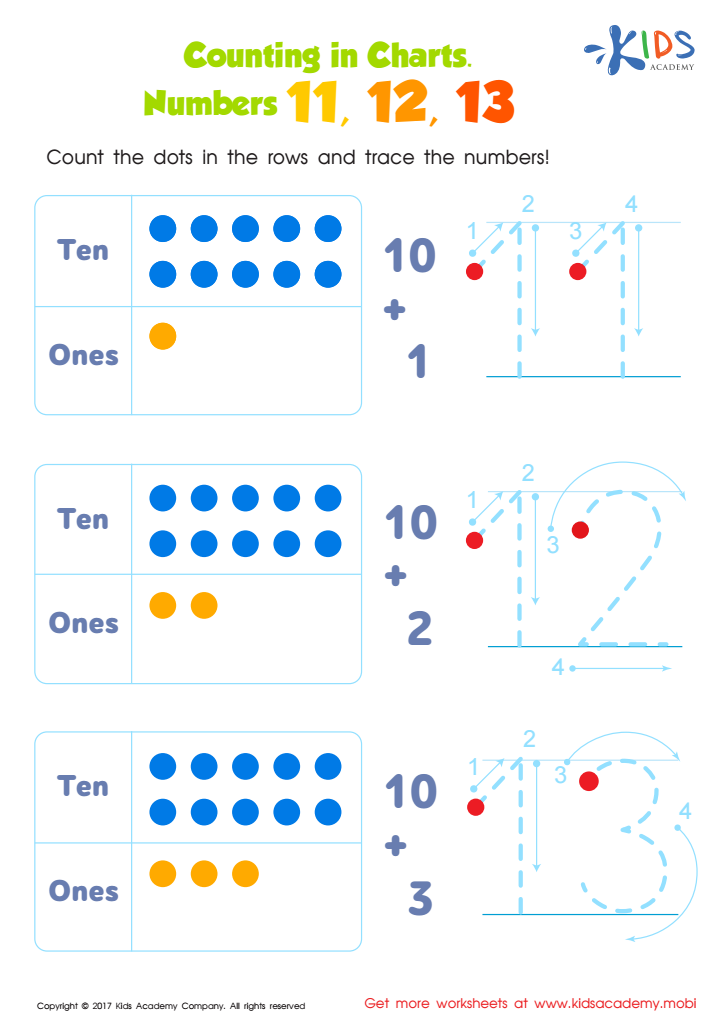
Number Tracing Worksheet For Kindergarten
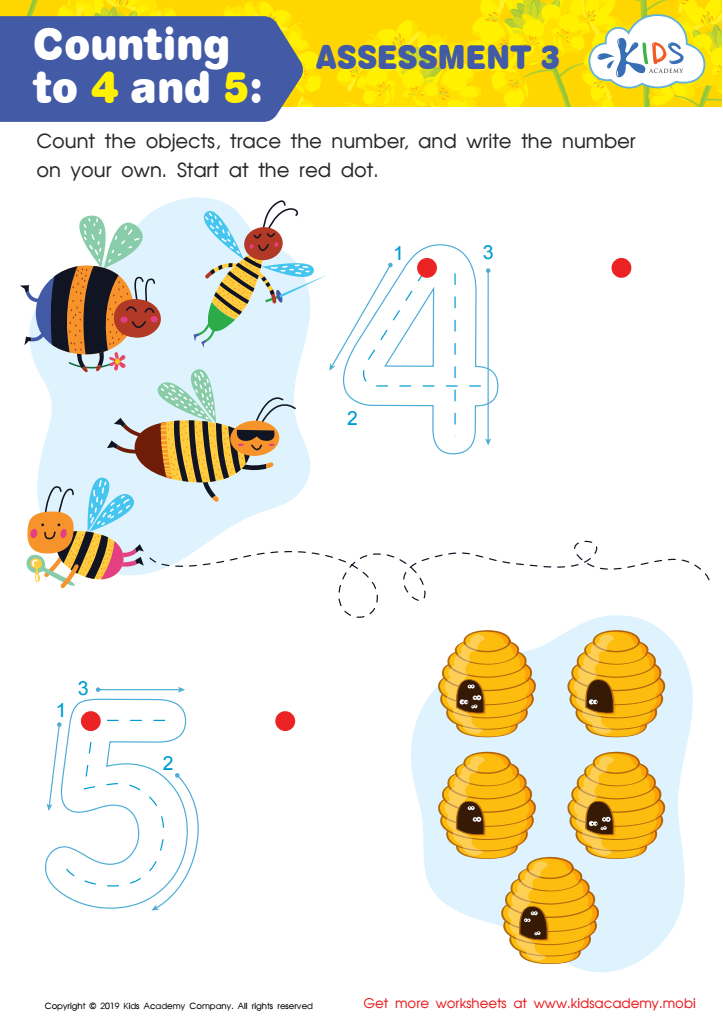
Counting to 4 and 5: Assessment 3 Worksheet
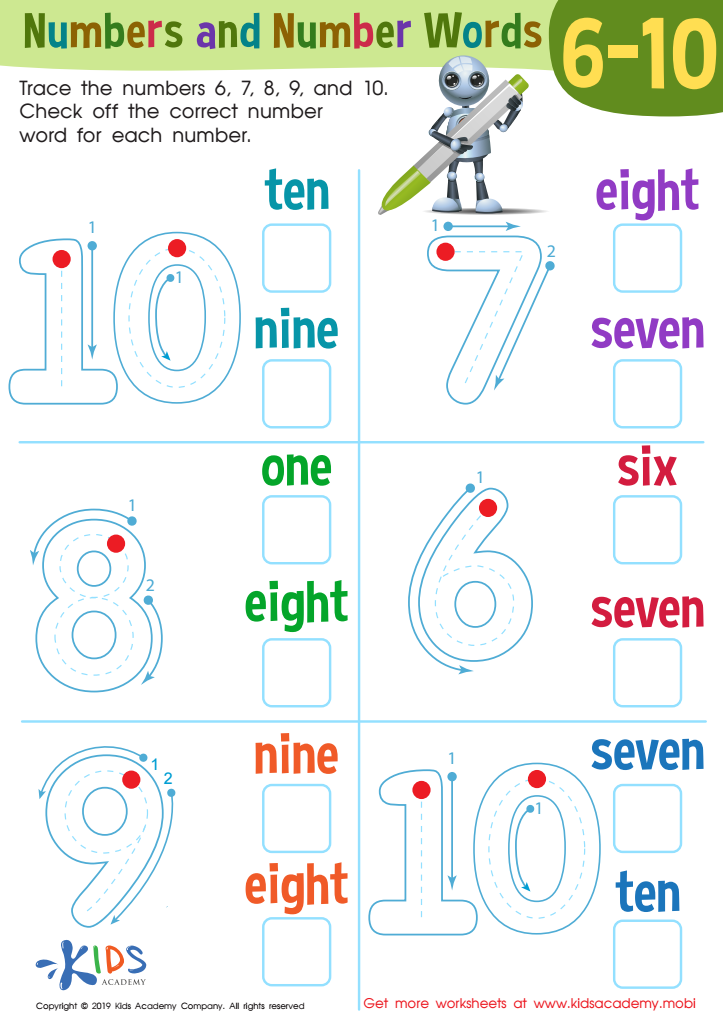
Numbers and Number Words 6–1 Worksheet
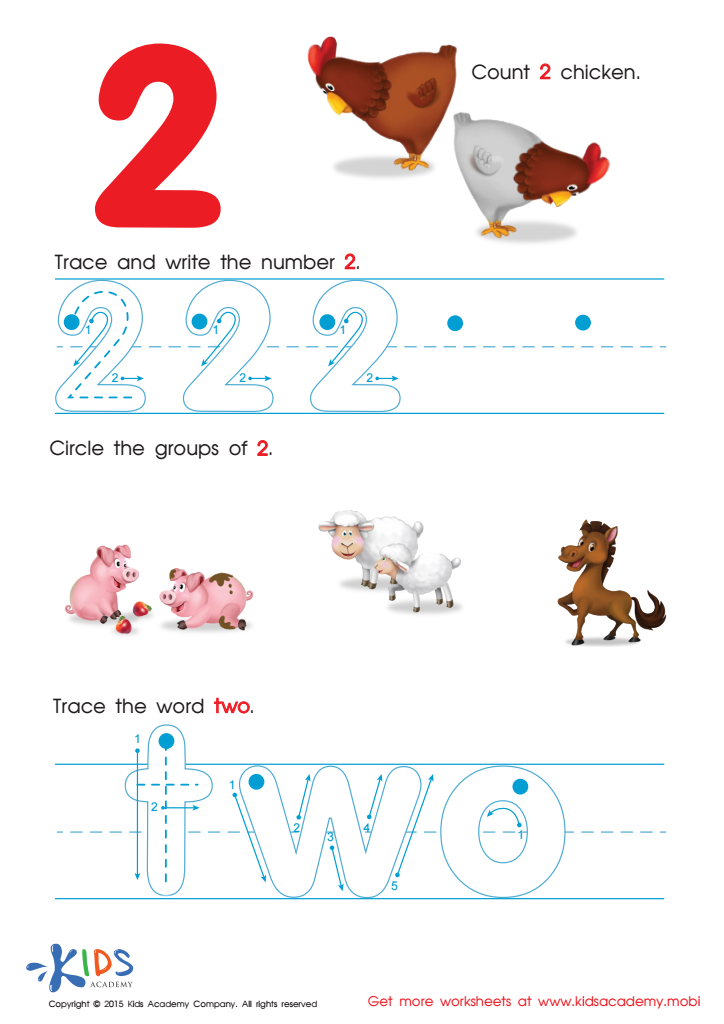
Learn to Write the Number 2 Worksheet
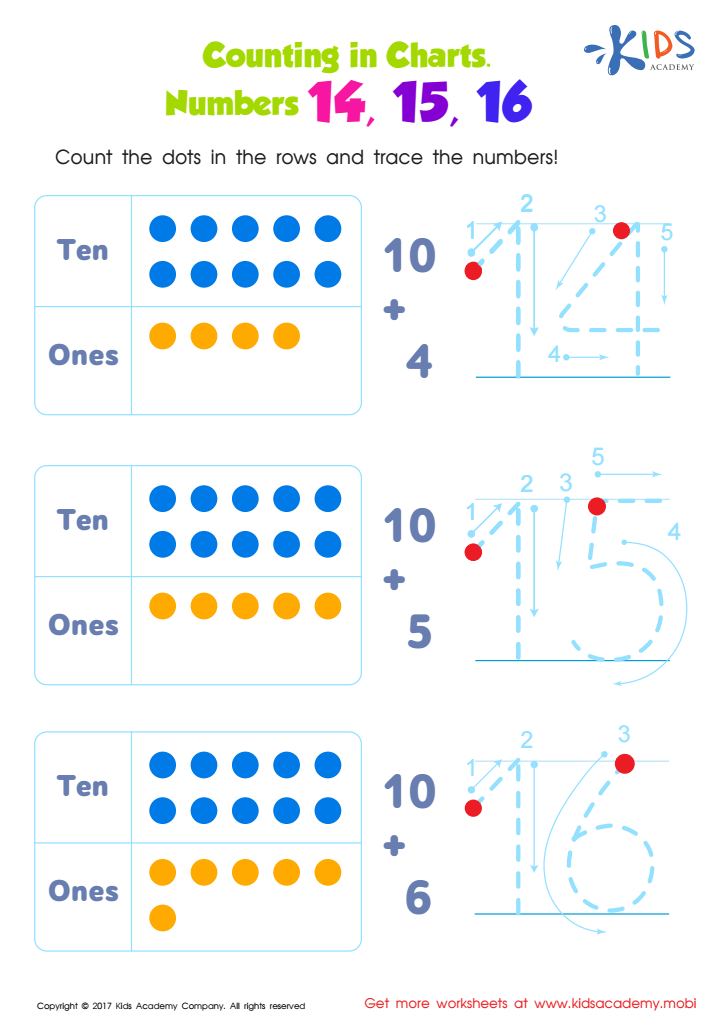
Number Tracing Worksheet

Count the Cherries and Trace the Number 10 Printable
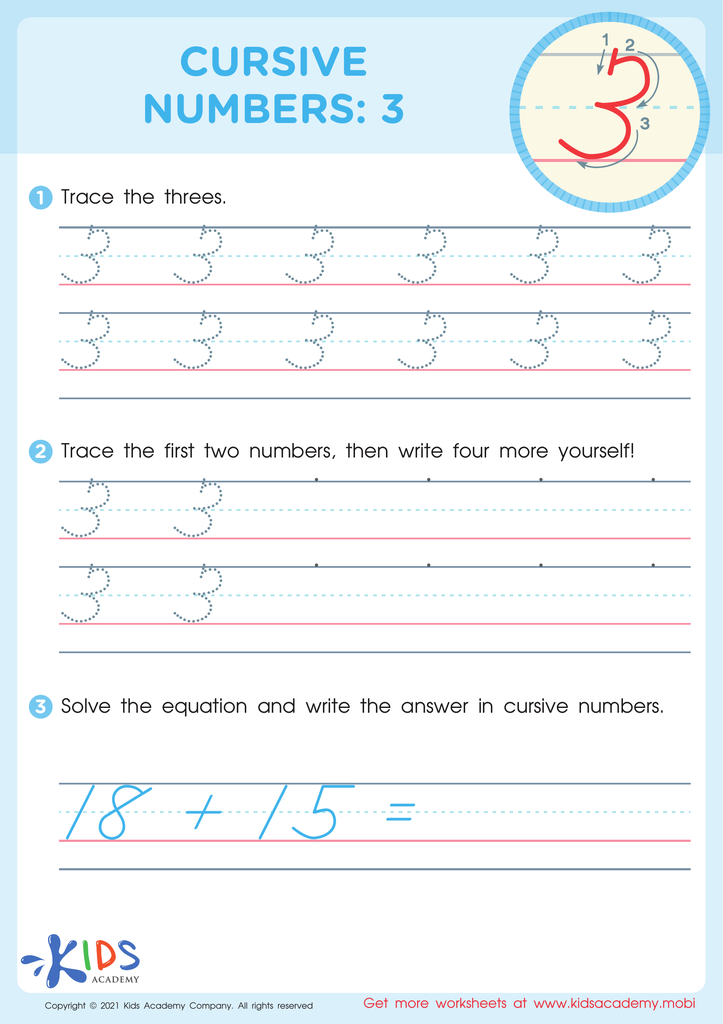
Cursive Numbers: 3 Worksheet
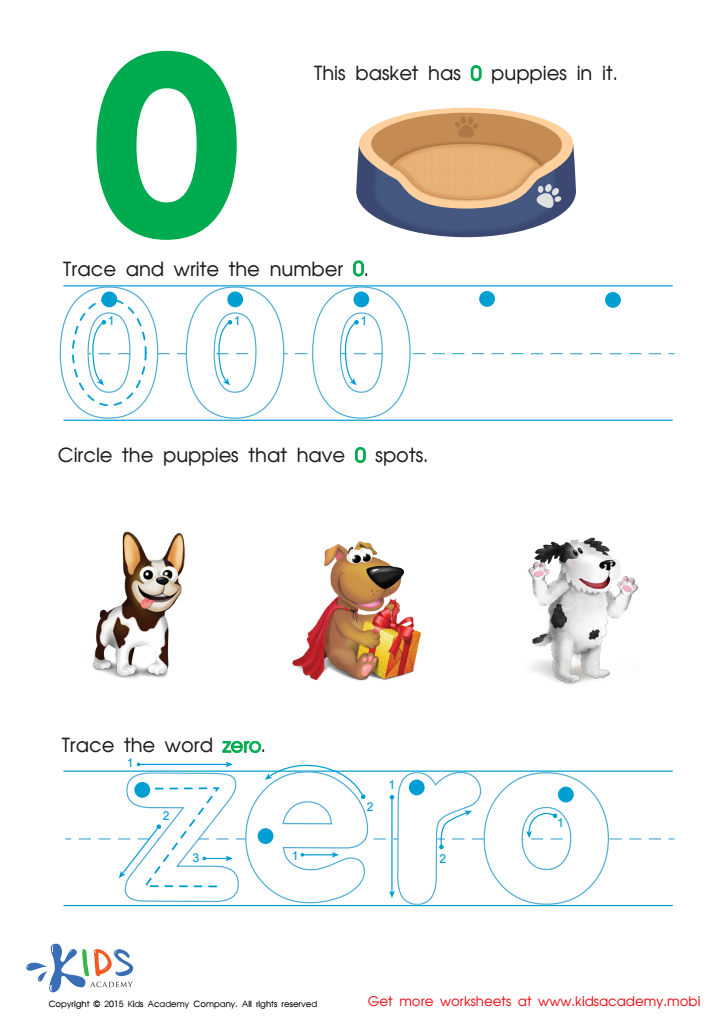
Trace And Write Number 0 Worksheet
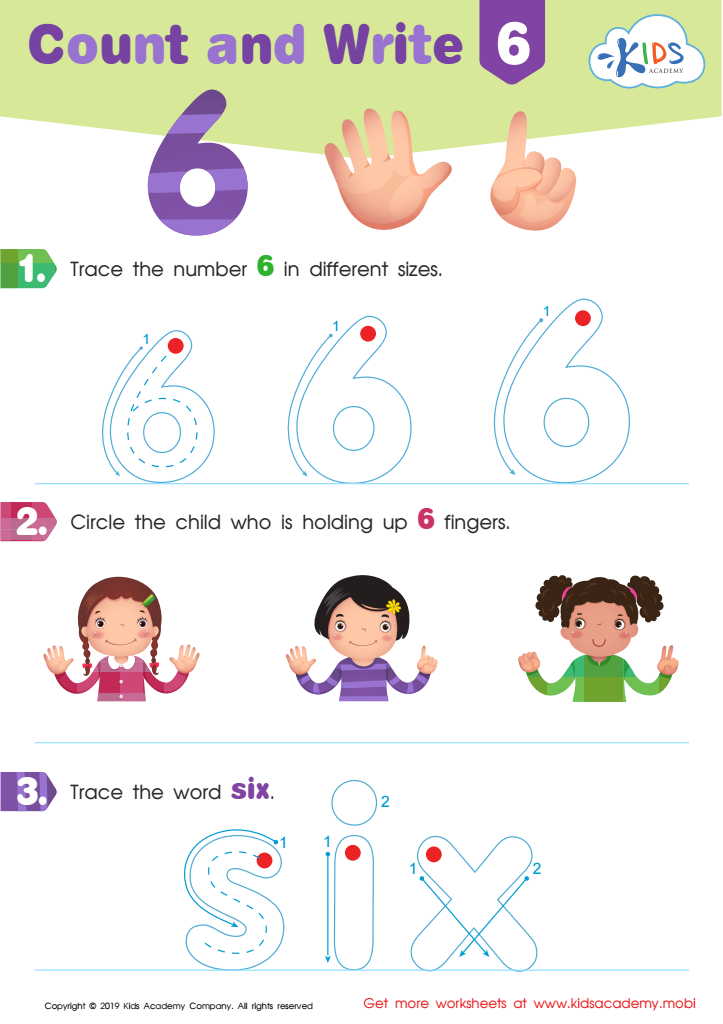
Count and Write 6 Worksheet
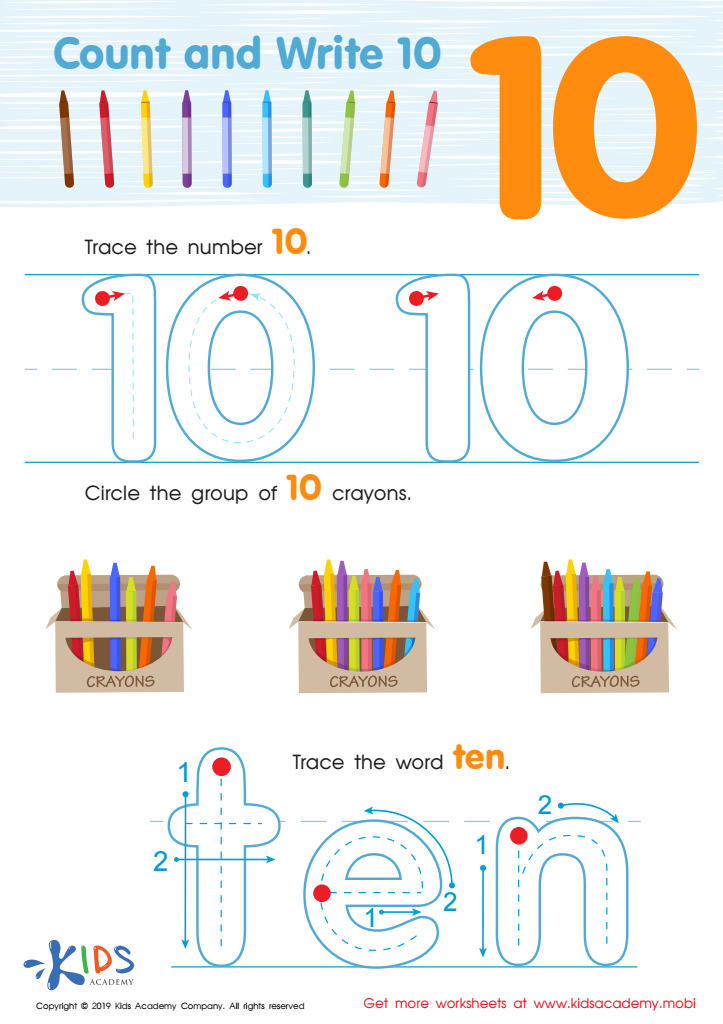
Count and Write 10 Worksheet
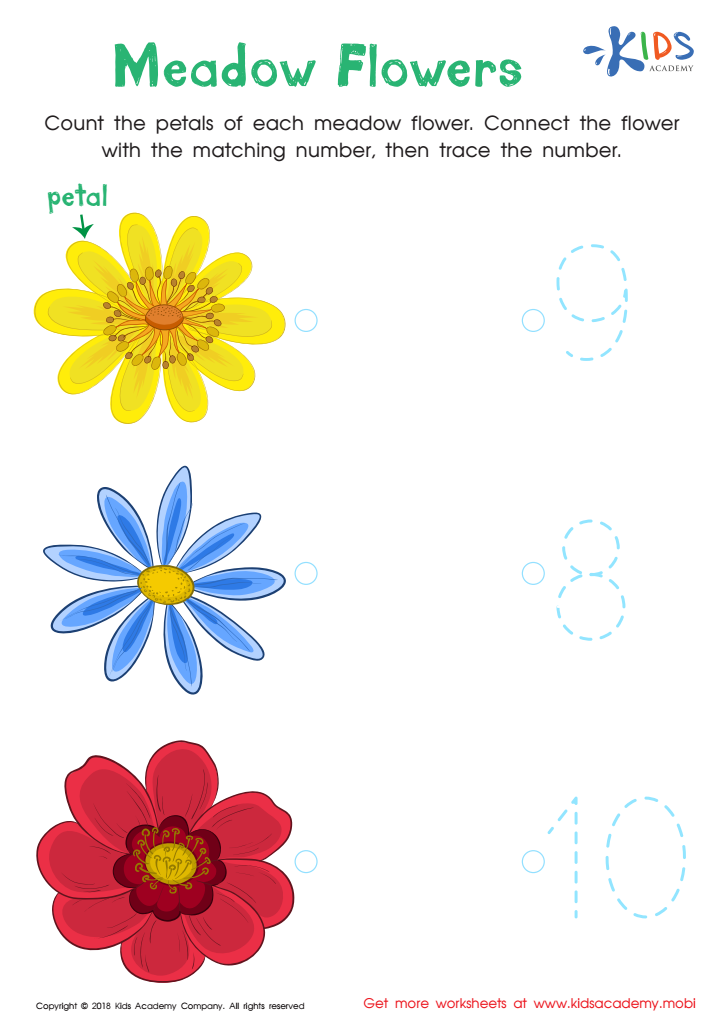
Kindergarten Number Tracing: Medow Flowers Worksheet
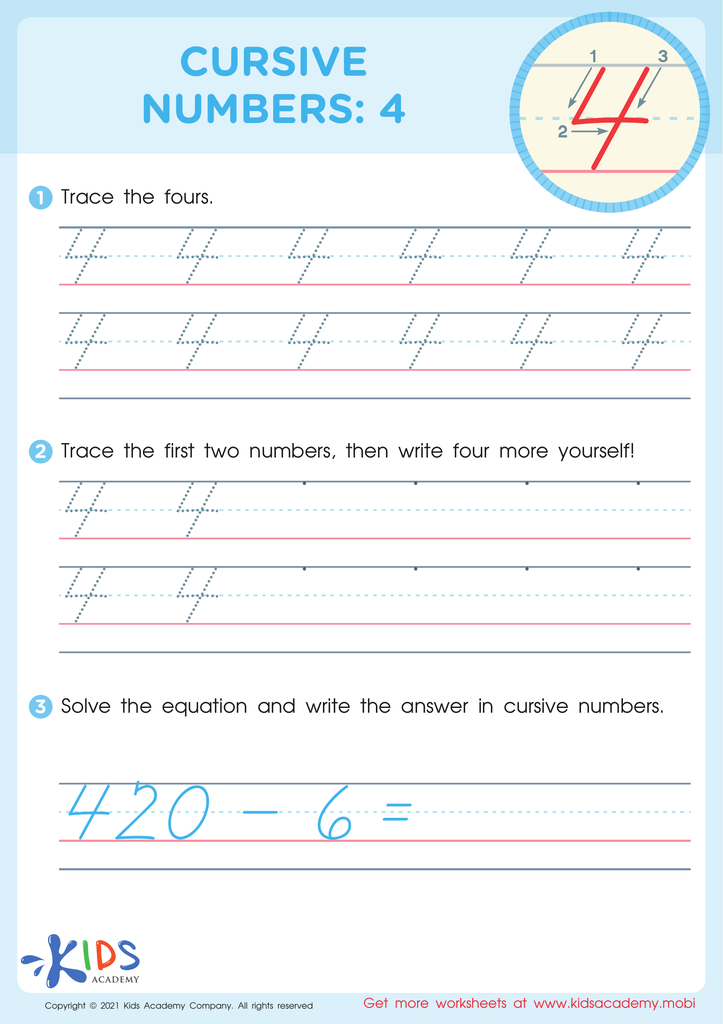
Cursive Numbers: 4 Worksheet








Tracing numbers is a fundamental activity for ages 5-8 that parents and teachers should closely prioritize. During these formative years, children are developing their fine motor skills, hand-eye coordination, and cognitive abilities, and tracing numbers offers a multi-faceted approach to enhancing these key areas.
Firstly, by repeatedly tracing numbers, children become more familiar with number shapes and sequences, laying a solid groundwork for numerical literacy which is crucial for later mathematical understanding. The repetitive motion of tracing helps solidify the concept of each number, making it easier for children to recall and recognize them in different contexts.
Secondly, this activity promotes fine motor skills as children learn to control their pencil movements, which is essential for good handwriting. Fine motor skill development is pivotal not just for writing, but for many other academic tasks that involve hand-eye coordination, such as drawing, cutting, and using tools.
Moreover, tracing numbers can be an entry point for instilling concentration and patience. As children practice tracing, they learn to focus on tasks for longer periods and understand the importance of precision.
Lastly, as children see their progress, it boosts their confidence and motivates them to tackle more complex tasks. Thus, tracing numbers isn’t just about learning to write digits; it’s about building a suite of skills that will support lifelong learning and development.








