Elementary Phonics Worksheets for Ages 6-9 - Page 2
30 filtered results
-
From - To
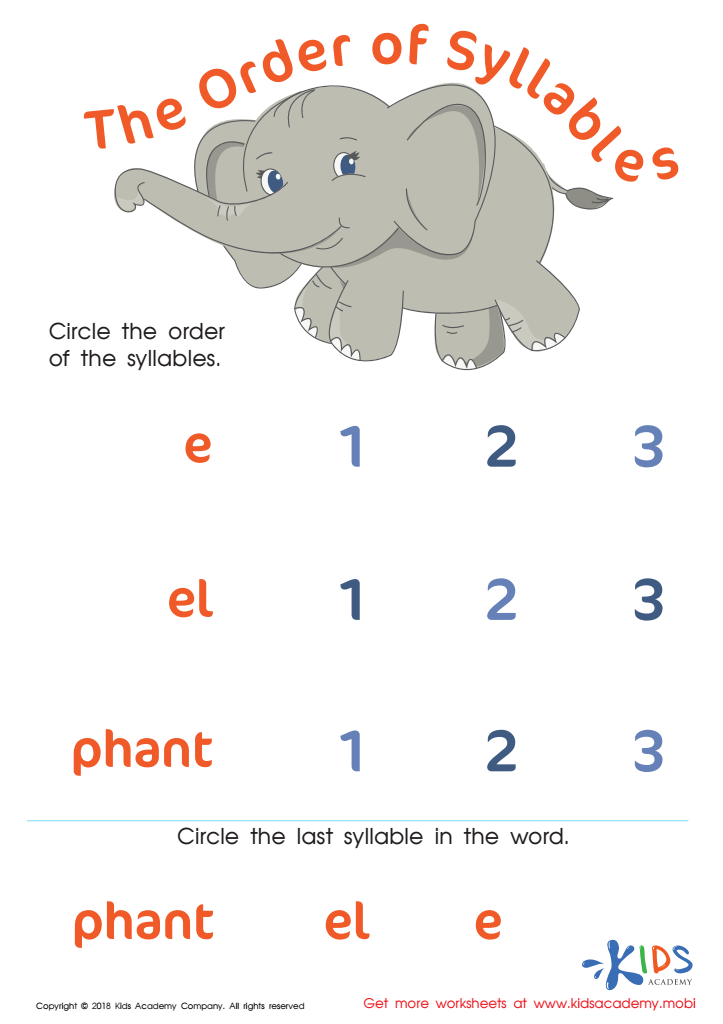
The Order of Syllables Worksheet

Long and Short E Worksheet
 Assign to My Students
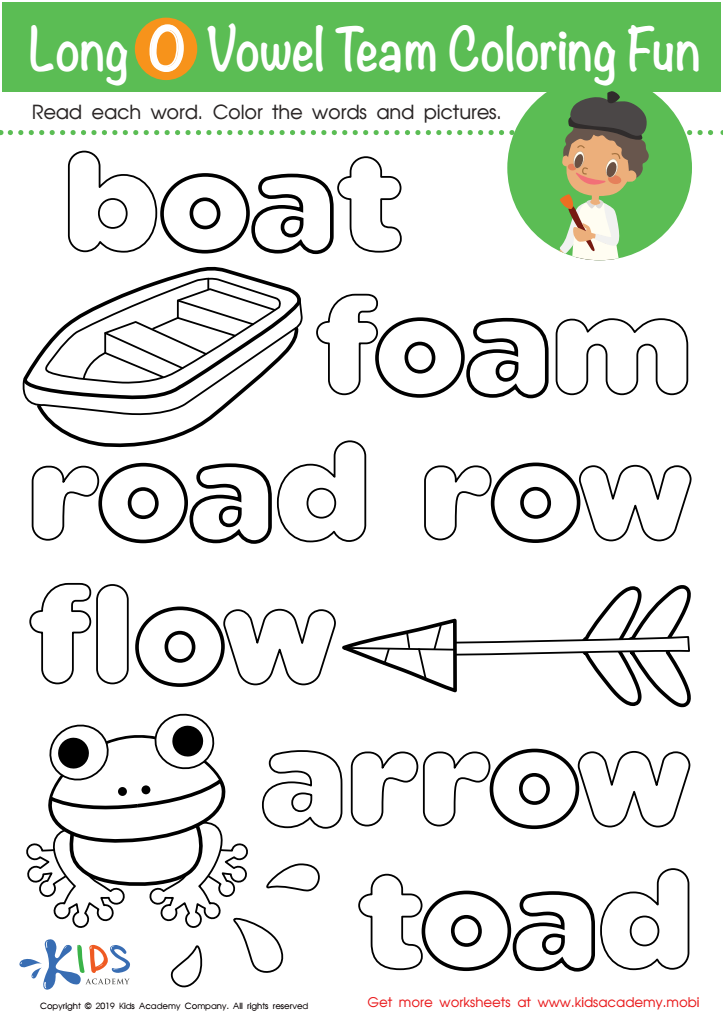
Long O Vowel Team Coloring Worksheet
Assign to My Students
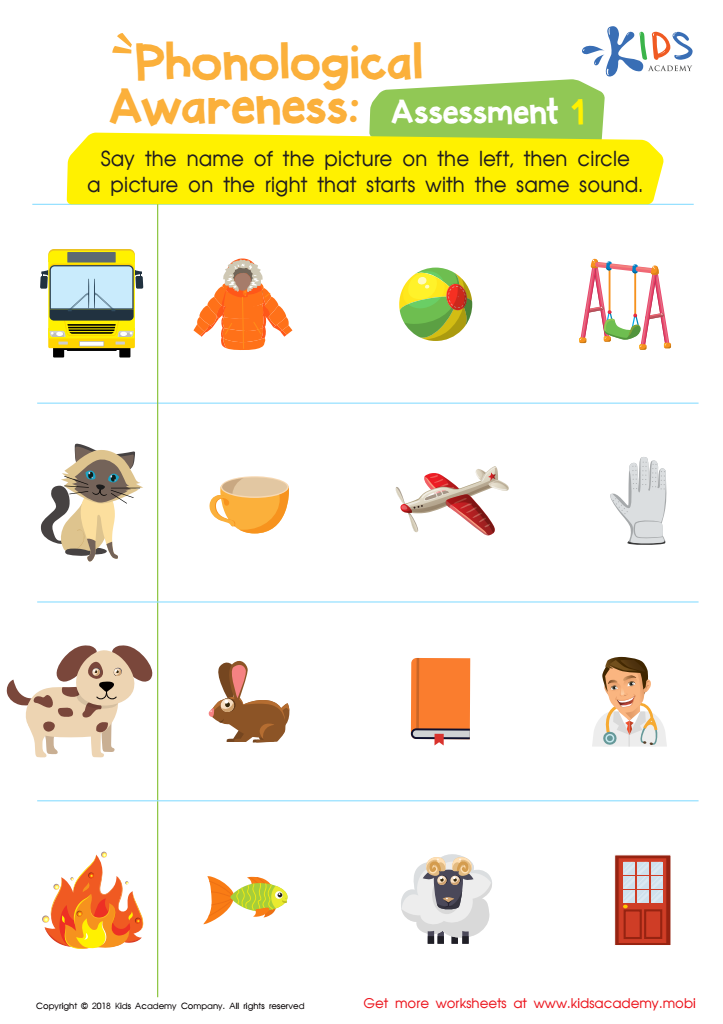
Phonological Awareness: Assessment 1 Worksheet
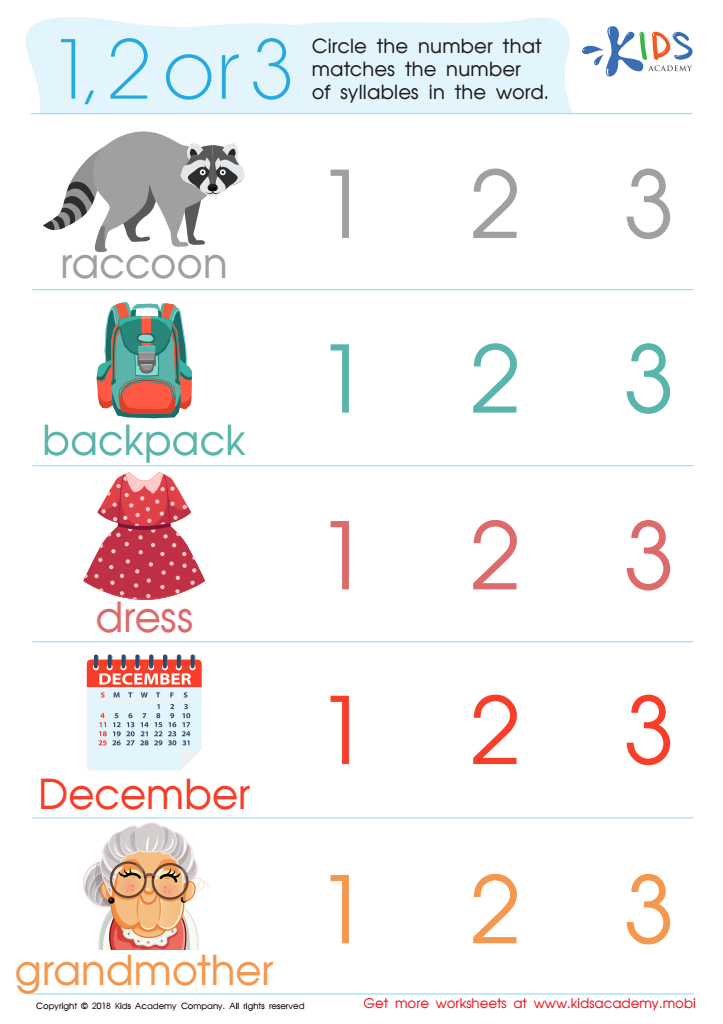
1, 2 or 3? Worksheet
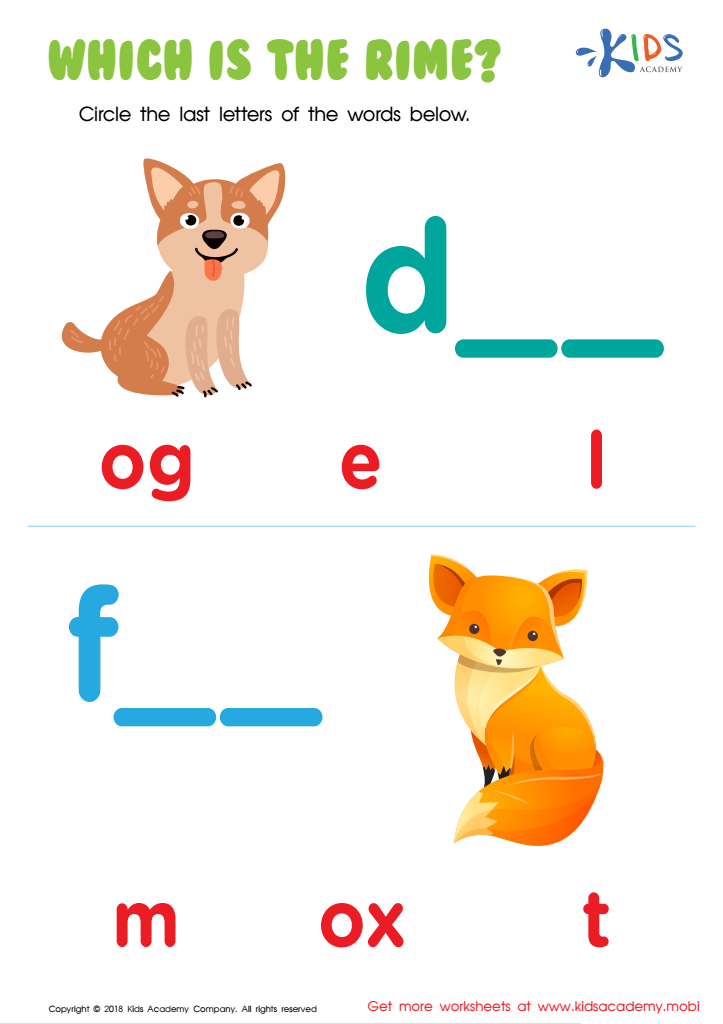
Which Is the Rime? Worksheet




Elementary phonics, especially for children aged 6-9, is crucial in laying the foundation for reading success. This age group is at a pivotal stage where their ability to decode words begins to develop significantly. Phonics instruction empowers young learners by helping them understand the relationships between letters and sounds, fostering essential skills for blending and segmenting words.
Parents and teachers should care because strong phonics skills directly influence overall literacy development and learning outcomes. Children who grasp phonics are often better equipped to tackle higher-level reading comprehension, vocabulary expansion, and writing skills as they progress. Without a solid understanding of phonics, youngsters may struggle with reading difficulties, leading to frustration and disengagement.
Furthermore, teaching phonics in engaging, age-appropriate ways can stimulate a love for reading. Enthusiastic readers typically achieve better academic performance throughout their educational journey. Investing time and resources in effective phonics instruction not only benefits struggling readers but enriches the learning experience for all students. Overall, prioritizing phonics education provides children with the tools they need for lifelong learning and success in academics and beyond.







