Addition and Subtraction Word Problems Worksheets for Ages 3-6 - Page 2
90 filtered results
-
From - To
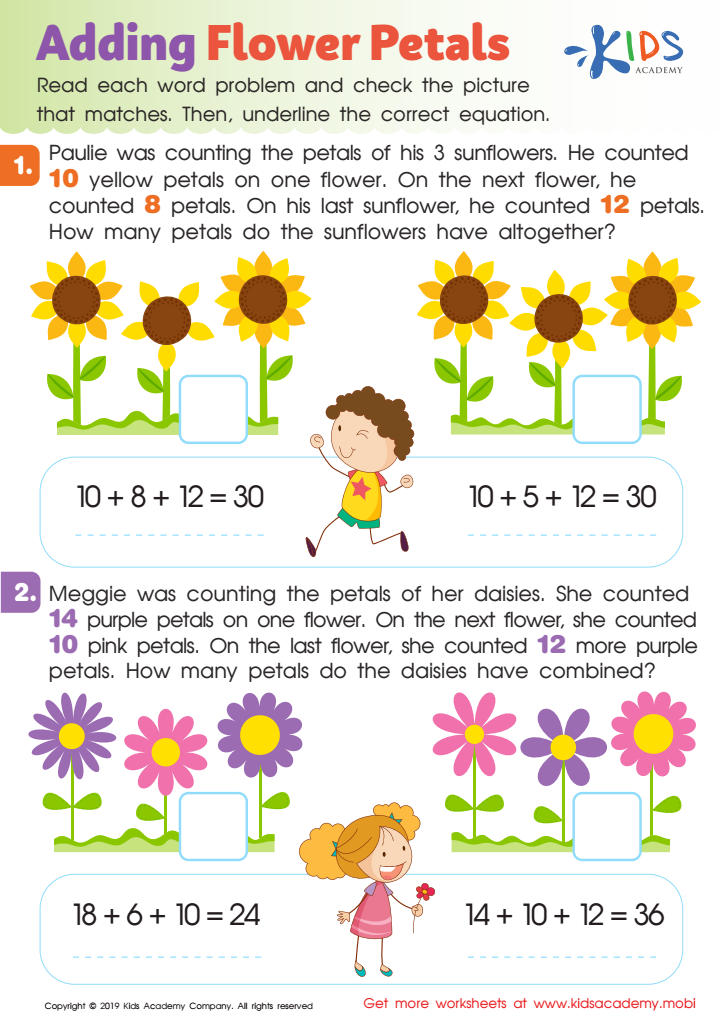
Adding Flower Petals Worksheet
 Assign to My Students
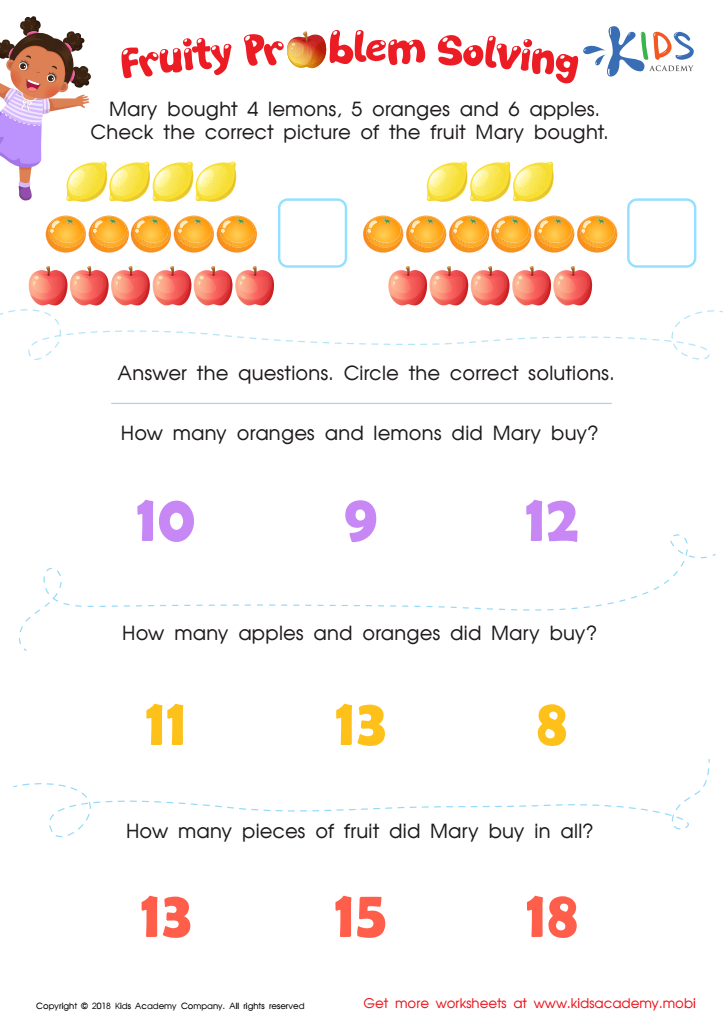
Fruity Problem Solving Worksheet
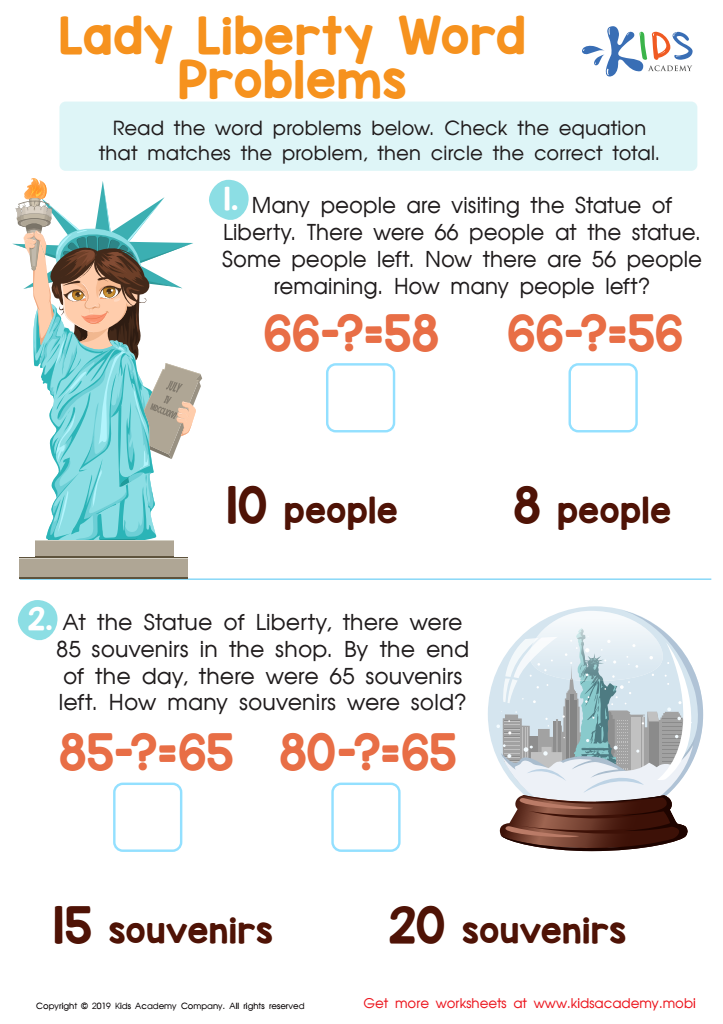
Lady Liberty Worksheet
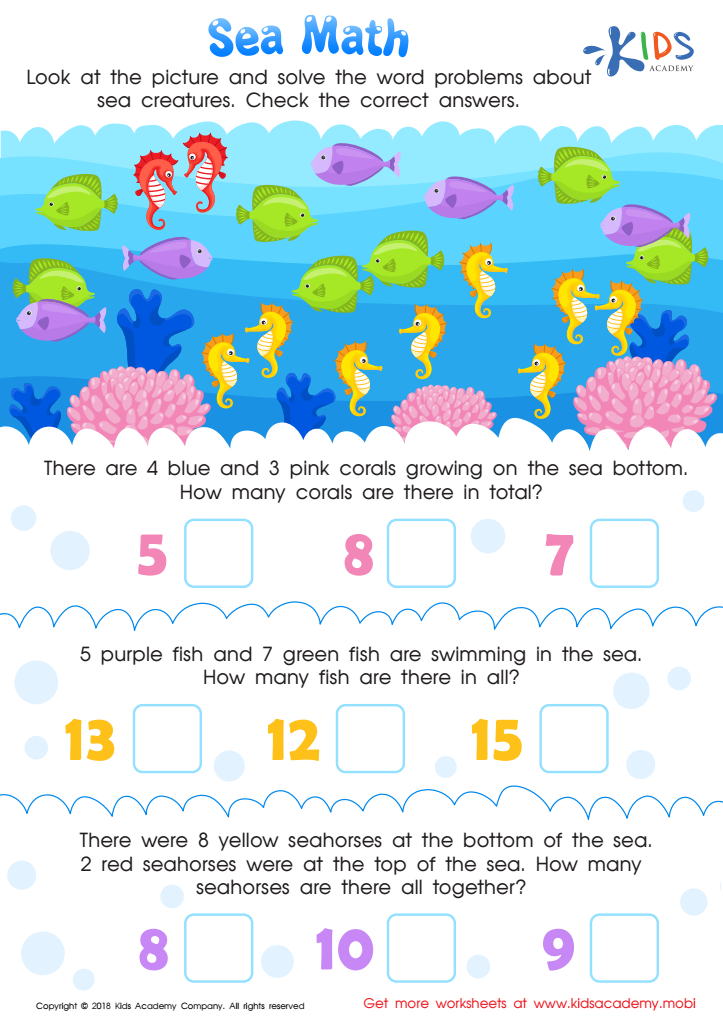
Sea Math Worksheet
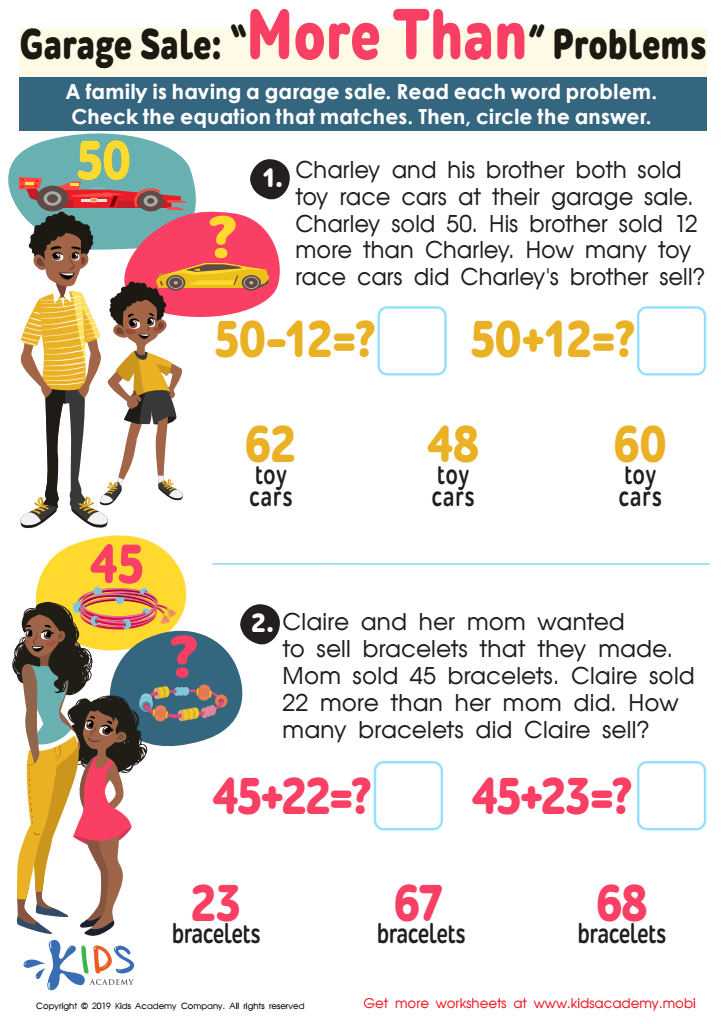
Garage Sale - More yhan Worksheet
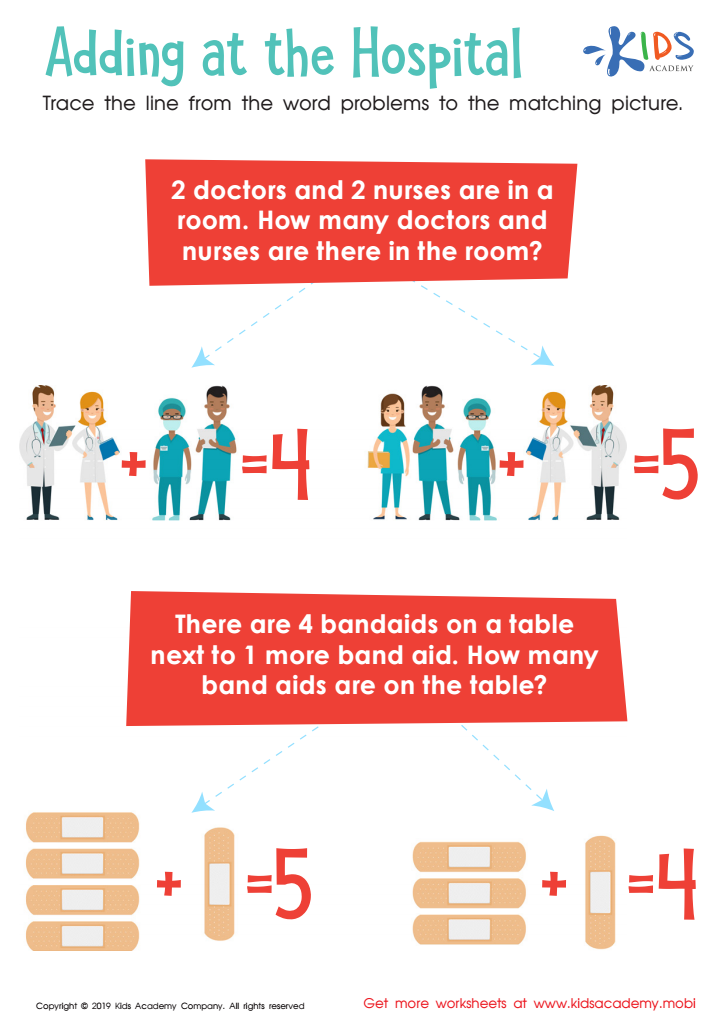
Adding at the Hospital Worksheet
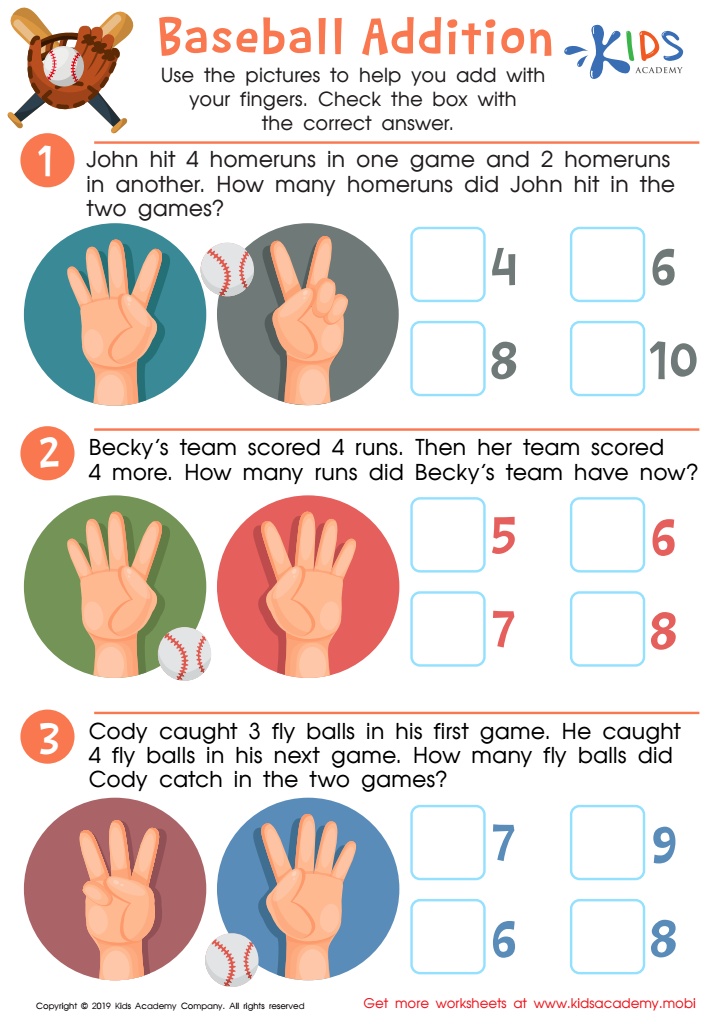
Baseball Addition Worksheet
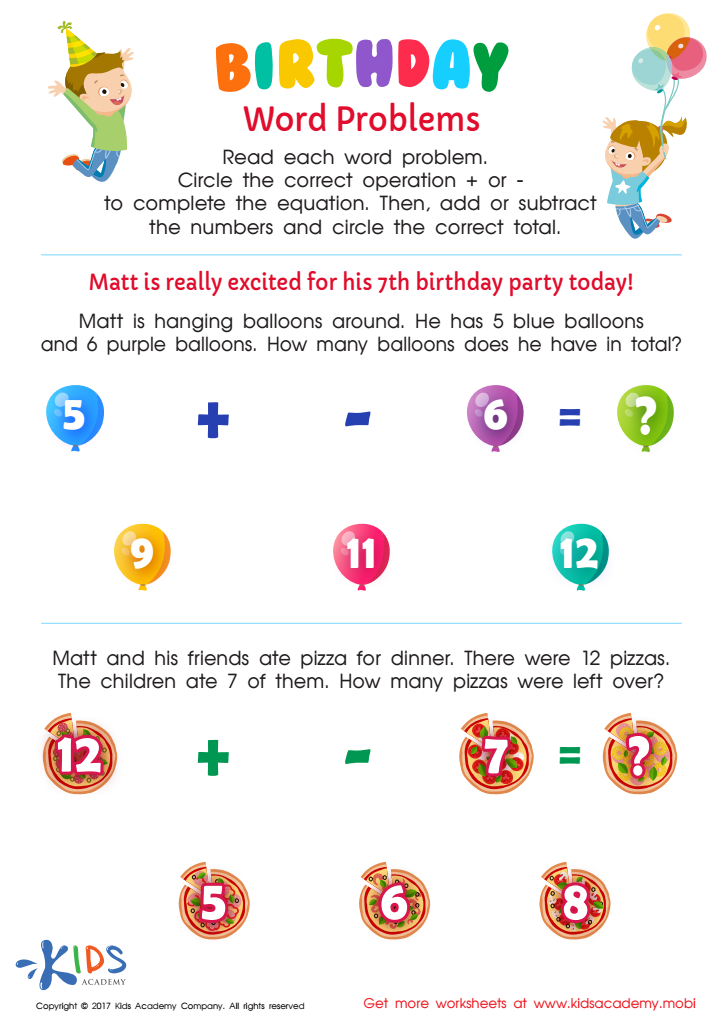
Birthday Word Problems Substraction Worksheet
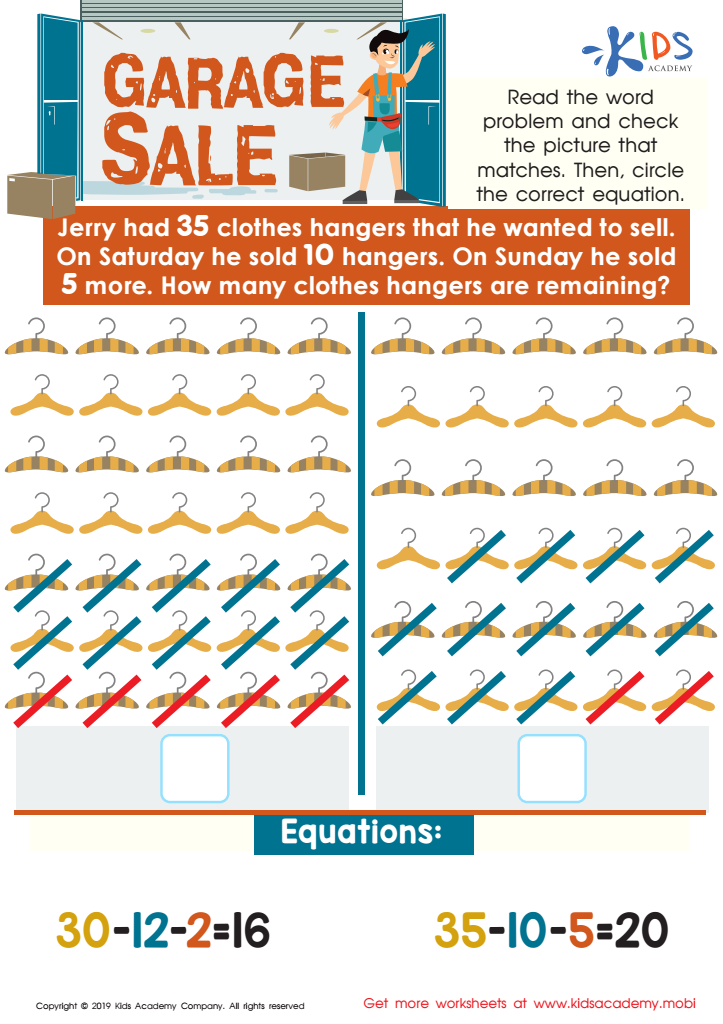
Garage Sale Worksheet
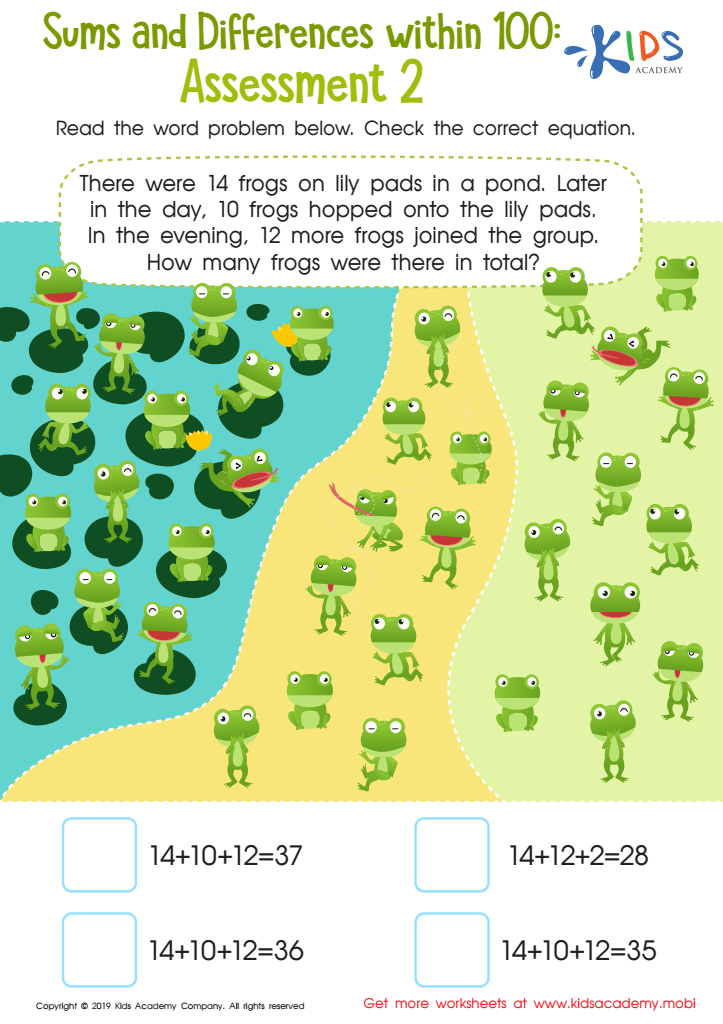
Sums and Differences Within 1 - Assessment 2 Worksheet
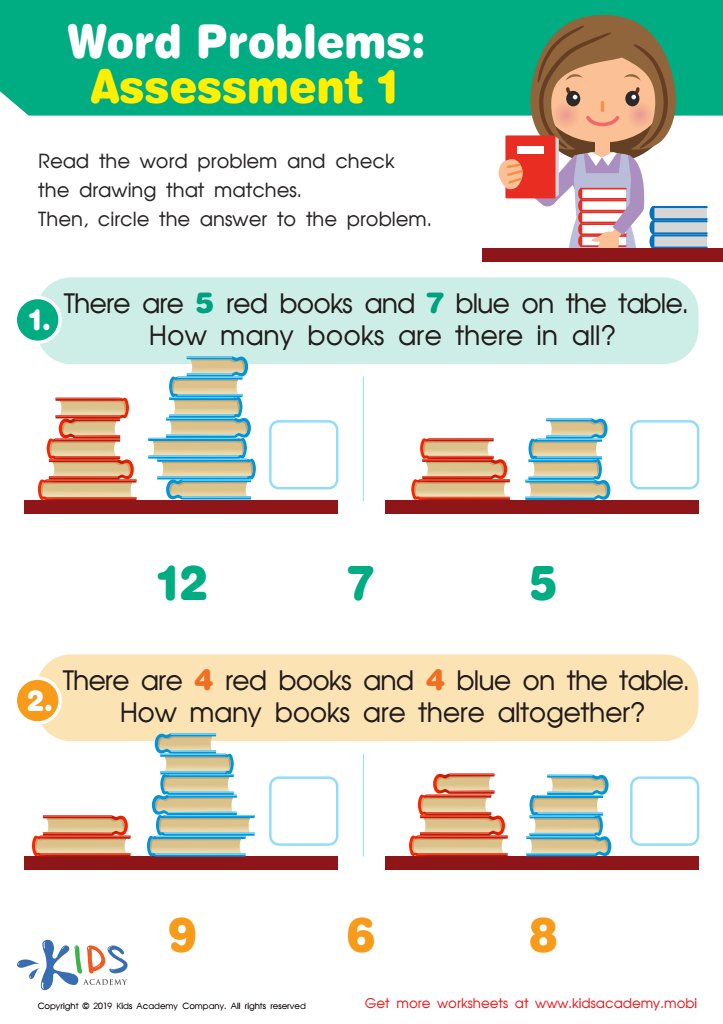
Word Problems: Assessment 1 Worksheet
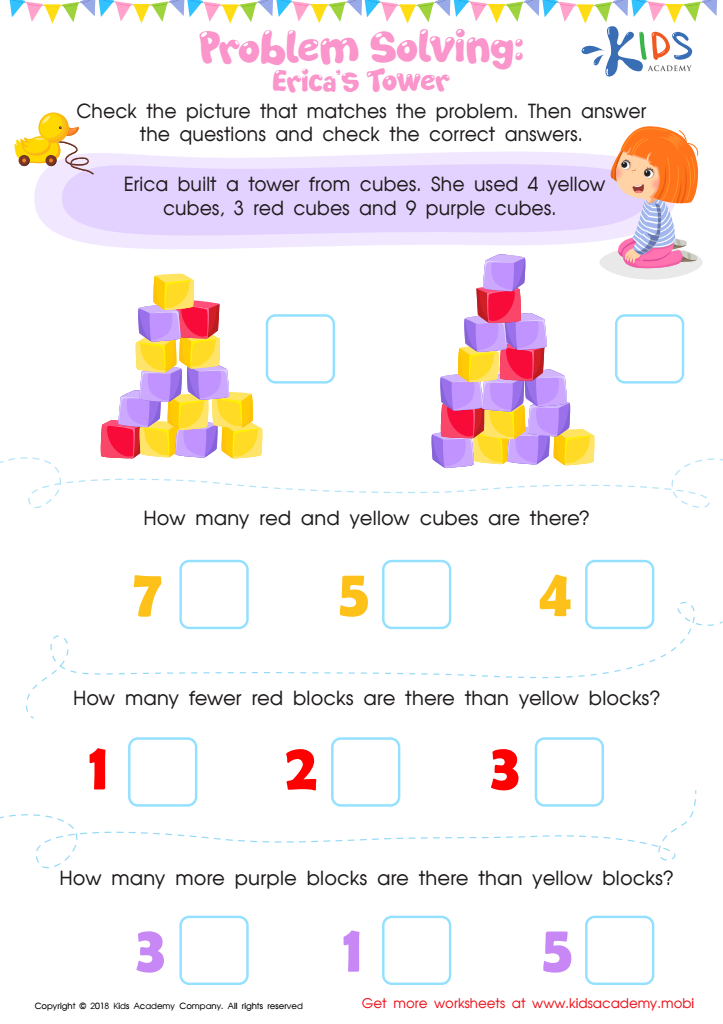
Problem Solving: Erica's Tower Worksheet
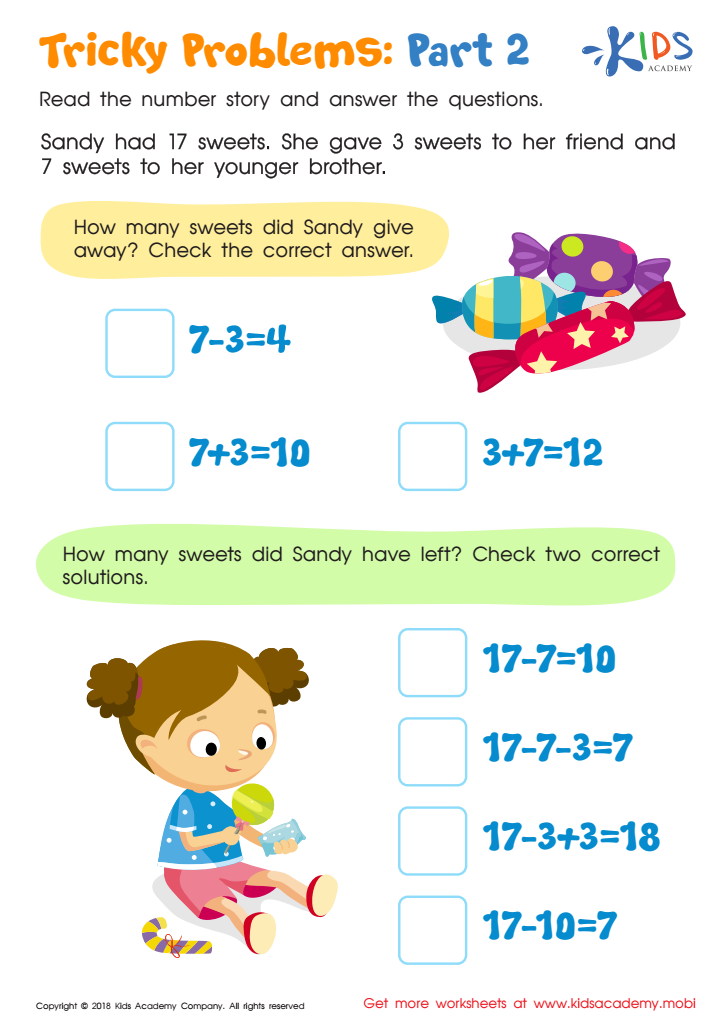
Tricky Problems Worksheet: Part 2
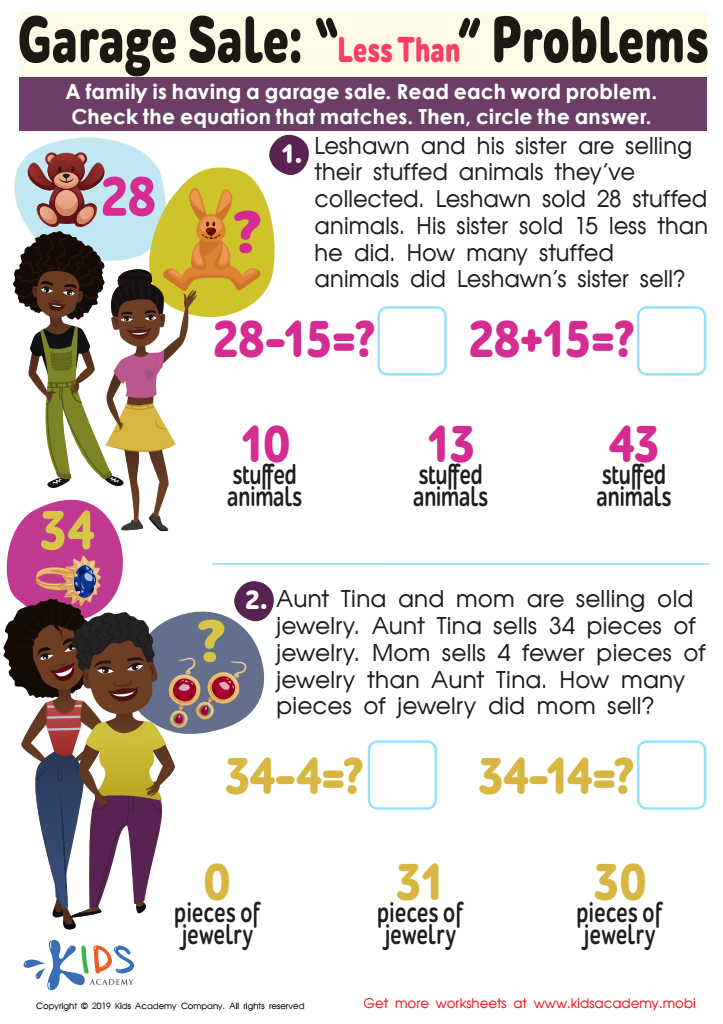
Garage Sale Less Than Worksheet
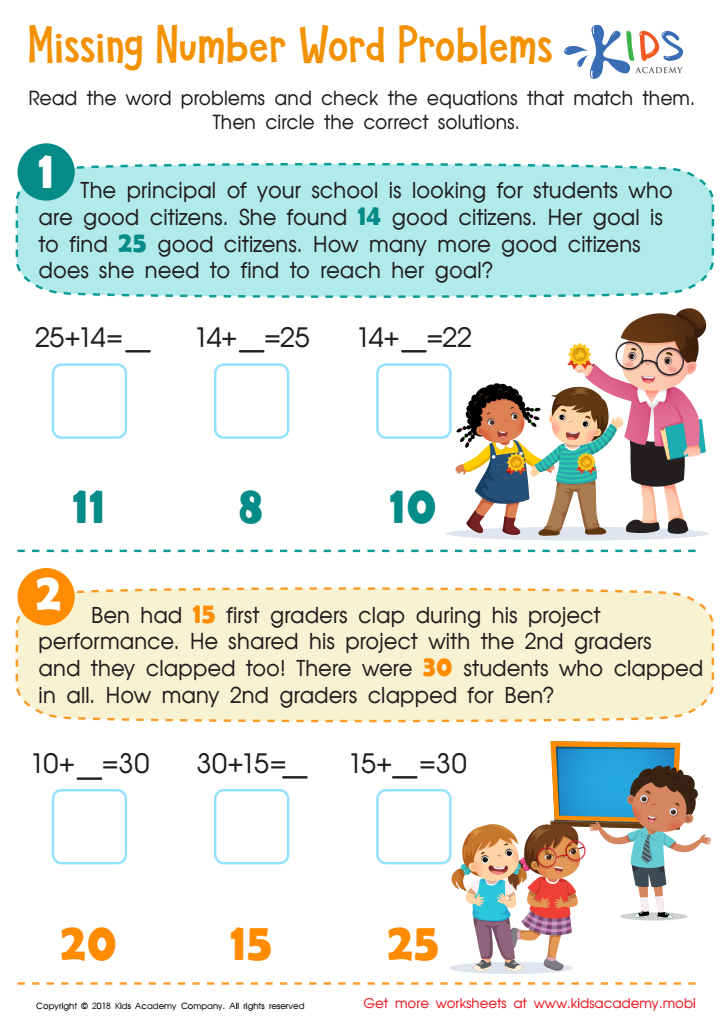
Missing Number Word Problems Worksheet
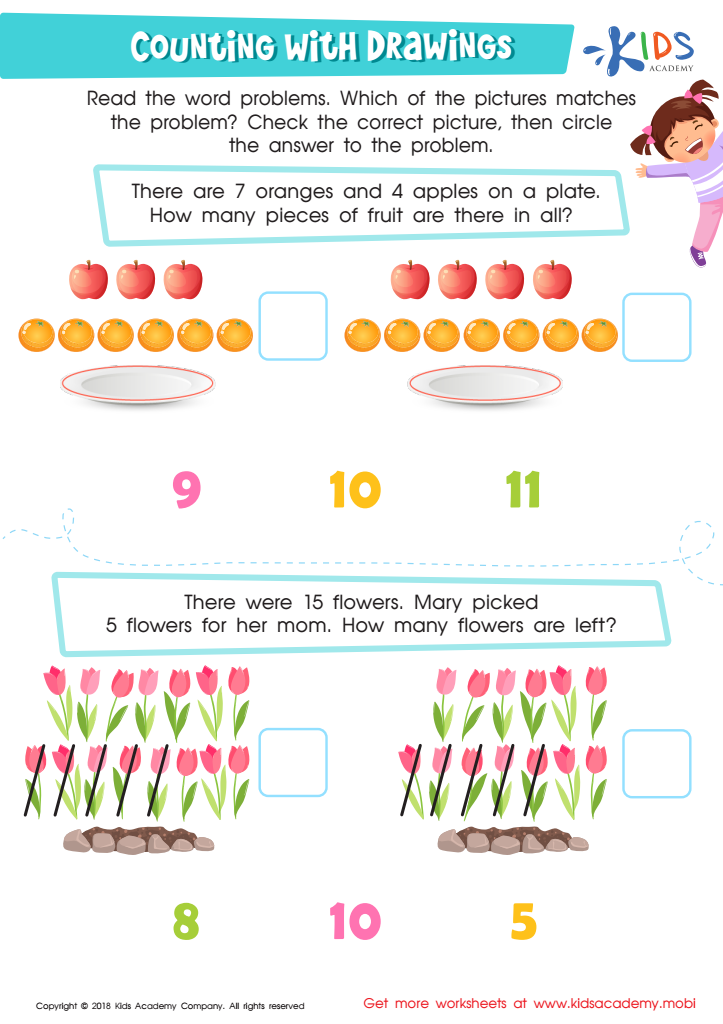
Counting with Drawings: Fruits & Chocolates Worksheet
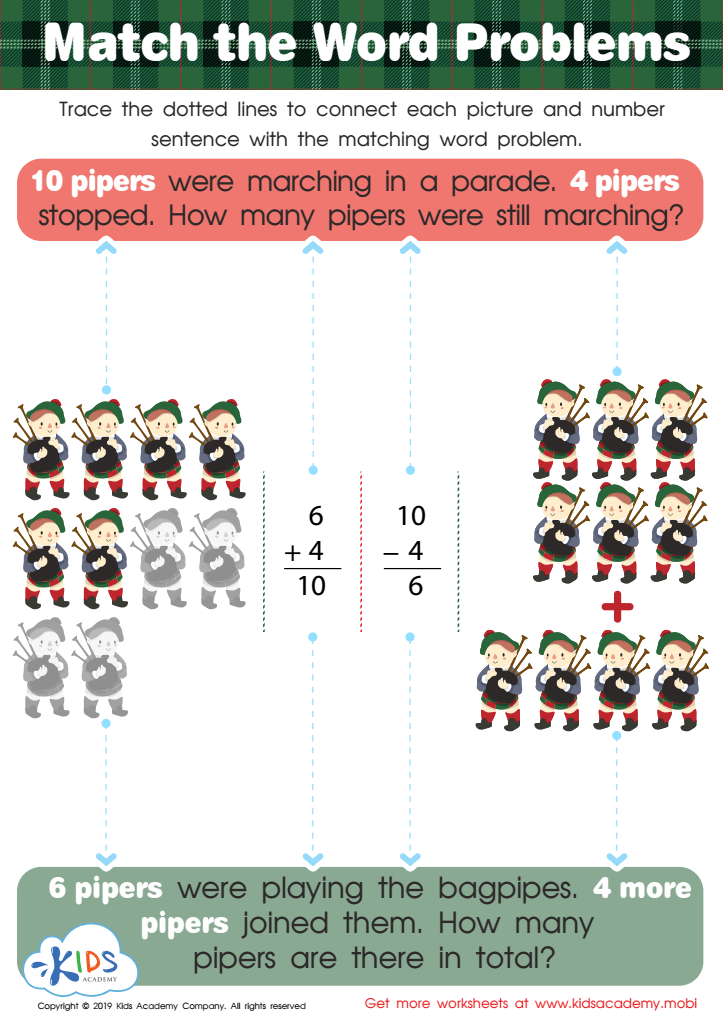
Match the Word Problems Worksheet
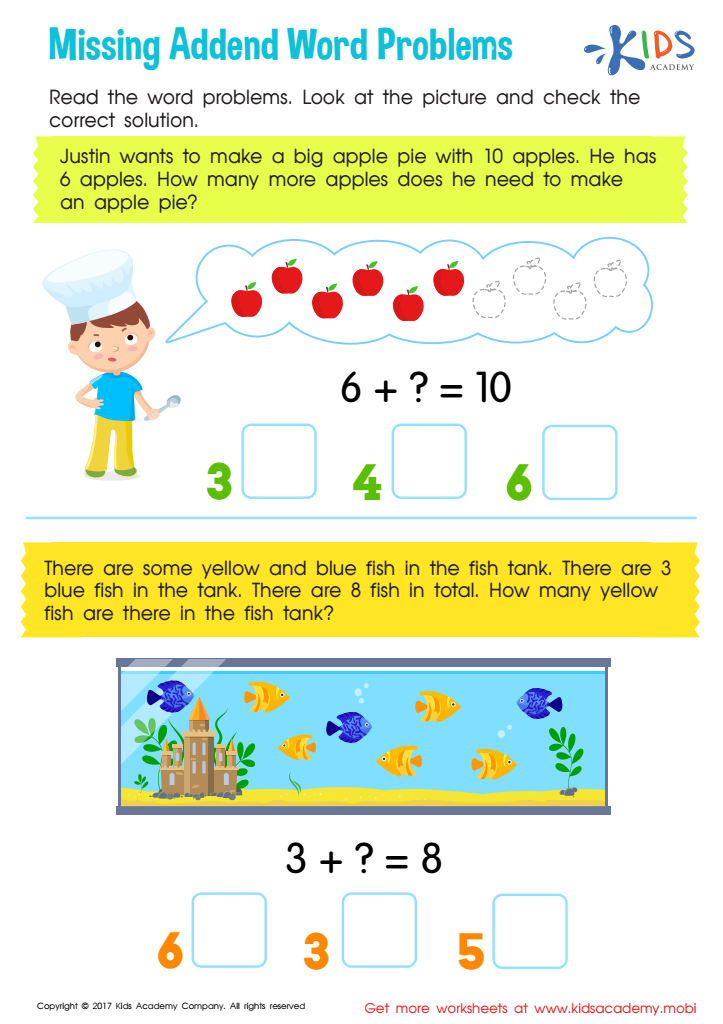
Missing Addend Word Problems Worksheet
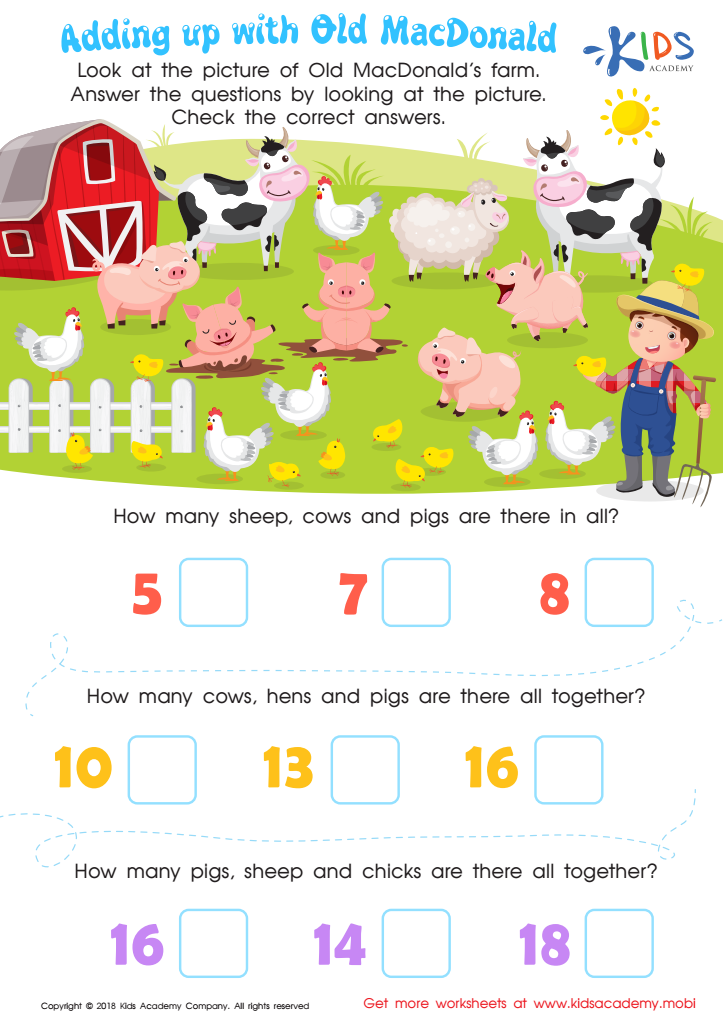
Adding Up with Old MacDonald Worksheet
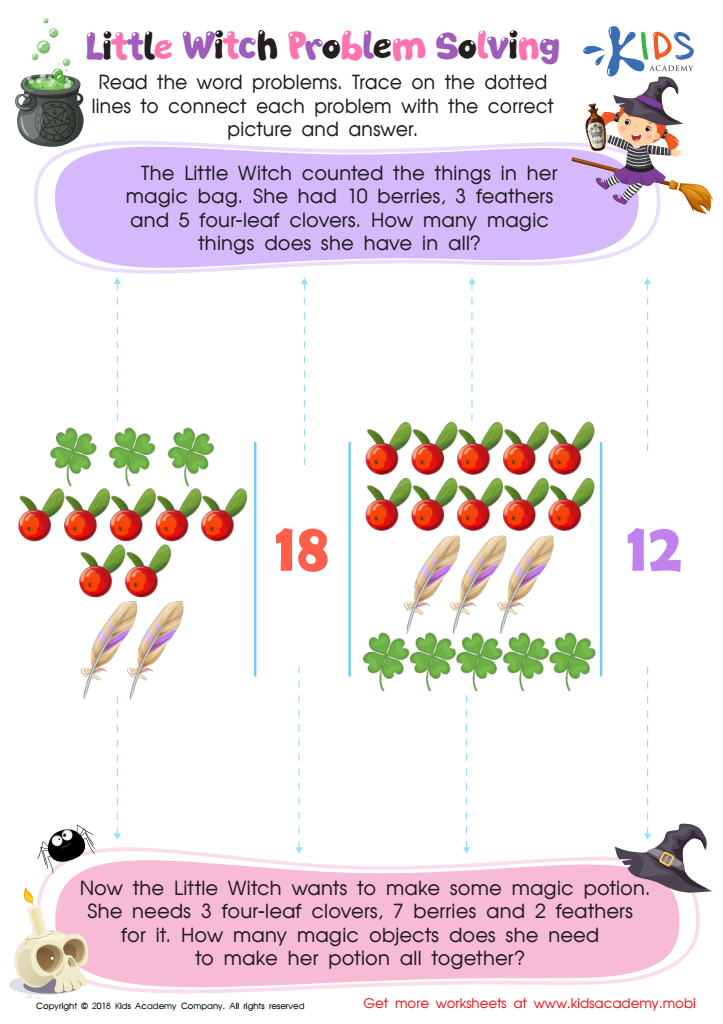
Little Witch Problem Solving Worksheet
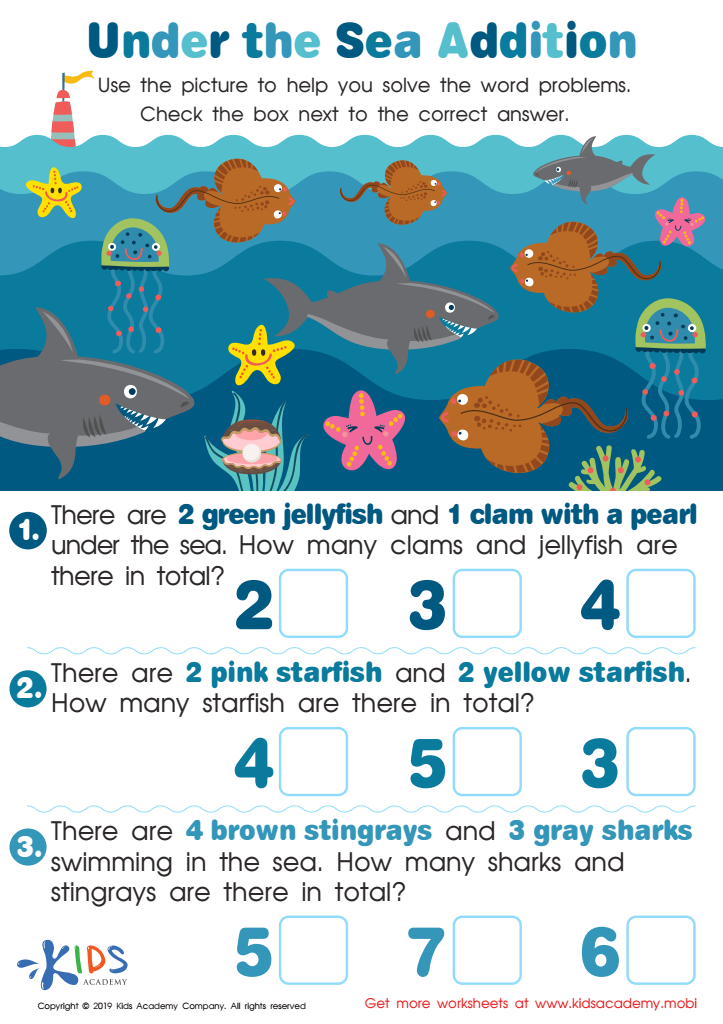
Under the Sea Addition Worksheet
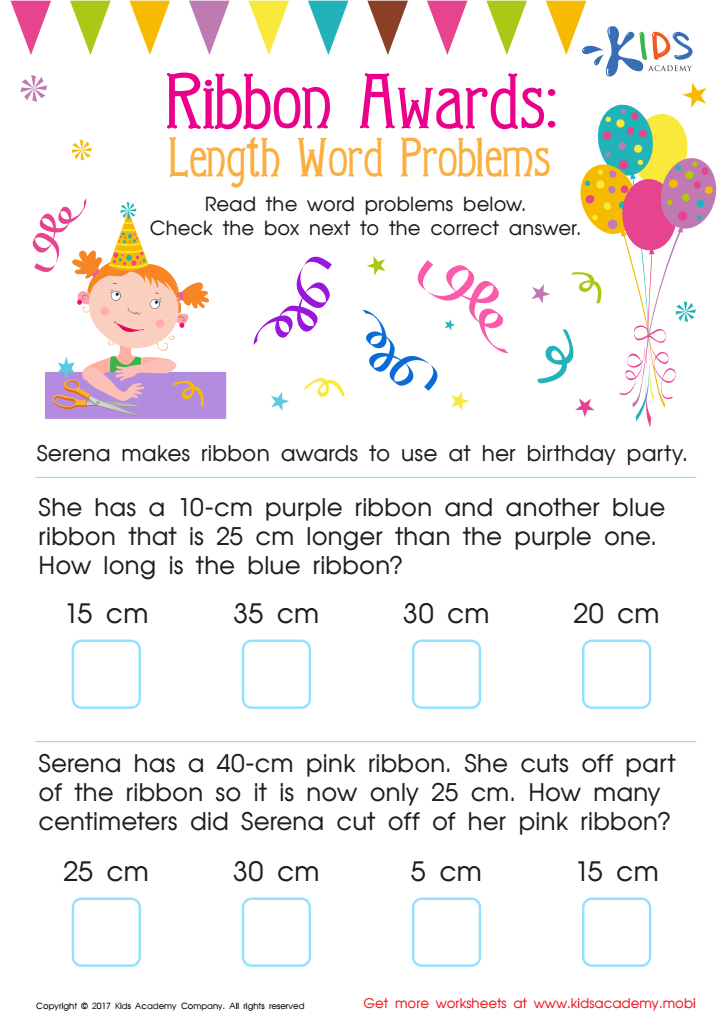
Length Word Problems Worksheet
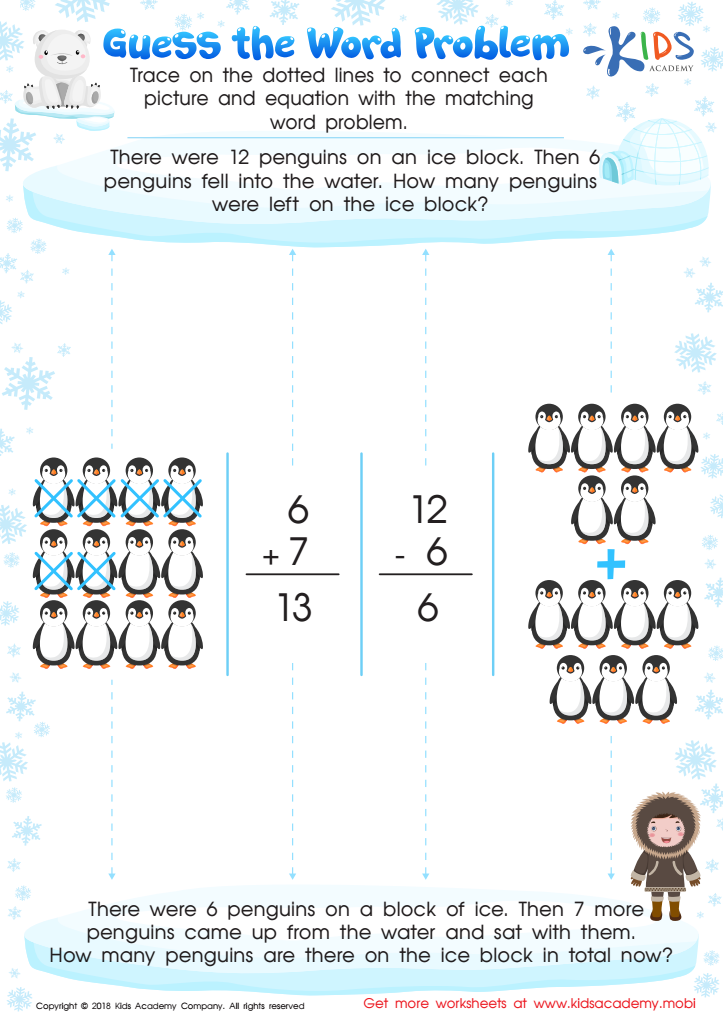
Guess the Word Problem Worksheet
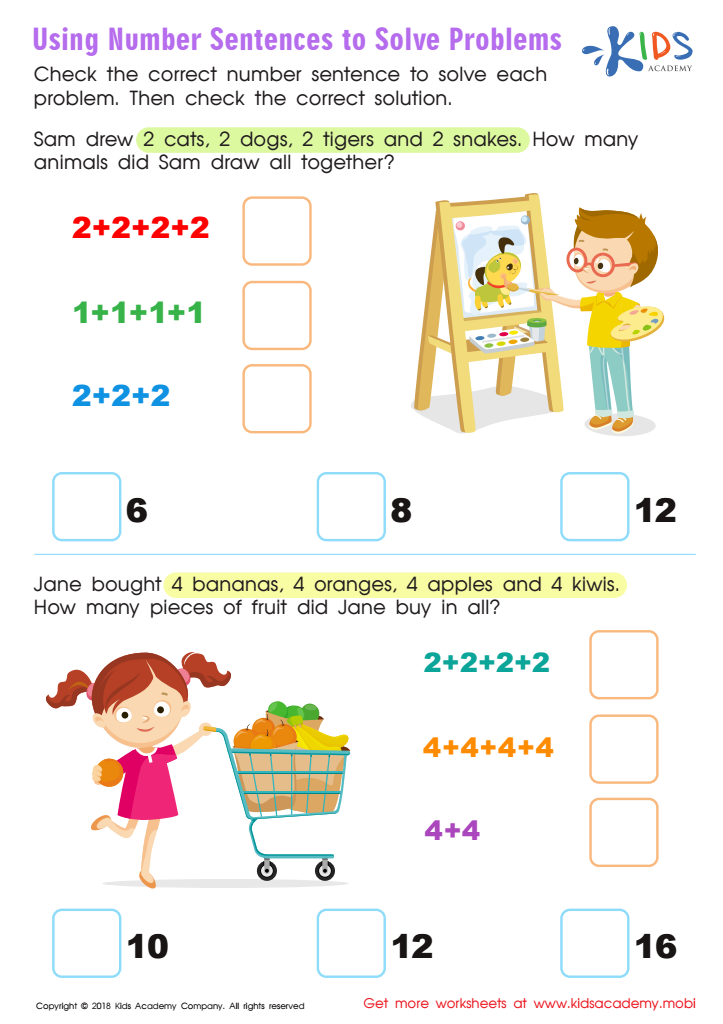
Using Number Sentences to Solve Problems Worksheet








Engaging young children with addition and subtraction word problems is crucial for their early mathematical development and overall cognitive growth. These word problems are more than just exercises in arithmetic; they lay the foundational skills necessary for logical thinking, problem-solving, and analytical reasoning.
Firstly, by integrating real-life contexts through word problems, children grasp the practical significance of mathematics. This contextual learning helps solidify abstract concepts, making them more relatable and easier to understand. For instance, asking a child how many apples remain if two are eaten out of five provides a concrete scenario to conceptualize subtraction.
Secondly, word problems enhance literacy skills. As children read and interpret the problems, they practice comprehension, vocabulary, and sequencing, which are vital for reading proficiency. Teachers and parents working together can use these problems to encourage expressive language skills, as children explain their thought processes and solutions.
Furthermore, tackling these problems boosts confidence. Early success in solving word problems can instill a positive attitude toward mathematics, fostering a growth mindset. Children start to see challenges as opportunities rather than obstacles.
Lastly, the collaborative aspect of discussing word problems in a classroom or at home promotes social interaction and cooperative learning. As children verbalize their strategies and solutions, they develop communication skills and understand different perspectives.
In summary, addition and subtraction word problems for ages 3-6 are fundamental in nurturing a holistic understanding of mathematics while simultaneously promoting language skills, confidence, and social interaction.