Geometry Worksheets for Ages 3-7 - Page 7
163 filtered results
-
From - To
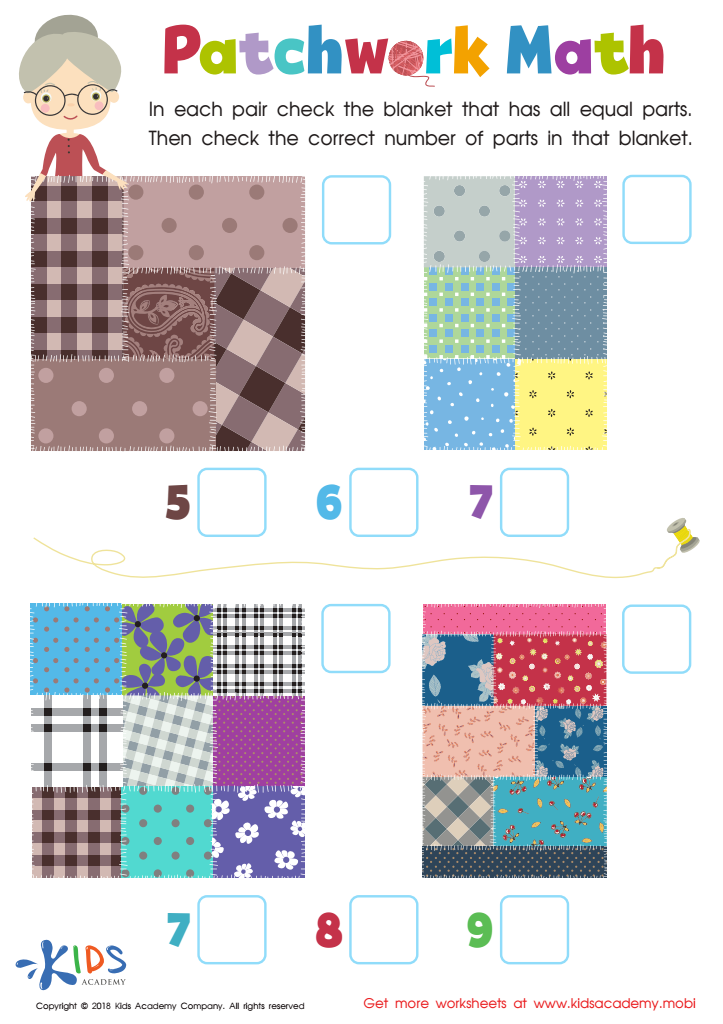
Patchwork Math Worksheet
 Assign to My Students











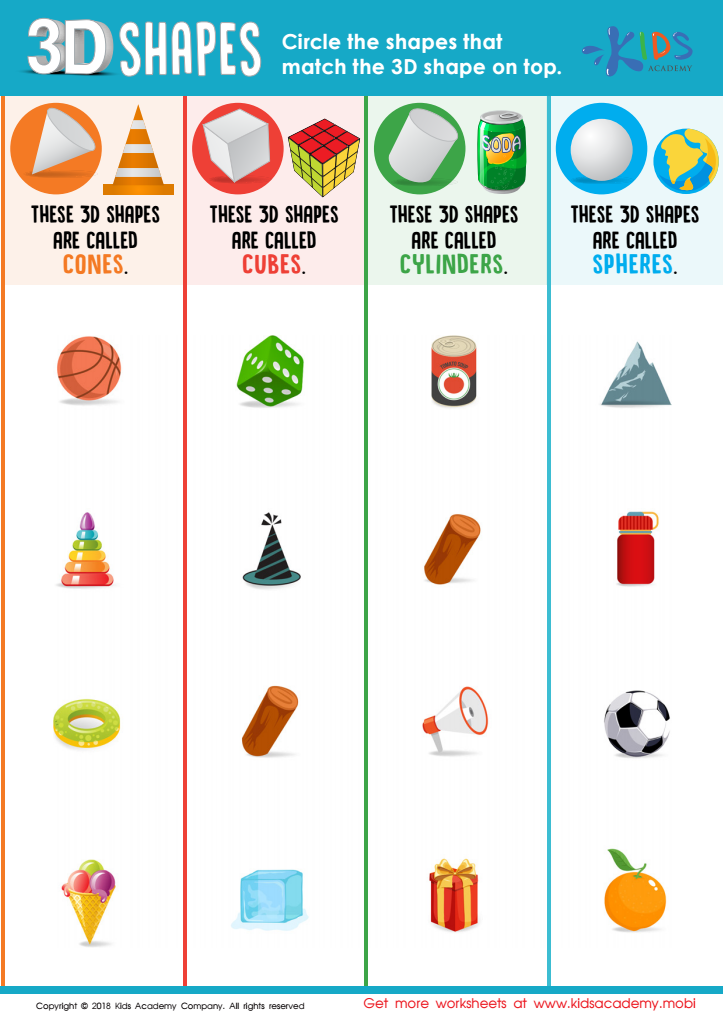
3D Shapes Worksheet
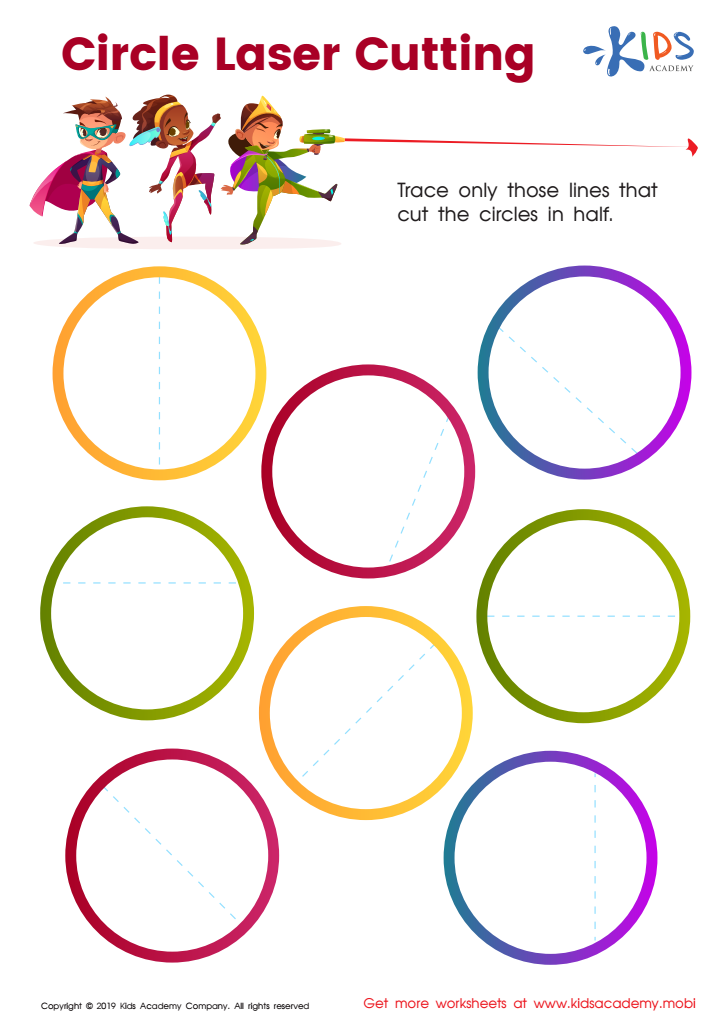
Circle Laser Cutting Worksheet
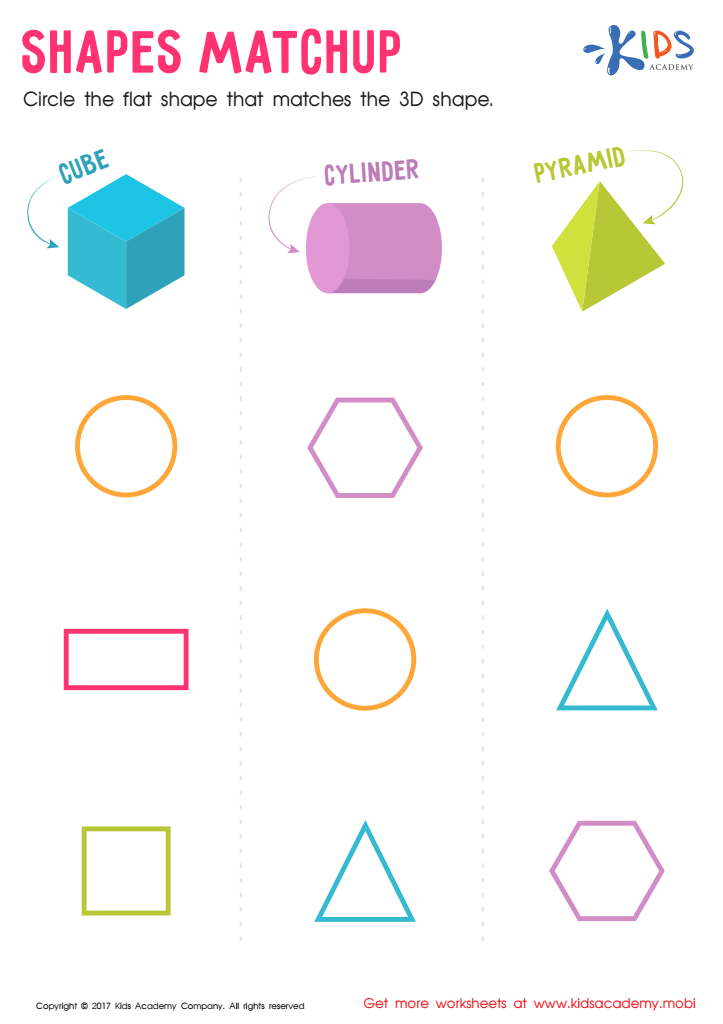
Shapes Matchup Worksheet
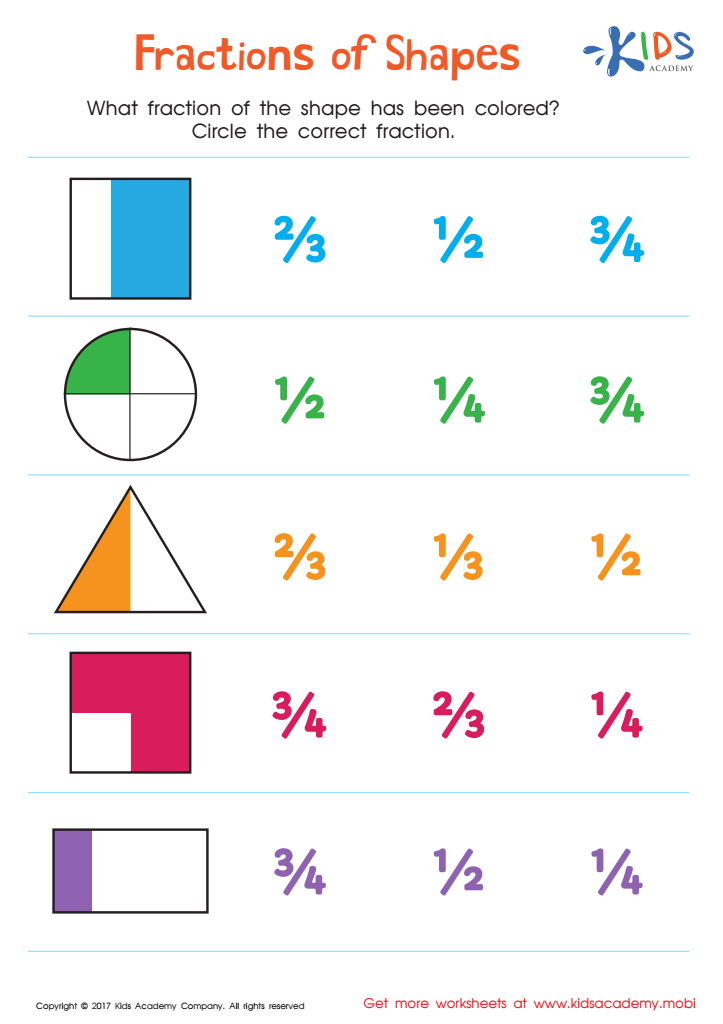
Fractions of Shapes: Math Concept Worksheet
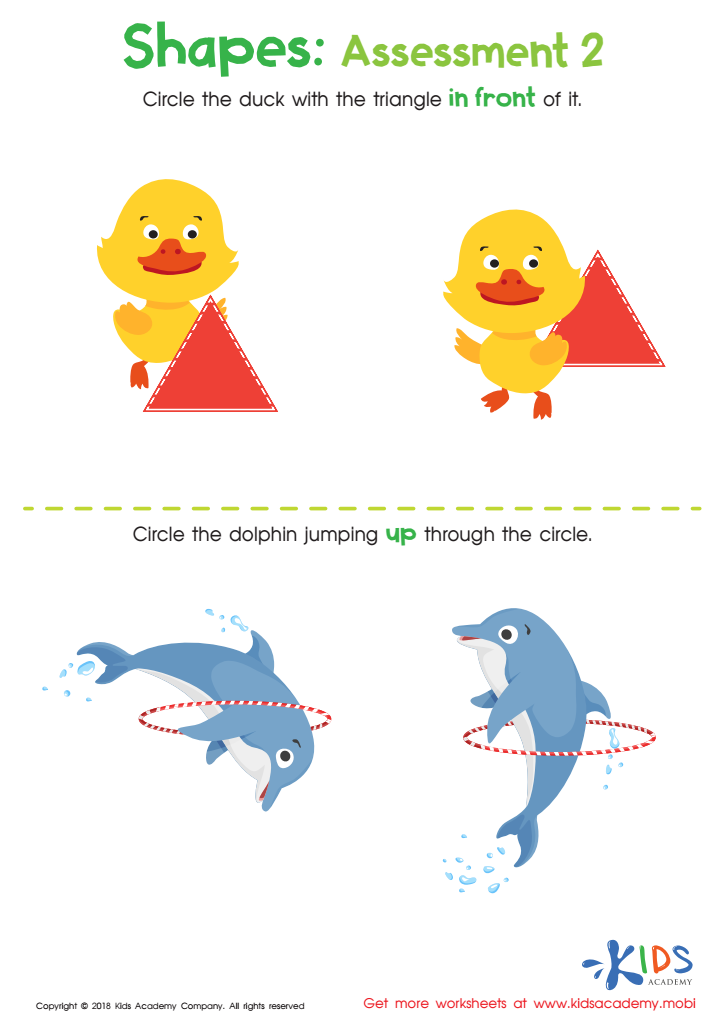
Geometry – Assessment 2 Worksheet
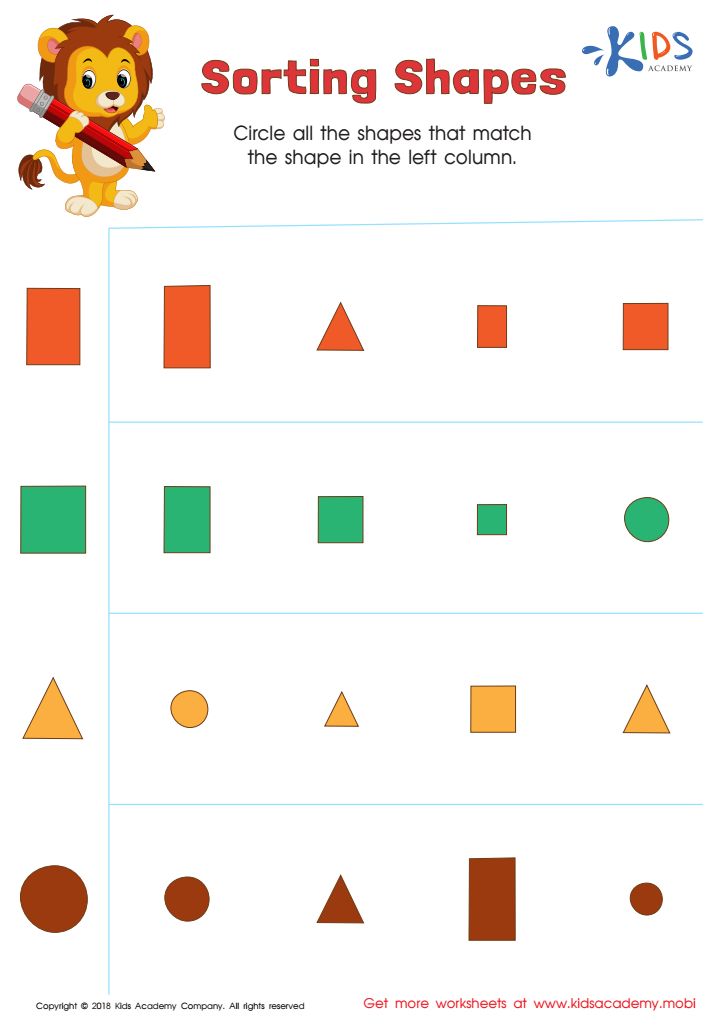
Sorting Shapes - Part 2 Worksheet
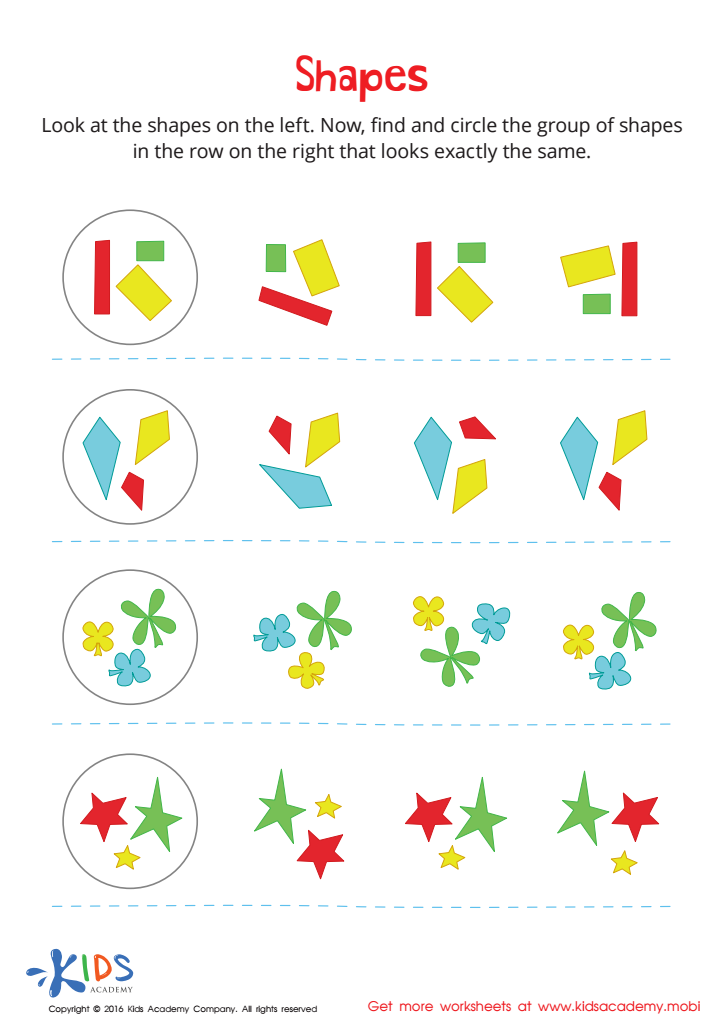
Shapes Worksheet
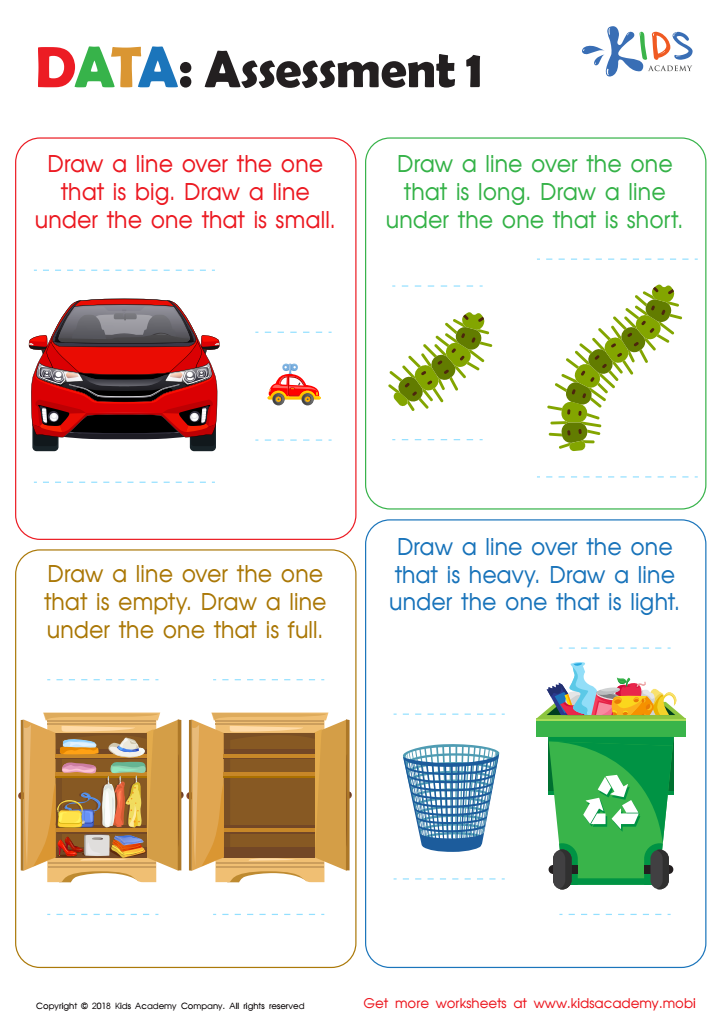
Data: Assessment 1 Worksheet
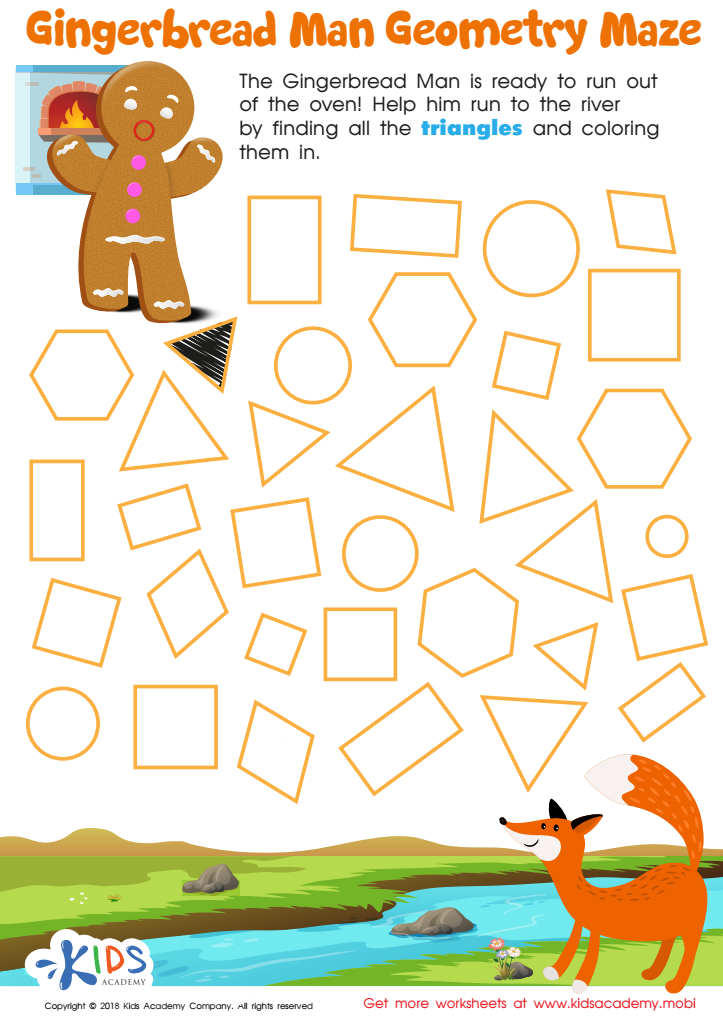
Gingerbread Man Geometry Maze Worksheet
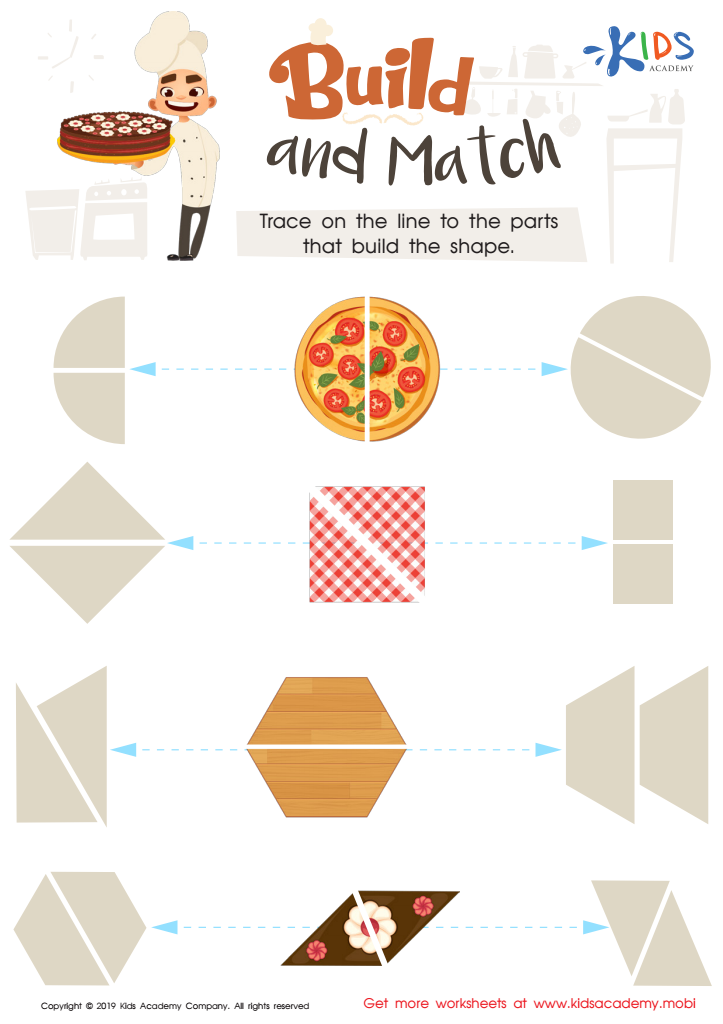
Build and Match Worksheet
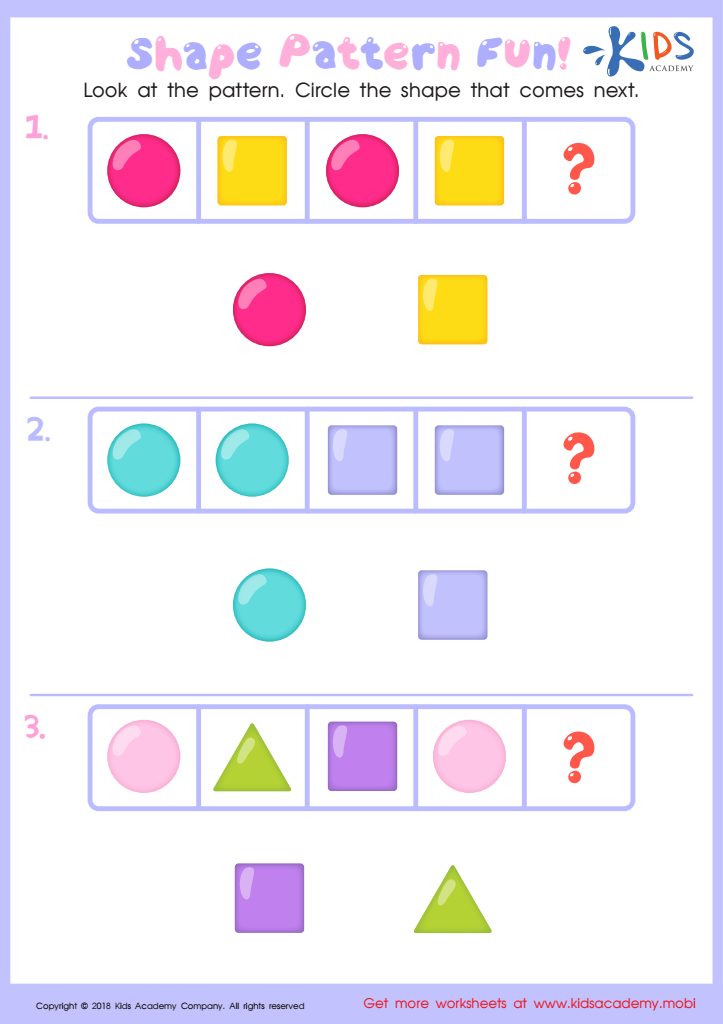
Shape Pattern Fun Worksheet
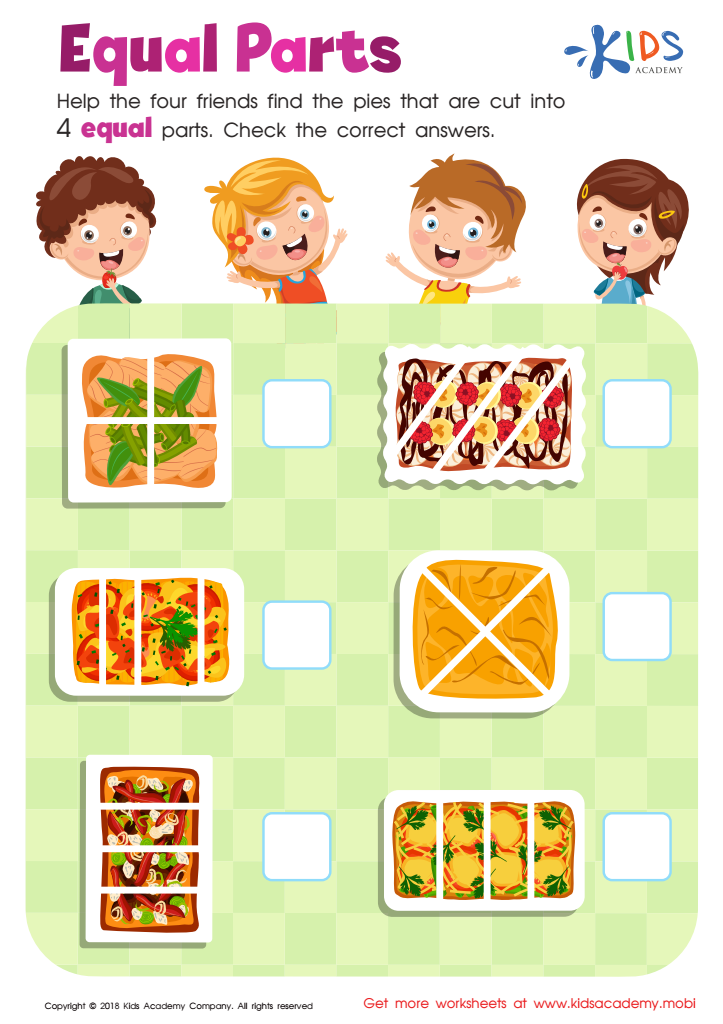
Equal Parts: Food Worksheet
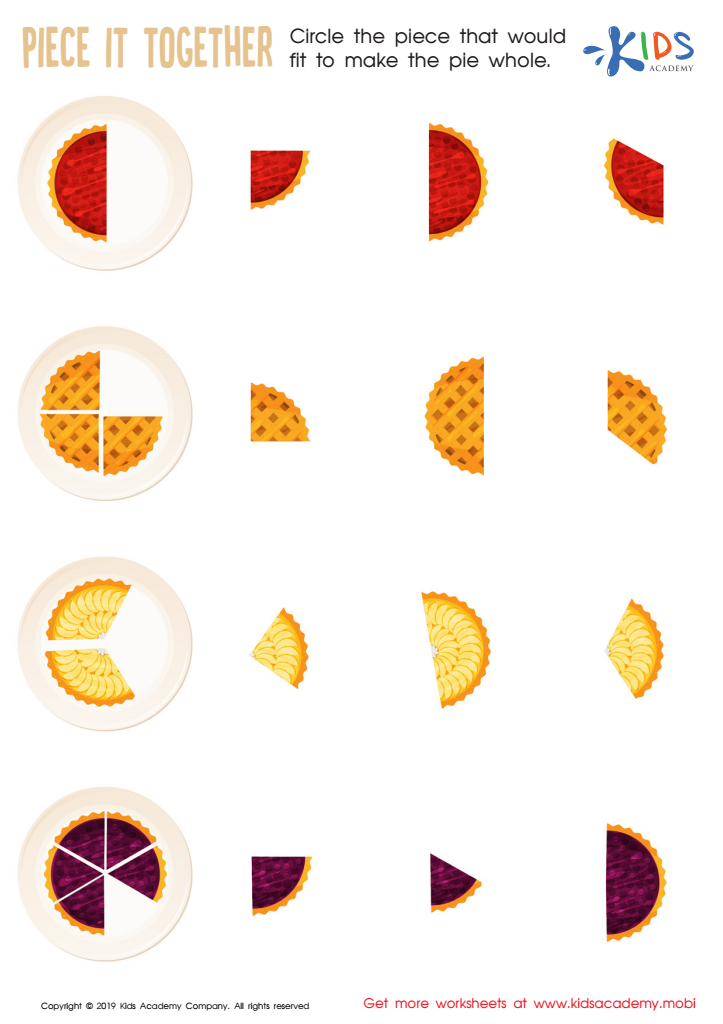
Piece it together Worksheet
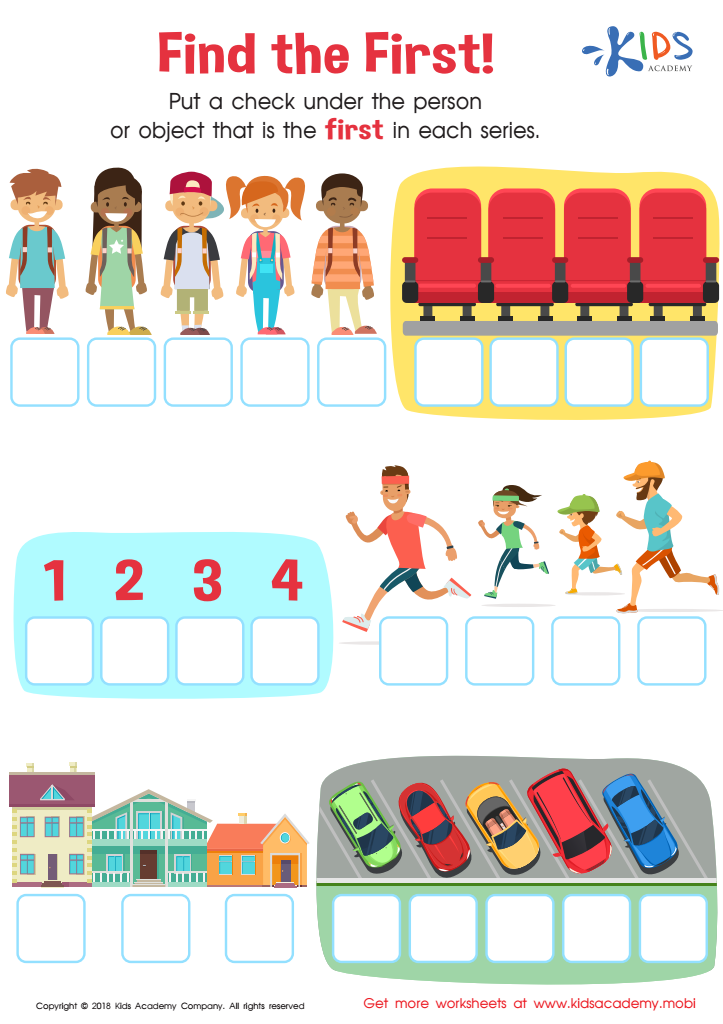
Find the First! Worksheet
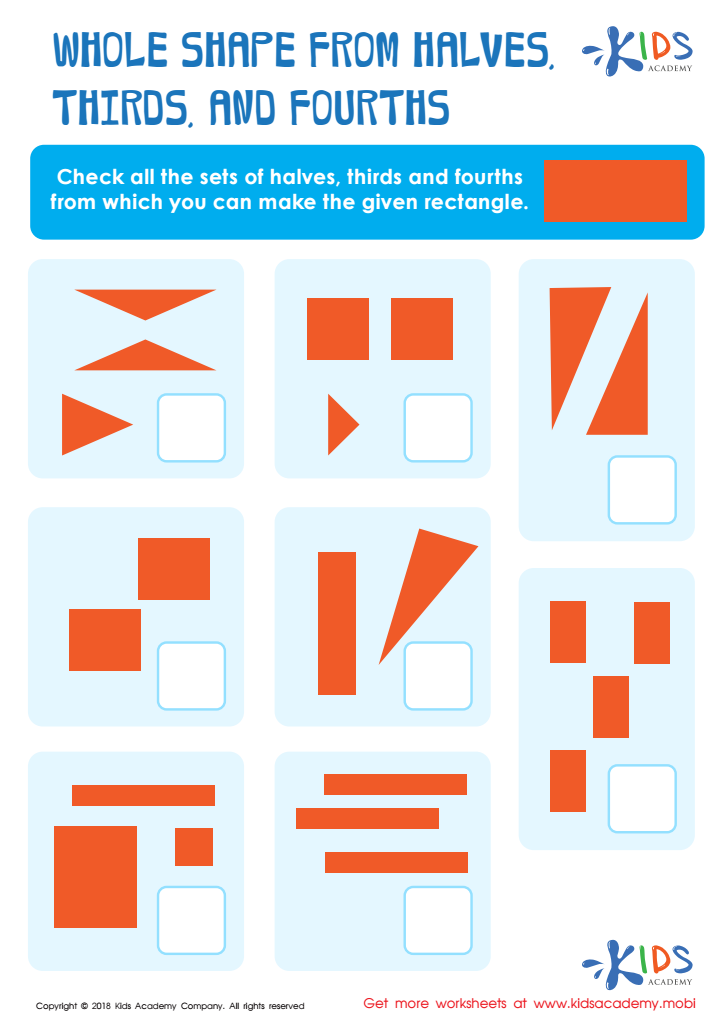
Whole Shape from Halves, Thirds and Fourths Worksheet
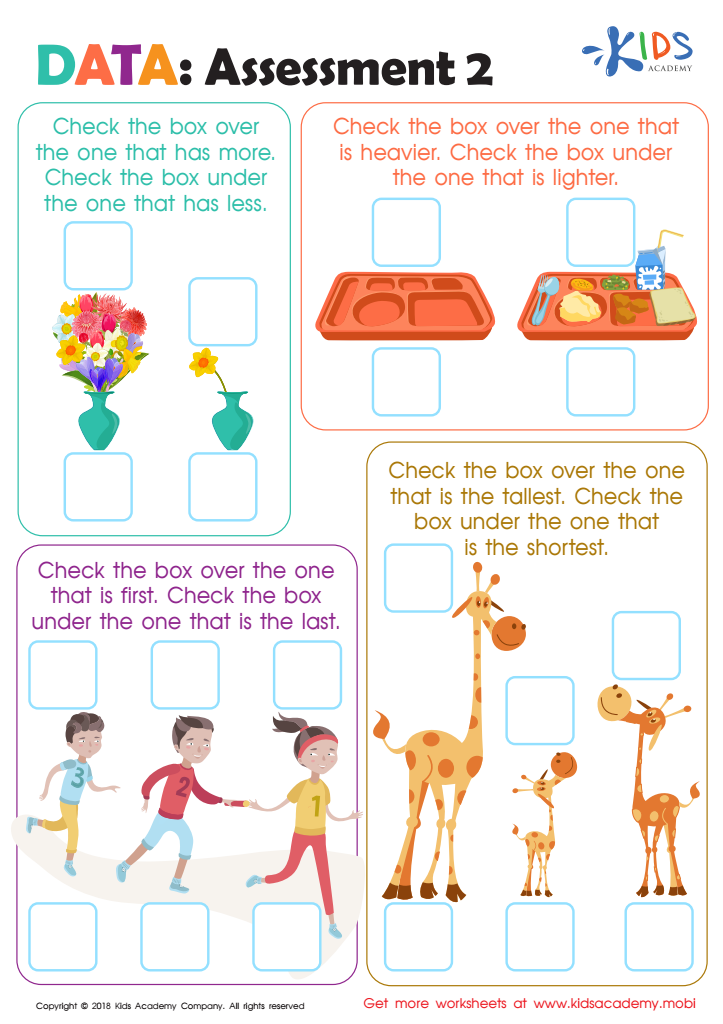
Data: Assessment 2 Worksheet
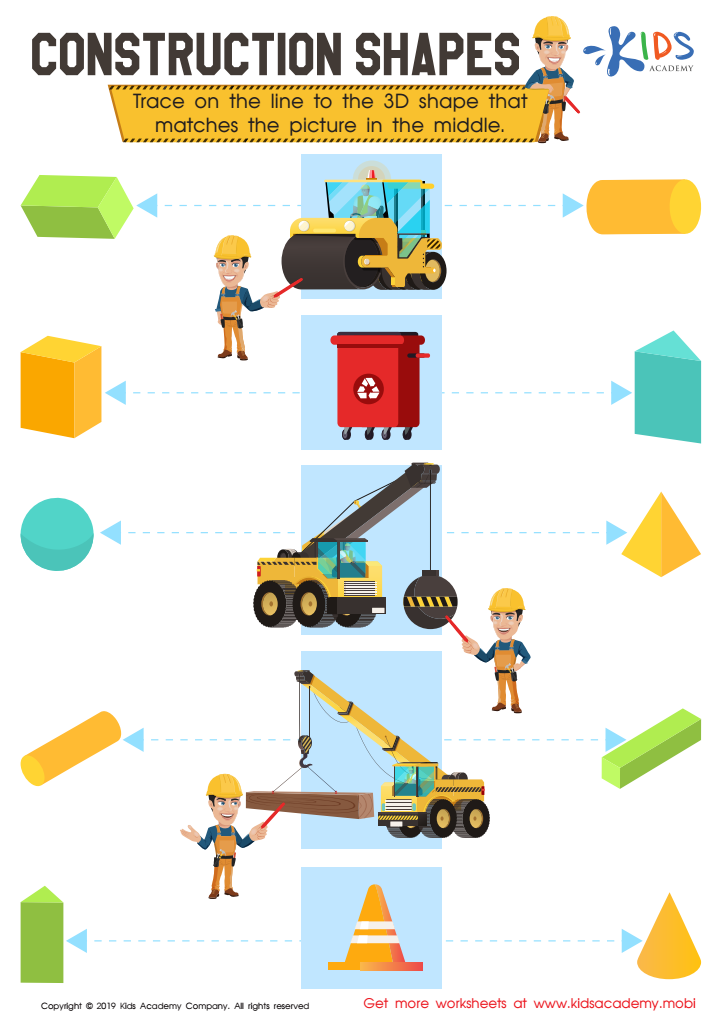
Construction Shapes Worksheet
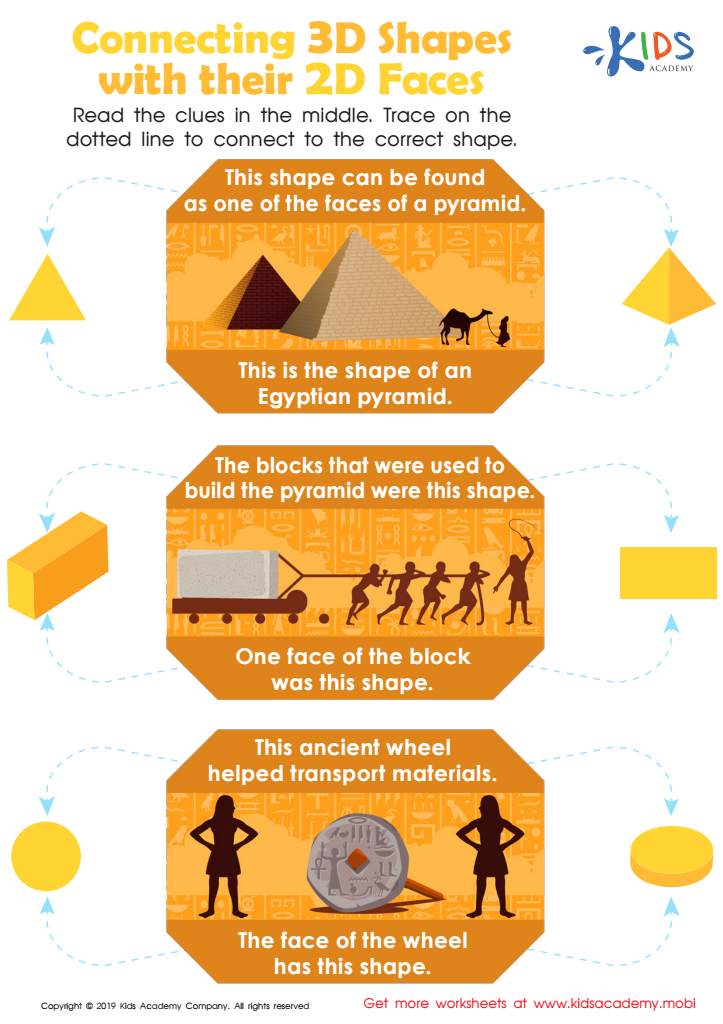
Connecting 3D Shapes with Their 2d Faces Worksheet








Geometry plays a crucial role in the early cognitive development of children aged 3 to 7, and both parents and teachers should prioritize this foundational aspect of learning. At this age, children are naturally curious, and engaging them in geometric concepts promotes critical thinking and problem-solving skills. Understanding shapes, sizes, and spatial relationships helps children build a strong mathematical foundation, essential for future academic success.
Learning geometry fosters creativity and imagination. When children explore shapes through play, art, and everyday tasks, they begin to think abstractly, enhancing their cognitive flexibility. Recognizing and categorizing shapes can also improve language skills, as children learn to articulate their observations and comparisons.
Furthermore, geometry is ubiquitous in our environment. By integrating geometric concepts into daily life—such as identifying shapes in nature or toys—parents and teachers can create rich, contextual learning experiences. This hands-on approach makes mathematics relatable and fun, increasing engagement and enthusiasm.
Ultimately, investing in a child's geometric understanding not only prepares them for future math competency but also helps them develop essential life skills such as spatial awareness, logical reasoning, and critical observational abilities that extend far beyond the classroom. Advancing early geometry knowledge will support well-rounded cognitive development in young learners.








