Plants and Animals Worksheets for Ages 3-7 - Page 2
105 filtered results
-
From - To
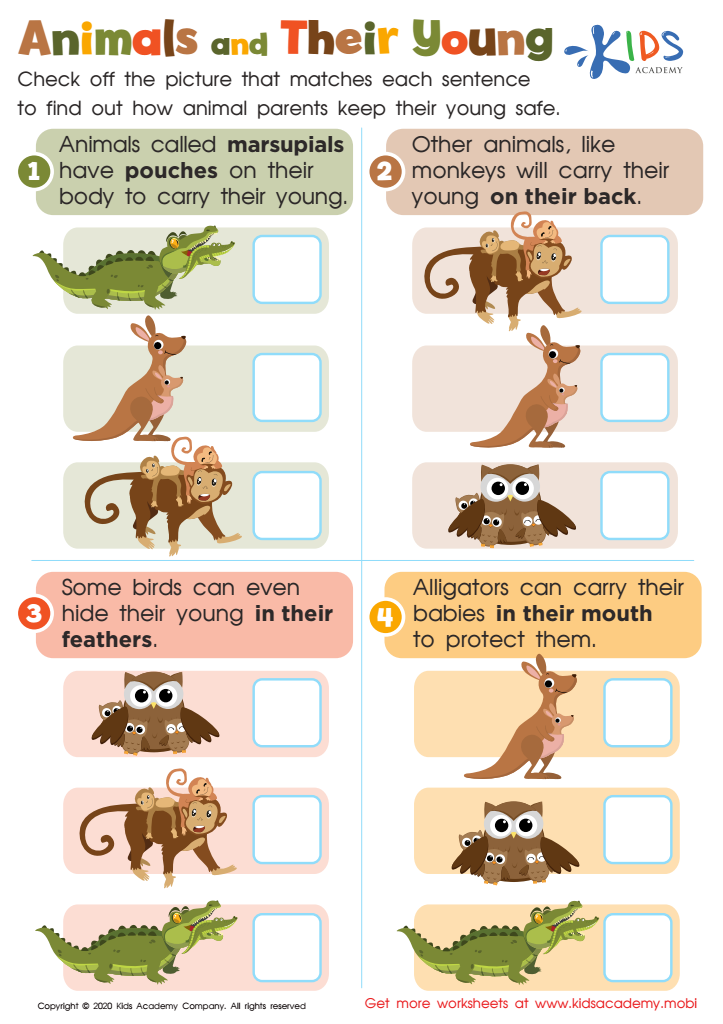
Animals and Their Young Worksheet
 Assign to My Students











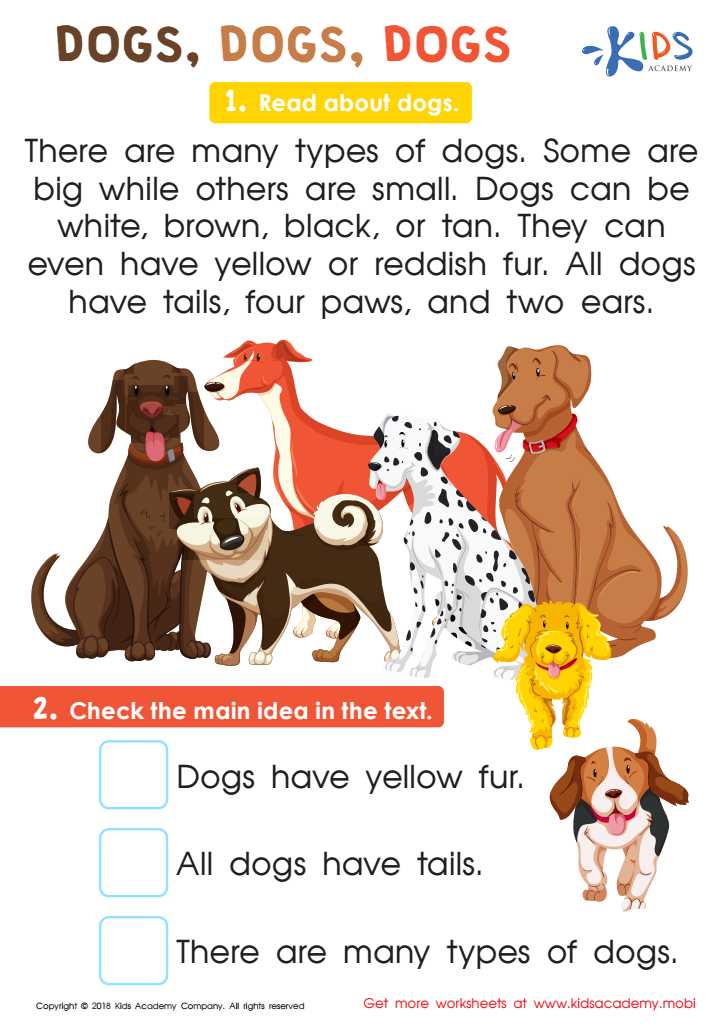
Dogs, Dogs Worksheet
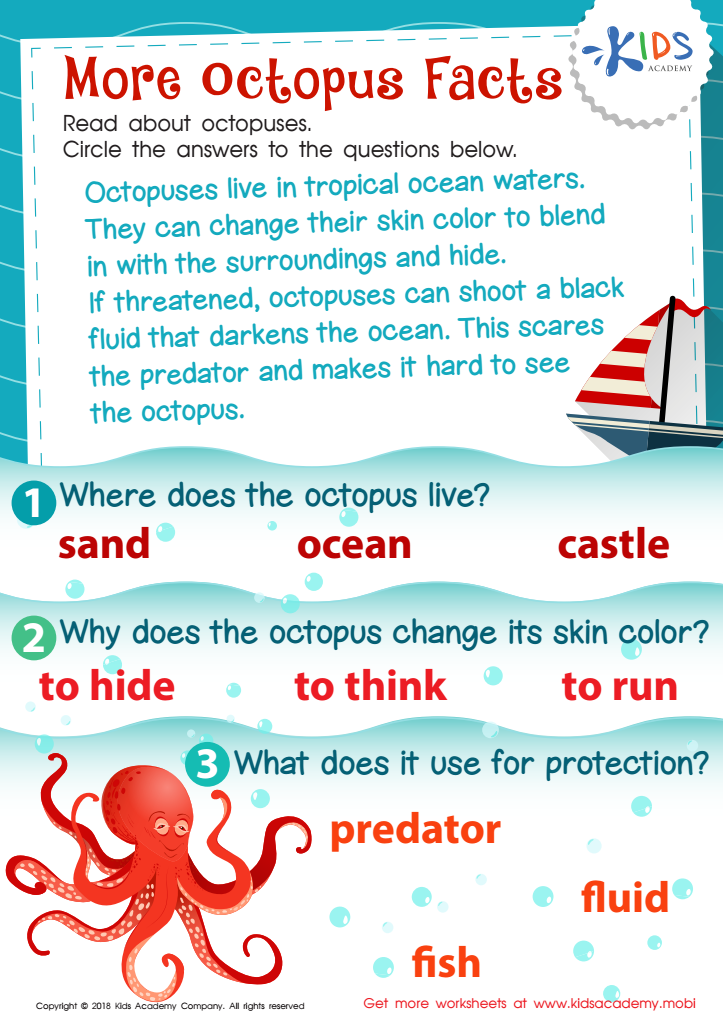
More Octopus Facts Worksheet
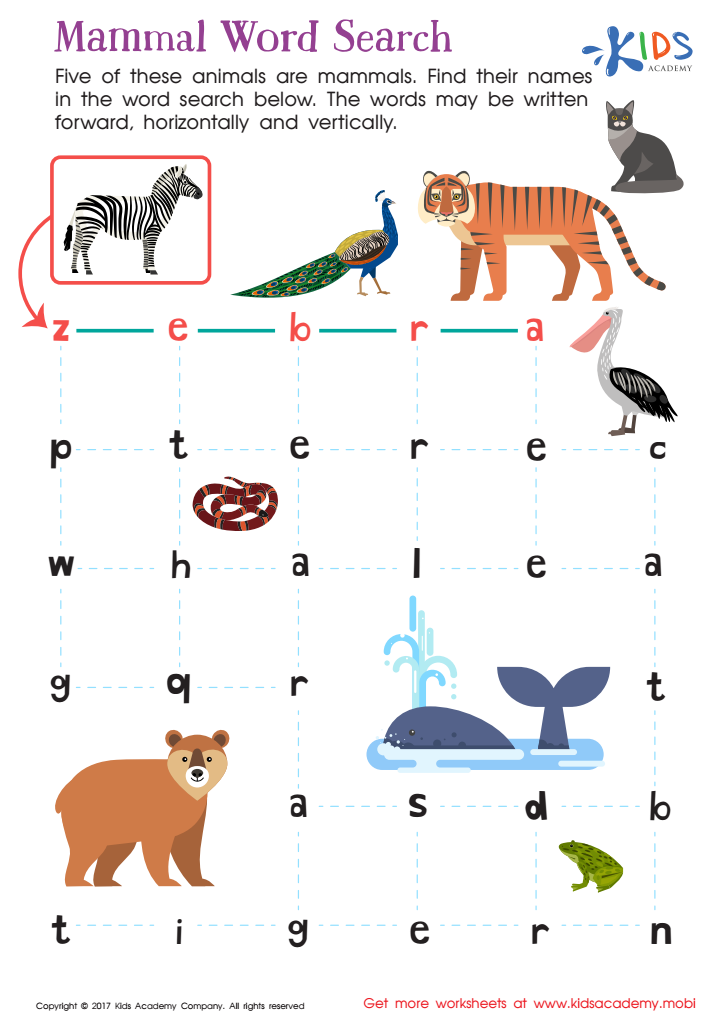
Printable Mammal Word Search
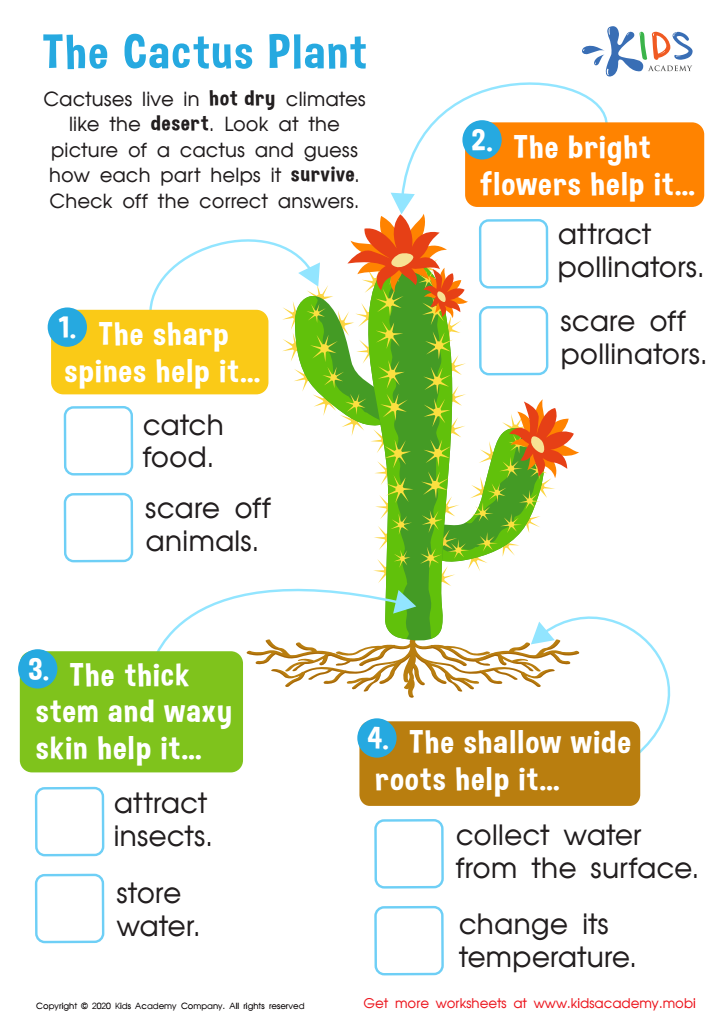
The Cactus Plant Worksheet
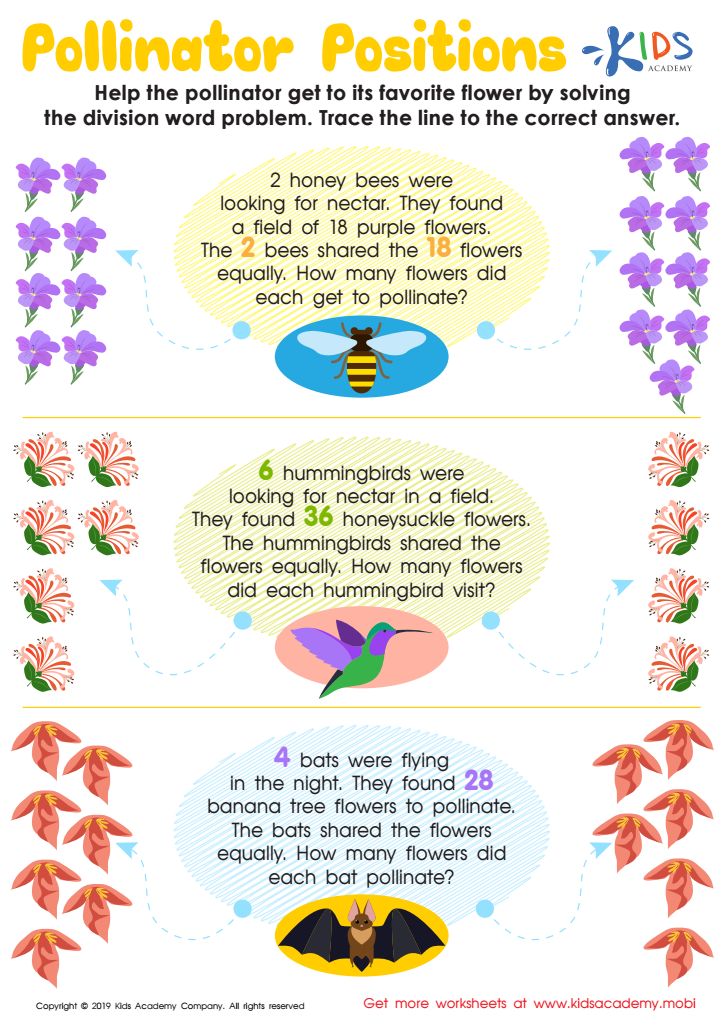
Pollinator Positions Worksheet
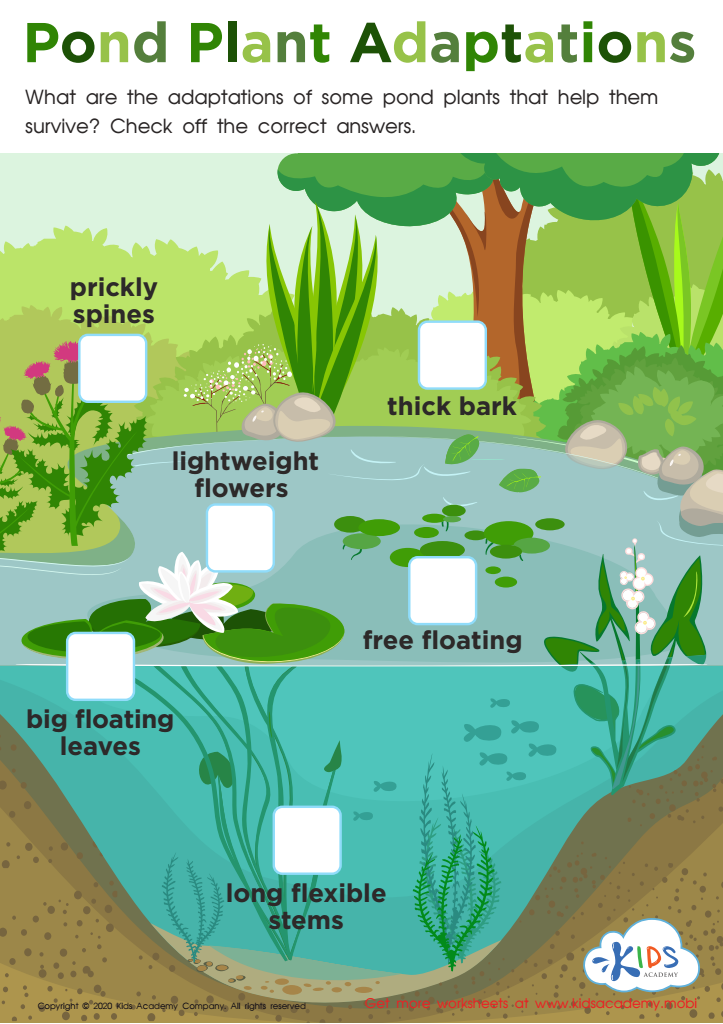
Pond Plant Adaptations
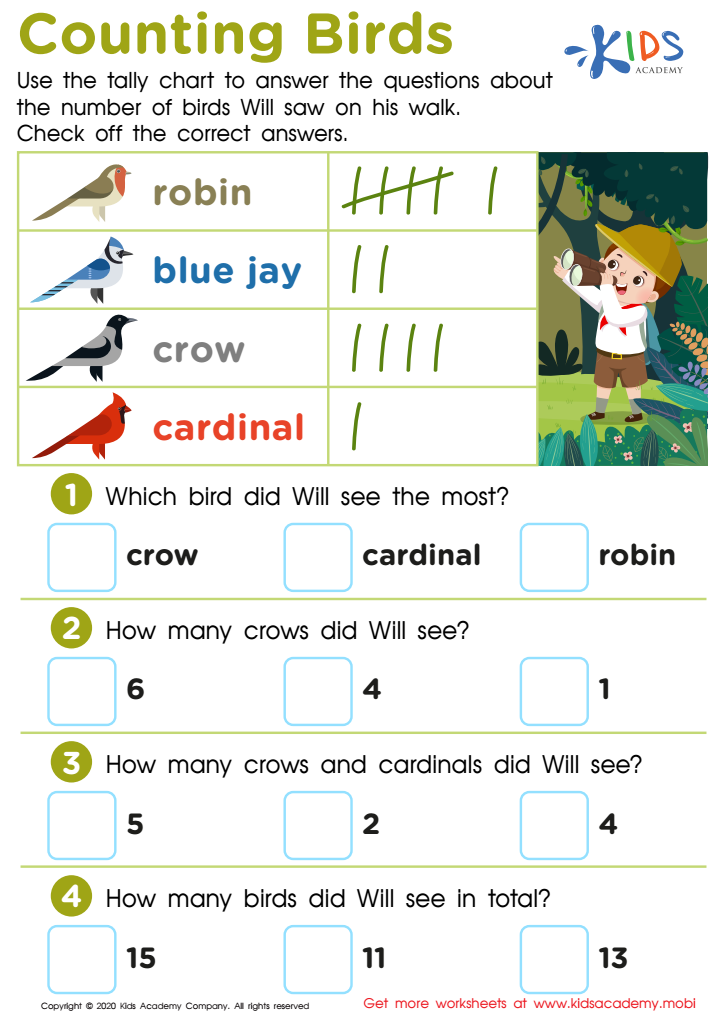
Counting Birds Worksheet
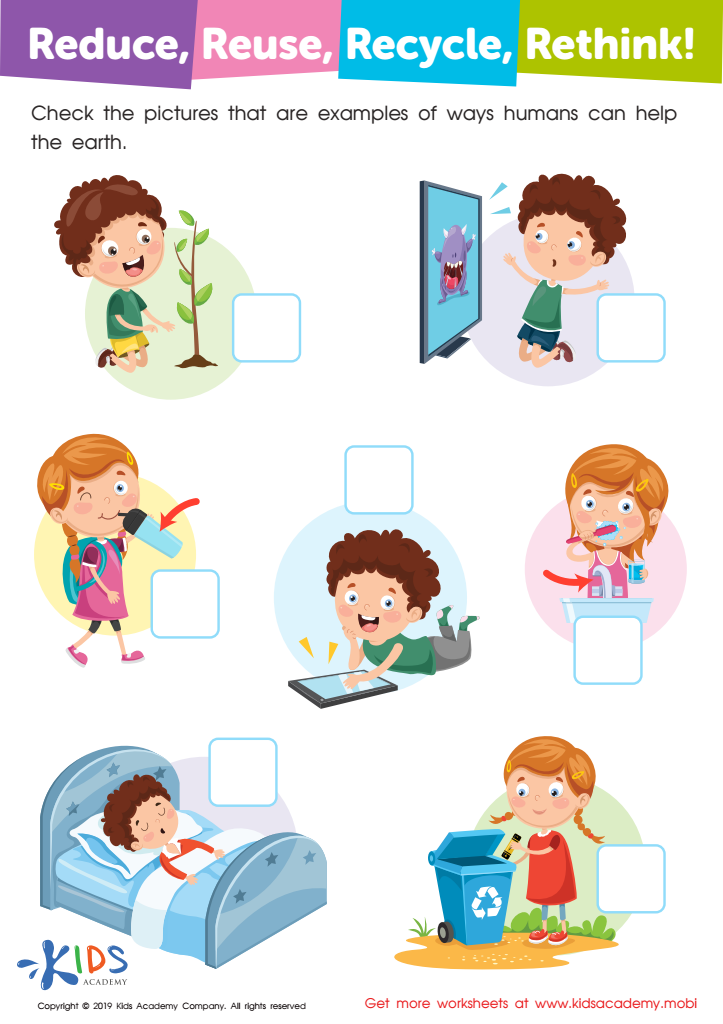
Reduce, Reuse, Recycle, Rethink Worksheet
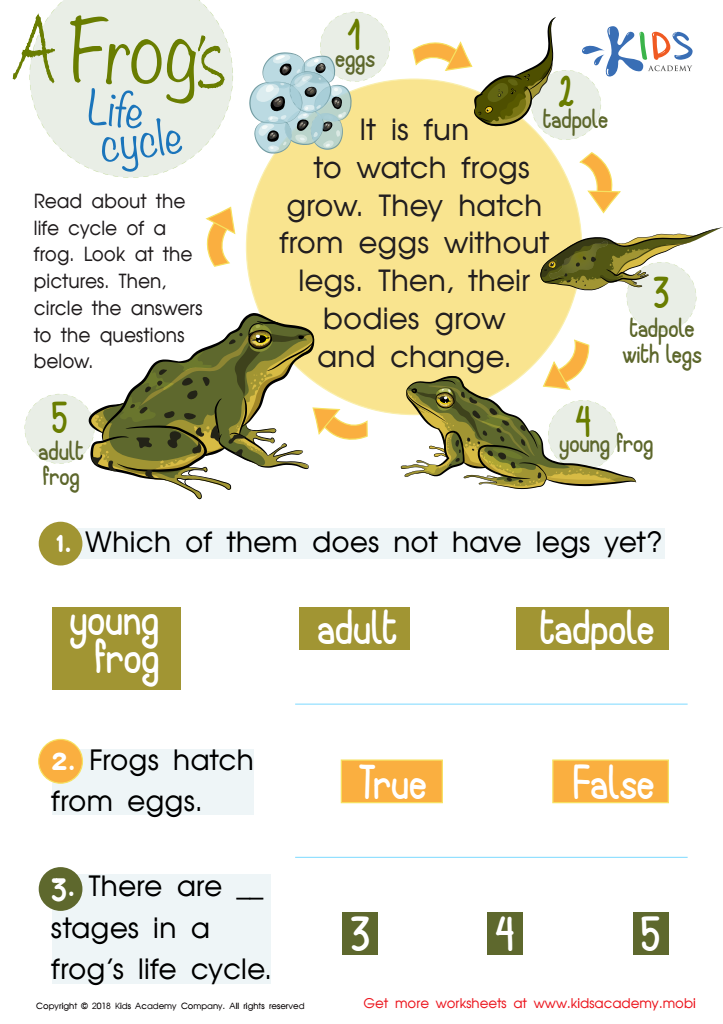
A Frog’s Life Cycle Worksheet
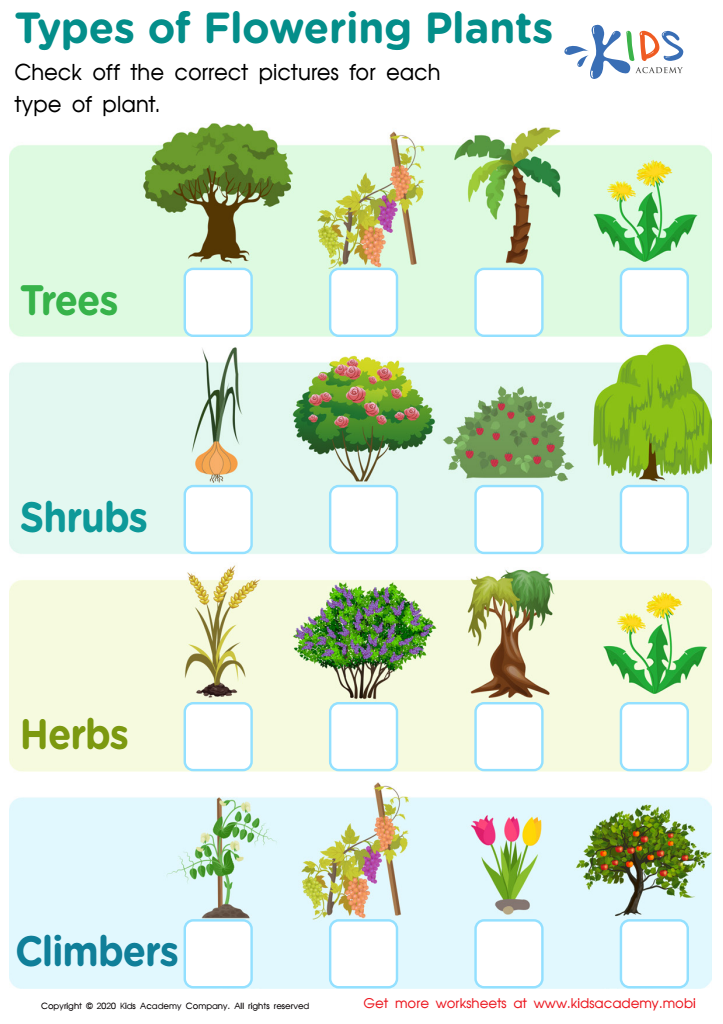
Types of Flowering Plants Worksheet
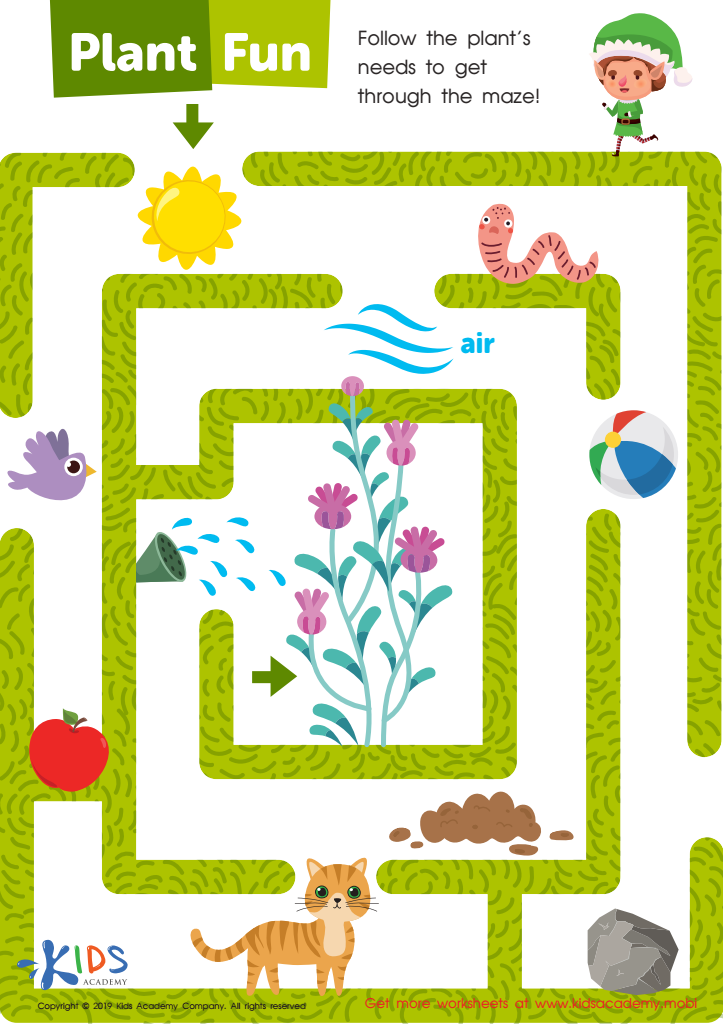
Plant Fun Worksheet
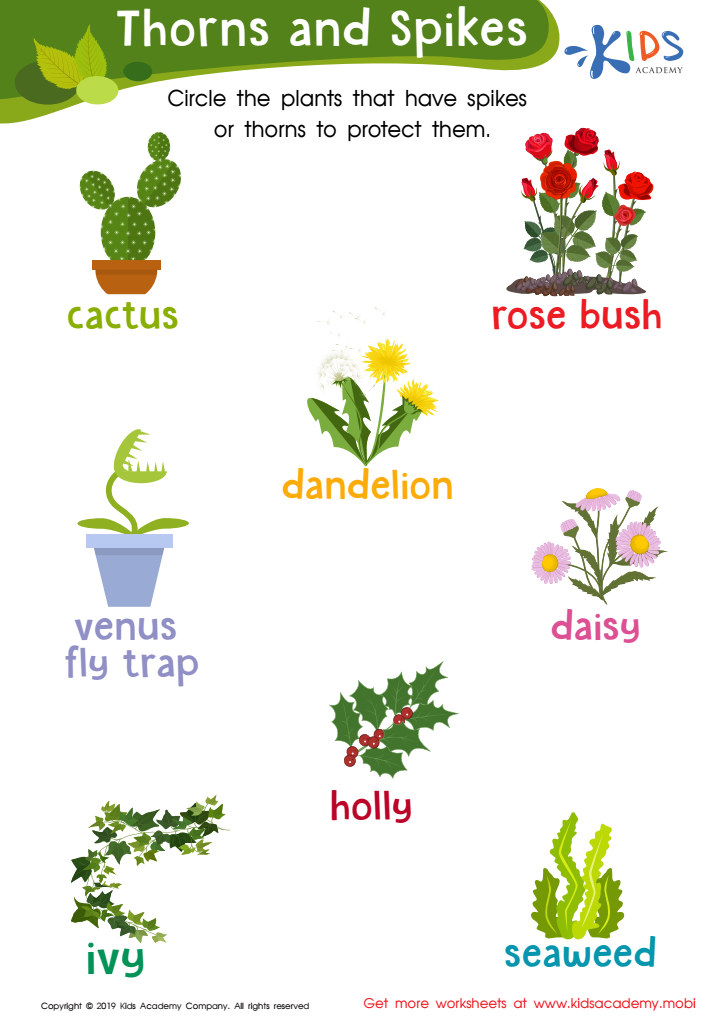
Thorns and Spikes Worksheet
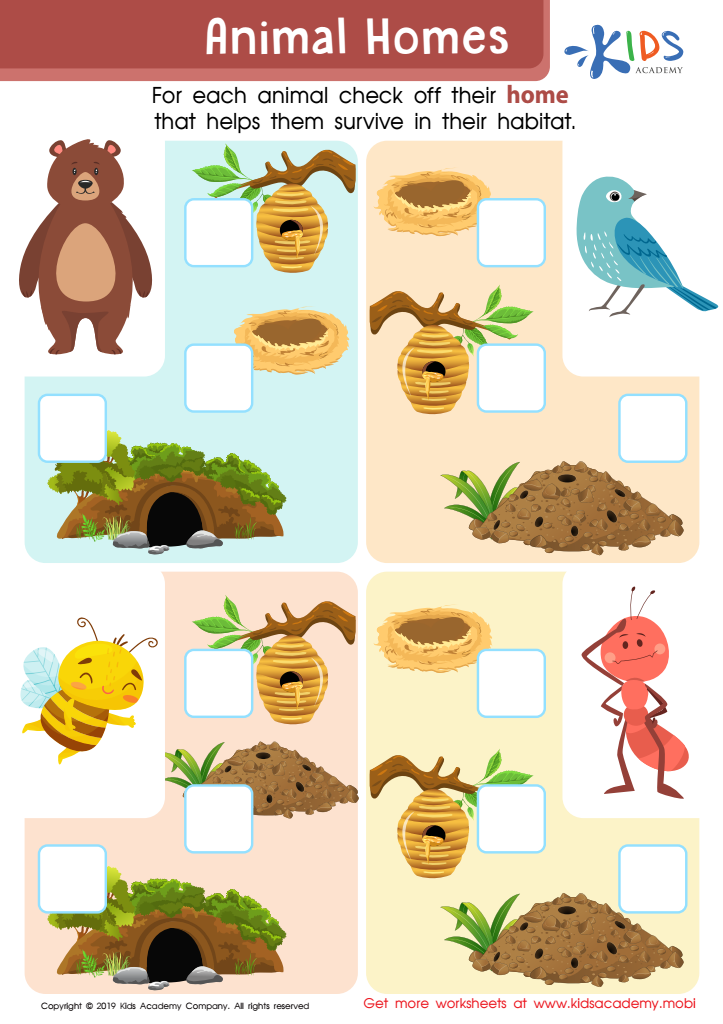
Animal Homes Worksheet
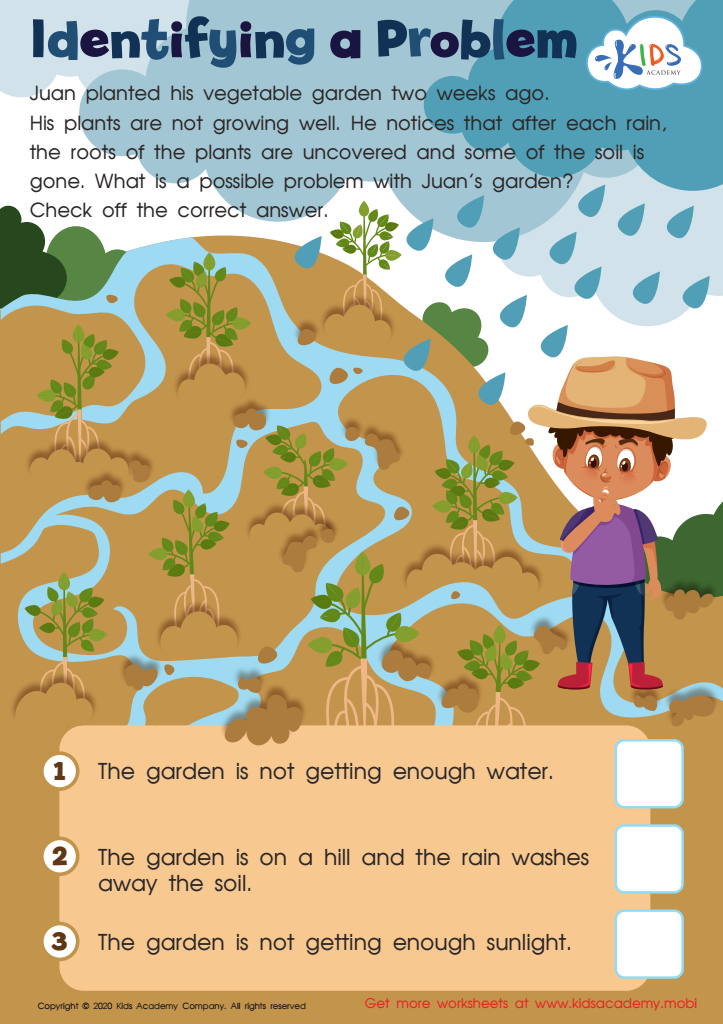
Identifying a Problem Worksheet
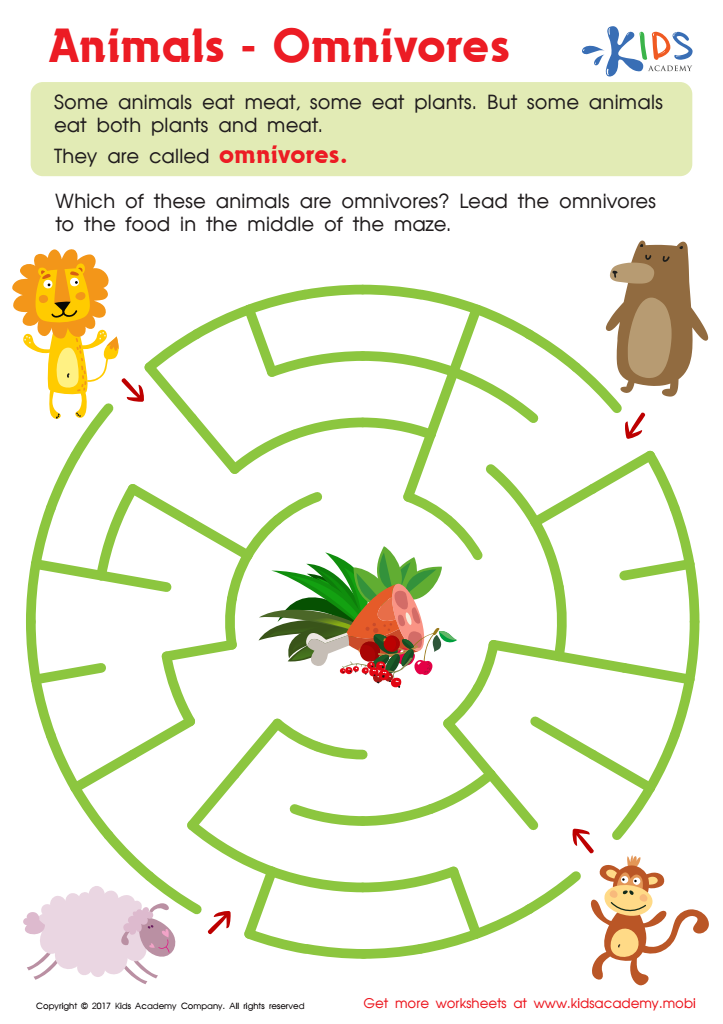
Omnivores Animals Worksheet
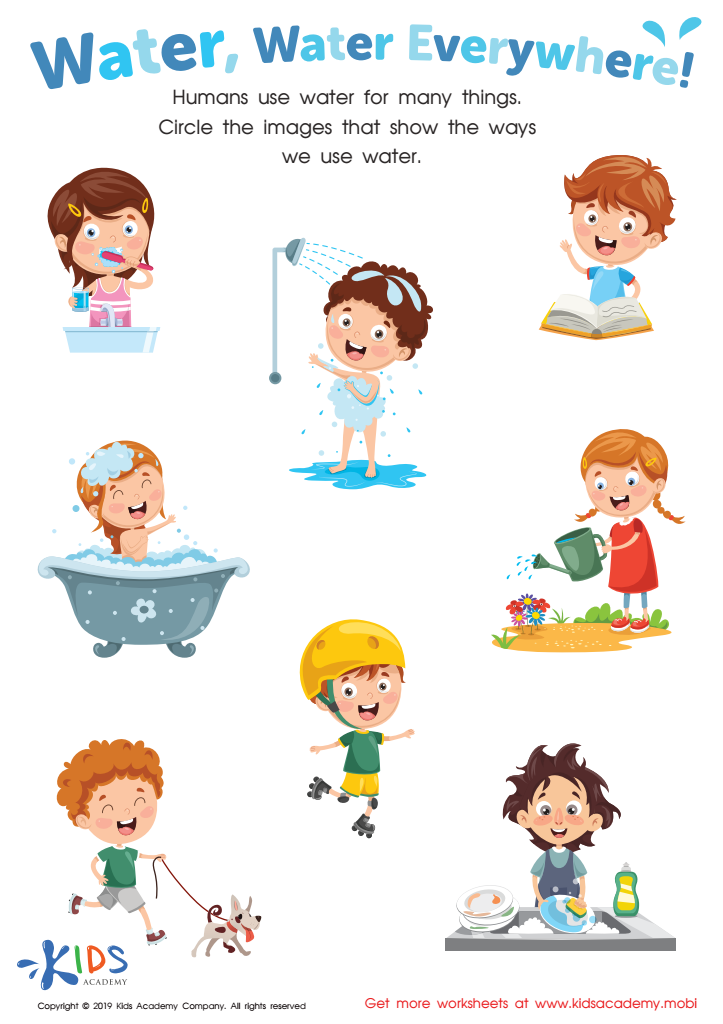
Water, Water Everywhere! Worksheet
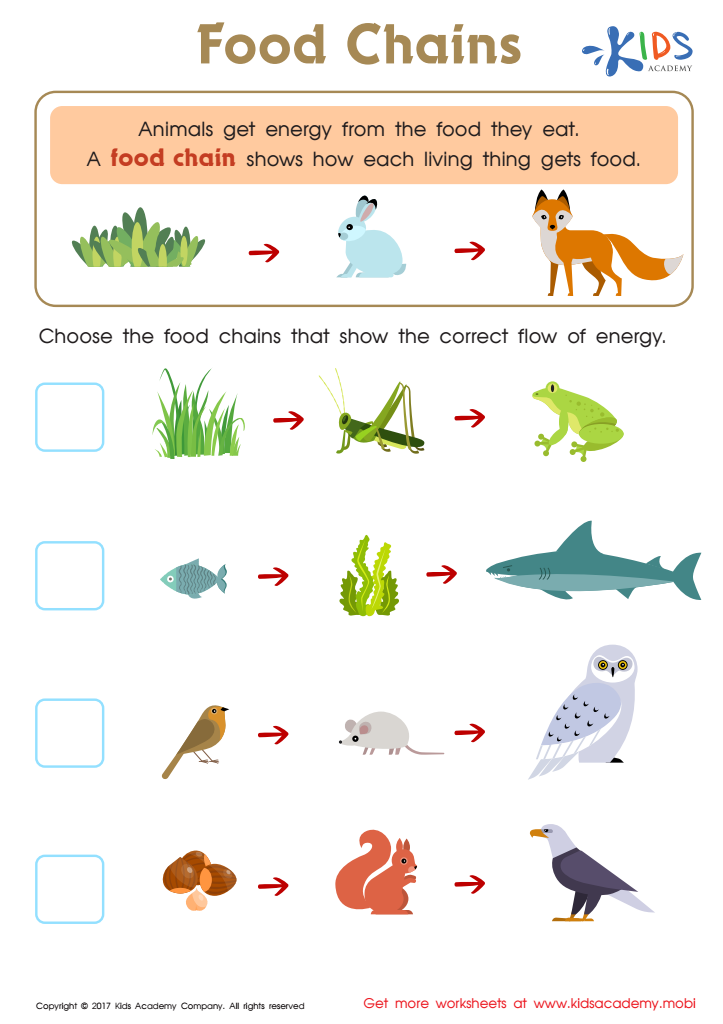
Food Webs and Food Chains Worksheet
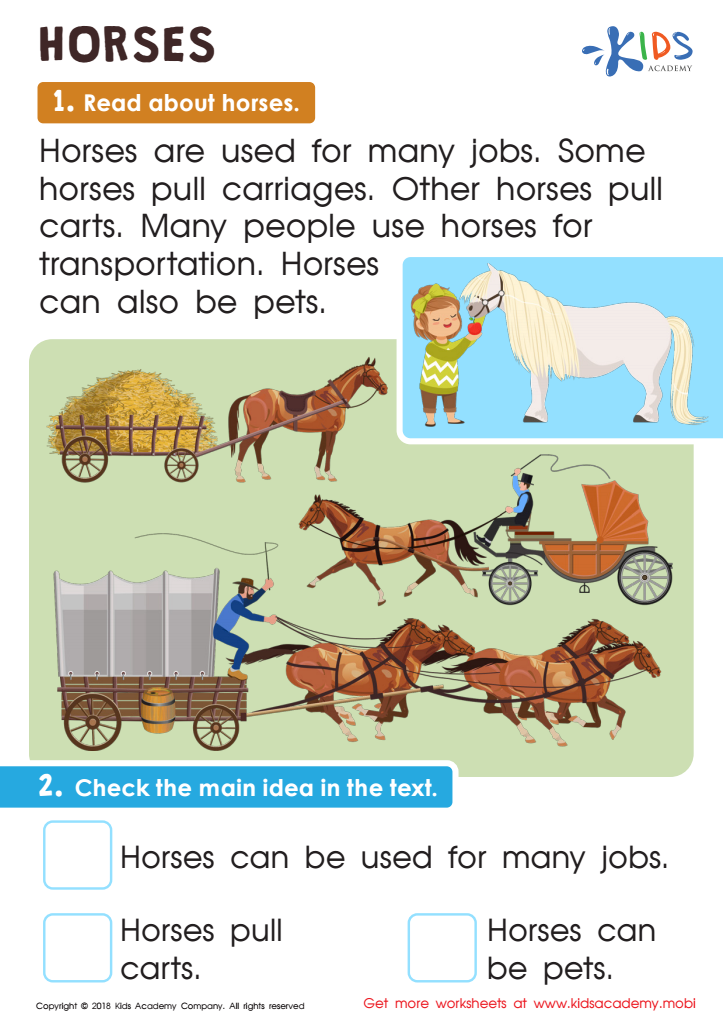
Horses Worksheet
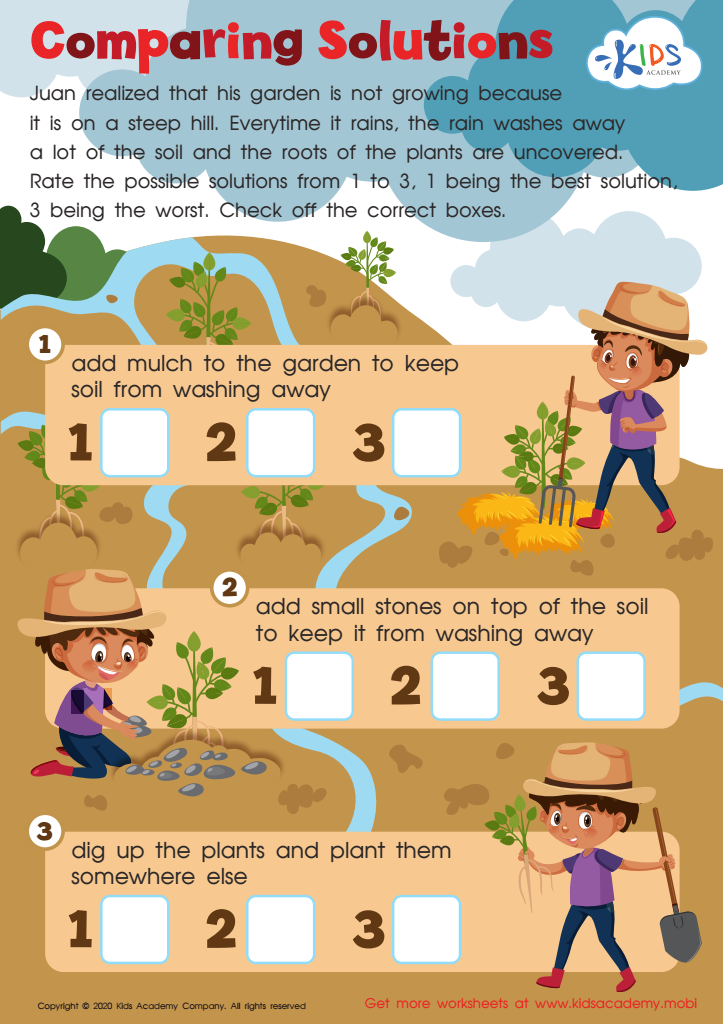
Comparing Solutions Worksheet
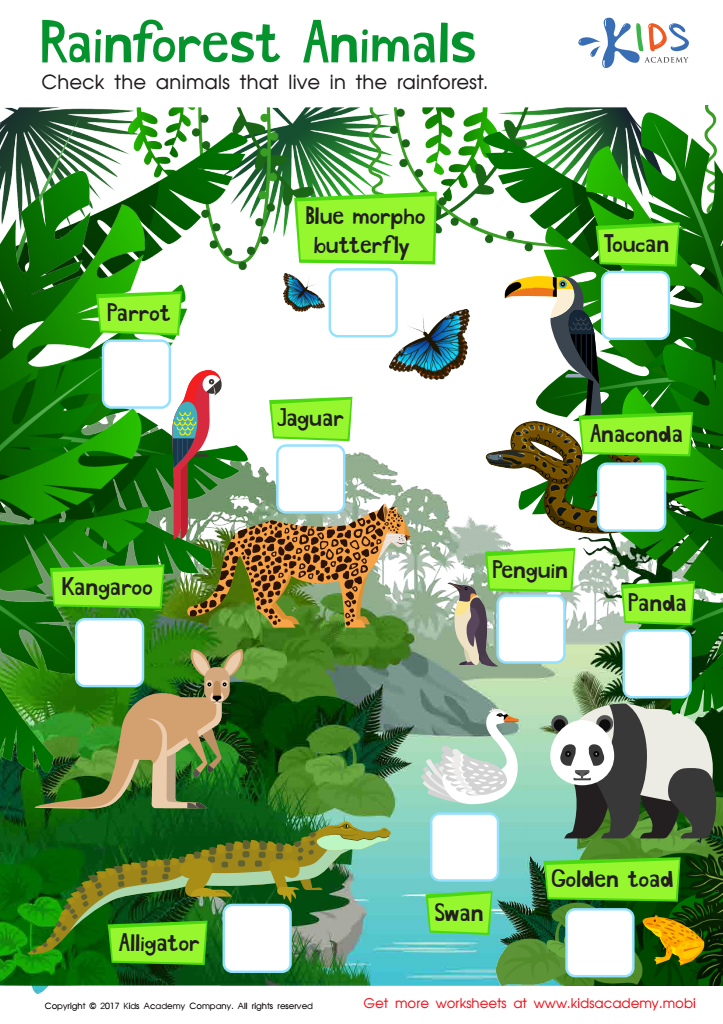
Rainforest Animals Worksheet
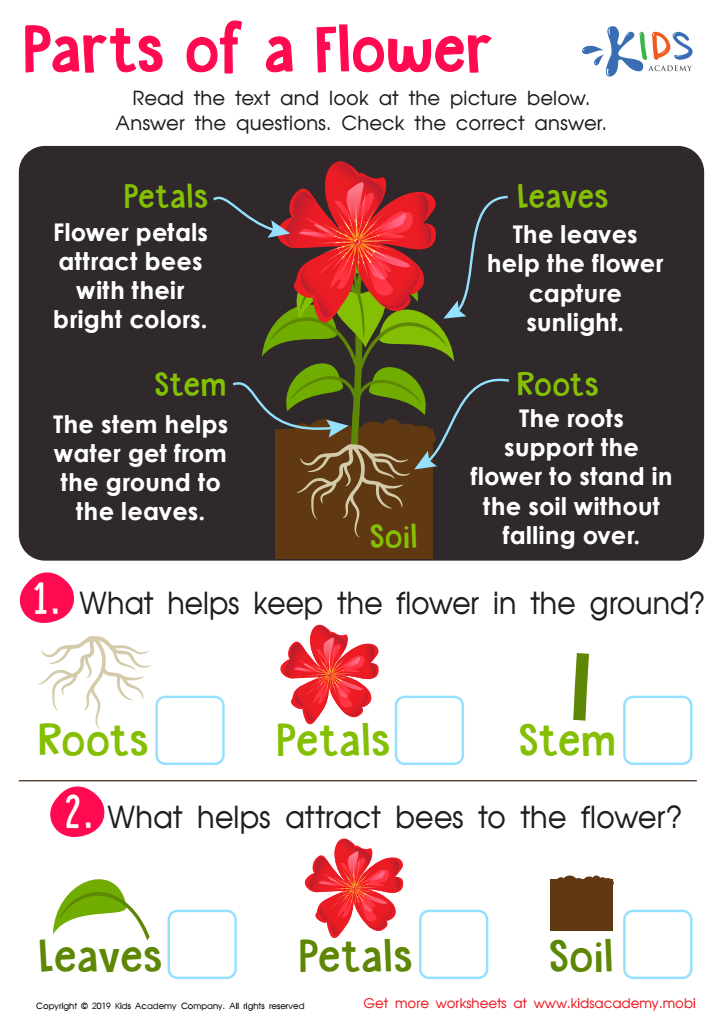
Parts of Flower Worksheet
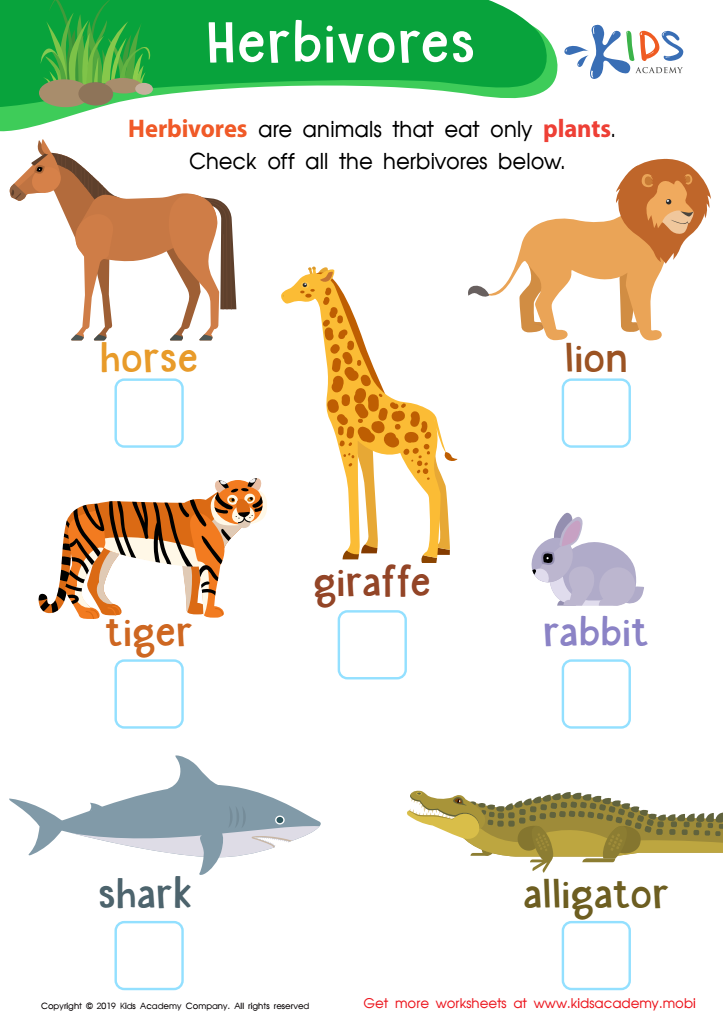
Herbivores Worksheet
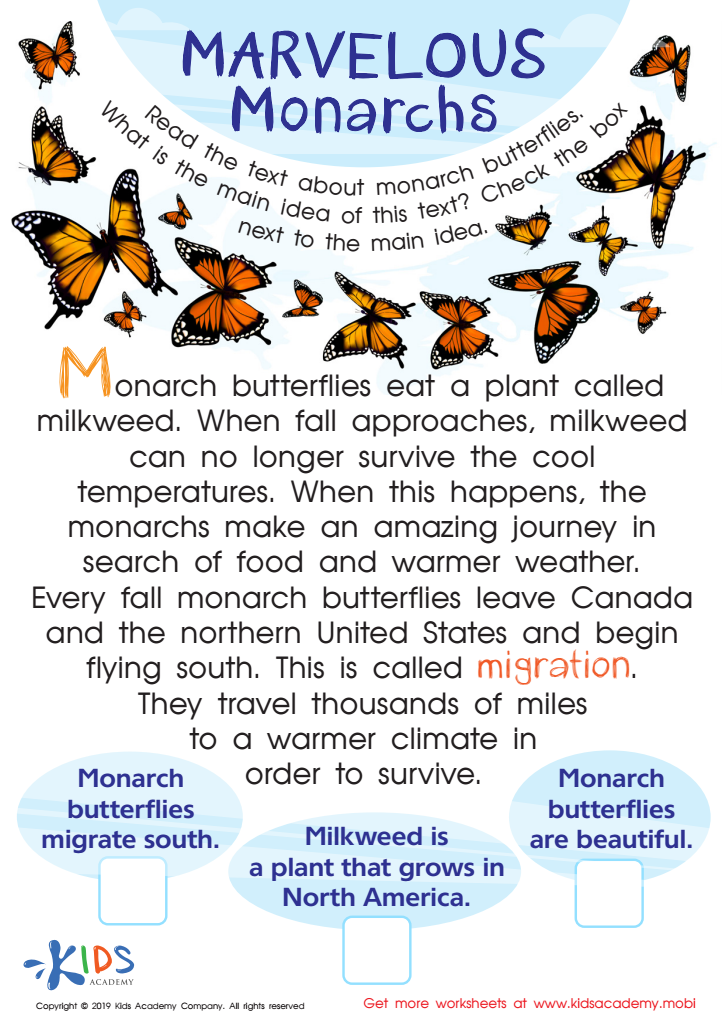
Marvelous Monarchs Worksheet








Parents and teachers should care about plants and animals for children ages 3-7 because these living beings play a crucial role in early childhood development. Introducing young children to the world of plants and animals fosters curiosity, instills responsibility, and enhances their understanding of the environment.
At this age, children are naturally inquisitive, and engaging them with nature helps sharpen their observation skills. Learning about different plants and animals can also encourage discussions about diversity, life cycles, and ecological balance, laying the groundwork for essential science concepts.
Moreover, interacting with plants and animals promotes emotional development. Caring for a pet or tending to a garden teaches children about empathy, respect, and nurturing, which are vital social-emotional skills. Outdoor activities focused on nature encourage physical activity, contributing to overall well-being.
Additionally, understanding the value of plants and animals helps children recognize their importance in daily life, from food sources to clean air. Establishing a fundamental appreciation for the natural world can lead to environmentally conscious future generations. By emphasizing the significance of plants and animals, caregivers can support holistic learning and development for young children.








