Plants and Animals Worksheets for Ages 7-9 - Page 4
112 filtered results
-
From - To
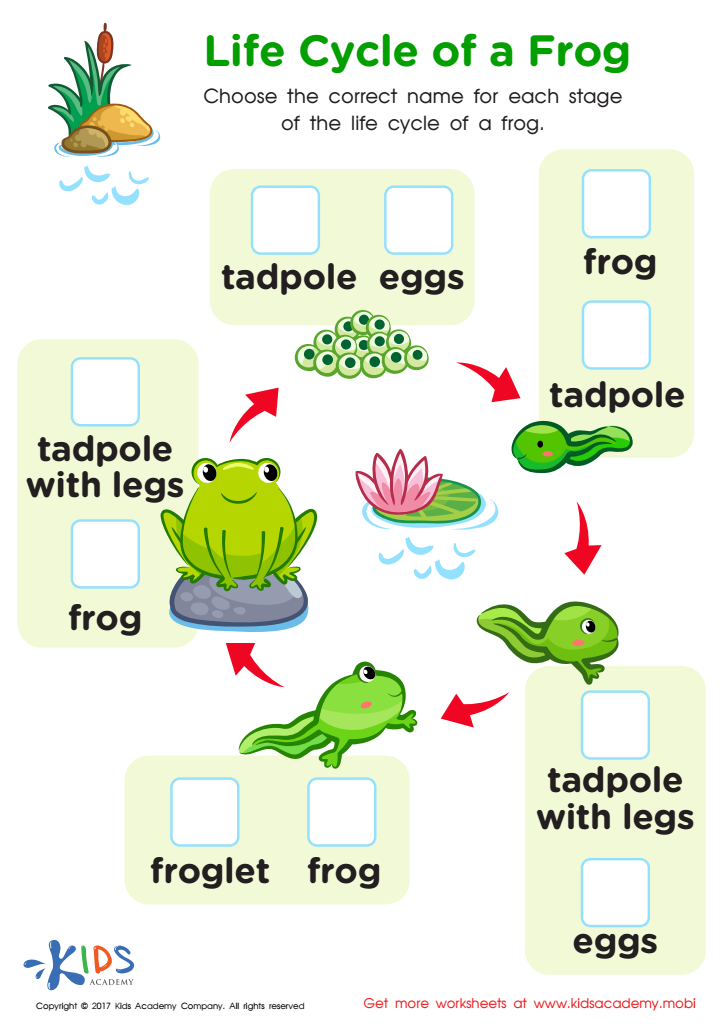
Life Cycle Frog Printable
 Assign to My Students


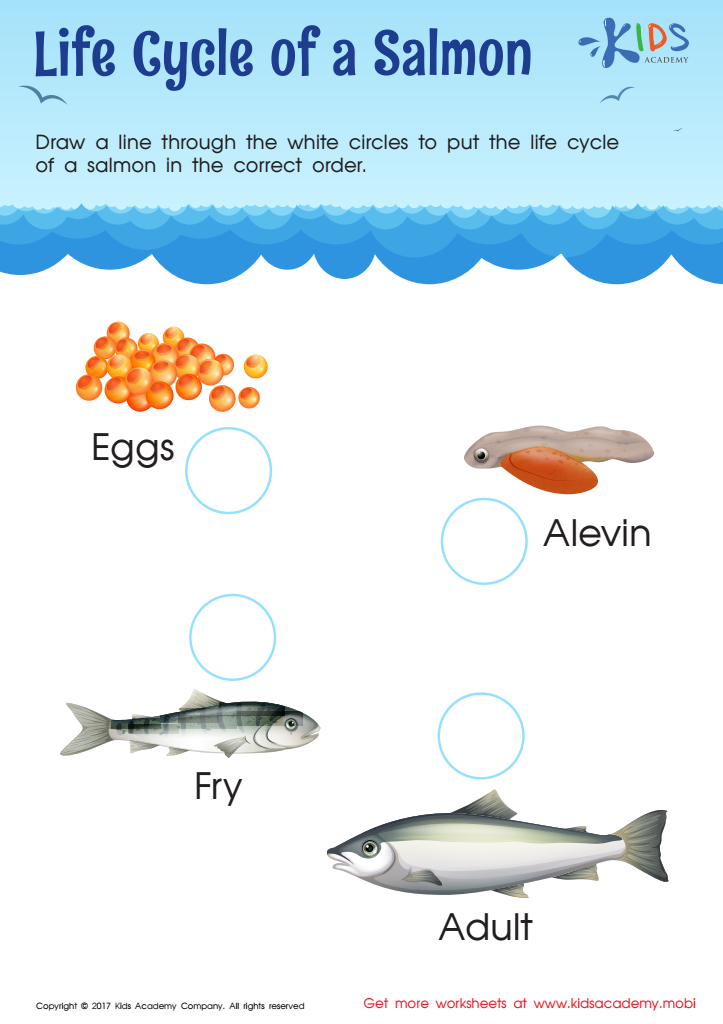
Cycle Of Salmon Worksheet
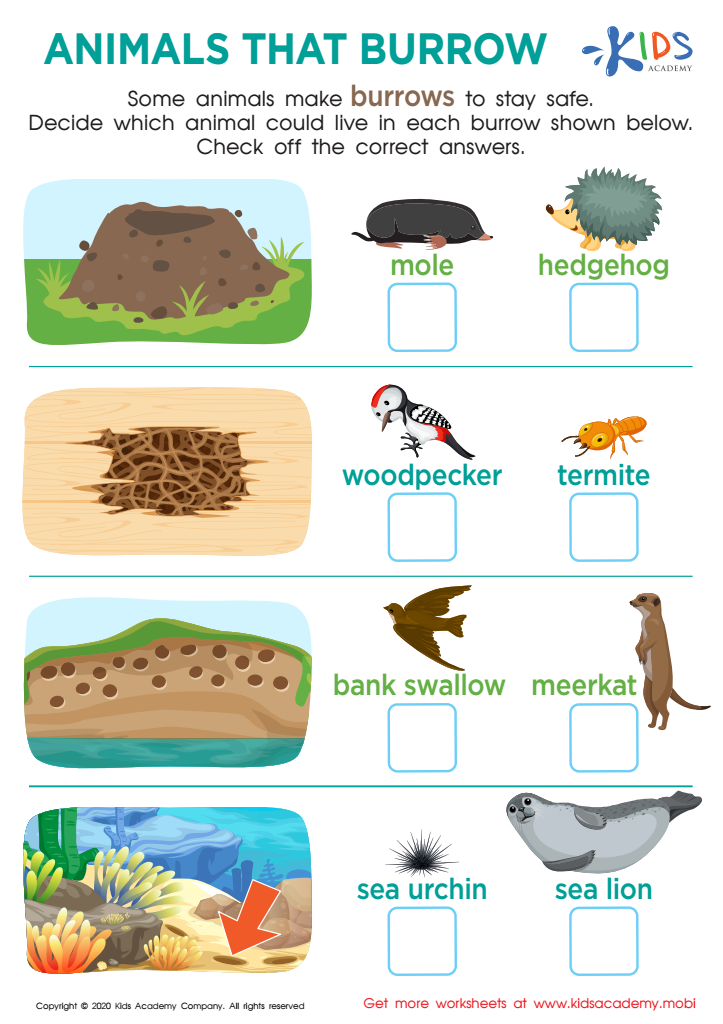
Animals That Burrow Worksheet
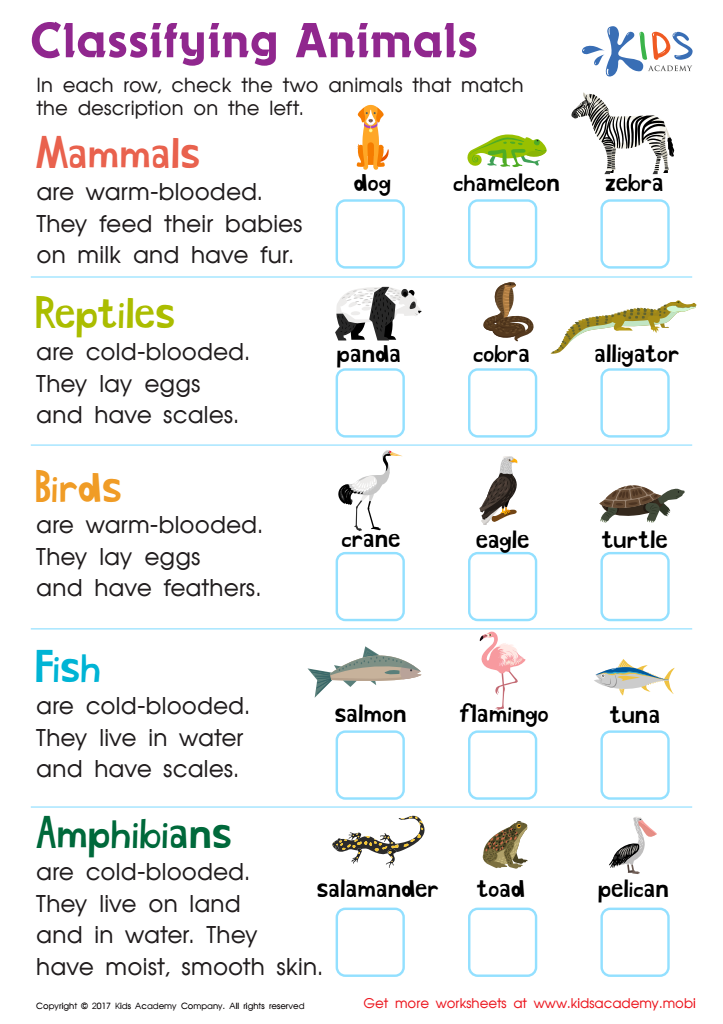
Classifying Animals Worksheet
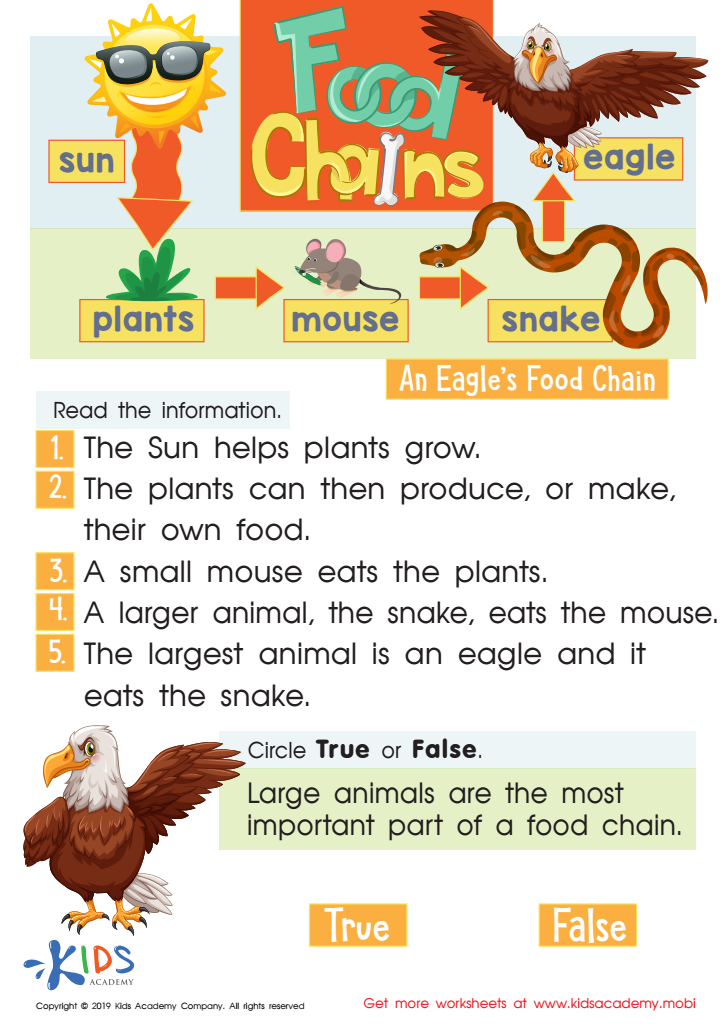
Food Chains Worksheet
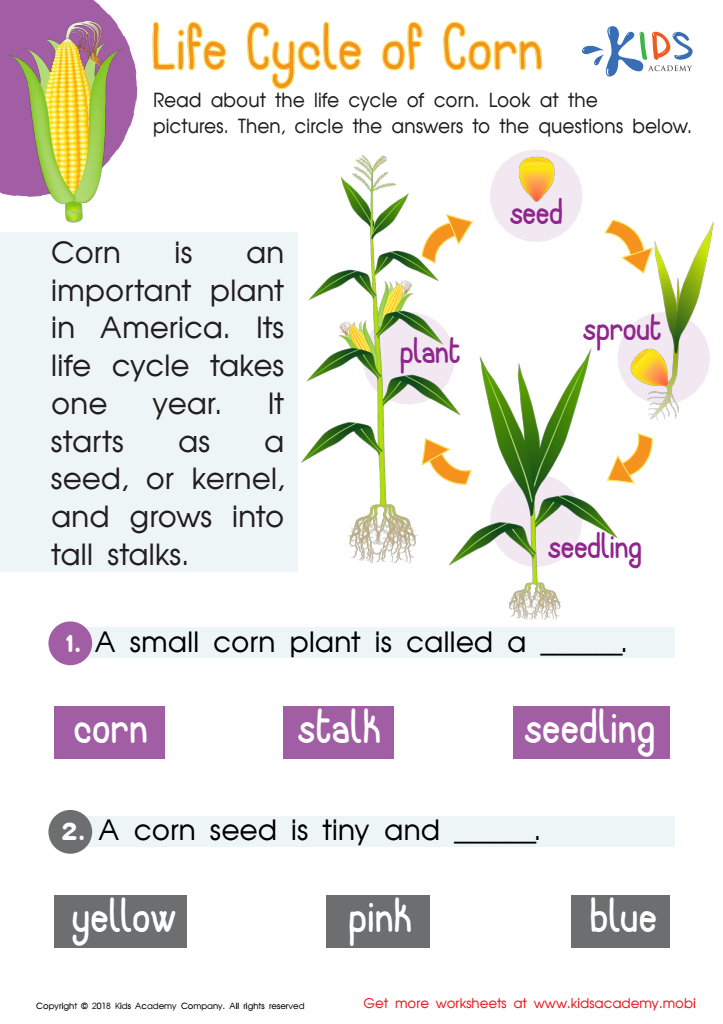
Life Cycle of Corn Worksheet
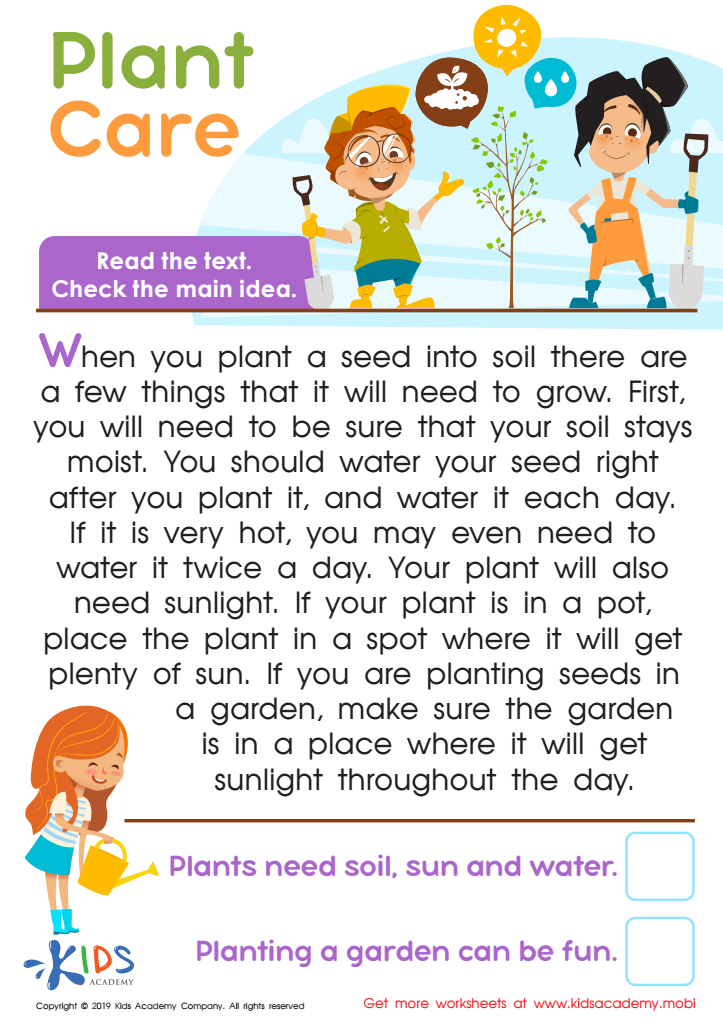
Plant Care Worksheet
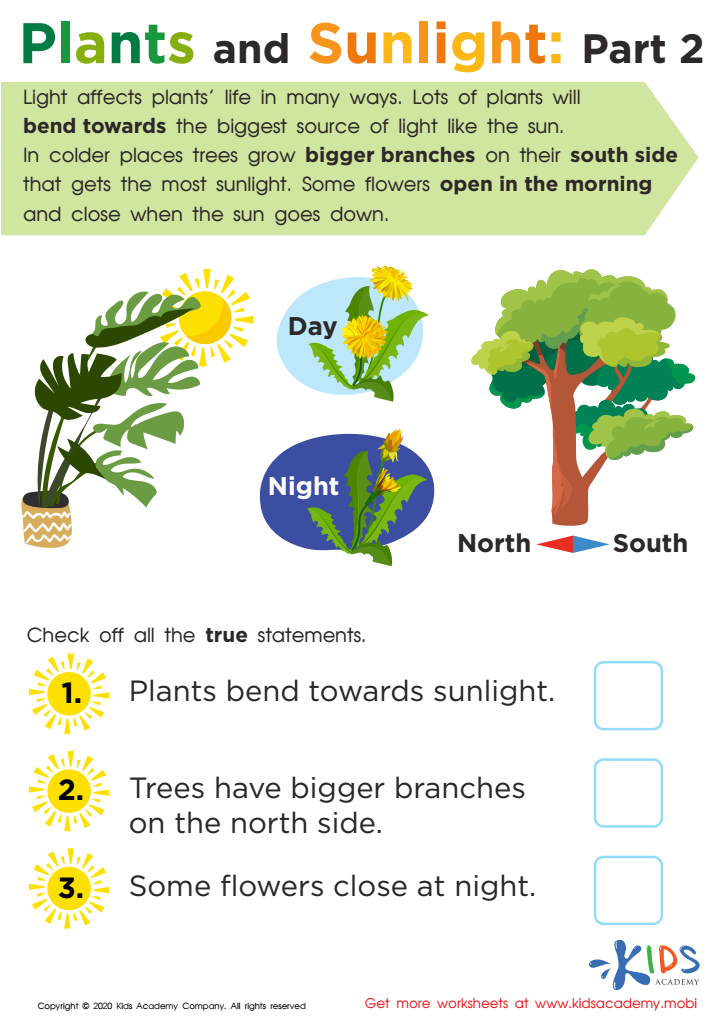
Plants and Sunlight: Part 2 Worksheet
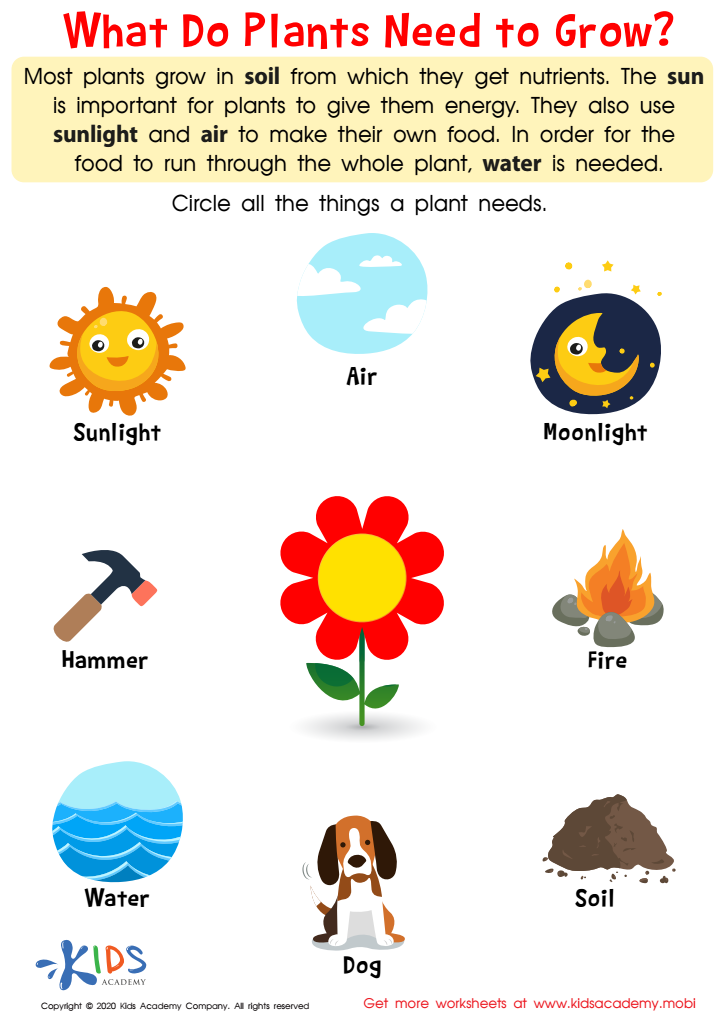
What Do Plants Need to Grow Worksheet
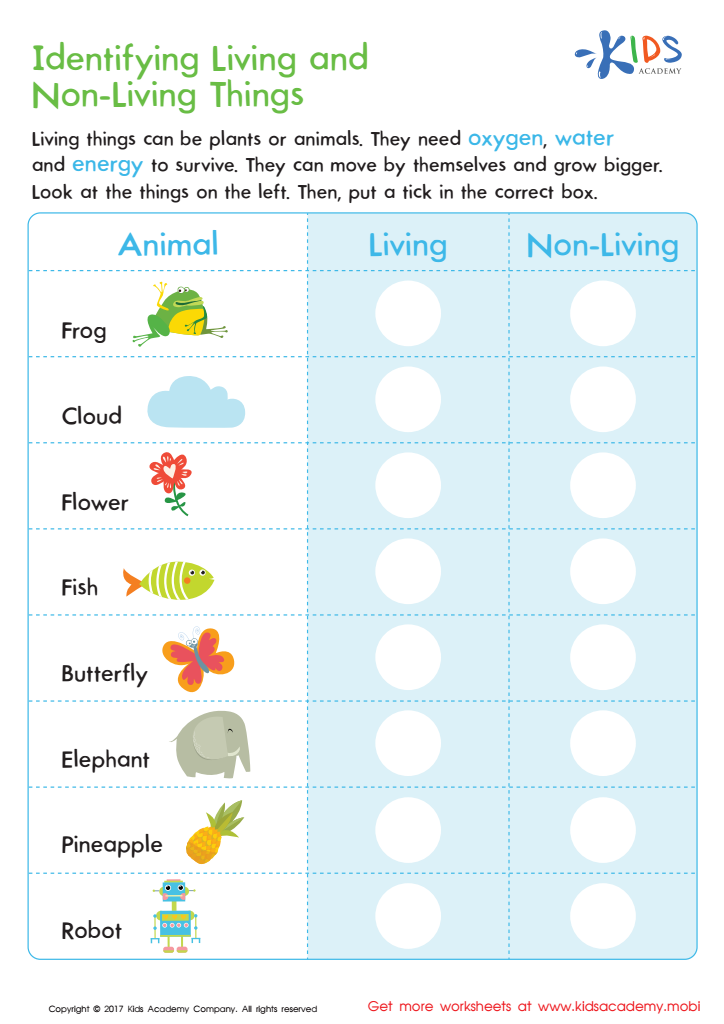
Identifying Living or Non–living Worksheet
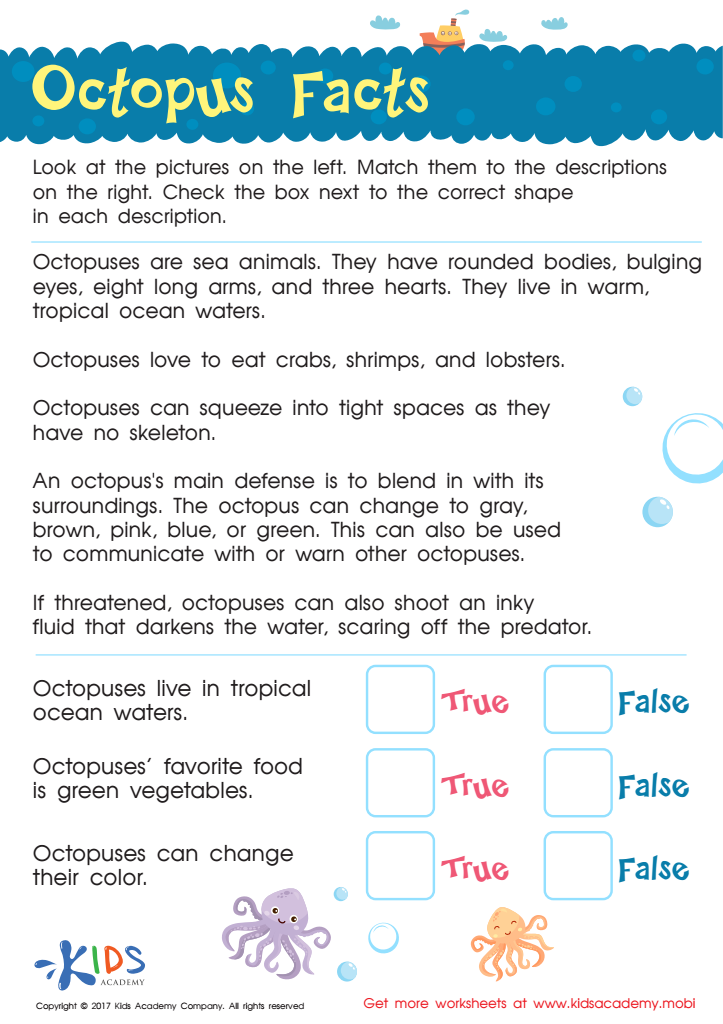
Octopus Facts Worksheet For Kids
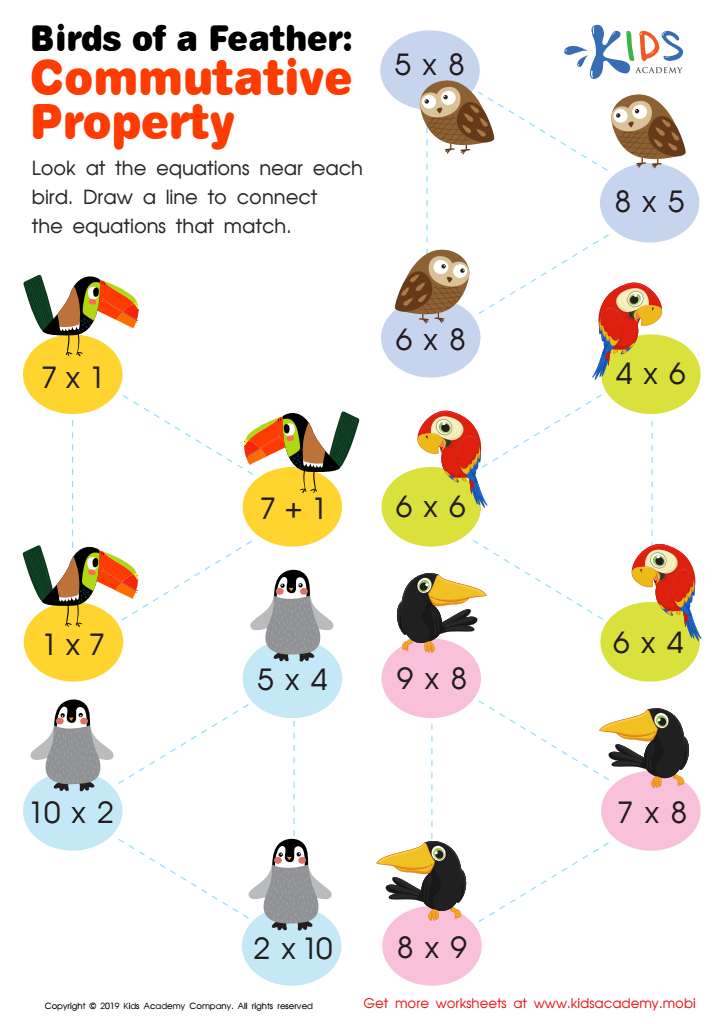
Birds of a Feather: Commutative Property Worksheet
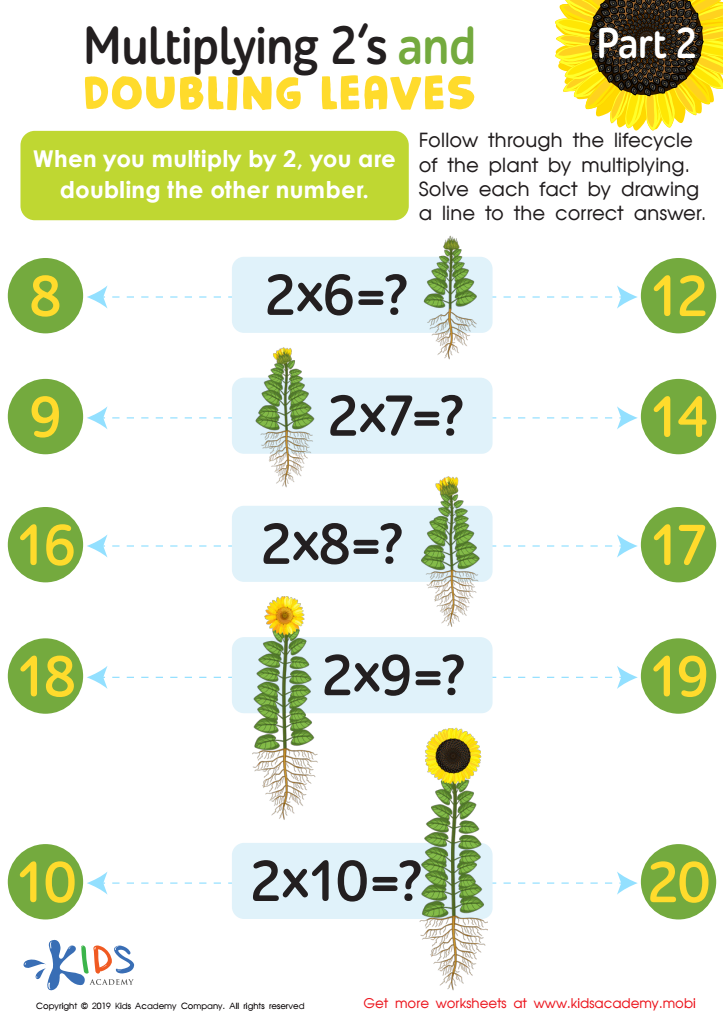
Multiplying 2’s and Doubling Leaves Part 2 Worksheet
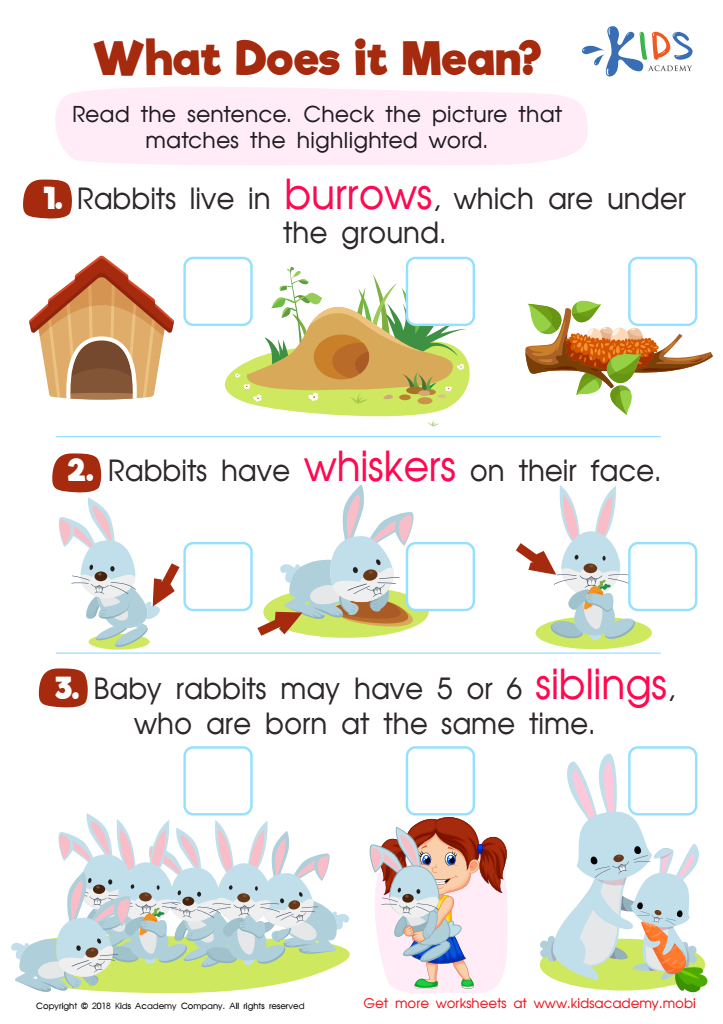
What Does It Mean? Worksheet
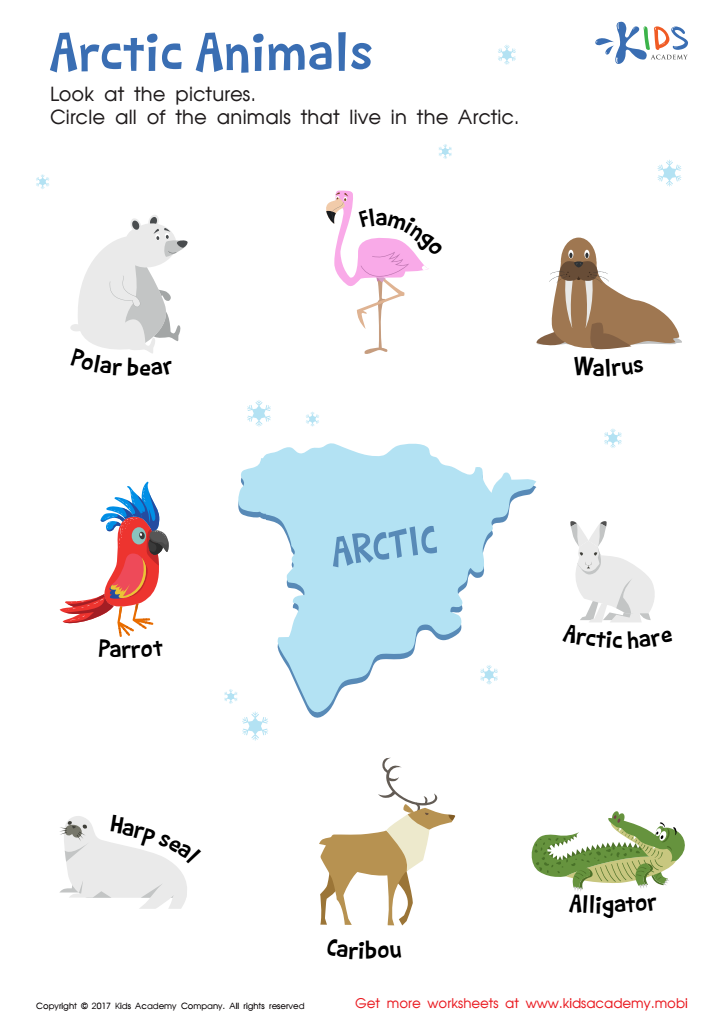
Arctic Animals Worksheet
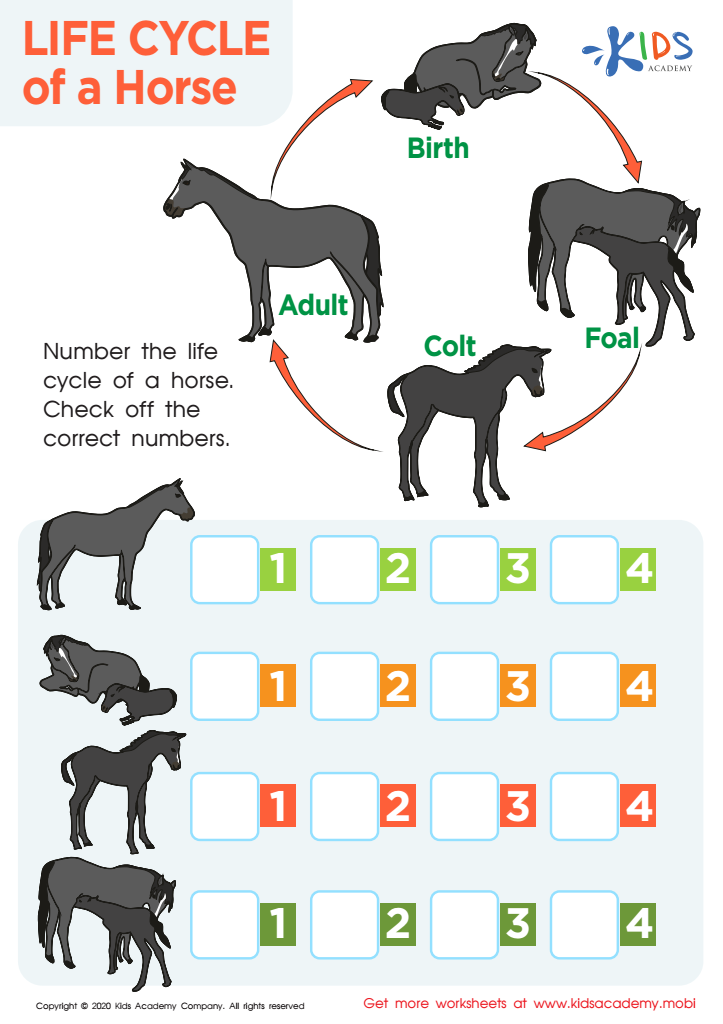
Life Cycle of a Horse Worksheet
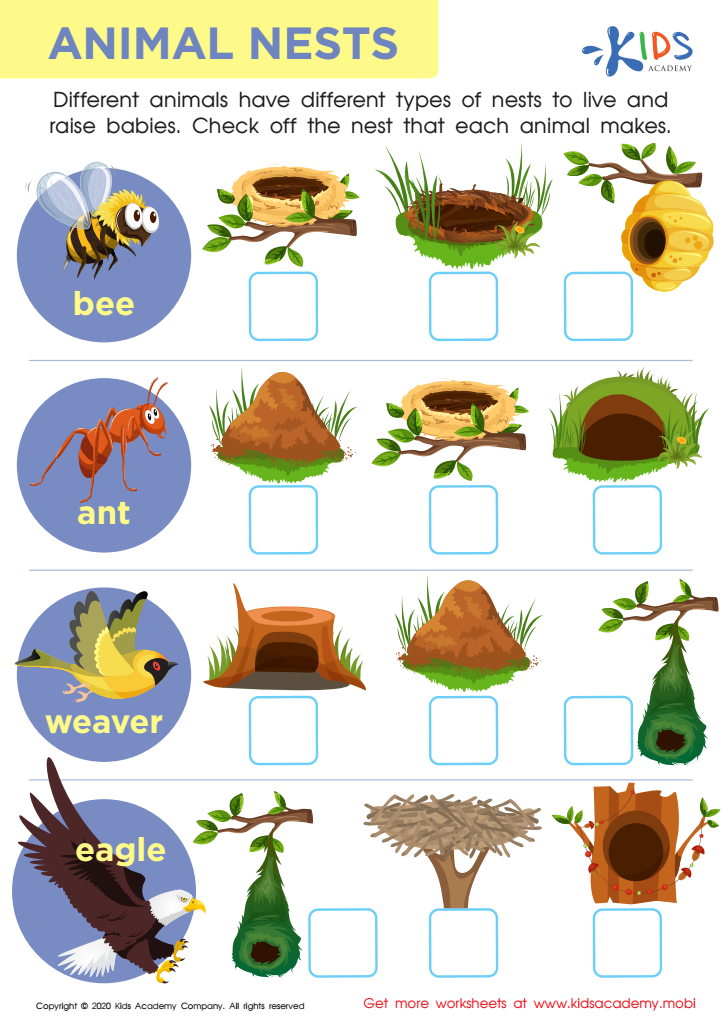
Animal Nests Worksheet
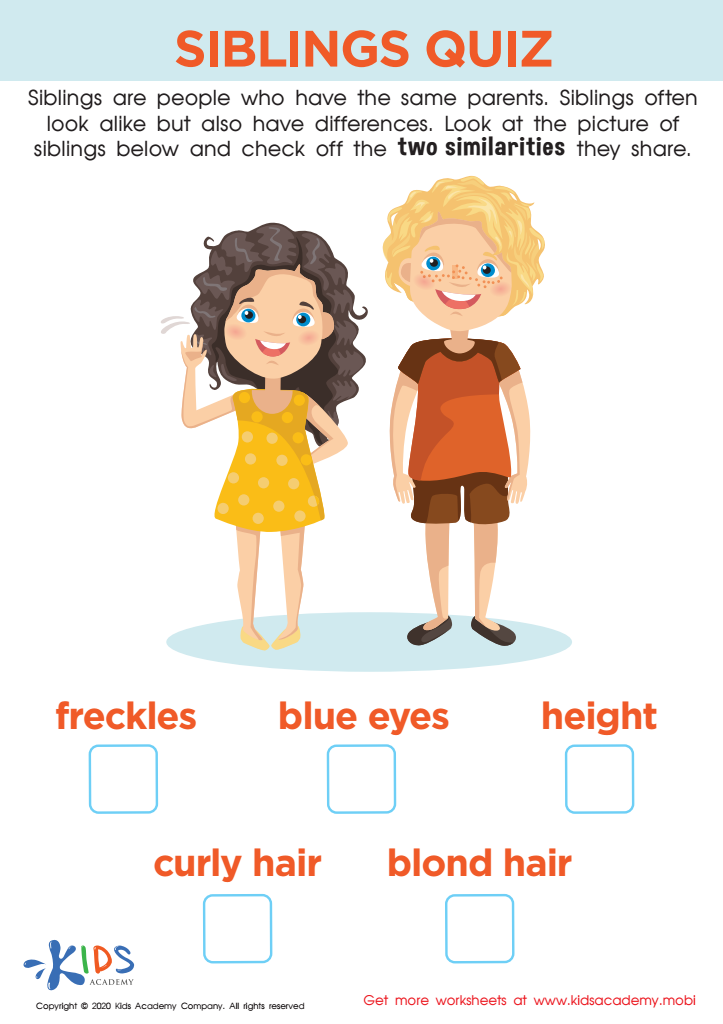
Siblings Quiz Worksheet
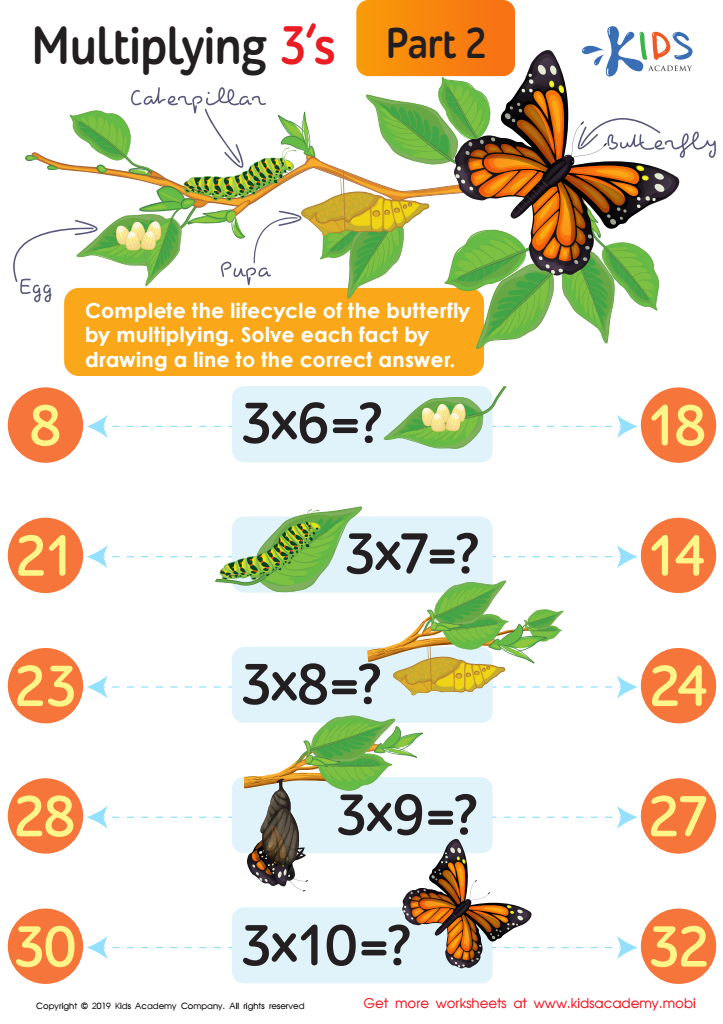
Multiplying 3s Part 2 Worksheet
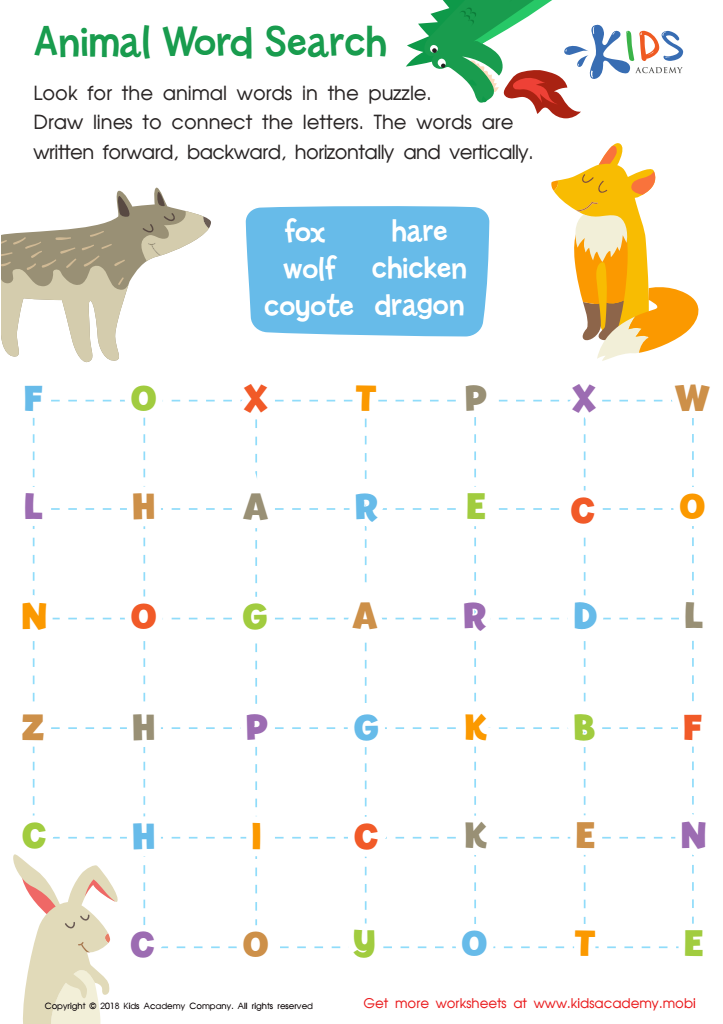
Animal Word Search Worksheet
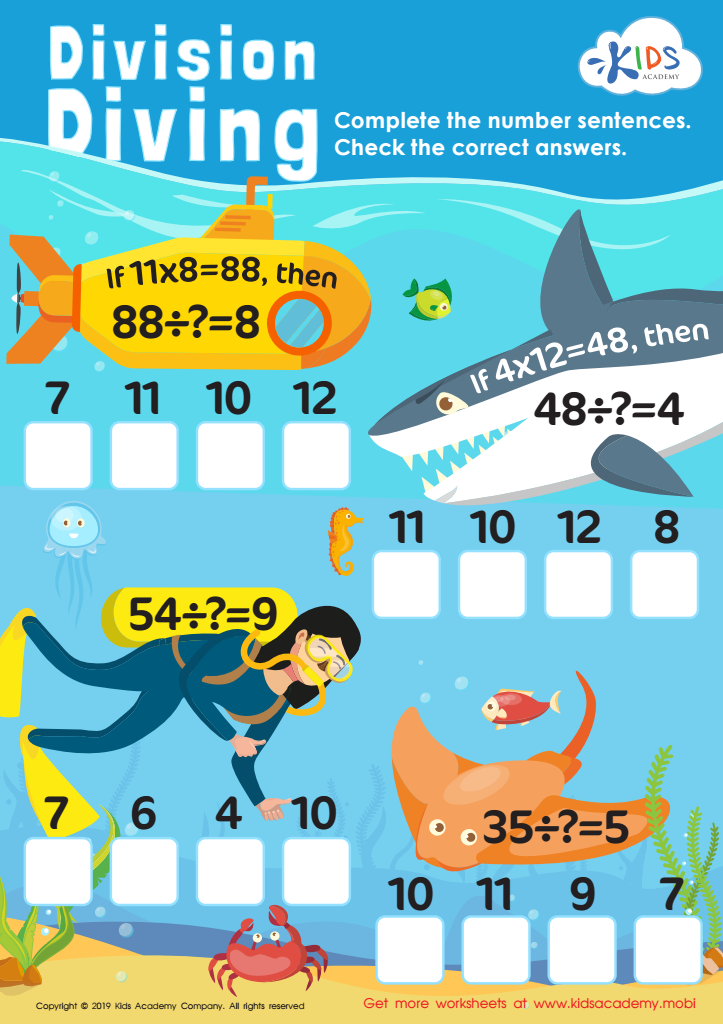
Division Diving Worksheet
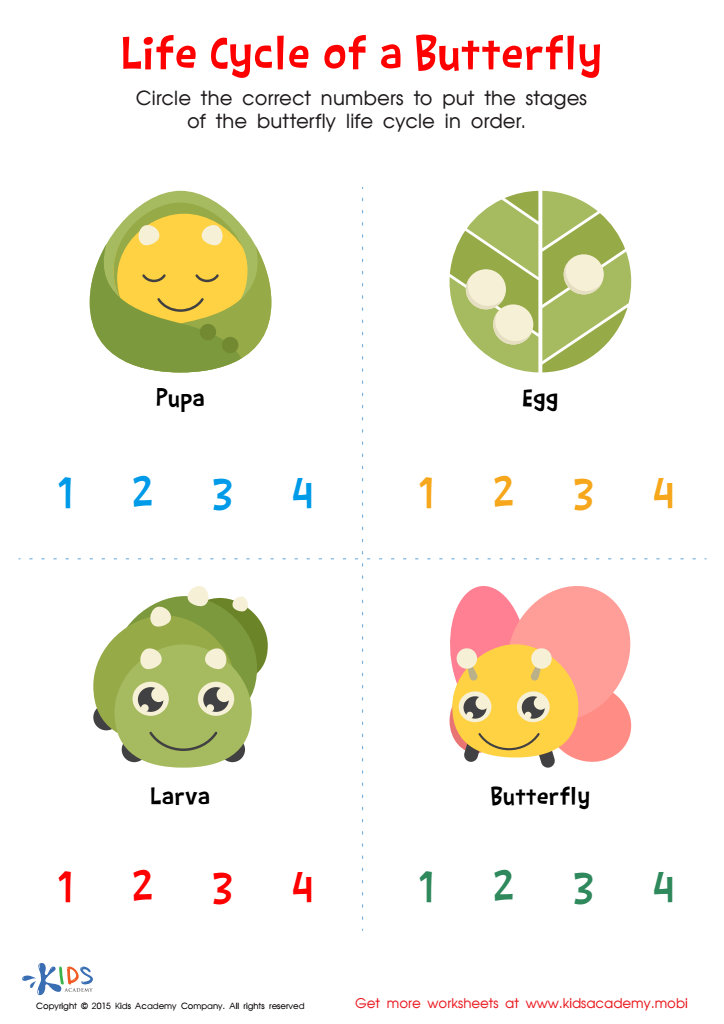
Life Cycle of Butterfly Printable
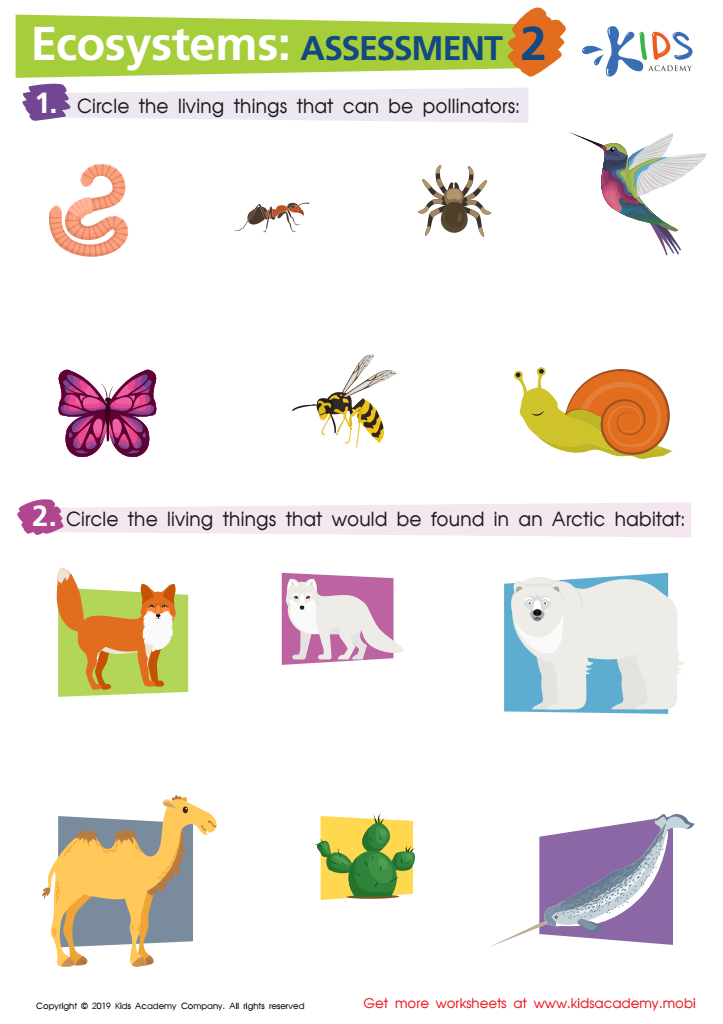
Ecosystems: Assessment 2 Worksheet
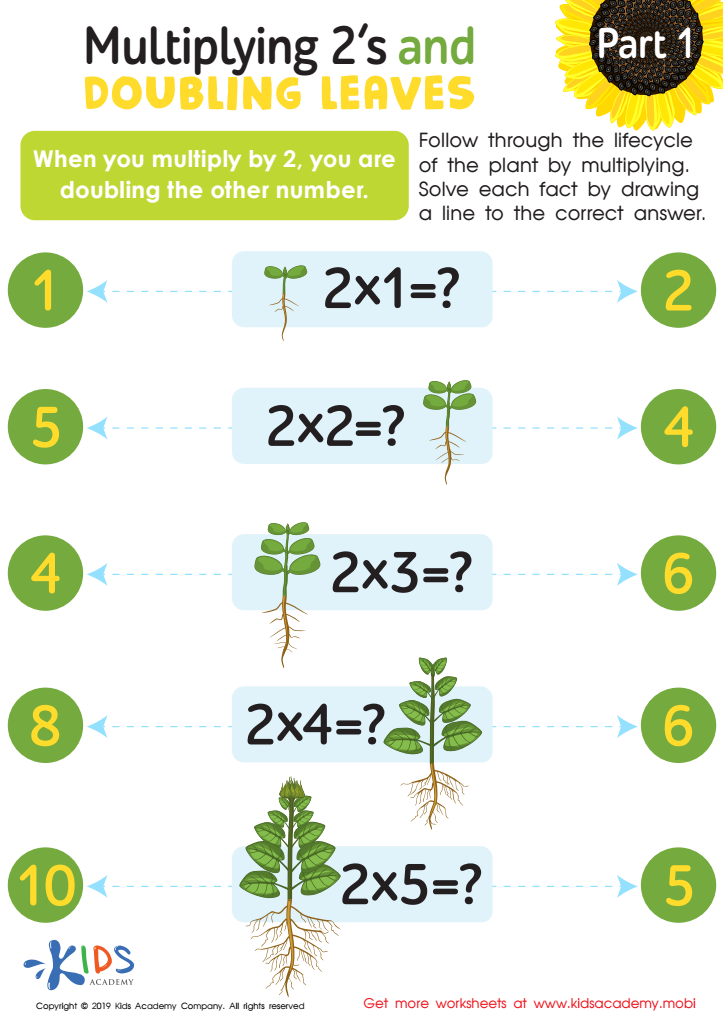
Multiplying 2’s and Doubling Leaves Part 1 Worksheet





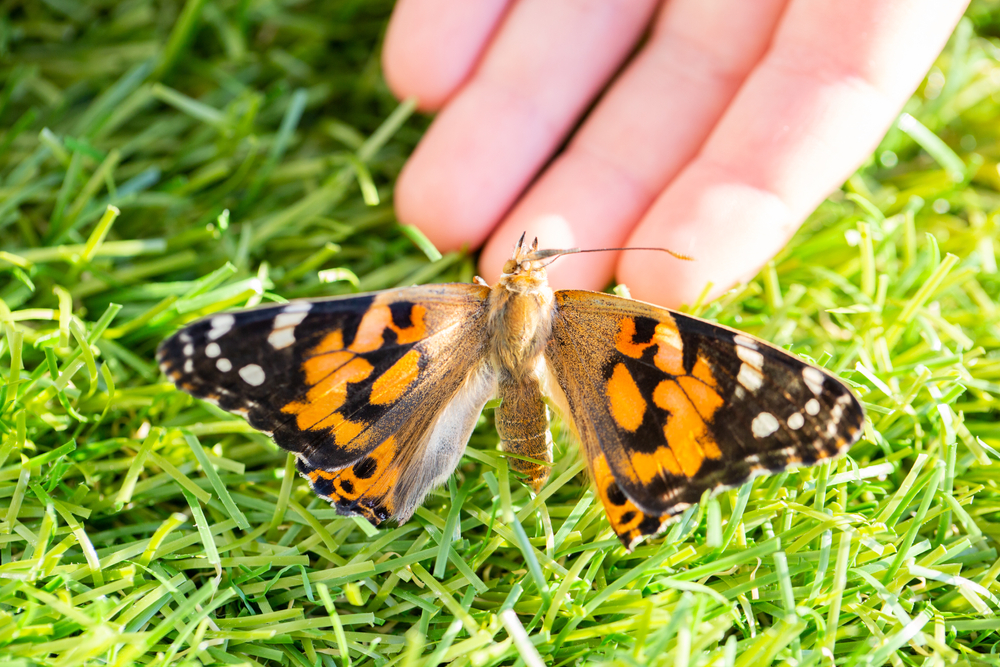

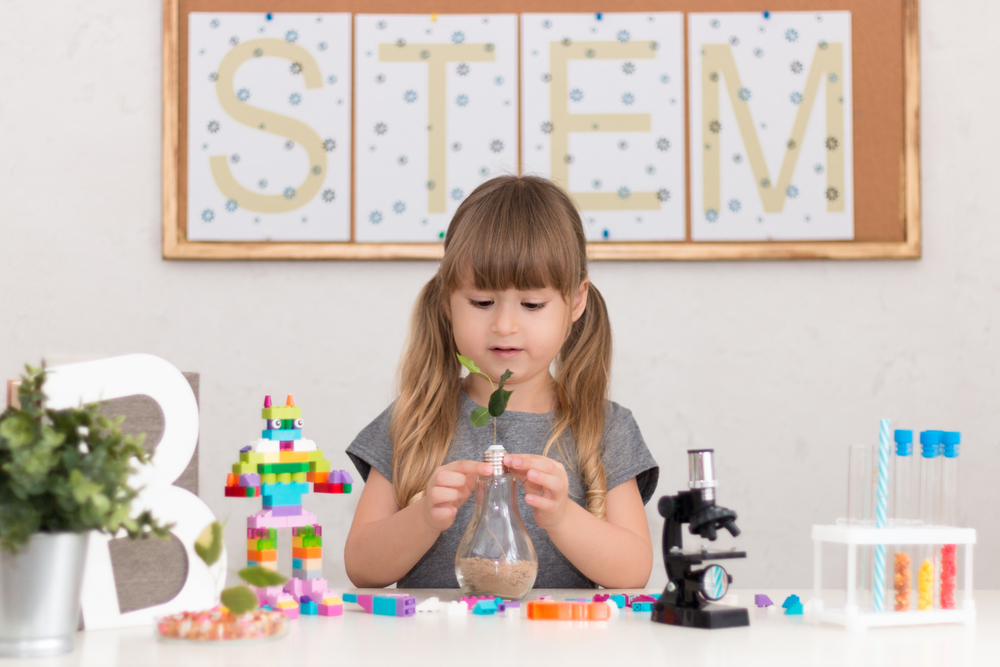
Parents and teachers should care about plants and animals for children aged 7-9 because these topics play a crucial role in fostering a child’s awareness of the natural world and its interconnectedness. At this developmental stage, children are naturally curious, and engaging them with plants and animals sparks their interest in science and enhances their critical thinking skills.
Learning about plants helps children understand the basics of life cycles, ecosystems, and the importance of biodiversity. It teaches them about sustainability and the role that plants play in our environment, including oxygen production and food. Understanding different plant species can also touch upon cultural, culinary, and medicinal uses, opening discussions on diversity and the importance of preservation.
Similarly, knowledge of animals fosters empathy and compassion. When children learn about various species, their habitats, and conservation efforts, it encourages responsible behavior towards the environment. It inspires stewardship and awareness of human impact on wildlife, making them realize that their actions matter.
Overall, investing time in plants and animals cultivates a sense of curiosity, responsibility, and respect for nature, shaping caring, informed individuals who are likely to advocate for the environment as they grow.