Extra Challenge Worksheets for Ages 3-6 - Page 5
396 filtered results
-
From - To
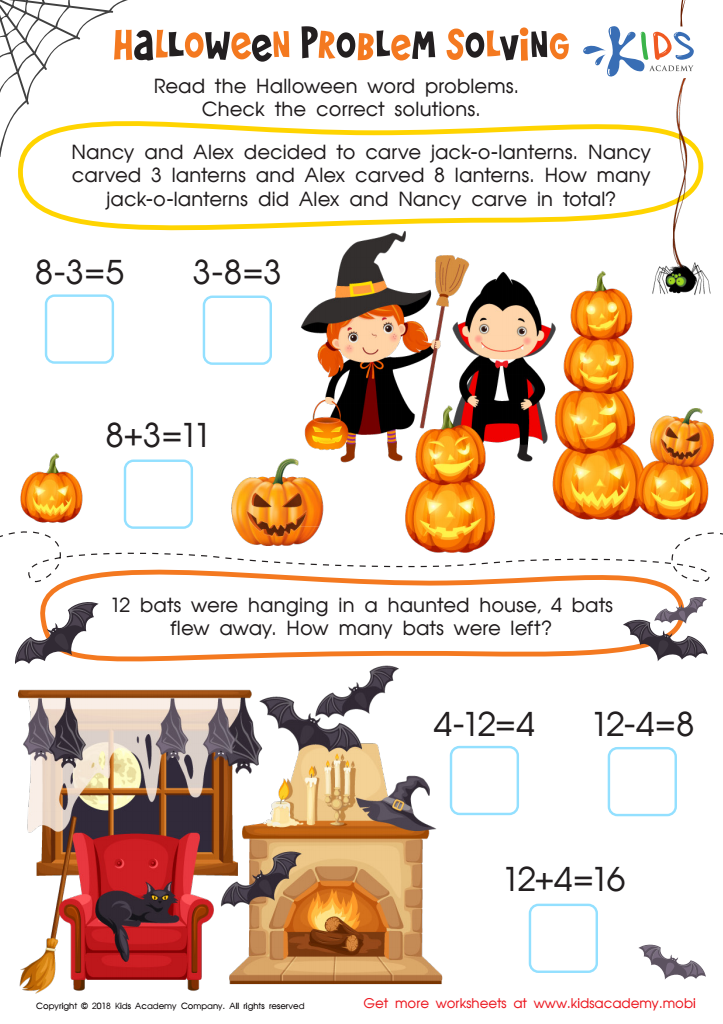
Halloween Problem Solving Worksheet
 Assign to My Students
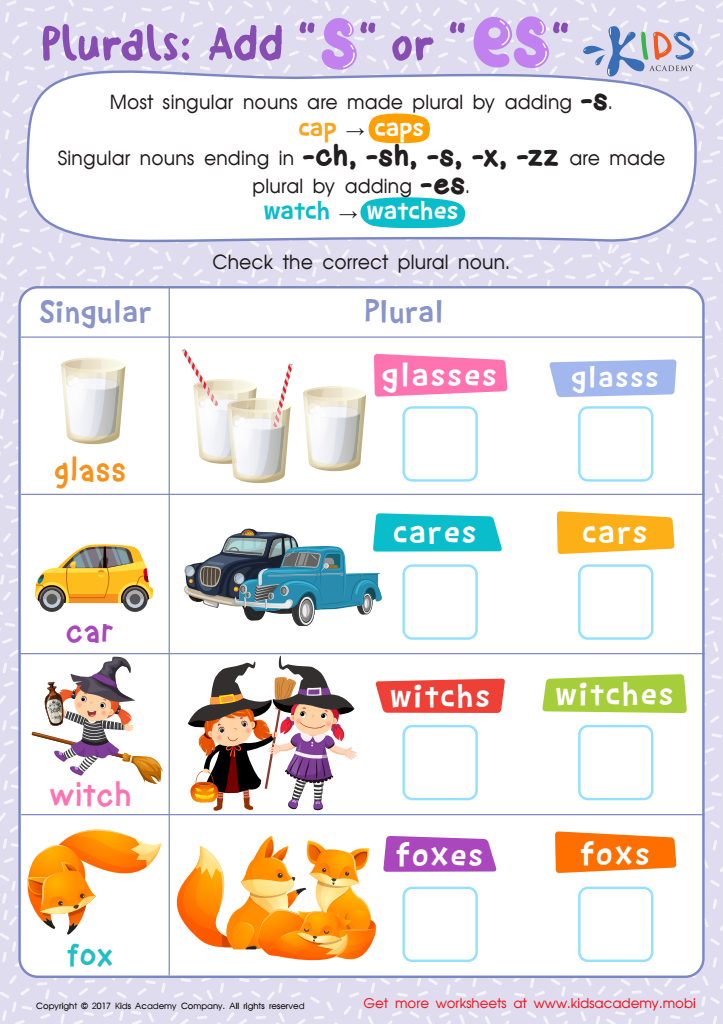
Plurals: "–es" or "–es"? Worksheet
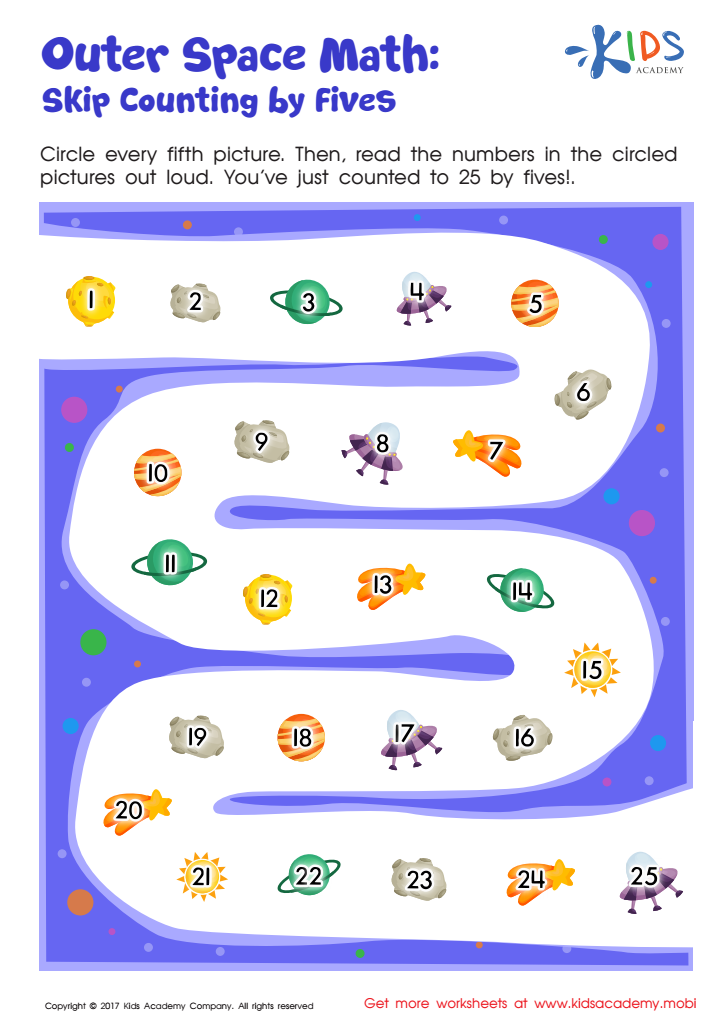
Skip Counting by 5s: Outer Space Math Printable
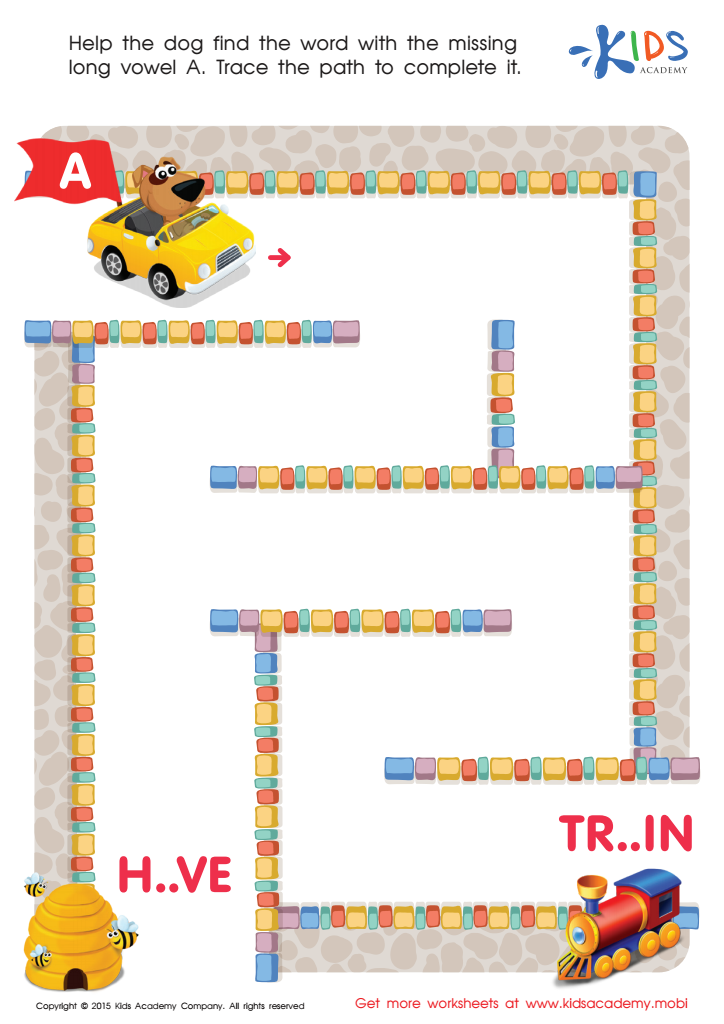
Long Vowel Sound A Worksheet
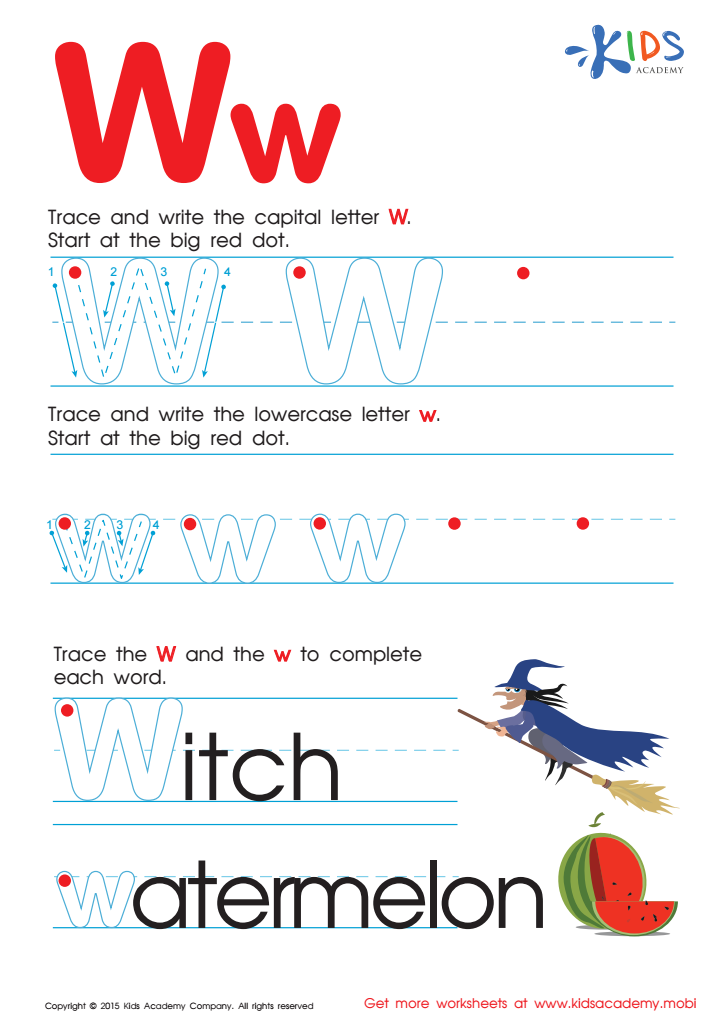
Letter W Tracing Page
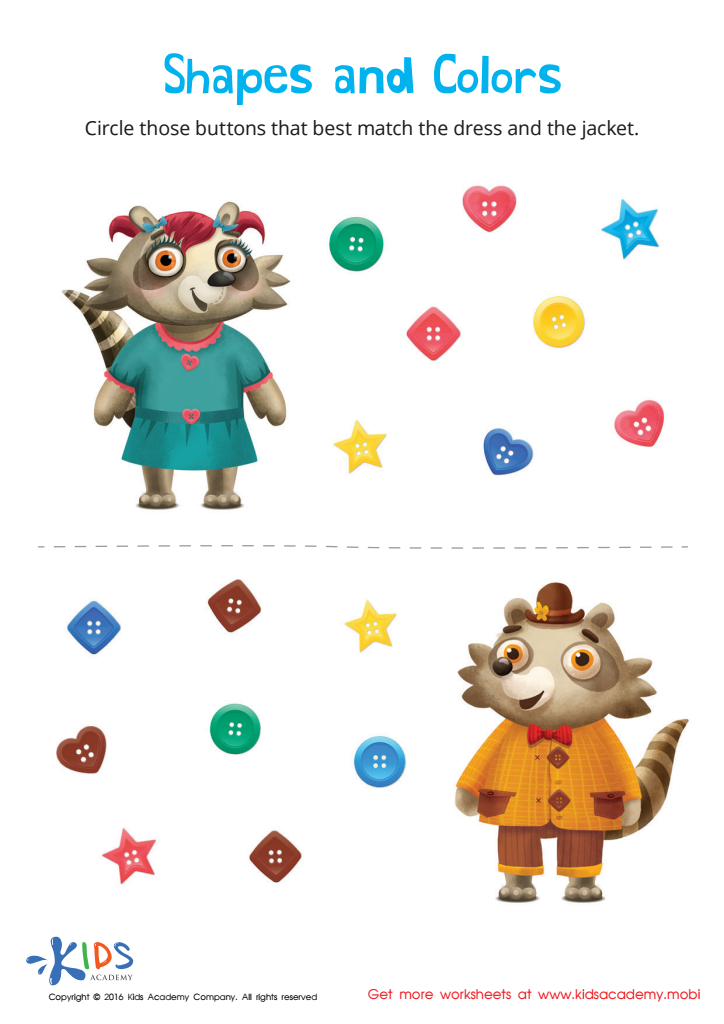
Matching: Shapes and Colors Worksheet
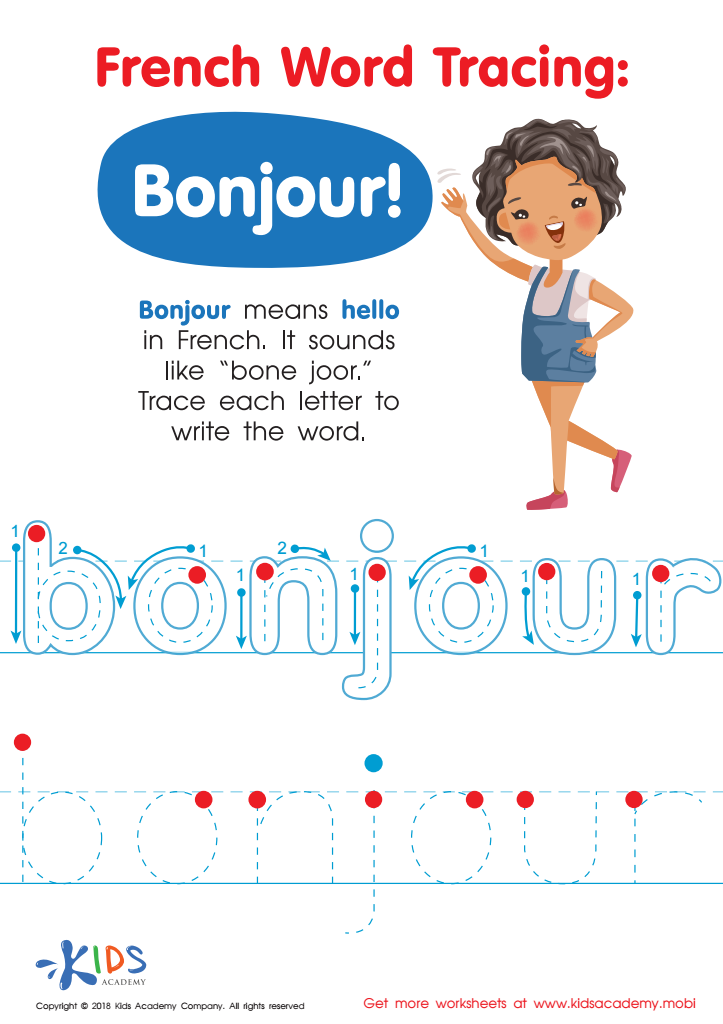
French Word Tracing: Bonjour Worksheet
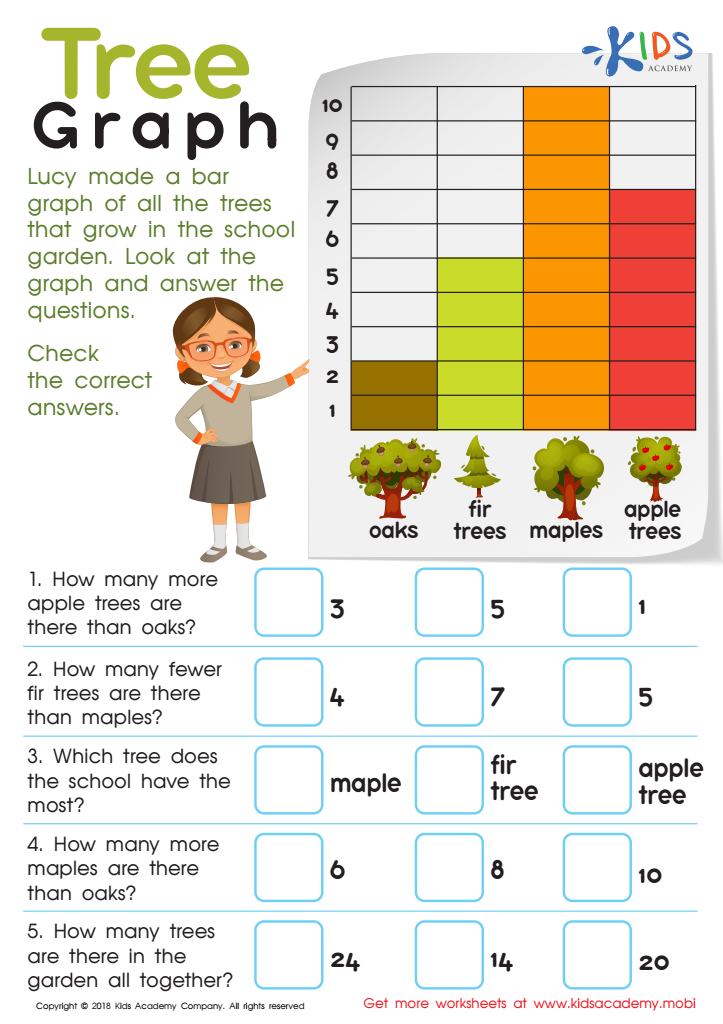
Tree Graph Worksheet
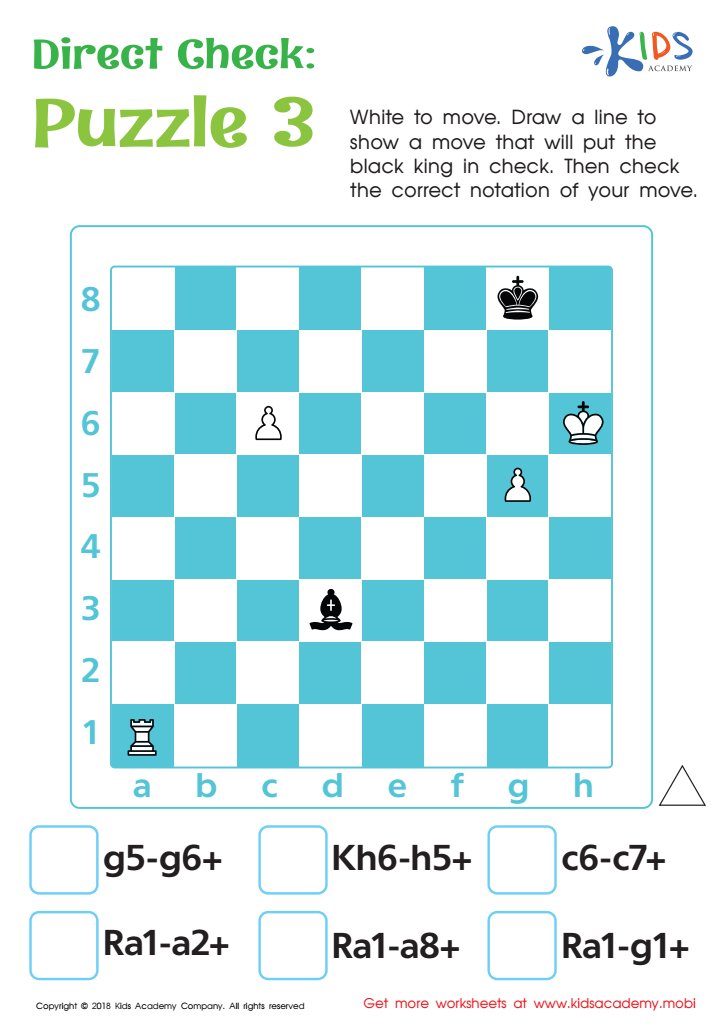
Direct Check: Puzzle 3 Worksheet
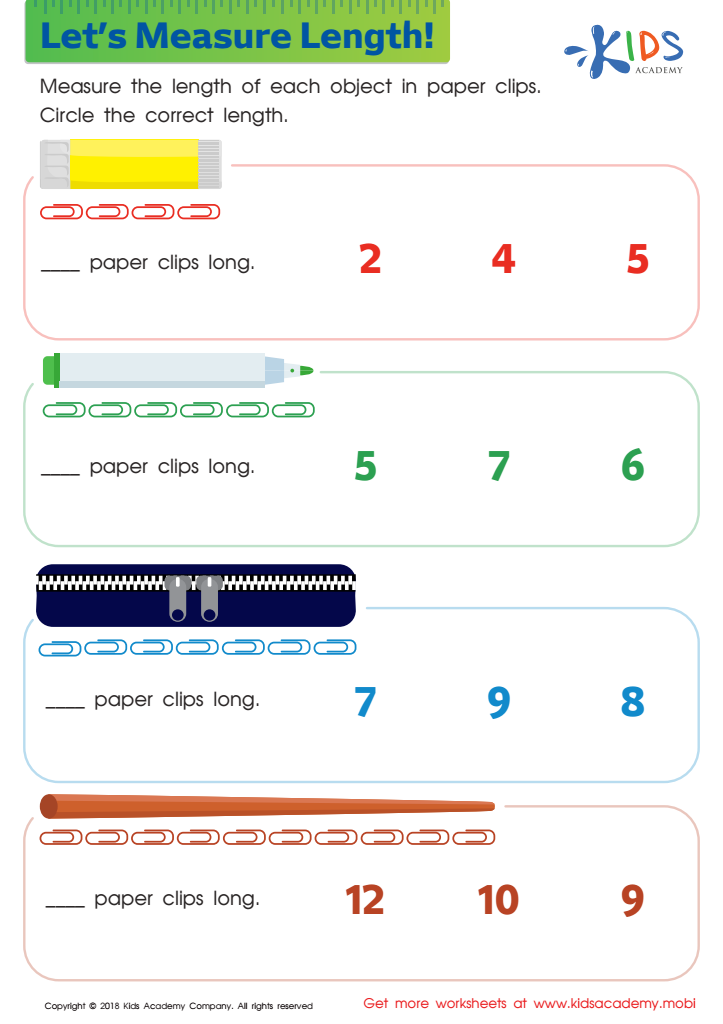
Lets Measure Length Worksheet
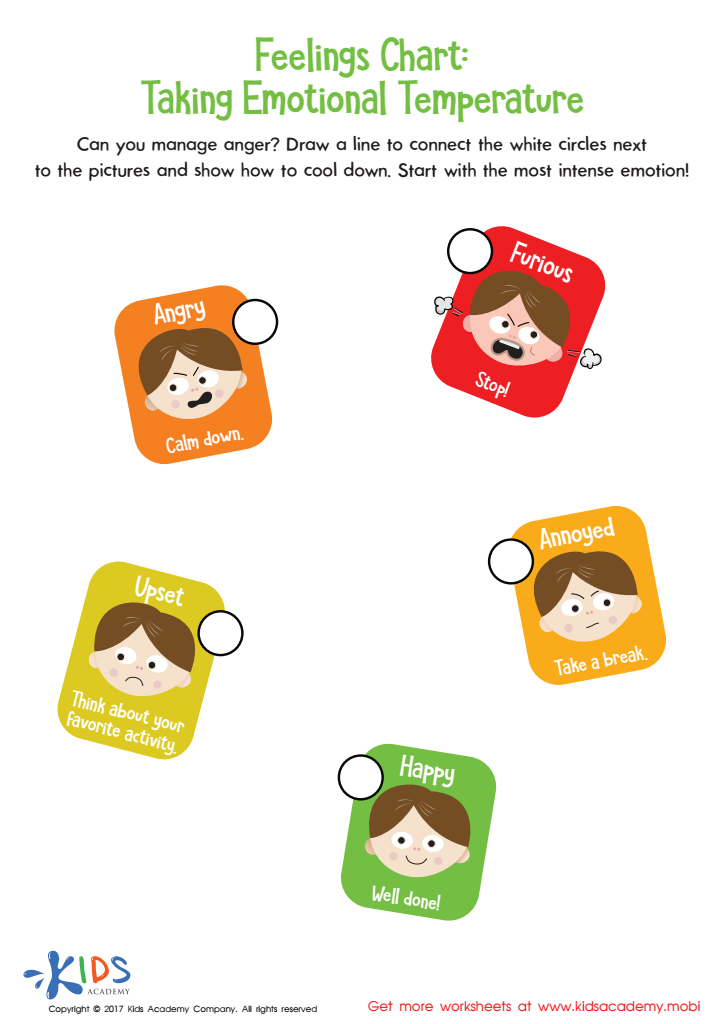
Feelings Chart Worksheet
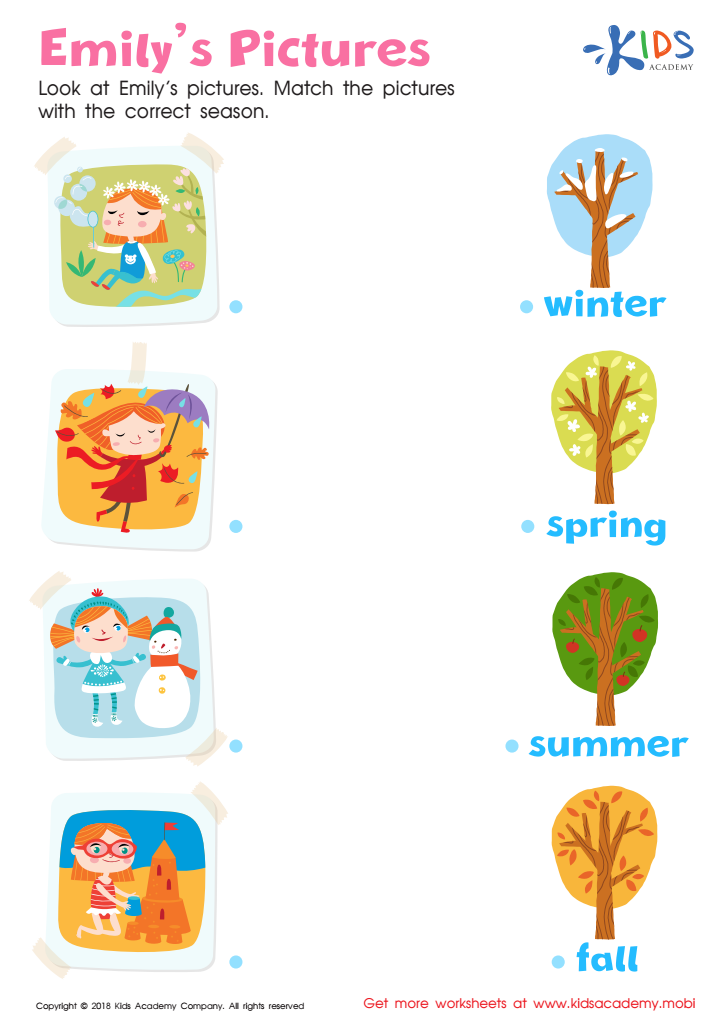
Emily's Pictures Worksheet
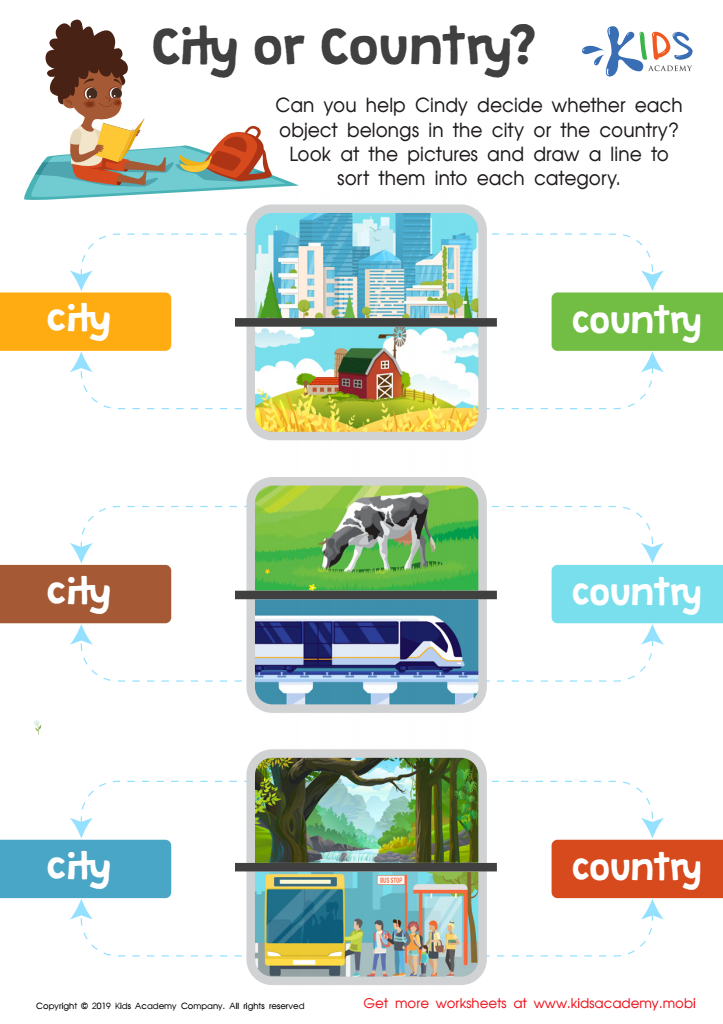
City or Country? Worksheet

President Madison Printable
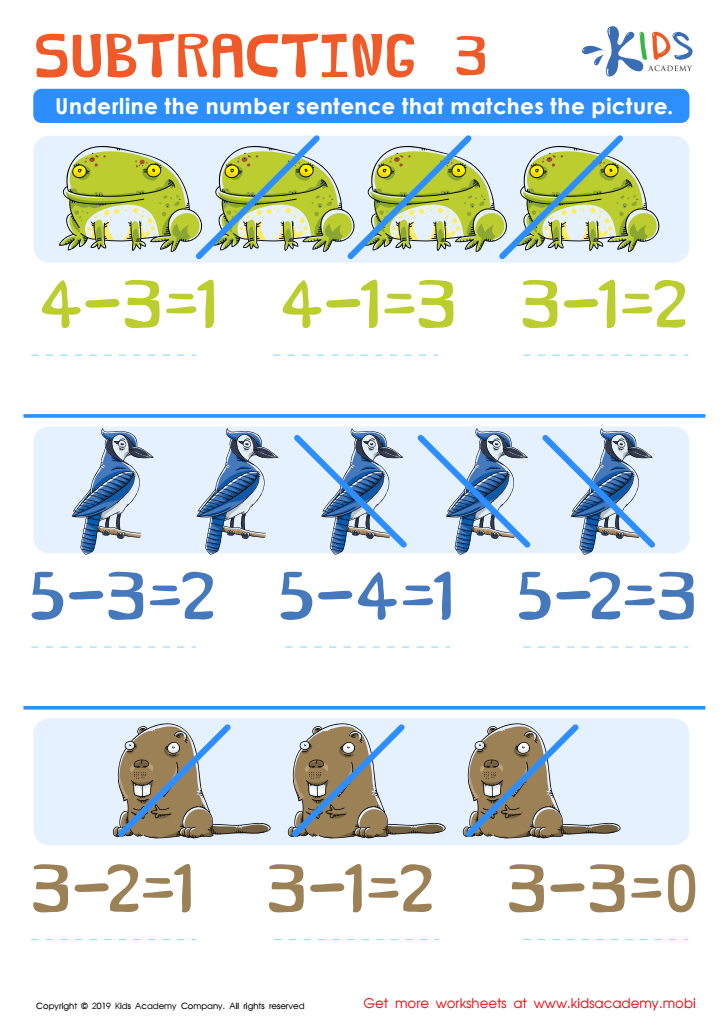
Subtracting 3 Worksheet
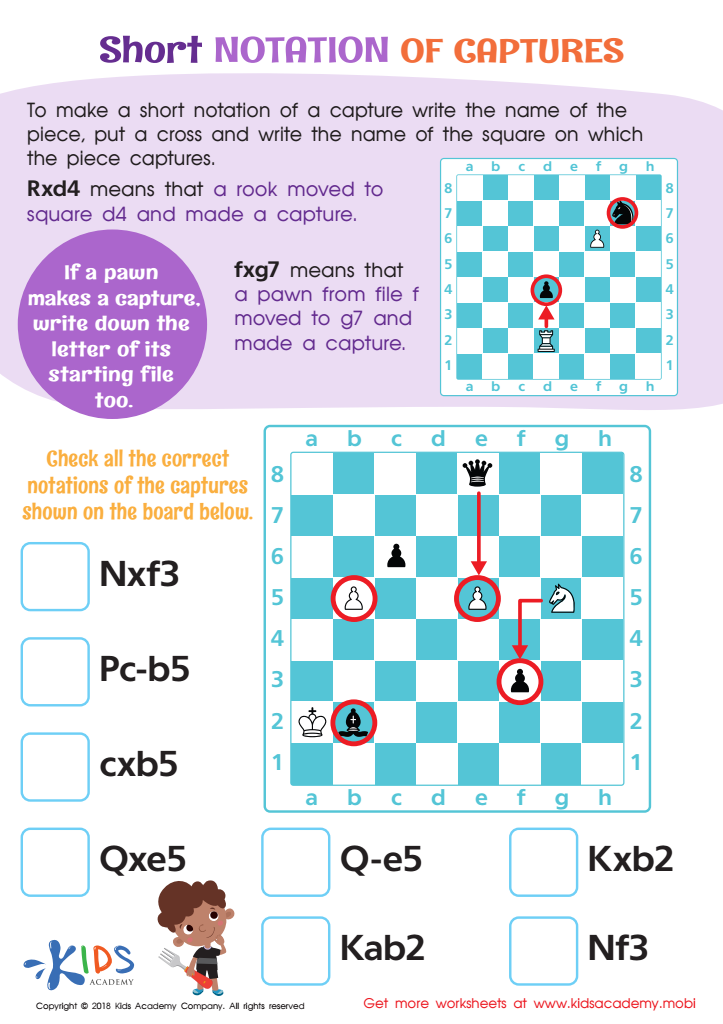
Short Notation of Captures Worksheet
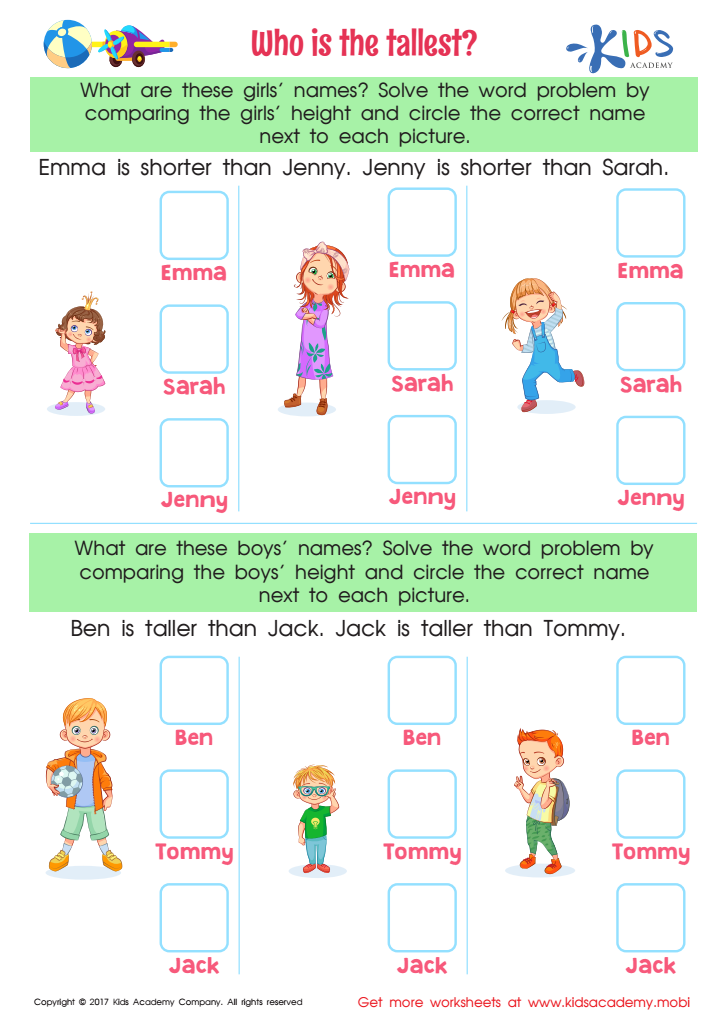
Who Tallest Printable

Fractions: Sweets Maze Worksheet
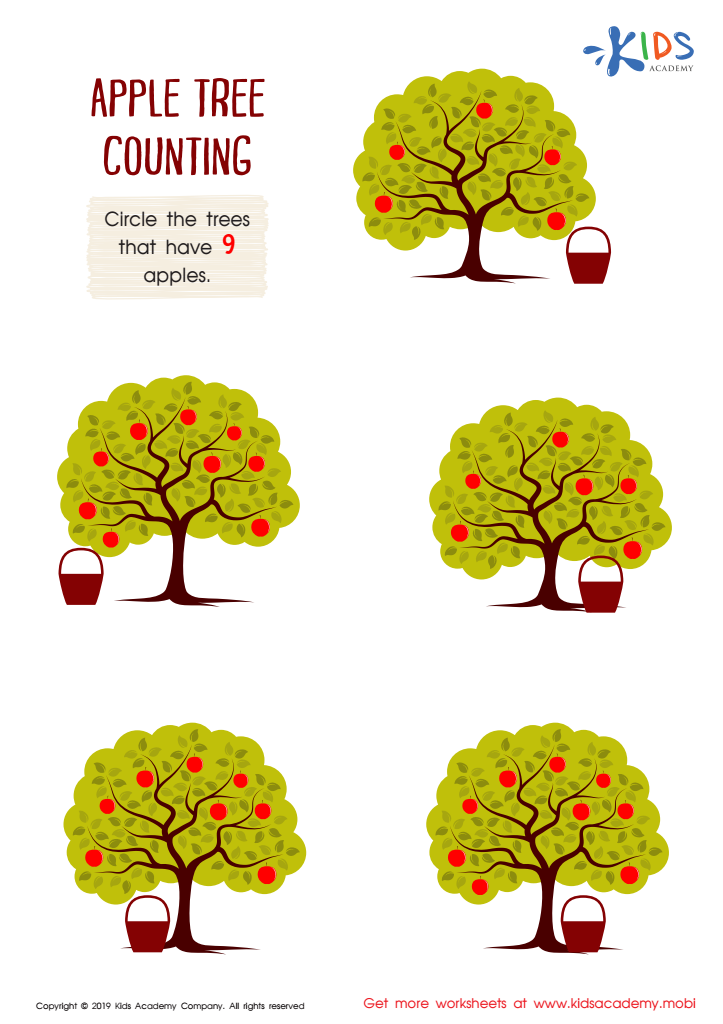
Apple Tree Counting Worksheet
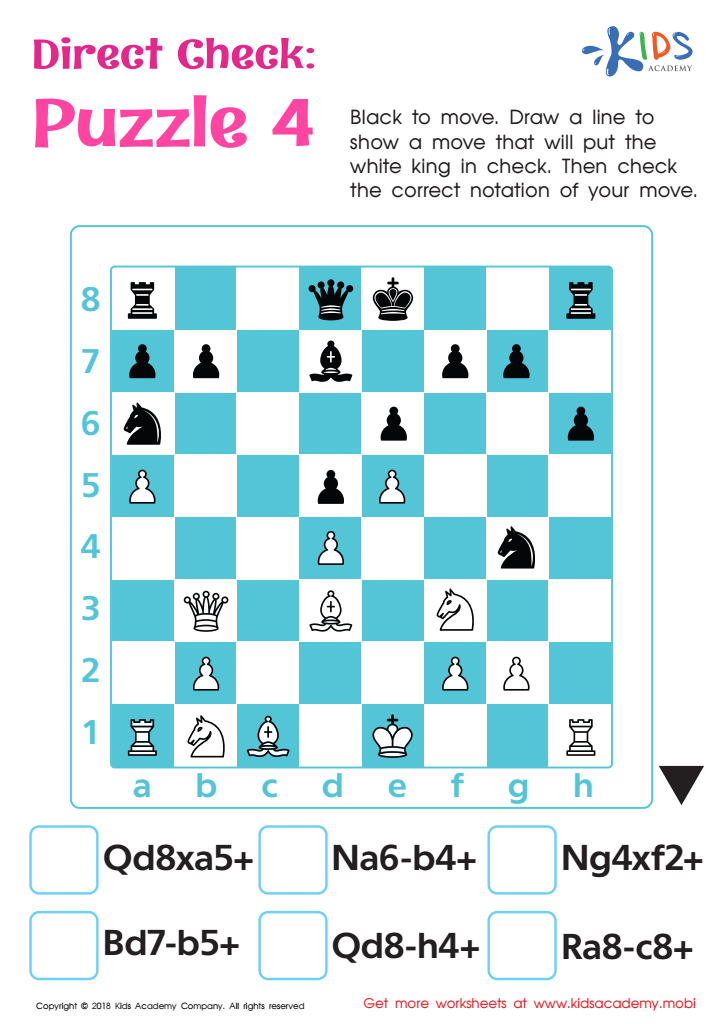
Direct Check: Puzzle 4 Worksheet
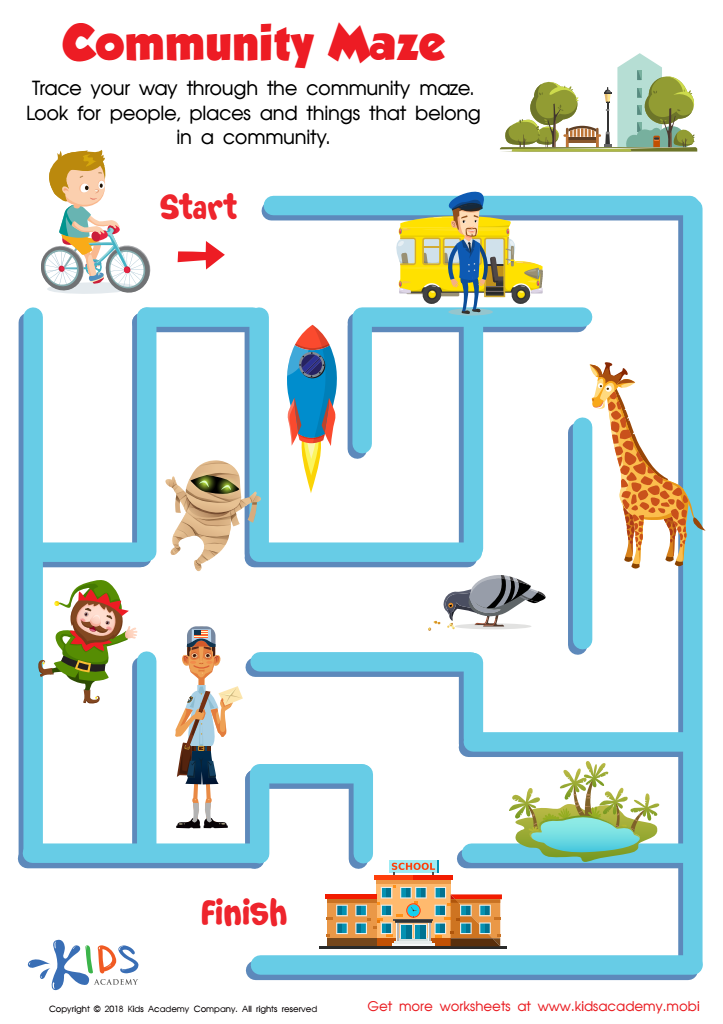
Community Maze Worksheet
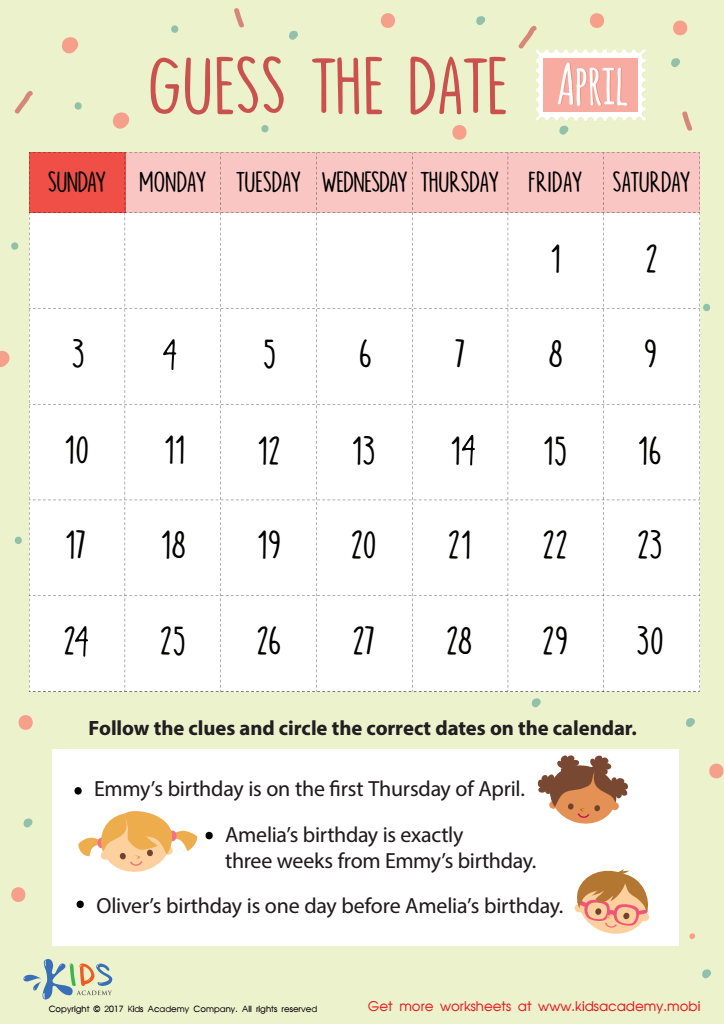
Guess the Date Worksheet
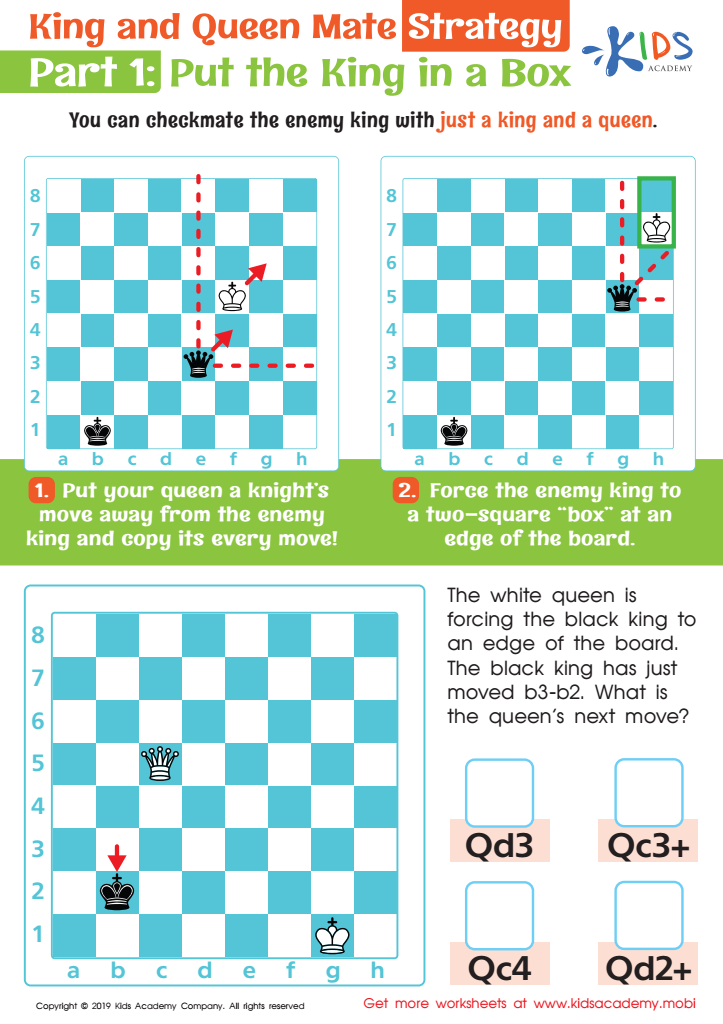
King and Queen Mate Strategy: Part 1 Worksheet
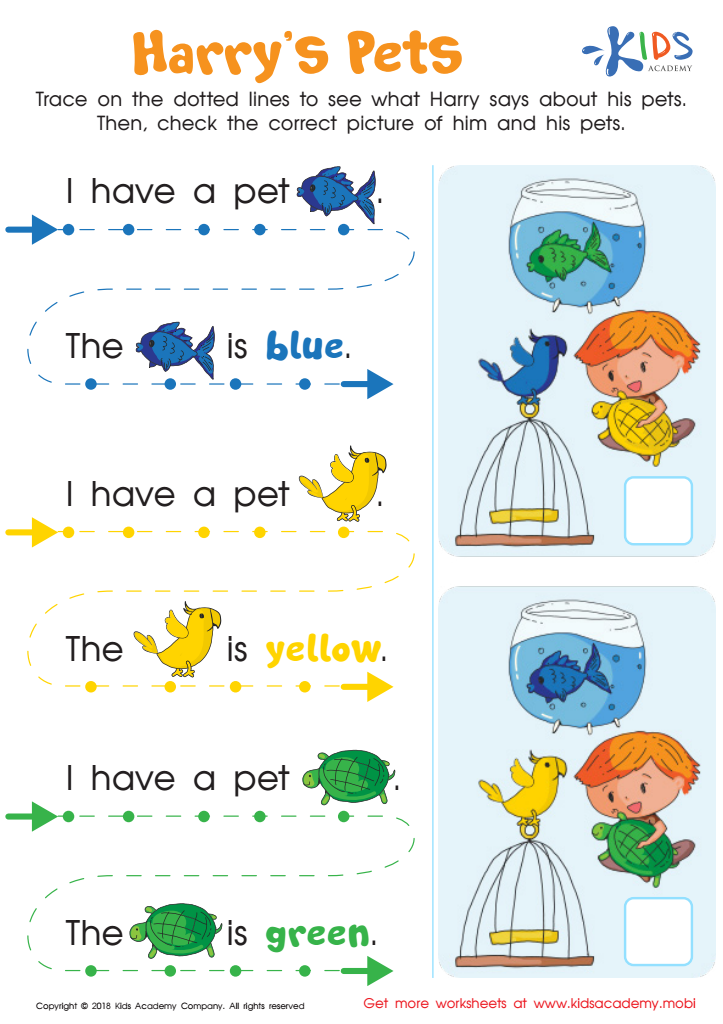
Read from Left to Right: Harry's Pets Worksheet


.jpg)





Encouraging extra challenges for children aged 3-6 is crucial for their overall development. At this impressionable age, their brains are rapidly growing and highly receptive to new information and stimulation. Introducing extra challenges keeps young minds engaged, accelerates learning, and fosters critical cognitive skills early on. These challenges can come in various forms such as puzzles, physical activities, or educational games, each promoting different aspects of development including problem-solving abilities, motor skills, and social interactions.
Furthermore, extra challenges help build resilience and promote a growth mindset. When children are gently pushed beyond their comfort zones in a supportive environment, they learn to handle failure and develop perseverance. This adaptability becomes a foundational trait for future learning and personal growth.
Also, engaging with developmentally appropriate challenges nurtures curiosity and a love for learning. By constantly discovering new concepts and overcoming minor obstacles, children cultivate an intrinsic motivation to explore the world around them. Educators and parents who prioritize extra challenges also enhance their engagement with the child, fostering stronger relationships and better understanding of the child's needs and potential.
Overall, incorporating extra challenges in early childhood sets the stage for future academic success and personal development, ensuring children develop into well-rounded, resilient individuals.








