Shape Recognition Normal Geometry Worksheets for Ages 4-9
30 filtered results
-
From - To
Enhance your child's understanding of geometry with our "Shape Recognition Normal Geometry Worksheets for Ages 4-9." Designed to build foundational math skills, these engaging worksheets guide young learners through the basics of identifying and classifying shapes such as circles, squares, triangles, and more. Each activity is thoughtfully created to support visual learning and fine motor skills while making math fun and accessible. Ideal for parents and educators, our worksheets promote confidence and curiosity in early geometry. Visit Kids Academy to explore our comprehensive collection and watch your child's geometry skills flourish!
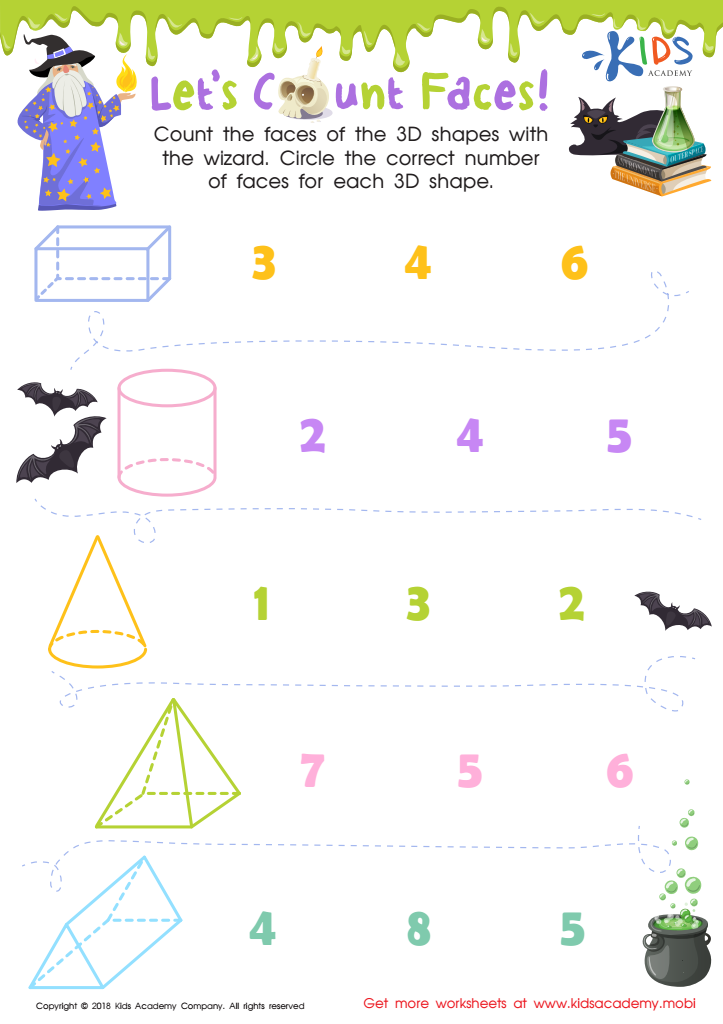
Let's Count Faces! Worksheet
 Assign to My Students











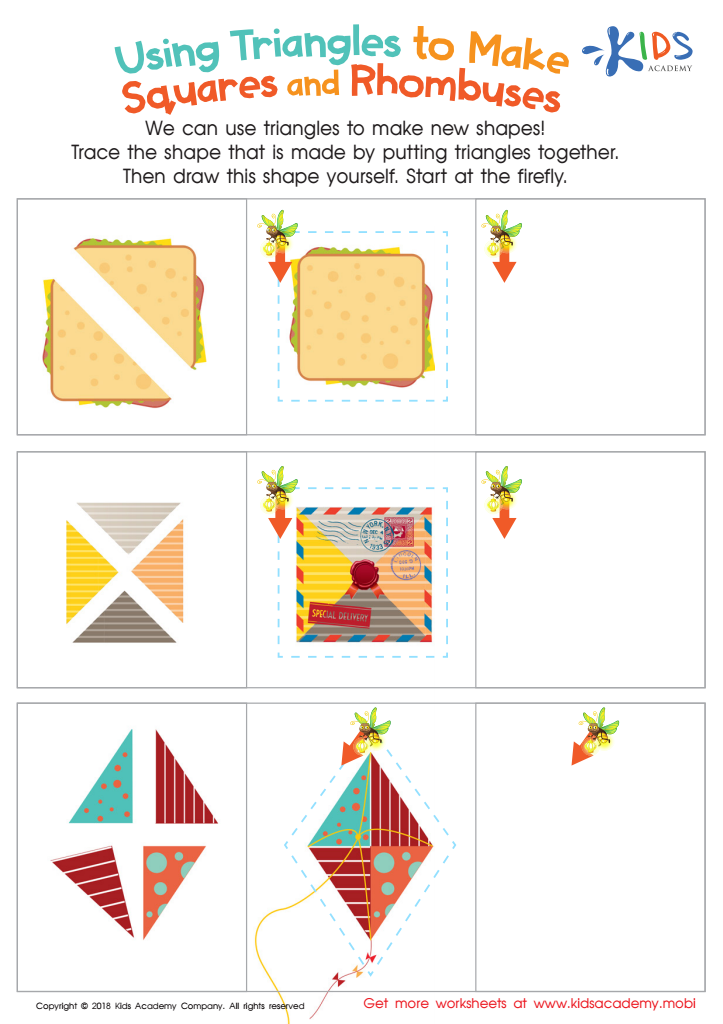
Using Triangles to Make Squares and Rhombuses Worksheet
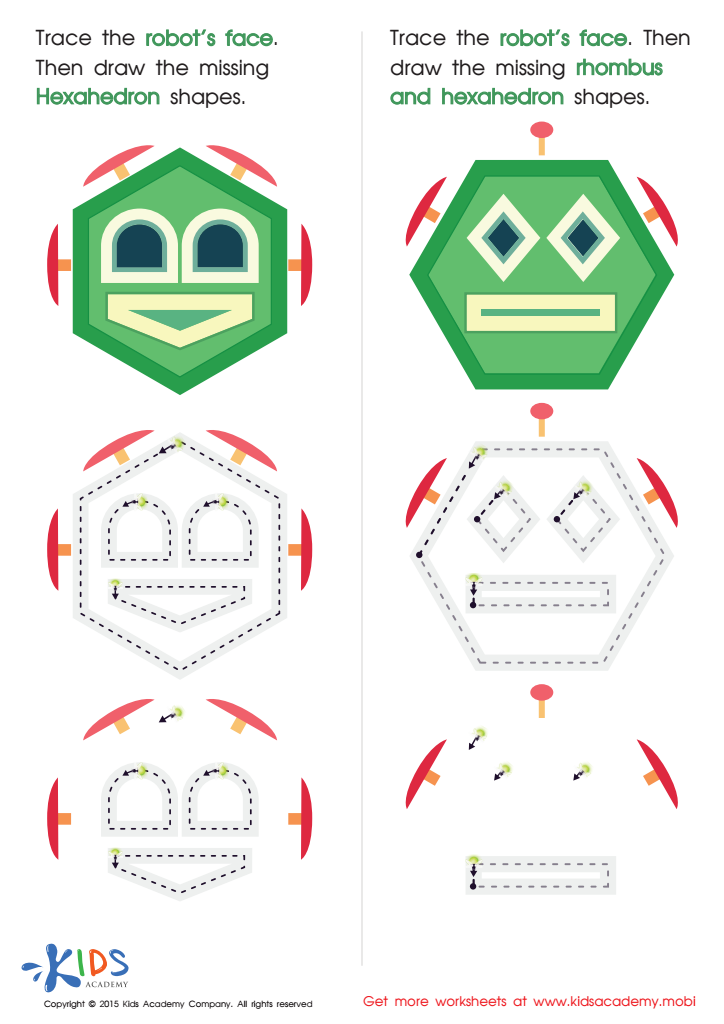
Practice Drawing Hexahedrons And a Rhombus Worksheet
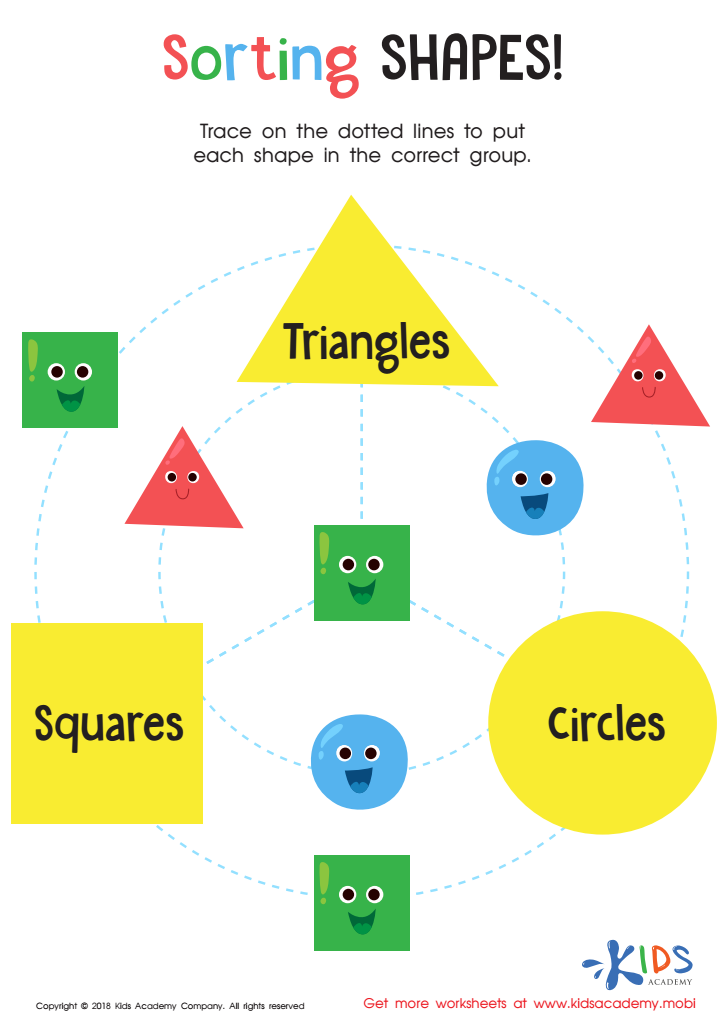
Sorting Shapes - Part 3 Worksheet
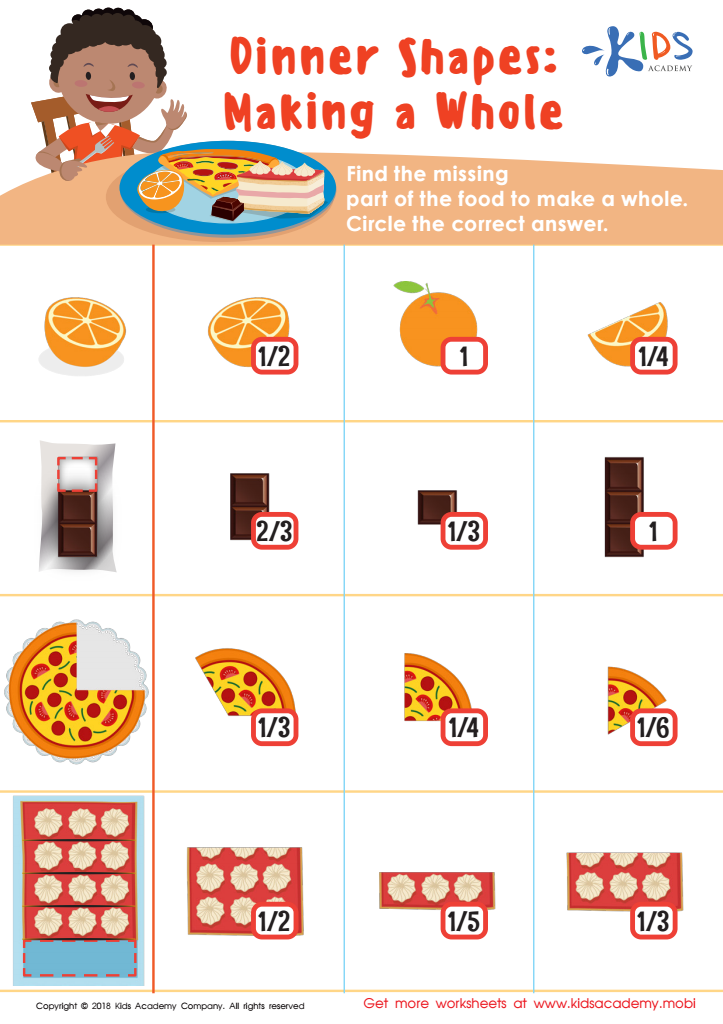
Dinner Shapes: Making a Whole Worksheet
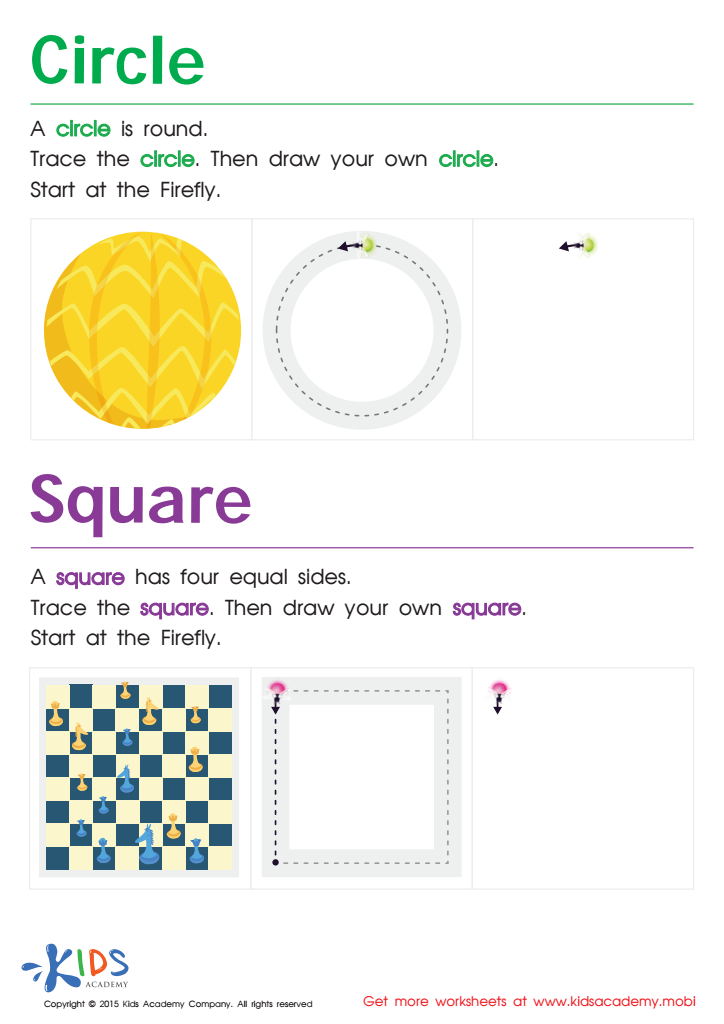
Trace And Draw a Circle And a Square Worksheet
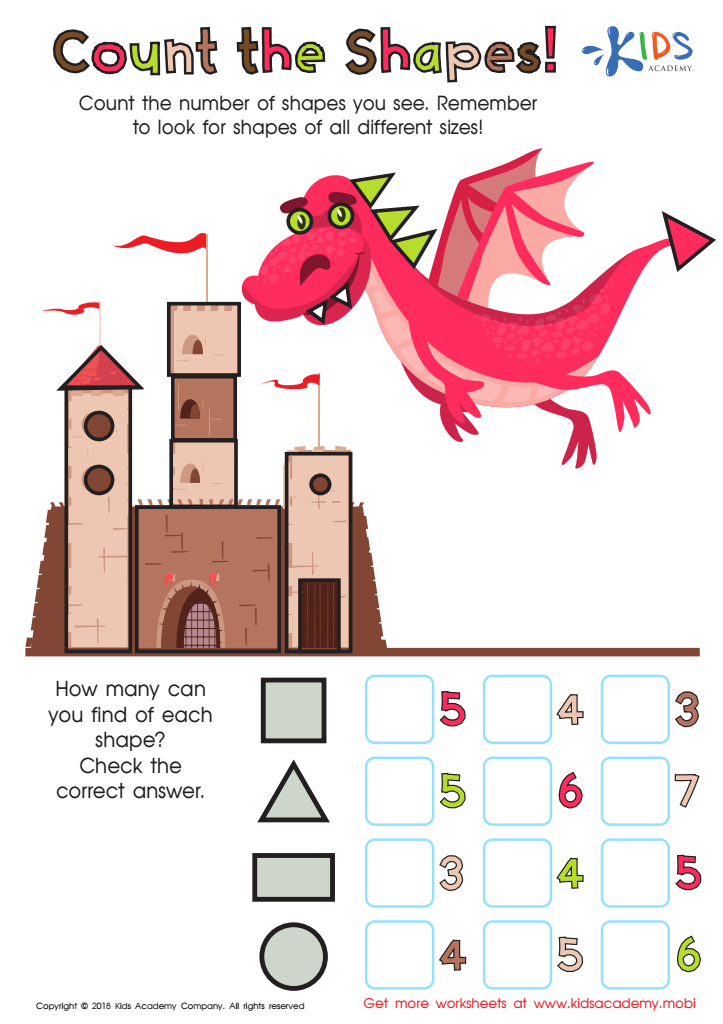
Count the Shapes Worksheet
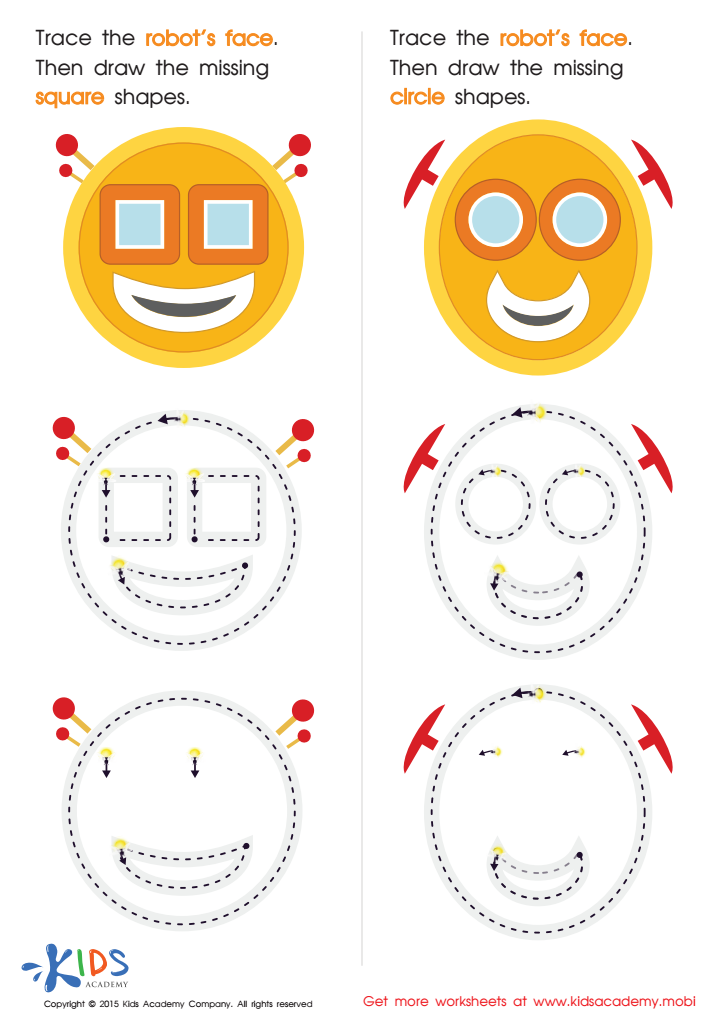
Practicing to Draw Circles And Squares Printable
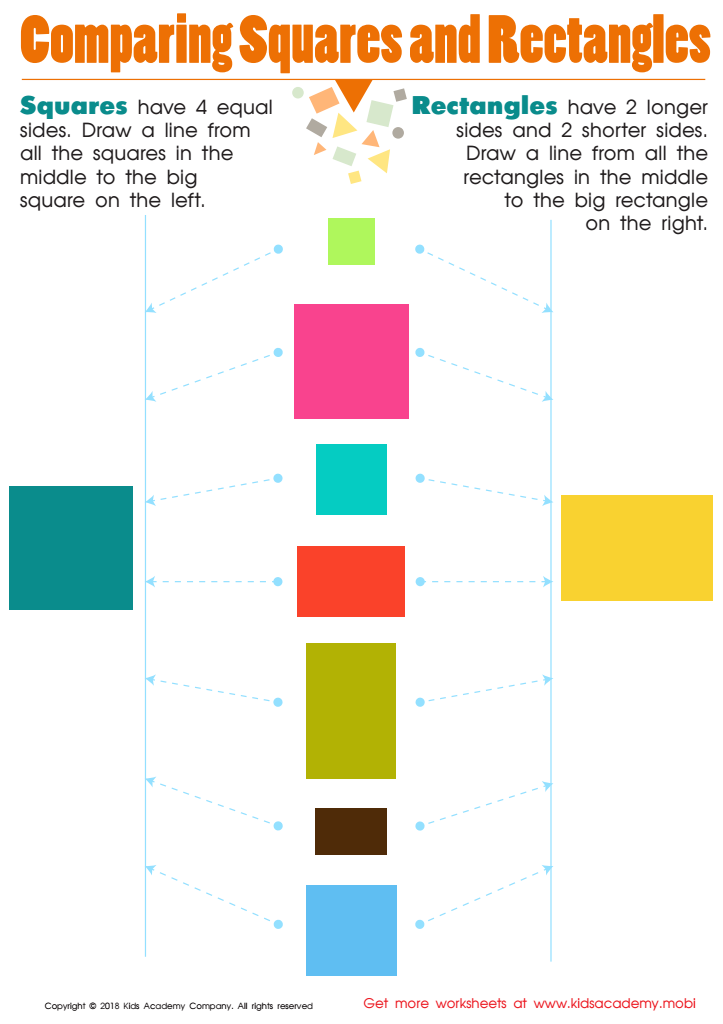
Comparing Squares Rectangles Worksheet
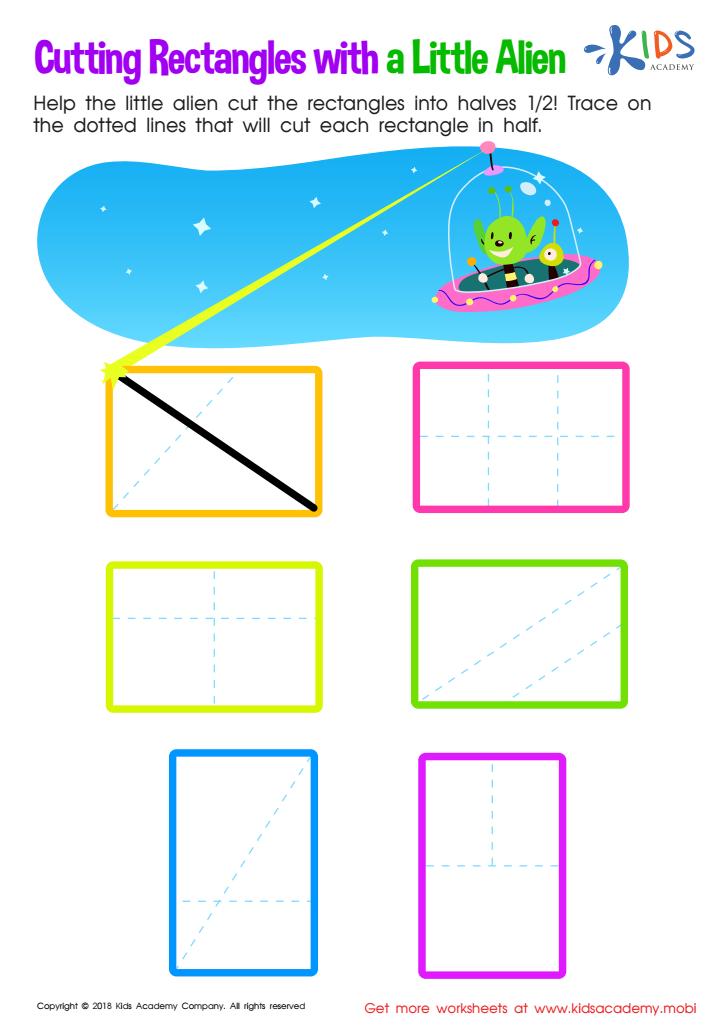
Cutting Rectangles with Alien Worksheet
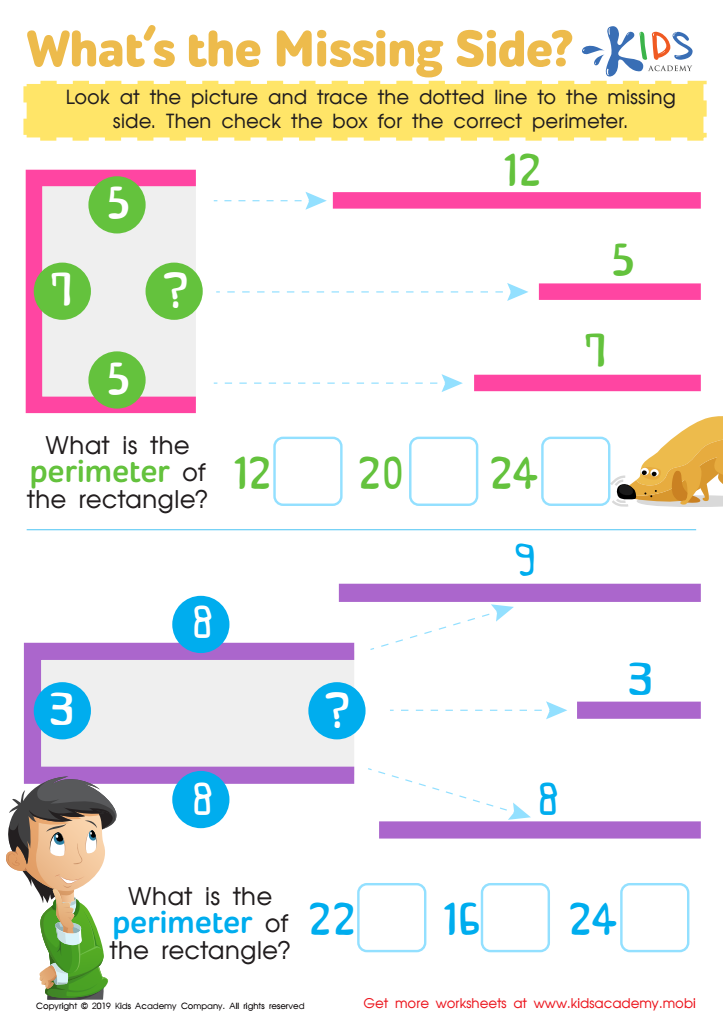
What's the Missing Side Worksheet
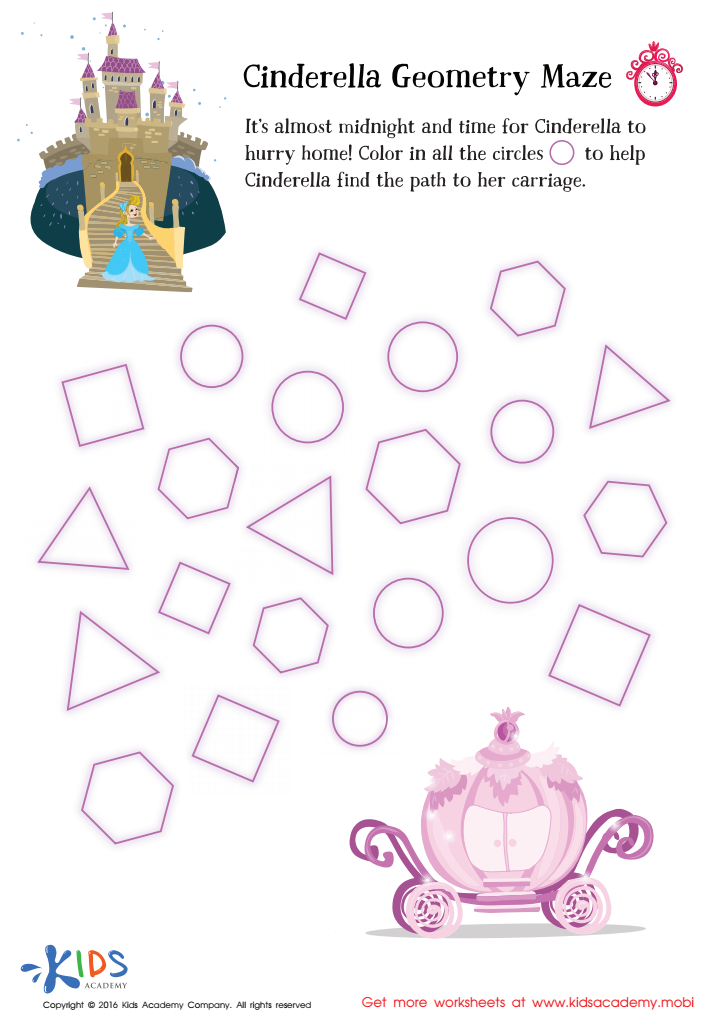
Cinderella Geometry Maze Worksheet
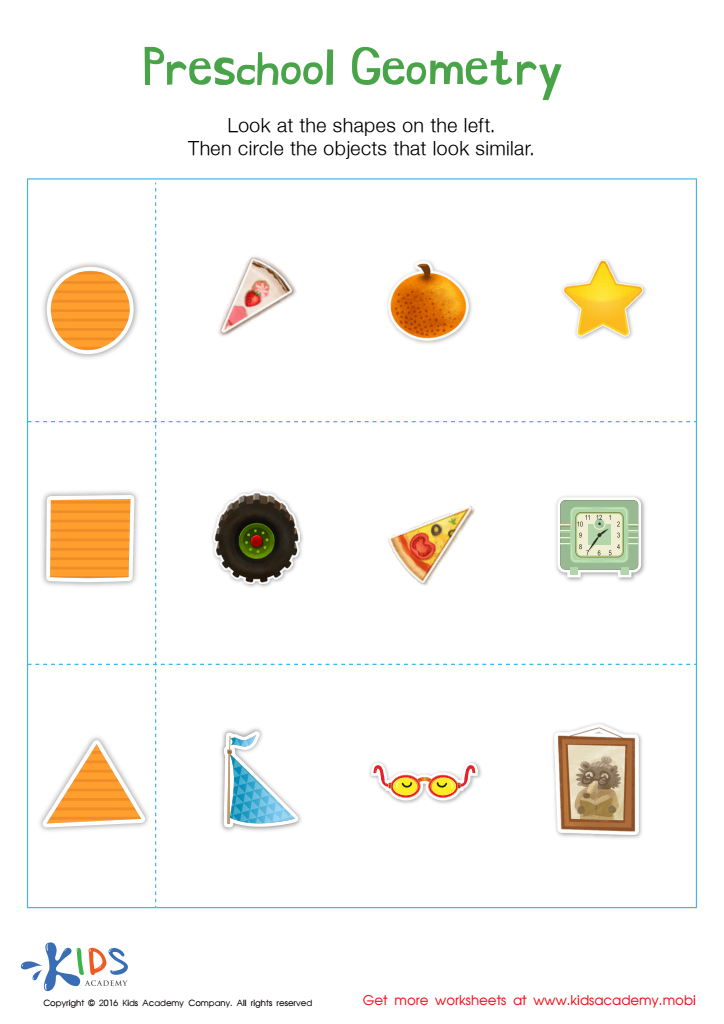
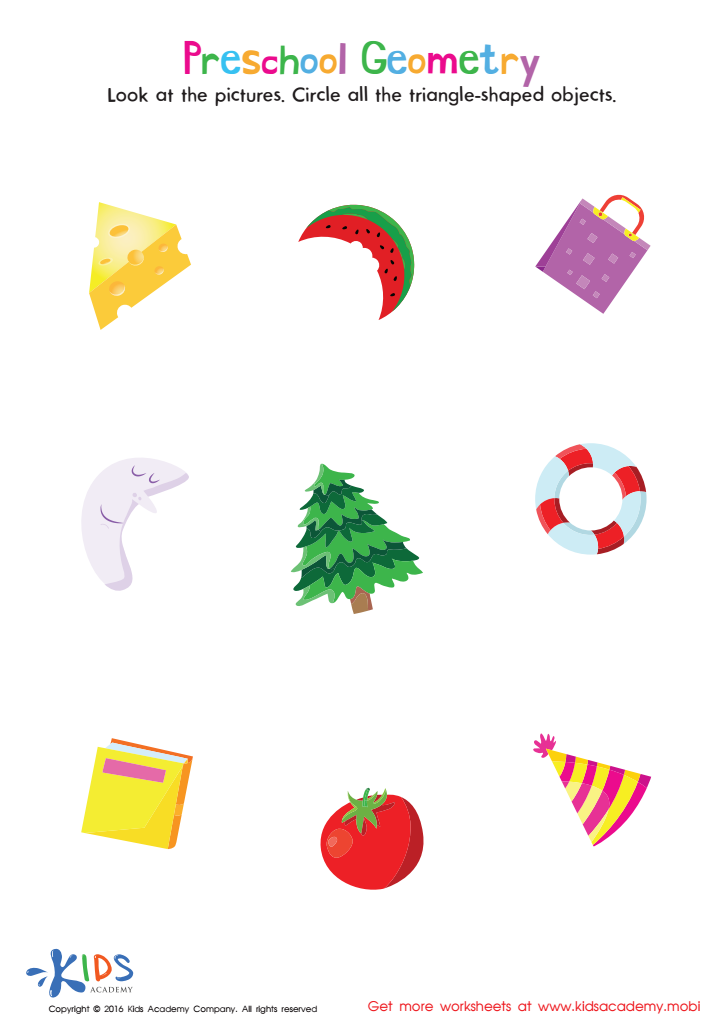
Preschool Geometry Match Up Worksheet
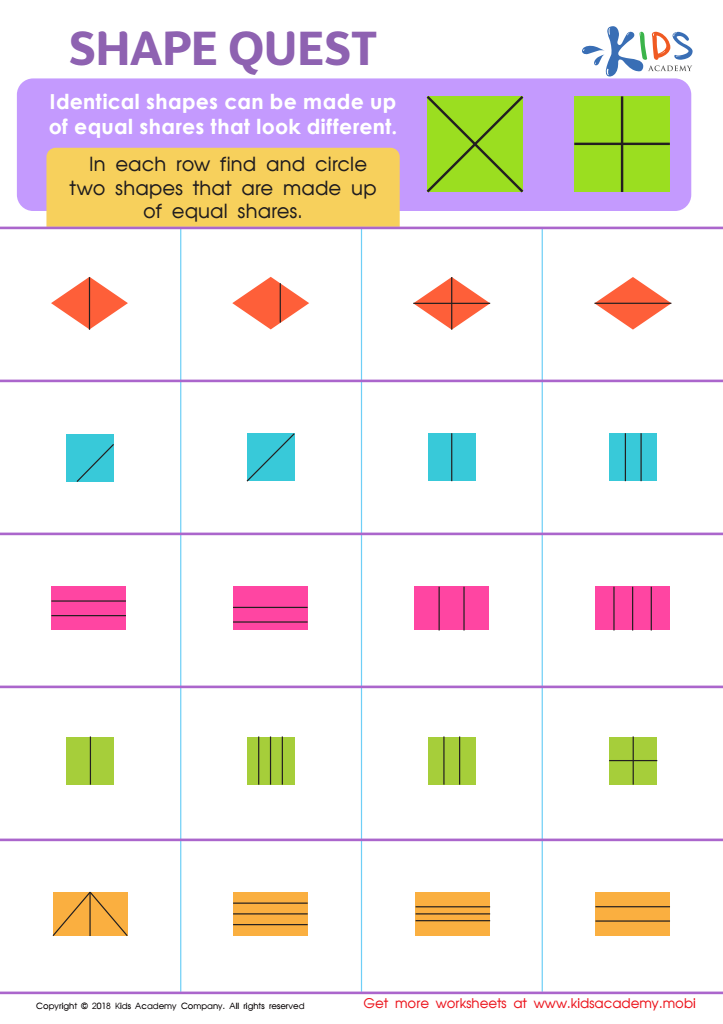
Shape Quest Worksheet

Learning to Draw Crescents And Triangles Worksheet
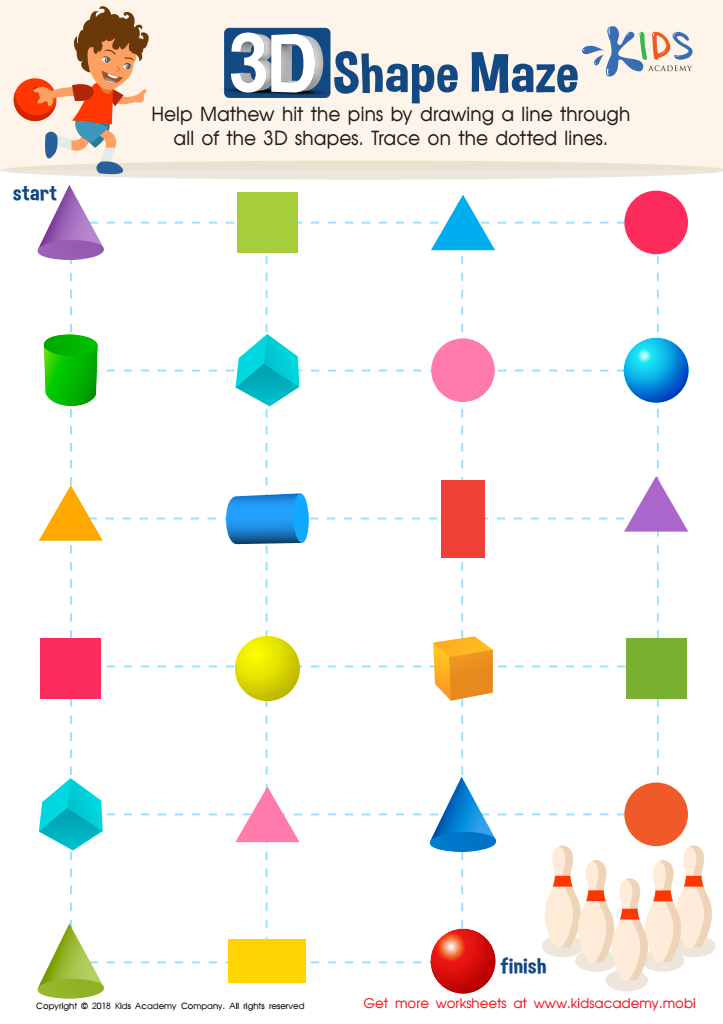
Shapes Maze Geometry Worksheet
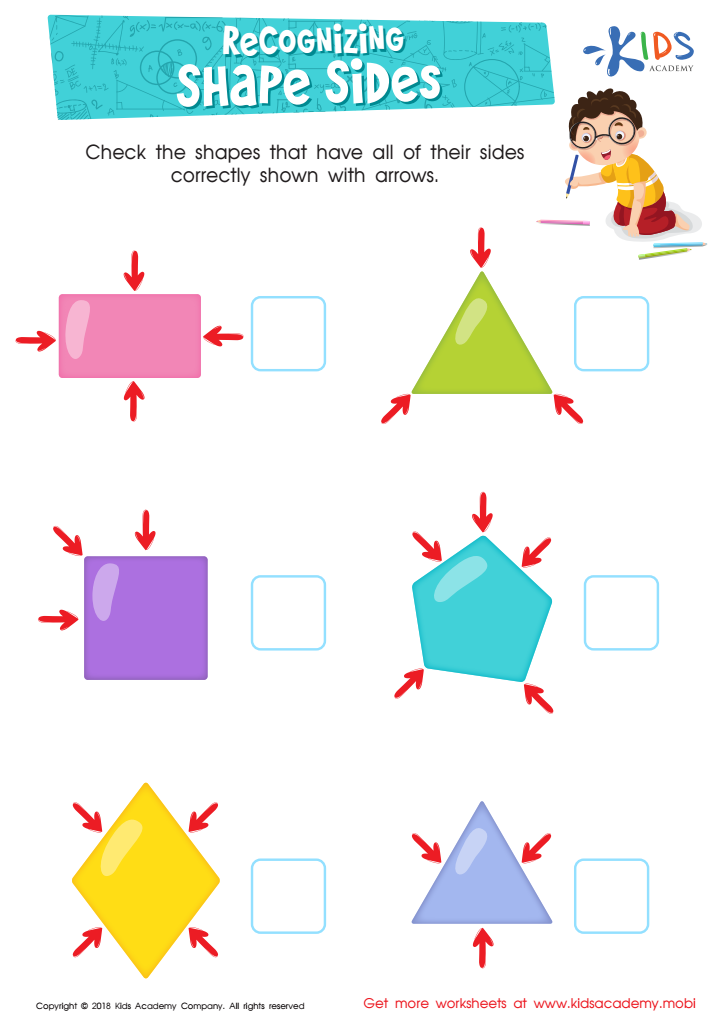
Recognizing Shape Sides Worksheet
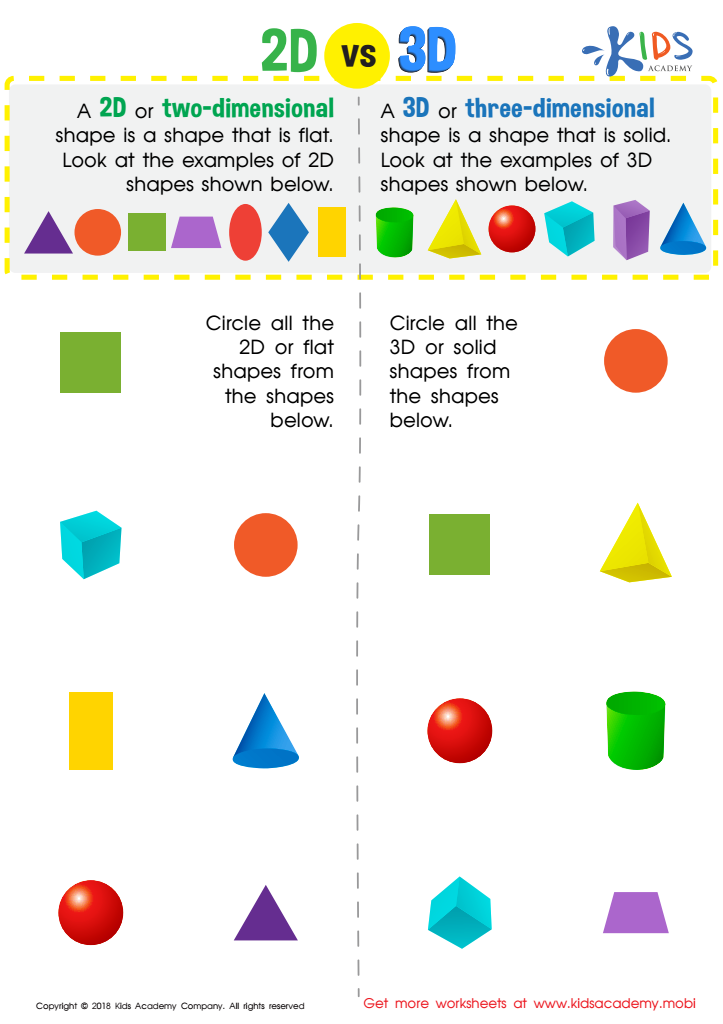
2D vs 3D Shapes Worksheet
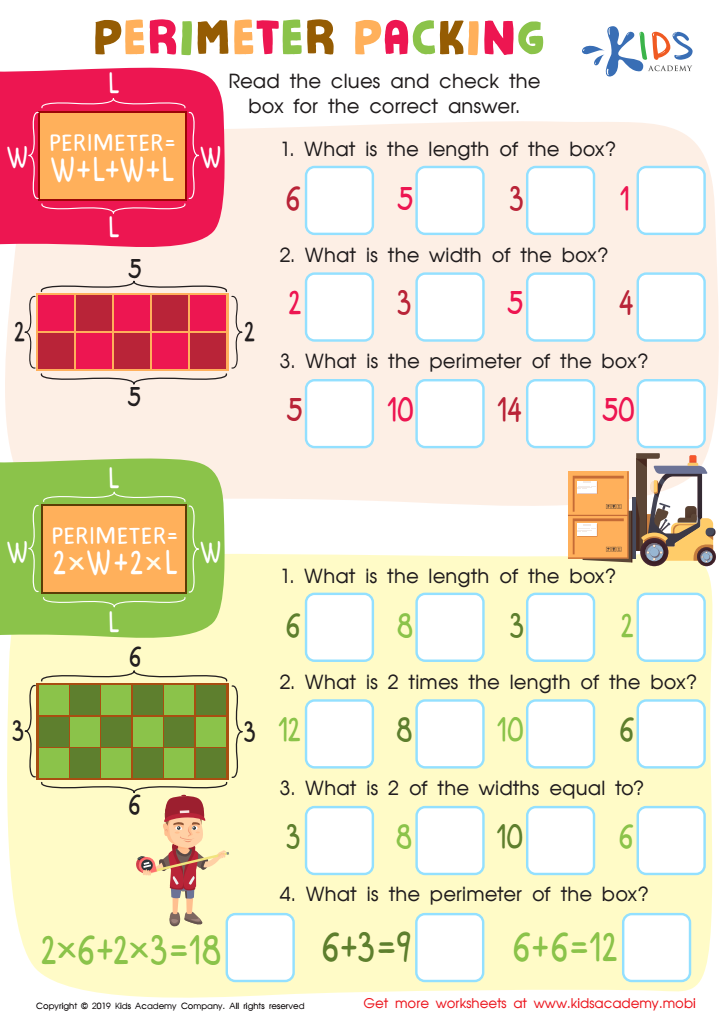
Perimeter Parking Worksheet
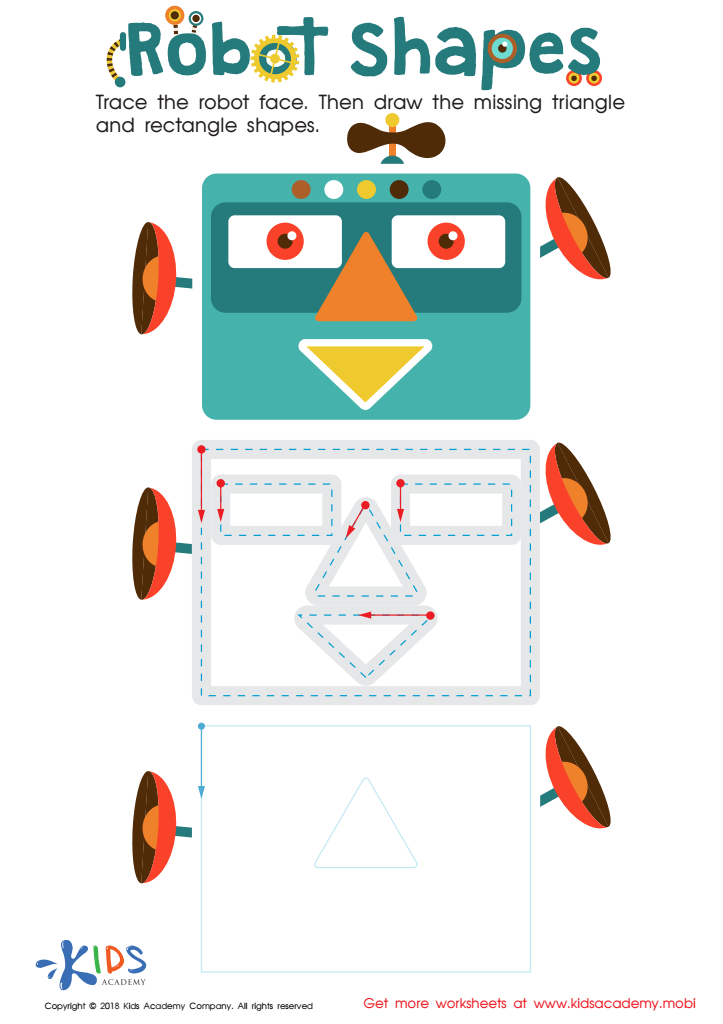
Robot Shapes Worksheet
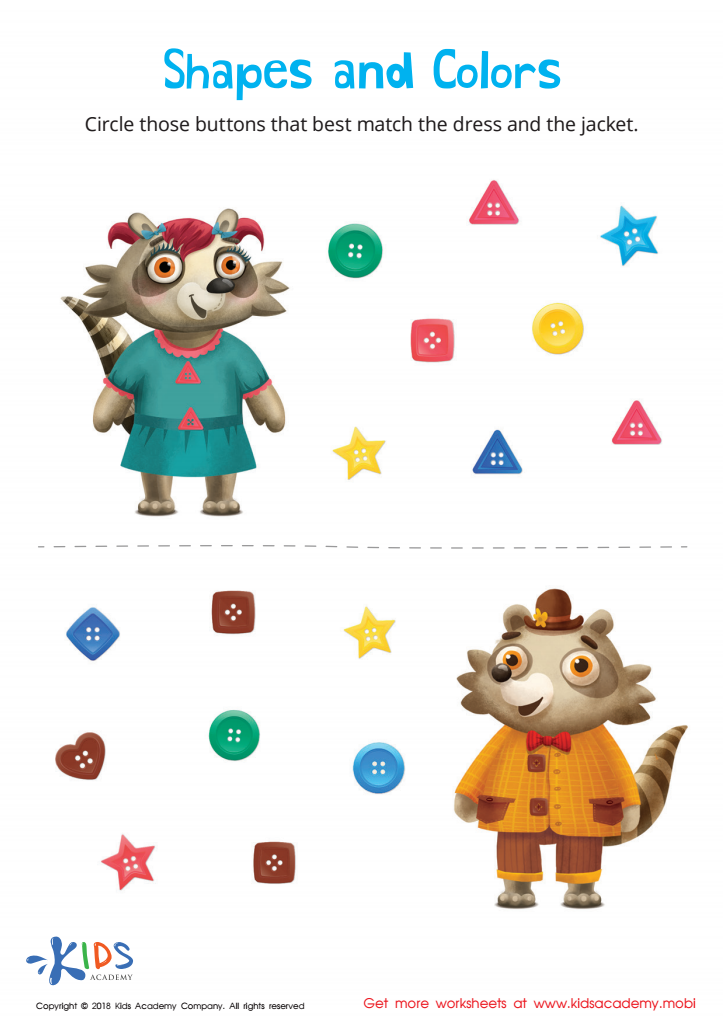
Shapes and Colors Worksheet
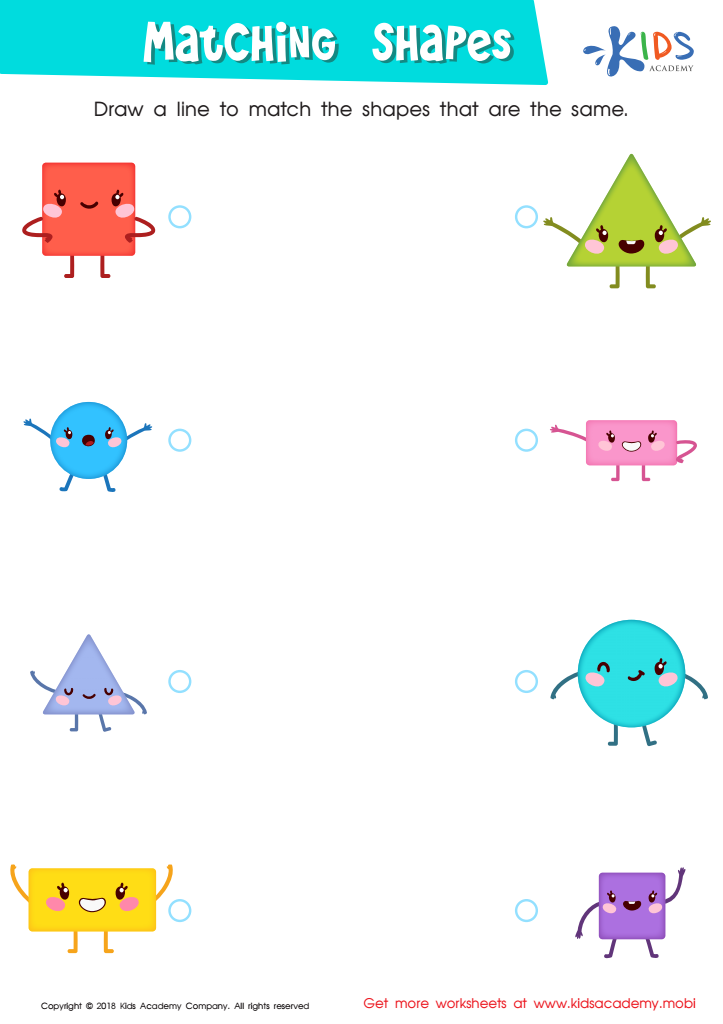
Matching Shapes Worksheet
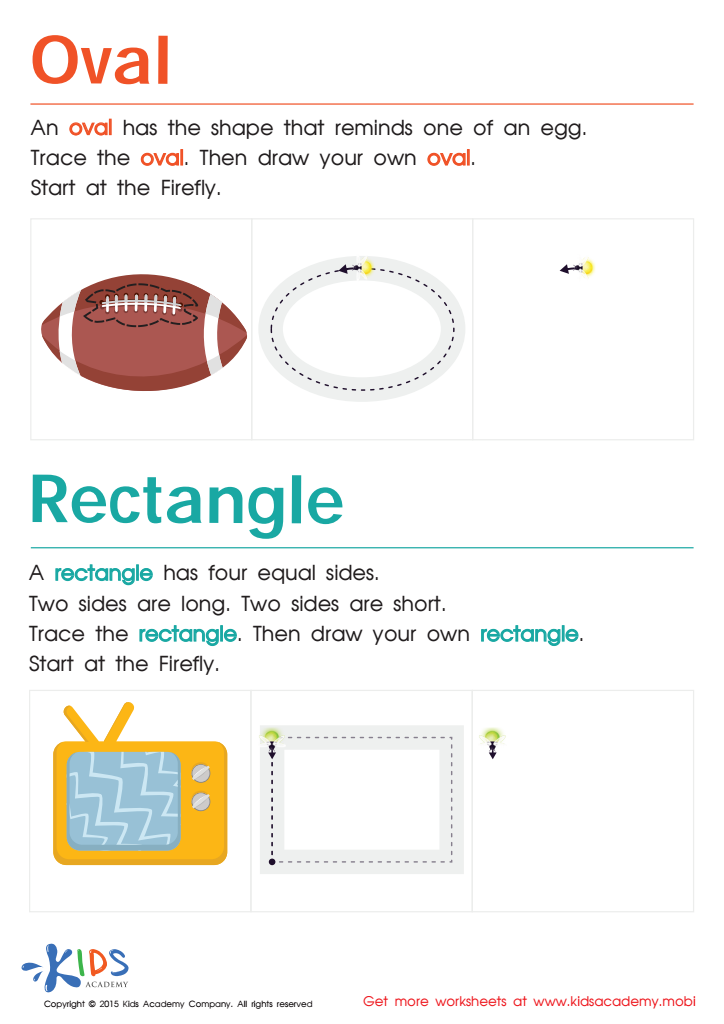
Easy Drawing of Ovals And Rectangles Worksheet








Parents and teachers should care about shape recognition and normal geometry for children ages 4-9 because these fundamental skills are critical to early cognitive development and future academic success. Learning to identify and categorize shapes helps young children enhance their logical reasoning and problem-solving abilities. It establishes a foundation for more complex mathematical concepts such as fractions, symmetry, and spatial reasoning.
Shape recognition exercises also help develop fine motor skills as children learn to trace, draw, and manipulate shapes, which is essential for writing. Additionally, this knowledge fosters visual-spatial intelligence, enabling children to better comprehend and interpret the world around them. Engaging in shape-related activities encourages creativity and artistic expression as kids experiment with different forms and compositions.
Moreover, understanding basic geometrical concepts positively impacts children's daily lives by improving their ability to follow directions, recognize patterns, and organize information effectively. These skills are not isolated to math but are integral to science, technology, and engineering education (STEM). By nurturing a child’s ability to recognize shapes and understand geometry, parents and teachers are laying the groundwork for a well-rounded, mathematically inclined, and creatively thinking individual. Investing time and attention into these early learning activities greatly contributes to holistic development and long-term educational achievement.








