Shape Recognition Normal Worksheets for Ages 6-9
40 filtered results
-
From - To
Boost your child's shape recognition skills with our engaging worksheets, designed specifically for ages 6-9. Our collection features a variety of fun activities that make learning shapes enjoyable and effective. Each worksheet helps kids identify and differentiate between basic geometric shapes, improving their visual and cognitive development. With colorful designs and interactive challenges, children stay motivated and build a strong foundation in geometry. Perfect for home or classroom use, our Shape Recognition Normal Worksheets foster critical thinking and creativity, ensuring your child excels in early math skills. Download now and watch your child master shapes with confidence!
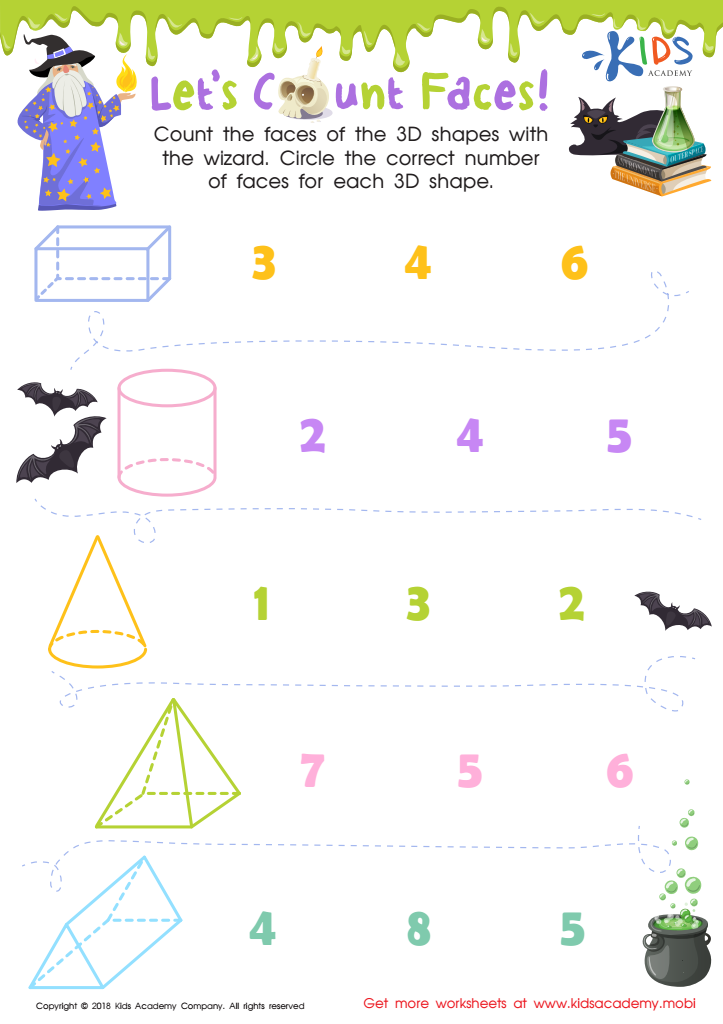
Let's Count Faces! Worksheet
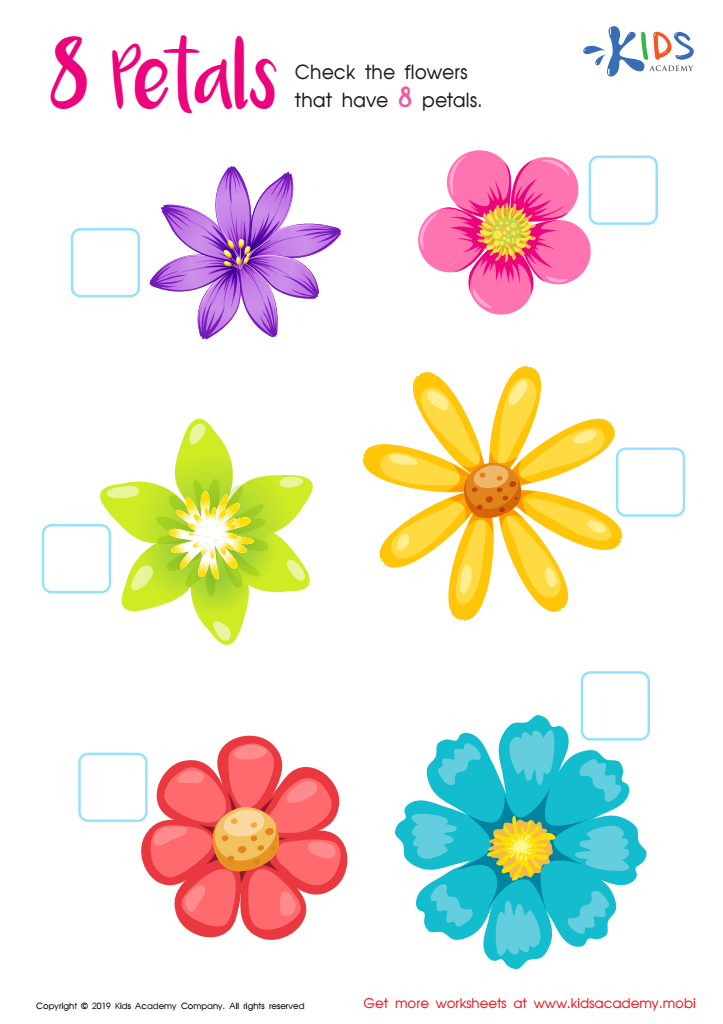
8 Petals Worksheet
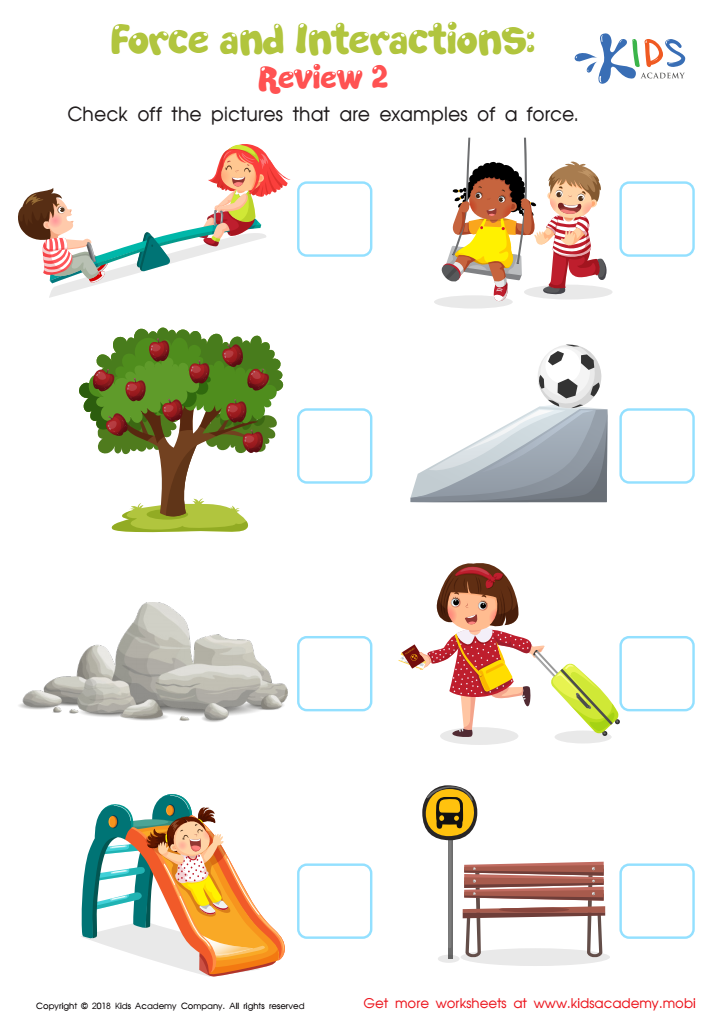
Force and Interactions: Review 2 Worksheet
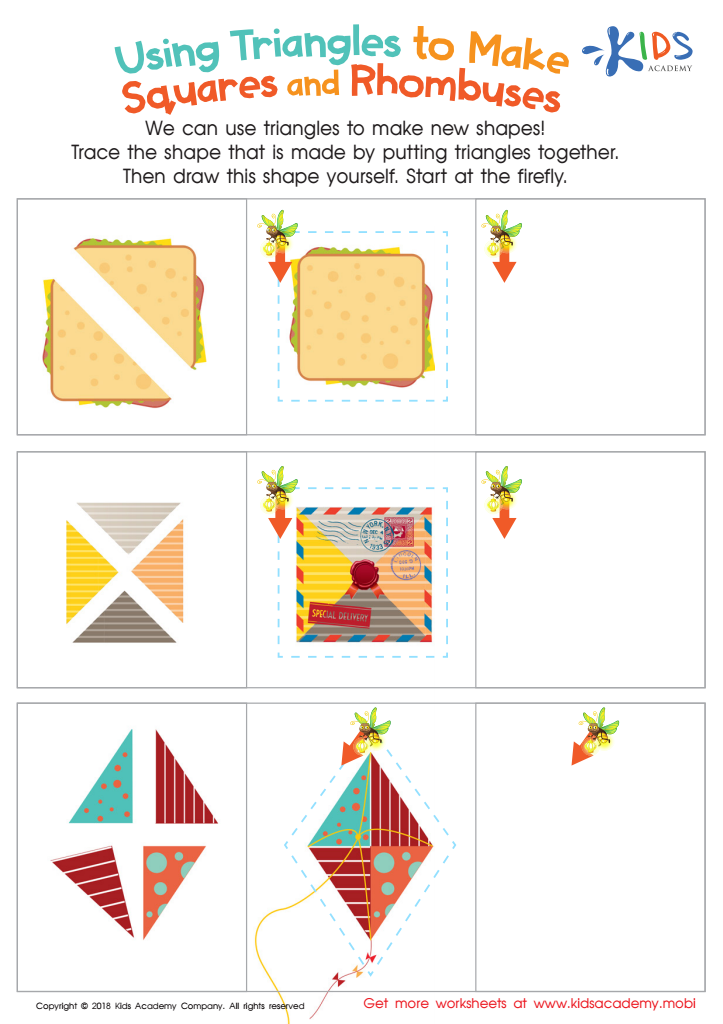
Using Triangles to Make Squares and Rhombuses Worksheet
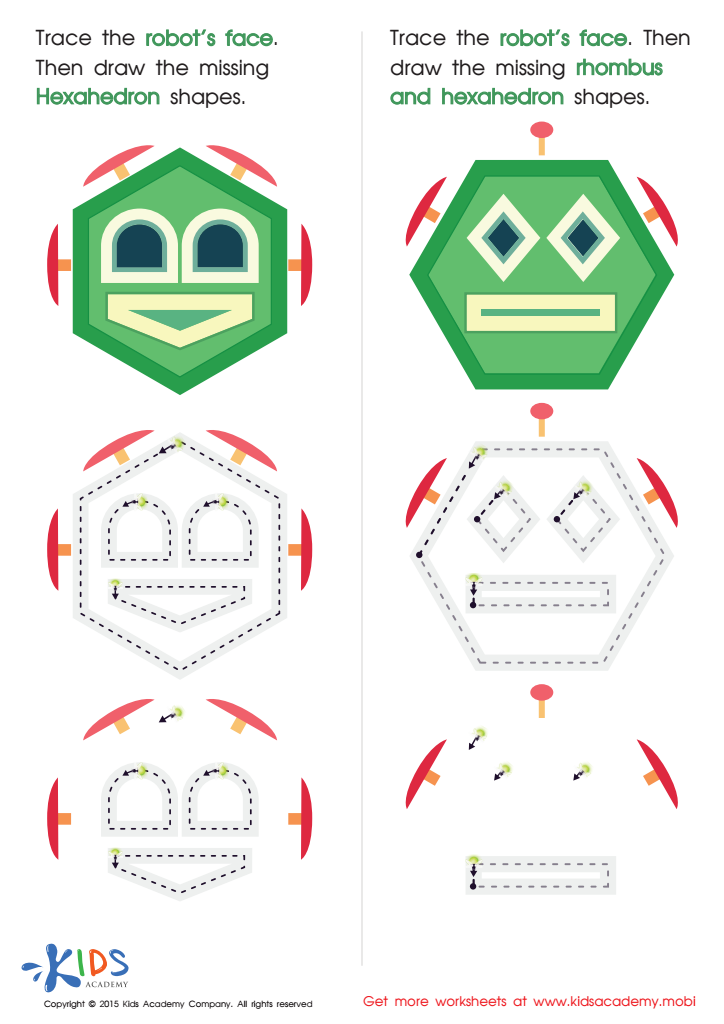
Practice Drawing Hexahedrons And a Rhombus Worksheet
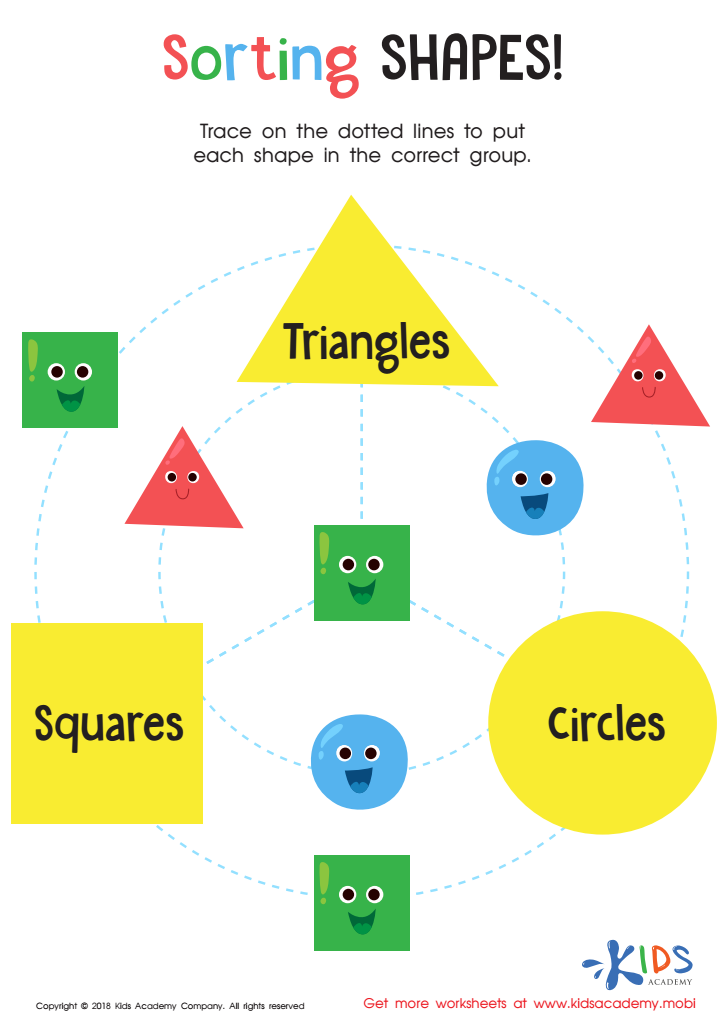
Sorting Shapes - Part 3 Worksheet
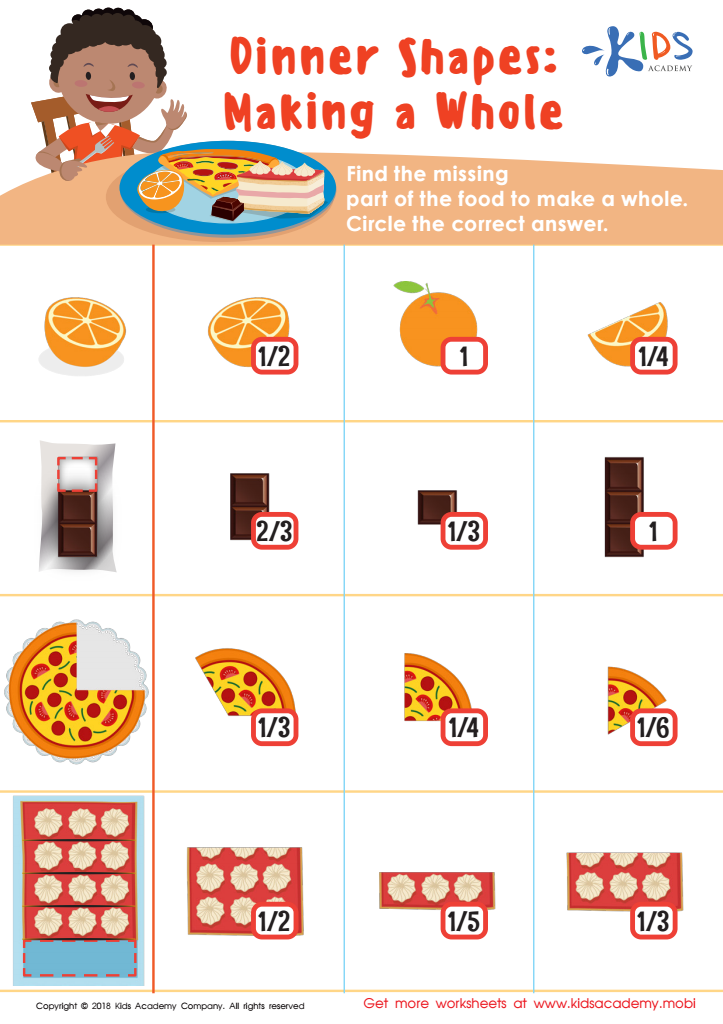
Dinner Shapes: Making a Whole Worksheet
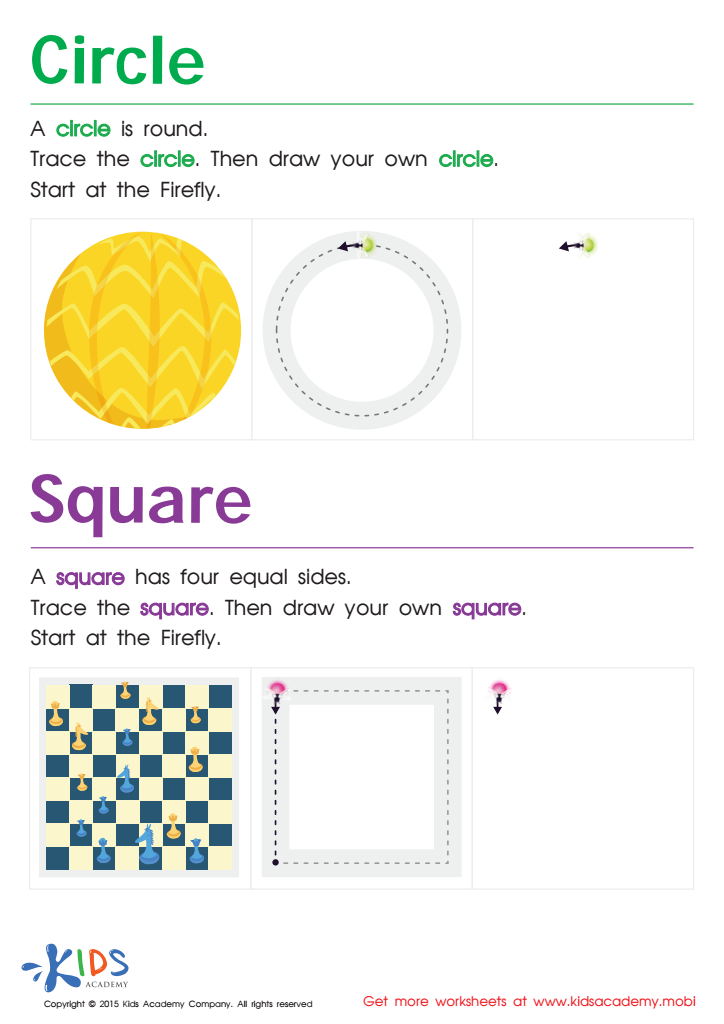
Trace And Draw a Circle And a Square Worksheet
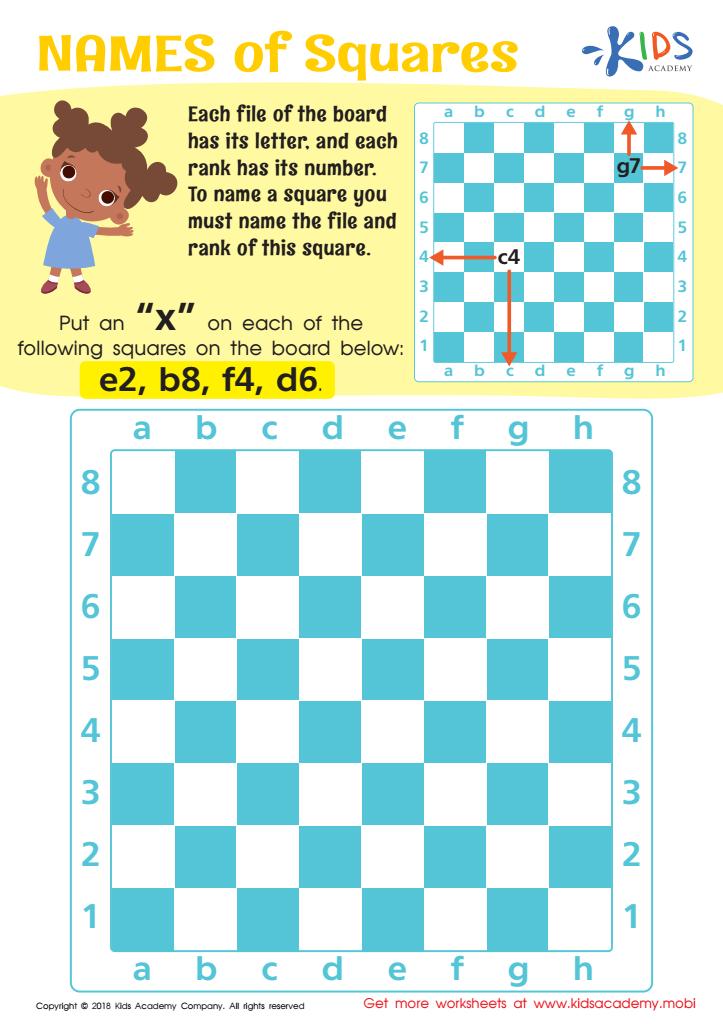
Names of Squares Worksheet
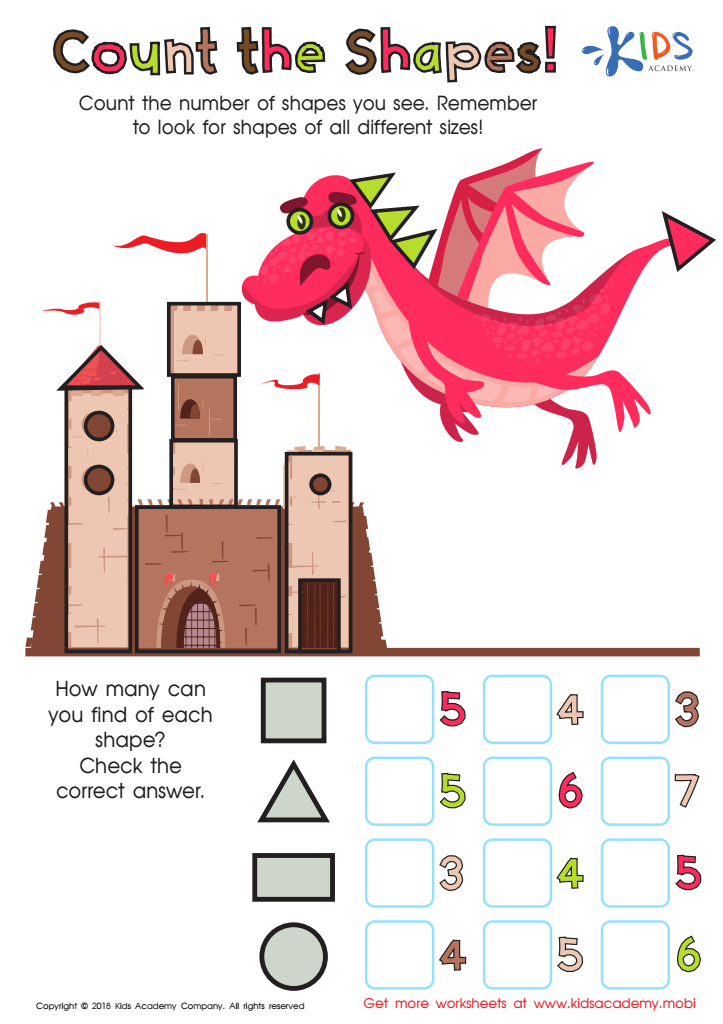
Count the Shapes Worksheet
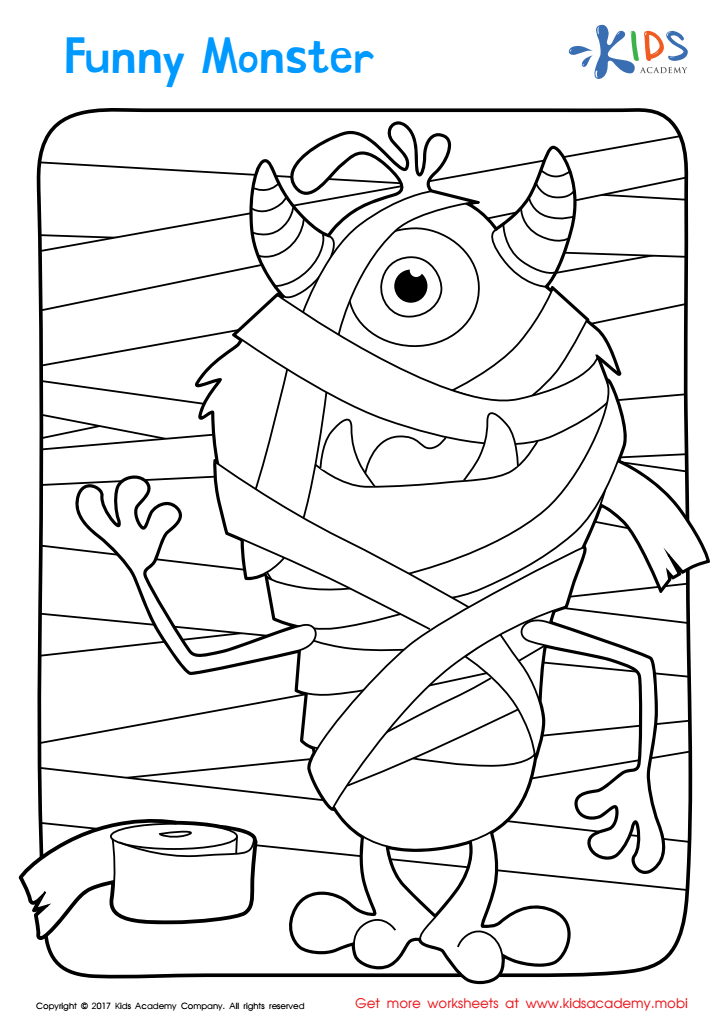
Halloween: A Funny Monster Worksheet
 Assign to My Students
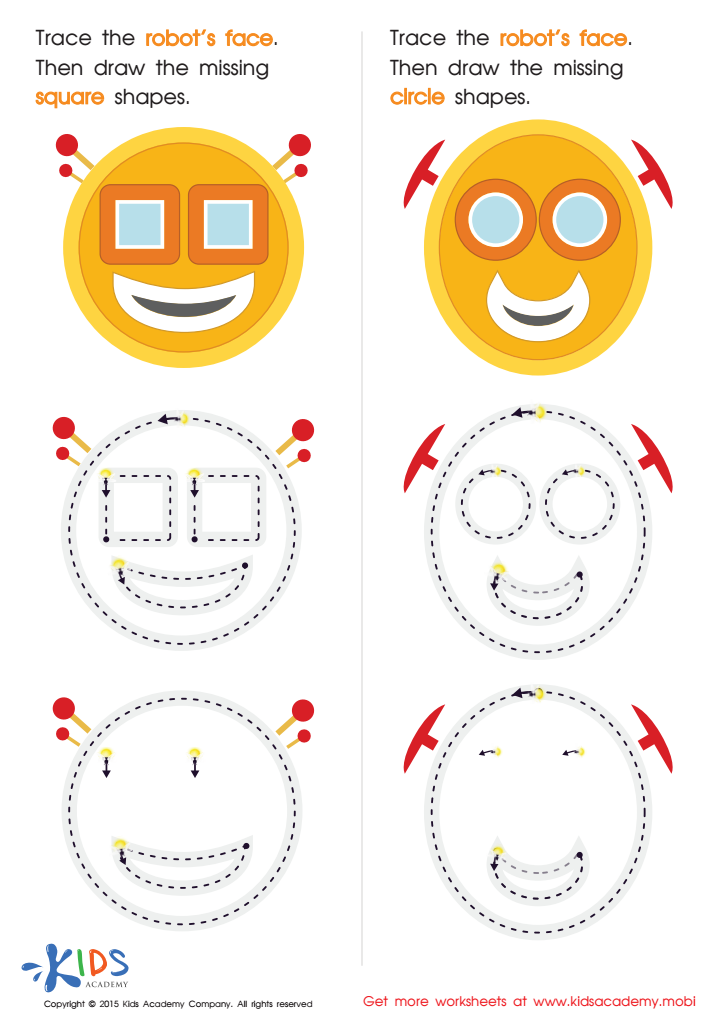
Practicing to Draw Circles And Squares Printable
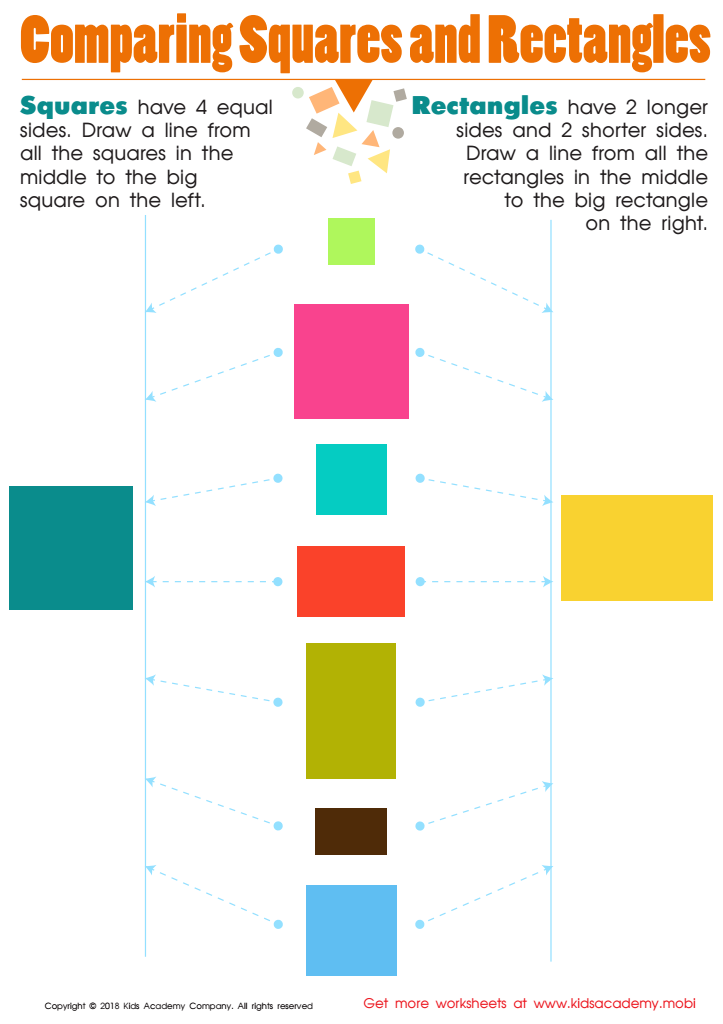
Comparing Squares Rectangles Worksheet
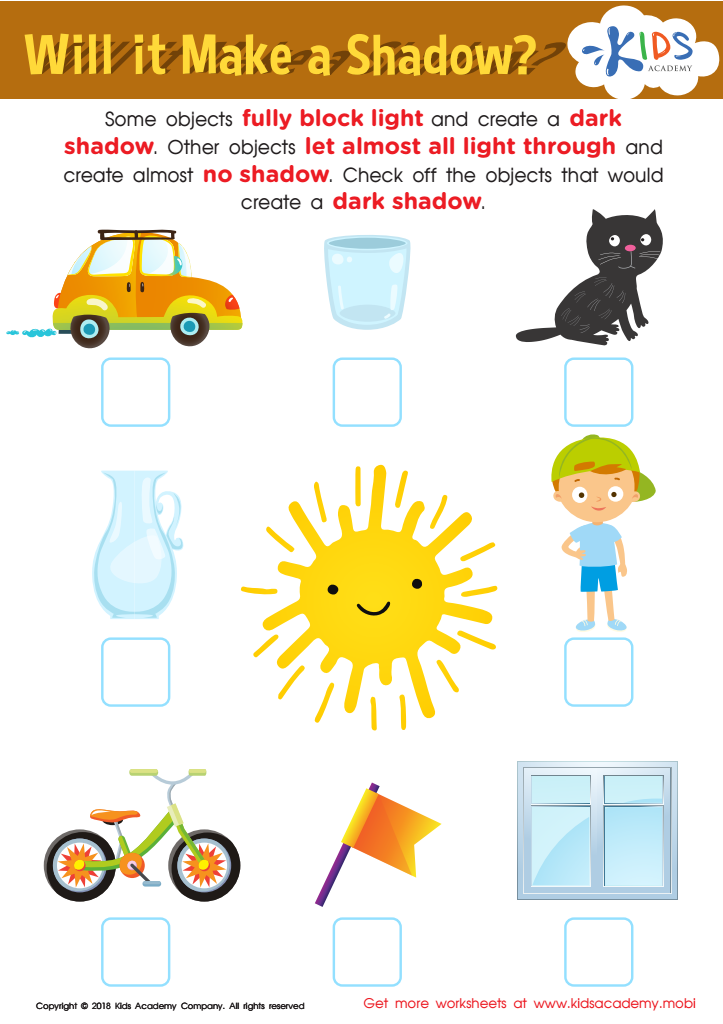
Will It Make a Shadow? Worksheet
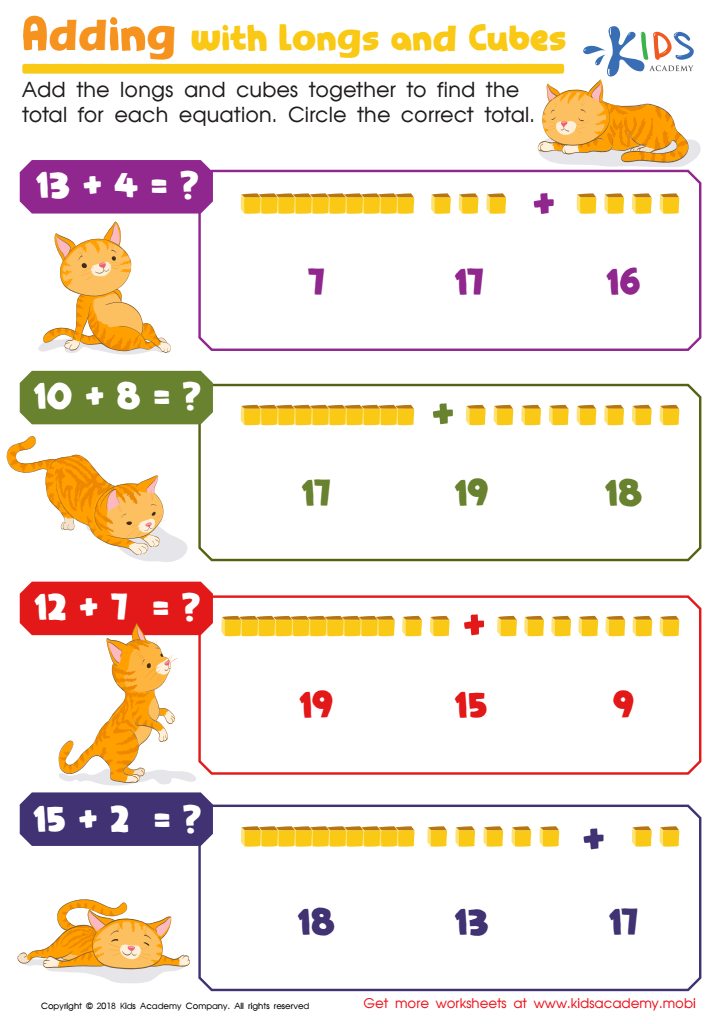
Adding With Longs and Cubes Worksheet
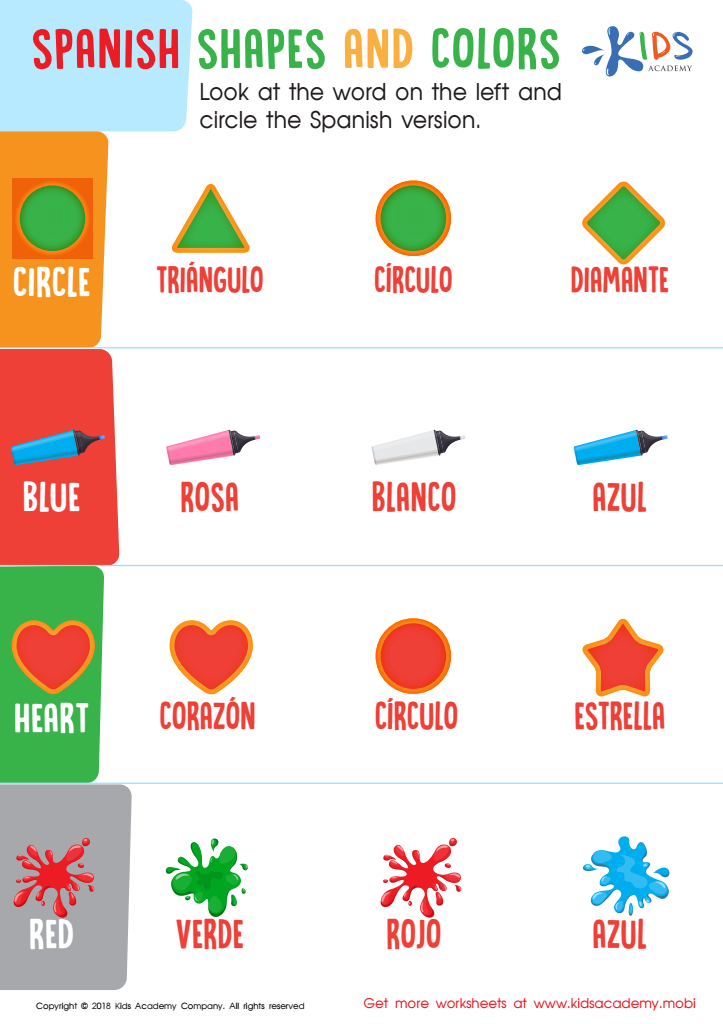
Spanish Shapes and Colors Worksheet
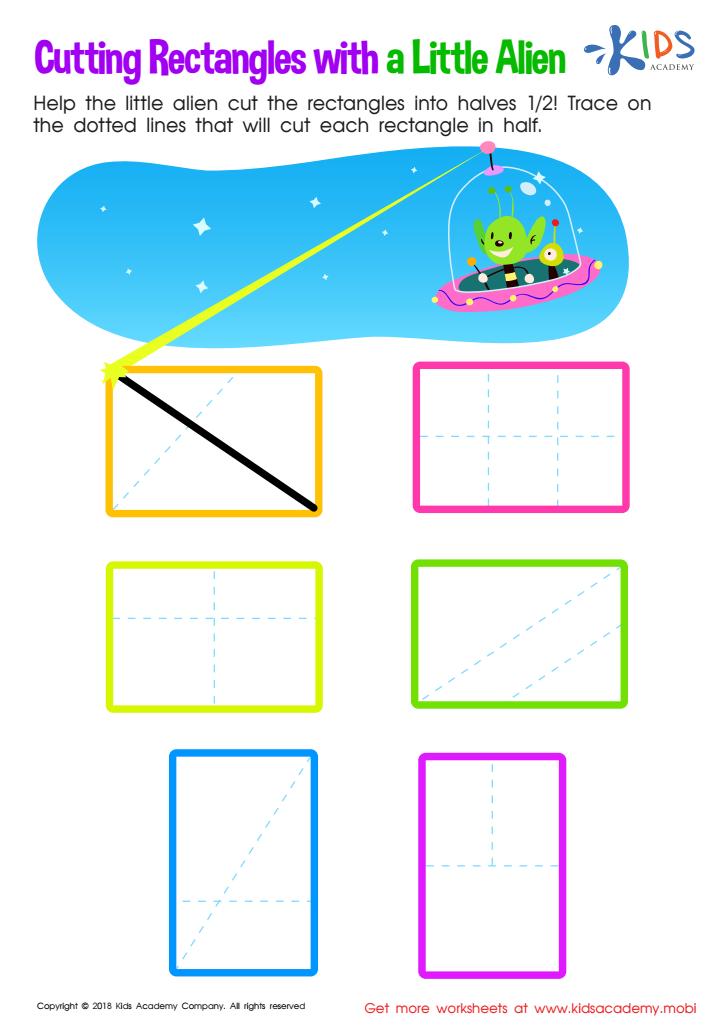
Cutting Rectangles with Alien Worksheet
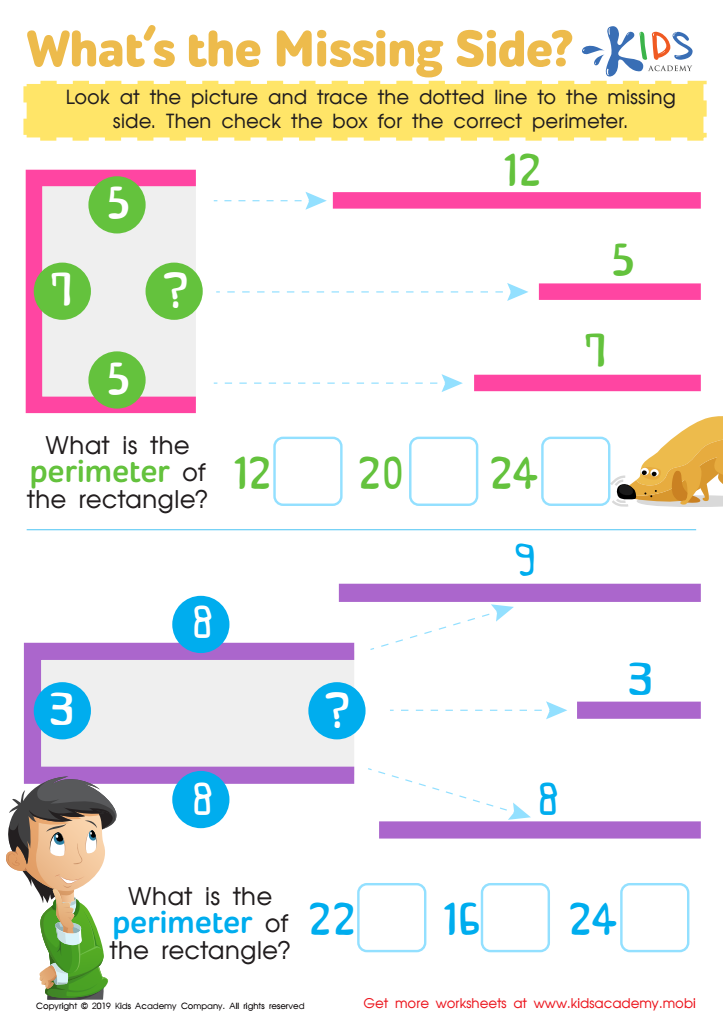
What's the Missing Side Worksheet
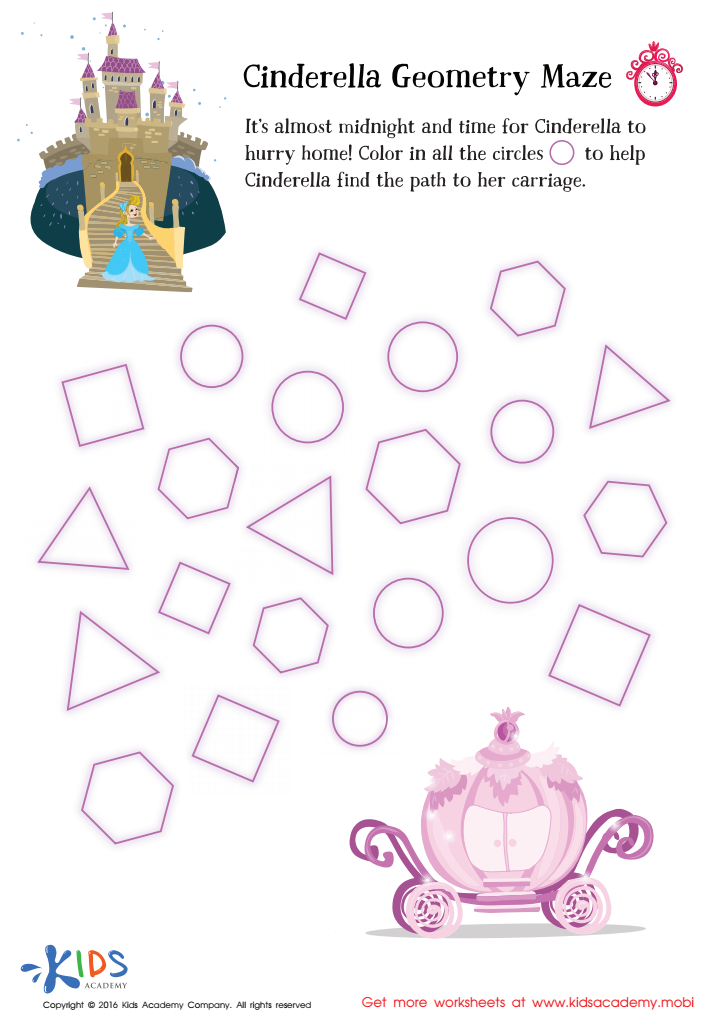
Cinderella Geometry Maze Worksheet
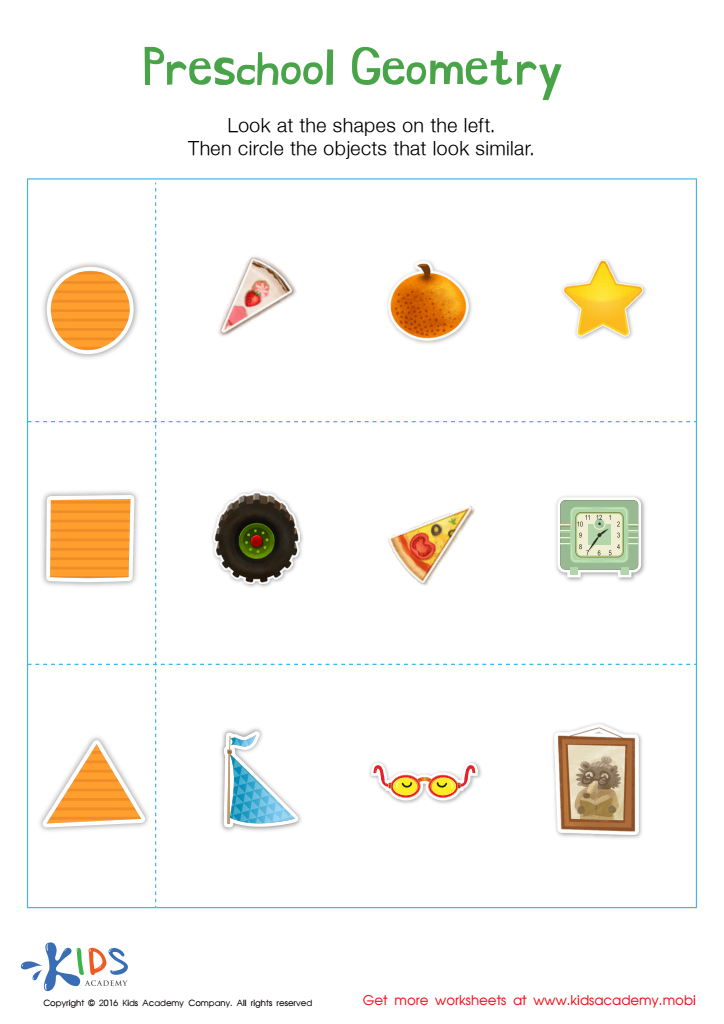
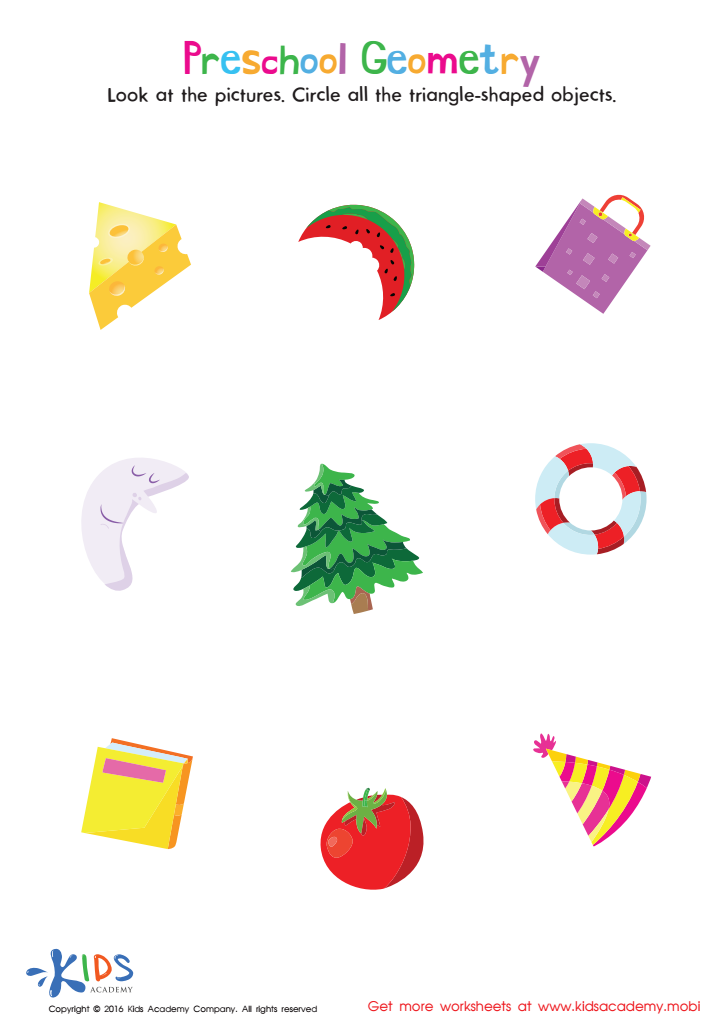
Preschool Geometry Match Up Worksheet
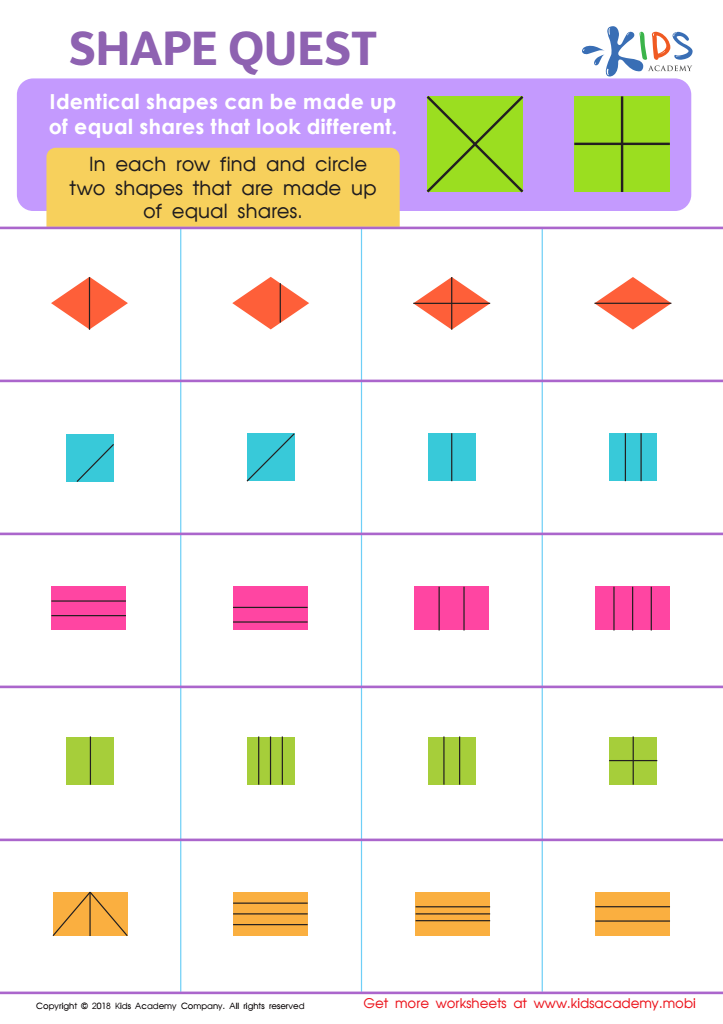
Shape Quest Worksheet
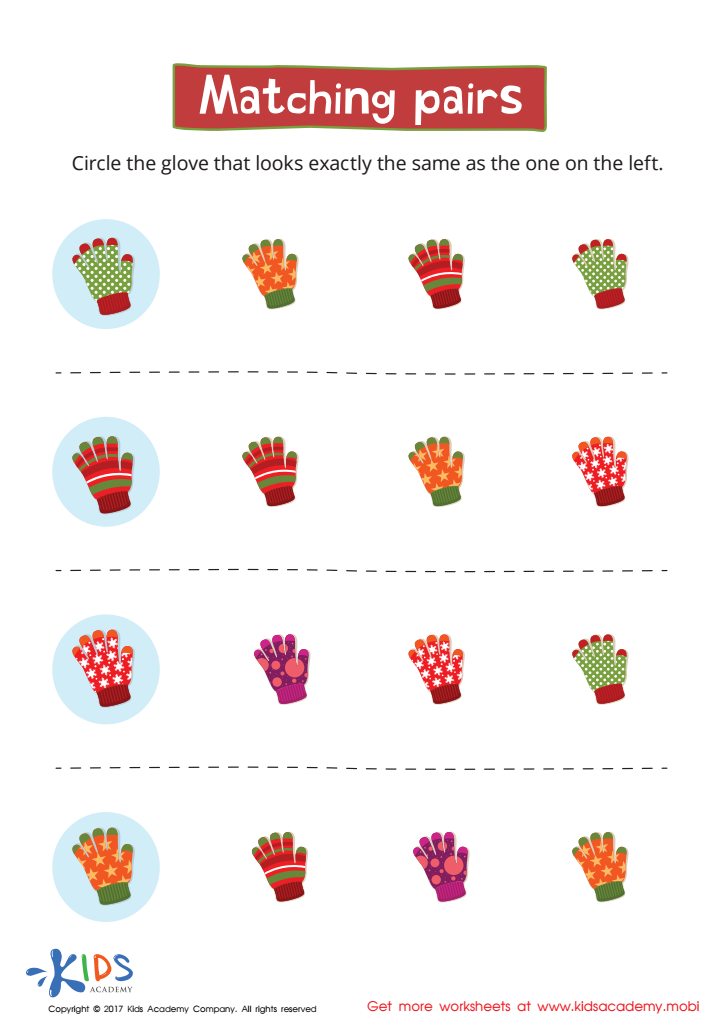
Matching: Matching Pairs Worksheet

Learning to Draw Crescents And Triangles Worksheet








Shape recognition is a foundational skill that plays a crucial role in the cognitive and mathematical development of children aged 6-9. For parents and teachers, fostering this skill can have far-reaching benefits.
Firstly, shape recognition builds the groundwork for geometry, an essential part of the math curriculum. Recognizing and distinguishing shapes like squares, triangles, and circles helps children understand more complex concepts such as area, perimeter, and volume. This early exposure enhances their spatial awareness, enabling them to grasp how shapes fit together and relate to one another, which is a critical aspect of problem-solving both in academia and everyday life.
Moreover, shape recognition is paramount for development in other subjects. For instance, the ability to identify shapes aids in learning to read and write. Letters themselves are shapes, and distinguishing among them helps children develop literacy skills efficiently. These skills transfer across visual arts and various sciences, supporting a more comprehensive educational experience.
Socially and developmentally, recognizing shapes boosts children's confidence as they interact with and interpret their environment more effectively. Recognizing patterns and shapes contributes to tasks ranging from organizing physical objects to navigating spaces.
In summary, focusing on shape recognition for children aged 6-9 supports holistic educational development, enhances critical thinking, and builds a strong foundation for future academic success.








