Fairy Tales worksheets activities for Ages 3-9 - Page 3
63 filtered results
-
From - To
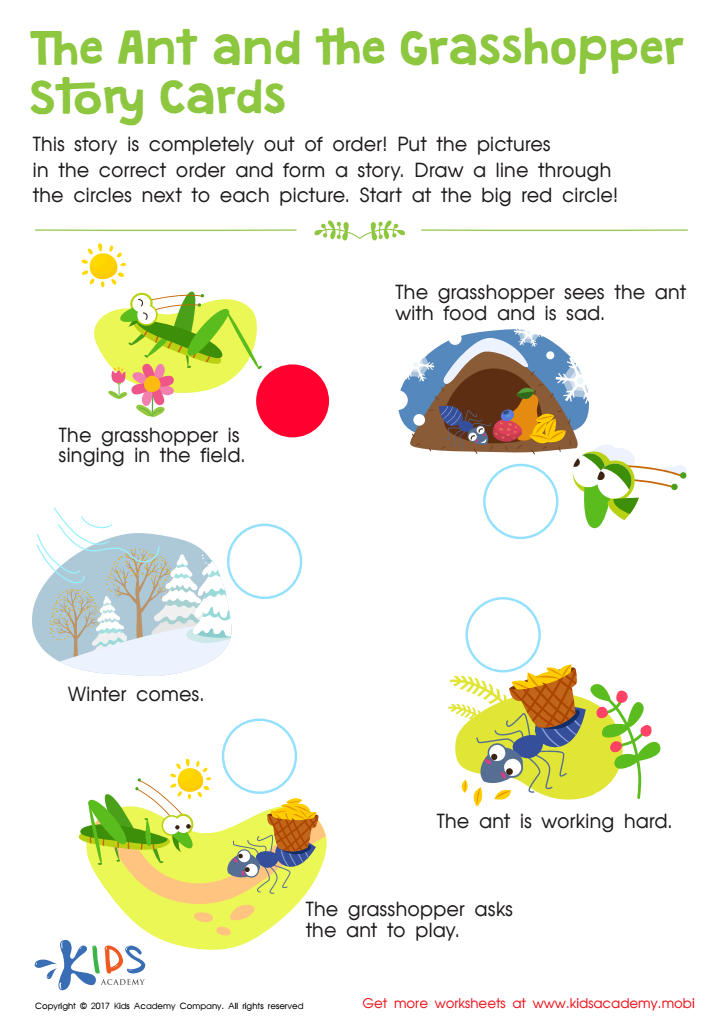
The Ant and The Grasshopper Worksheet
 Assign to My Students
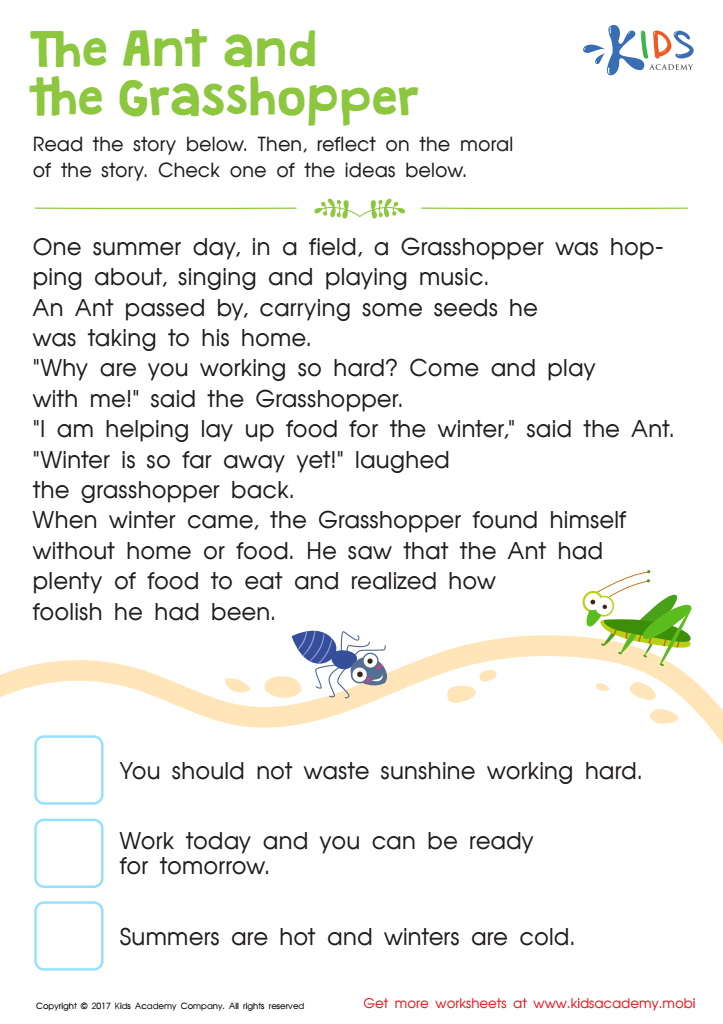
The Ant and The Grasshopper Printable
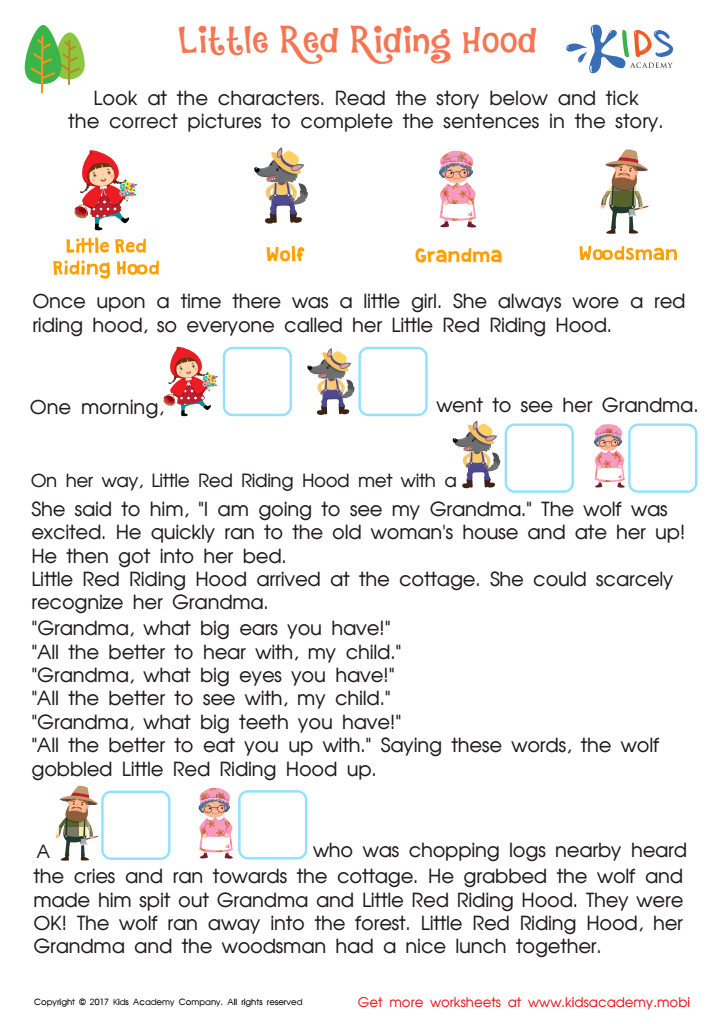
Little Red Riding Hood Printable
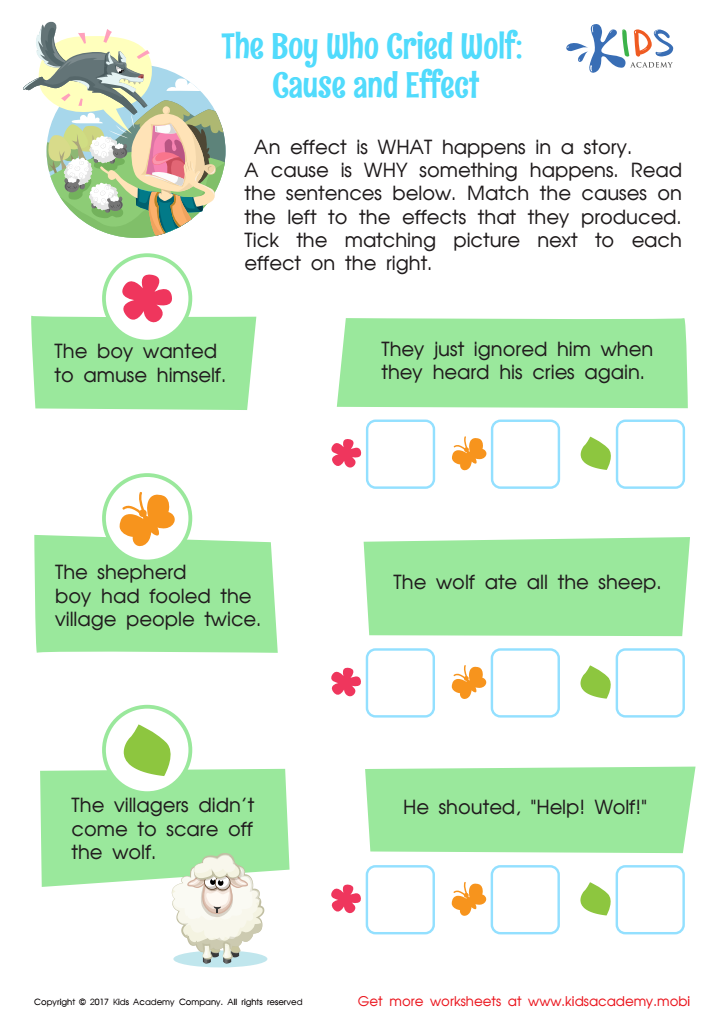
The Boy Who Cried Wolf: Cause and Effect Worksheet
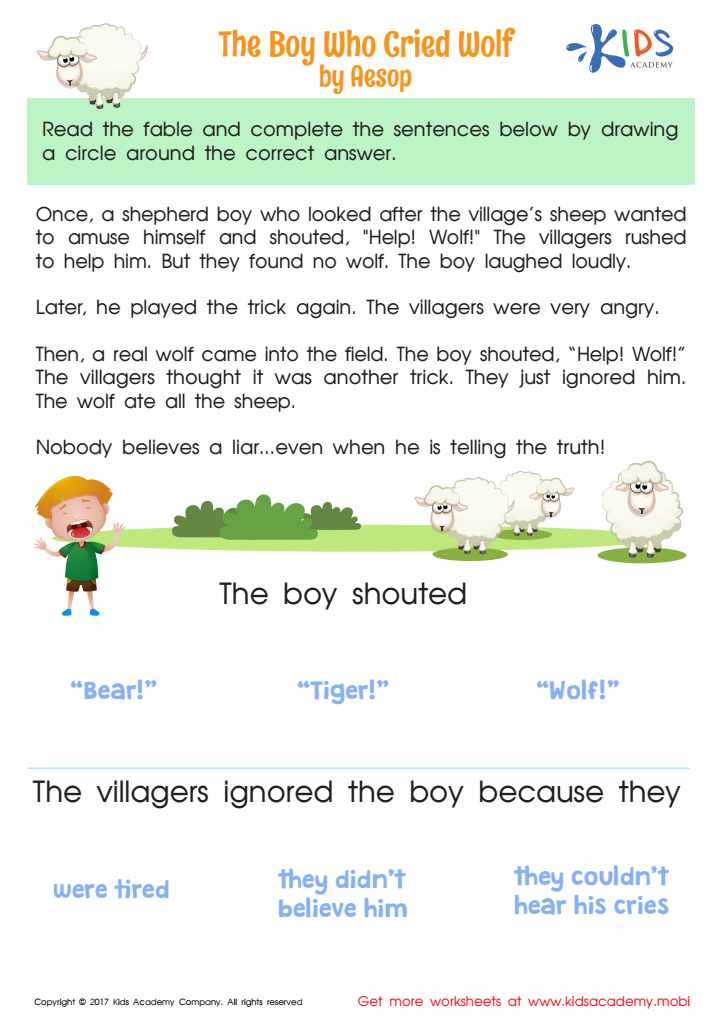
The Boy Who Cried Wolf Worksheet
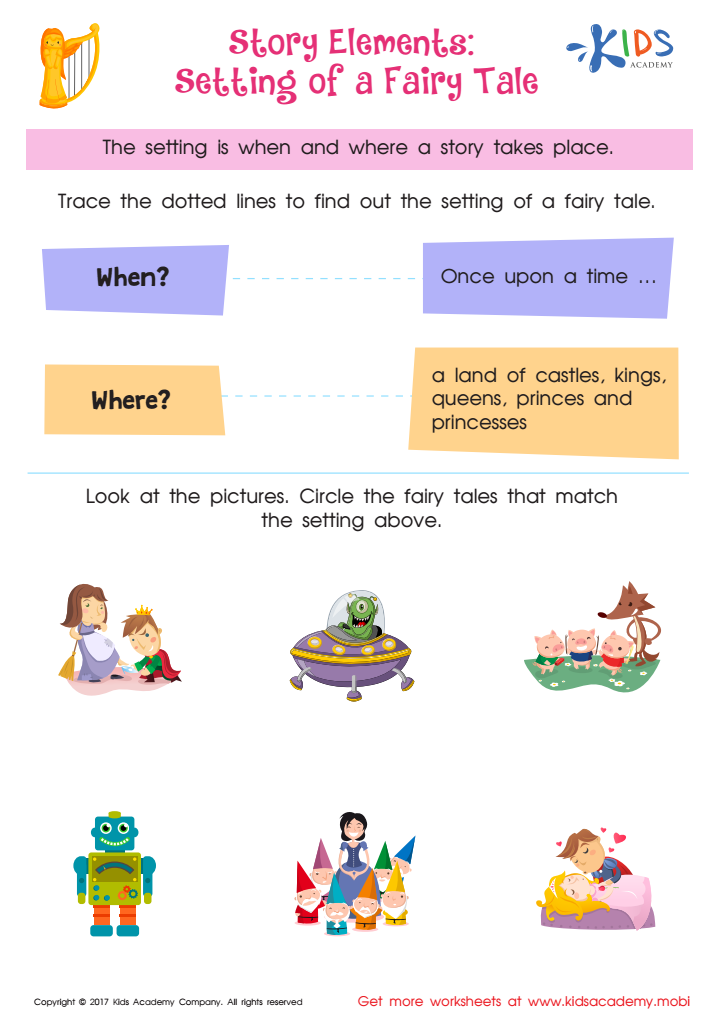
Story Elements: Setting of a Fairy Tale Printable
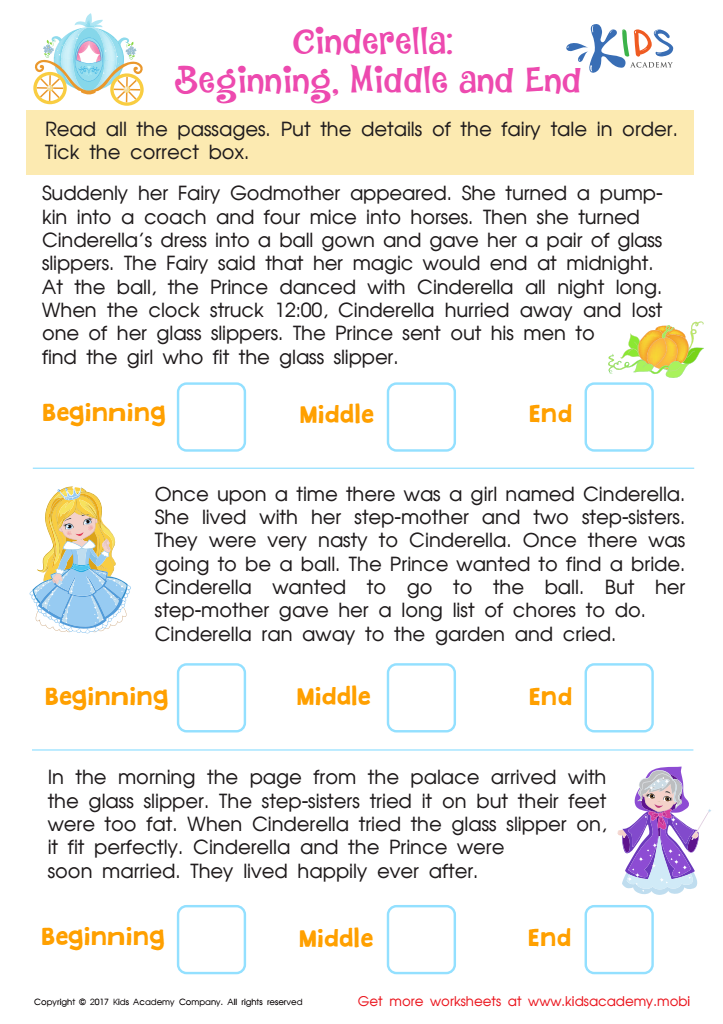
Cinderella: Beginning, Middle and End Worksheet
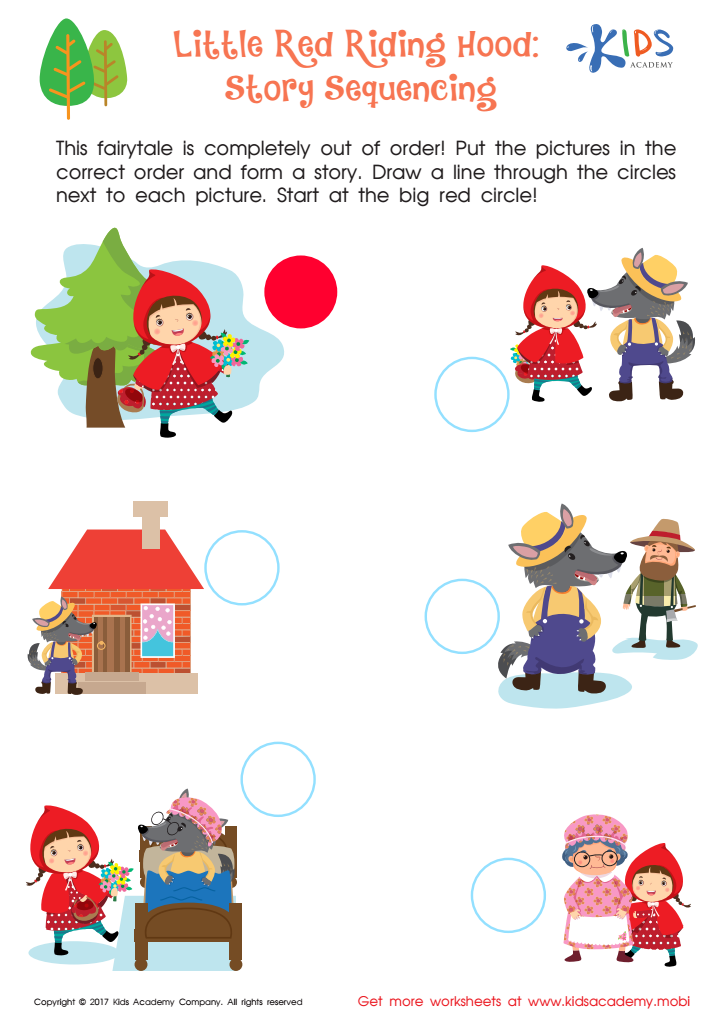
Story Sequencing Printable
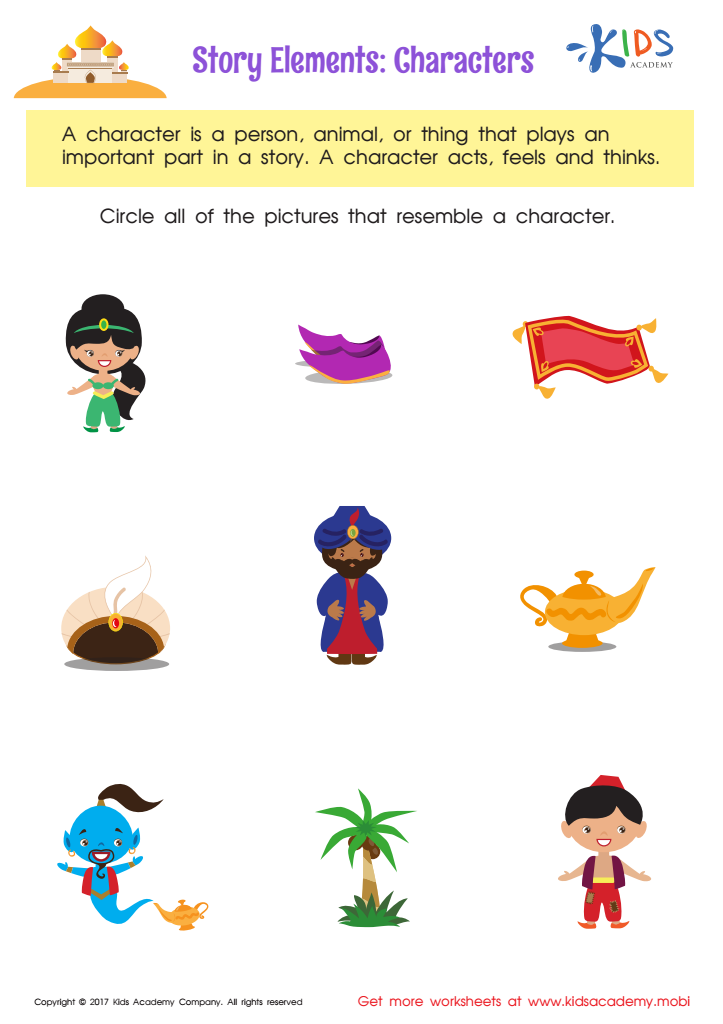
Story Elements Printable
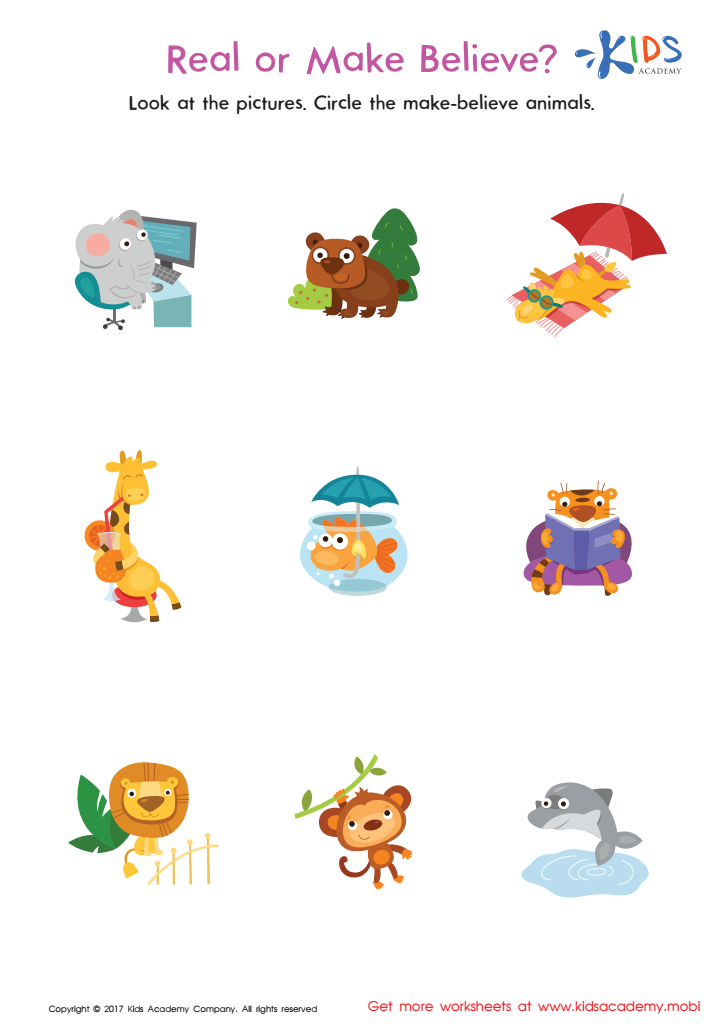
Fact or Make Believe Worksheet
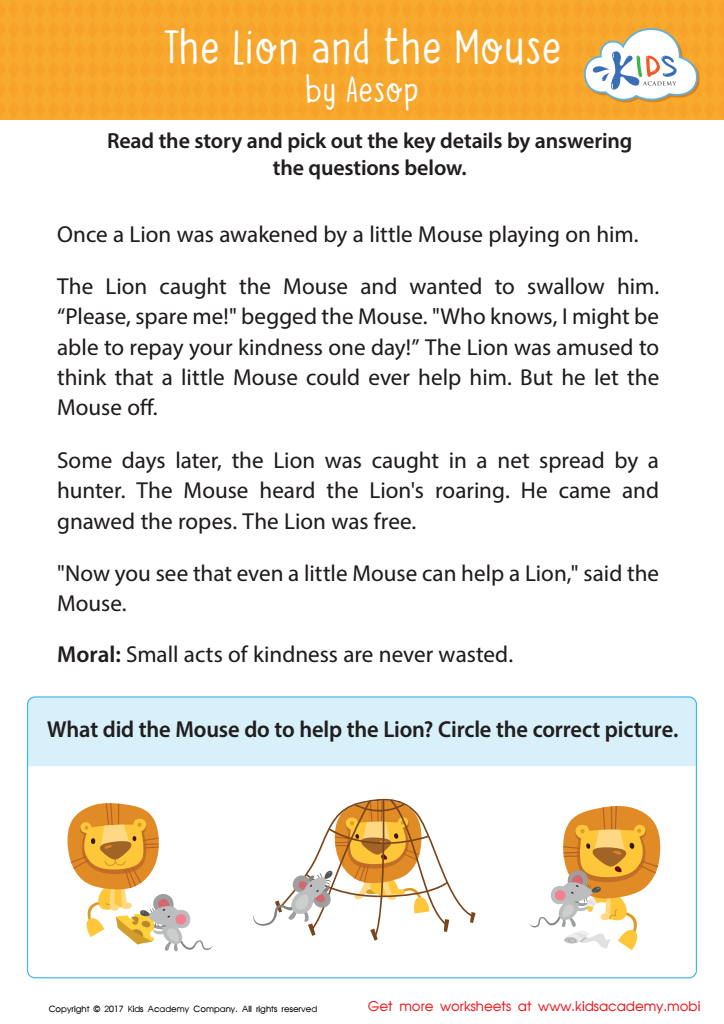
The Lion and The Mouse Sequencing Worksheet
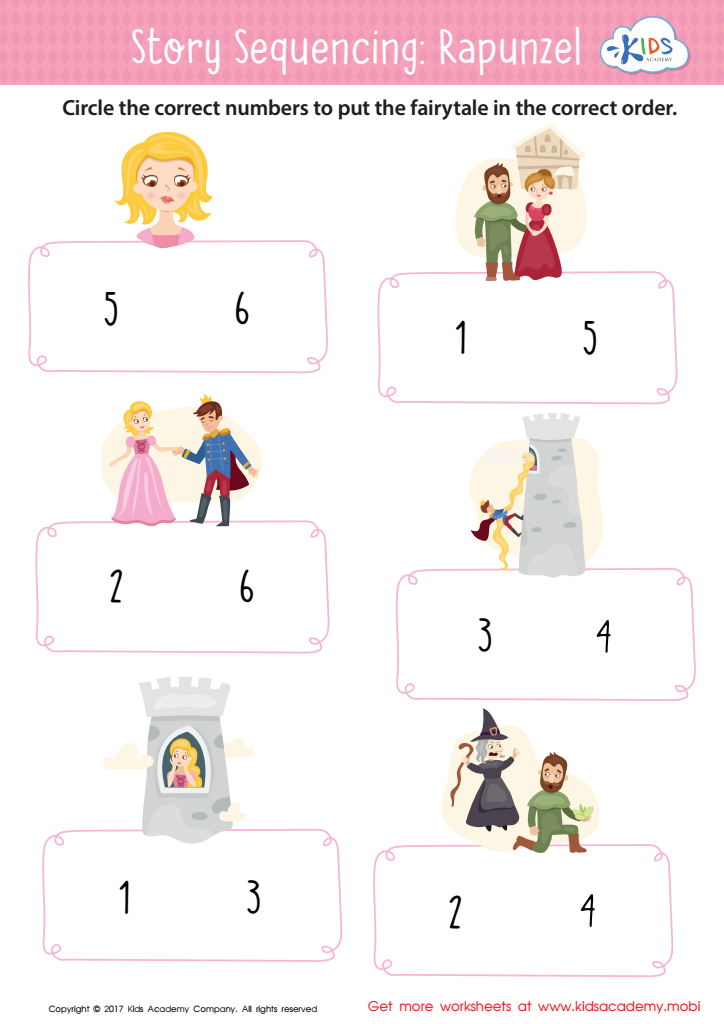
Rapunzel Story Sequencing Worksheet
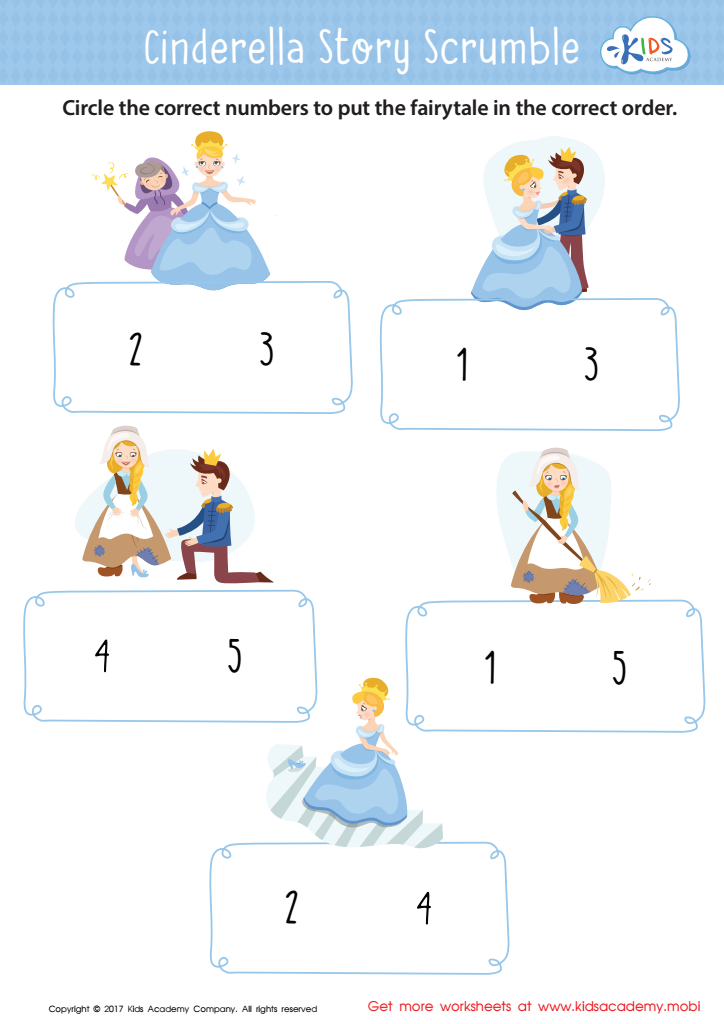
Cinderella Story Sequencing Worksheet
Fairy Tales Aladdin Printable
Fairy Tale Worksheet: Story Mix Up




Fairy tales play a vital role in the development of children aged 3-9, making their inclusion in educational activities essential for parents and teachers. These timeless narratives spark imagination and creativity, which are crucial for cognitive and emotional development early in life. Engaging with fairy tales promotes language skills as children encounter new vocabulary, practice storytelling abilities, and learn articulating emotions and experiences.
Moreover, fairy tales often carry moral lessons and cultural values, offering opportunities for discussions about right and wrong, courage, friendship, and empathy. Exposure to diverse characters and settings helps to foster an understanding of different perspectives, aiding social and emotional growth. Additionally, interactive fairy tale activities—such as storytelling, puppet shows, and creative arts—encourage collaboration among peers, essential for developing social skills.
Furthermore, the rhythmic and repetitive nature of fairy tales makes them more accessible and enjoyable, enhancing attentiveness and retention. These captivating narratives also provide a comforting escape in times of change, nurturing resilience and coping skills. By engaging with fairy tales, parents and teachers can create enriching, multi-faceted learning experiences that build foundational skills while sparking a lifelong love for storytelling and reading.








