Tracing worksheets activities for Ages 7-9 - Page 4
91 filtered results
-
From - To
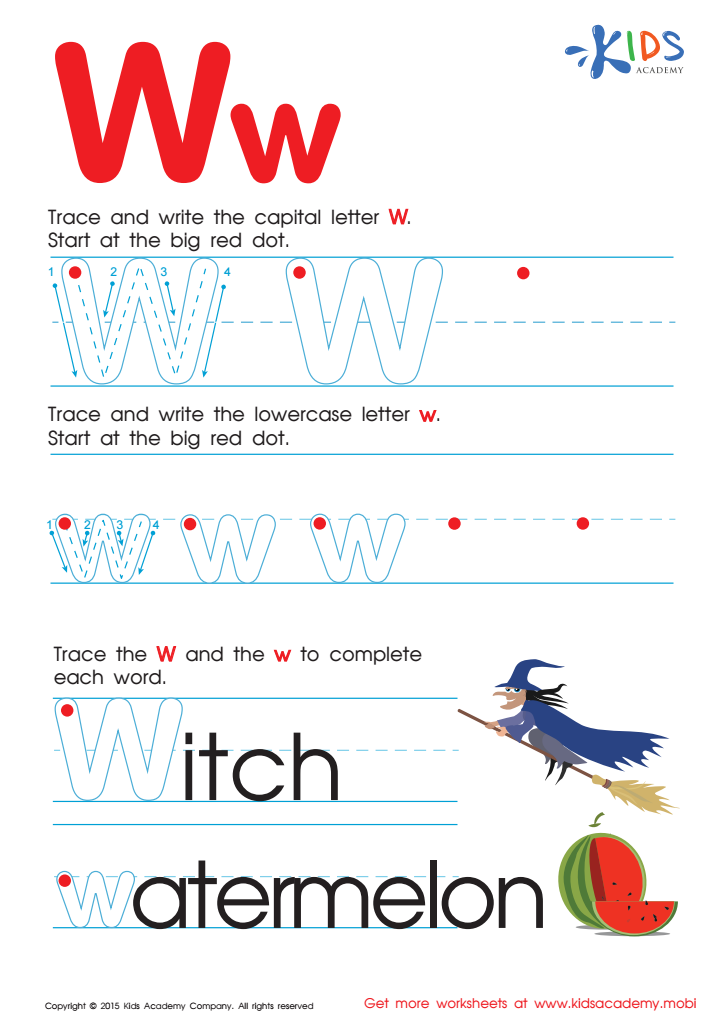
Letter W Tracing Page
 Assign to My Students
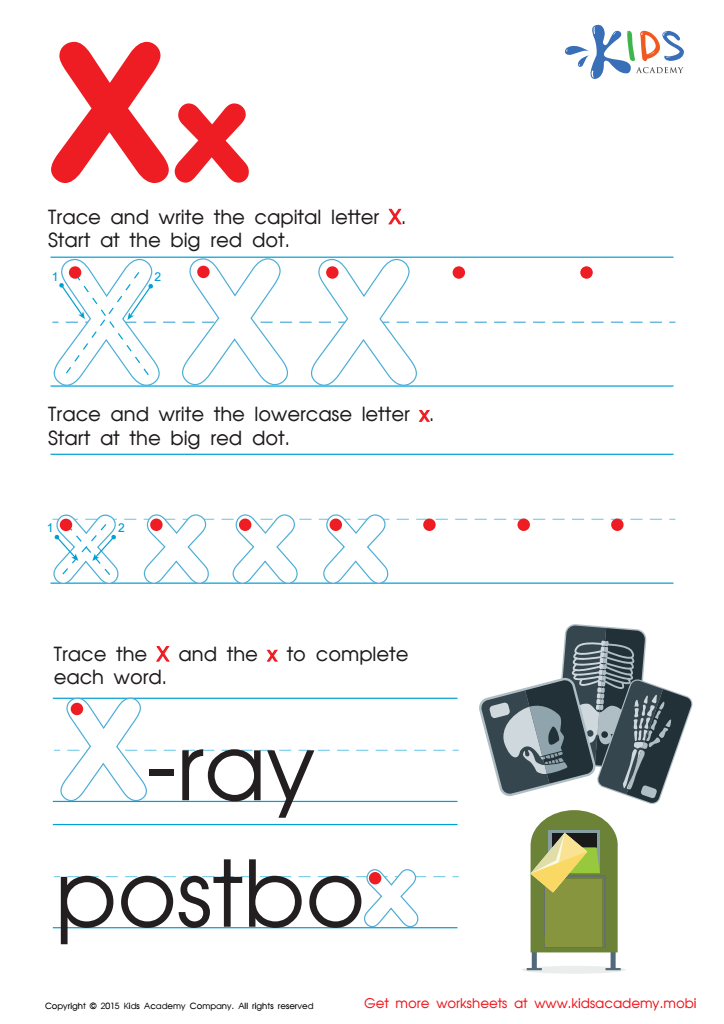
Letter X Tracing Page
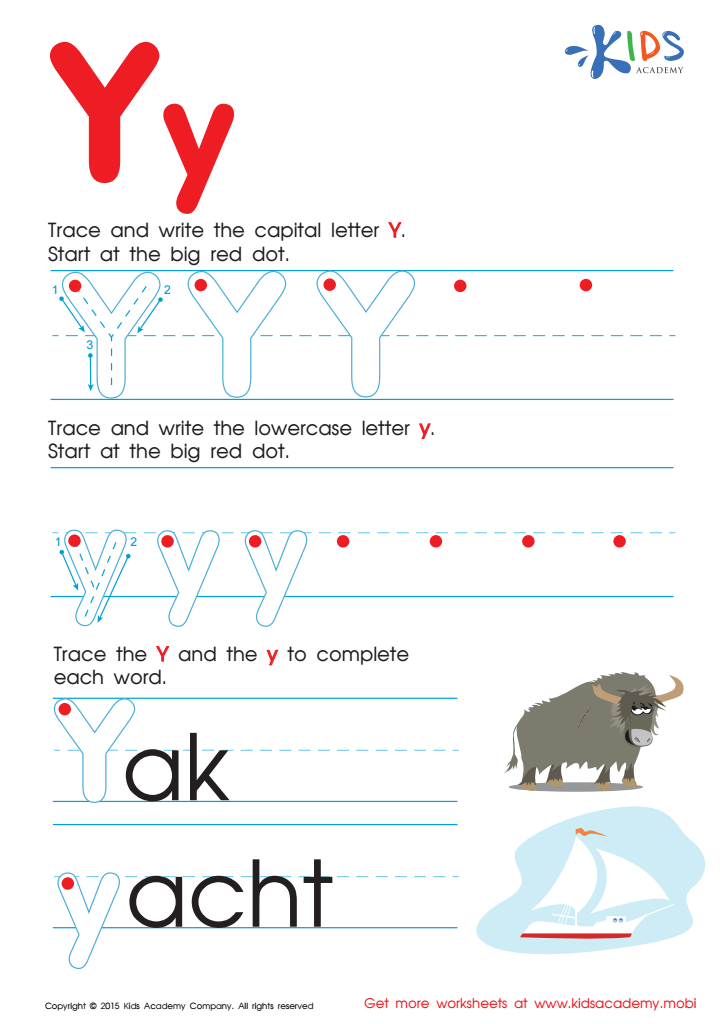
Letter Y Tracing Page
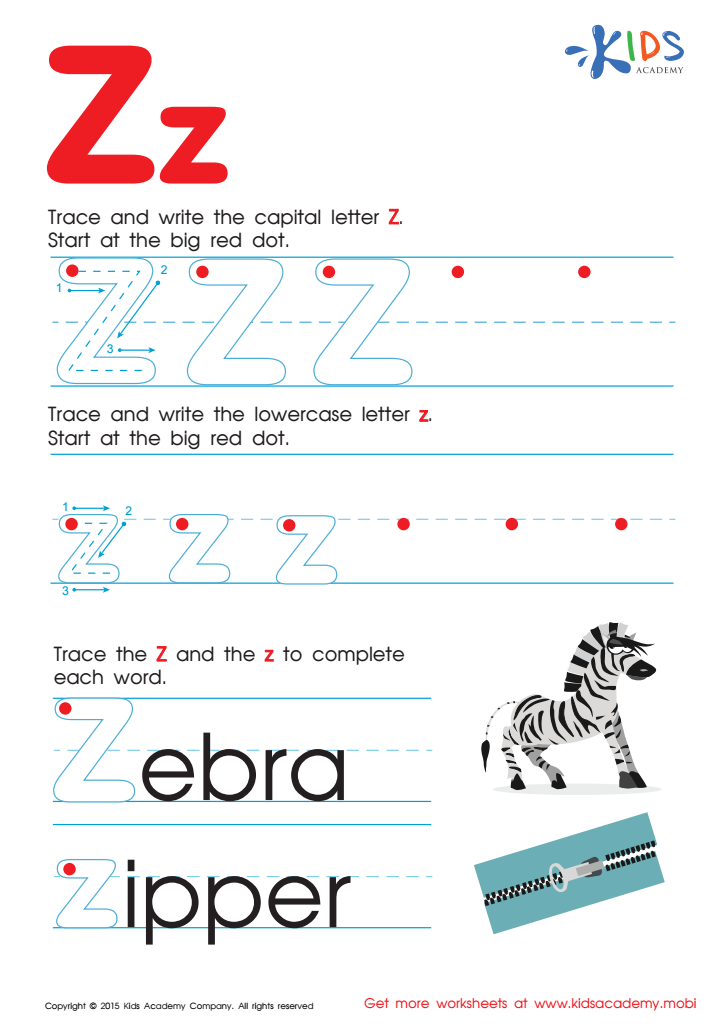
Letter Z Tracing Page
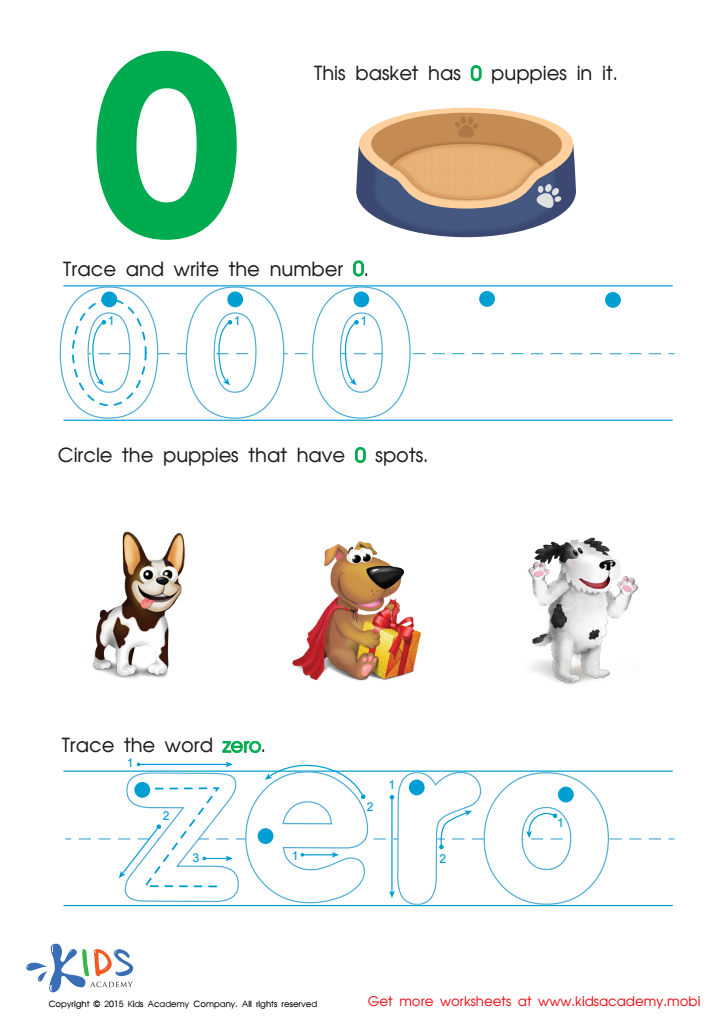
Trace And Write Number 0 Worksheet
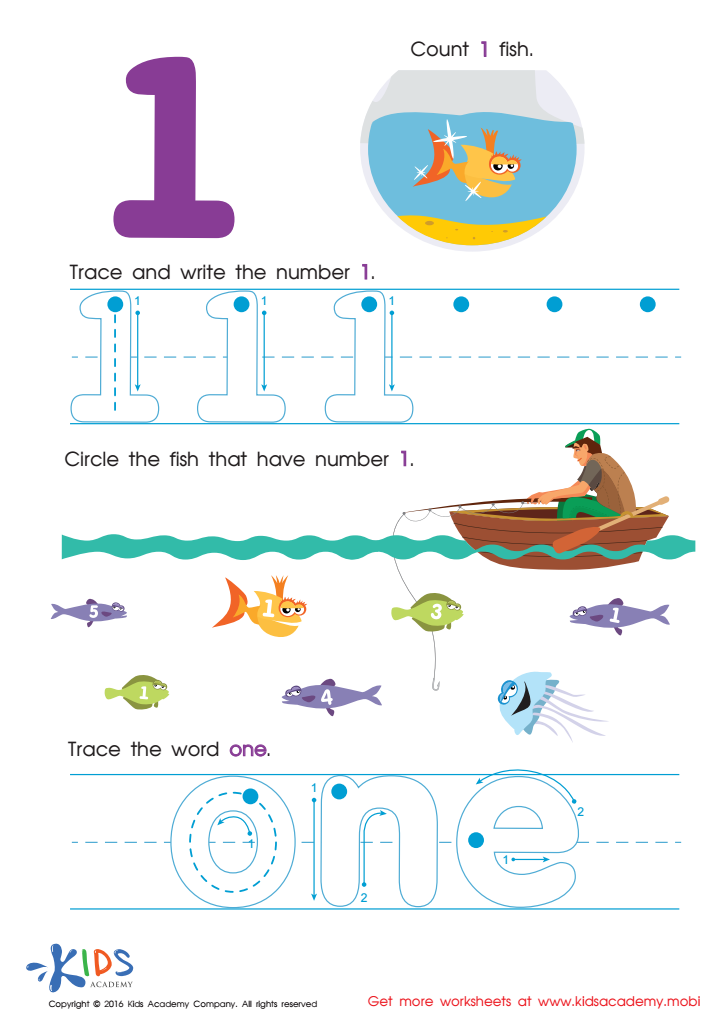
Learning to Write 1 Worksheet
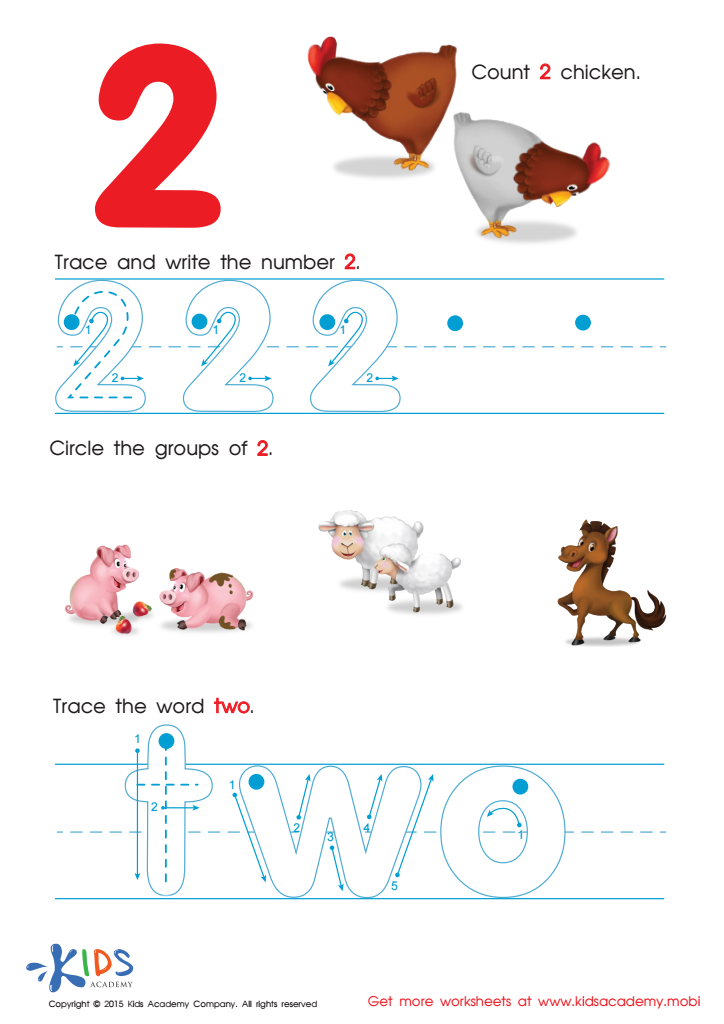
Learn to Write the Number 2 Worksheet
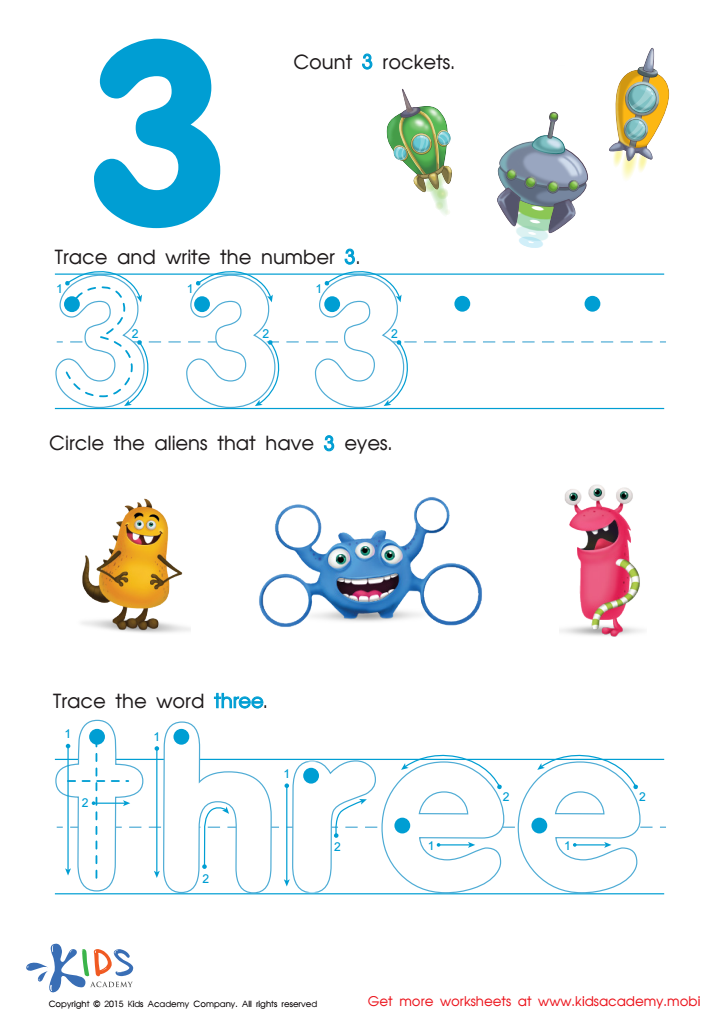
Learning Number Three Worksheet
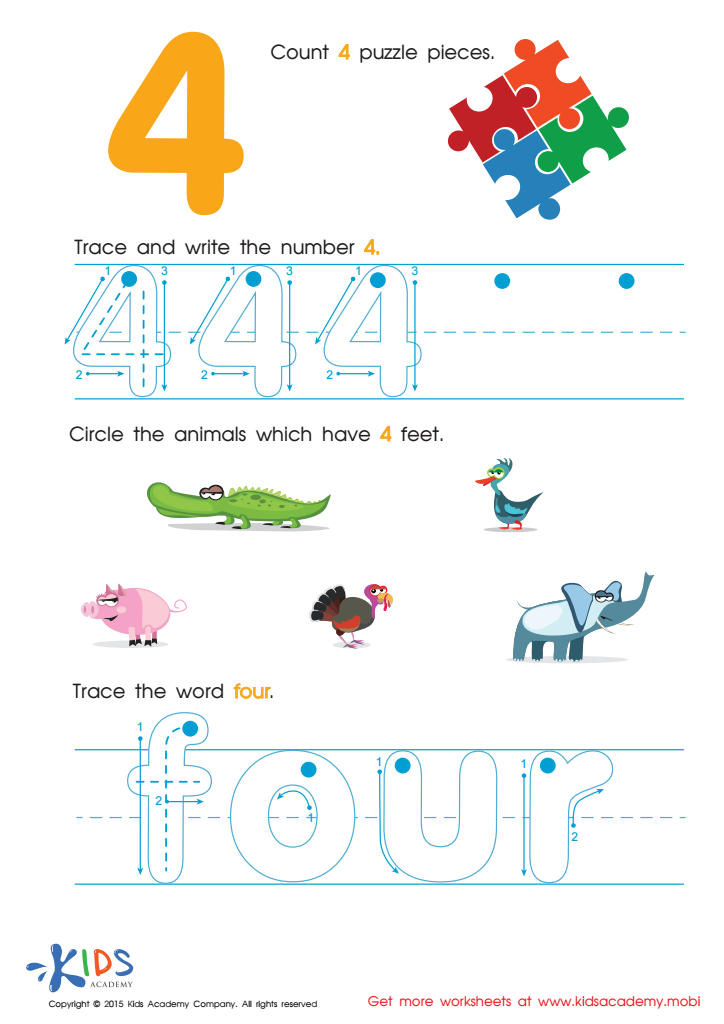
Teaching Children to Write Number 4 Worksheet
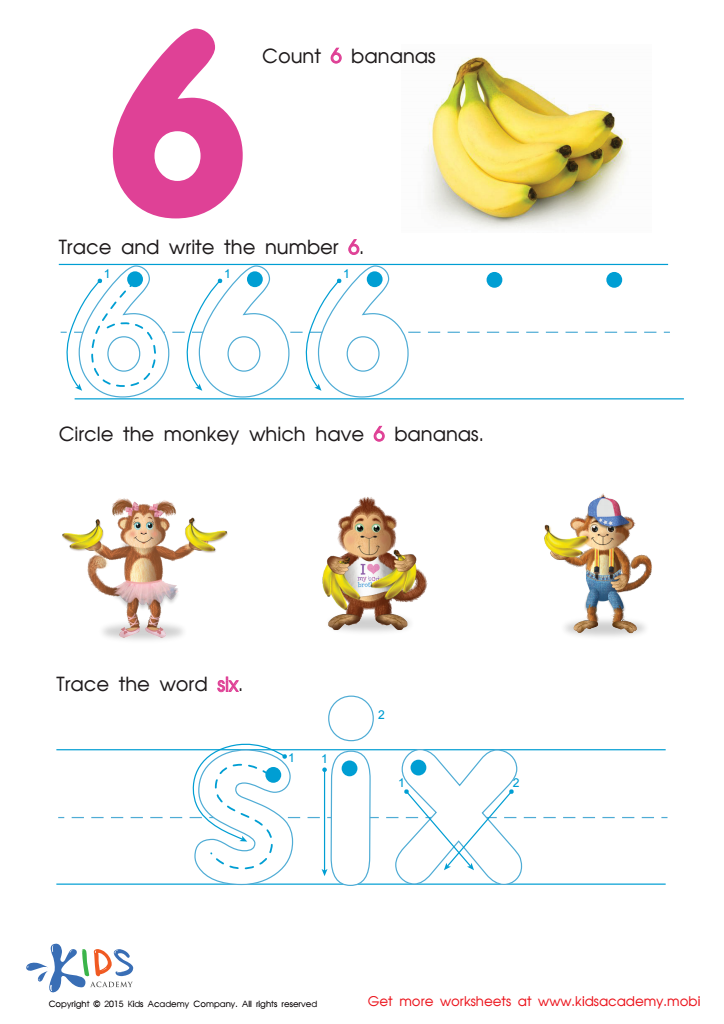
Tracing And Writing Number 6 Worksheet
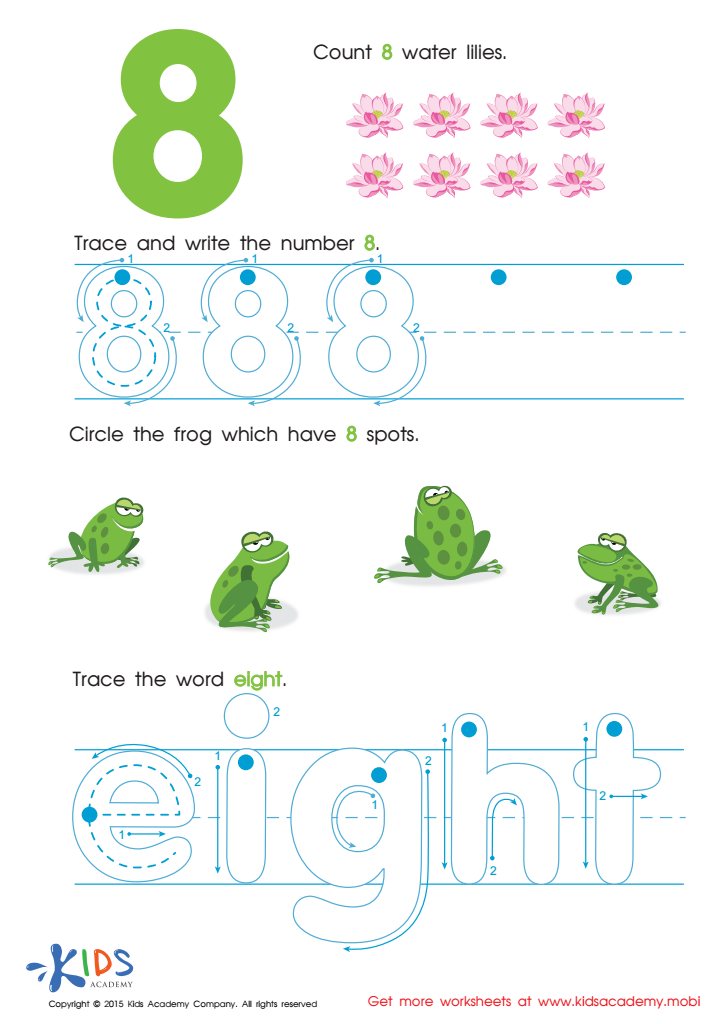
Learn Number 8 Easily Worksheet
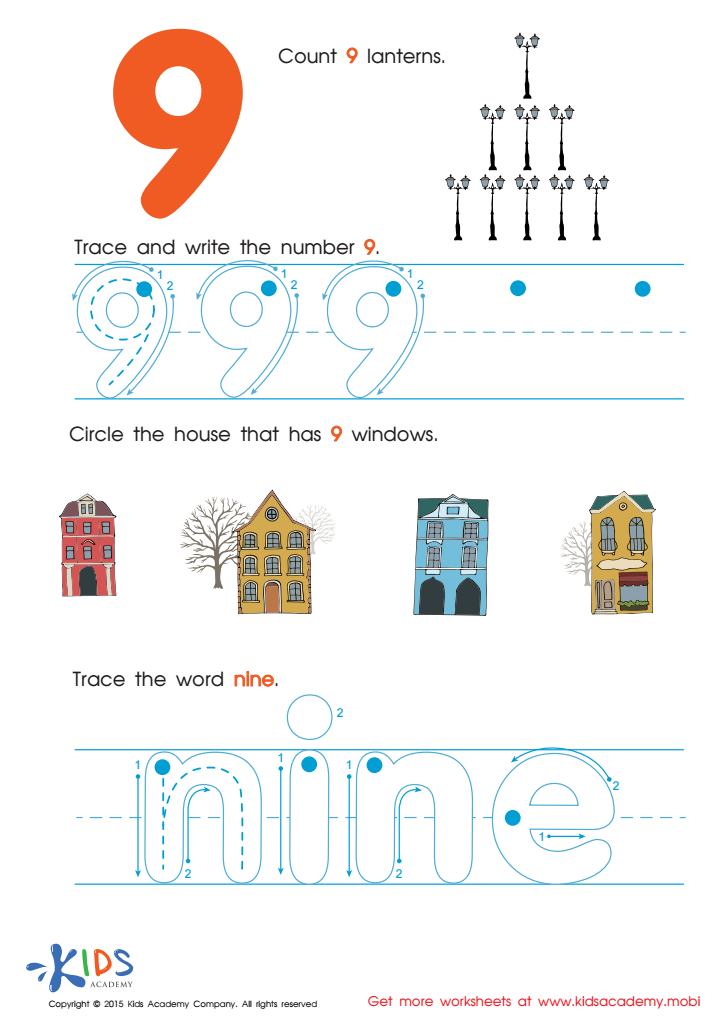
Tracing And Learning to Write Number 9 Worksheet
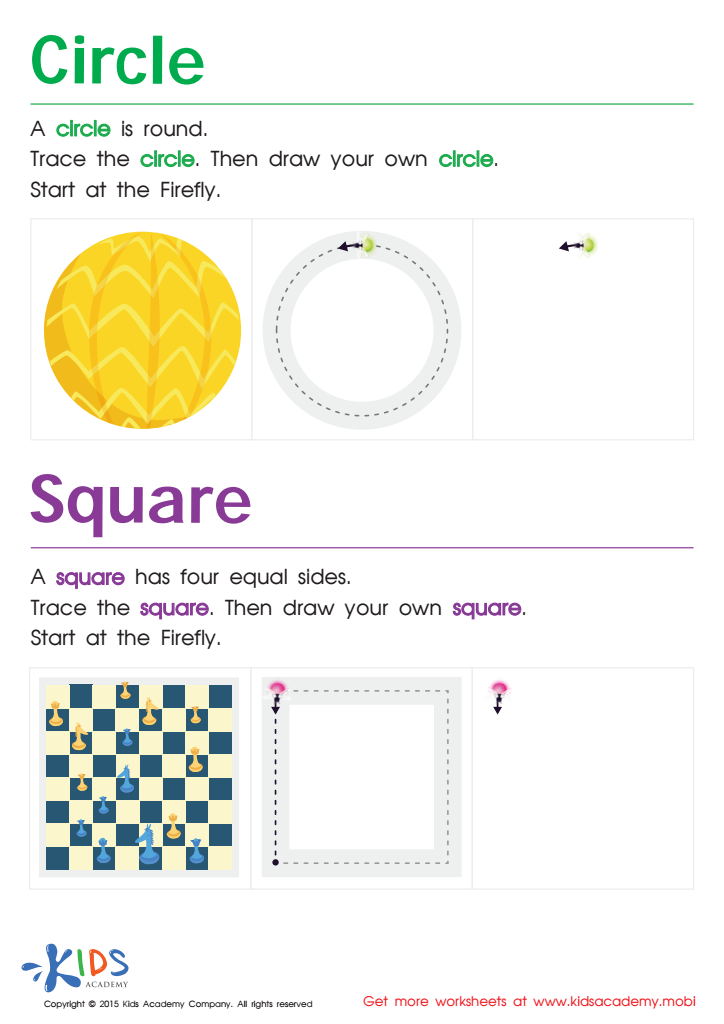
Trace And Draw a Circle And a Square Worksheet
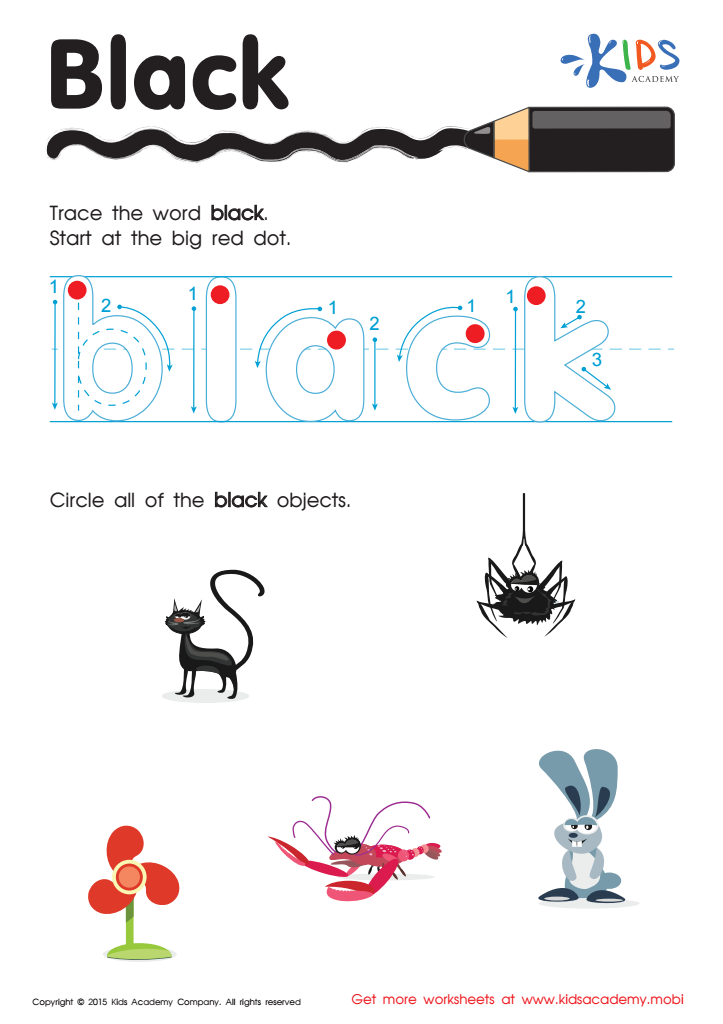
Black Tracing Color Words Printable
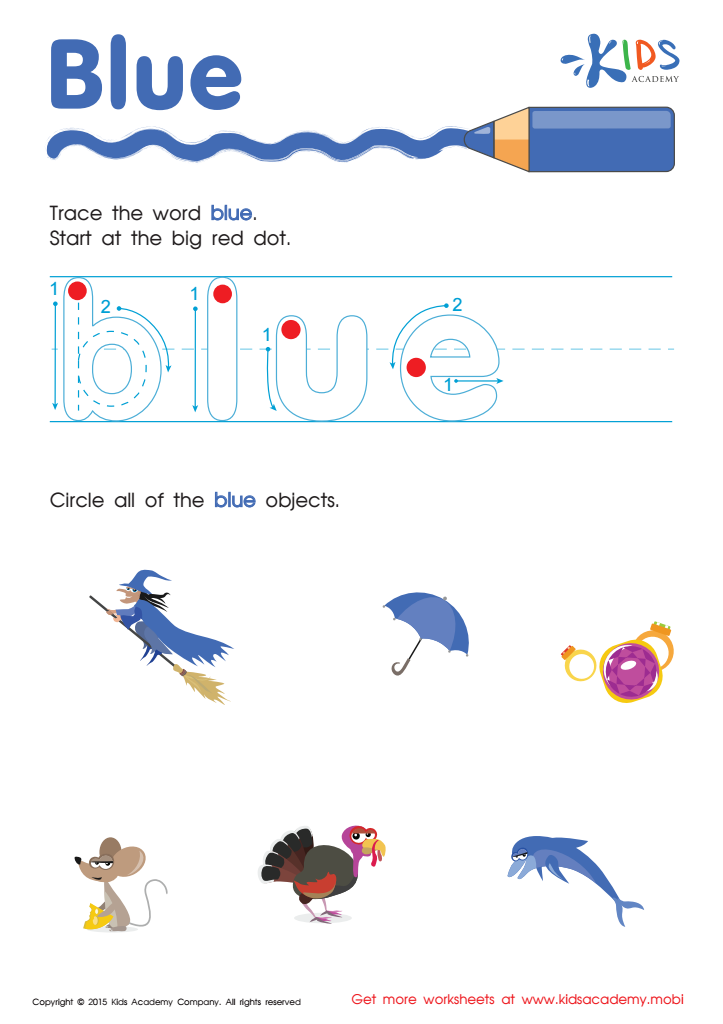
Blue Tracing Color Words Printable
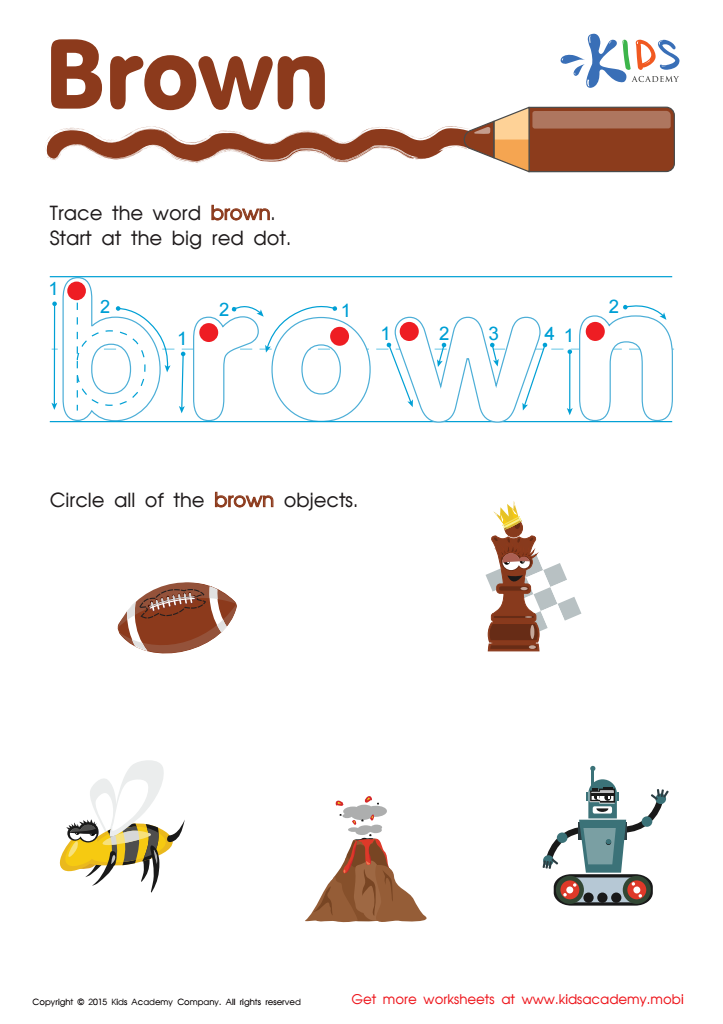
Brown Tracing Color Words Worksheet
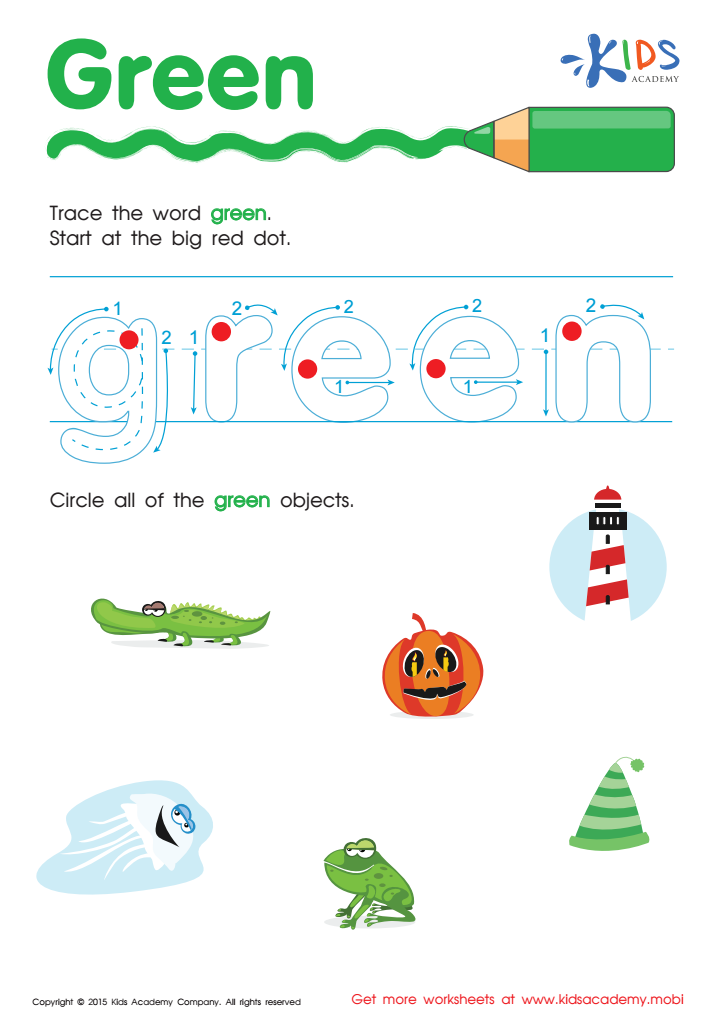
Green Tracing Color Words Worksheet
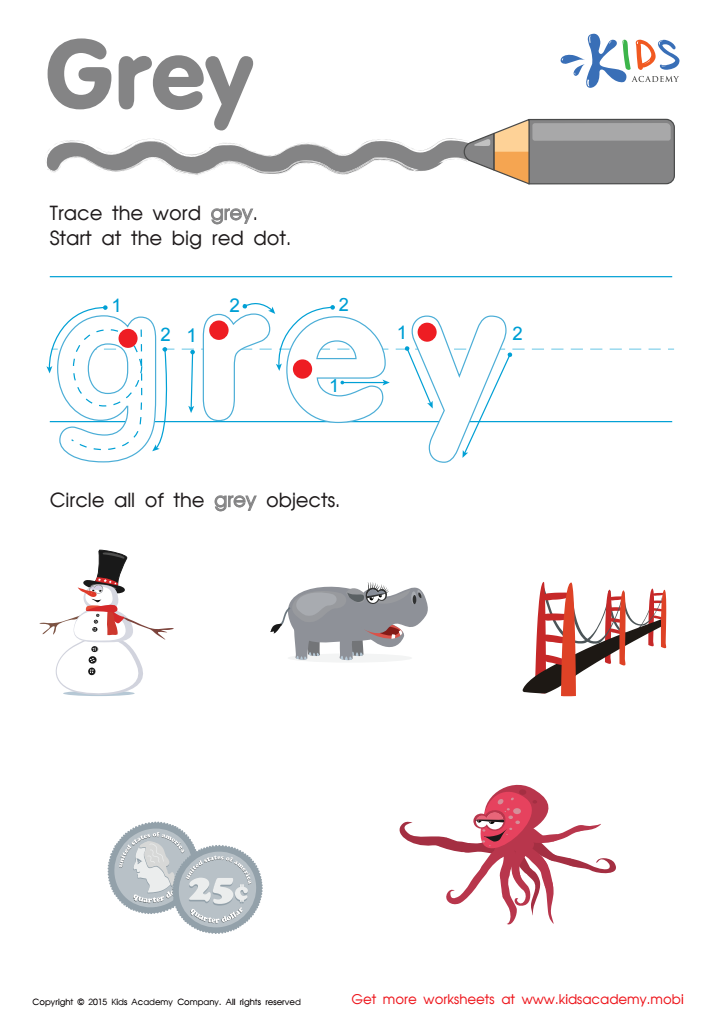
Grey Tracing Color Words Worksheet
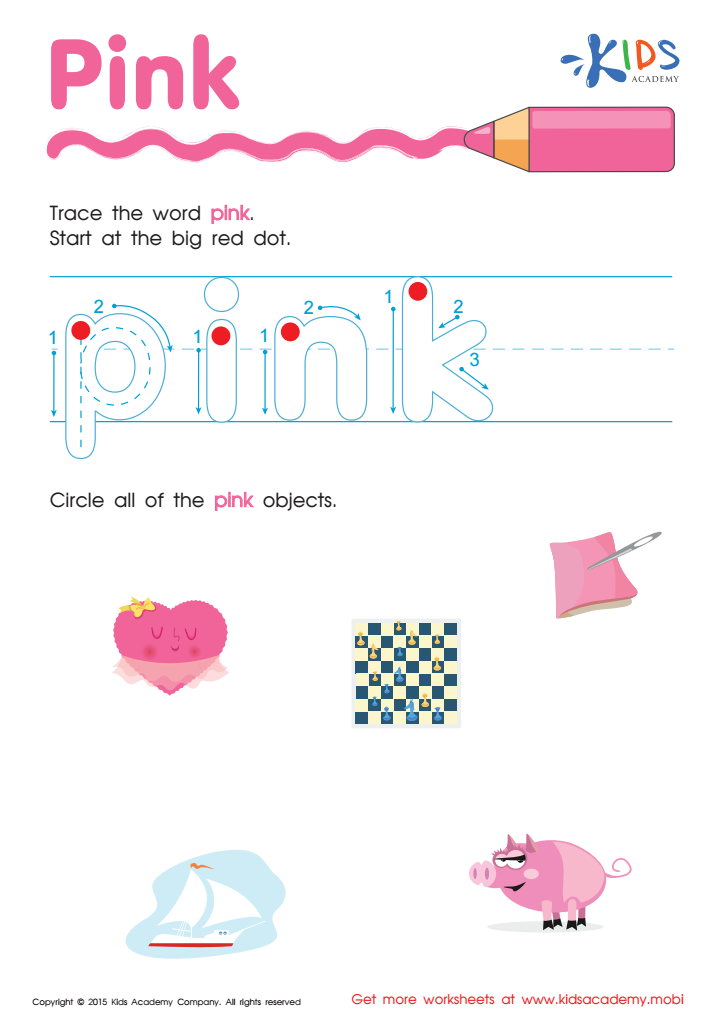
Pink Tracing Color Words Worksheet








Tracing activities for children aged 7 to 9 play a crucial role in the development of fine motor skills, hand-eye coordination, and cognitive abilities. During this formative stage, children are refining their handwriting skills, and tracing can provide a structured way for them to practice letters, shapes, and numbers. Such activities enhance muscle memory, making it easier for them to write independently in the future.
Additionally, tracing can boost creativity and confidence. As children trace shapes or images, they engage in visual learning and enhance their understanding of different concepts. Tracing letters and words also supports literacy development by helping students recognize letters and improve spelling as they see the correct form repeatedly.
Furthermore, tracing offers a calming, focused activity that can support emotional well-being. It can be integrated into lessons to reinforce various subjects, from art to math, making learning interdisciplinary and robust. Lastly, tracing activities can serve as a bonding experience between parents, teachers, and students, fostering encouragement and appreciation for effort, thereby contributing to a child’s overall motivation and love for learning. Therefore, integrating tracing activities is beneficial for cognitive and emotional development, making it essential for parents and teachers to prioritize.








