Normal Matching worksheets activities for Ages 3-9 - Page 2
42 filtered results
-
From - To
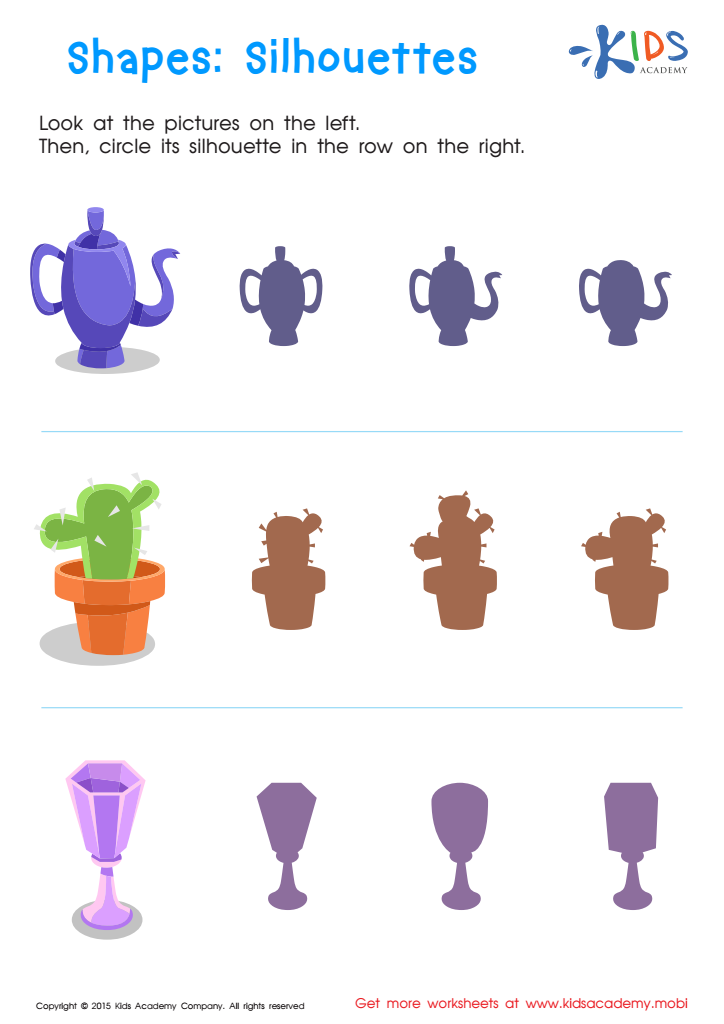
Silhouettes – Shapes Worksheet
 Assign to My Students
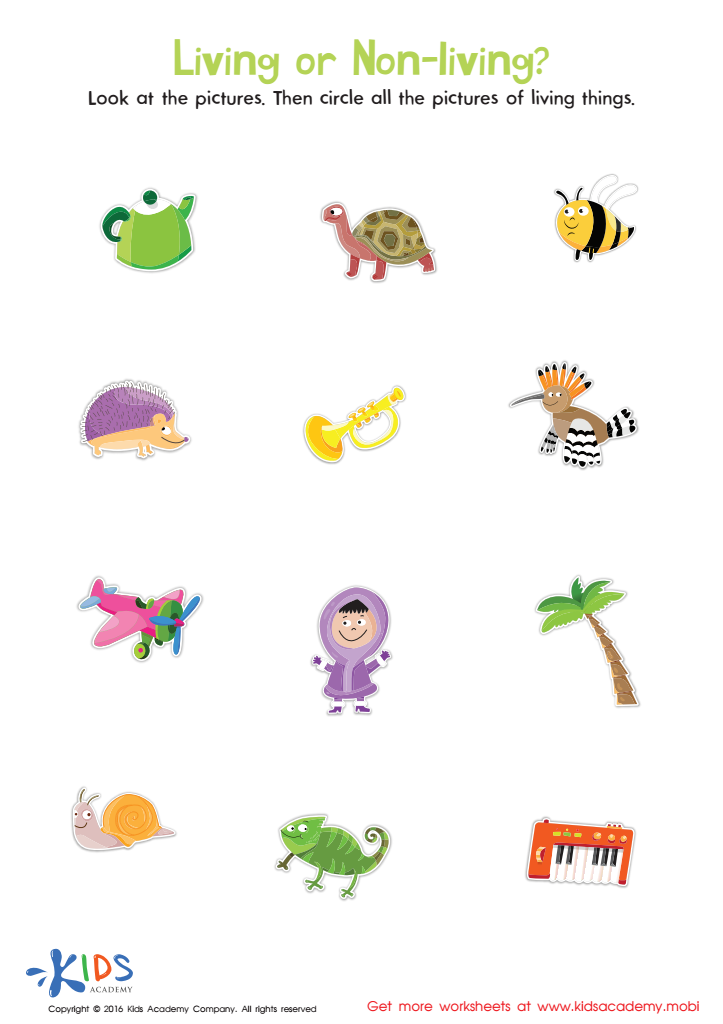
Identifying Living and Non–living Things Sorting Worksheet
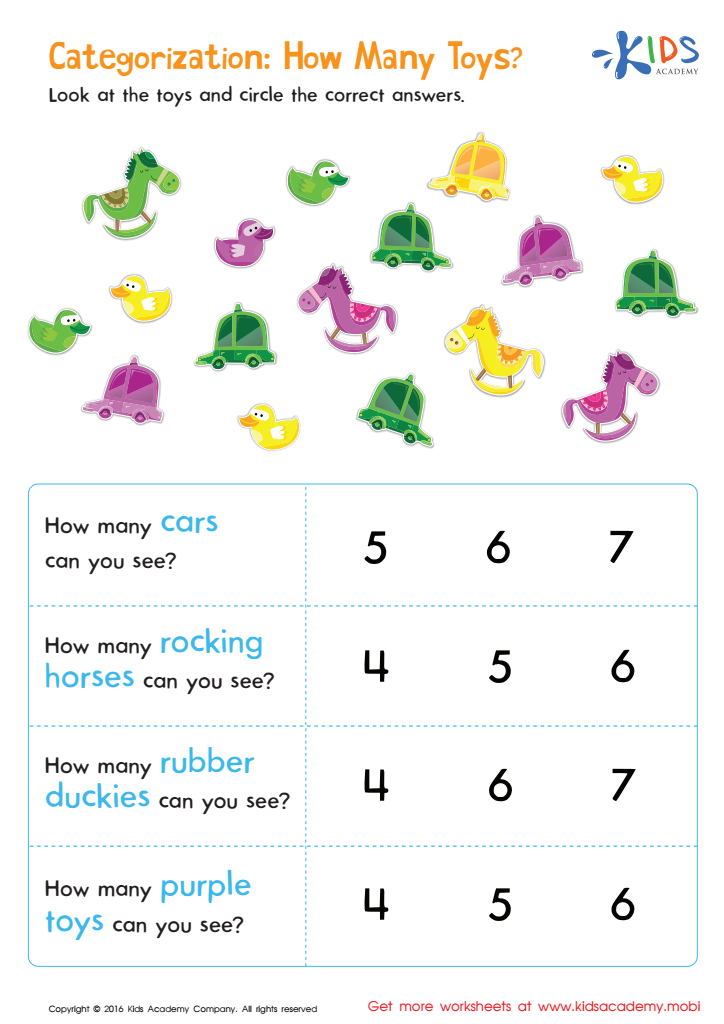
Classifying Toys by Type and Color Sorting Worksheet
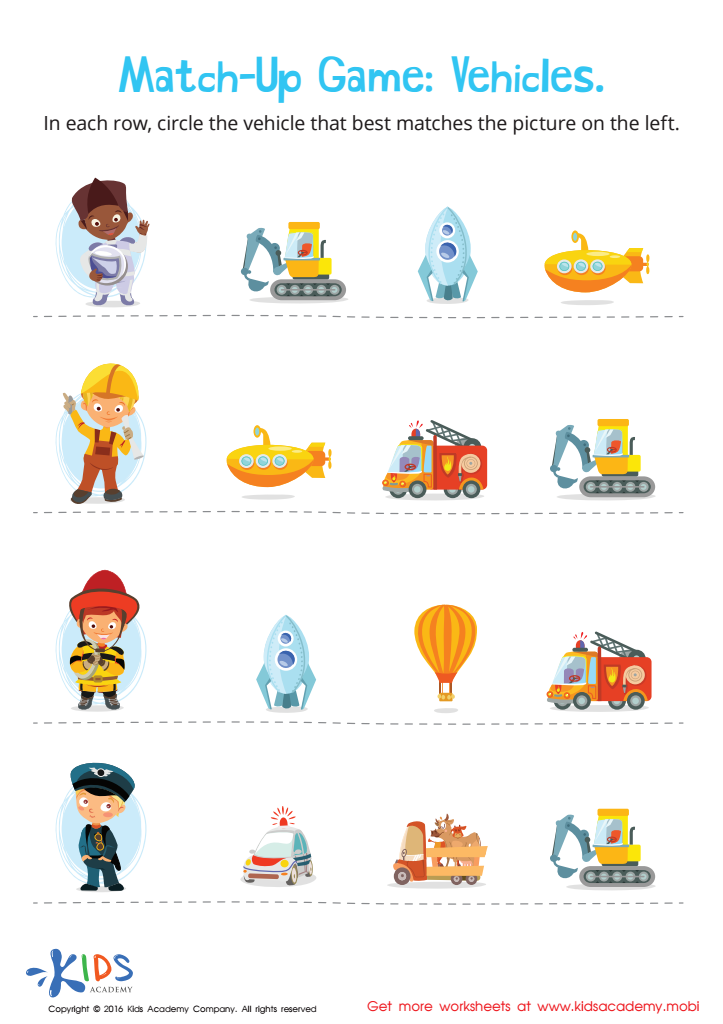
Vehicles Worksheet
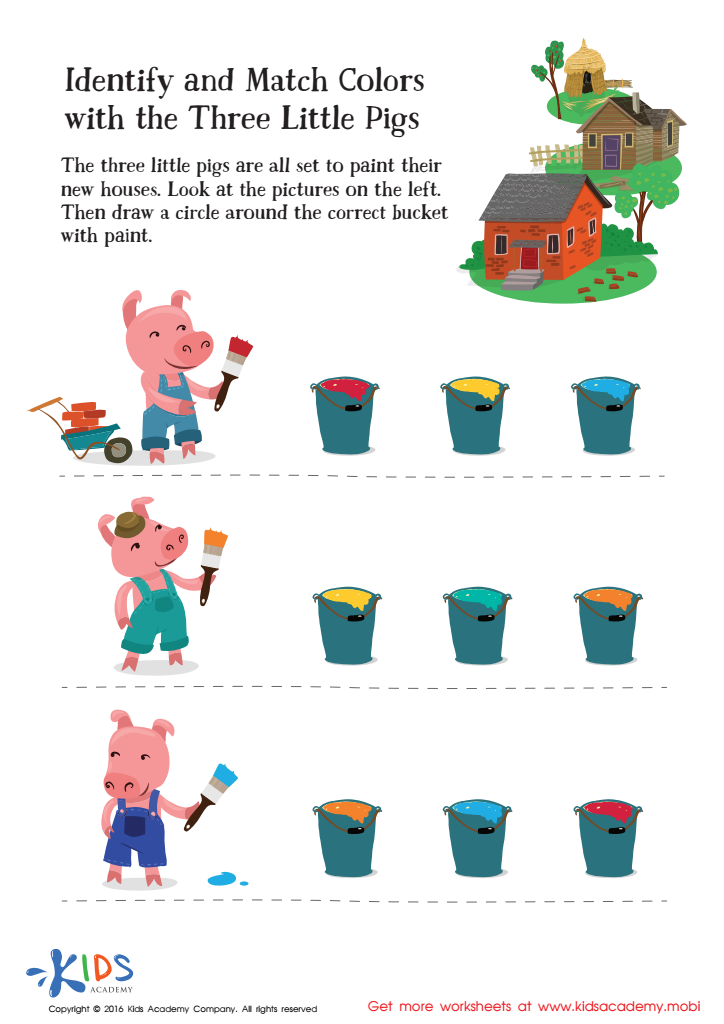
Fairy Tale Worksheet: Identify and Match Colors with Three Little Pigs
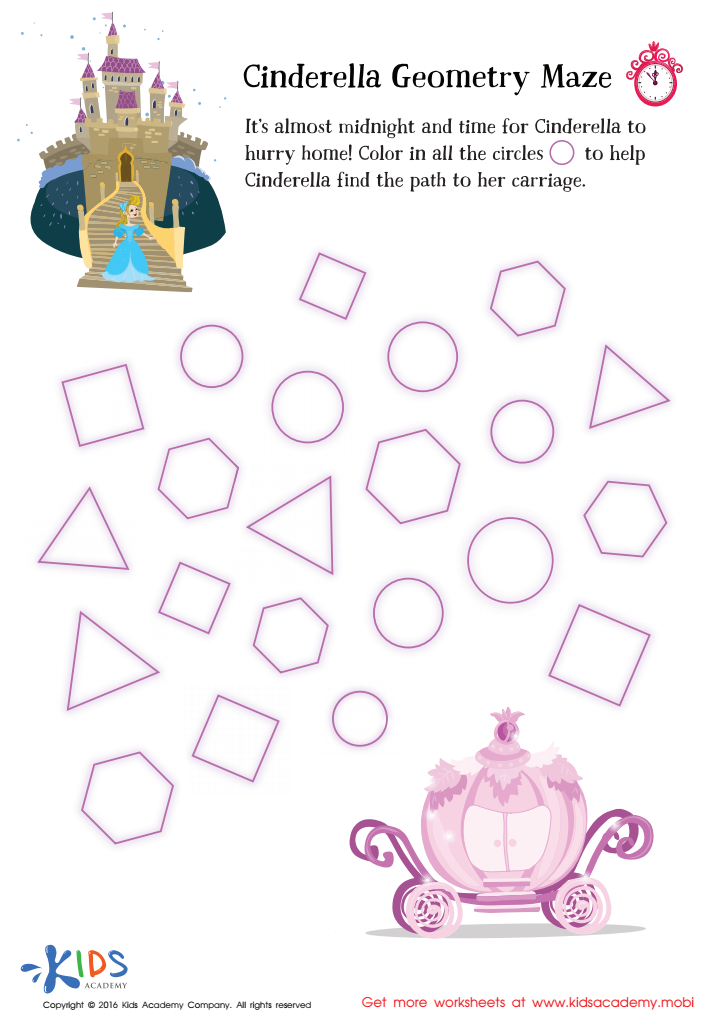
Cinderella Geometry Maze Worksheet
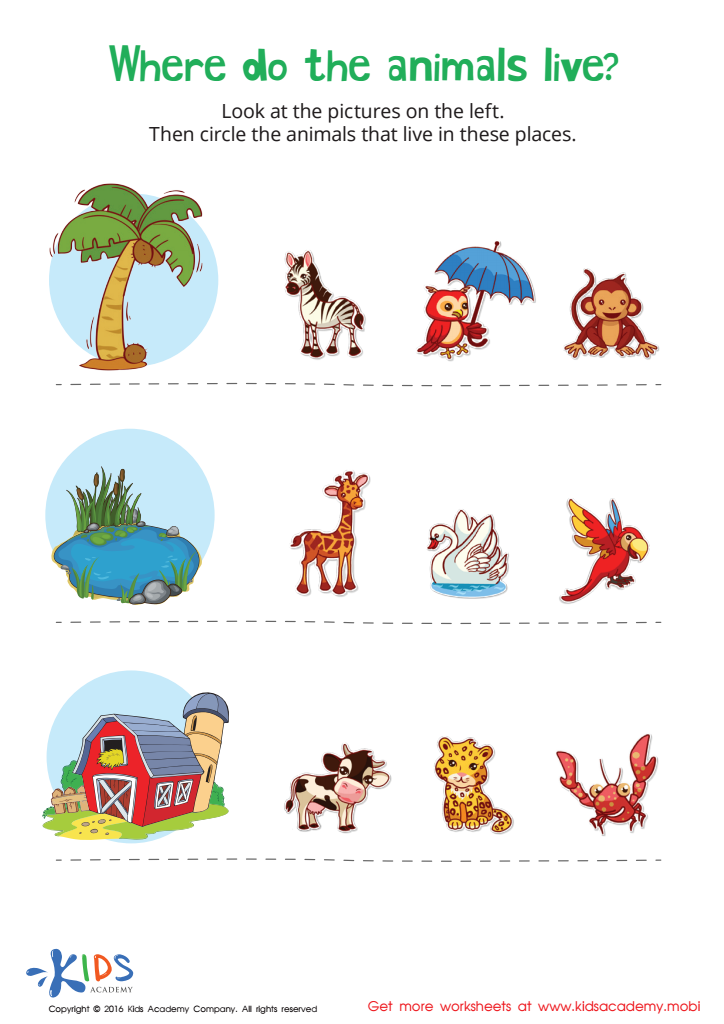
Where Animals Live Worksheet
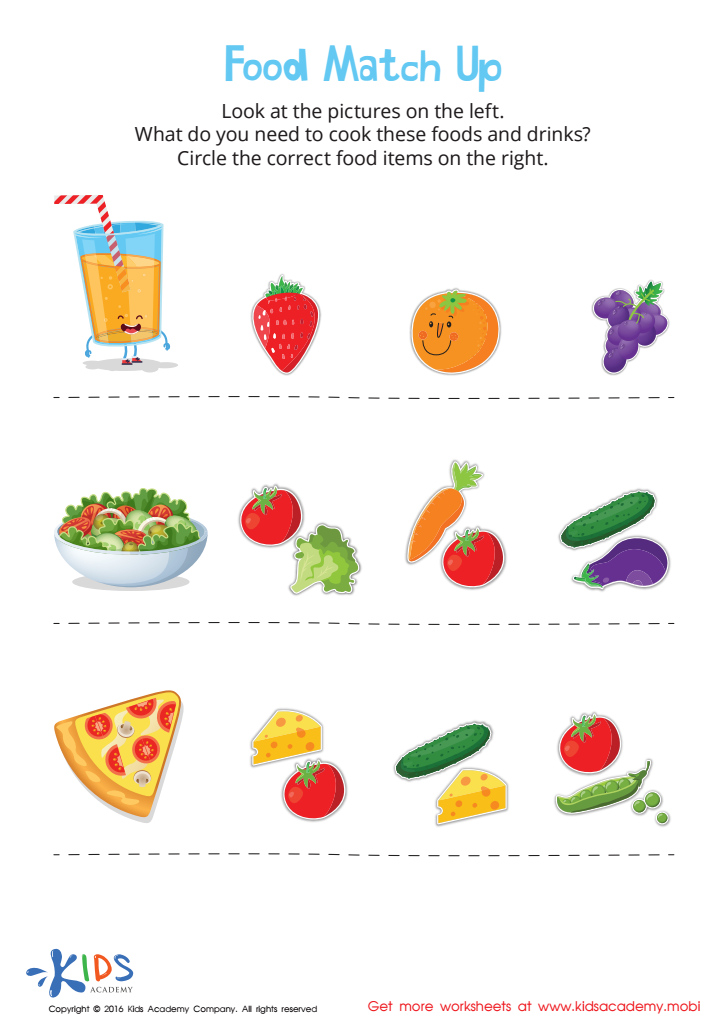
Food Match Up Worksheet
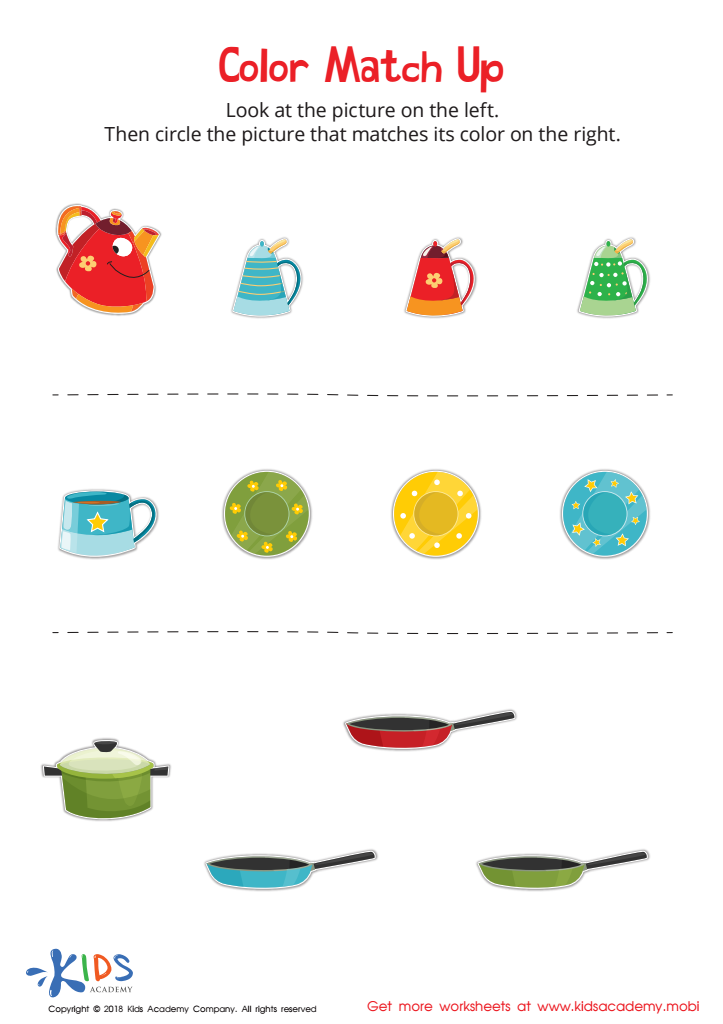
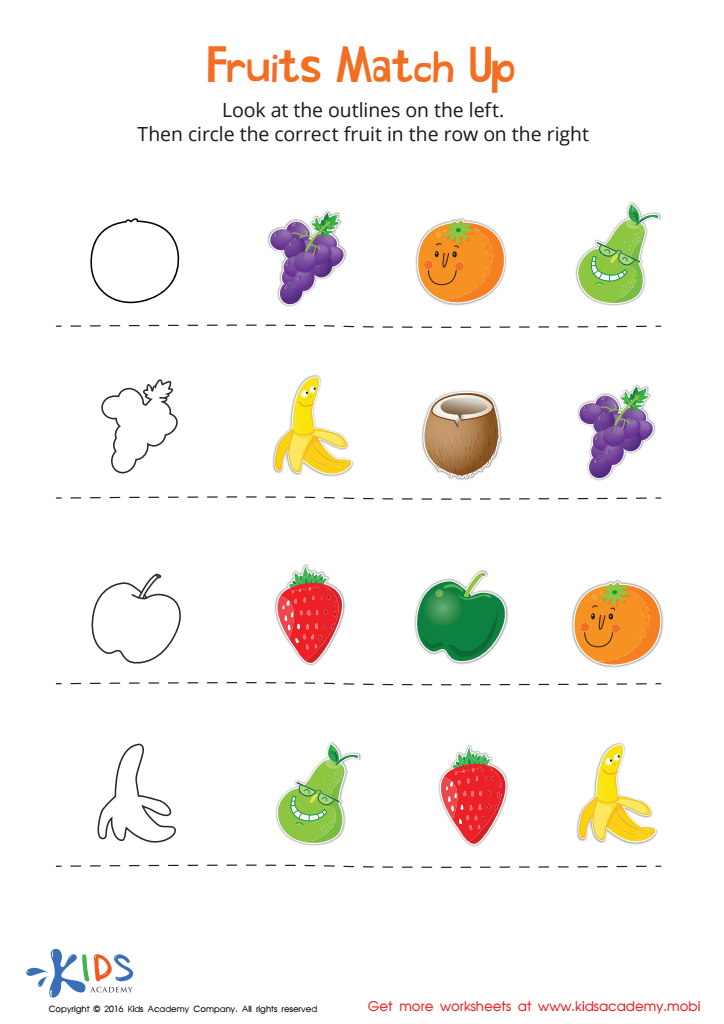
Fruits Match Up Worksheet
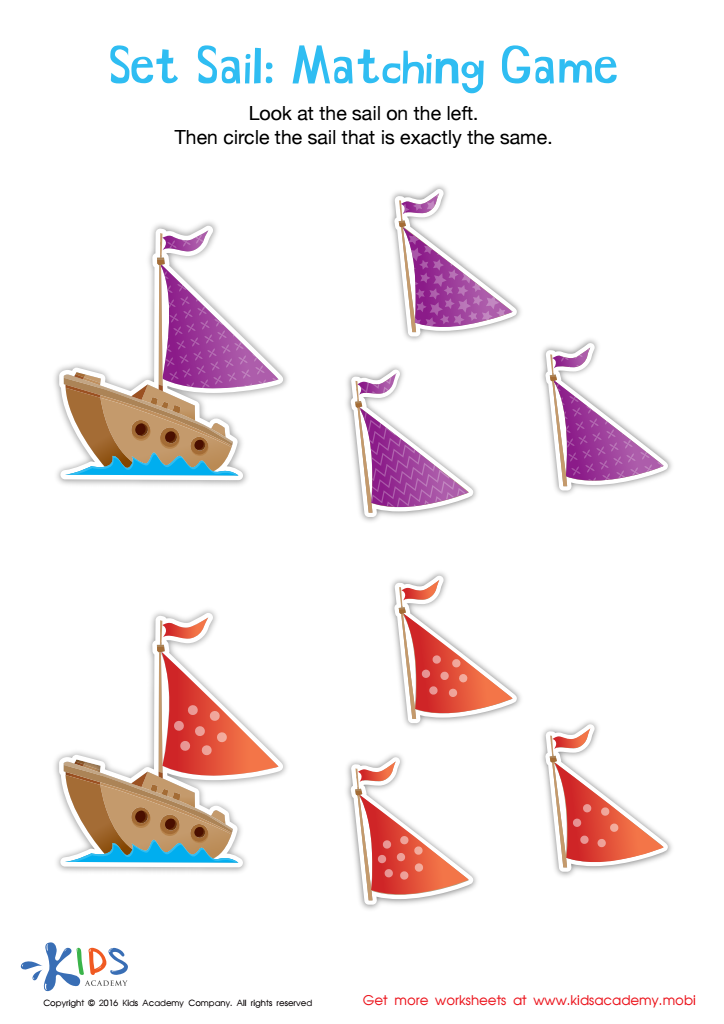
Set Sail Worksheet
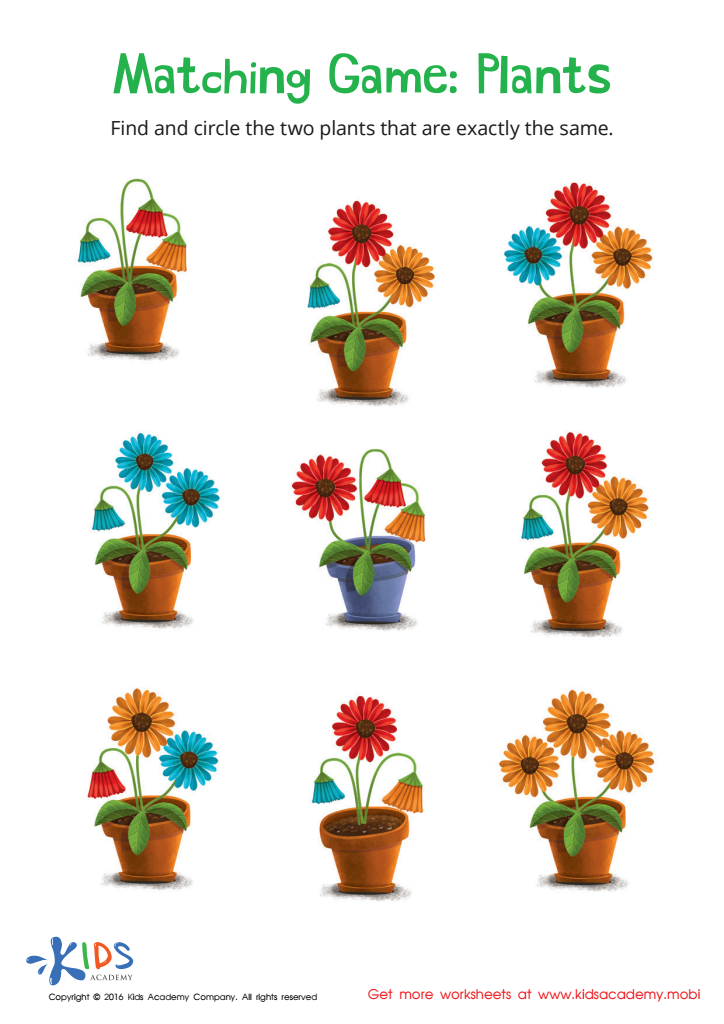
Matching: Plants Worksheet
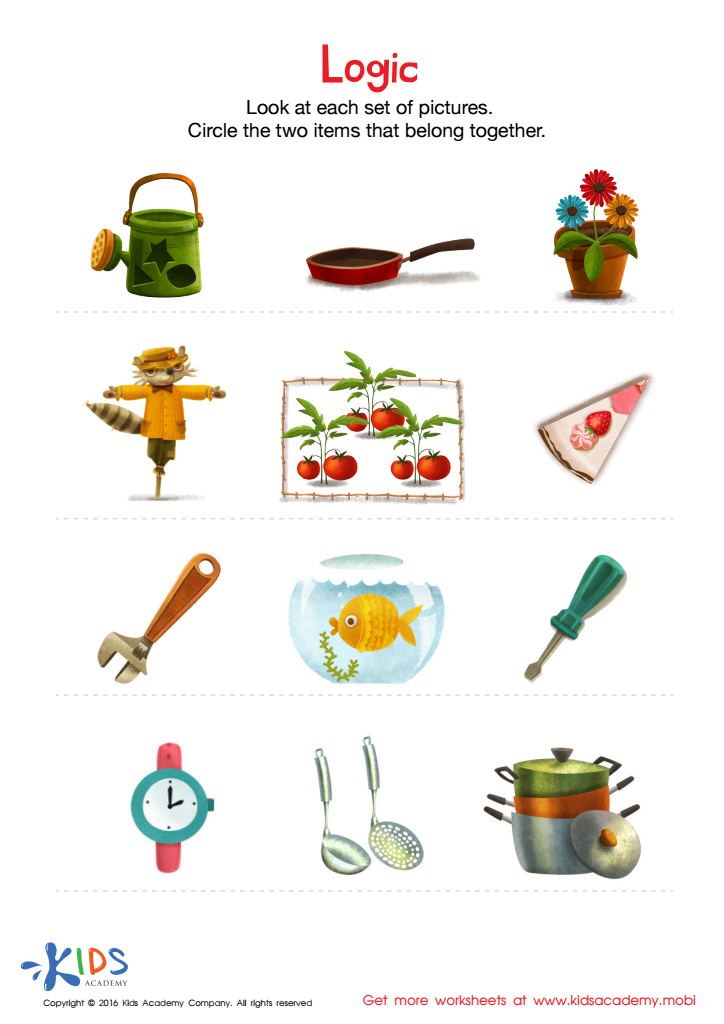
Logic Game Sorting Worksheet
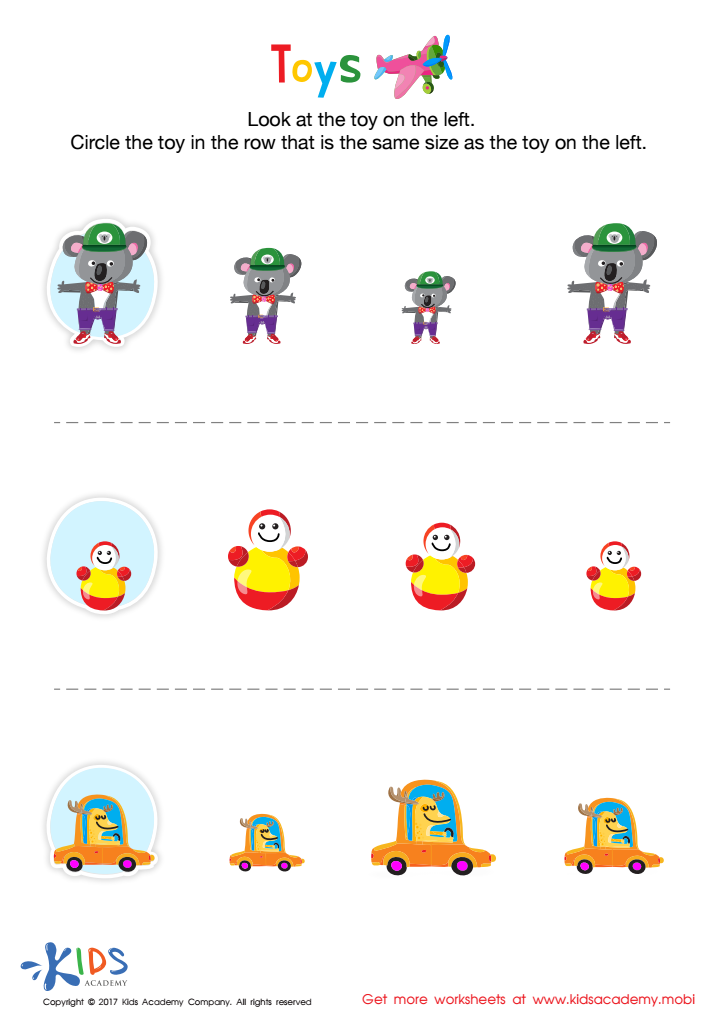
Matching: Classifying Toys by Size Worksheet
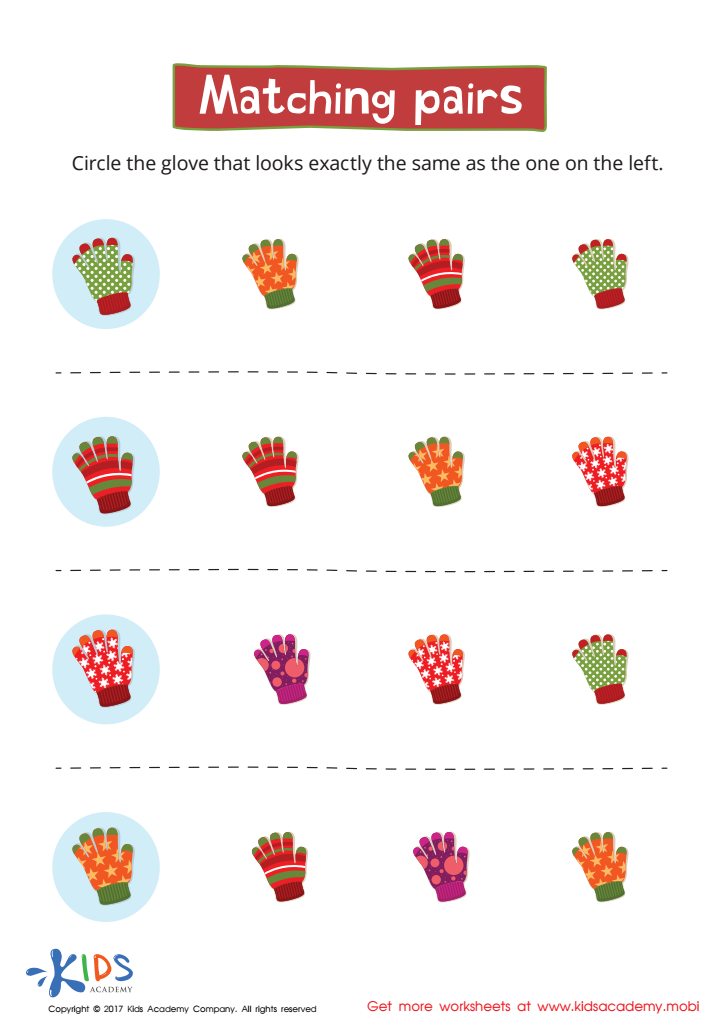
Matching: Matching Pairs Worksheet



.jpg)




Normal Matching activities are vital for children aged 3-9 because they promote essential cognitive and social skills that form the foundation for lifelong learning. These activities encourage children to identify similarities and differences among various objects, images, or concepts, enhancing their critical thinking and analytical abilities. As children engage in matching tasks, they develop essential skills such as pattern recognition, categorization, and problem-solving, which are important for mastering more complex academic concepts later on.
Additionally, Normal Matching activities foster fine motor skills and hand-eye coordination, as children manipulate physical objects or engage in interactive digital matching games. This multi-sensory approach promotes active learning, enabling children to absorb information through play, which is essential for their age group.
Moreover, these activities offer opportunities for social interaction, allowing children to collaboratively engage with peers or alongside adults. This teamwork nurtures essential social skills such as communication, negotiation, and empathy. For parents and teachers, incorporating Normal Matching activities into learning environments creates a joyful and stimulating atmosphere, making education meaningful and enjoyable. Ultimately, such engagement not only supports academic growth but also nurtures confident, well-rounded individuals ready to face life's challenges.








