Normal Matching worksheets activities for Ages 4-8 - Page 2
42 filtered results
-
From - To
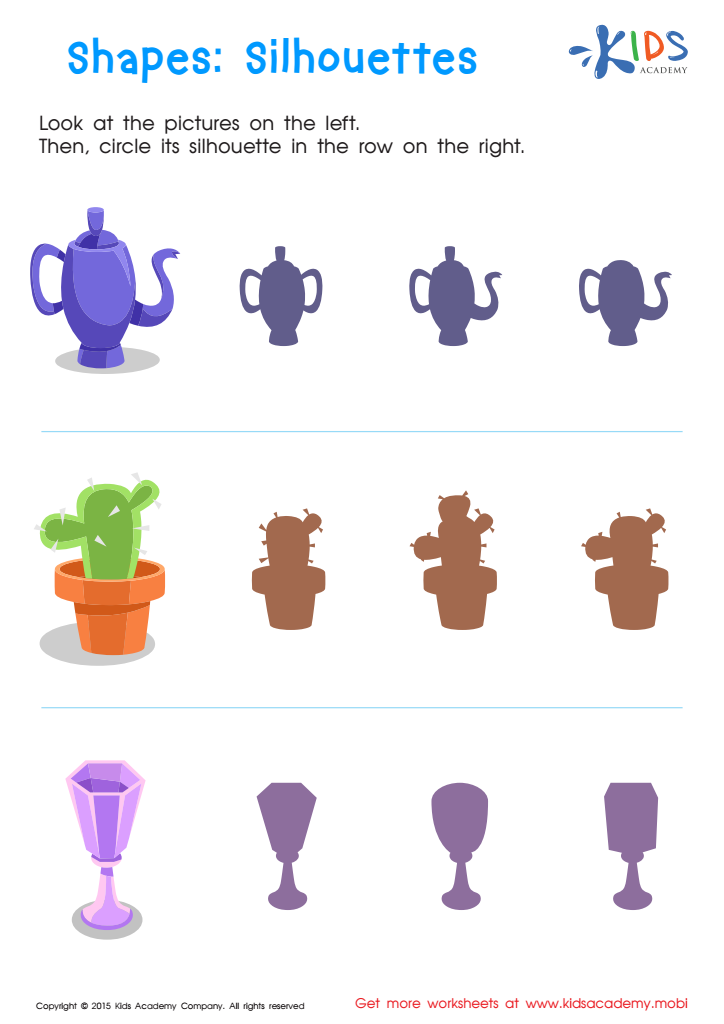
Silhouettes – Shapes Worksheet
 Assign to My Students
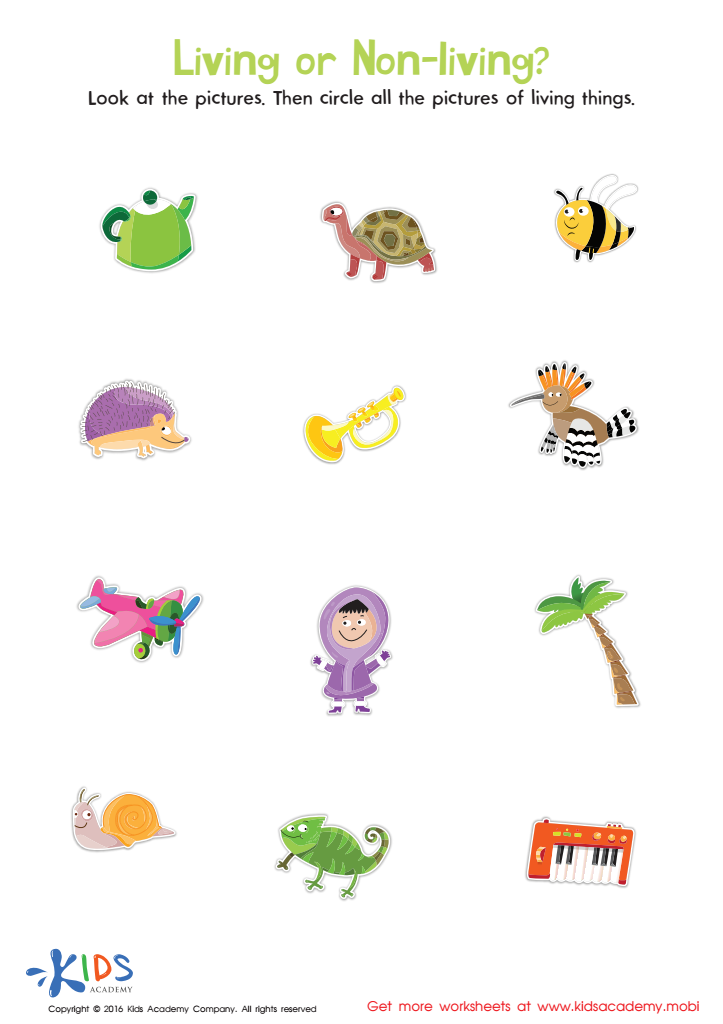
Identifying Living and Non–living Things Sorting Worksheet
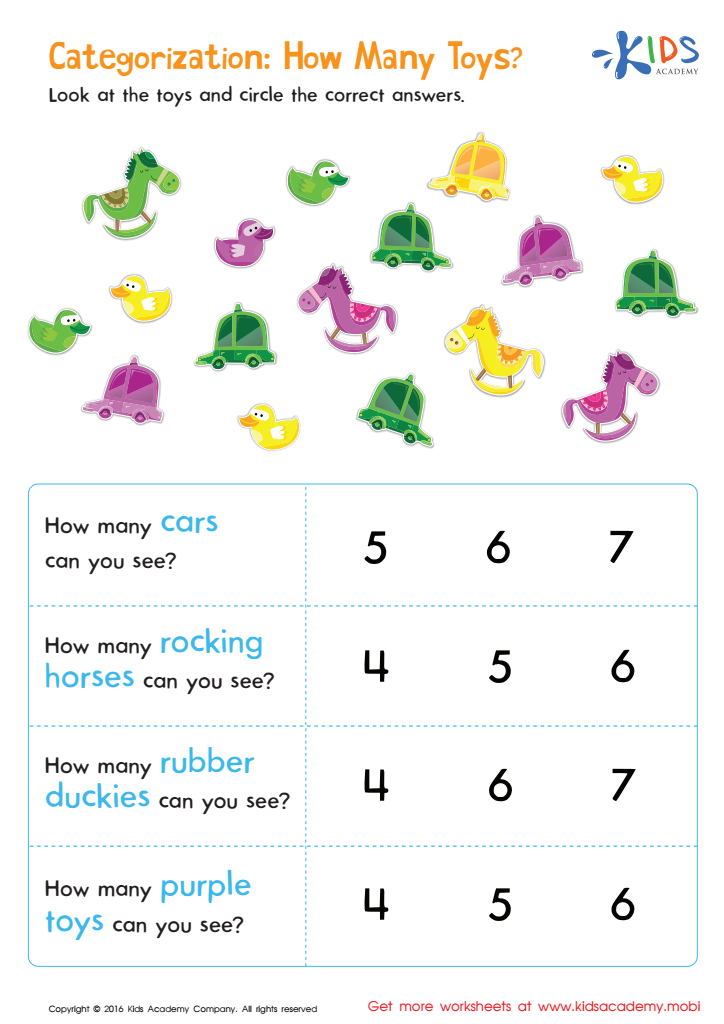
Classifying Toys by Type and Color Sorting Worksheet
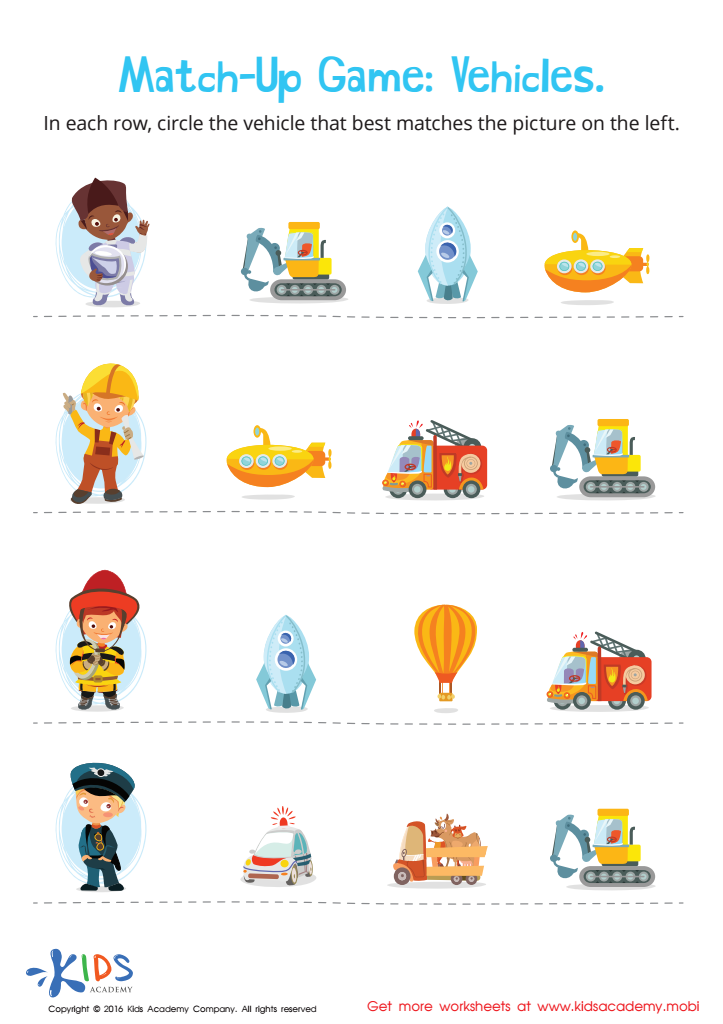
Vehicles Worksheet
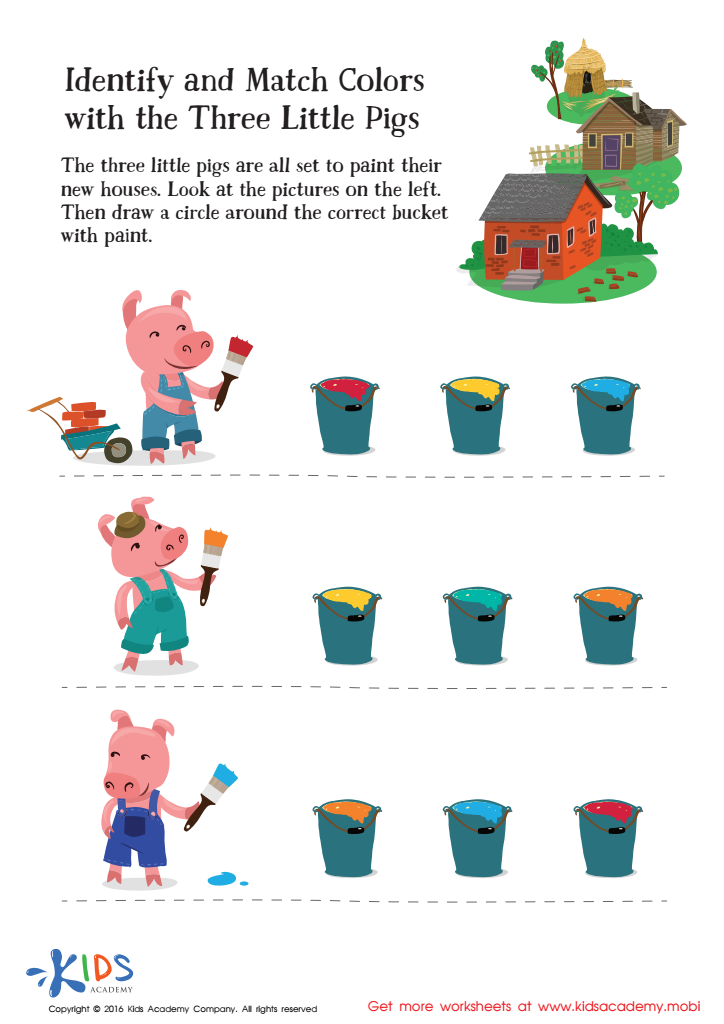
Fairy Tale Worksheet: Identify and Match Colors with Three Little Pigs
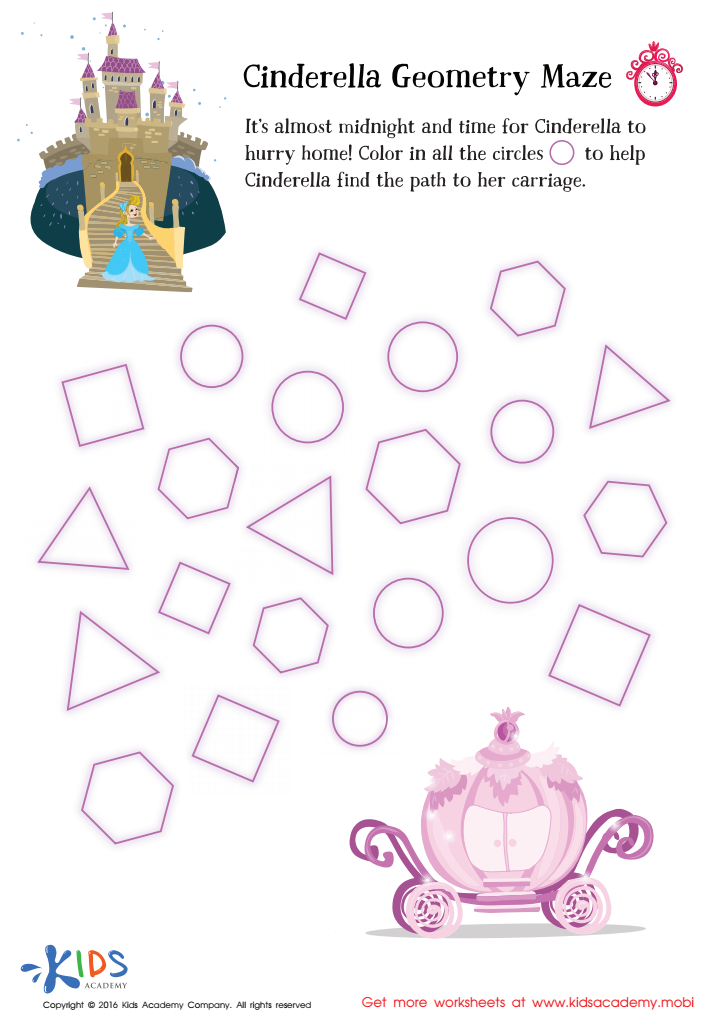
Cinderella Geometry Maze Worksheet
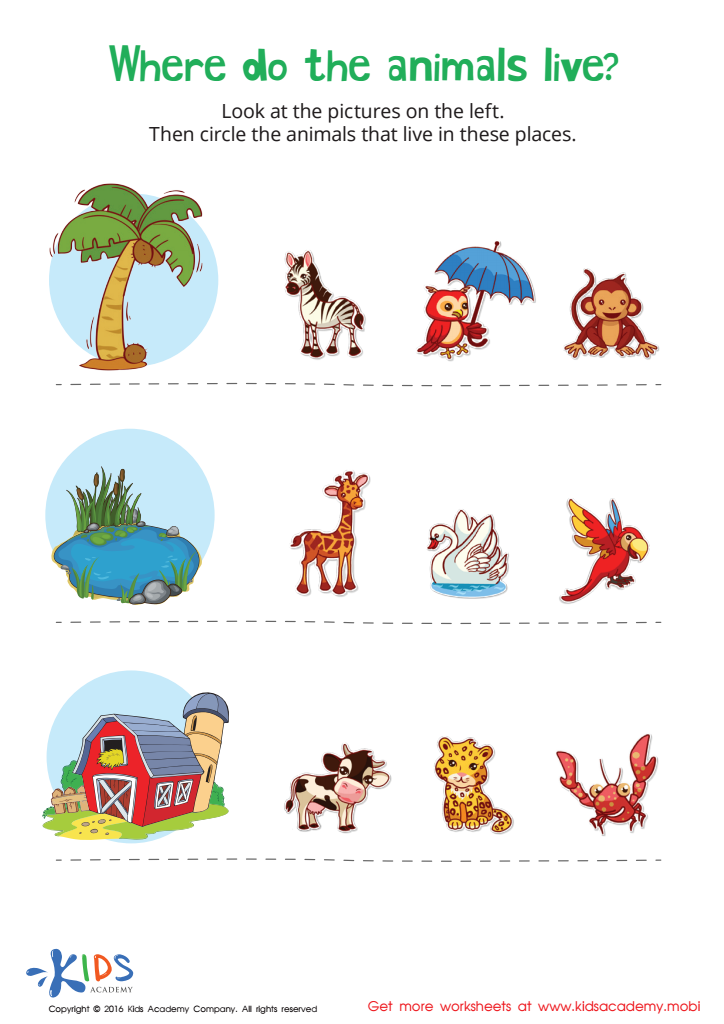
Where Animals Live Worksheet
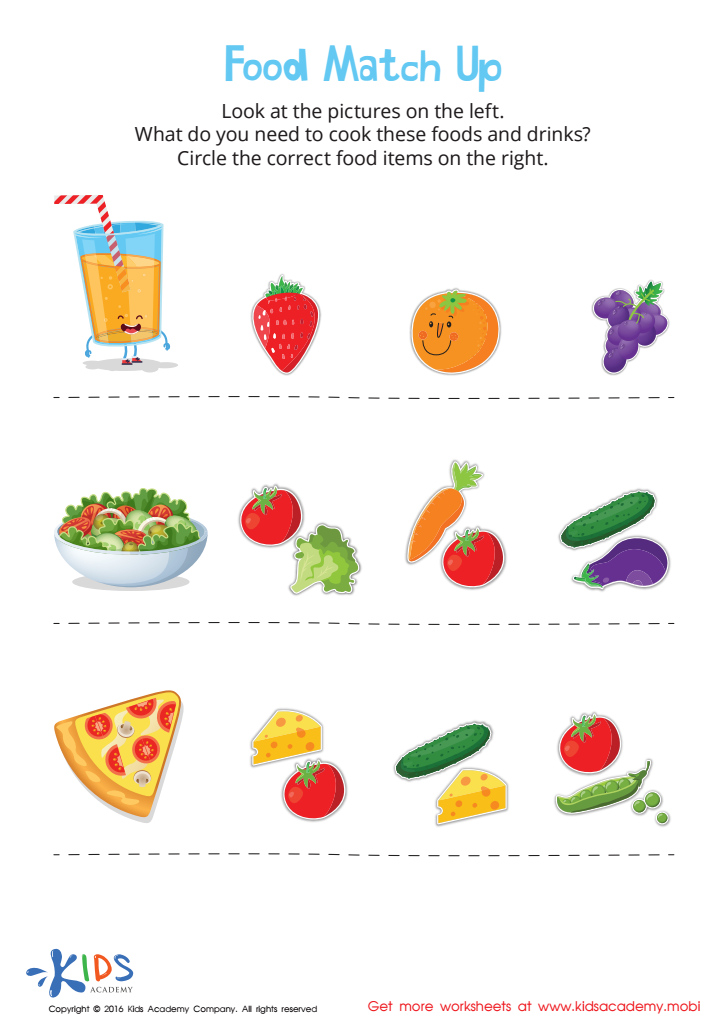
Food Match Up Worksheet
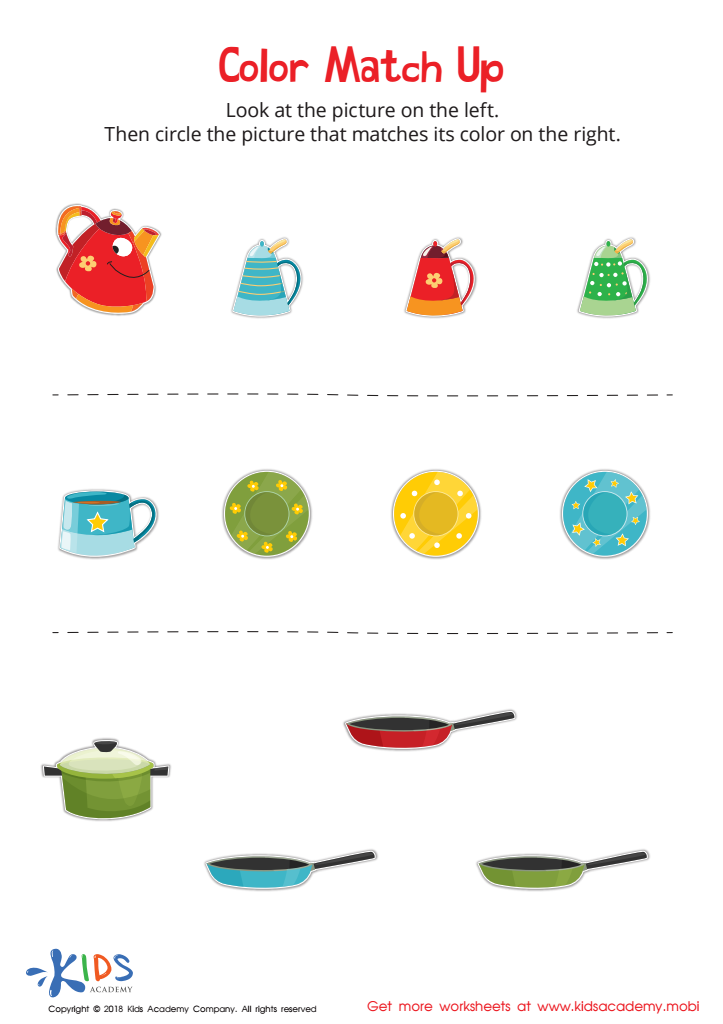
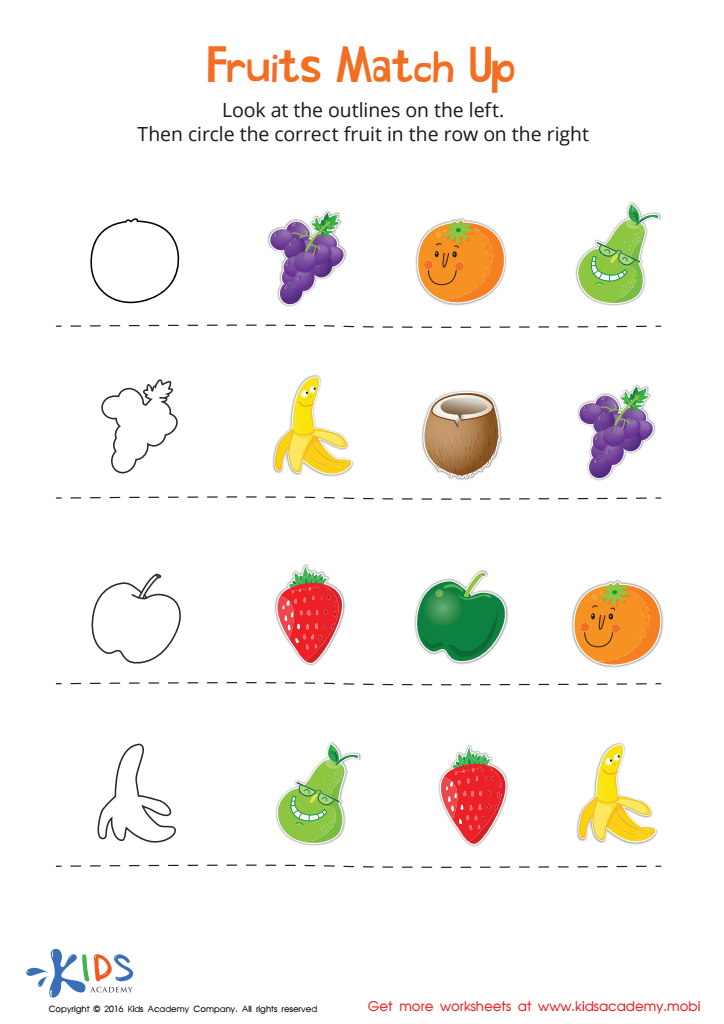
Fruits Match Up Worksheet
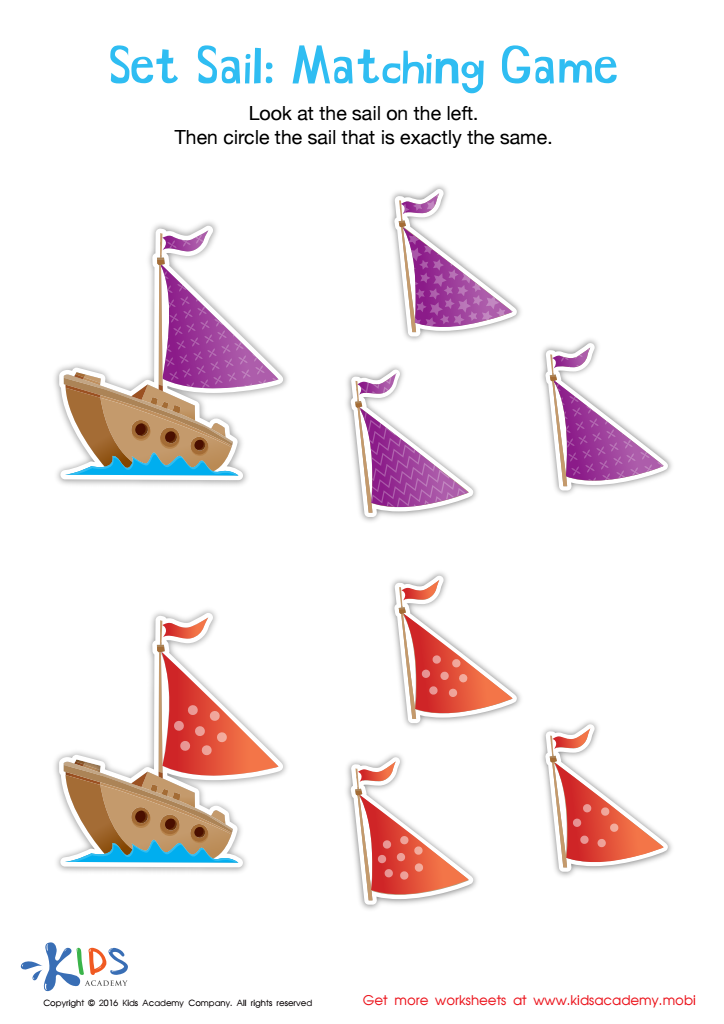
Set Sail Worksheet
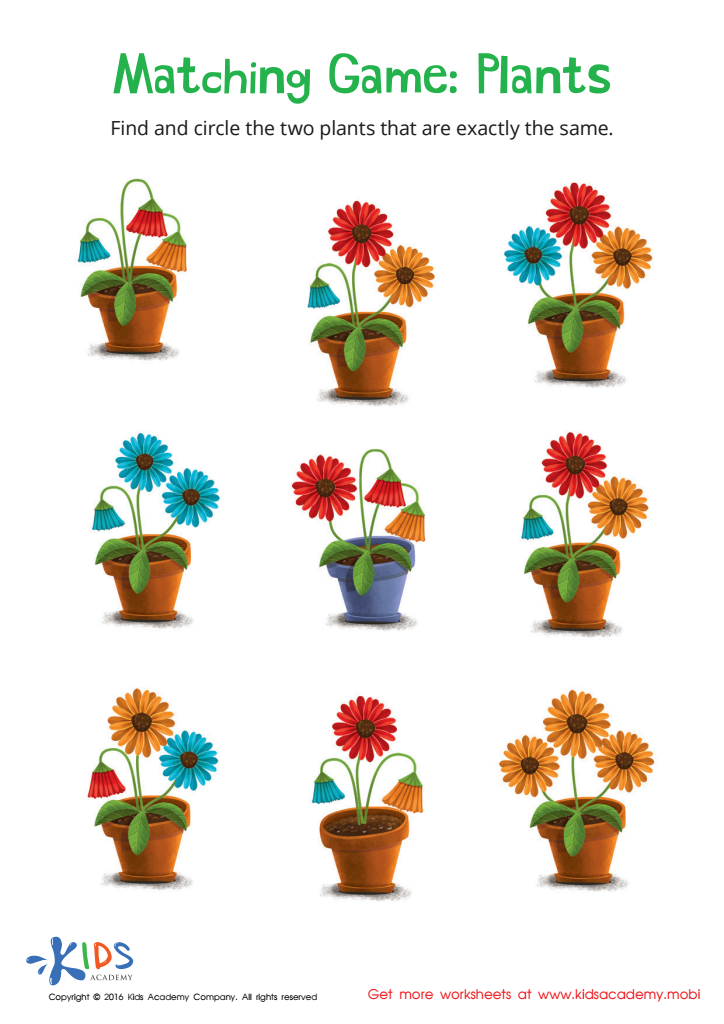
Matching: Plants Worksheet
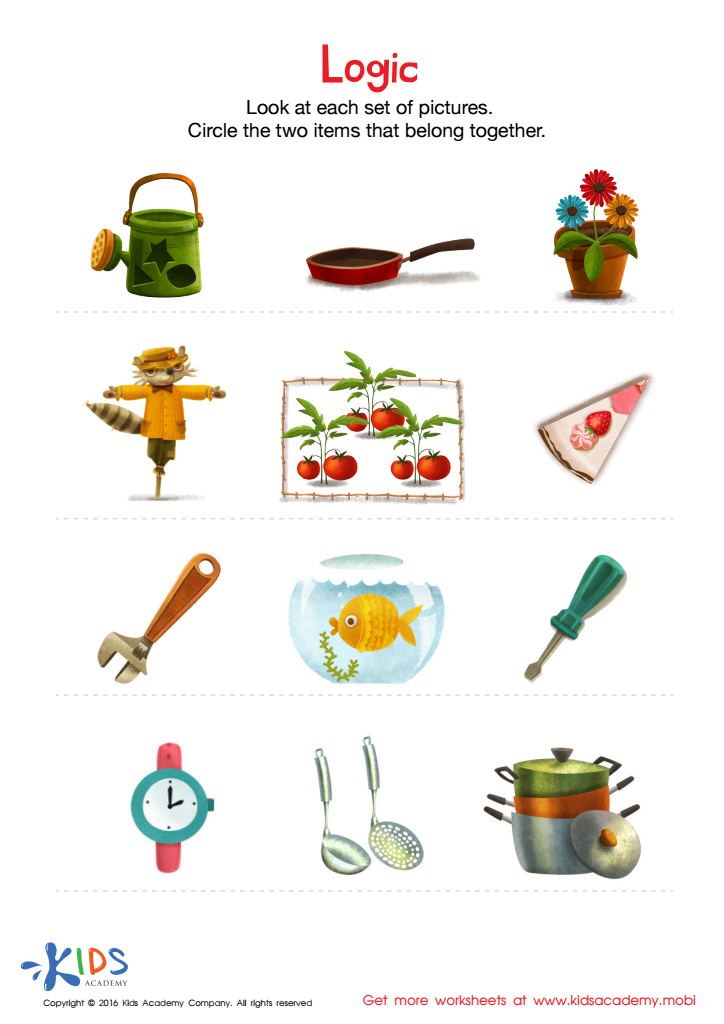
Logic Game Sorting Worksheet
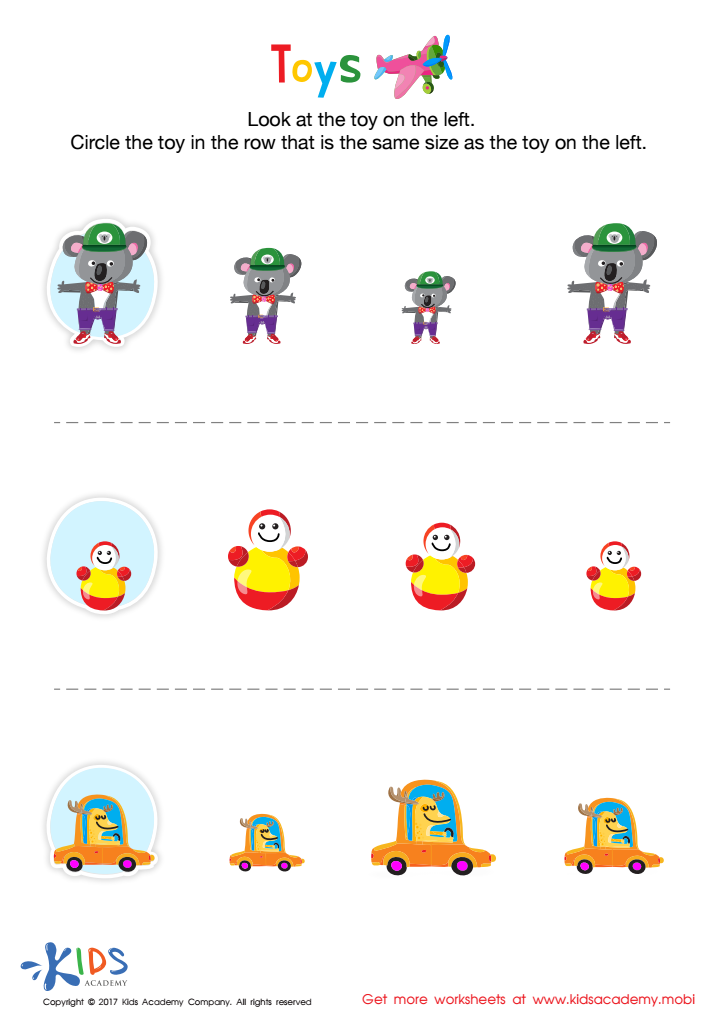
Matching: Classifying Toys by Size Worksheet
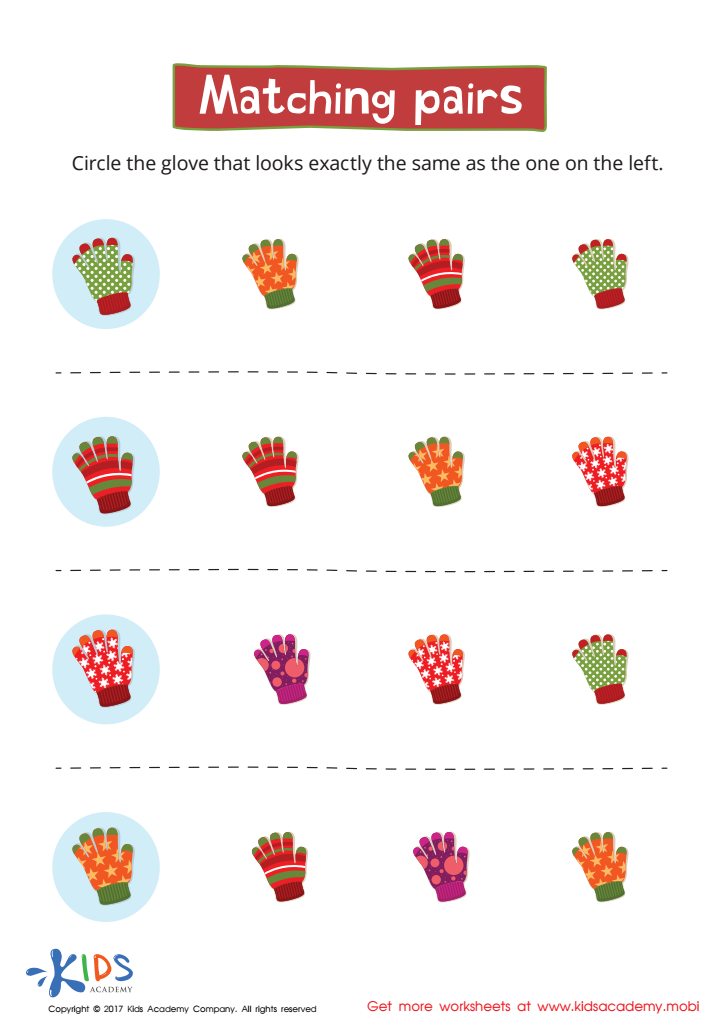
Matching: Matching Pairs Worksheet





.jpg)

Normal Matching activities are crucial for children aged 4-8 as they enhance cognitive and social development while laying the groundwork for lifelong learning. These activities, which often involve pairing items based on attributes like color, shape, or function, help children refine their observational skills and improve their ability to categorize information. This cognitive skill is foundational for mathematics and science learning, as it primes students for more complex problem-solving.
Moreover, Normal Matching activities foster essential social skills when done in group settings. Children learn how to communicate, collaborate, and negotiate with peers, building their emotional intelligence and reinforcing the values of teamwork and empathy. Engaging in such activities also offers ample opportunities for fine motor skill development, as children manipulate objects, enhancing their dexterity.
For parents and teachers, incorporating Normal Matching activities into daily routines enriches language learning, characterized by discussions about the traits and relationships among items. The joy of completing a matching game also promotes a sense of accomplishment, boosting self-esteem and motivation to learn. Ultimately, by prioritizing these activities, caregivers ensure children are equipped with diverse skills that are essential not only in academics but in everyday life.








