Normal Tracing Numbers worksheets activities for 6-Year-Olds
18 filtered results
-
From - To
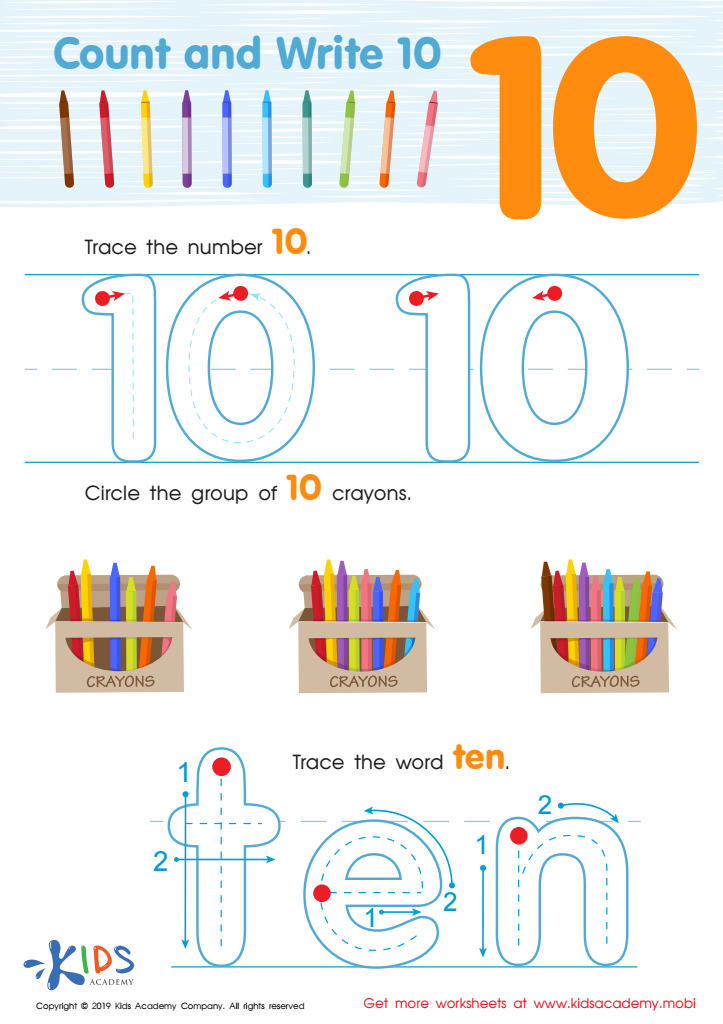
Count and Write 10 Worksheet
 Assign to My Students
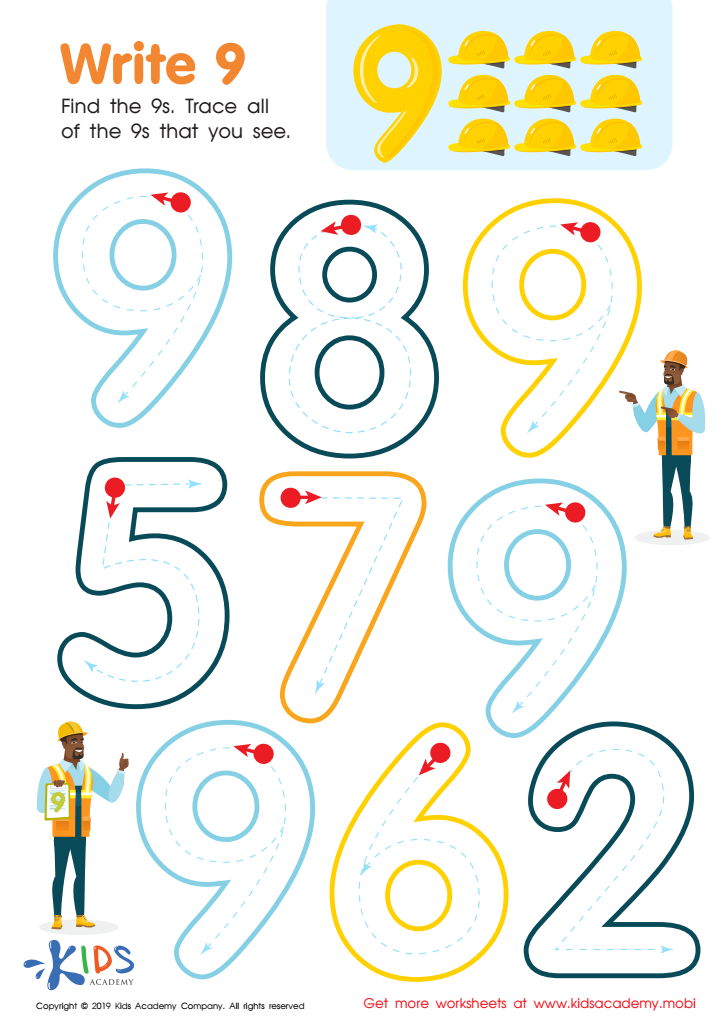
Write 9 Worksheet
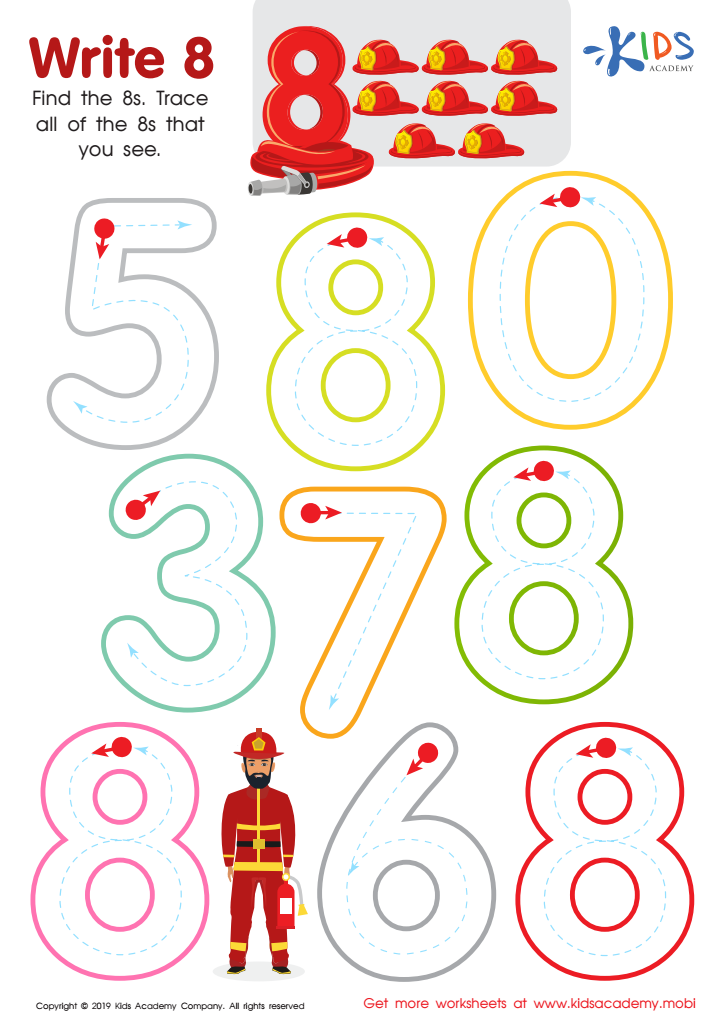
Write 8 Worksheet
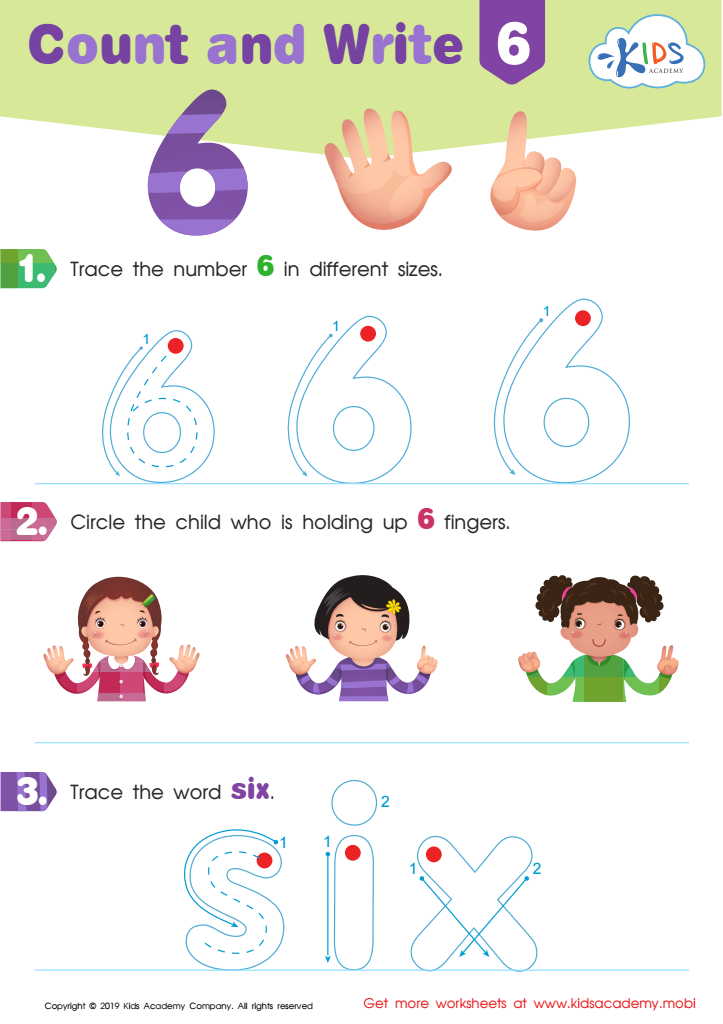
Count and Write 6 Worksheet
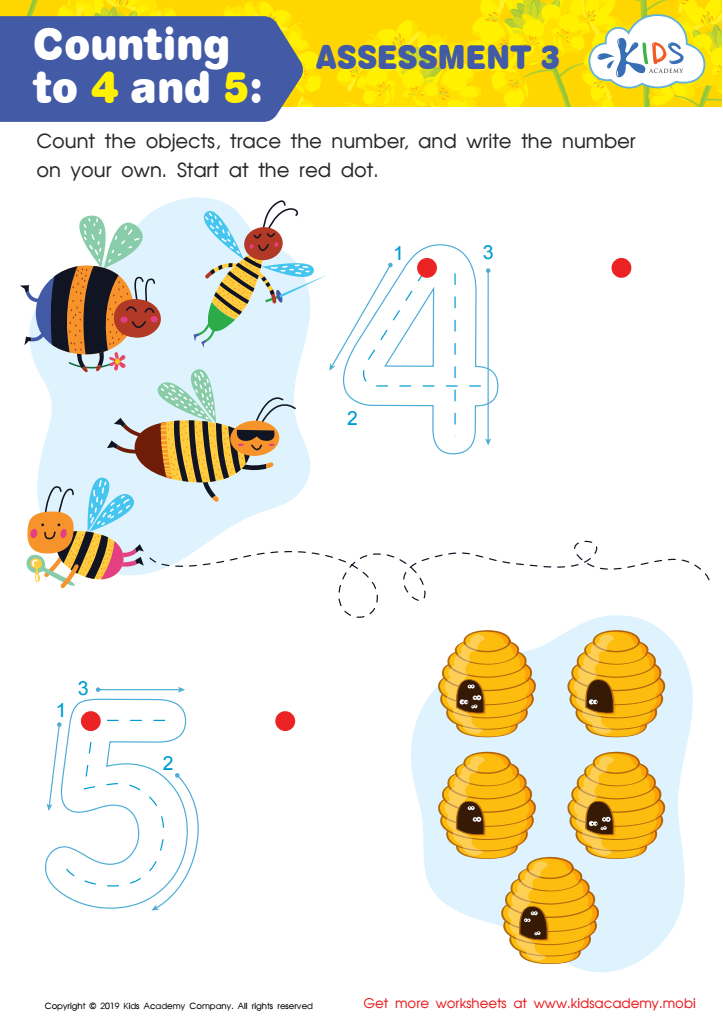
Counting to 4 and 5: Assessment 3 Worksheet
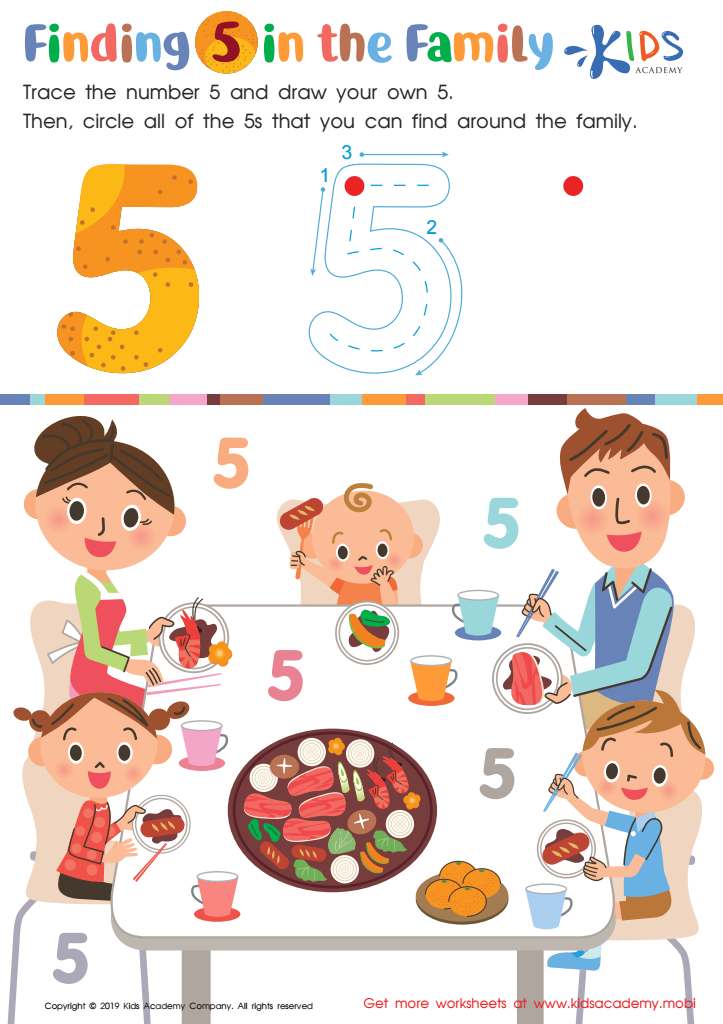
Finding 5 in the Family Worksheet
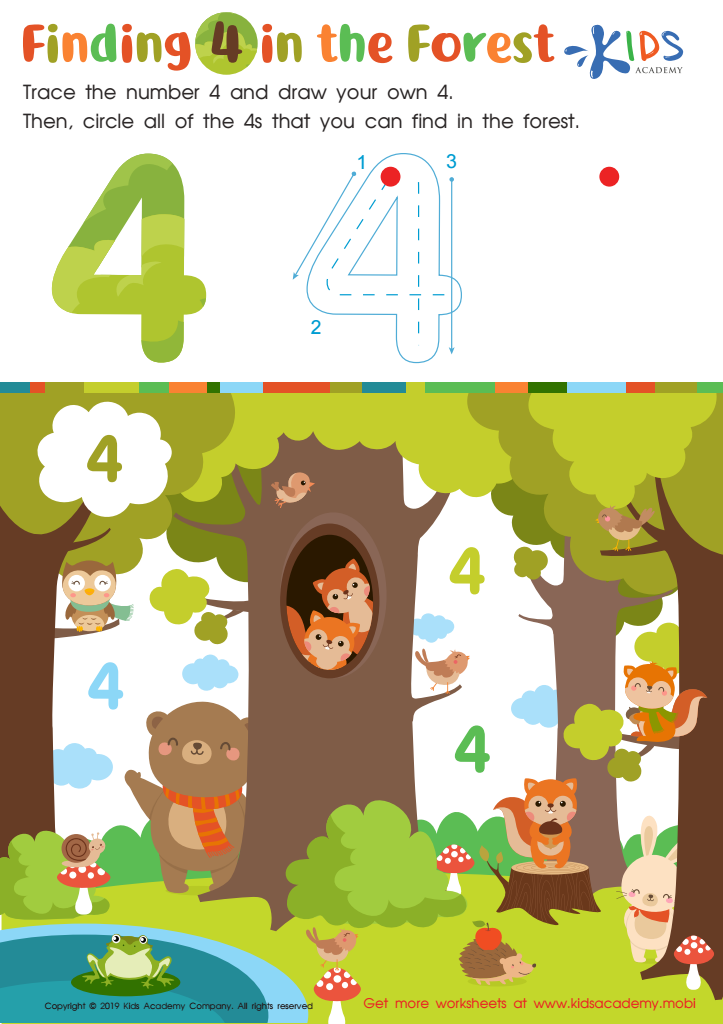
Finding 4 in the Forest Worksheet
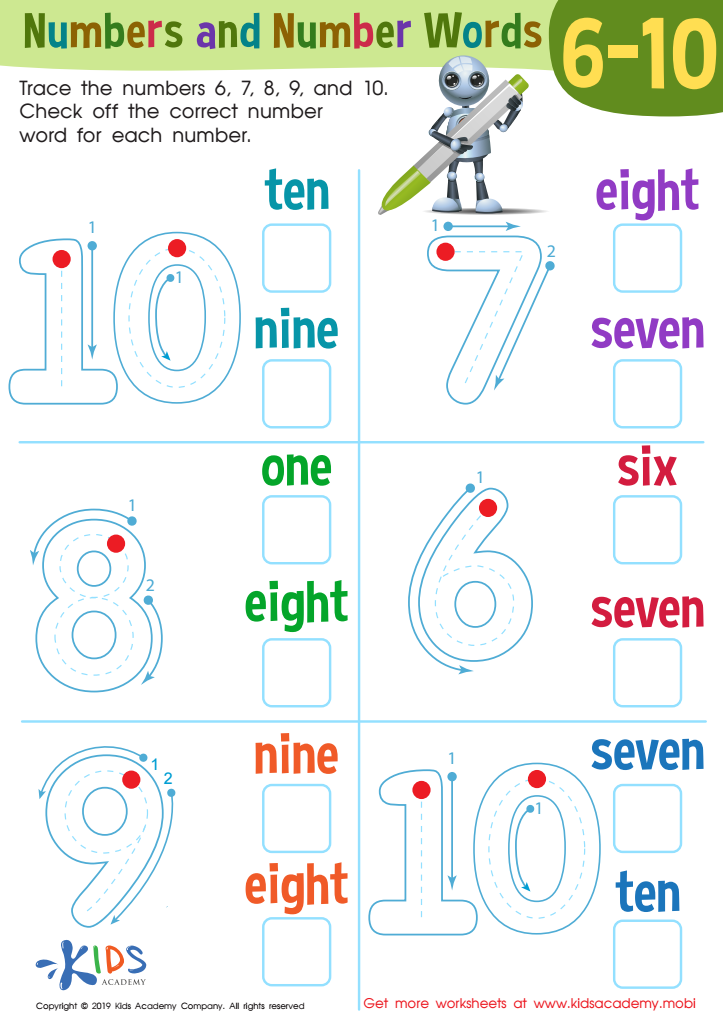
Numbers and Number Words 6–1 Worksheet
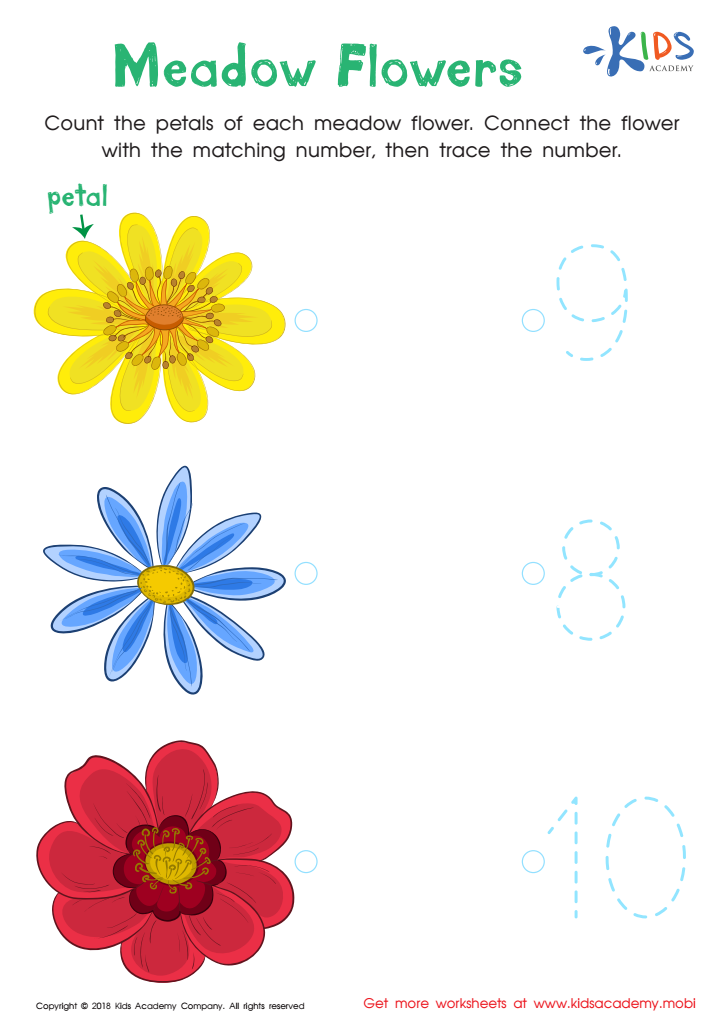
Kindergarten Number Tracing: Medow Flowers Worksheet
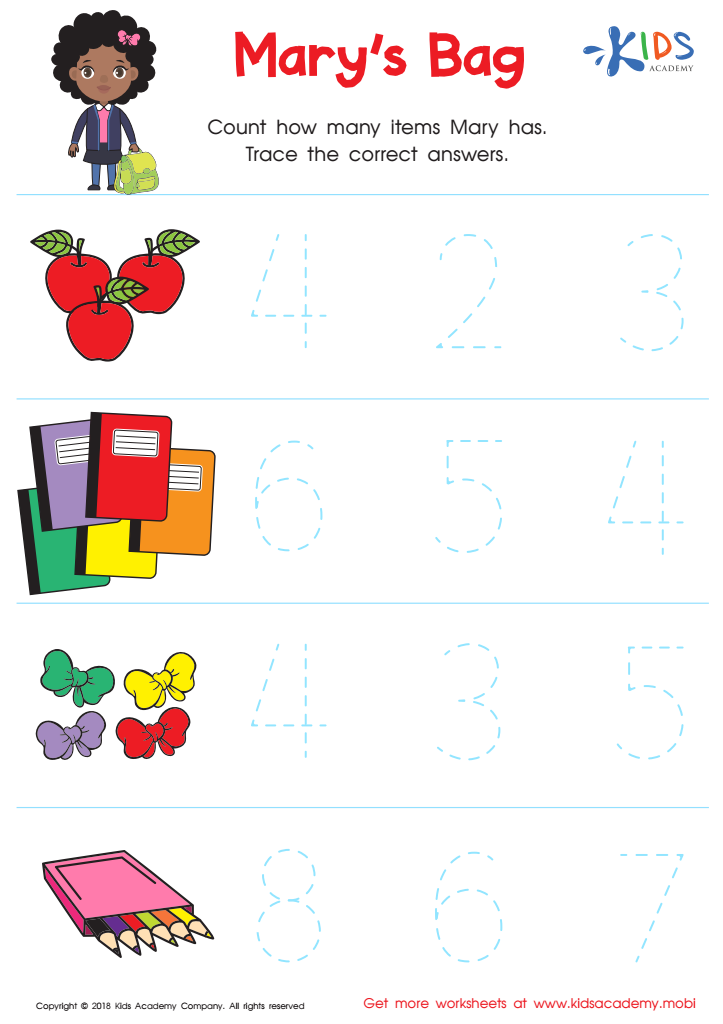
Kindergarten Number Tracing: Mary's Bag Worksheet
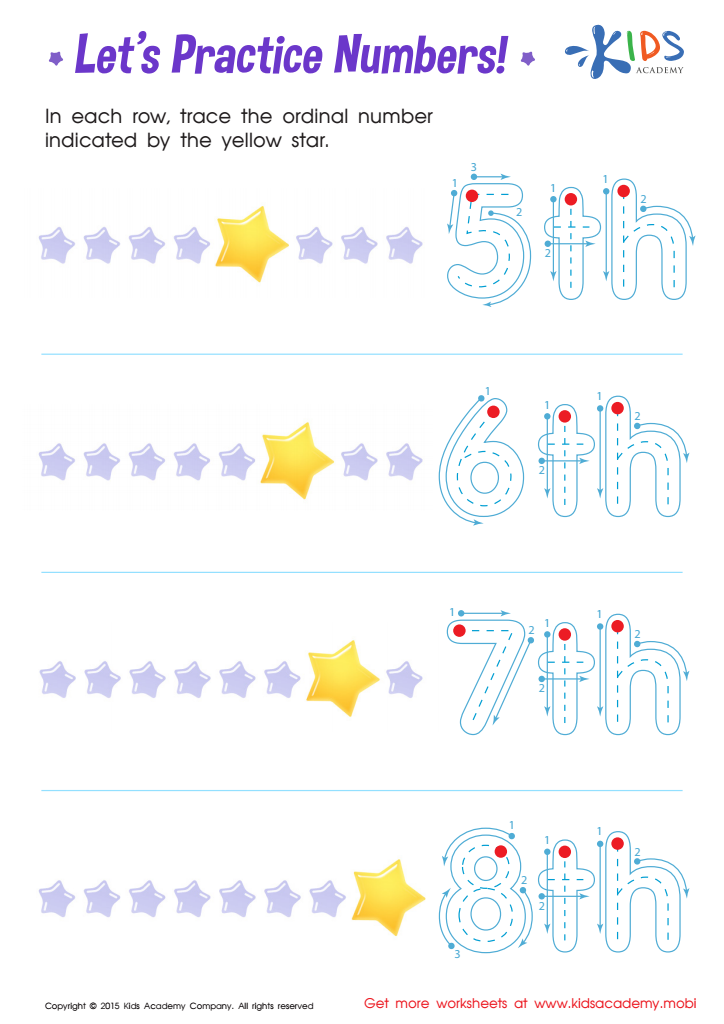
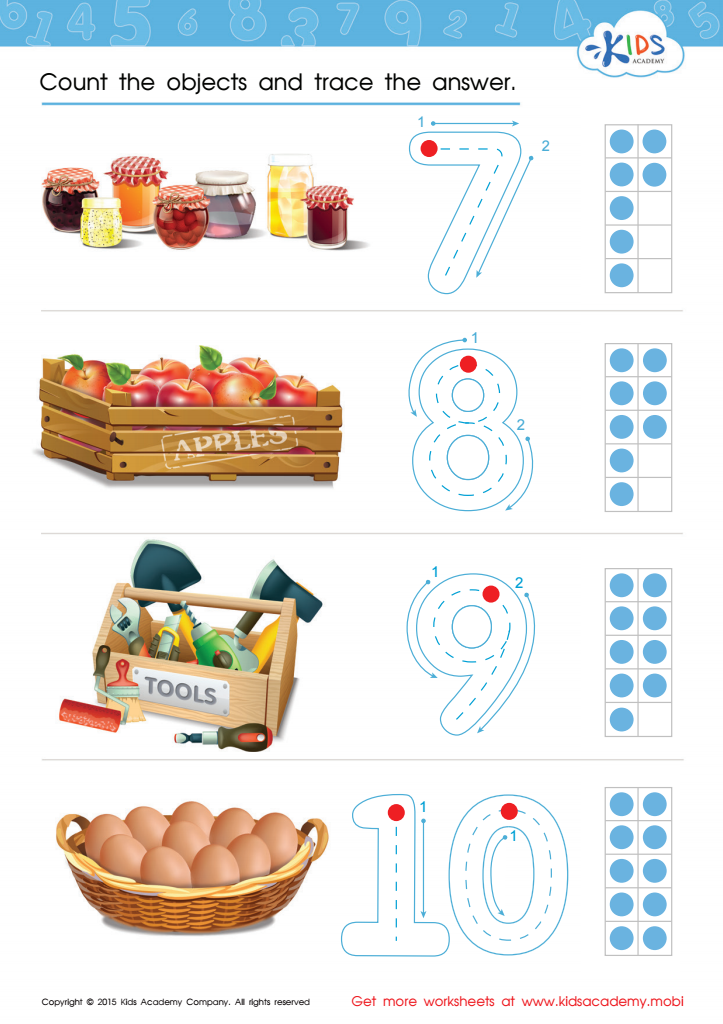
Count and Trace 7 – 10 Worksheet
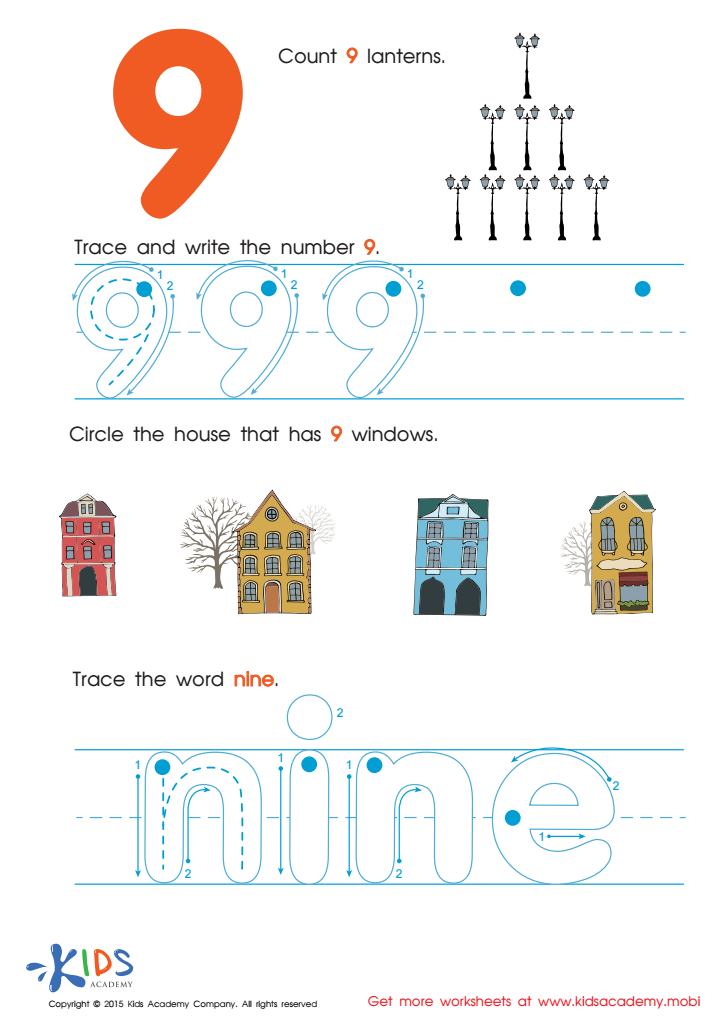
Tracing And Learning to Write Number 9 Worksheet
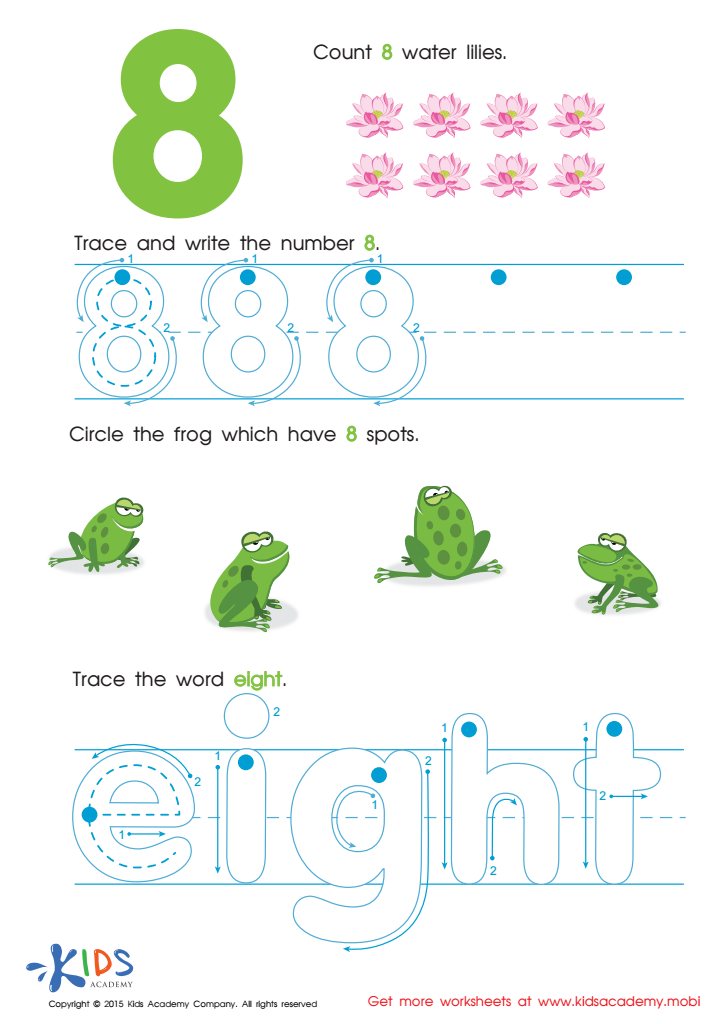
Learn Number 8 Easily Worksheet
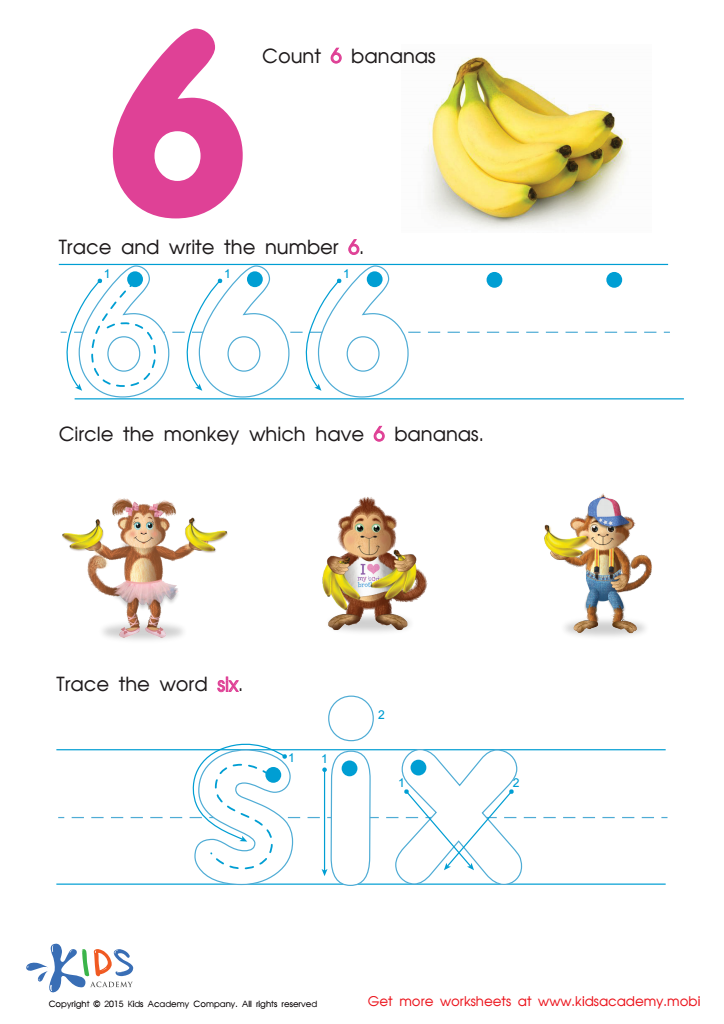
Tracing And Writing Number 6 Worksheet
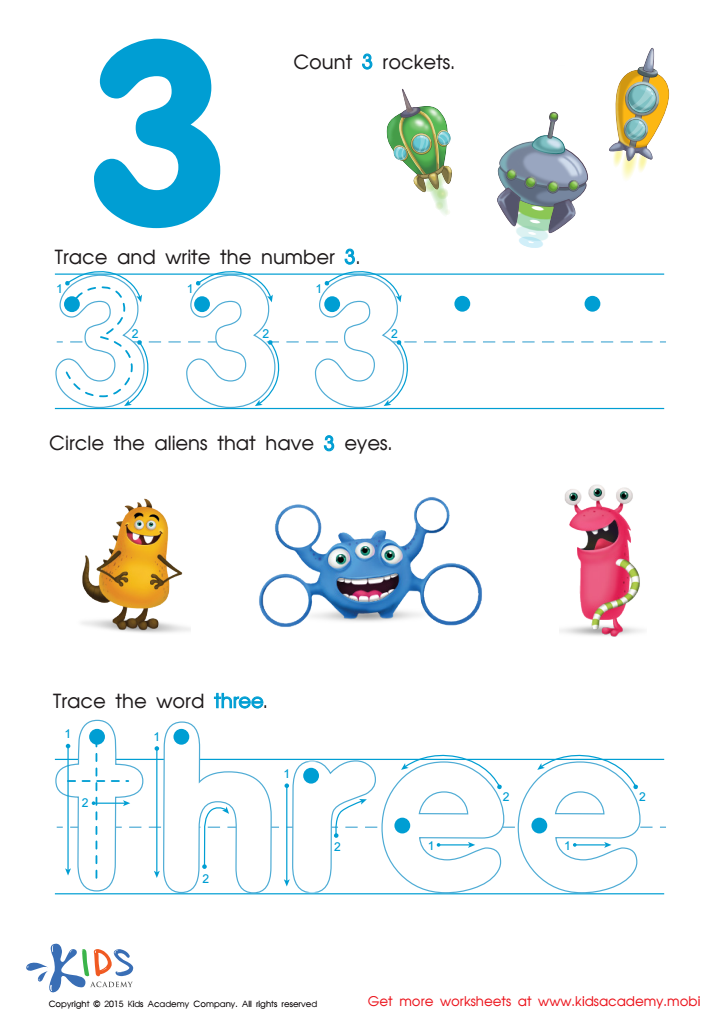
Learning Number Three Worksheet
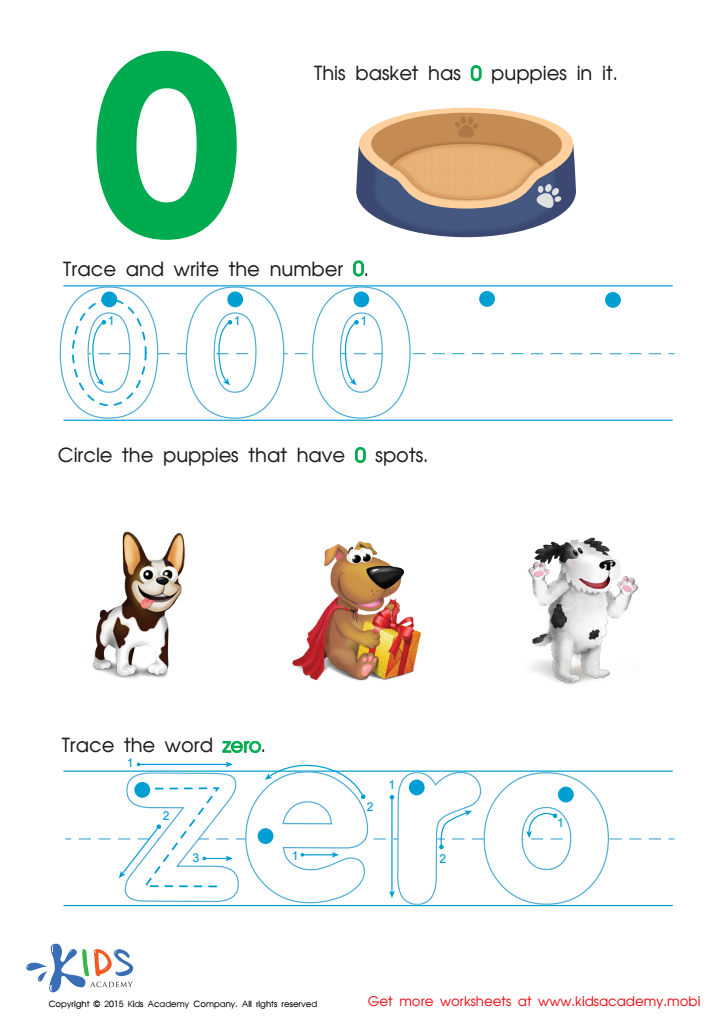
Trace And Write Number 0 Worksheet
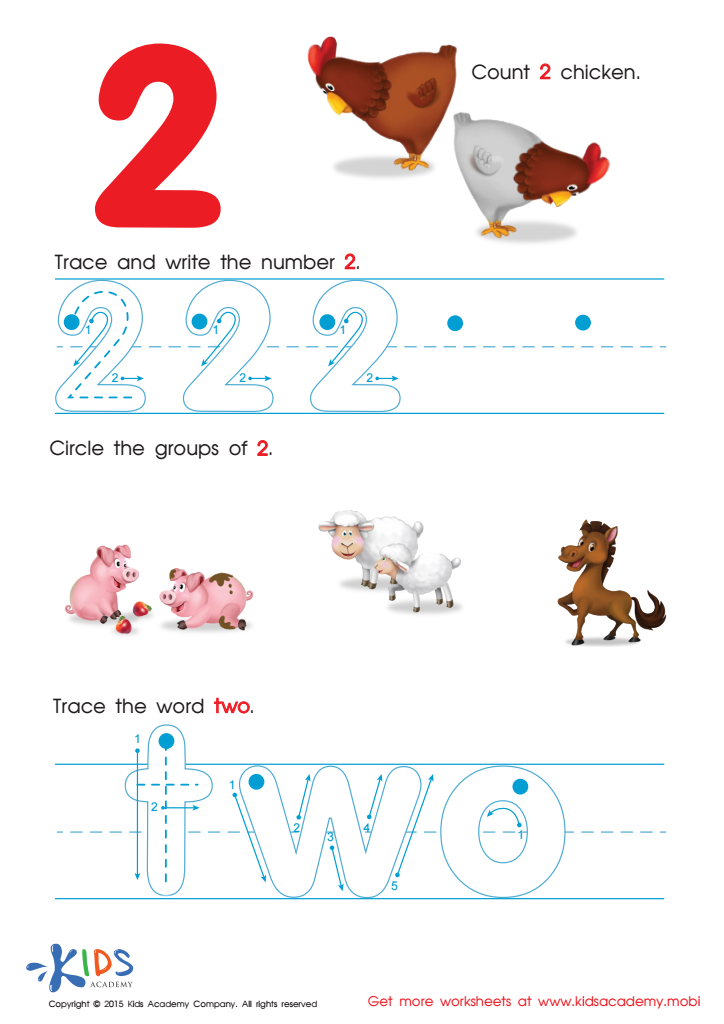
Learn to Write the Number 2 Worksheet



.jpg)




Normal Tracing Numbers worksheets activities are a cornerstone in foundational math education for young learners. These activities not only introduce children to the world of numbers but also enhance their fine motor skills, which are crucial for writing and other intricate tasks. Let's delve into why these activities are so beneficial.
Firstly, Normal Tracing Numbers worksheets activities familiarize children with the shape and structure of numbers. By tracing numbers, children learn to recognize and differentiate between them, which is the first step towards understanding their value and how they function within the mathematical world. This visual and tactile engagement helps cement the numbers in young minds, making future math lessons more accessible.
Moreover, these activities hone fine motor skills. Tracing requires control, precision, and coordination, all of which are essential for writing. By engaging in Normal Tracing Numbers worksheets, children develop the hand strength and dexterity needed to hold a pencil correctly, write letters and numbers, and eventually progress to more complex writing tasks. This development is critical for academic success across subjects, not just math.
Furthermore, Normal Tracing Numbers worksheets can be incredibly versatile, catering to various learning styles. Whether a child is a visual, auditory, or kinesthetic learner, tracing numbers provides a hands-on experience that can enhance their learning process. It allows children to interact directly with numbers, making abstract concepts more concrete and understandable.
Lastly, these activities promote concentration and patience. Completing a worksheet requires focus, encouraging children to develop their attention span. This skill is invaluable, as it applies to all areas of learning and daily life.
In conclusion, Normal Tracing Numbers worksheets activities are a fundamental tool in early childhood education. They lay the groundwork for number recognition, enhance motor skills, cater to diverse learning styles, and foster concentration. Incorporating these activities into a child's learning routine can significantly impact their academic journey, providing a solid foundation for future mathematical understanding and overall educational success.








