Filters

393 filtered results

Clear all filters
Favorites
With answer key
Interactive

393 filtered results

Difficulty Level

Grade


Check out this FREE Trial Lesson on Science for age 3-8!

Animal Life Cycle

Favorites
With answer key
Interactive
  • 3-8
  • Interactive
  • Science
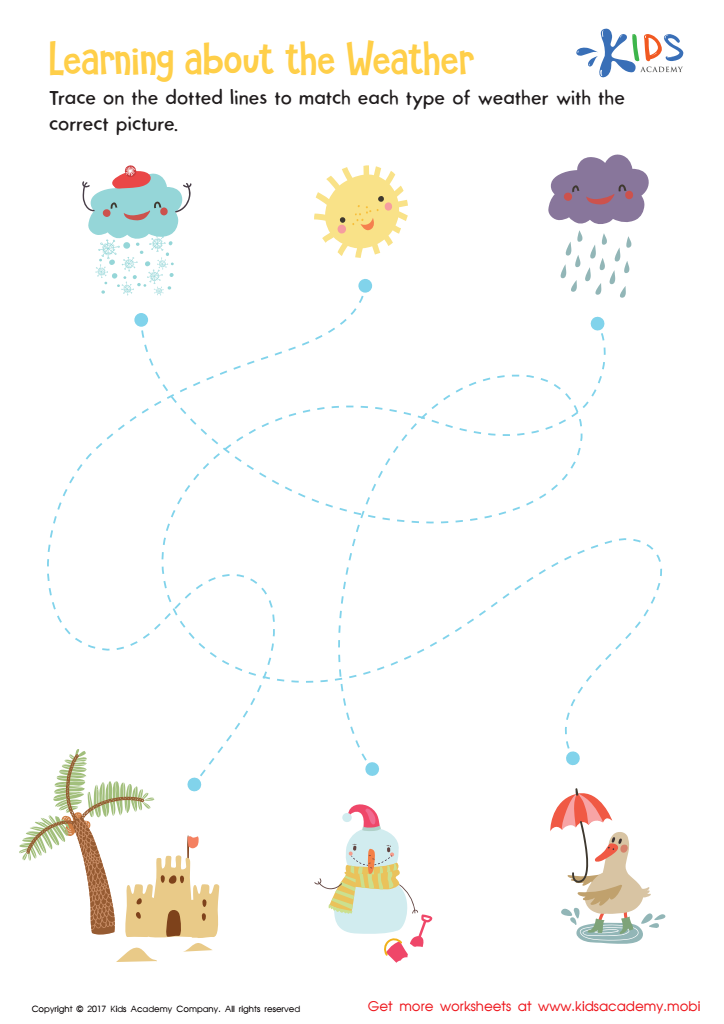
Weather Matching Worksheet

Learning About the Weather Worksheet

Learning About the Weather Worksheet
Worksheet
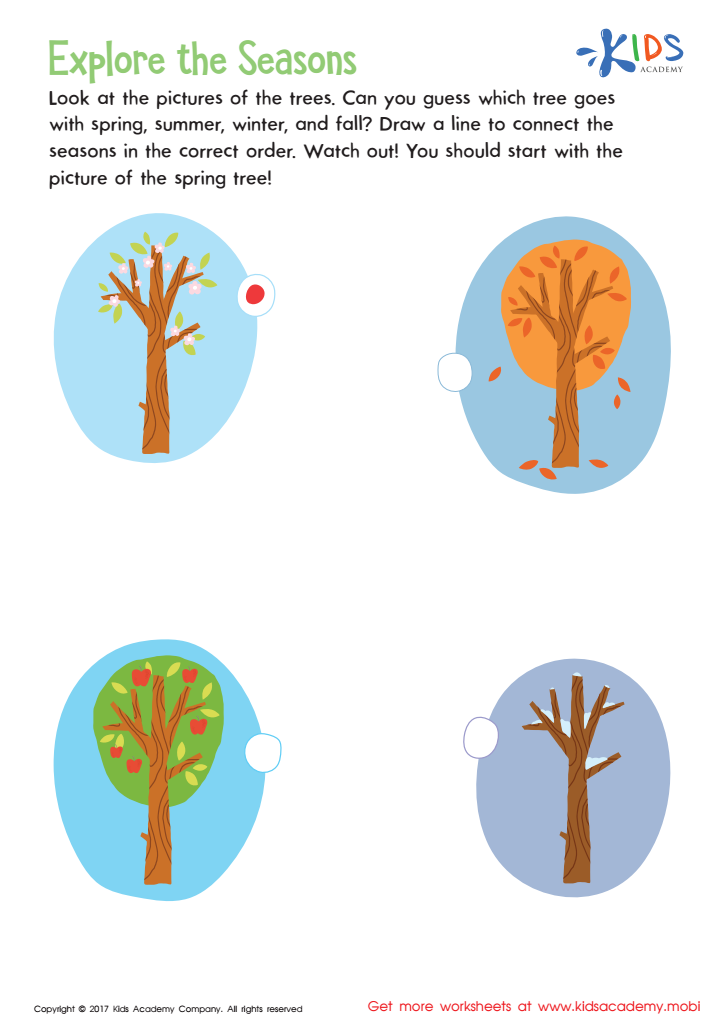
Explore the Seasons Printable

Explore the Seasons Worksheet

Introduce kids to the abstract concept of time with the explore the seasons printable. It helps build logical reasoning and problem-solving skills while teaching how trees change with the weather. Plus, it lets kids make real-life connections to what they're learning. So have them recall the seasons that have passed this year and prepare to be amazed!
Explore the Seasons Worksheet
Worksheet
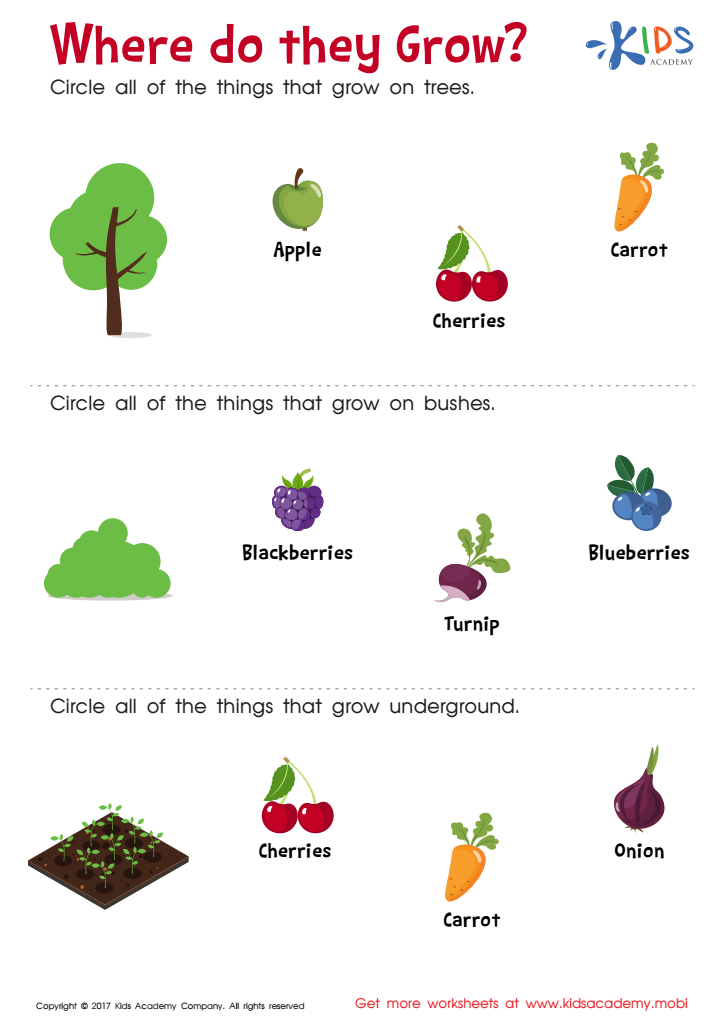
Where Do They Grow
Where Do They Grow

Where Do They Grow Worksheet

With this worksheet, your child can learn about apples, cherries, and blueberries and gain important science skills.
Where Do They Grow Worksheet
Worksheet
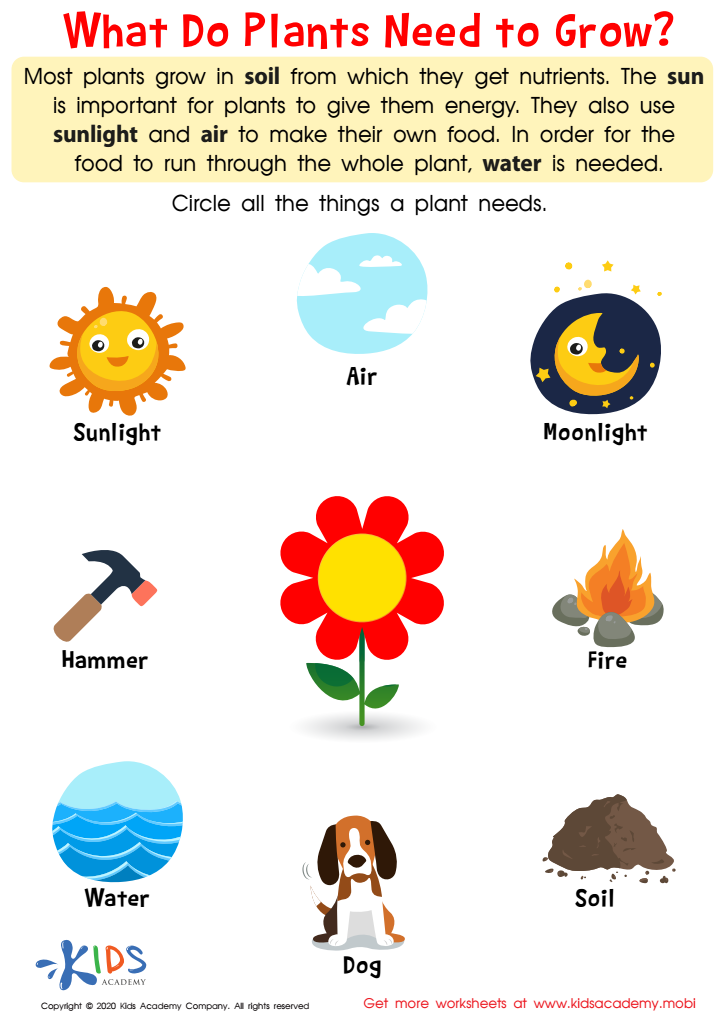
What Do Plants Need to Grow Worksheet

What Do Plants Need to Grow Worksheet

Help your child explore and discover the world of plants with this fun how do plants grow worksheet! They'll gain knowledge, sharpen problem solving skills, and build science foundations as they identify what plants need to grow. Afterward, plant a seed together and watch it sprout right before their eyes!
What Do Plants Need to Grow Worksheet
Worksheet
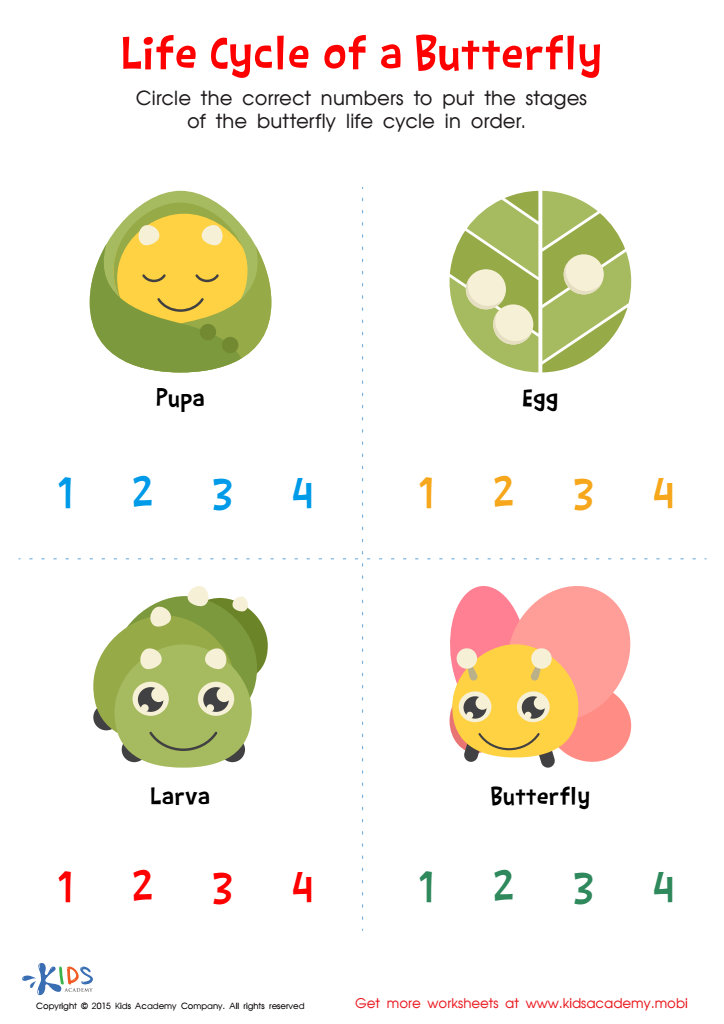
Butterfly Life Cycle Printable Worksheet

Life Cycle of Butterfly Printable
Kids and grownups alike marvel at the beauty of butterflies. With this printable worksheet, kids can review the life cycle of these favorite insects and strengthen cognitive and problem solving skills. From egg to butterfly, kids will order the stages and use the best strategy to solve it. Guide them as they work and they'll learn multiple skills.
Life Cycle of Butterfly Printable
Worksheet
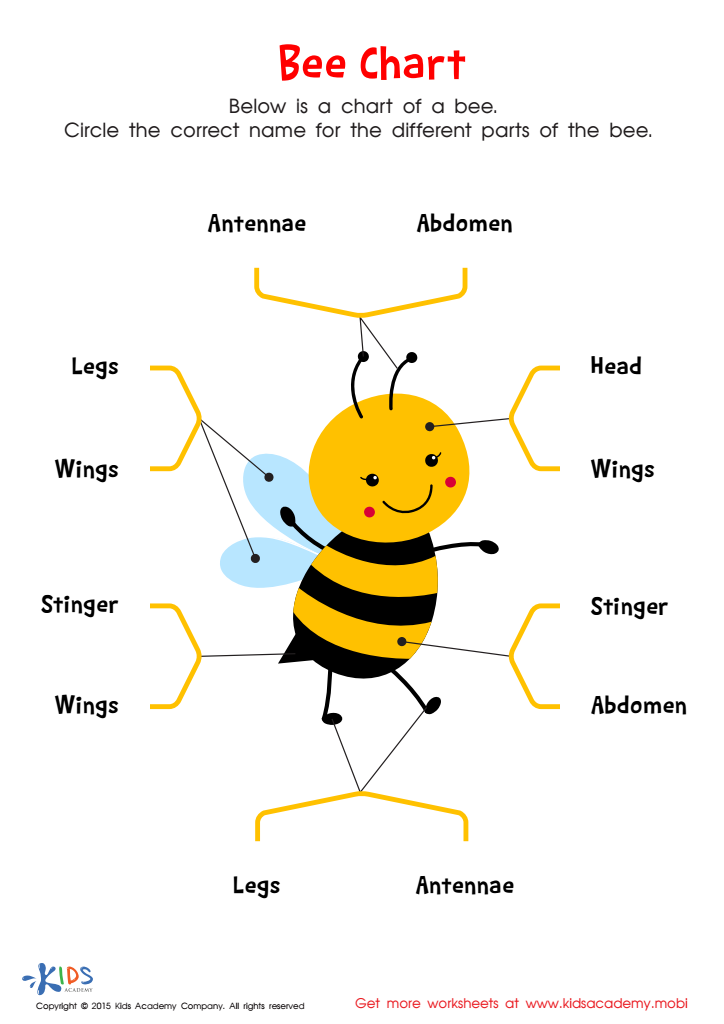
Delightful Bee Anatomy Worksheet

Bee Chart Worksheet

Bee Chart Worksheet
Worksheet
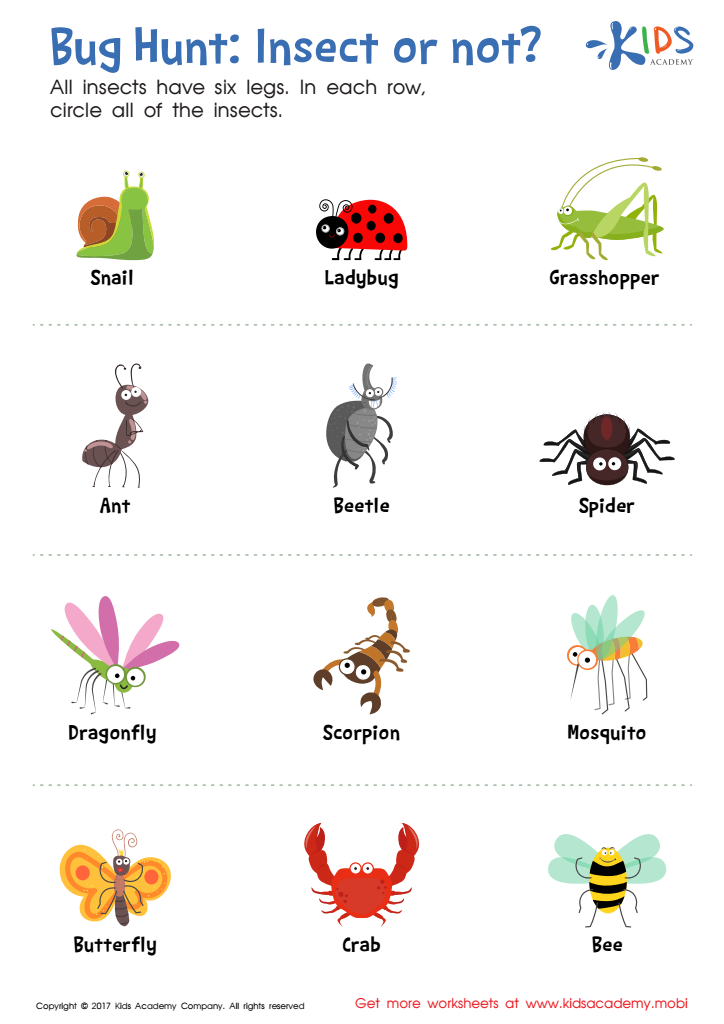
Bug Hunt: Insect or Not

Insect or Not? Worksheet

Try the “Bug Hunt: Insect or Not?” worksheet today!
Insect or Not? Worksheet
Worksheet
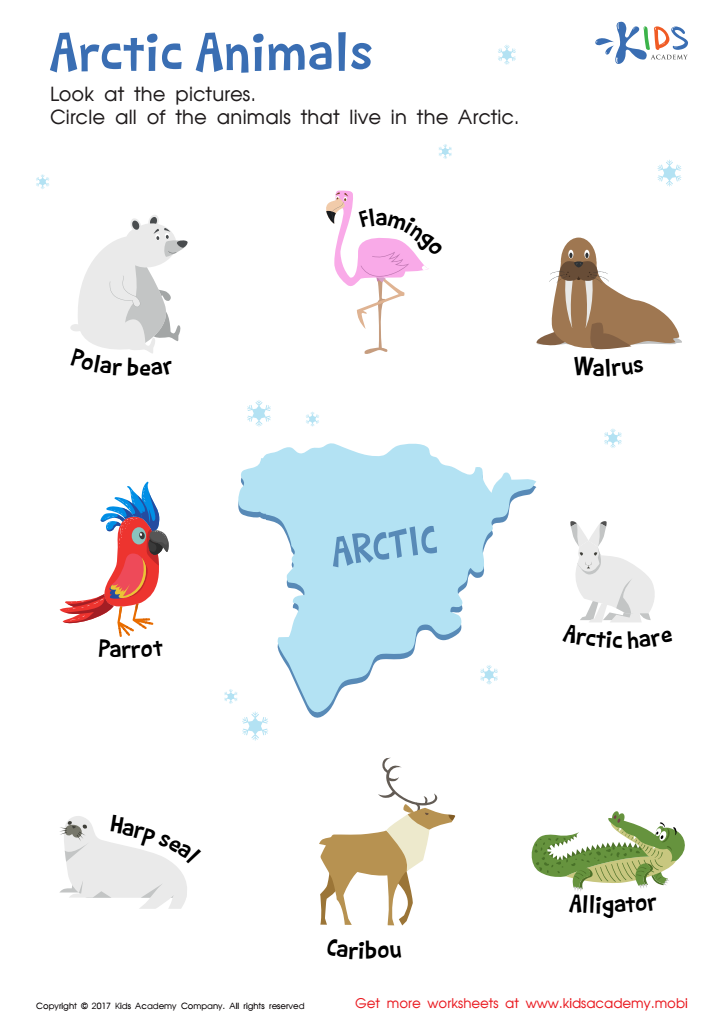
Arctic Animals Worksheet

Arctic Animals Worksheet

Kids love animals and this worksheet is a great way to teach them where they live. It reinforces classification skills and introduces new animals, like the Arctic hare. Use it to discuss the Arctic climate and how these animals live, then ask your child where other animals live to keep the conversation going.
Arctic Animals Worksheet
Worksheet
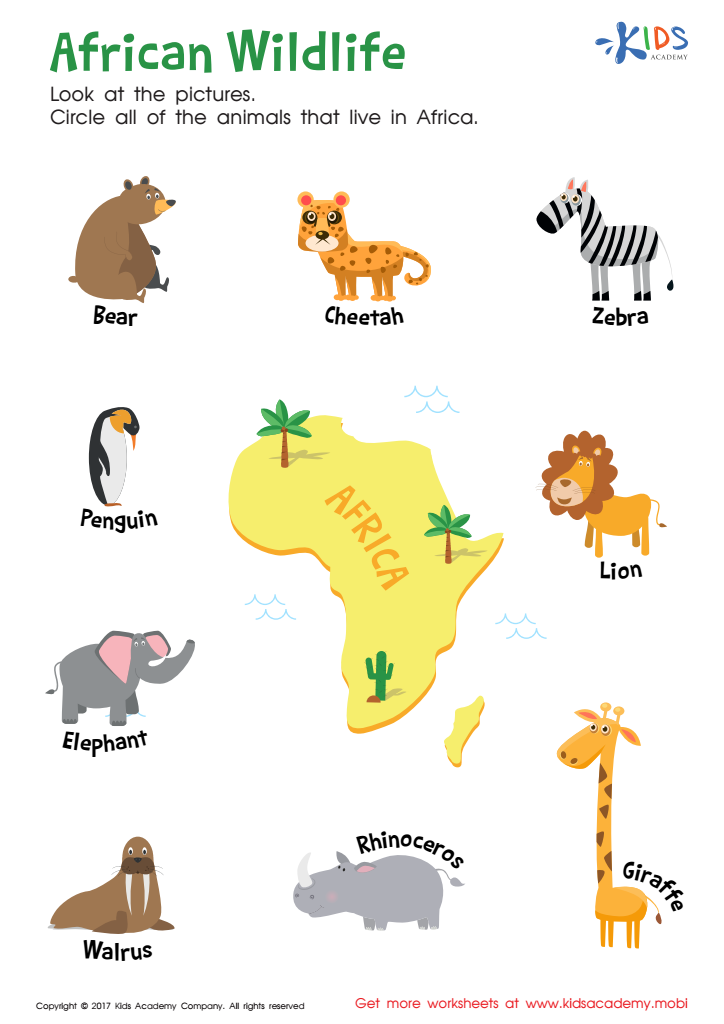
African Wildlife Printable Worksheet

African Wildlife Worksheet

African Wildlife Worksheet
Worksheet


... 16 17

Science education for children aged 3-8 is crucial for fostering curiosity and critical thinking skills. At this early age, children are naturally inquisitive, asking questions about the world around them. Engaging them in scientific exploration not only satisfies their curiosity but also lays the foundation for a lifetime of learning.

Introducing basic scientific concepts through hands-on activities and explorations enhances cognitive development. Children begin to understand cause and effect, develop problem-solving skills, and learn the importance of observation, which are all key components of scientific inquiry. Furthermore, early exposure to science helps cultivate an appreciation for nature and promotes environmental awareness.

Additionally, incorporating science into learning supports literacy and numeracy skills. Activities that involve measuring, sorting, and classifying enhance mathematical understanding, while communicating findings boosts language skills.

For parents and teachers, fostering a love for science during these formative years can inspire children to pursue STEM (science, technology, engineering, and mathematics) fields in the future. This is significant in a world increasingly driven by technology and innovation. In essence, prioritizing science education in early childhood not only enriches a child's knowledge but also equips them with essential skills for success in a rapidly changing world.