Measurement Worksheets for Ages 3-9 - Page 2
109 filtered results
-
From - To
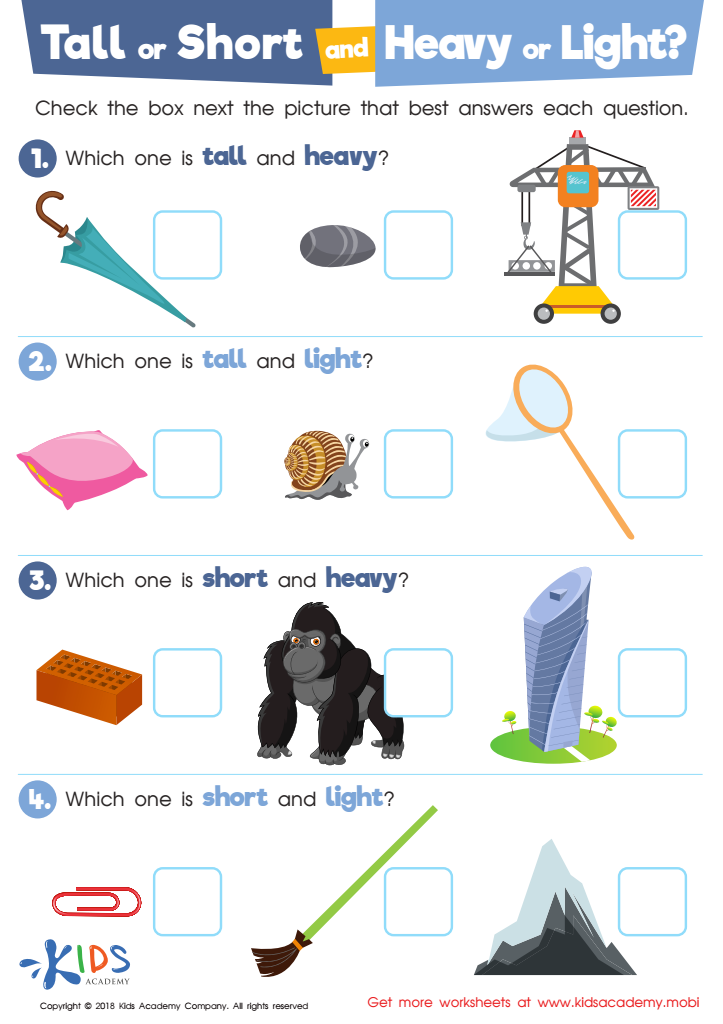
Tall or Short and Heavy or Light? Worksheet
 Assign to My Students
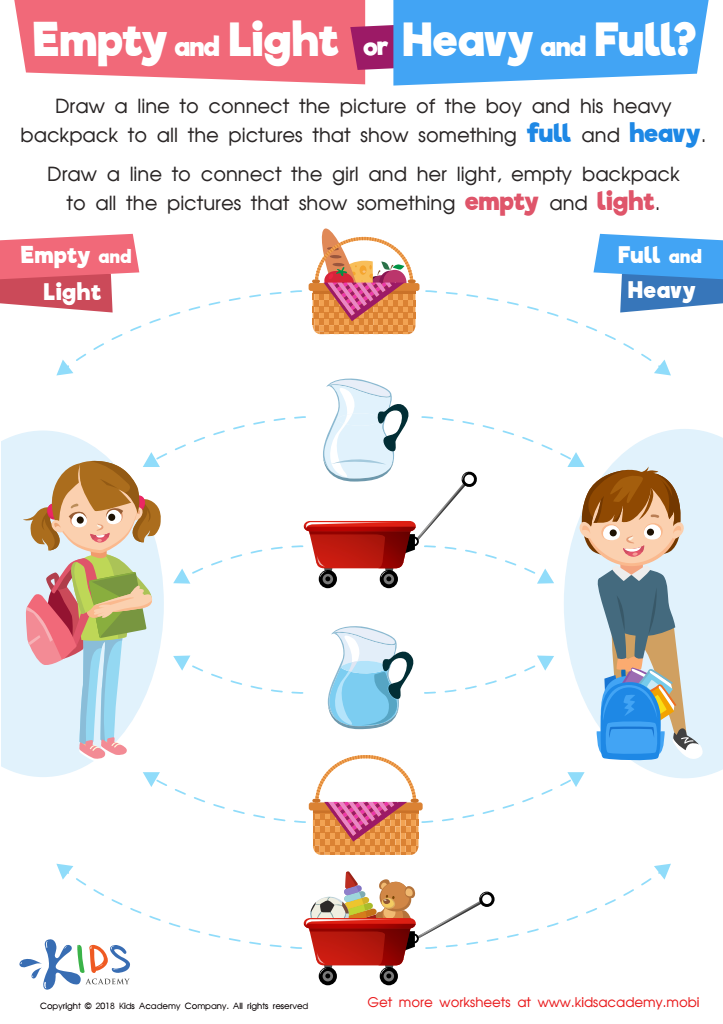
Empty and Light or Heavy and Full? Worksheet
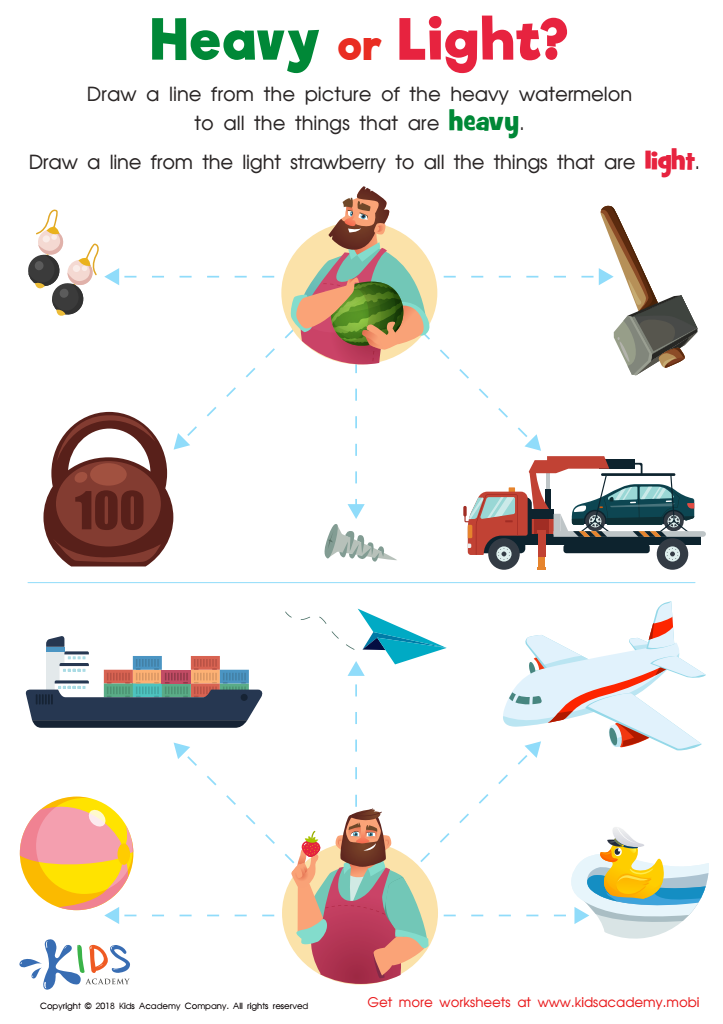
Heavy or Light? Worksheet
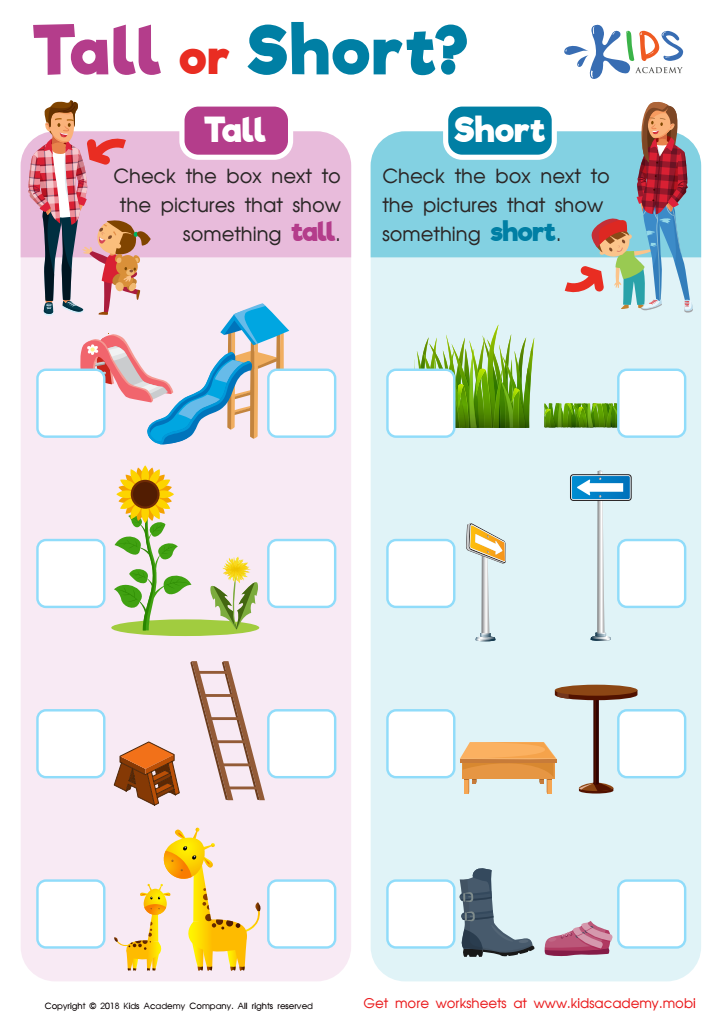
Tall or Short? Worksheet
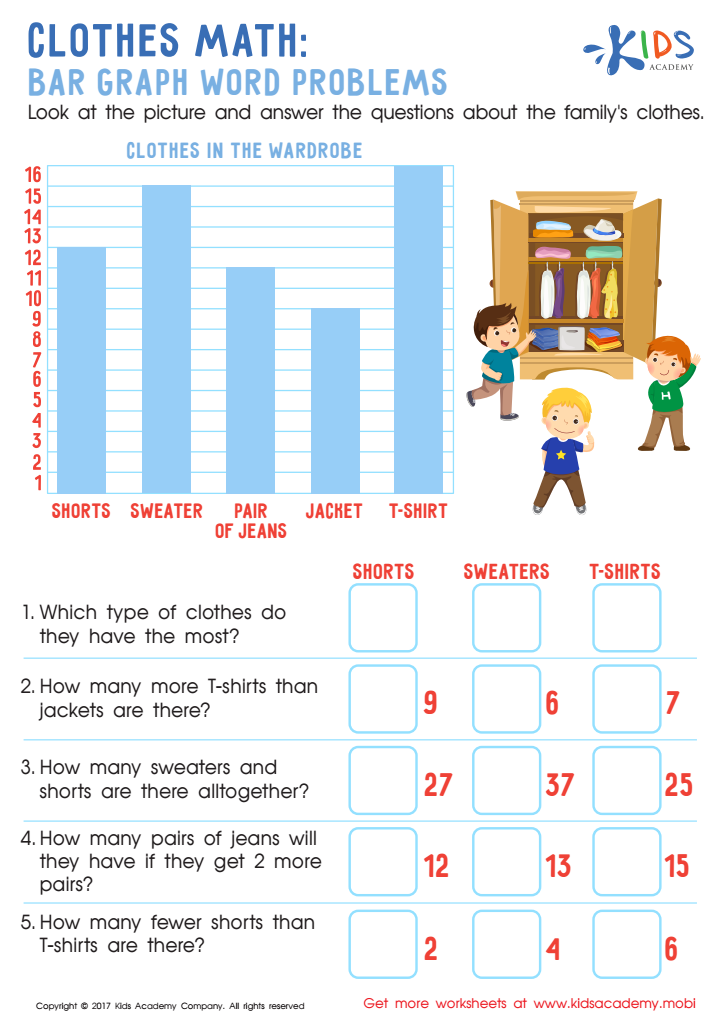
Clothes Math: Bar Graph Word Problems Worksheet
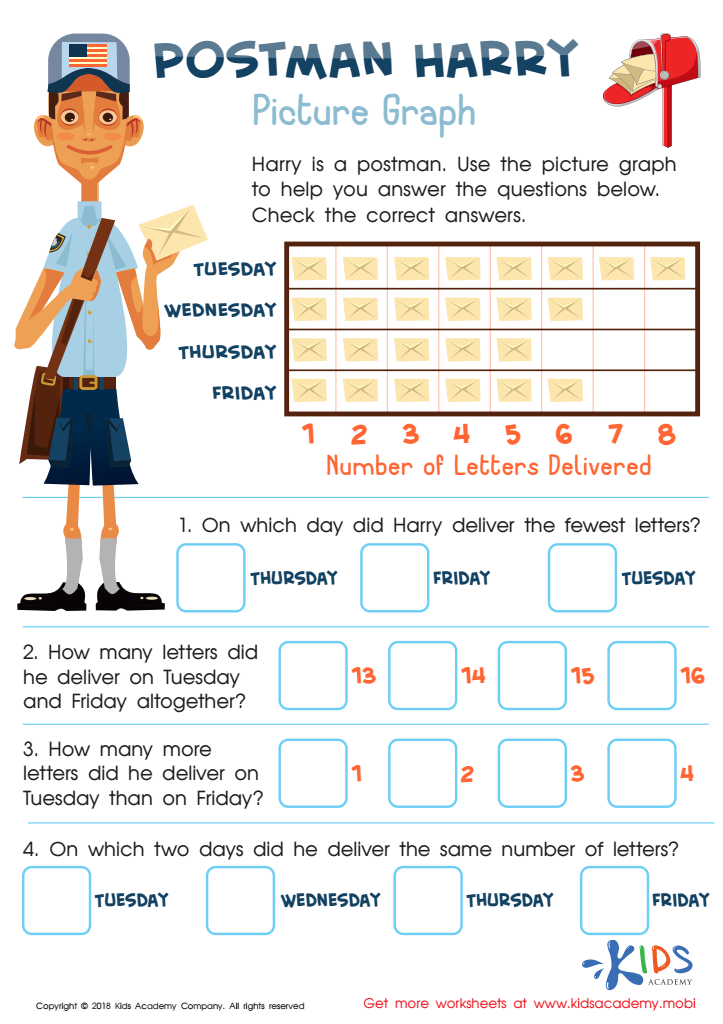
Postman Harry: Picture Graph Worksheet
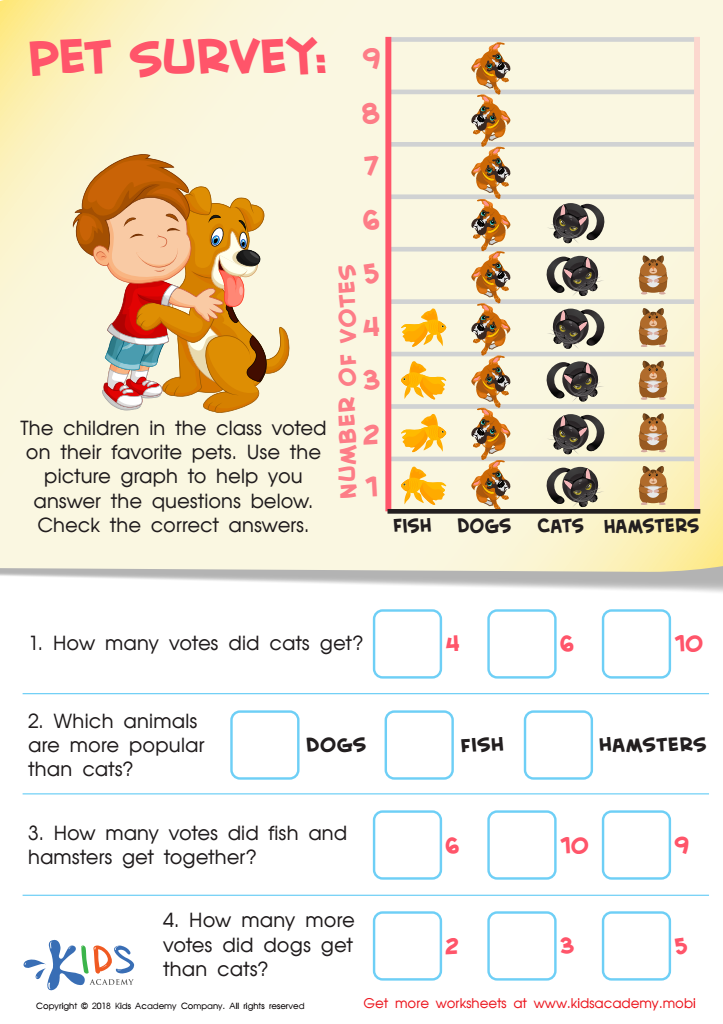
Pet Survey Worksheet
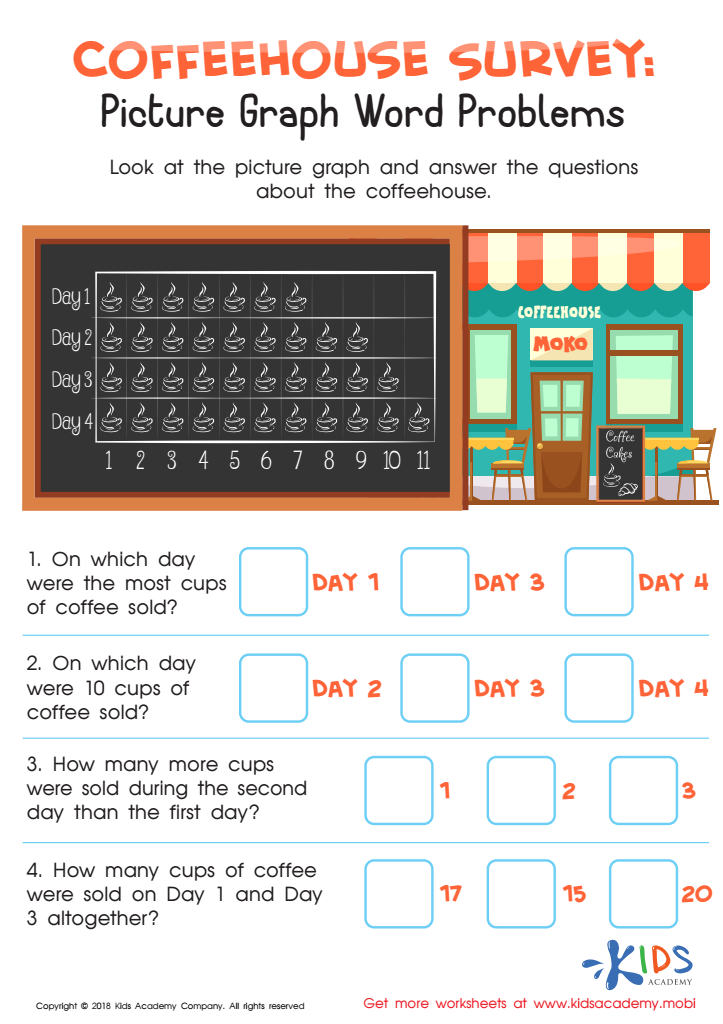
Coffeehouse Survey: Picture Graph Word Problems Worksheet
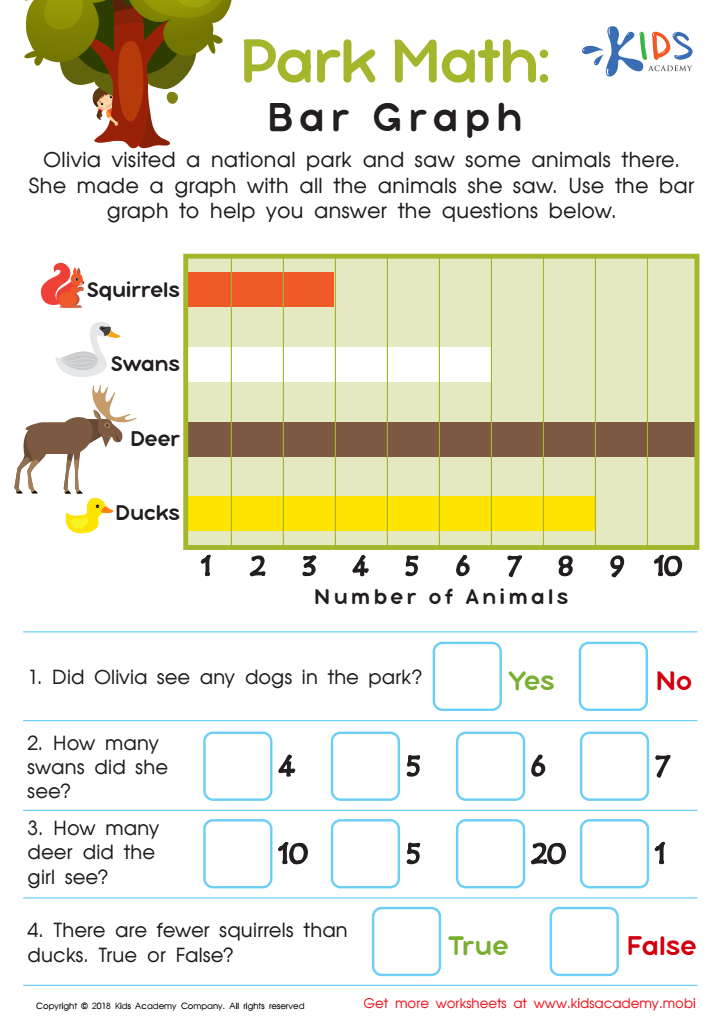
Park Math: Bar Graph Worksheet
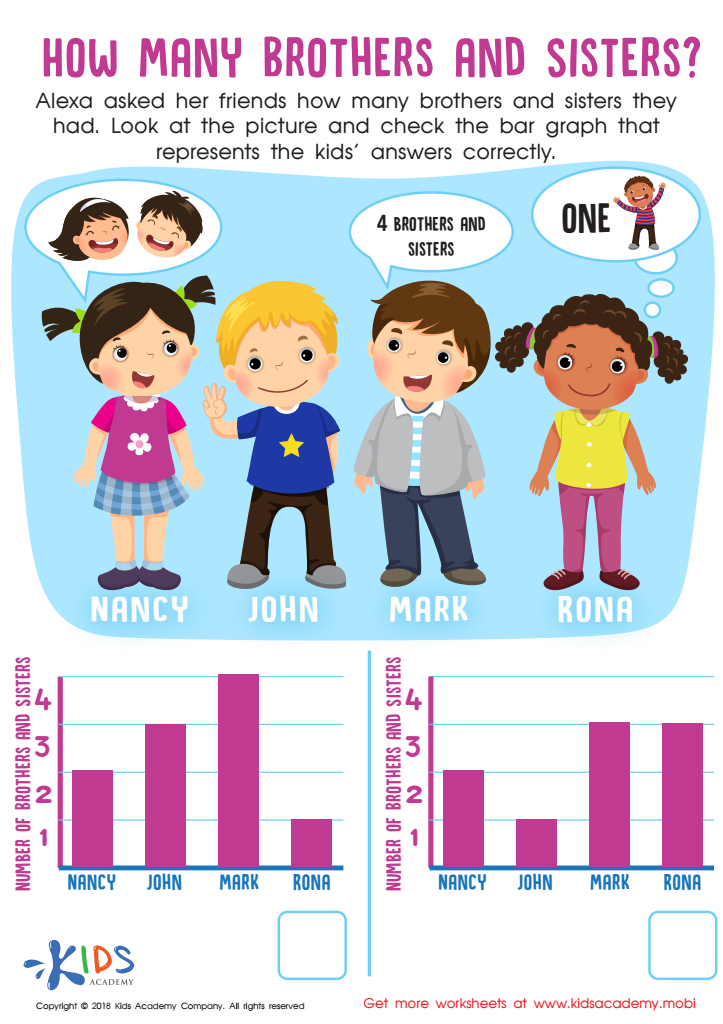
How Many Brothers and Sisters? Worksheet
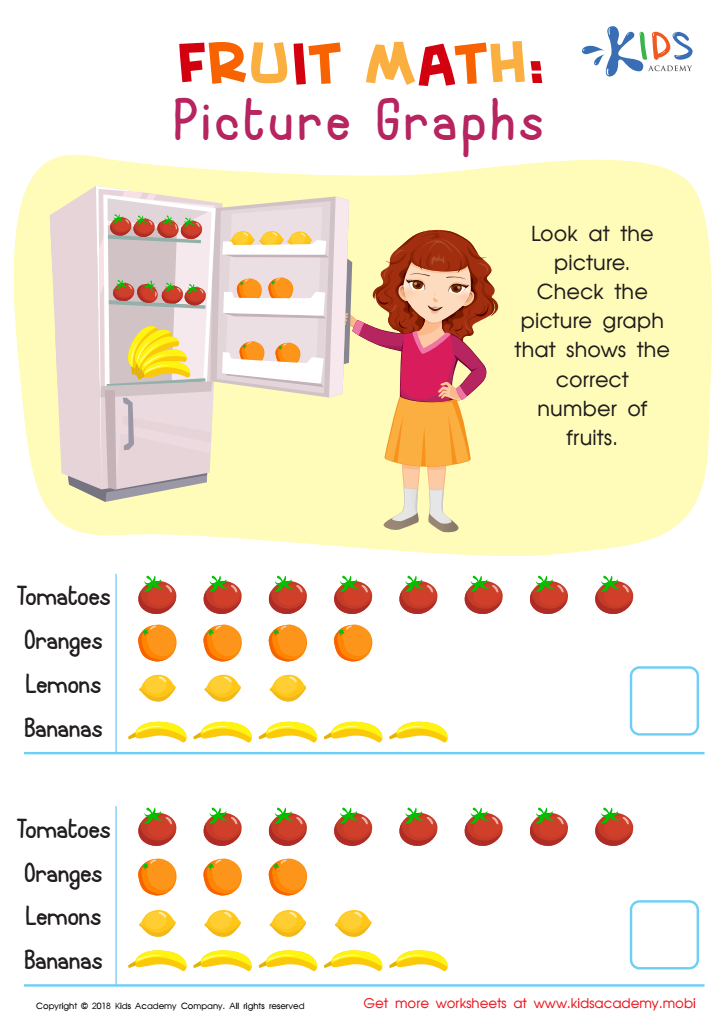
Fruit Math: Picture Graphs Worksheet
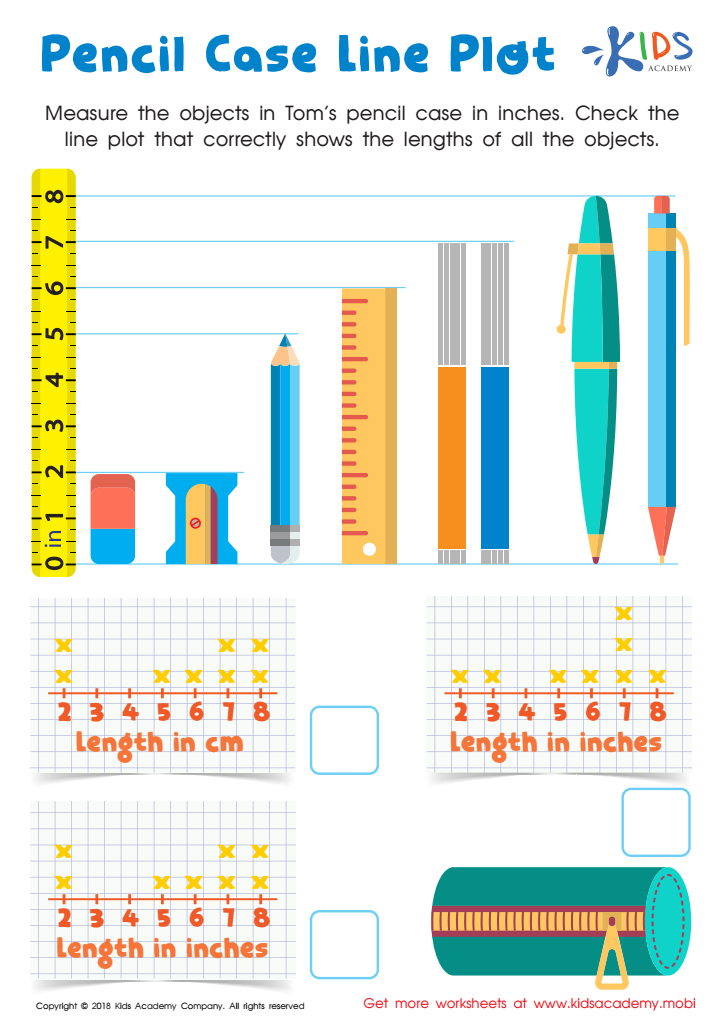
Pencil Case Line Plot Worksheet
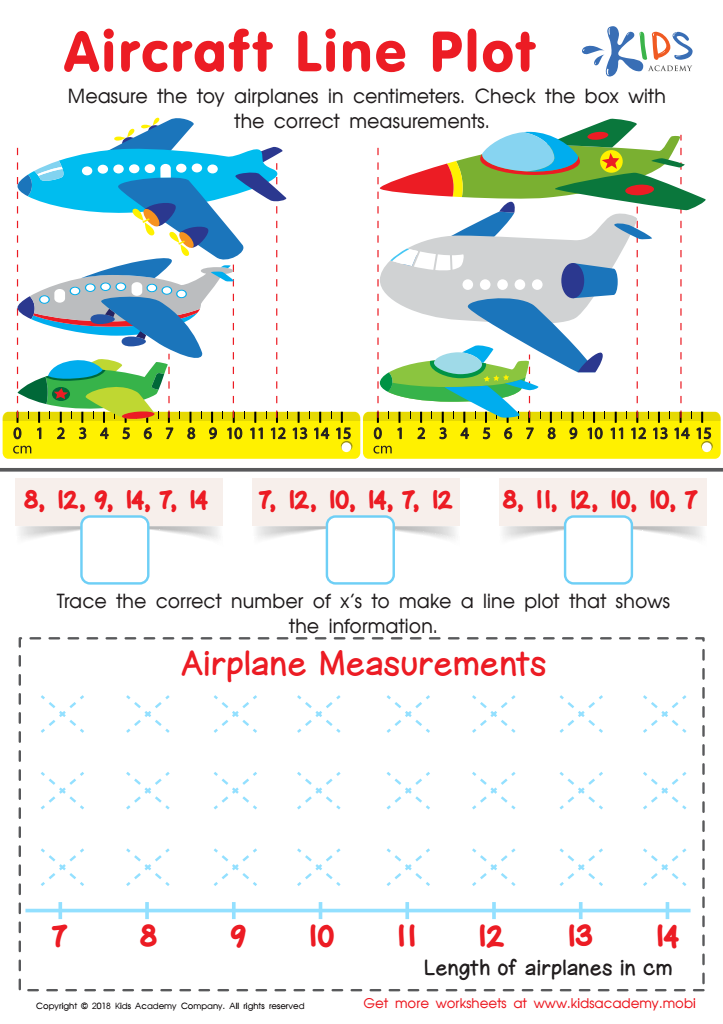
Aircraft Line Plot Worksheet
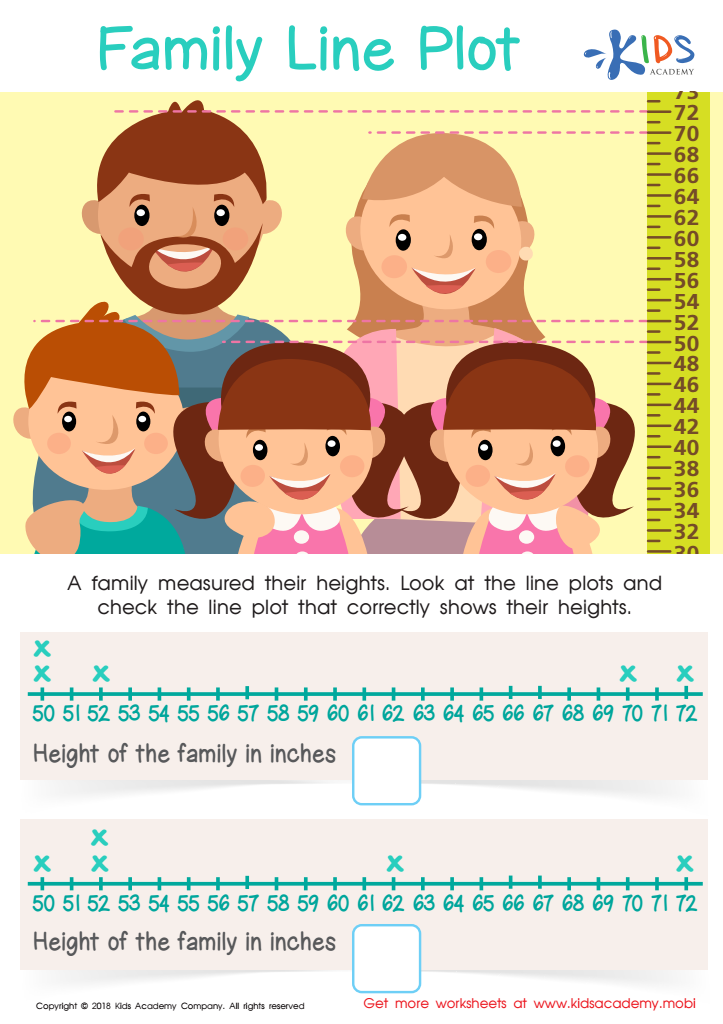
Family Line Plot Worksheet
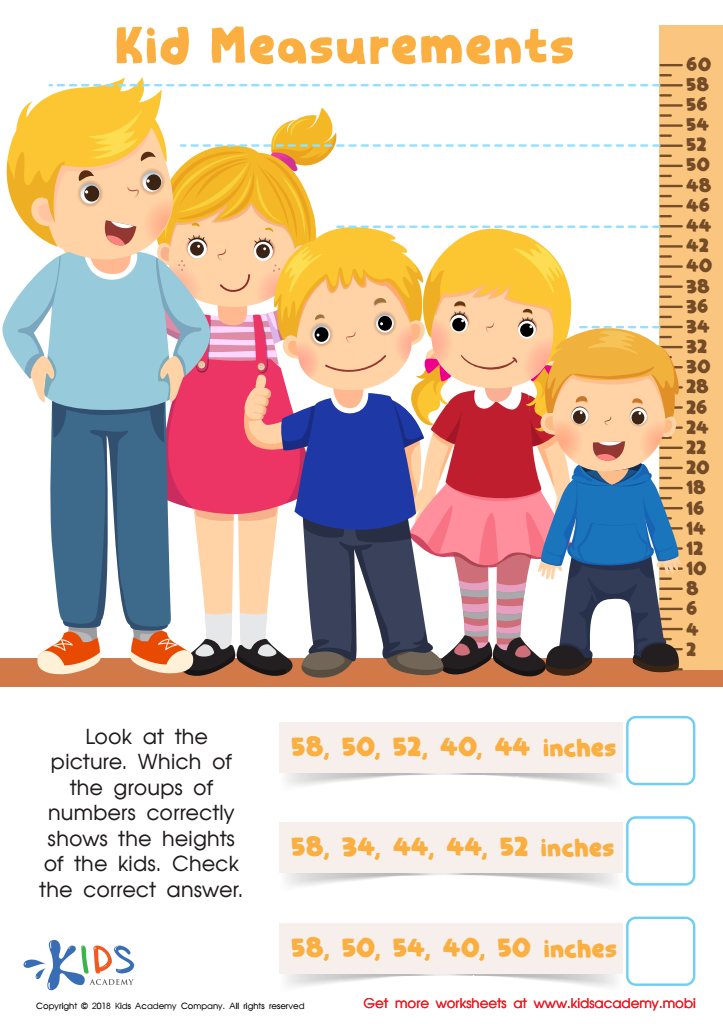
Kids Measurements Worksheet
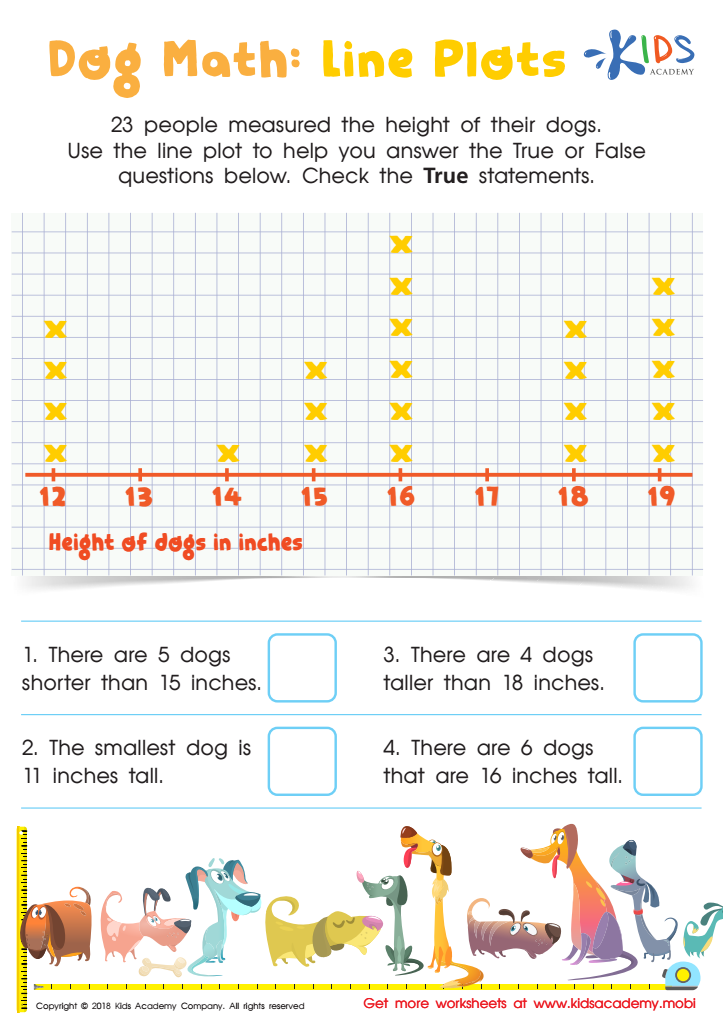
Dog Math: Line Plots Worksheet
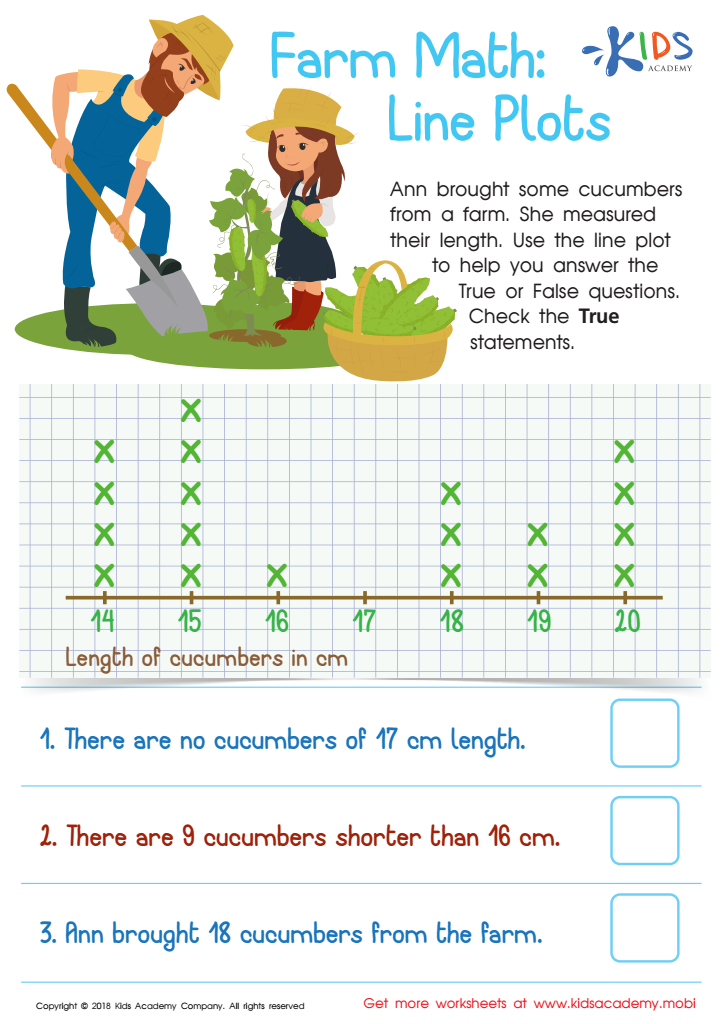
Farm Math: Line Plots Worksheet
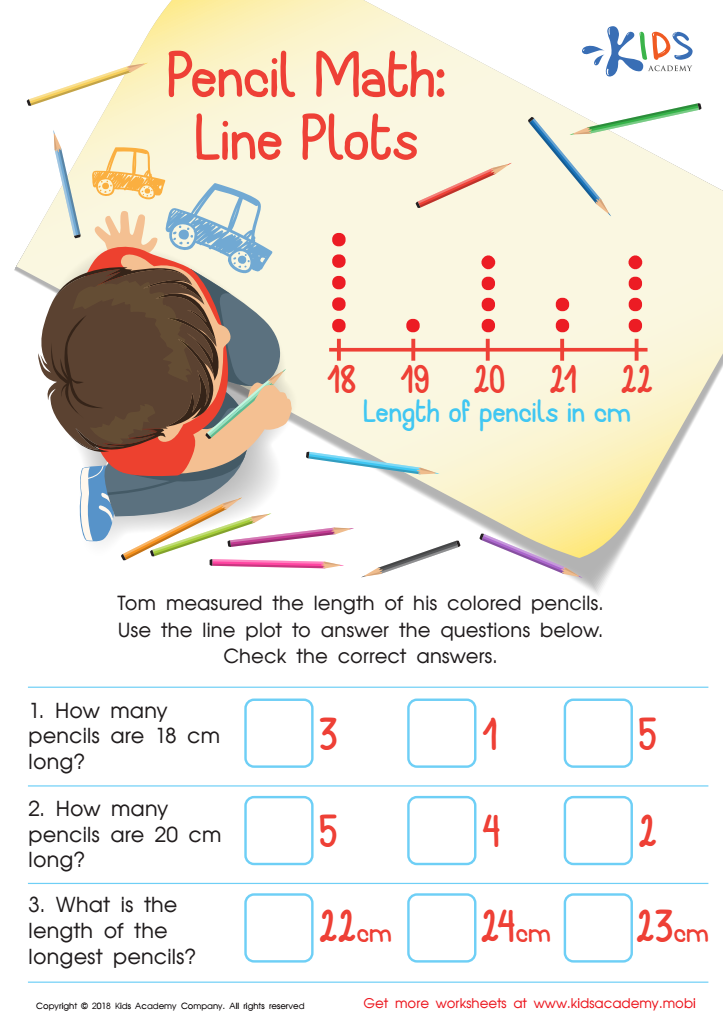
Pencil Math: Line Plots Worksheet
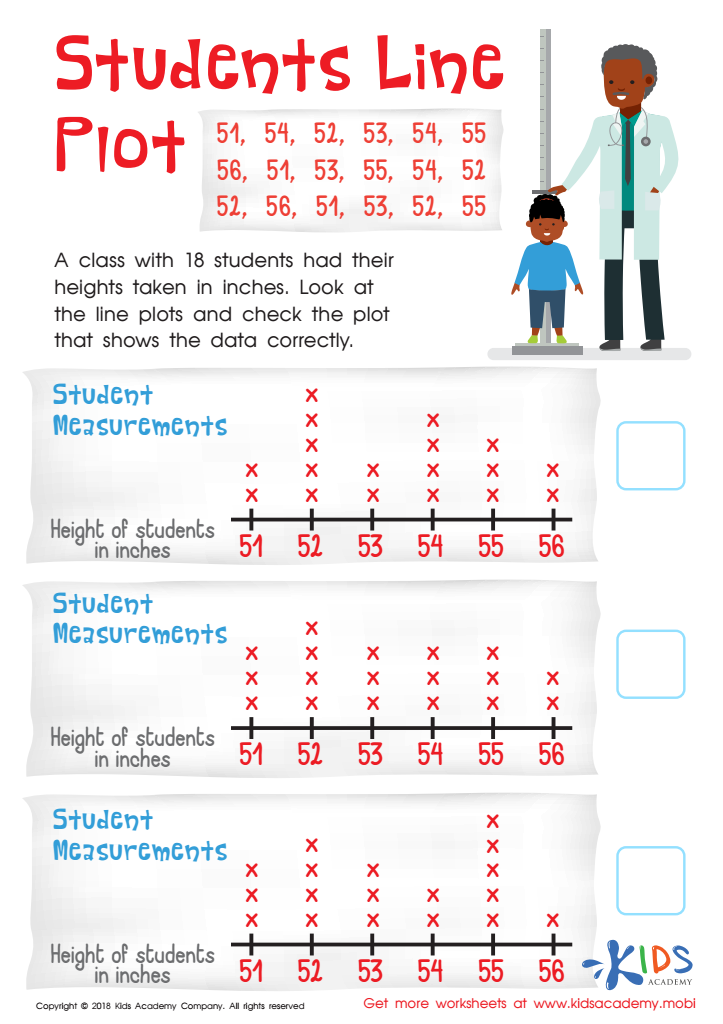
Students Line Plot Worksheet
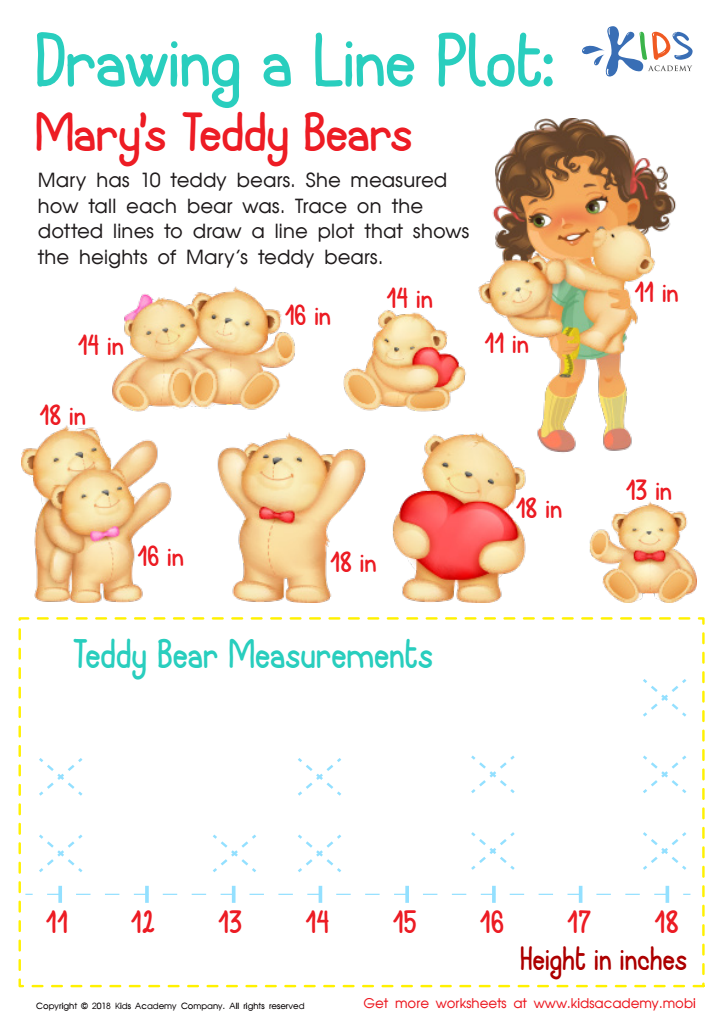
Drawing and Line Plot: Mary's Teddy Bears Worksheet
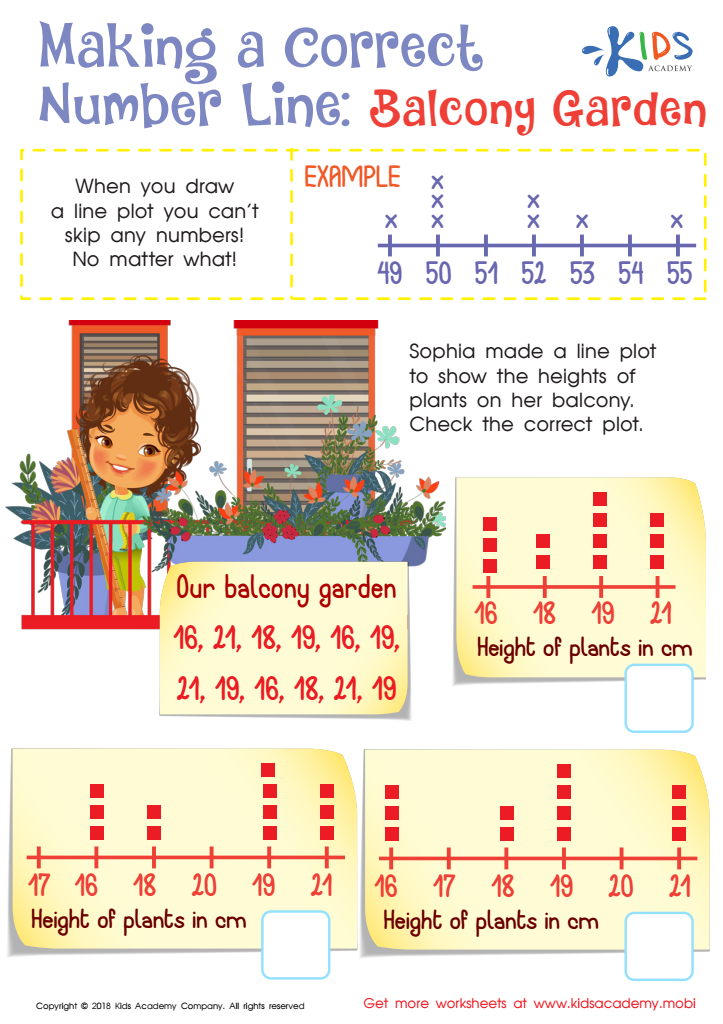
Making a Correct Number Line: Balcony Garden Worksheet
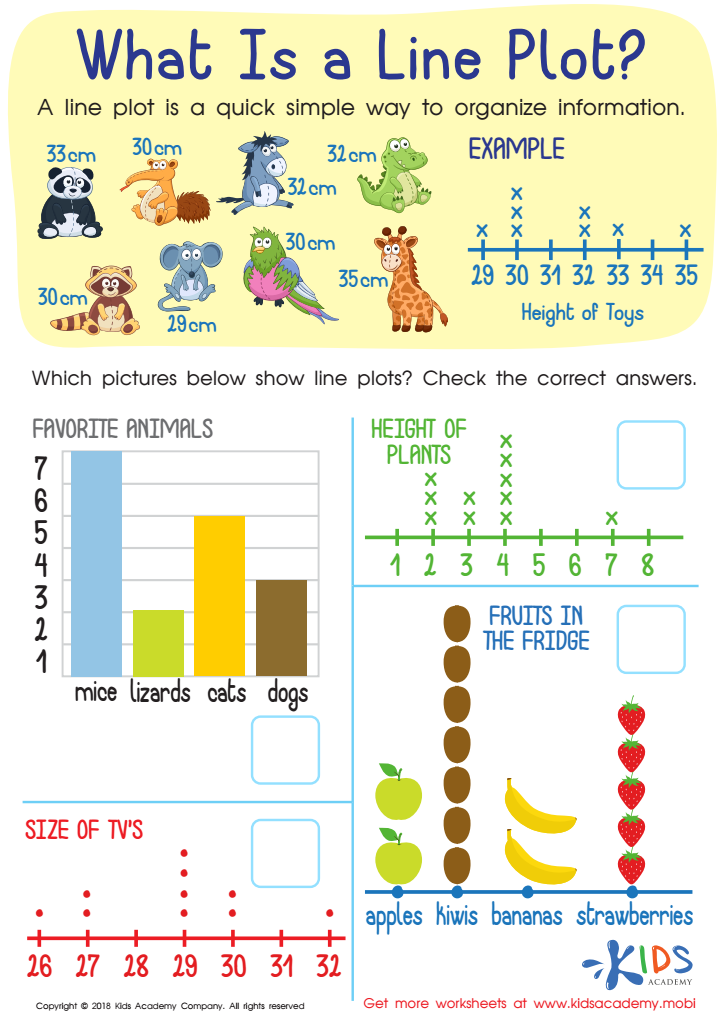
What Is a Line Plot? Worksheet
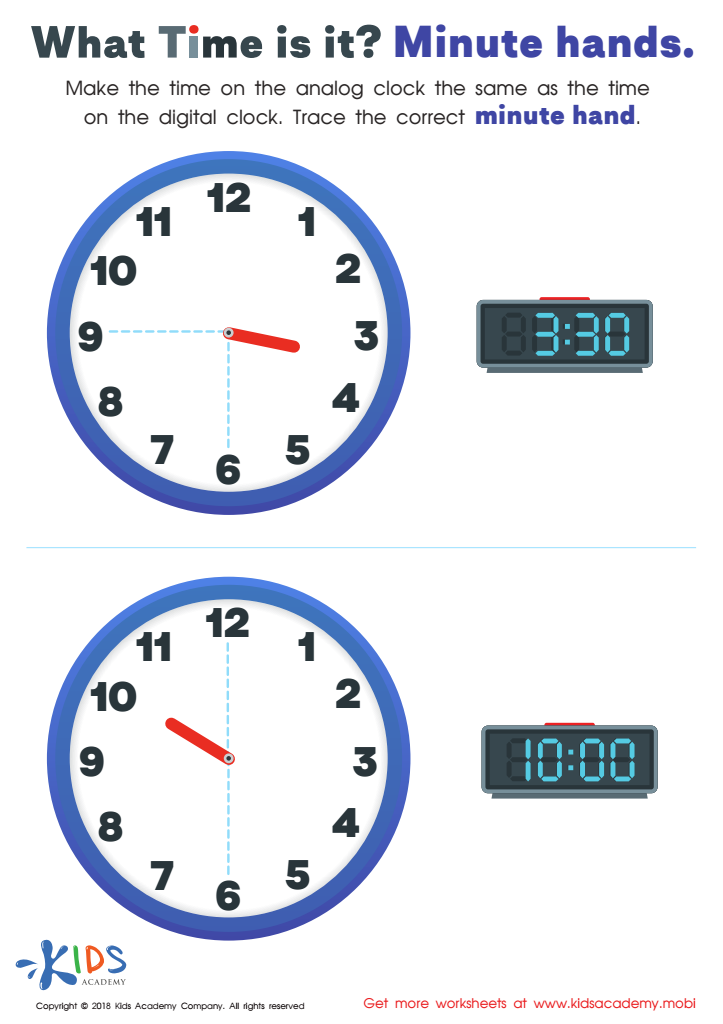
What Time Is it? Minute Hands Worksheet
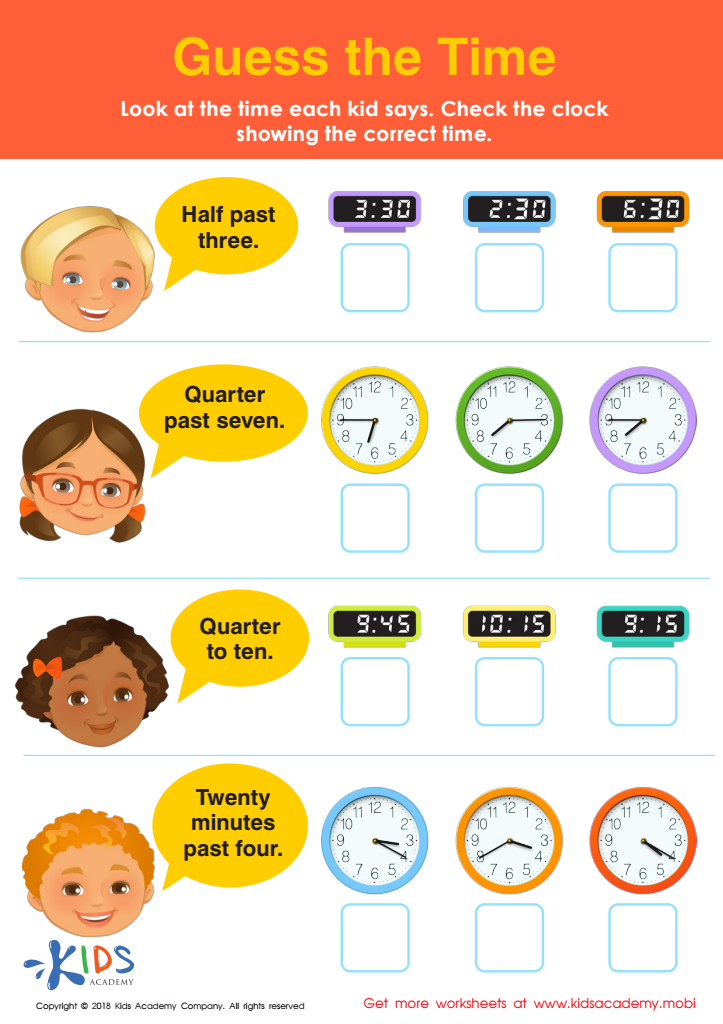
Guess the Time Worksheet








Measurement is a foundational concept that greatly influences a child's understanding of the world, particularly for children ages 3-9. At this stage of development, children are naturally curious and eager to explore their environment, making it the perfect time to introduce measurement concepts such as length, weight, volume, and time.
Parents and teachers should prioritize measurement education because it promotes critical thinking and problem-solving skills. By engaging in measurement activities, children learn to compare, estimate, and make informed decisions based on tangible data. These skills lay the groundwork for later mathematical understanding and encourage a positive attitude toward math.
Additionally, measurement connects to everyday experiences, linking academic learning with real-world applications. It helps children develop precision and attention to detail as they measure ingredients for a recipe, or gauge how tall they are compared to others. Furthermore, early exposure to measurement enriches vocabulary and enhances language development through descriptive terms.
Ultimately, fostering measurement skills in young children not only sharpens their academic abilities but also equips them with essential life skills. It prepares them for future learning, instills confidence, and fulfills the goal of nurturing well-rounded, inquisitive individuals ready to navigate their world effectively.








