Normal Phonics Worksheets for Ages 3-6
118 filtered results
-
From - To
Unlock your child's reading potential with our Normal Phonics Worksheets for ages 3-6, crafted to make learning fun and effective. These worksheets by Kids Academy provide engaging activities that reinforce letter recognition, sounds, and early word formation. Designed by educational experts, each worksheet offers vibrant illustrations and interactive exercises tailored to spark curiosity and joy in young learners. Boost your child's confidence and foundational reading skills with our systematic phonics approach, ensuring they are well-prepared for their literacy journey. Visit Kids Academy to explore and download our comprehensive collection of phonics worksheets today!
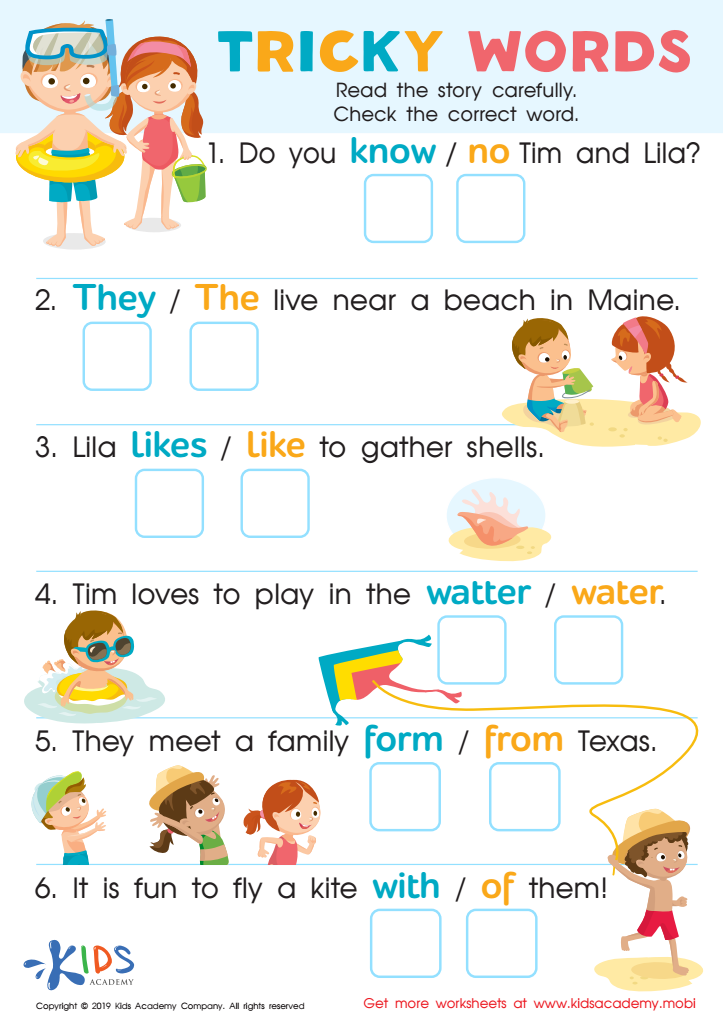
Tricky Words Worksheet
 Assign to My Students
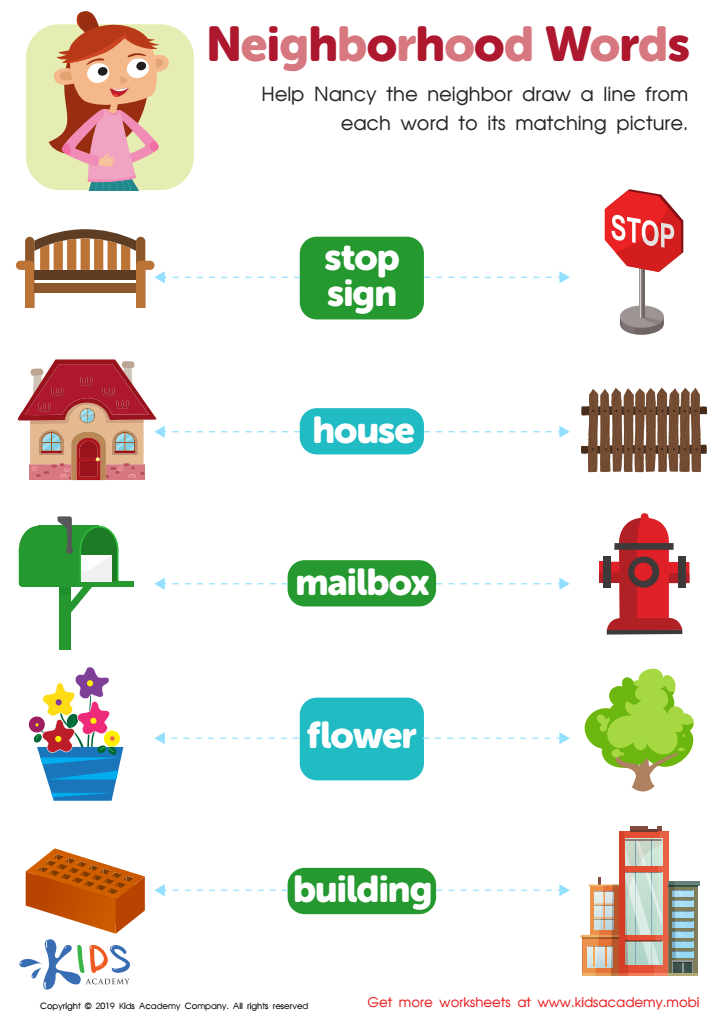
Neighborhood Words Worksheet
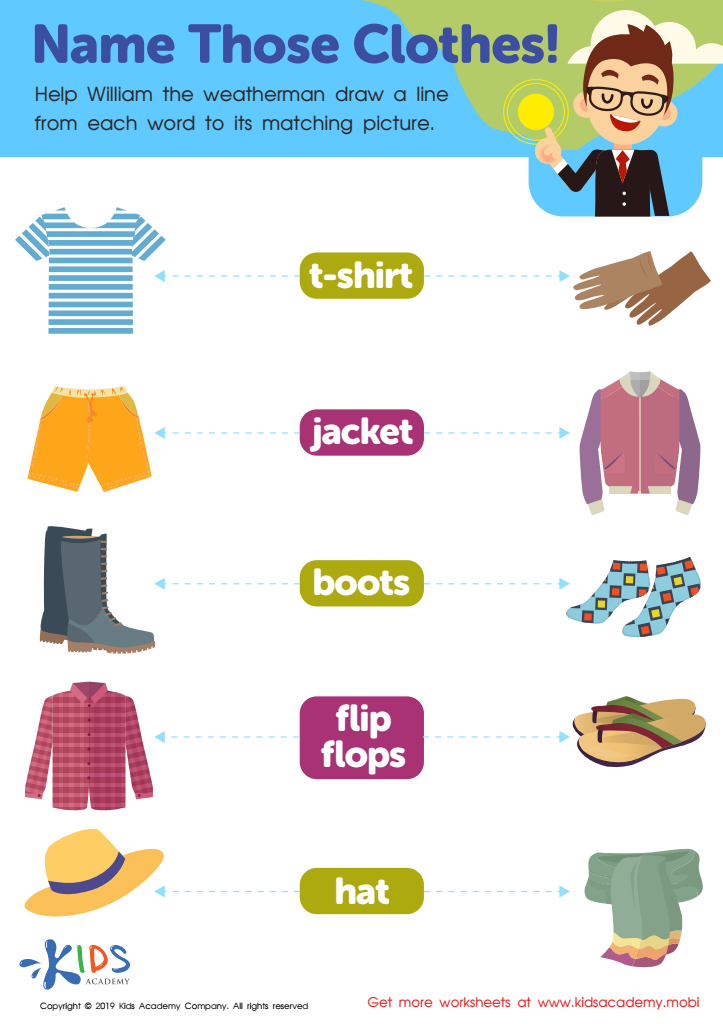
Name Those Clothes Worksheet
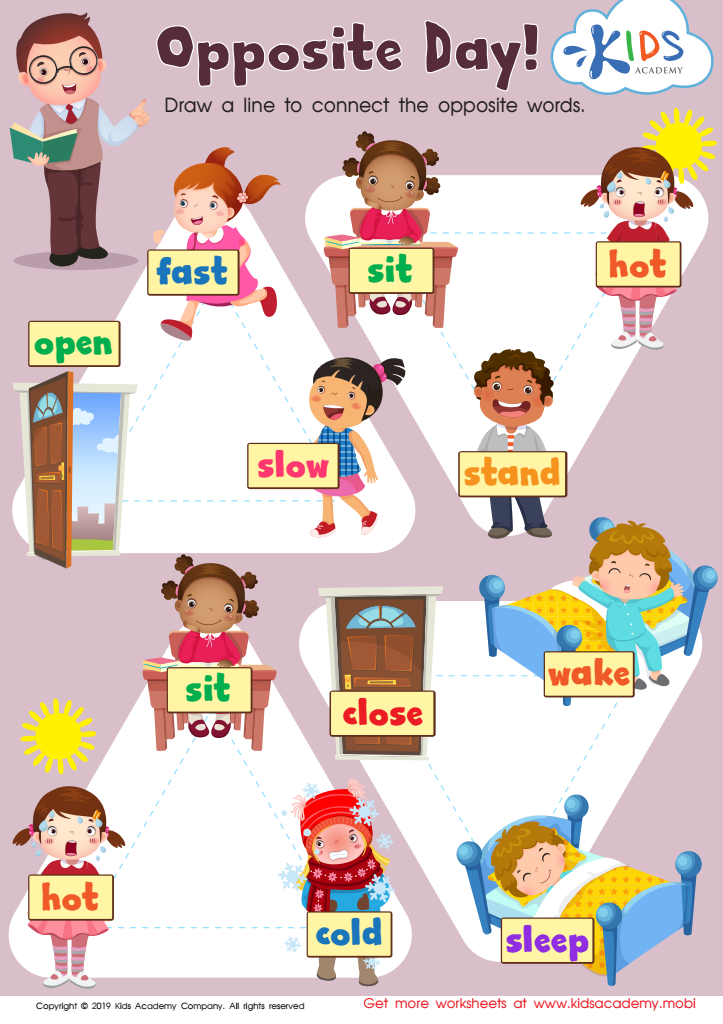
Opposite Day Worksheet
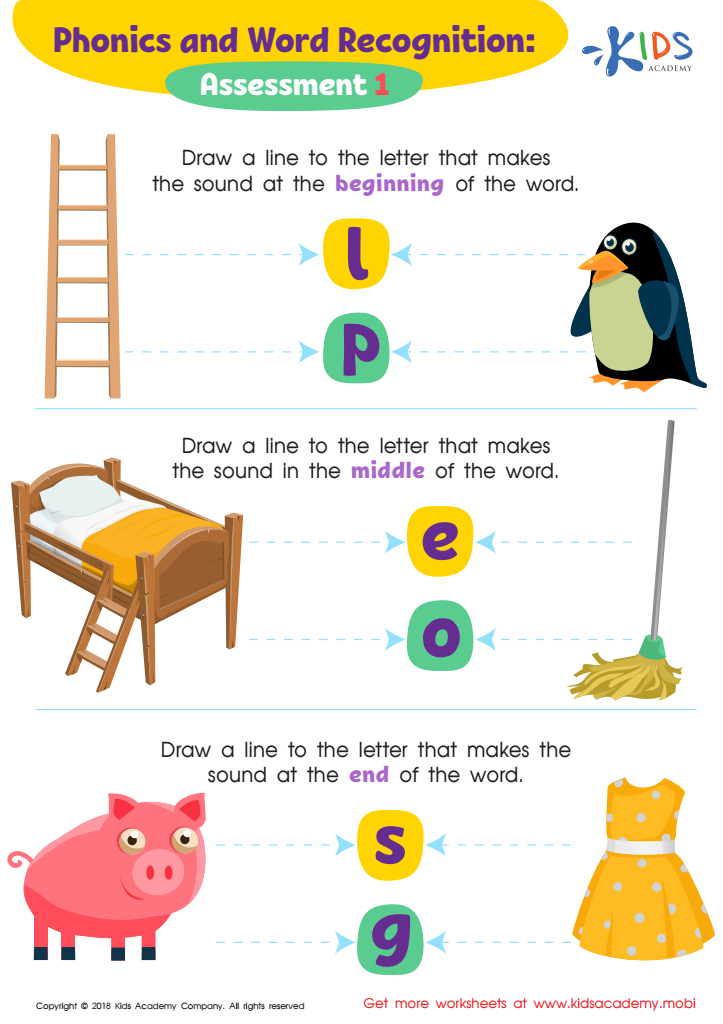
Phonics and Word Recognition: Assessment 1 ELA Worksheet
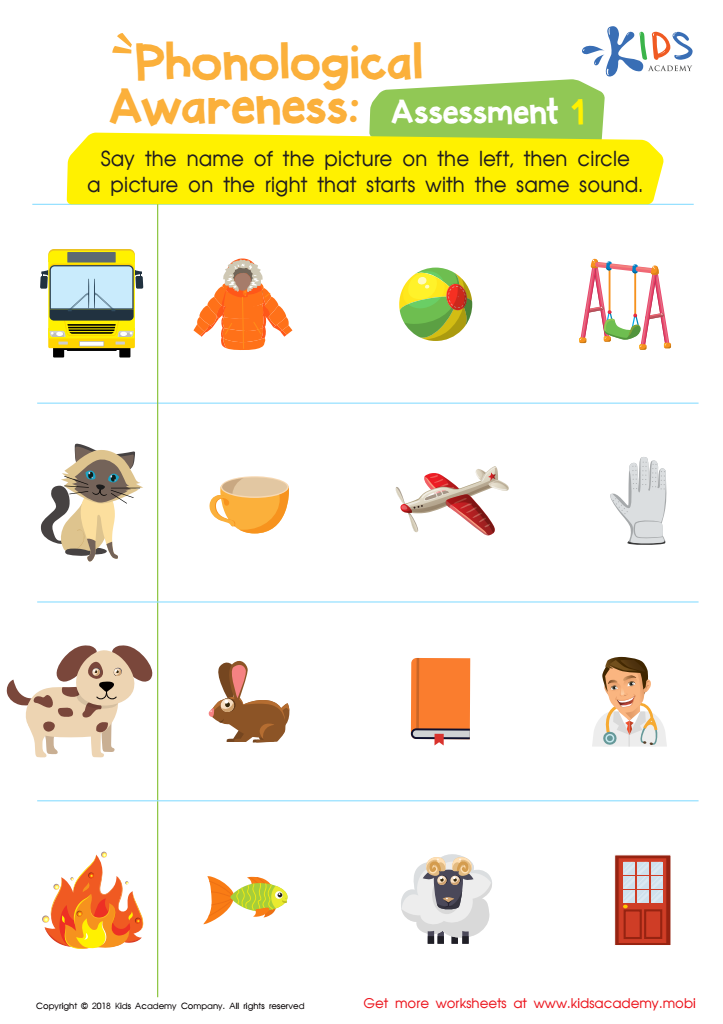
Phonological Awareness: Assessment 1 Worksheet
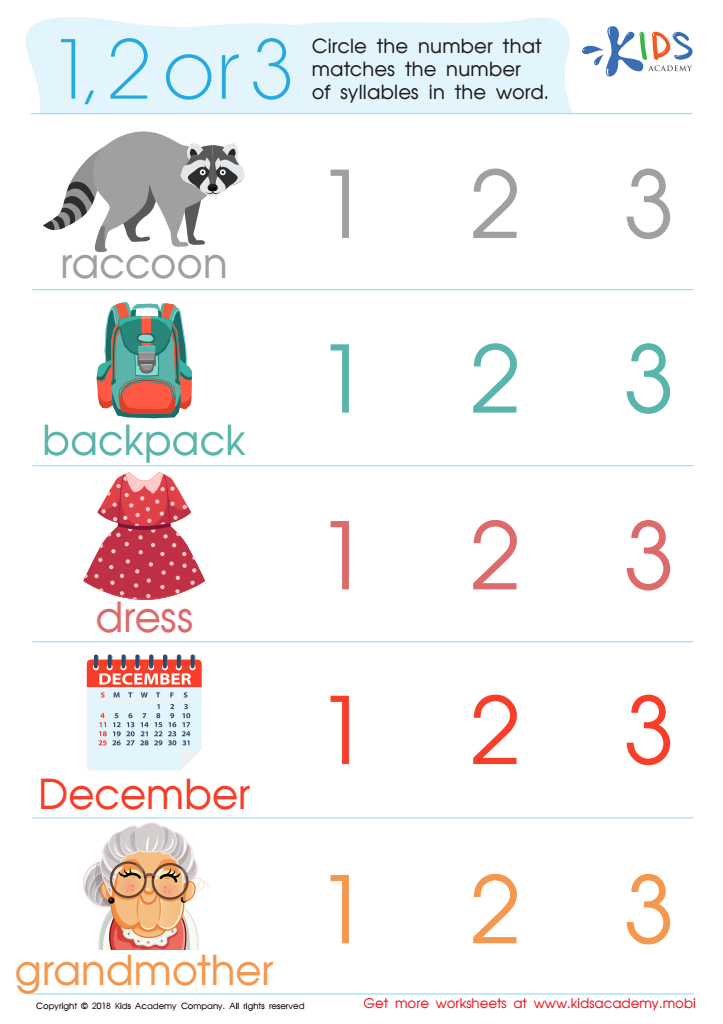
1, 2 or 3? Worksheet
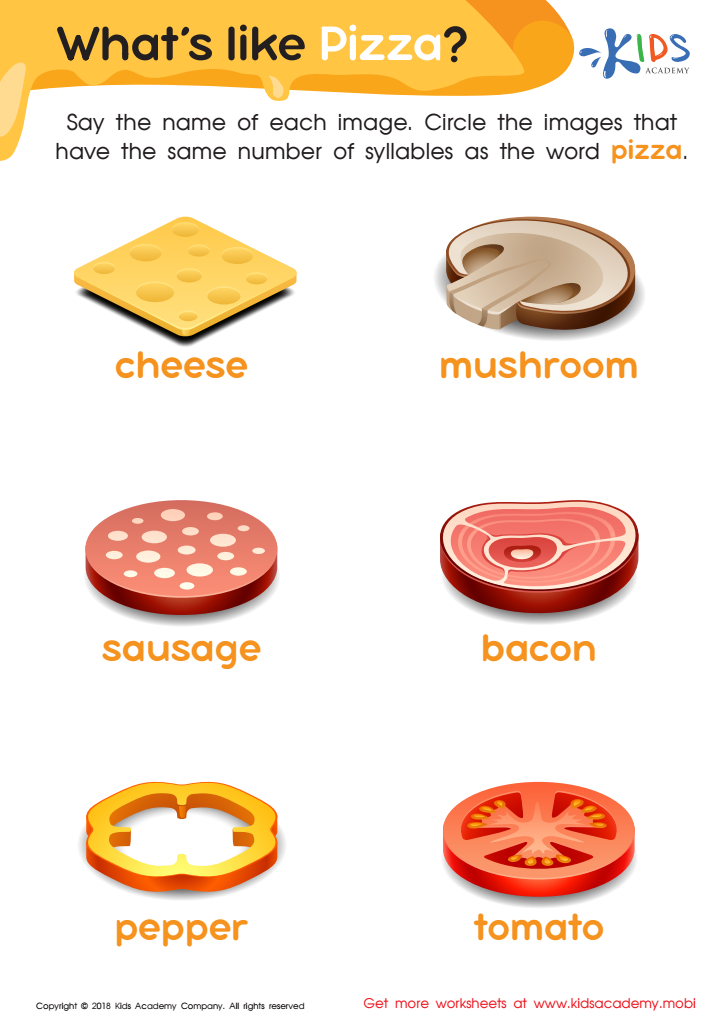
What's Like Pizza? Worksheet
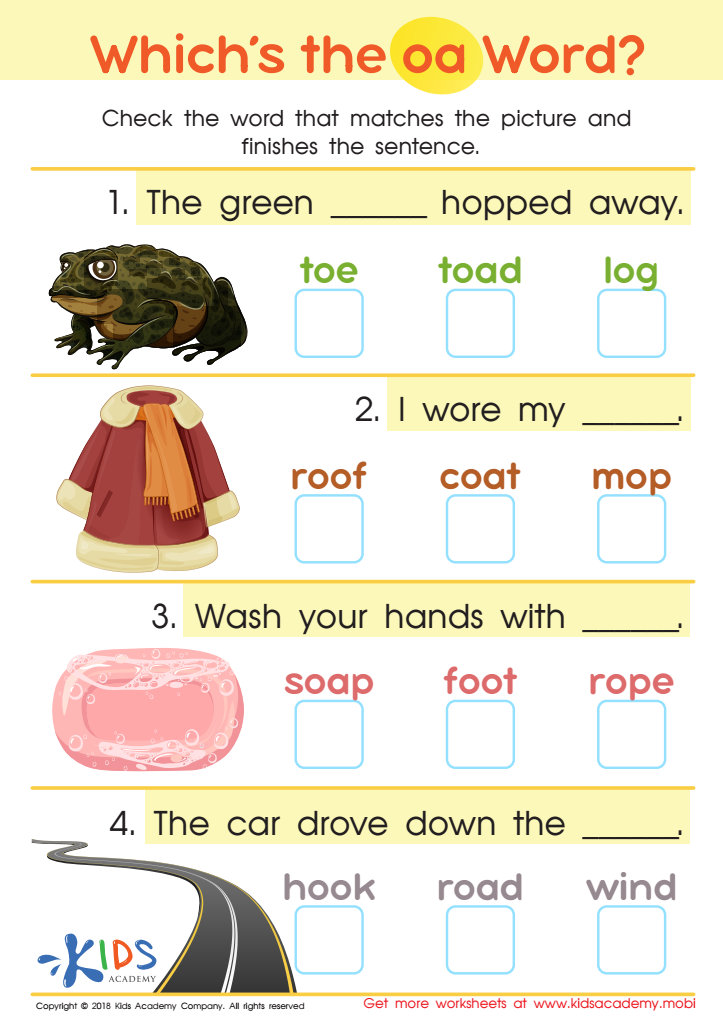
Which's the OA Word? Worksheet
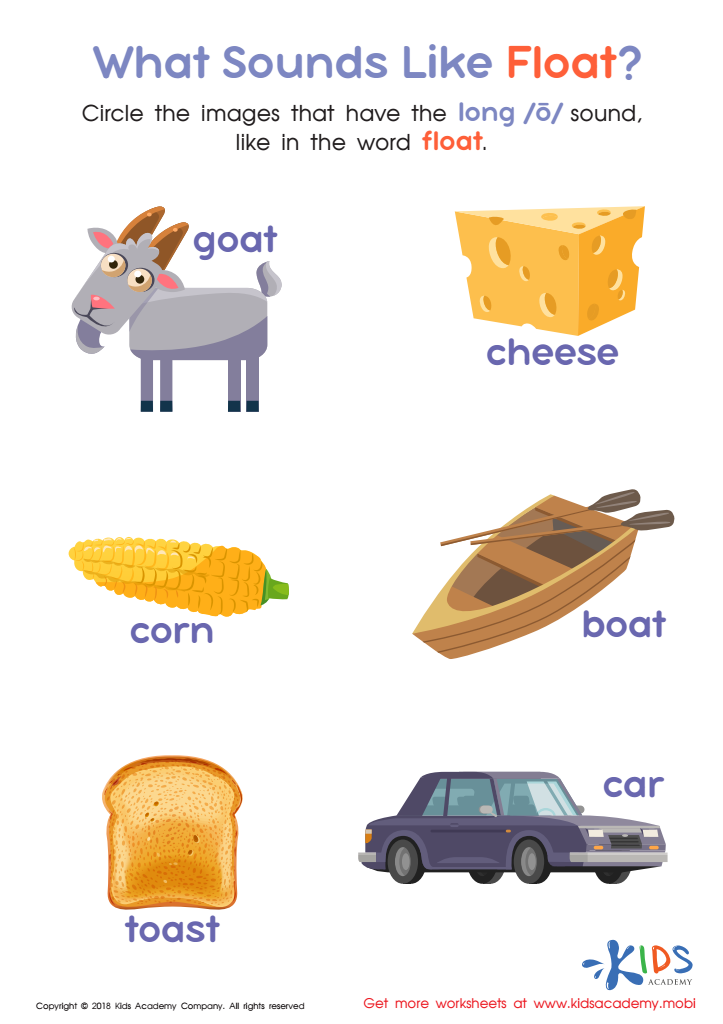
What Sounds Like Float? Worksheet
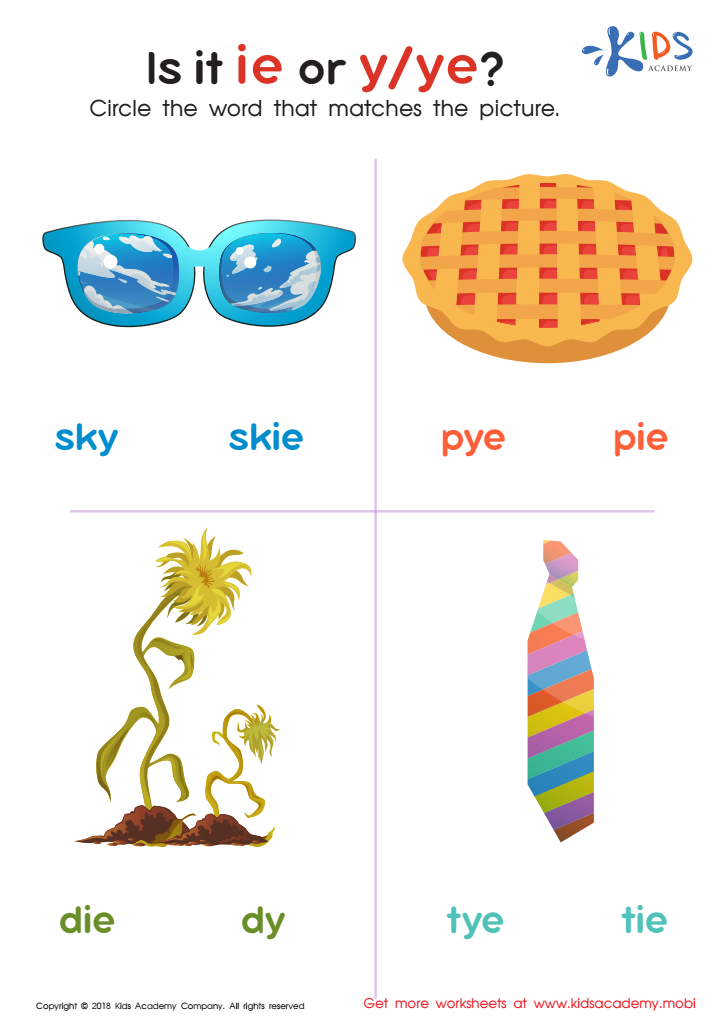
Is It IE or Y/Ye? Worksheet
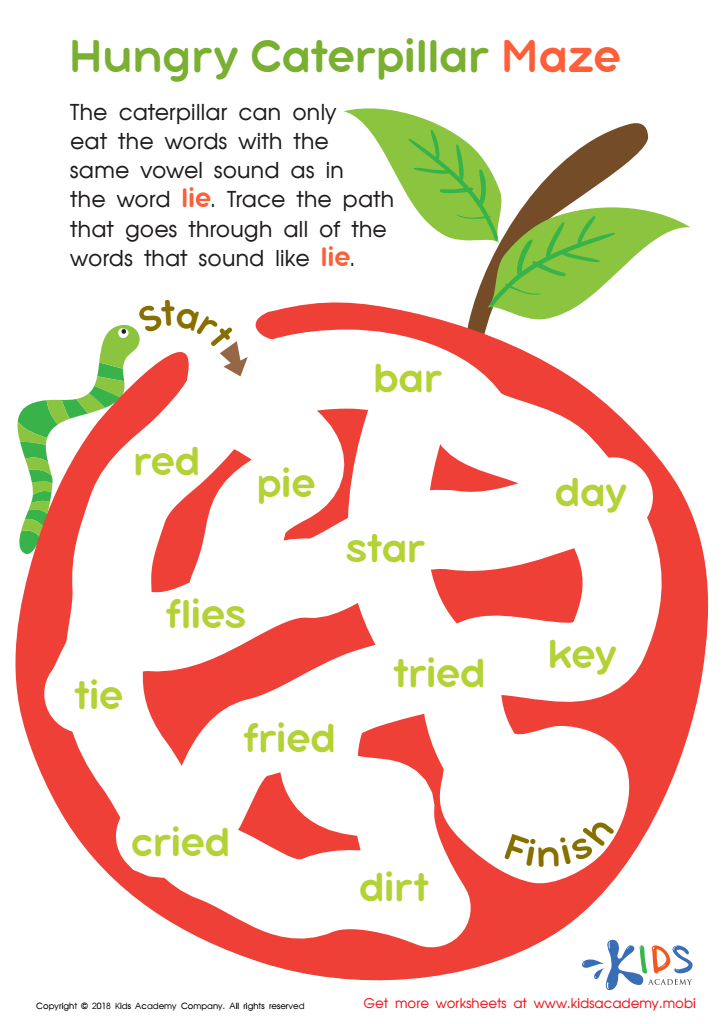
Hungry Caterpillar Maze Worksheet
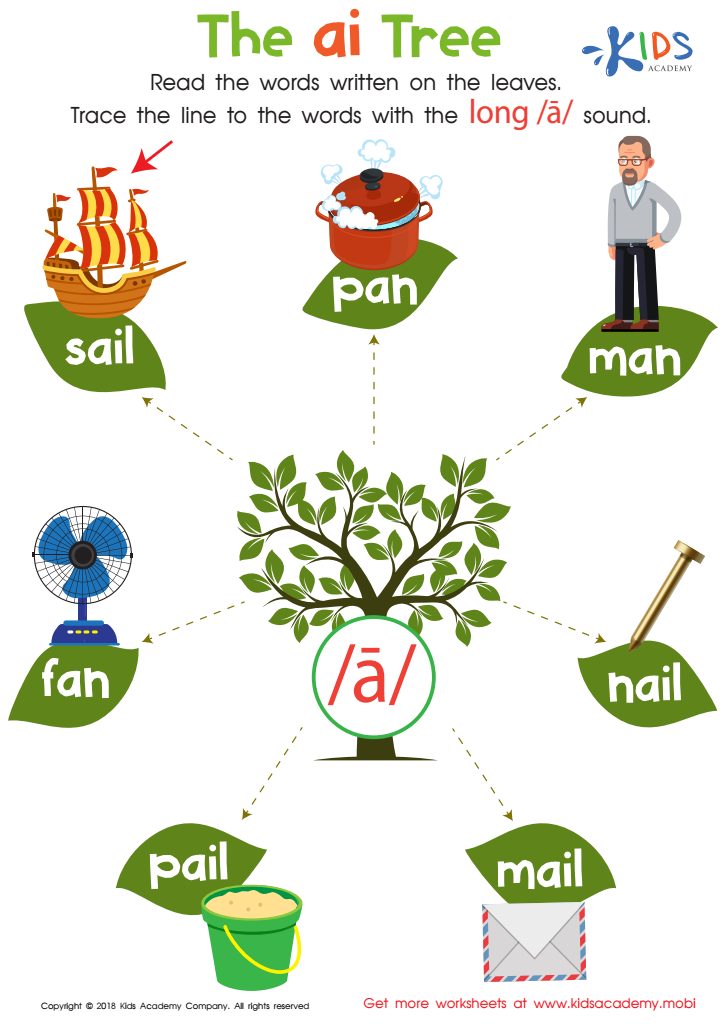
The AI Tree Worksheet
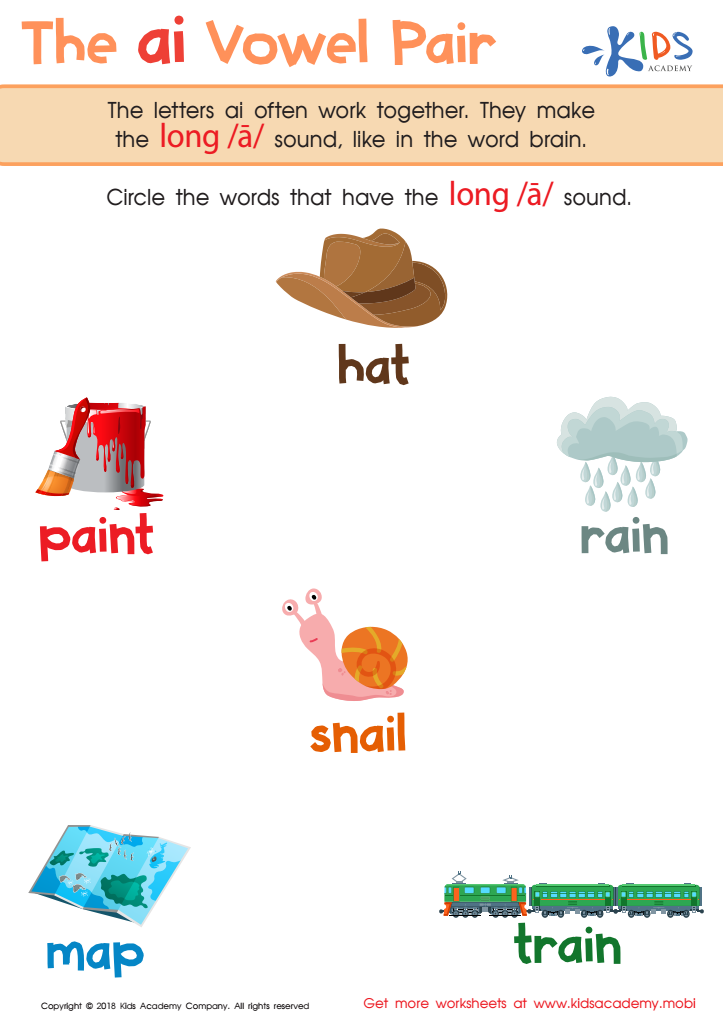
The AI Vowel Pair Worksheet
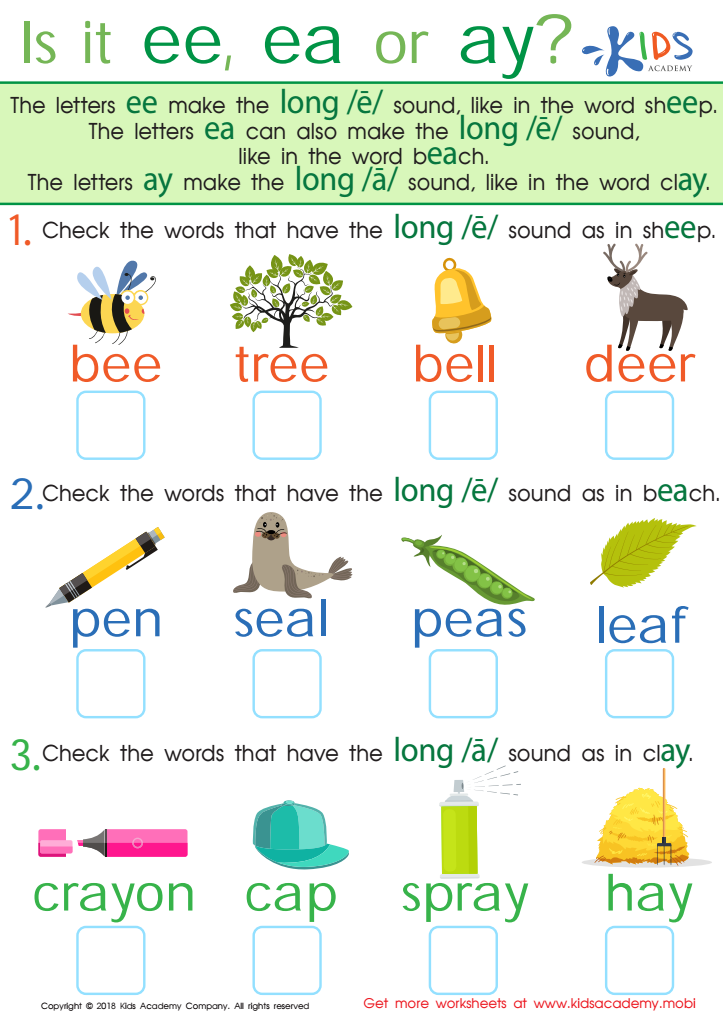
Is It EE, EA, or AY? Worksheet
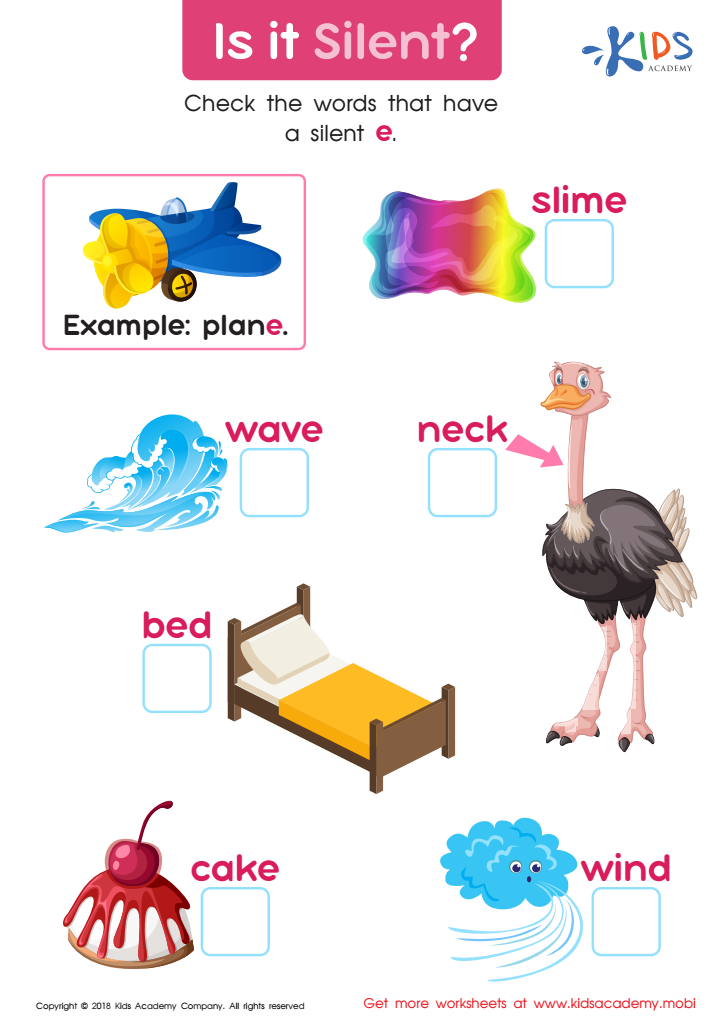
Is It Silent? Worksheet
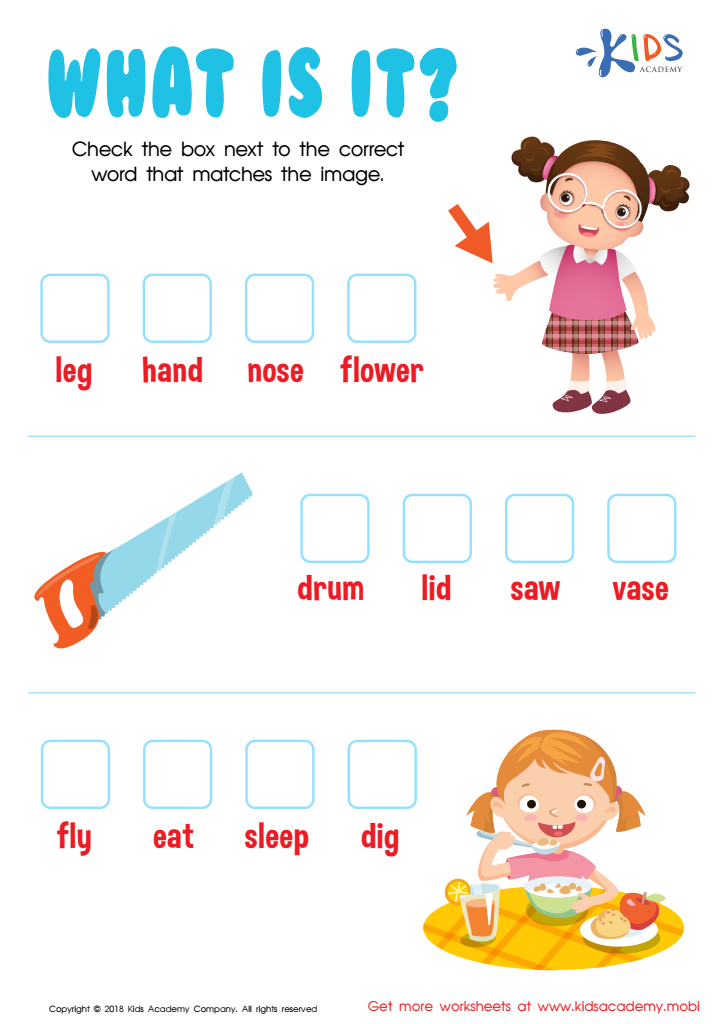
What Is It? Worksheet
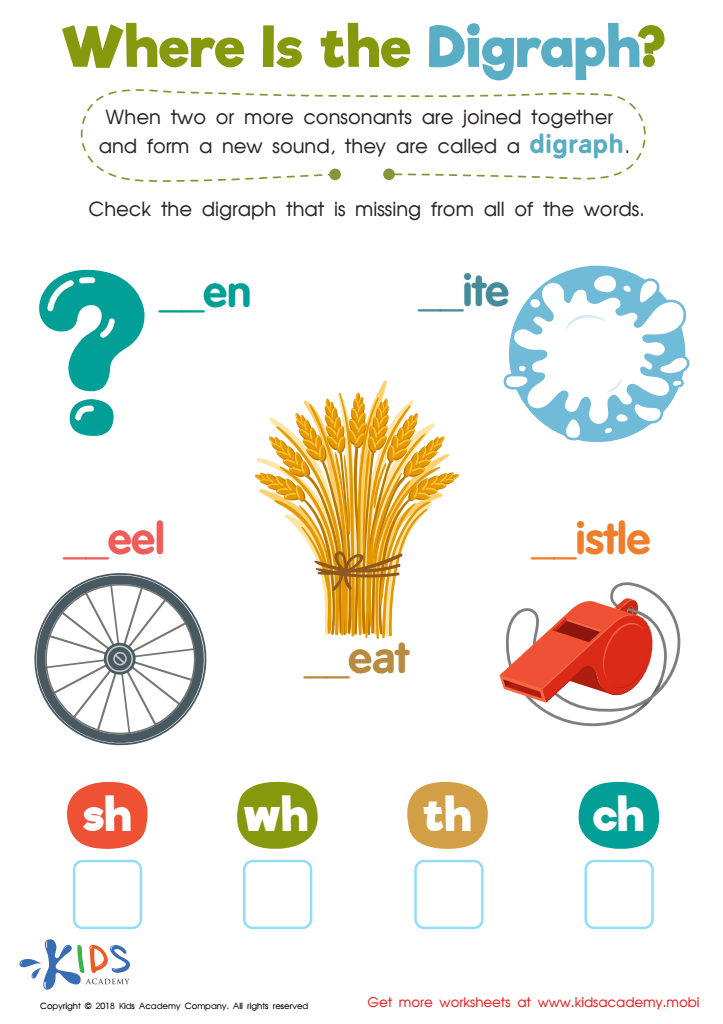
Where Is the Digraph? Worksheet
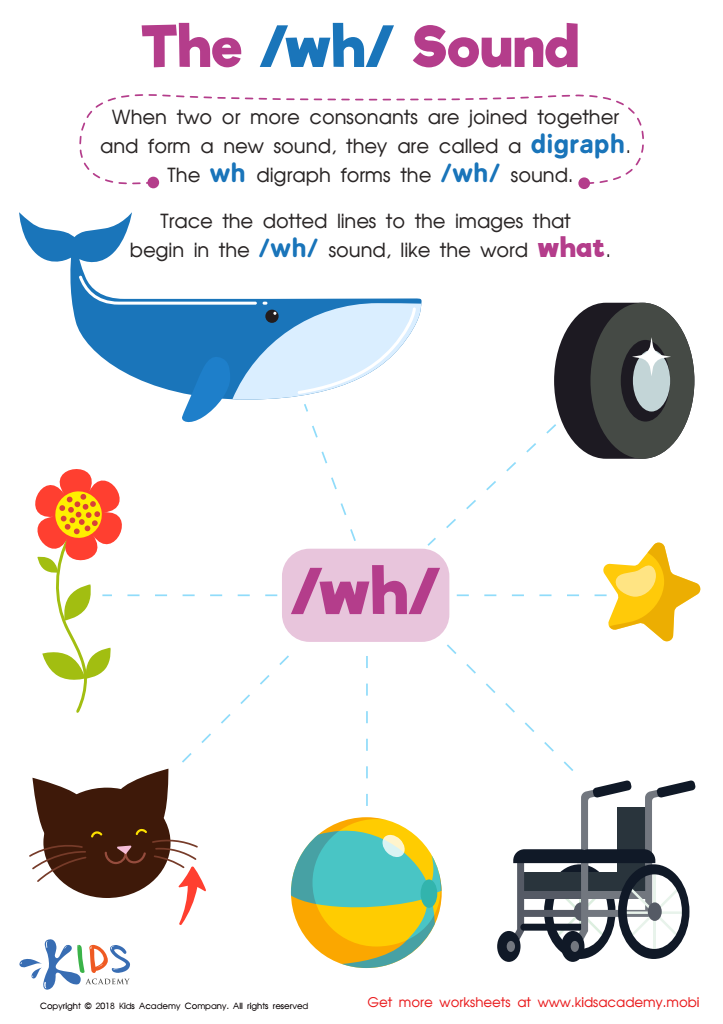
The /wh/ Sound Worksheet
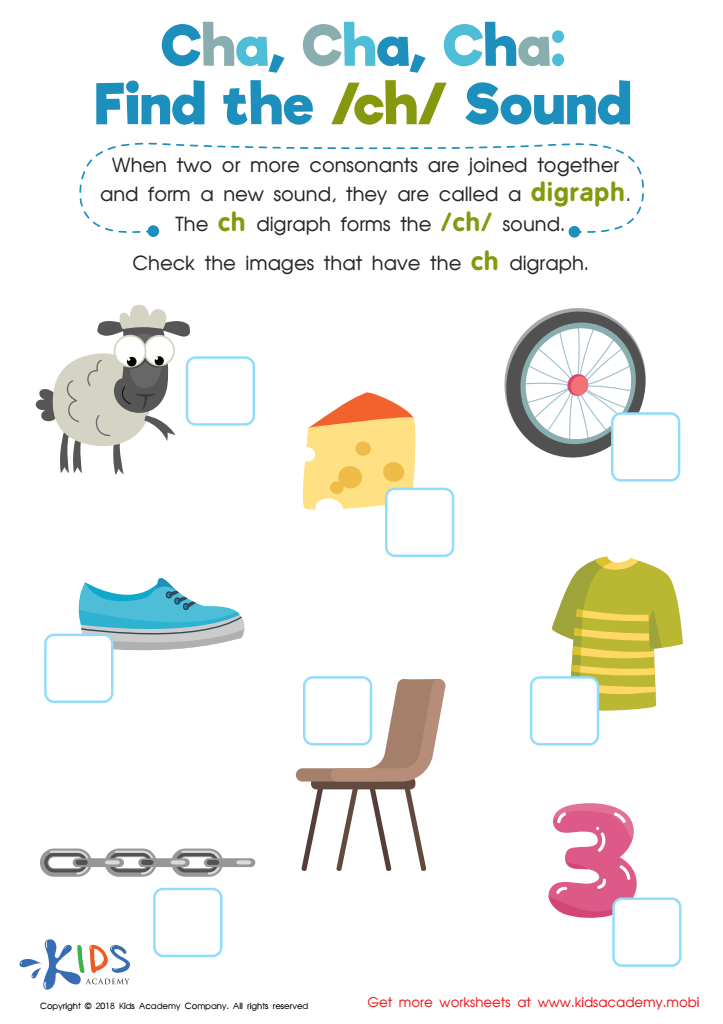
Cha, Cha, Cha: Find the /Ch/ Sound Worksheet
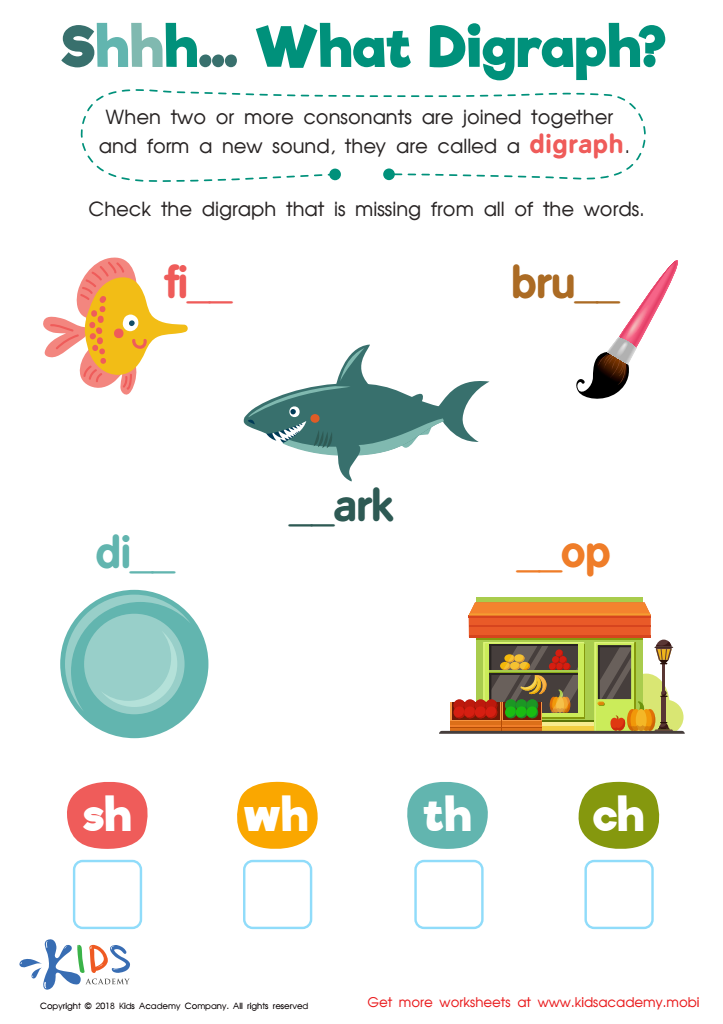
Shhh... What Digraph? Worksheet
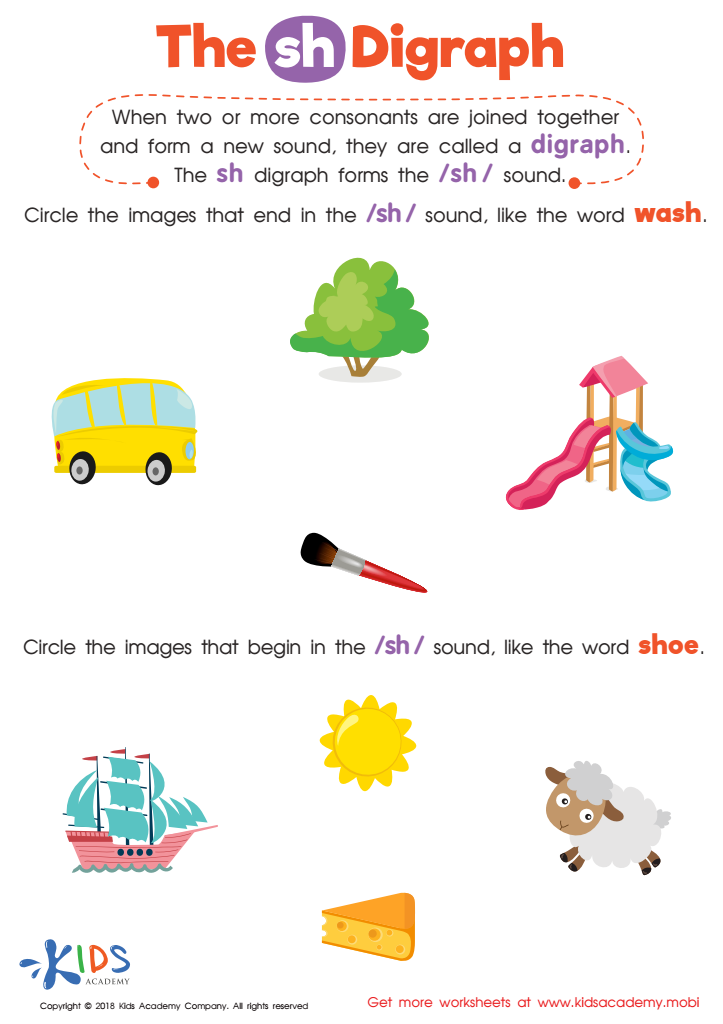
The SH Digraph Worksheet
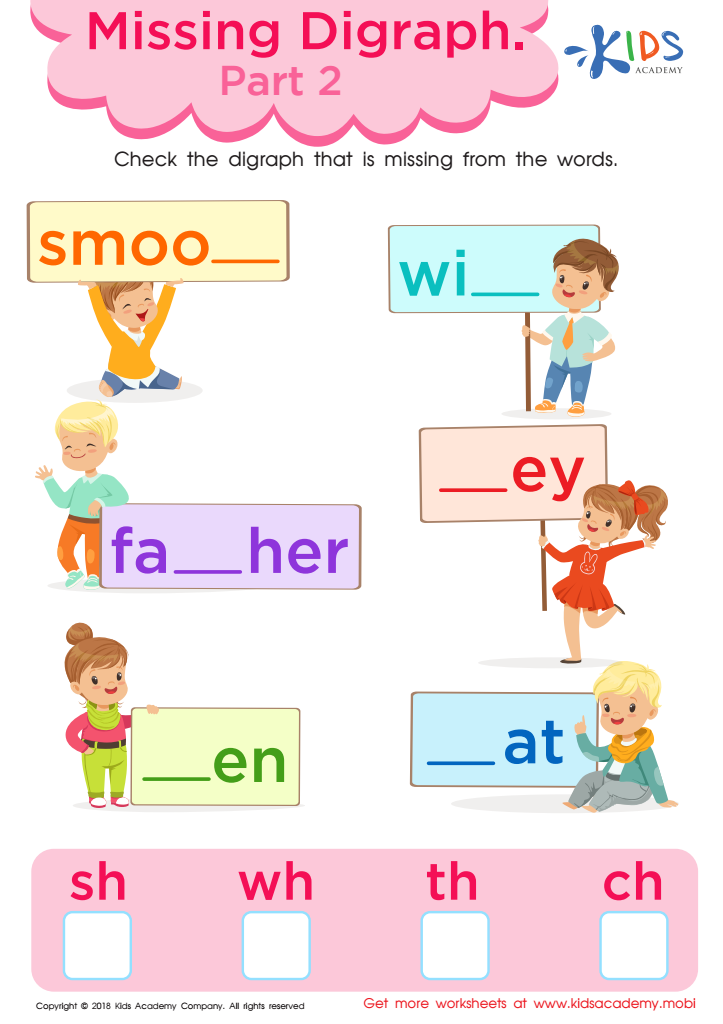
Missing Digraph: Part 2 Worksheet
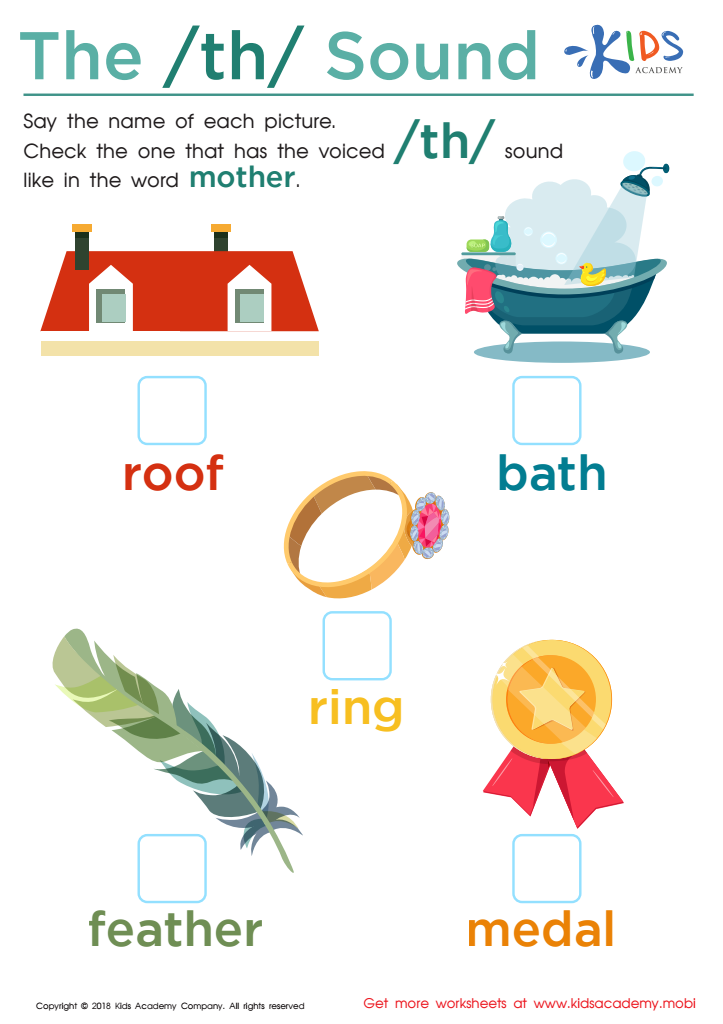
The /th/ Sound Worksheet








Normal Phonics for ages 3-6 stands as a fundamental building block in a child's educational journey. Phonics—the method of teaching reading by correlating sounds with letters or groups of letters—forms the basis for literacy, which is crucial for all future learning. Parents and teachers should care deeply about phonics for multiple reasons.
Firstly, early mastery of phonics can prevent reading difficulties later on. Phonemic awareness helps young learners decode new words, enriching their vocabulary and boosting comprehension right from the start. This foundational skill leads to greater confidence in reading, fostering a love for books and learning.
Secondly, phonics instruction supports accurate and fluent reading, essential for understanding various subjects. By merging sounds (phonemes) with written symbols (graphemes), children can efficiently read and pronounce new words, making other areas of learning—like math, science, and social studies—more accessible.
Finally, when parents and teachers focus on phonics, they provide structure and predictability, essential for young mind's confidence and willingness to tackle new challenges. Phonics also actively engages children in a multisensory learning experience, enhancing cognitive development and general curiosity about the world around them.
By prioritizing phonics instruction during these formative years, parents and teachers invest in a child's entire academic journey, laying the foundation for an educational experience marked by success, enjoyment, and the pursuit of knowledge.







