Normal Math Worksheets for Ages 3-9 - Page 3
545 filtered results
-
From - To
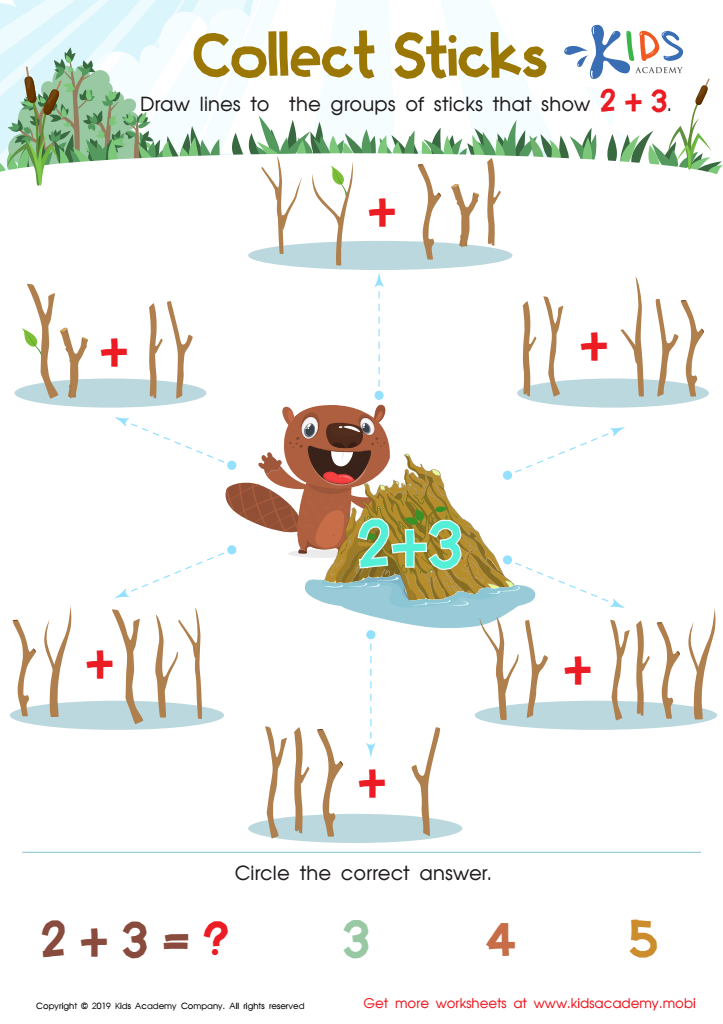
Collect Sticks Worksheet
 Assign to My Students
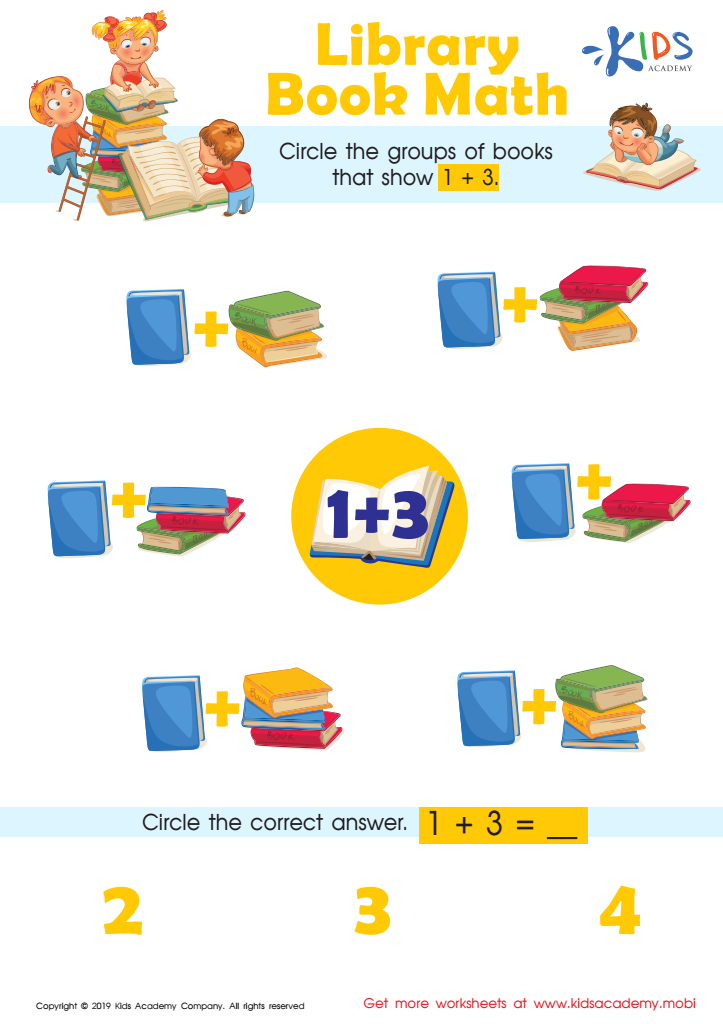
Library Book Math Worksheet
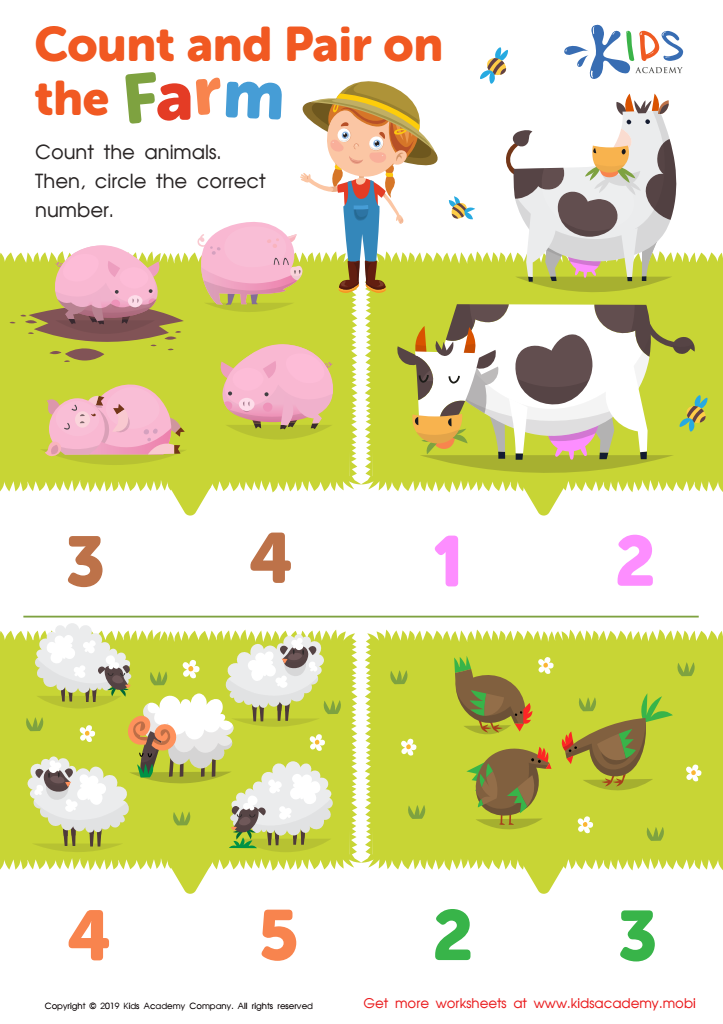
Count and Pair on the Farm Worksheet
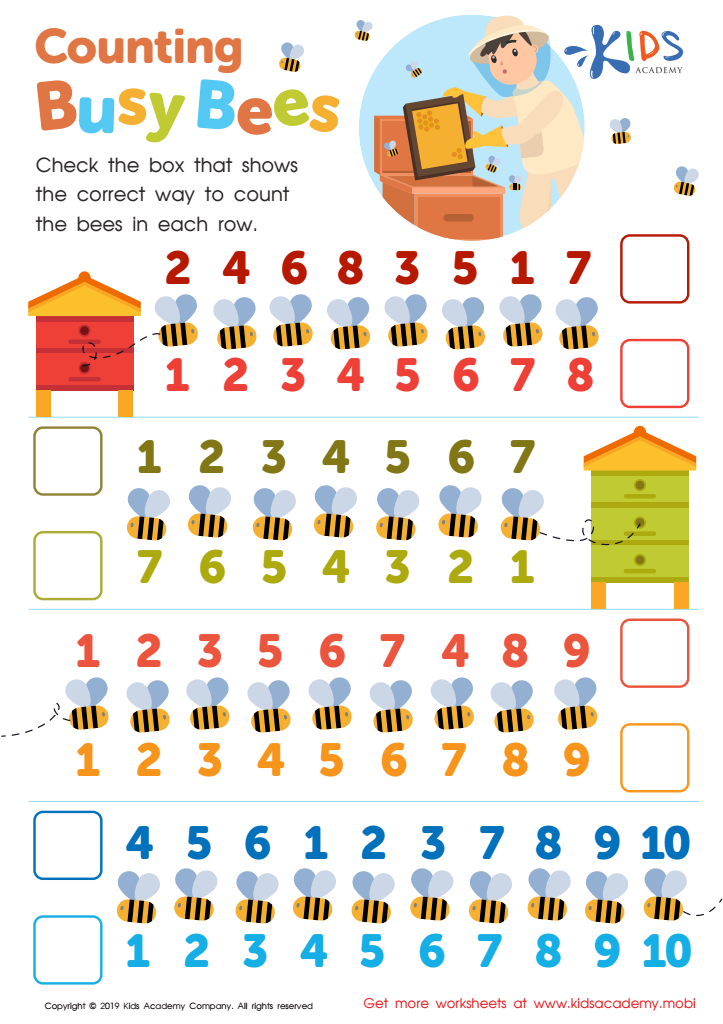
Counting Busy Bees Worksheet
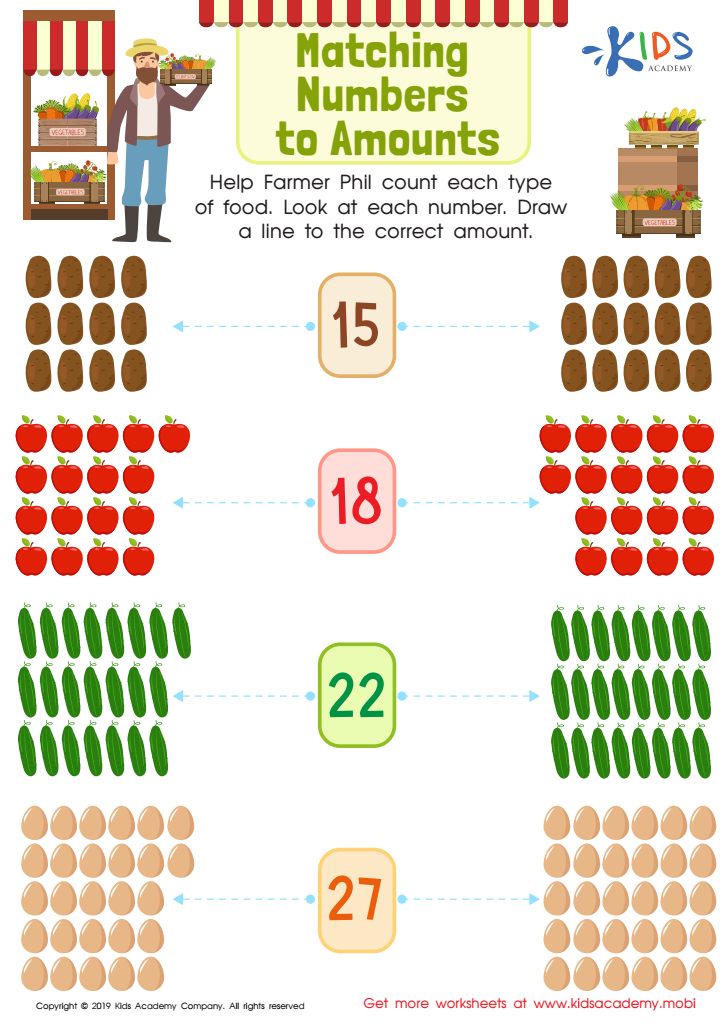
Matching Numbers to Amounts Worksheet
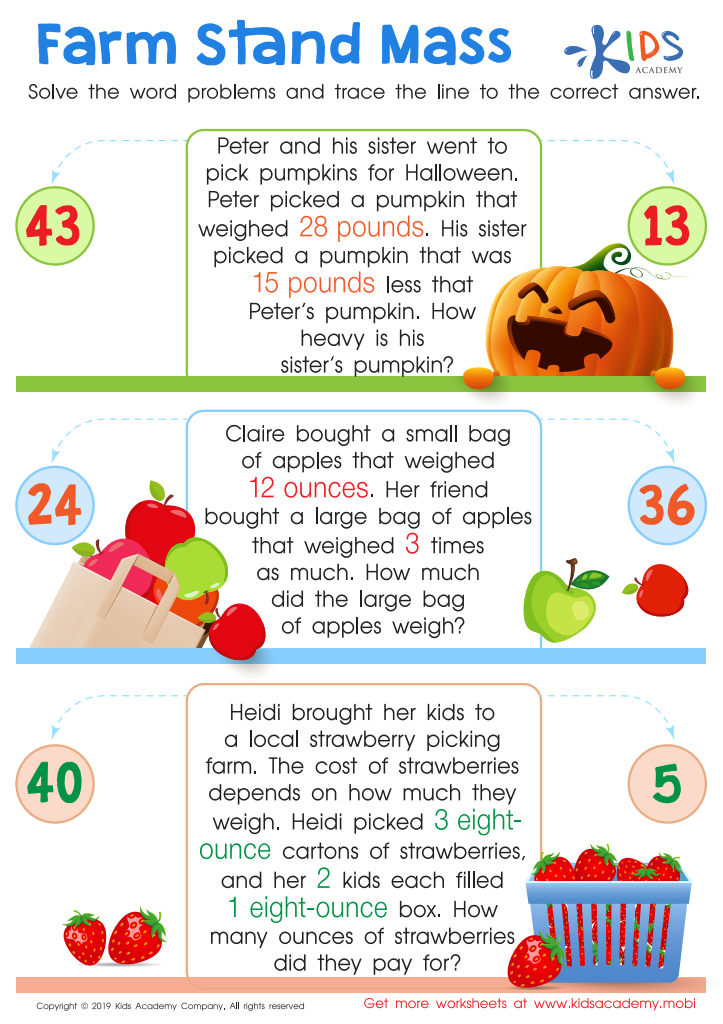
Farm Stand Mass Worksheet
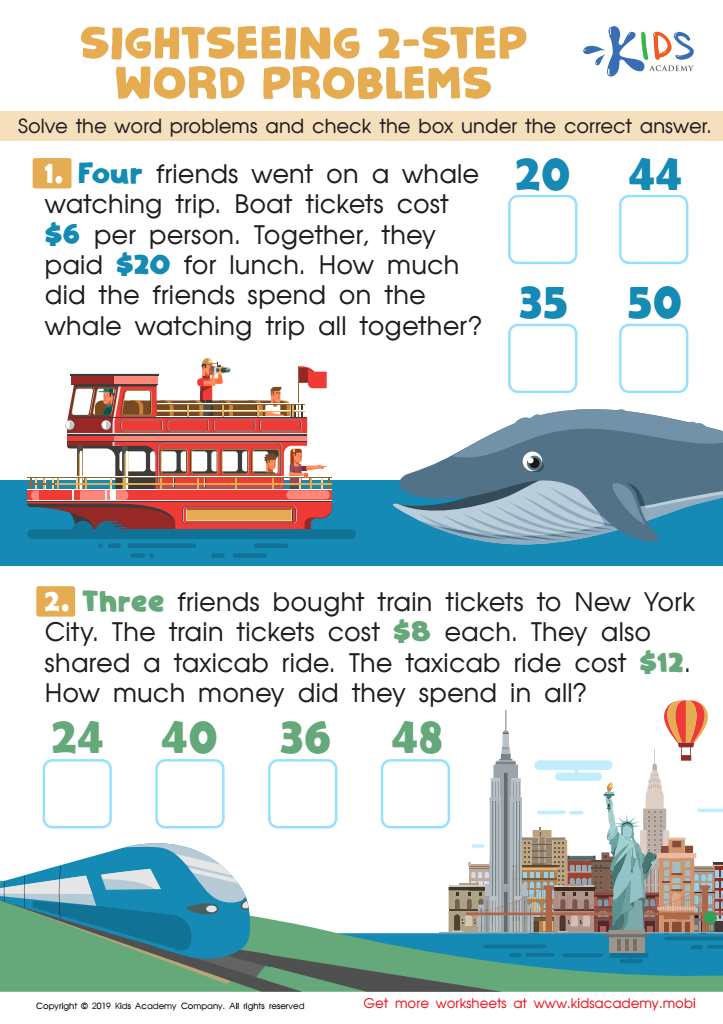
Sightseeing 2-Step Word Problems Worksheet
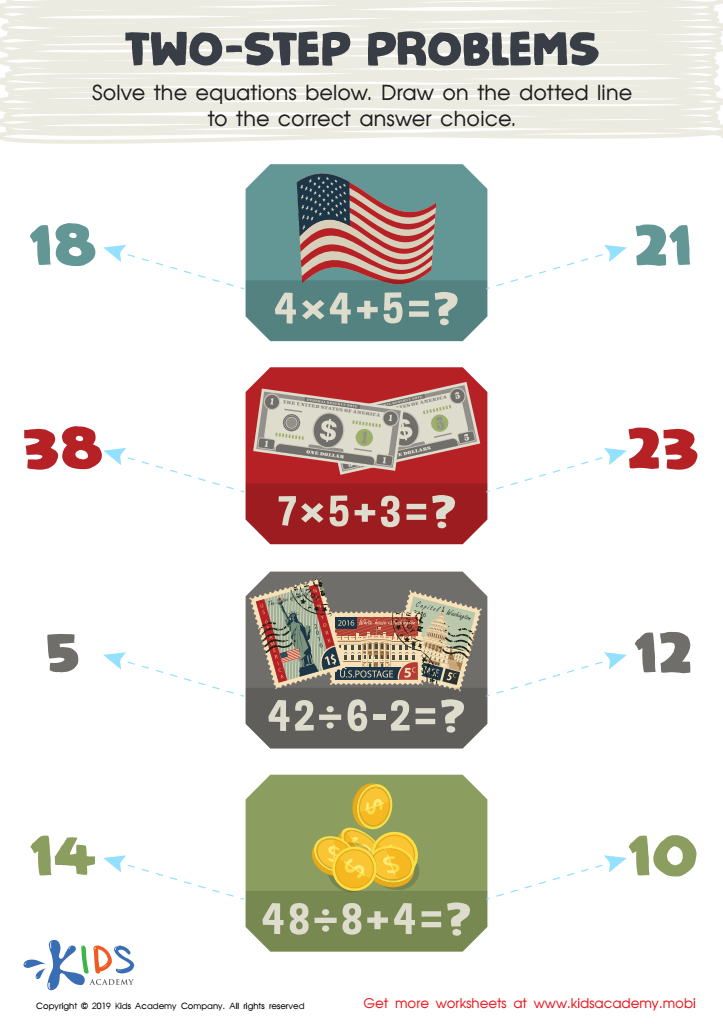
Two-Step Problems Worksheet
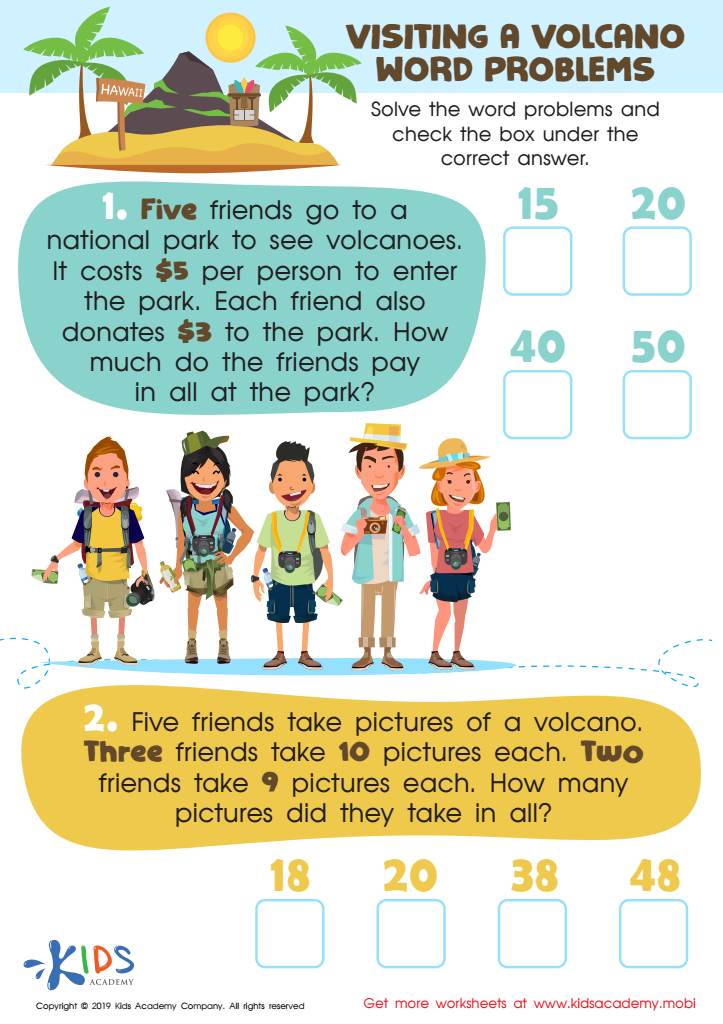
Visiting a Volcano Word Problems Worksheet
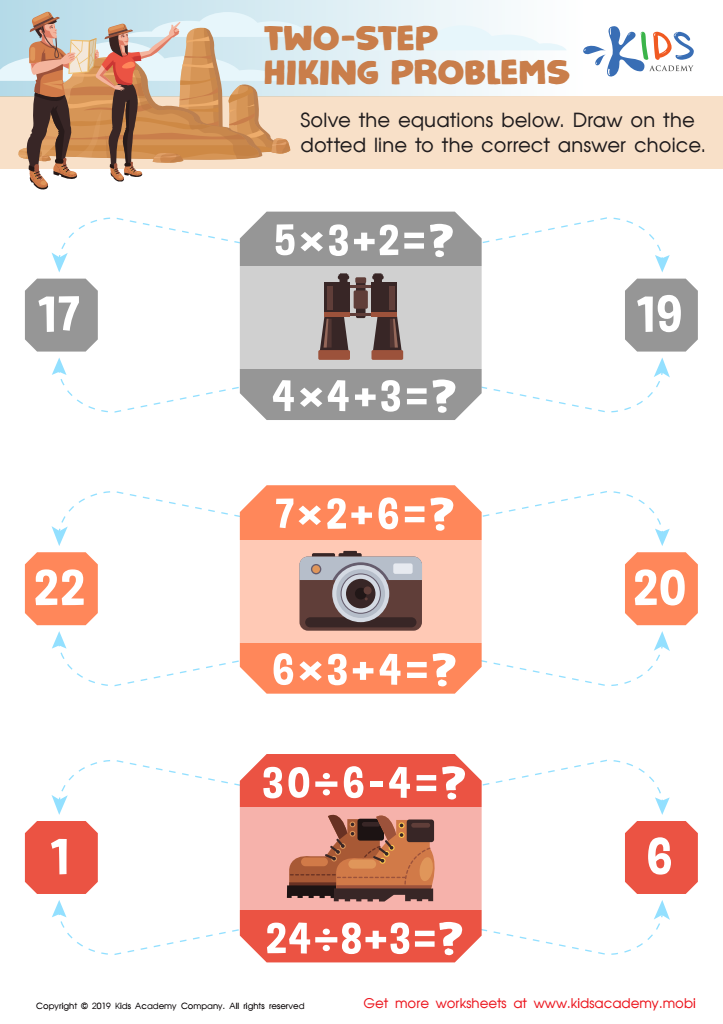
Two-Step Hiking Problems Worksheet
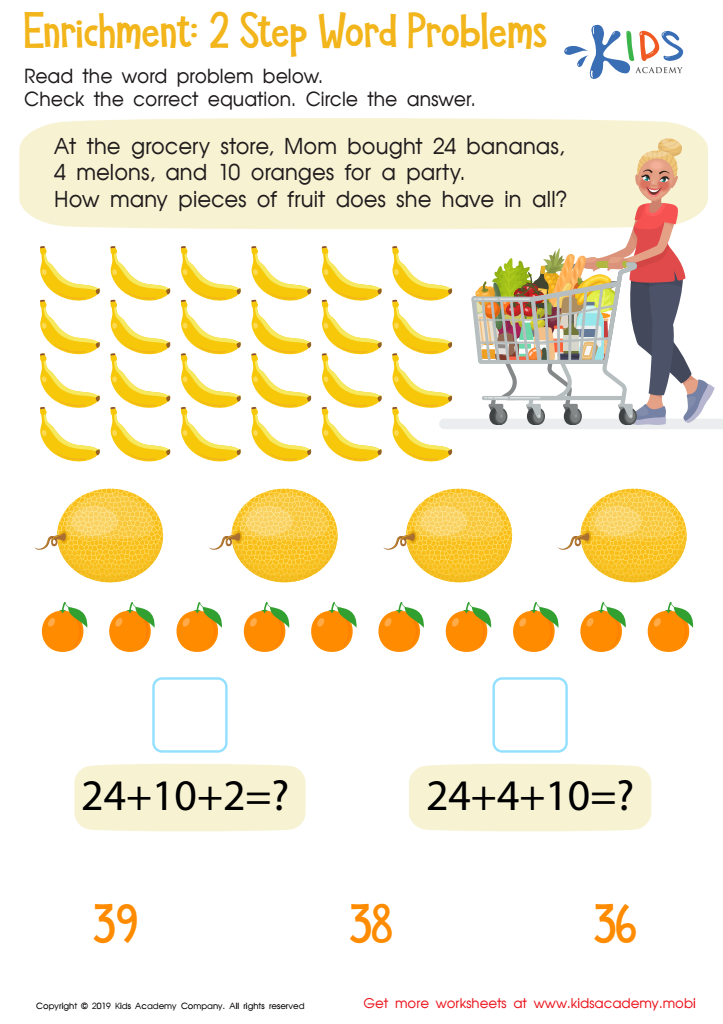
Enrichment -2 Step Word Problems Worksheet
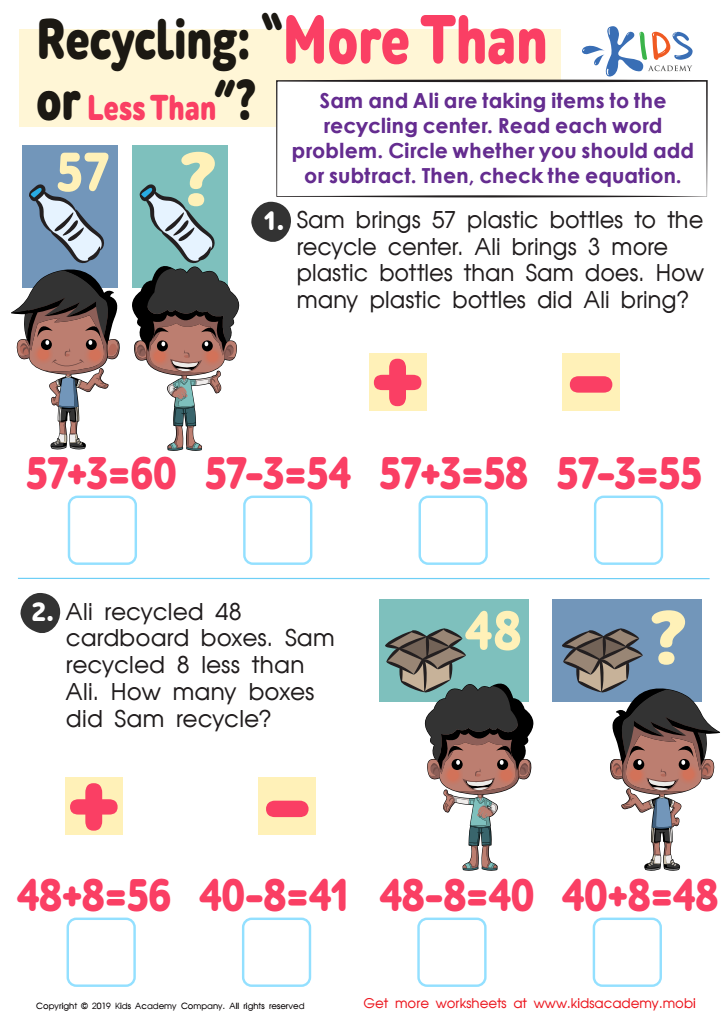
Recycling - More or Less Worksheet
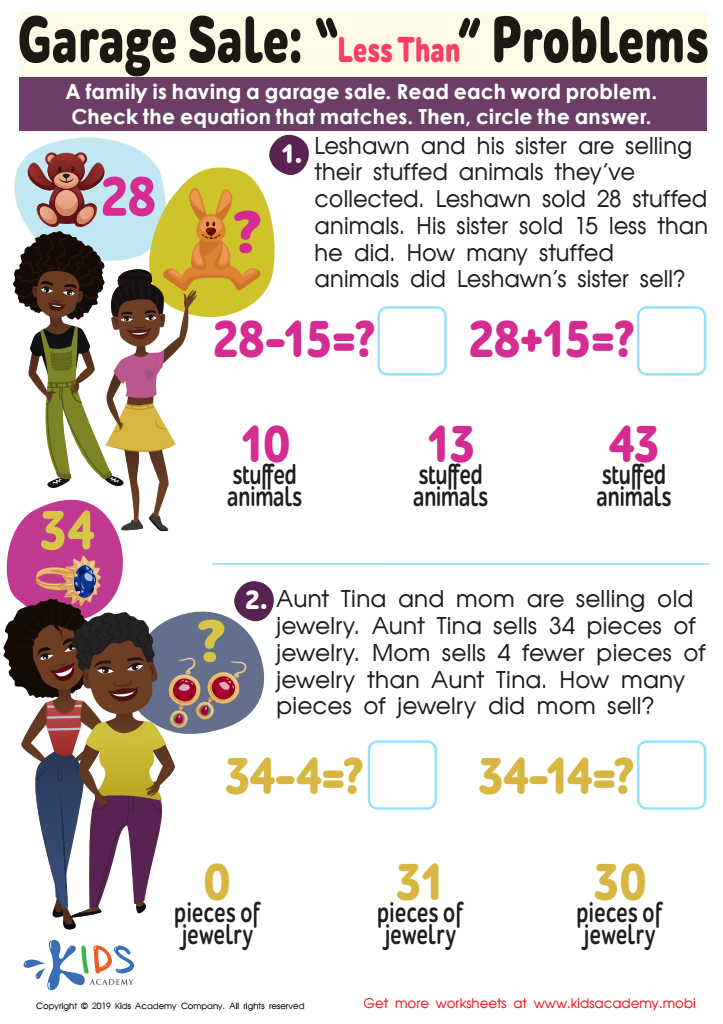
Garage Sale Less Than Worksheet
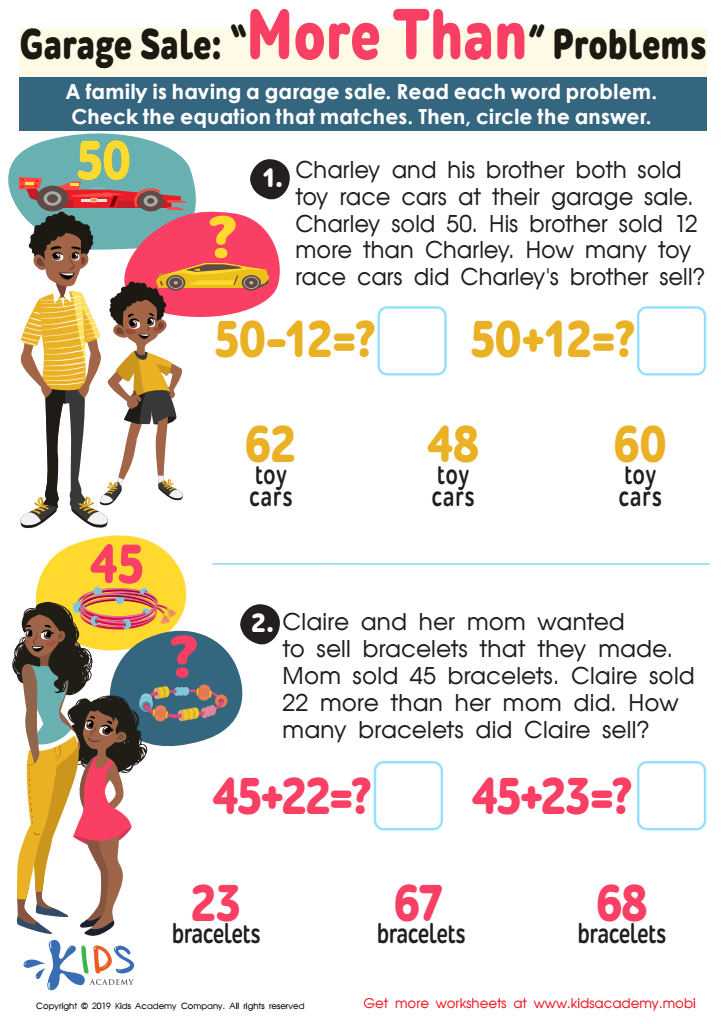
Garage Sale - More yhan Worksheet
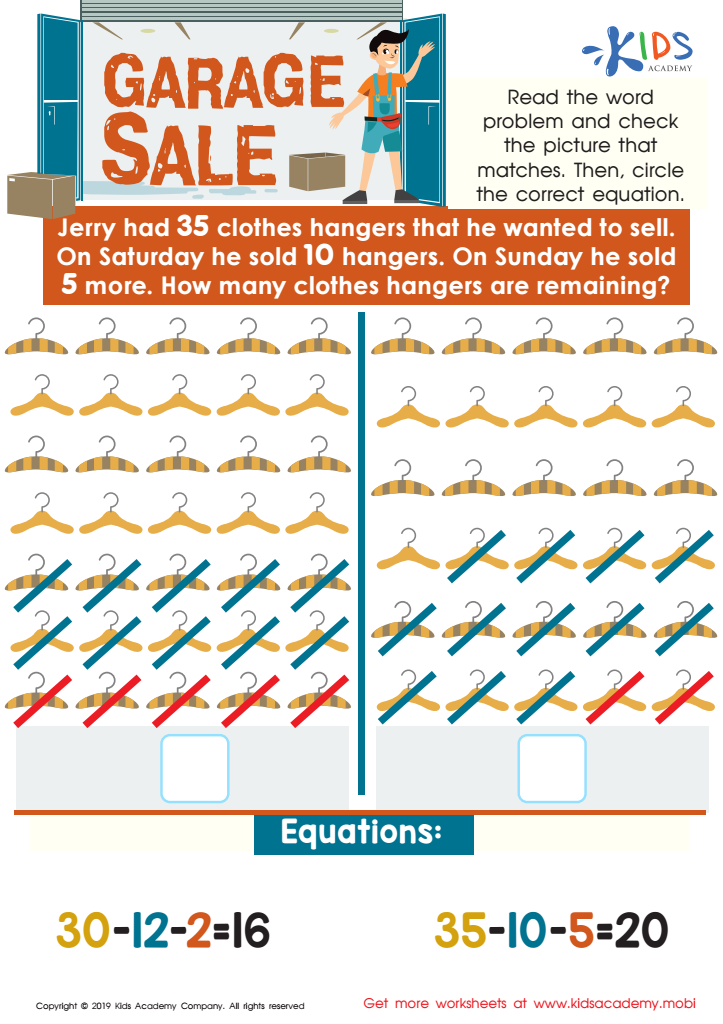
Garage Sale Worksheet
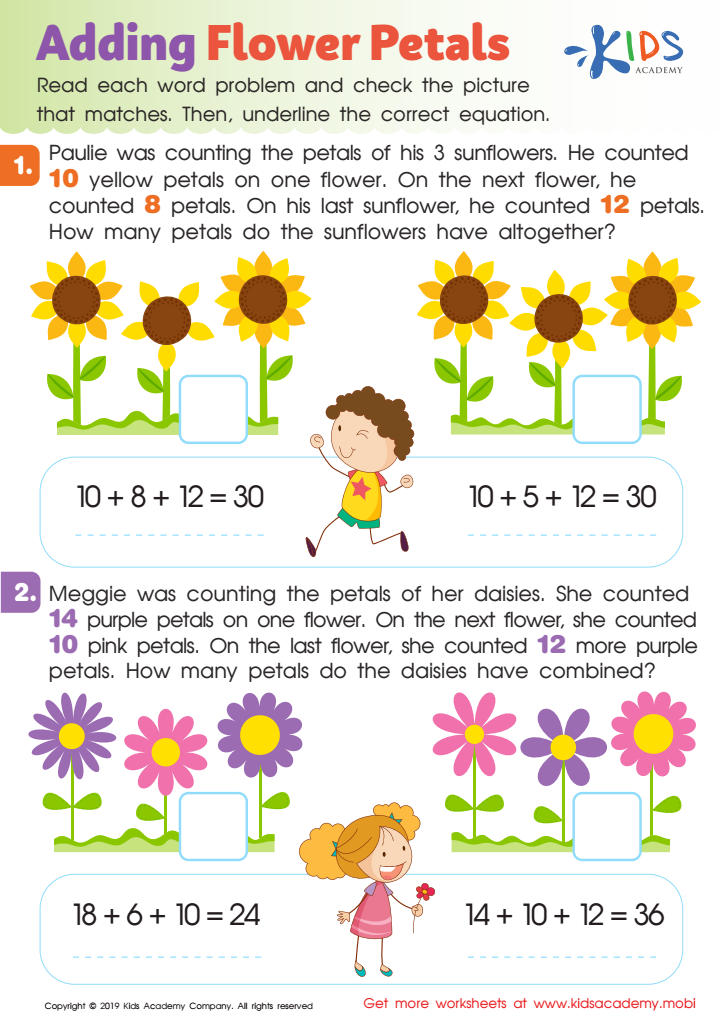
Adding Flower Petals Worksheet
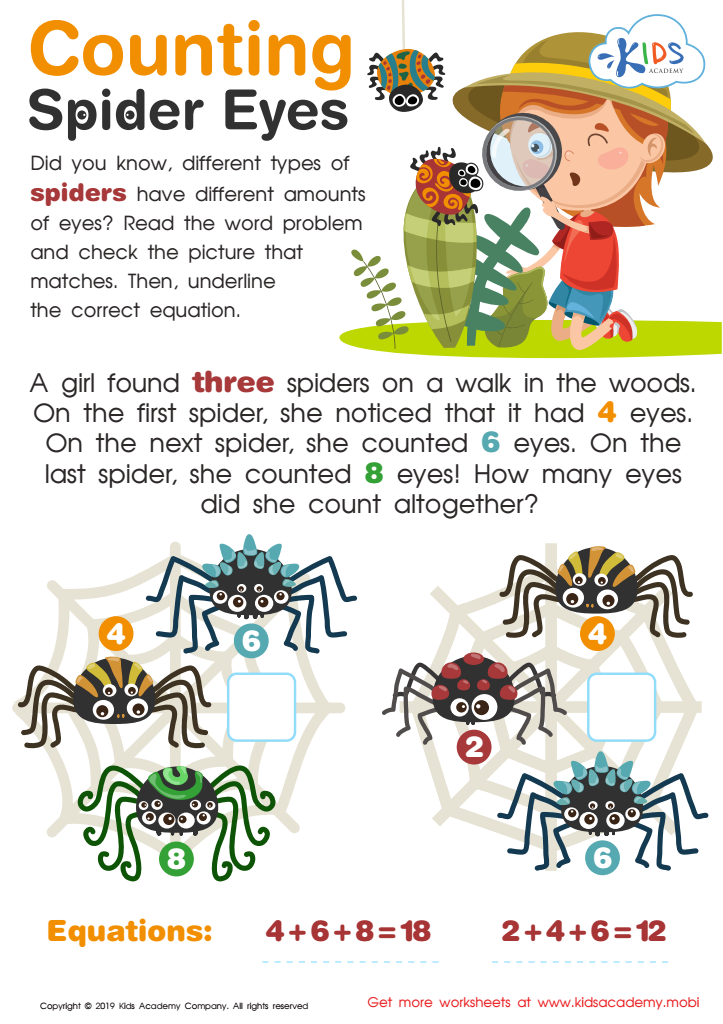
Counting Spider Eyes Worksheet
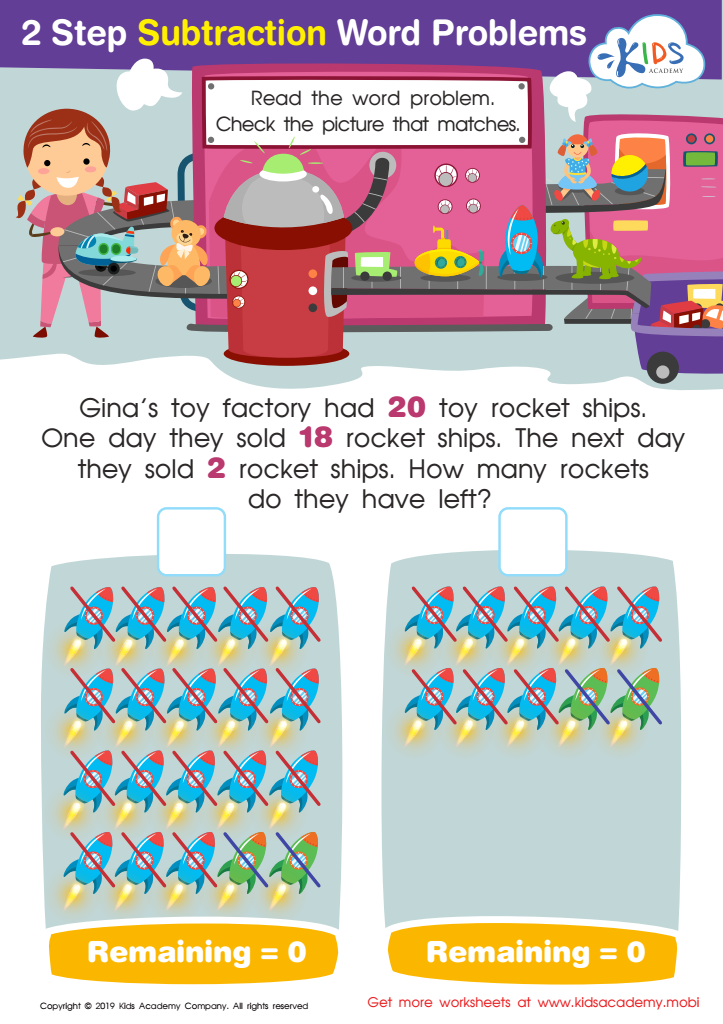
Step Subtraction Word Problems Worksheet
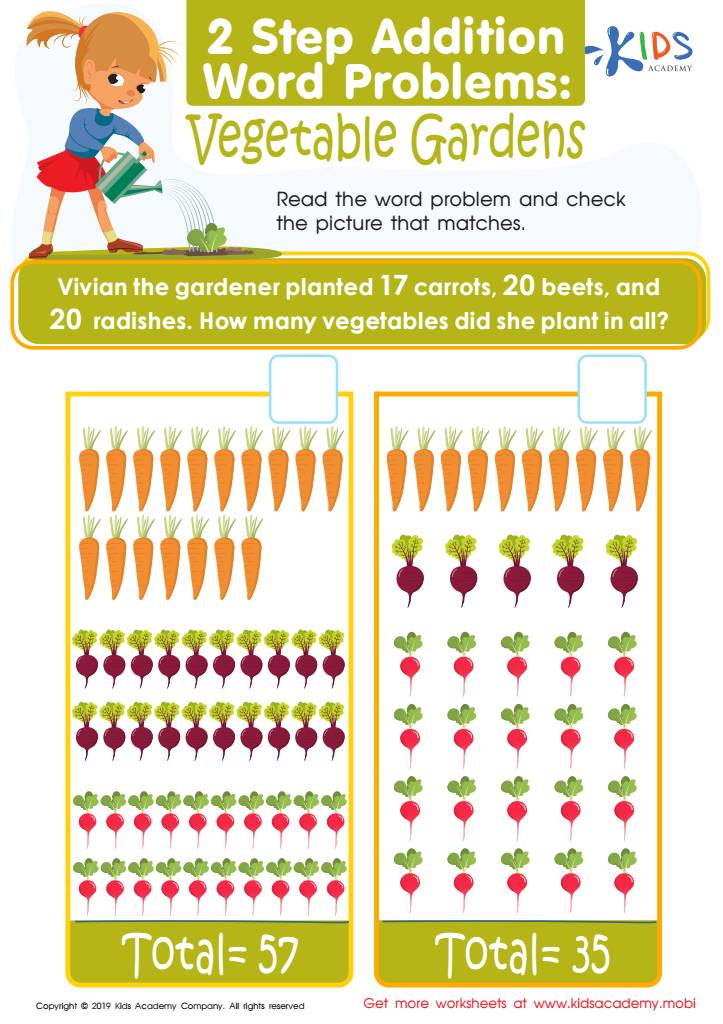
Vegetable Gardens Worksheet
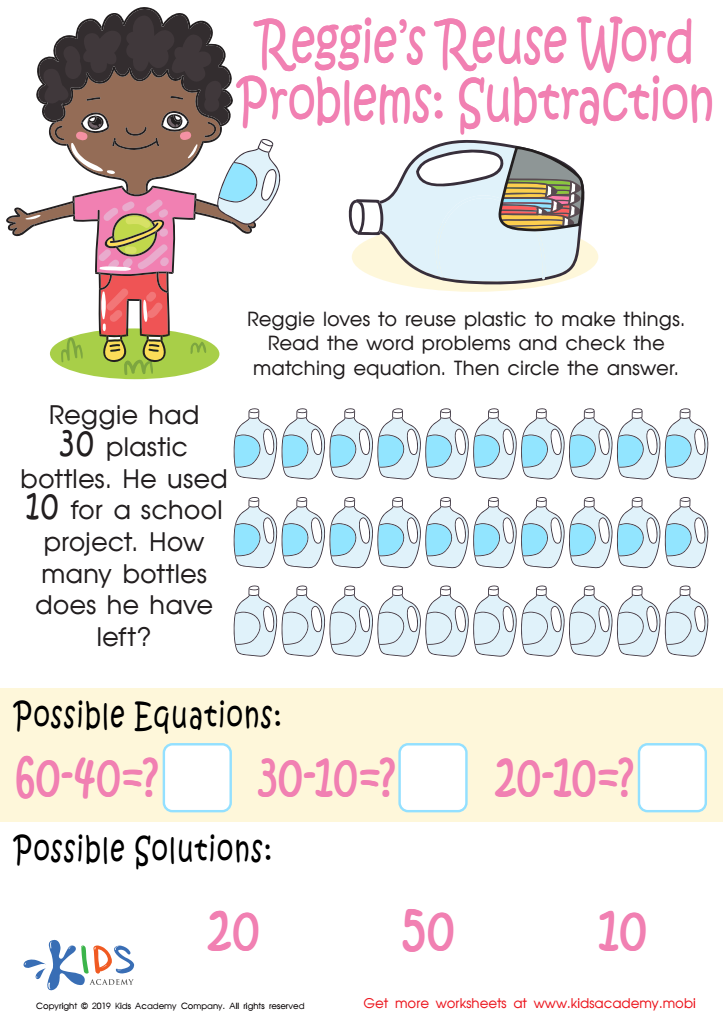
Reggie's Reuse Word Problems: Subtraction Worksheet
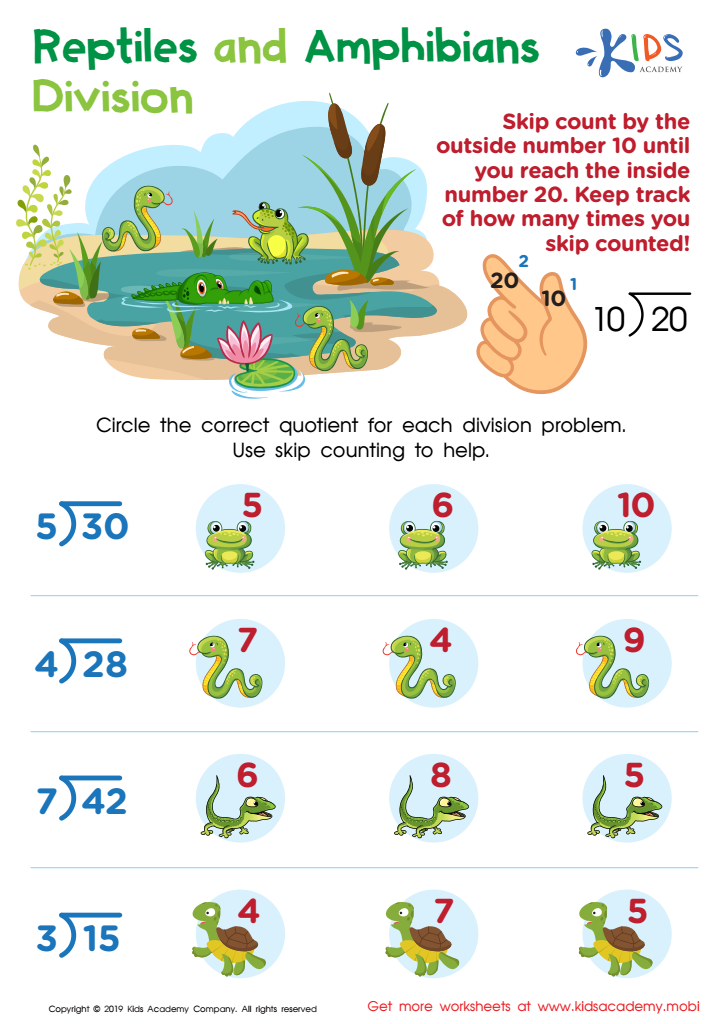
Reptile and Amphibians Division Worksheet
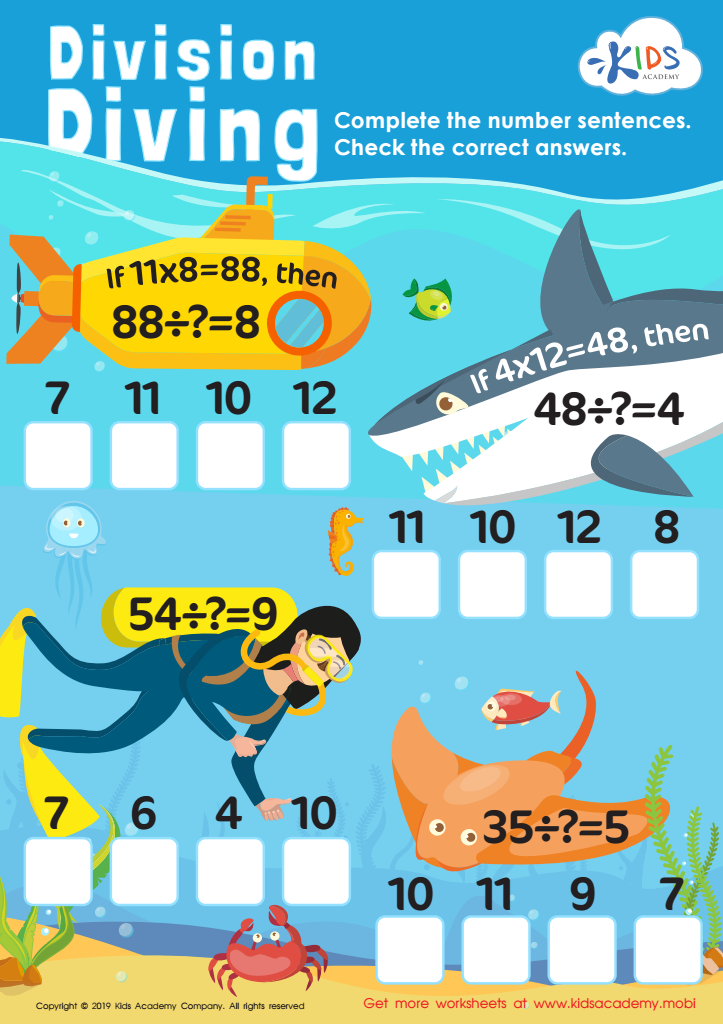
Division Diving Worksheet
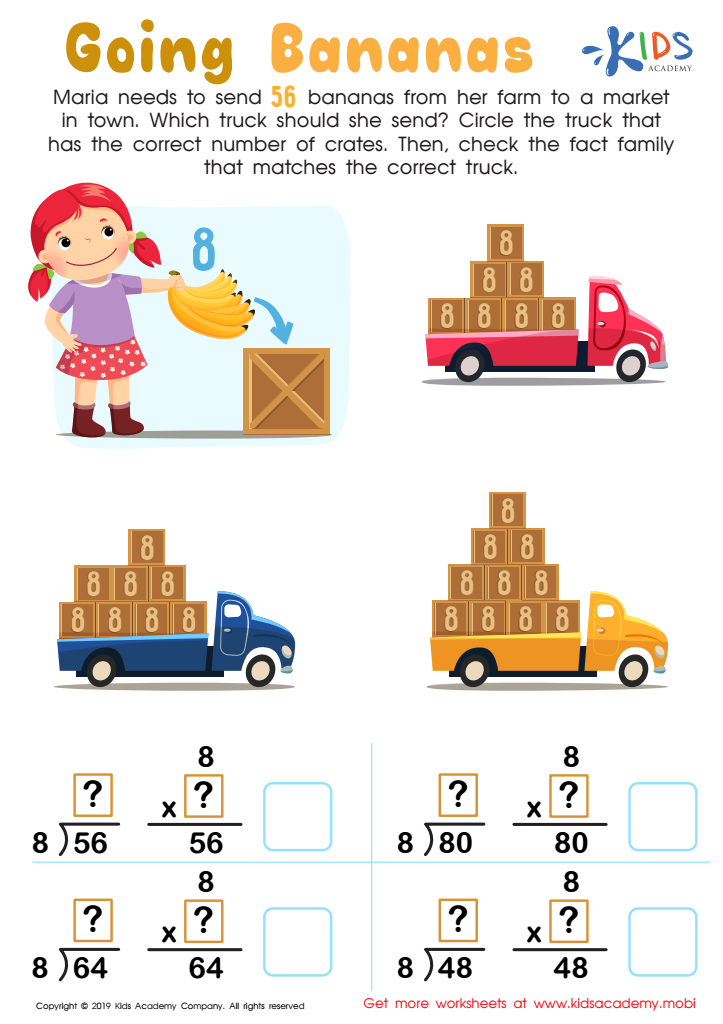
Going Bananas Worksheet
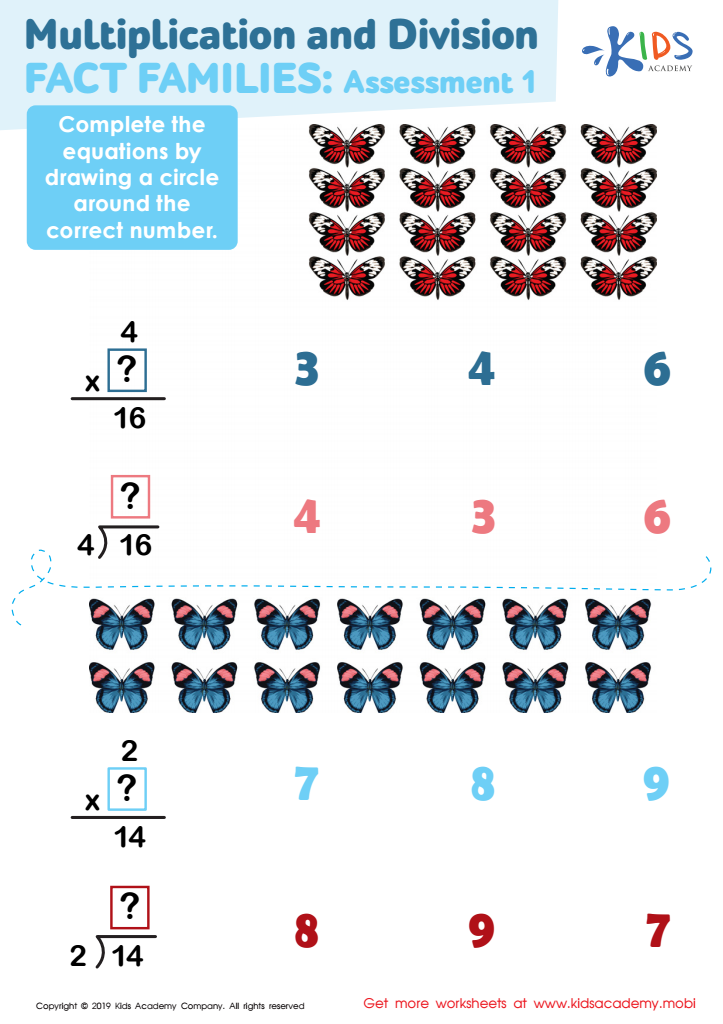
Multiplication and Division Fact Families Assessment 1 Worksheet








Normal math, encompassing basic numeracy skills such as counting, adding, subtracting, and understanding simple geometric concepts, lays a vital foundation for young children, particularly between the ages of 3 and 9. During these formative years, a child's brain is highly malleable and can absorb new information at an impressive rate. Early exposure to math concepts can stimulate cognitive development, enhance problem-solving abilities, and improve logical thinking.
For parents and teachers, fostering an early interest in math can ease the child's future journey through more complex mathematical topics. Children who develop a strong foundation in math early on are more likely to succeed academically, not only in further mathematics but across other subjects too. Math promotes critical thinking, literacy in numbers, and practical life skills, such as handling money or understanding time, which are essential for everyday activities.
Moreover, introducing math in a fun, engaging way can nurture a positive attitude towards the subject, diminishing fears or math anxiety which often hinder learning in the later stages. This sets the stage for a lifetime appreciation of math, broadening potential career paths, and equipping children with the necessary skills to navigate the increasingly tech-oriented world. Understanding and valuing math from a young age can thus have profound, long-lasting impacts on a child's academic journey and everyday life.








