Normal 2D Shapes Worksheets for Ages 5-7 - Page 2
32 filtered results
-
From - To
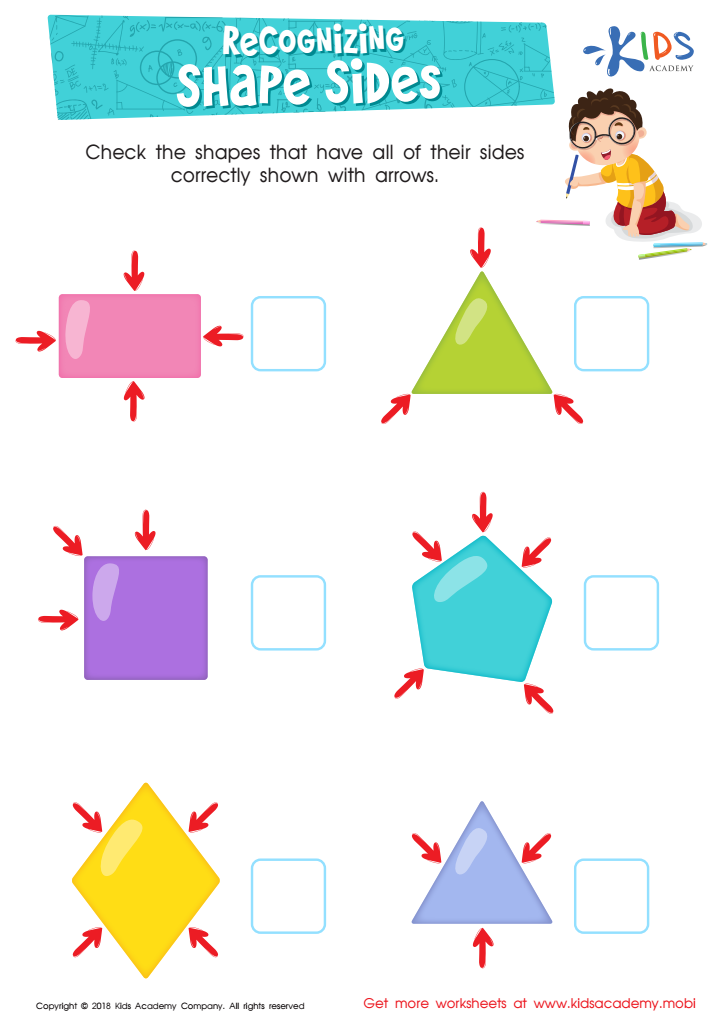
Recognizing Shape Sides Worksheet
 Assign to My Students











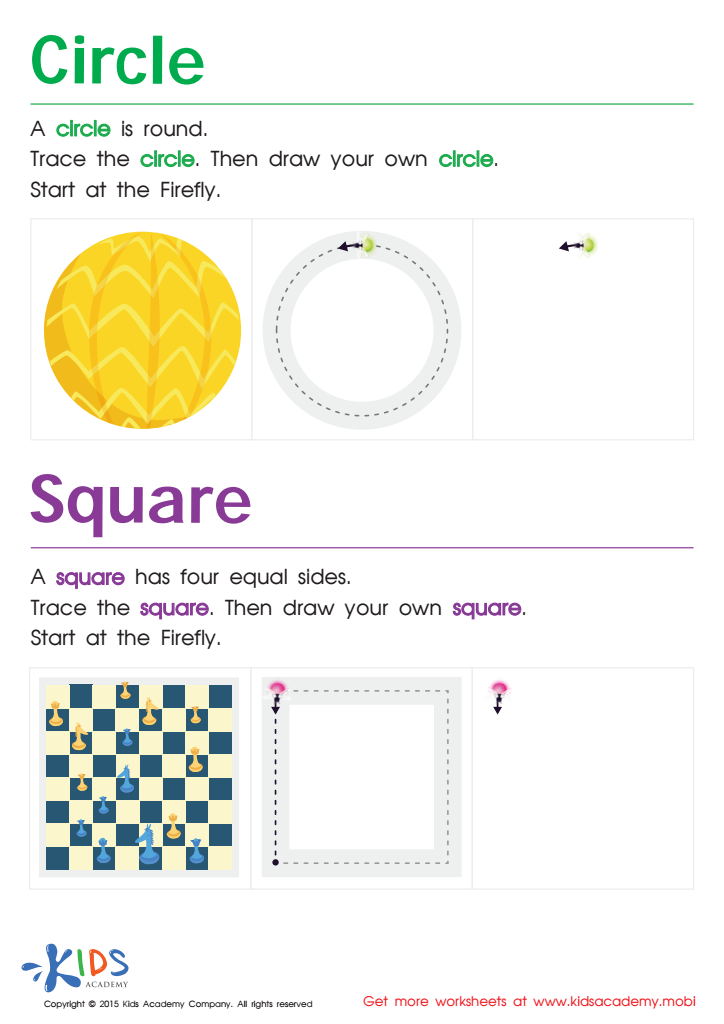
Trace And Draw a Circle And a Square Worksheet
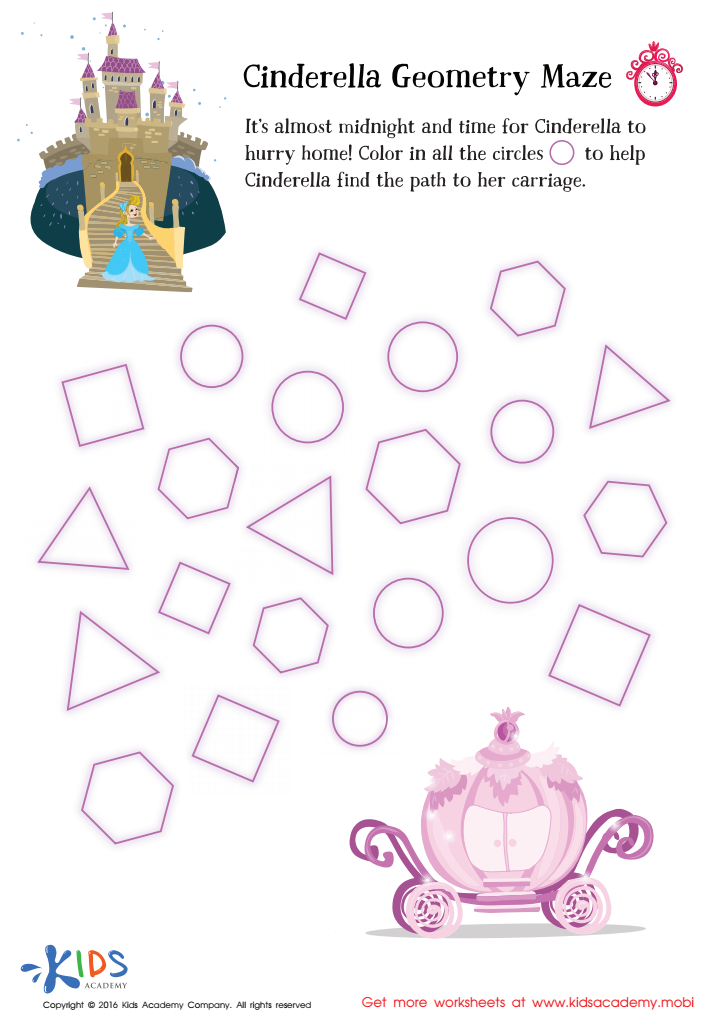
Cinderella Geometry Maze Worksheet
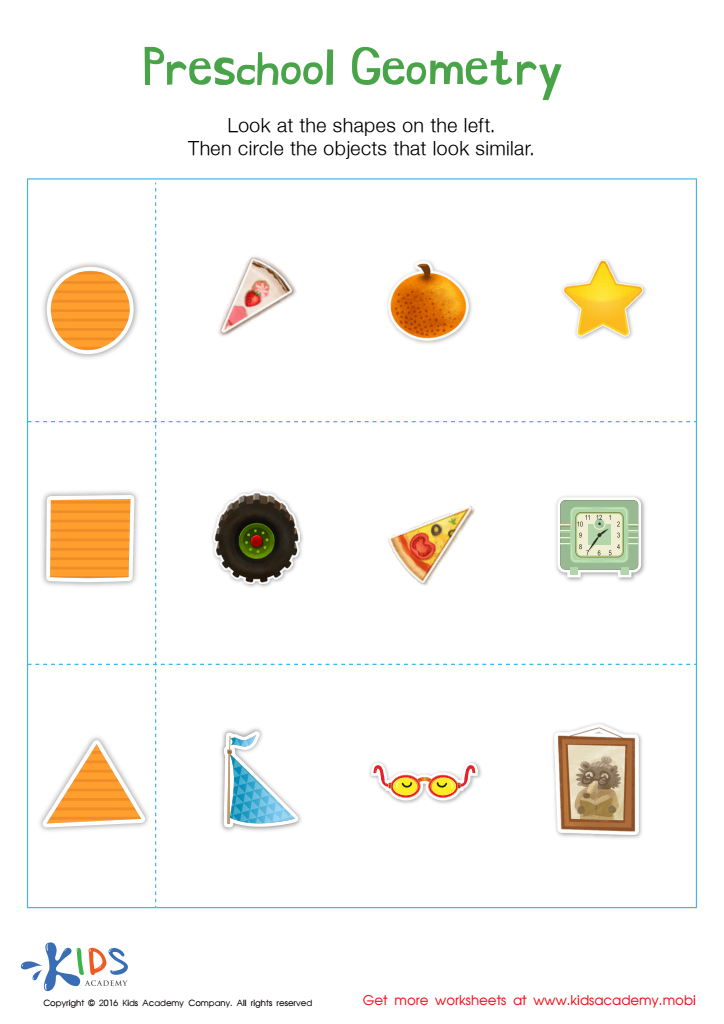
Preschool Geometry Match Up Worksheet
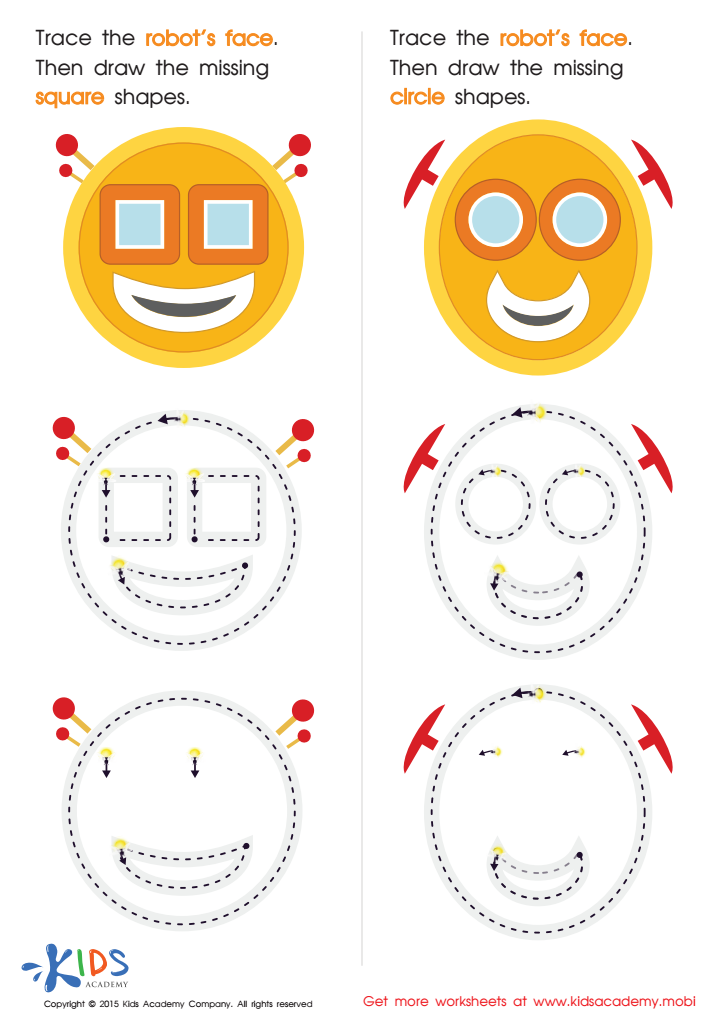
Practicing to Draw Circles And Squares Printable
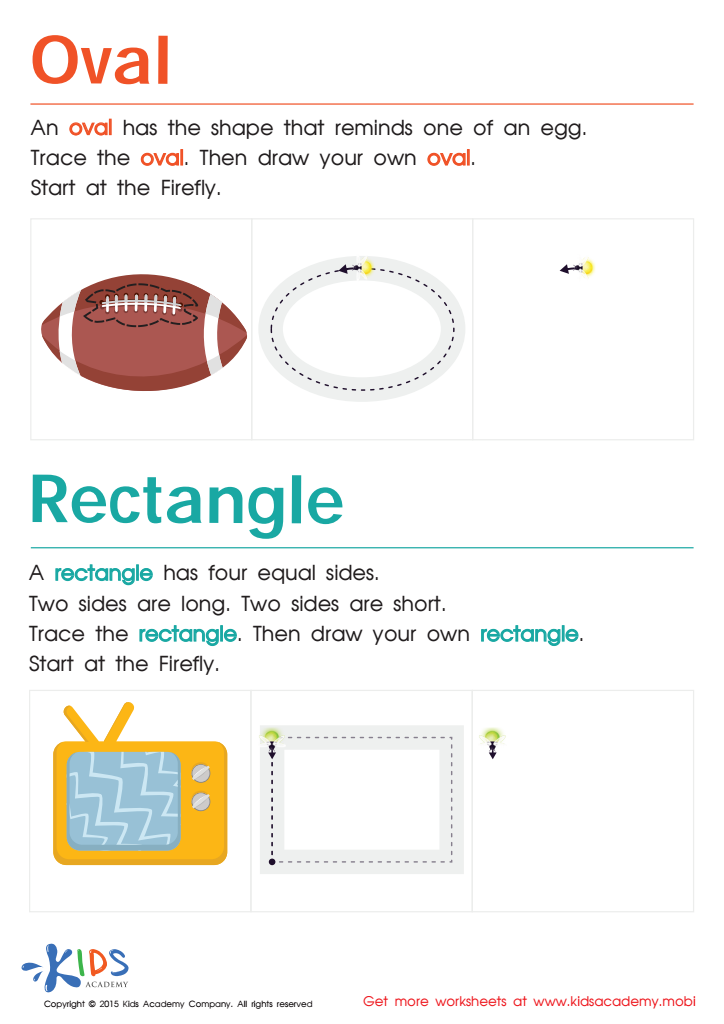
Easy Drawing of Ovals And Rectangles Worksheet
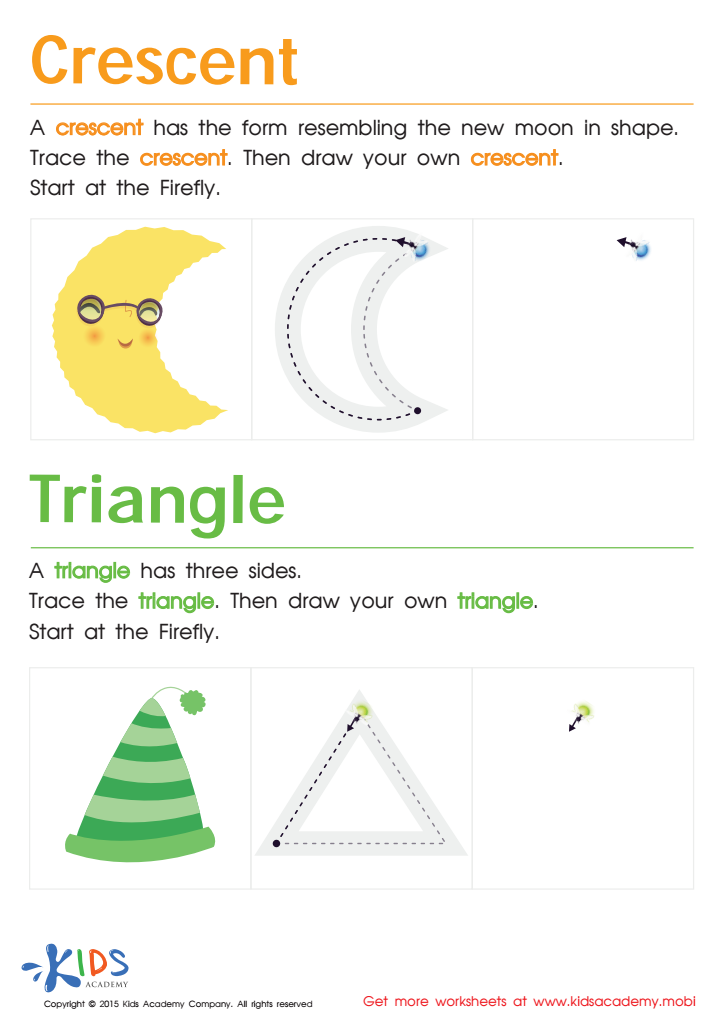
Learning to Draw Crescents And Triangles Worksheet
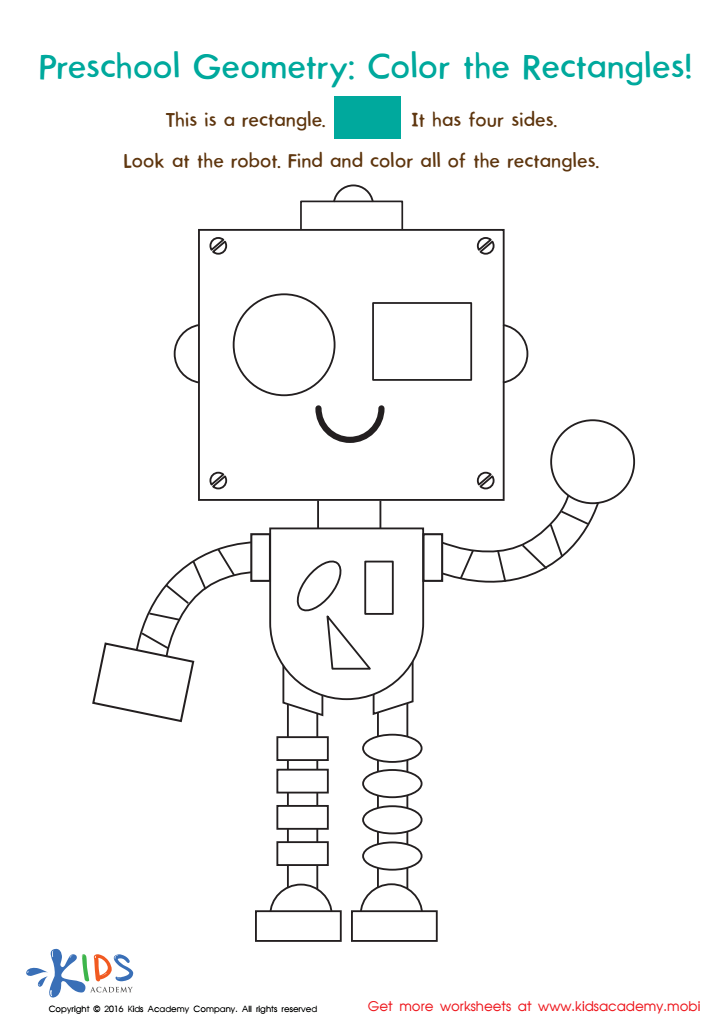
Geometry Worksheet








Parents and teachers should care about normal 2D shapes for kids aged 5-7 because they are foundational to children's mathematical understanding and everyday life. Learning about shapes like squares, circles, triangles, and rectangles helps young learners begin to recognize patterns, compare sizes, and understand spatial relationships. These early skills are crucial for developing critical thinking and problem-solving abilities.
Engaging with 2D shapes lays the groundwork for more complex concepts in geometry and mathematics. Activities involving shapes sharpen children’s observation skills, enhance their ability to categorize and sort objects, and offer opportunities to explore symmetry and angles in a fun, hands-on way.
Moreover, shape recognition promotes language development, as kids learn to describe properties and create comparisons—important skills for communication. Additionally, these concepts play a vital role in art and design, encouraging creativity as children use shapes to create their own artwork.
Incorporating 2D shapes into daily activities—through games, art projects, and even nature walks—can make learning engaging and relevant, fostering a love for math that can benefit kids in their future education. Building this foundation not only enriches their academic skills but also nurtures a well-rounded, inquisitive mindset.