Normal Measurement Worksheets for Ages 5-7 - Page 2
34 filtered results
-
From - To
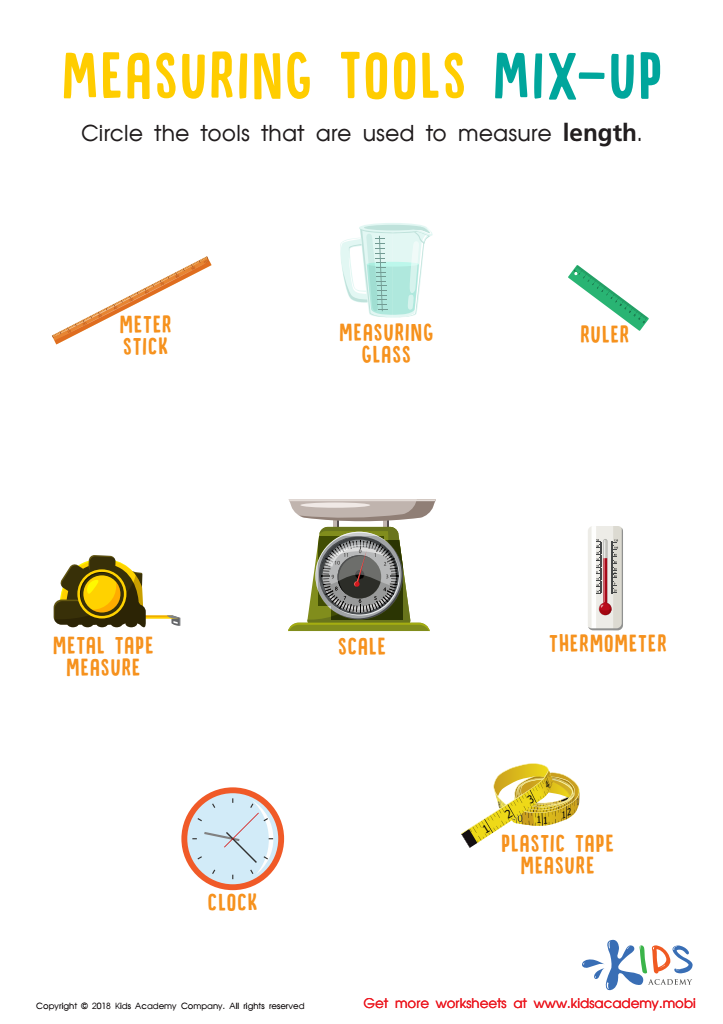
Measuring Tools Mix–up Worksheet
 Assign to My Students
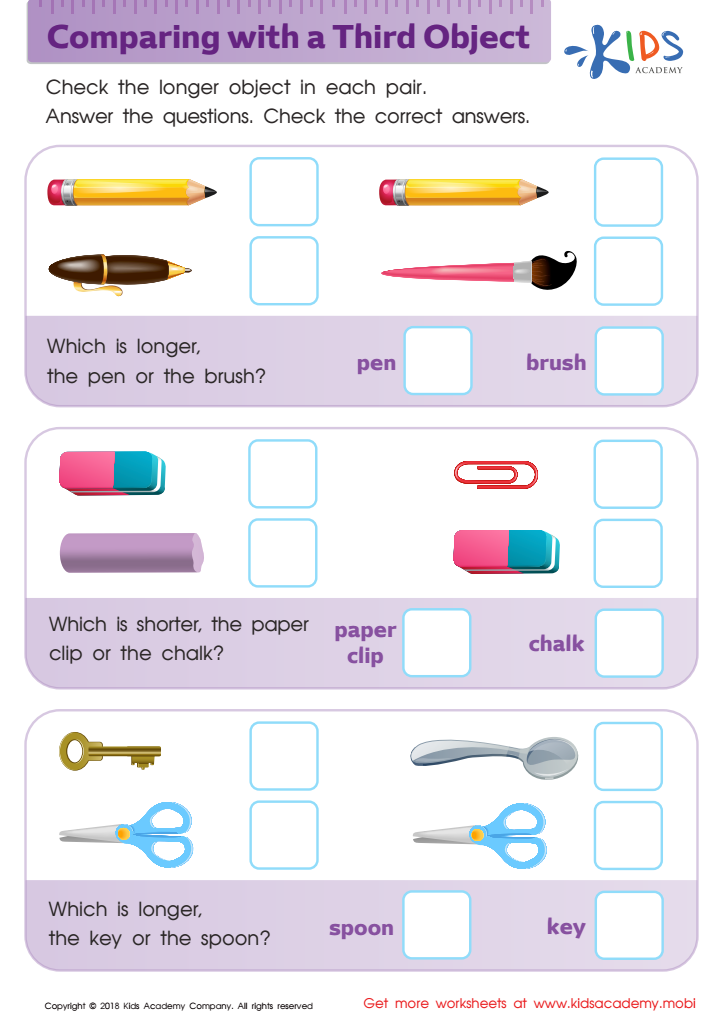
Comparing with a Third Object Worksheet
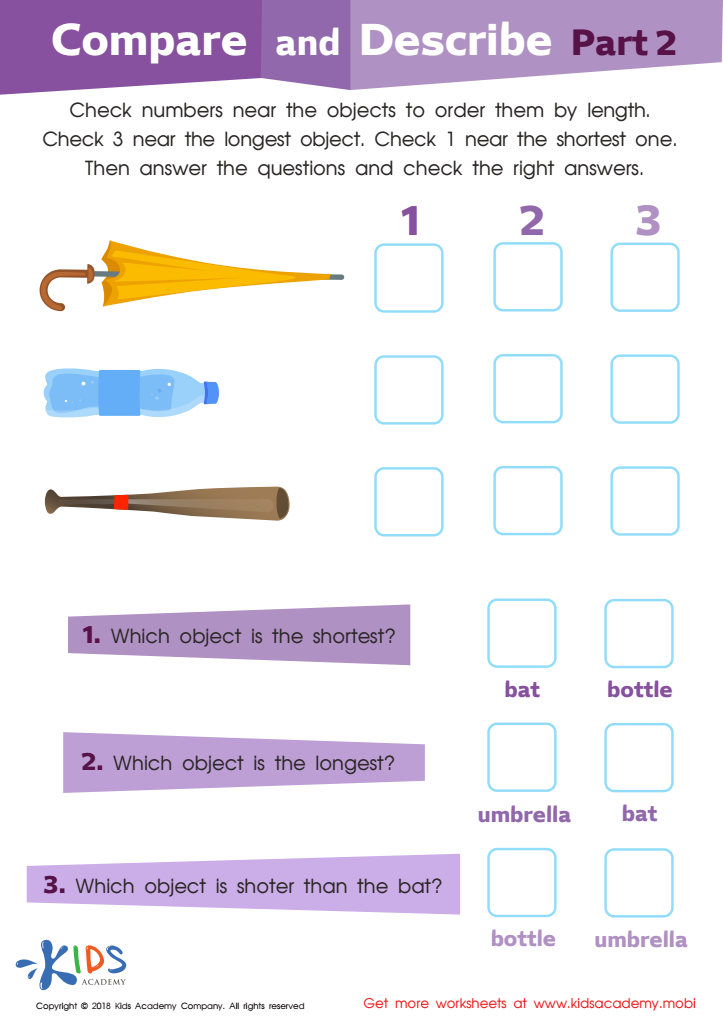
Compare and Describe: Part 2 Worksheet
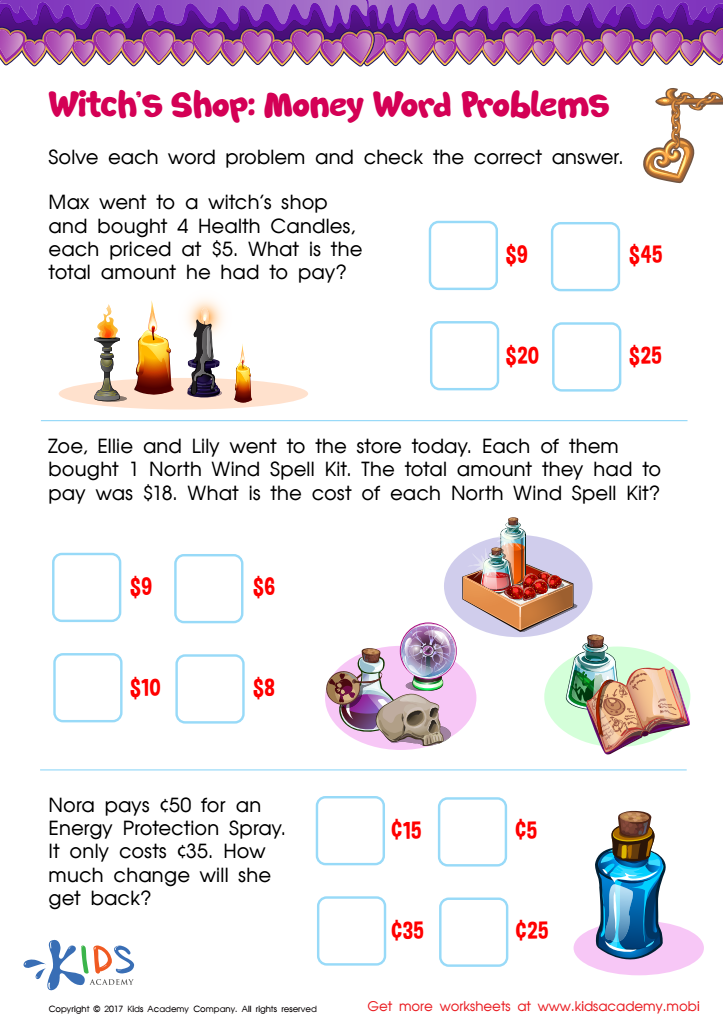
Money Word Problems Printable
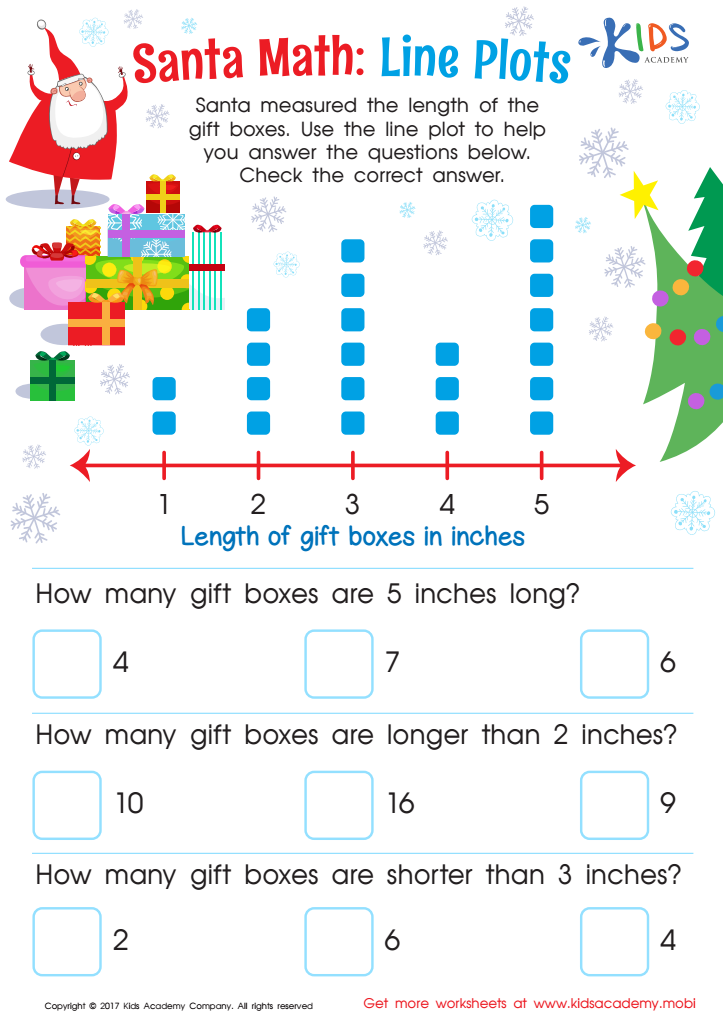
Line Plot Worksheet
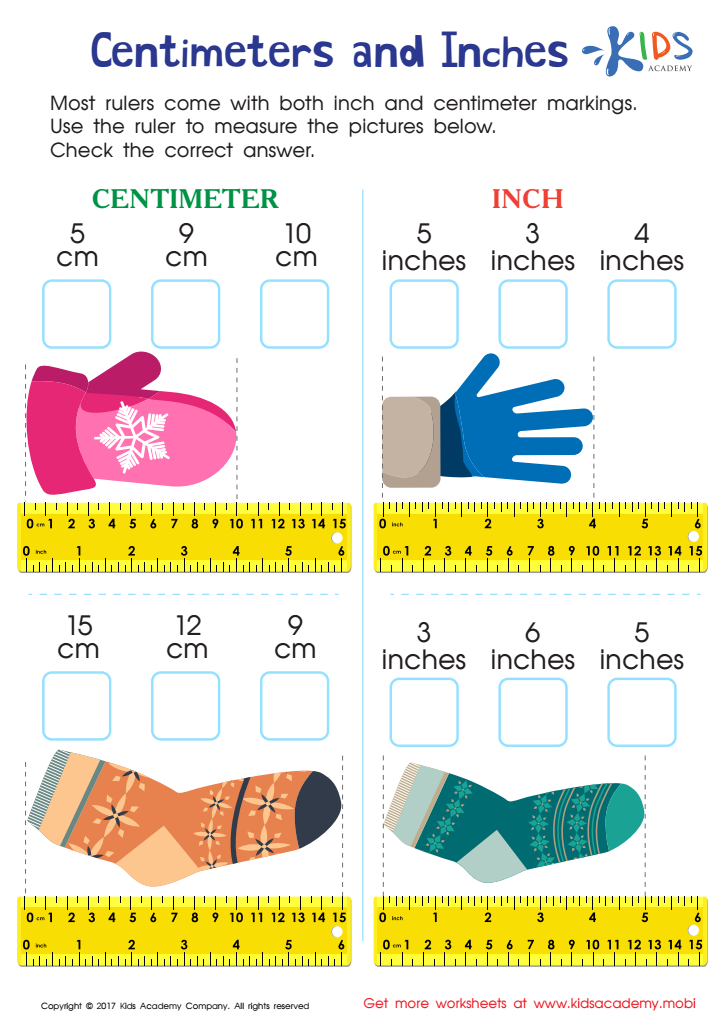
Centimeters and Inches Worksheet
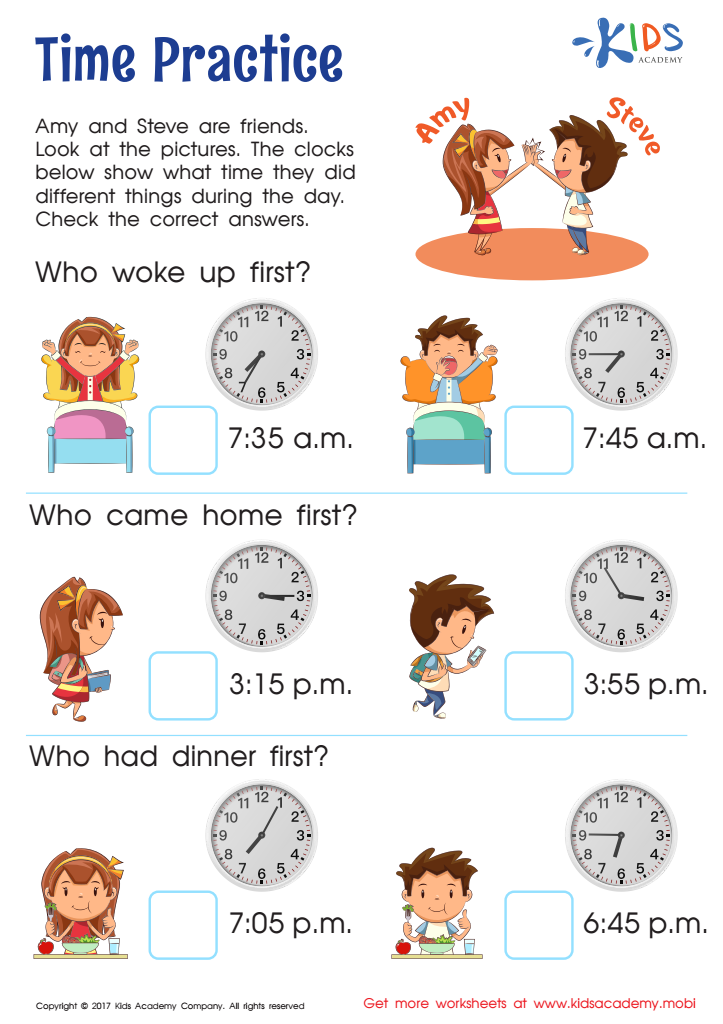
Time Practice Worksheet
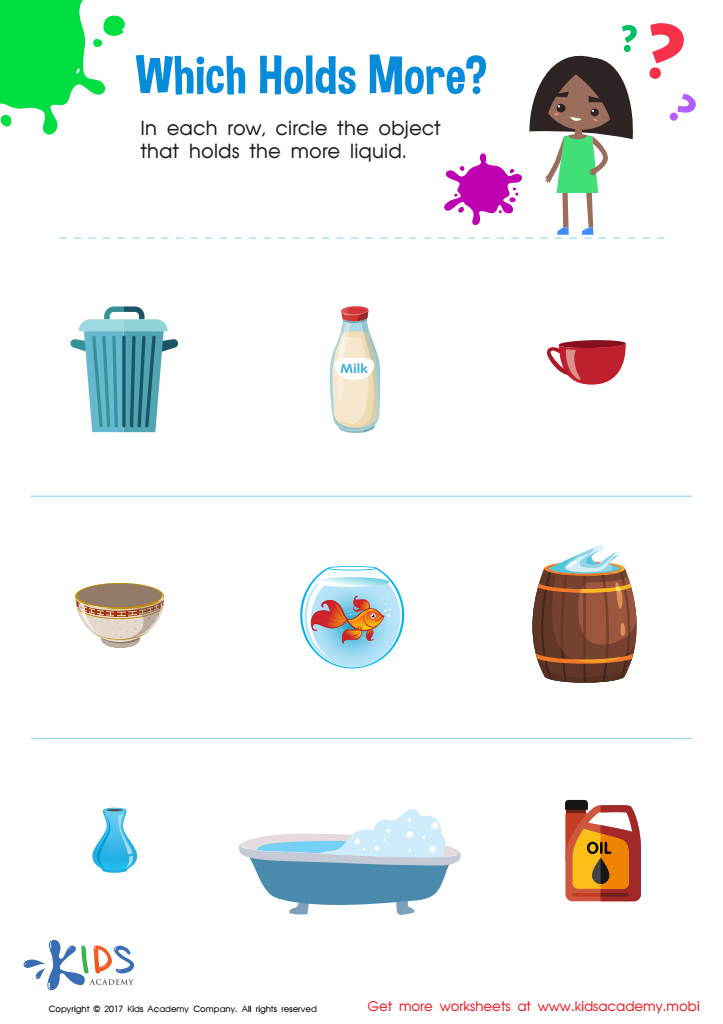
Which Holds More: Capacity Worksheet
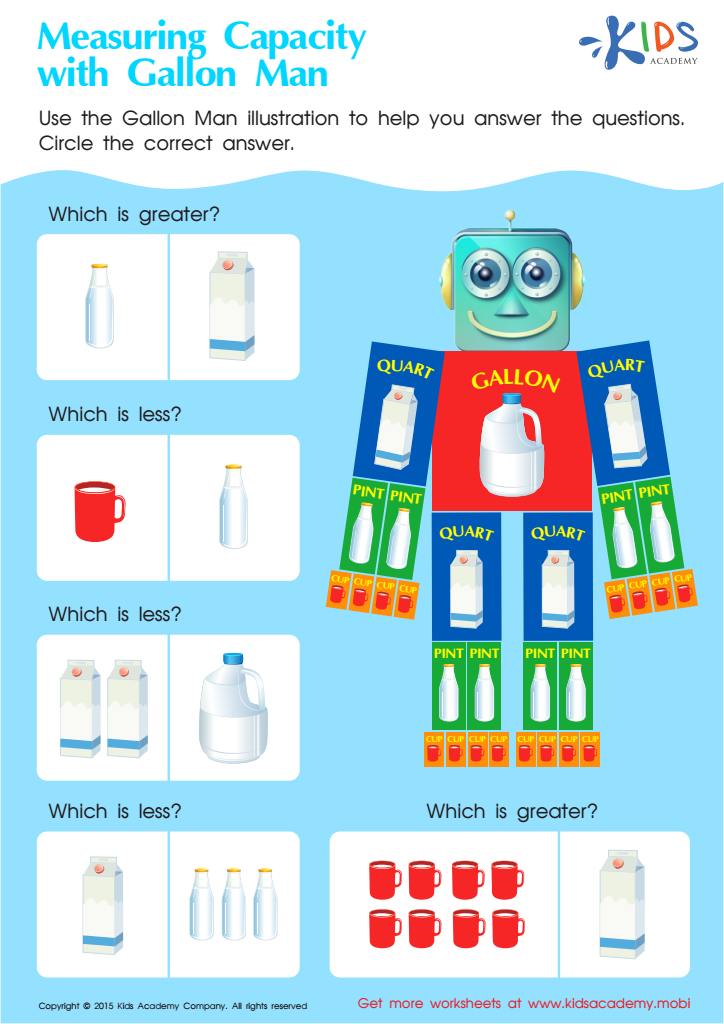
Measurement: Measuring Capacity with Gallon Man Worksheet
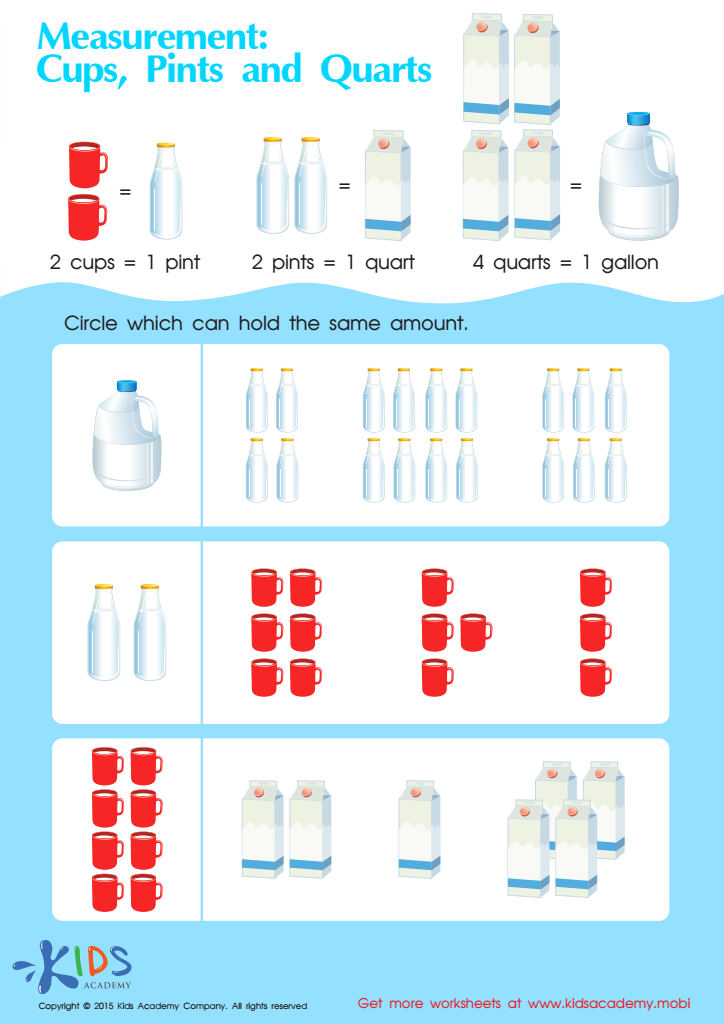
Cups, Pints and Quarts 2 Worksheet








Understanding normal measurement for ages 5-7 is crucial for both parents and teachers because it ensures that children’s developmental milestones align with typical growth patterns, facilitating early identification of potential issues. At this formative stage, children undergo significant physical, cognitive, and emotional development.
First, tracking normal measurements, like height, weight, and body mass index (BMI), helps monitor physical health and guard against issues such as obesity or malnutrition. Consistent growth within these standards typically signifies a healthy lifestyle and mitigating health problems at this young age helps establish long-term healthy habits.
Second, normal measurements provide a baseline for cognitive and emotional metrics. While harder to quantify, understanding what’s typical in terms of attention span, language skills, and social interaction can guide parents and teachers in supporting a child’s developmental needs. Recognizing and addressing deviations early can reveal conditions such as ADHD or speech impairments, which research suggests are more manageable when intervened early.
Finally, adhering to these measurements fosters a supportive learning environment. Teachers can tailor their tactics to the child’s capabilities, enhancing educational methods tuned for diverse learnings. Parents are better equipped to advocate effectively for their children. Altogether, normative data act as checkpoints, ensuring kids get a solid foundation for a successful future.








