Normal Matching Worksheets for Ages 5-9 - Page 2
43 filtered results
-
From - To

 Assign to My Students
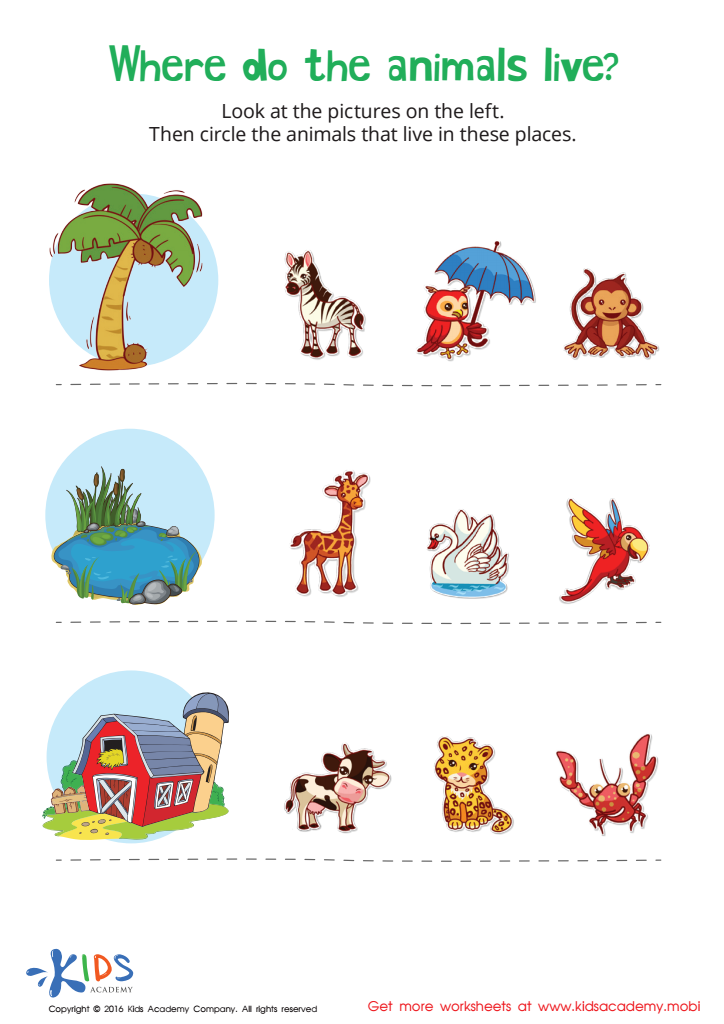
Where Animals Live Worksheet
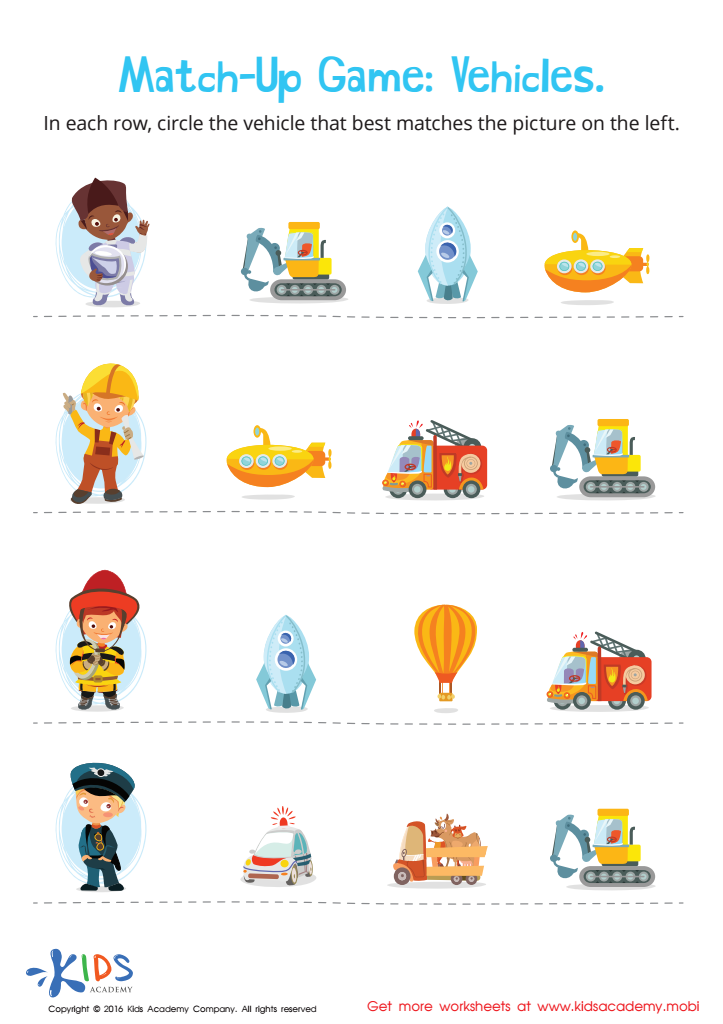
Vehicles Worksheet
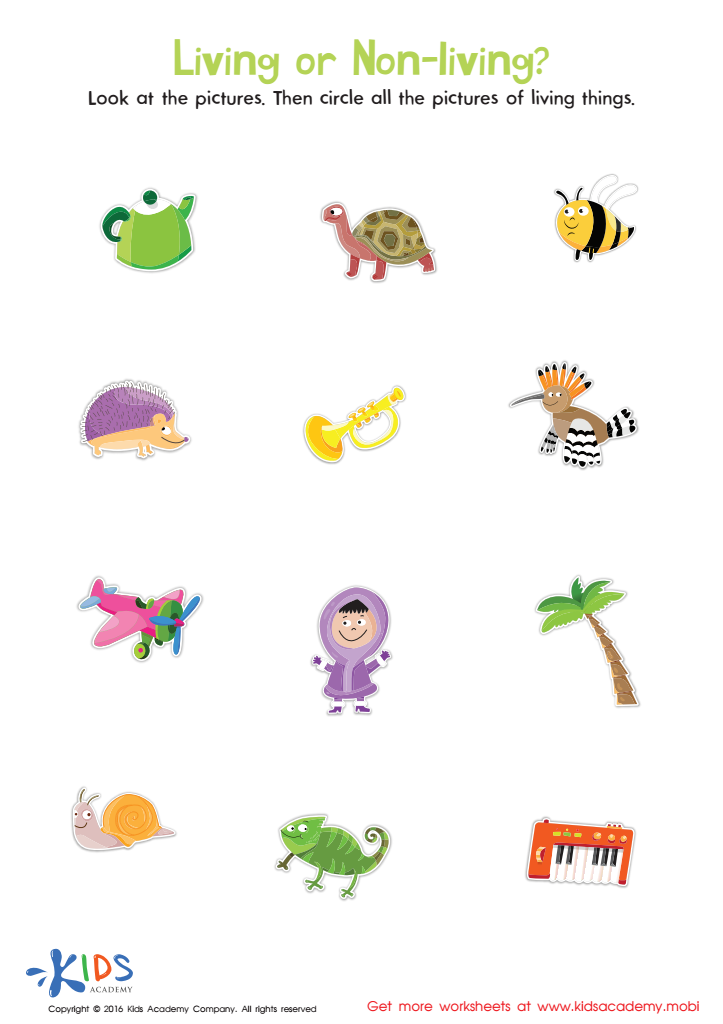
Identifying Living and Non–living Things Sorting Worksheet
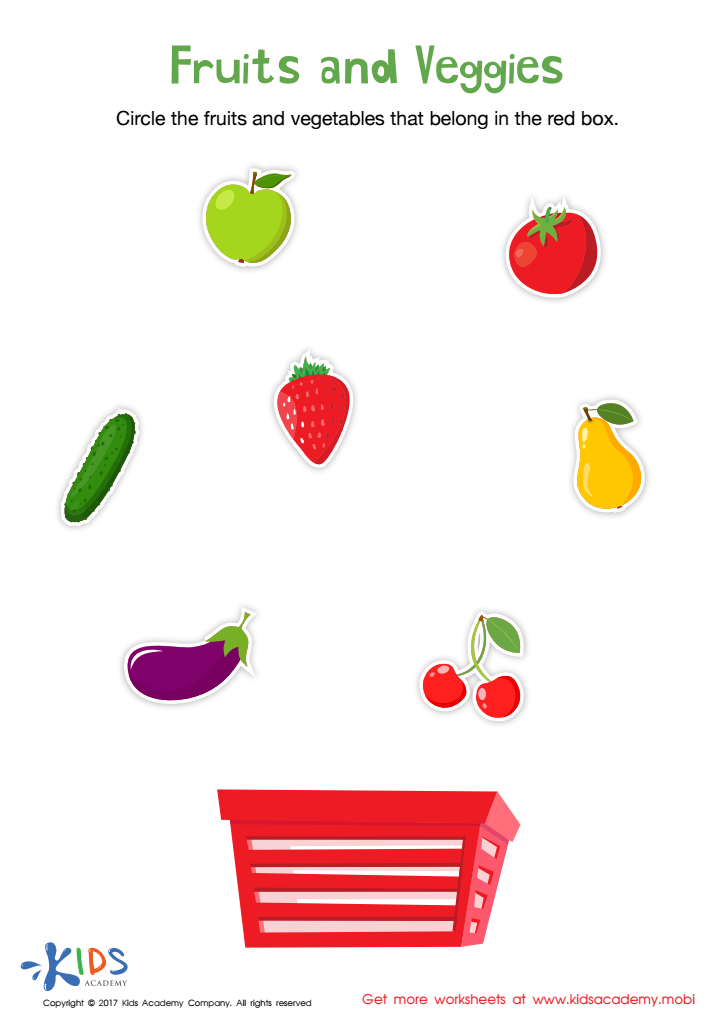
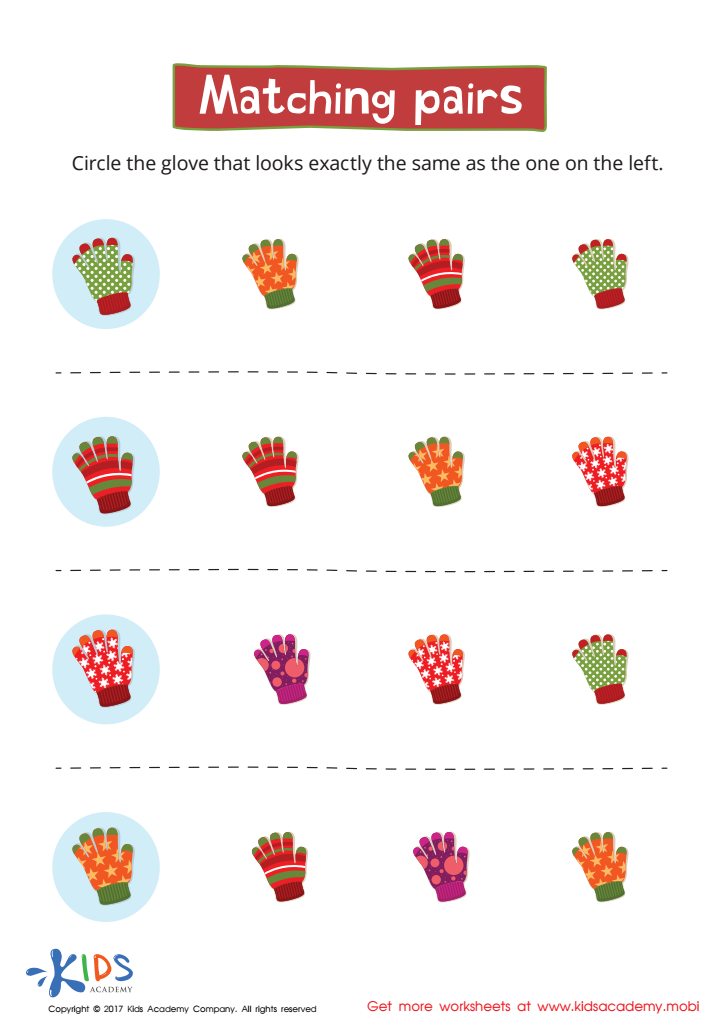
Matching: Matching Pairs Worksheet
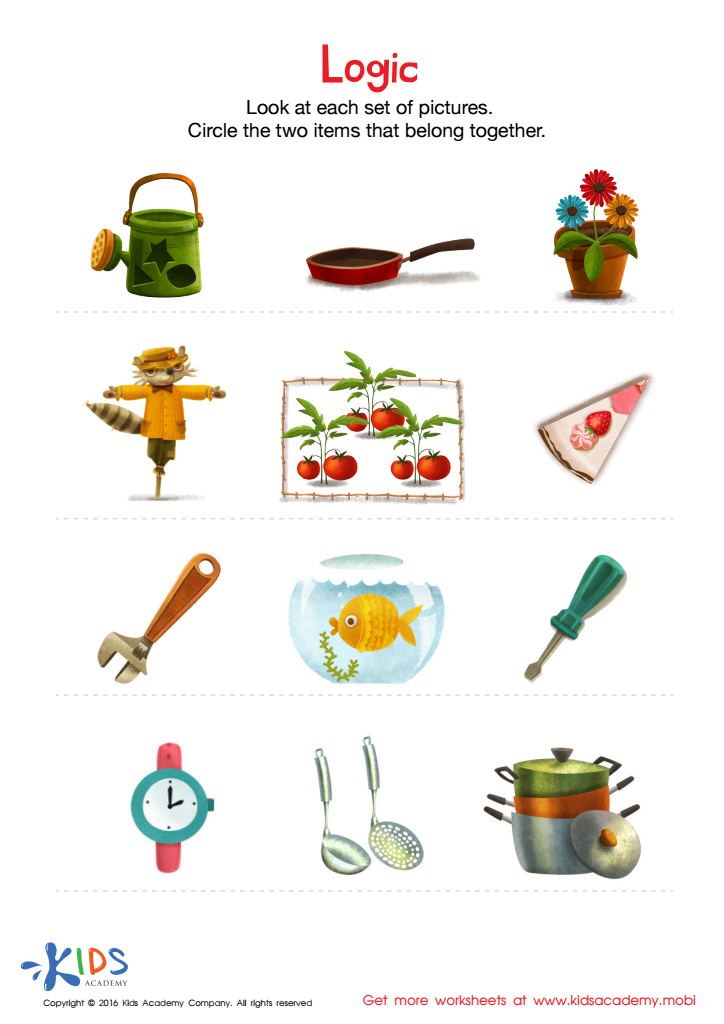
Logic Game Sorting Worksheet
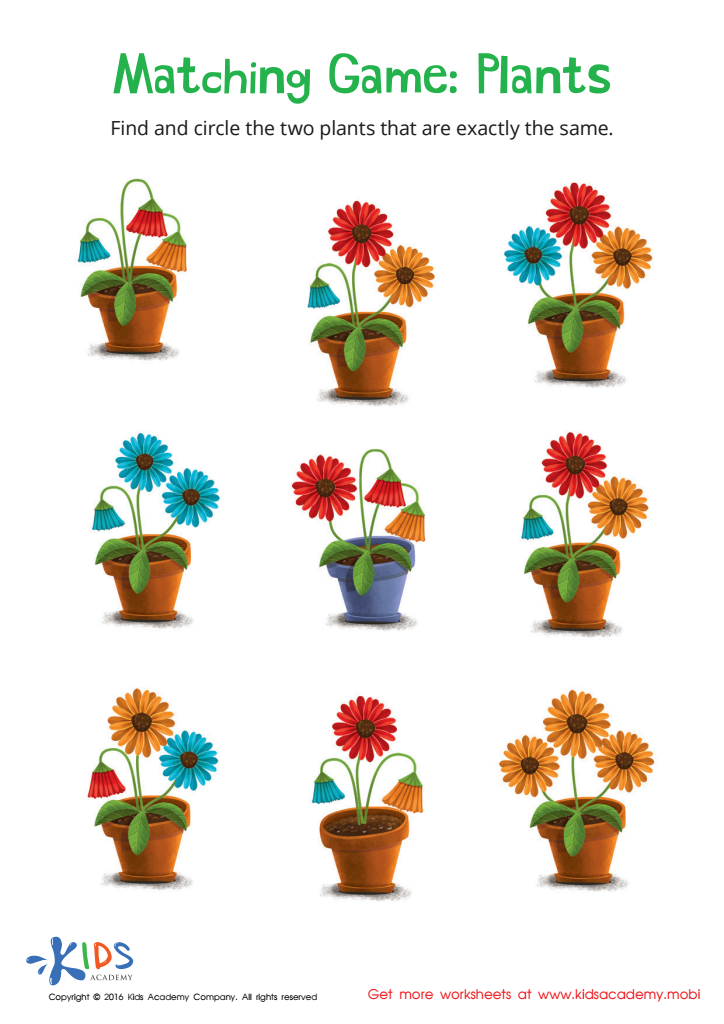
Matching: Plants Worksheet
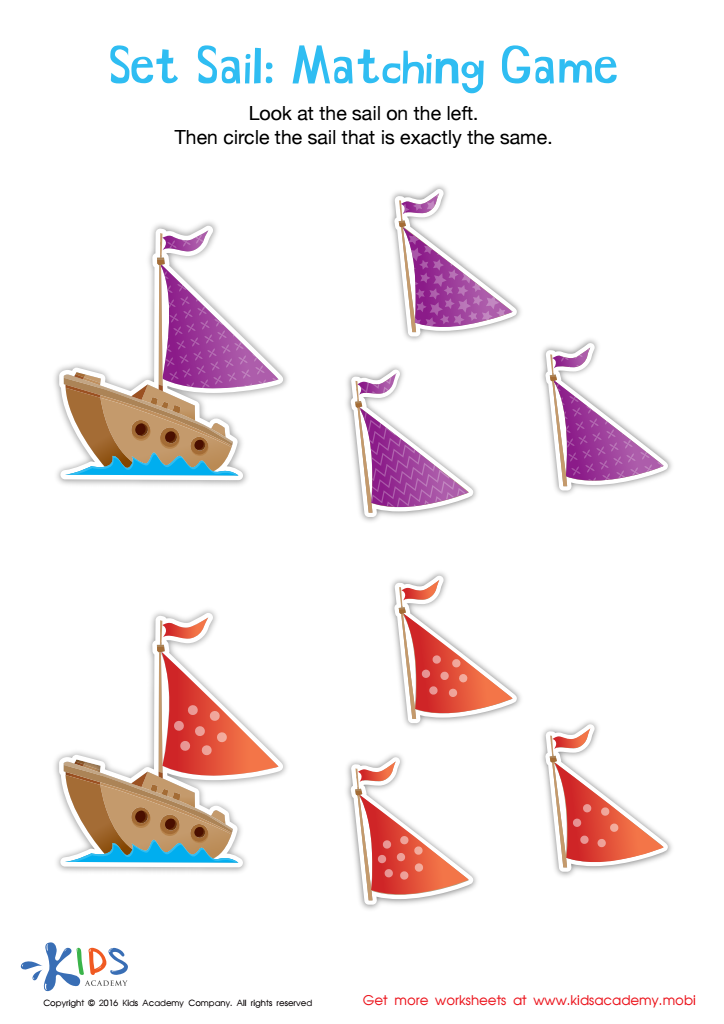
Set Sail Worksheet
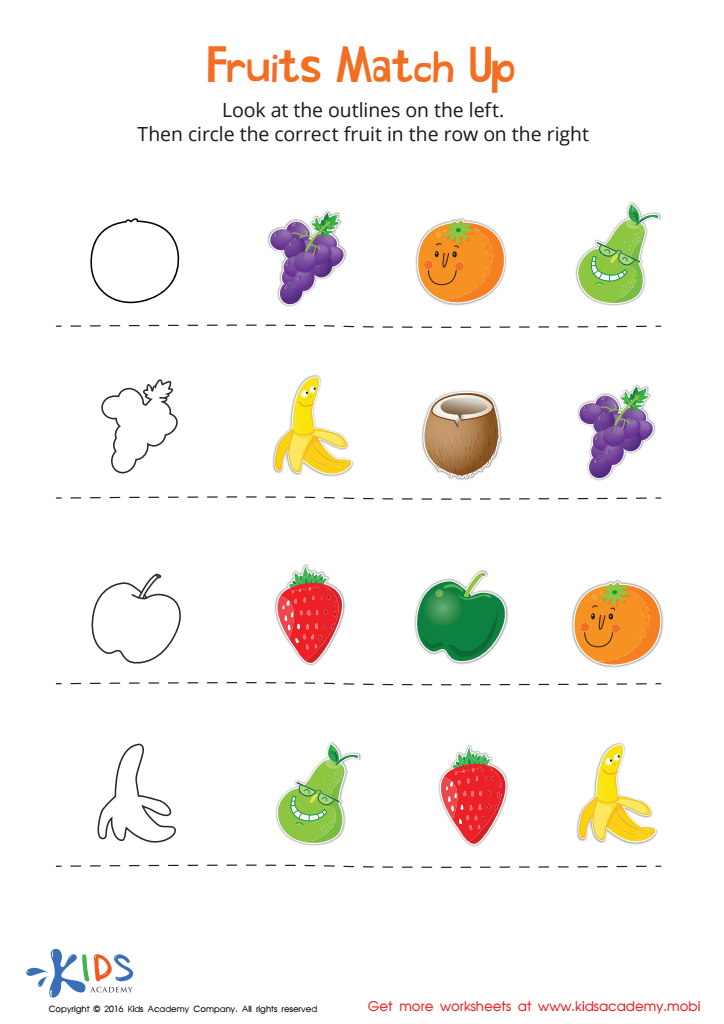
Fruits Match Up Worksheet
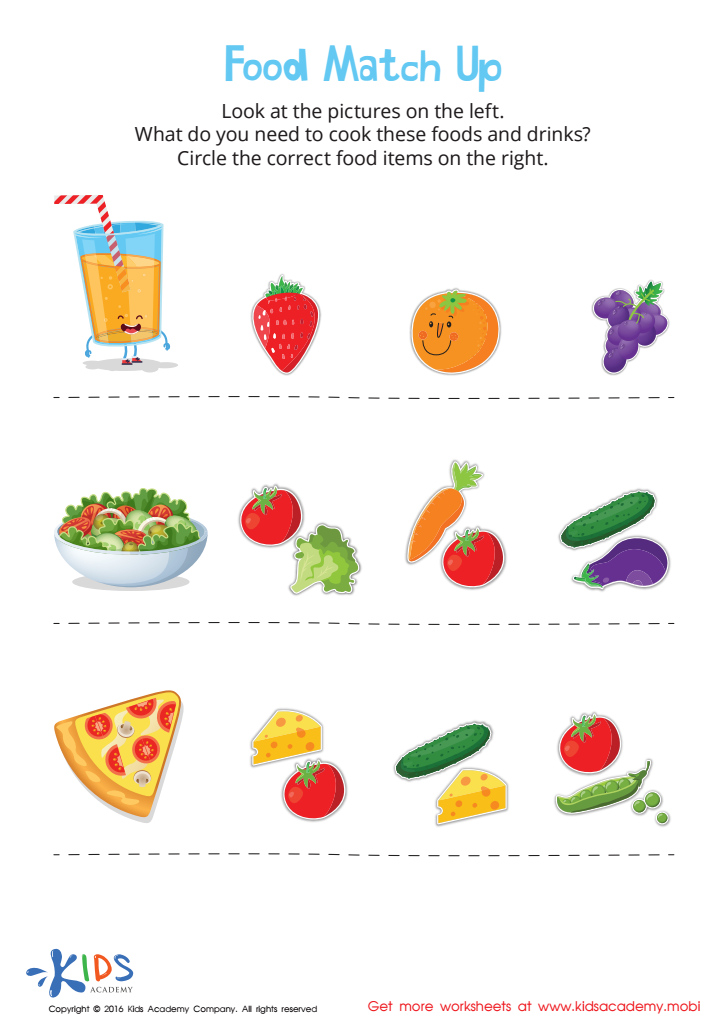
Food Match Up Worksheet
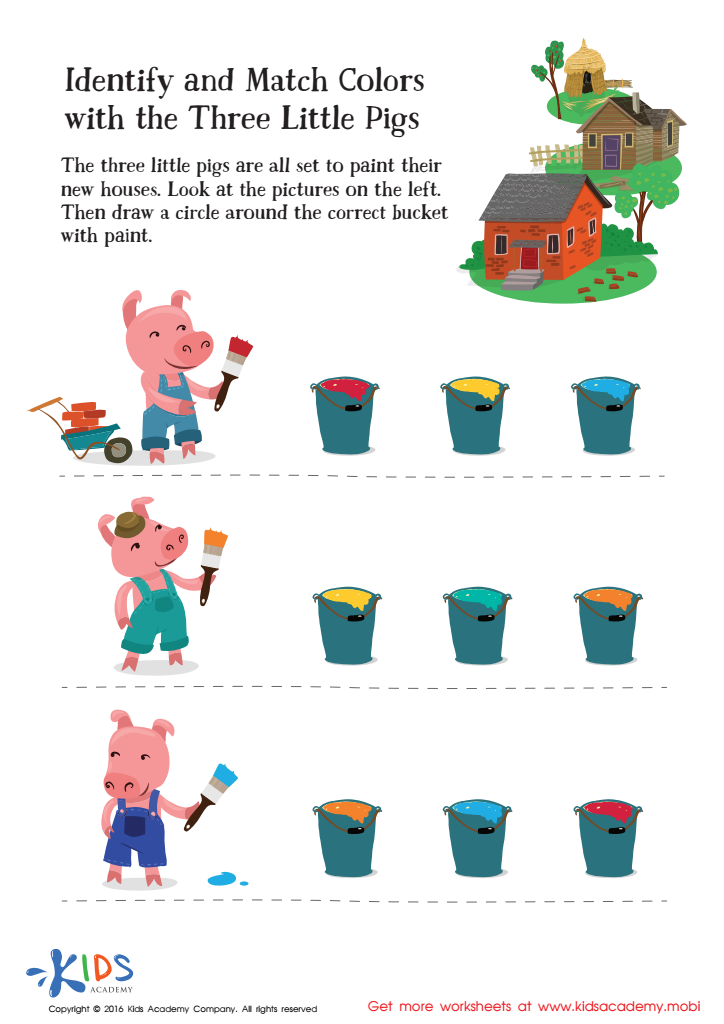
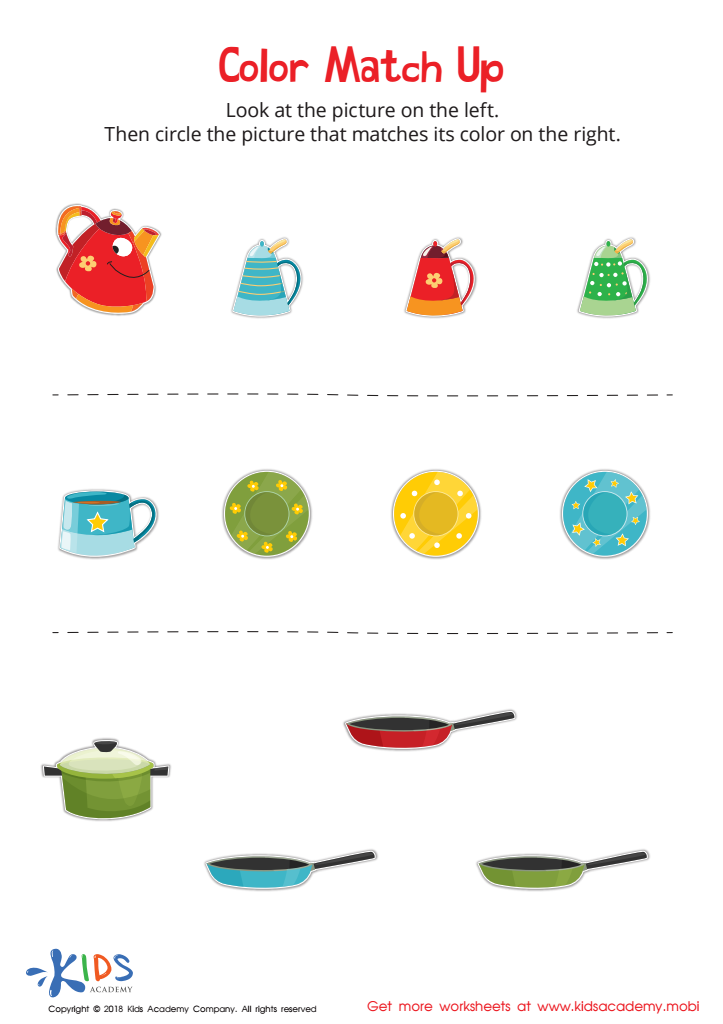
Fairy Tale Worksheet: Identify and Match Colors with Three Little Pigs
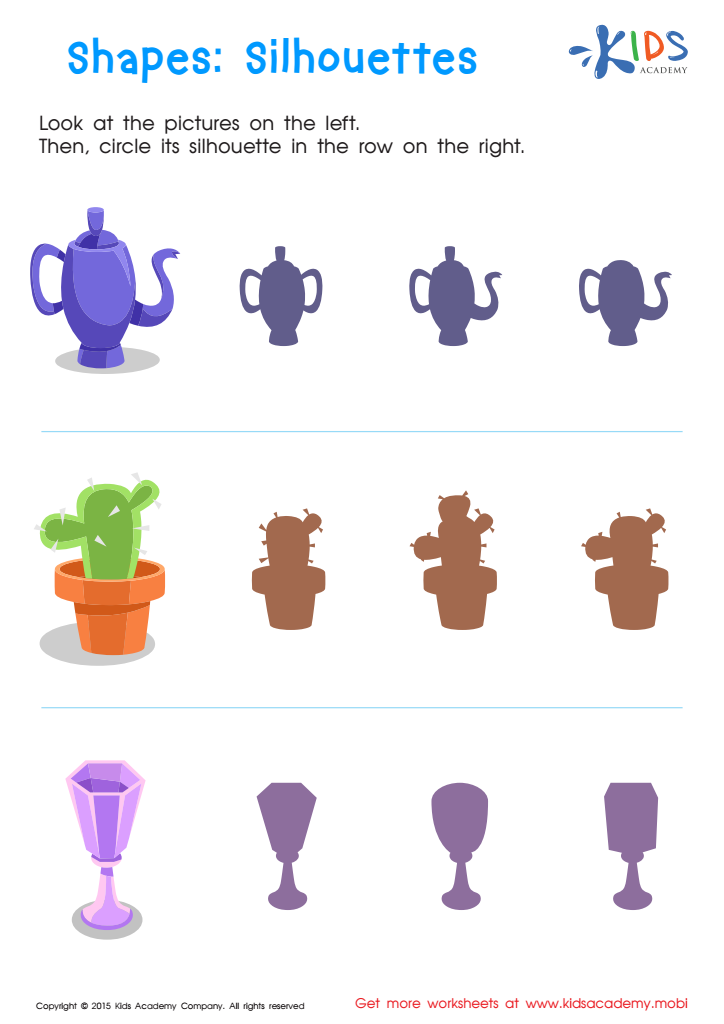
Silhouettes – Shapes Worksheet
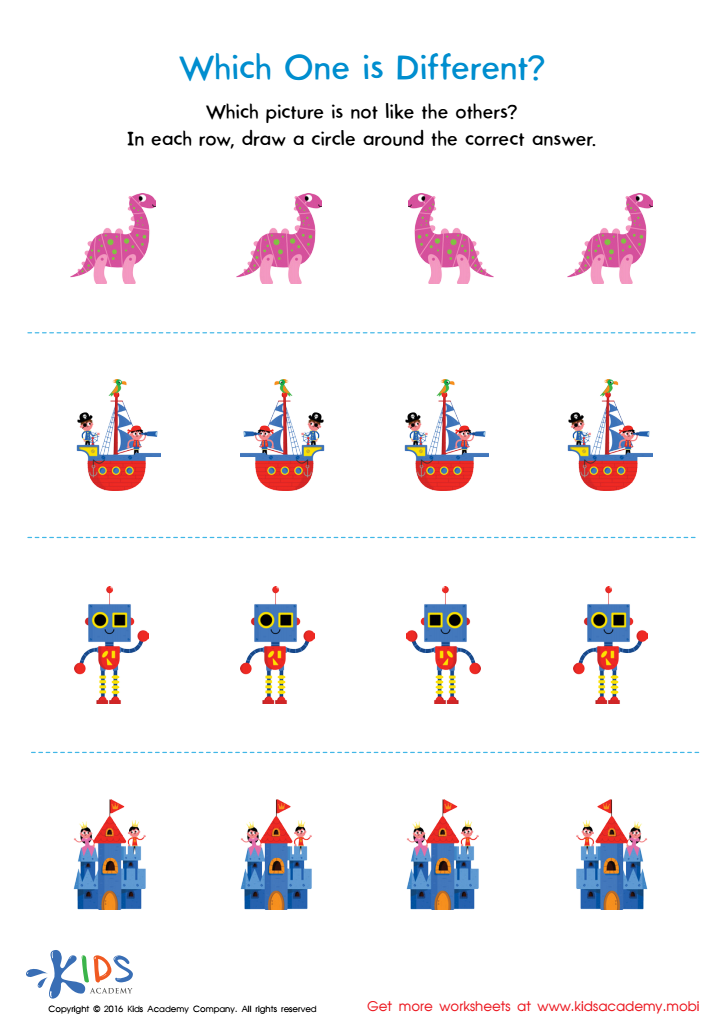
Which One Is Different Worksheet
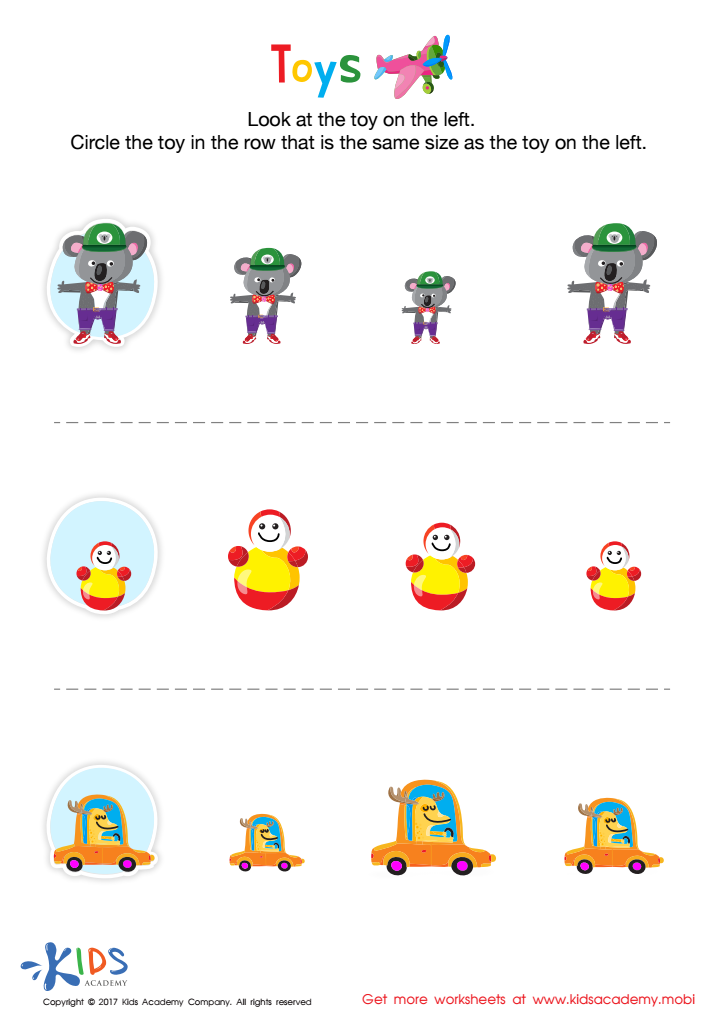
Matching: Classifying Toys by Size Worksheet
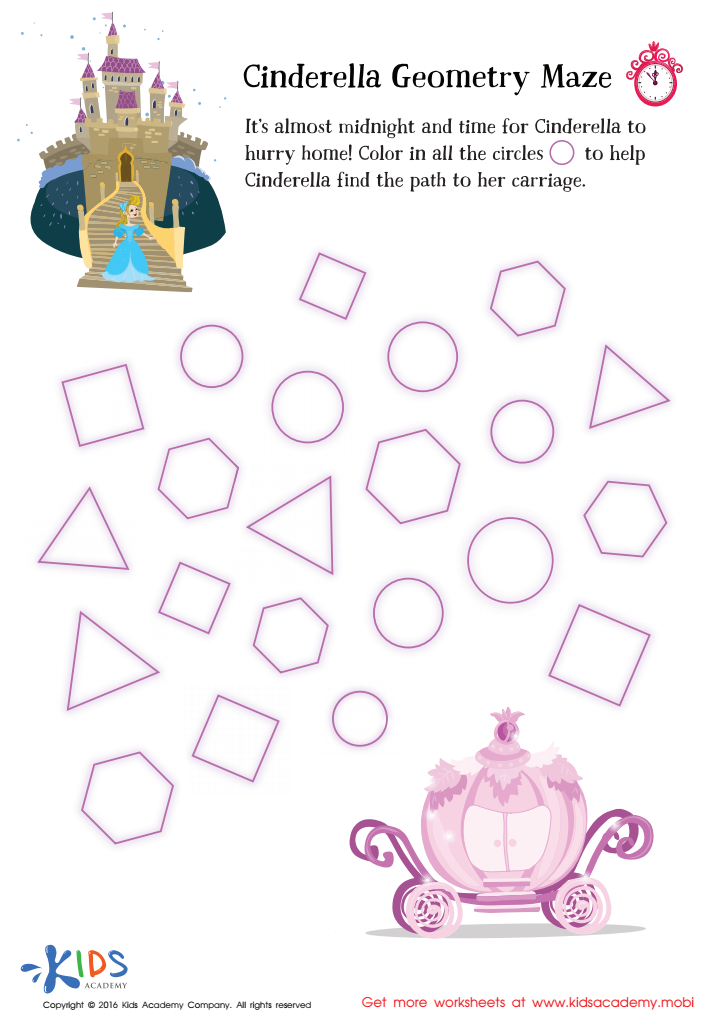
Cinderella Geometry Maze Worksheet
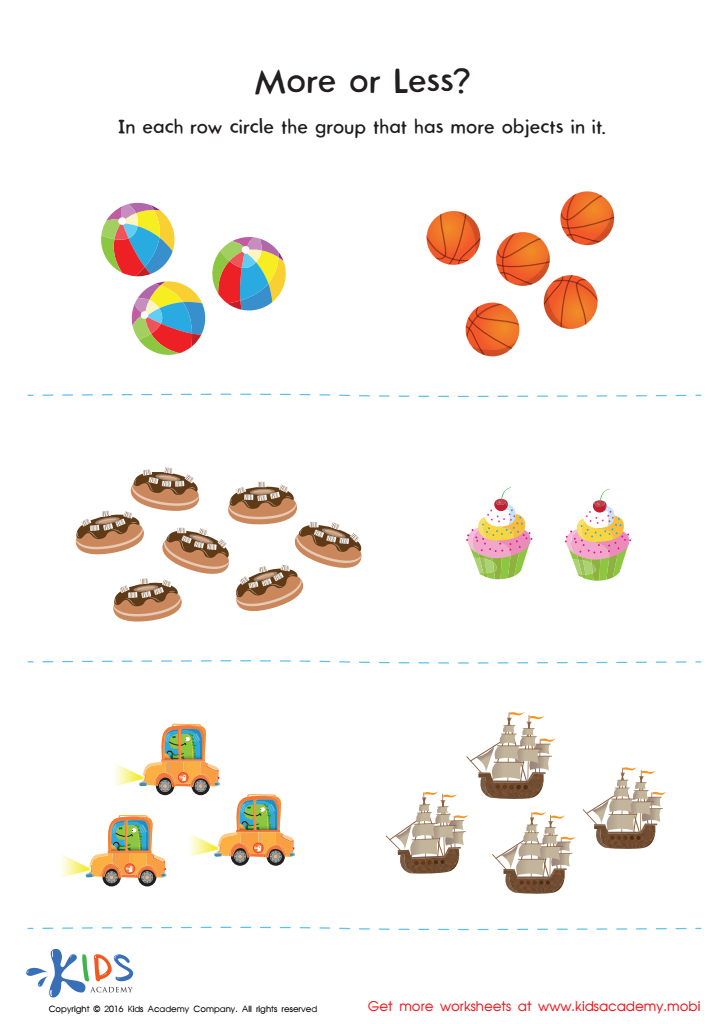
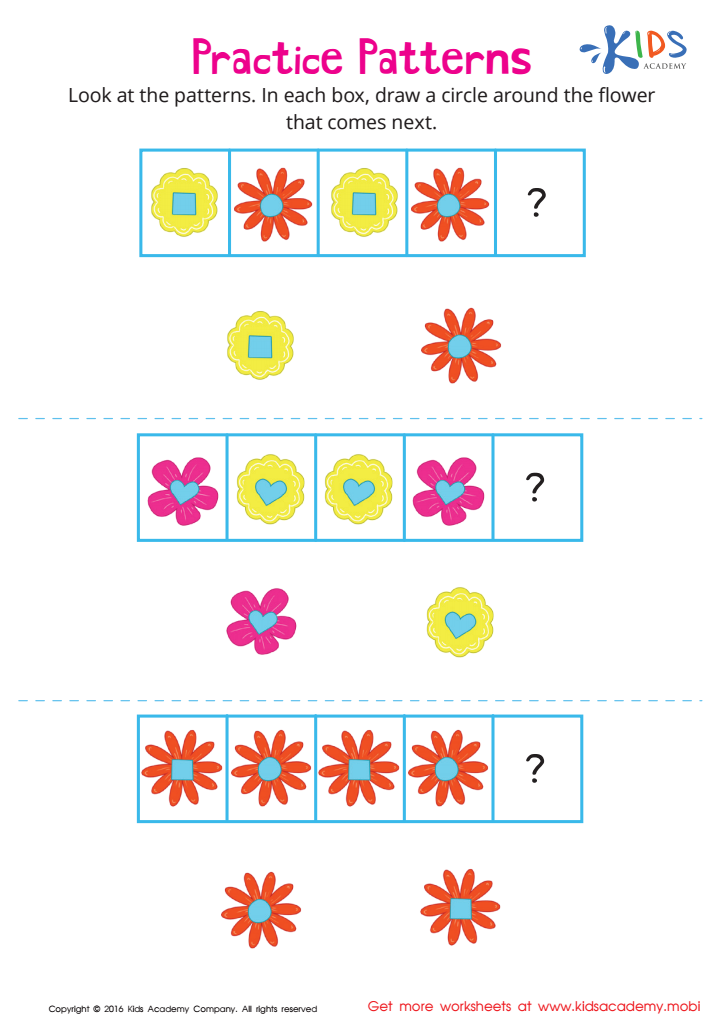








Normal Matching is the principle of aligning a child’s developmental stage with appropriate educational activities and expectations. For children ages 5-9, this alignment is crucial as they undergo significant physiological, cognitive, and social growth. Parents and teachers should prioritize Normal Matching for several vital reasons.
Firstly, appropriate matching fosters optimal learning experiences. Young children learn best when activities are tailored to their developmental readiness. This means engaging in tasks that challenge them just enough to stimulate growth but are not so difficult that they cause frustration.
Secondly, it supports emotional well-being. Kids at this age are developing their self-esteem and confidence. When they encounter tasks that match their developmental levels, successfully completing them reinforces these positive feelings. Conversely, tasks that are too advanced may lead to feelings of inadequacy and negatively impact self-esteem.
Thirdly, it promotes long-term academic success. Early positive experiences with learning can shape children's attitudes toward education. Appropriate matching encourages a love of learning and curiosity, foundational qualities for lifelong education.
Lastly, developmentally matched activities help in social skill development. Cooperative tasks that suit their age group teach essential interpersonal skills, such as sharing, empathy, and collaborating with peers.
In sum, Normal Matching for ages 5-9 enhances learning, emotional health, academic attitudes, and social skills, providing a balanced and enriching early childhood educational experience.








