Normal Matching Worksheets for Ages 6-8
29 filtered results
-
From - To
Discover our engaging Normal Matching Worksheets for ages 6-8 at Kids Academy! Specifically crafted to suit the developmental stages of early learners, these worksheets focus on essential math skills through fun and interactive matching activities. Your child will develop critical thinking and strengthen their understanding of numbers, patterns, and relationships. Each worksheet offers age-appropriate challenges designed to boost confidence and make learning enjoyable. Perfect for classroom use or at-home practice, our resources aim to support young minds in their mathematical journey. Explore our carefully curated collection today and watch your child excel with confidence and ease!
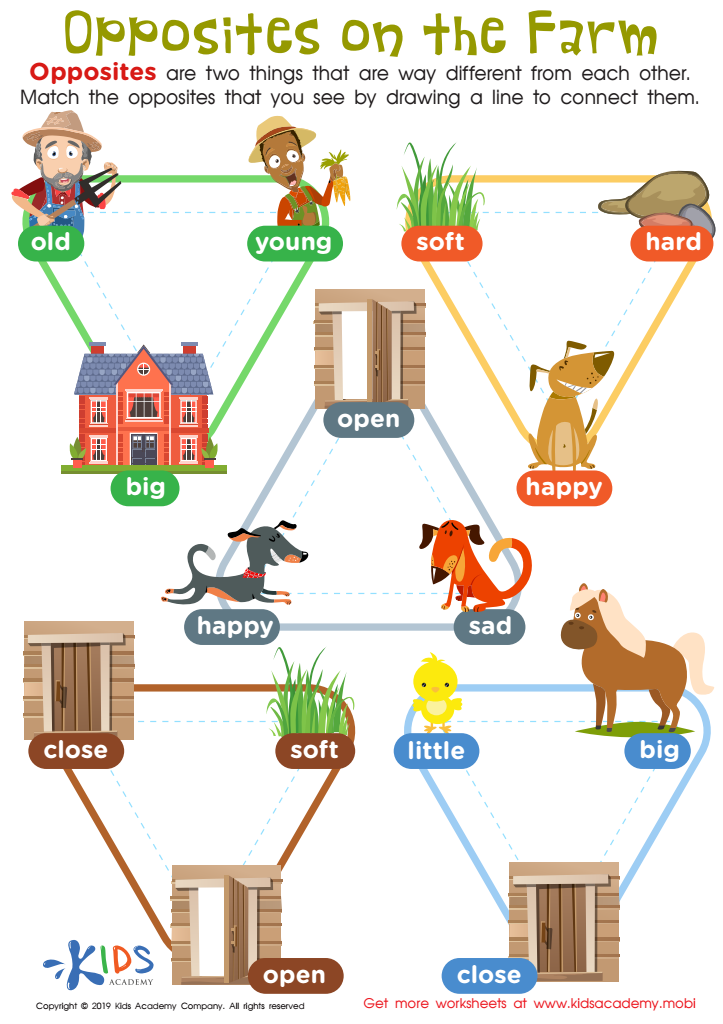
Opposites on the Farm Worksheet
 Assign to My Students
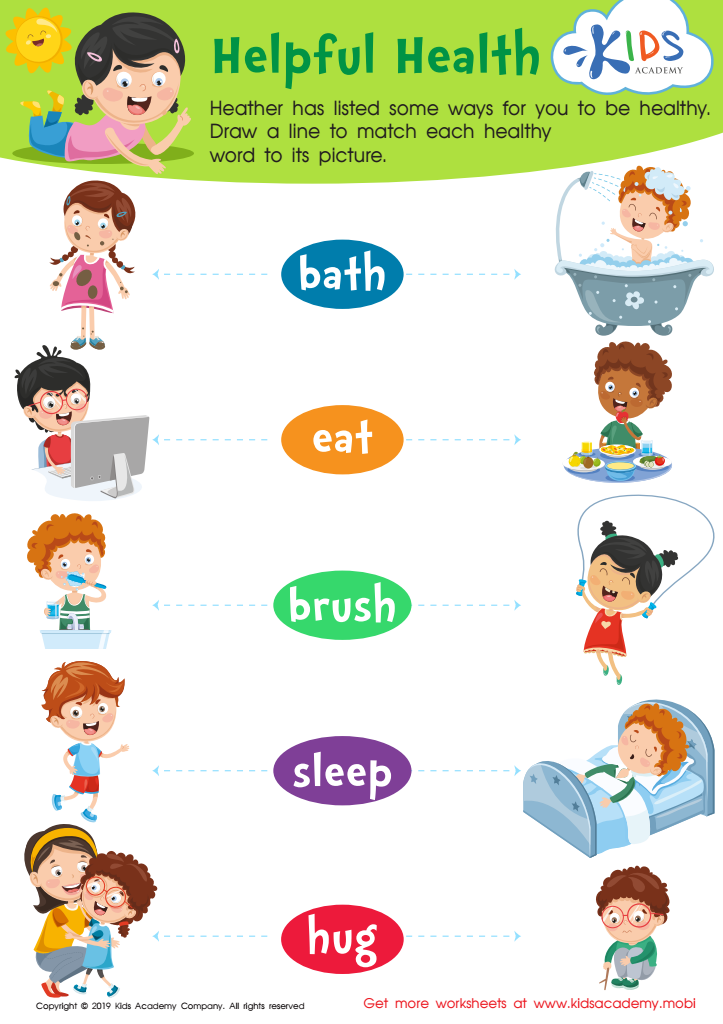
Helpful Health Worksheet
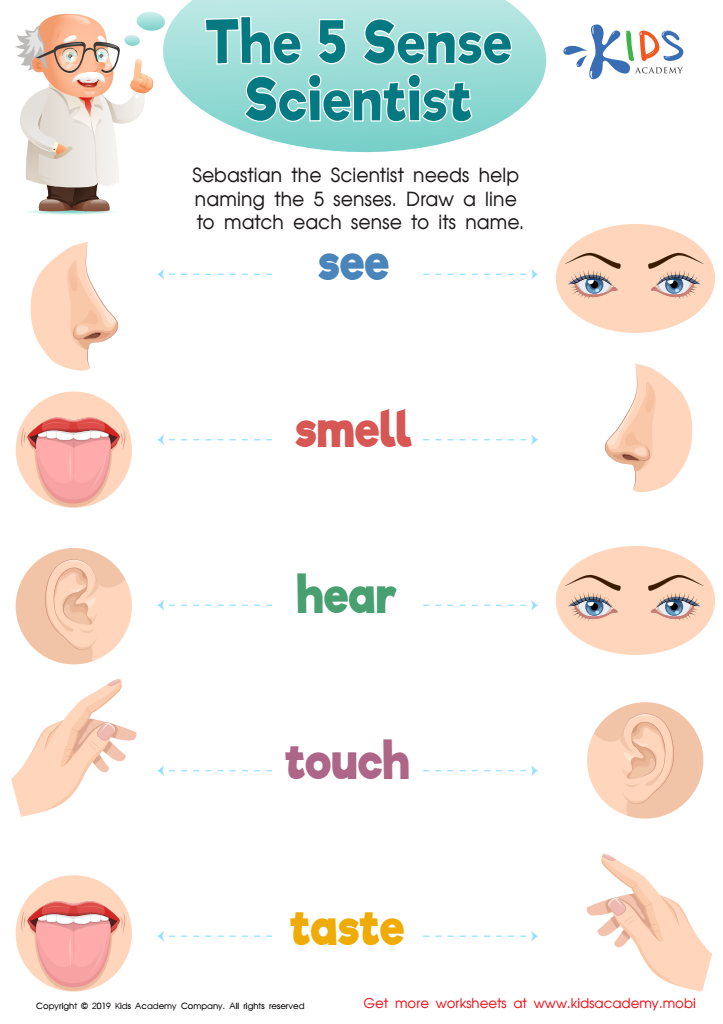
The 5 Sense Scientist Worksheet
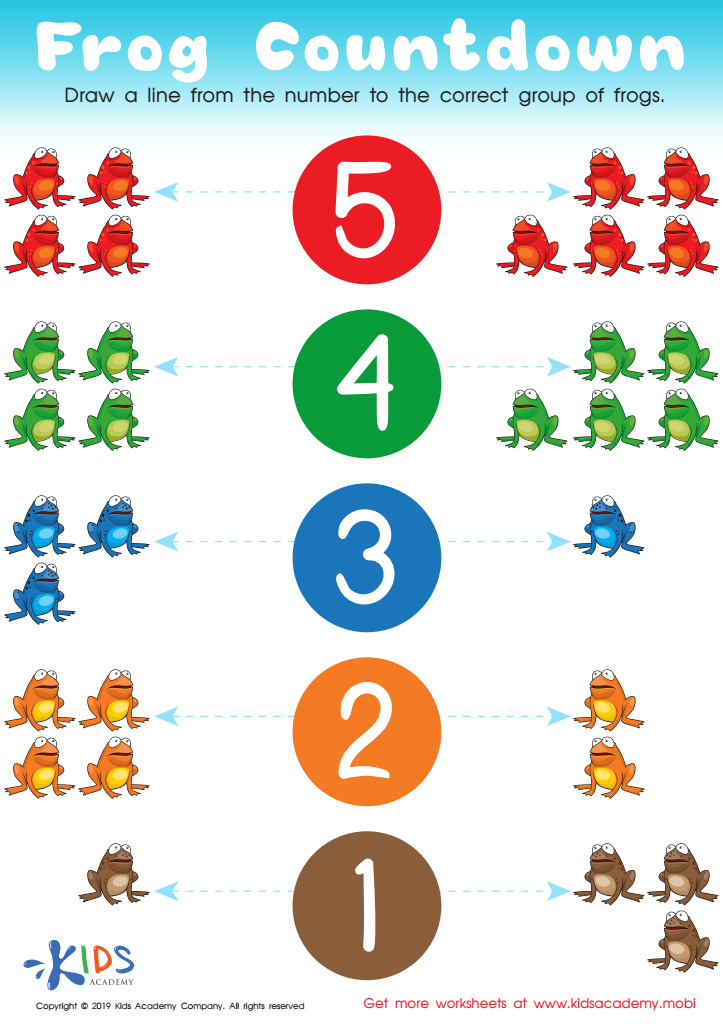
Frog Countdown Worksheet
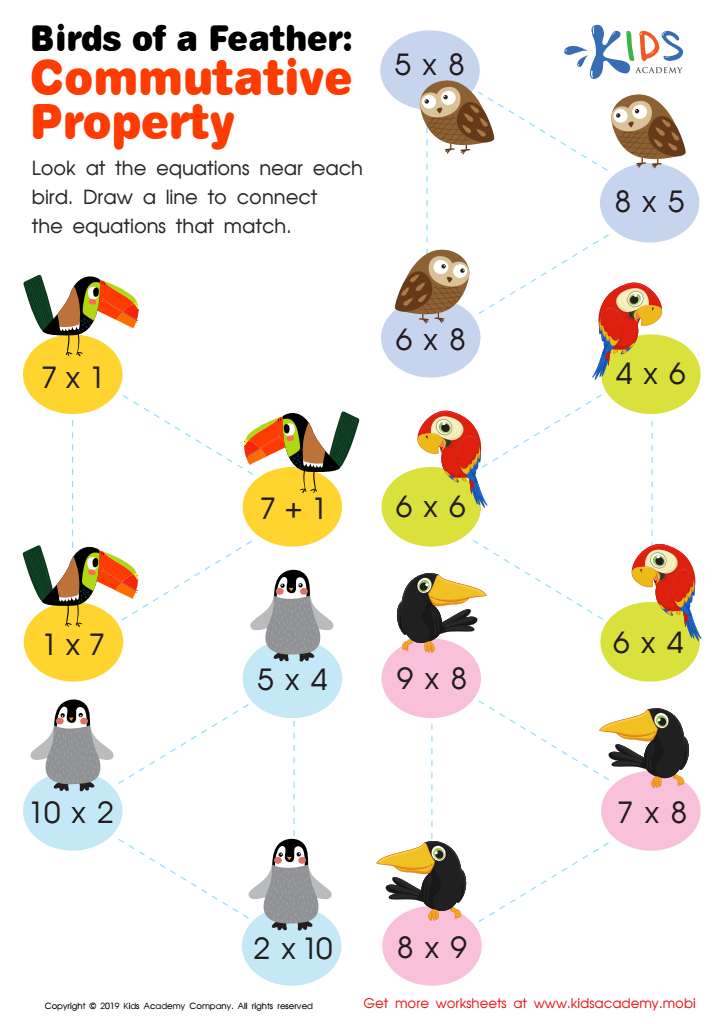
Birds of a Feather: Commutative Property Worksheet
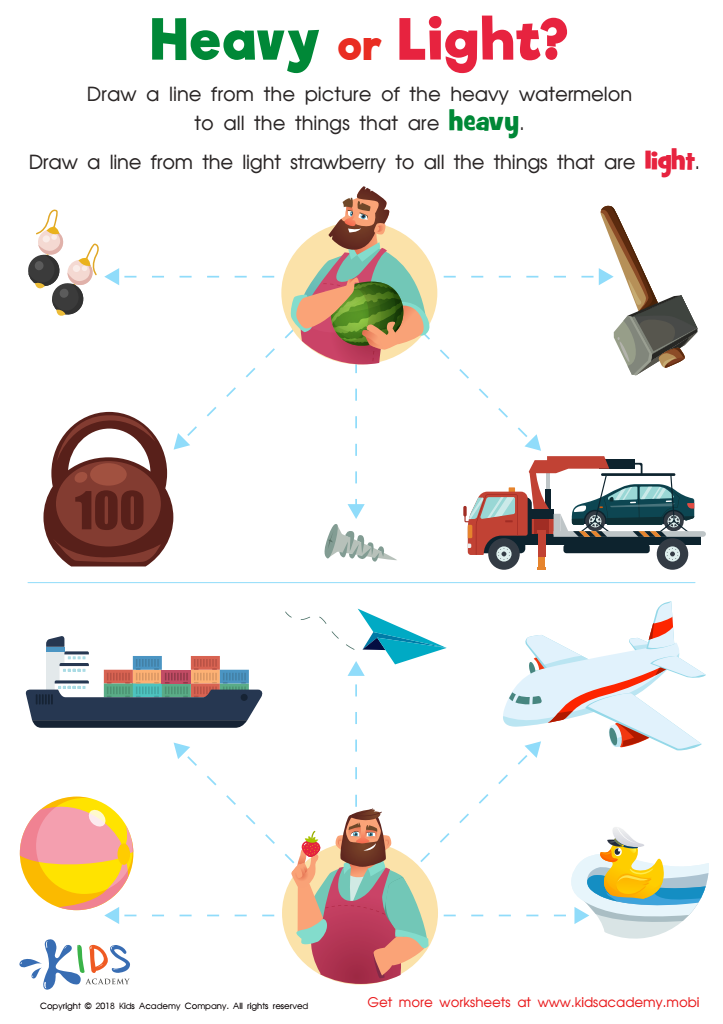
Heavy or Light? Worksheet
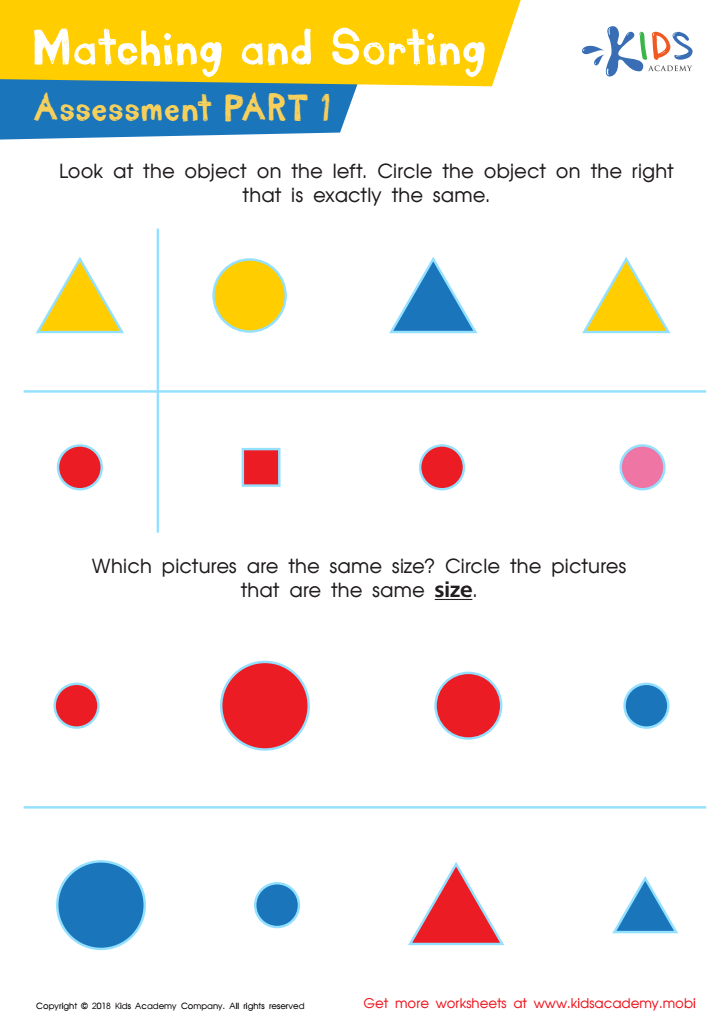
Matching and Sorting for Kindergarten: Assessment 1 Worksheet
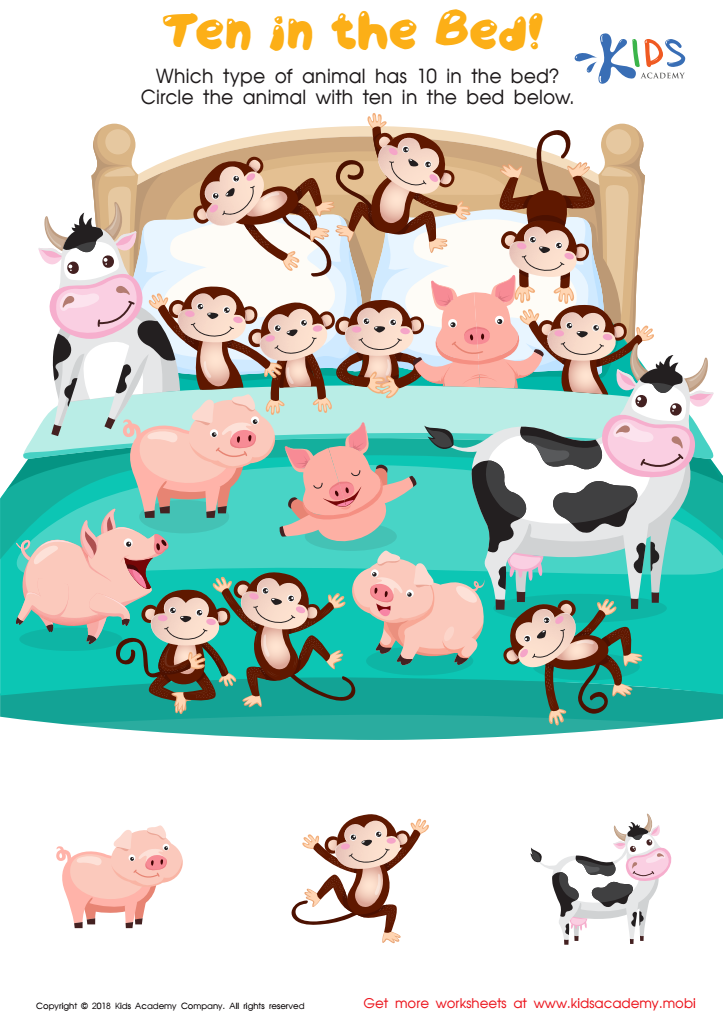
Ten in the Bed Worksheet
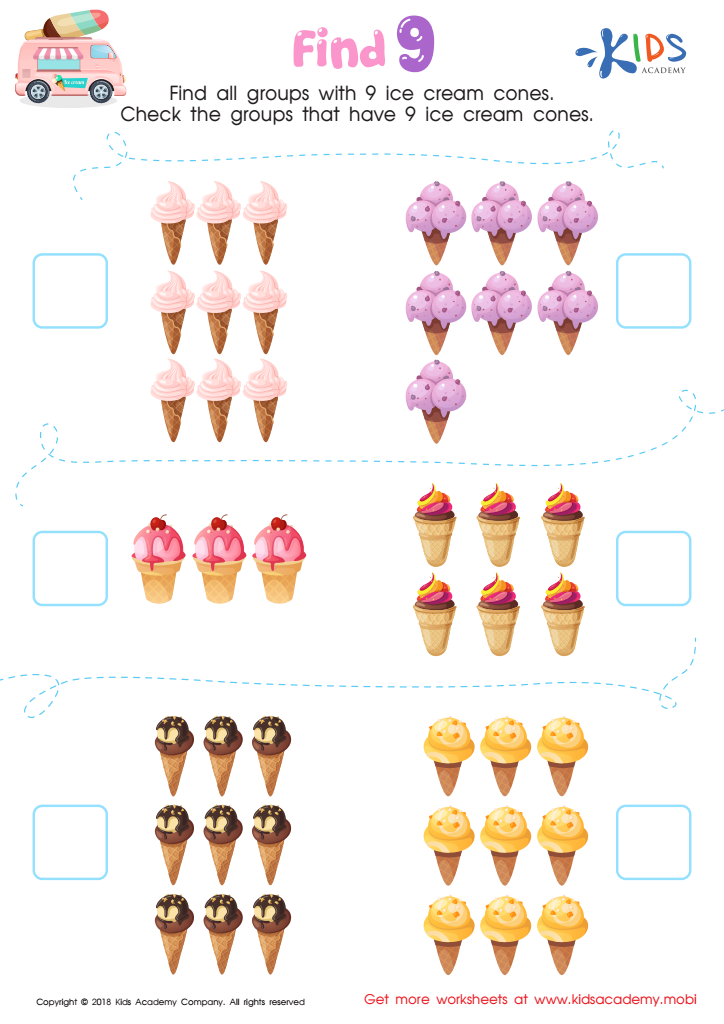
Find 9 Worksheet
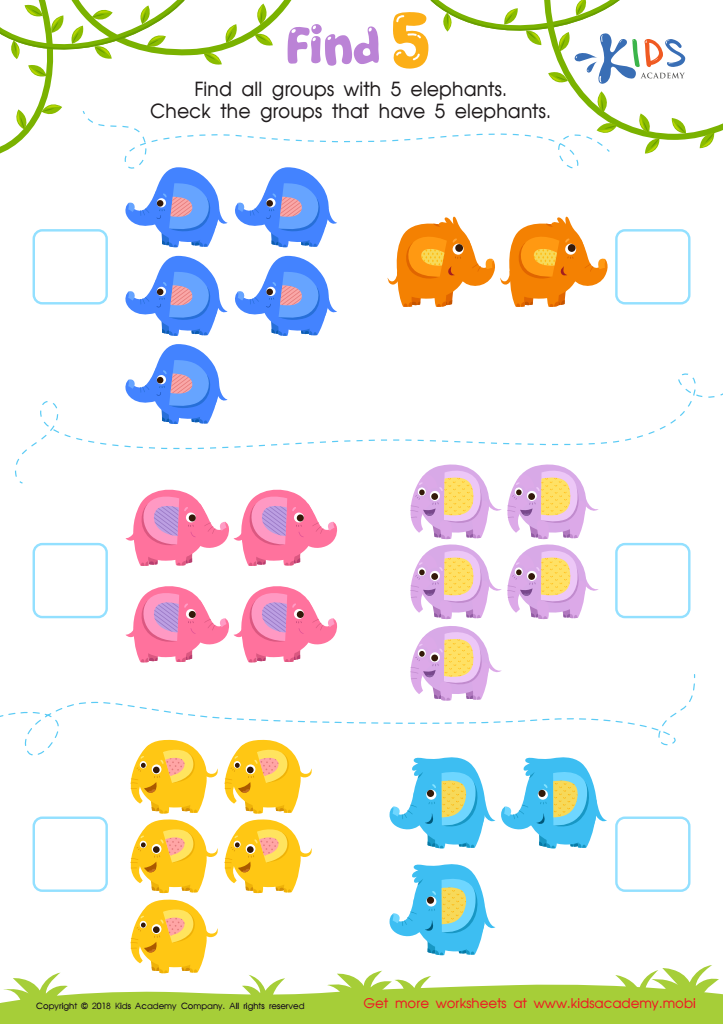
Find 5 Worksheet
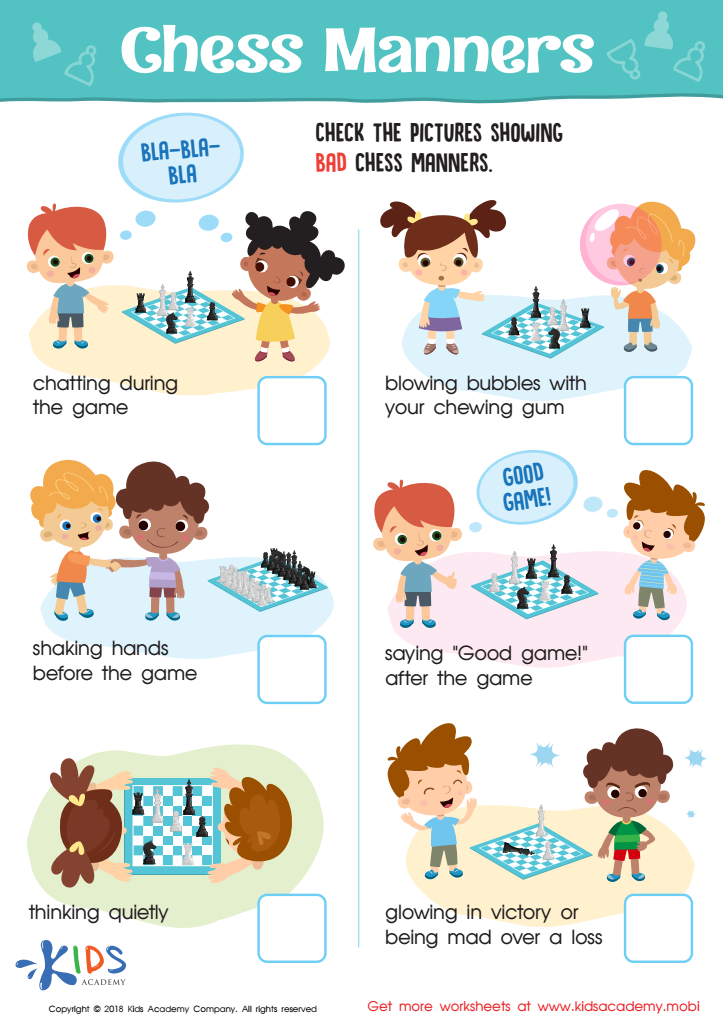
Chess Manners Worksheet
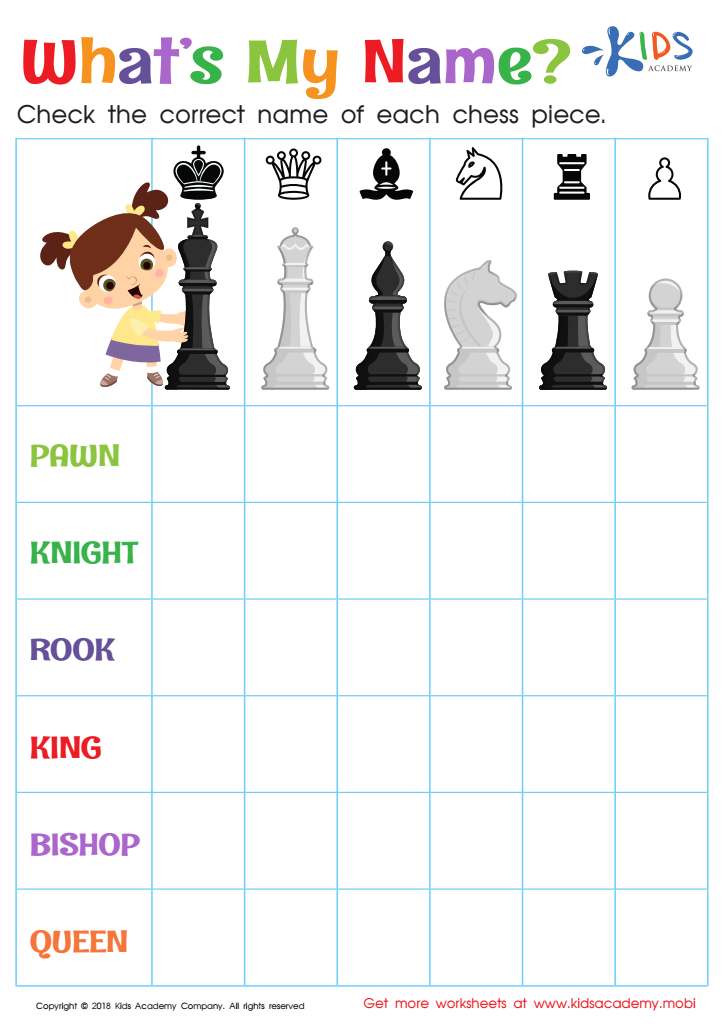
What's My Name? Worksheet
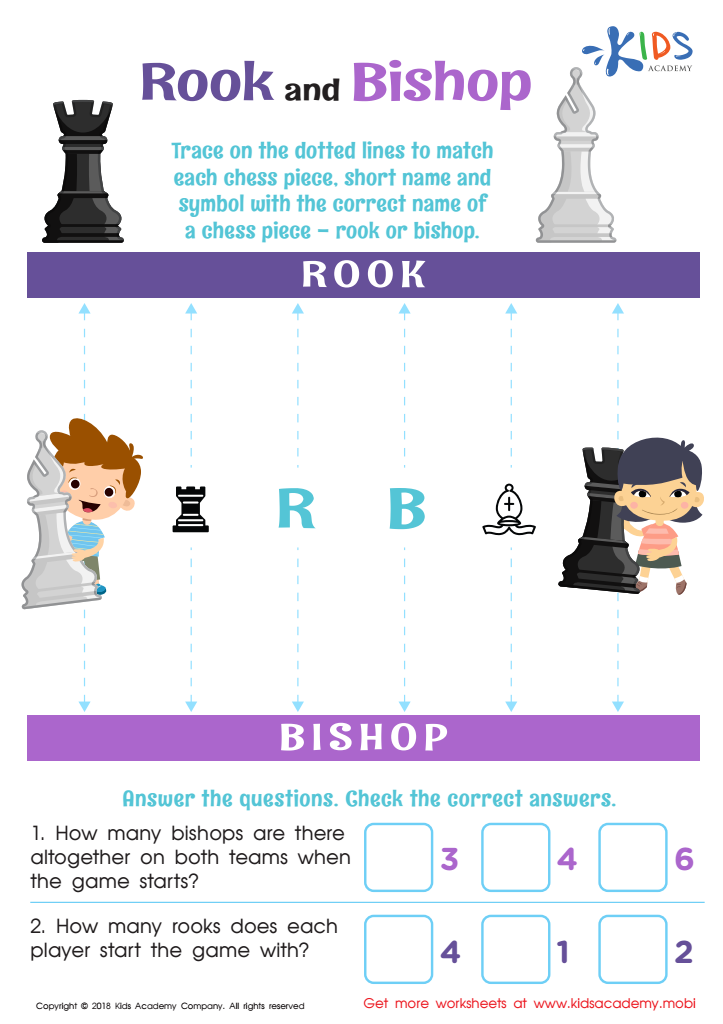
Rook and Bishop Worksheet
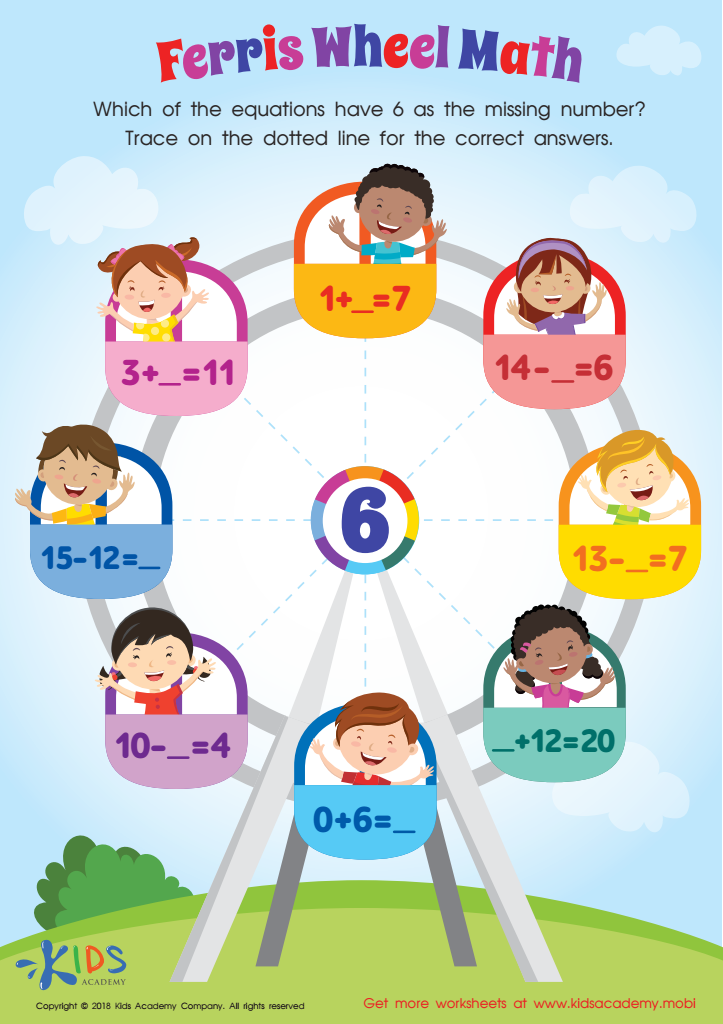
Missing Number: Ferris Wheel Math Worksheet
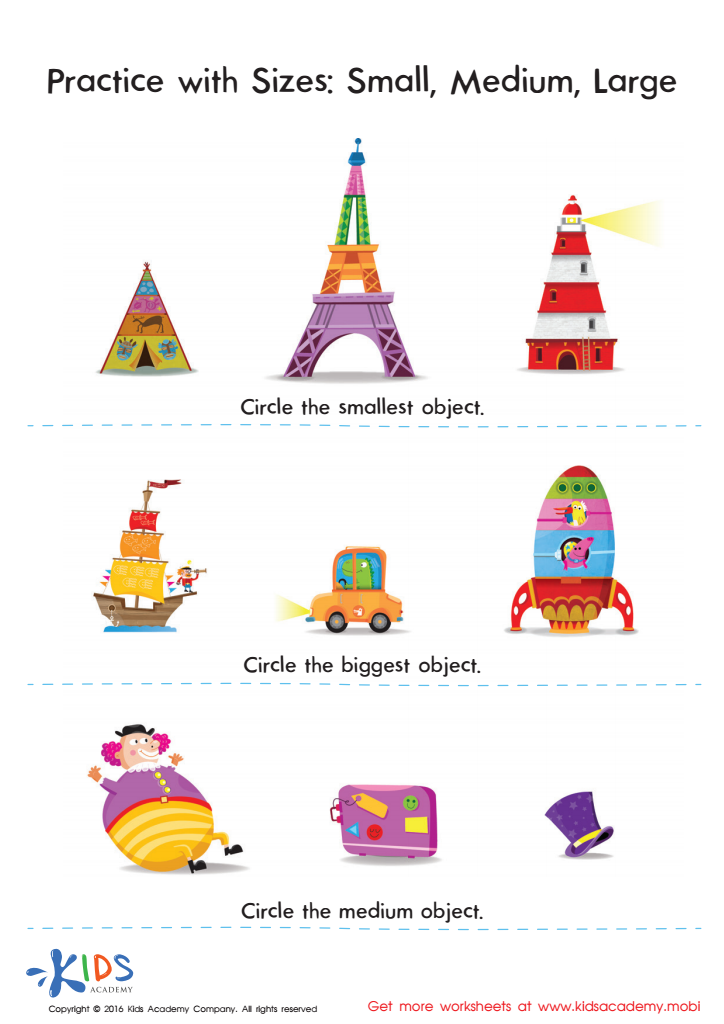
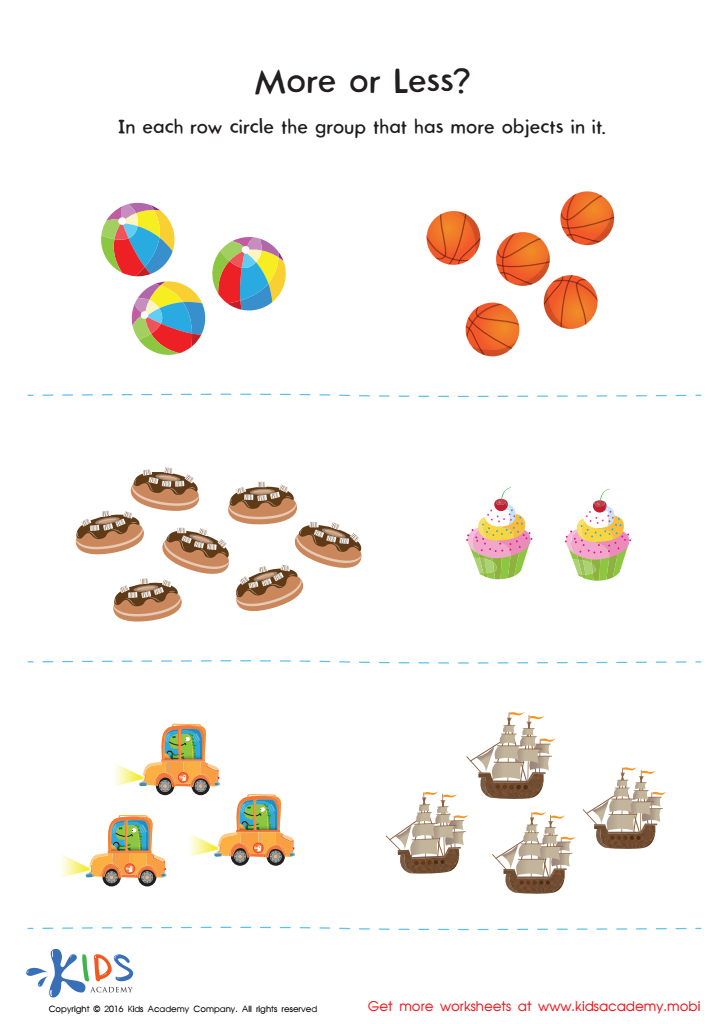
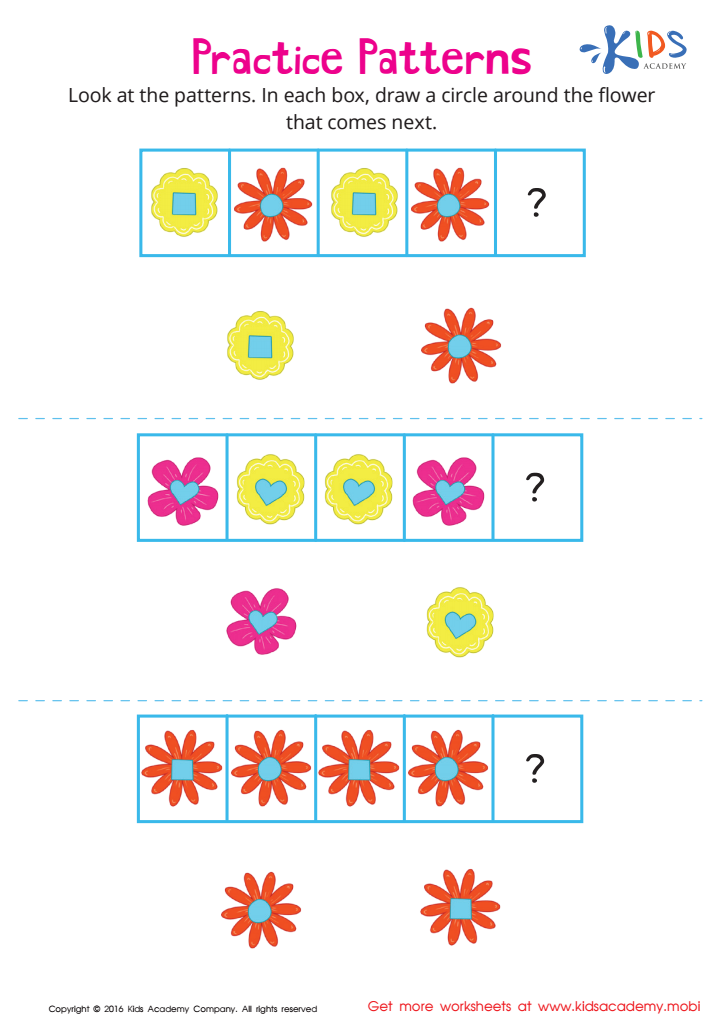
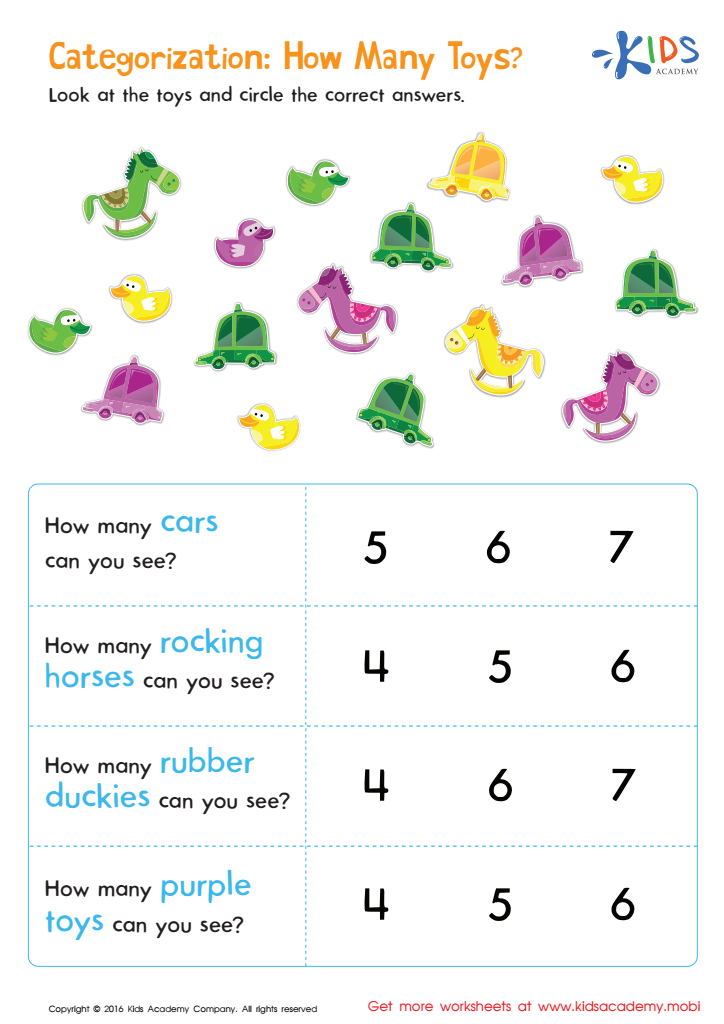
Classifying Toys by Type and Color Sorting Worksheet
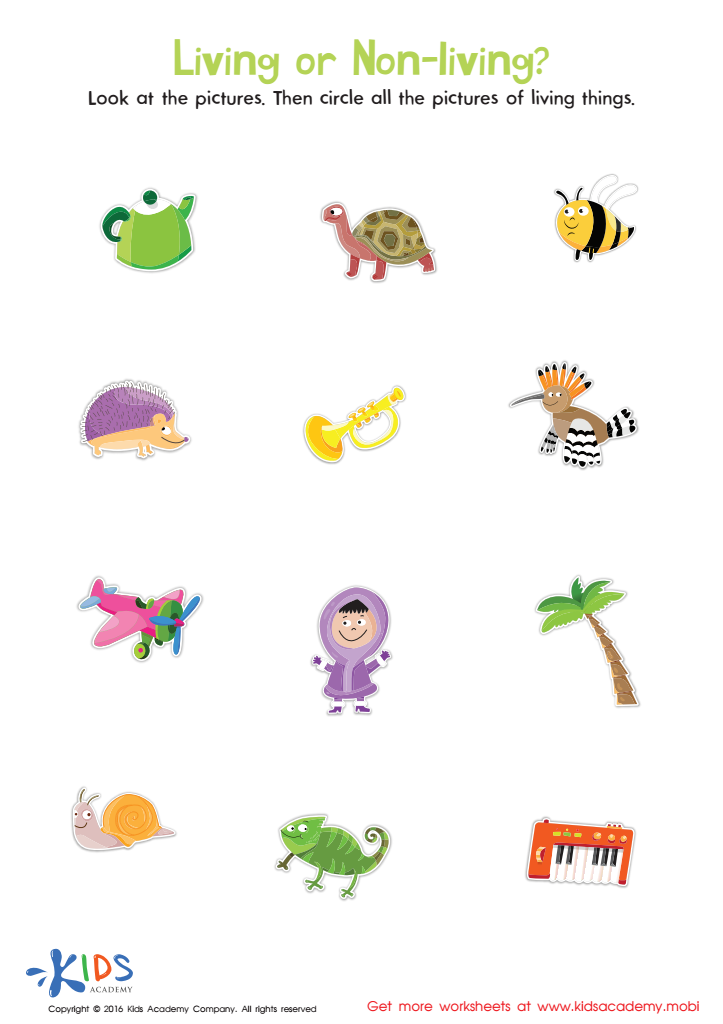
Identifying Living and Non–living Things Sorting Worksheet
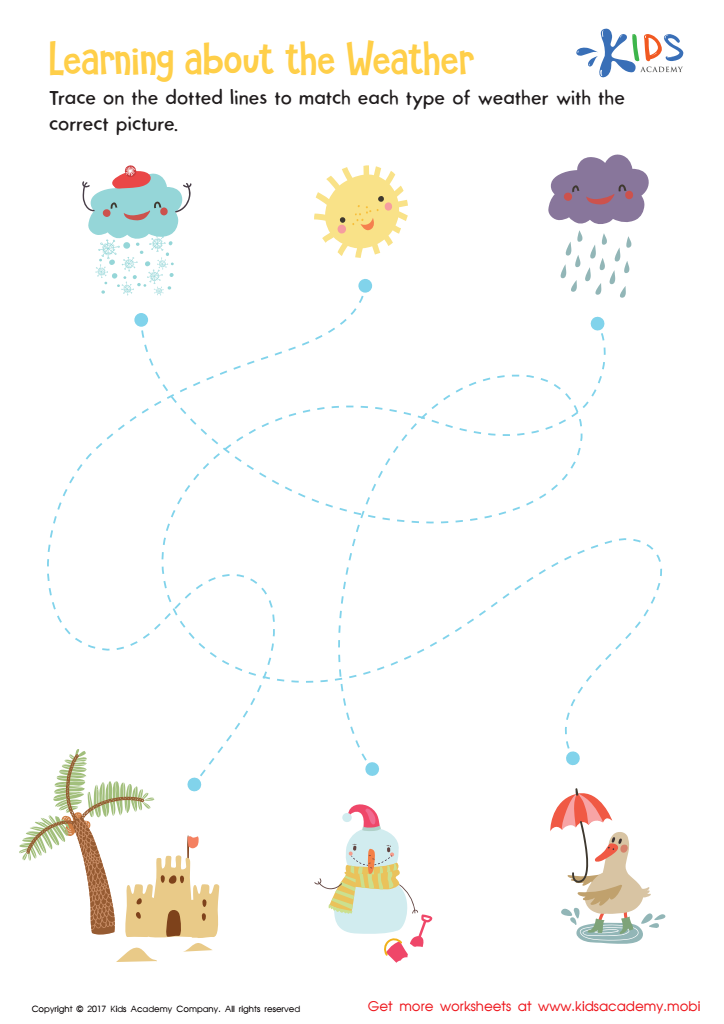
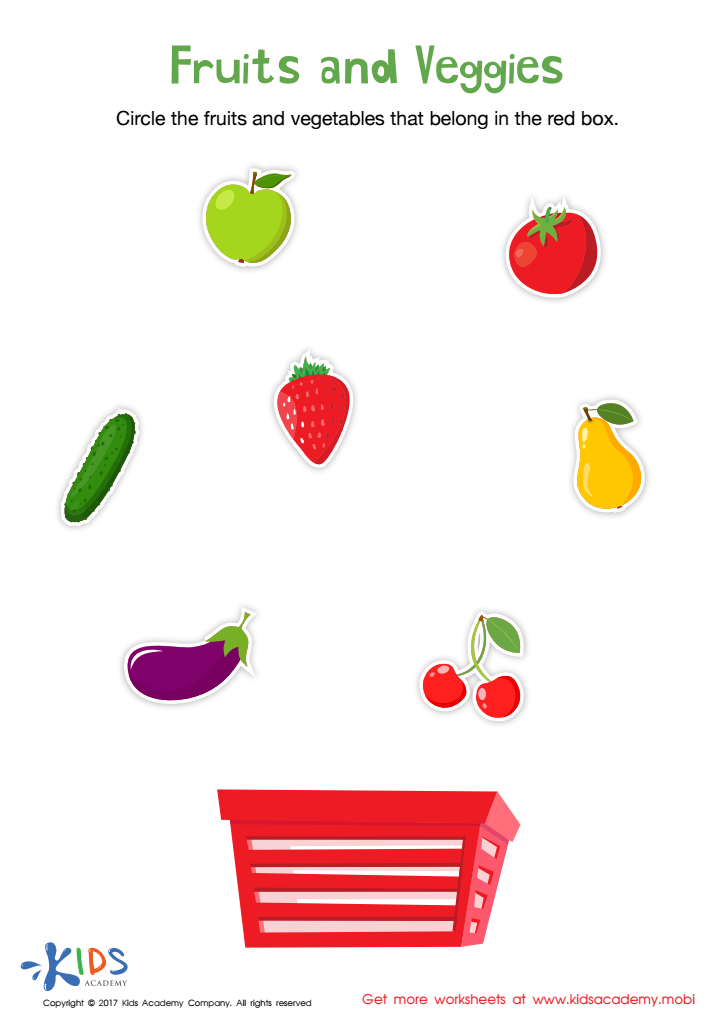
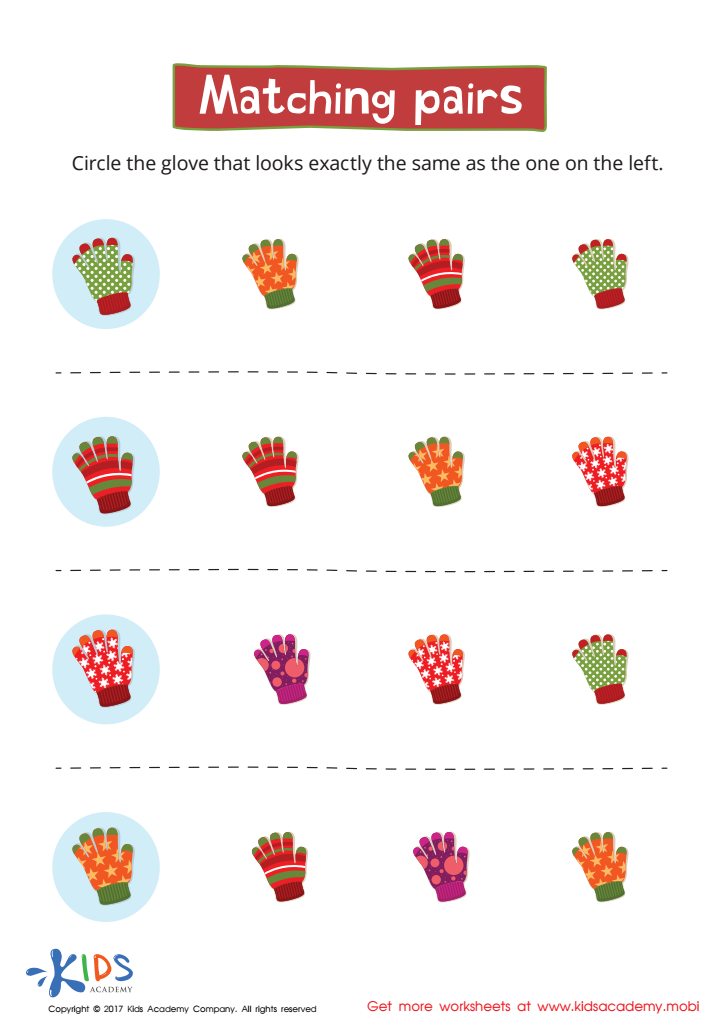
Matching: Matching Pairs Worksheet
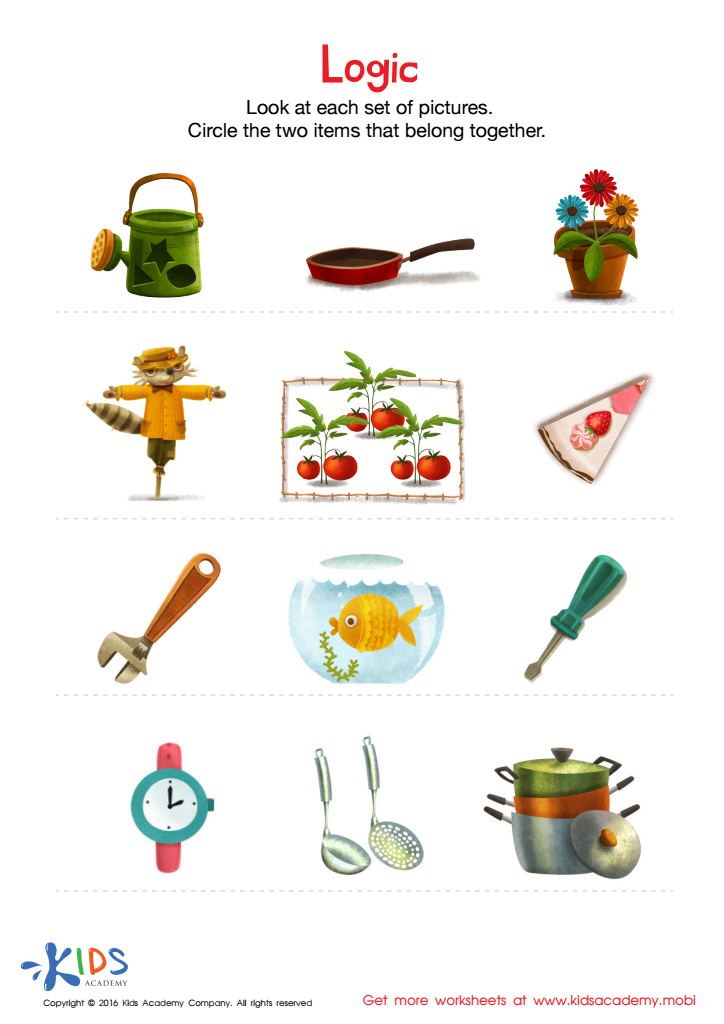
Logic Game Sorting Worksheet
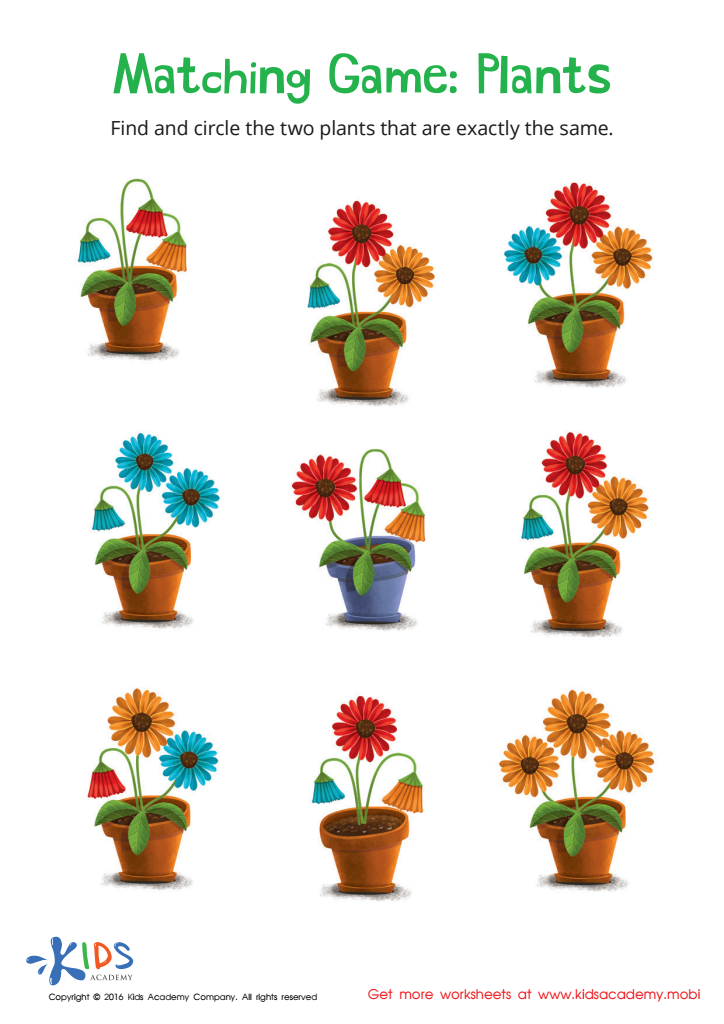
Matching: Plants Worksheet







Normal matching activities, where children pair related items or concepts, are vital for ages 6-8 because they underpin fundamental cognitive and academic skills crucial for their development. At this critical stage, children are honing their ability to recognize patterns, establish connections, and sort information—skills paramount across all learning areas.
Firstly, matching activities enhance memory and concentration. By remembering and locating pairs, children boost their memory recall abilities, which aids in data retention for other subjects. These activities also nurture attention to detail, fostering persistence and focus as children carefully consider each potential match.
Secondly, problem-solving skills are honed through matching. Engaging in these activities requires logical thinking and decision-making as children determine which items correspond. By iteratively trying different combinations, they learn from mistakes and develop resilience.
Moreover, matching supports language and reading development. When matching words to pictures or synonyms, for instance, children expand their vocabulary and understand word relationships, enriching their language skills.
Lastly, matching can foster social interaction and collaboration if conducted in group settings. Children learn to communicate, take turns, and negotiate, which are essential social skills.
Therefore, educators and parents should integrate normal matching activities into daily routines, recognizing their value in building a robust foundation for future complex learning and skill acquisition.