Normal Alphabet Worksheets for Ages 6-9 - Page 2
224 filtered results
-
From - To
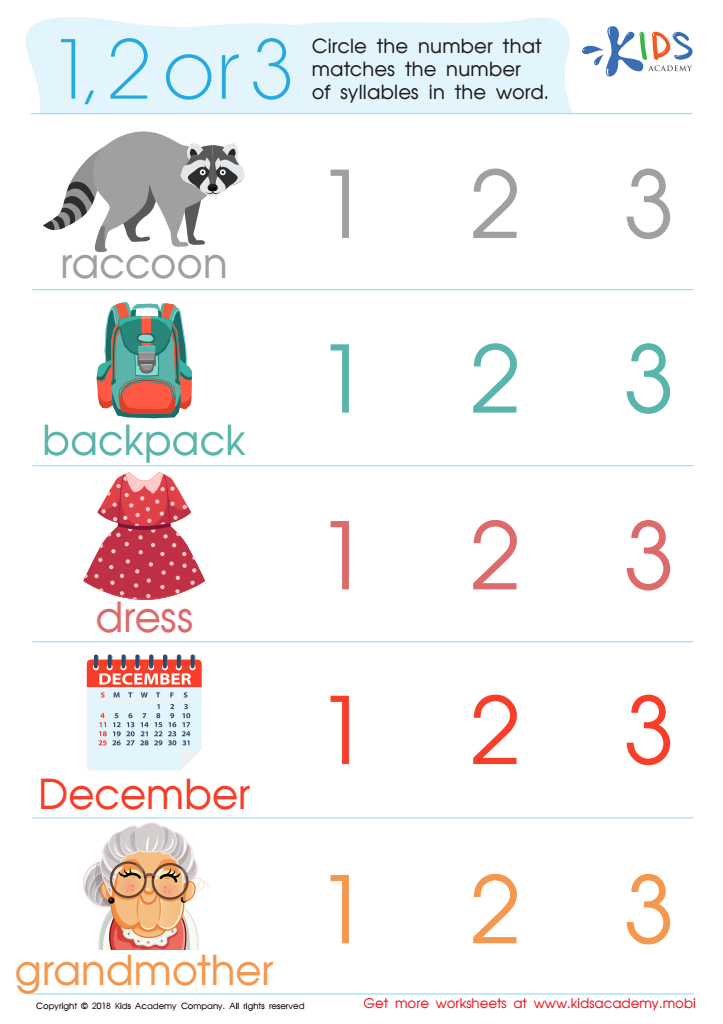
1, 2 or 3? Worksheet
 Assign to My Students
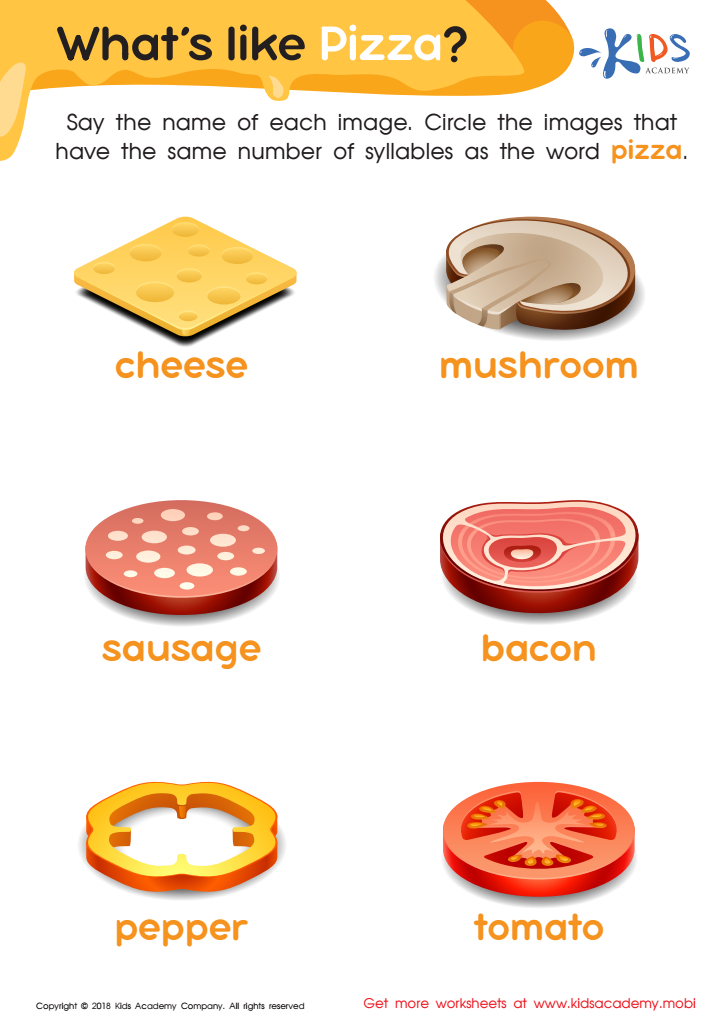
What's Like Pizza? Worksheet
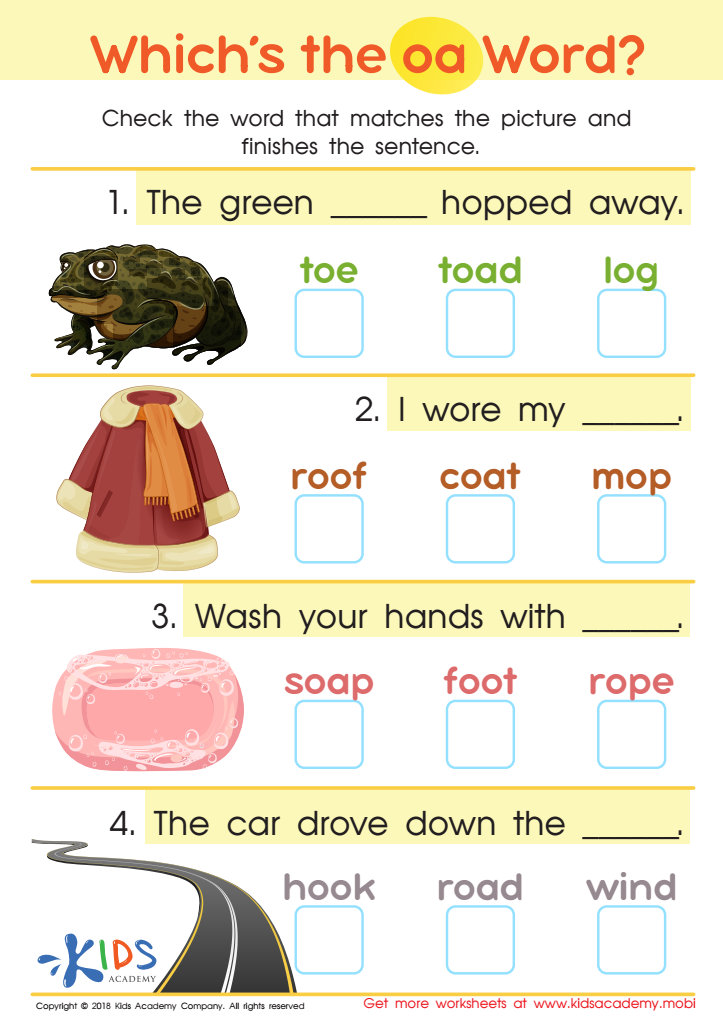
Which's the OA Word? Worksheet
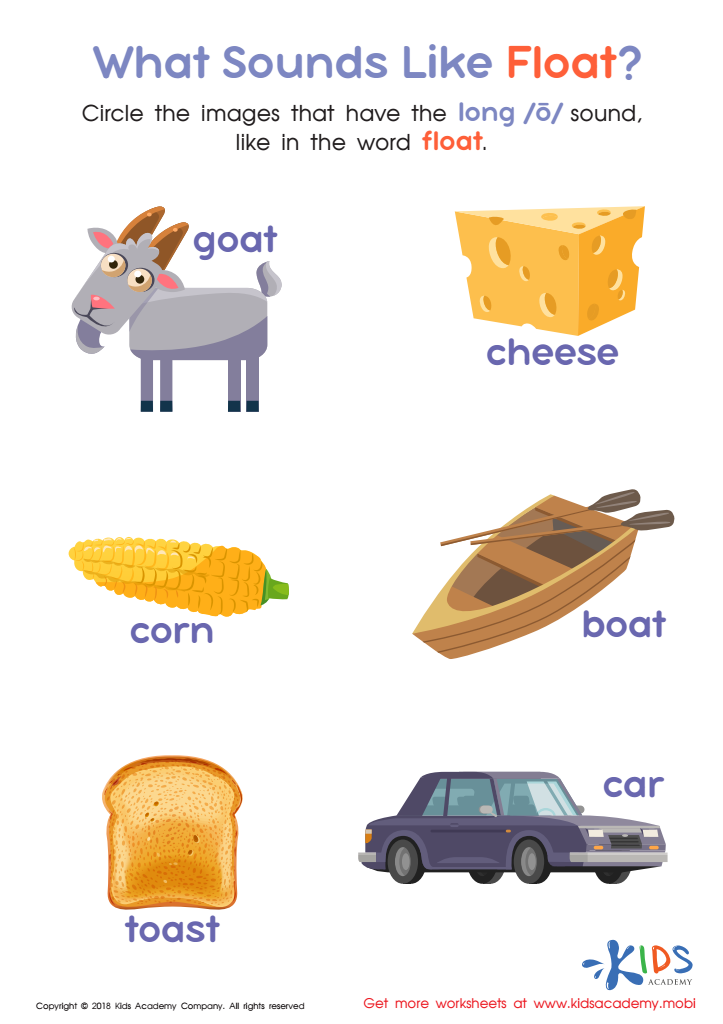
What Sounds Like Float? Worksheet
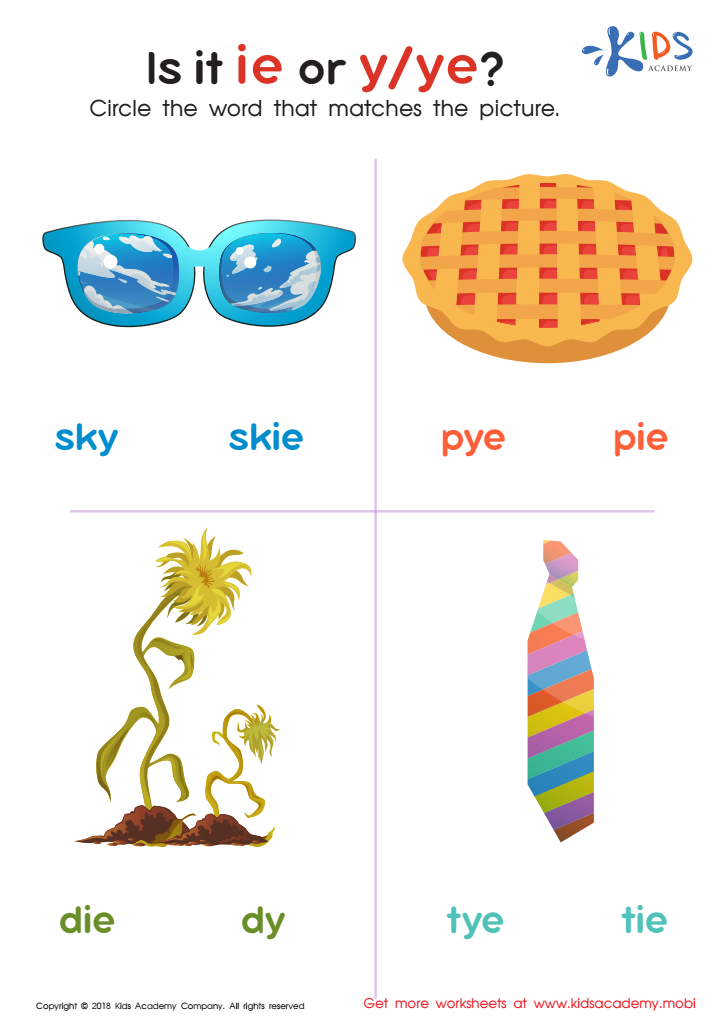
Is It IE or Y/Ye? Worksheet
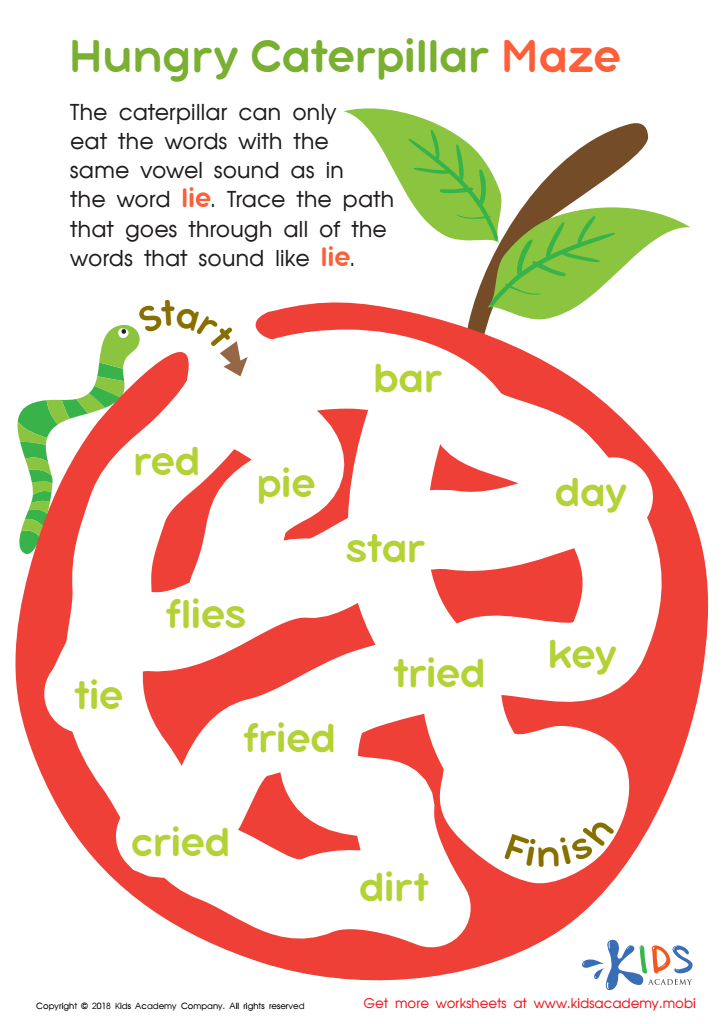
Hungry Caterpillar Maze Worksheet
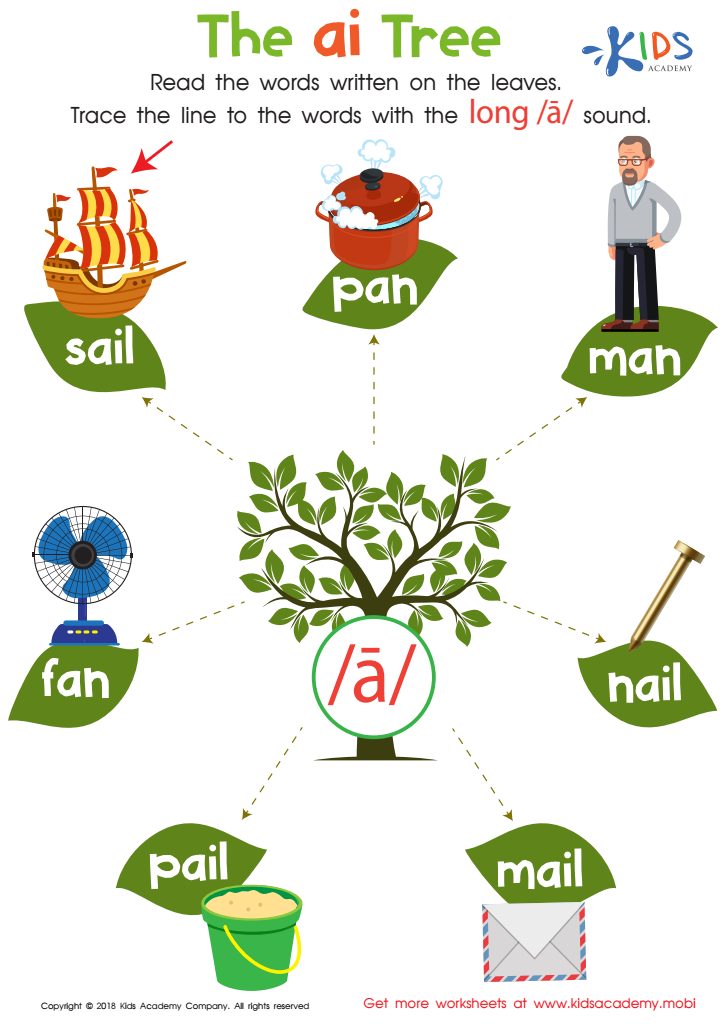
The AI Tree Worksheet
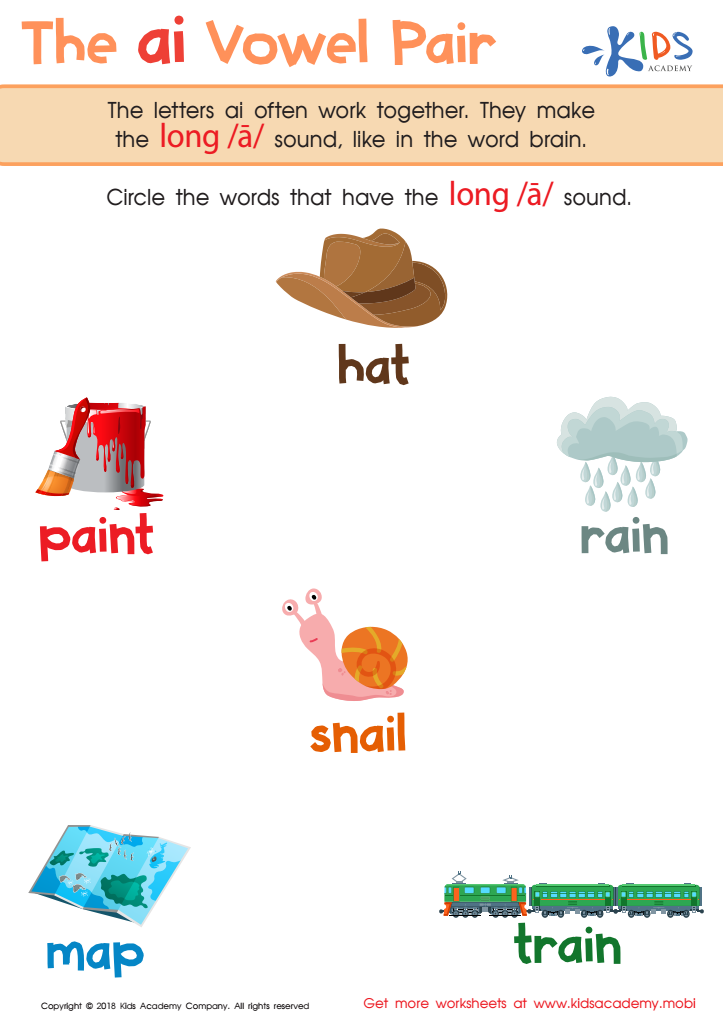
The AI Vowel Pair Worksheet
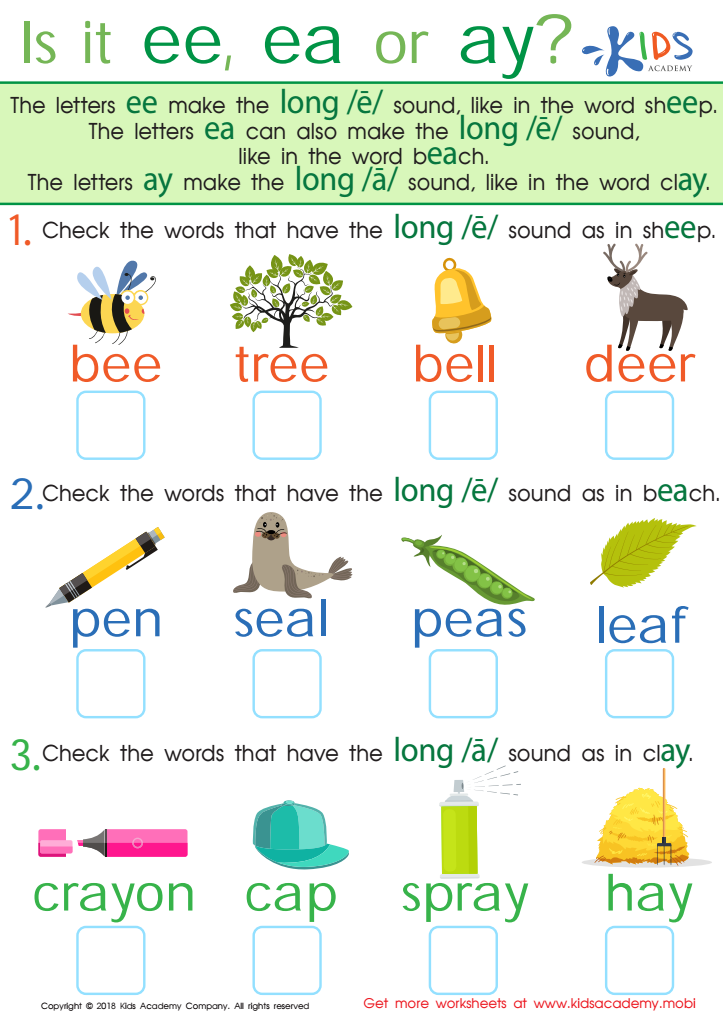
Is It EE, EA, or AY? Worksheet
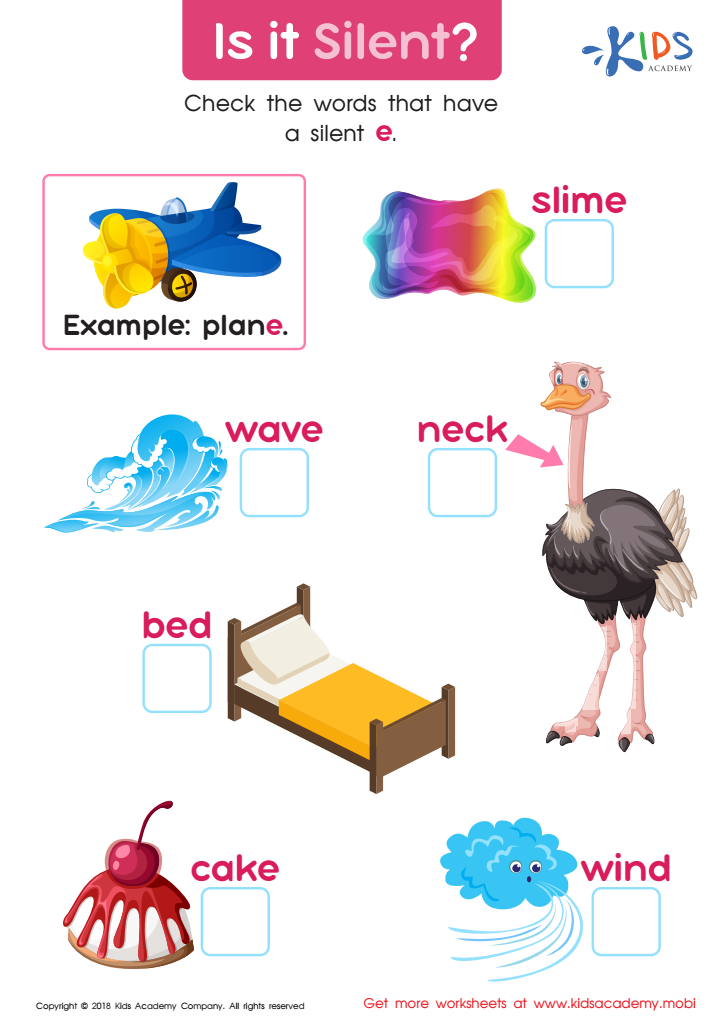
Is It Silent? Worksheet
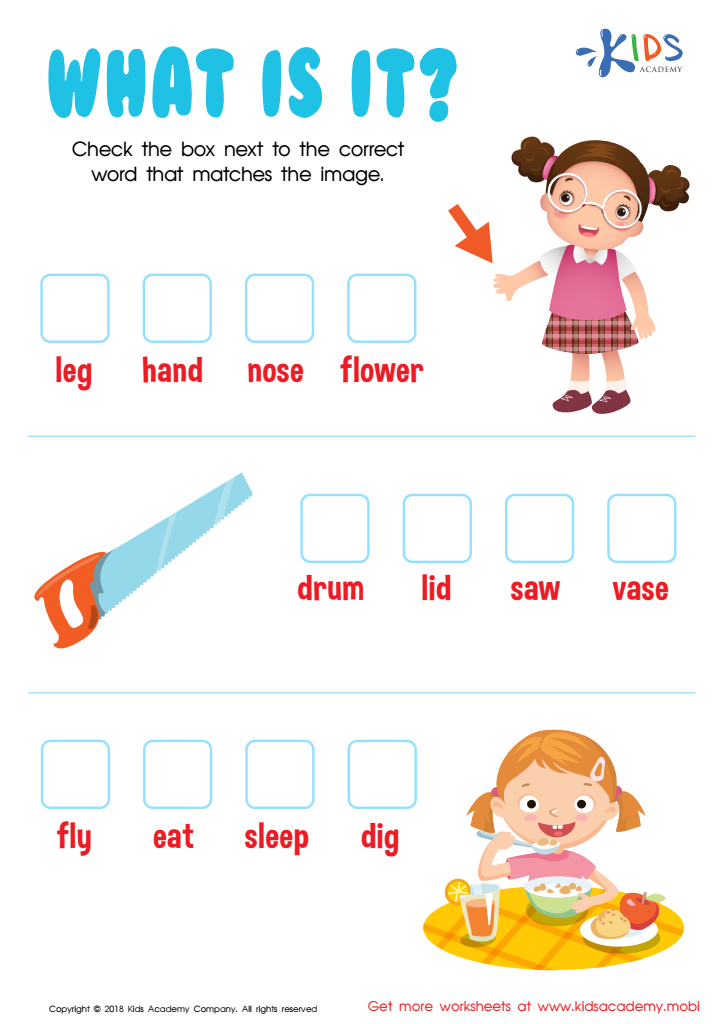
What Is It? Worksheet
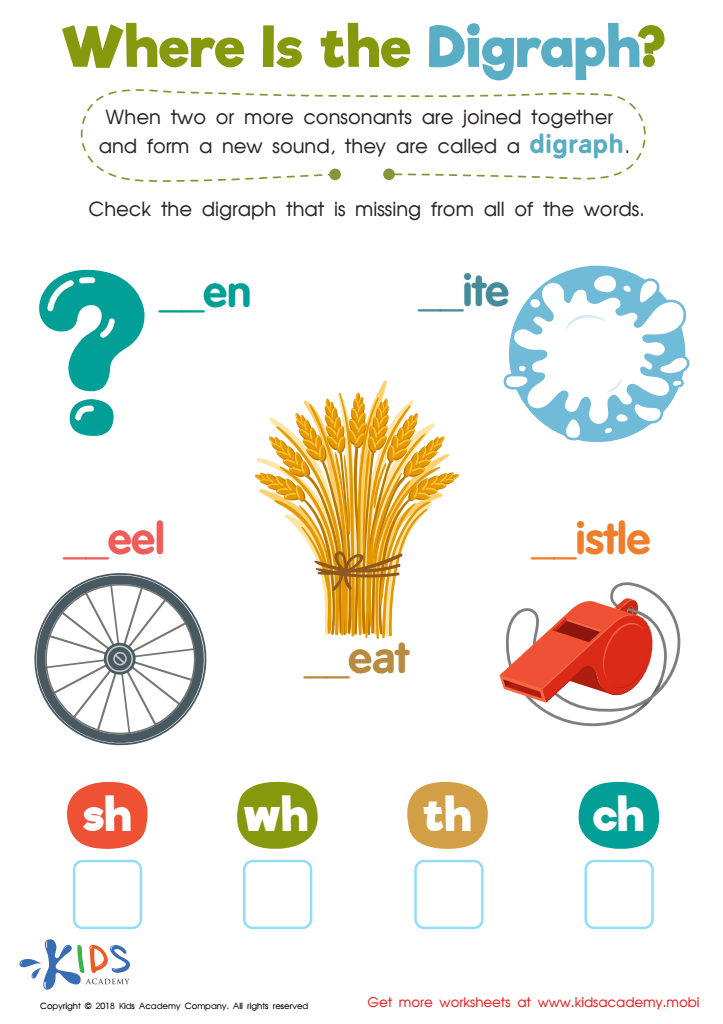
Where Is the Digraph? Worksheet
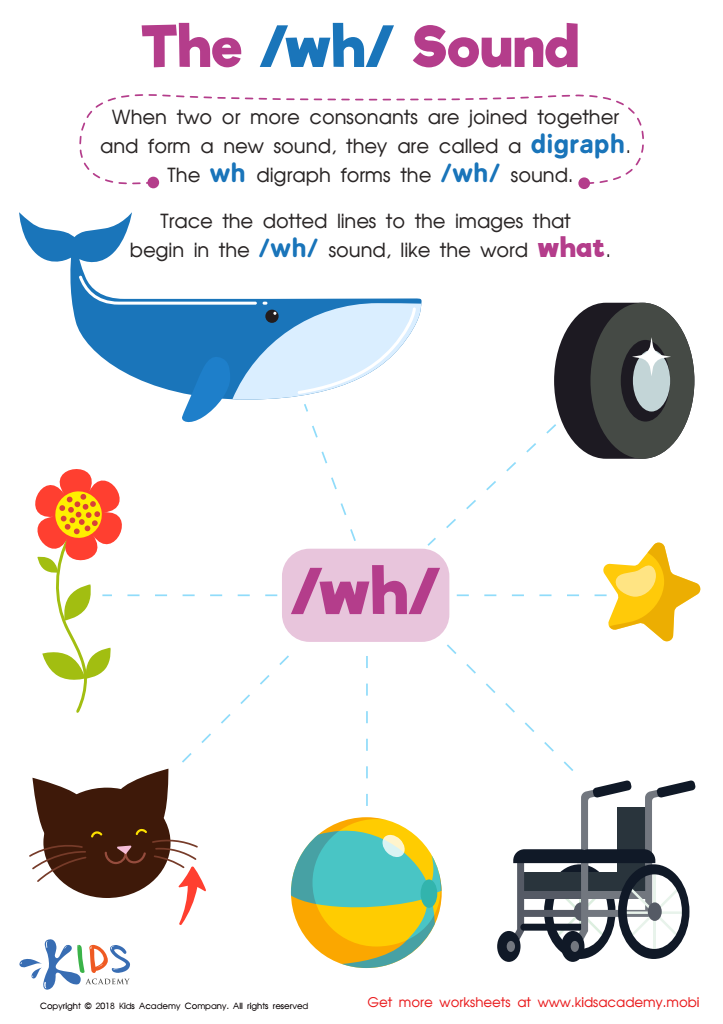
The /wh/ Sound Worksheet
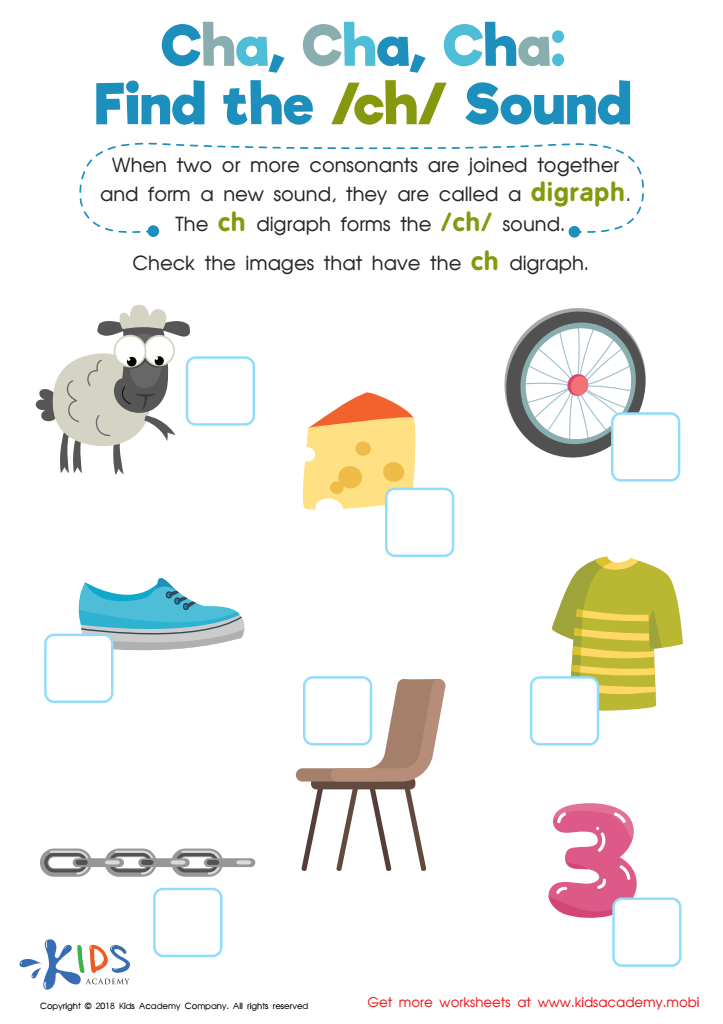
Cha, Cha, Cha: Find the /Ch/ Sound Worksheet
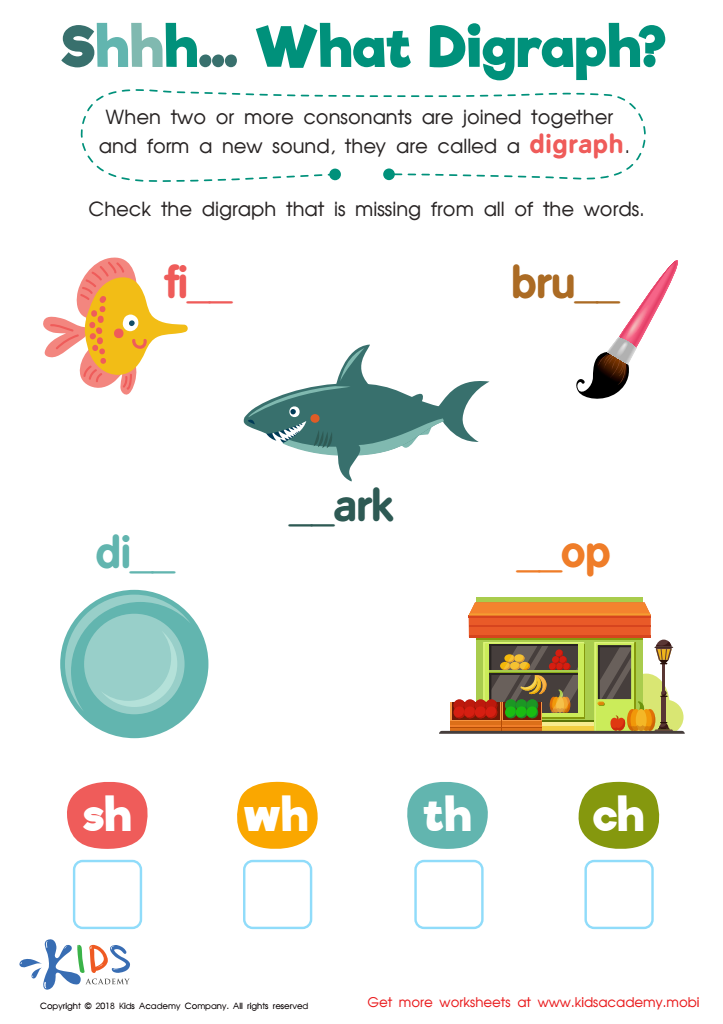
Shhh... What Digraph? Worksheet
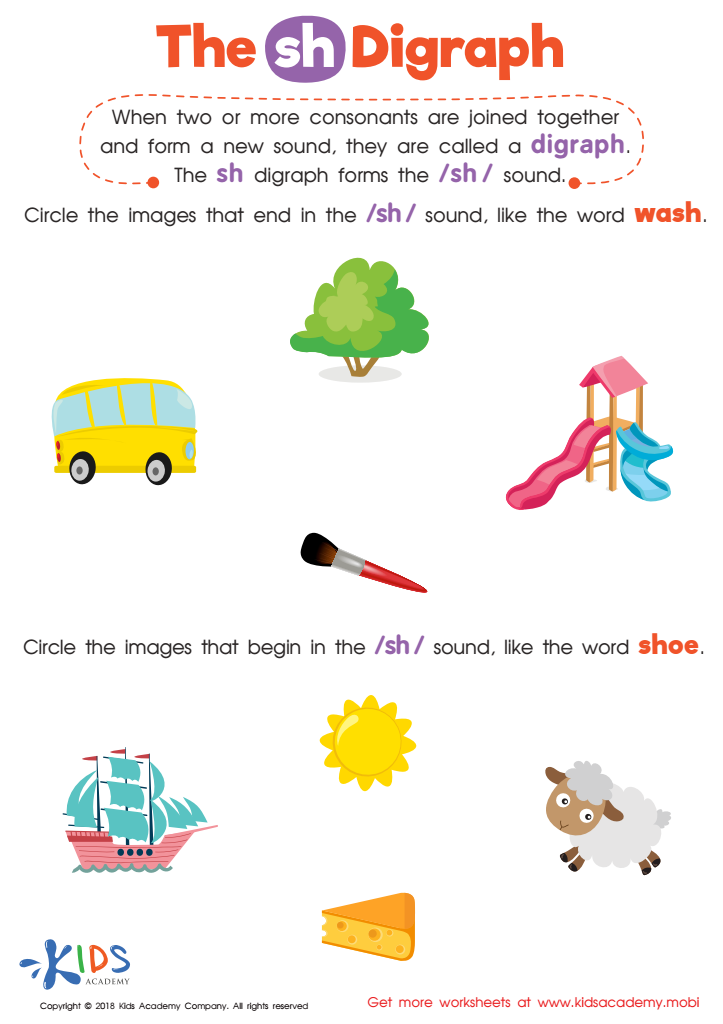
The SH Digraph Worksheet
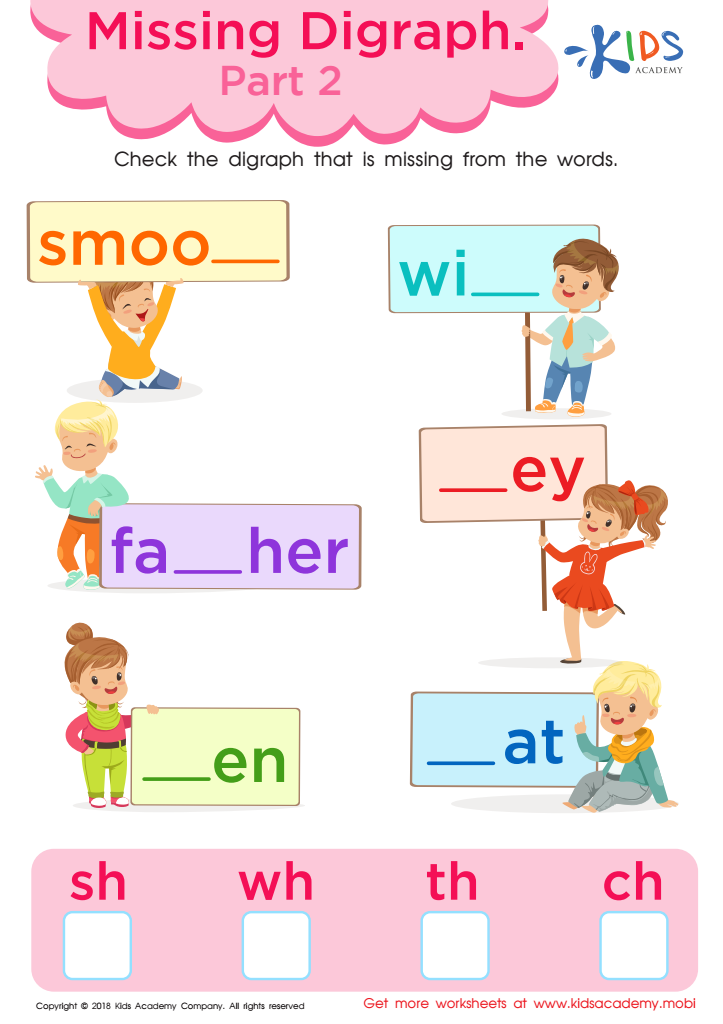
Missing Digraph: Part 2 Worksheet
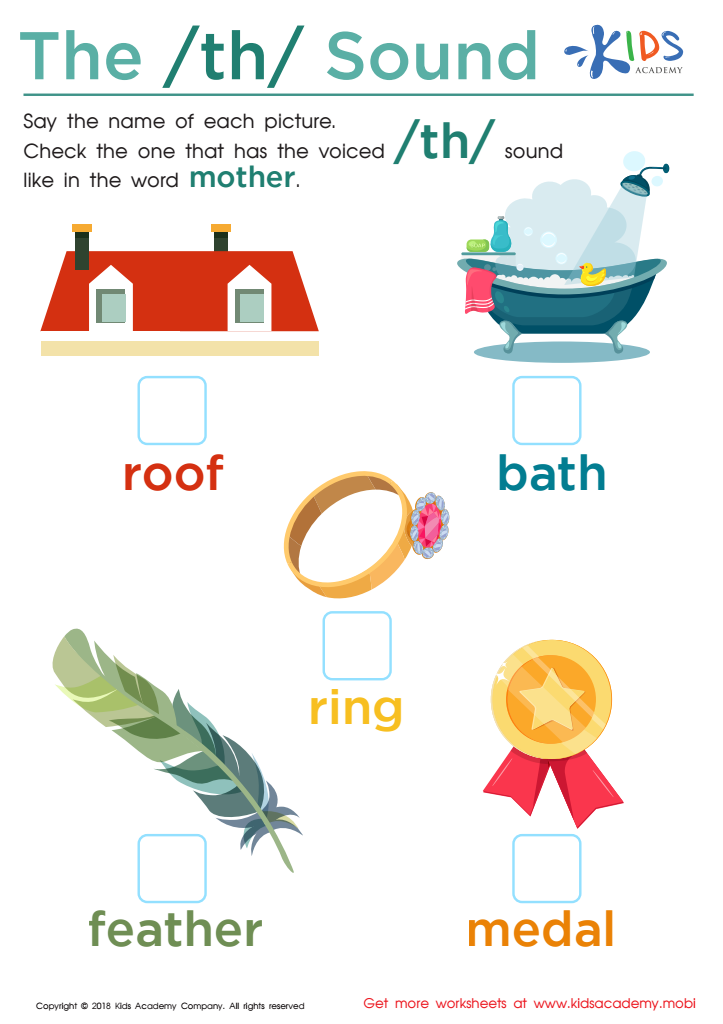
The /th/ Sound Worksheet
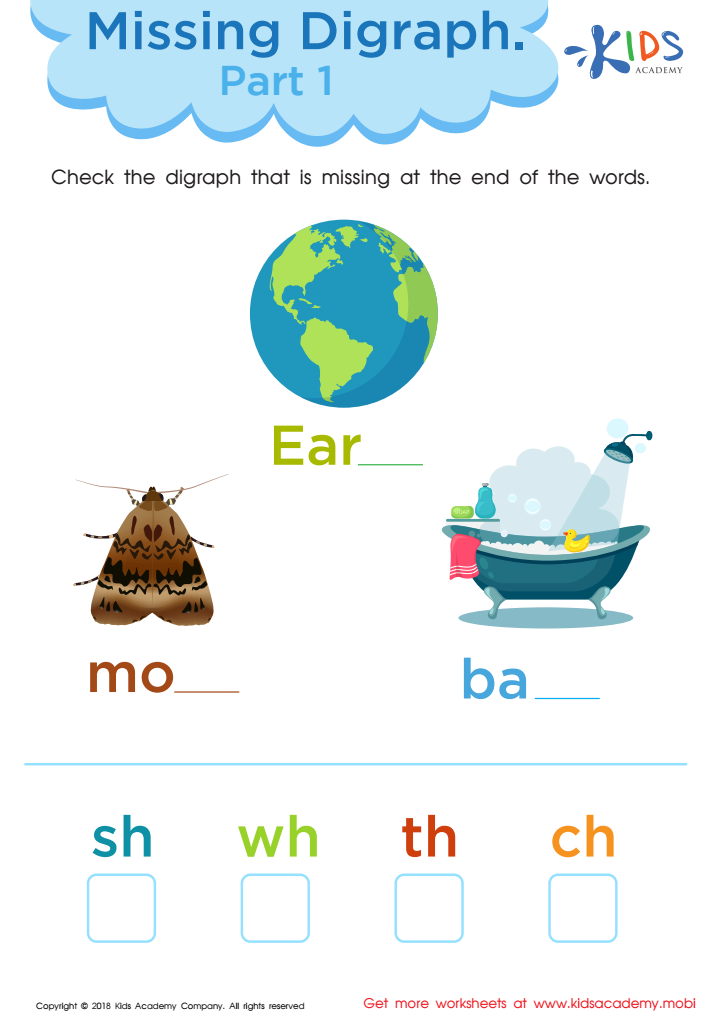
Missing Digraph: Part 1 Worksheet
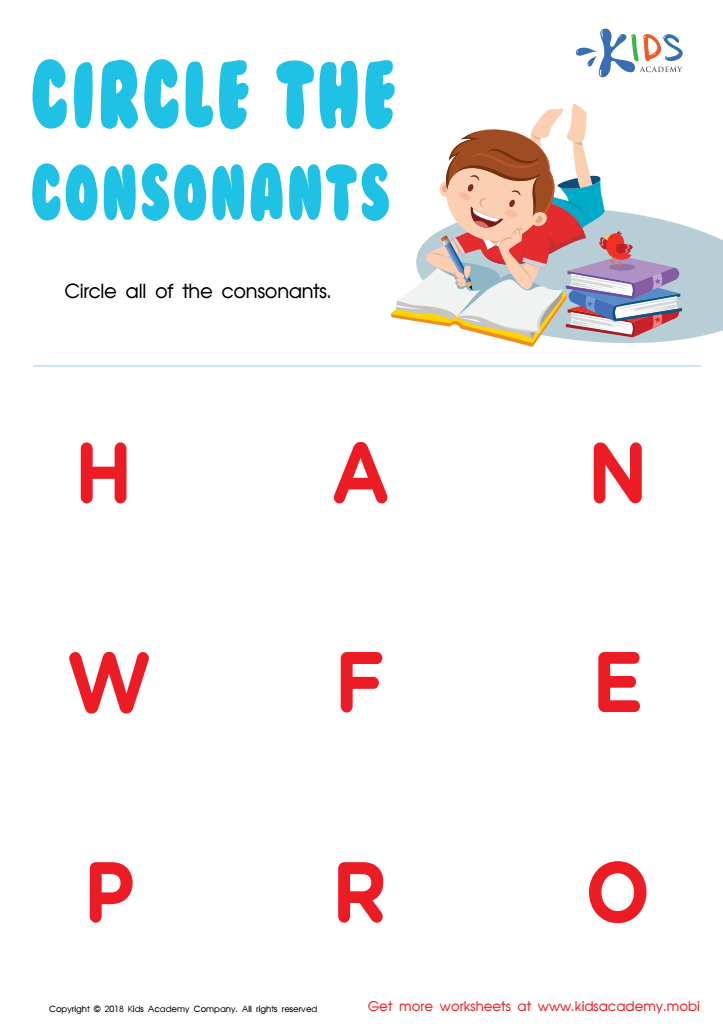
Circle the Consonants Worksheet
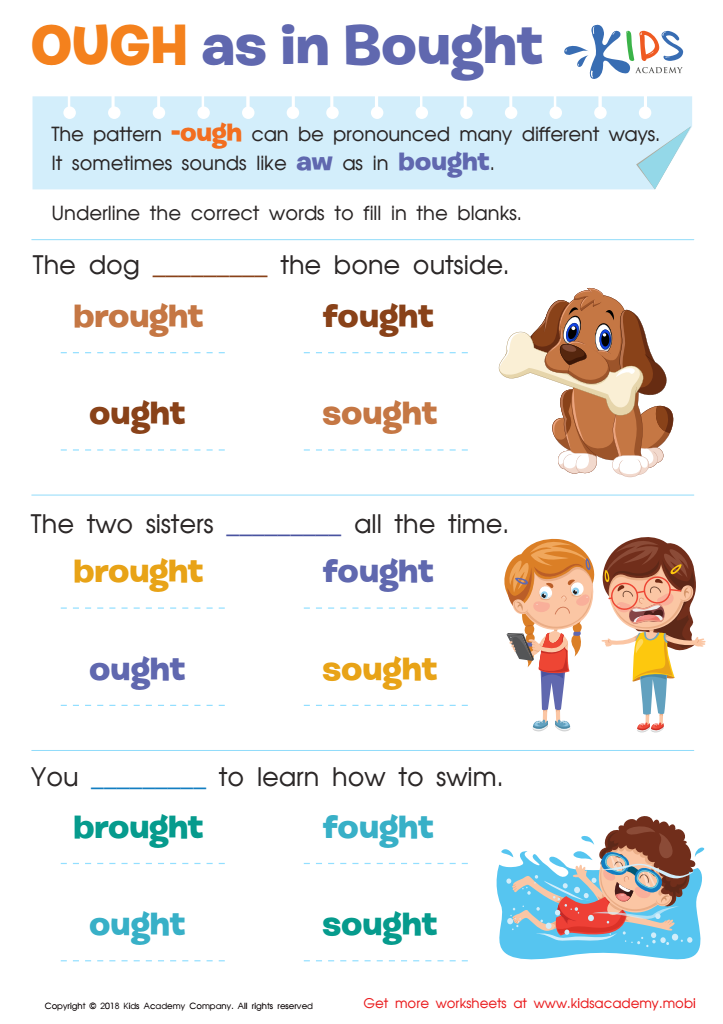
OUGH as in Bought Worksheet
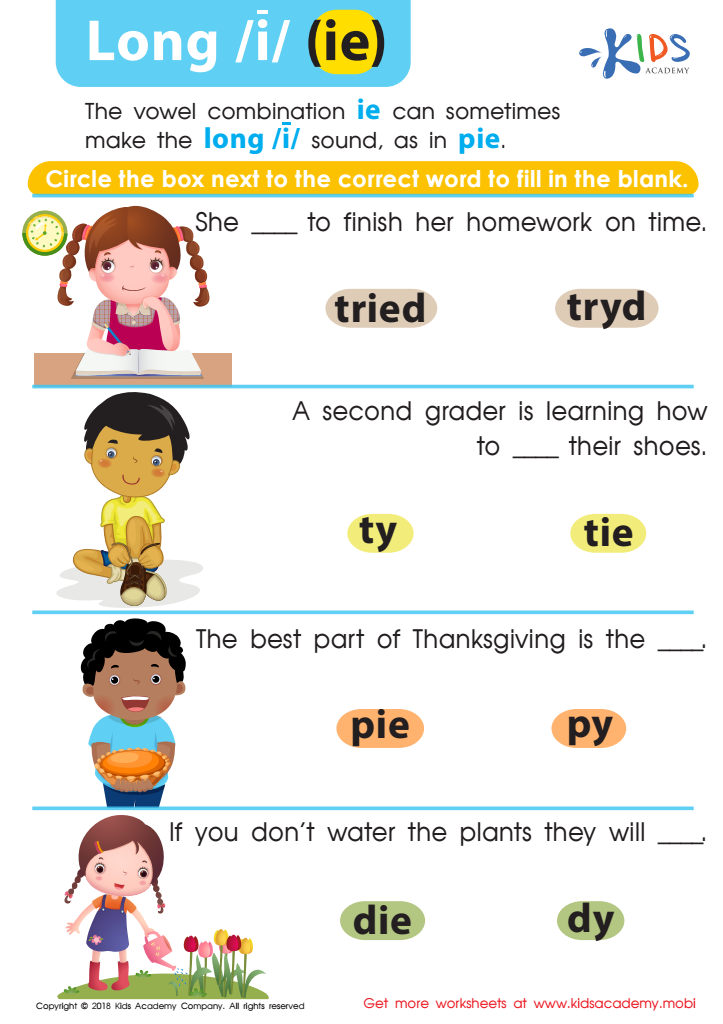
Reading: Long I and IE Worksheet
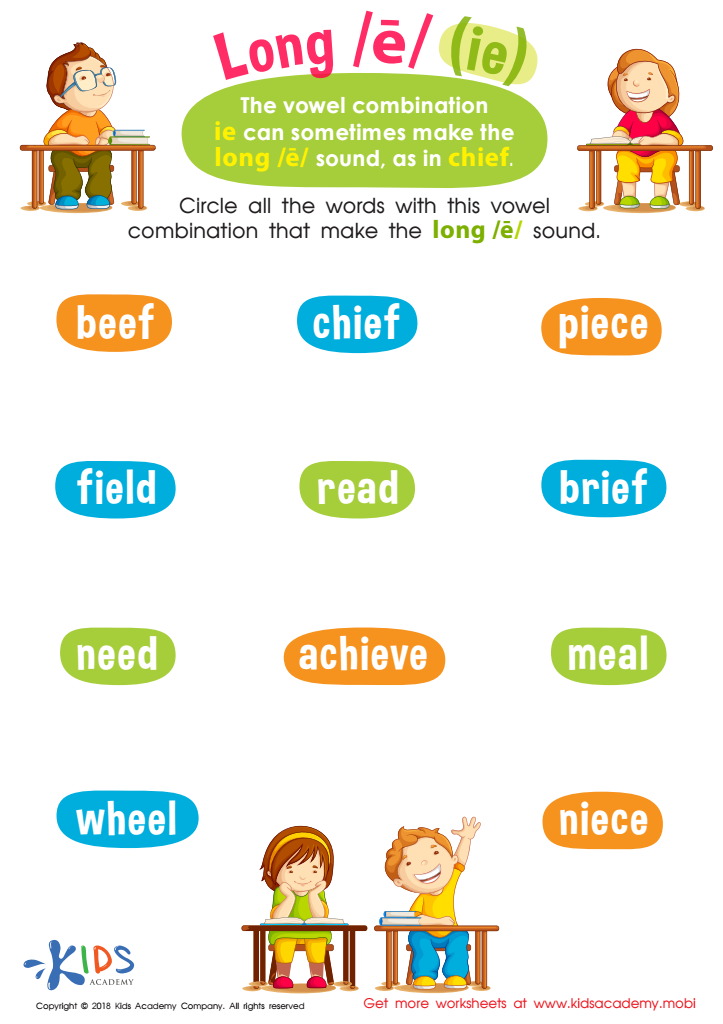
Reading: Long E and IE Worksheet
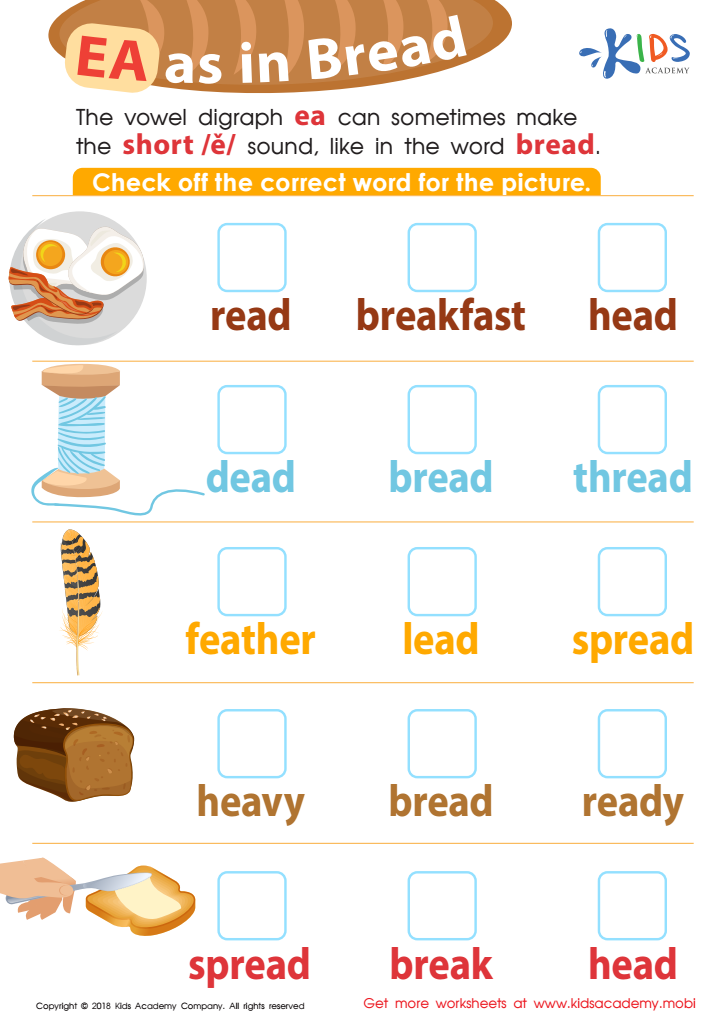
Reading: EA as in Bread Worksheet








Parents and teachers should pay attention to the normal alphabet instruction for children ages 6-9 because this stage is crucial for foundational literacy development. Mastery of the alphabet lays the groundwork for reading, writing, and comprehensive communication skills. It is during these early years that children transition from recognizing letters to understanding their associated sounds and eventually decoding words.
A solid grasp of the alphabet aids in phonemic awareness, paramount for reading success. Each letter's sound helps children decode unfamiliar words and build a robust vocabulary. Moreover, understanding alphabetical order enhances organizational skills, useful for dictionary use and other reference tools.
For parents, reinforcing alphabet knowledge at home through engaging activities like storytelling, games, and hands-on practice supports school learning, fostering a positive, collaborative educational environment. Teachers, in nurturing this early literacy, can identify and provide timely support for children struggling with reading difficulties or dyslexia, ensuring no child is left behind.
Ultimately, early mastery of the alphabet sets children on a path toward academic success, boosts their confidence, and cultivates a lifelong love for reading. Investing time and resources into this foundational skill benefits children's overall cognitive development, critical thinking, and future educational achievements.







