Logical Thinking worksheets activities for Ages 4-9 - Page 2
113 filtered results
-
From - To
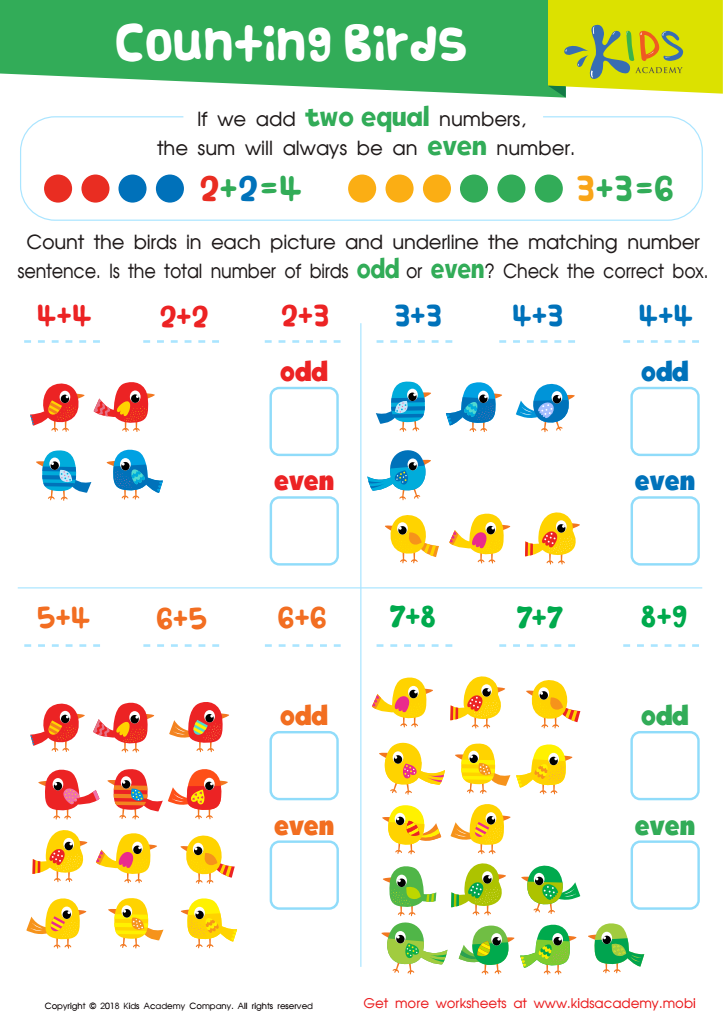
Counting Birds Worksheet
 Assign to My Students
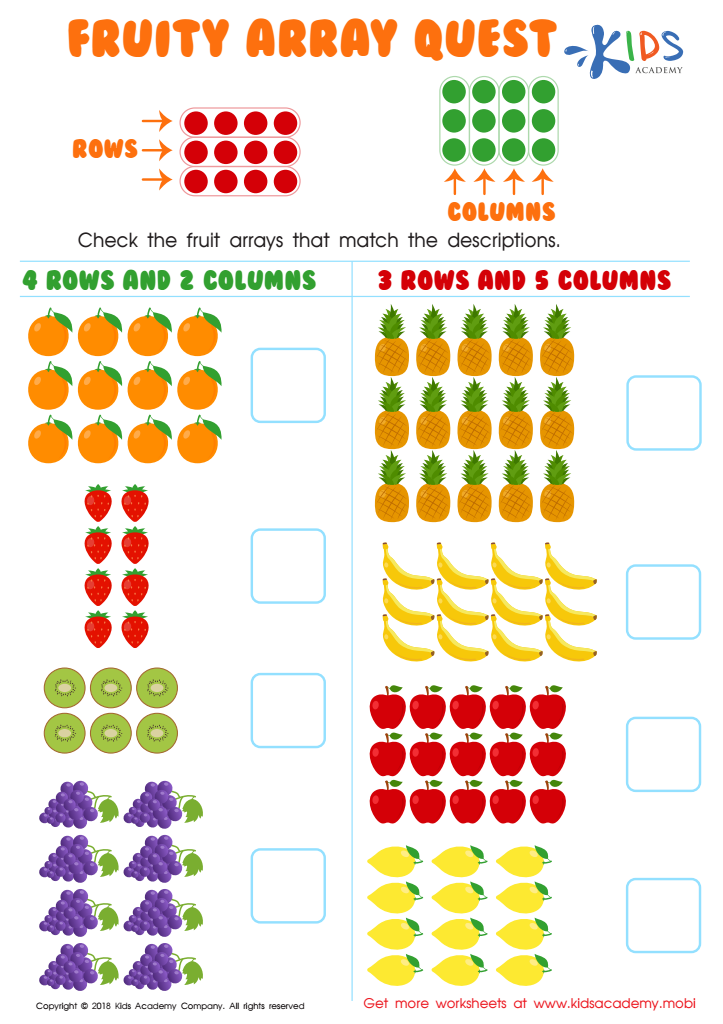
Fruity Array Quest Worksheet
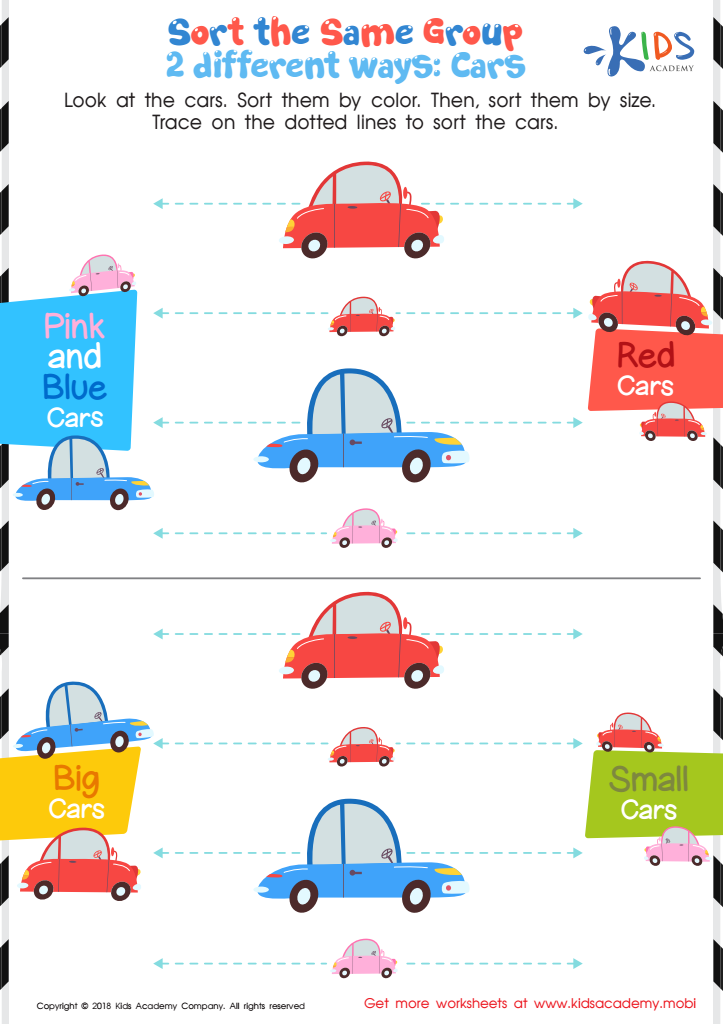
Sort the Same Group 2 Different Ways: Cars Worksheet
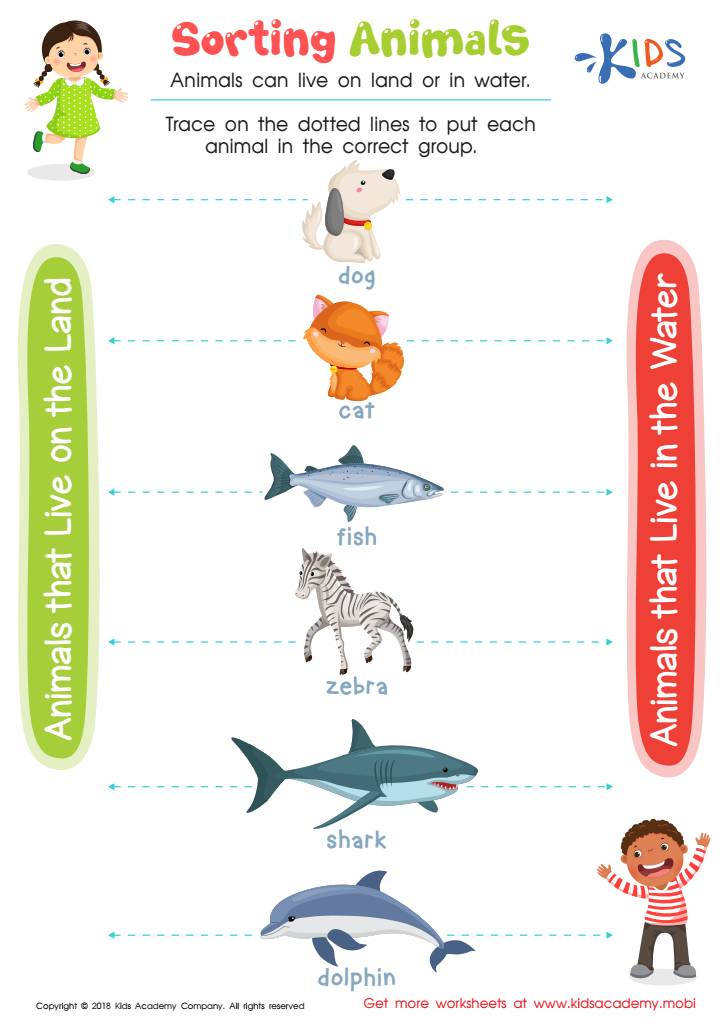
Sorting Animals Worksheet
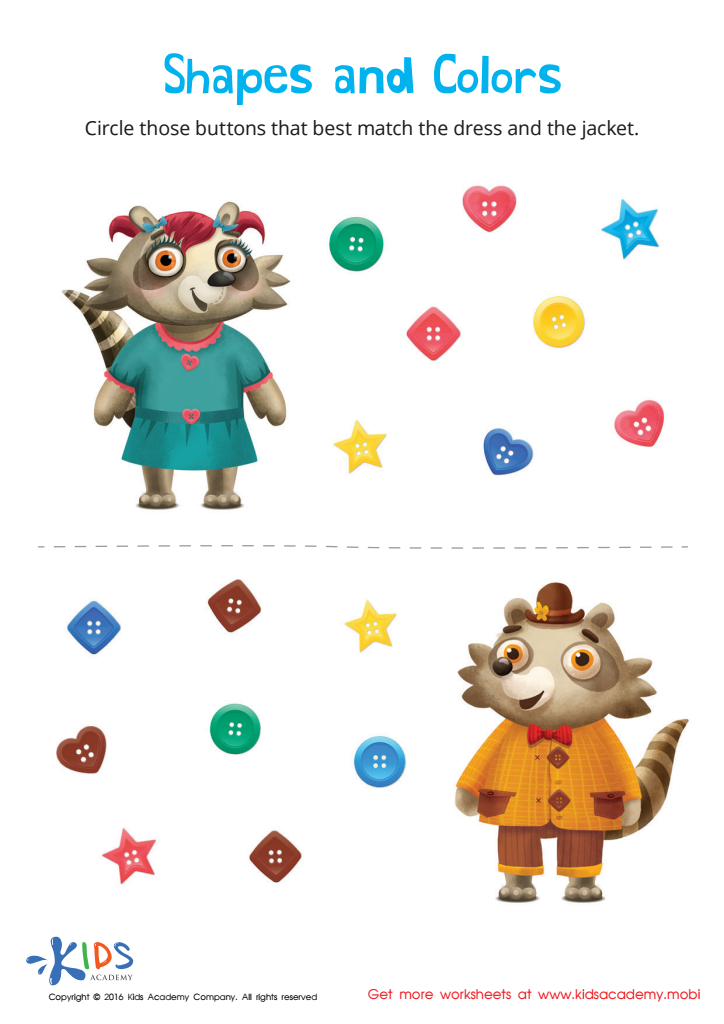
Matching: Shapes and Colors Worksheet
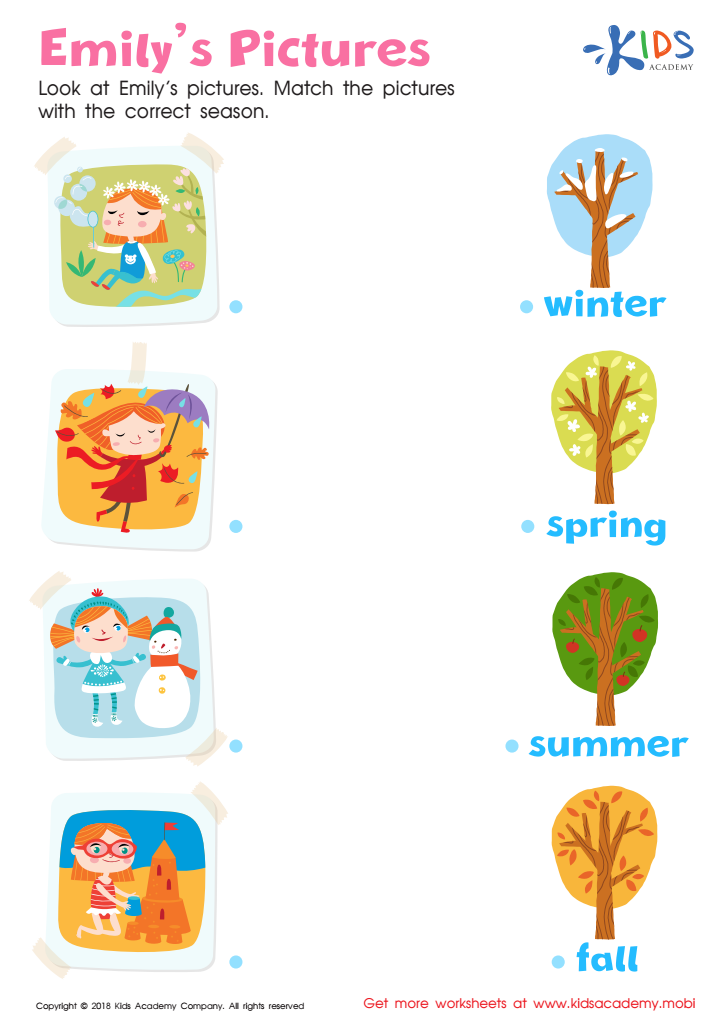
Emily's Pictures Worksheet
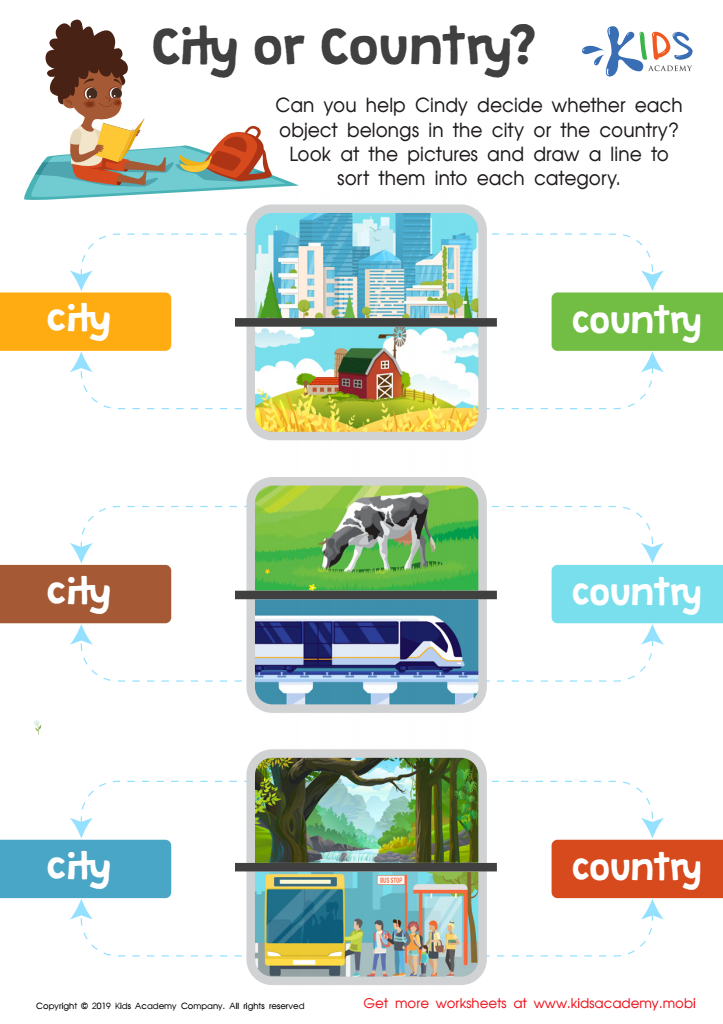
City or Country? Worksheet
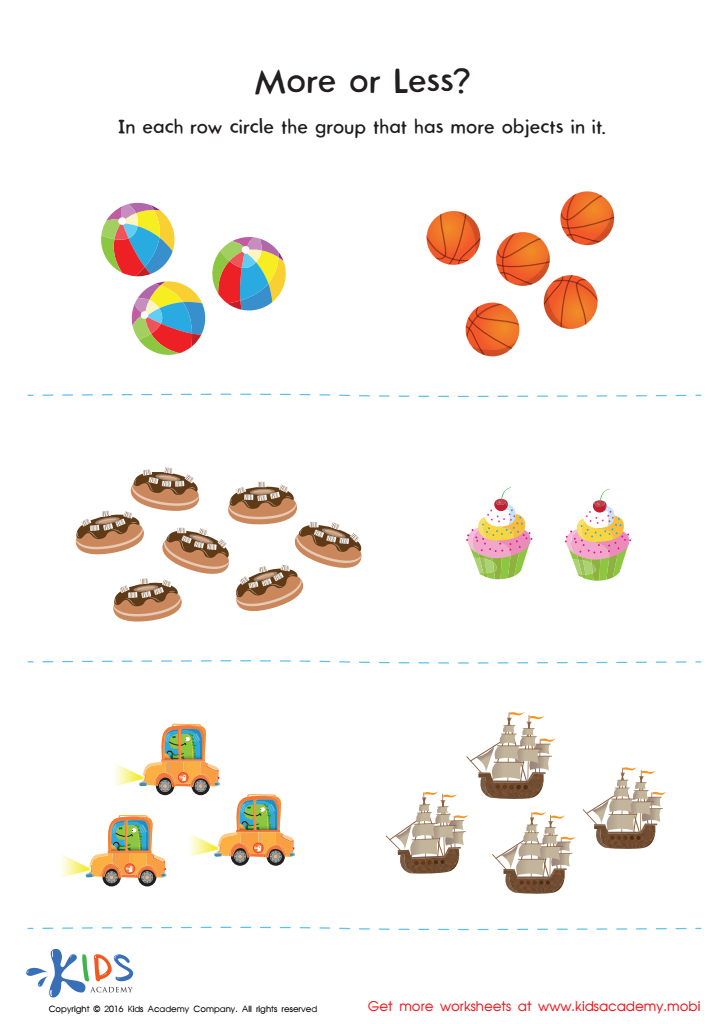
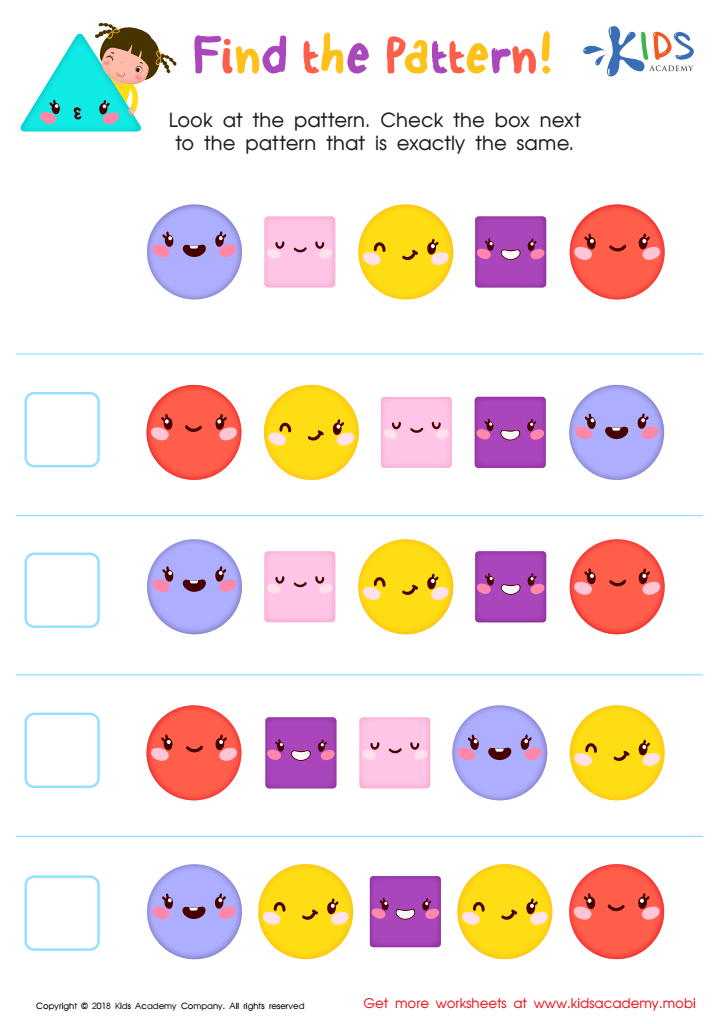
Find the Pattern Worksheet
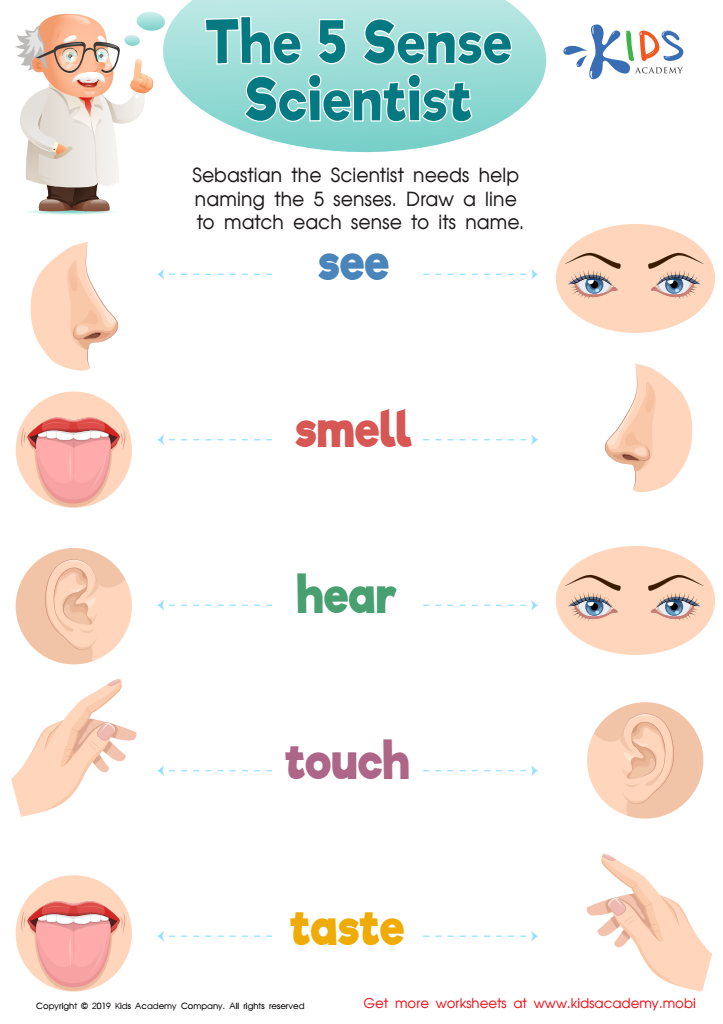
The 5 Sense Scientist Worksheet
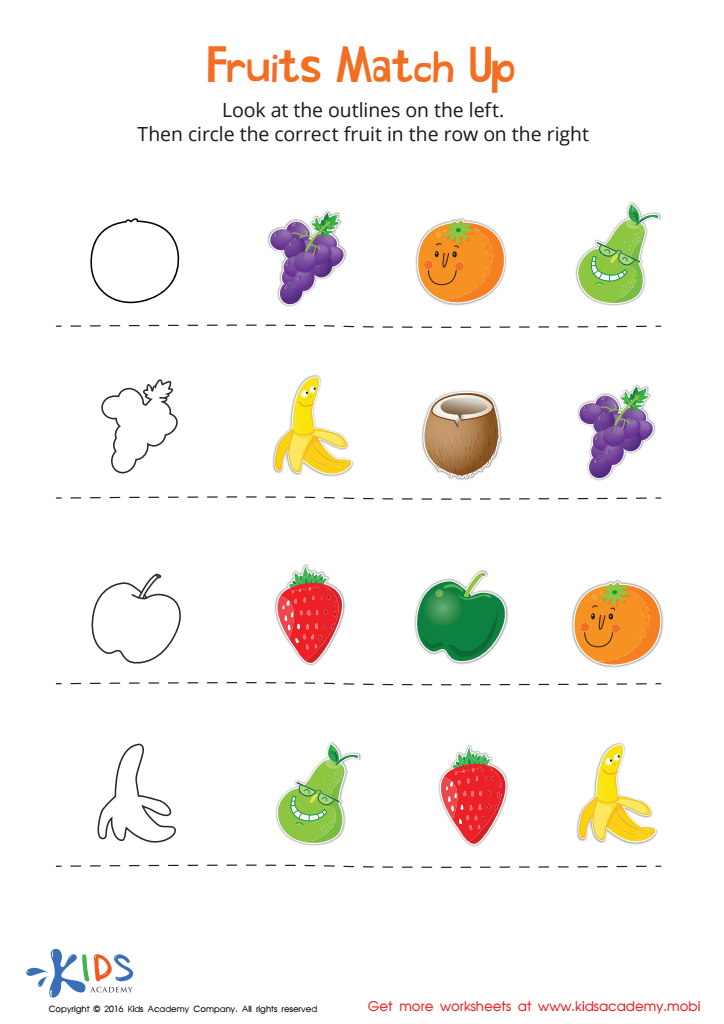
Fruits Match Up Worksheet
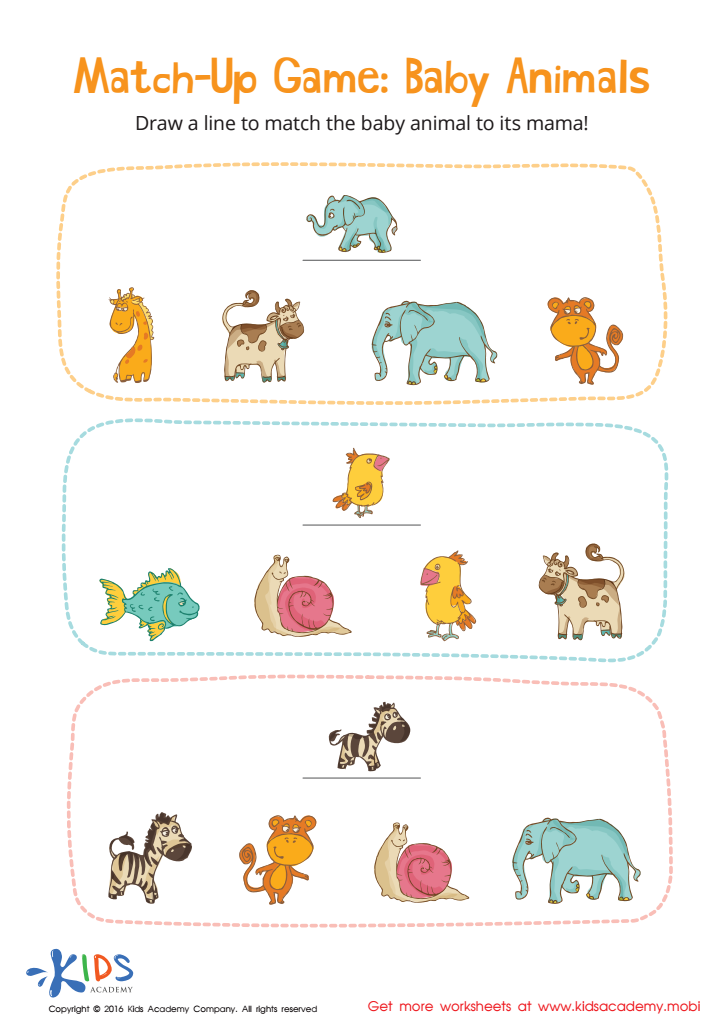
Baby Animals Match-Up Worksheet
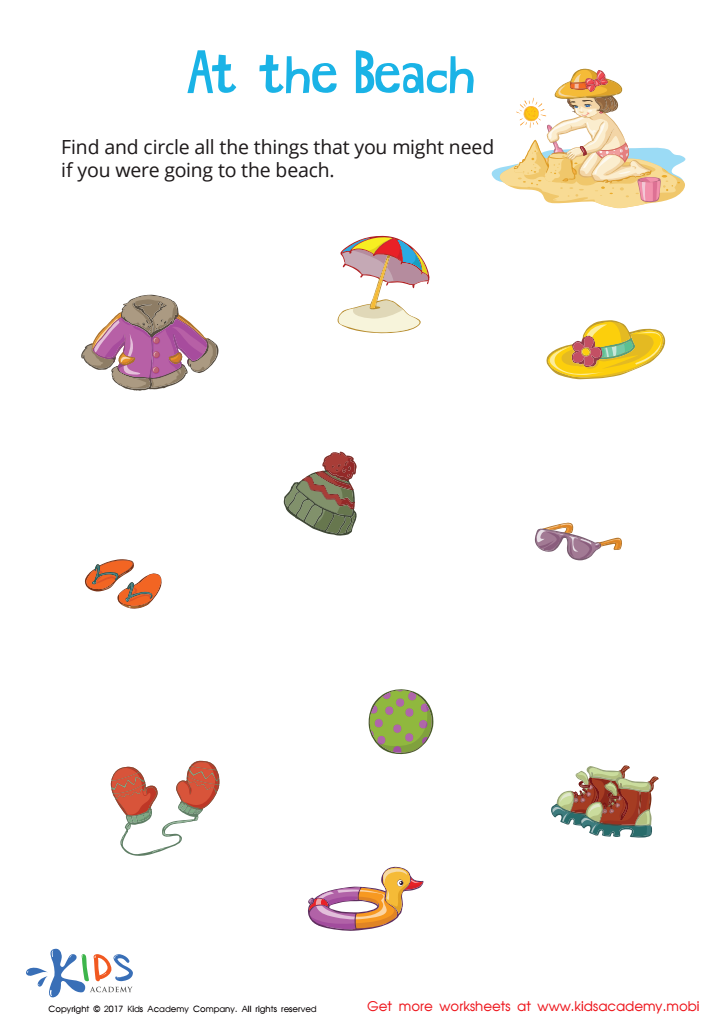
At the Beach Sorting Worksheet
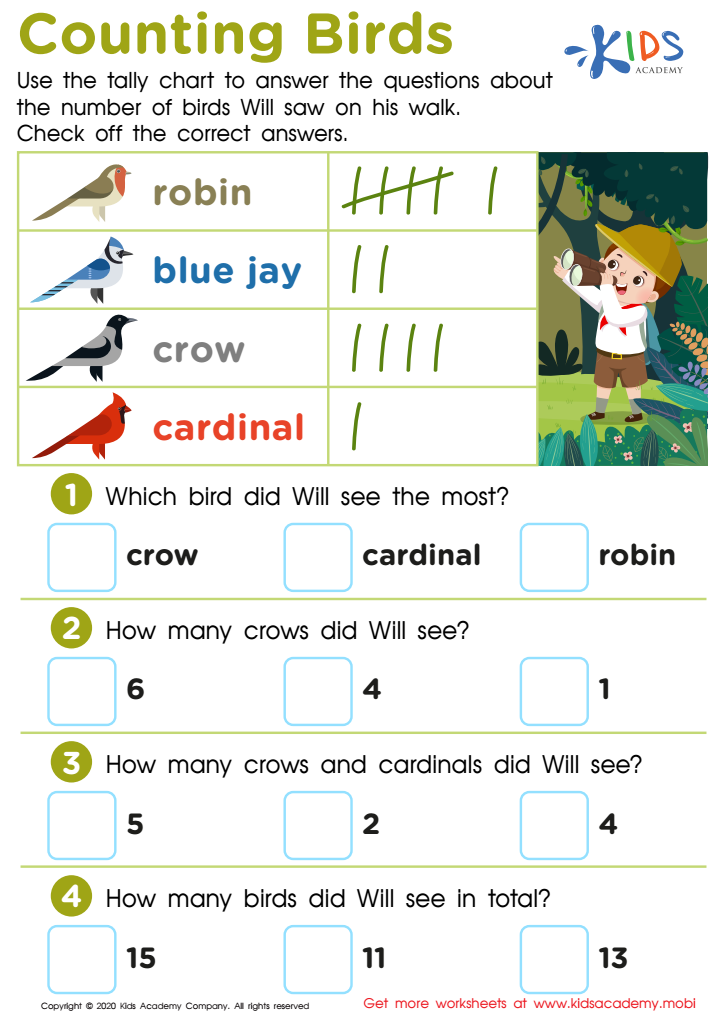
Counting Birds Worksheet
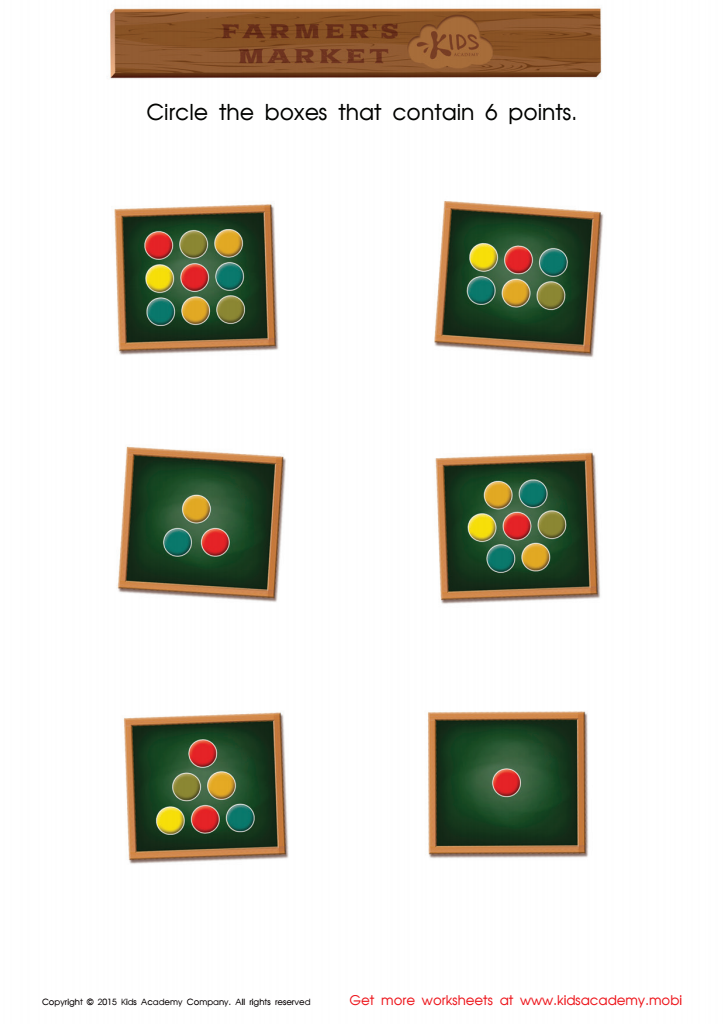
Count and Match Points 6 Math Worksheet
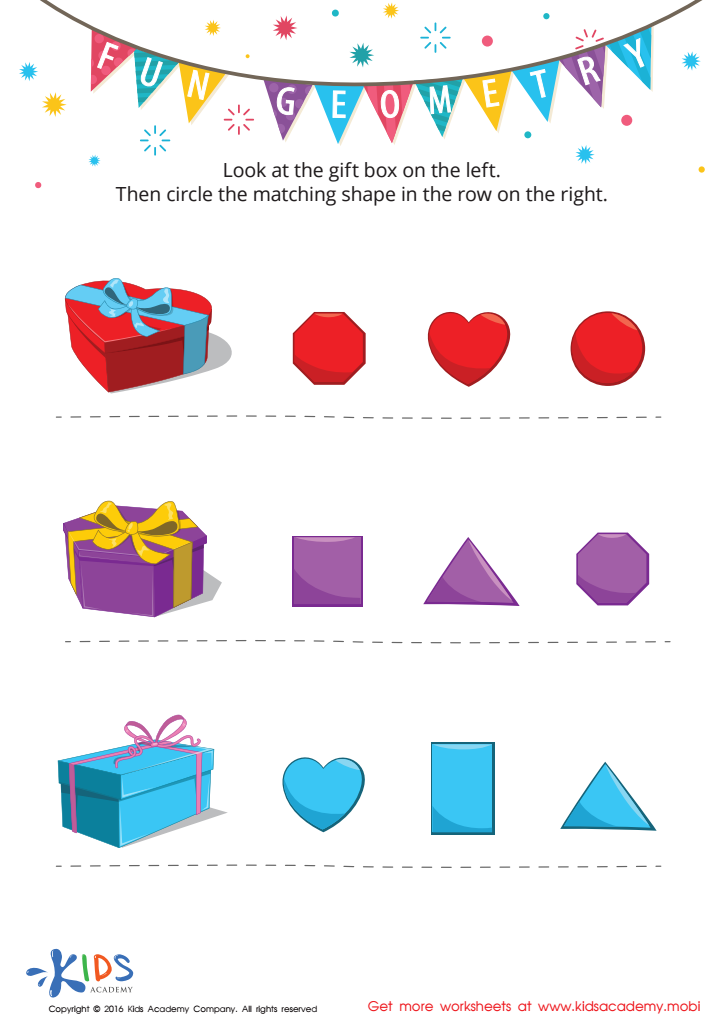
Fun Geometry Worksheet
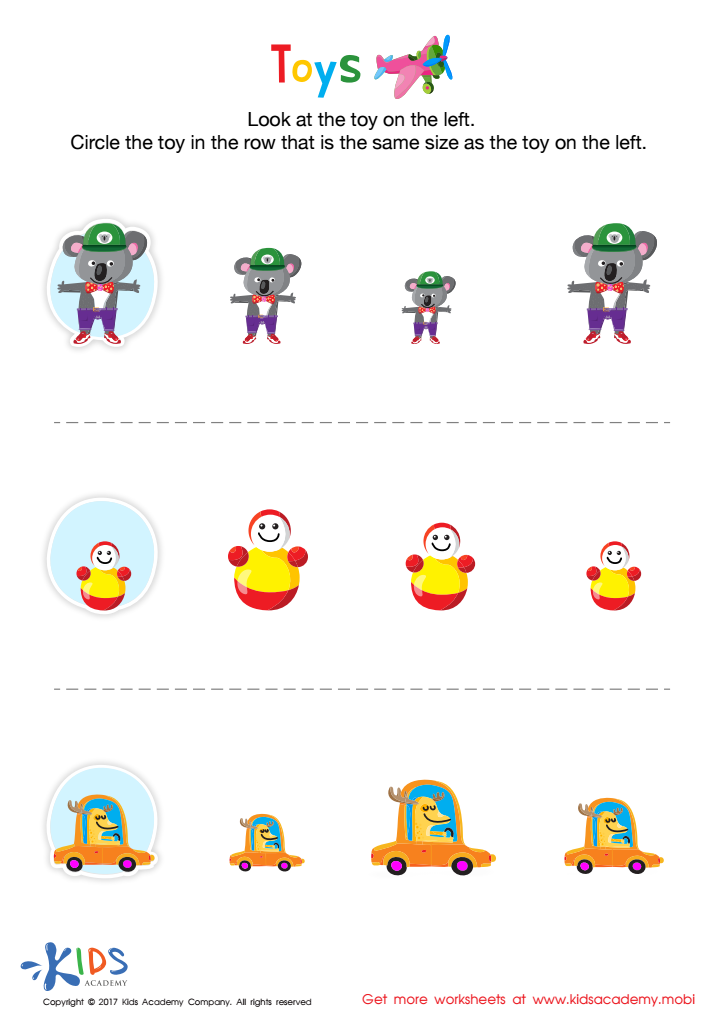
Matching: Classifying Toys by Size Worksheet
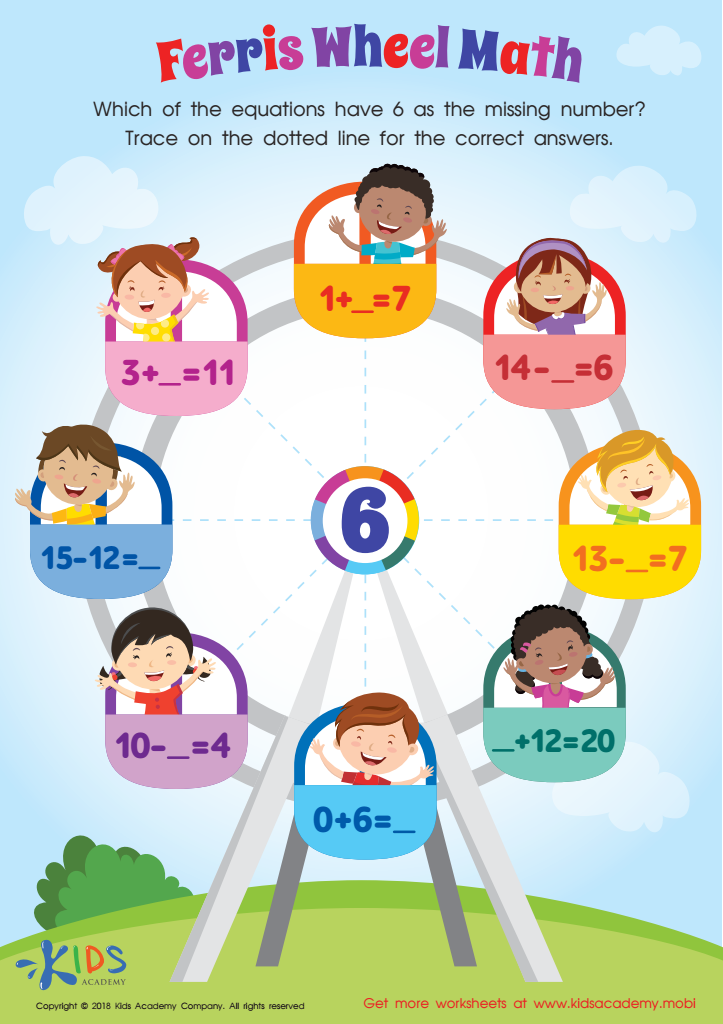
Missing Number: Ferris Wheel Math Worksheet
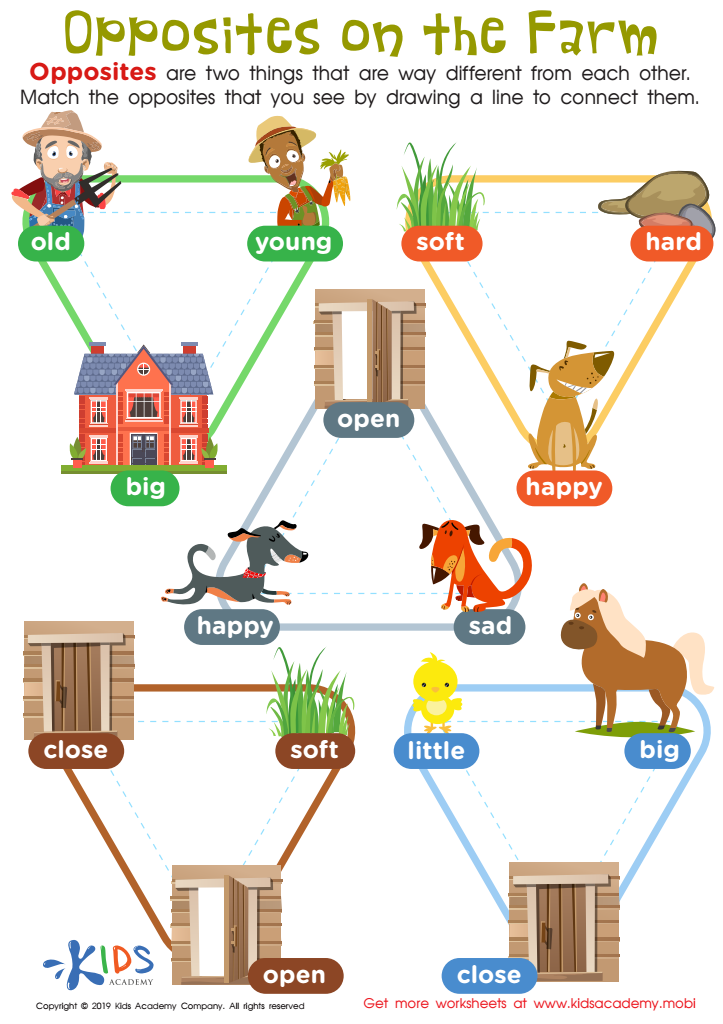
Opposites on the Farm Worksheet
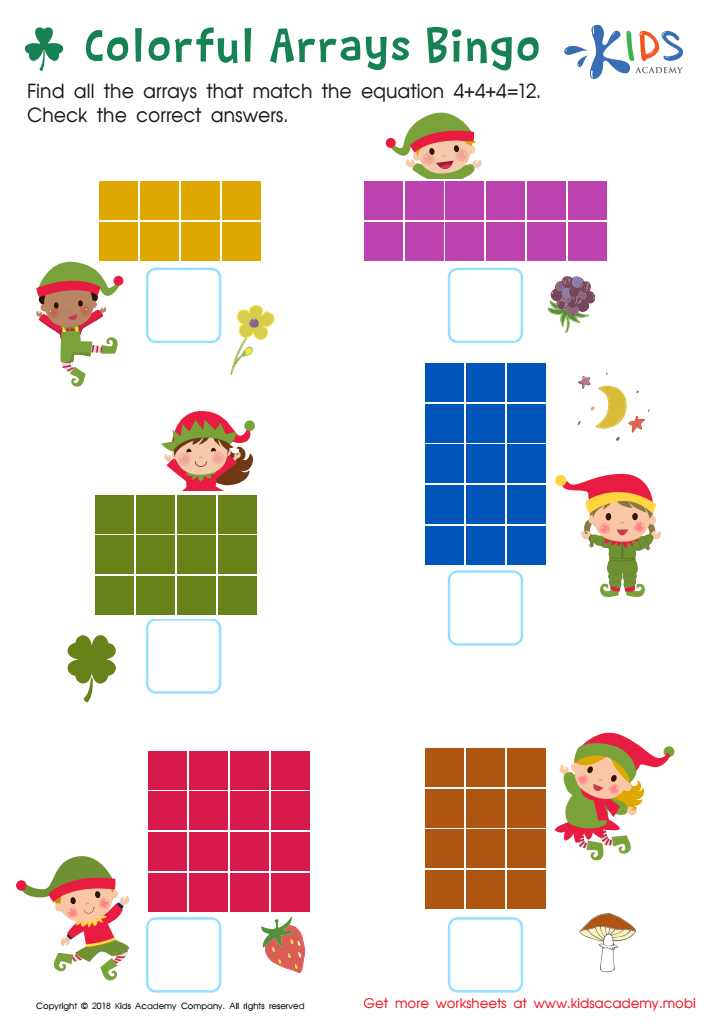
Colorful Arrays Bingo Worksheet
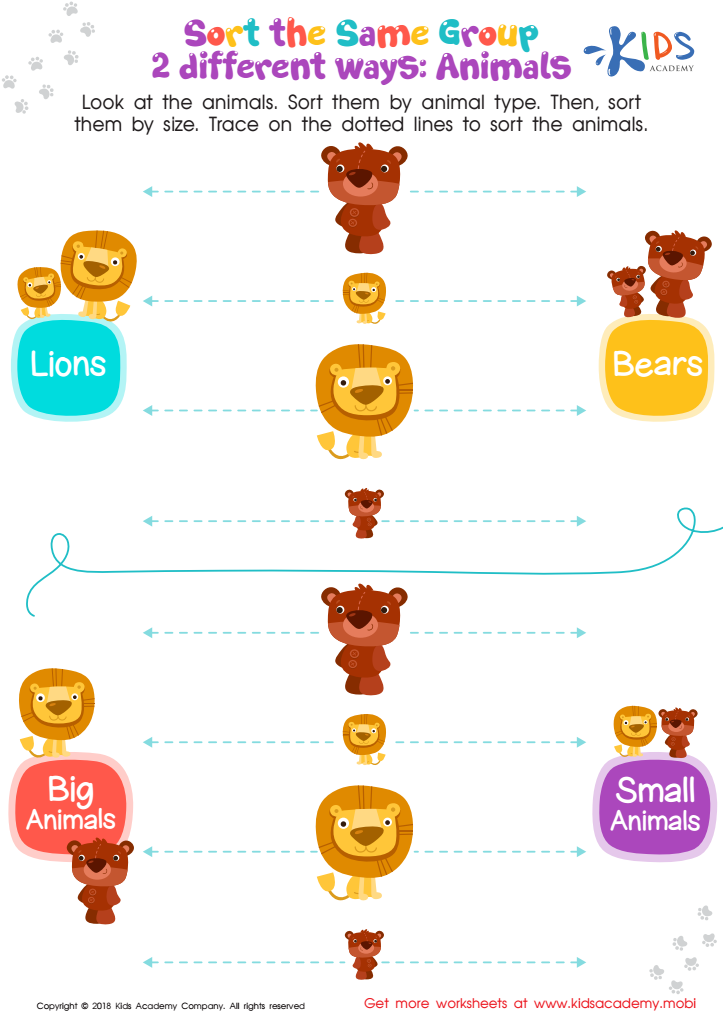
Sort the Same Group 2 Different Ways: Animals Worksheet
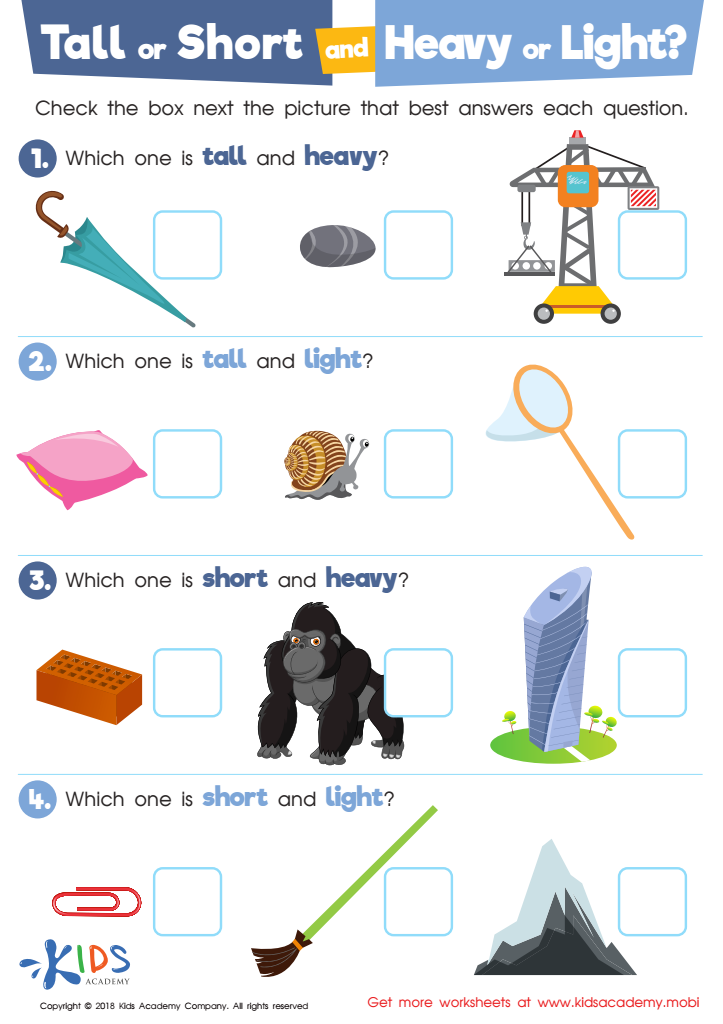
Tall or Short and Heavy or Light? Worksheet
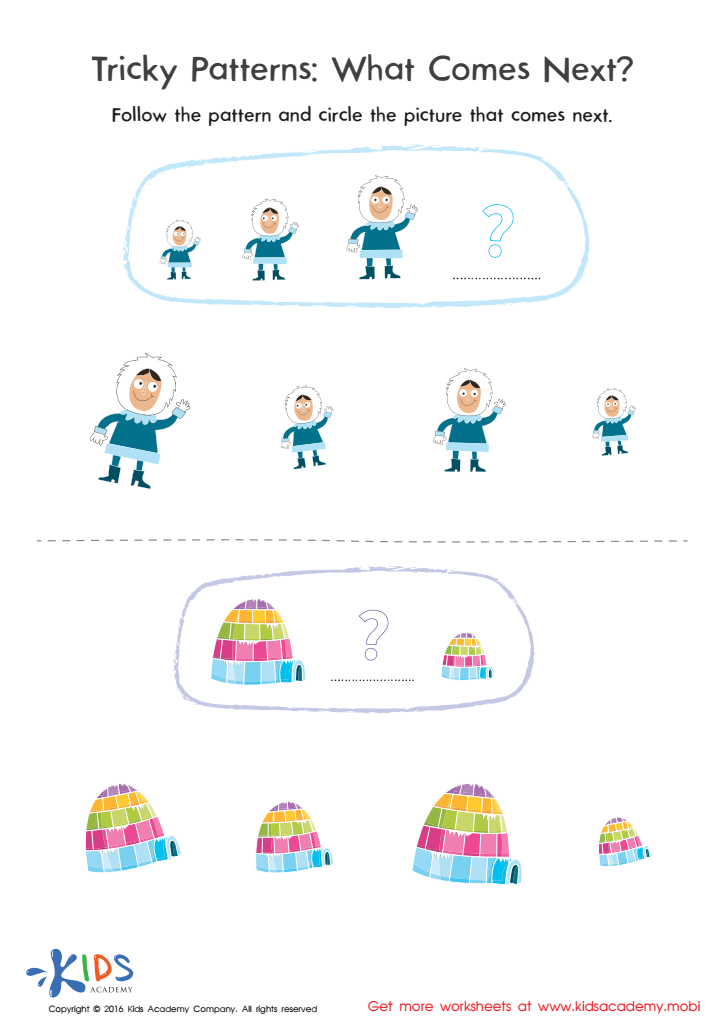
Tricky Patterns Size Worksheet







Logical thinking activities are essential for the cognitive development of children aged 4 to 9. During these formative years, children's brains are highly receptive to learning new skills, and engaging them in logical reasoning can significantly enhance their problem-solving abilities and critical thinking skills.
Firstly, logical thinking activities encourage children to analyze information, recognize patterns, and draw conclusions, which are skills crucial for their academic success. These activities, whether they involve puzzles, games, or simple coding exercises, foster an innate curiosity that promotes exploration and inquiry.
Moreover, logical reasoning lays the foundation for mathematical skills, as children learn to understand relationships between numbers and solve problems methodically. It also supports literacy development, as logical thinking aids in comprehension, sequencing, and predicting outcomes in stories.
Additionally, engaging in these activities helps nurture patience and resilience, as children work through challenges and learn the value of persistence. For parents and teachers, incorporating logical thinking activities into learning routines can make education enjoyable and impactful, setting children on a path to becoming effective learners and critical thinkers for life. Ultimately, investing time and resources into such activities is a proactive step toward preparing children for future academic and real-world challenges.








