Elementary Phonics Worksheets for Ages 3-9 - Page 2
44 filtered results
-
From - To
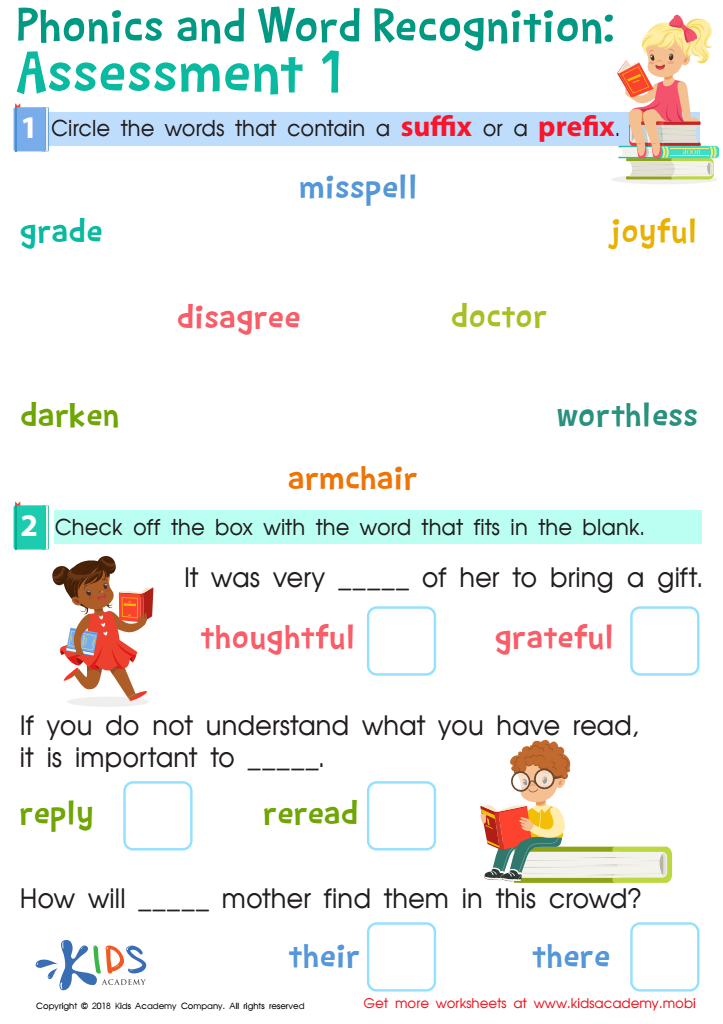
Phonics and Word Recognition: Assessment 1 Worksheet
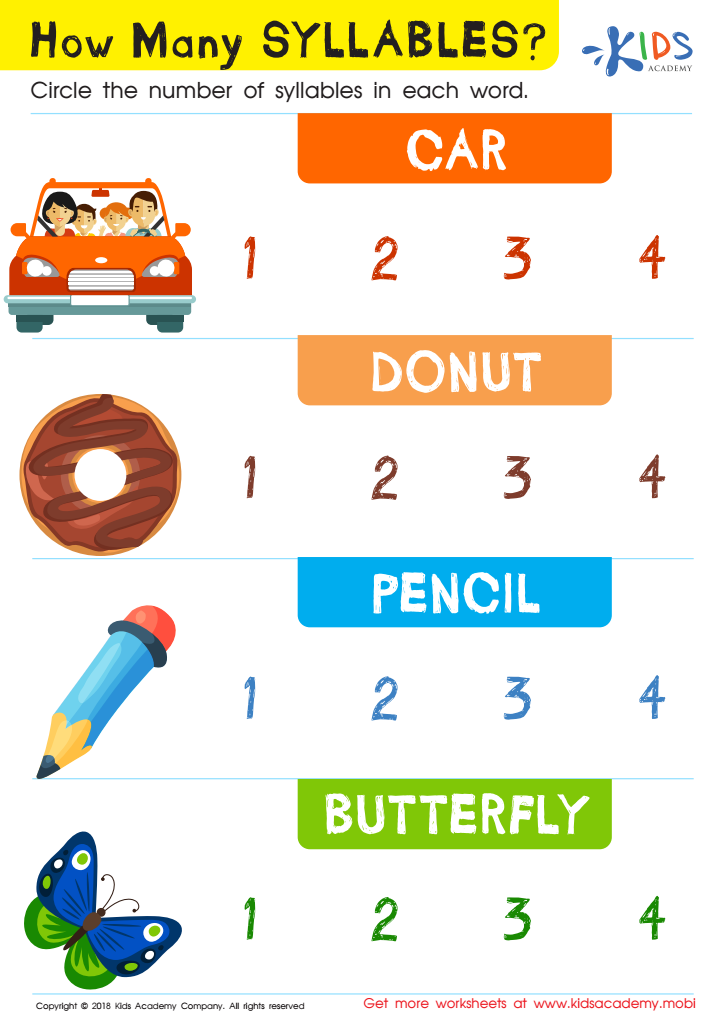
How Many Syllables? Worksheet
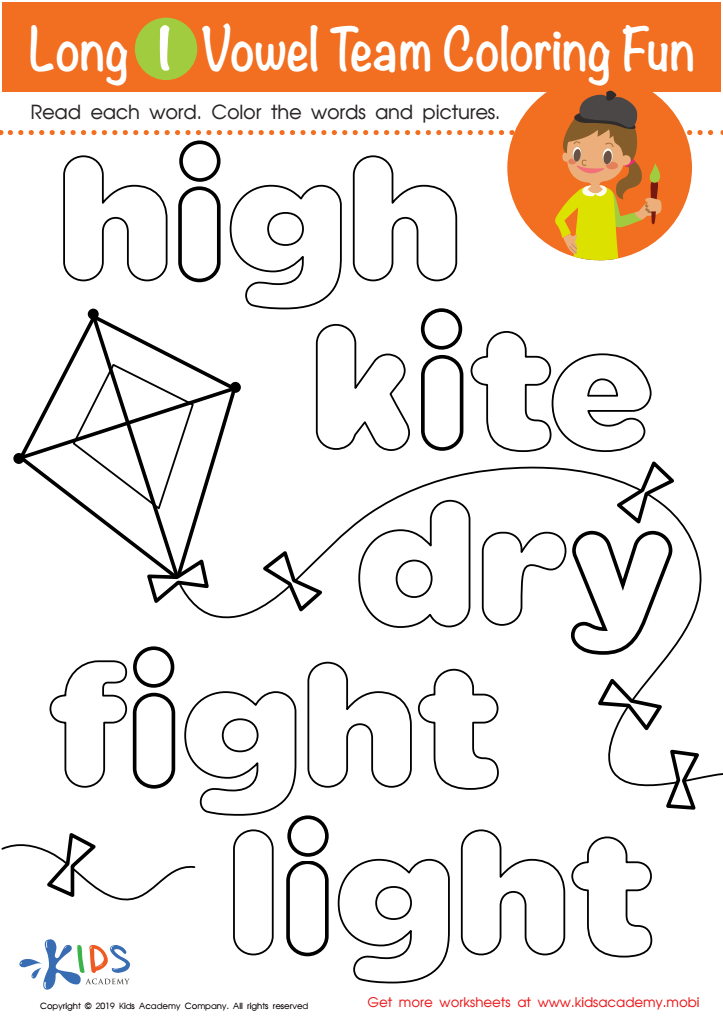
Long I Vowel Team Coloring Worksheet
 Assign to My Students
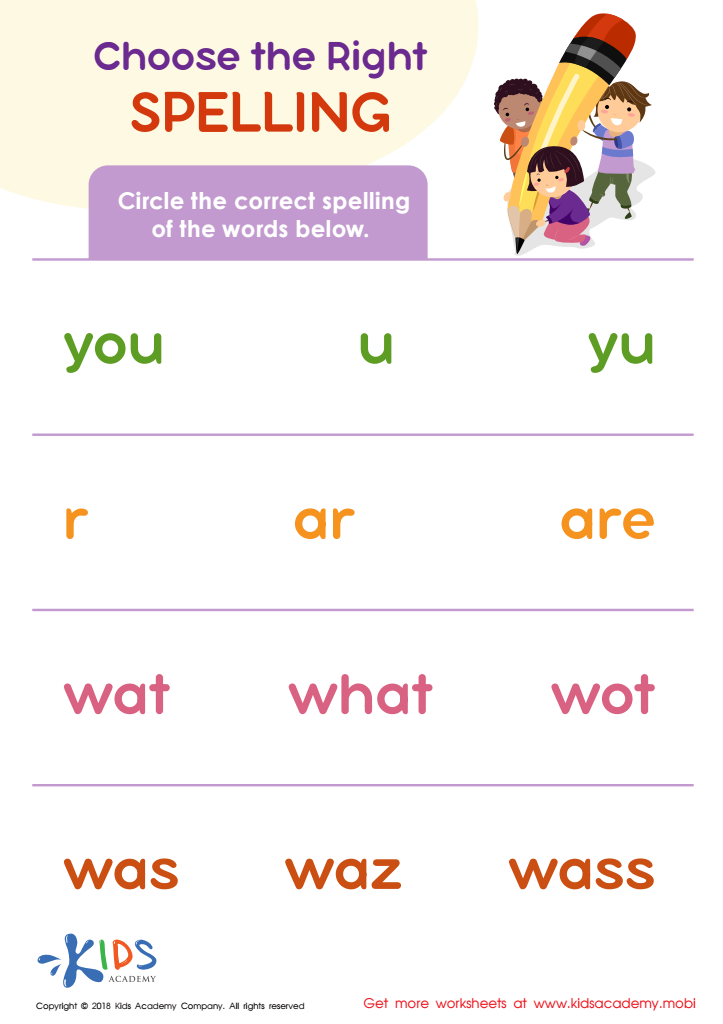
Choose the Right Spelling Worksheet
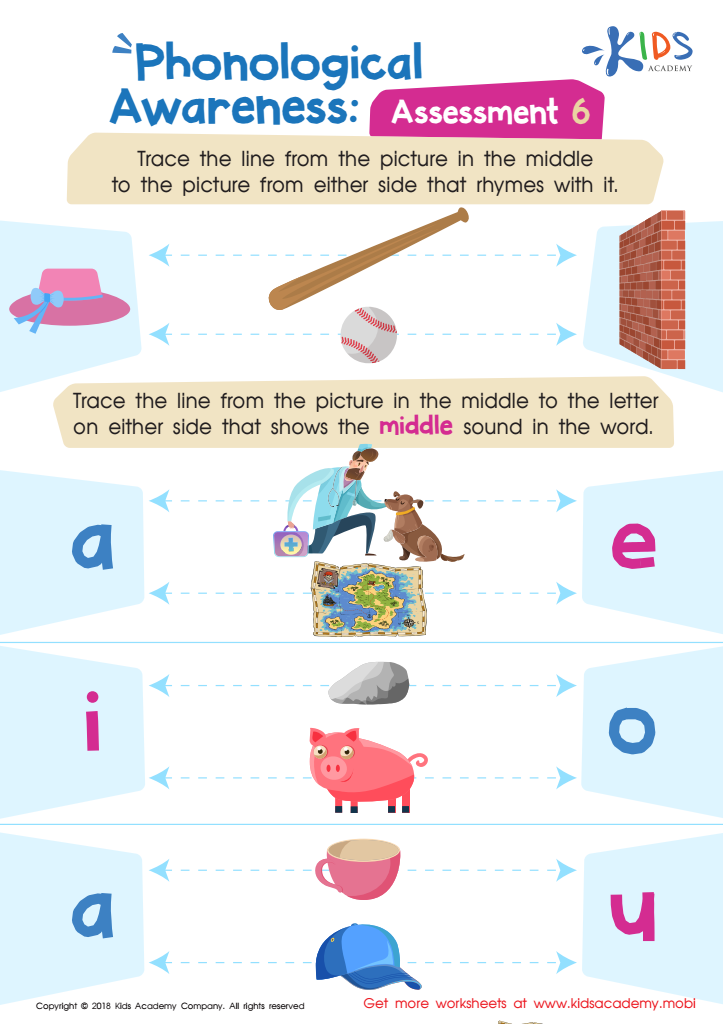
Phonological Awareness: Assessment 6 Worksheet
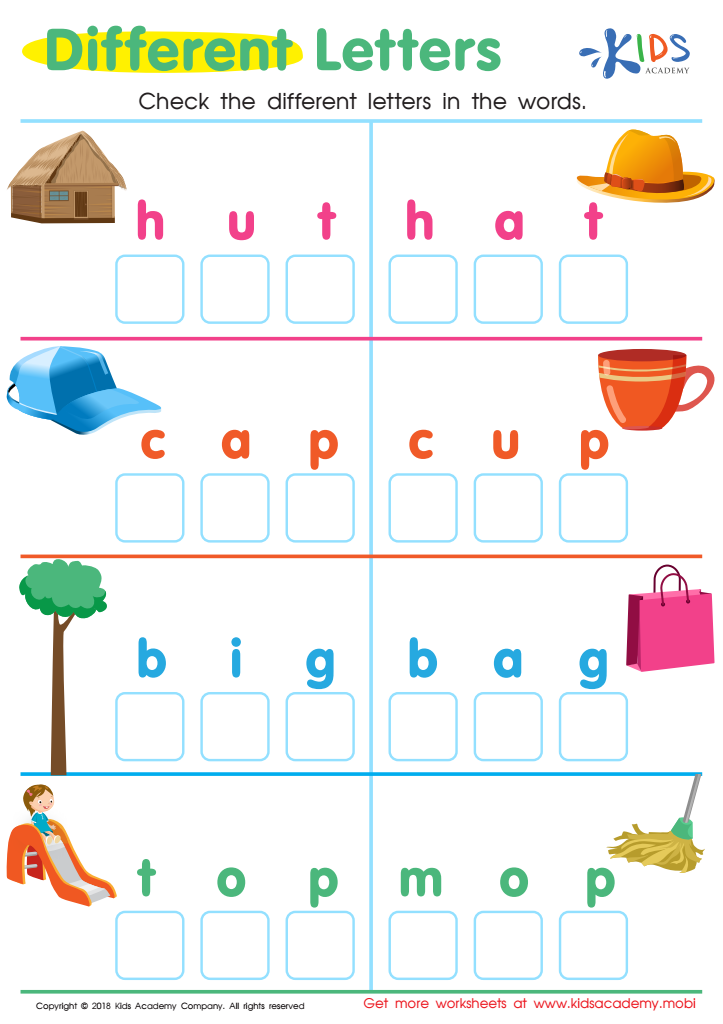
Different Letters Reading Worksheet
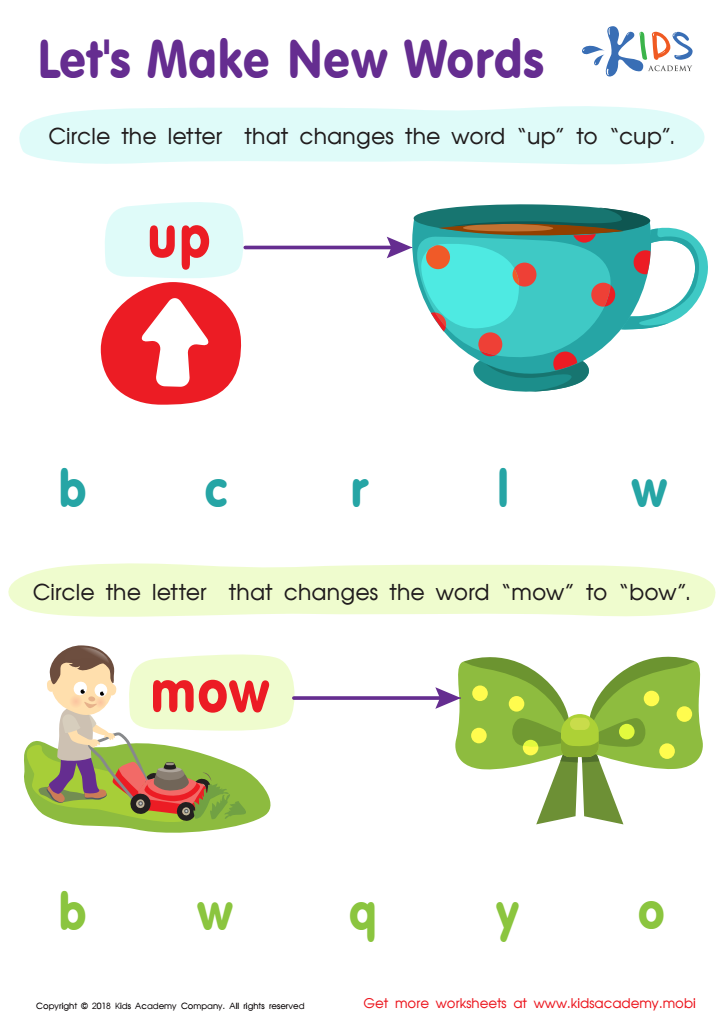
Let's Make New Words Worksheet
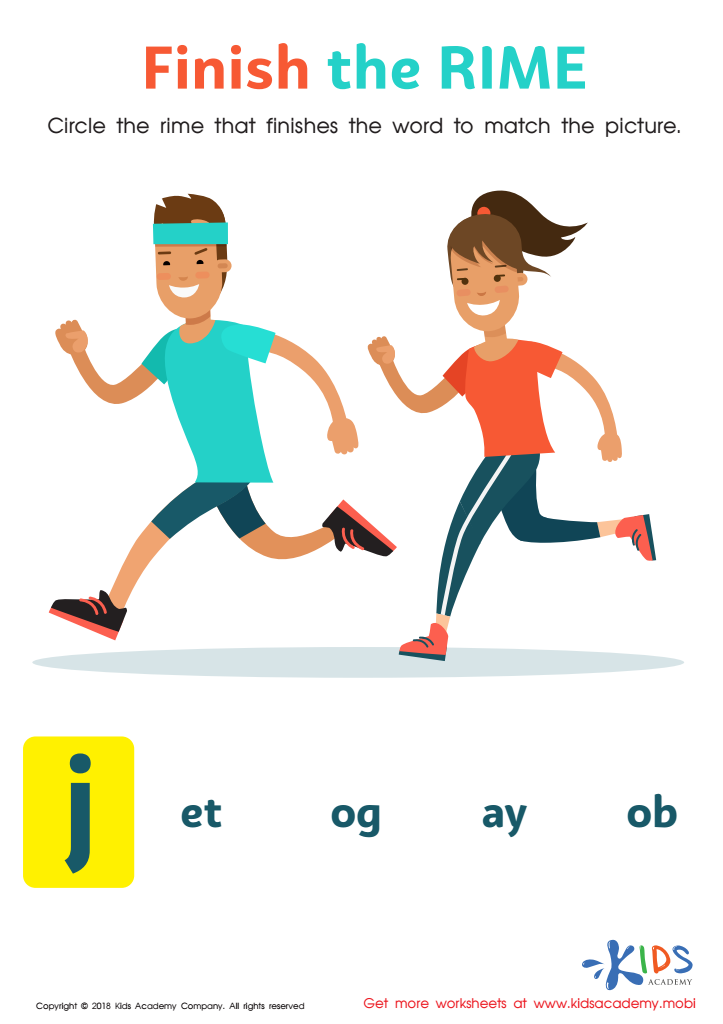
Finish the Rime Worksheet
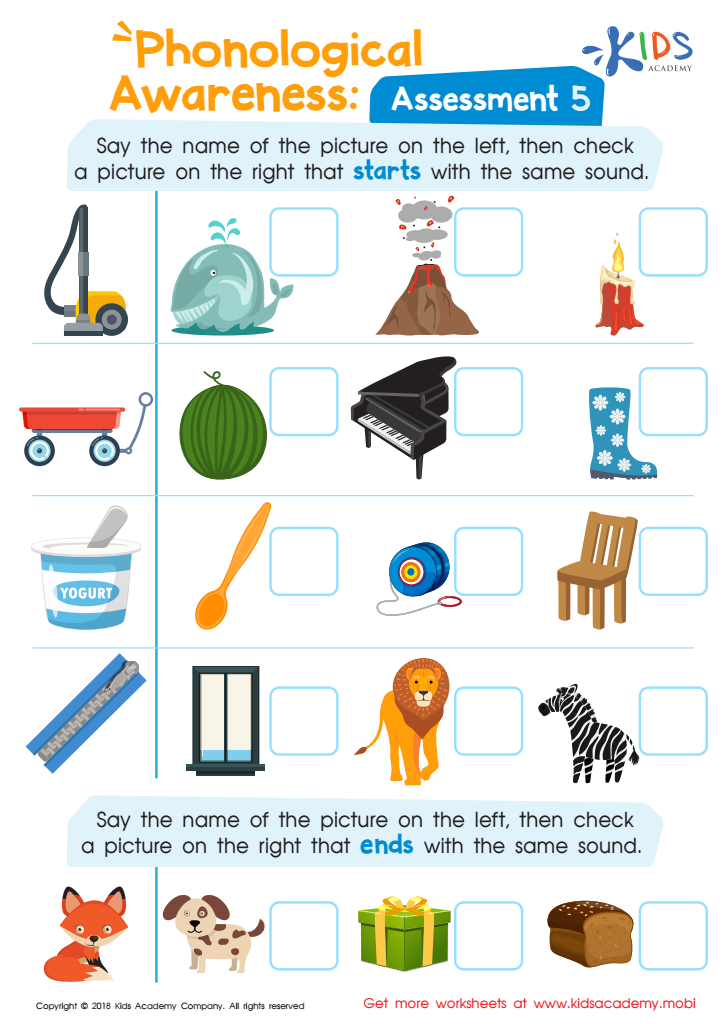
Phonological Awareness: Assessment 5 Worksheet
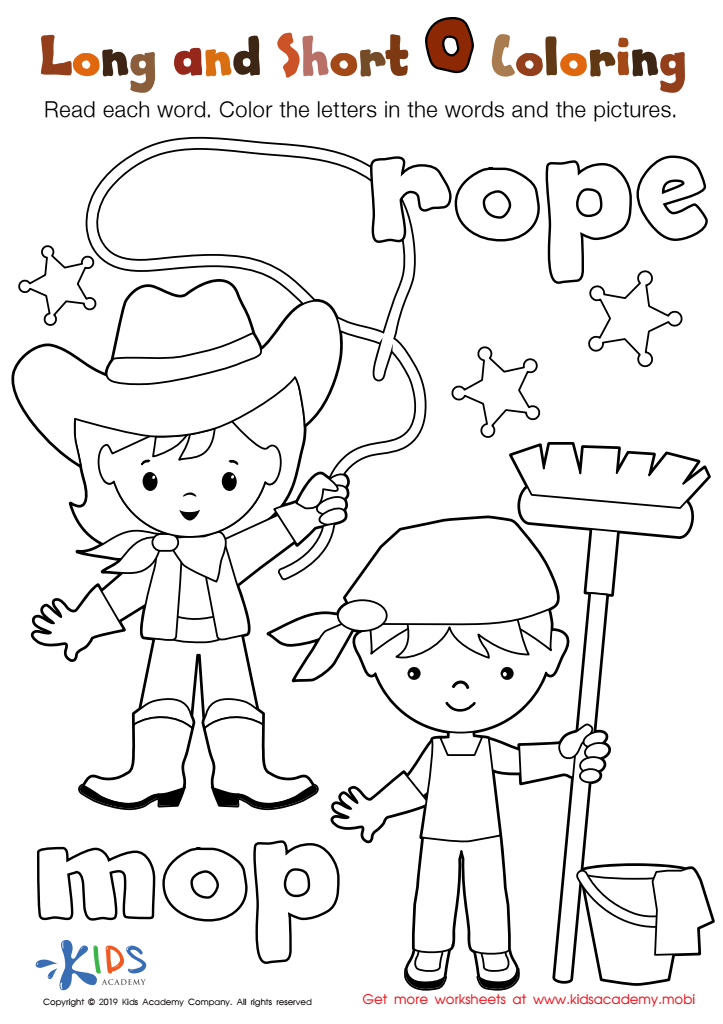
Long and Short O Worksheet
Assign to My Students
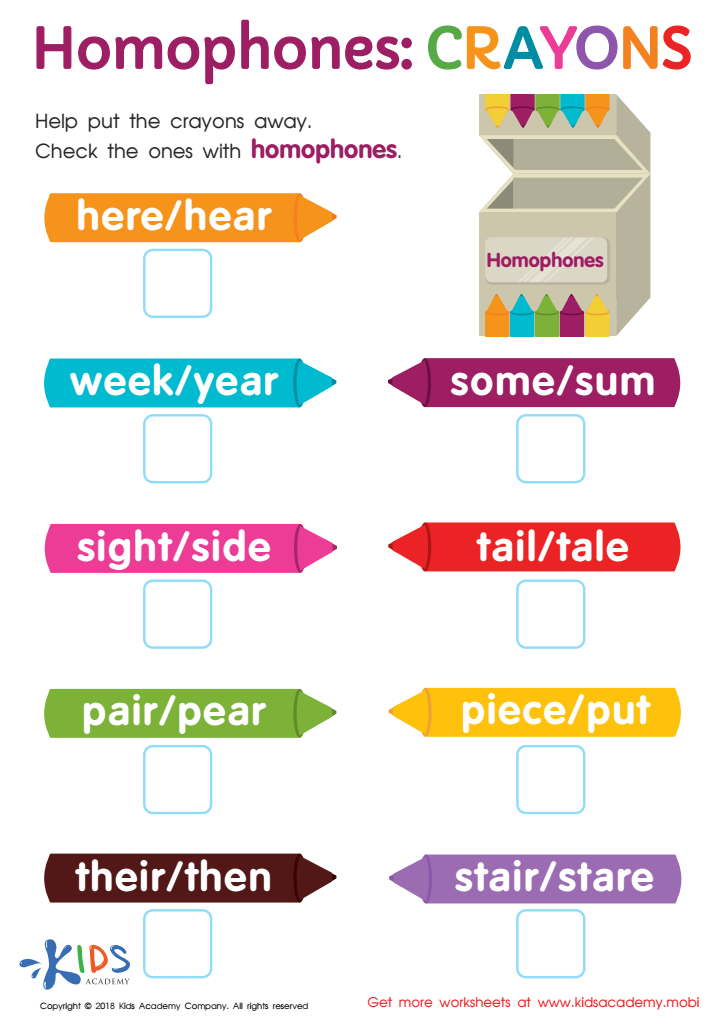
Homophones: Crayons Worksheet
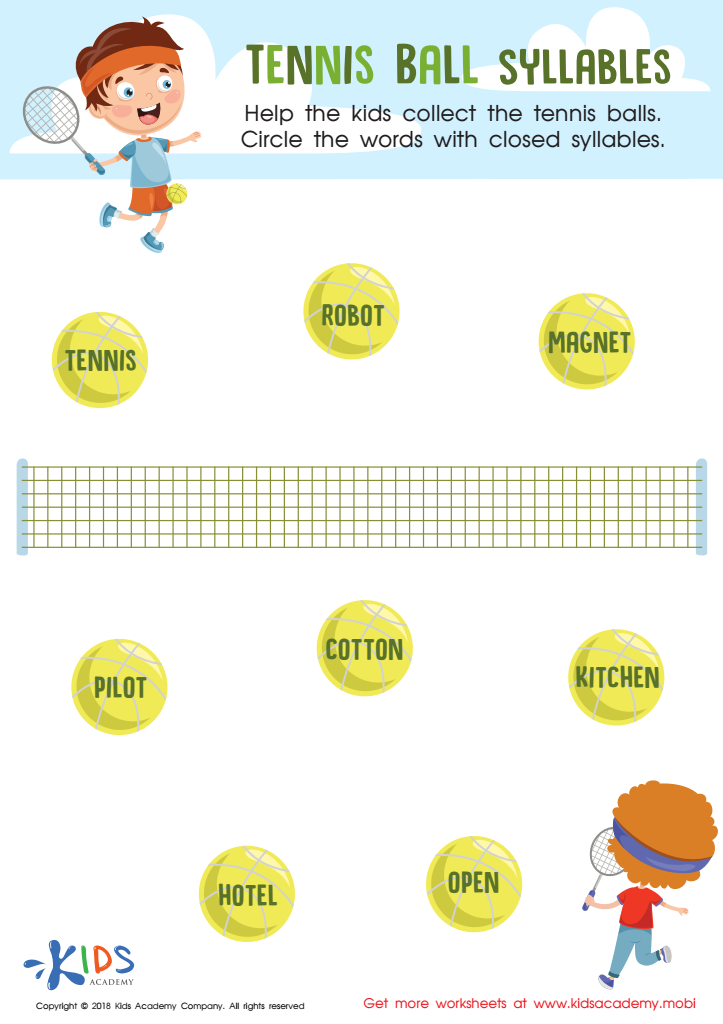
Tennis Ball Syllables Worksheet
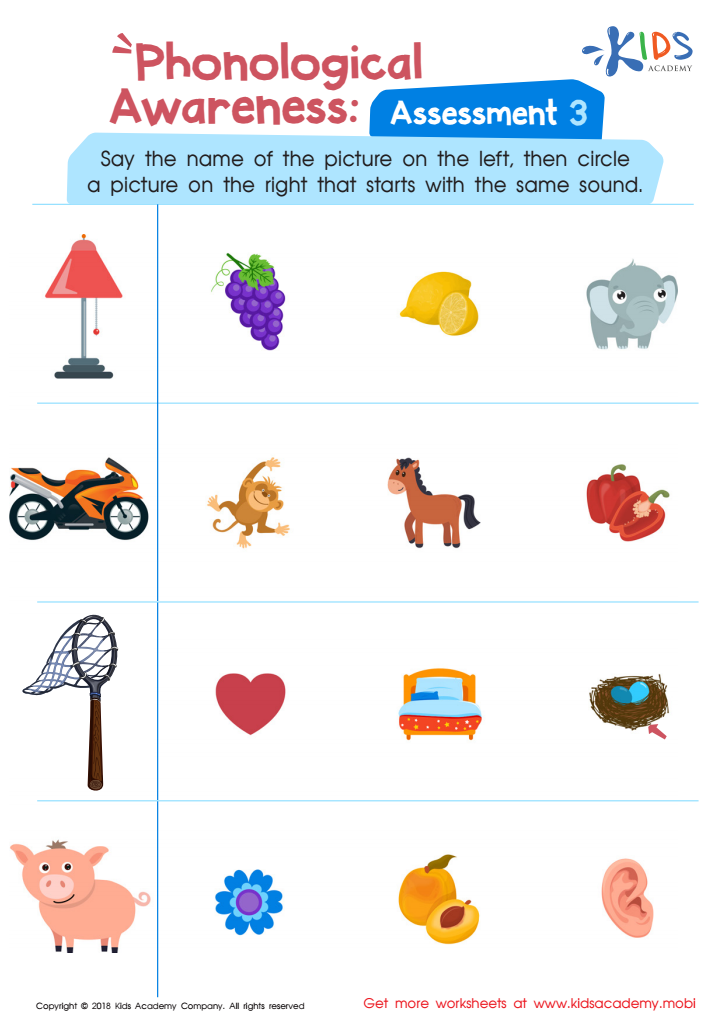
Phonological Awareness: Assessment 3 Worksheet
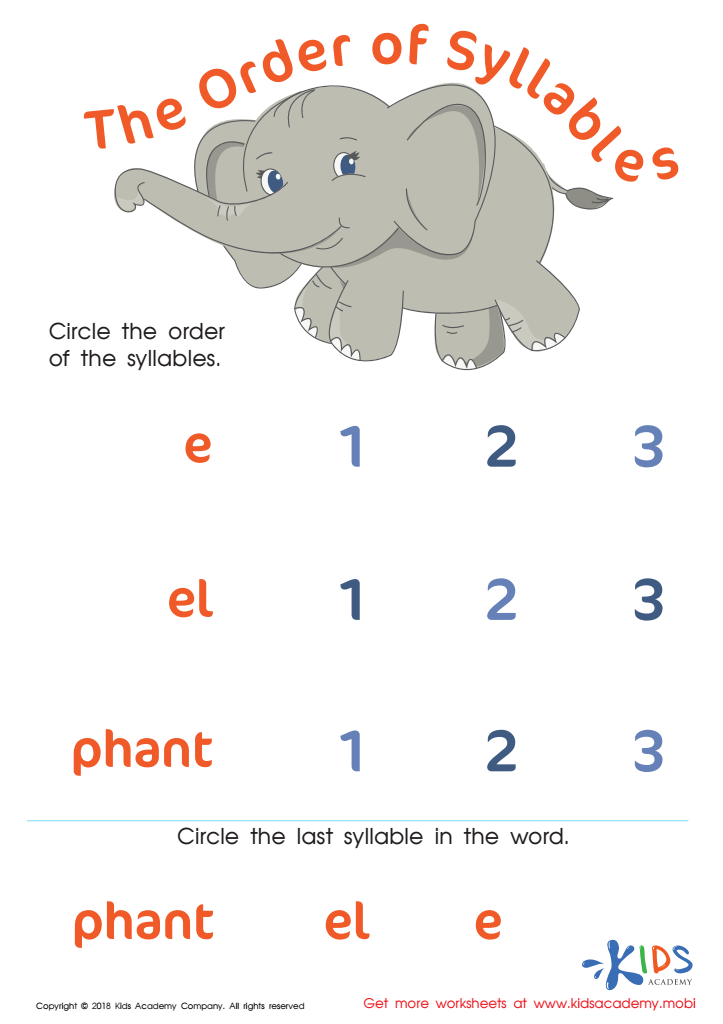
The Order of Syllables Worksheet

Long and Short E Worksheet
Assign to My Students
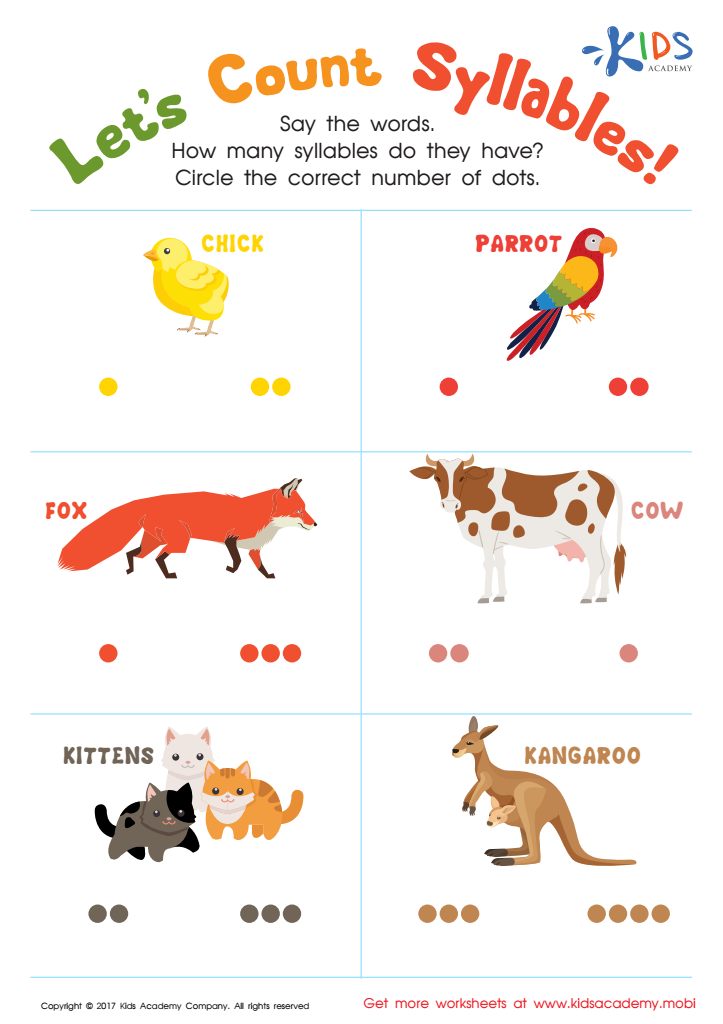
Lets Count Syllables Worksheet
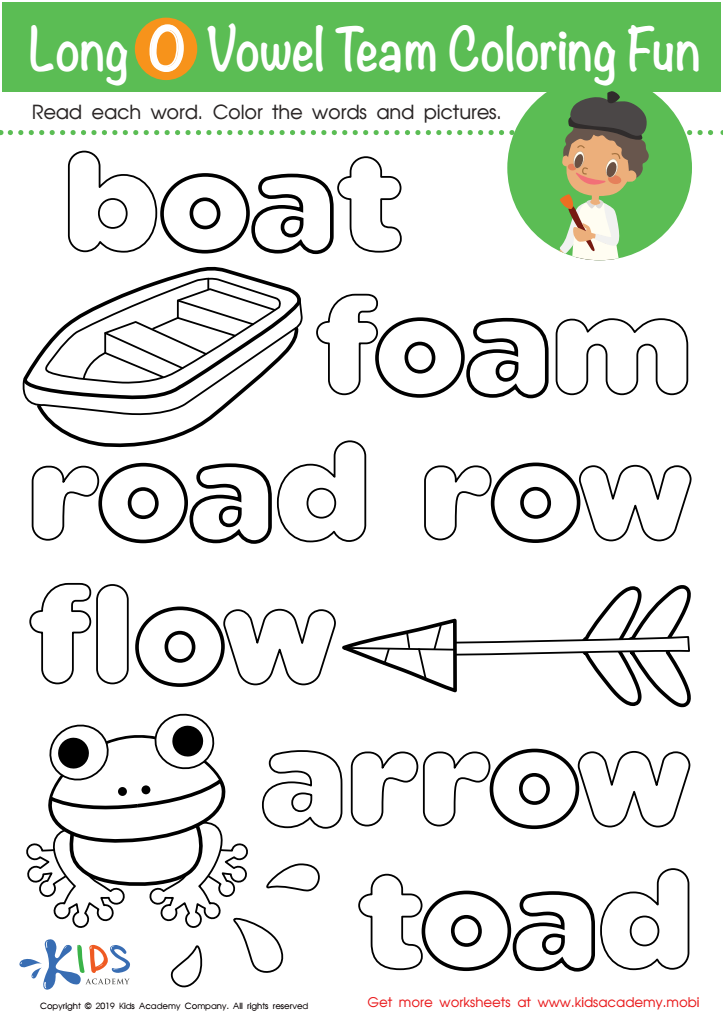
Long O Vowel Team Coloring Worksheet
Assign to My Students
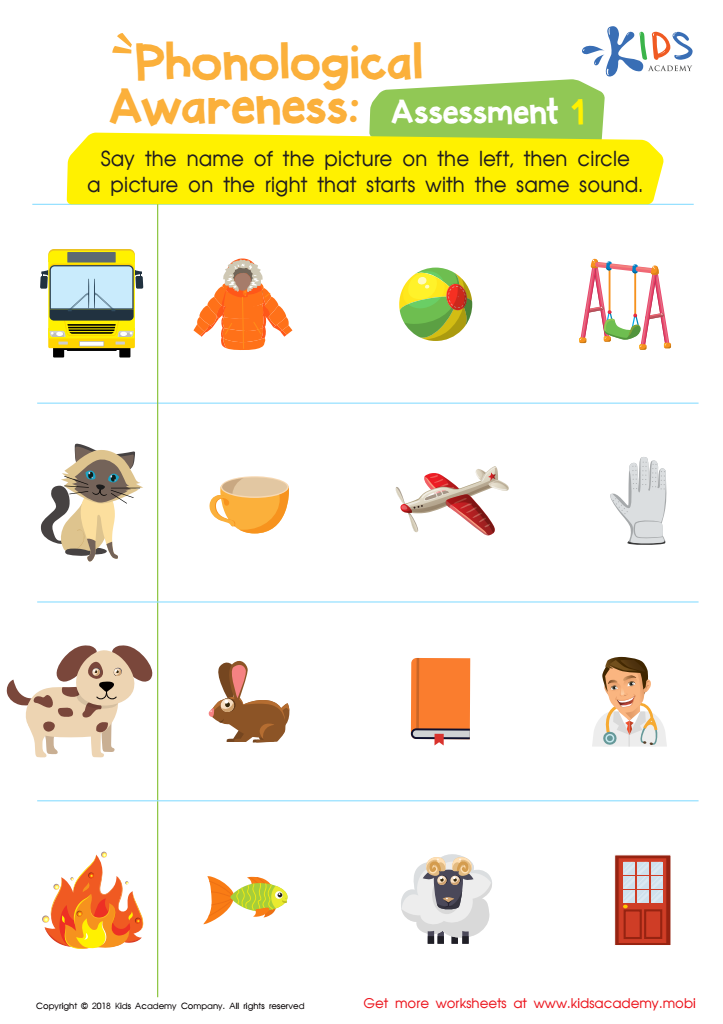
Phonological Awareness: Assessment 1 Worksheet
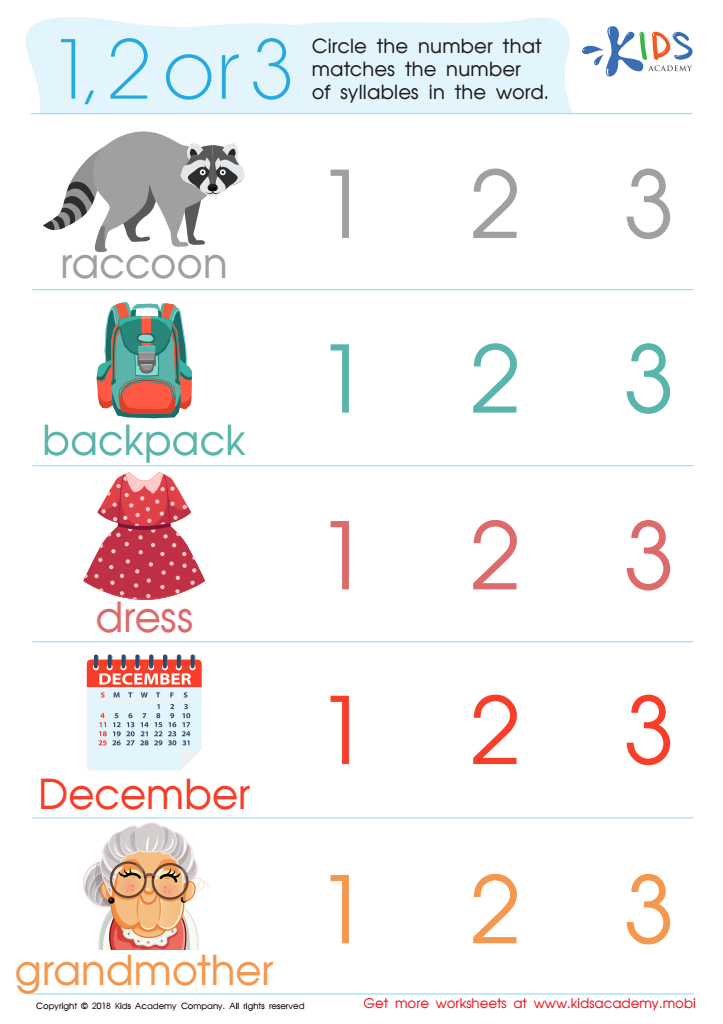
1, 2 or 3? Worksheet
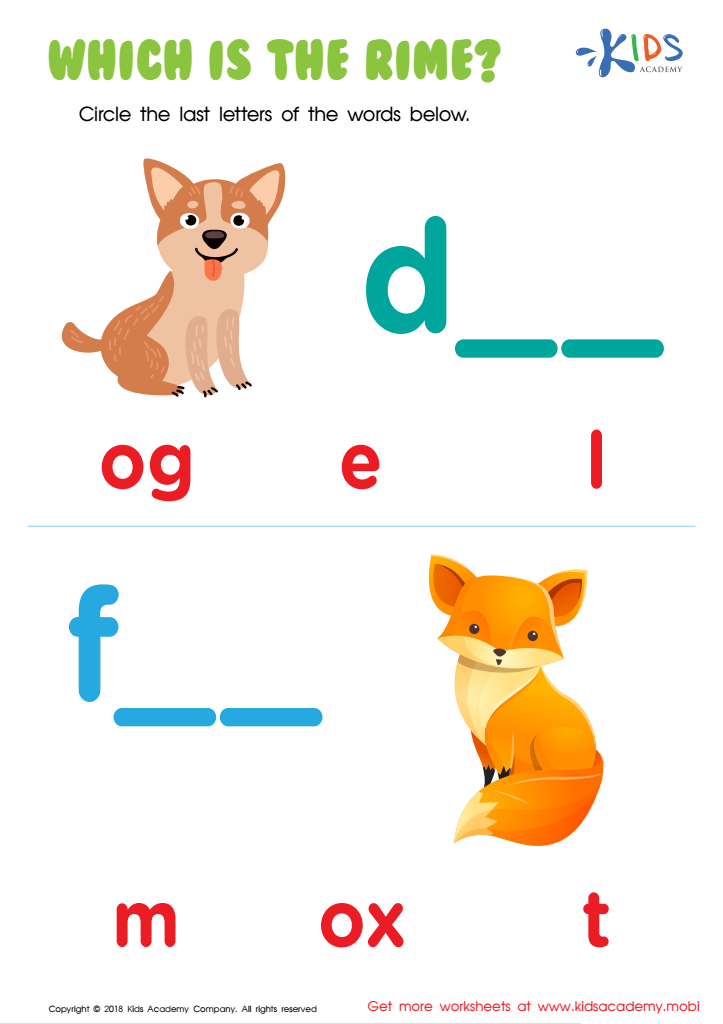
Which Is the Rime? Worksheet




Elementary phonics is a foundational element of early literacy that significantly impacts a child's reading and writing skills. For parents and teachers, understanding the importance of phonics for children aged 3 to 9 is crucial as it forms the baseline for successful language development. Phonics involves the relationship between sounds and their corresponding letters or groups of letters, allowing children to decode new words independently.
Learning phonics equips children with essential skills to recognize patterns in words, leading to proficient reading habits. Fluent readers are more likely to engage with and comprehend texts, which fosters a love for reading and lifelong learning.
Moreover, a strong phonics foundation helps minimize reading difficulties later on, potentially mitigating challenges such as dyslexia. Early exposure to phonetic techniques creates confident readers, contributing positively to self-esteem and academic performance.
Beyond academics, phonics instruction encourages teamwork during group learning sessions and instills a sense of achievement in children as they master new skills. Therefore, investing time and effort in phonics education not only benefits literacy but also supports children's overall cognitive and emotional development, preparing them for future academic success.







