Tracing Shapes Worksheets for Ages 4-7
22 filtered results
-
From - To
Boost young learners' geometric skills with our Tracing Shapes Worksheets, designed for ages 4-7. These engaging, printable activities help children recognize and trace various shapes, enhancing their fine motor skills and shape differentiation abilities. Perfectly suited for preschool to early elementary students, the worksheets combine fun with essential early math concepts. Your child will enjoy tracing circles, squares, triangles, and more while building confidence and readiness for more complex geometry lessons. Start your child on a math adventure with our interactive and educational tracing shapes worksheets, available for printing anytime, anywhere!
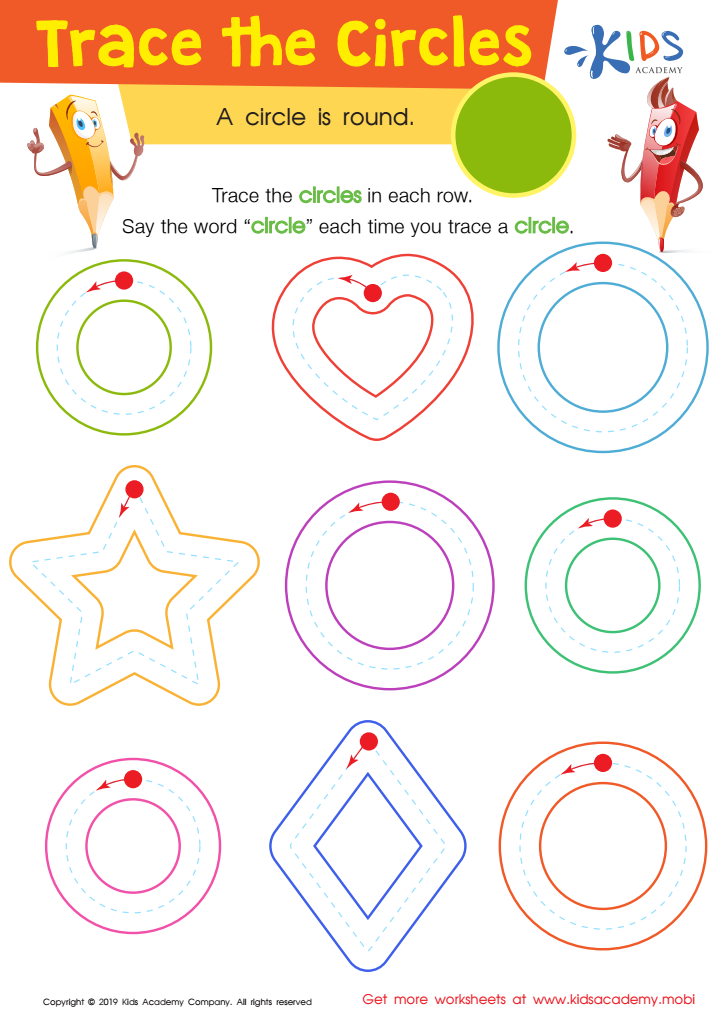
Trace The Circles Worksheet
 Assign to My Students
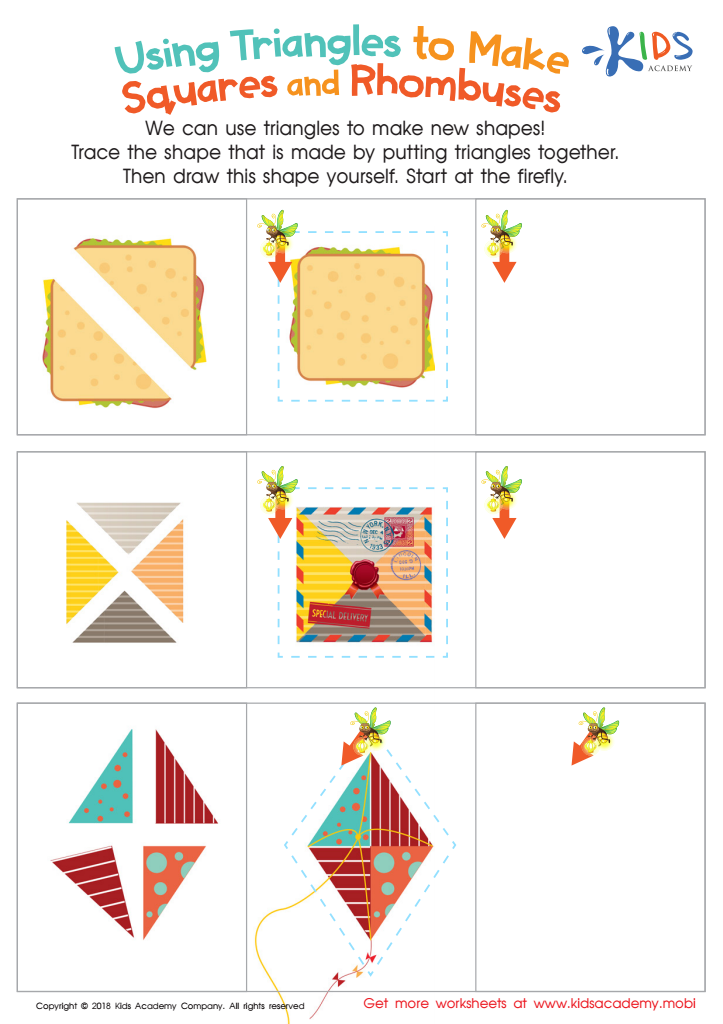
Using Triangles to Make Squares and Rhombuses Worksheet
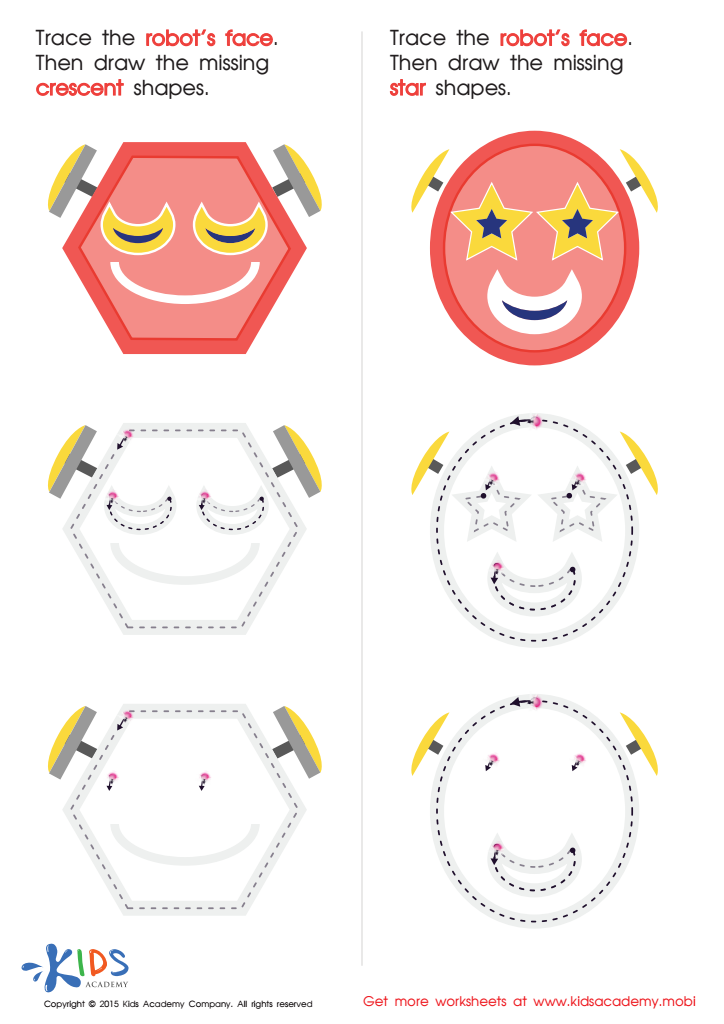
Composing a Robot's Face of Crescents And Stars Worksheet
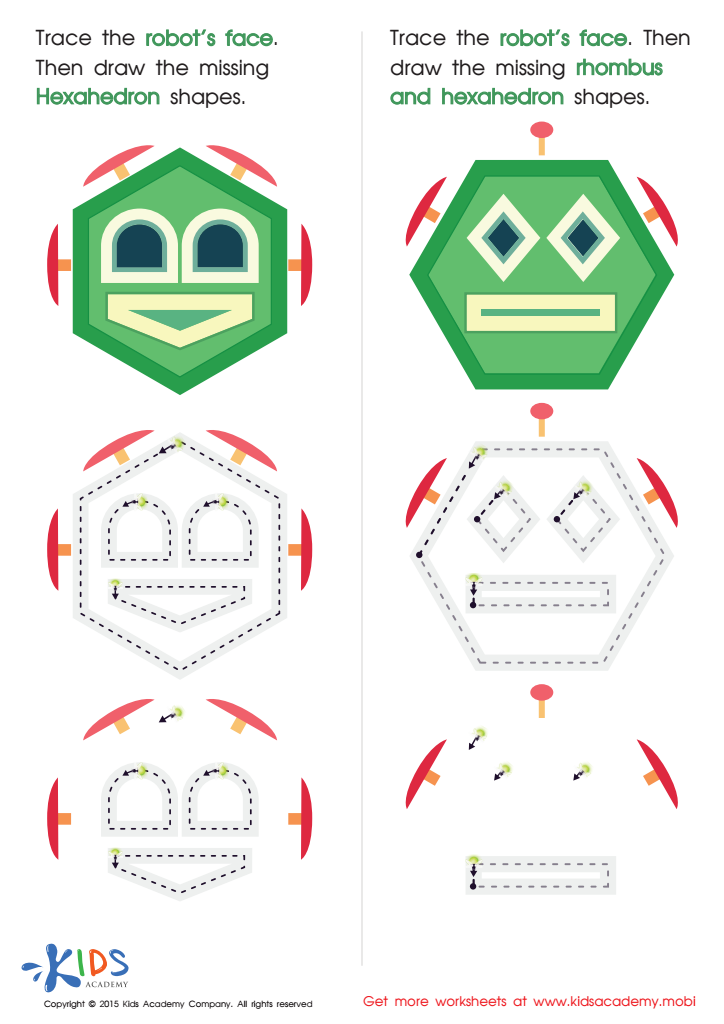
Practice Drawing Hexahedrons And a Rhombus Worksheet
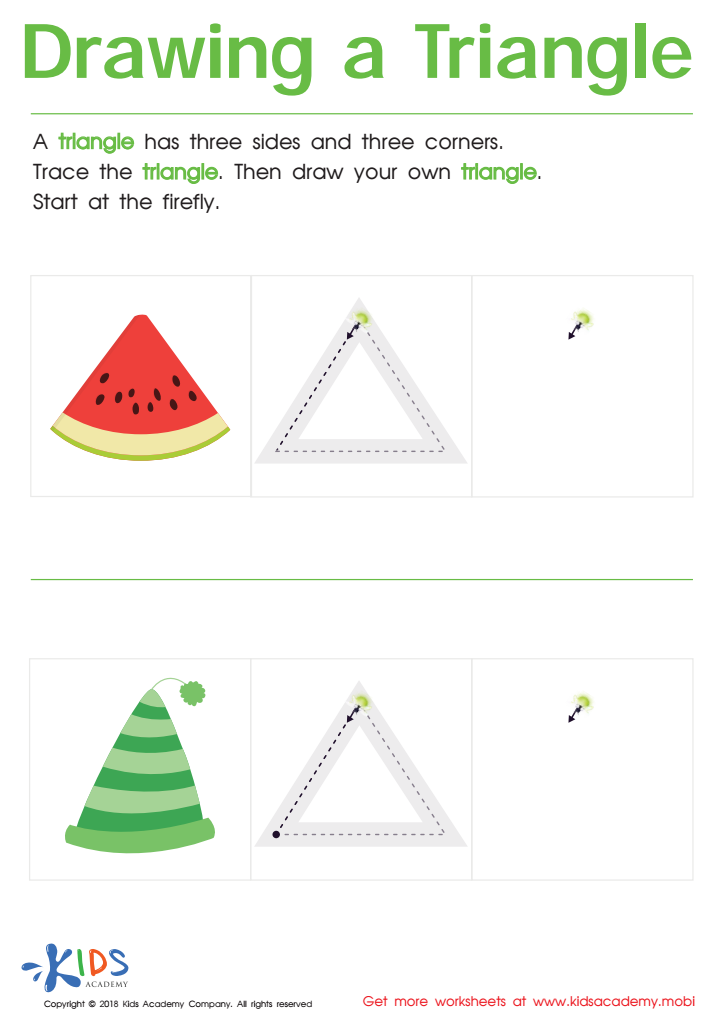
Drawing a Triangle Worksheet
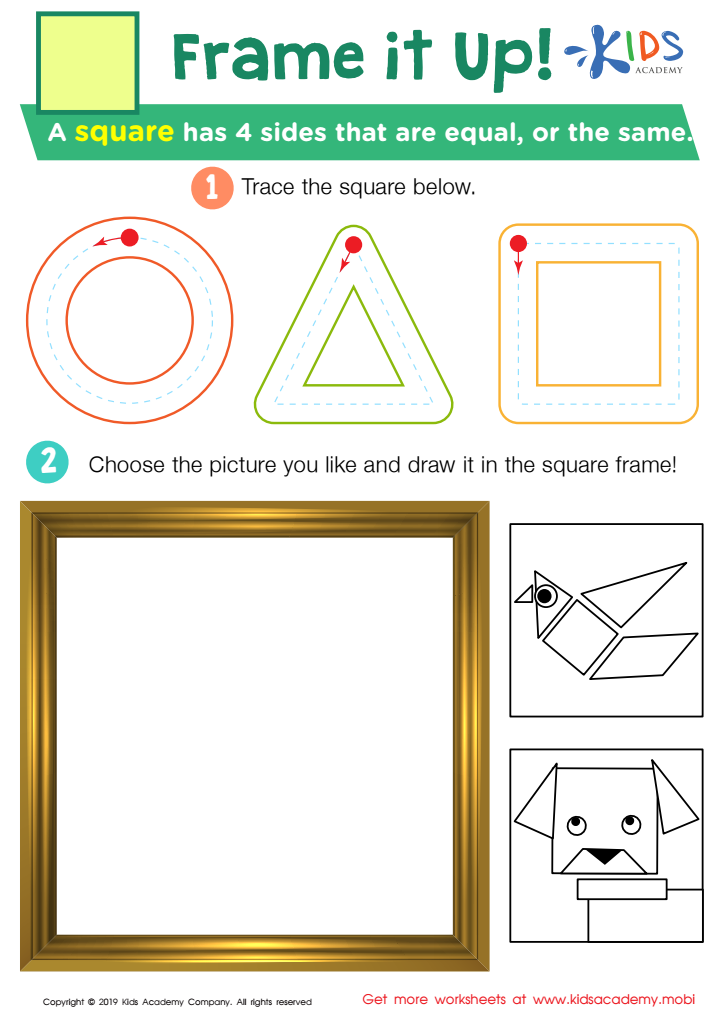
Frame it Up Worksheet
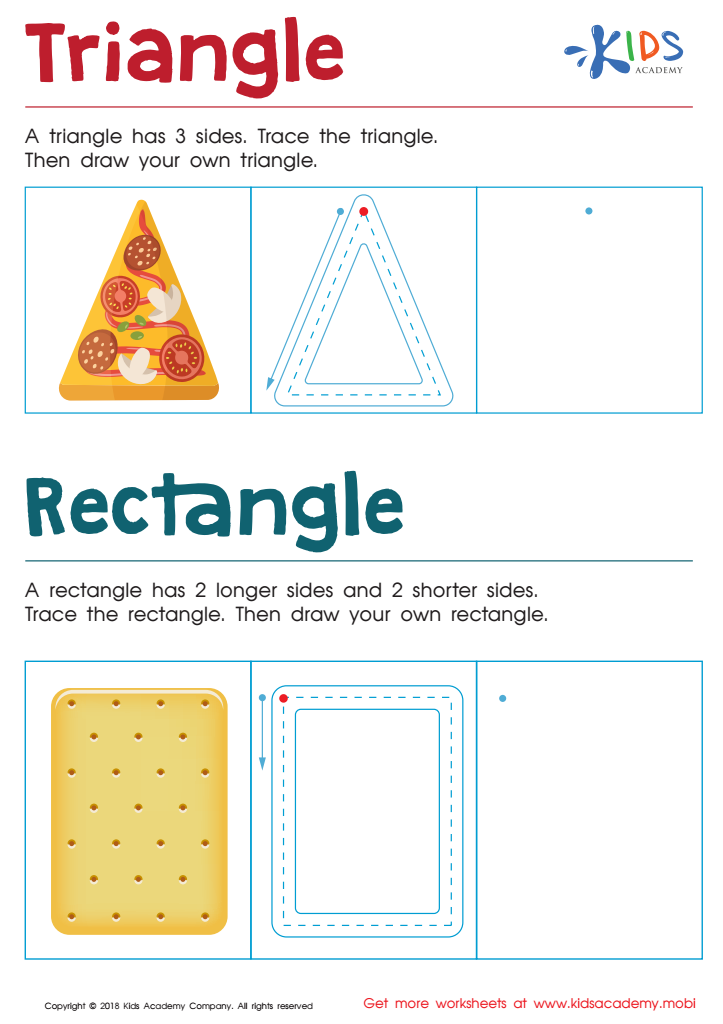
Triangle Rectangle Worksheet
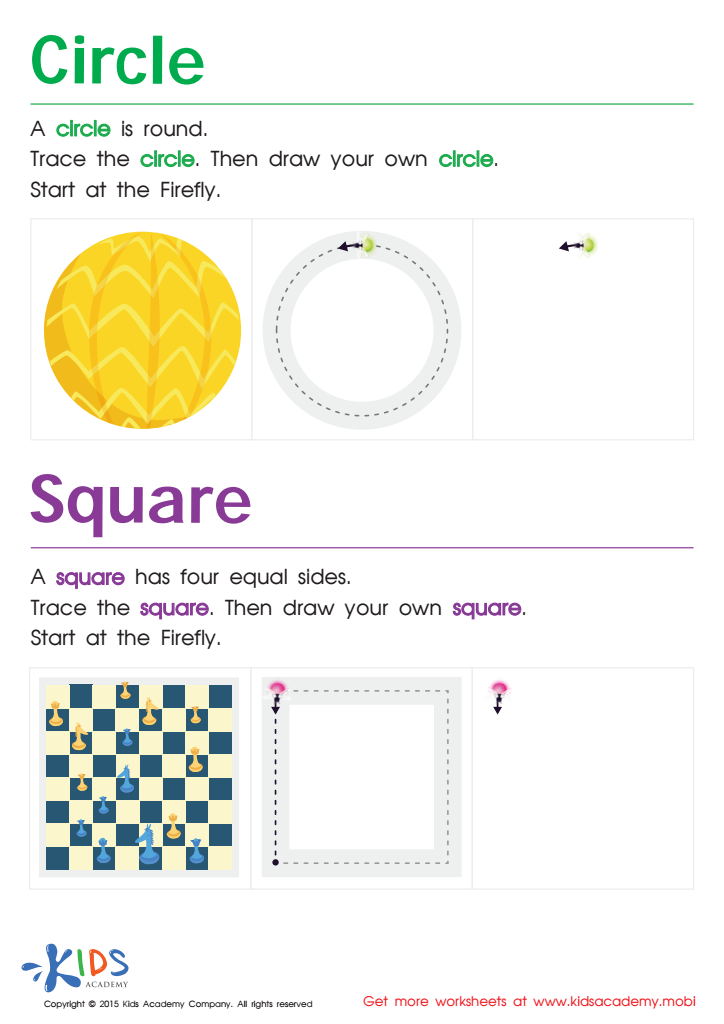
Trace And Draw a Circle And a Square Worksheet
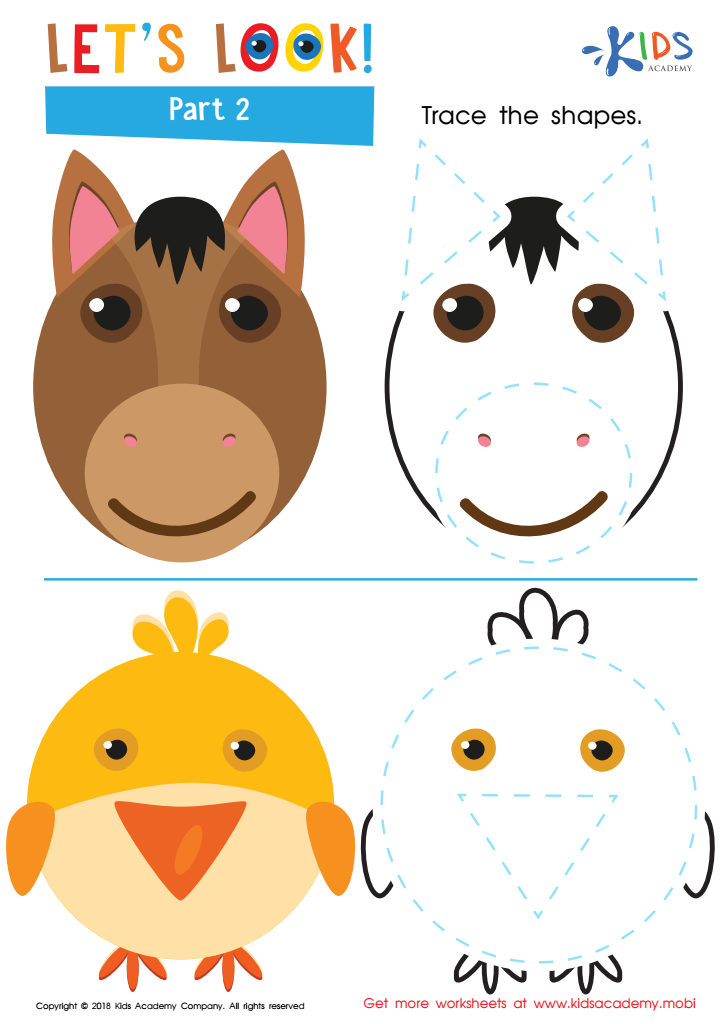
Let's Look! Part 2 Worksheet
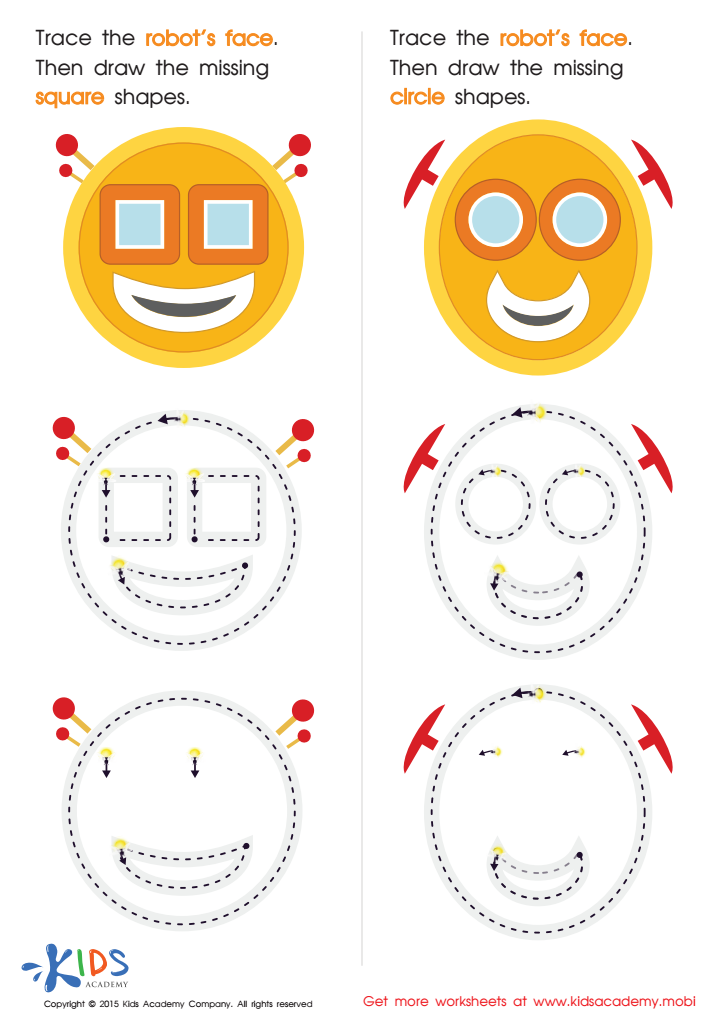
Practicing to Draw Circles And Squares Printable
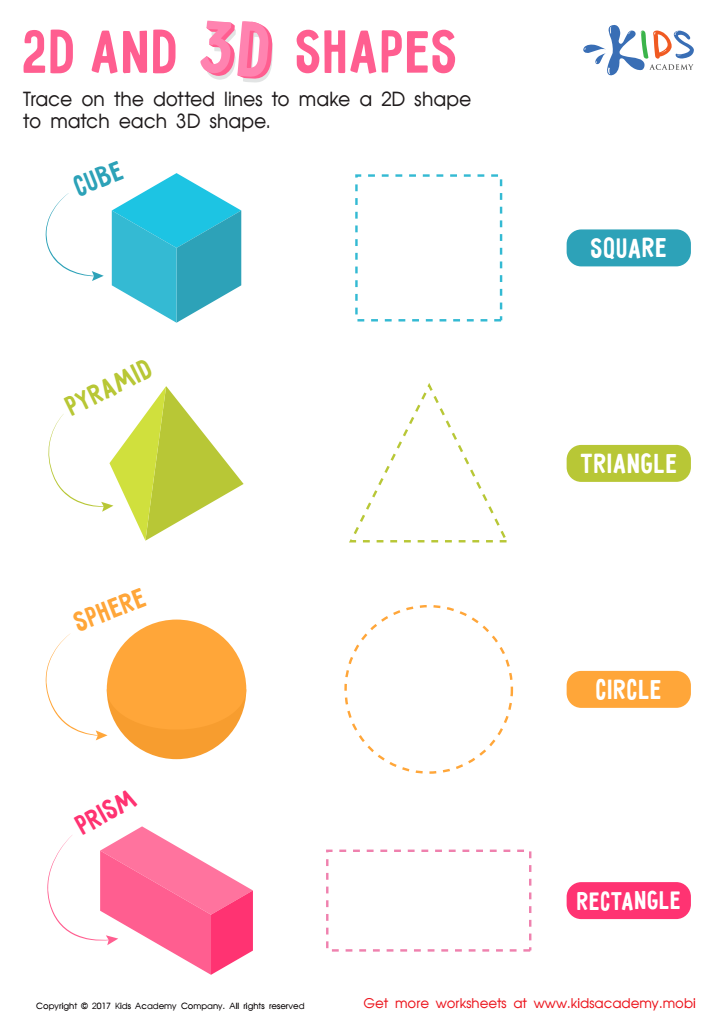
2D and 3D Shapes Worksheet
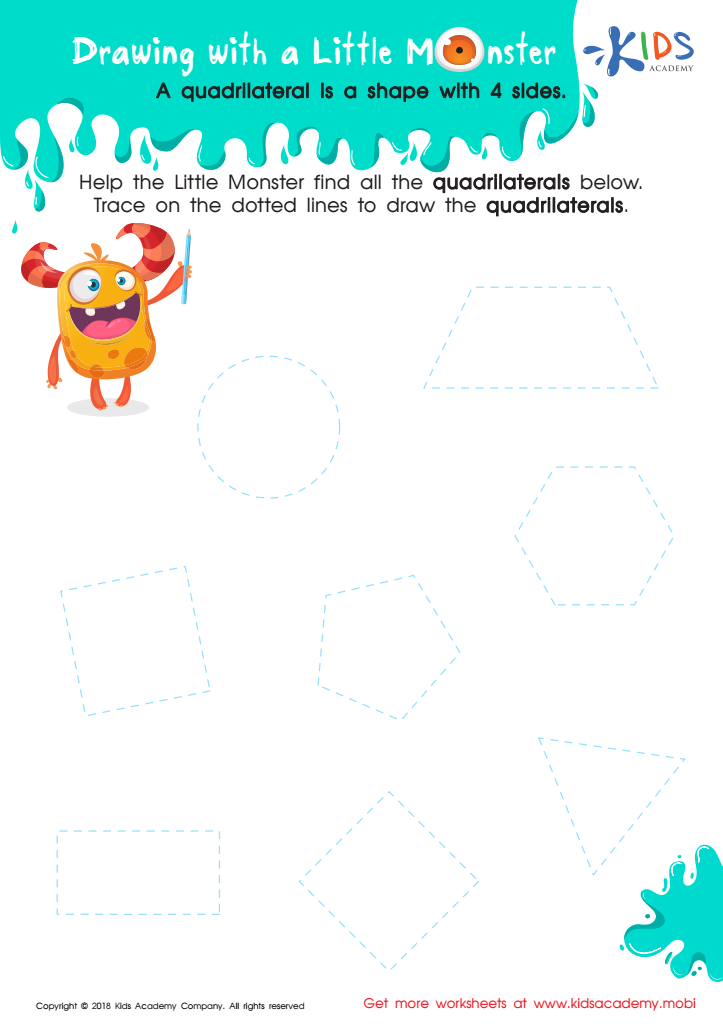
Drawing with a Little Monster Worksheet
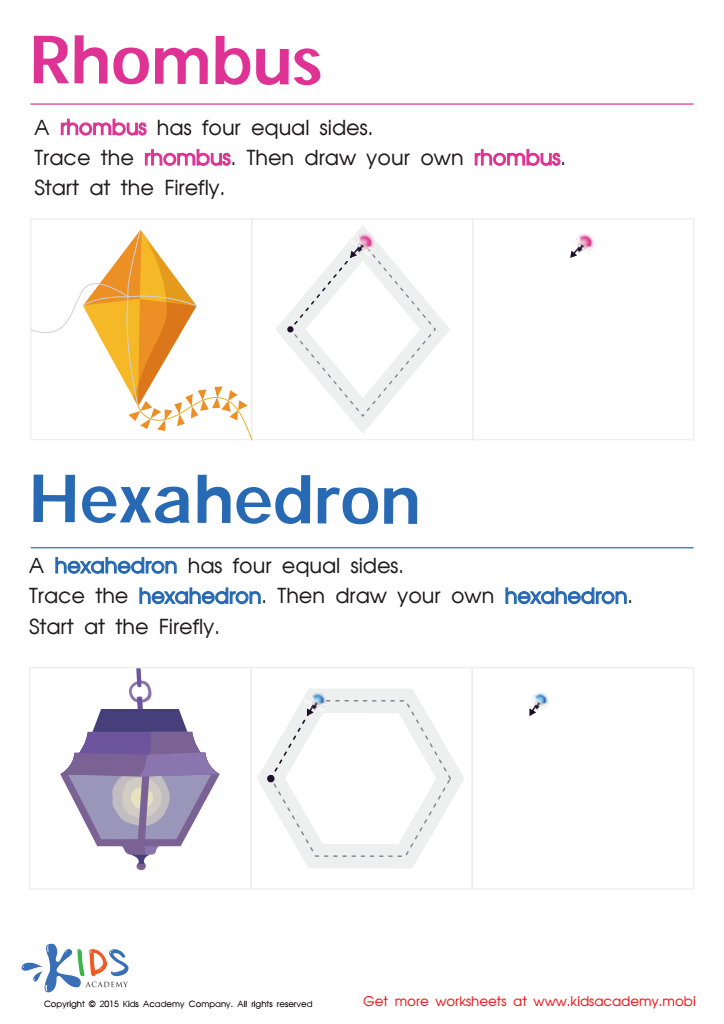
Draw a Rhombus And a Hexahedron Printable
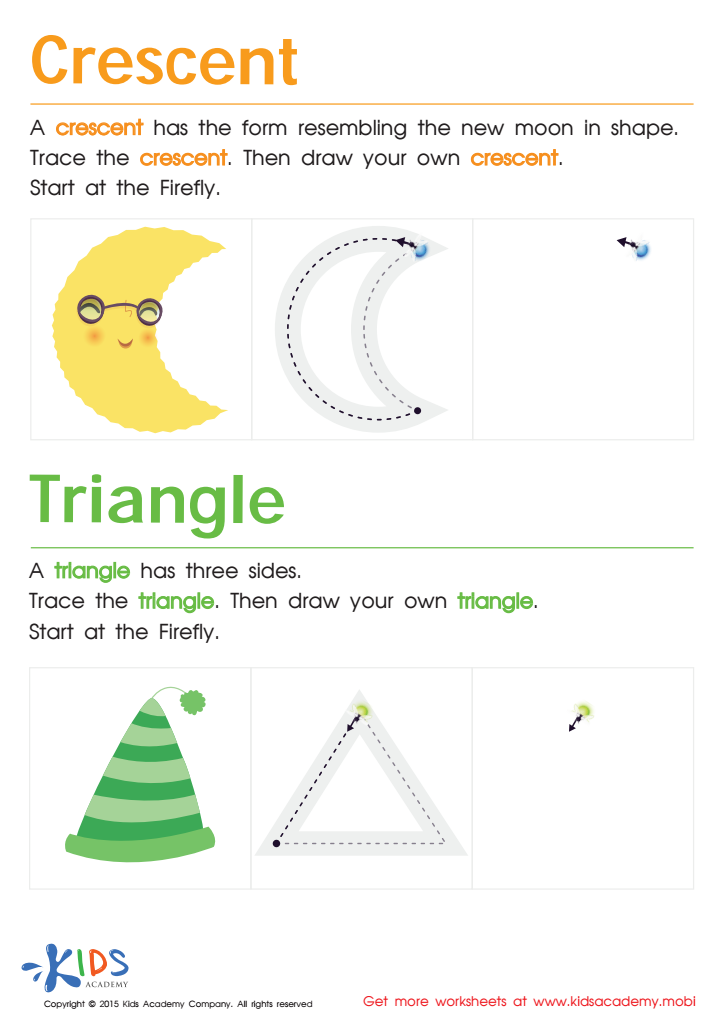
Learning to Draw Crescents And Triangles Worksheet
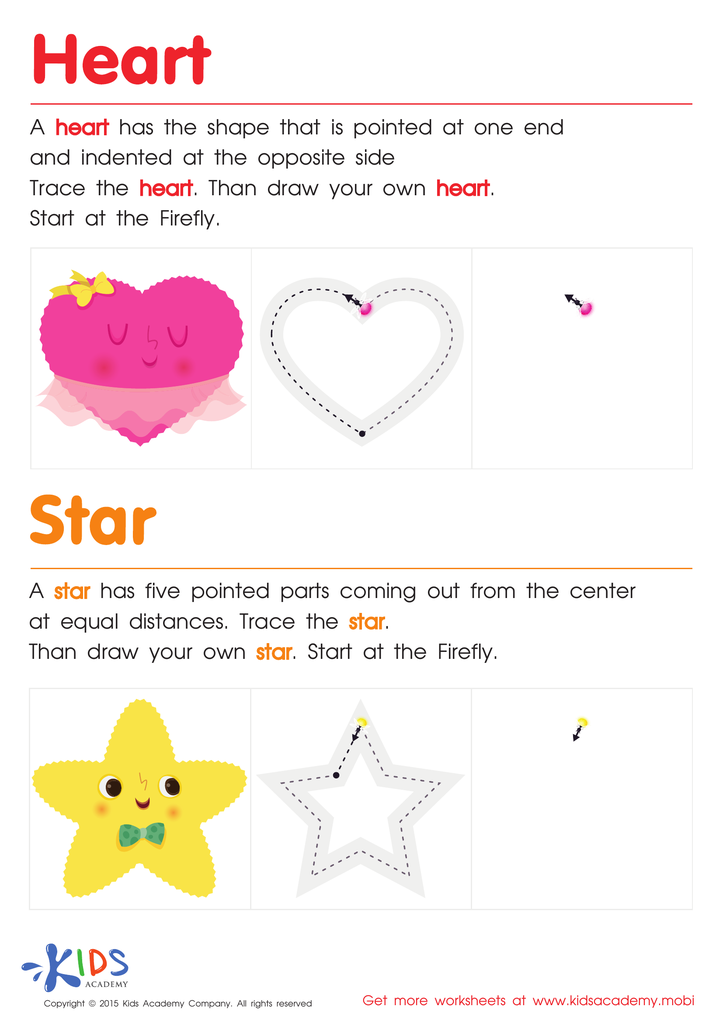
Let's Learn to Draw Hearts And Stars Printable
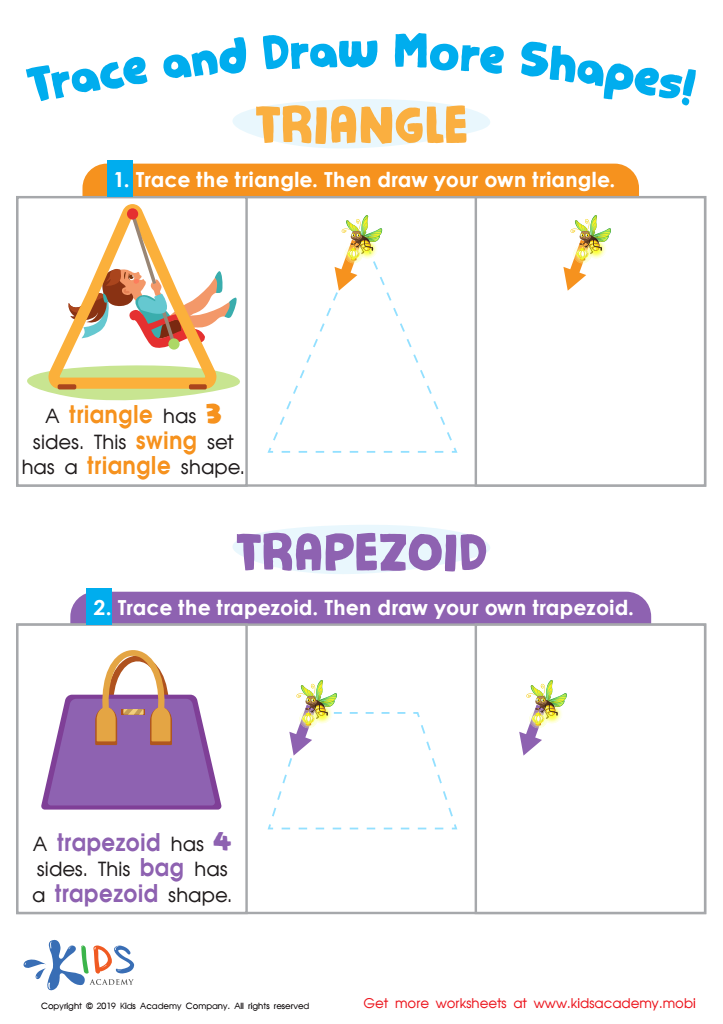
Trace and Draw More Shapes Worksheet
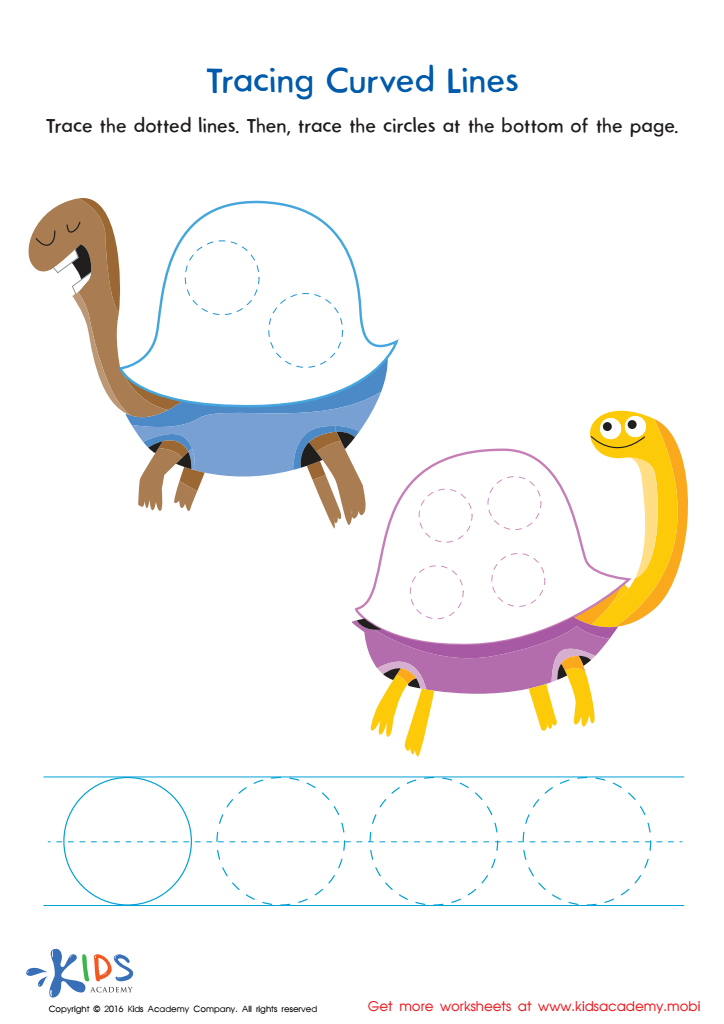
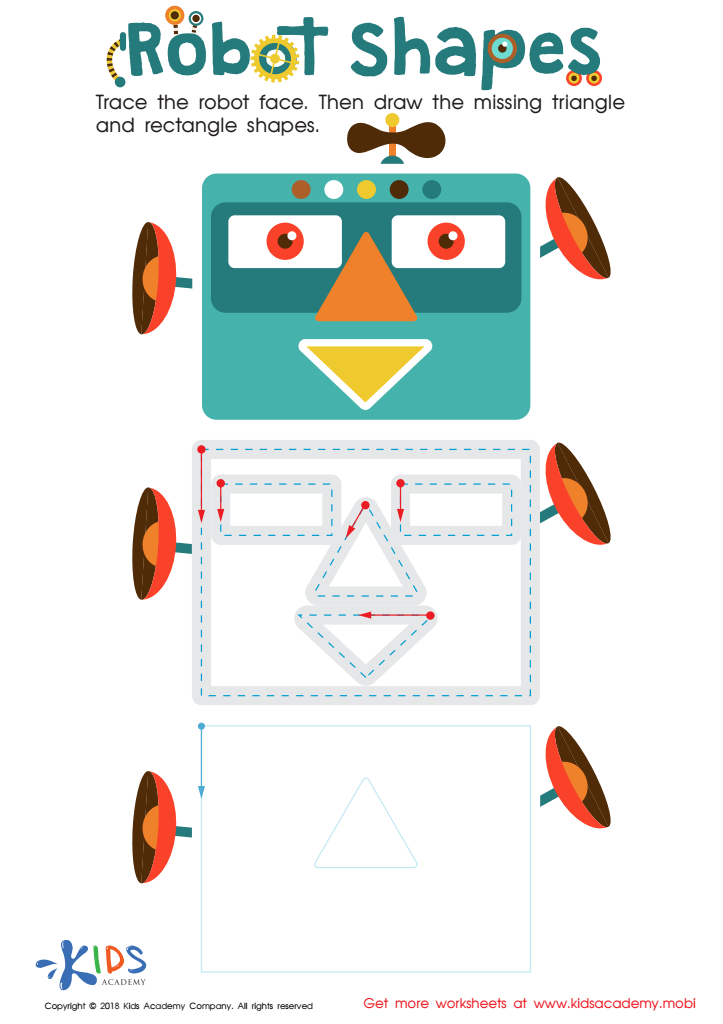
Robot Shapes Worksheet
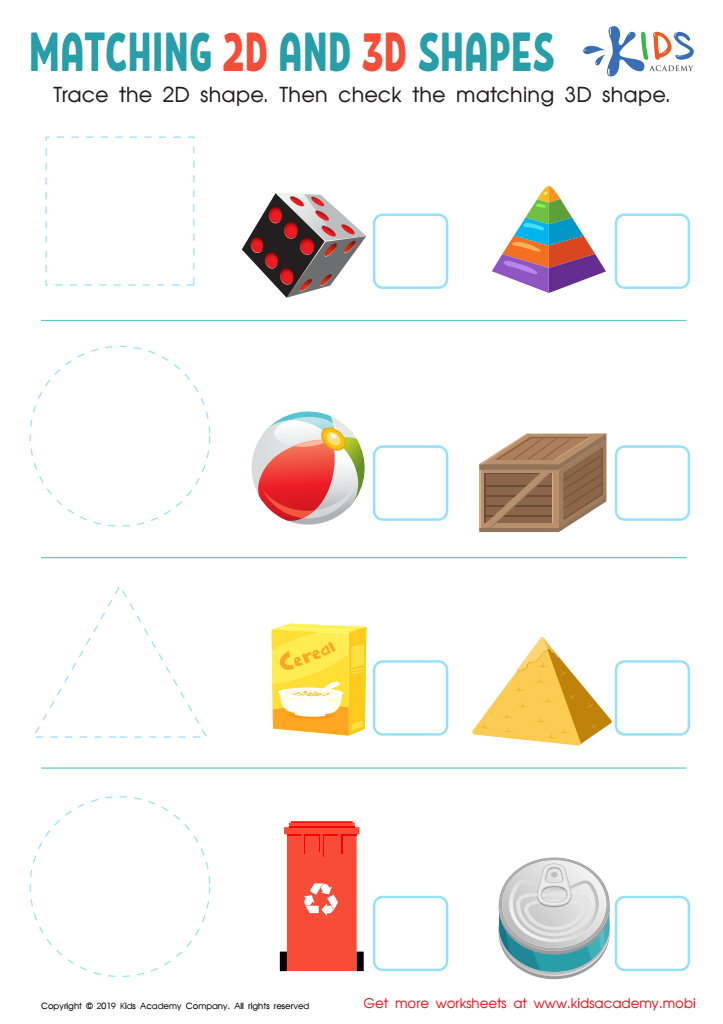
Matching 2D and 3D Shapes Worksheet
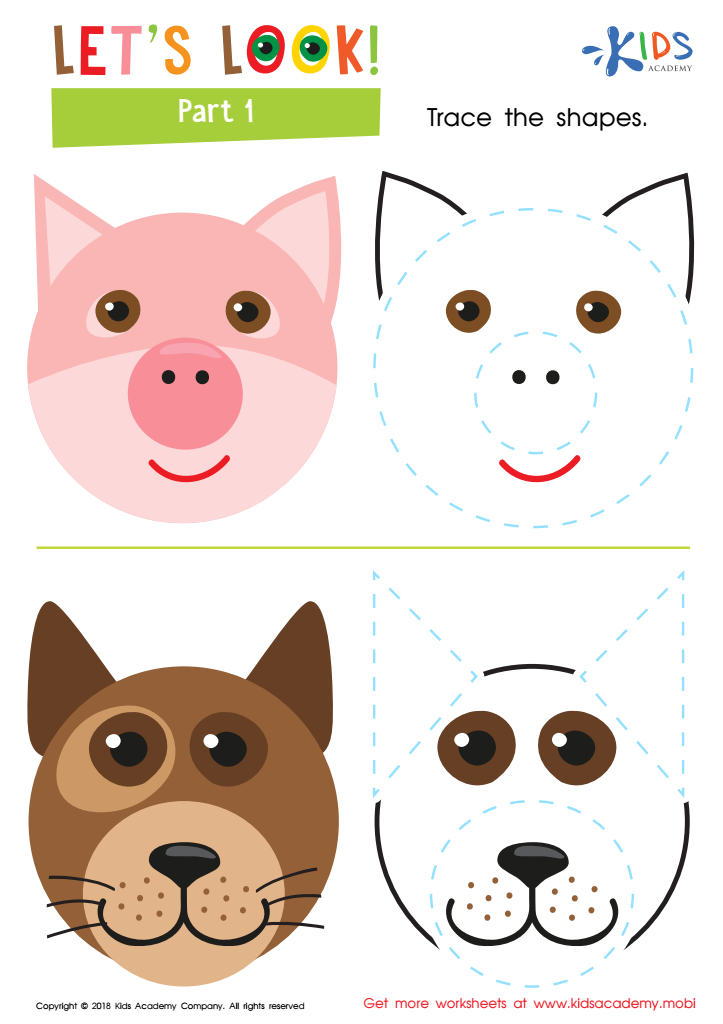
Let's Look! Part 1 Worksheet
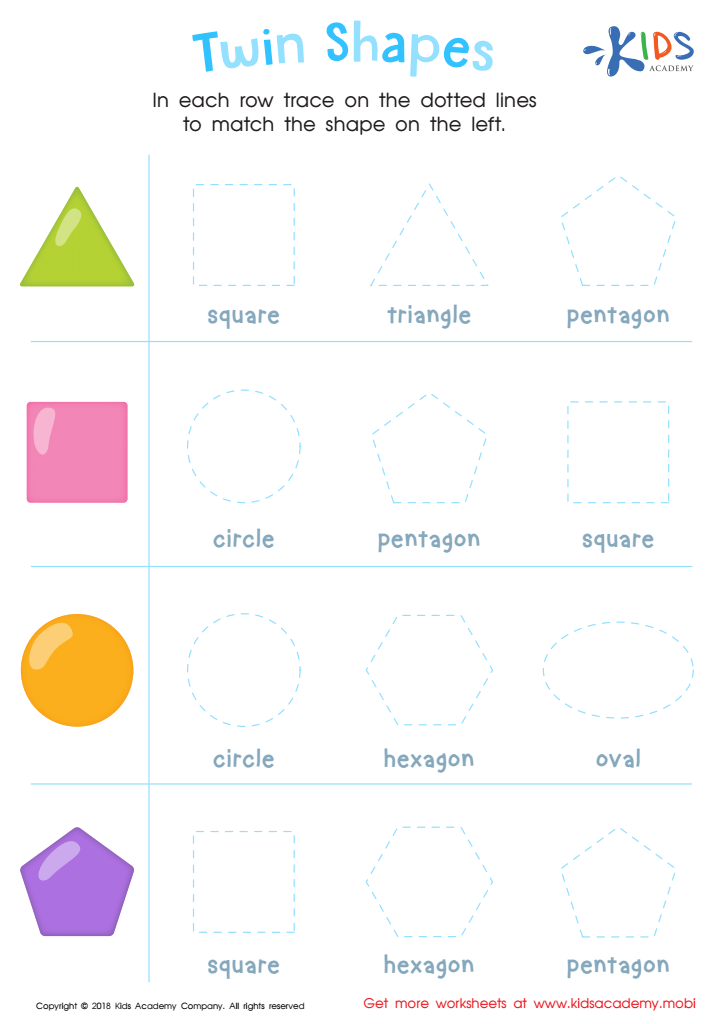
Twin Shapes Dot-to-Dot Worksheet
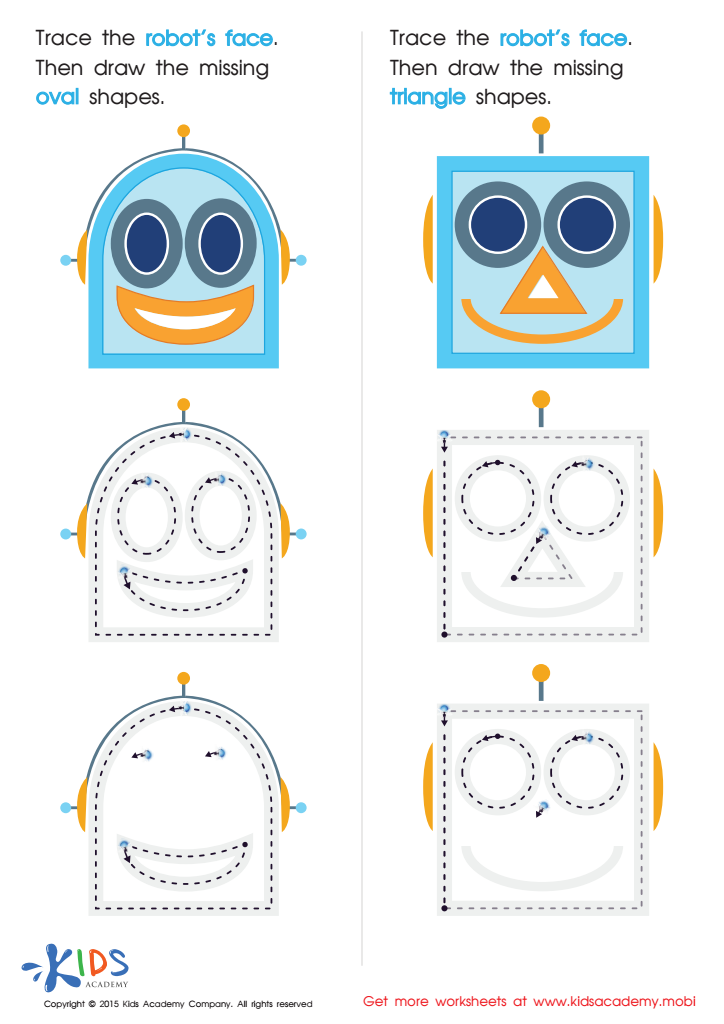
Drawing Ovals And Triangles with Fun Printable








Tracing shapes is an essential activity for children aged 4-7, and both parents and teachers should prioritize it for several key reasons.
Firstly, tracing shapes helps in the development of fine motor skills. As children maneuver their hands and fingers to follow the outlines of various shapes, they build the muscle control and coordination necessary for other activities, such as writing. This foundational skill set is crucial for later academic tasks.
Secondly, tracing shapes enhances hand-eye coordination. By tracking shapes with their eyes and guiding their hands along the contours, children learn to synchronize their visual and motor functions. Strong hand-eye coordination is vital for daily activities, ranging from tying shoelaces to playing sports.
Thirdly, this activity introduces children to basic geometric concepts. Recognizing and reproducing shapes such as circles, squares, and triangles helps children to develop spatial awareness and to understand relationships between objects. These cognitive skills lay the groundwork for math and science education.
Moreover, tracing shapes can be a fun and engaging way to boost self-confidence. Successfully completing a tracing task provides a sense of accomplishment, encouraging a positive attitude towards learning and perseverance.
Incorporating shape tracing into the curriculum or daily routine also paves the way for artistic development. It can lead to more complex drawing and artwork, further stimulating a child’s creativity and imagination.
In summary, tracing shapes is a multifaceted activity that supports physical, cognitive, and emotional growth in young children, making it a vital educational tool.