Counting Worksheets for Ages 5-8 - Page 2
48 filtered results
-
From - To
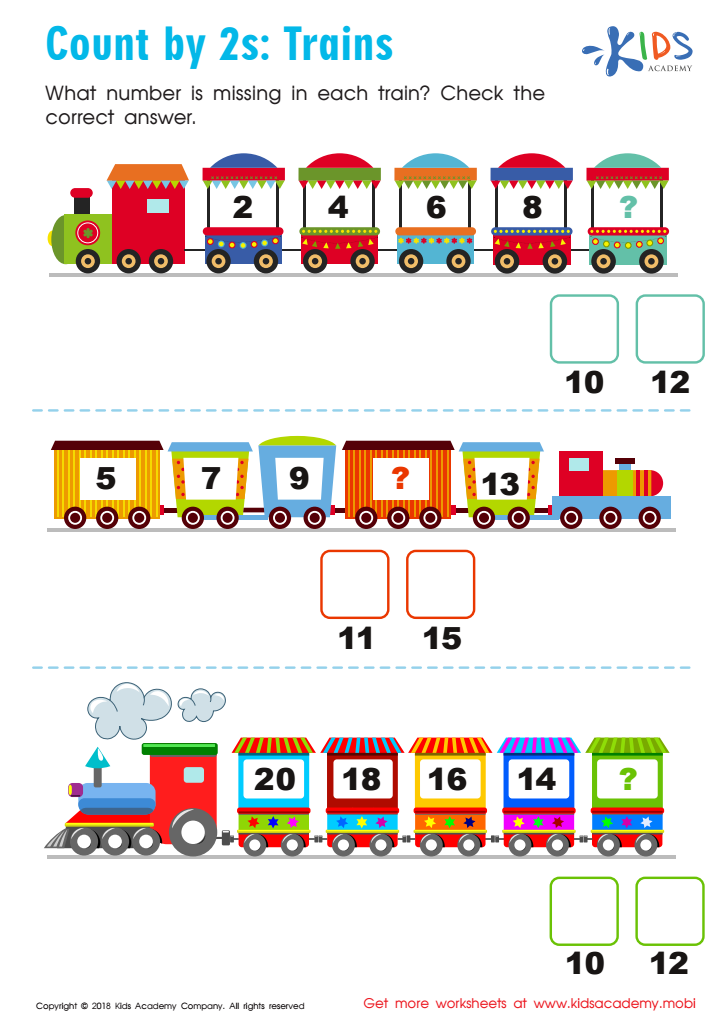
Count by 2's: Trains Worksheet


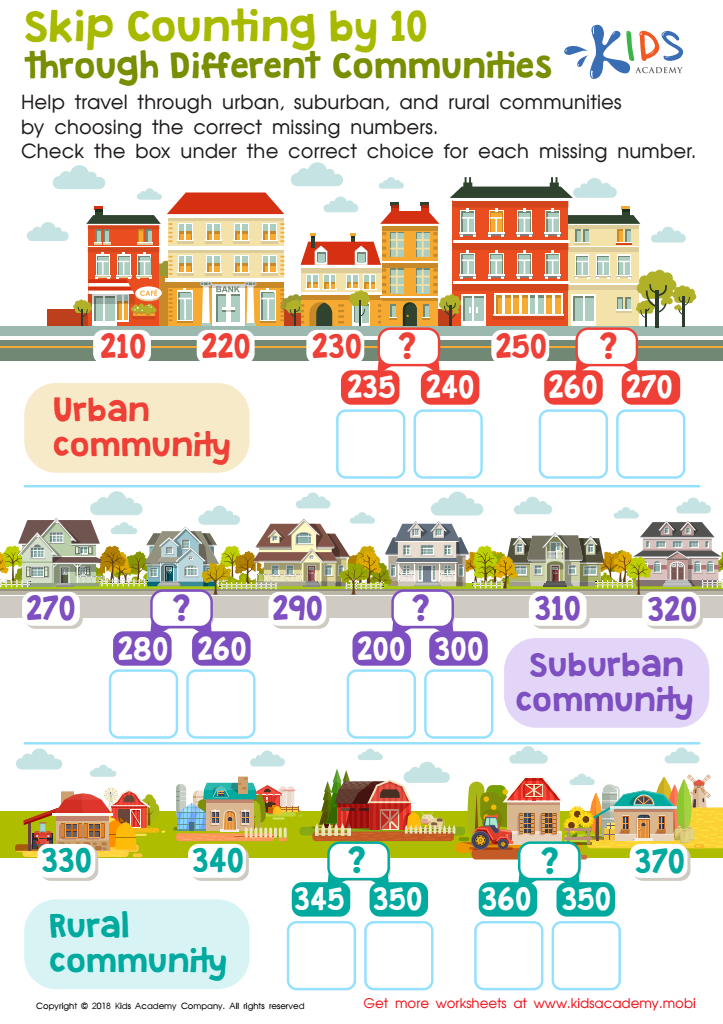
Skip Counting by 10 through Different Communities Worksheet
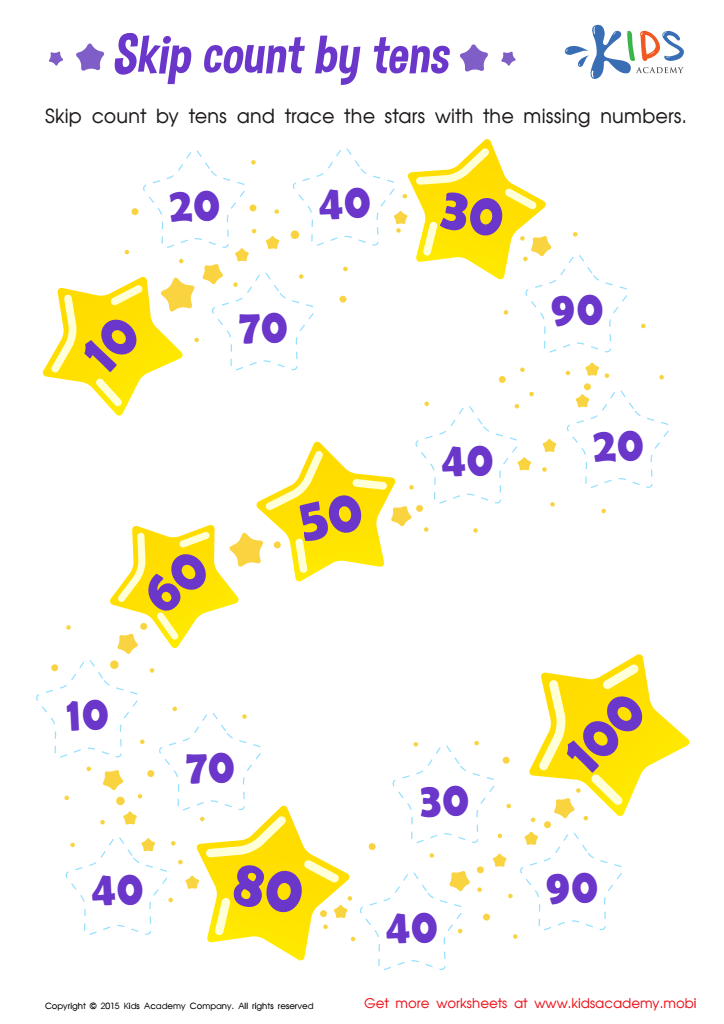
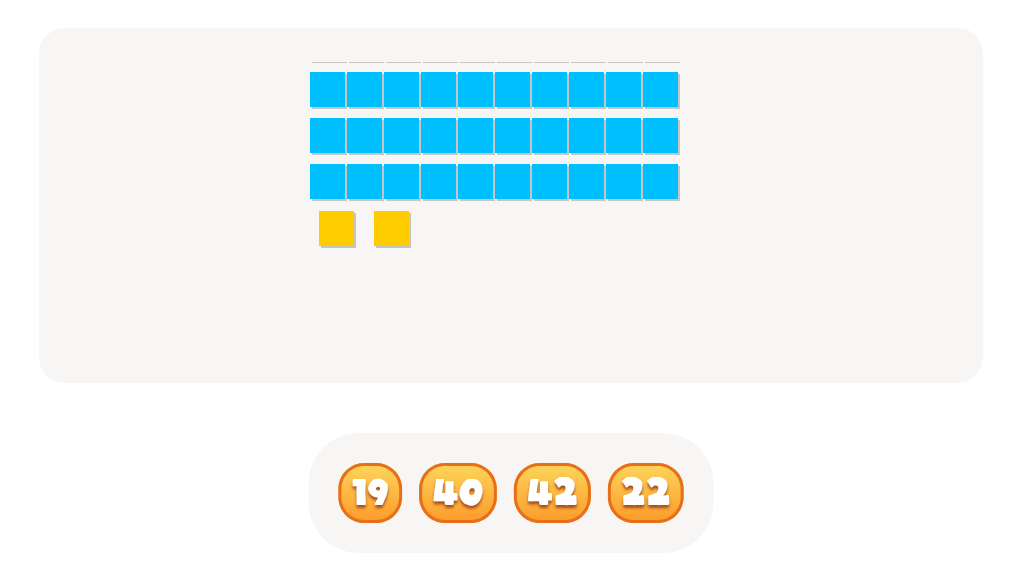
Learn dozens: Skip Count by Tens Printable
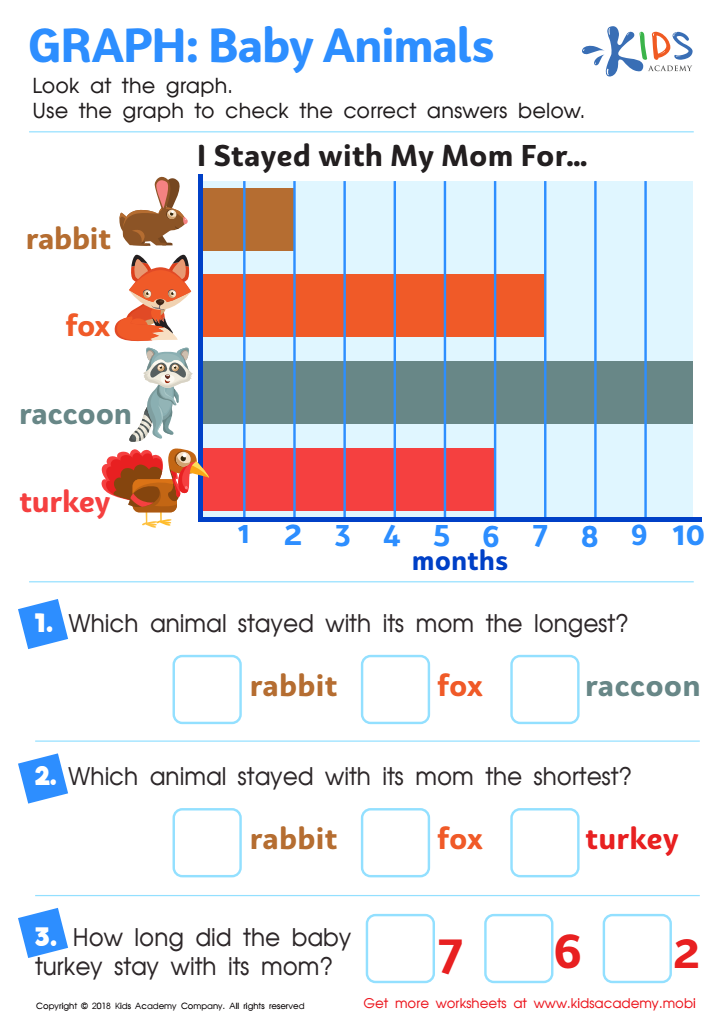
Graph: Baby Animals Worksheet
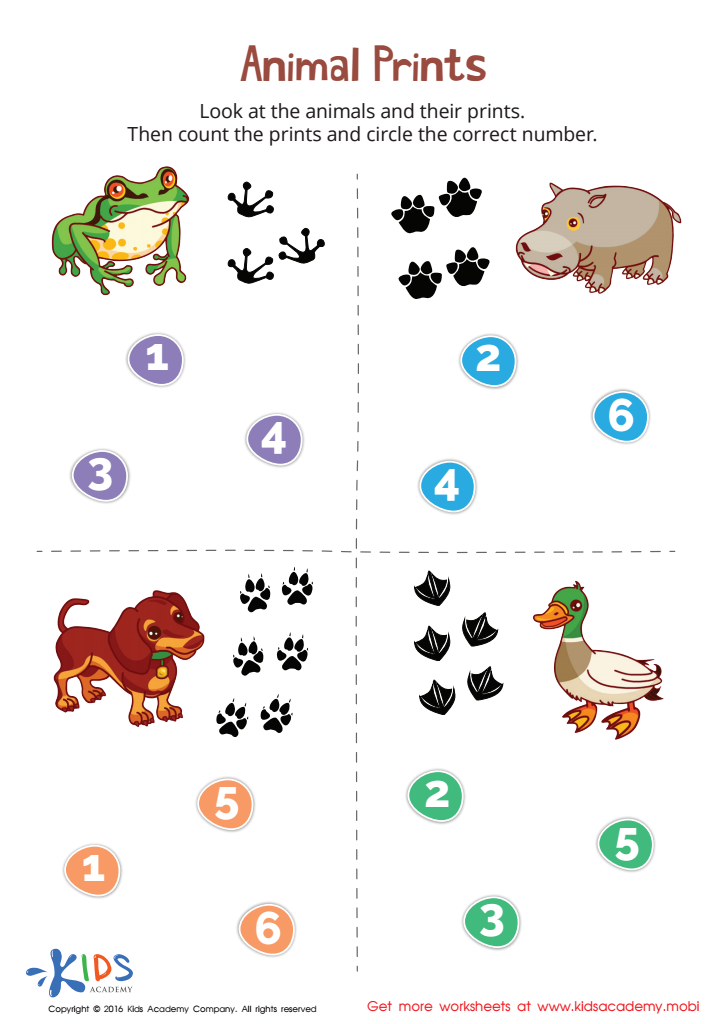
Animal Prints Match-Up Worksheet
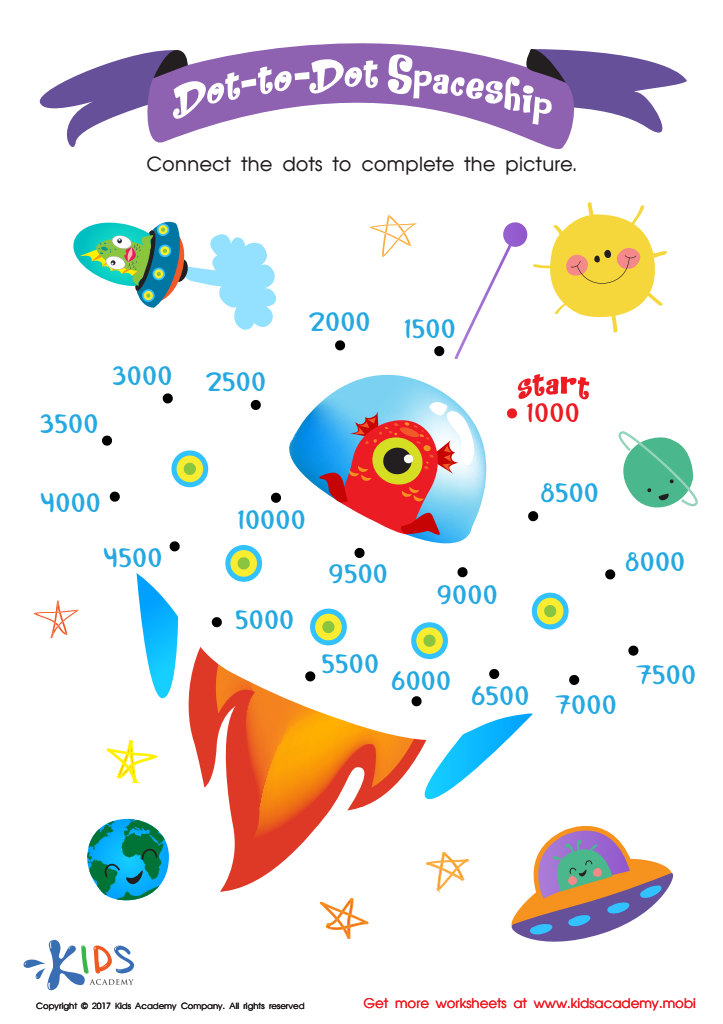
Dot to Dot Worksheet for 3rd Grade
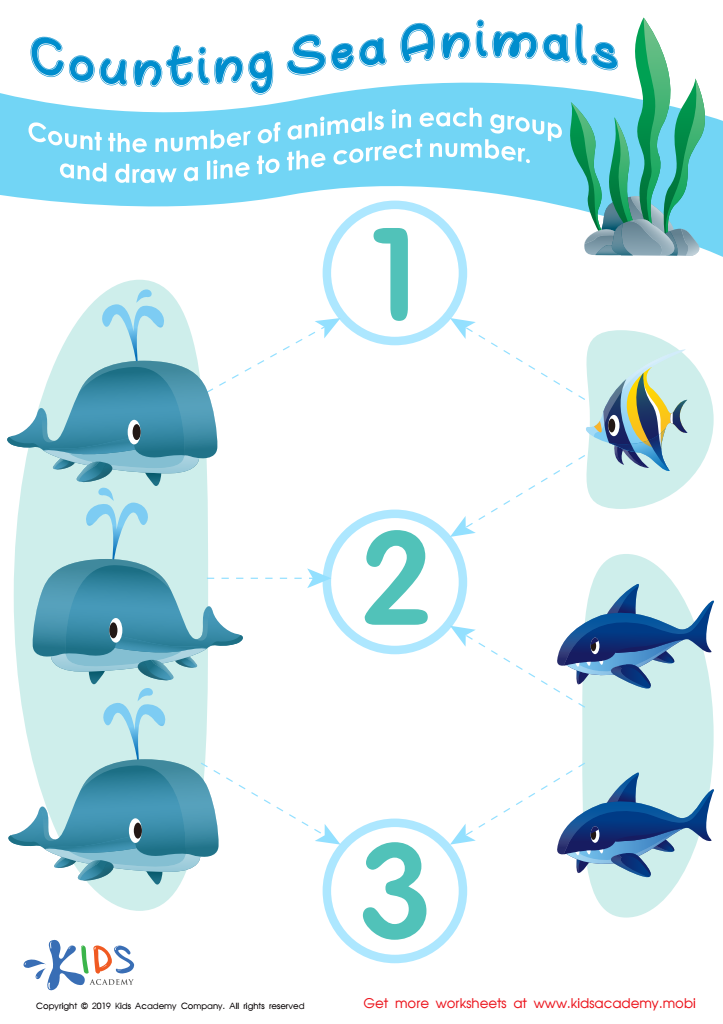
Counting Sea Animals Worksheet
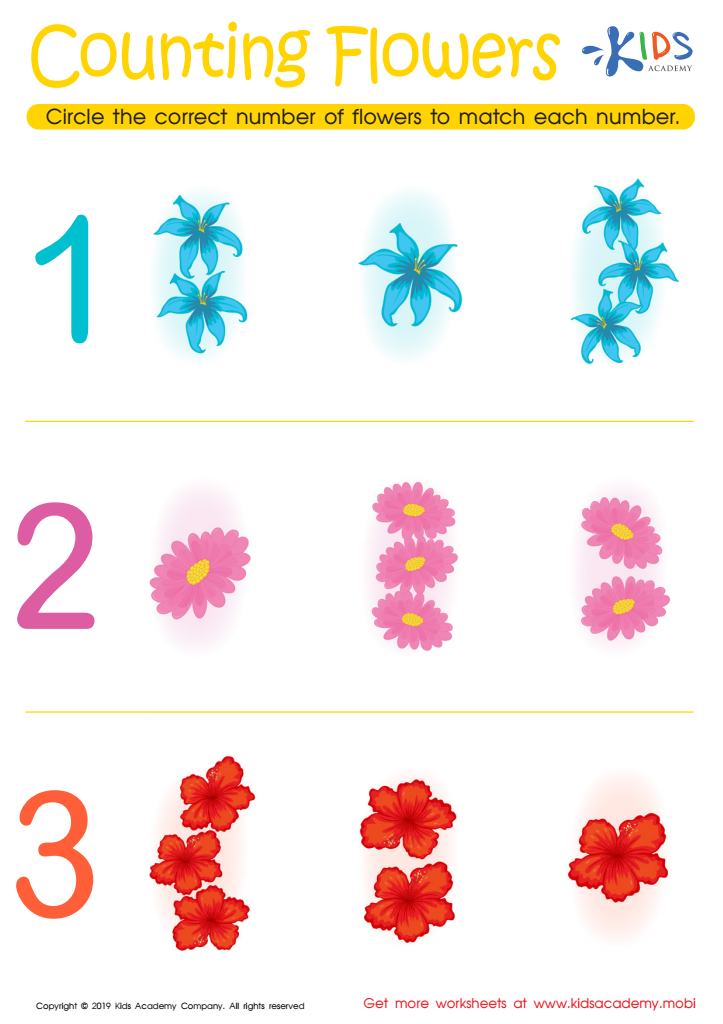
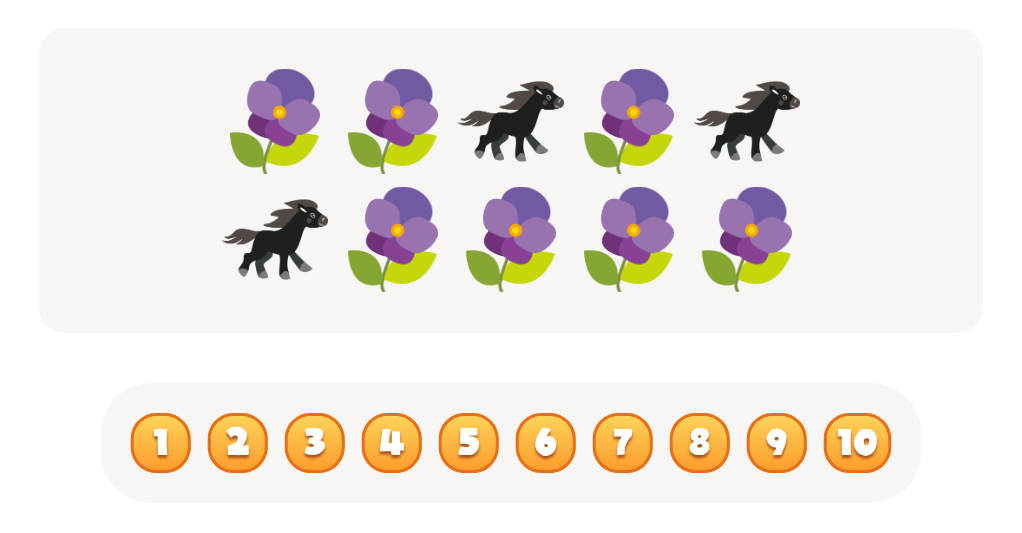
Counting Flowers Worksheet
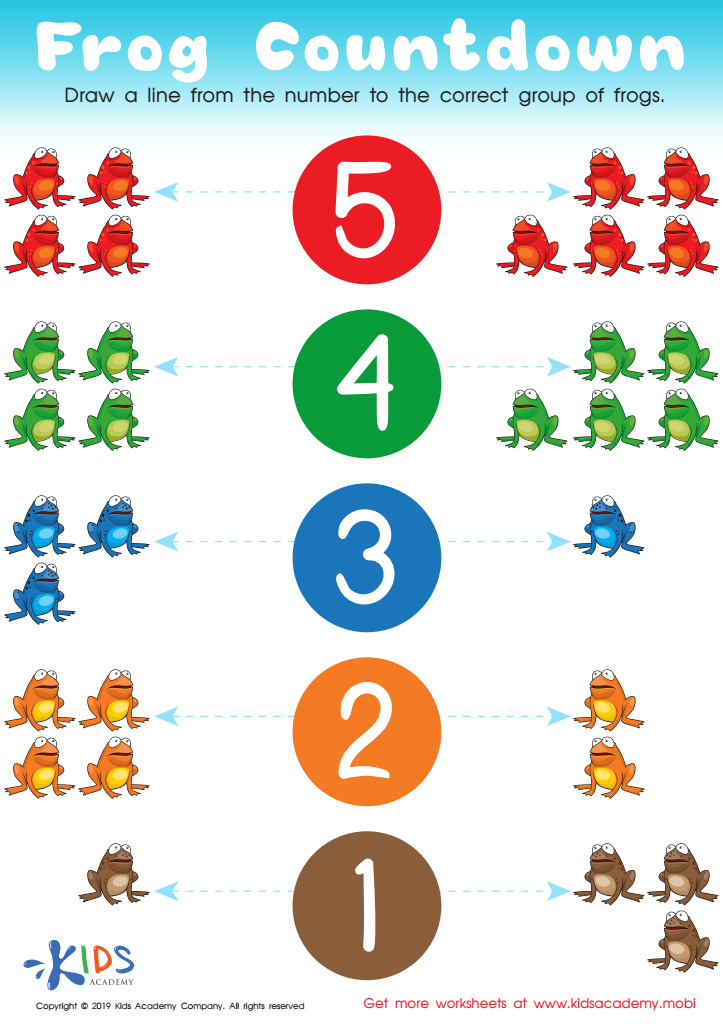
Frog Countdown Worksheet
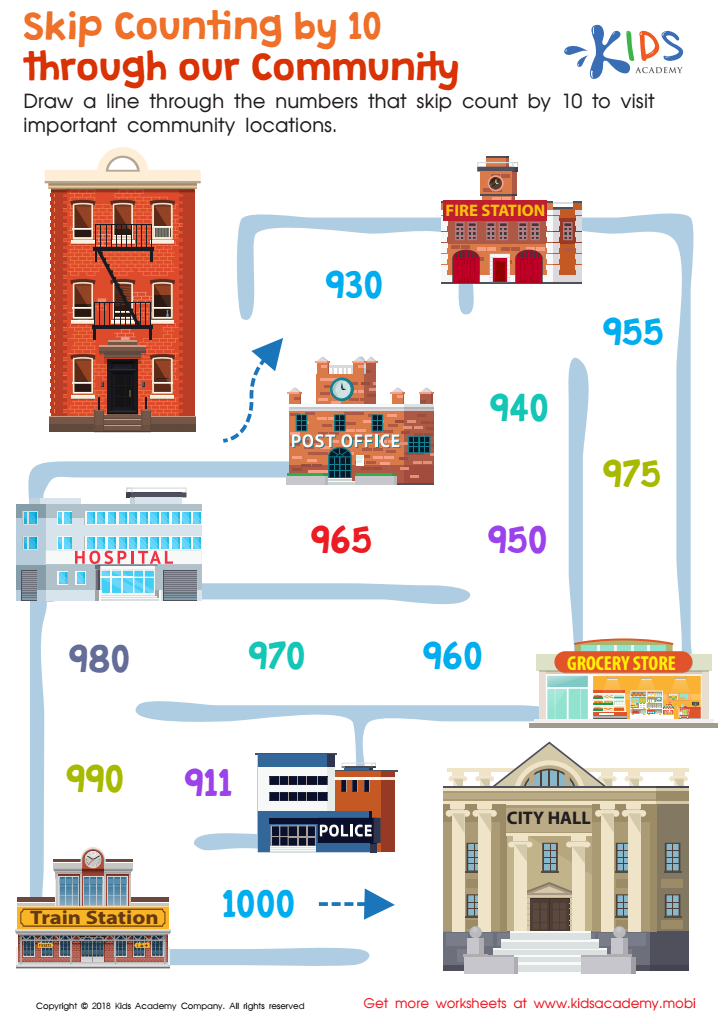
Skip Counting by 10 Through Our Community Worksheet
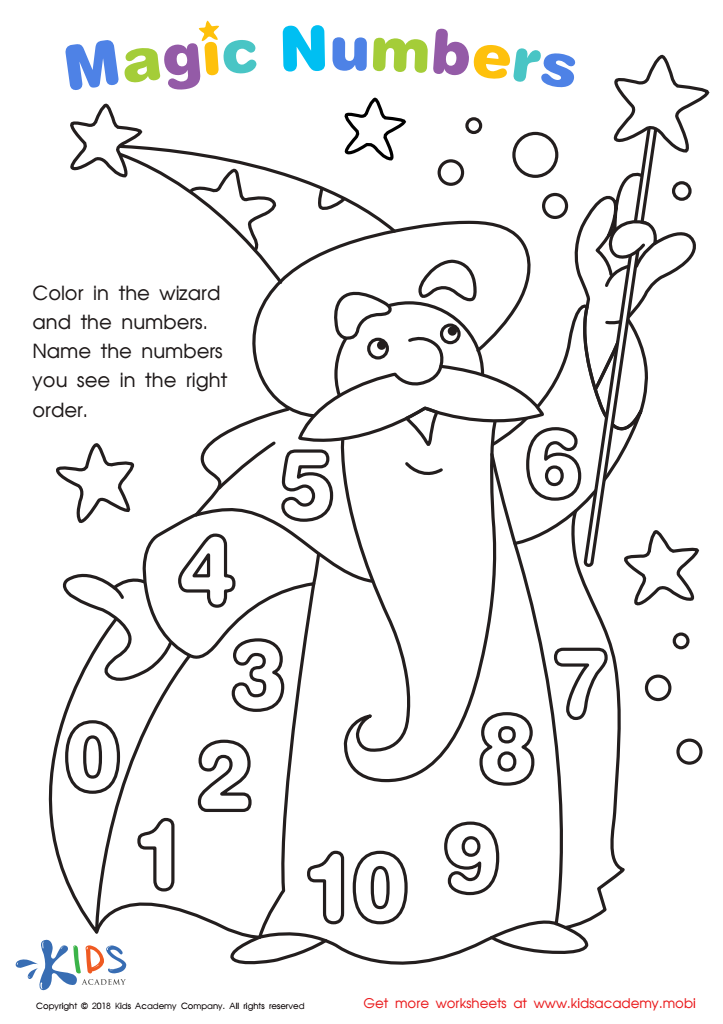
Magic Numbers Worksheet
 Assign to My Students
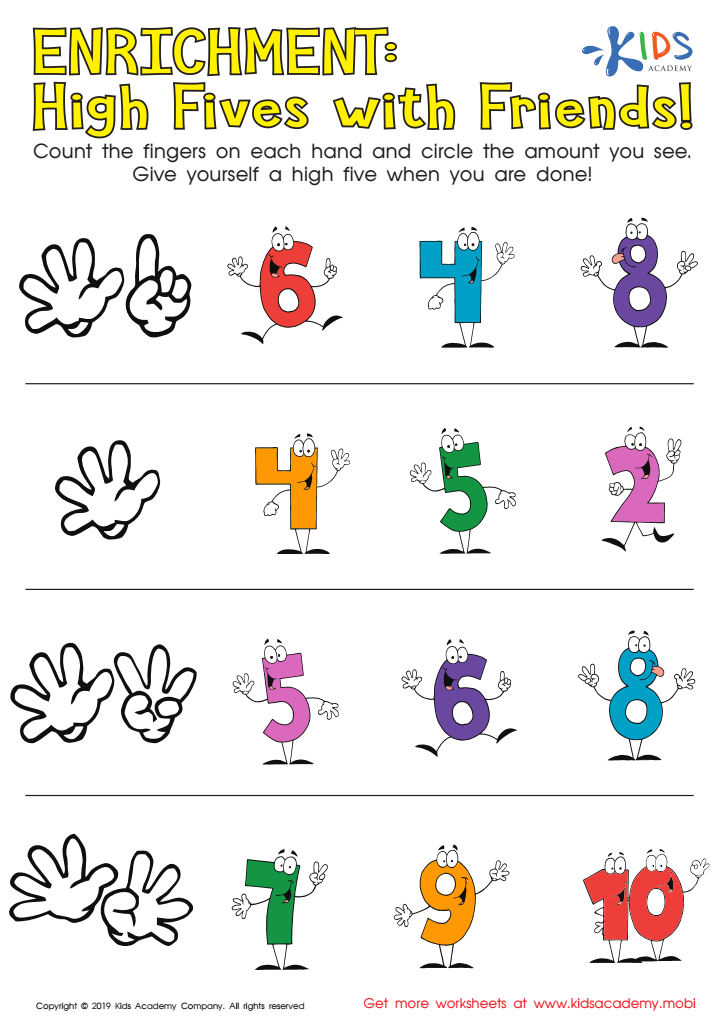
Enrichment: High Fives with Friends! Worksheet
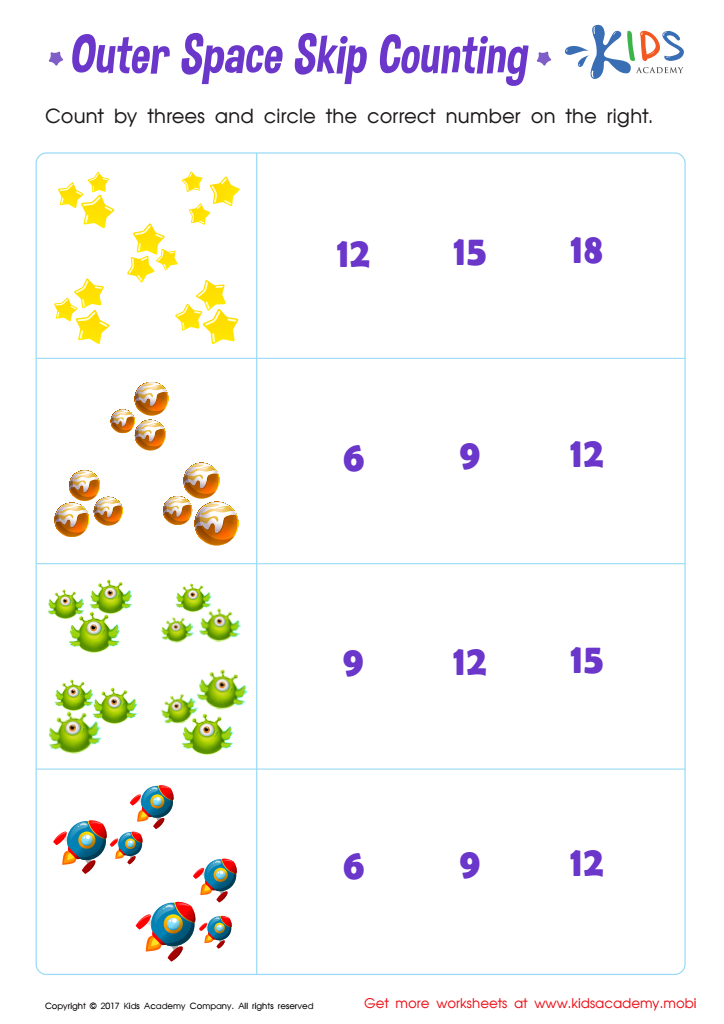
Skip Counting by 3s: Outer Space Skip Counting Printable
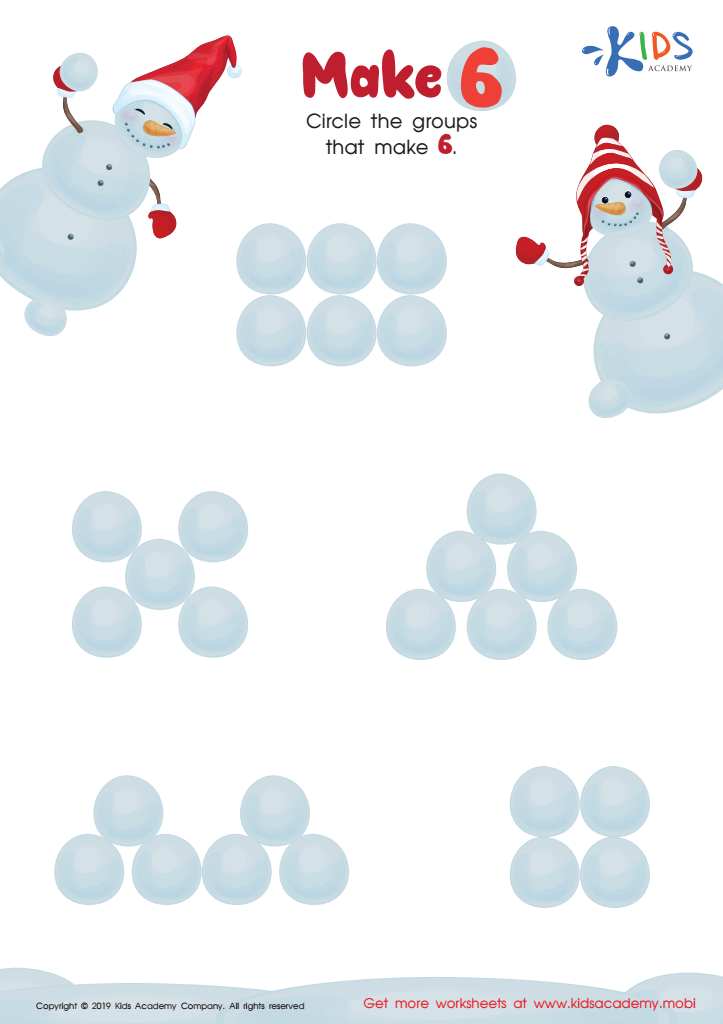
Make 6 Worksheet
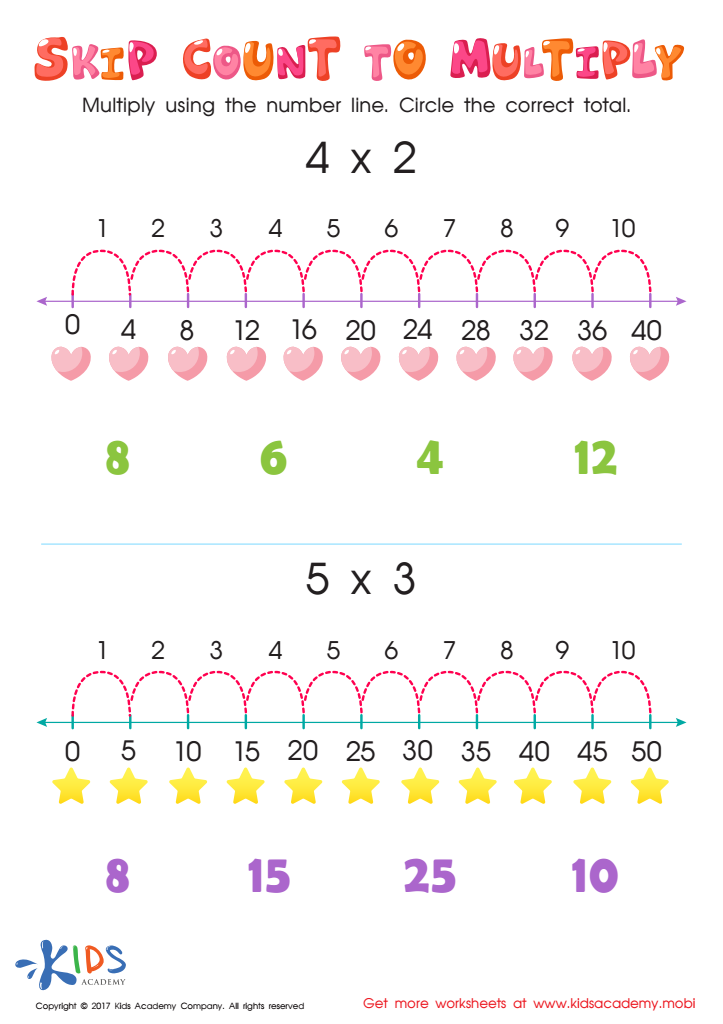
Skip Count Multiplication Worksheet
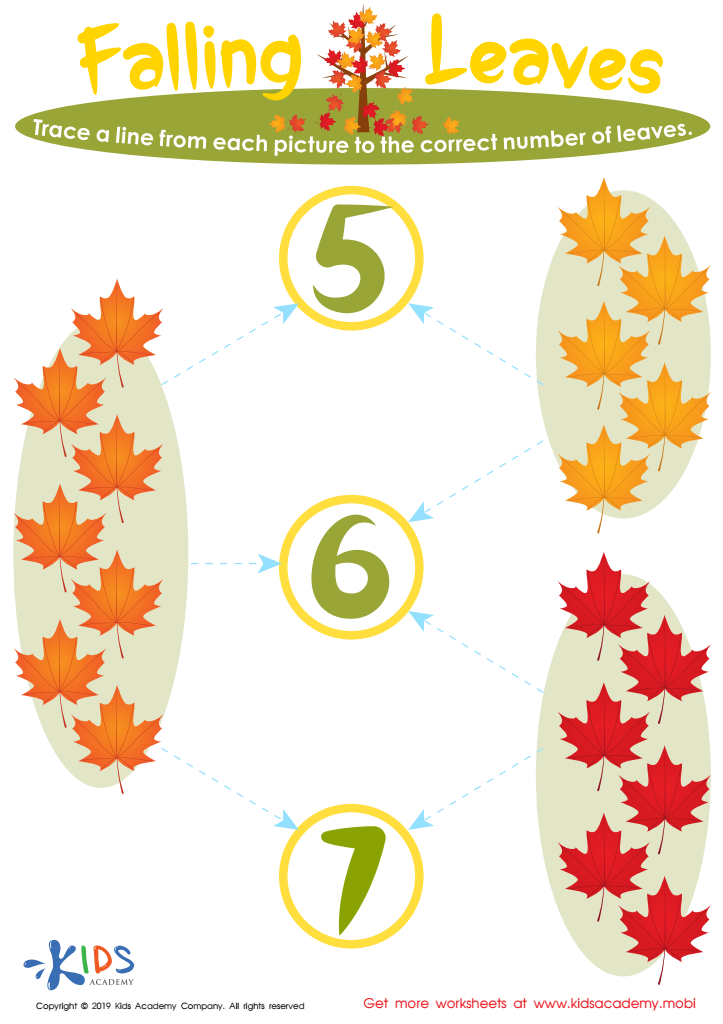
Falling Leaves Worksheet
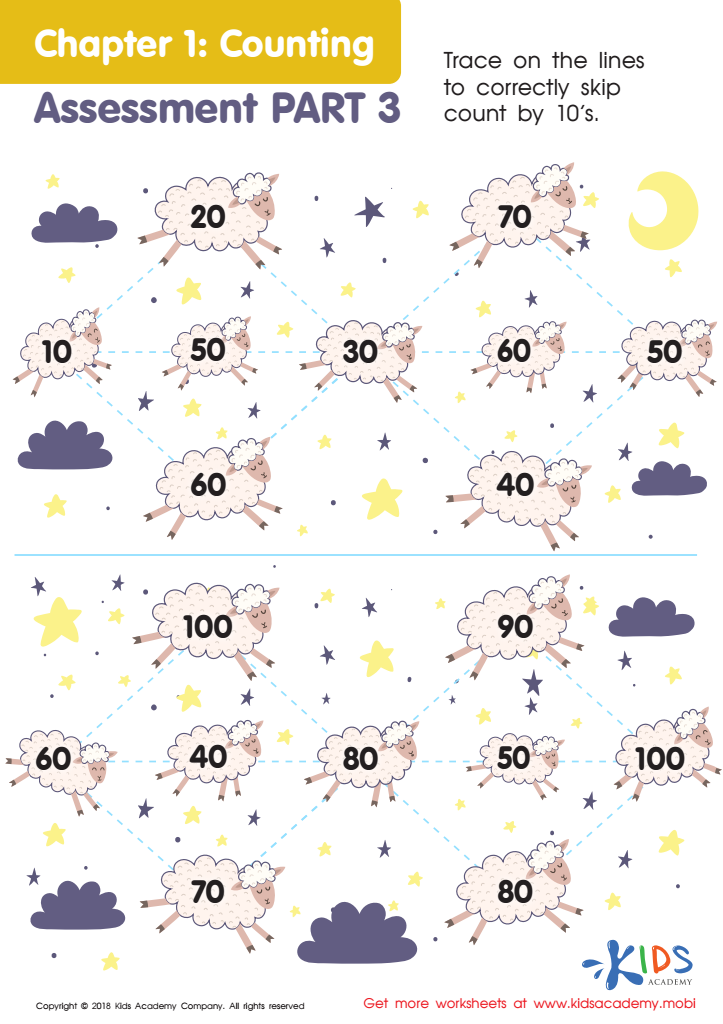
Counting: Assessment 3 Worksheet
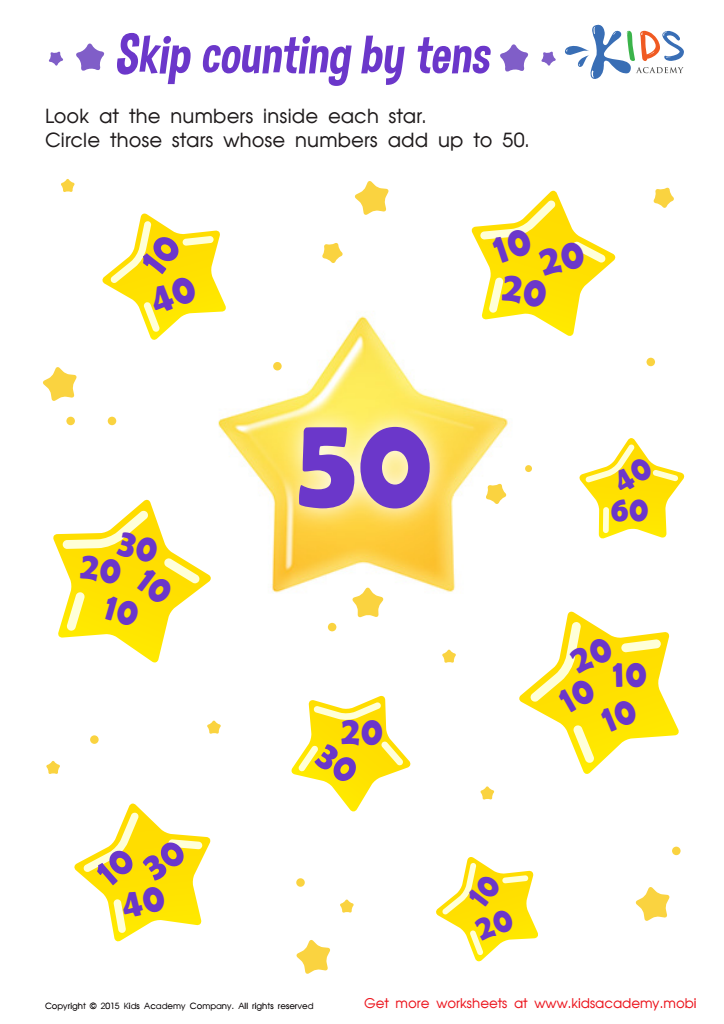
Learn Dozens: Skip Counting by Tens Printable
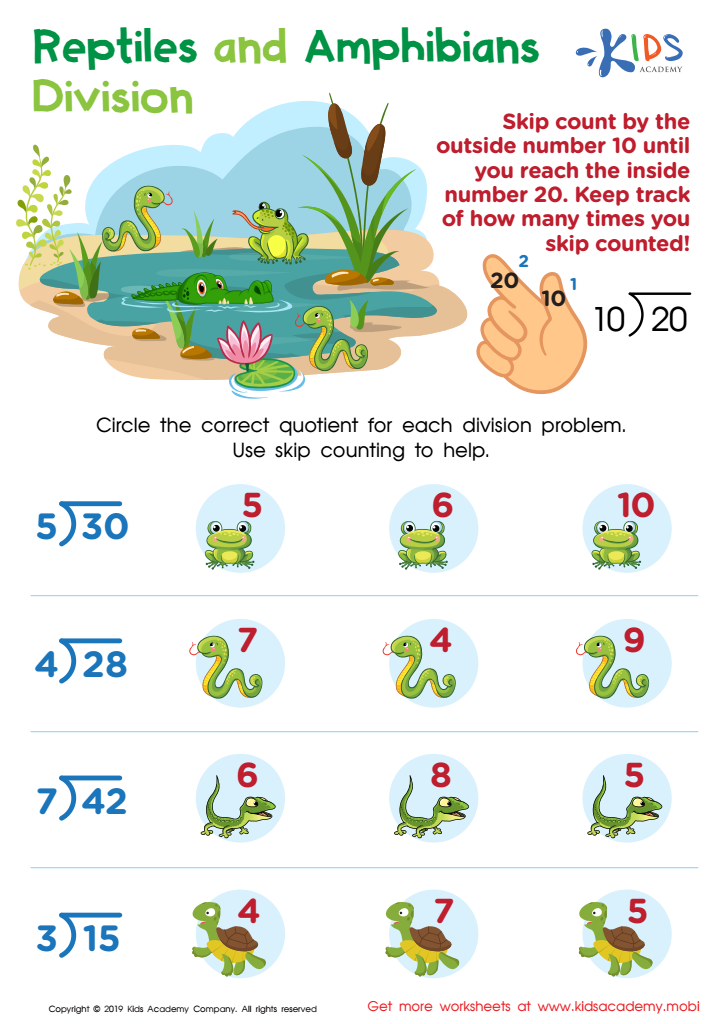
Reptile and Amphibians Division Worksheet
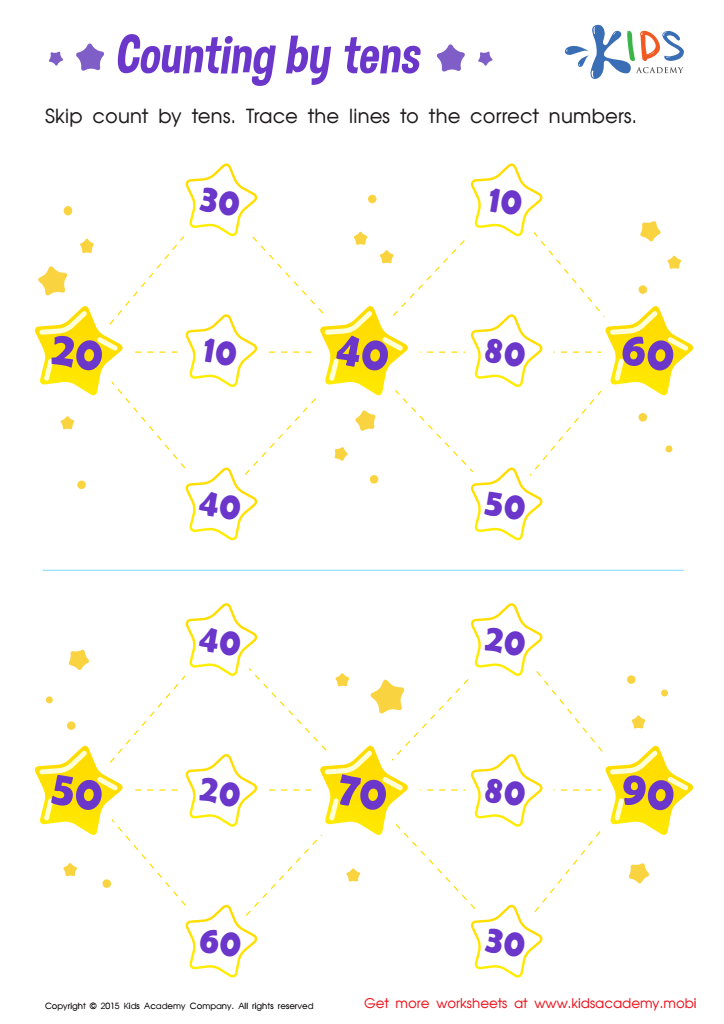
Learn Dozens: Counting by Tens Printable
Race Car Ramp Worksheet
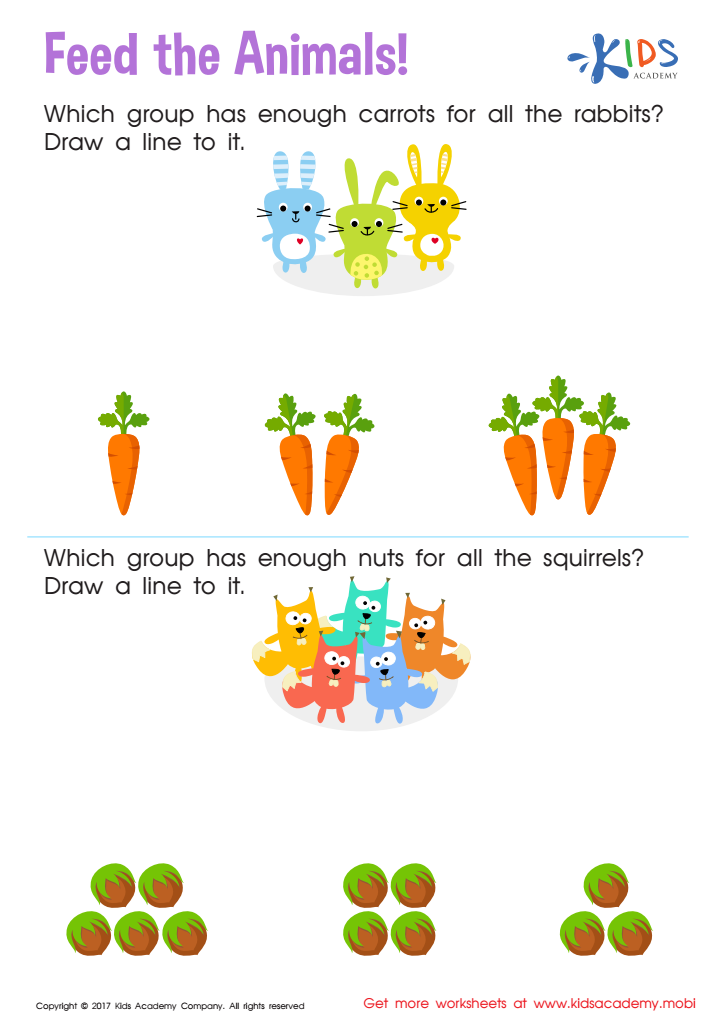
Count and Match: Feed the Animals Worksheet
Triceratops Counting to 9 Worksheet
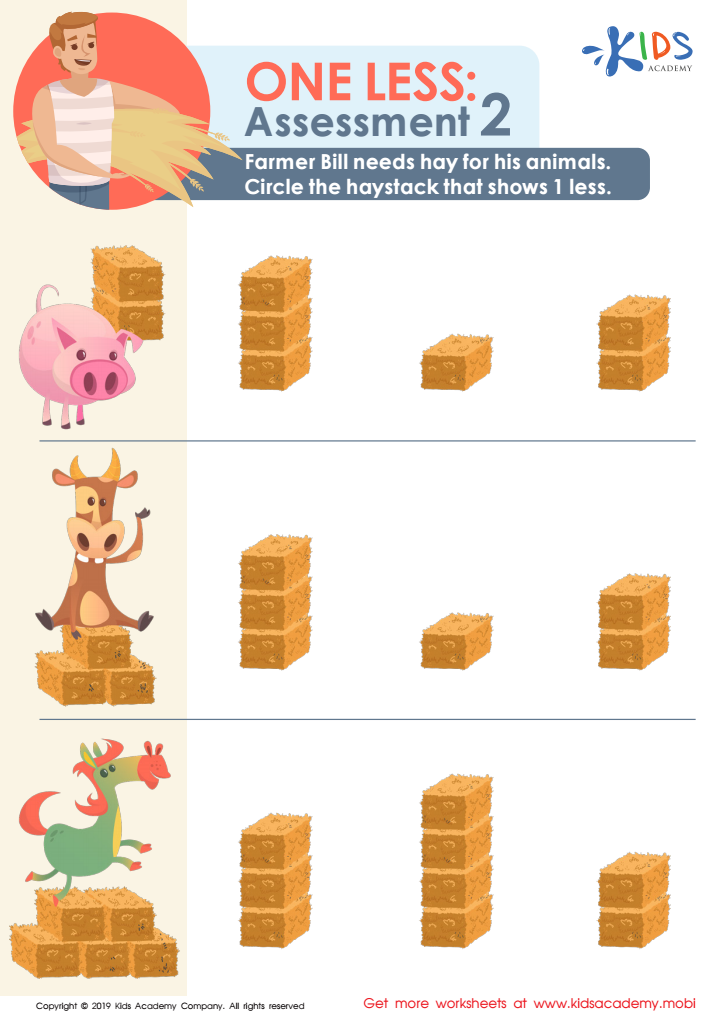
One Less: Assessment 2 Worksheet






%20(1).jpg)

Counting is a fundamental skill that lays the groundwork for children's mathematical understanding and cognitive development, especially for ages 5-8. At this developmental stage, children are not just learning to count but also beginning to grasp essential concepts like one-to-one correspondence, basic addition and subtraction, and number sense. These concepts are critical as they influence a child’s future proficiency in more complex math topics.
Parents and teachers should care about counting because it fosters children's problem-solving abilities, encourages logical reasoning, and enhances concentration. Engaging children in counting activities—whether through games, songs, or everyday tasks—makes learning fun and increases their enthusiasm for math. Counting also boosts language development, as children learn to articulate numbers and quantities.
Moreover, children who understand counting are better prepared to tackle real-world situations, such as managing money, telling time, or organizing objects. As they progress, a solid grasp of counting creates a positive attitude toward mathematics, reducing math anxiety and promoting self-confidence. Therefore, early exposure to counting and related concepts is crucial for building a strong foundation for lifelong learning and academic success. Parents and teachers play a vital role in nurturing these skills, ensuring children have the tools they need to thrive as learners.








