Matching Worksheets for Ages 6-9 - Page 2
62 filtered results
-
From - To
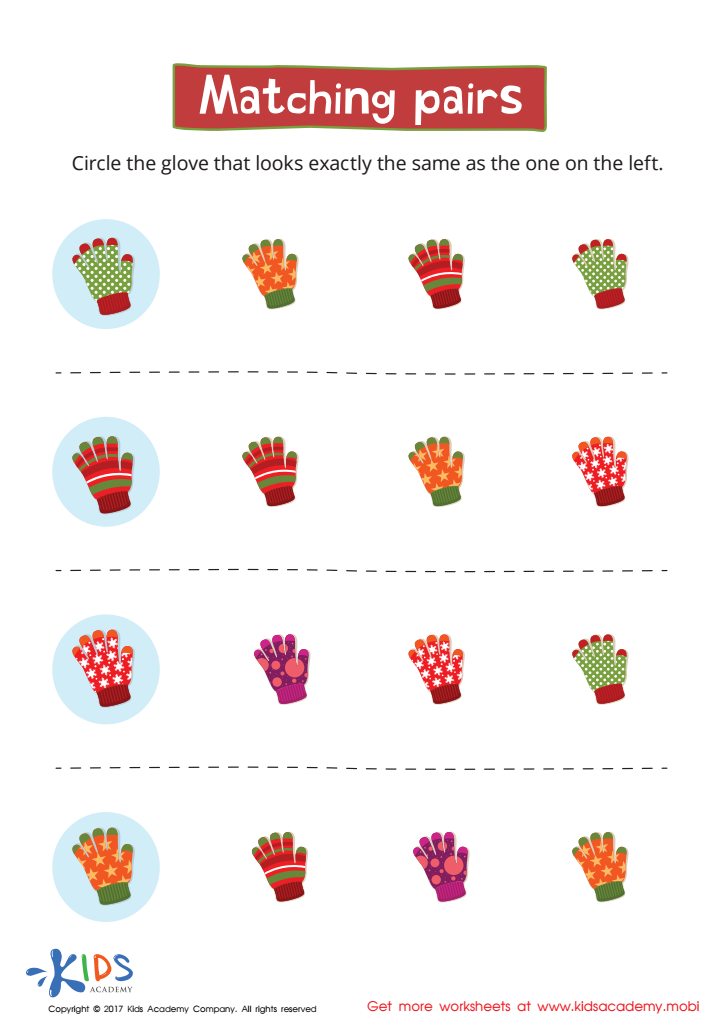
Matching: Matching Pairs Worksheet
 Assign to My Students
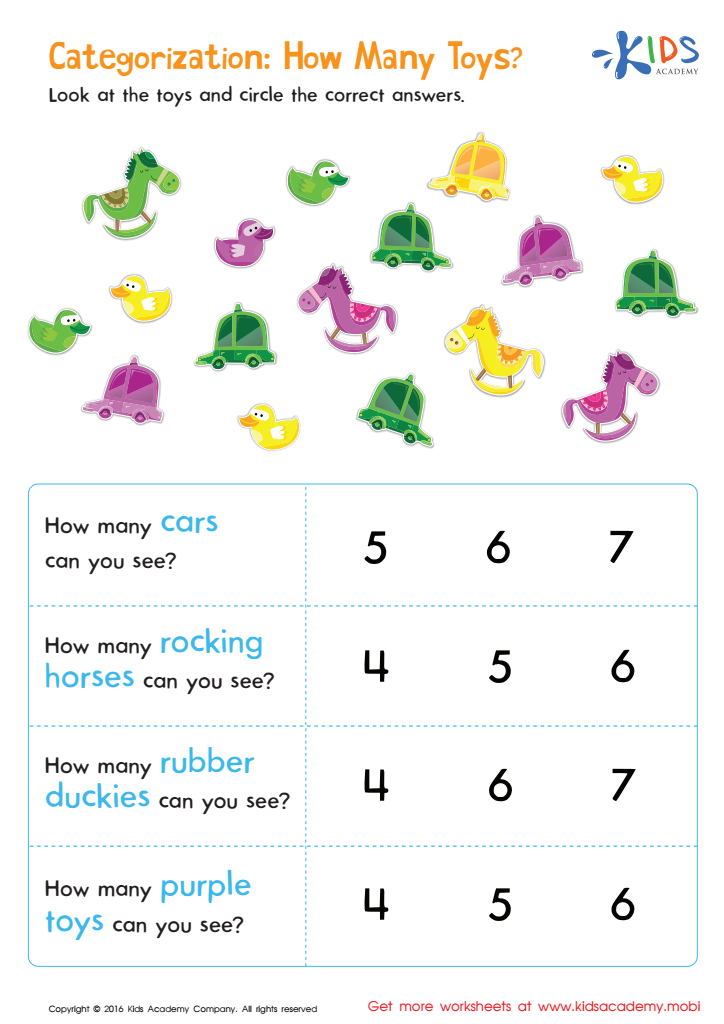
Classifying Toys by Type and Color Sorting Worksheet
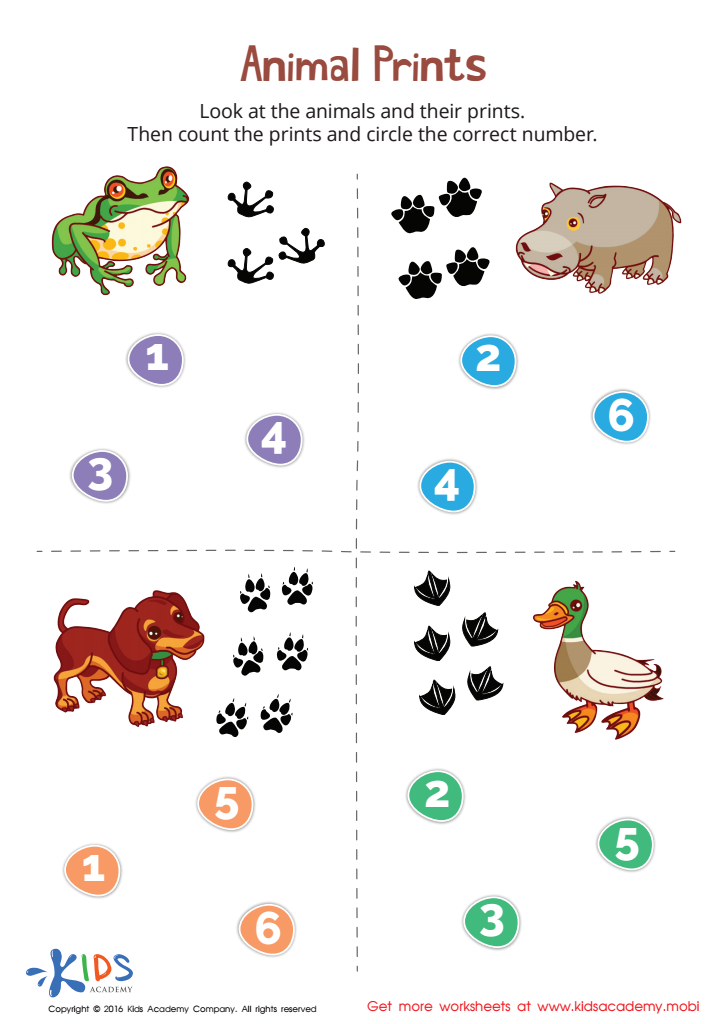
Animal Prints Match-Up Worksheet
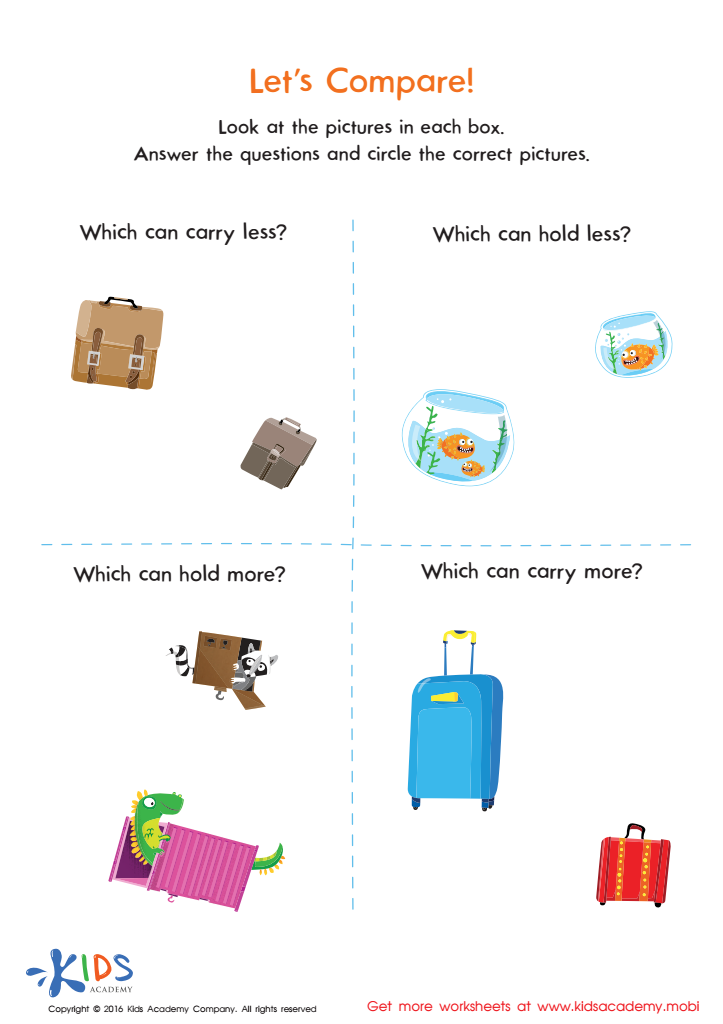
Let's Compare Worksheet: Big or Small
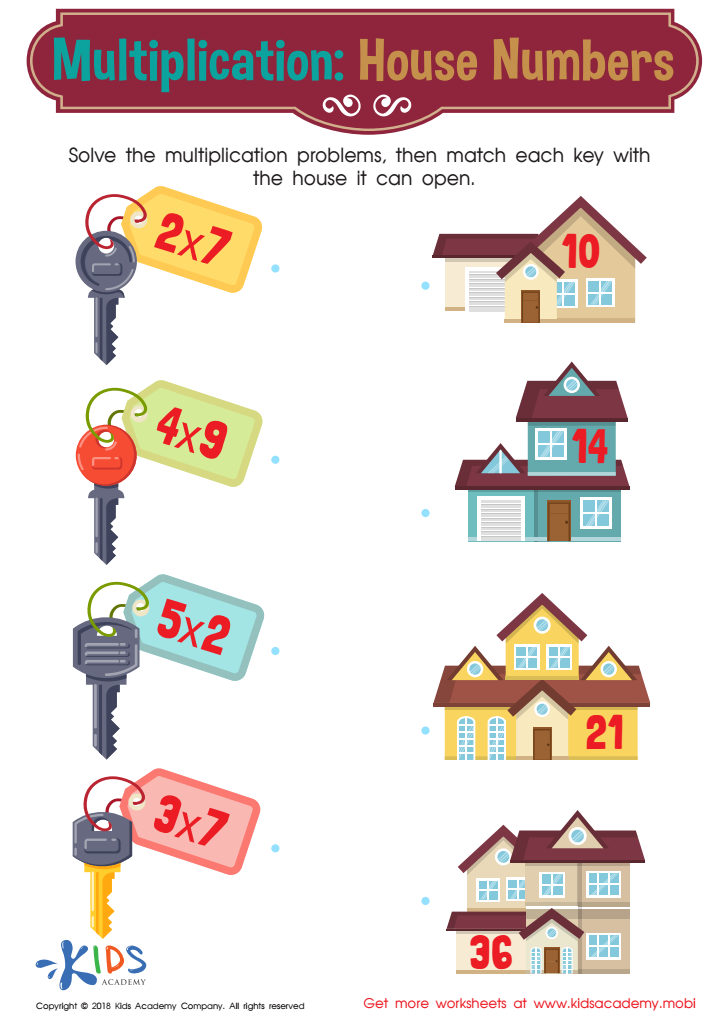
House Numbers Worksheet
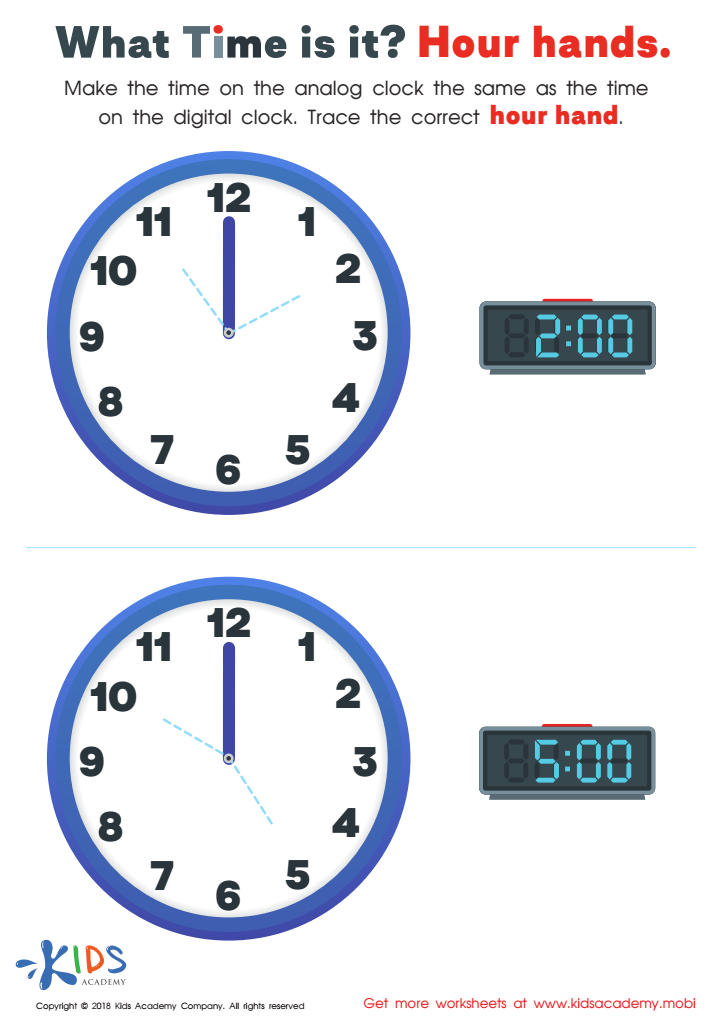
What Time Is it? Hour Hands Worksheet
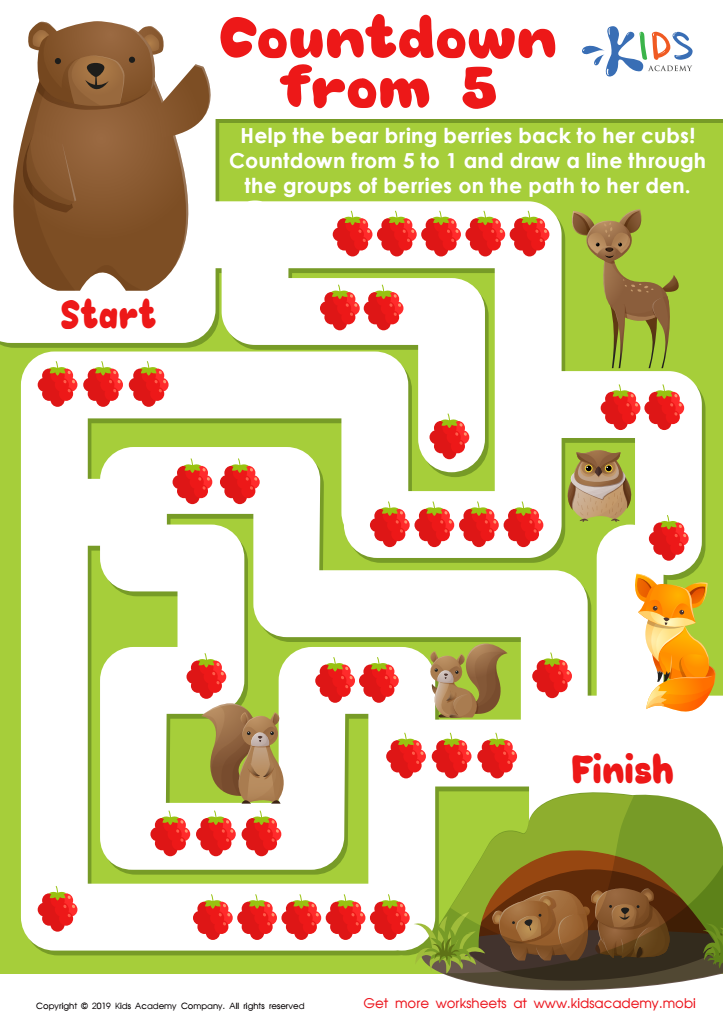
Countdown from 5 Worksheet
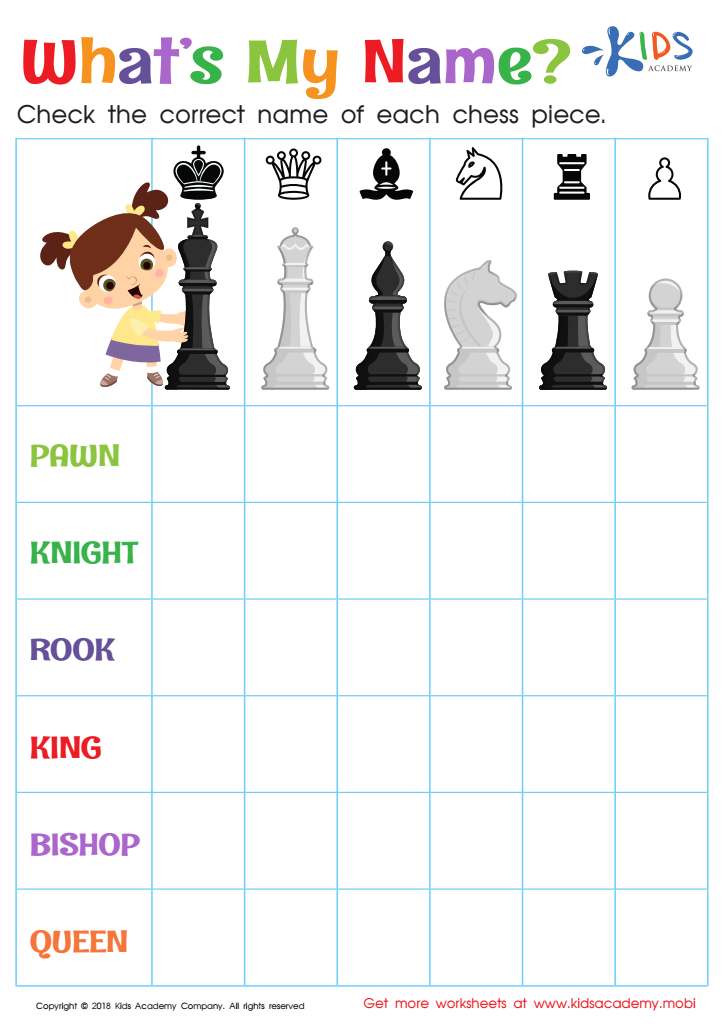
What's My Name? Worksheet
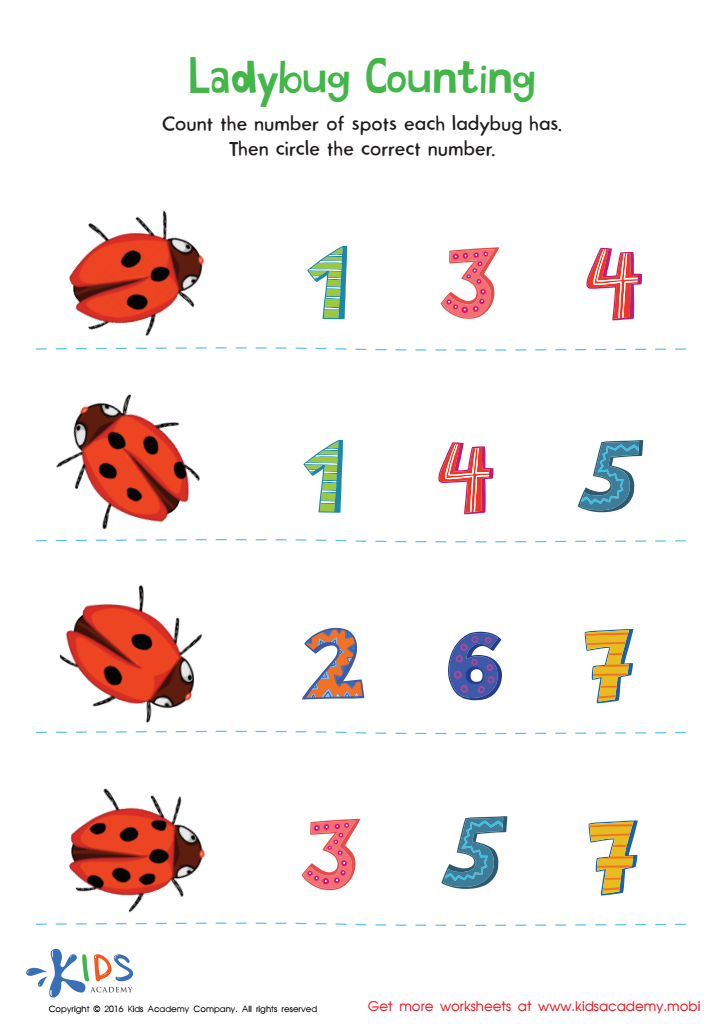
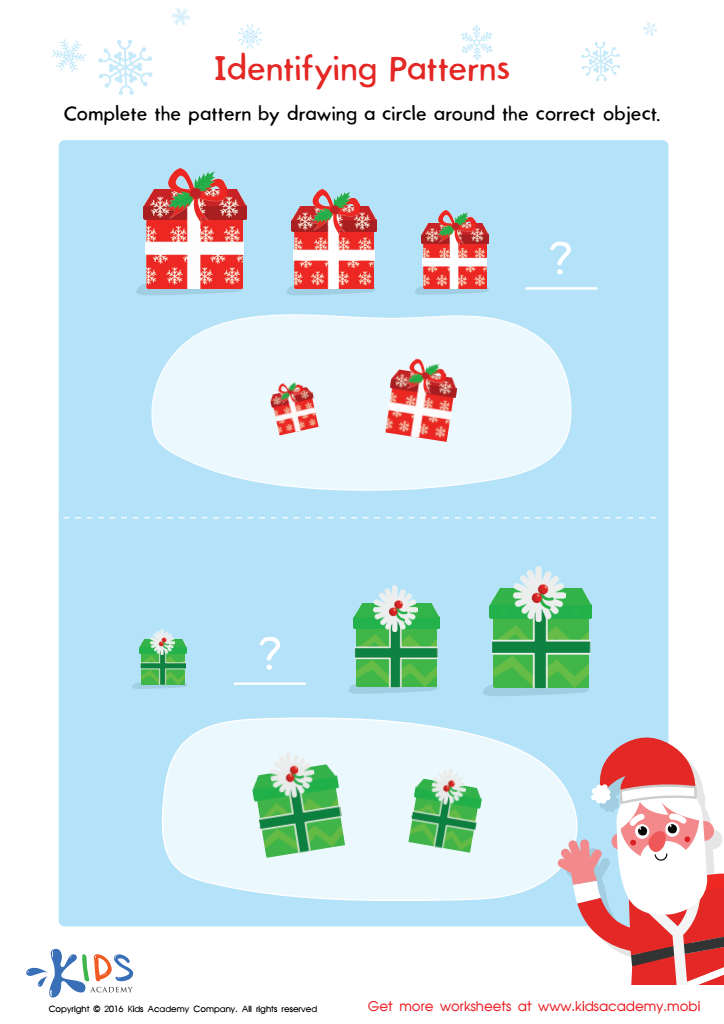
Identifying Patterns Worksheet
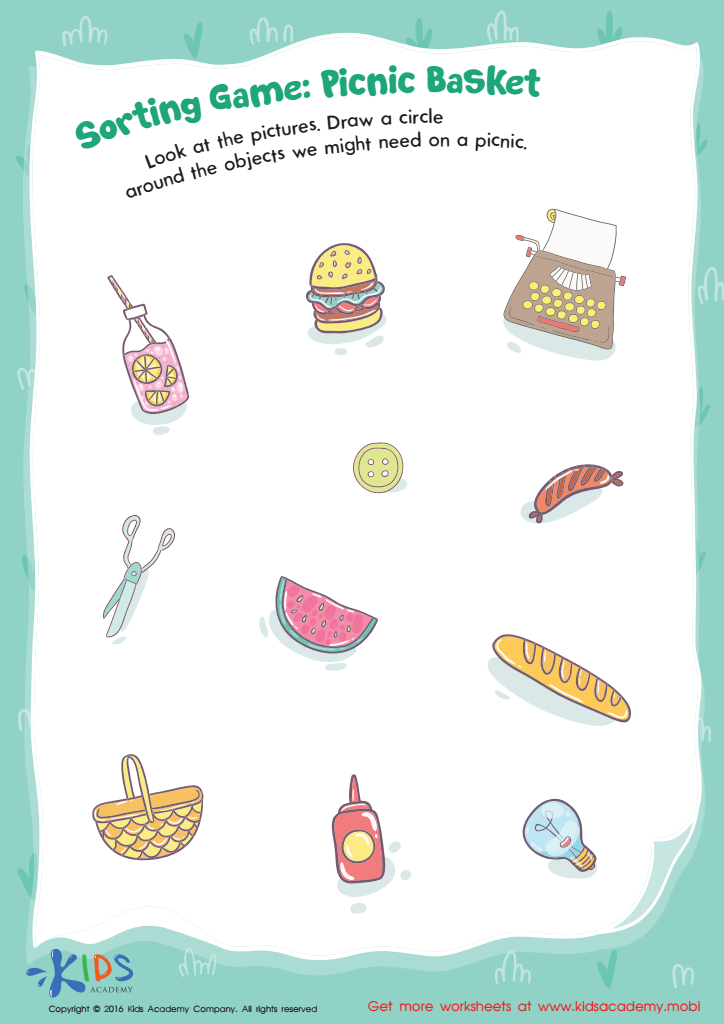
Picnic Basket Sorting Worksheet
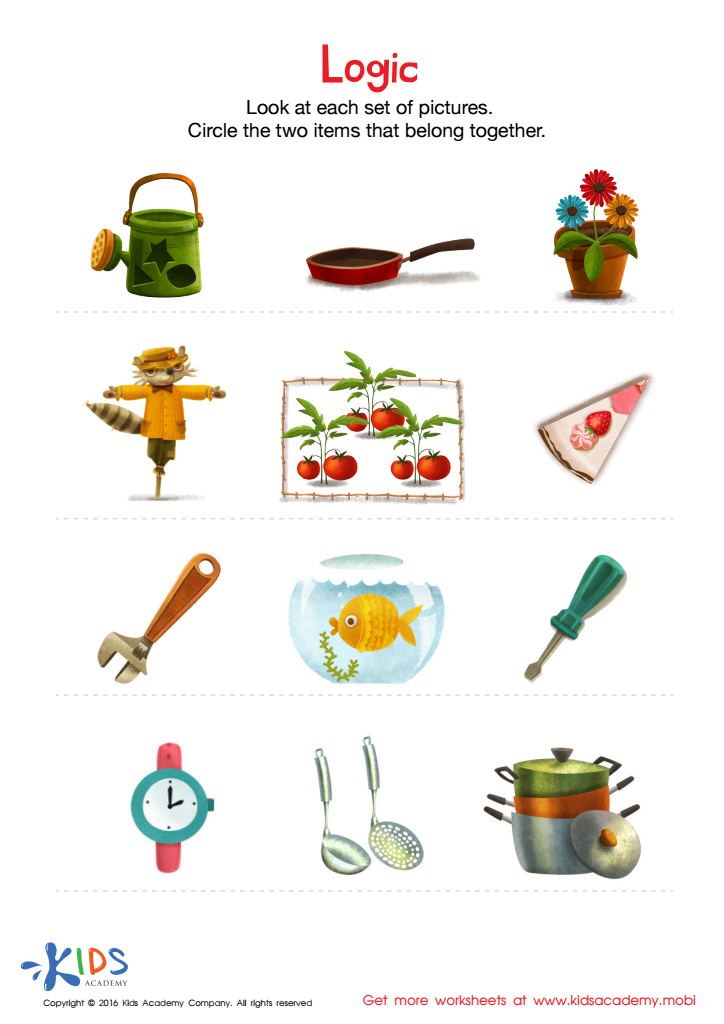
Logic Game Sorting Worksheet
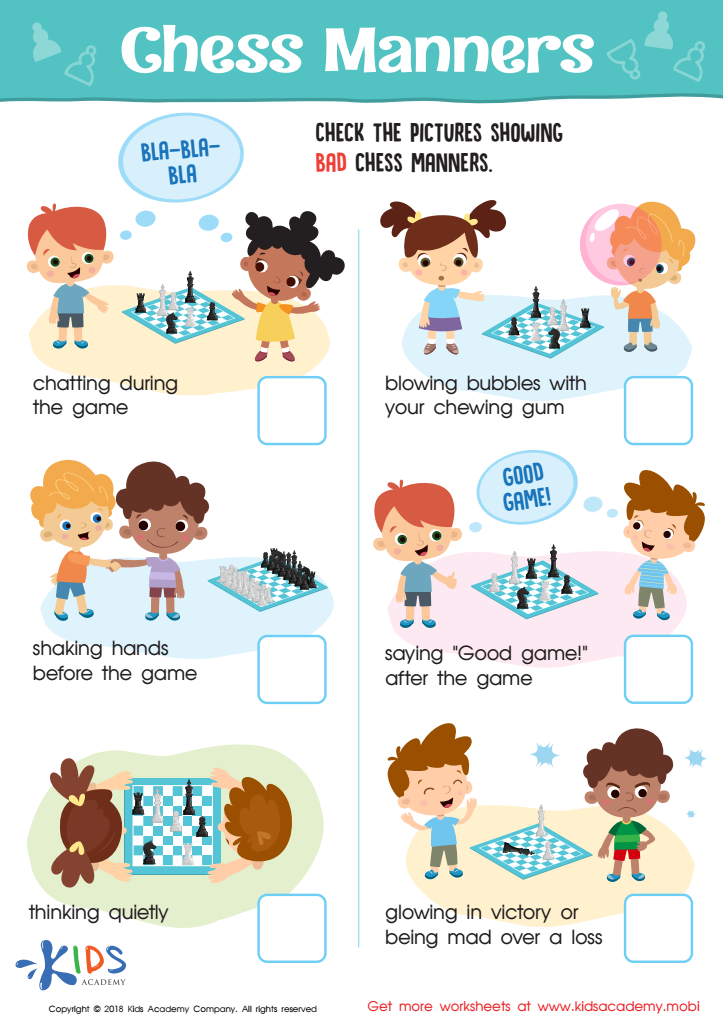
Chess Manners Worksheet
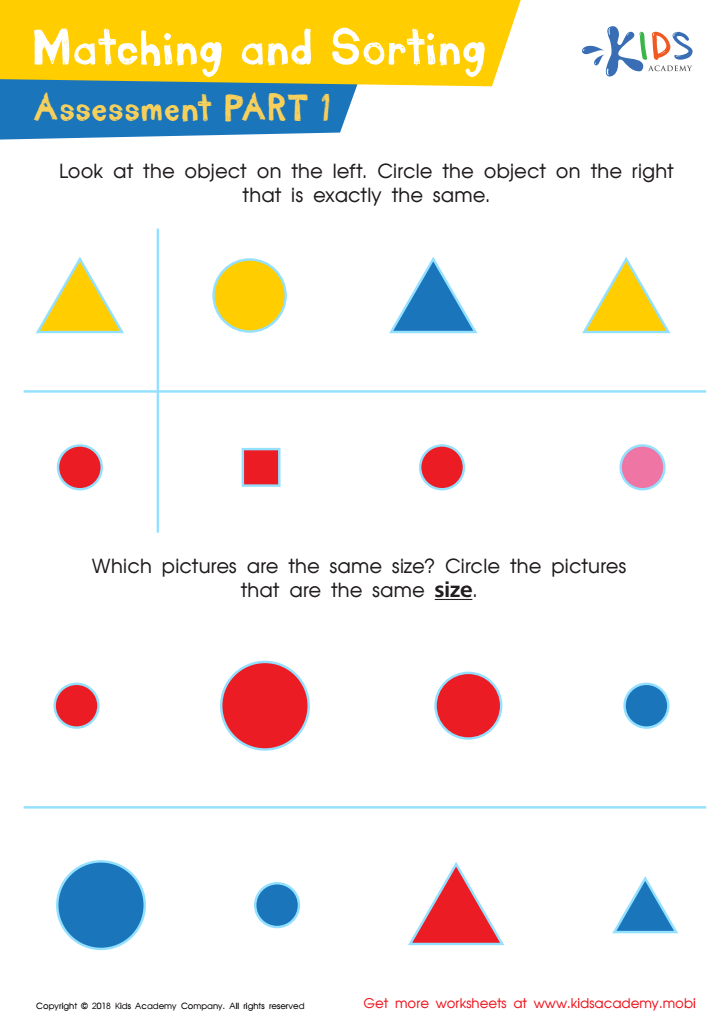
Matching and Sorting for Kindergarten: Assessment 1 Worksheet
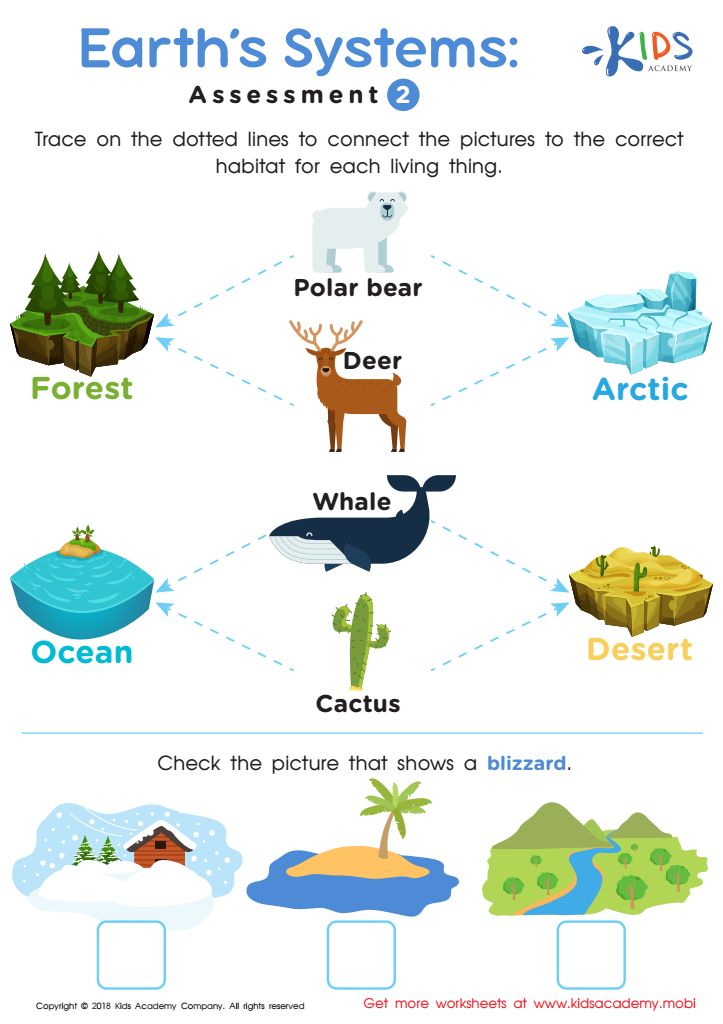
Earth's Systems: Assessment 2
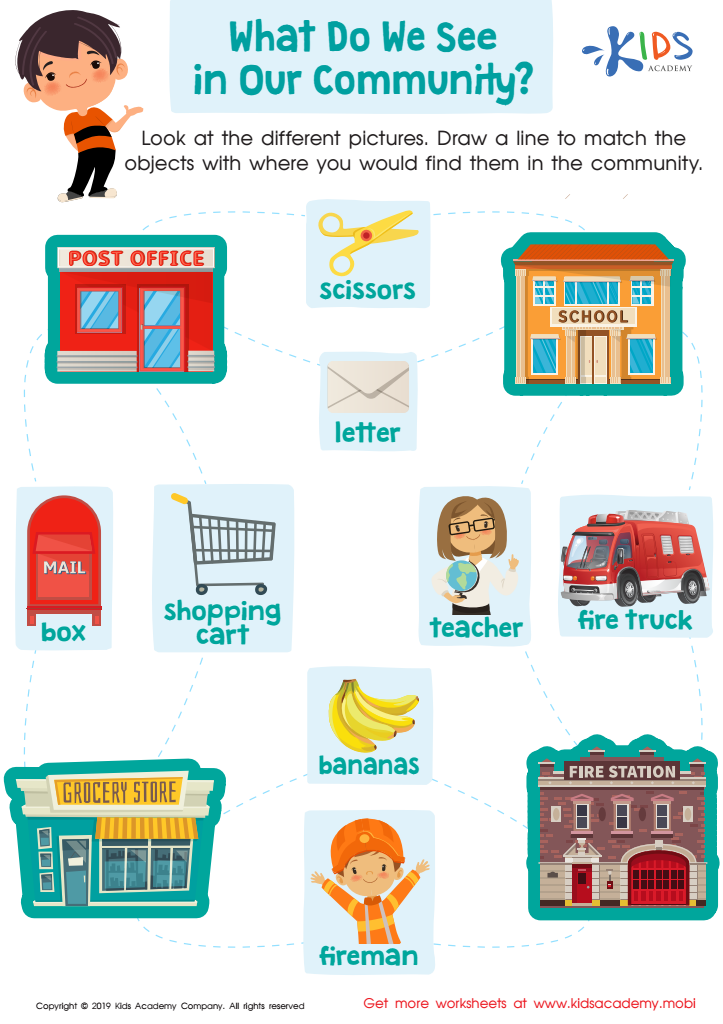
What Do We See in our Community? Worksheet
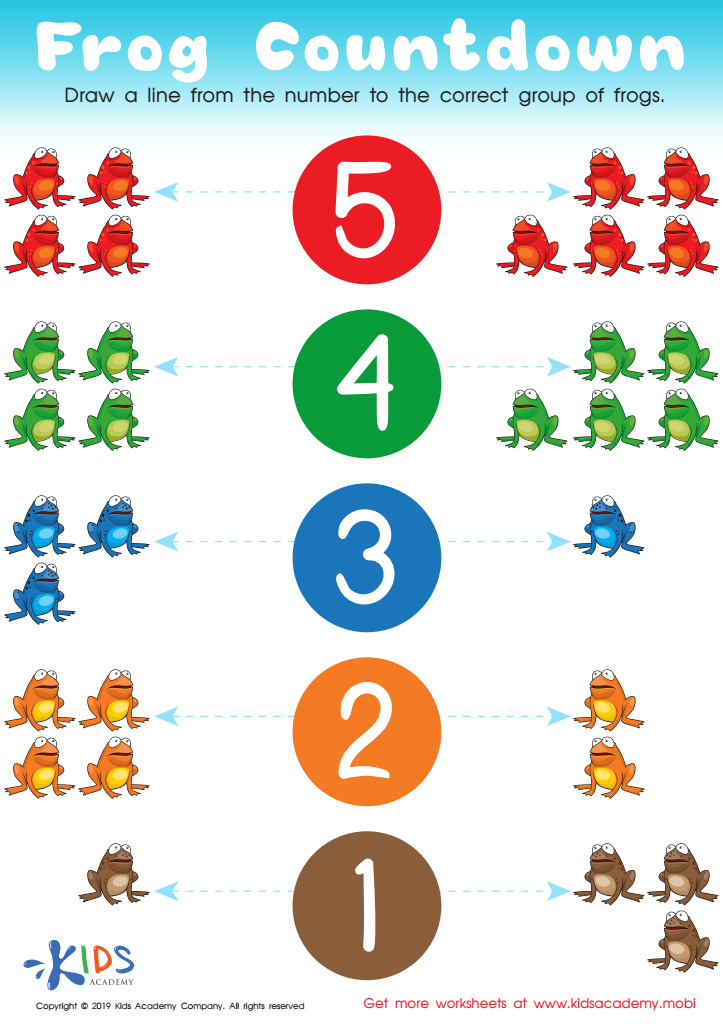
Frog Countdown Worksheet
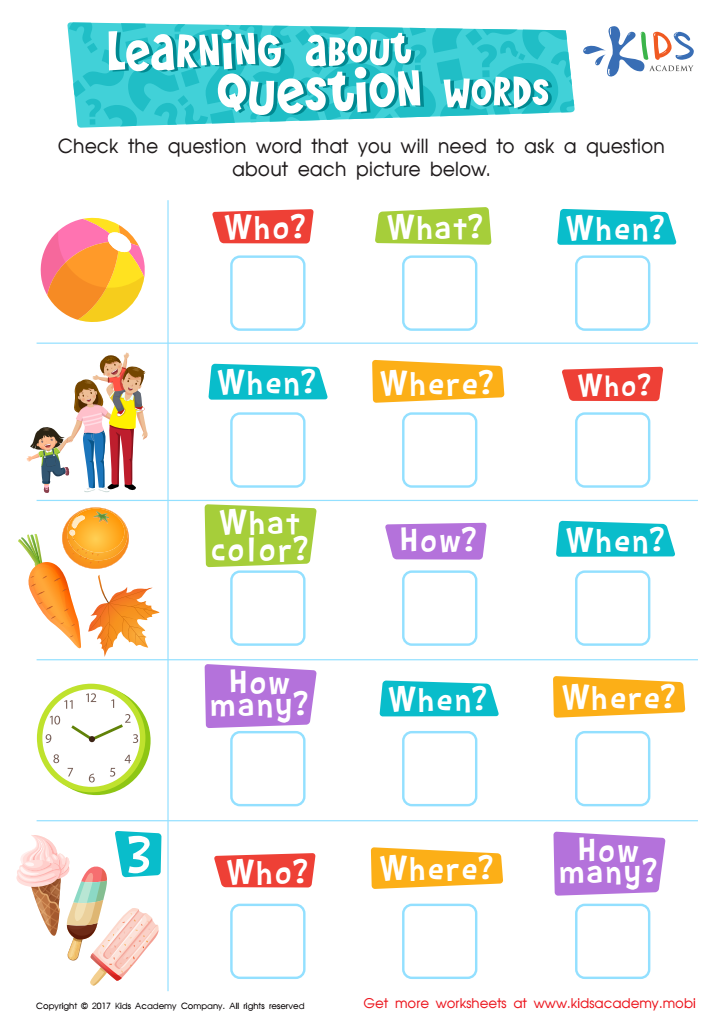
Learning about Question Words Worksheet
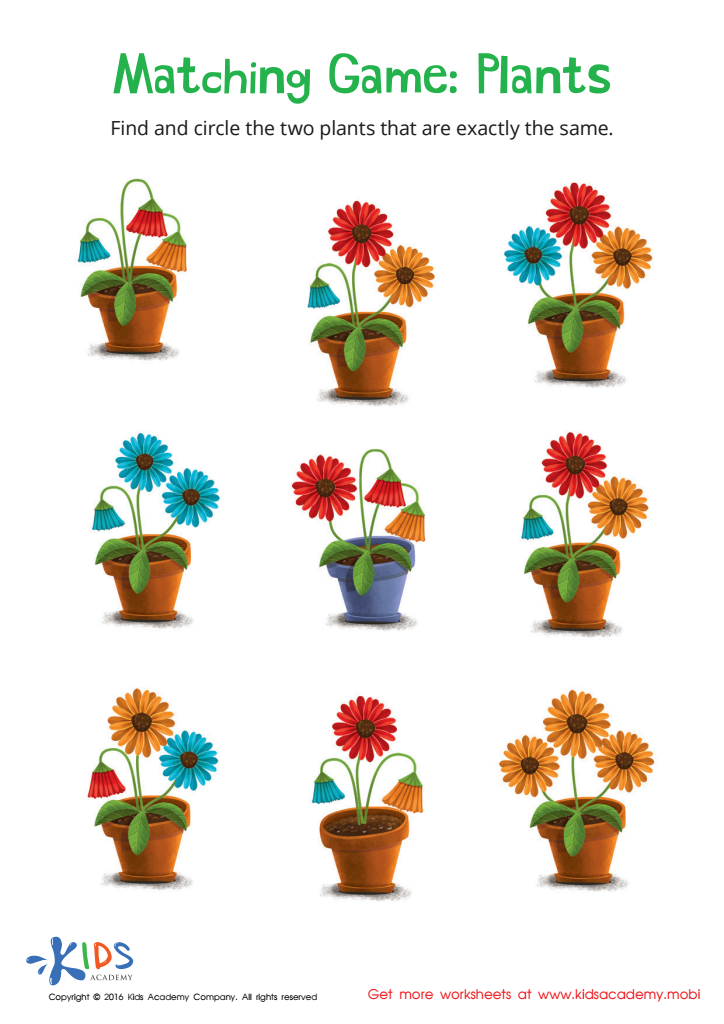
Matching: Plants Worksheet
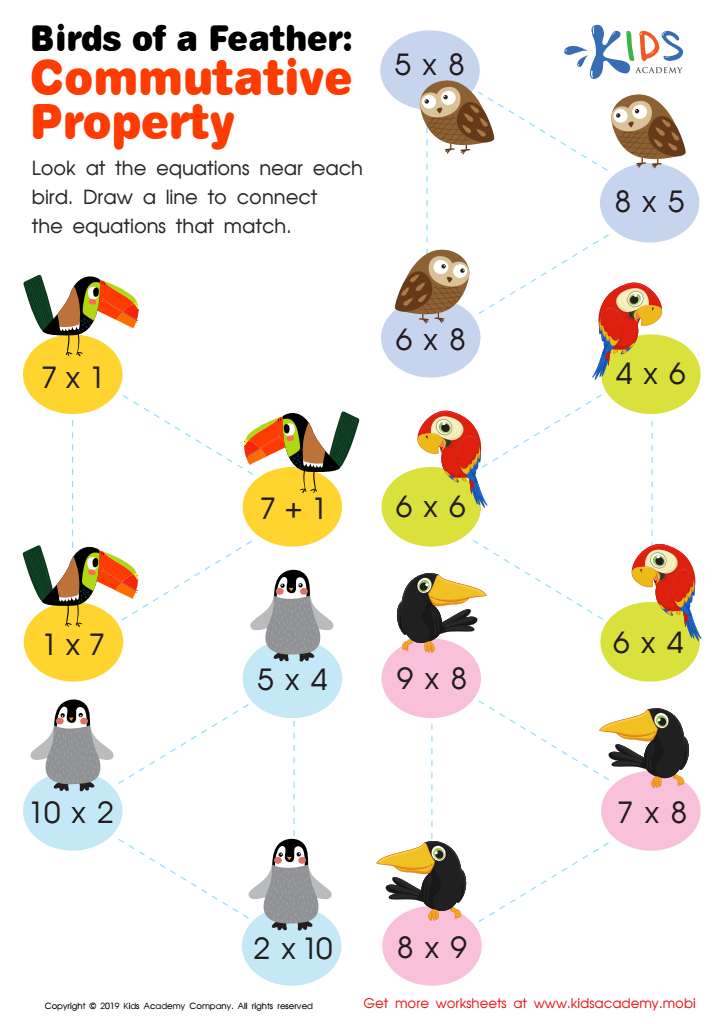
Birds of a Feather: Commutative Property Worksheet
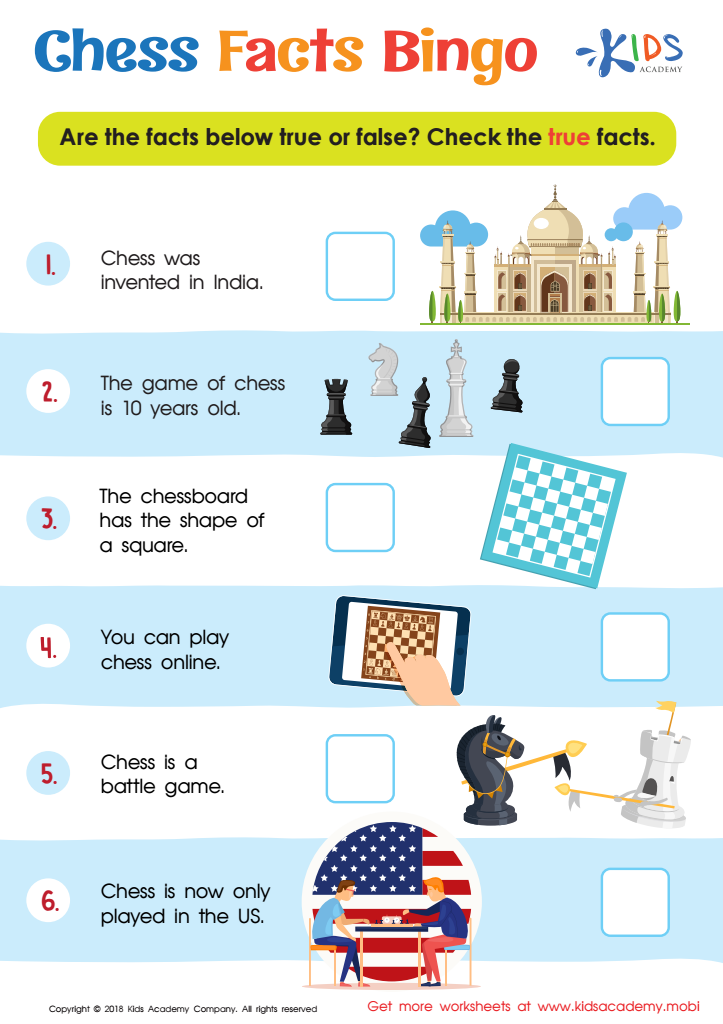
Chess Facts Bingo Worksheet
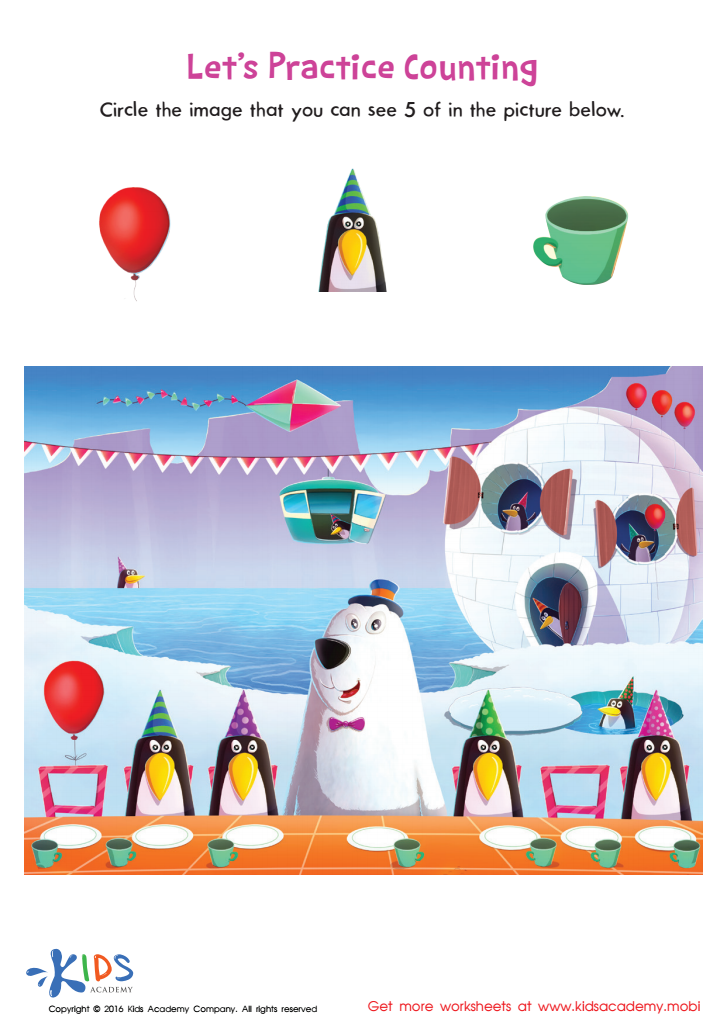
Counting Worksheet: Let's Practice Counting







Parents and teachers should care about matching for ages 6-9 because this developmental stage is crucial for honing cognitive and social skills. During these formative years, children are like sponges, eagerly absorbing information and learning through play and interaction. Matching activities can enhance their cognitive abilities, such as memory and reasoning. For example, matching games bolster recognition and recall, helping children to categorize and connect new knowledge to existing understanding.
Furthermore, matching games often involve teamwork and competition, fostering social skills such as cooperation, turn-taking, and communication. These skills are vital for building friendships and future interpersonal relationships. Engaging children in matching activities fosters a love for learning by making concepts more tangible and enjoyable; whether it’s matching letters, numbers, or objects, it can reinforce literacy and numeracy skills in a fun environment.
Moreover, matching helps develop fine motor skills as children manipulate items, placing them in their appropriate categories. For teachers and parents looking for comprehensive growth, incorporating matching games and activities into learning routines is a powerful, easy, and enjoyable strategy that promotes critical development in multiple areas essential for children's overall success.








