Science Worksheets for Ages 6-9 - Page 3
390 filtered results
-
From - To
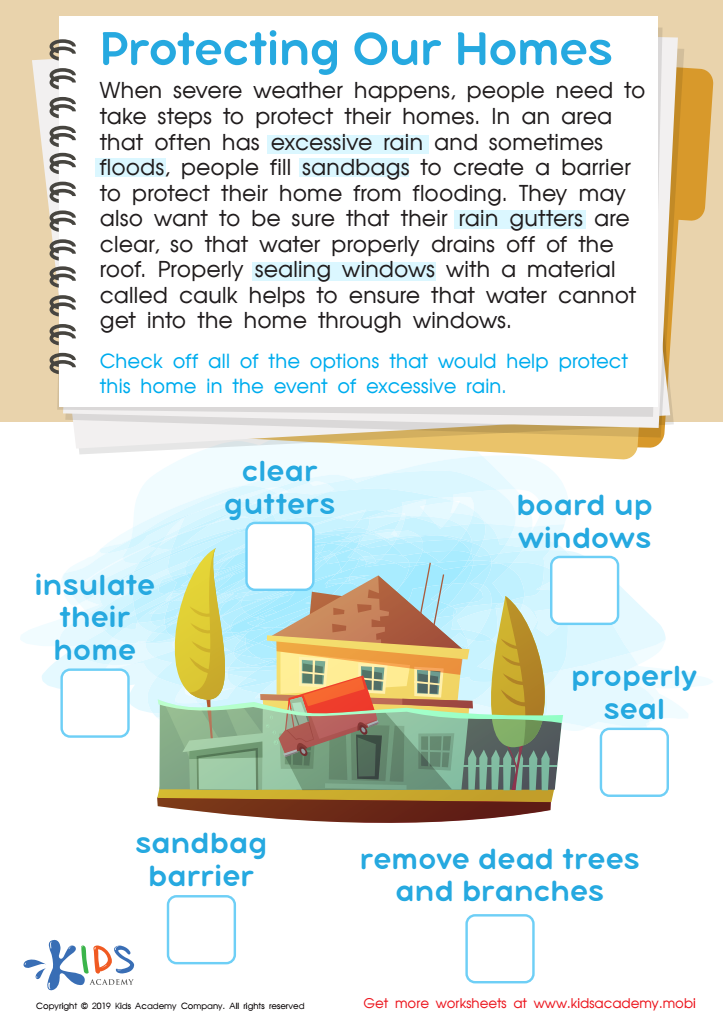
Protecting Our Homes Worksheet
 Assign to My Students
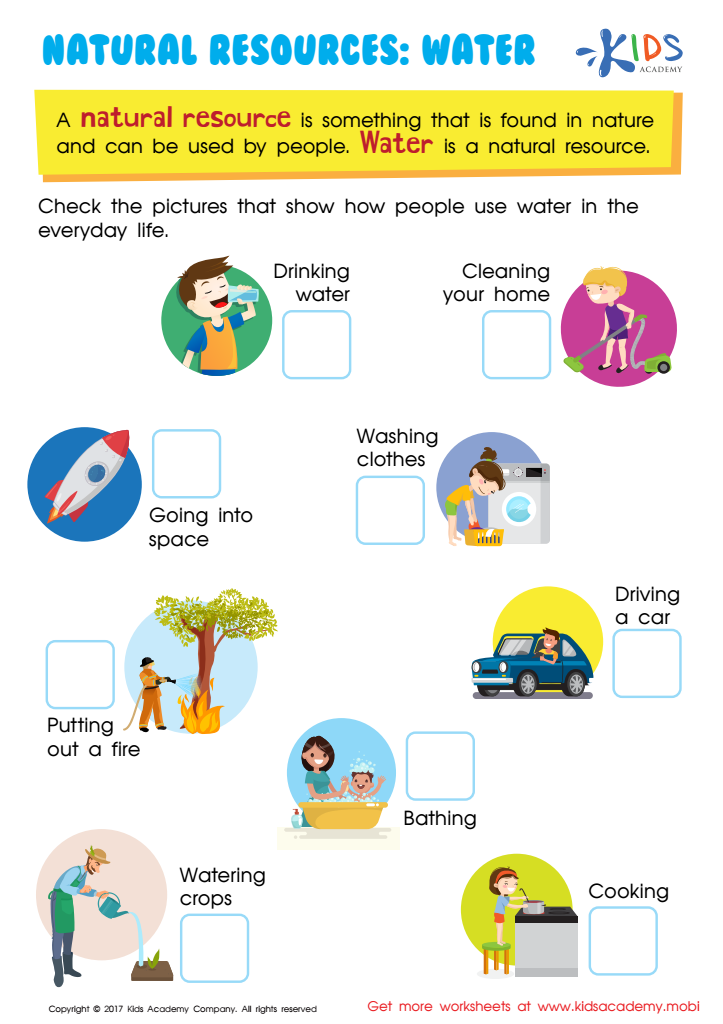
Natural Resources: Water Worksheet
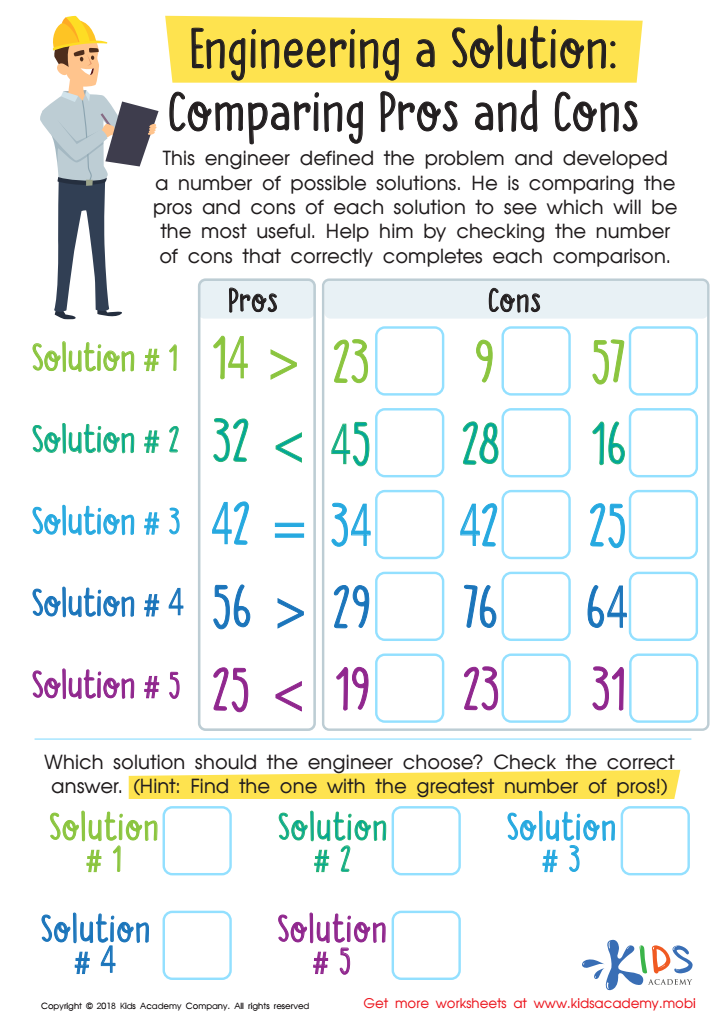
Engineering a Solution: Comparing Pros and Cons Worksheet
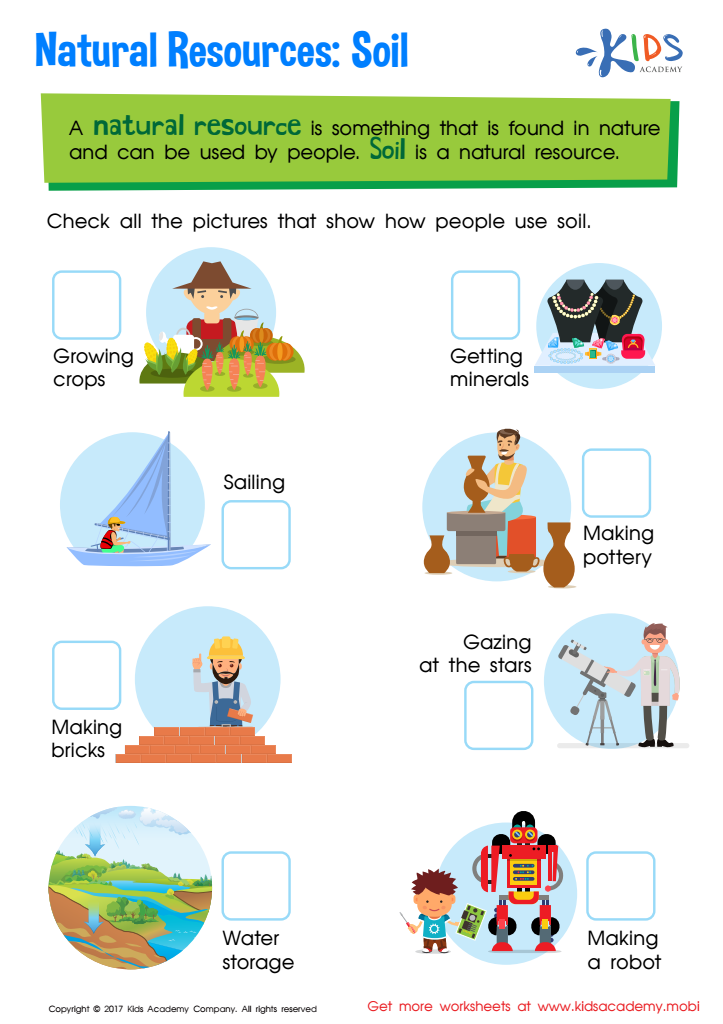
Natural Resources: Soil Worksheet
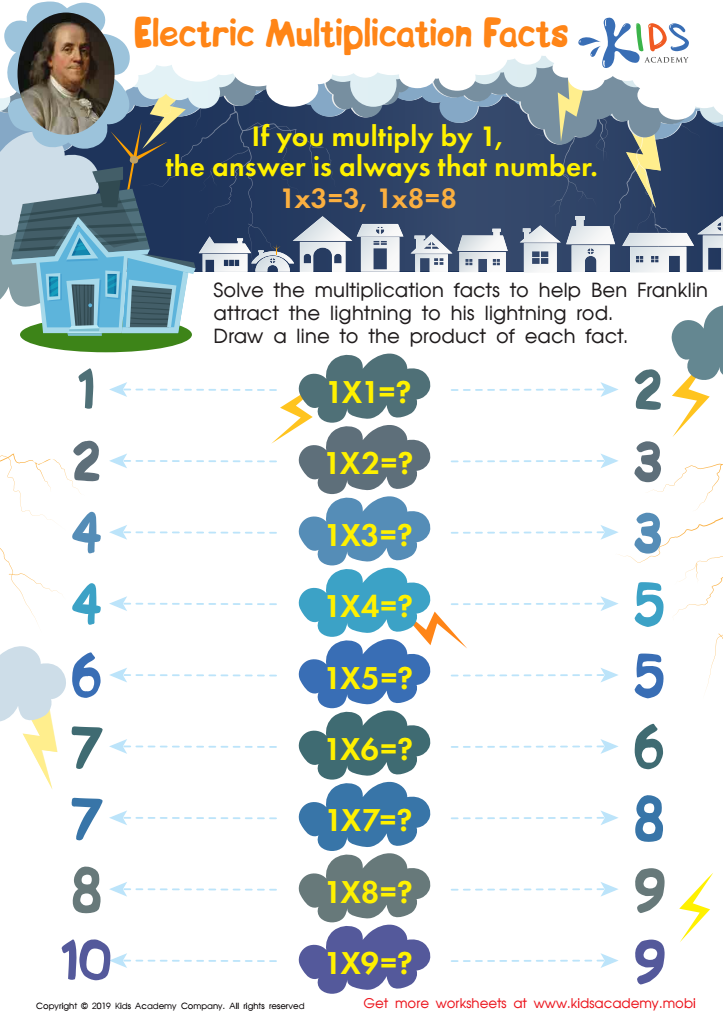
Electric Multiplication Facts Worksheet
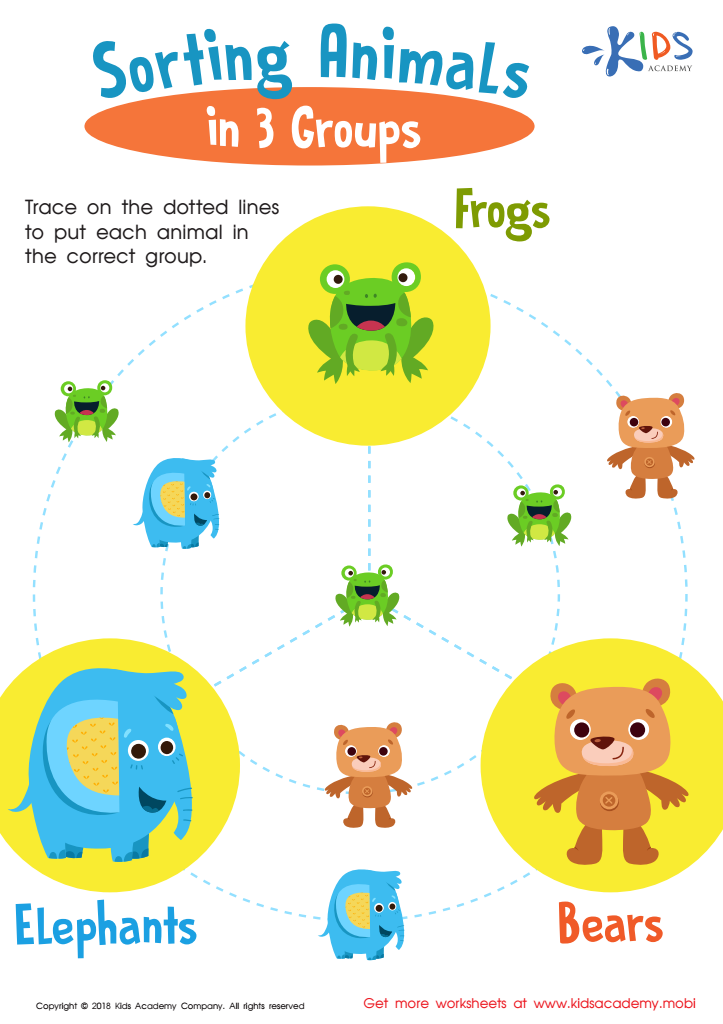
Sorting Animals in 3 Groups Worksheet
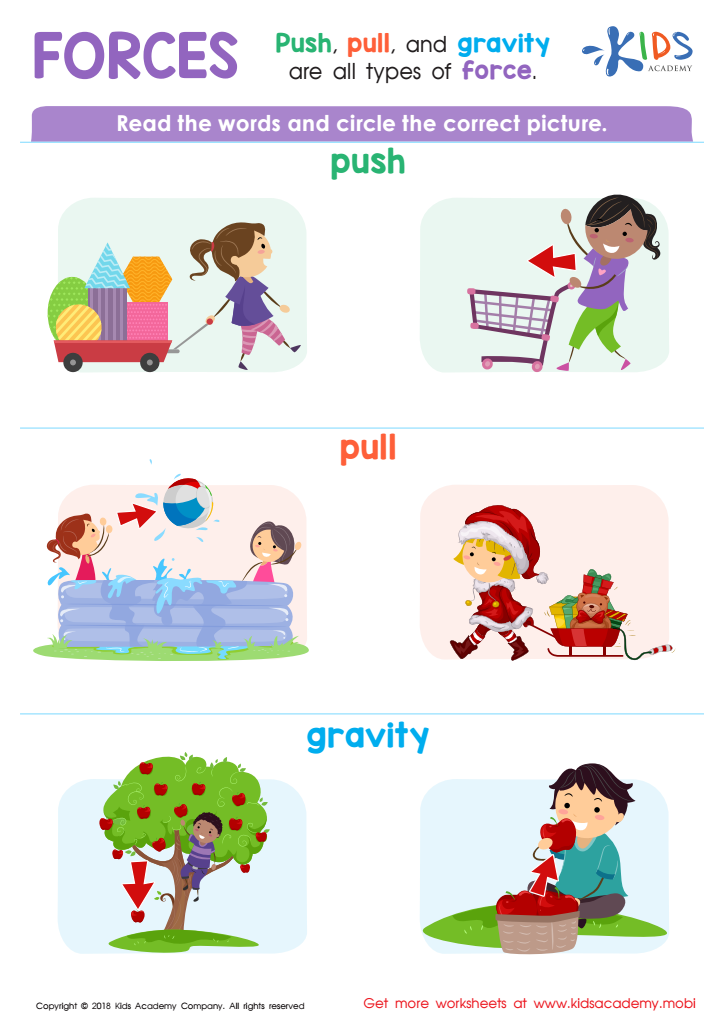
Forces Worksheet
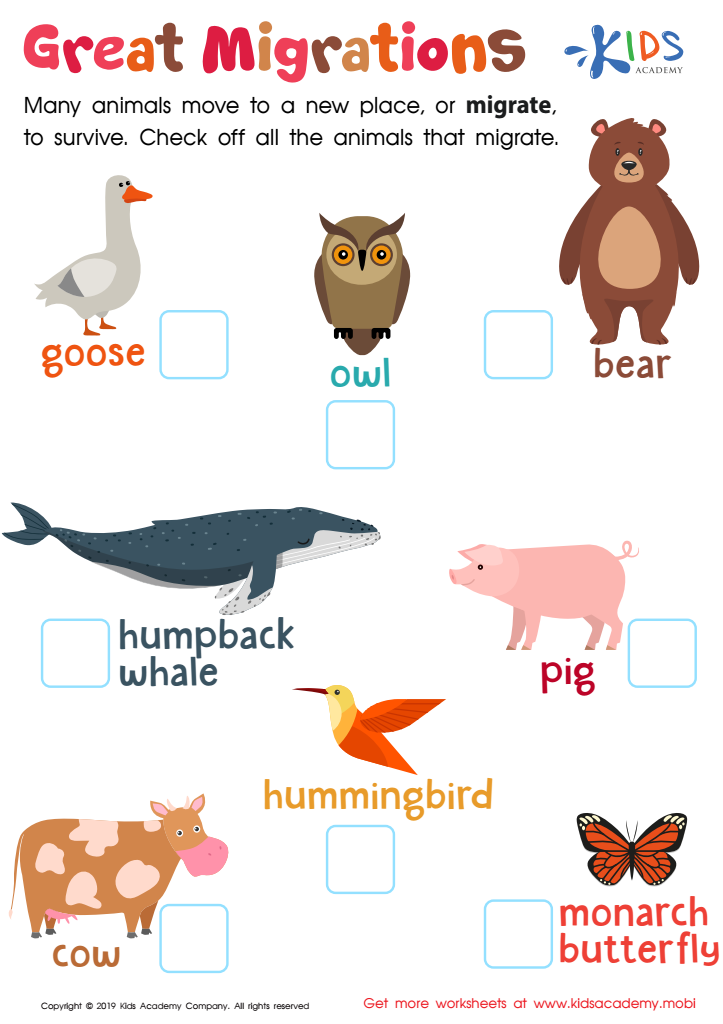
Great Migrations Worksheet
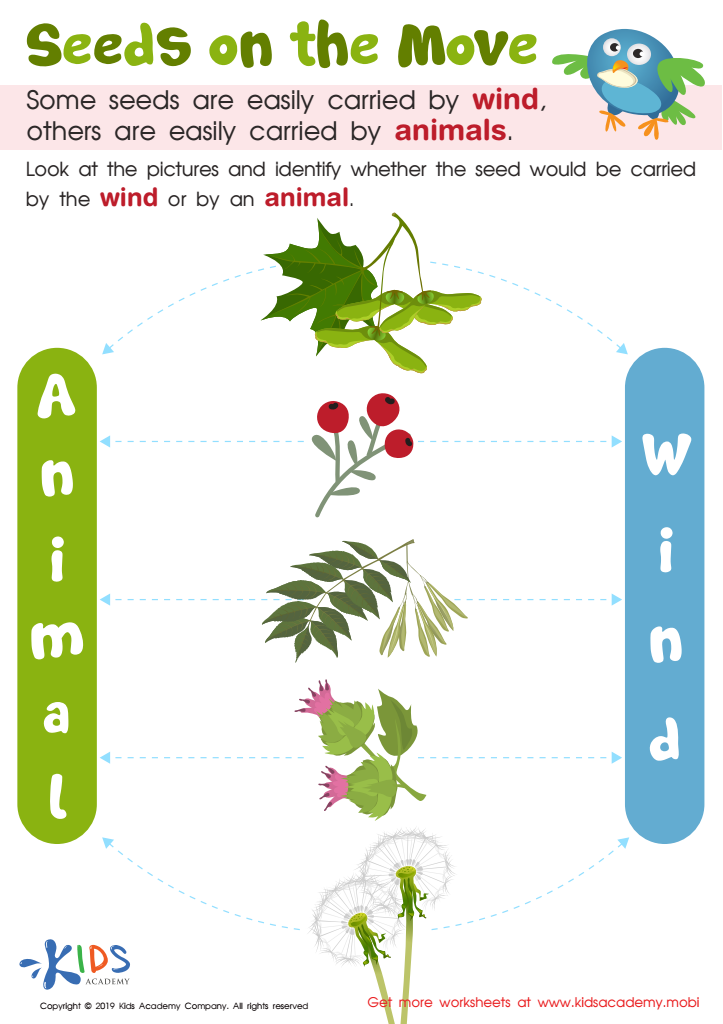
Seeds on the Move Worksheet
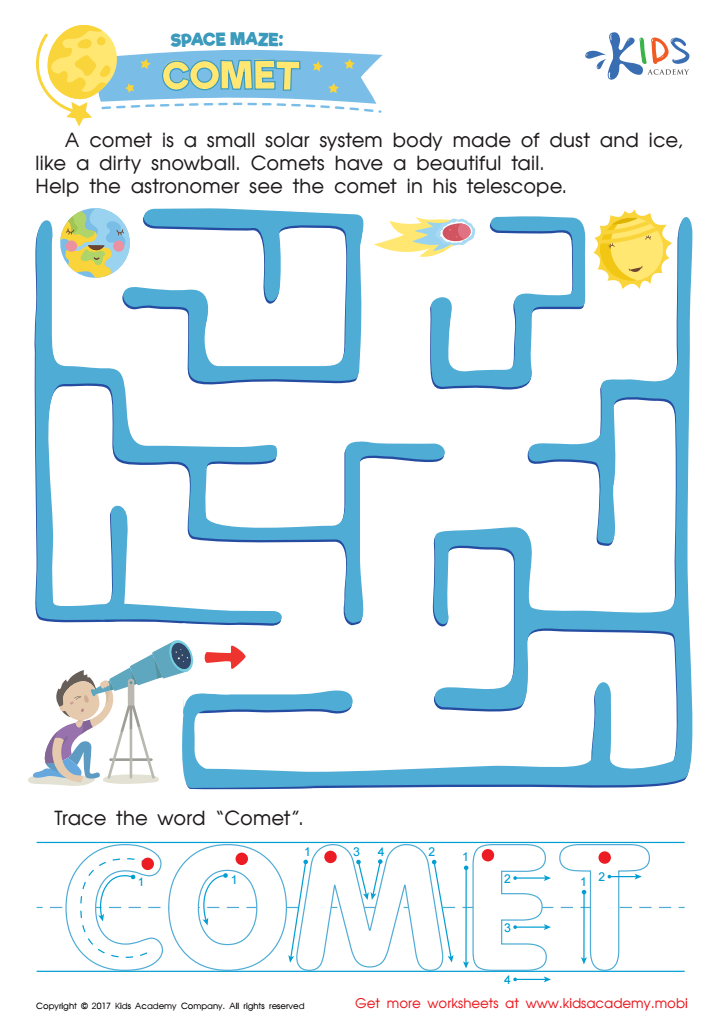
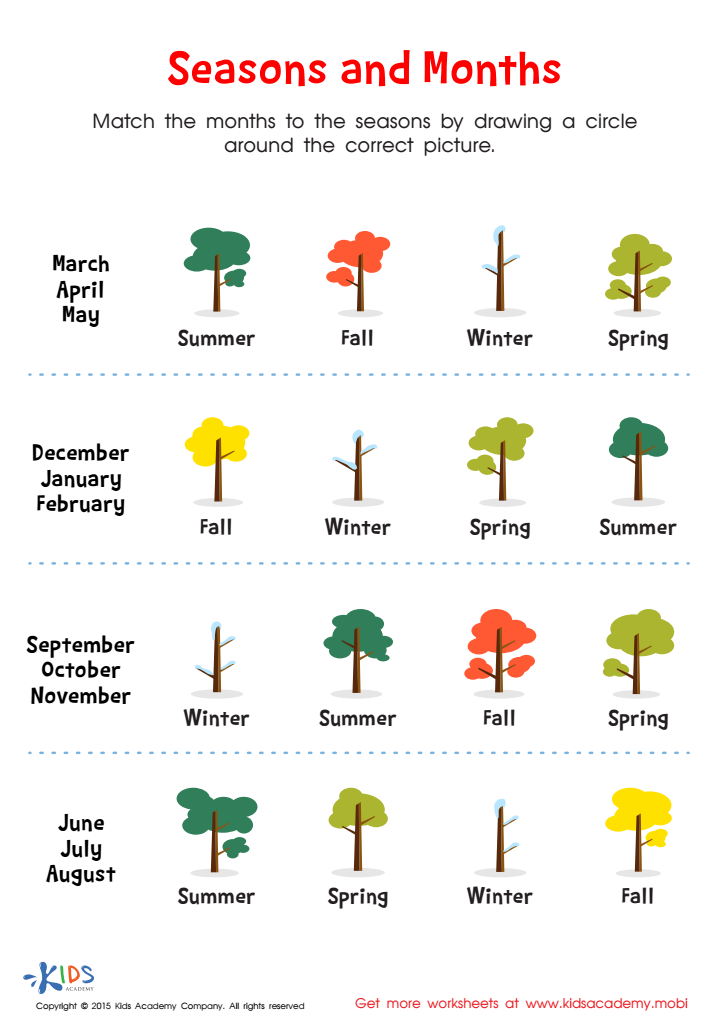
Seasons and Months Worksheet
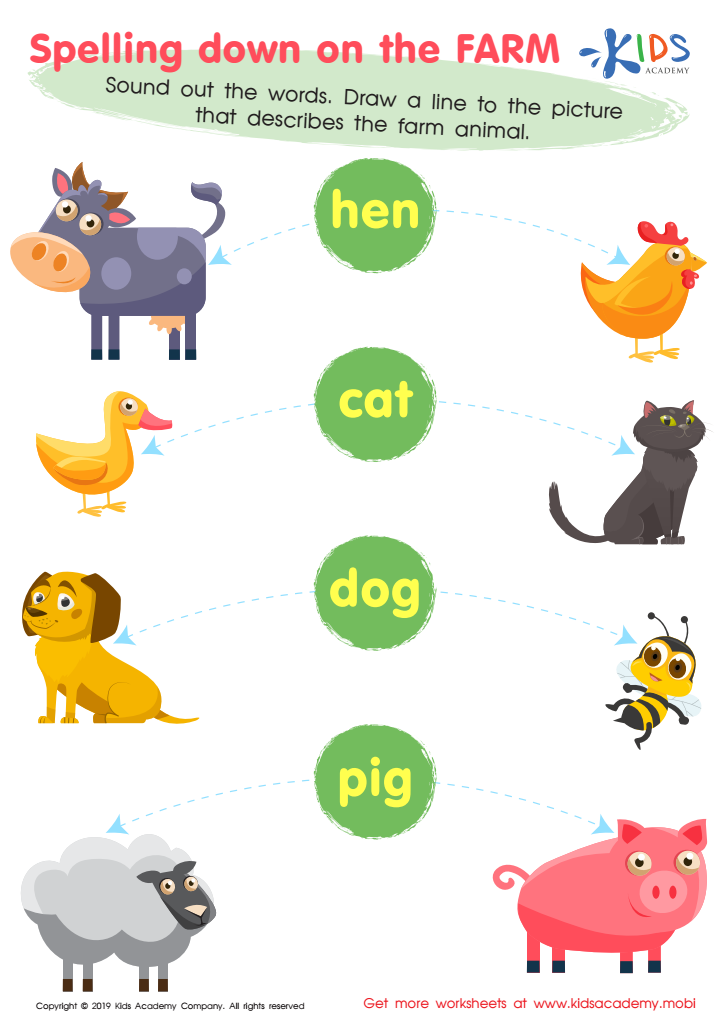
Spelling Down on the Farm Worksheet
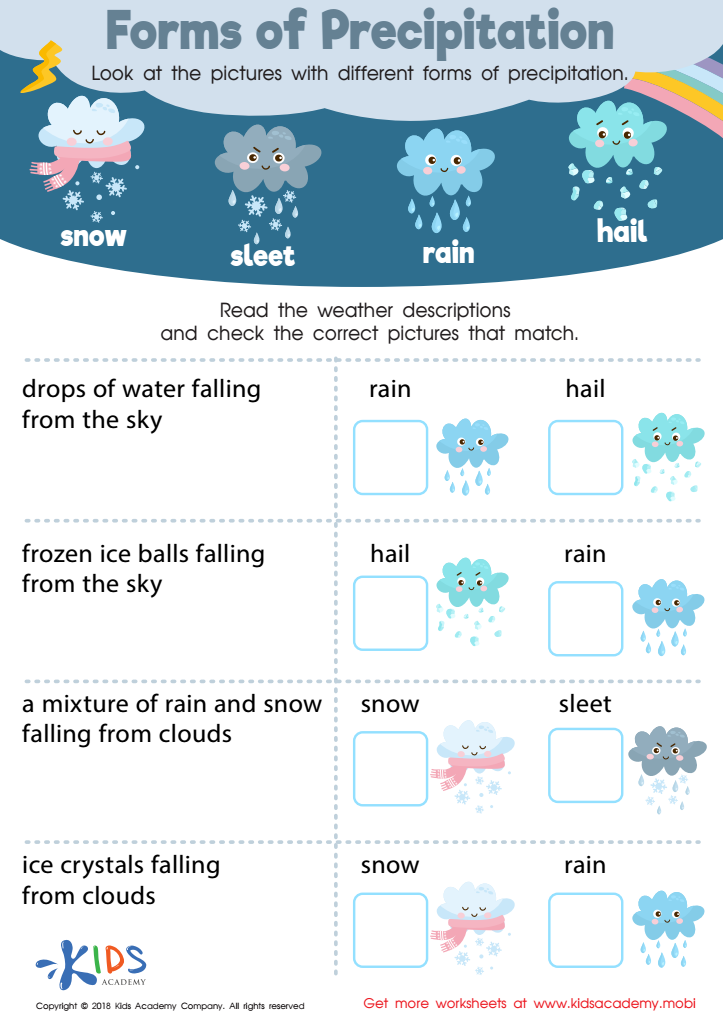
Forms of Precipitation Worksheet
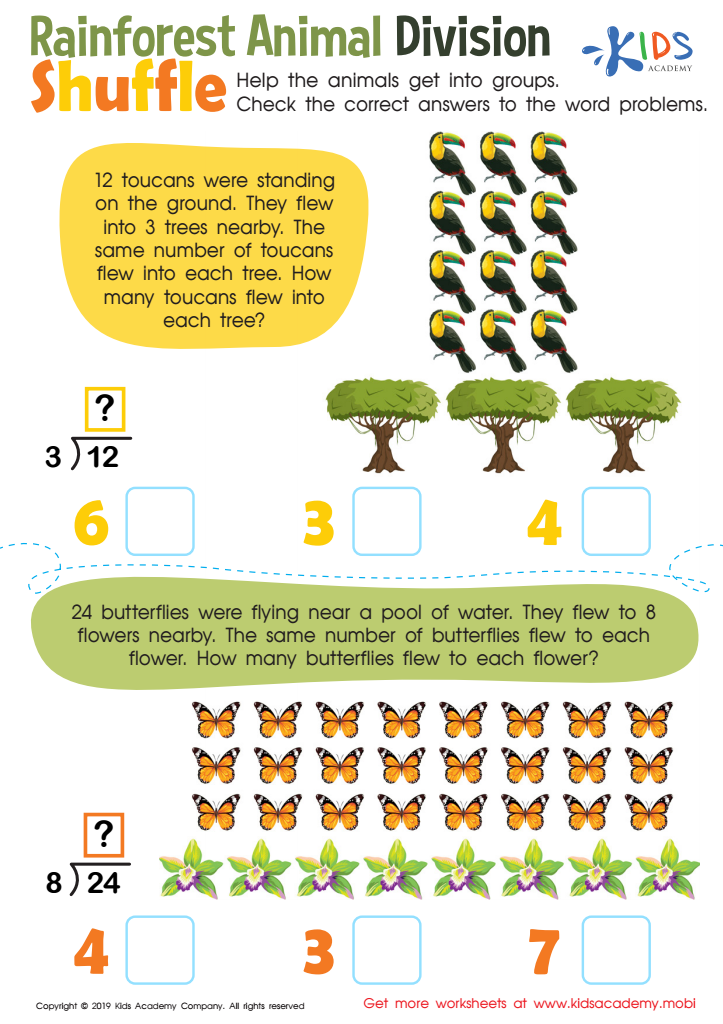
Rainforest Animal Division Worksheet
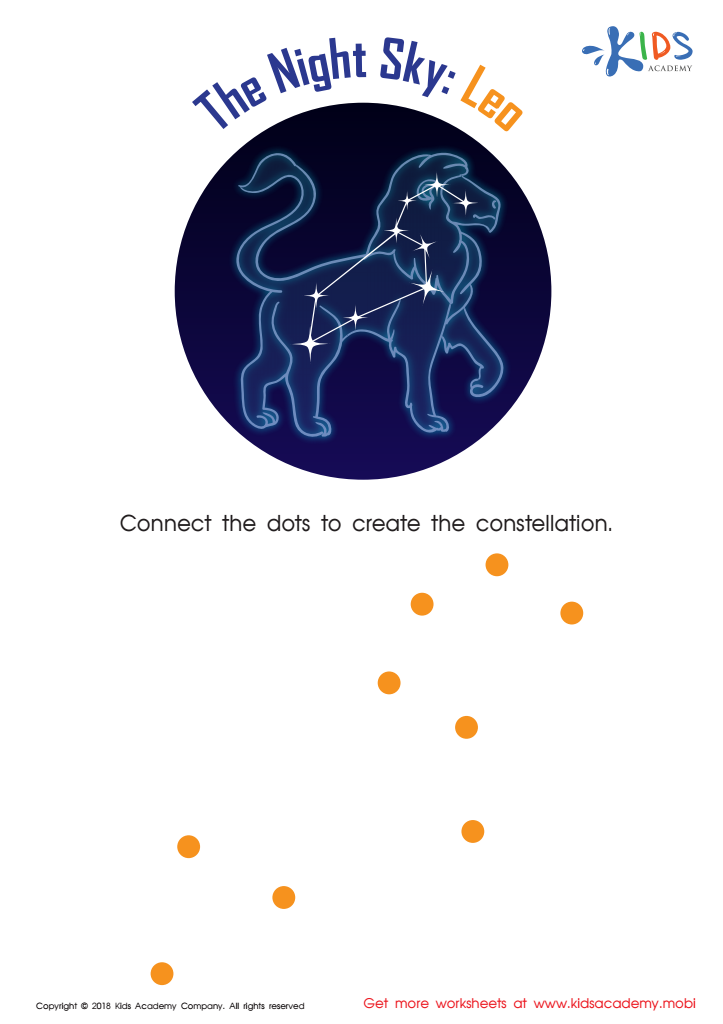
The Night Sky: Leo Worksheet
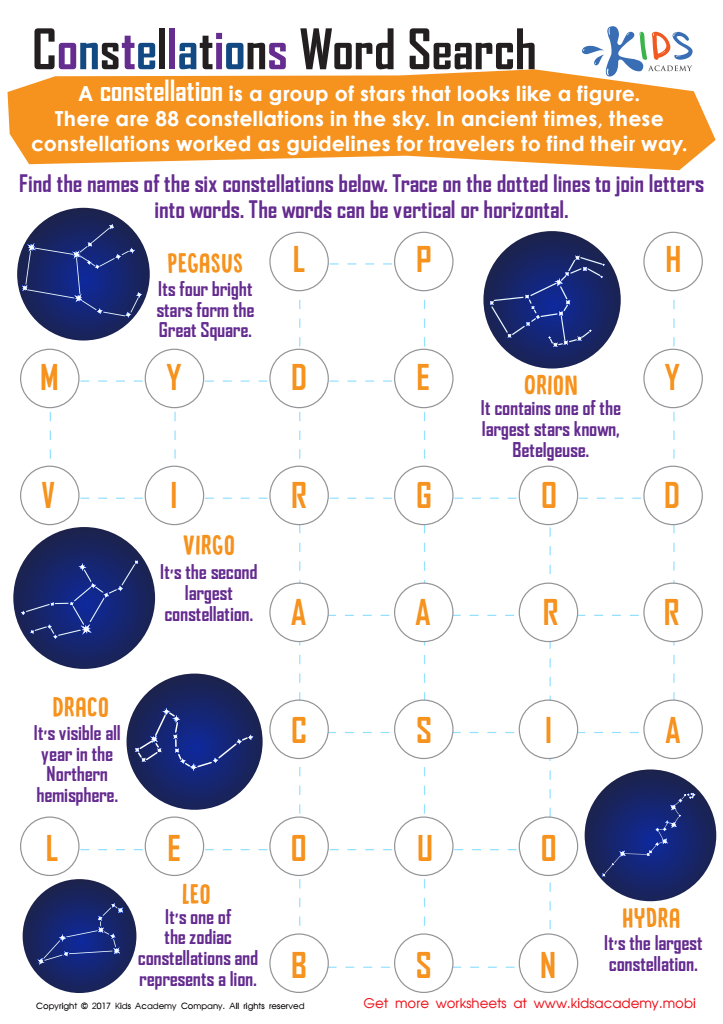
Constellations Word Search Printable
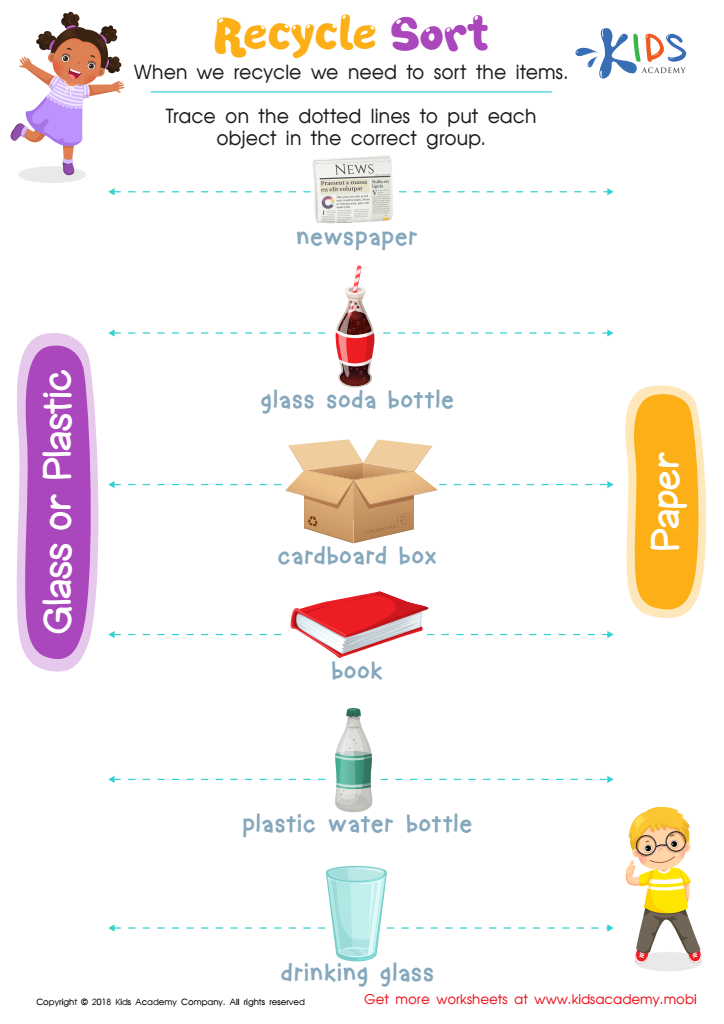
Recycle Sort Worksheet
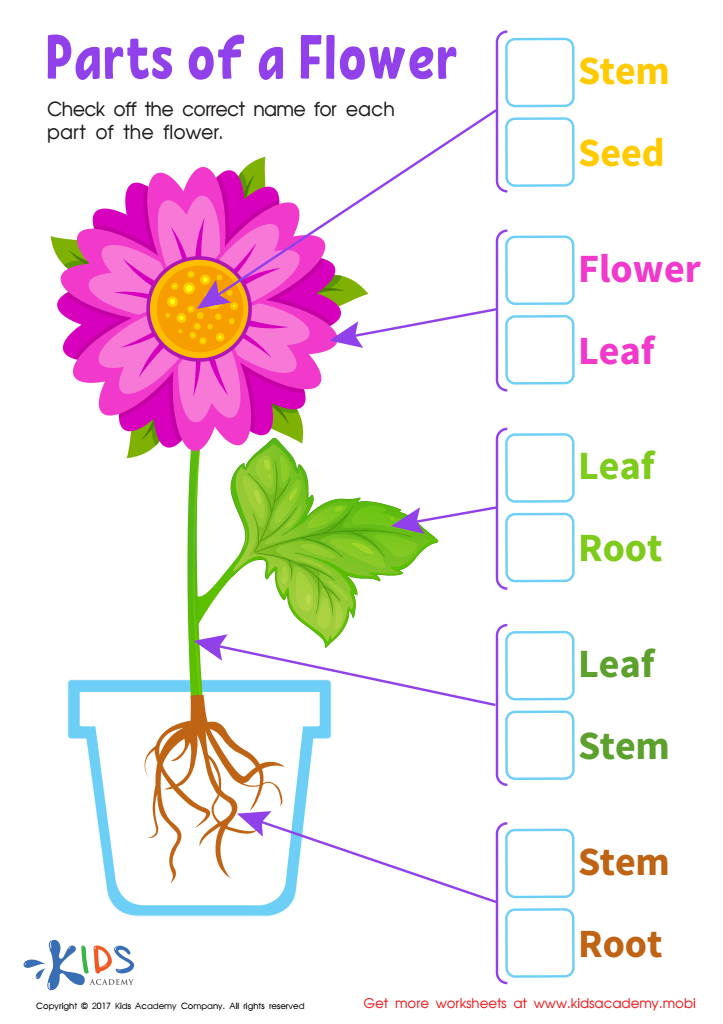
Parts Flower Printable
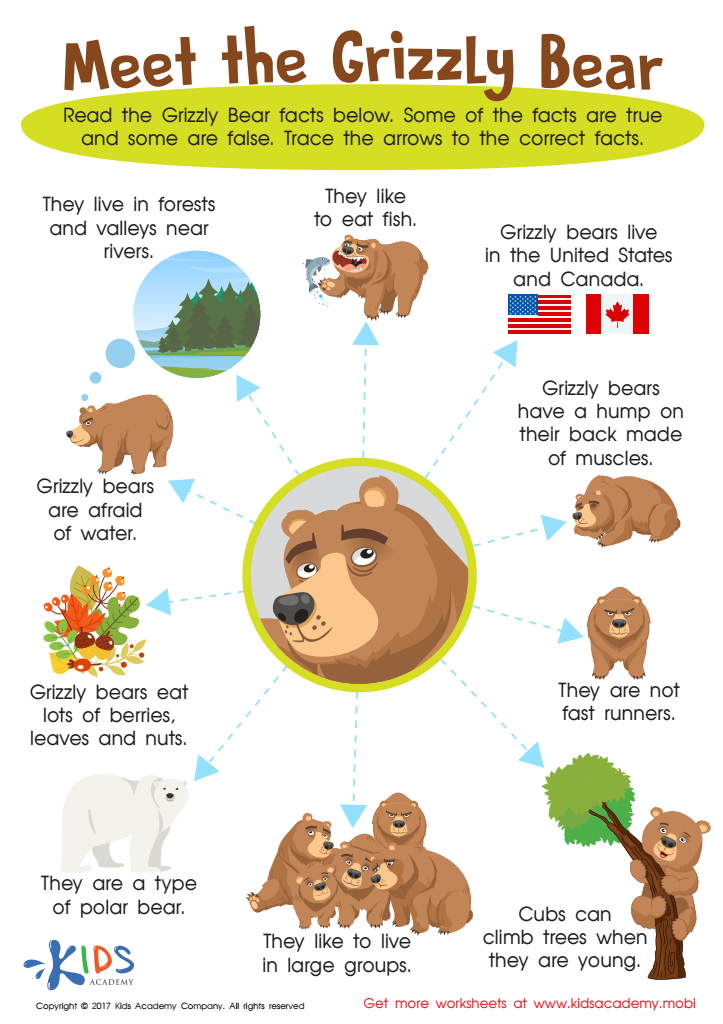
Grizzly Bear Facts Worksheet
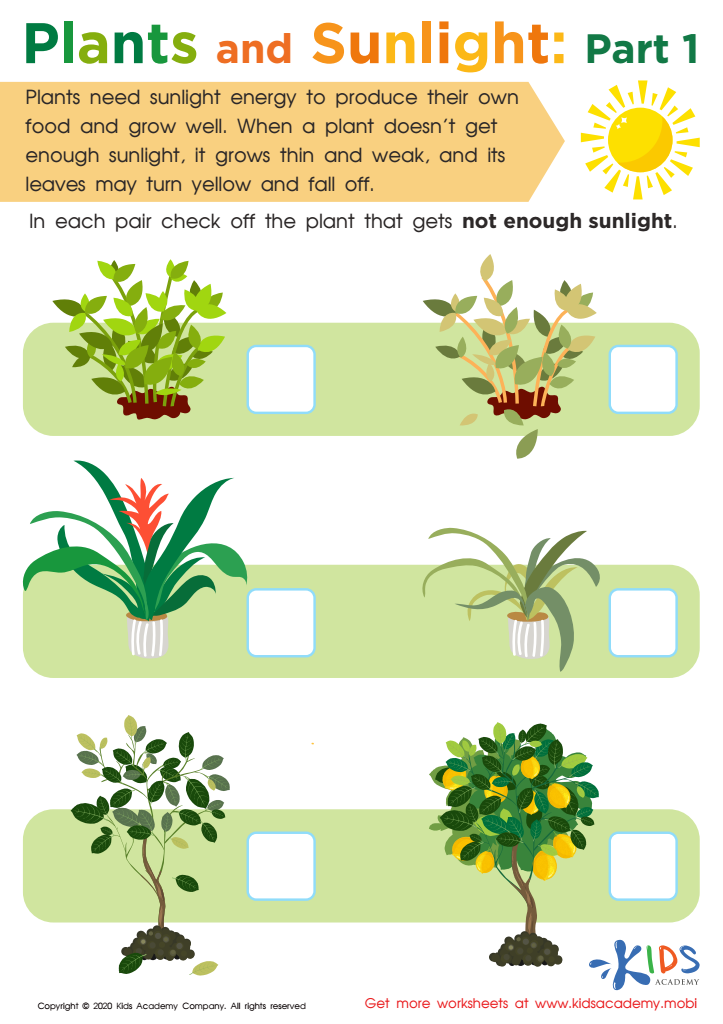
Plants and Sunlight: Part 1 Worksheet
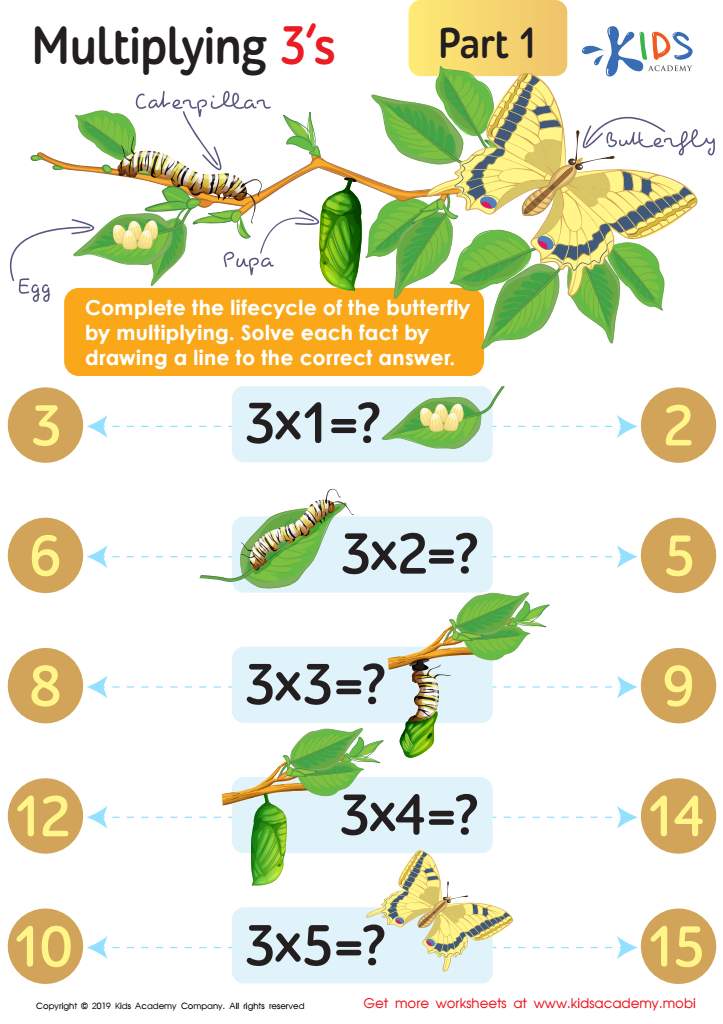
Multiplying 3’s Part 1 Worksheet
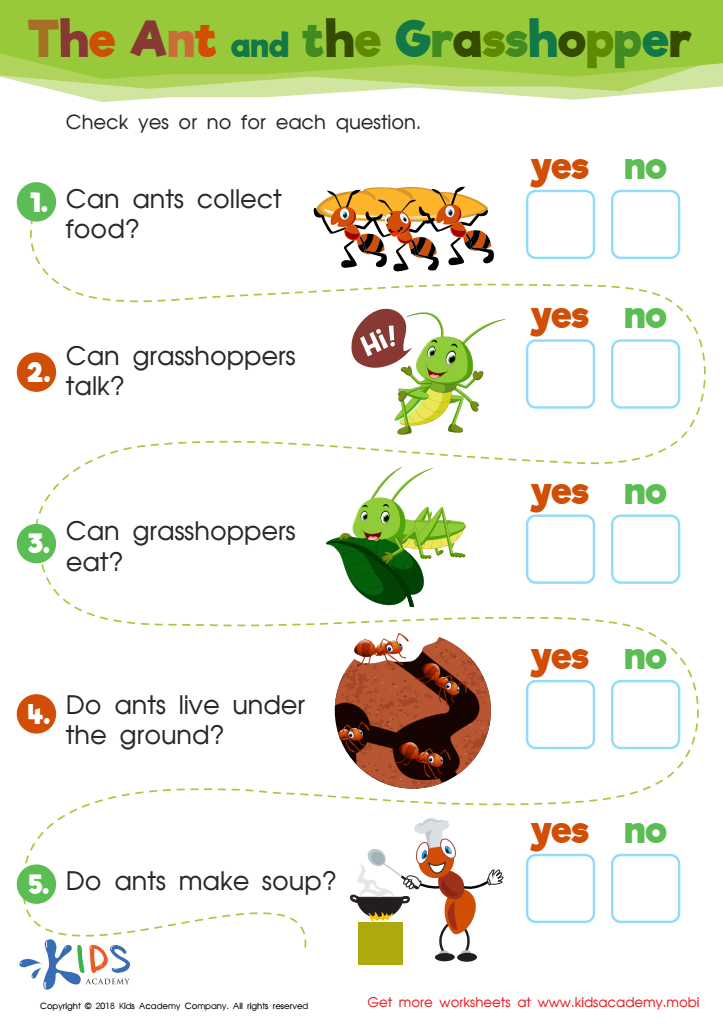
The Ant and The Grasshopper Worksheet
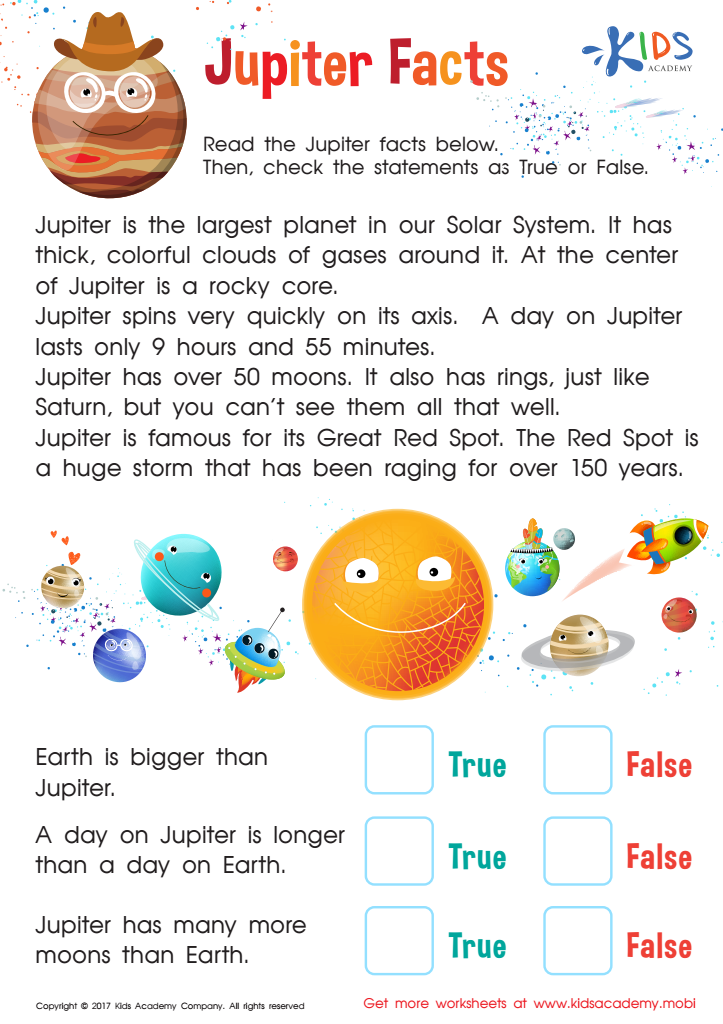
Jupiter Facts Worksheet
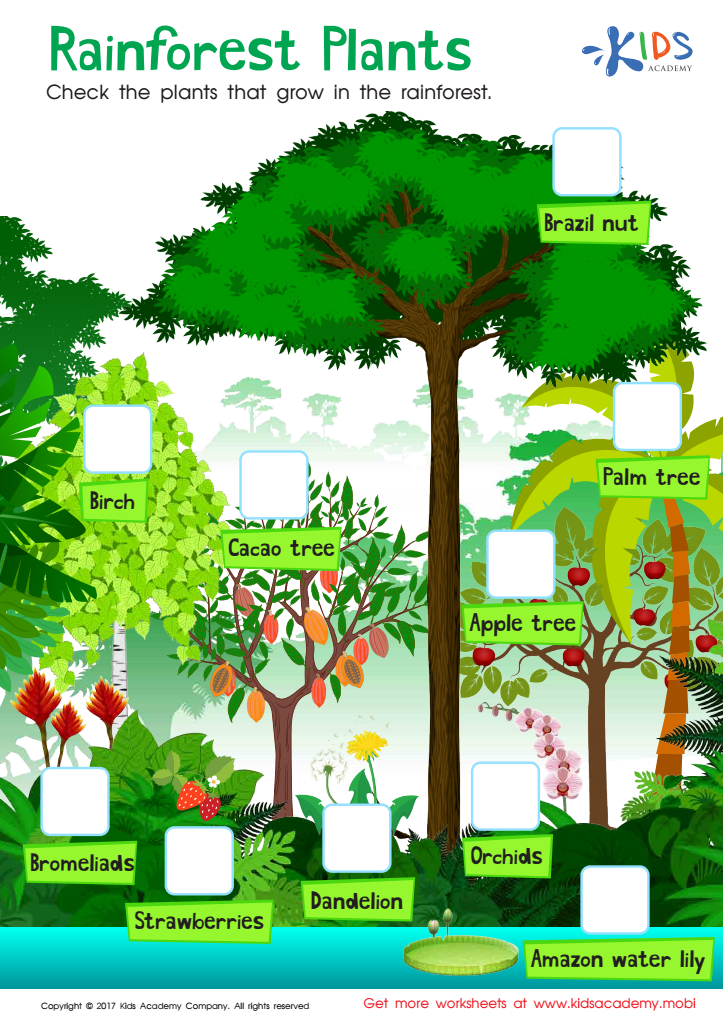
Rainforest Plants Worksheet






Parents and teachers should care deeply about science education for children aged 6-9 because this formative period lays the groundwork for critical thinking and curiosity. At this age, children are naturally inquisitive, often asking "why" and "how" as they explore the world around them. Introducing scientific concepts helps nurture this curiosity, encouraging them to seek answers and fostering a love for learning.
Engaging young learners in science enhances their problem-solving skills and ability to think analytically, essential skills in today's fast-paced, technology-driven world. It promotes an understanding of the natural environment, encouraging kids to appreciate nature, sustainability, and the impact of human activity on the planet.
Additionally, science education incorporates various disciplines, integrating math, technology, and even artistry, thus encouraging a well-rounded skill set. Collaborative experiments and projects enhance social and communication skills as children learn to work in teams and share ideas.
Furthermore, early exposure to science can inspire future interests in STEM (Science, Technology, Engineering, and Mathematics) careers, addressing future workforce demands. By caring about science education in these crucial years, parents and teachers can empower children with knowledge and skills that will benefit them throughout their lives.







