Problem-Solving Skills Science Worksheets for Ages 6-9
24 filtered results
-
From - To
Unlock your child's potential with our engaging Problem-Solving Skills Science Worksheets for ages 6-9! Designed to enhance critical thinking and analytical abilities, these worksheets make learning fun and interactive. Each sheet includes age-appropriate science challenges that encourage budding scientists to explore concepts, analyze data, and solve real-world problems. Perfect for classrooms or home learning, these resources promote creativity and independent thinking while enhancing foundational science knowledge. Help your child build essential problem-solving skills that will benefit them throughout their educational journey and beyond. Dive into a world of curiosity and discovery with our thoughtfully crafted worksheets today!
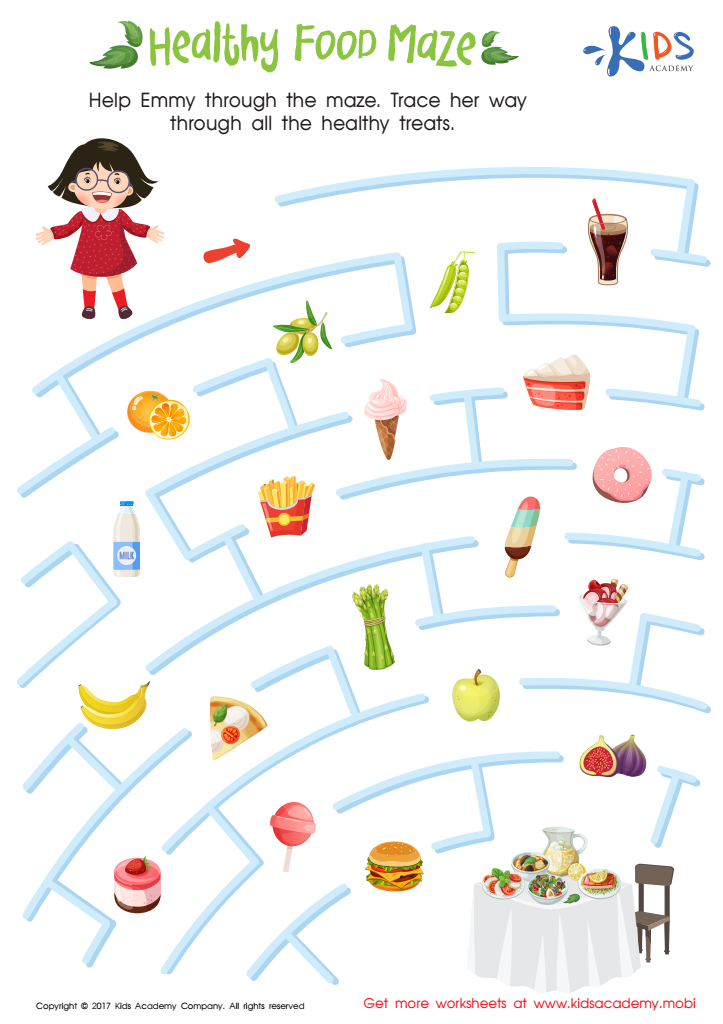
Healthy Food Maze Printable
 Assign to My Students
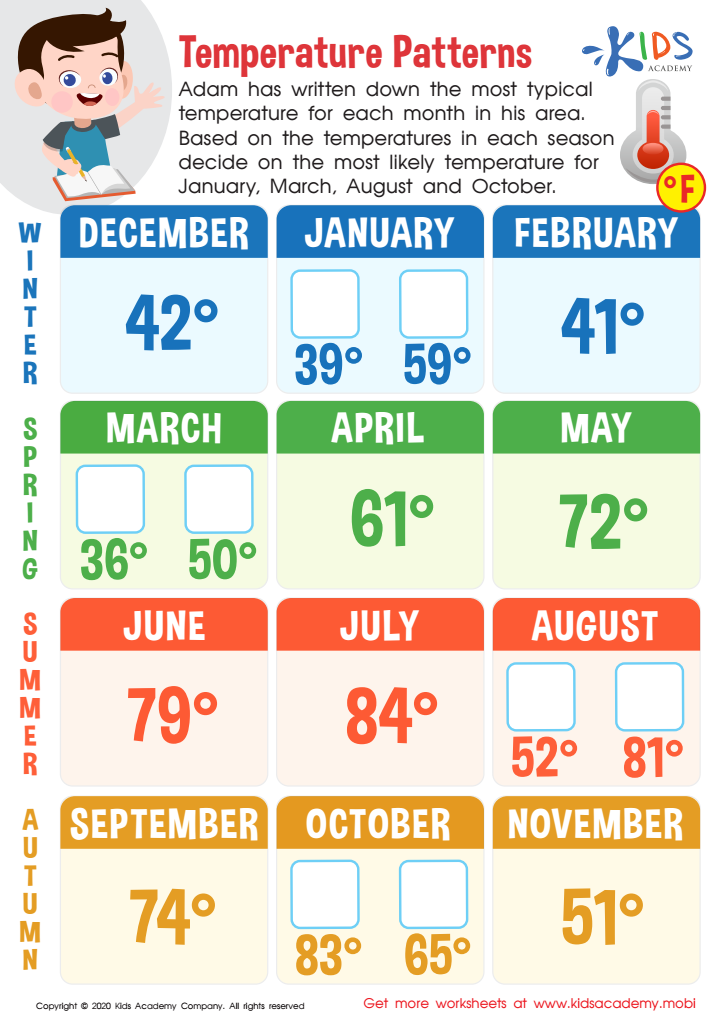
Temperature Patterns Worksheet
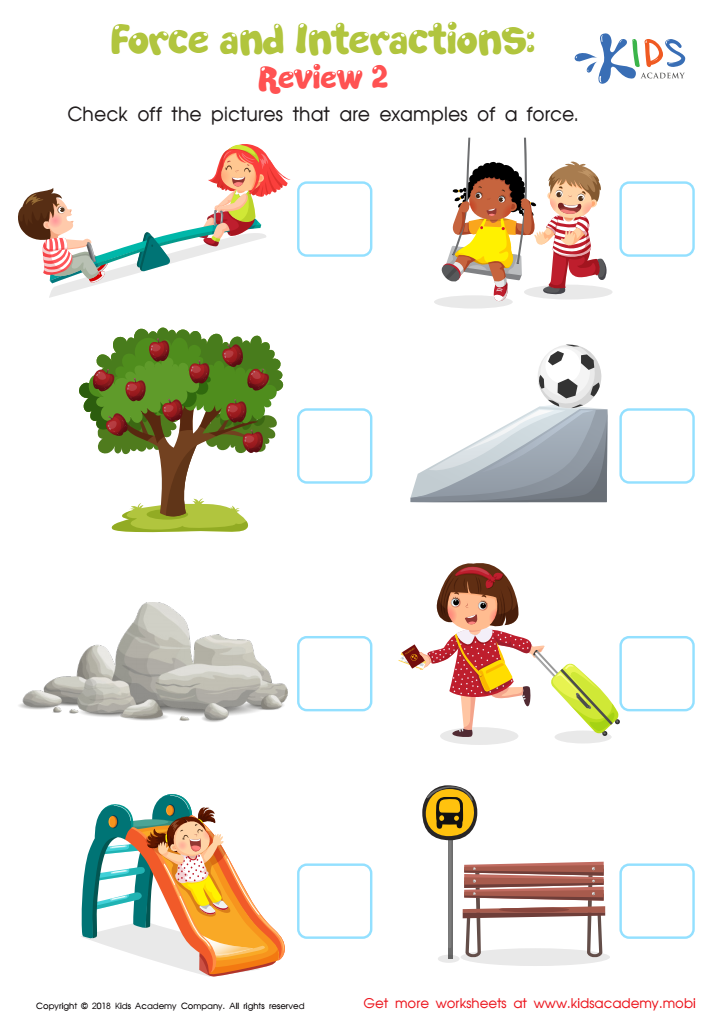
Force and Interactions: Review 2 Worksheet
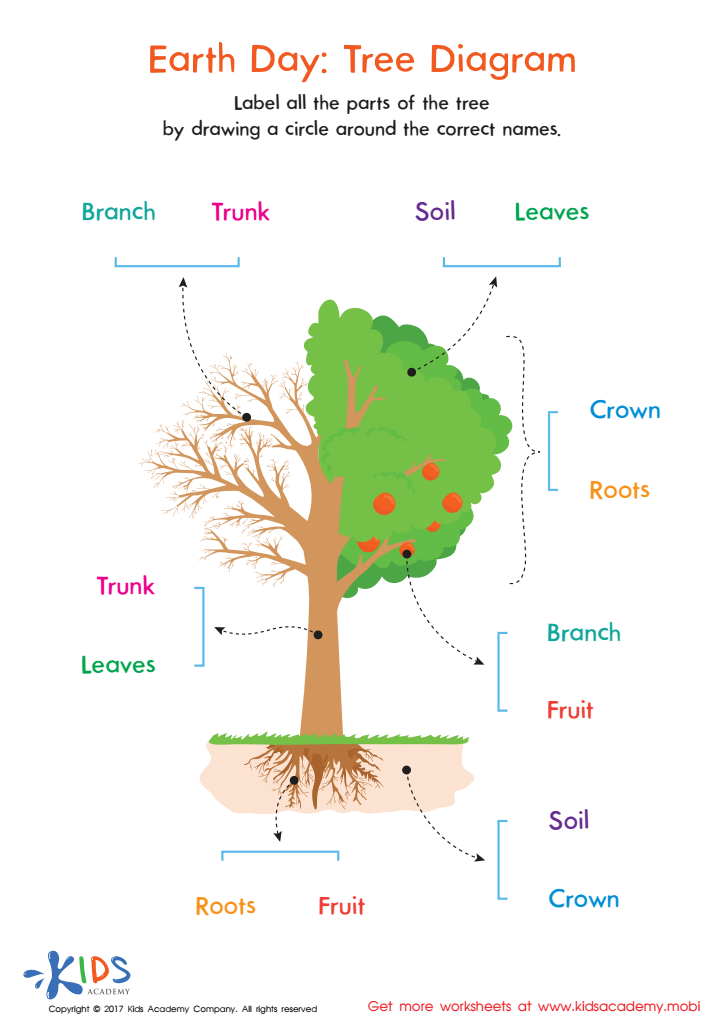
Earth Day: Tree Diagram Worksheet
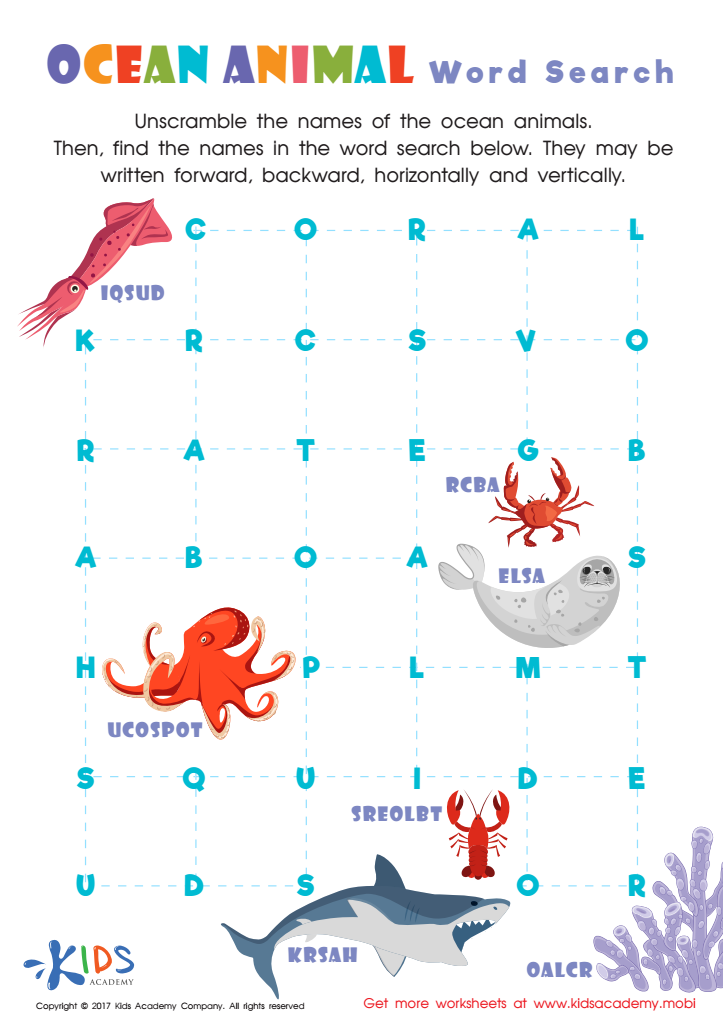
Ocean Animals Word Search Printable
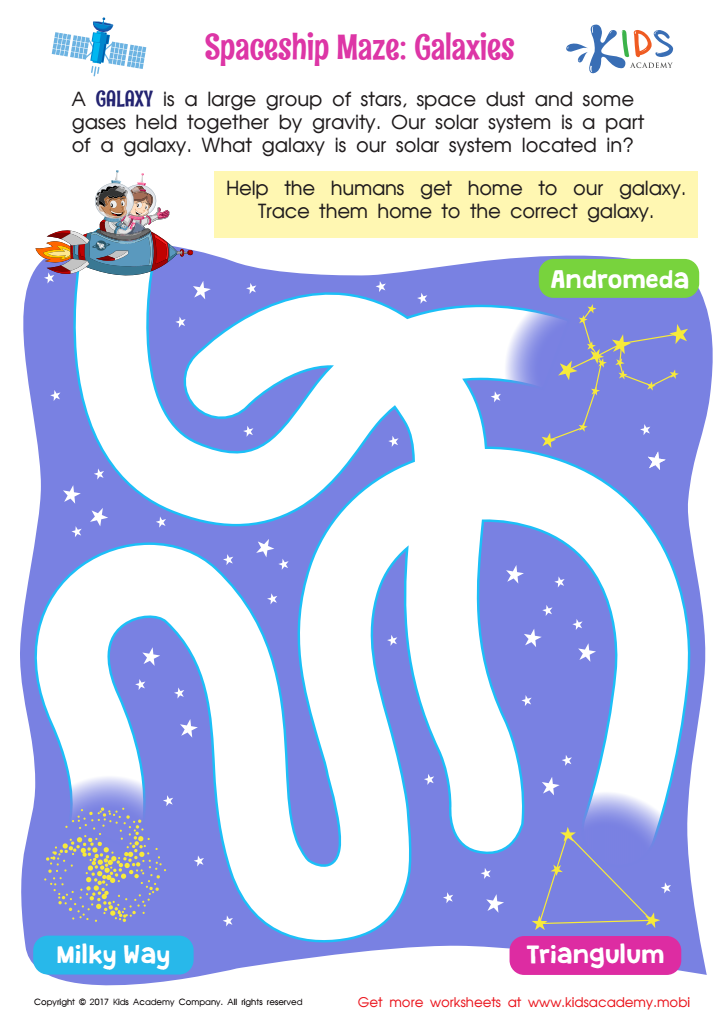
Spaceship Maze: Galaxies Worksheet
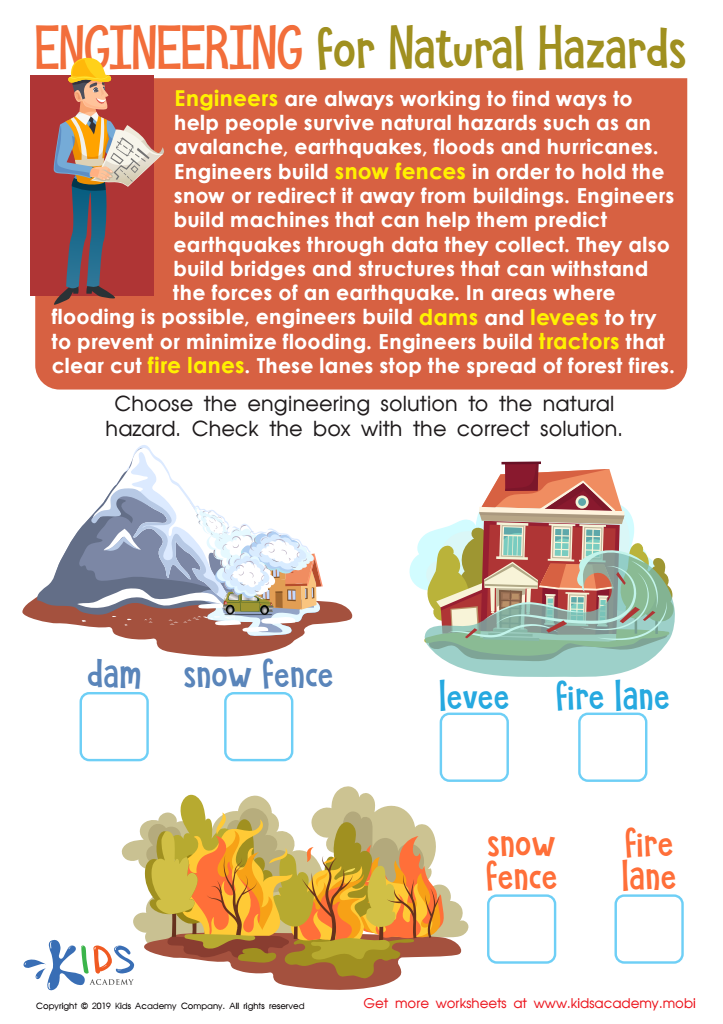
Engineering Natural Hazards Worksheet
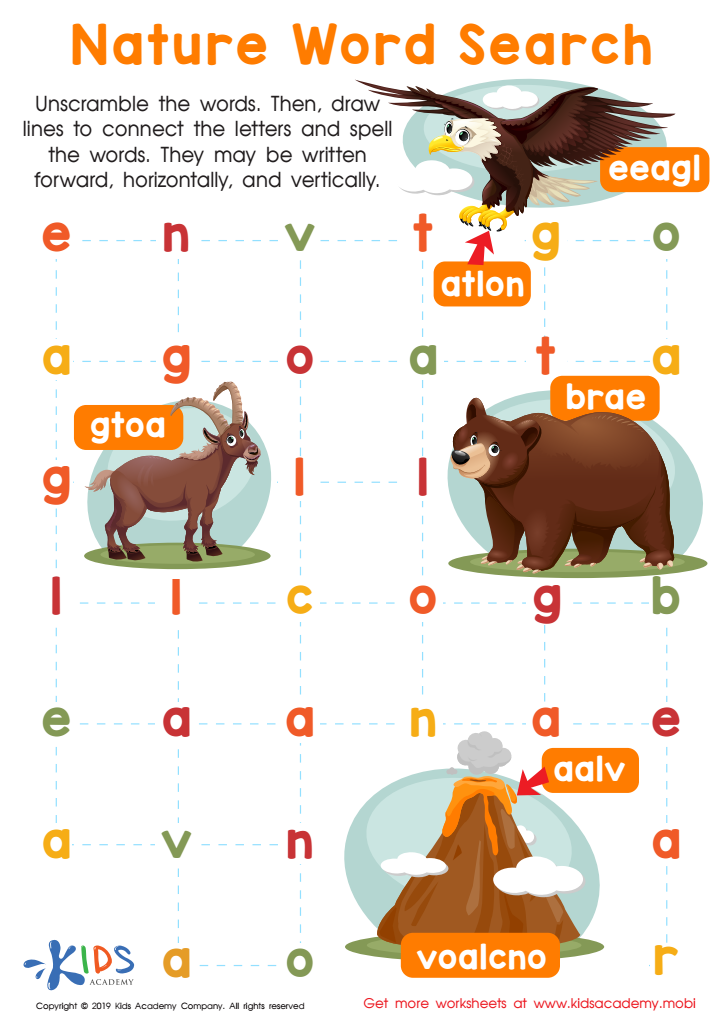
Nature Word Search Worksheet
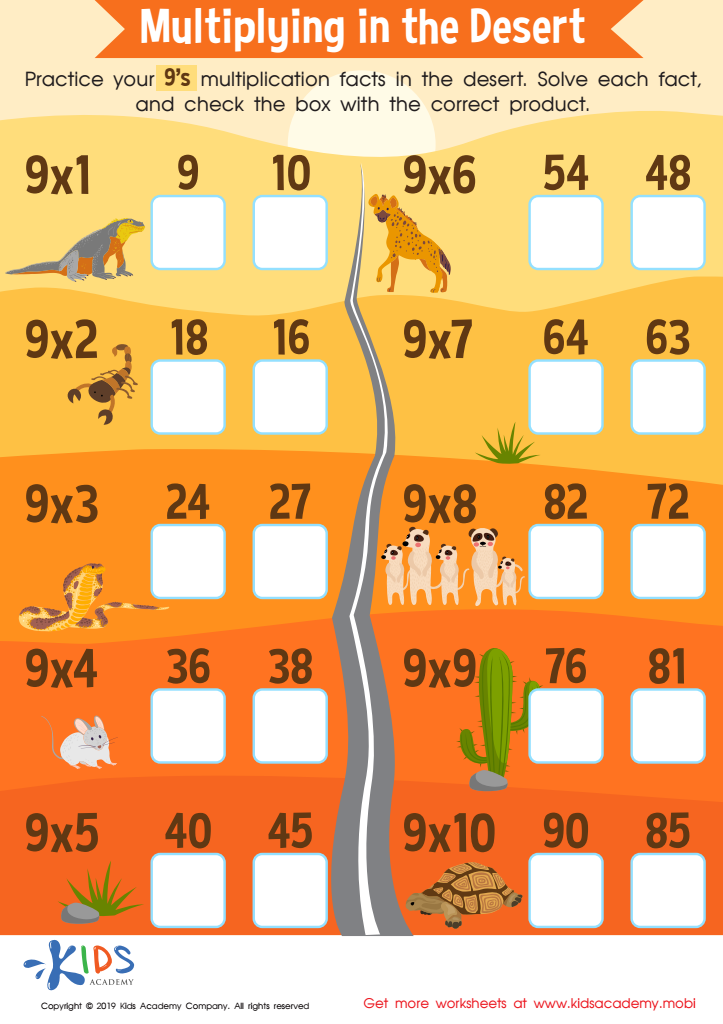
Multiplying in the Desert Worksheet
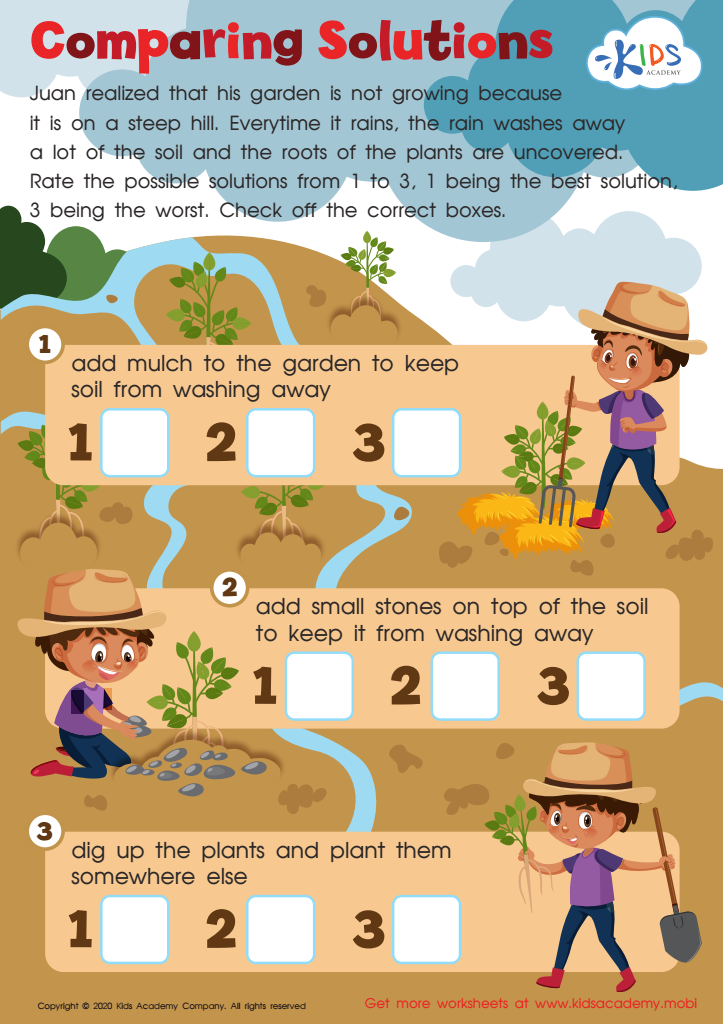
Comparing Solutions Worksheet
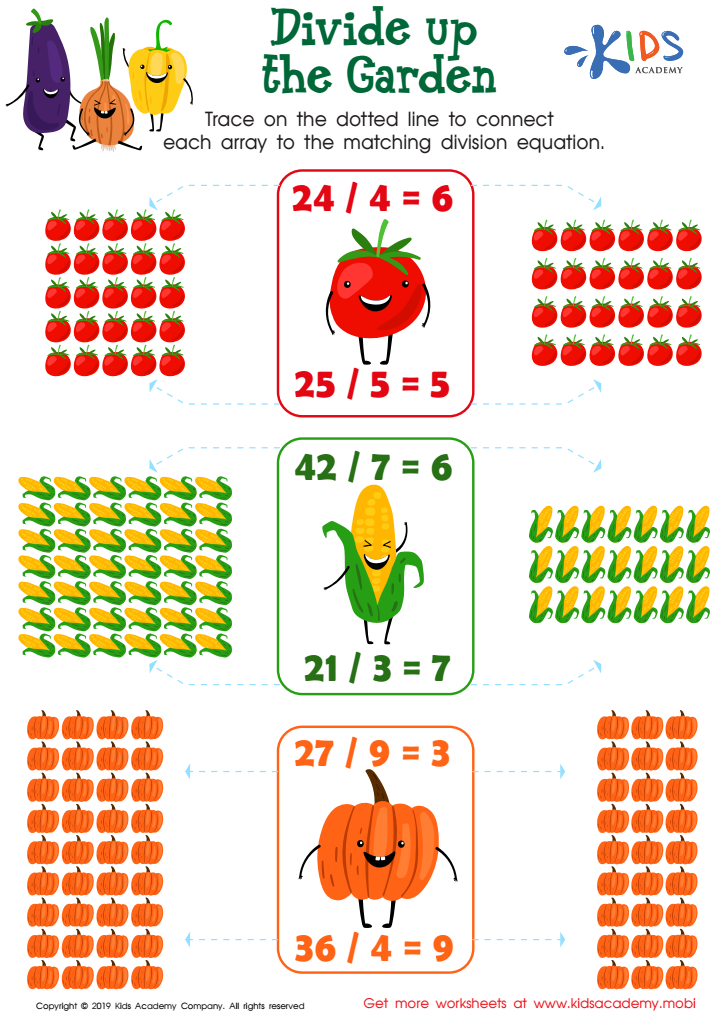
Divide up the Garden Worksheet
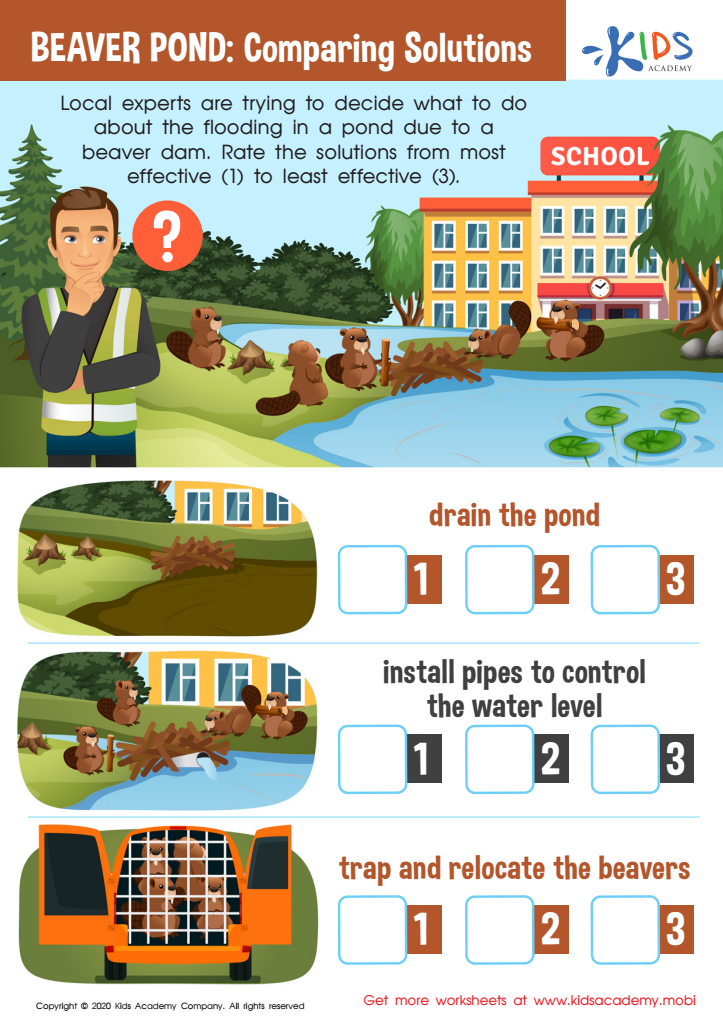
Beaver Pond: Comparing Solutions Worksheet
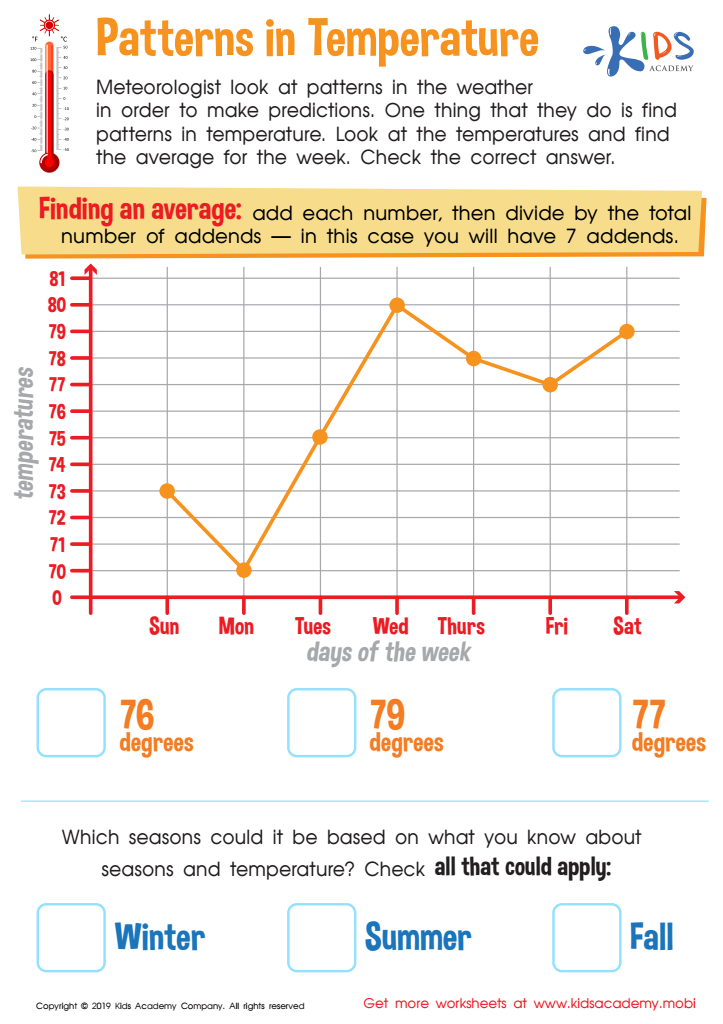
Patterns in Temperature Worksheet
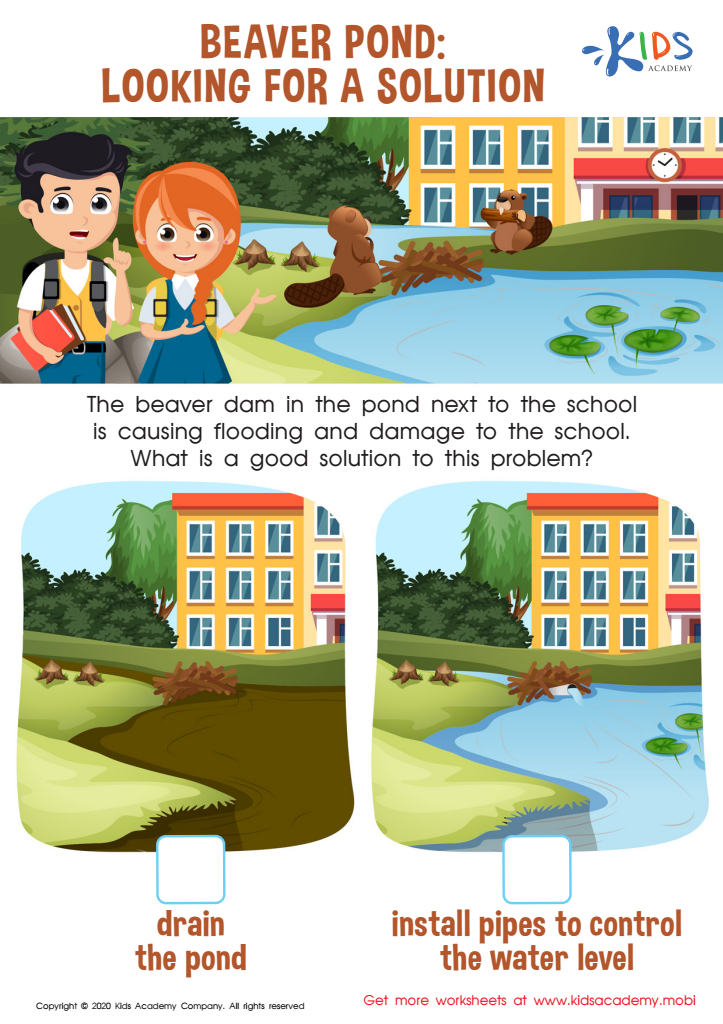
Beaver Pond: Looking for a Solution Worksheet
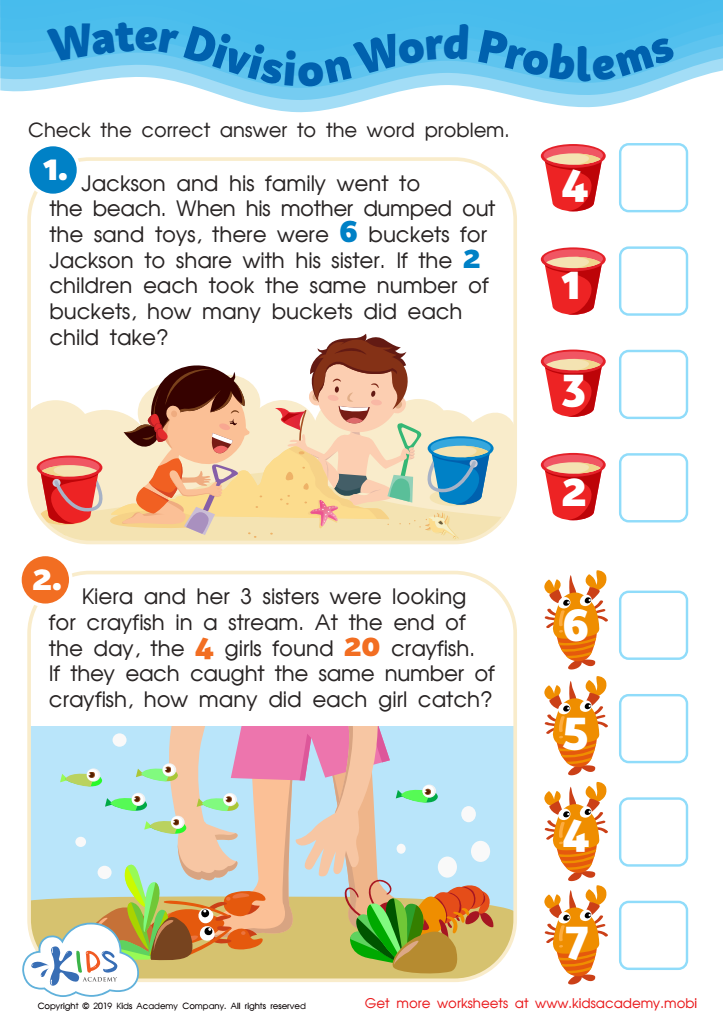
Water Division Word Problems Worksheet
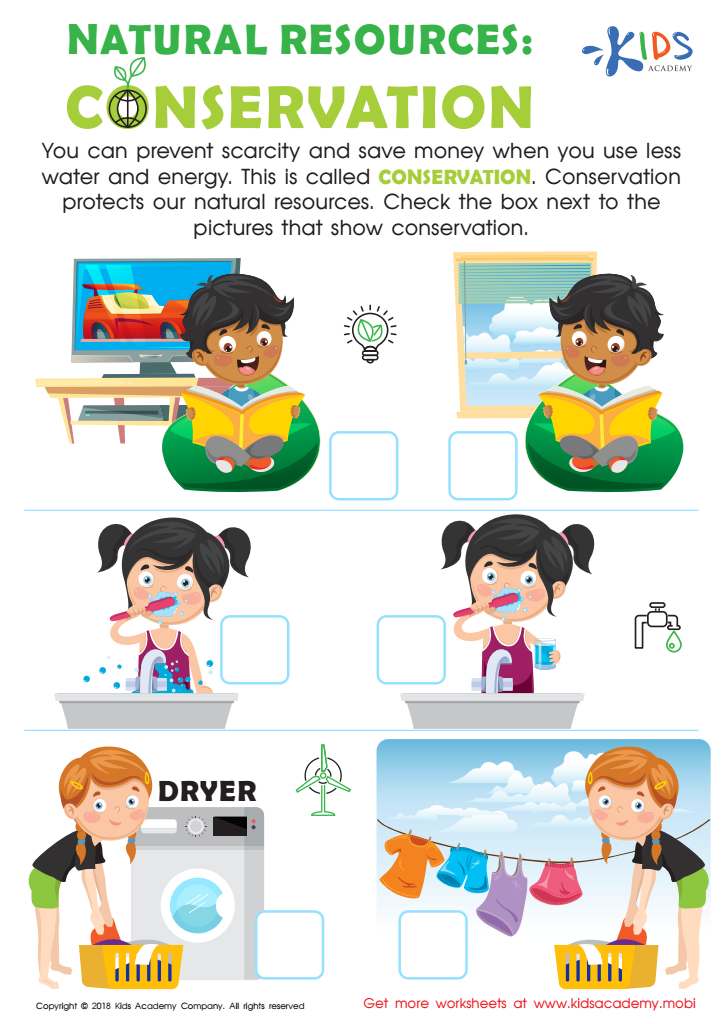
Natural Resources: Conservation Worksheet
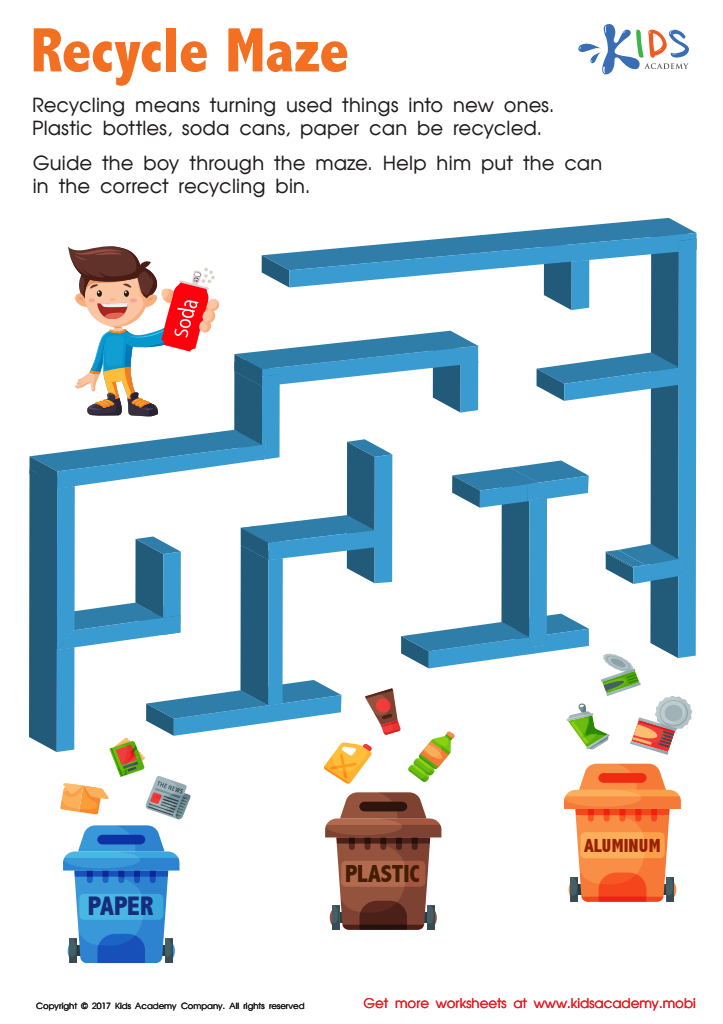
Recycle Maze Worksheet
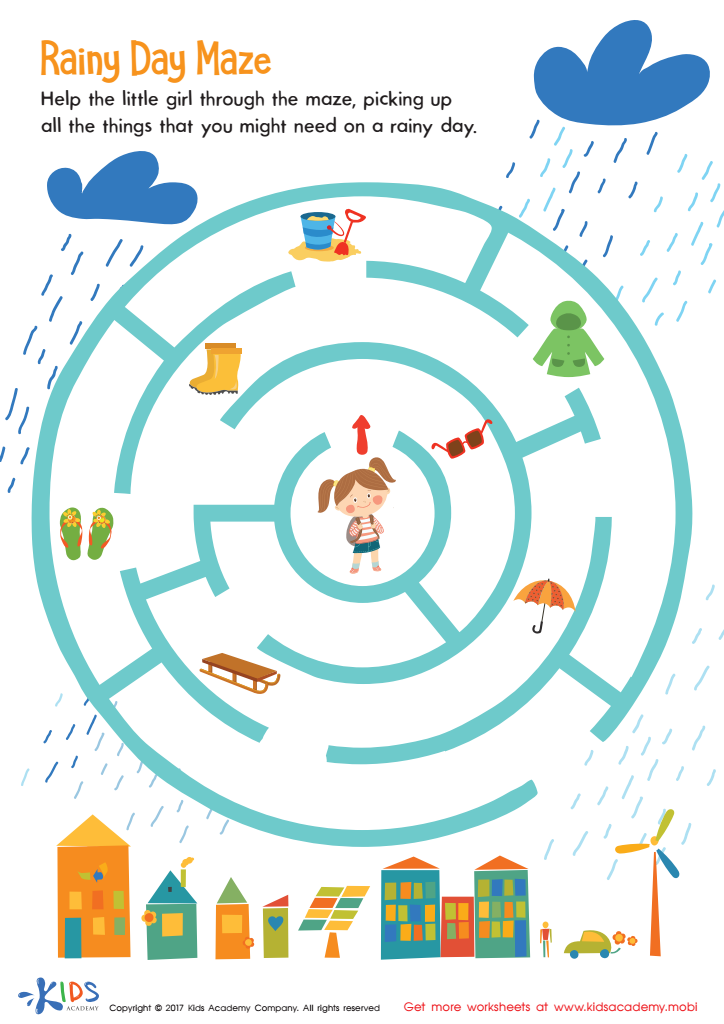
Rainy Day Maze Worksheet
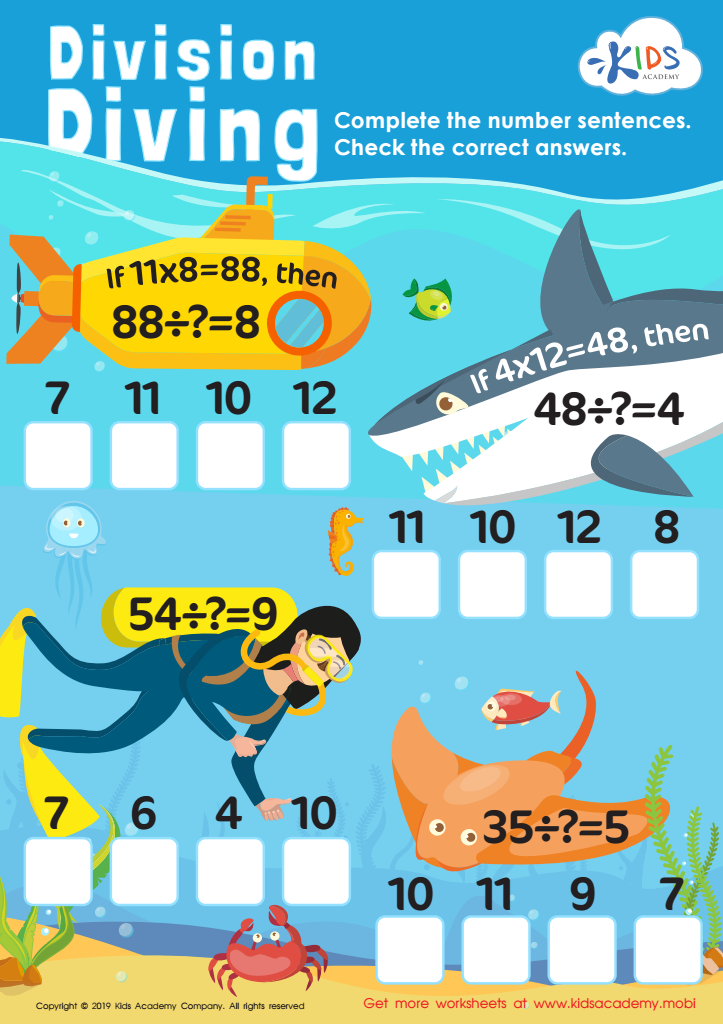
Division Diving Worksheet
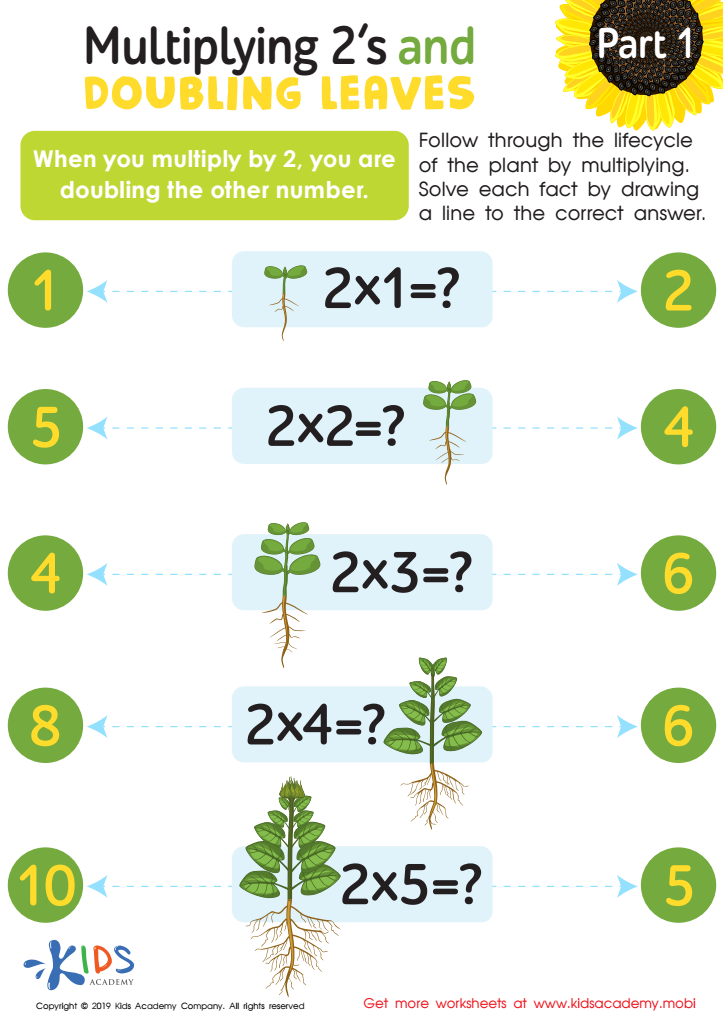
Multiplying 2’s and Doubling Leaves Part 1 Worksheet
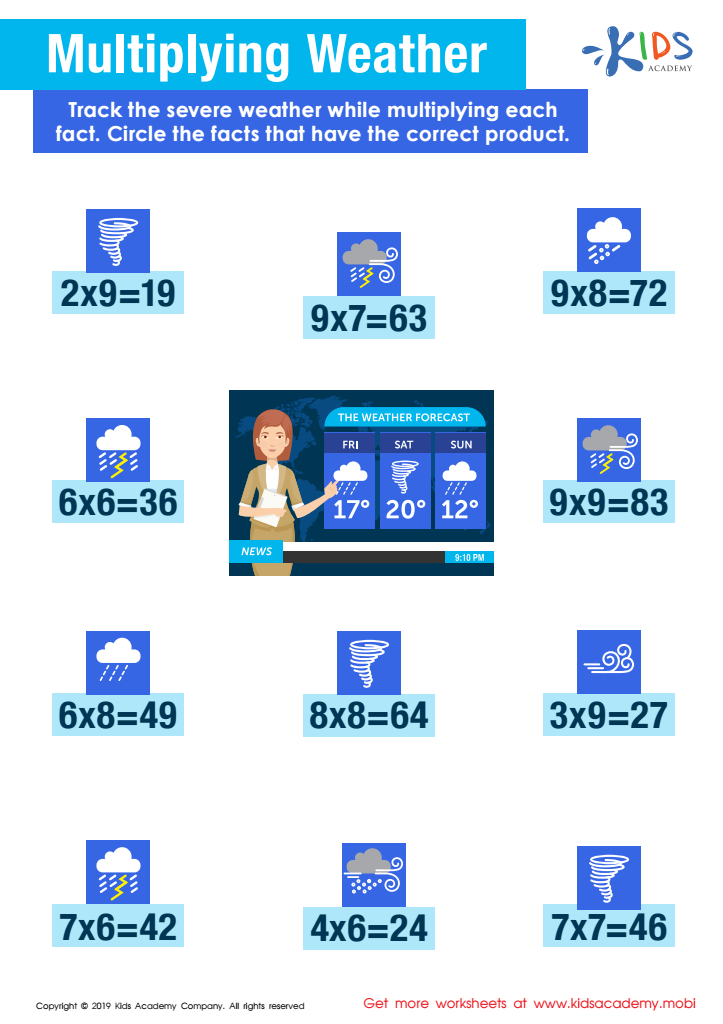
Multiplying Weather Worksheet
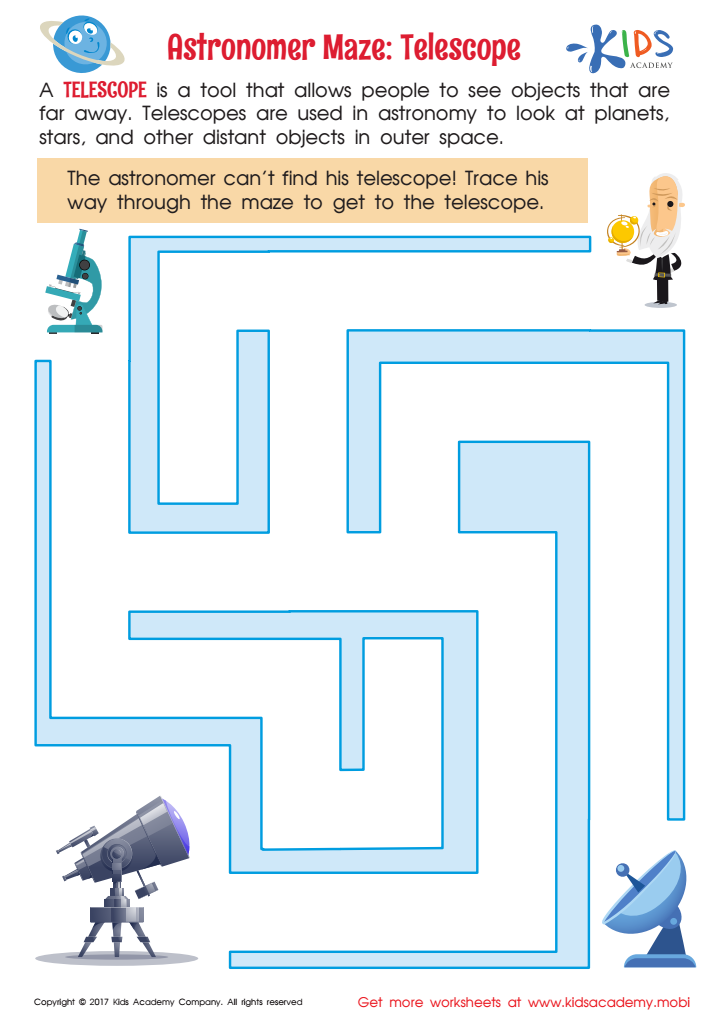
Astronomer Maze: Telescope Worksheet
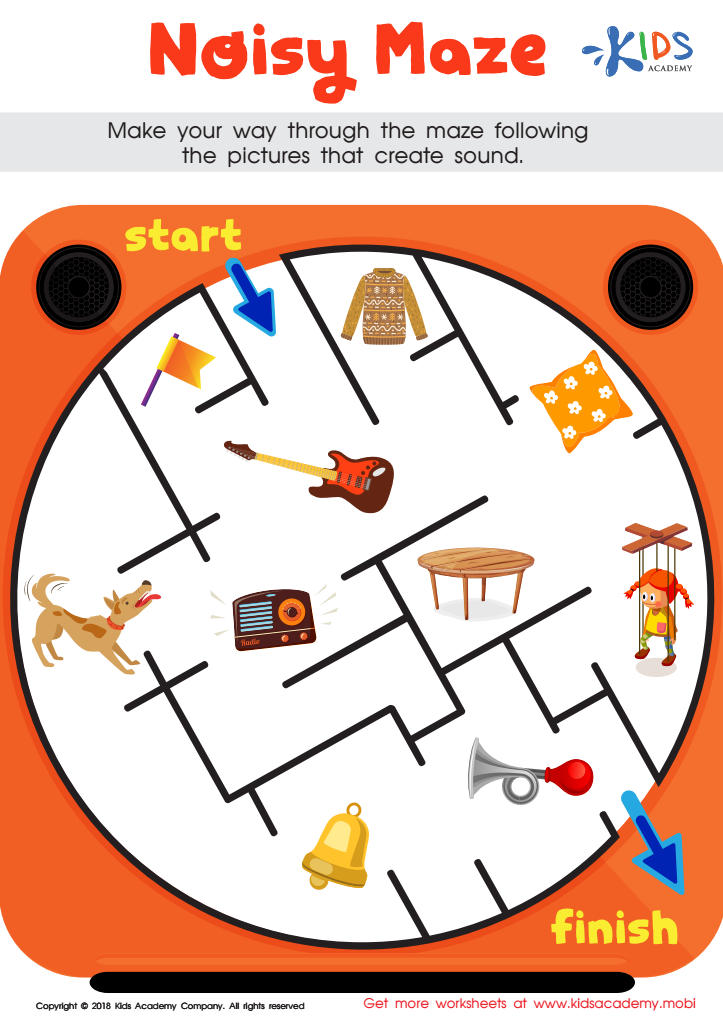
Noisy Maze Worksheet






.jpg)
Parents and teachers should prioritize problem-solving skills in science for children ages 6-9 because these foundational abilities are crucial for holistic development and lifelong learning. At this age, children are naturally curious and eager to explore the world around them. Teaching problem-solving in a scientific context nurtures this curiosity and encourages critical thinking, enabling them to identify, analyze, and solve real-world problems.
Developing problem-solving skills helps children improve their analytical abilities, fostering creativity and innovation. As they tackle challenges through hands-on experiments or exploratory projects, they learn persistence, adaptability, and collaboration. These experiences encourage children to embrace mistakes as learning opportunities, instilling resilience—a vital trait for future academic and personal success.
Moreover, problem-solving lays the groundwork for understanding complex concepts as they advance in education. Enhancing these skills during early childhood supports not only science proficiency but also cross-discipline abilities, benefiting mathematics and literacy as well. For parents and teachers, promoting problem-solving within science can make learning engaging and fun, ultimately nurturing scientifically literate citizens who can contribute to society’s technological and environmental challenges. Early investment in these skills prepares children for an ever-evolving world, ensuring they are equipped to succeed as informed individuals.







