Social Studies Worksheets for Ages 3-7 - Page 9
228 filtered results
-
From - To

Assessment: First Thanksgiving Worksheet
 Assign to My Students
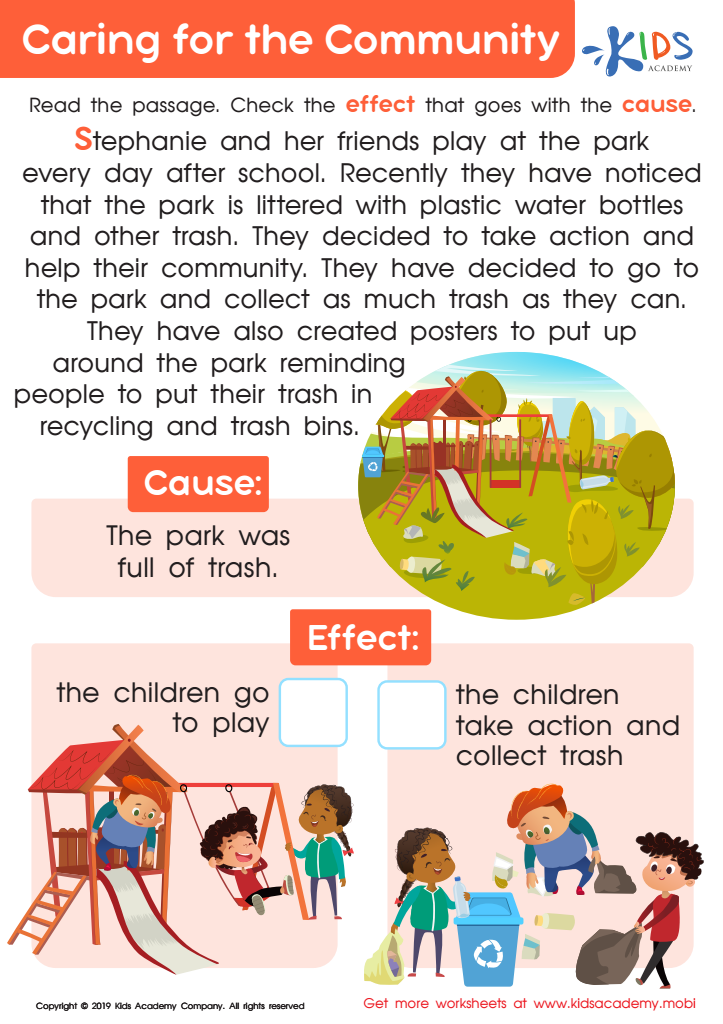
Caring for the Community Worksheet
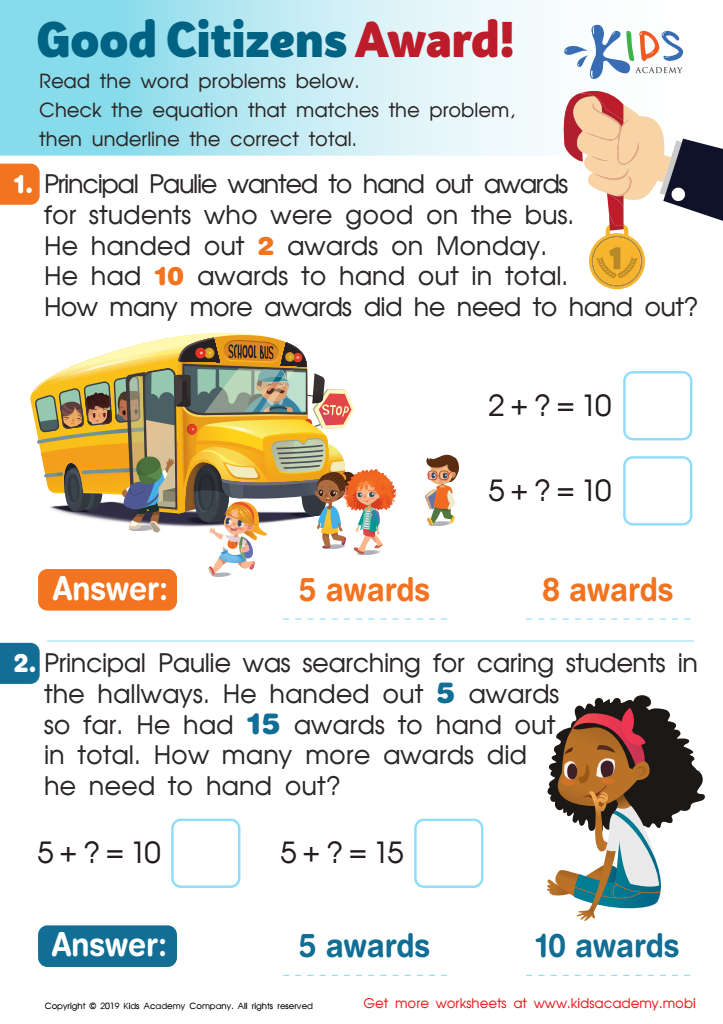
Good Citizens Award! Worksheet
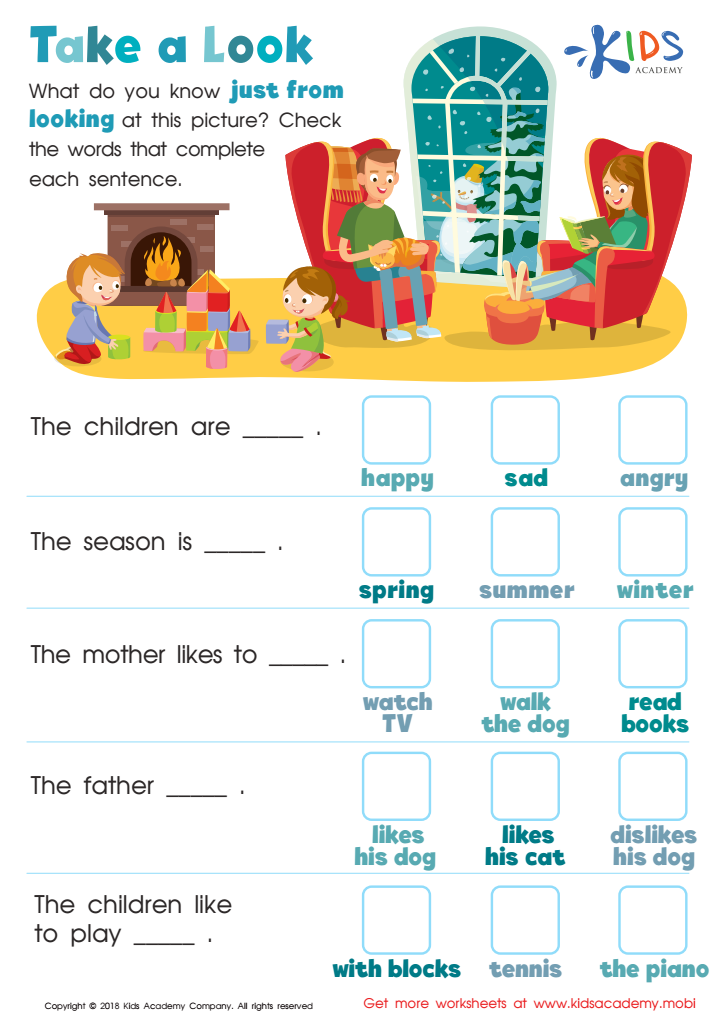
Take a Look - Part 1 Worksheet
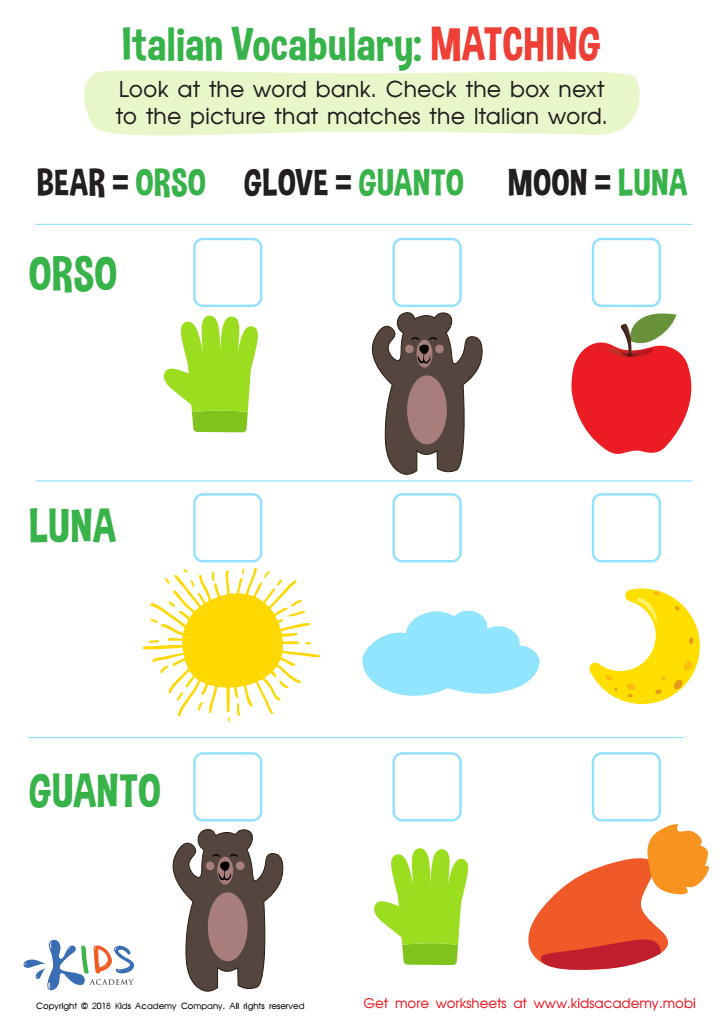
Italian Vocabulary Matching Worksheet
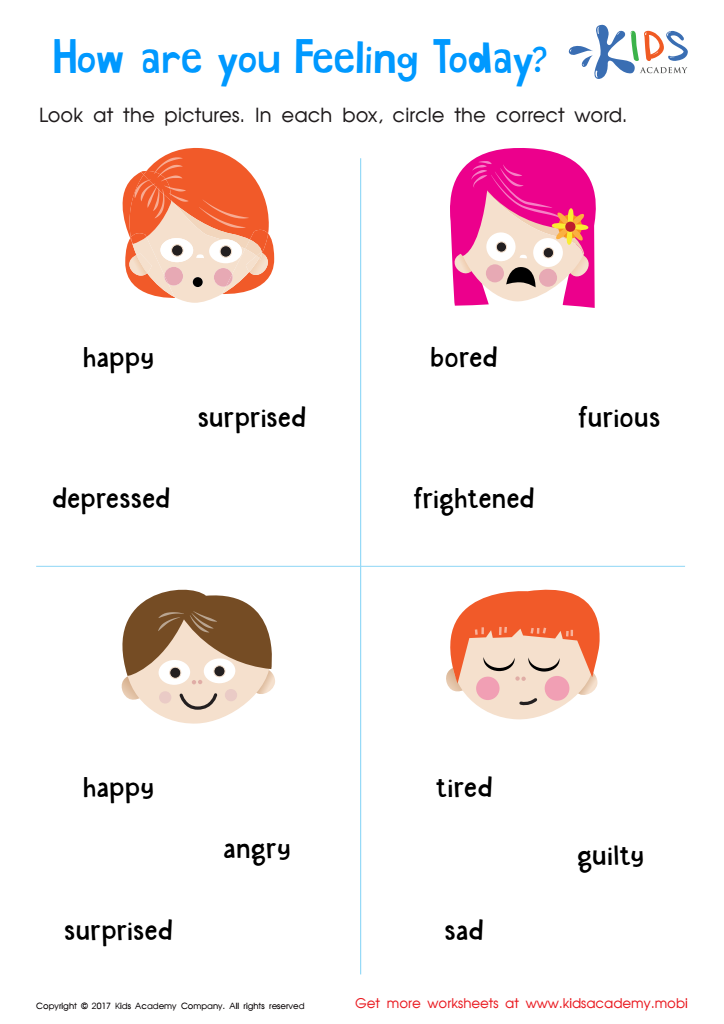
Understanding Feelings Worksheet
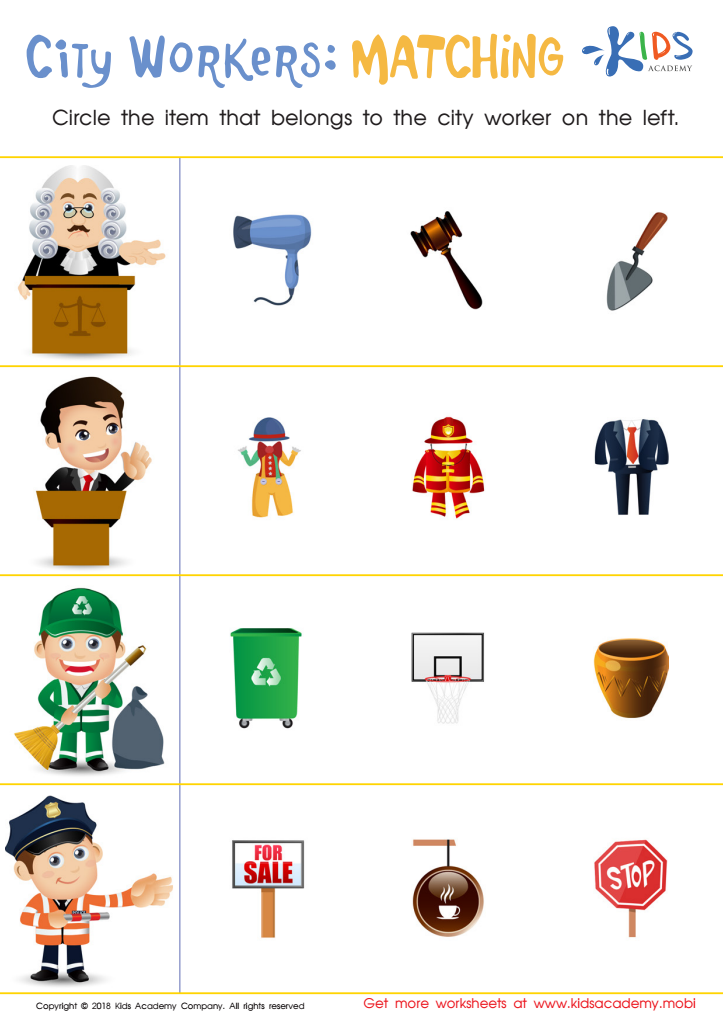
City Workers: Matching Worksheet
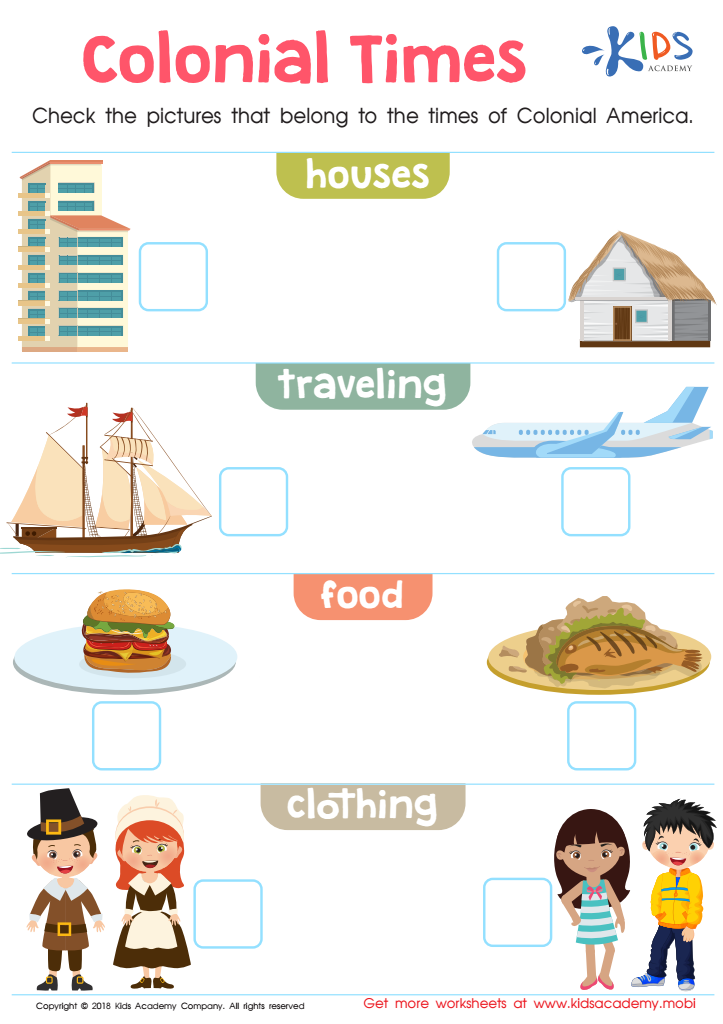
Colonial Times Worksheet

World Flags Printable
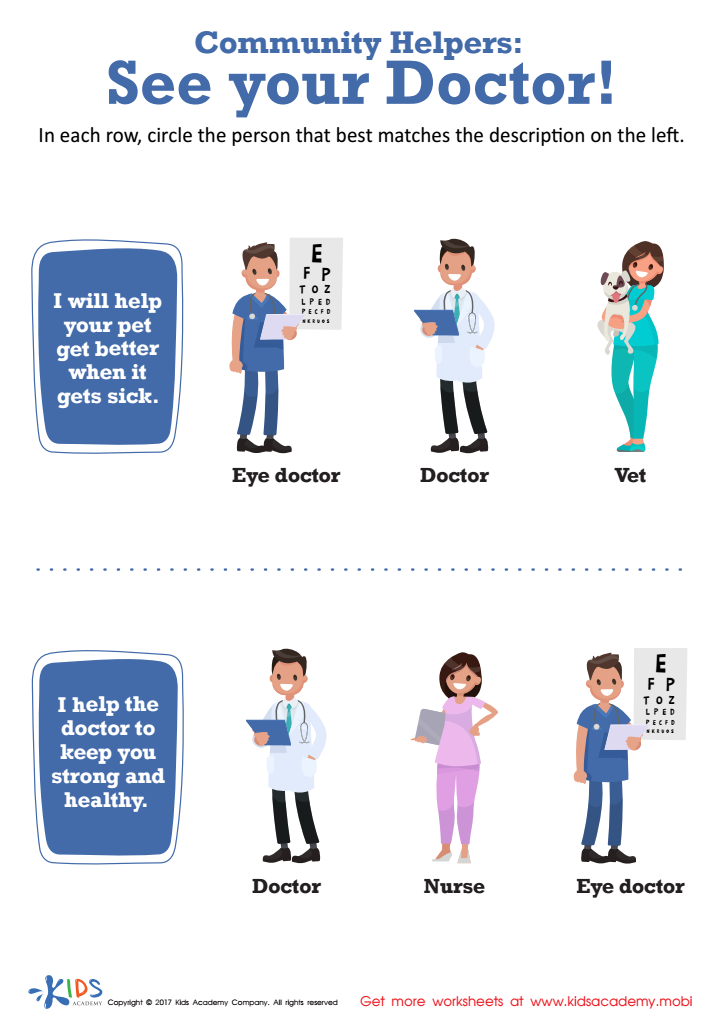
See Your Doctor (Part 2) Printable
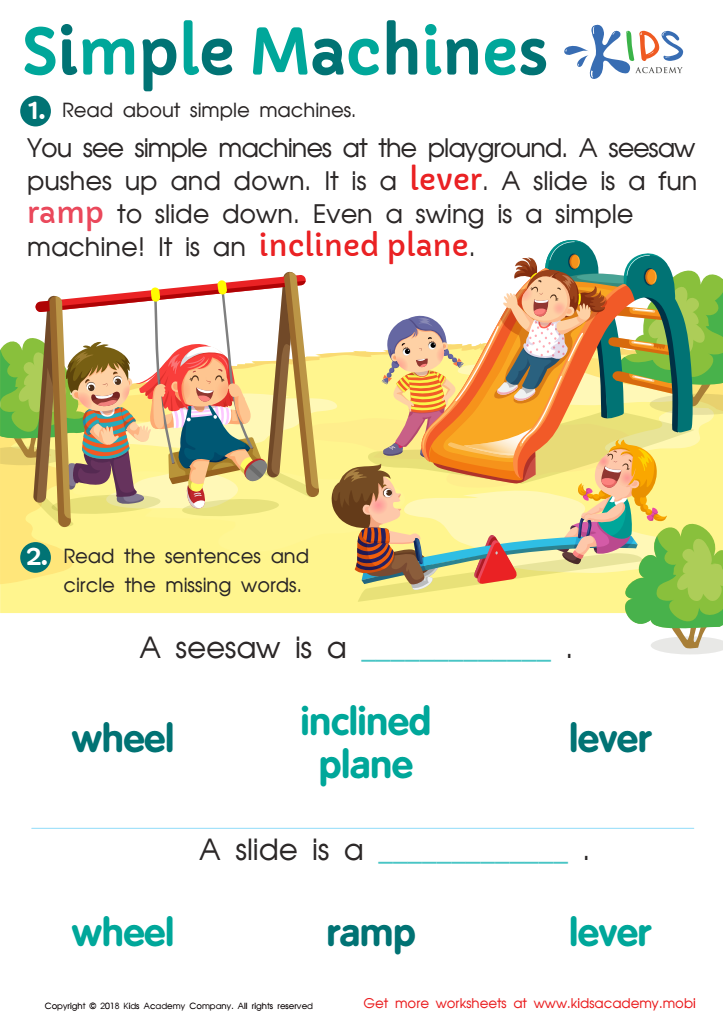
Simple Machines Worksheet

Simple Machines: Screw Worksheet
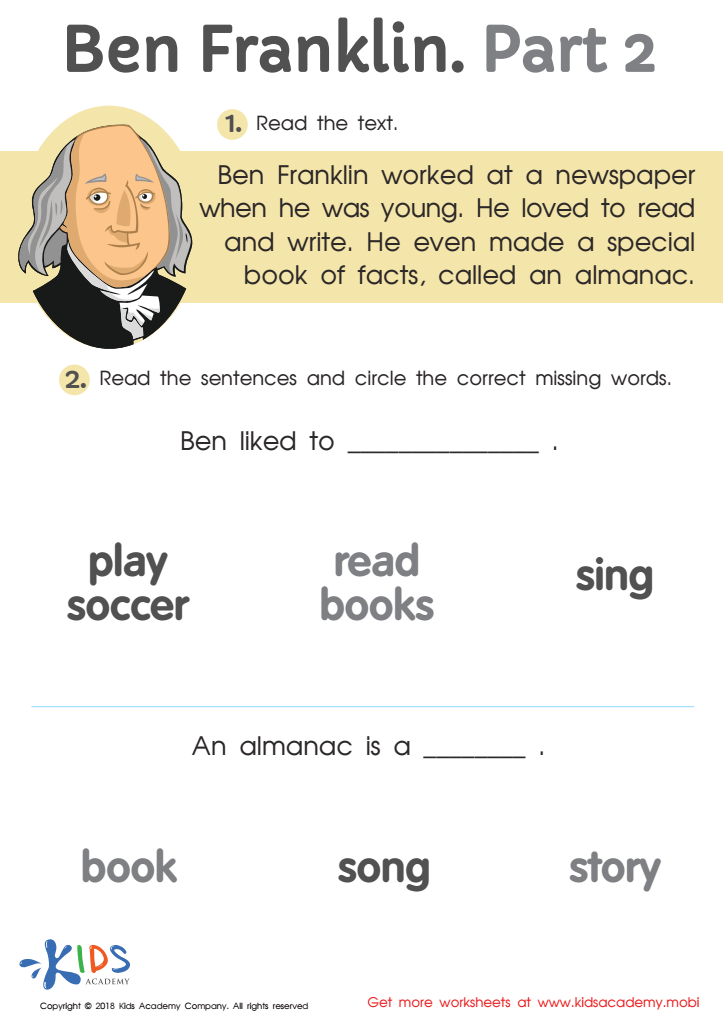
Ben Franklin Part 2 Worksheet
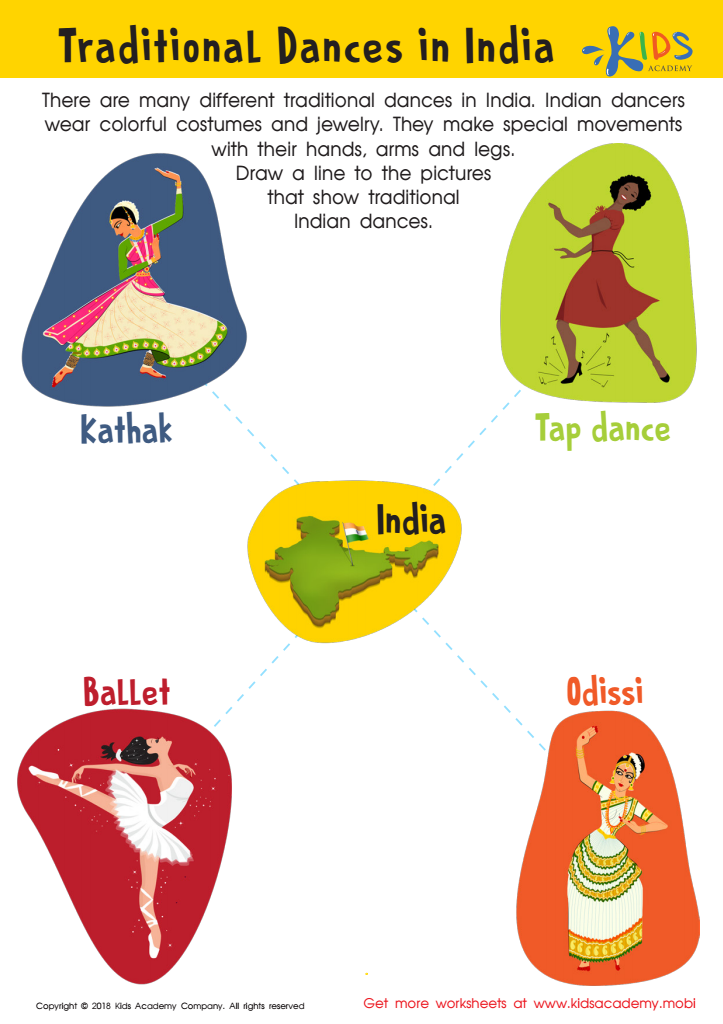
Traditional Dances in India Worksheet
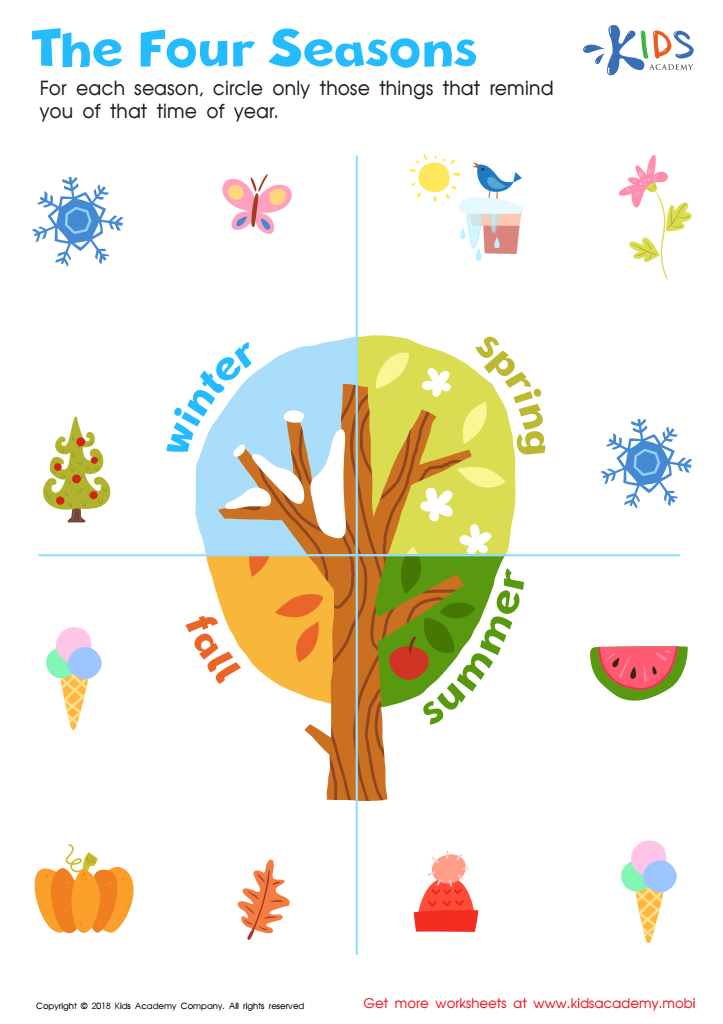
The Four Seasons Worksheet

Golden Gate Bridge Worksheet
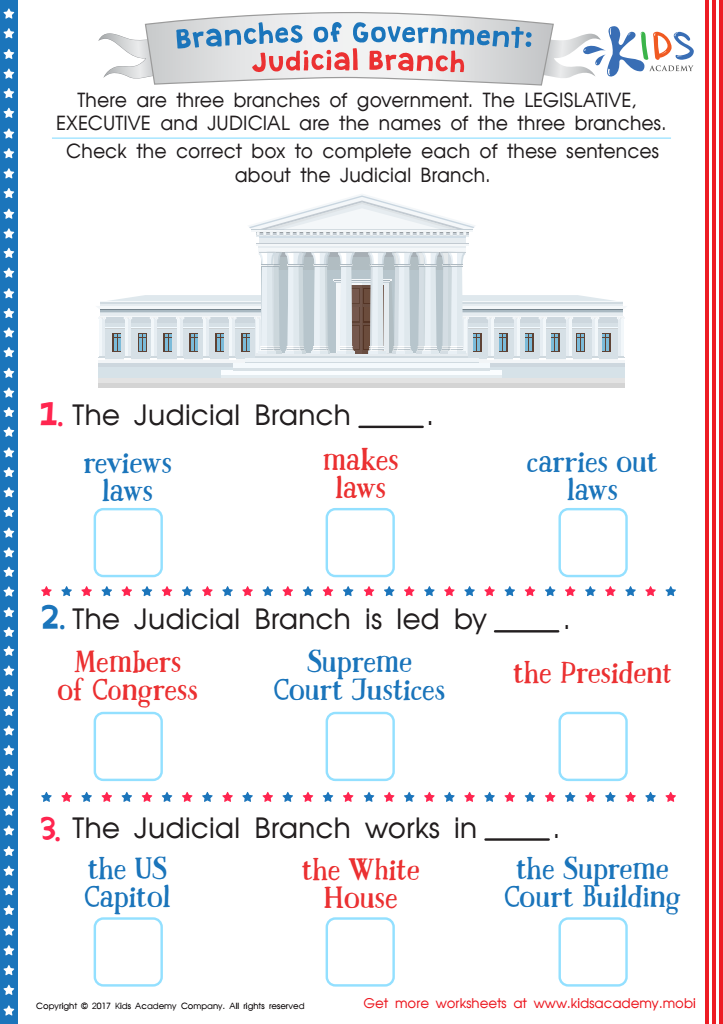
Braches of the Government: Judicial Branch Worksheet
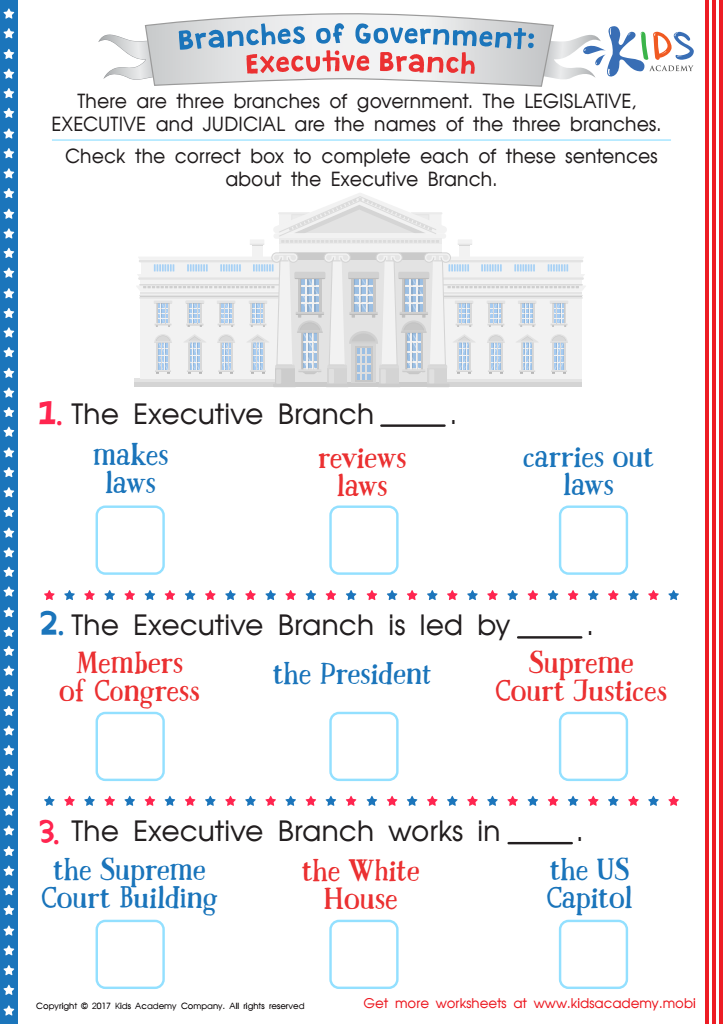
Branches of the Government: Executive Branch Printable

Days of the Week Worksheet
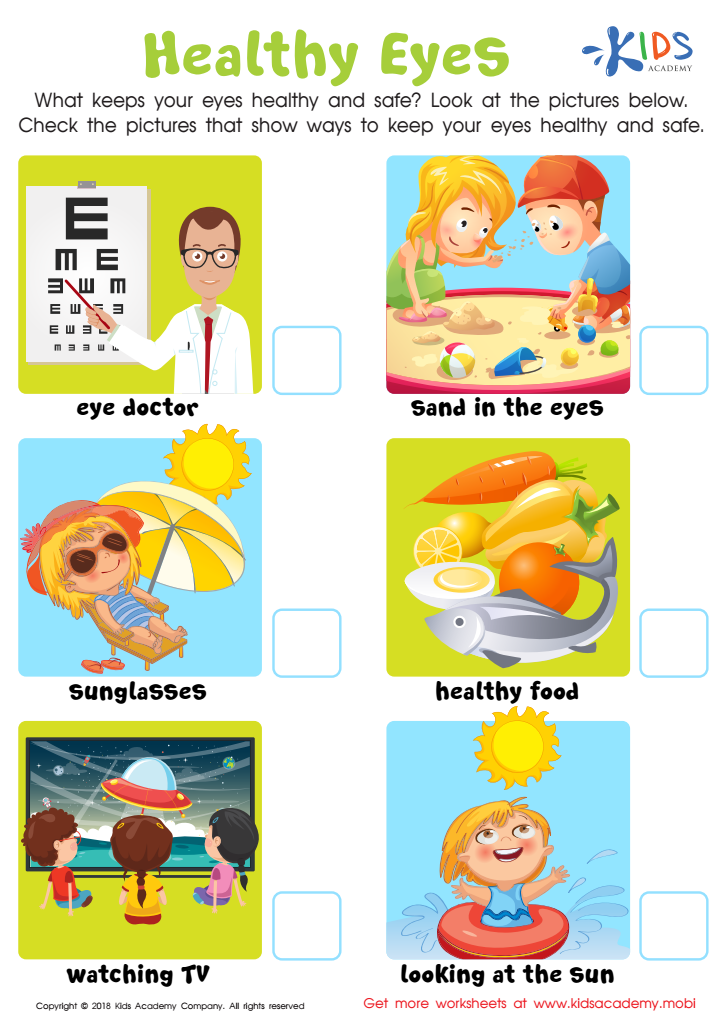
Healthy Eyes Worksheet
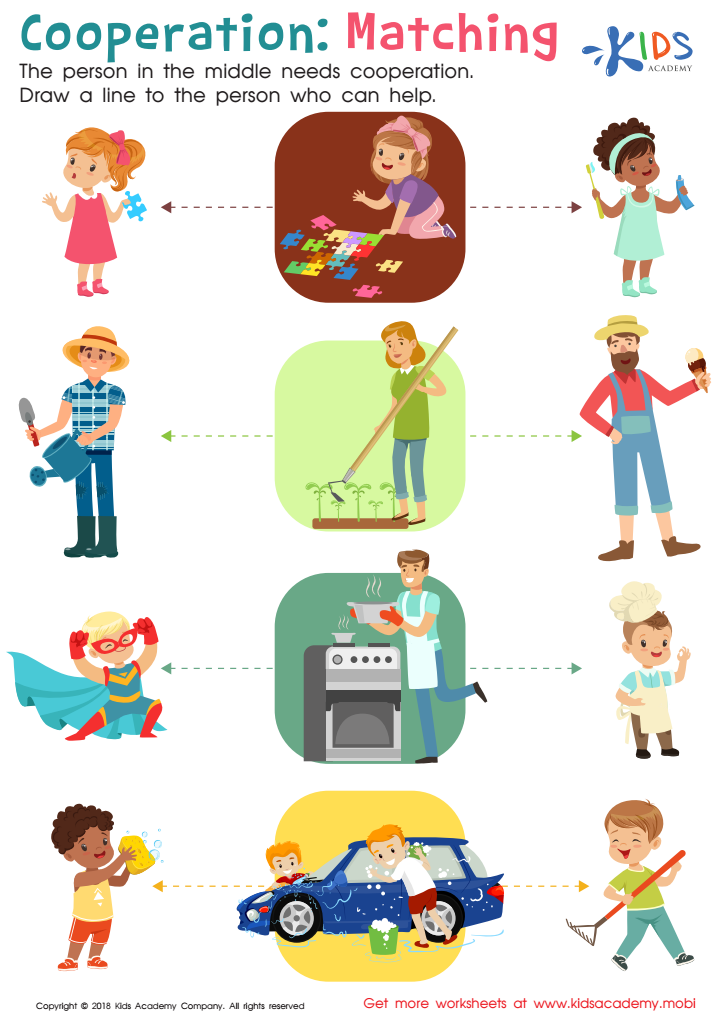
Cooperation: Matching Worksheet
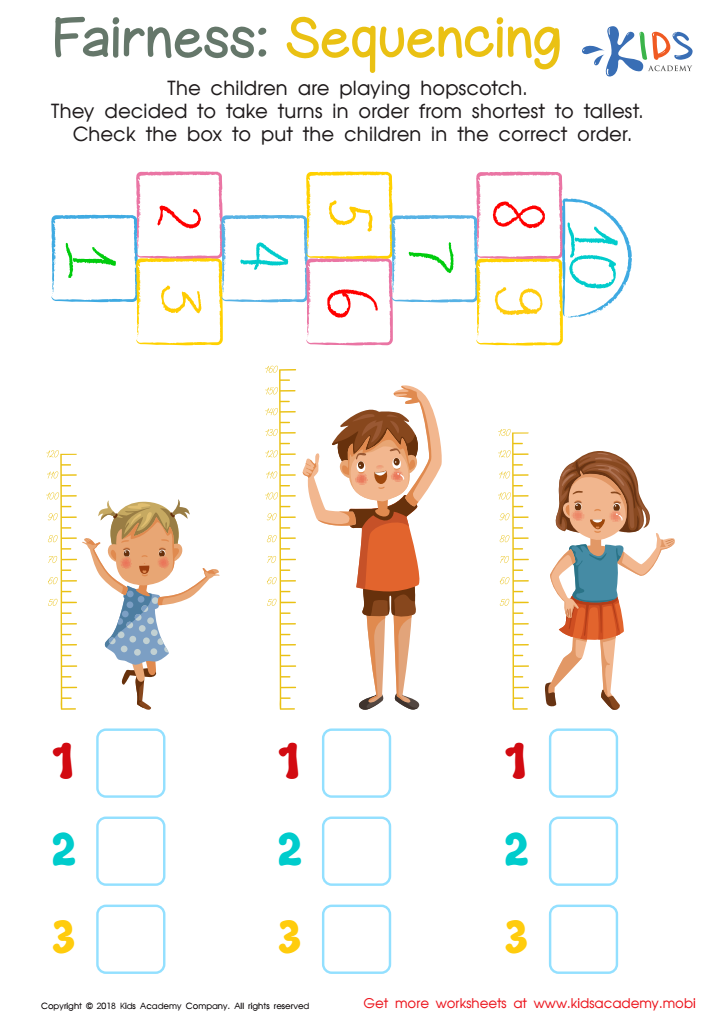
Fairness: Sequencing Worksheet
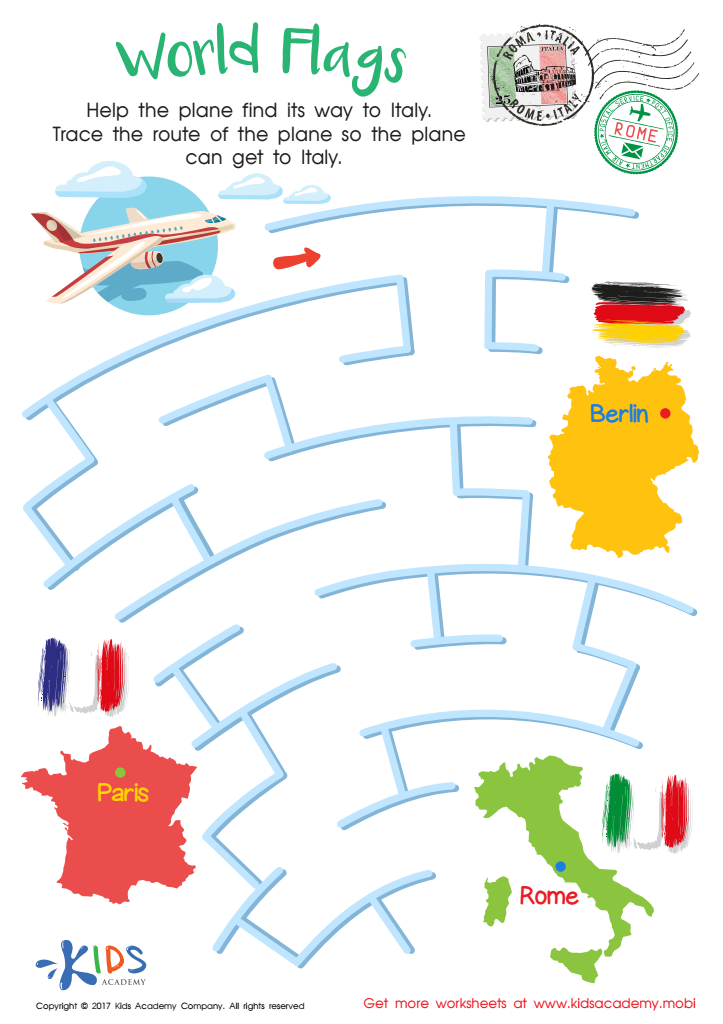
World Flags Maze Worksheet
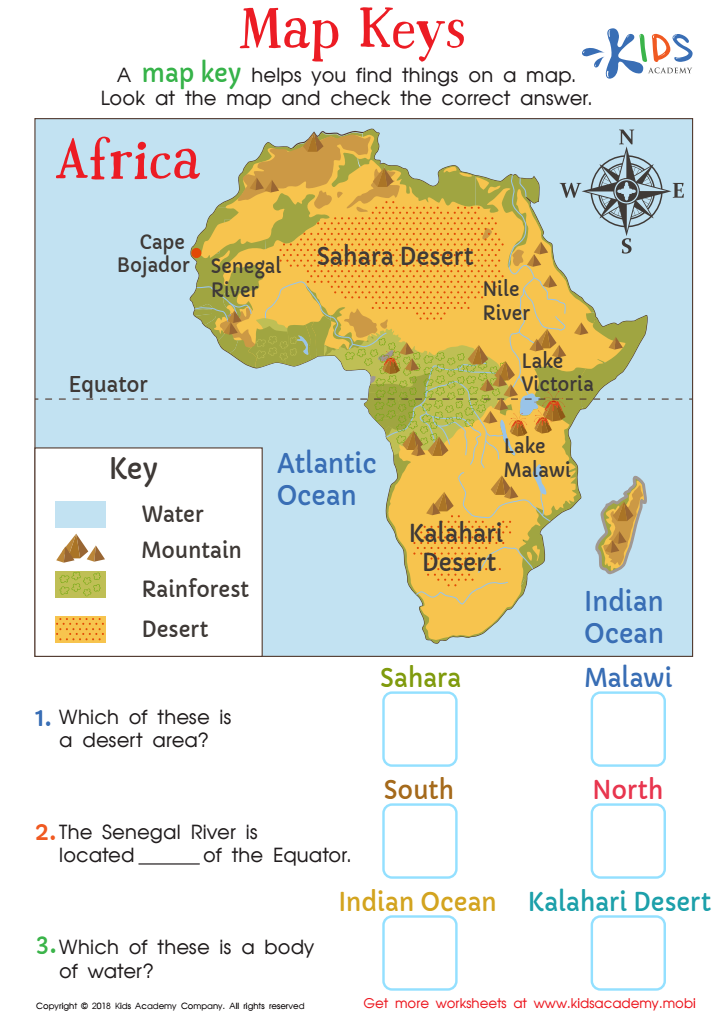
Map Keys Worksheet








Parents and teachers should care about Social Studies for young children ages 3-7 because it lays a foundational understanding of the world around them. Social Studies introduces children to concepts of community, culture, and identity, helping them to appreciate diversity and learn about their own place in society. At this age, children are naturally curious about their environment, and Social Studies satisfies this curiosity by encouraging exploration of relationships, rules, and roles within families and communities.
Engaging with these subjects fosters critical thinking and social skills. Children learn to ask questions, express their thoughts, and understand different perspectives, which are crucial for their developing cognitive and emotional skills. Additionally, lessons about history and geography can enhance a child’s framework for concepts such as time and space.
Furthermore, exposure to Social Studies at this stage promotes empathy and helps children develop a respect for others, fostering inclusive attitudes as they play and interact. In an increasingly interconnected world, early exposure to social concepts equips children with the abilities to navigate complex social systems and promotes responsible citizenship. Overall, investing in Social Studies education early on cultivates well-rounded, informed, and socially responsible individuals.