Shape Recognition Normal Math Worksheets for Ages 3-6
28 filtered results
-
From - To
Introduce your child to the fascinating world of shapes with our "Shape Recognition Normal Math Worksheets for Ages 3-6" at Kid’s Academy! These engaging and educational worksheets are specifically designed to captivate young minds while strengthening their understanding of basic geometry. Through fun activities like matching, tracing, and identifying different shapes, children develop crucial cognitive skills that form the foundation for future math success. Crafted by educational experts, our user-friendly worksheets inspire curiosity and enhance problem-solving abilities in preschoolers and kindergarteners. Discover the perfect blend of learning and play to support early math development on our dedicated resources page!
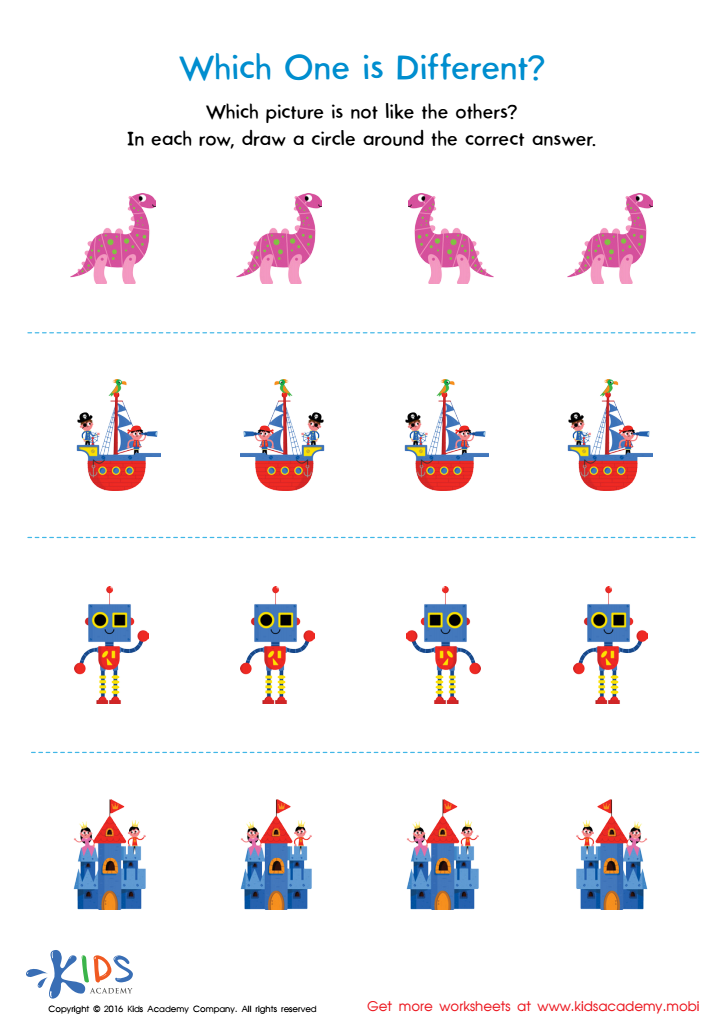
Which One Is Different Worksheet
 Assign to My Students
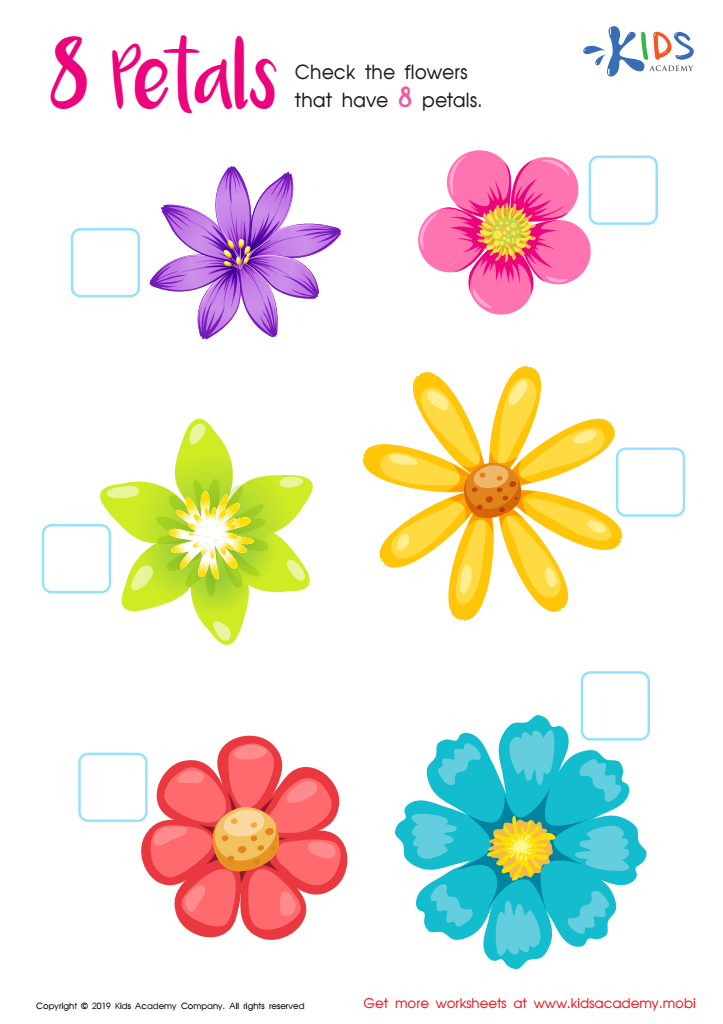
8 Petals Worksheet
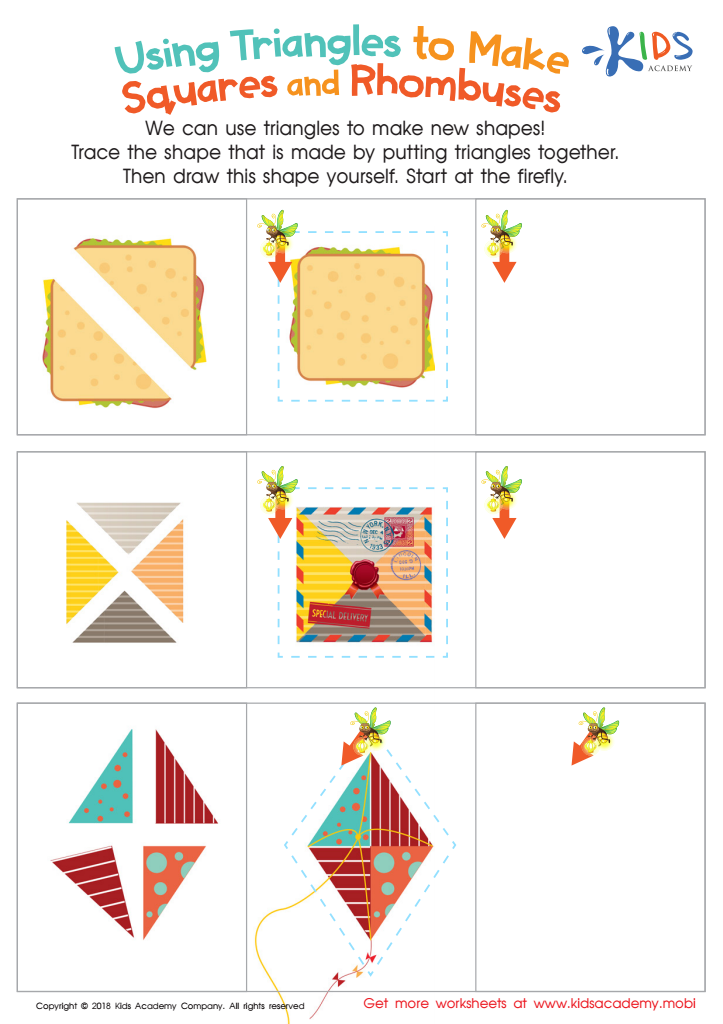
Using Triangles to Make Squares and Rhombuses Worksheet
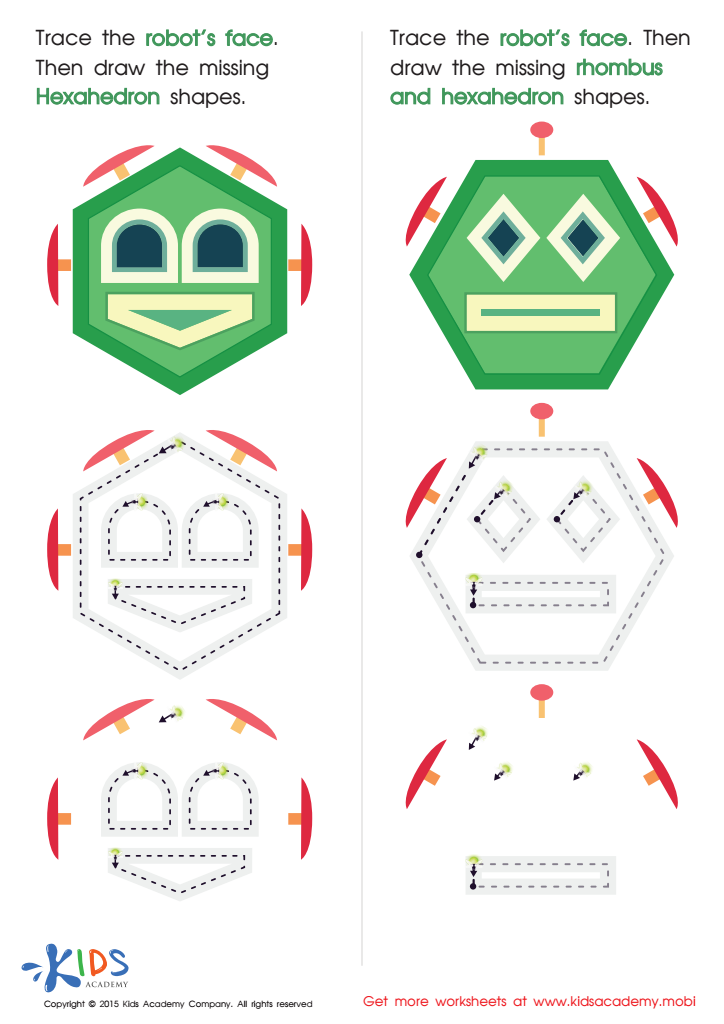
Practice Drawing Hexahedrons And a Rhombus Worksheet
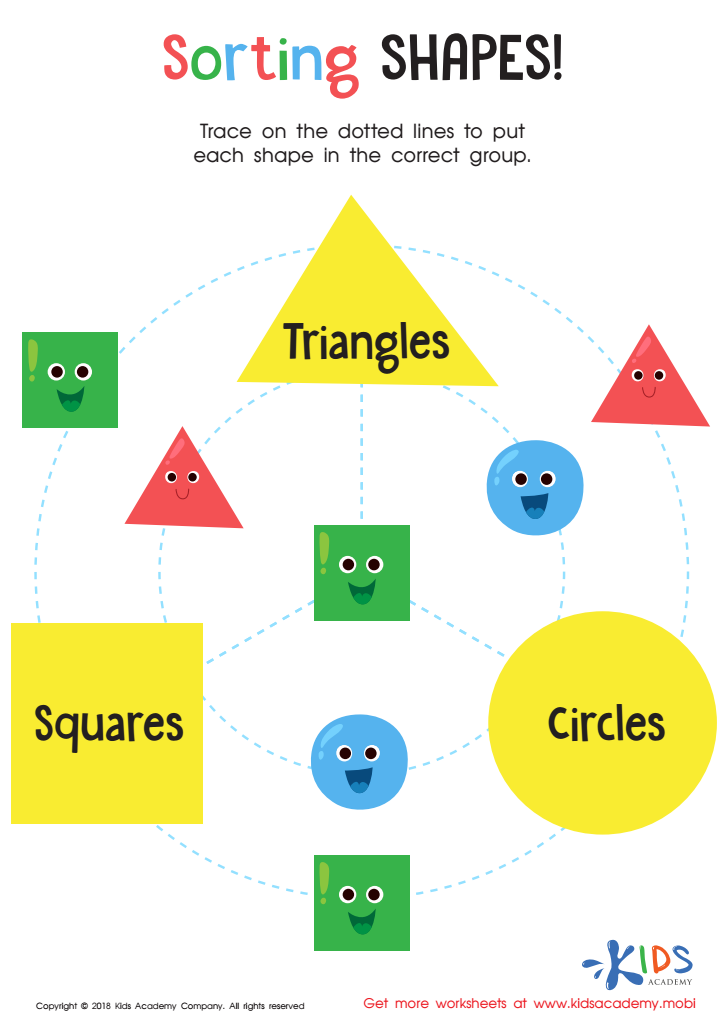
Sorting Shapes - Part 3 Worksheet
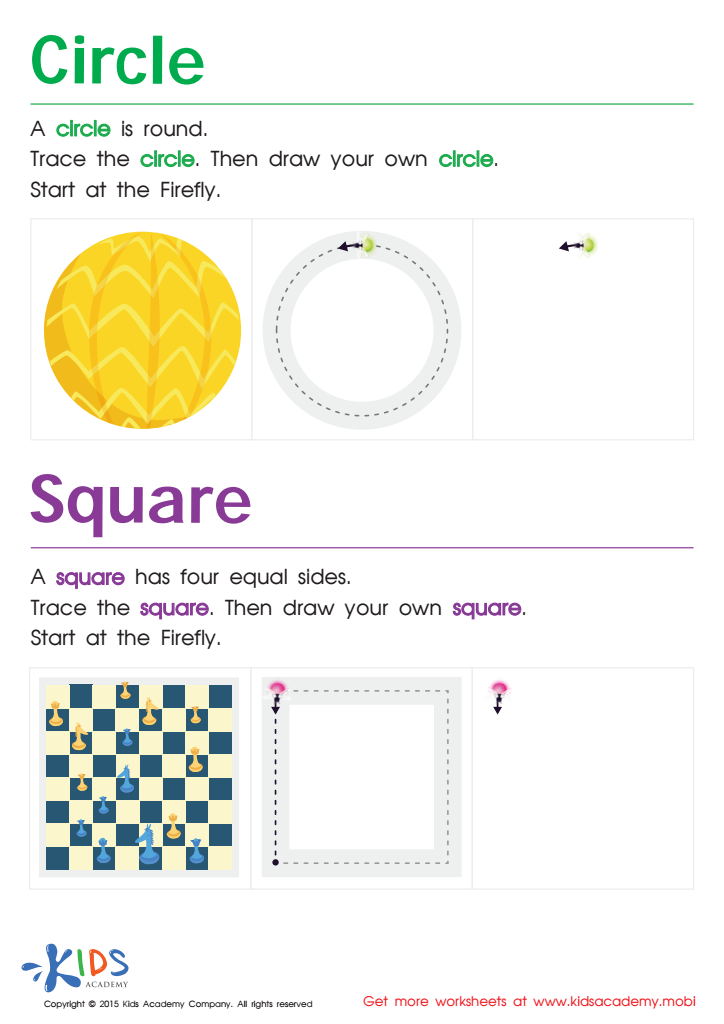
Trace And Draw a Circle And a Square Worksheet
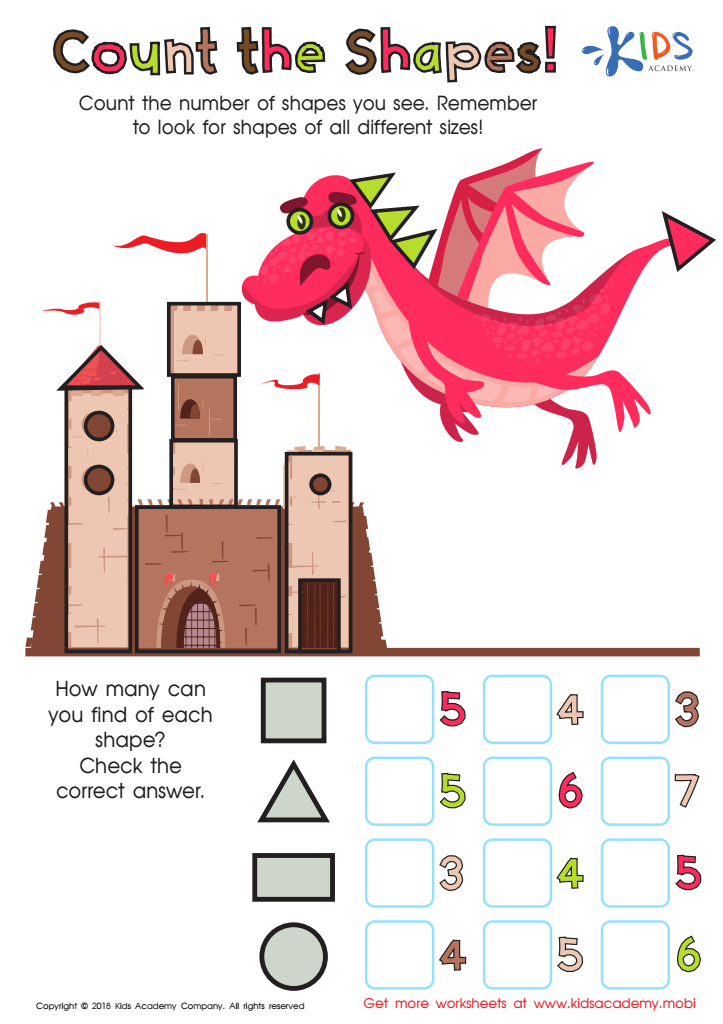
Count the Shapes Worksheet
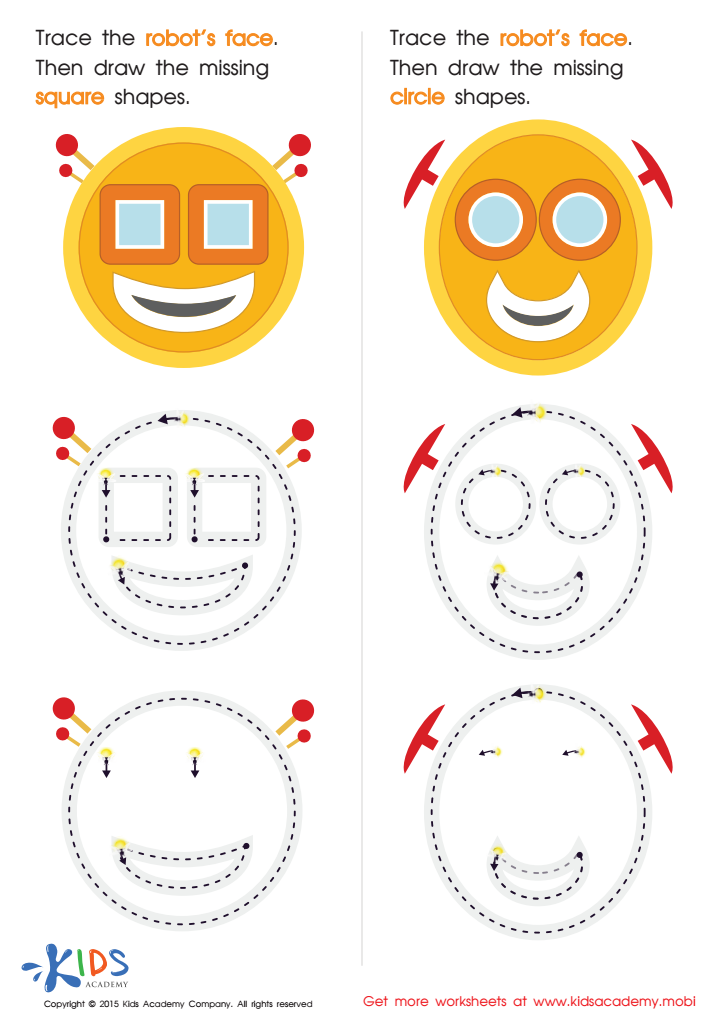
Practicing to Draw Circles And Squares Printable
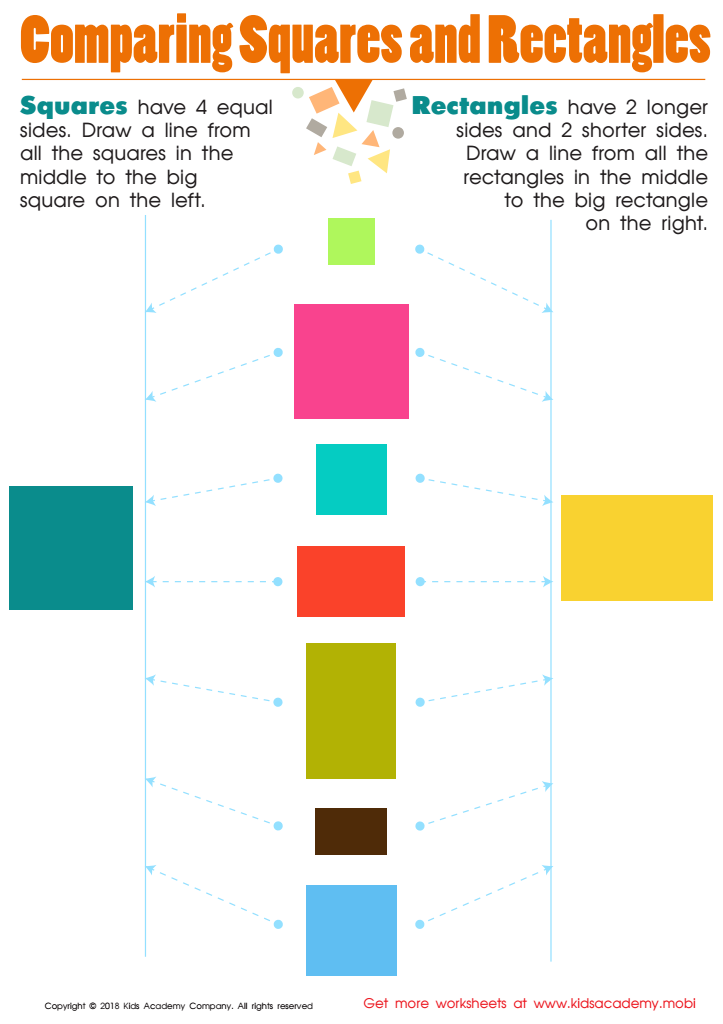
Comparing Squares Rectangles Worksheet
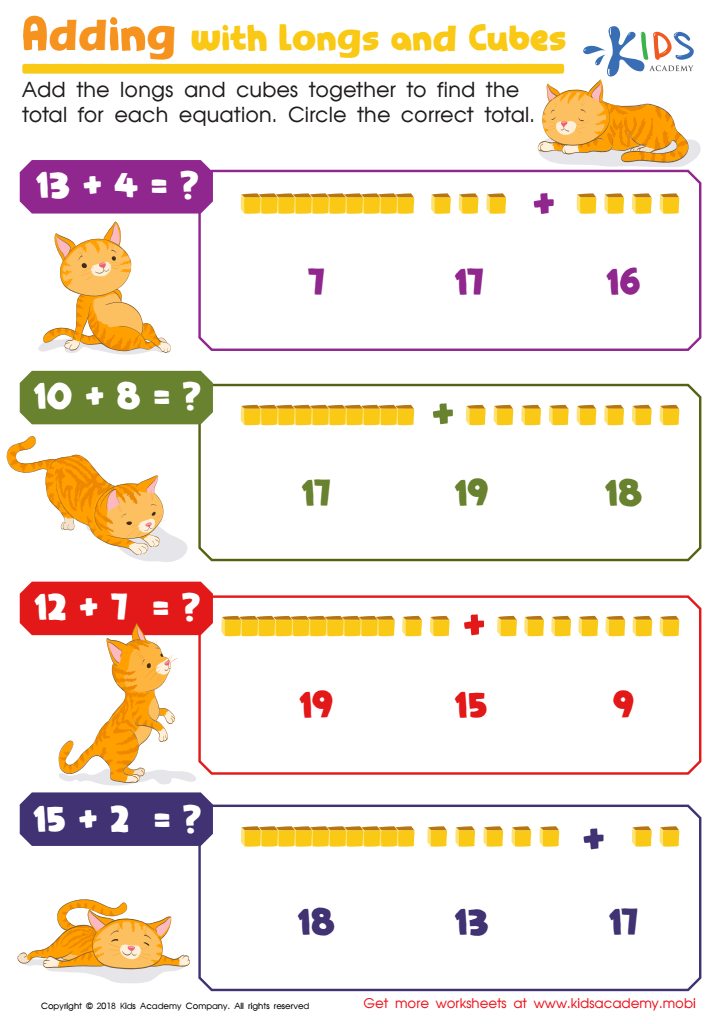
Adding With Longs and Cubes Worksheet
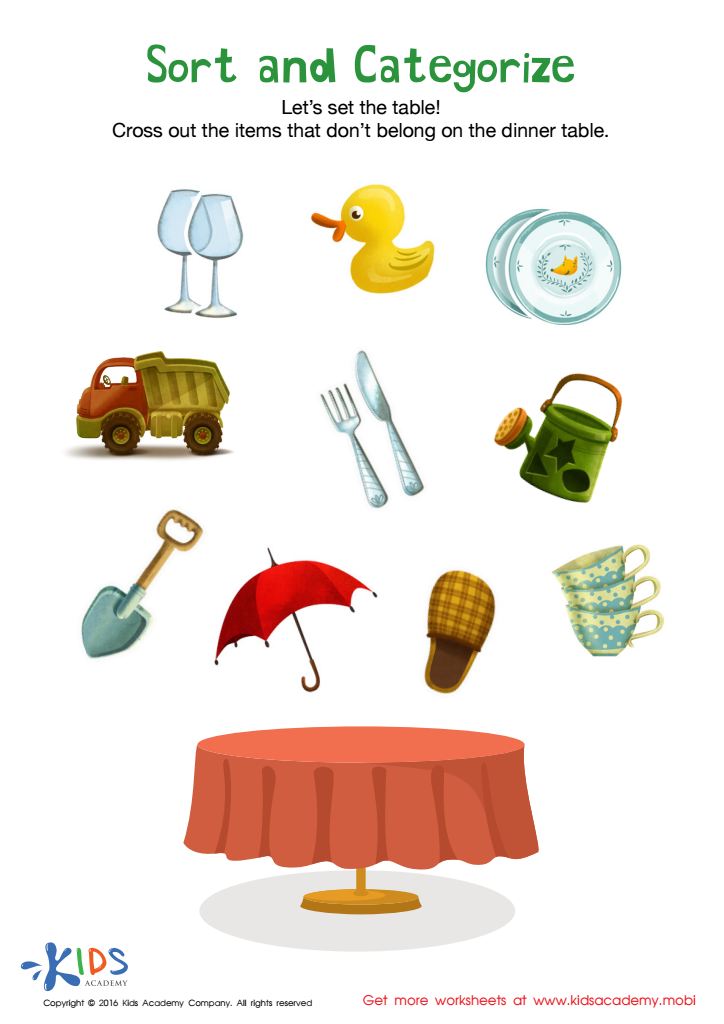
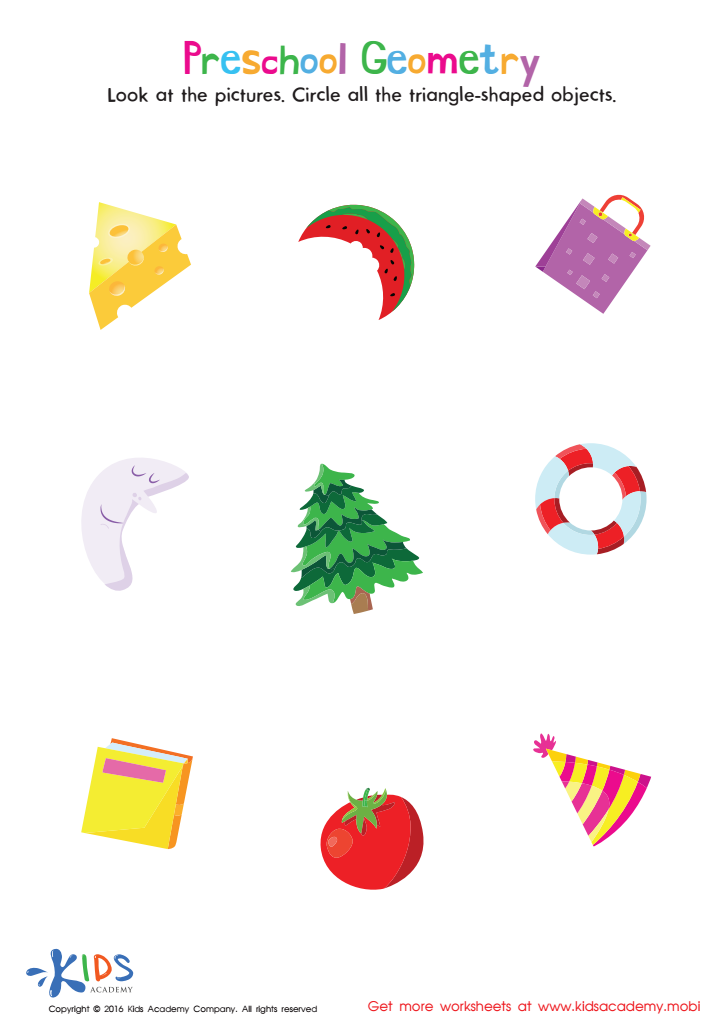
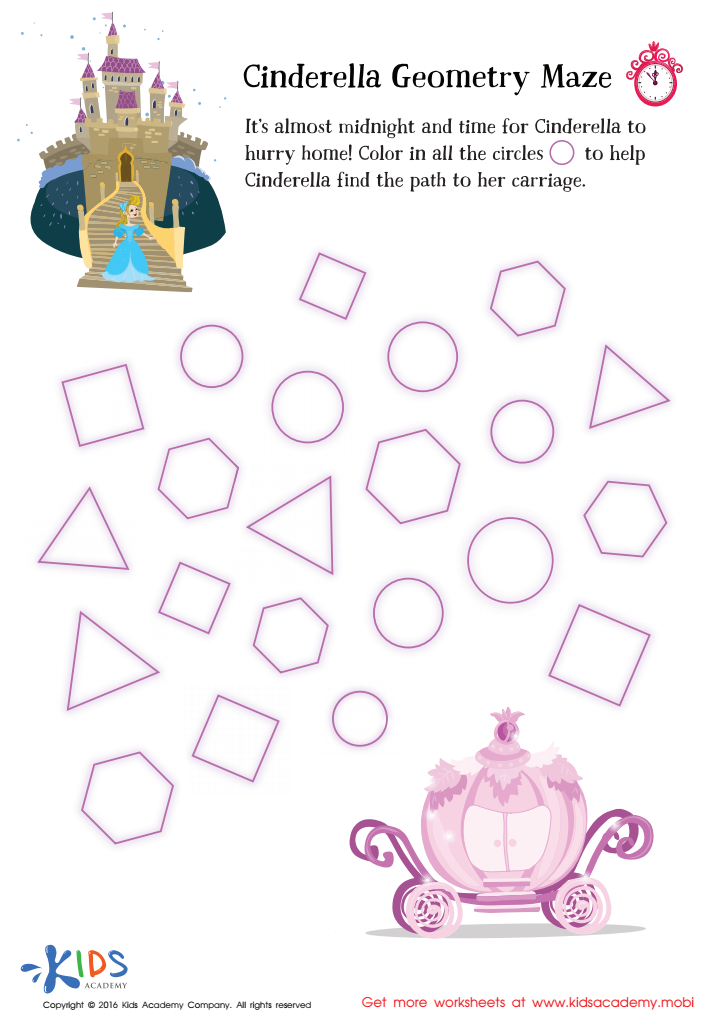
Cinderella Geometry Maze Worksheet
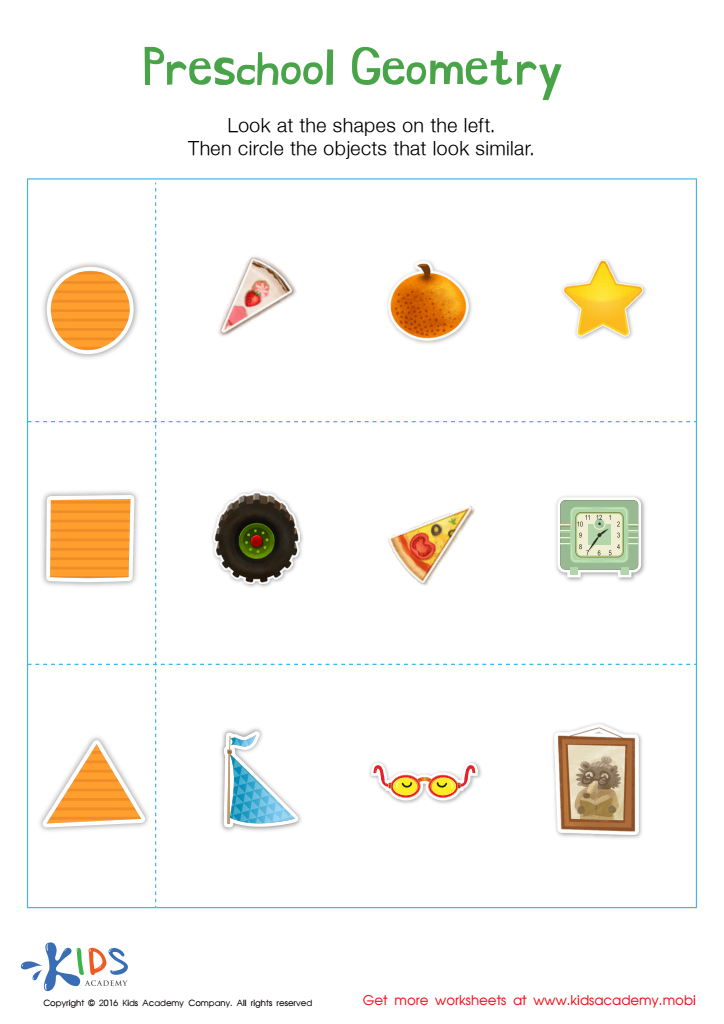
Preschool Geometry Match Up Worksheet
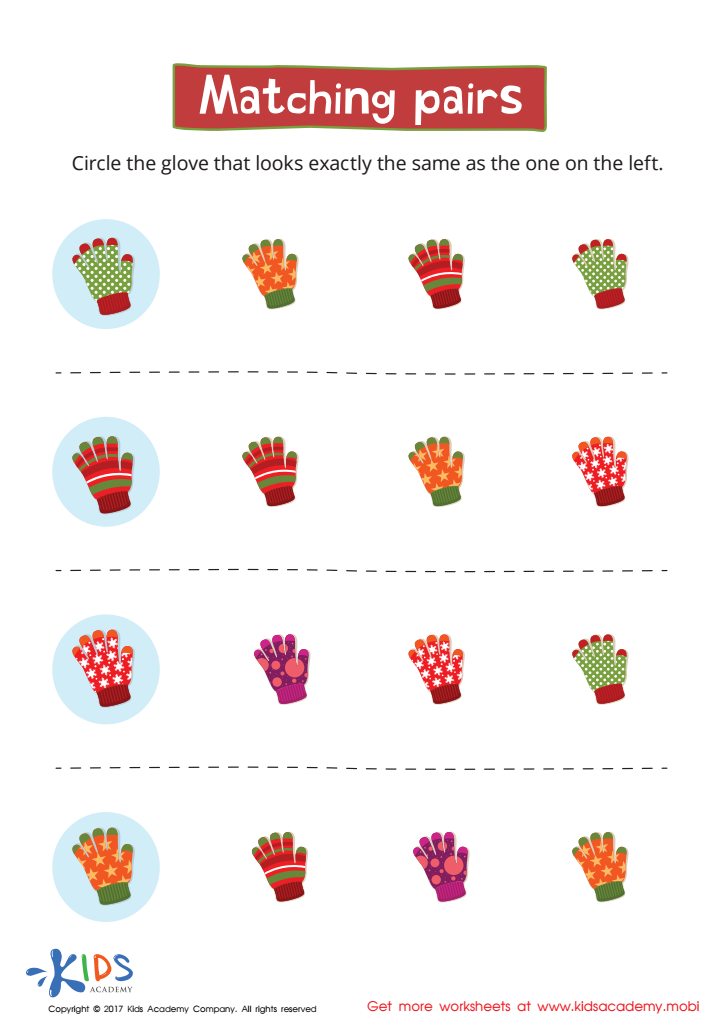
Matching: Matching Pairs Worksheet
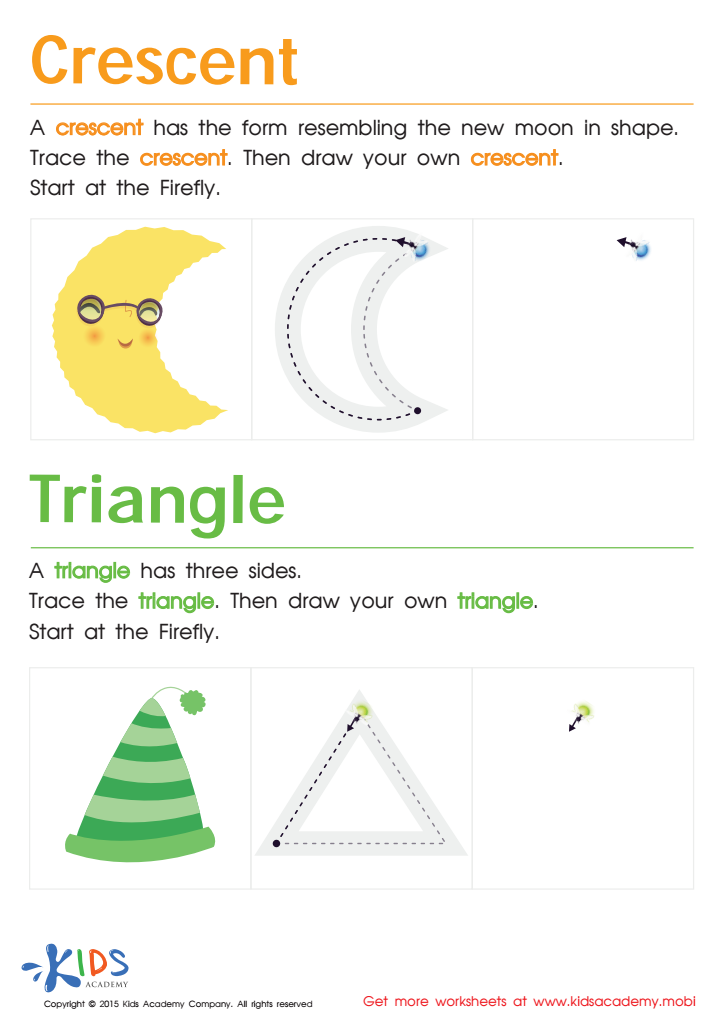
Learning to Draw Crescents And Triangles Worksheet
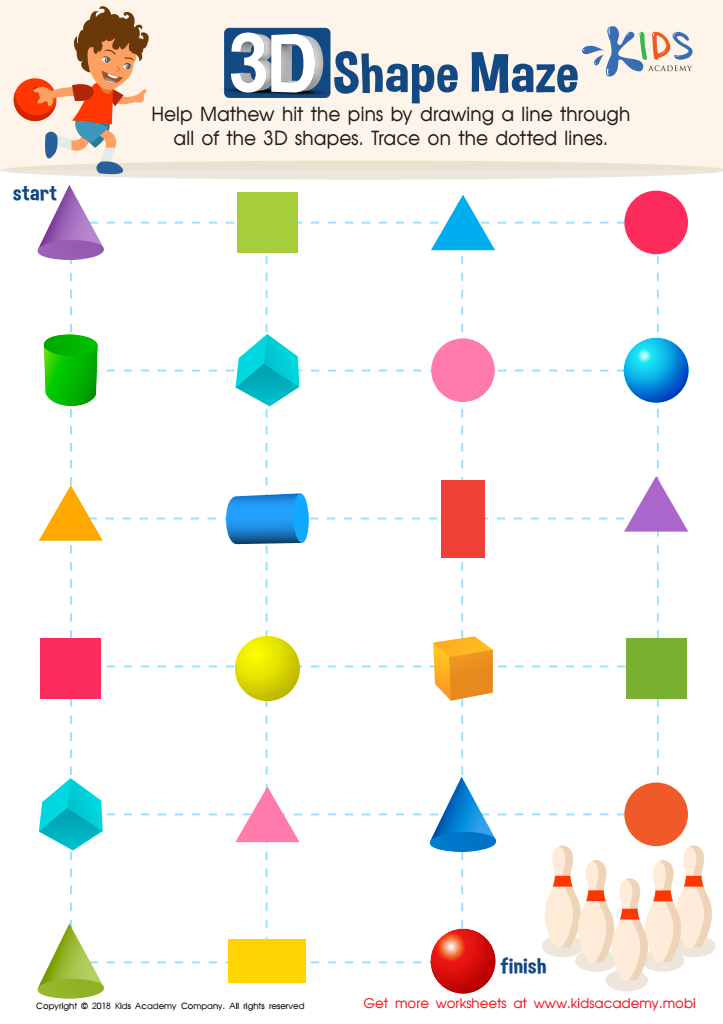
Shapes Maze Geometry Worksheet
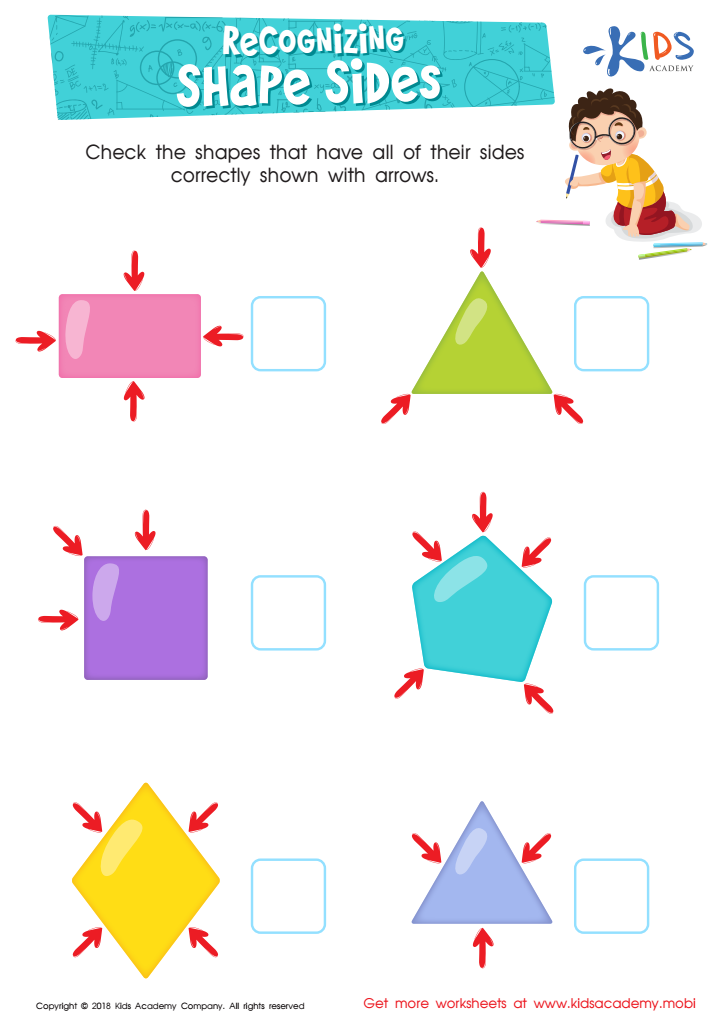
Recognizing Shape Sides Worksheet
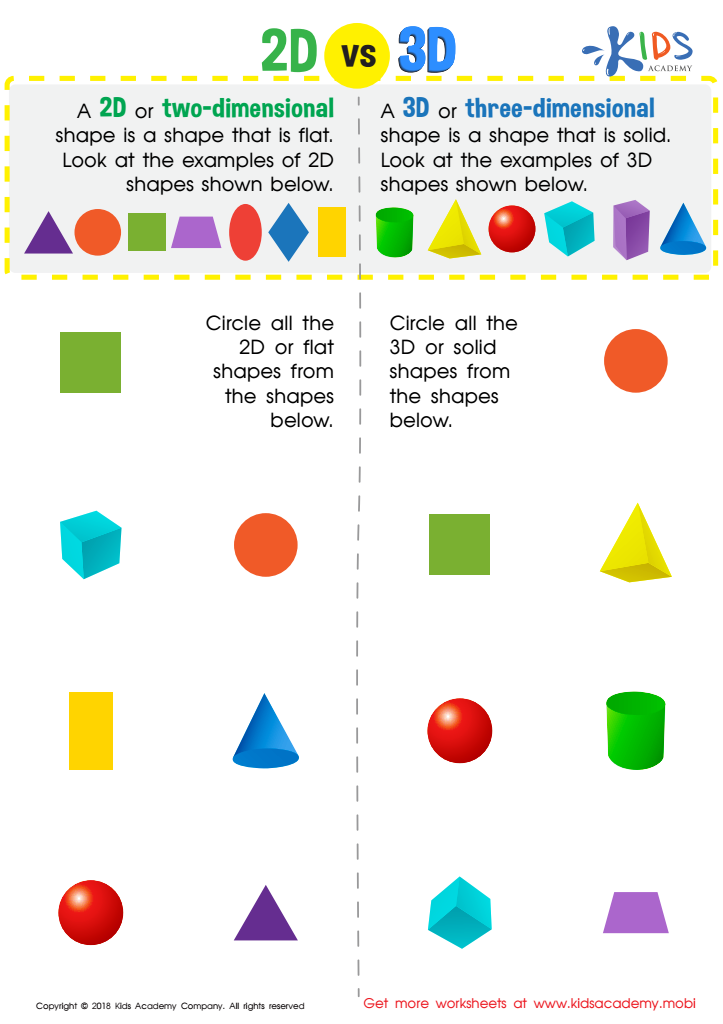
2D vs 3D Shapes Worksheet
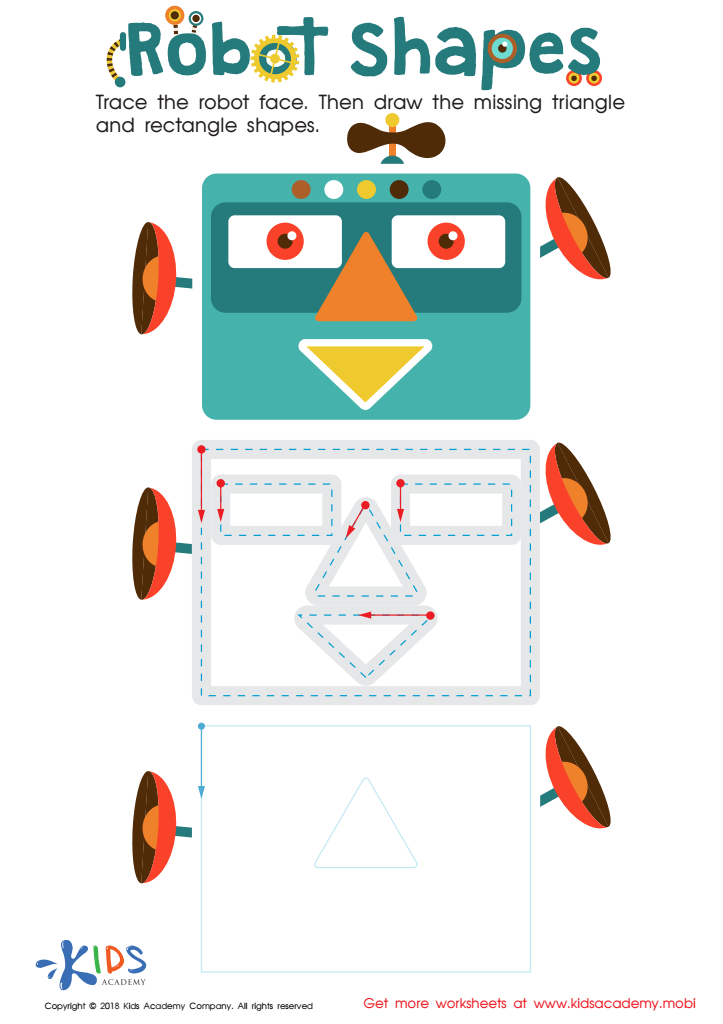
Robot Shapes Worksheet
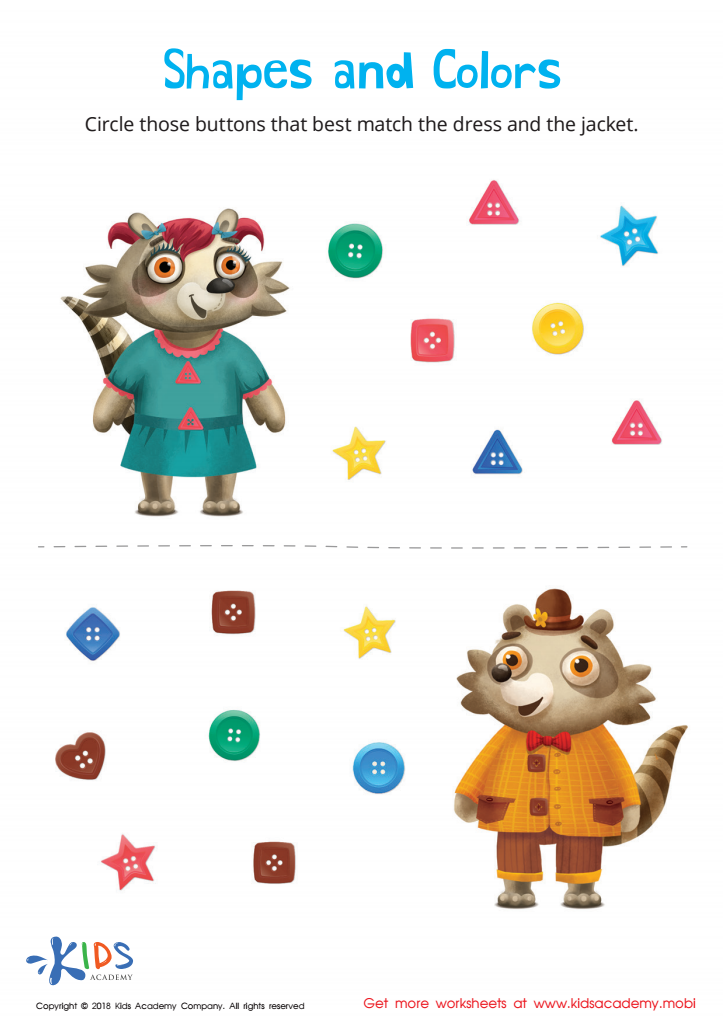
Shapes and Colors Worksheet
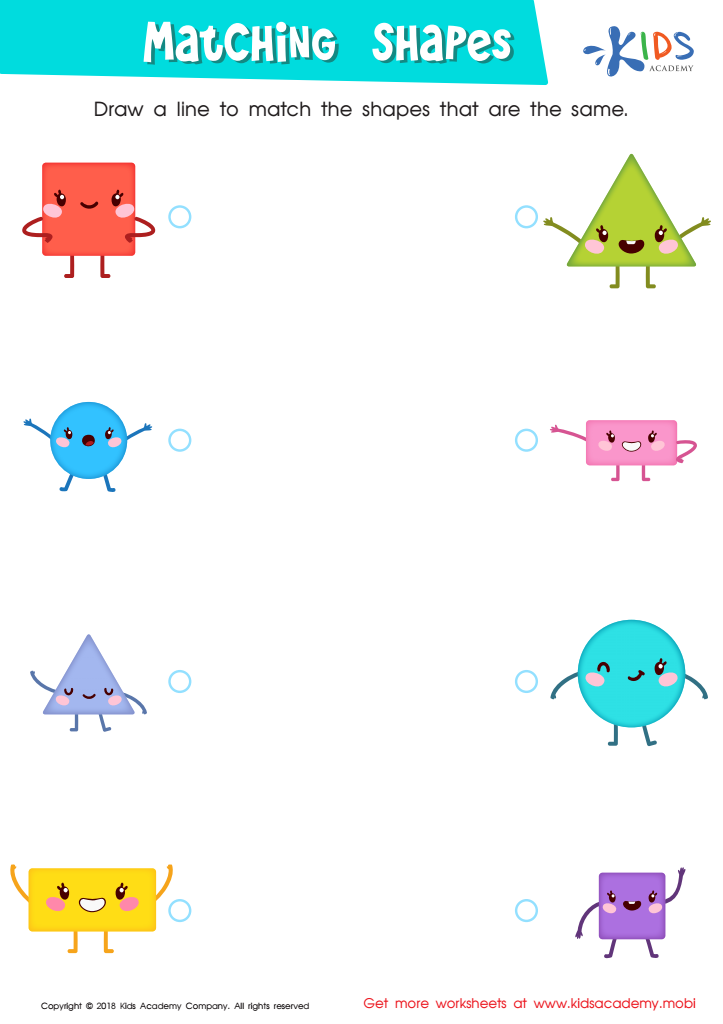
Matching Shapes Worksheet
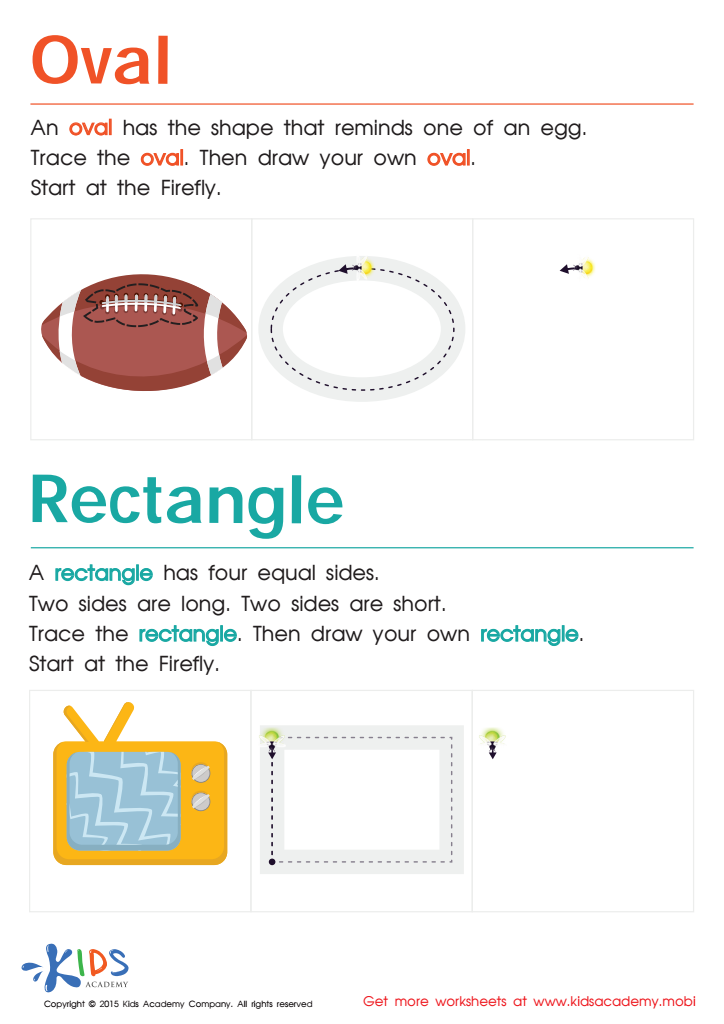
Easy Drawing of Ovals And Rectangles Worksheet
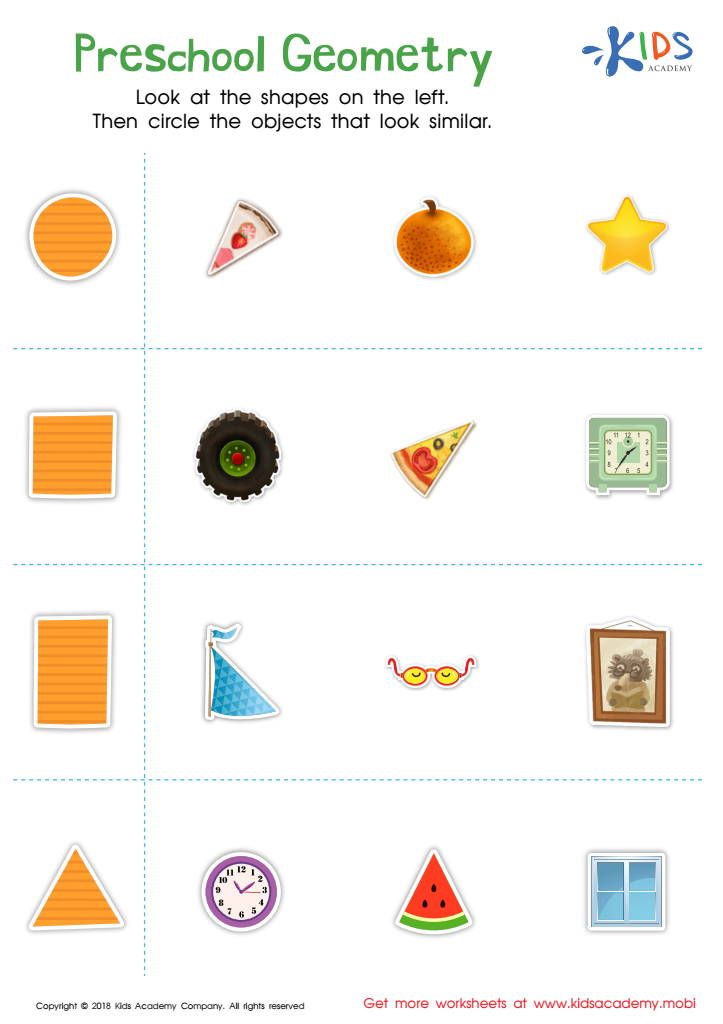
Preschool Geometry Worksheet







Shape recognition is a foundational mathematical skill that sets the stage for more advanced learning in later years. For children aged 3-6, understanding shapes is essentially learning to recognize patterns and classify objects based on their characteristics. Here’s why parents and teachers should care:
-
Cognitive Development: Shape recognition enhances a child's cognitive abilities. By identifying shapes, children practice patience, attention to detail, and the ability to differentiate between different objects.
-
Spatial Awareness: Recognizing shapes involves understanding the spatial properties of objects, which is critical in everyday problem-solving and advanced mathematical concepts like geometry.
-
Language and Communication: As children learn names and properties of shapes (e.g., sides, vertices), their vocabulary expands. This boosts their ability to communicate more effectively and describe the world around them.
-
Foundation for Mathematics: Mastering shapes is fundamental for grasping further math concepts such as counting, addition, subtraction, and even algebra. Shapes are often children's first encounter with classification and categorization.
-
Encouraging Curiosity: Introducing shapes in fun and engaging ways motivates children to explore math as an enjoyable subject. This early positive exposure can foster a lifelong interest in mathematics.
-
Everyday Life: Shapes are everywhere — from traffic signs to toys. Recognizing shapes helps kids navigate their environment safely and confidently.
Investing time in teaching shape recognition to young children provides them with a strong foundation for future learning across various disciplines.








