Normal Geometry Worksheets for Ages 3-8 - Page 2
75 filtered results
-
From - To
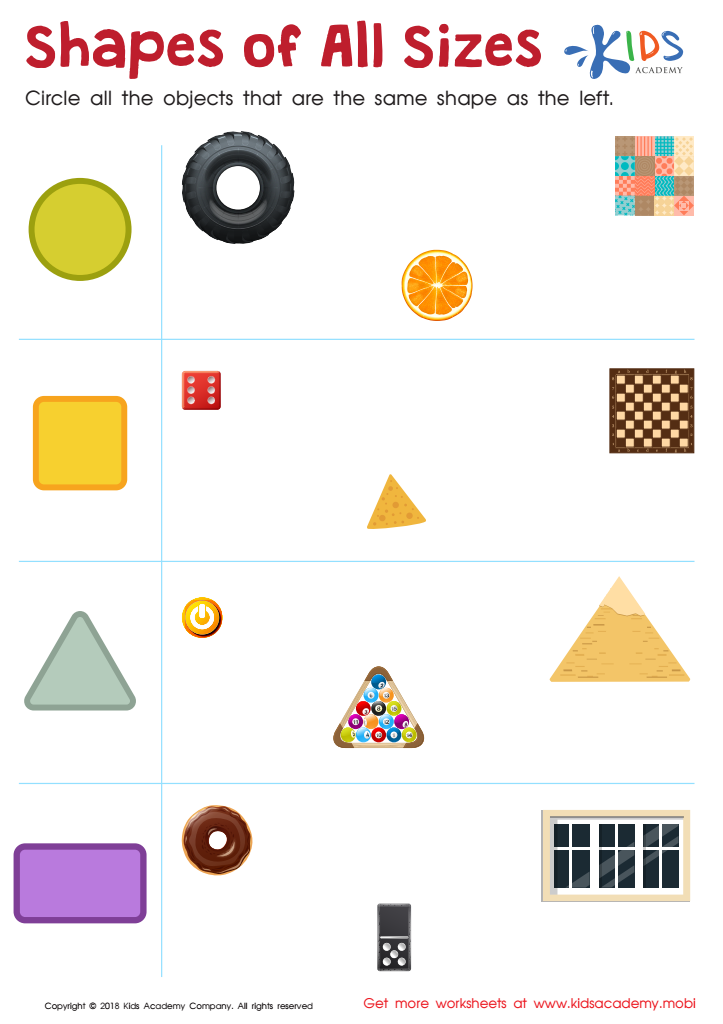
Shapes of All Sizes Worksheet
 Assign to My Students











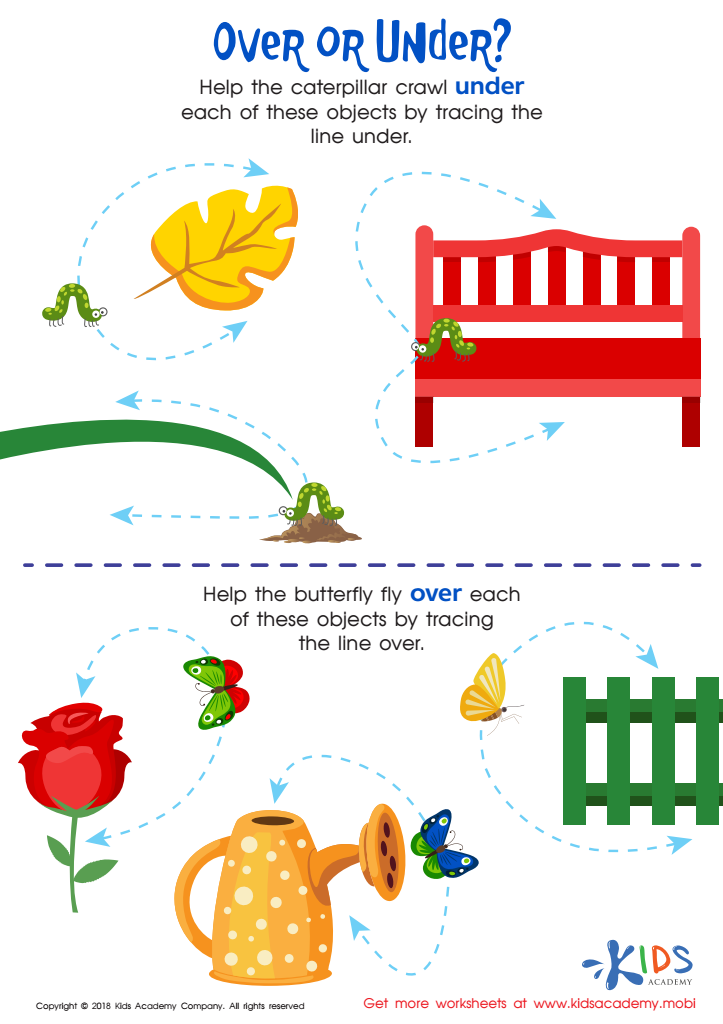
Over or Under? Worksheet
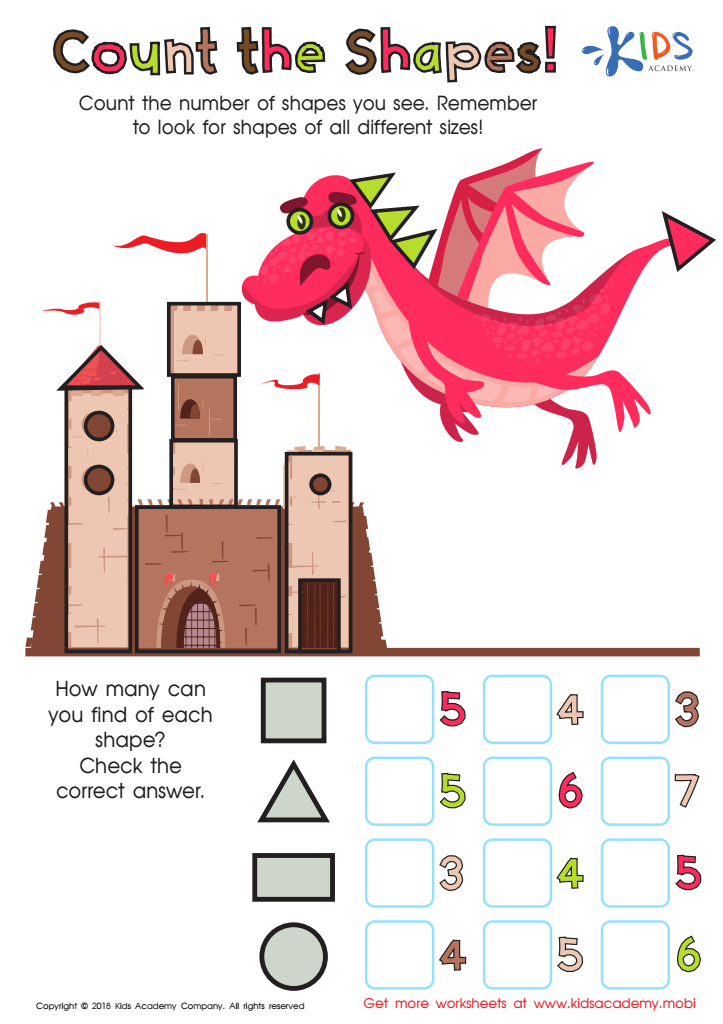
Count the Shapes Worksheet
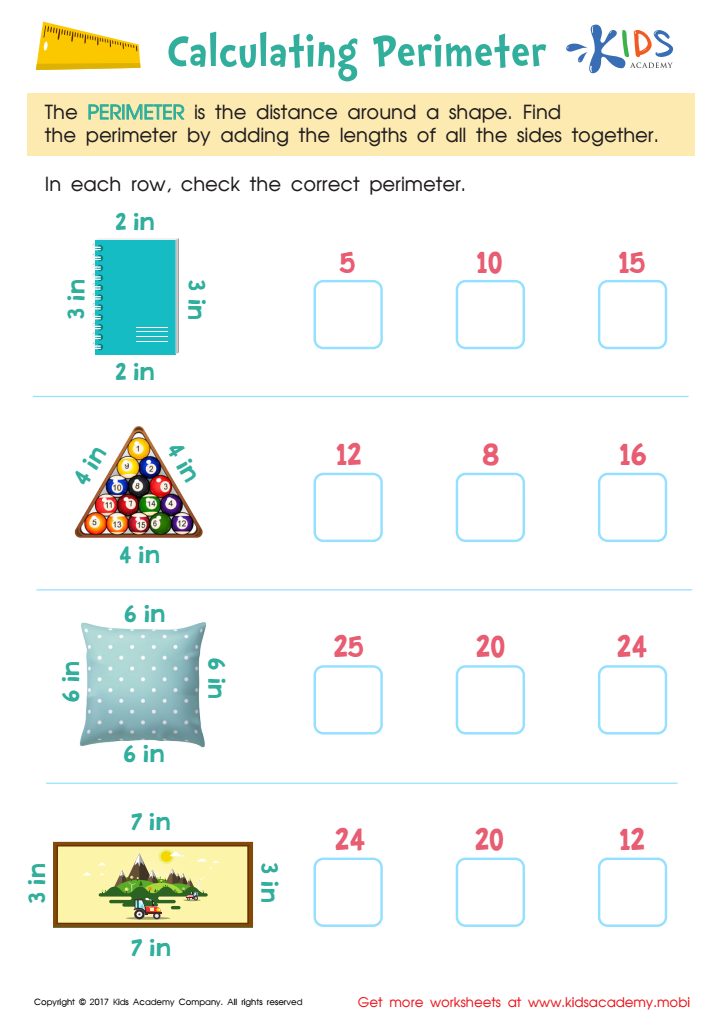
Calculating Perimeter Worksheet
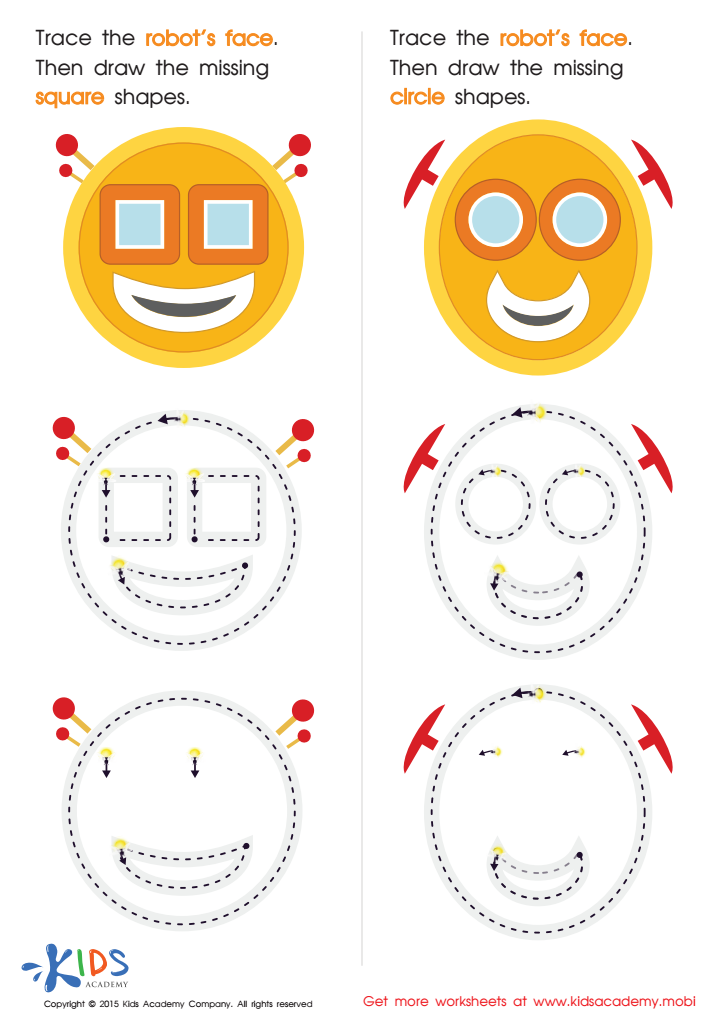
Practicing to Draw Circles And Squares Printable
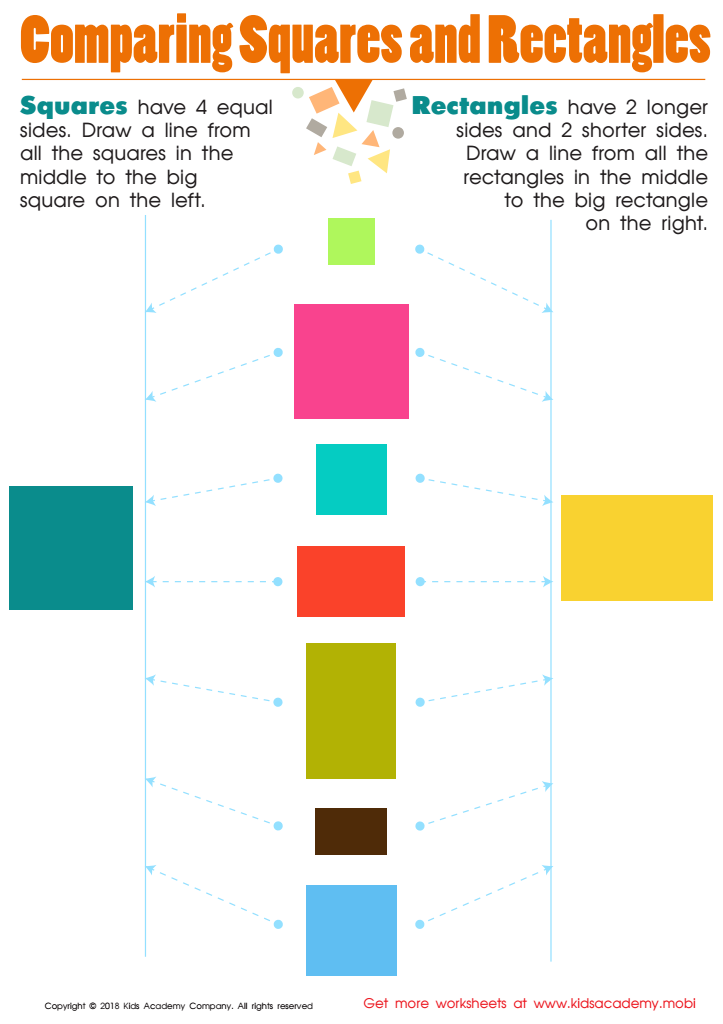
Comparing Squares Rectangles Worksheet
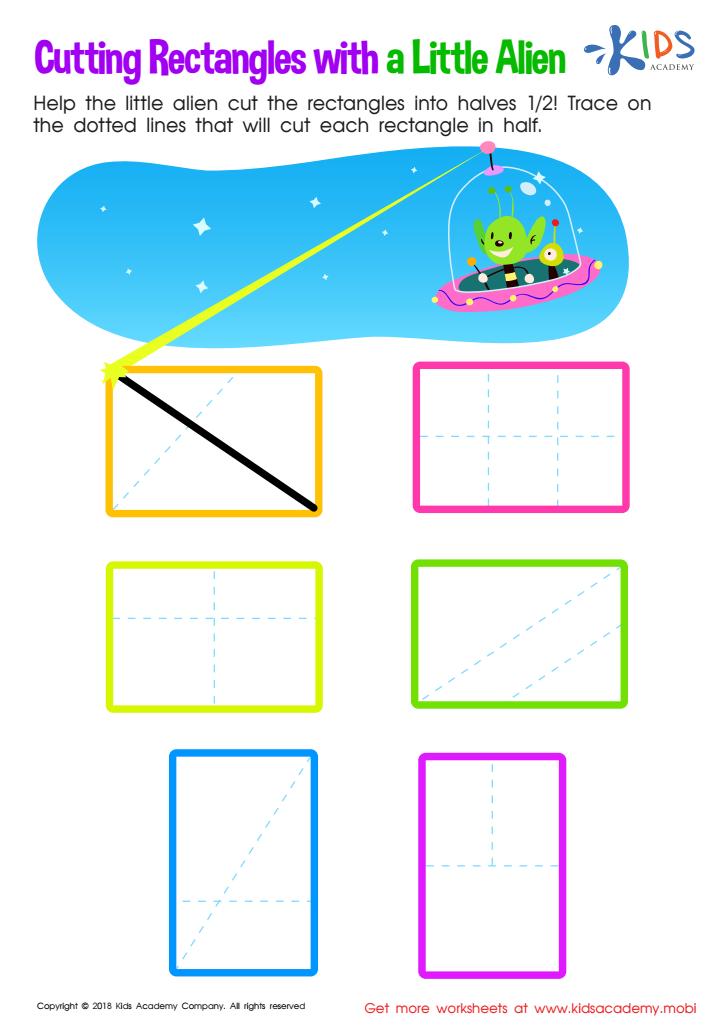
Cutting Rectangles with Alien Worksheet
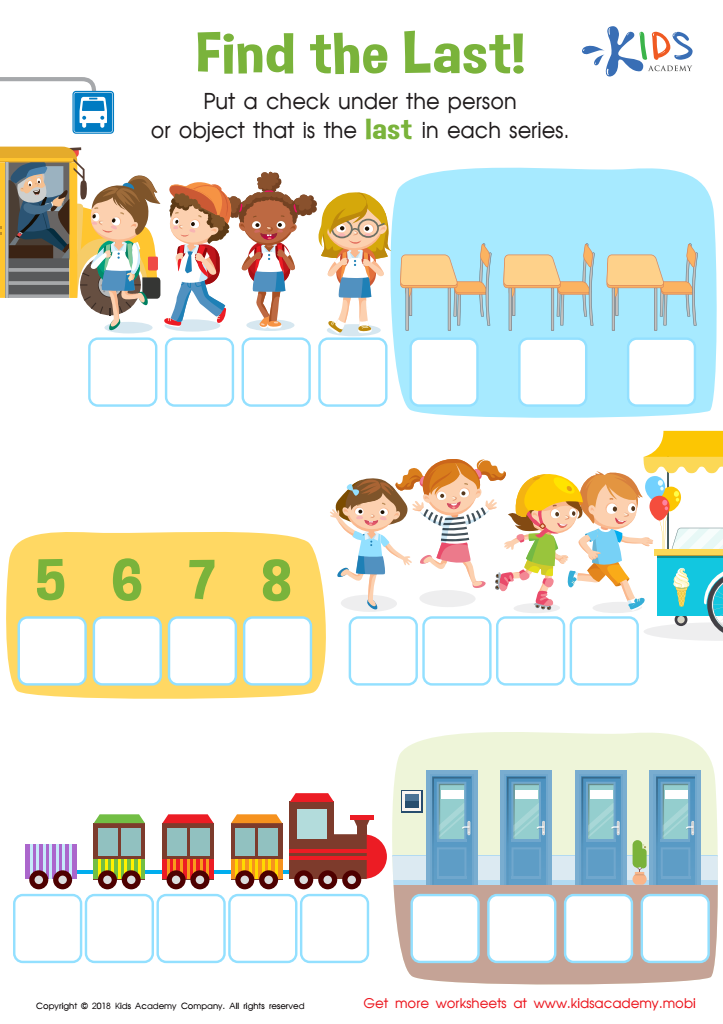
Find the Last! Worksheet
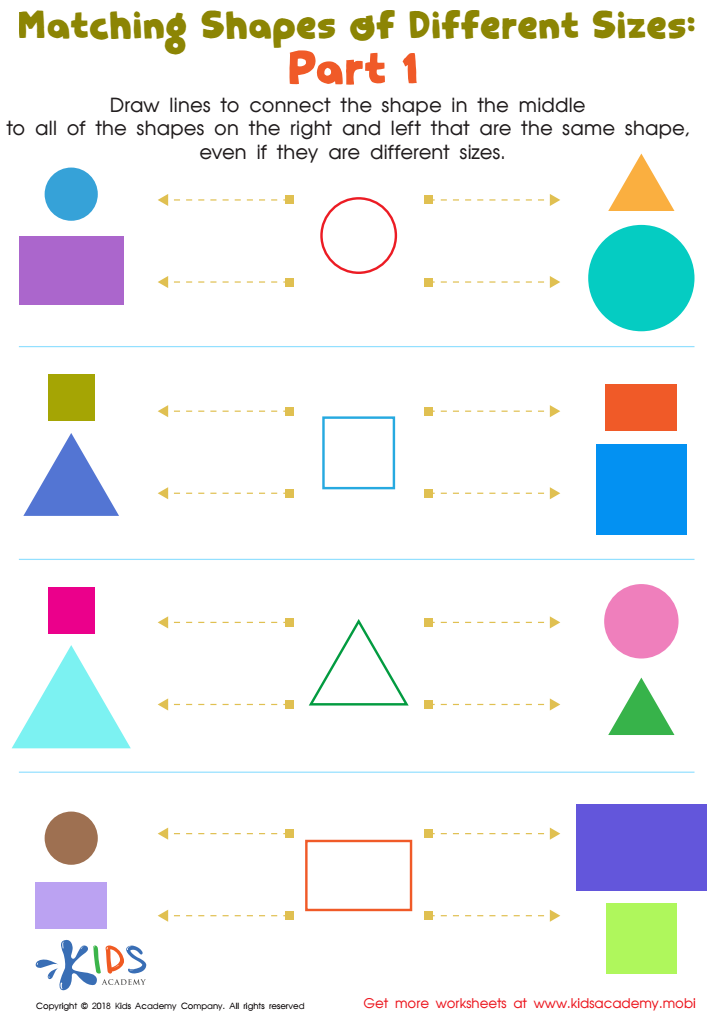
Geometry: part 1 Worksheet
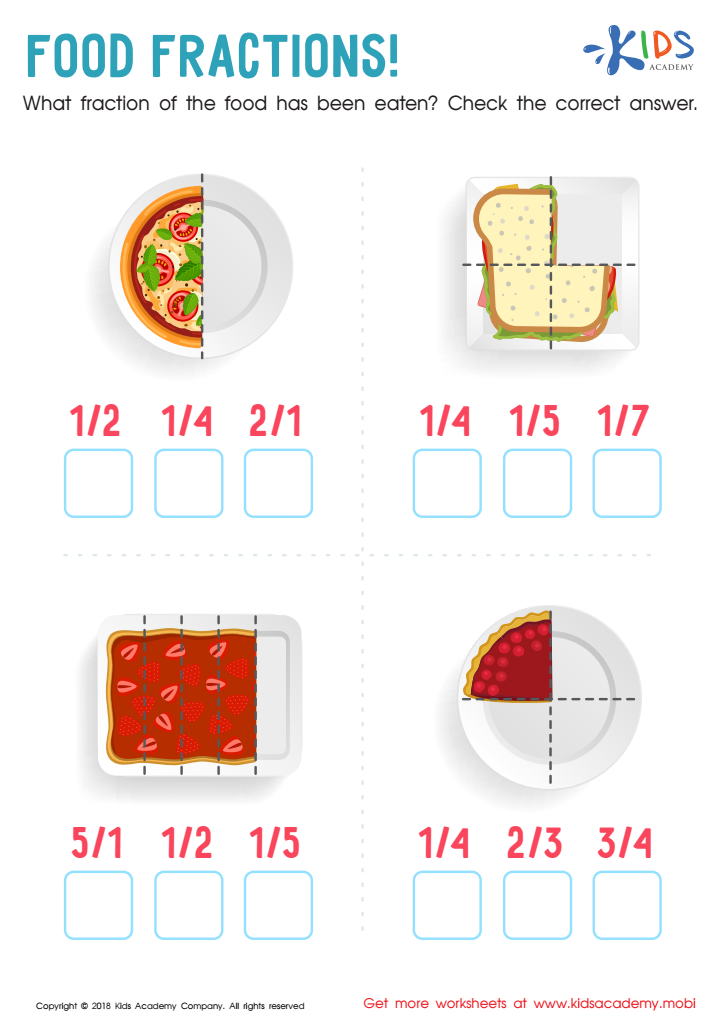
Food Fractions Worksheet
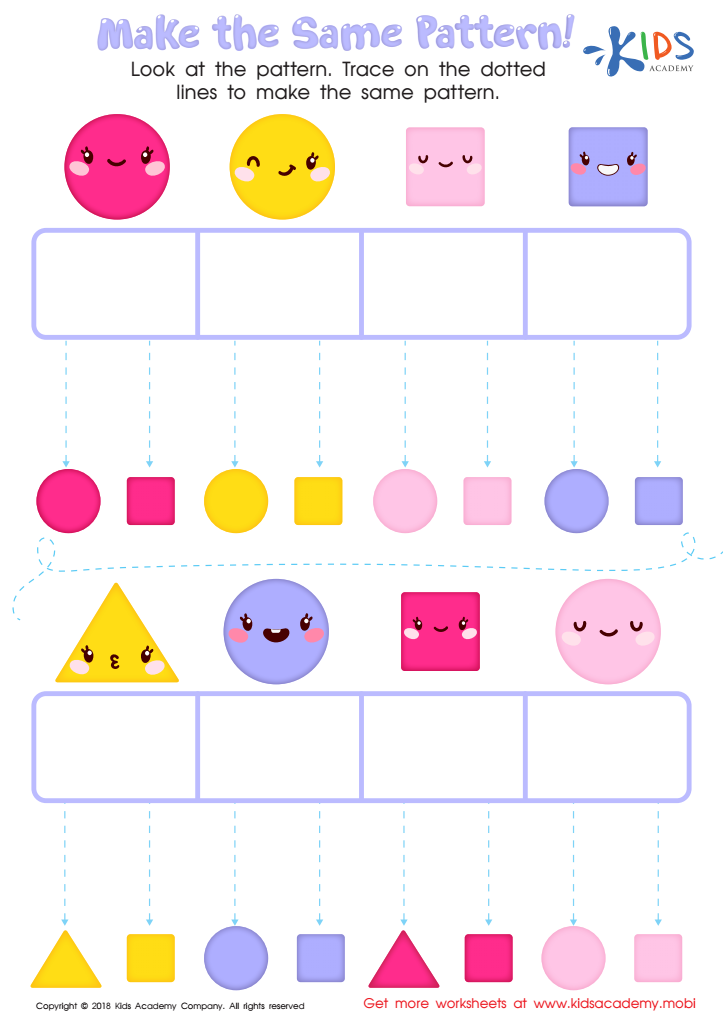
Make the Same Pattern Worksheet
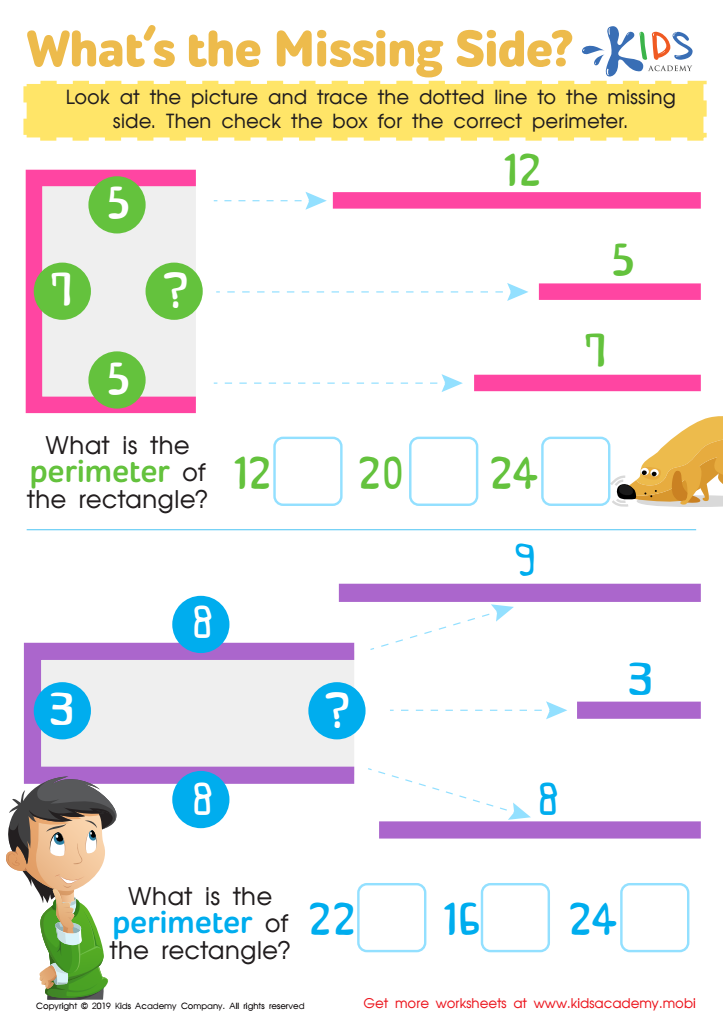
What's the Missing Side Worksheet
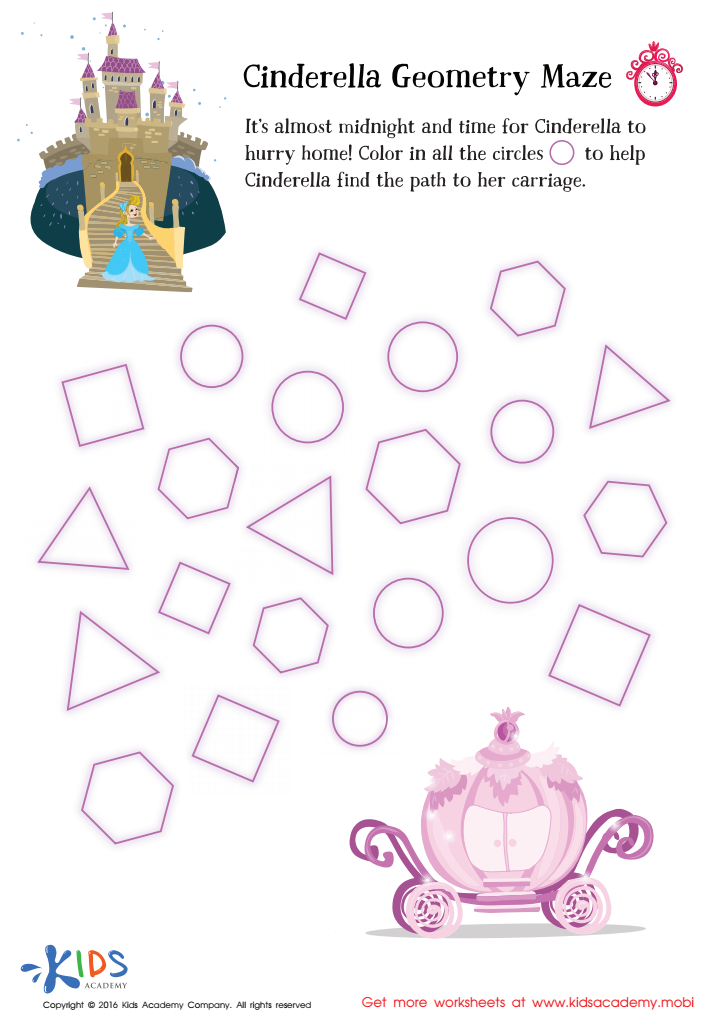
Cinderella Geometry Maze Worksheet
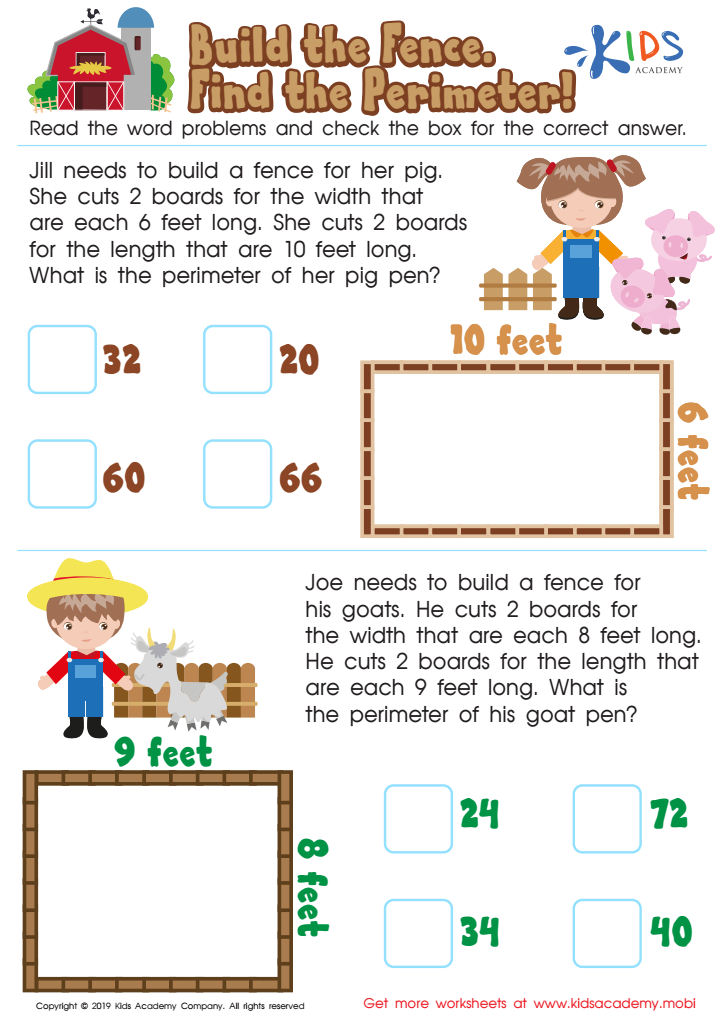
Build the Fence, Find the Perimeter Worksheet
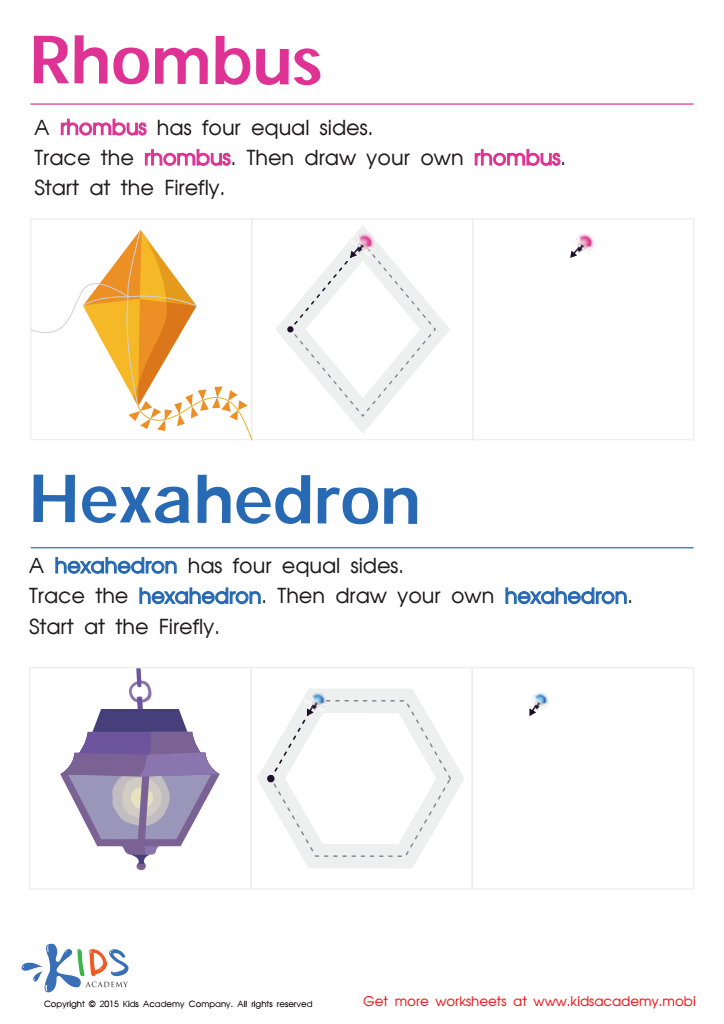
Draw a Rhombus And a Hexahedron Printable
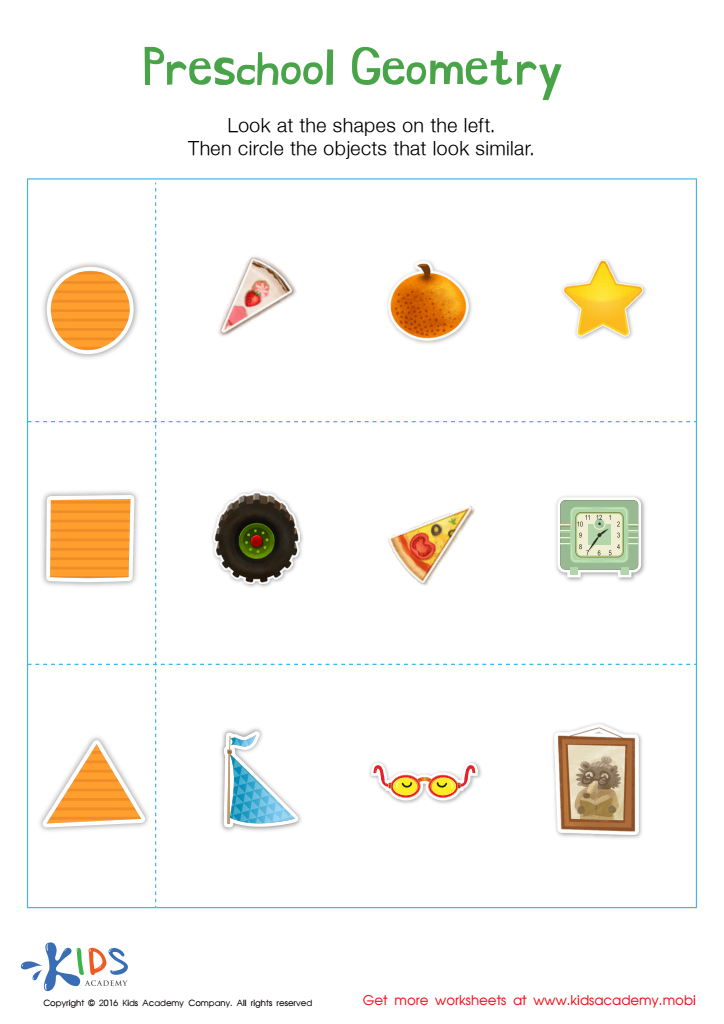
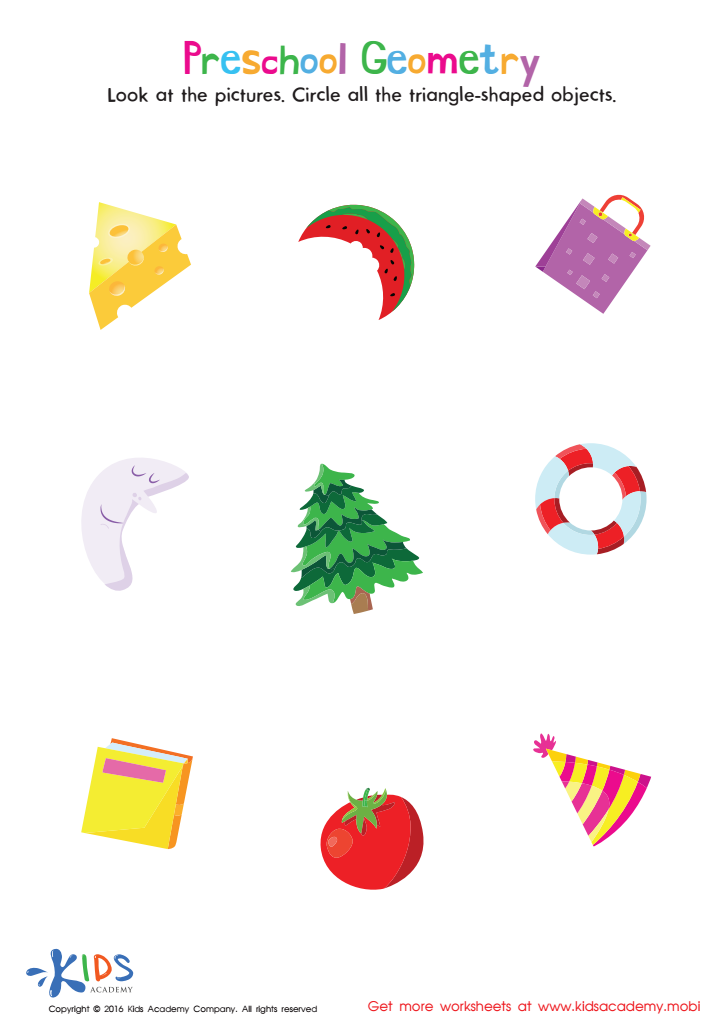
Preschool Geometry Match Up Worksheet
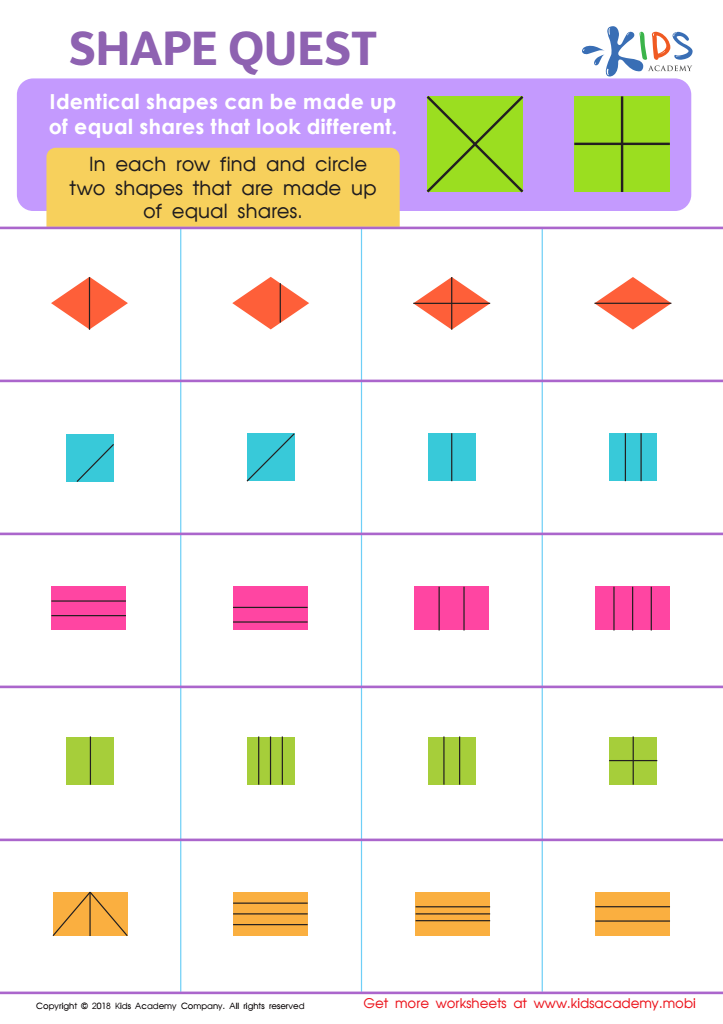
Shape Quest Worksheet
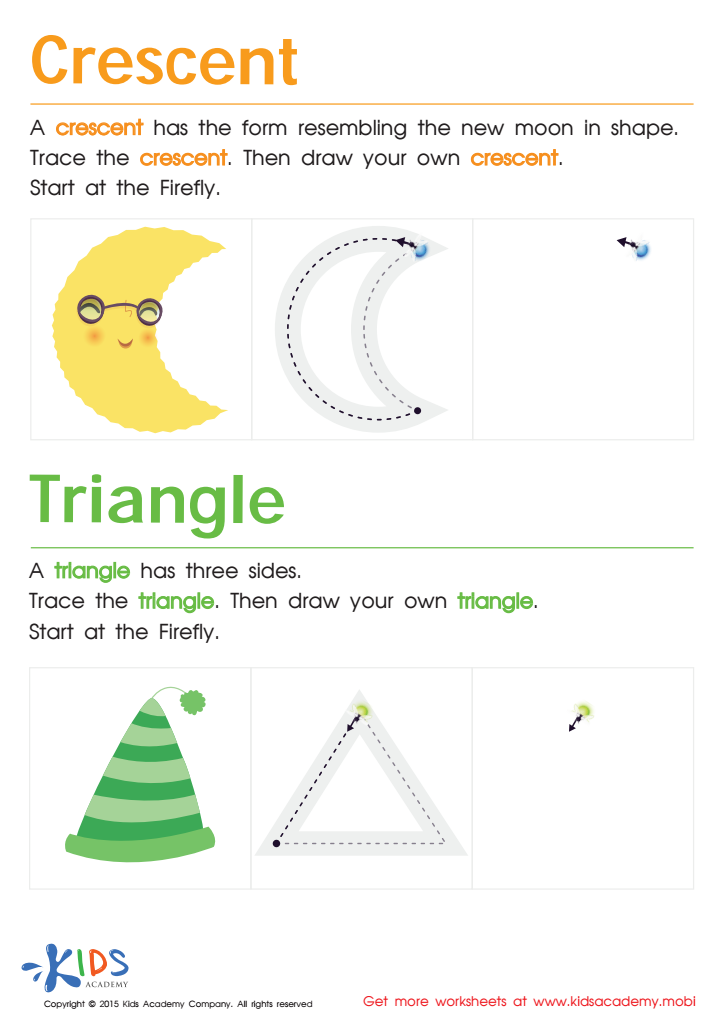
Learning to Draw Crescents And Triangles Worksheet
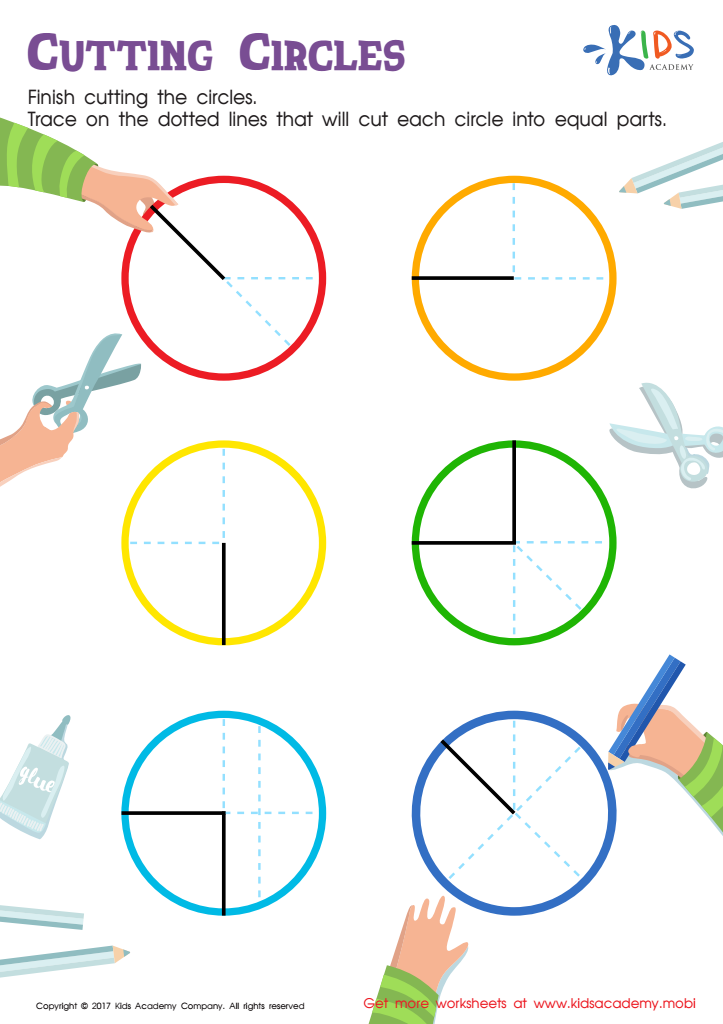
Cutting Circles Worksheet
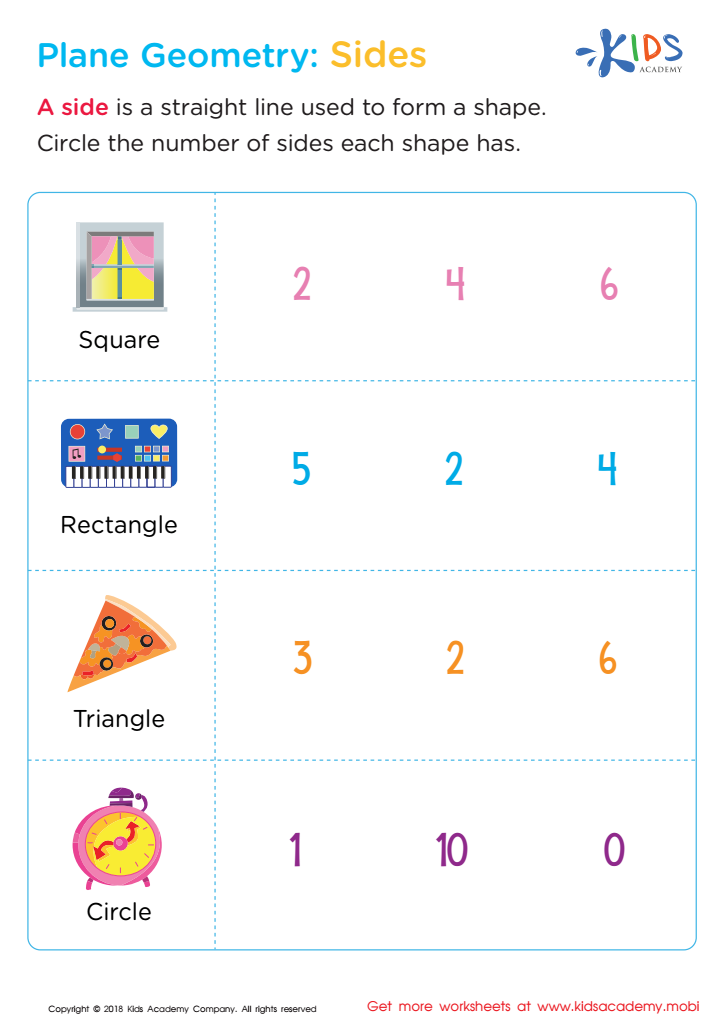
Plane Geometry: Sides Worksheet
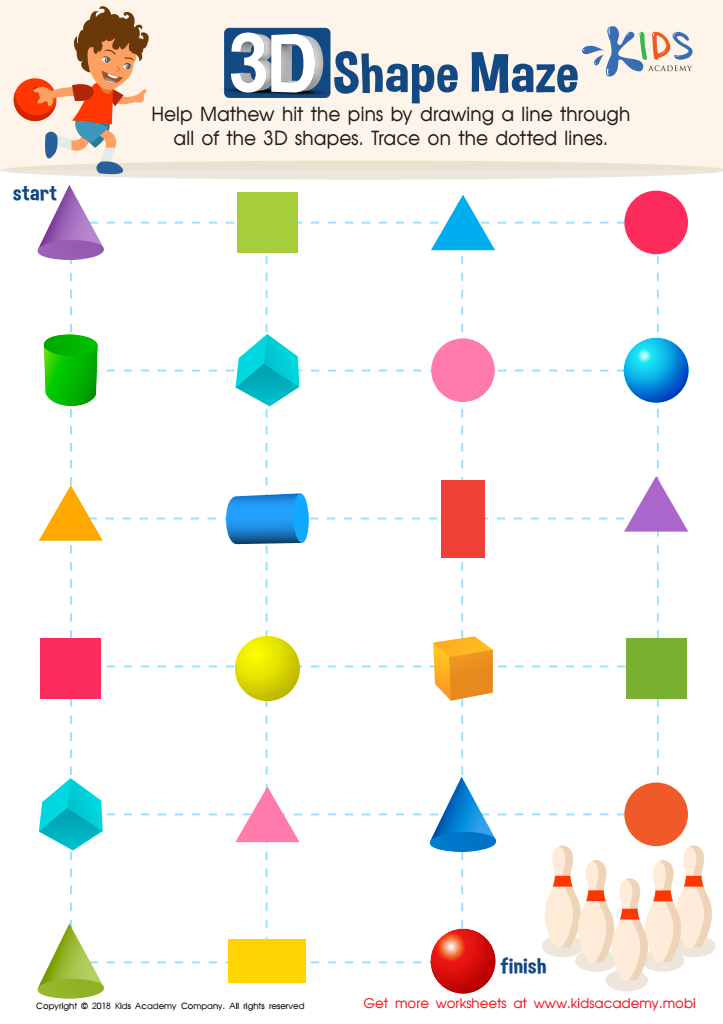
Shapes Maze Geometry Worksheet
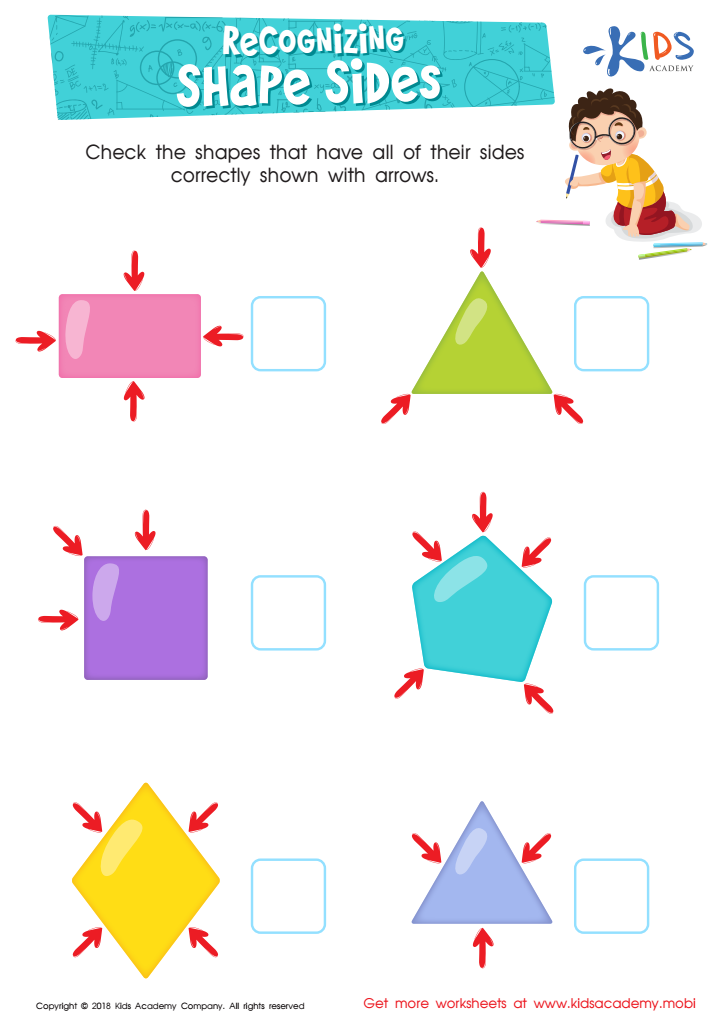
Recognizing Shape Sides Worksheet
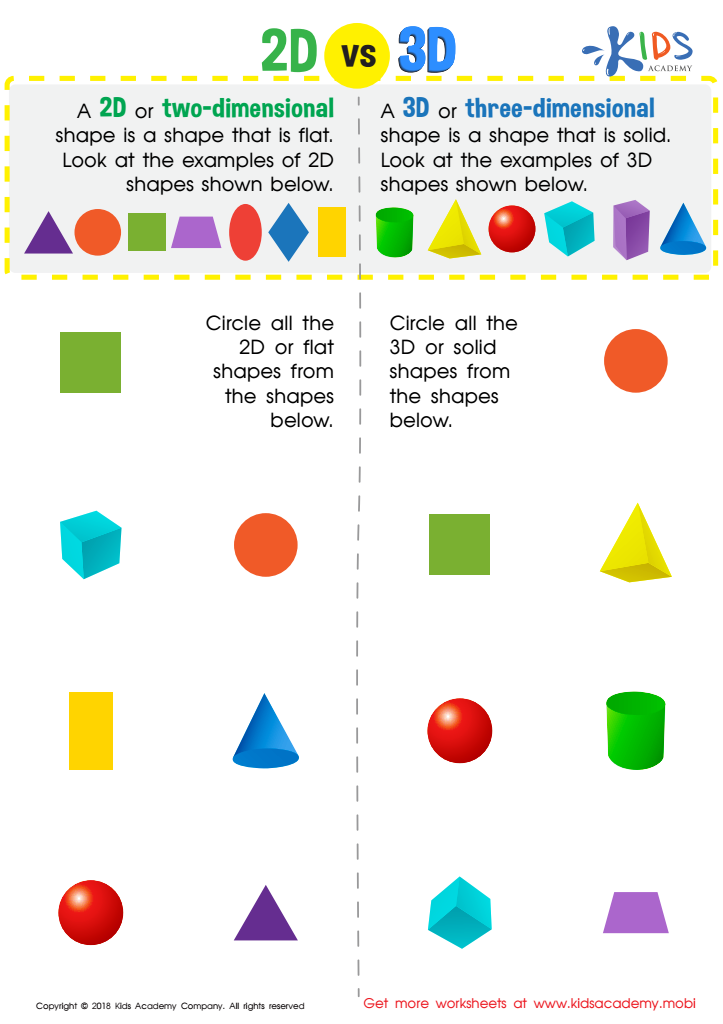
2D vs 3D Shapes Worksheet








Normal Geometry for ages 3-8 is crucial for early childhood education as it lays the foundation for critical thinking and analytical skills. During these formative years, children naturally explore shapes, spaces, and patterns, making it an ideal time to introduce basic geometric concepts. Understanding geometry enhances their visual-spatial skills, which are essential not only in mathematics but also in subjects like science and art.
Parents and teachers should care because early exposure to geometry encourages cognitive development, promotes problem-solving abilities, and helps children grasp complex ideas later in life. Geometry teaches kids to categorize objects, understand symmetry and proportion, and recognize spatial relationships – skills vital for everyday life. Moreover, it promotes language development as children learn to describe shapes, sizes, and positions.
Incorporating hands-on activities, such as building with blocks or drawing shapes, can make learning engaging and fun. This active participation fosters a love for learning and curiosity about the world around them. Instilling a strong foundation in geometry during this age promotes lifelong learning and paves the way for advanced mathematical concepts in the future. Ultimately, caring about Normal Geometry equips children with essential skills for success in academia and beyond.








